Hours at an average pace
Showing 100 books
About 731 hours for 100 of 100 books with measured lengths. Estimates use 250 words a minute, adjusted for each book's difficulty. At 2 hours a day, about 366 days for those books.
No. 1 on this list. On the Nature of Things
Lucretius · c. 55 BCE
Moderate5.5 hours
Included in: Great Books of the Western World
De Rerum Natura is one of the most significant surviving texts from antiquity, taught in classics, philosophy, and history of science programs at universities worldwide. It represents the fullest extant exposition of Epicurean atomism in any language and appears on virtually every list of essential classical works. Its rediscovery by Poggio Bracciolini in 1417 is credited with catalyzing Renaissance intellectual culture.
No. 2 on this list. War and Peace
Leo Tolstoy · 1869
Moderate39 hours
Taught in schools: Russian FGOS literature standard, Turkish edebiyat curriculum (Turkey)
Included in: Bibliothèque de la Pléiade, Bokklubben World Library, Great Books of the Western World
War and Peace appears on 120 university syllabi (Open Syllabus) and has Wikipedia articles in 80 languages, placing it among the most globally recognized novels ever written. It features on the BBC Big Read Top 100, the 1001 Books You Must Read Before You Die list, and the Open Syllabus Top 500 Literature canon, with a prestige NYRB Classics edition. The book is referenced universally as the archetype of the sweeping Russian novel.
No. 3 on this list. The Love Song of J. Alfred Prufrock
T. S. Eliot · 1915
Challenging14 min
Taught in schools: Common Core text exemplars (Appendix B) (US)
One of the most taught poems in English, standard in introductory poetry courses, modernism surveys and the major anthologies. First printed in Poetry magazine in 1915 at Ezra Pound's urging, it is usually treated as the start of modernist verse in English.
No. 4 on this list. Ficciones
Jorge Luis Borges · 1944
Challenging3.2 hours
Taught in schools: Literatura, Diseño Curricular – Provincia de Buenos Aires (Argentina)
Included in: Bokklubben World Library
Listed in Le Monde's 100 Books of the Century (1999) and featured on the Open Syllabus Top 500 Literature list. Published by both NYRB Classics and Penguin Modern Classics, the two most prestigious reprint houses in English. Wikipedia article exists in 22 languages with a dedicated Reception section. The data shows 0 syllabus appearances which understates actual penetration — Ficciones is embedded in world literature and comparative literature curricula globally.
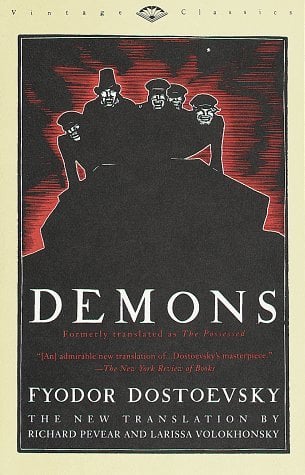
No. 5 on this list. Demons
Fyodor Dostoevsky · 1872
Challenging22 hours
Included in: Bokklubben World Library
A revolutionary cell takes hold of a provincial Russian town, manipulating liberal reformers and committing murder in the name of progress. Based partly on the Nechaev affair—a real case where a revolutionary leader murdered a skeptical member of his group—Dostoevsky creates a portrait of ideological possession that proved prophetic. Nikolai Stavrogin, beautiful and morally empty, inspires devotion he cannot reciprocate. Pyotr Verkhovensky, cunning and nihilistic, orchestrates chaos he believes will bring utopia. Around them swirl liberals, revolutionaries, idealists, and cynics whose ideas have disconnected from reality. The novel is Dostoevsky's darkest political vision: a society where borrowed Western ideas have corrupted Russian souls, where the best lack all conviction and the worst are full of passionate intensity. Also published as The Possessed or The Devils.
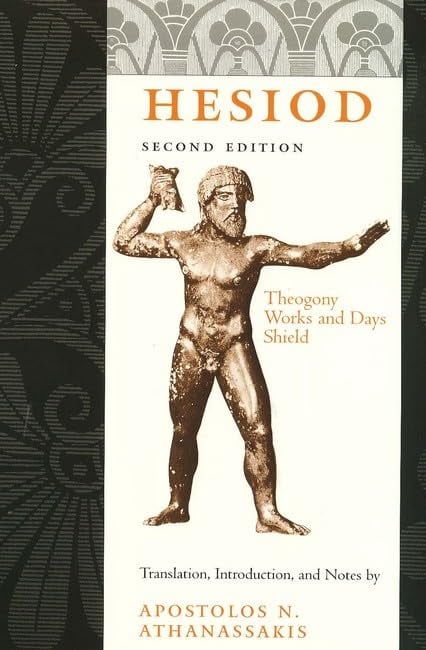
No. 6 on this list. Works and Days
Hesiod · c. 700 BCE
Moderate1.6 hours
Taught in schools: Hungarian literature curriculum (magyar nyelv és irodalom) (Hungary)
Hesiod addresses his brother Perses, who has squandered his inheritance and bribed corrupt judges to get more. The occasion is petty and local — a sibling dispute in the village of Askra, a bad place at the foot of Mount Helikon. From this nugget of irritation, Hesiod builds outward into cosmology, myth, ethics, and practical instruction. He tells how Zeus hid prosperity from men after Prometheus stole fire, how Pandora released suffering from a jar, and how mankind has declined through five ages from gold to iron. Then he turns practical: when to plough (when the Pleiades rise), what timber to use for a plough-tree (holm oak), how to dress against the winter north wind, how to harvest grapes. A.E. Stallings' translation renders all this in rhyming iambic couplets — plain-spoken, aphoristic, occasionally wry. The poem ends with sixty lines on lucky and unlucky days, which days to geld livestock, which to open a storage jar, which to be born. What makes Works and Days strange and durable is this combination: the most practical agricultural manual in Greek literature, framed by the oldest surviving account of why human life is hard and what a person can do about it.
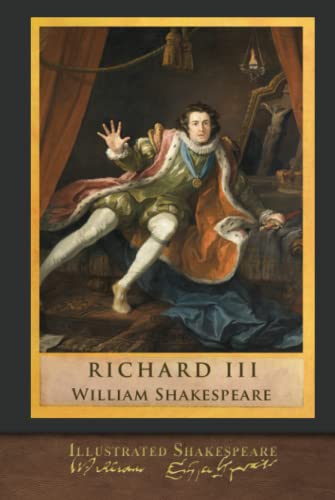
No. 7 on this list. Richard III
William Shakespeare · 1597
Challenging2.8 hours
Taught in schools: CAPE Literatures in English – Caribbean Examinations Council
Included in: Great Books of the Western World
Richard III is among the most frequently performed Shakespeare plays and a staple of secondary school and university curricula worldwide. Its opening monologue — 'Now is the winter of our discontent' — is among the most memorized passages in English literature. The play appears on virtually every Shakespeare survey and features in courses on history plays, villainy, and political drama.
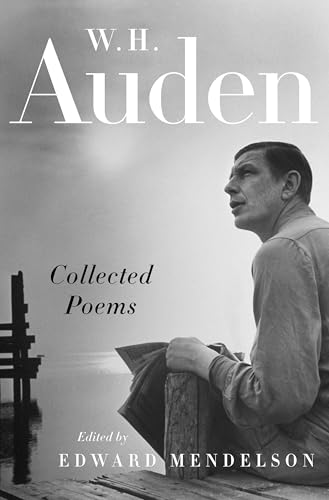
One of the most important English-language poets of the twentieth century, central to the modern canon alongside Yeats and Eliot.
The Tao Te Ching is one of the most translated texts in human history — second only to the Bible in total translations, with over 250 English versions alone. It anchors courses in world philosophy, comparative religion, East Asian studies, and literature at virtually every major university. Its Wikipedia article exists in over 80 languages.
No. 10 on this list. Ajax
Sophocles · c. 450 BCE
Challenging56 min
Included in: Great Books of the Western World
Ajax is required reading in classical studies and Greek tragedy courses worldwide, representing one of only seven surviving plays by Sophocles. As part of the canonical triumvirate of Greek tragedians alongside Aeschylus and Euripides, Sophocles's works — including Ajax — appear on syllabi in classics, comparative literature, and world literature programs across every major university. The play has been in continuous circulation for over 2,400 years.
No. 11 on this list. The Bourgeois Gentleman · Molière · 1670
Included in: Great Books of the Western World
Le Bourgeois Gentilhomme is required reading in French literature courses worldwide and appears in virtually every major world drama anthology. Commissioned by Louis XIV for the royal court in 1670, it has remained one of Molière's most performed plays for over three and a half centuries, cementing its place among the indispensable works of European theater.
Moderate1.2 hours
Start this bookNo. 12 on this list. Electra · Sophocles · c. 410 BCE
Included in: Great Books of the Western World
Electra is required reading in virtually every university classics and comparative literature program. All seven of Sophocles' surviving plays form the backbone of Western classical studies, and Electra — alongside Oedipus Rex and Antigone — is among the most taught. It appears on syllabi across departments from literature to philosophy to theater.
Moderate50 min
Read nowNo. 13 on this list. Happy Days · Samuel Beckett · 1961
Happy Days anchors modernist and postmodern drama syllabi internationally alongside Waiting for Godot and Endgame. It is taught in theatre, English literature, and philosophy programs across Europe and North America. Wikipedia covers it in over 40 languages. It is among the most-assigned Beckett plays and appears on virtually every postwar drama reading list.
Moderate46 min
Start this bookNo. 14 on this list. Self-Portrait in a Convex Mirror · John Ashbery · 1975
Won the Pulitzer Prize, National Book Award, and National Book Critics Circle Award — the only book to win all three. Central to the American poetry canon.
Challenging1.3 hours
Start this bookNo. 15 on this list. Candide · Voltaire · 1759
Taught in schools: Hungarian literature curriculum (magyar nyelv és irodalom) (Hungary)
Included in: Great Books of the Western World
Voltaire's Candide gets flogged, shipwrecked, and nearly auto-da-féd across three continents, each catastrophe demolishing Pangloss's insistence that this is the best of all possible worlds. The final line—"we must cultivate our garden"—became the Enlightenment's most quoted rebuke to metaphysical optimism.
Challenging3 hours
Read nowNo. 16 on this list. A House for Mr. Biswas · V.S. Naipaul · 1961
Taught in schools: CSEC English B – Caribbean Examinations Council
Naipaul tracked one man's forty-year struggle to own a house of his own in colonial Trinidad, and by treating that modest ambition with the gravity of epic, wrote the definitive novel about the immigrant's war between dignity and dispossession. Mr. Biswas's defeats are so granular and so cumulative that the house, when it finally comes, means more than any literary symbol has a right to.
Moderate13 hours
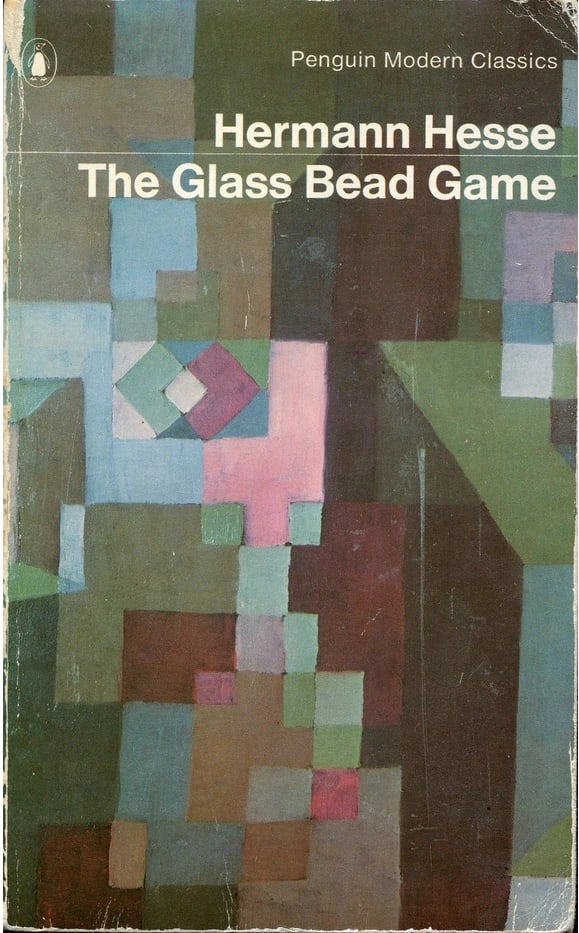
Start this bookNo. 17 on this list. The Glass Bead Game · Hermann Hesse · 1943
The Glass Bead Game is widely recognized as Hesse's masterwork and a towering achievement of 20th-century German literature. It secures a place in the Western canon as a major modernist novel of ideas, regularly taught in universities and translated into dozens of languages. The novel's influence extends beyond literature into philosophy and cultural criticism, providing an enduring vocabulary ('the Glass Bead Game,' 'Castalia') for discussing intellectual culture.
Challenging18 hours
Start this bookNo. 18 on this list. The Return of the Native · Thomas Hardy · 1878
The Return of the Native stands as one of Hardy's major tragic novels and a cornerstone of Victorian fiction. Egdon Heath's status as literary landscape rivals any in English literature, and the novel appears consistently in academic curricula and critical studies of the Victorian novel.
Challenging11 hours
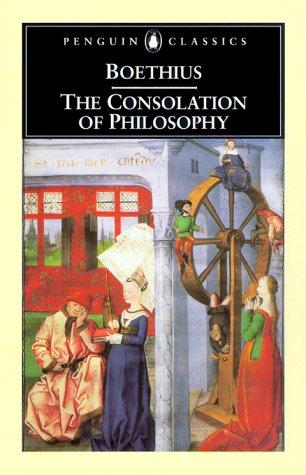
Read nowNo. 19 on this list. The Consolation of Philosophy · Boethius · 524
The Consolation of Philosophy was a cornerstone text of medieval European education, read and copied across centuries in monasteries and universities. It remains standard reading in philosophy, classics, and medieval studies courses worldwide, with Wikipedia articles in over 50 languages attesting to its global reach. Few works written before the print era hold such sustained pedagogical standing.
Moderate2.8 hours
Read nowNo. 20 on this list. The Fall · Albert Camus · 1956
Published 1956, The Fall holds secure position in the twentieth-century canon as Camus's most formally accomplished and philosophically complex fiction. Widely taught in philosophy and literature courses as paradigmatic existentialist text, it appears on major 'best of century' lists and maintains continuous scholarly attention. Its status benefits from Camus's Nobel Prize (1957) and from representing the mature synthesis of his philosophical fiction after The Stranger and The Plague.
Challenging2.6 hours
Start this book
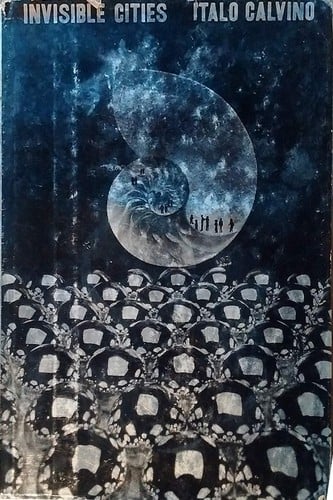
No. 21 on this list. Invisible Cities · Italo Calvino · 1972
Marco Polo sits before Kublai Khan and describes cities he has visited — or perhaps invented. Despina can be approached by land or by sea, and looks entirely different depending on which direction you come from. Valdrada was built above a lake so that every action of its inhabitants would be doubled in the water below; the city and its mirror have learned to hate each other. Zobeide was constructed by men who all dreamed the same woman and built a city to trap her, but the woman never appeared. Calvino arranges 55 such cities across 11 categories — Cities & Memory, Cities & Desire, Thin Cities — in a mathematical grid that wears the clothing of fiction. The cities are not places. They are states of mind, arguments about time and loss, meditations on the difference between a map and the territory it claims to represent. Between the vignettes, Marco Polo and the Khan conduct dialogues about language, empire, and whether it is possible to describe anything that exists. The prose is precise and dreaming at once — a short paragraph can hold more compressed thought than a chapter of conventional fiction. This is a book that accumulates rather than progresses, and what it accumulates is a complete philosophy of how cities, and perhaps consciousness itself, work.
Challenging2.2 hours
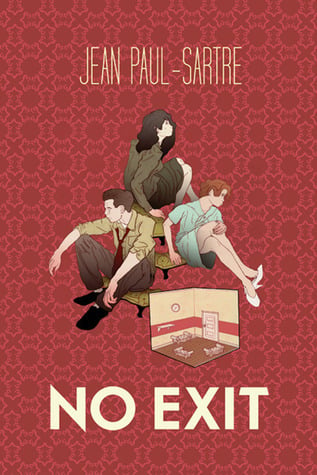
Start this bookNo. 22 on this list. No Exit · Jean-Paul Sartre · 1944
Appears on 470 university syllabi (66.8th percentile by Open Syllabus Project), taught across philosophy, French literature, and drama departments worldwide. Wikipedia coverage spans 22 languages with both a reception section and an adaptations section, indicating sustained global engagement. Below Beloved's threshold (~1,000 syllabi) but well above cult status.
Moderate6 hours
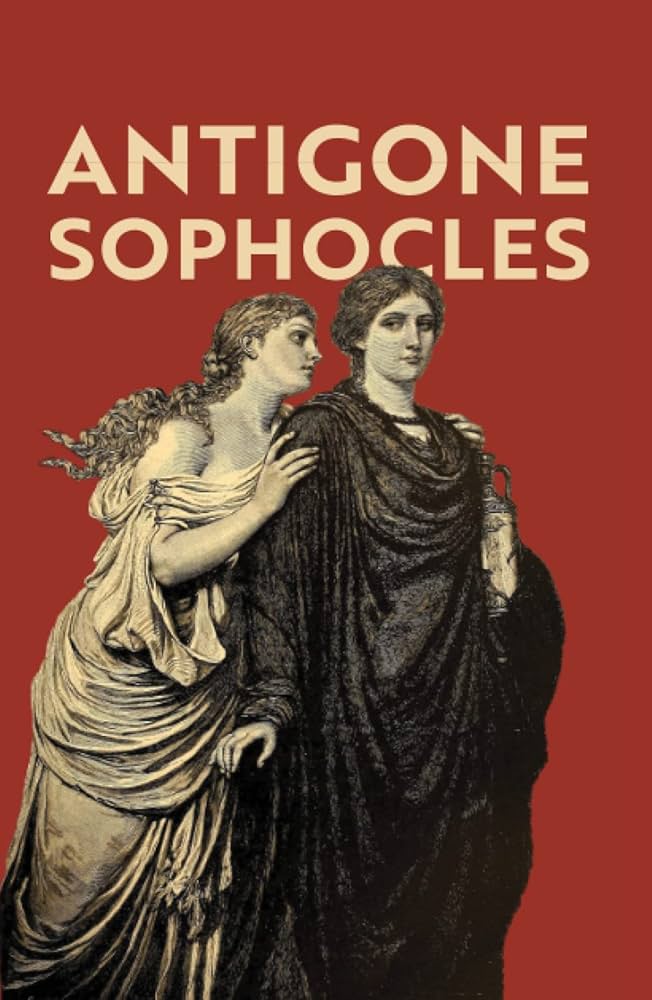
Start this bookNo. 23 on this list. Antigone · Sophocles · c. 441 BCE
Taught in schools: Hungarian literature curriculum (magyar nyelv és irodalom) (Hungary), Lektury obowiązkowe – Polish national reading list (Poland), Montenegrin literature curriculum (crnogorski jezik i književnost) (Montenegro)
Included in: Great Books of the Western World
Sophocles gave a young woman one impossible choice — obey the state or bury her brother — and built from it the foundational argument about what happens when human law and moral law collide. Every subsequent debate about civil disobedience, from Thoreau to Martin Luther King, restates the question Antigone asked first.
Moderate2.6 hours
Read nowNo. 24 on this list. Samson Agonistes · John Milton · 1671
Included in: Great Books of the Western World
Samson Agonistes is required reading in virtually every English Renaissance and early modern literature course at the university level, paired with Paradise Lost and Paradise Regained as the triad of Milton's major late works. It appears on countless syllabi and is included in every major anthology of English literature. While less universally taught than Paradise Lost, it holds a firm place in the upper tier of the seventeenth-century canon.
Challenging1.1 hours
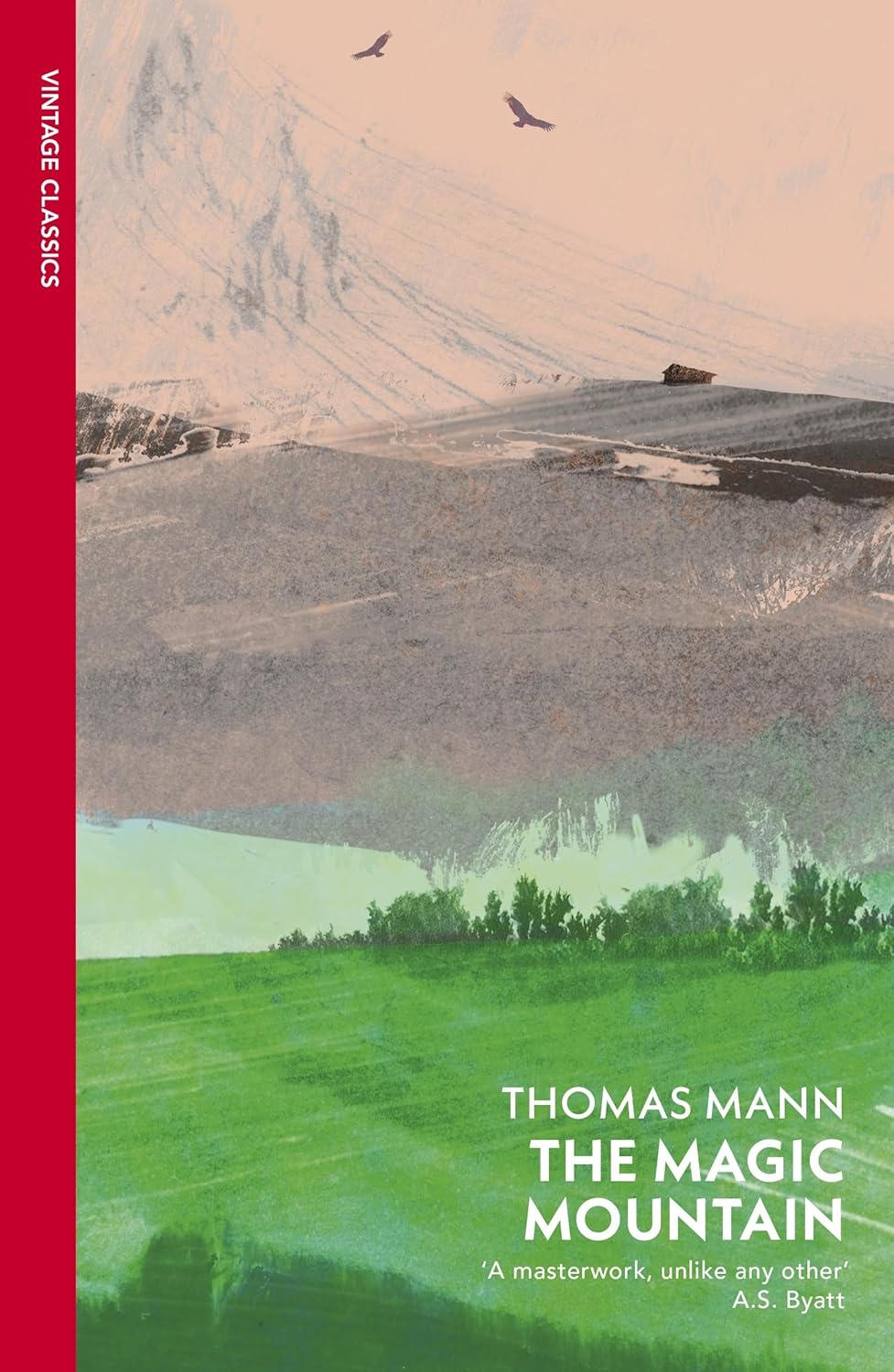
Start this bookNo. 25 on this list. The Magic Mountain · Thomas Mann · 1924
Included in: Bokklubben World Library
Appears on 228 university syllabi (58.9th percentile, Open Syllabus Project) and Wikipedia articles exist in 41 languages. Listed on Le Monde's 100 Books of the Century and Open Syllabus Top 500 Literature. The Nobel Prize author and the novel's treatment of pre-war European culture have kept it in world literature curricula for a century.
Challenging30 hours
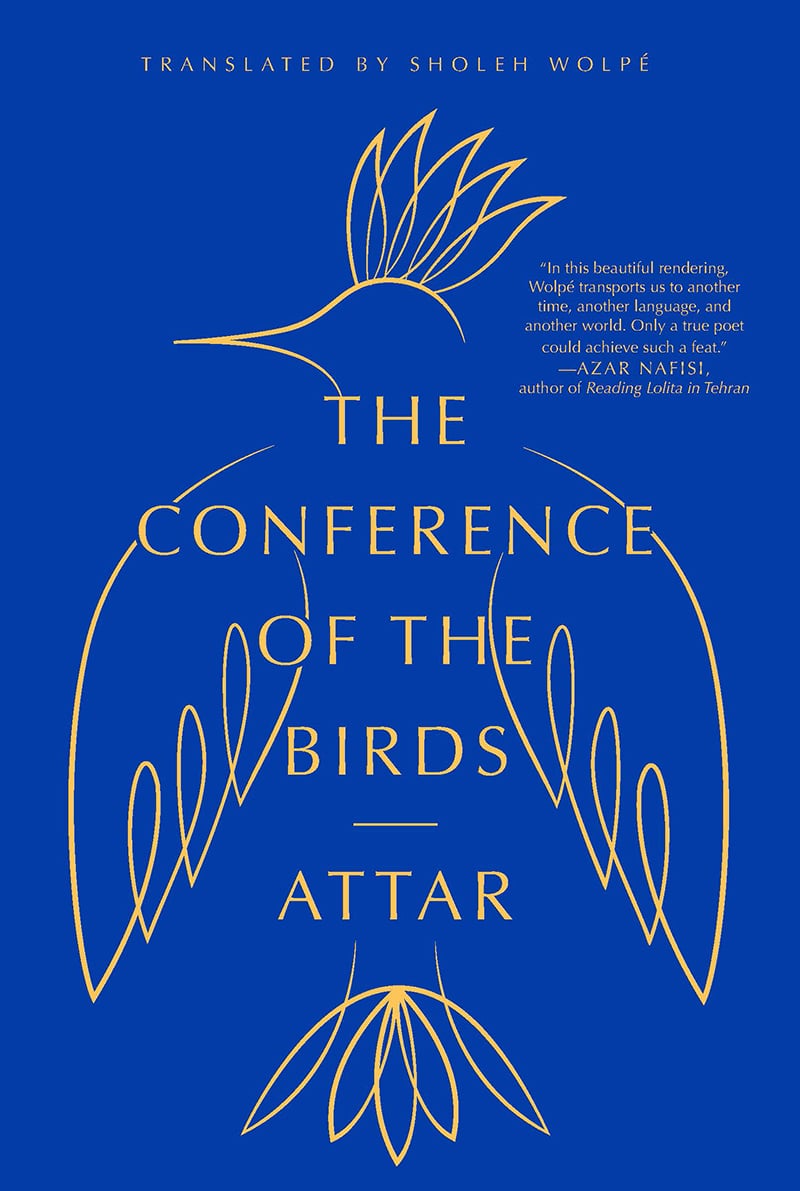
Read nowNo. 26 on this list. The Conference of the Birds · Attar of Nishapur · 1177
Recognized as one of the greatest works of Persian literature and a foundational text of Sufism. It ranks alongside the Quran and works by Rumi in Islamic intellectual tradition. Western literary canons increasingly recognize it as essential world literature.
Challenging2.8 hours
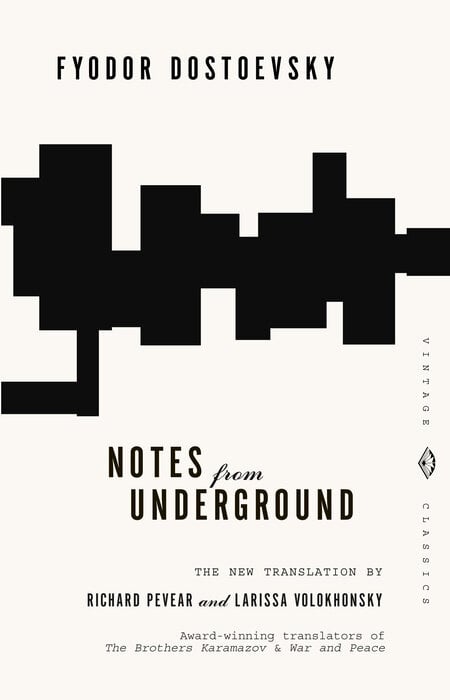
Start this bookNo. 27 on this list. Notes from Underground · Fyodor Dostoevsky · 1864
Taught in schools: Russian FGOS literature standard
A nameless narrator speaks from his "underground"—a state of consciousness defined by spite, self-contradiction, and rejection of rational self-interest. In the first part, he attacks the progressive utopianism of his age, arguing that humans will always choose suffering and irrationality over happiness if it preserves their freedom. In the second, he recalls humiliating episodes from his youth that demonstrate his theories in action. The Underground Man is vain, cruel, paralyzed by self-awareness, yet somehow sympathetic in his honesty about what he calls the "dark cellar" of human consciousness. Written before Dostoevsky's great novels, this novella established the themes and voice he would develop: the critique of rationalism, the psychology of perversity, the search for authentic existence in a world of ideologies.
Challenging3.2 hours
Read nowNo. 28 on this list. Shakuntala · Kalidasa · 400
Supreme Sanskrit drama; first Indian text to reach European audience.
Moderate4.5 hours
Start this bookNo. 29 on this list. If Beale Street Could Talk · James Baldwin · 1974
Firmly embedded in the American literary canon, the novel appears on major school and university syllabi, was adapted into an Academy Award-winning 2018 film, and is routinely included in retrospectives of 20th-century African American literature. Its status as one of Baldwin's essential works is uncontested.
Challenging4.2 hours
Start this bookNo. 30 on this list. Go Down, Moses · William Faulkner · 1942
Go Down, Moses is recognized as central to American modernism and Southern gothic literature. It appears consistently in university curricula and major literary anthologies. While not achieving the absolute canonical singularity of Faulkner's The Sound and the Fury or Absalom, Absalom!, it commands secure canonical standing within American letters.
Challenging9.1 hours
Start this book
No. 31 on this list. L'Assommoir
Émile Zola · 1877
No. 32 on this list. The Iceman Cometh
Eugene O'Neill · 1946
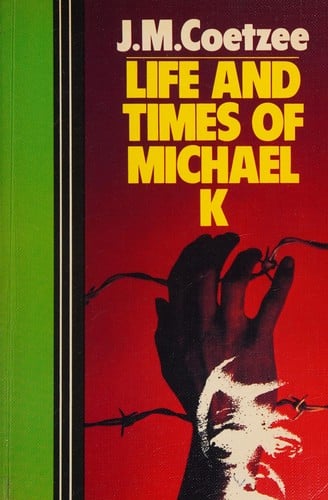
No. 33 on this list. Life & Times of Michael K
J.M. Coetzee · 1983
Taught in schools: UNAM Escuela Nacional Preparatoria – programas de Literatura (Mexico)
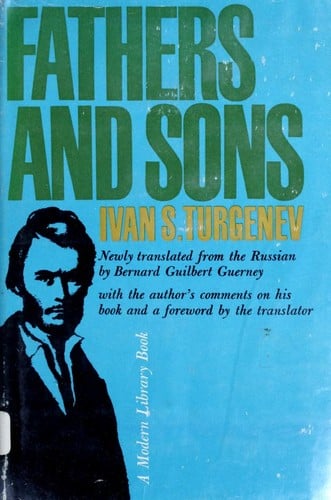
No. 34 on this list. Fathers and Sons
Ivan Turgenev · 1862
Taught in schools: Common Core text exemplars (Appendix B) (US), Russian FGOS literature standard, Turkish edebiyat curriculum (Turkey)
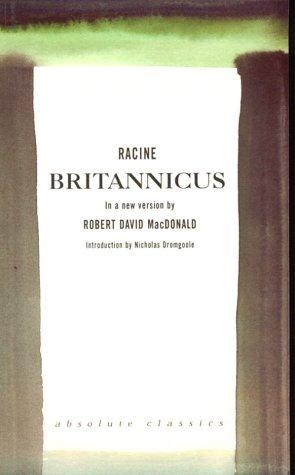
No. 35 on this list. Britannicus
Jean Racine · 1669
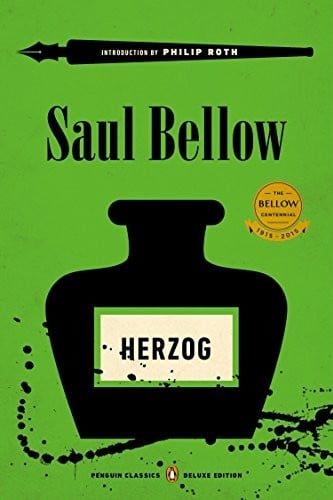
No. 36 on this list. Herzog
Saul Bellow · 1965
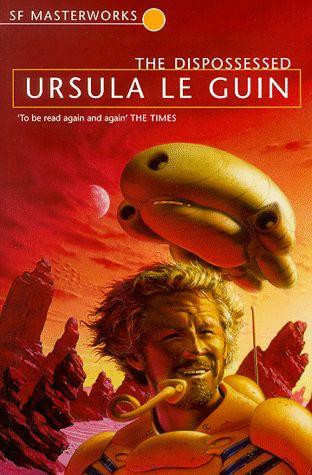
No. 37 on this list. The Dispossessed
Ursula K Le Guin · 1974
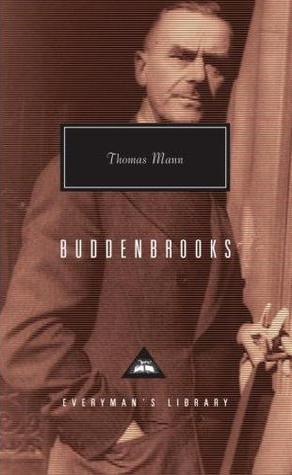
No. 38 on this list. Buddenbrooks
Thomas Mann · 1901
Included in: Bokklubben World Library
No. 39 on this list. The Mystery of Edwin Drood
Charles Dickens · 1870
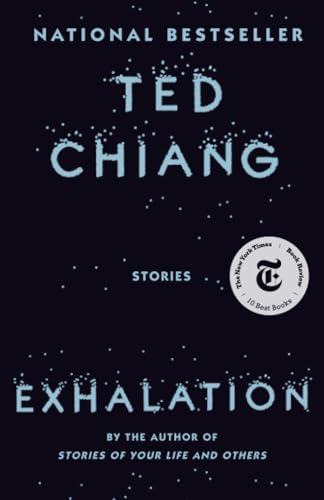
No. 40 on this list. Exhalation: Stories
Ted Chiang · 2019
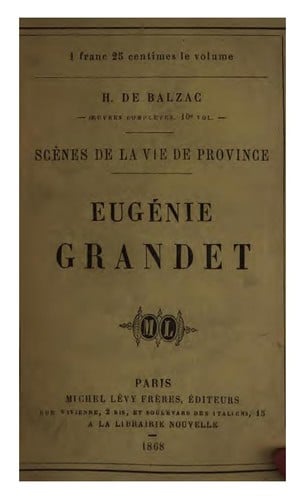
No. 41 on this list. Eugénie Grandet
Honoré de Balzac · 1833
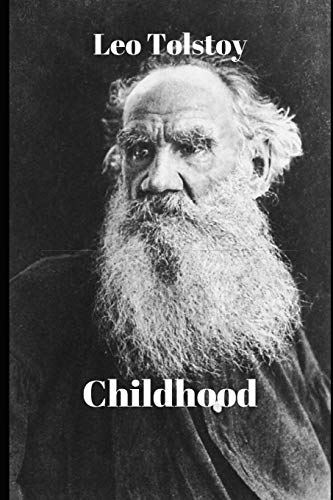
No. 42 on this list. Childhood
Leo Tolstoy · 1852
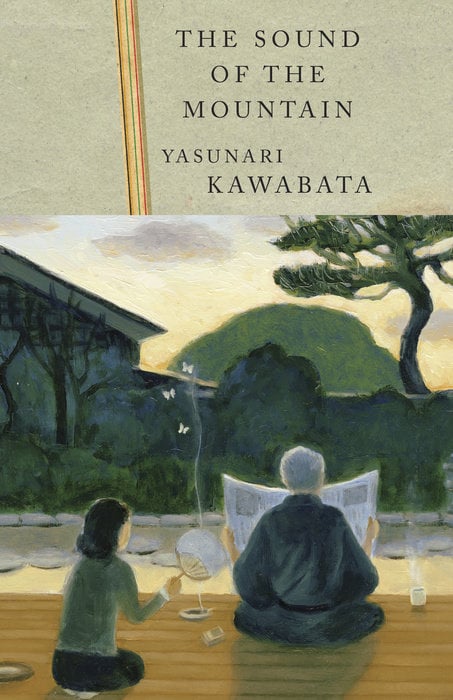
No. 43 on this list. The Sound of the Mountain
Yasunari Kawabata · 1949
Included in: Bokklubben World Library, UNESCO Collection of Representative Works
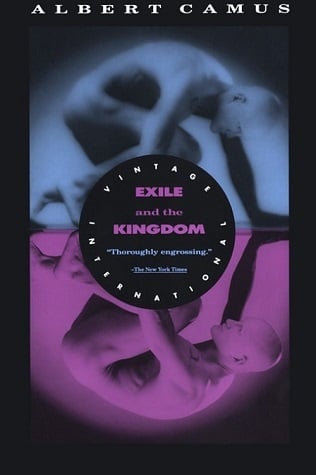
No. 44 on this list. Exile and the Kingdom
Albert Camus · 1957
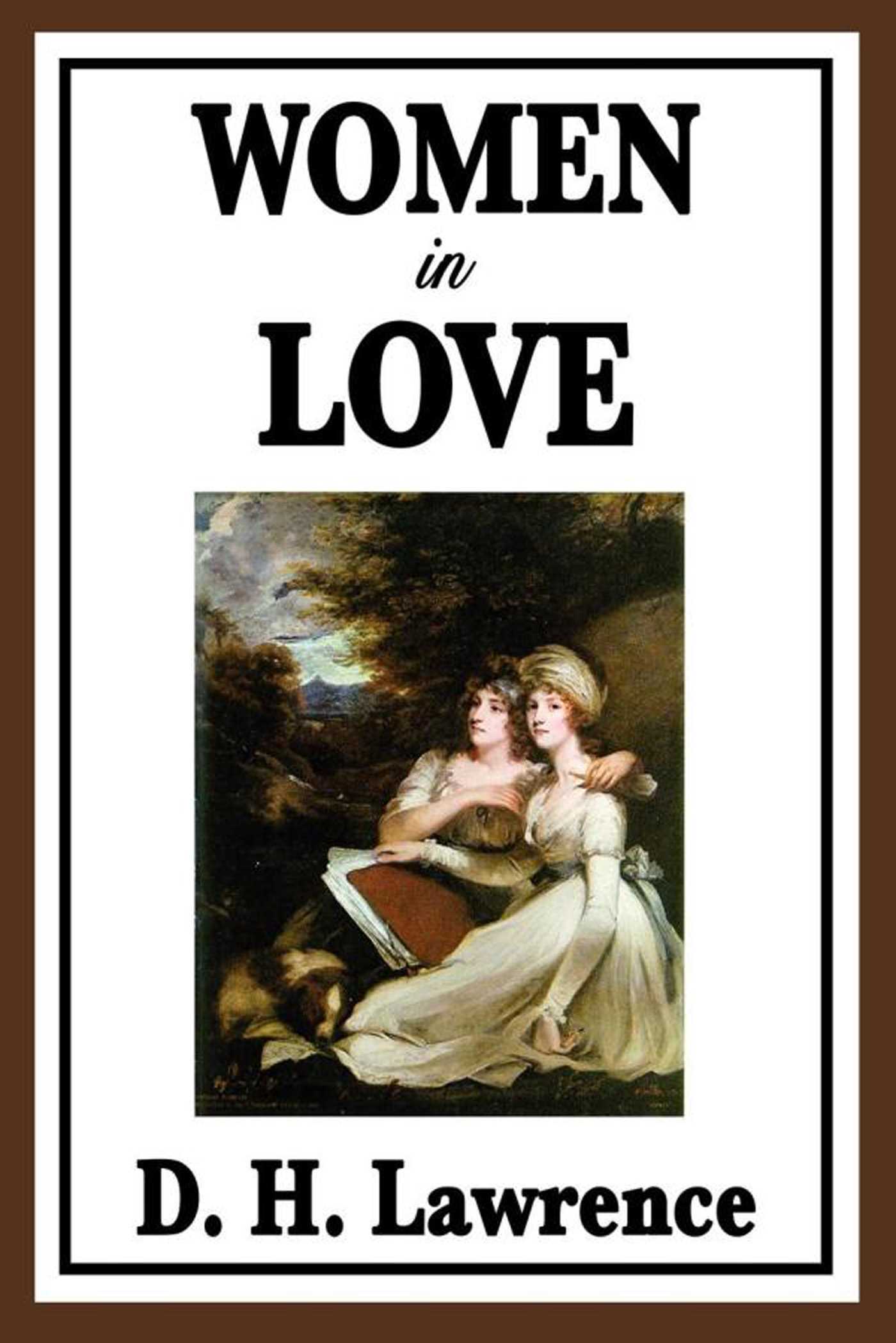
No. 45 on this list. Women in Love
D.H. Lawrence · 1920
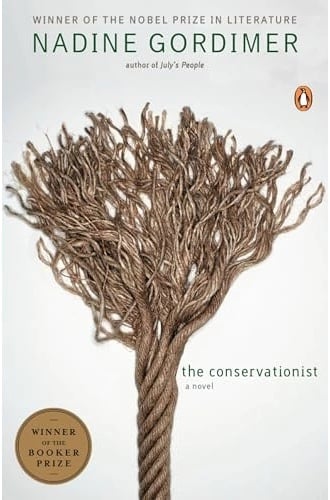
No. 46 on this list. The Conservationist
Nadine Gordimer · 1974
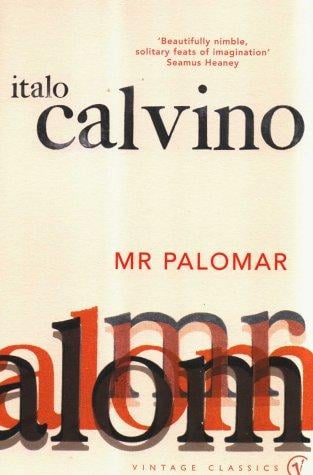
No. 47 on this list. Mr. Palomar
Italo Calvino · 1983
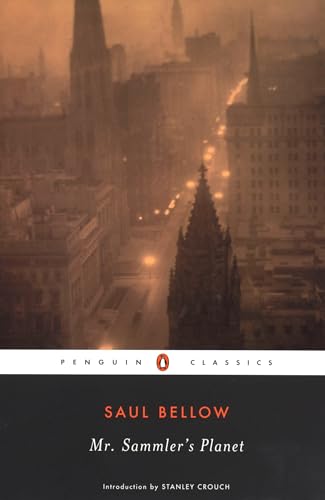
No. 48 on this list. Mr. Sammler's Planet
Saul Bellow · 1971
No. 49 on this list. Tar Baby
Toni Morrison · 1981
No. 50 on this list. Death and the King's Horseman
Wole Soyinka · 1975
Taught in schools: Common Core text exemplars (Appendix B) (US)
No. 51 on this list. The Man Who Loved Children
Christina Stead · 1940
No. 52 on this list. The Day of the Locust
Nathanael West · 1939
No. 53 on this list. Housekeeping
Marilynne Robinson · 1980
No. 54 on this list. Athalie
Jean Racine · 1691
No. 55 on this list. The Unbearable Lightness of Being
Milan Kundera · 1984
No. 56 on this list. The First Circle
Aleksandr Solzhenitsyn · 1968
No. 57 on this list. Hadji Murad
Leo Tolstoy · 1912
No. 58 on this list. Ward No. 6
Anton Chekhov · 1892
No. 59 on this list. The Notebooks of Malte Laurids Brigge
Rainer Maria Rilke · 1910
No. 60 on this list. Zorba the Greek
Nikos Kazantzakis · 1946
Included in: Bokklubben World Library
No. 61 on this list. Company
Samuel Beckett · 1980
No. 62 on this list. The Home and the World
Rabindranath Tagore · 1916
No. 63 on this list. Tropic of Cancer
Henry Miller · 1934
No. 64 on this list. The Mill on the Floss
George Eliot · 1860
Taught in schools: AQA GCSE and A-level English Literature (UK)
No. 65 on this list. Sanctuary
William Faulkner · 1931
Taught in schools: CSEC English B – Caribbean Examinations Council
No. 66 on this list. El Filibusterismo
José Rizal · 1891
Included in: UNESCO Collection of Representative Works
No. 67 on this list. The Rainbow
D.H. Lawrence · 1915
No. 68 on this list. The Fixer
Bernard Malamud · 1967
No. 69 on this list. Hard Times
Charles Dickens · 1854
Taught in schools: AQA GCSE and A-level English Literature (UK), Pearson Edexcel GCSE and A-level English Literature (UK)
No. 70 on this list. Mourning Becomes Electra
Eugene O'Neill · 1931
Included in: Great Books of the Western World
No. 71 on this list. Brand
Henrik Ibsen · 1866
No. 72 on this list. The Beggar Maid
Alice Munro · 1980
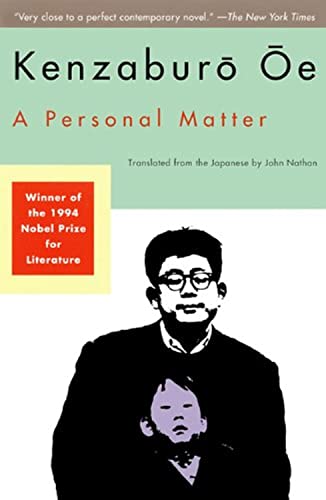
No. 73 on this list. A Personal Matter
Kenzaburō Ōe · 1964
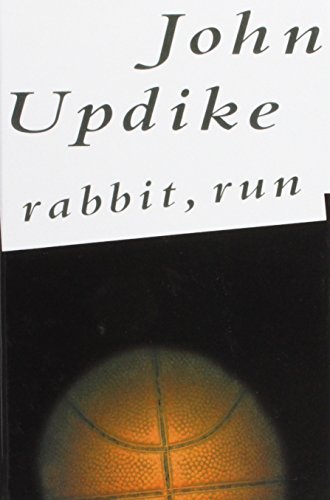
No. 74 on this list. Rabbit, Run
John Updike · 1960
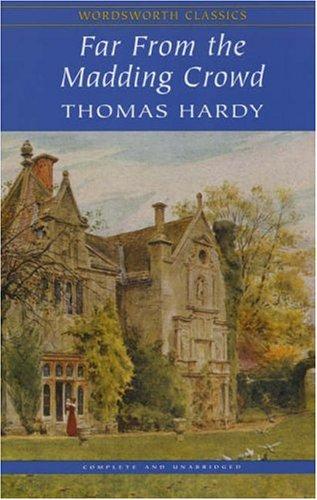
No. 75 on this list. Far from the Madding Crowd
Thomas Hardy · 1874
Taught in schools: CSEC English B – Caribbean Examinations Council
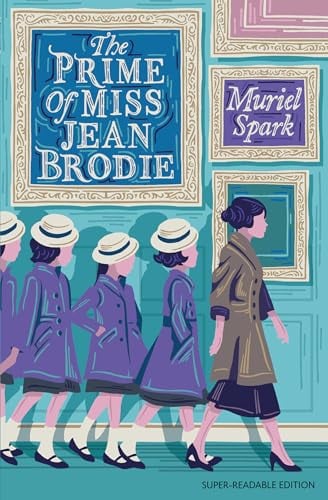
No. 76 on this list. The Prime of Miss Jean Brodie
Muriel Spark · 1961
Taught in schools: CSEC English B – Caribbean Examinations Council
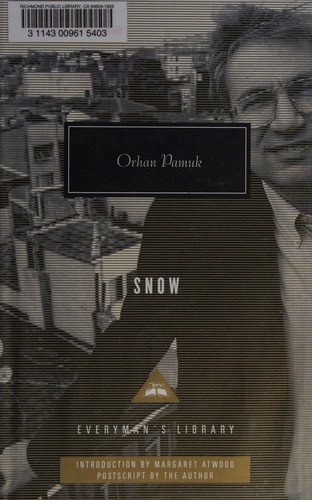
No. 77 on this list. Snow
Orhan Pamuk · 2002
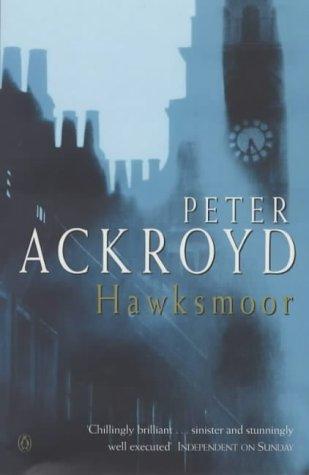
No. 78 on this list. Hawksmoor
Peter Ackroyd · 1985
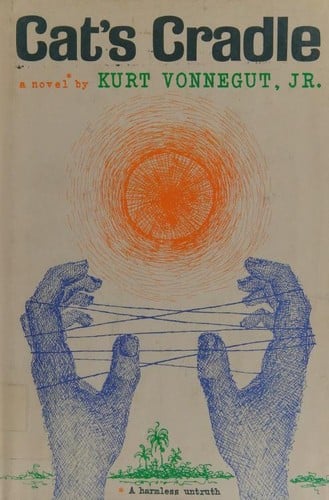
No. 79 on this list. Cat's Cradle
Kurt Vonnegut · 1963
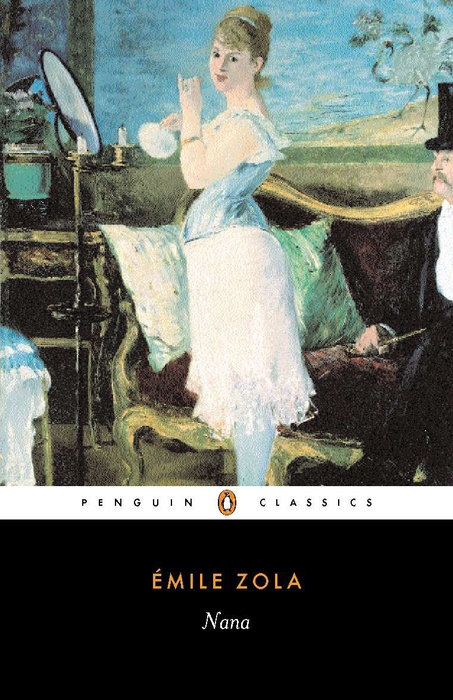
No. 80 on this list. Nana
Émile Zola · 1880
No. 81 on this list. Fatelessness
Imre Kertész · 1975
Taught in schools: Hungarian literature curriculum (magyar nyelv és irodalom) (Hungary)
No. 82 on this list. Cat and Mouse
Günter Grass · 1961
No. 83 on this list. Iphigenia
Jean Racine · 1674
No. 84 on this list. The Immoralist
André Gide · 1902
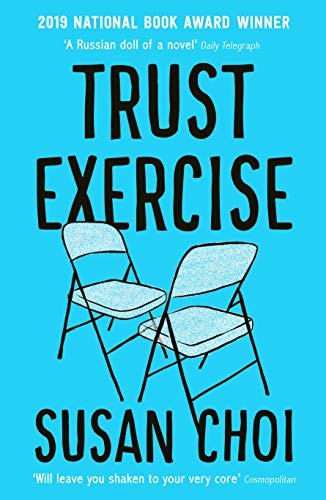
No. 85 on this list. Trust Exercise
Susan Choi · 2019
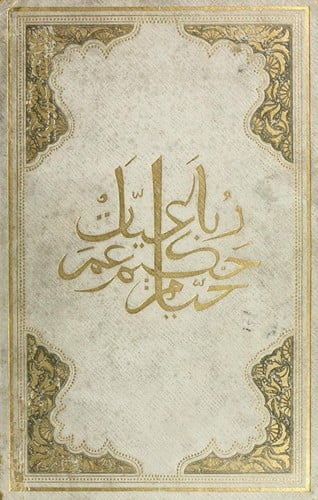
No. 86 on this list. Rubaiyat of Omar Khayyam
Omar Khayyam · 1120
Taught in schools: Armenian secondary literature
Included in: UNESCO Collection of Representative Works
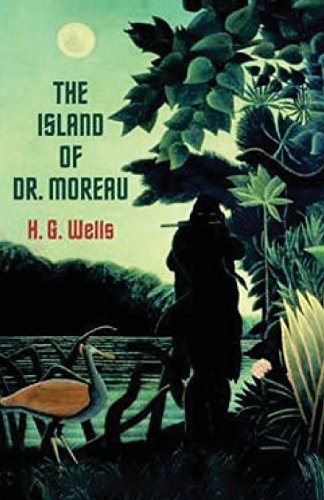
No. 87 on this list. The Island of Doctor Moreau
H.G. Wells · 1896
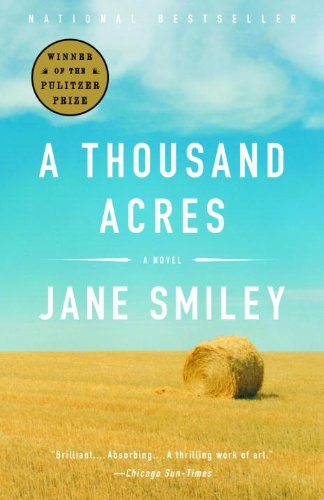
No. 88 on this list. A Thousand Acres
Jane Smiley · 1992
No. 89 on this list. Henderson the Rain King
Saul Bellow · 1959
No. 90 on this list. On the Eve
Ivan Turgenev · 1860
Taught in schools: Russian FGOS literature standard
No. 91 on this list. The Optimist's Daughter
Eudora Welty · 1973
No. 92 on this list. The Eye of the Storm
Patrick White · 1973
No. 93 on this list. Man and Superman
George Bernard Shaw · 1903
No. 94 on this list. The Sandman
Neil Gaiman · 1989
No. 95 on this list. Daniel Deronda
George Eliot · 1876
No. 96 on this list. The Accidental
Ali Smith · 2005
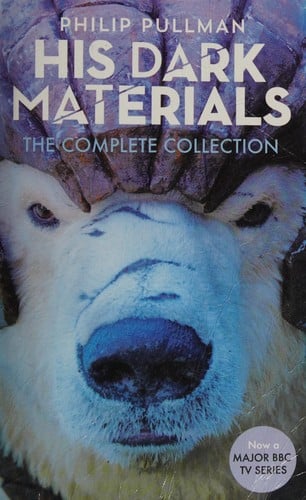
No. 97 on this list. His Dark Materials
Philip Pullman · 1995
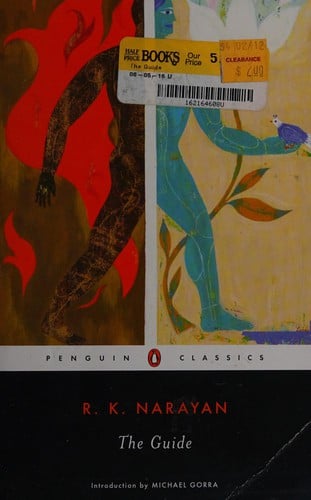
No. 98 on this list. The Guide
R.K. Narayan · 1958
Taught in schools: CSEC English B – Caribbean Examinations Council
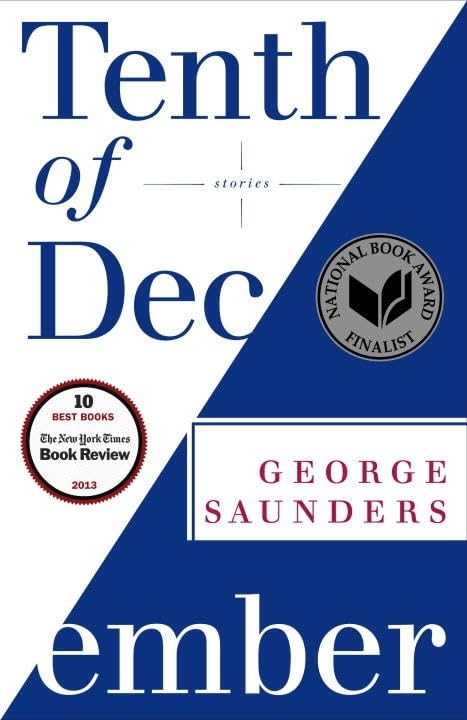
No. 99 on this list. Tenth of December
George Saunders · 2013
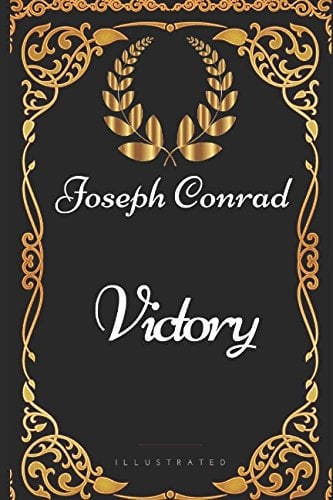
No. 100 on this list. Victory
Joseph Conrad · 1915
About this list
These 100 books are the highest-scoring eligible moderately difficult books about philosophy and ideas currently in the catalogue. About 731 hours of reading in all. Difficulty runs from 53 to 61 out of 100 for the middle half of the list; the summit is The Glass Bead Game at 65.
This list is ranked by literary regard, with a consistent order for equal scores. Membership follows authors and co-authors, not translators or editors. A book is here when ReadingRate files it under Philosophy & Ideas as one of its primary reading domains, at a confidence of 0.8 or more. Catalogue coverage and the historical canon both limit what this list can represent.
When we matched the Canons dataset to our catalogue in October 2026, our canonical-status scores rose with the number of school curricula, publisher series and lists in it that cite a work: the median score was 72 for books one such source cites, 84 at two, 88 at three, 92 at four and 93 at five or more. Prizes are left out of that count. Outside the state curricula, the dataset’s sources choose mostly from what has been translated into English or French, so it is a weaker check on other literatures. Source: Canons (Andrew Piper), CC BY 4.0
Questions people actually ask
- What are the best moderately difficult books about philosophy and ideas?
- By literary regard, which weighs canonical status, critical standing and influence: On the Nature of Things by Lucretius, War and Peace by Leo Tolstoy, The Love Song of J. Alfred Prufrock by T. S. Eliot, Ficciones by Jorge Luis Borges and Demons by Fyodor Dostoevsky. ReadingRate ranks 100 such books, each with a difficulty score and a reading-time estimate.
- Which moderately difficult books about philosophy and ideas should I read first?
- Start from difficulty, not from rank. The most approachable books on this list that still carry top literary regard are A House for Mr. Biswas by V.S. Naipaul (about 13 hours), The Bourgeois Gentleman by Molière and Tar Baby by Toni Morrison.
- What are the shortest of the best moderately difficult books about philosophy and ideas?
- Among the top 25, the shortest are The Love Song of J. Alfred Prufrock by T. S. Eliot (about 14 min), Happy Days by Samuel Beckett (about 46 min) and Ajax by Sophocles (about 56 min), at an average pace of 250 words a minute adjusted for each book's difficulty.
- Which of the best moderately difficult books about philosophy and ideas are the established classics?
- By canonical status, how firmly a book sits in curricula, anthologies and the canon: The Love Song of J. Alfred Prufrock by T. S. Eliot, Tao Te Ching by Laozi, War and Peace by Leo Tolstoy, On the Nature of Things by Lucretius and The Return of the Native by Thomas Hardy.
- Can I read any of these moderately difficult books about philosophy and ideas for free?
- 28 of the 100 open in ReadingRate's reader with a free account, from public-domain editions: War and Peace, Demons, Richard III, Tao Te Ching, Ajax and 23 more.
- How long would it take to read the top ten?
- About 82 hours, at an average pace of 250 words a minute adjusted for each book's difficulty: 41 days at two hours a day. Set your own pace on the page and the list's reading times change to it.
- How hard are moderately difficult books about philosophy and ideas to read?
- Most of this list sits between 53 and 61 on ReadingRate's 100-point difficulty scale, where 40 to 55 is moderate. The summit is The Glass Bead Game at 65. Every entry carries its own score, so a reader can pick a great book at a difficulty they will finish.
- How is this list ranked?
- On literary-regard data: how canonically established a work is, its critical standing, and its influence on later writing. It is not a readers’ poll, which is why recent bestsellers rarely appear. Membership follows authors and co-authors, not translators or editors. Lists by country, author, period, theme or difficulty keep to literature (fiction, poetry, drama and philosophy), their novels, poems and plays first and their philosophy after them; a list of a kind of book, such as memoir or criticism, keeps every book of that kind. Every list holds at most three works by one author. A book is here when ReadingRate files it under Philosophy & Ideas as one of its primary reading domains, at a confidence of 0.8 or more.