Hours at an average pace
Showing 100 books
About 965 hours for 100 of 100 books with measured lengths. Estimates use 250 words a minute, adjusted for each book's difficulty. At 2 hours a day, about 483 days for those books.
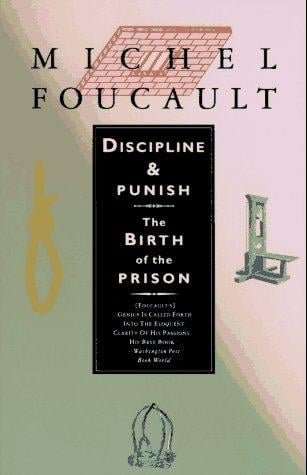
Discipline and Punish is required reading in sociology, criminology, philosophy, cultural studies, history, and literary theory courses worldwide. It appears on thousands of university syllabi across disciplines, making it comparable in canonical weight to the most taught works of 20th-century thought. It is considered foundational for understanding modern social institutions across every field of the humanities and social sciences.
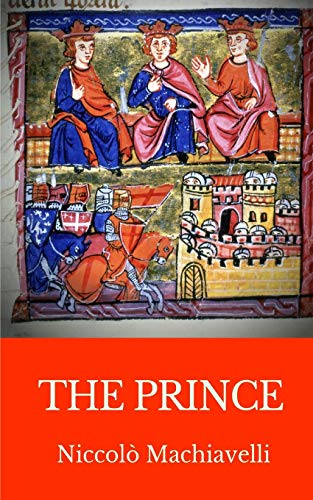
The Prince is required reading in political science, philosophy, history, and humanities curricula worldwide and is among the most widely assigned non-fiction texts in higher education. It appears on every syllabus for political philosophy and political theory, from introductory undergraduate courses to graduate seminars. Few texts of any era command this breadth of curricular presence.
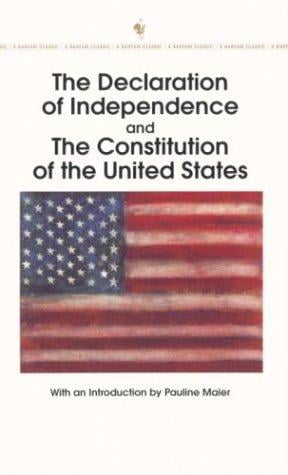
No. 3 on this list. The Declaration of Independence / The Constitution of the United States
Founding Fathers · 1998
Moderate2 hours
The Declaration and the Constitution are taught in American schools from primary grades through law school and appear in civics and history courses everywhere. They are among the most reprinted and studied texts in the English-speaking world.
The foundational text of American constitutional theory, cited by the Supreme Court.
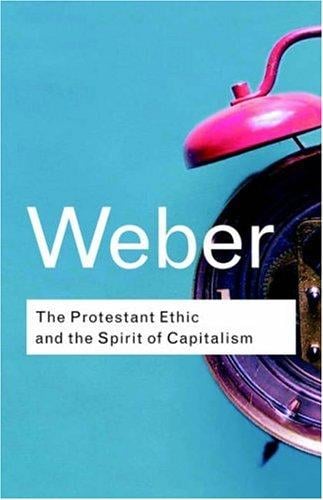
No. 5 on this list. The Protestant Ethic and the Spirit of Capitalism
Max Weber · 1905
Challenging16 hours
One of the founding texts of sociology, taught in introductory and theory courses alongside Marx and Durkheim and assigned across history, economics and religious studies. It ranked fourth in the International Sociological Association's 1998 poll of the books of the century.
The Epic of Gilgamesh is the oldest surviving great literary work and is universally taught in world literature, ancient history, comparative literature, and religion courses at all levels. It appears in every comprehensive anthology of world literature and is foundational to understanding how narrative, religion, and mortality entered written culture. Unquestioned canonical status as a civilization-defining text.
No. 7 on this list. Gender Trouble: Feminism and the Subversion of Identity
Judith Butler · 1990
Difficult9.7 hours
Gender Trouble is taught on virtually every gender studies, feminist theory, and queer theory syllabus globally, appearing widely in sociology, philosophy, cultural studies, and political science courses. Butler's text has been described by scholars as one of the most influential academic books of the 20th century and is as close to canonical as any work in the humanities published after 1980. Its position on university reading lists across North America, Europe, and beyond is unambiguous — a status granted to very few academic monographs.
The Constitution is the founding document of the United States and is taught at every level of American education, in history, civics, law and political theory. It is among the most widely taught texts in the world, though this particular free edition is just one copy of it.
Required reading in virtually every political theory, American history, and comparative politics curriculum worldwide. The book has never left print since 1835 and is foundational to democratic theory in political science, sociology, and history departments alike. With Wikipedia articles in over 80 languages and presence on thousands of university syllabi across disciplines, it ranks among the most institutionally canonical works of political thought.
Morrison sent a young Black man on a mythic quest through four generations of his family's buried history, fusing African-American folklore, biblical allusion, and the cadences of blues and gospel into a narrative structure no American novel had attempted before. The novel proved that flight — literal and metaphorical — could carry the full weight of Black American experience from slavery to self-knowledge.
No. 11 on this list. The Wretched of the Earth · Frantz Fanon · 1961
The Wretched of the Earth appears on syllabi in postcolonial studies, African studies, political philosophy, sociology, and literary theory programs worldwide — among the most-assigned theoretical texts of the 20th century. Its Wikipedia article exists in over 40 languages. It is routinely listed alongside Fanon's Black Skin, White Masks as required reading for anyone working in fields touching on race, colonialism, or global politics.
Challenging7.7 hours
Start this bookNo. 12 on this list. The Autobiography of Malcolm X · Malcolm X · 1965
It is widely taught in American history and literature courses, is named among Time's most important nonfiction books of the century, and is an essential text in African American studies.
Easy9.9 hours
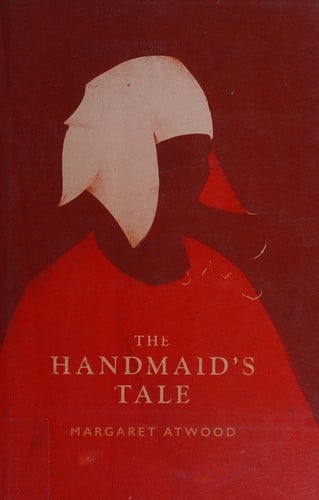
Start this bookNo. 13 on this list. The Handmaid's Tale · Margaret Atwood · 2017
Taught in schools: AQA GCSE and A-level English Literature (UK), OCR GCSE and A-level English Literature (UK), Pearson Edexcel GCSE and A-level English Literature (UK)
The novel is a staple of high school and university courses on dystopia and feminist literature. It was shortlisted for the Booker Prize, appears on the 1001 Books list, and is published as a Penguin Modern Classic.
Challenging7.7 hours
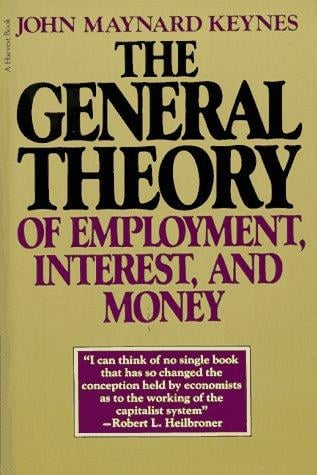
Start this bookNo. 14 on this list. The General Theory of Employment, Interest and Money · John Maynard Keynes · 1936
The founding text of macroeconomics, the General Theory is standard reading in economics and history of economic thought courses and is assigned in politics and history courses on the Depression and the postwar settlement. It appears on most lists of the most important books of the twentieth century.
Challenging12 hours
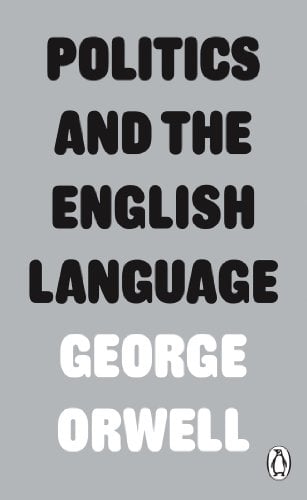
Start this bookNo. 15 on this list. Politics and the English Language · George Orwell · 1946
One of the most anthologized and assigned essays in the English language, a fixture of first-year composition, rhetoric, and journalism curricula worldwide. Its six rules and the phrase 'political language' recur in countless style guides and writing handbooks. No syllabus or Wikipedia-language data was available in our database, but its teaching presence rivals the most-taught novels.
Easy16 min
Start this bookNo. 16 on this list. This Bridge Called My Back · Cherrie Moraga · 1981
This Bridge Called My Back is required reading in women's studies, ethnic studies, and American literature courses across the United States and beyond. Since its 1981 publication it has appeared on thousands of university syllabi, ranking among the most-taught feminist texts in higher education, comparable in academic penetration to Beloved within its fields. It is listed on essential reading guides across multiple disciplines and remains continuously in print.
Challenging20 hours
Start this bookNo. 17 on this list. Perpetual Peace · Immanuel Kant · 1795
Perpetual Peace is standard reading in political theory and international relations courses worldwide, and anchors the study of liberal internationalism and the democratic peace. It sits below Kant's Critiques in general philosophy syllabi.
Challenging2 hours
Start this bookNo. 18 on this list. Bodies That Matter · Judith Butler · 1993
Bodies That Matter is a foundational text of queer theory and gender studies, assigned in virtually every graduate curriculum in those fields worldwide alongside Gender Trouble. It is one of the defining theoretical works of the 1990s in the humanities and remains a live reference in current scholarship.
Difficult13 hours
Start this bookNo. 19 on this list. The Histories · Herodotus · c. 430 BCE
Herodotus traveled from Egypt to Scythia, interviewed locals, and wrote down everything—the Persian Wars, the customs of distant peoples, talking foxes, flying snakes—inventing both history and ethnography in a single narrative. Cicero called him the father of history; the label has never been seriously challenged.
Moderate22 hours
Read nowNo. 20 on this list. The Presentation of Self in Everyday Life · Erving Goffman · 1956
Appears on thousands of sociology, communication studies, and social psychology syllabi worldwide and is the foundational text for dramaturgical theory in social science. No comparable introduction to microsociology is as widely assigned across disciplines — sociology, anthropology, communication, performance studies, and cultural theory all treat it as required reading.
Easy5.1 hours
Start this book
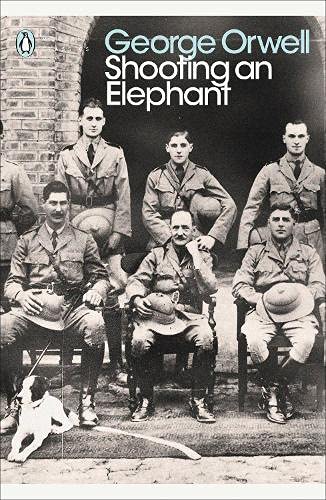
No. 21 on this list. Shooting an Elephant and Other Essays · George Orwell · 1950
Orwell's essays are standard fixtures in English literature and university composition courses worldwide. 'Shooting an Elephant' and 'Politics and the English Language' rank among the most-assigned essays in undergraduate curricula, appearing across literature, political science, and writing programs. Individual essays have been continuously reprinted since their first collection in the late 1940s.
Moderate7 hours
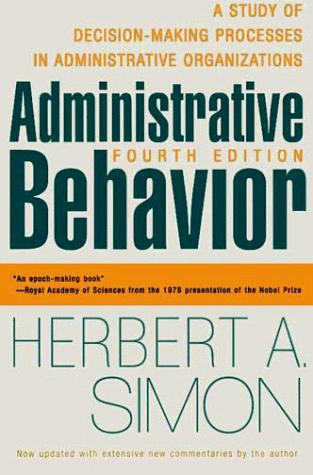
Start this bookNo. 22 on this list. Administrative behavior · Herbert Alexander Simon · 1947
Administrative Behavior is foundational in organizational theory and public administration curricula worldwide. It is assigned in business schools, public policy programs, and political science departments as a standard text. Simon received the Nobel Prize in Economics in 1978 partly on the basis of the theory of bounded rationality developed here, cementing the book's place in the canonical literature of multiple disciplines.
Challenging10 hours
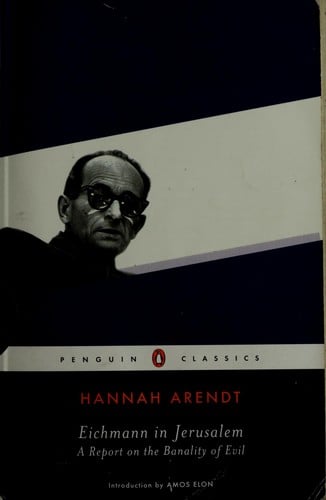
Start this bookNo. 23 on this list. Eichmann in Jerusalem · Hannah Arendt · 1963
Eichmann in Jerusalem appears on syllabi across political philosophy, Holocaust studies, Jewish studies, ethics, history, and law — among the most assigned works of political non-fiction of the 20th century. It is standard reading in any course addressing totalitarianism, moral responsibility, or the Holocaust. The phrase "banality of evil" has entered the language as a fixed concept, which is the clearest measure of canonical status a non-fiction work can achieve.
Challenging9.5 hours
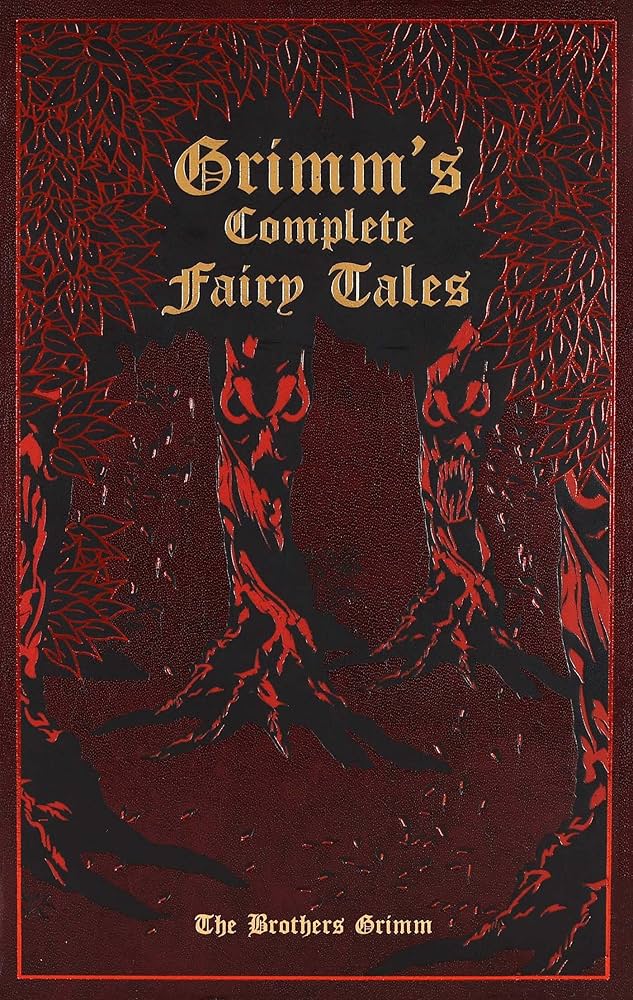
Start this bookNo. 24 on this list. Grimm's Fairy Tales · Brothers Grimm · 1812
Jacob and Wilhelm Grimm collected Cinderella, Rapunzel, Hansel and Gretel, Snow White, and Rumpelstiltskin from oral sources and fixed them in print, giving Western childhood its permanent mythology. The collection launched the discipline of folklore studies and remains the most influential story anthology ever published.
Easy5.9 hours
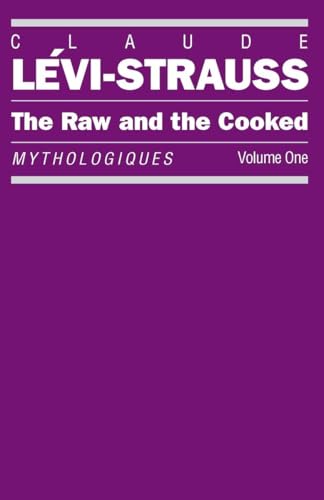
Start this bookNo. 25 on this list. The Savage Mind · Claude Lévi-Strauss · 1962
The Savage Mind is the foundational text of structural anthropology and is widely taught across anthropology, cultural studies, philosophy, and literary theory departments worldwide. It appears on syllabi across disciplines — not just anthropology but semiotics, postcolonial theory, and philosophy of mind. Wikipedia editions exist in over 25 languages. It holds canonical status comparable to Beloved in its field, though its audience is academic rather than general.
Difficult12 hours
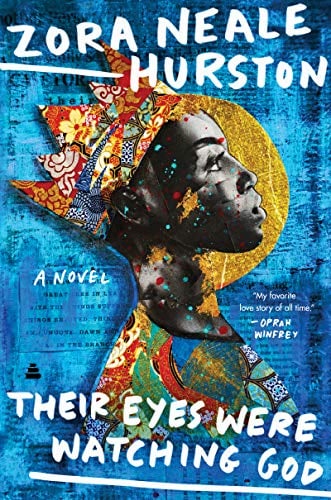
Start this bookNo. 26 on this list. Their Eyes Were Watching God · Zora Neale Hurston · 1937
Taught in schools: Common Core text exemplars (Appendix B) (US)
Appears on 3,011 university syllabi according to the Open Syllabus Project (86.97th percentile), placing it among the most-taught American novels. Featured on TIME's All-TIME 100 Novels list and published in prestigious Library of America and Everyman's Library editions — markers of sustained institutional recognition. Available in 9 Wikipedia languages, reflecting global reach in academic and literary circles.
Challenging5.3 hours
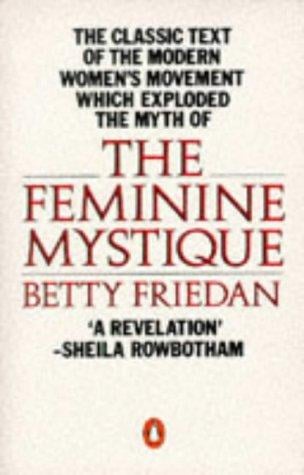
Start this bookNo. 27 on this list. The Feminine Mystique · Betty Friedan · 1963
The Feminine Mystique appears on hundreds of women's studies, American history, and sociology syllabi across the United States and internationally. Time magazine named it one of the 100 most important nonfiction books of the 20th century, and it features on Modern Library and similar 'essential nonfiction' lists. Its Wikipedia article exists in dozens of languages with substantial coverage of its reception and cultural impact.
Moderate9.9 hours
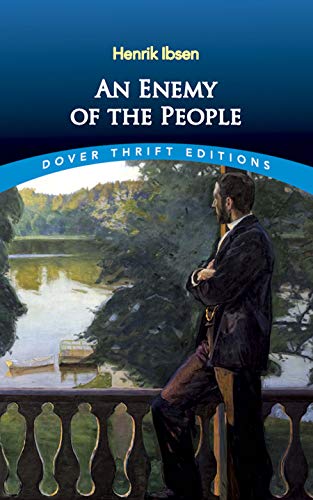
Start this bookNo. 28 on this list. An Enemy of the People · Henrik Ibsen · 1882
An Enemy of the People is a standard text in university drama, literature, and political philosophy curricula worldwide, and is featured on virtually all lists of essential Western drama. Arthur Miller's celebrated 1950 adaptation attests to its enduring canonical status. While taught less broadly than Ibsen's A Doll's House or Hedda Gabler, it remains a fixture in theatre studies and social realist drama courses globally.
Challenging2.7 hours
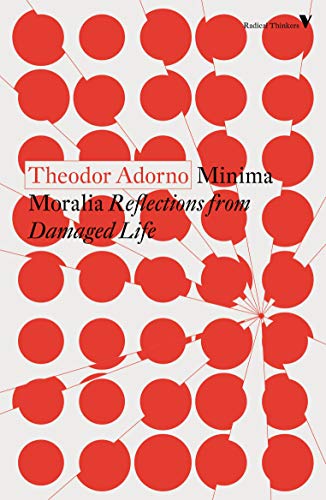
Start this bookNo. 29 on this list. Minima Moralia · Theodor W. Adorno · 1951
Theodor Adorno wrote Minima Moralia between 1944 and 1947, in exile from Nazi Germany, thinking in German while living in Los Angeles. The book's subtitle — Reflections from Damaged Life — is its argument: late capitalism has deformed the smallest gestures, down to the way people say goodbye, arrange furniture, or offer gifts. The 153 aphorisms each begin from some corner of daily experience and immediately turn it into evidence. Adorno watches a houseguest try to help with the dishes and ends up indicting the ideology of helpfulness itself. He watches American children at play and finds the administered society in the rules of their games. American roads, he notes, are inserted directly into landscape with no soft path at the edge — expressionless. Nothing survives without bearing the marks of what produced it. The prose enacts this method in its own syntax: sentences build through nested qualifications, invert themselves, then qualify the inversion. Reading must be slow or it produces nothing. There are no characters, no plot, no narrative — only argument conducted through observation, 153 times. The book ends on a line that has since become the most quoted sentence in German philosophy: there is no right life in the wrong one. Adorno's 300 pages are the case for that verdict, assembled from the evidence of ordinary afternoons.
Very Difficult14 hours
Start this bookNo. 30 on this list. Letter from Birmingham Jail · Martin Luther King Jr. · 1963
King wrote this letter on scraps of newspaper in a Birmingham jail cell, responding to eight white clergymen who had called the civil rights demonstrations 'unwise and untimely.' The result is one of the most important documents in American history—a masterpiece of rhetoric that systematically dismantles the arguments for gradualism and 'waiting' while making the case for nonviolent direct action. King distinguishes between just and unjust laws, invokes Socrates, Augustine, Aquinas, and Buber, and delivers a devastating critique of the 'white moderate' who prefers order to justice. The letter moves from philosophical argument to prophetic witness, from the particular injustices of Birmingham to the universal struggle for human dignity. King writes with the cadences of the Black church, the precision of a trained theologian, and the moral authority of a man willing to go to jail for his beliefs. The letter transcends its immediate context to stand as one of the great statements on justice, conscience, and civil disobedience in any language.
Moderate27 min
Start this book
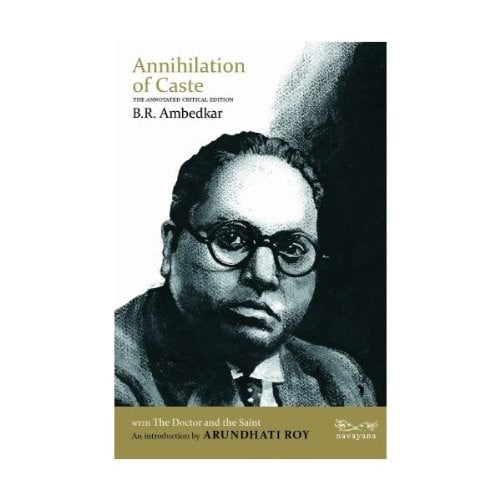
No. 31 on this list. Annihilation of Caste
B.R. Ambedkar · 1936
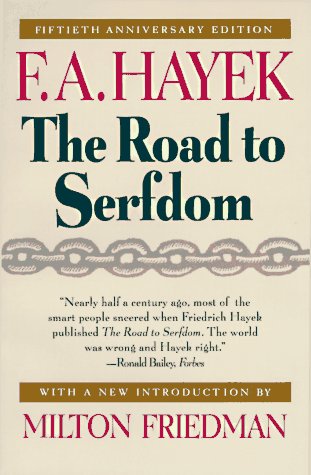
No. 32 on this list. The Road to Serfdom
Friedrich A. Hayek · 1994
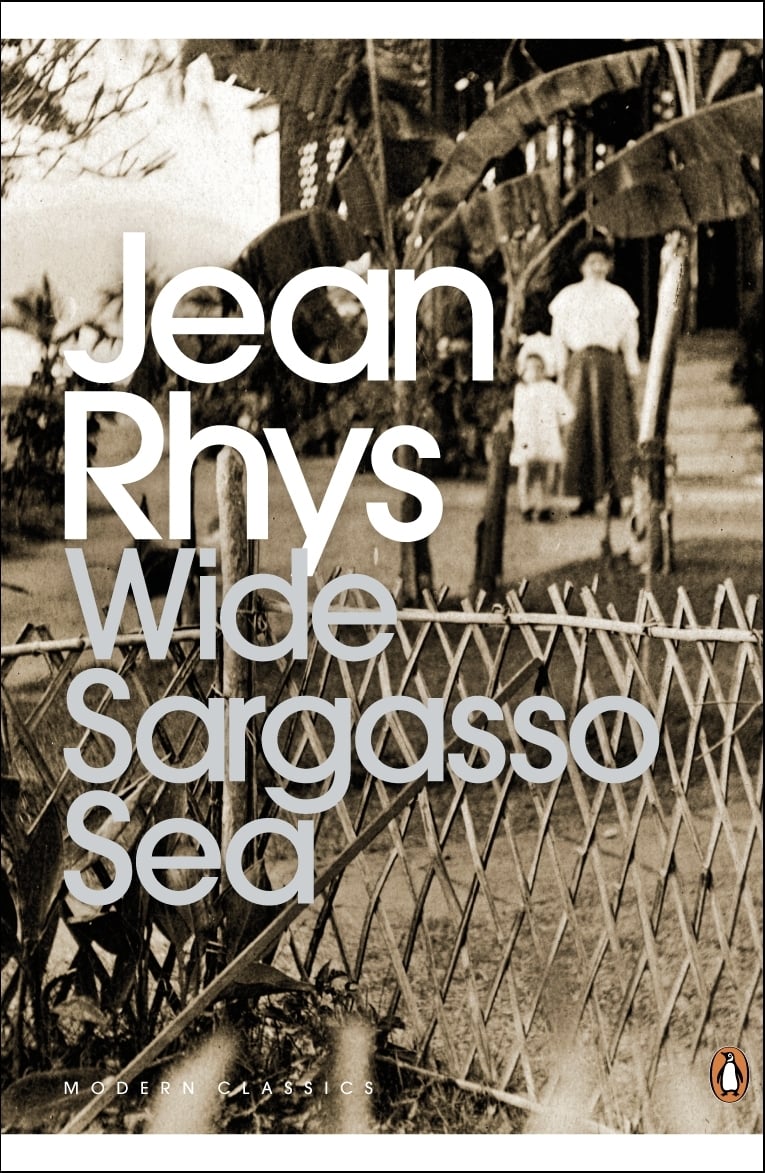
No. 33 on this list. Wide Sargasso Sea
Jean Rhys · 1966
Taught in schools: CSEC English B – Caribbean Examinations Council, WJEC/Eduqas GCSE and A-level English Literature (UK)
No. 34 on this list. Fortunata and Jacinta
Benito Pérez Galdós · 1887
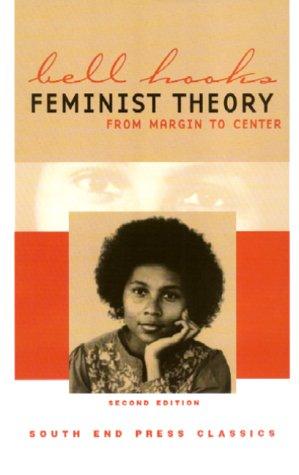
No. 35 on this list. Feminist Theory: From Margin to Center
bell hooks · 1984
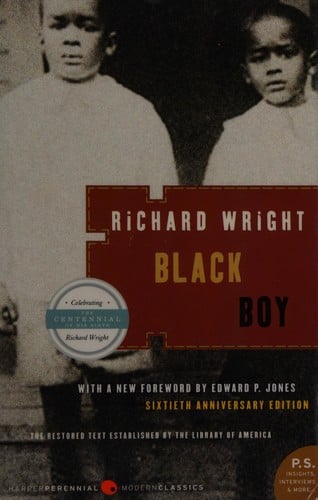
No. 36 on this list. Black Boy
Richard Wright · 1945
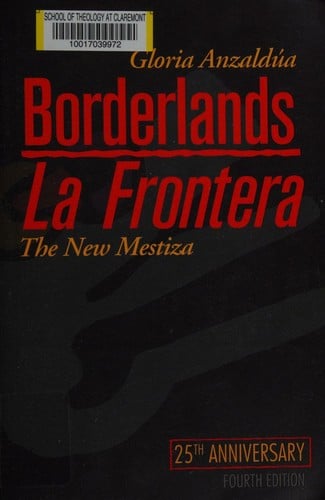
No. 37 on this list. Borderlands/La Frontera: The New Mestiza
Gloria Anzaldua · 1987
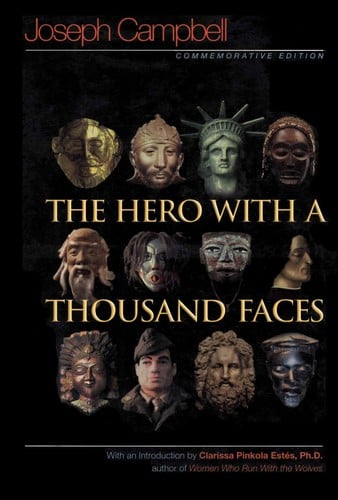
No. 38 on this list. The Hero with a Thousand Faces
Joseph Campbell · 1949
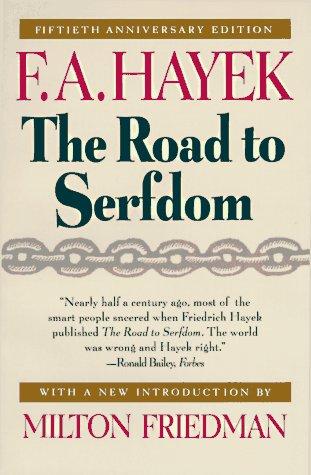
No. 39 on this list. The Road to Serfdom
Friedrich Hayek · 1944
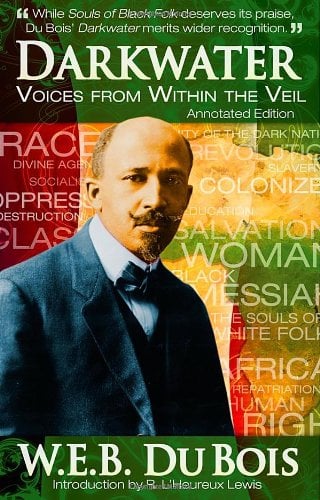
No. 40 on this list. Darkwater
W. E. B. Du Bois · 1920
No. 41 on this list. The Armies of the Night
Norman Mailer · 1968
No. 42 on this list. The Death and Life of Great American Cities
Jane Jacobs · 1961
No. 43 on this list. The Open Society and Its Enemies
Karl Popper · 1945
No. 44 on this list. The Society of the Spectacle
Guy Debord · 1967
No. 45 on this list. Ain't I a Woman
bell hooks · 1981
No. 46 on this list. Development as Freedom
Amartya Sen · 1999
No. 47 on this list. The Road to Wigan Pier
George Orwell · 1937
No. 48 on this list. Sister Outsider
Audre Lorde · 1984
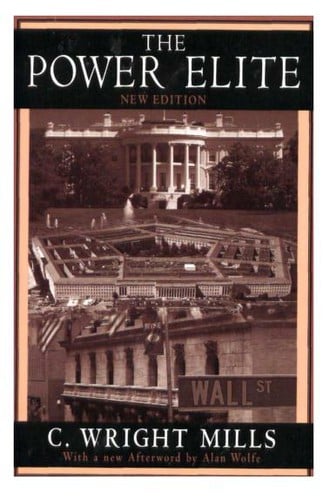
No. 49 on this list. The Power Elite
C. Wright Mills · 1956
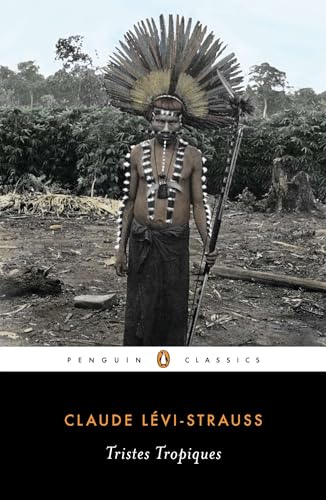
No. 50 on this list. Tristes Tropiques
Claude Lévi-Strauss · 1955
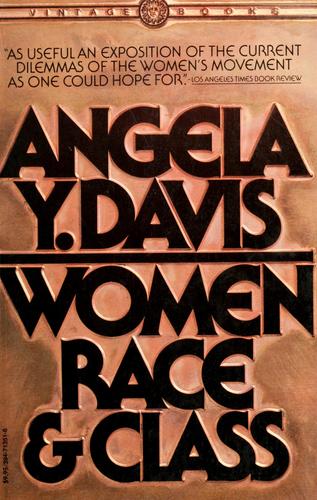
No. 51 on this list. Women, Race & Class
Angela Davis · 1981
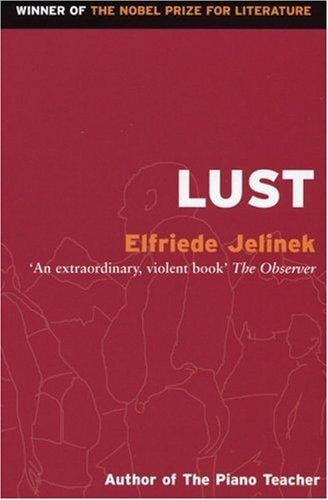
No. 52 on this list. Lust
Elfriede Jelinek · 1989
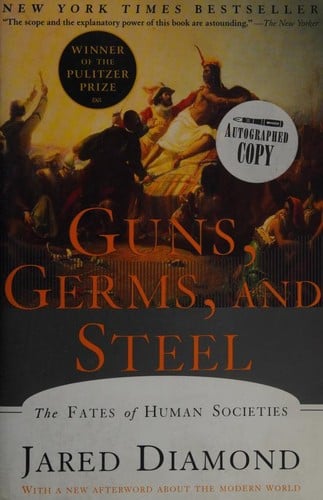
No. 53 on this list. Guns, Germs, and Steel
Jared Diamond · 1997
No. 54 on this list. Three Guineas
Virginia Woolf · 1938
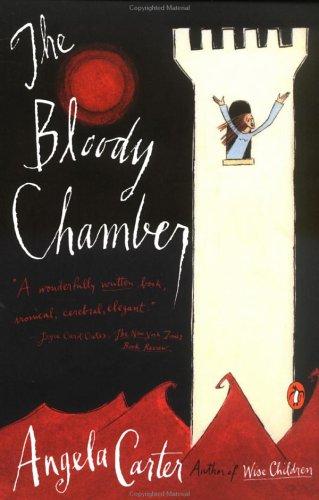
No. 55 on this list. The Bloody Chamber
Angela Carter · 1979
Taught in schools: OCR GCSE and A-level English Literature (UK)
No. 56 on this list. One-Dimensional Man
Herbert Marcuse · 1964
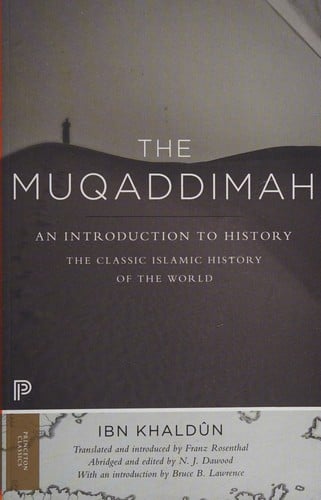
No. 57 on this list. The Muqaddimah
Ibn Khaldun · 1377
Included in: UNESCO Collection of Representative Works
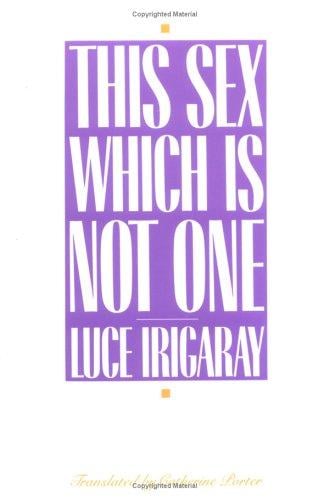
No. 58 on this list. This Sex Which Is Not One
Luce Irigaray · 1977
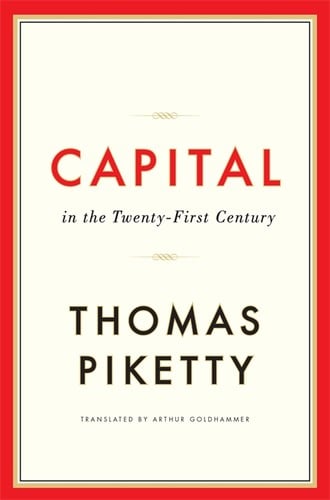
No. 59 on this list. Capital in the Twenty-First Century
Thomas Piketty · 2013
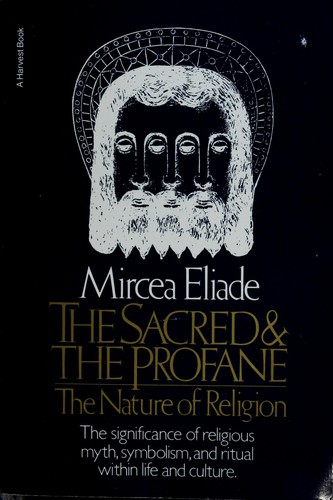
No. 60 on this list. The Sacred and the Profane
Mircea Eliade · 1957
No. 61 on this list. The Yellow Wall-Paper
Charlotte Perkins Gilman · 1892
No. 62 on this list. The Wealth of Nations
Adam Smith · 1776
No. 63 on this list. Undoing Gender
Judith Butler · 2004
No. 64 on this list. Cousin Bette
Honoré de Balzac · 1846
Included in: Great Books of the Western World
No. 65 on this list. Han Feizi
Han Fei · c. 233 BCE
No. 66 on this list. The Masters and the Slaves: A Study in the Development of Brazilian Civilization
Gilberto Freyre · 1933
No. 67 on this list. The Social Contract
Jean-Jacques Rousseau · 1762
No. 68 on this list. Alexander Hamilton
Ron Chernow · 2004
No. 69 on this list. The Path To Power
Robert A. Caro · 1982
No. 70 on this list. Leviathan
Thomas Hobbes · 1651
Included in: Great Books of the Western World
No. 71 on this list. Two Treatises of Government
John Locke · 1689
No. 72 on this list. Coming of Age in Samoa: A Psychological Study of Primitive Youth for Western Civilisation
Margaret Mead · 2001
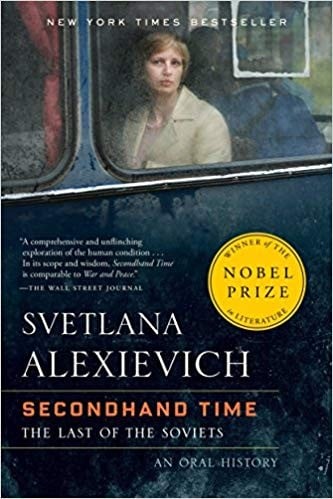
No. 73 on this list. Secondhand Time
Svetlana Alexievich · 2013
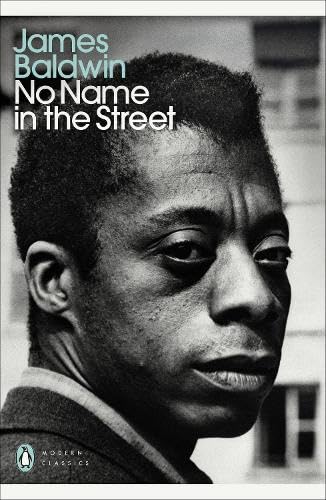
No. 74 on this list. No Name in the Street
James Baldwin · 1972
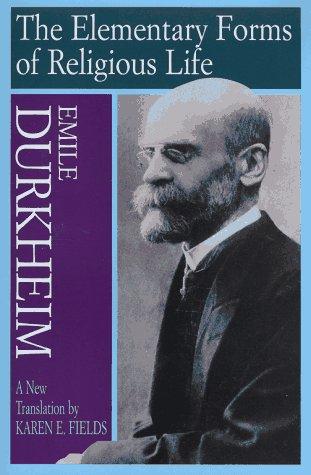
No. 75 on this list. The Elementary Forms of Religious Life
Emile Durkheim · 1912
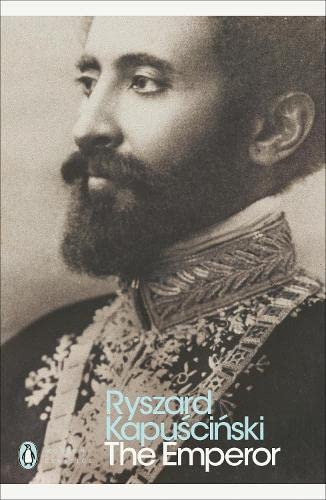
No. 76 on this list. The Emperor
Ryszard Kapuściński · 1978
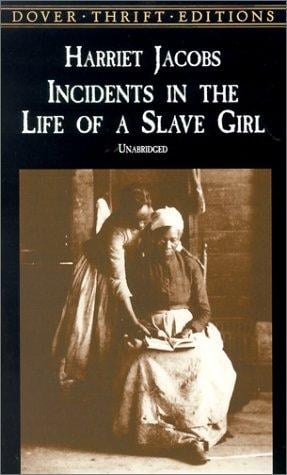
No. 77 on this list. Incidents in the Life of a Slave Girl
Harriet Ann Jacobs · 1861
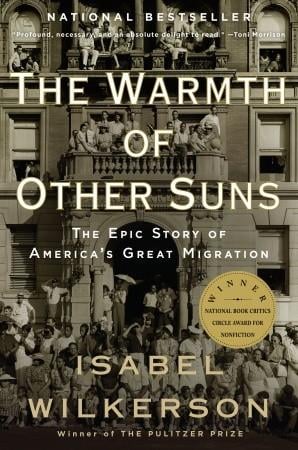
No. 78 on this list. The Warmth of Other Suns
Isabel Wilkerson · 2010
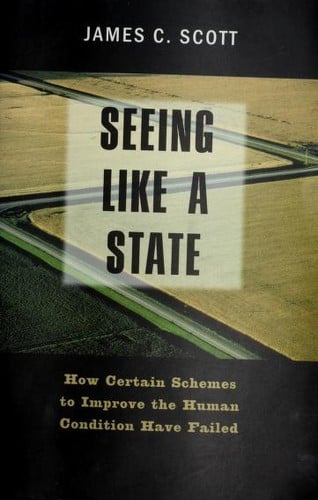
No. 79 on this list. Seeing Like a State
James C. Scott · 1998
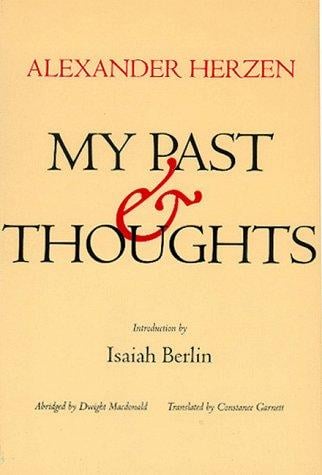
No. 80 on this list. My Past and Thoughts
Alexander Herzen · 1868
No. 81 on this list. The Last Day of a Condemned Man
Victor Hugo · 1829
No. 82 on this list. Homo Ludens
Johan Huizinga · 1938
No. 83 on this list. The Silmarillion
J. R. R. Tolkien · 1977
No. 84 on this list. Modernity and Self-Identity
Anthony Giddens · 1991
No. 85 on this list. The Revolt of the Masses
José Ortega y Gasset · 1930
No. 86 on this list. The Way We Live Now
Anthony Trollope · 1875
No. 87 on this list. Salvador
Joan Didion · 1983
No. 88 on this list. The Custom of the Country
Edith Wharton · 1913
No. 89 on this list. The Field of Life and Death
Xiao Hong · 1935
No. 90 on this list. Patriotic Gore: Studies in the Literature of the American Civil War
Edmund Wilson · 1962
No. 91 on this list. Cassandra
Christa Wolf · 1983
No. 92 on this list. The Feminization of American Culture
Ann Douglas · 1977
No. 93 on this list. The Communist Manifesto
Karl Marx · 1848
No. 94 on this list. On Liberty
John Stuart Mill · 1859
No. 95 on this list. Reading Colonial Japan: Text, Context, and Critique
Michele M. Mason · 2012
No. 96 on this list. The Jungle
Upton Sinclair · 1906
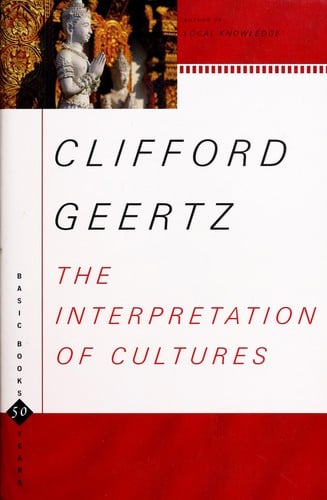
No. 97 on this list. The Interpretation of Cultures
Clifford Geertz · 1973
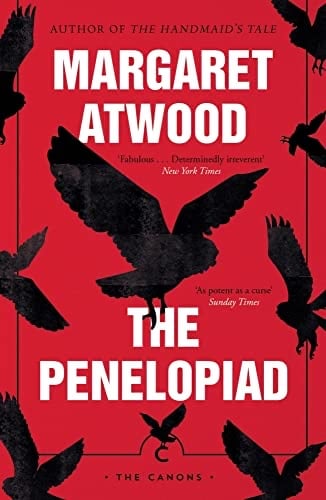
No. 98 on this list. Penelopiad
Margaret Atwood · 2005
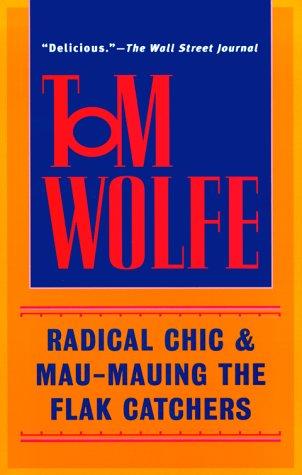
No. 99 on this list. Radical Chic & Mau-Mauing the Flak Catchers
Tom Wolfe · 1970
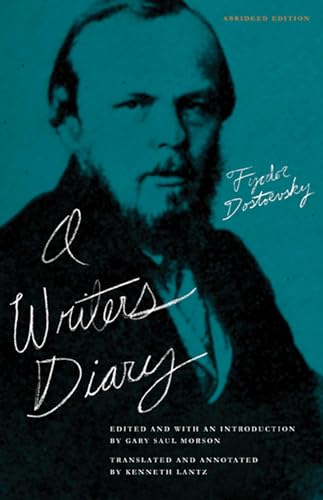
No. 100 on this list. A Writer's Diary
Fyodor Dostoevsky · 1877
About this list
These 100 books are the highest-scoring eligible books on politics and society currently in the catalogue. By literary regard, it opens with Discipline and Punish, The Prince and The Declaration of Independence / The Constitution of the United States. About 965 hours of reading in all. Difficulty runs from 43 to 61 out of 100 for the middle half of the list; the summit is Minima Moralia at 85.
This list is ranked by literary regard, with a consistent order for equal scores. Membership follows authors and co-authors, not translators or editors. Catalogue coverage and the historical canon both limit what this list can represent, and genre labels are the catalogue’s own, gathered into broader kinds.
When we matched the Canons dataset to our catalogue in October 2026, our canonical-status scores rose with the number of school curricula, publisher series and lists in it that cite a work: the median score was 72 for books one such source cites, 84 at two, 88 at three, 92 at four and 93 at five or more. Prizes are left out of that count. Outside the state curricula, the dataset’s sources choose mostly from what has been translated into English or French, so it is a weaker check on other literatures. Source: Canons (Andrew Piper), CC BY 4.0
Questions people actually ask
- What are the best books on politics and society?
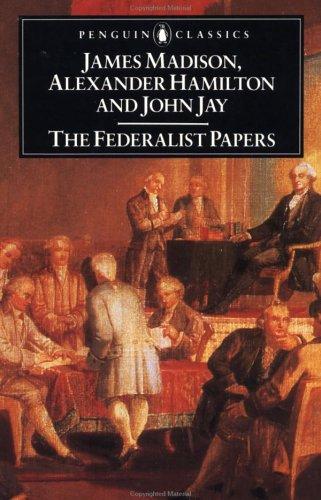
- By literary regard, which weighs canonical status, critical standing and influence, Discipline and Punish, The Prince, The Declaration of Independence / The Constitution of the United States, The Federalist Papers and The Protestant Ethic and the Spirit of Capitalism lead. ReadingRate ranks 100 such books, each with a difficulty score and a reading-time estimate.
- Where should I start with books on politics and society?
- Start from difficulty, not from rank. The most approachable books on this list that still carry top literary regard are The Road to Serfdom by Friedrich A. Hayek (about 6.4 hours), Ain't I a Woman by bell hooks and Politics and the English Language by George Orwell.
- How hard are books on politics and society to read?
- Most of this list sits between 43 and 61 on ReadingRate's 100-point difficulty scale, where 40 to 55 is moderate. The summit is Minima Moralia at 85. Every entry carries its own score, so a reader can pick a great book at a difficulty they will finish.
- How is this list ranked?
- On literary-regard data: how canonically established a work is, its critical standing, and its influence on later writing. It is not a readers’ poll, which is why recent bestsellers rarely appear. Membership follows authors and co-authors, not translators or editors. A list that is not a genre list keeps to literature (fiction, poetry, drama and philosophy), with philosophy taking no more than one slot in five while there is literature left to rank; every list holds at most three works by one author.