Hours at an average pace
Showing 65 books
About 556 hours for 63 of 65 books with measured lengths. Estimates use 250 words a minute, adjusted for each book's difficulty. At 2 hours a day, about 278 days for those books.
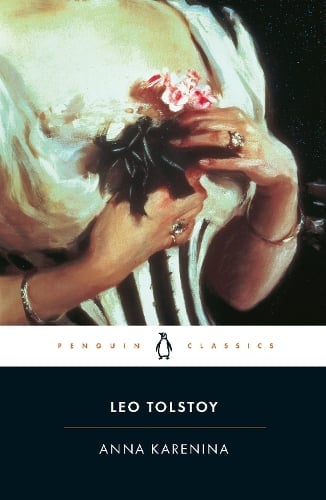
No. 1 on this list. Anna Karenina
Leo Tolstoy · 1877
Challenging26 hours
Taught in schools: Hungarian literature curriculum (magyar nyelv és irodalom) (Hungary), Lithuanian literature curriculum (lietuvių kalba ir literatūra), Russian FGOS literature standard
Included in: Bokklubben World Library
Appears on 334 university syllabi and has a Wikipedia article in 82 languages, placing it among the most globally recognized novels ever written. Consistently named to lists of the greatest novels—TIME All-TIME 100 Novels (2005) and Le Monde's 100 Books of the Century (1999)—and taught wherever world literature courses exist. Its status as a masterpiece of the novel form is essentially uncontested across literary traditions.
No. 2 on this list. Crime and Punishment
Fyodor Dostoevsky · 1866
Difficult24 hours
Taught in schools: Common Core text exemplars (Appendix B) (US), Lektury obowiązkowe – Polish national reading list (Poland), Lithuanian literature curriculum (lietuvių kalba ir literatūra)
Included in: Bokklubben World Library
Crime and Punishment is required reading in virtually every world literature curriculum and Russian literature course. It appears on 711 university syllabi (Open Syllabus) and is available in 82 Wikipedia languages, placing it among the most globally recognized novels ever written. It consistently appears on canonical 'greatest novels' lists, including TIME's All-TIME 100 Novels.
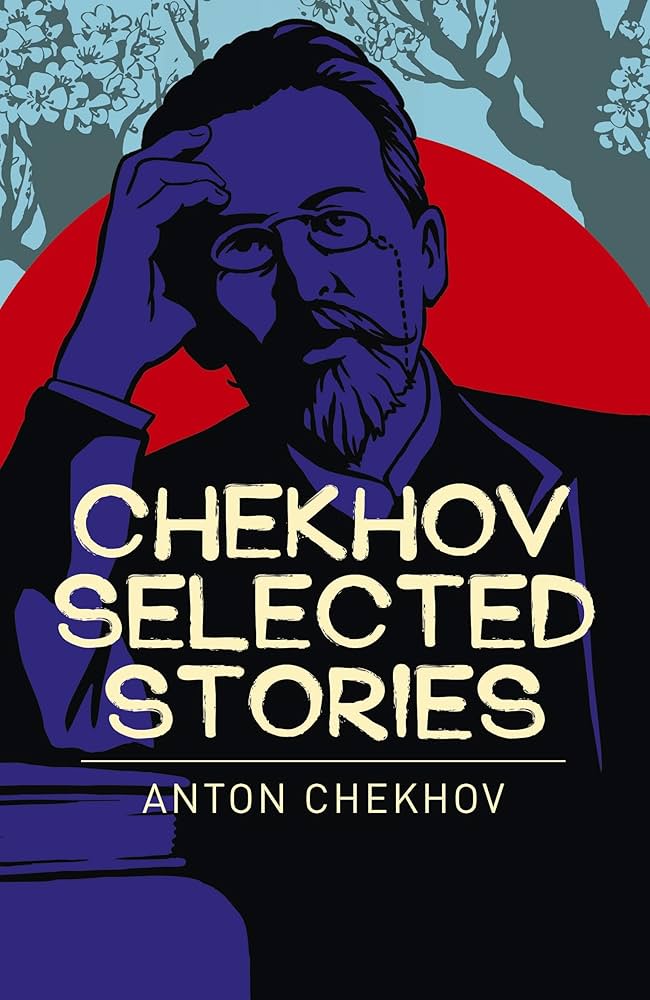
Chekhov anchors the short-story unit of virtually every world-literature and creative-writing syllabus in the English-speaking world, and "The Lady with the Dog," "Gooseberries," and "Ward No. 6" are among the most frequently anthologized stories in any language. Our database has no syllabus or Wikipedia-language data recorded against this specific collection entry, but that reflects the absence of one fixed "Selected Stories" edition to track rather than any gap in his standing.
No. 4 on this list. War and Peace
Leo Tolstoy · 1869
Moderate39 hours
Taught in schools: Russian FGOS literature standard, Turkish edebiyat curriculum (Turkey)
Included in: Bibliothèque de la Pléiade, Bokklubben World Library, Great Books of the Western World
War and Peace appears on 120 university syllabi (Open Syllabus) and has Wikipedia articles in 80 languages, placing it among the most globally recognized novels ever written. It features on the BBC Big Read Top 100, the 1001 Books You Must Read Before You Die list, and the Open Syllabus Top 500 Literature canon, with a prestige NYRB Classics edition. The book is referenced universally as the archetype of the sweeping Russian novel.
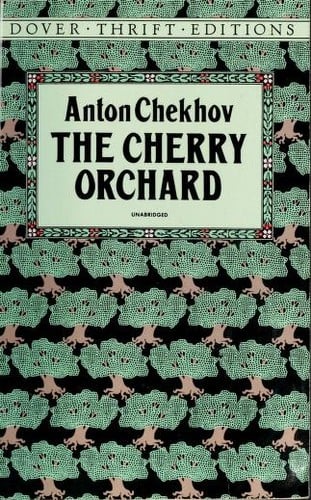
No. 5 on this list. The Cherry Orchard
Anton Chekhov · 1904
Moderate1.2 hours
Taught in schools: Armenian secondary literature, CSEC English B – Caribbean Examinations Council, Russian FGOS literature standard
Universally included in world literature syllabi alongside Shakespeare and Greek drama. No major course omits it; it defines modern theater. Russian literature curricula make it mandatory; Western universities teach it in drama, European lit, and modernism courses equally. Unquestioned canonical necessity.
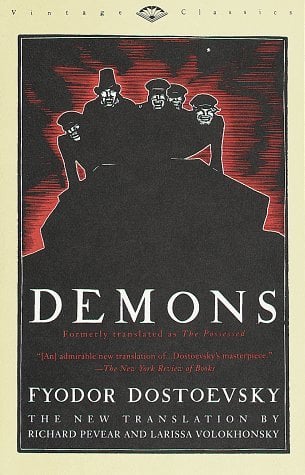
No. 6 on this list. Demons
Fyodor Dostoevsky · 1872
Challenging22 hours
Included in: Bokklubben World Library
A revolutionary cell takes hold of a provincial Russian town, manipulating liberal reformers and committing murder in the name of progress. Based partly on the Nechaev affair—a real case where a revolutionary leader murdered a skeptical member of his group—Dostoevsky creates a portrait of ideological possession that proved prophetic. Nikolai Stavrogin, beautiful and morally empty, inspires devotion he cannot reciprocate. Pyotr Verkhovensky, cunning and nihilistic, orchestrates chaos he believes will bring utopia. Around them swirl liberals, revolutionaries, idealists, and cynics whose ideas have disconnected from reality. The novel is Dostoevsky's darkest political vision: a society where borrowed Western ideas have corrupted Russian souls, where the best lack all conviction and the worst are full of passionate intensity. Also published as The Possessed or The Devils.
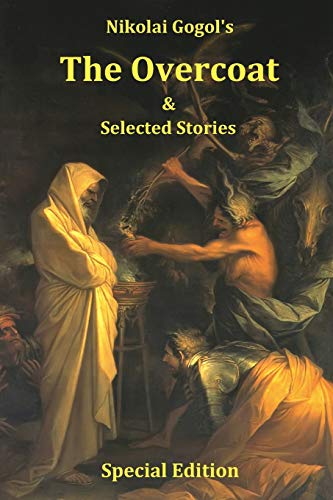
No. 7 on this list. The Overcoat
Nikolai Gogol · 1842
Challenging59 min
Taught in schools: Kazakh literature curriculum (Kazakhstan), Montenegrin literature curriculum (crnogorski jezik i književnost) (Montenegro), Russian FGOS literature standard
"The Overcoat" is one of the most canonical short works in world literature, with a Wikipedia article available in 36 languages. It is standard reading in Russian literature courses and world literature surveys at universities globally. Dostoevsky's declaration that all Russian literature emerged from Gogol's overcoat has enshrined it as a foundational text for nearly two centuries.
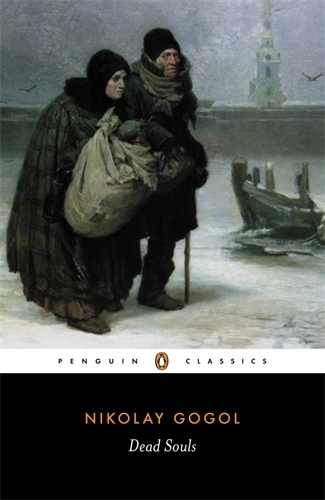
No. 8 on this list. Dead Souls
Nikolai Gogol · 1842
Challenging10 hours
Taught in schools: Kazakh literature curriculum (Kazakhstan), Russian FGOS literature standard, Turkish edebiyat curriculum (Turkey)
Included in: Bokklubben World Library
Gogol invented a con man who travels provincial Russia buying the legal titles to dead serfs, and the scheme becomes a lens that reveals an entire civilization running on fraud, vanity, and paperwork. The novel created Russian satirical prose and gave the language its first great comic voice — simultaneously grotesque, lyrical, and furious.
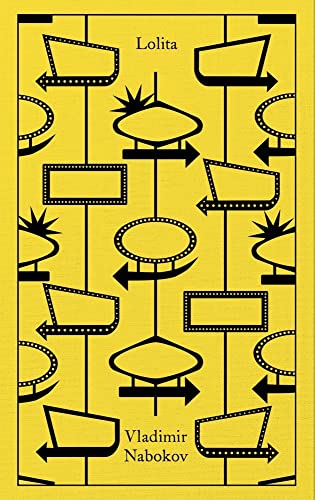
No. 9 on this list. Lolita
Vladimir Nabokov · 1955
Challenging11 hours
Included in: Bokklubben World Library
Nabokov gave a monster the most beautiful prose in the English language and dared the reader to be seduced by it, producing the most disturbing test case for the relationship between aesthetic pleasure and moral judgment. Humbert Humbert's sentences are so exquisite that noticing your own enchantment becomes the novel's real subject.
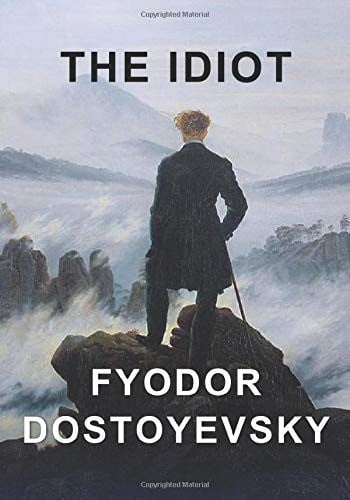
No. 10 on this list. The Idiot
Fyodor Dostoevsky · 1869
Challenging19 hours
Taught in schools: Russian FGOS literature standard
Included in: Bokklubben World Library
Prince Myshkin steps off a train into St. Petersburg after four years in a Swiss sanatorium, cured of his epilepsy but carrying no money, no connections, and a disposition so transparently good that everyone around him assumes he is simple. He is not simple. He sees directly into people — their vanity, their suffering, their better selves — and says so without calculation, which the society he enters reads as idiocy. Within days he is entangled with two women: Nastasya Filippovna, a celebrated beauty who has been kept and ruined by a wealthy patron and who tears through every room she enters, and Aglaya Epanchina, young and proud and surrounded by suitors. Both fall in love with him. He loves both. He cannot save either. Dostoevsky set out to portray a 'positively beautiful man' and then placed him in conditions designed to break such a man apart. The question the novel drives toward — whether goodness has any purchase on the world, whether beauty can save or only destroy — is never answered. What accumulates instead is a portrait of Russian society in the 1860s: the new money, the decayed gentry, the radical youths, the drawing rooms where everyone performs and no one is seen. Myshkin alone refuses to perform, which makes him simultaneously the novel's moral center and its most helpless figure. The final scene — two men sitting in darkness beside a dead woman — is among the most harrowing endings in 19th-century fiction.
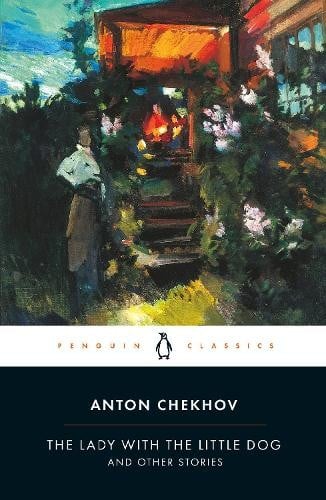
No. 11 on this list. The Lady with the Dog · Anton Chekhov · 1899
Taught in schools: Russian FGOS literature standard
Among the most anthologized and taught short stories in any language, a staple of fiction courses and writing workshops. It is frequently named as the greatest short story ever written.
Challenging32 min
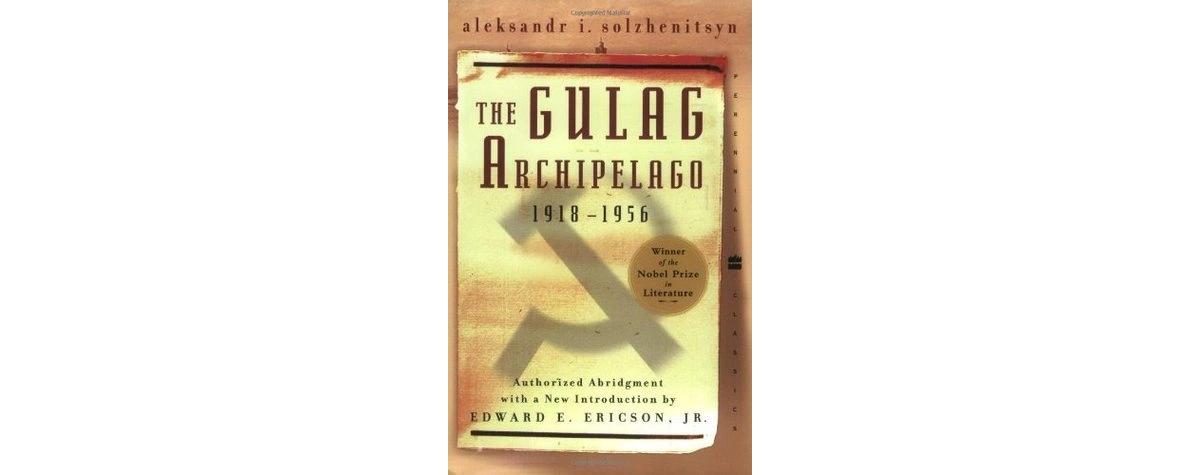
Read nowNo. 12 on this list. The Gulag Archipelago · Aleksandr Solzhenitsyn · 1973
Solzhenitsyn documented the Soviet forced-labor system with the evidentiary mass of a prosecutor and the moral witness of a survivor, compiling testimony from over two hundred prisoners into a work that made the word "gulag" part of every language. The book did more to delegitimize the Soviet state than any political movement of its era.
Challenging
Start this bookNo. 13 on this list. Pale Fire · Vladimir Nabokov · 1962
Nabokov disguised a novel as a 999-line poem with a lunatic's commentary, and the gap between what the commentator thinks he is explaining and what the reader discovers he is revealing became the most elaborate unreliable-narrator trap in fiction. The book is simultaneously a parody of academic scholarship, a detective story, and a meditation on exile — and no two readers have ever agreed on which layer is the real one.
Difficult9.1 hours
Start this bookNo. 14 on this list. One Day in the Life of Ivan Denisovich · Aleksandr Solzhenitsyn · 1962
A single January day in a Soviet labor camp in the early 1950s, told through the eyes of Ivan Denisovich Shukhov, a peasant ten years into a trumped-up sentence for treason. Solzhenitsyn structures the novel as a minute-by-minute account: the pre-dawn wake-up, the roll call in −30° cold, the march to the construction site, the bricklaying in the wind, the return, the thin soup, and lights out. The genius of the book is its scale — one man, one day — and the moral universe Shukhov navigates within it. He is not heroic in any conventional sense; he calculates how to get an extra bowl of gruel, how to pocket a useful piece of metal, how to avoid the guards' notice. Yet these calculations constitute a form of dignity. Published in 1962 in the Soviet literary journal Novy Mir under Khrushchev's brief thaw, the novella hit Soviet readers like a physical shock: the Gulag had existed for decades, but naming it in print was new. In the West it became the first credible inside account of the camp system, a document as much as a novel. Solzhenitsyn's prose is close-grained and unsentimental, the voice tuned to Shukhov's practical intelligence. The cold is not metaphorical; the bread is not symbolic. The facts speak.
Easy3 hours
Start this bookNo. 15 on this list. The Death of Ivan Ilyich · Leo Tolstoy · 1886
Taught in schools: Hungarian literature curriculum (magyar nyelv és irodalom) (Hungary), Russian FGOS literature standard
Included in: Bokklubben World Library
Universally regarded as one of the greatest novellas ever written. Studied across literature and philosophy courses.
Moderate1.2 hours
Start this bookNo. 16 on this list. A Hero of Our Time · Mikhail Lermontov · 1840
A Hero of Our Time is the foundational text of Russian psychological prose and is taught in virtually every Russian literature survey course worldwide. The database shows no Open Syllabus data, but the novel's position in the Russian literary canon — alongside Pushkin, Tolstoy, and Dostoevsky — is unambiguous; it is typically included in world literature curricula and is required reading in Russian secondary and university education. Wikipedia covers the work extensively in dozens of languages. Its canonical status in Russian literature is comparable to The Great Gatsby's position in American literature.
Moderate3.7 hours
Start this bookNo. 17 on this list. A Sportsman's Sketches · Ivan Turgenev · 1852
A Sportsman's Sketches is a cornerstone of 19th-century Russian literature, widely taught in world literature and Russian literature courses globally. Tsar Alexander II credited it with helping shift opinion toward the emancipation of serfs — a rare case of a literary work altering the course of national policy. Though formal syllabus data is absent from this database, its presence in curricula from Moscow to Michigan is well-documented across 170 years of continuous republication.
Moderate4.8 hours
Start this bookNo. 18 on this list. Pnin · Vladimir Nabokov · 1957
Pnin occupies established position in 20th-century literature curricula, taught as representative Nabokov and exemplary modernist treatment of exile. While less universally assigned than Lolita or Pale Fire, the novel appears regularly in Russian-American literature, American modernism, and displaced-person studies courses.
Challenging3.8 hours
Start this bookNo. 19 on this list. The Captain's Daughter · Alexander Pushkin · 1836
The Captain's Daughter anchors the Russian literary canon alongside Eugene Onegin. It appears in virtually every Russian literature survey course worldwide, is part of the secondary school curriculum in Russia, and has been continuously in print since 1836. No syllabus data was returned from the database, but its foundational status in Slavic studies is unambiguous.
Easy2.5 hours
Start this bookNo. 20 on this list. Petersburg · Andrei Bely · 1913
Vladimir Nabokov named Petersburg one of the four greatest novels of the twentieth century, alongside Ulysses, Kafka's The Metamorphosis, and In Search of Lost Time. It is foundational to university syllabi in Slavic studies and comparative modernism globally, and appears on major world literature lists. Its canonical standing is high within literary circles and academia, though it reaches fewer general curricula than English-language modernist counterparts.
Very Difficult31 hours
Start this book
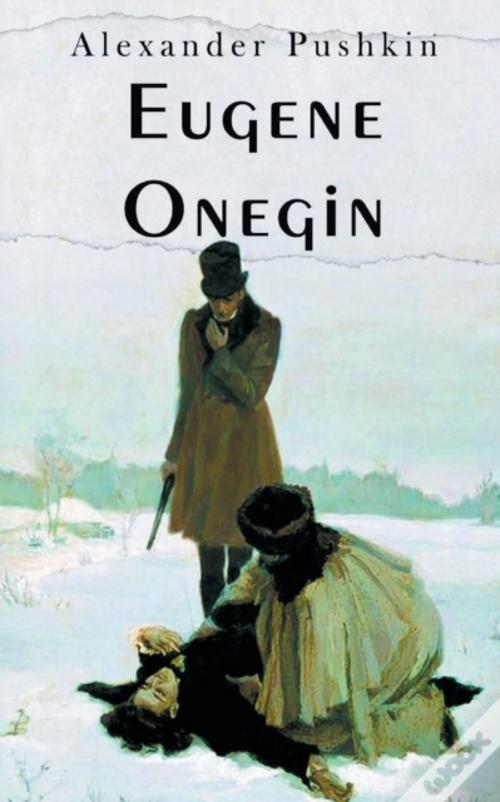
No. 21 on this list. Eugene Onegin · Alexander Pushkin · 1833
Taught in schools: Hungarian literature curriculum (magyar nyelv és irodalom) (Hungary), Russian FGOS literature standard
Foundation of Russian literary tradition, taught universally in Russian literature courses worldwide. Pushkin's masterpiece anchors the curriculum; canonical status unquestioned since publication, marking the emergence of Russian literature as a major European force.
Challenging4.7 hours
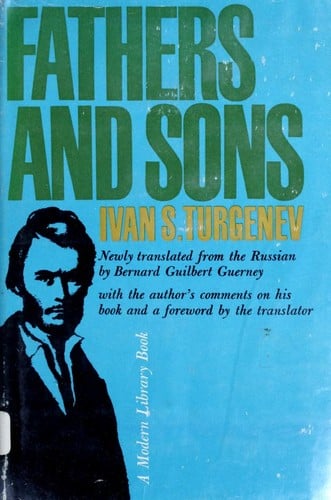
Read nowNo. 22 on this list. Fathers and Sons · Ivan Turgenev · 1862
Taught in schools: Common Core text exemplars (Appendix B) (US), Russian FGOS literature standard, Turkish edebiyat curriculum (Turkey)
Essential nineteenth-century Russian novel; introduced nihilism to world vocabulary.
Moderate5.4 hours
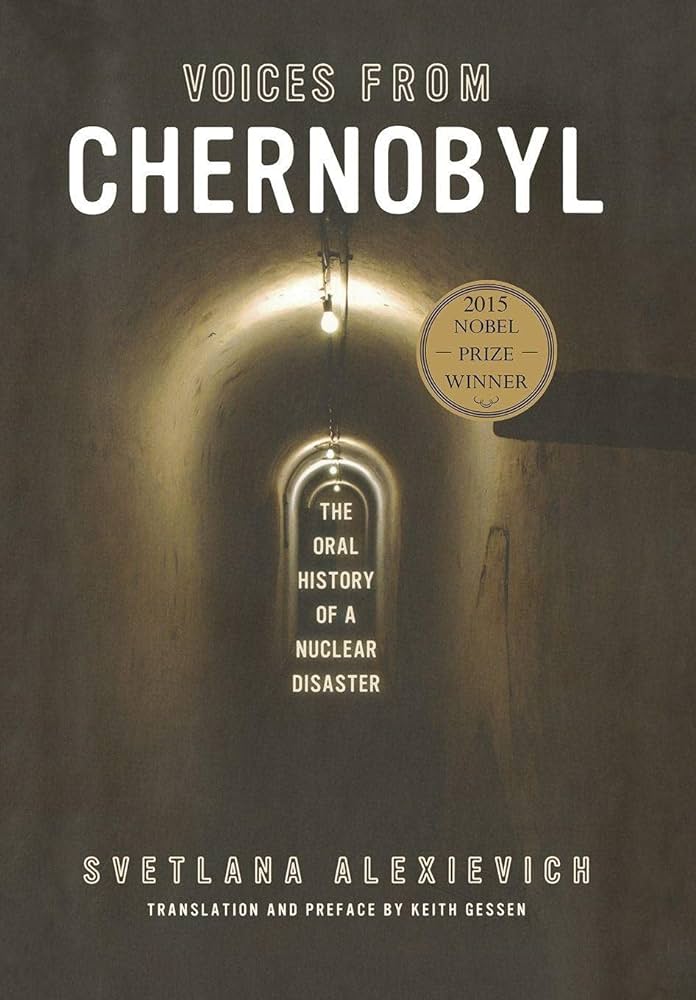
Read nowNo. 23 on this list. Voices from Chernobyl · Svetlana Alexievich · 1997
Widely recognized as the definitive literary account of Chernobyl and a landmark of documentary literature. The 2015 Nobel Prize in Literature elevated its status, establishing Alexievich's polyphonic method as a major formal innovation. Required reading in post-Soviet studies and increasingly taught in world literature curricula. Its documentary approach has influenced contemporary non-fiction globally.
Challenging6.3 hours
Start this bookNo. 24 on this list. The Queen of Spades · Alexander Pushkin · 1834
The Queen of Spades is a cornerstone of Russian literature curricula worldwide and one of the most-taught short fictions in Slavic studies programs. The Wikipedia article appears in 16 languages, reflecting significant global reach for a short story. Pushkin's tale is included in virtually every survey of Russian literature and in many world literature anthologies alongside Chekhov and Gogol.
Moderate32 min
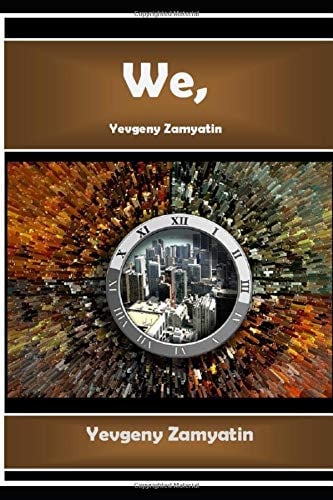
Start this bookNo. 25 on this list. We · Yevgeny Zamyatin · 1924
Taught in schools: Russian FGOS literature standard
We is recognized as the founding text of the dystopian novel genre, directly influencing Aldous Huxley's Brave New World and, through Orwell's own acknowledgment, 1984. It appears regularly in syllabi covering 20th-century fiction, dystopian literature, and Russian modernism. Despite suppression in the Soviet Union for decades, the novel has been widely republished in prestige editions and is considered essential reading in comparative literature courses.
Challenging6.2 hours
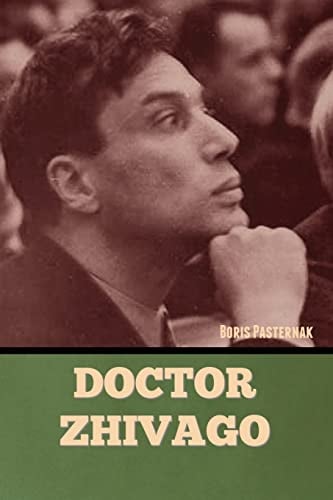
Start this bookNo. 26 on this list. Doctor Zhivago · Boris Pasternak · 1957
Taught in schools: Russian FGOS literature standard
Doctor Zhivago holds a secure place in the canon of twentieth-century world literature, taught in Russian literature surveys, modernism courses, and Cold War cultural studies. Its controversial publication history and Nobel Prize make it historically indispensable.
Challenging15 hours
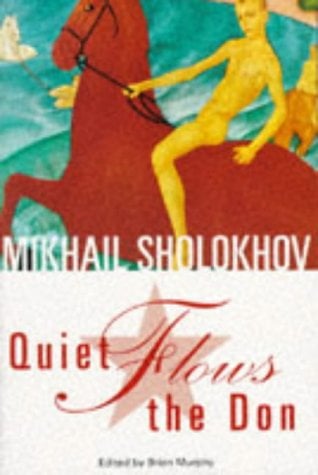
Start this bookNo. 27 on this list. And Quiet Flows the Don · Mikhail Sholokhov · 1928
Taught in schools: Russian FGOS literature standard
And Quiet Flows the Don holds secure canonical position as foundational twentieth-century epic, particularly within Russian literary tradition and Soviet pedagogy. Its 1965 Nobel Prize recognition and permanent inclusion in world literature curricula establish uncontested canonical standing, though some post-Soviet scholarship questions authorship claims.
Moderate13 hours
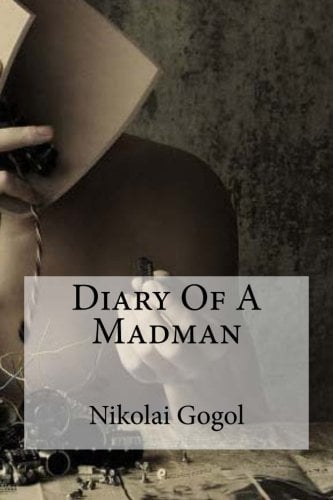
Start this bookNo. 28 on this list. Diary of a Madman · Nikolai Gogol · 1835
Appears in virtually every Russian literature anthology and is widely taught in university Slavic studies and comparative literature courses. One of Gogol's most-reprinted works alongside The Overcoat and The Nose, part of the Petersburg Tales cycle that defines the genre of the Russian fantastical-realist short story. No database entries captured, but this reflects data-collection gaps rather than canonical status.
Moderate37 min
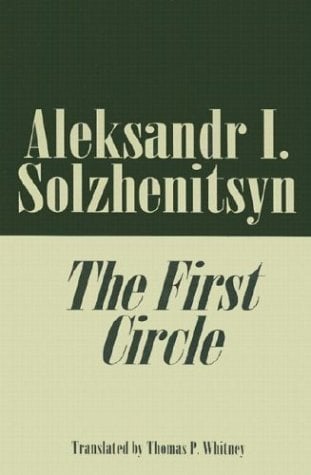
Start this bookNo. 29 on this list. The First Circle · Aleksandr Solzhenitsyn · 1968
The First Circle is taught in Russian literature, comparative literature, and political theory courses across Western universities, and is recognized as one of Solzhenitsyn's major novels alongside One Day in the Life of Ivan Denisovich. Wikipedia articles appear in 13 languages, indicating solid but not globally dominant reach. Its canonical status is strong within the domain of 20th-century political fiction, though less universal than the most-taught works.
Challenging20 hours
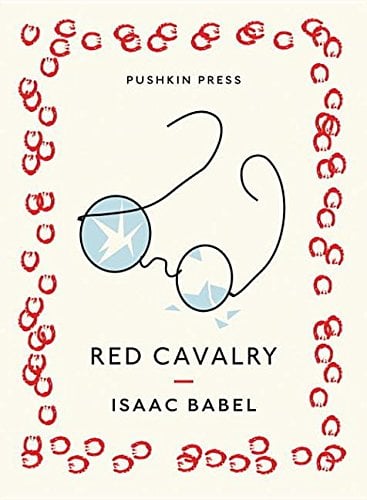
Start this bookNo. 30 on this list. Red Cavalry · Isaac Babel · 1926
Isaac Babel spent six weeks riding with Budyonny's First Cavalry Army during the 1920 Polish-Soviet War and came back with thirty-five stories that read like dispatches from a world being destroyed while it still believes itself alive. The narrator, Lyutov — a bespectacled Jewish intellectual from Odessa — rides with Cossacks who slaughter without hesitation and then sleep soundly, and he watches them with a hunger he never admits and a horror he never names. In 'My First Goose,' Lyutov kills a goose to prove himself worthy of his billet; the act costs him something the story refuses to specify. In 'The Rabbi's Son,' a young Hasidic revolutionary dies clutching manuscripts of Hebrew poetry alongside Communist pamphlets. Babel writes in sentences so compressed they feel pressurized — the lyrical and the brutal occupy the same clause without canceling each other out. A dying horse, a looted synagogue, a father shot by his son: each image arrives exact and then Babel moves on, leaving the weight for the reader to carry. The collection refuses to resolve whether the revolution justified its violence, whether Lyutov ever earned his place among the Cossacks, or whether the Jewish civilization being trampled deserved to survive. Babel was arrested in 1939 and shot in 1940. These stories are what he left.
Challenging4.2 hours
Start this book
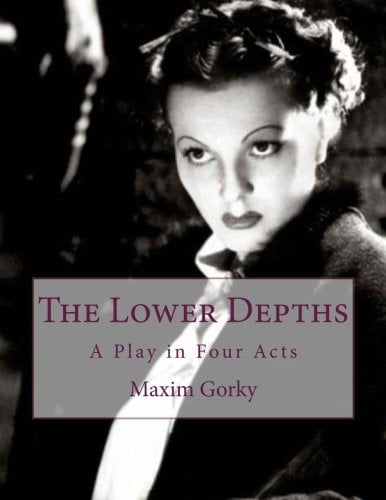
No. 31 on this list. The Lower Depths
Maxim Gorky · 1902
Taught in schools: Russian FGOS literature standard
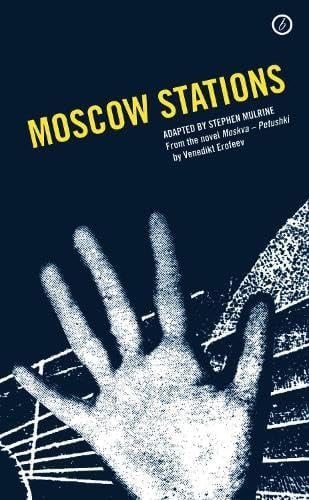
No. 32 on this list. Moscow to the End of the Line
Venedikt Erofeev · 1973
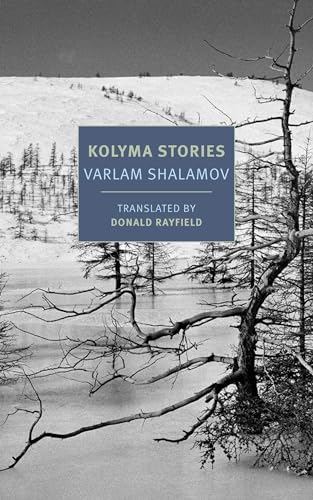
No. 33 on this list. Kolyma Tales
Varlam Shalamov · 1978
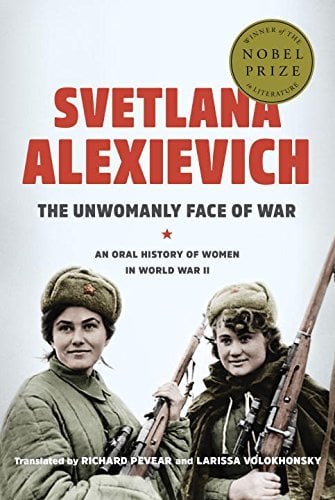
No. 34 on this list. The Unwomanly Face of War
Svetlana Alexievich · 1985
Taught in schools: Lithuanian literature curriculum (lietuvių kalba ir literatūra), UNAM Escuela Nacional Preparatoria – programas de Literatura (Mexico)
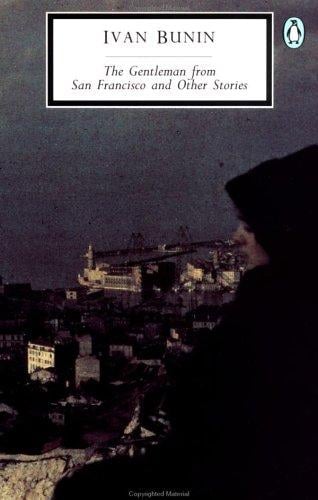
No. 35 on this list. The Gentleman from San Francisco
Ivan Bunin · 1915
Taught in schools: Russian FGOS literature standard
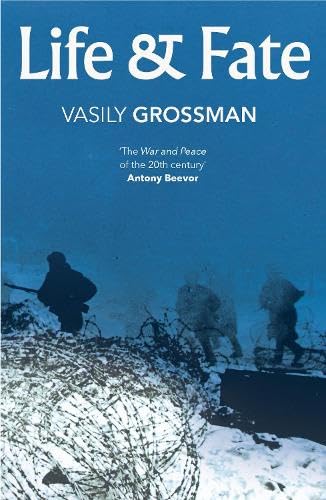
No. 36 on this list. Life and Fate
Vasily Grossman · 1980
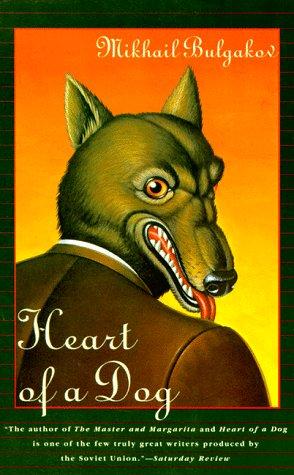
No. 37 on this list. Heart of a Dog
Mikhail Bulgakov · 1925
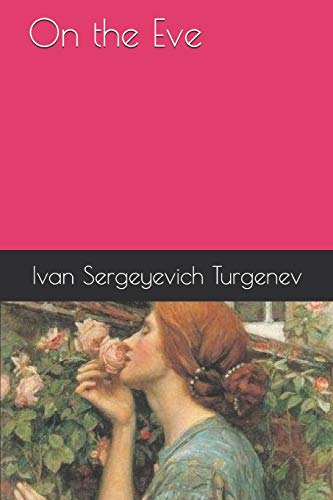
No. 38 on this list. On the Eve
Ivan Turgenev · 1860
Taught in schools: Russian FGOS literature standard
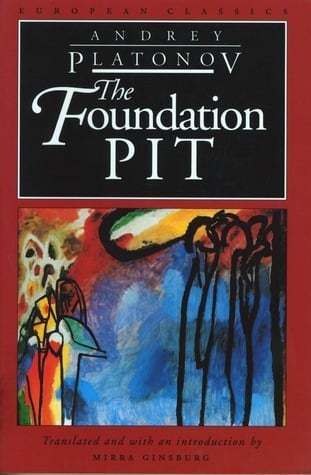
No. 39 on this list. The Foundation Pit
Andrei Platonov · 1973
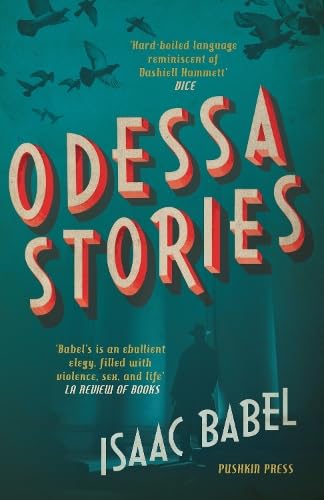
No. 40 on this list. Odessa Tales
Isaac Babel · 1931
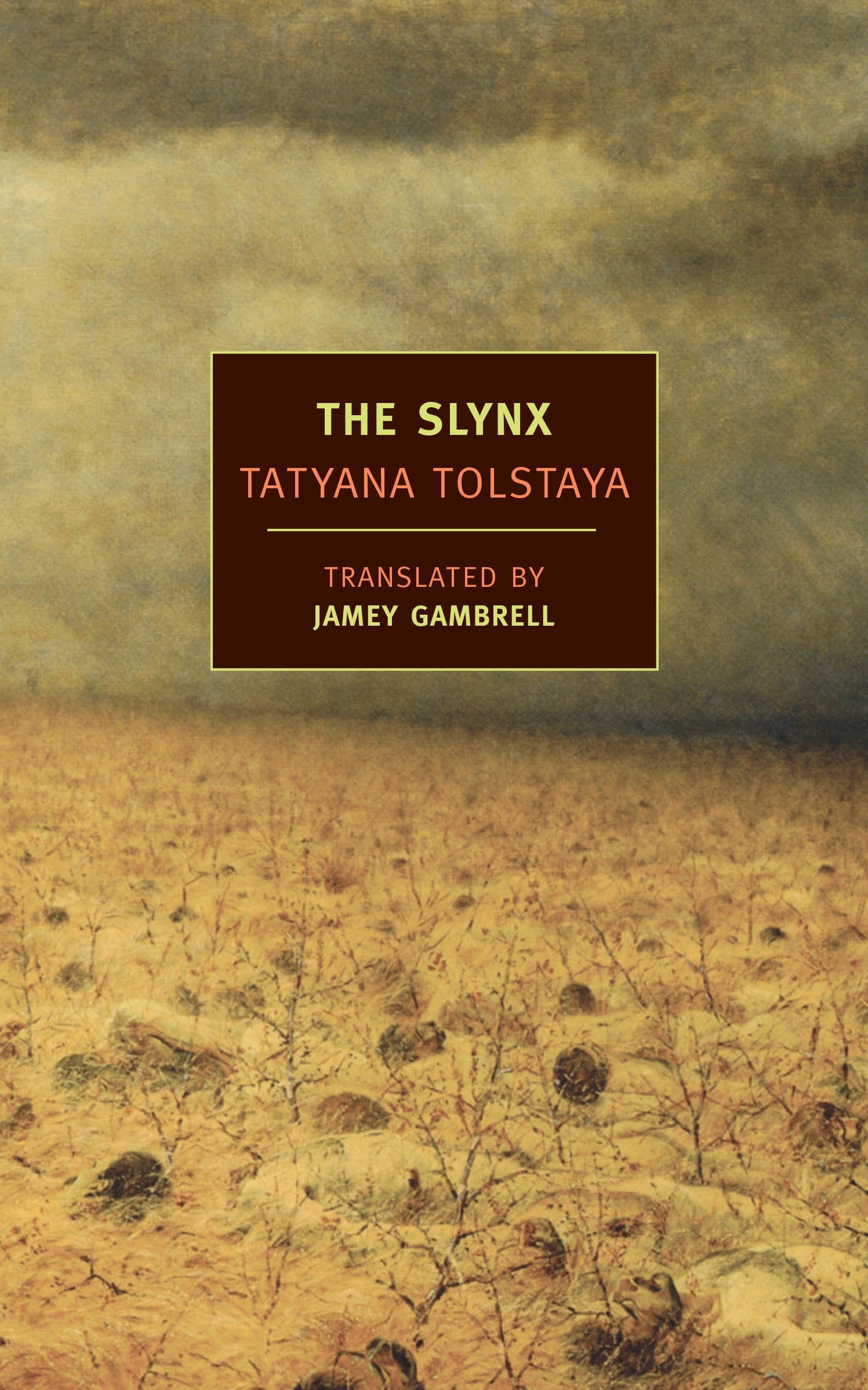
No. 41 on this list. The Slynx
Tatyana Tolstaya · 2000
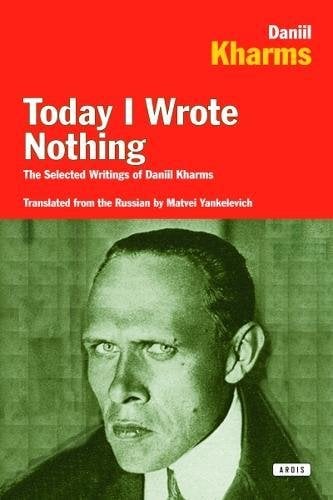
No. 42 on this list. Today I Wrote Nothing
No. 43 on this list. The Golovlyov Family
Mikhail Saltykov-Shchedrin · 1880
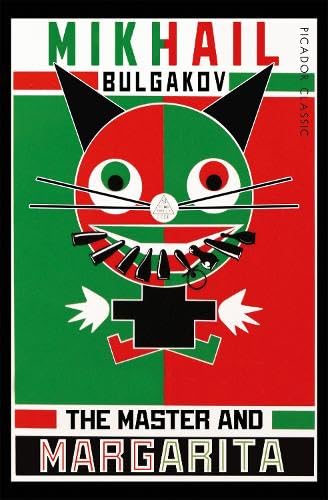
No. 44 on this list. The Master and Margarita
Mikhail Bulgakov · 1967
Taught in schools: Hungarian literature curriculum (magyar nyelv és irodalom) (Hungary), Lektury obowiązkowe – Polish national reading list (Poland), Lithuanian literature curriculum (lietuvių kalba ir literatūra)
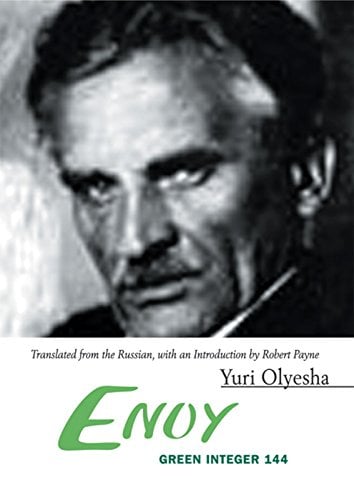
No. 45 on this list. Envy
Yuri Olesha · 1927
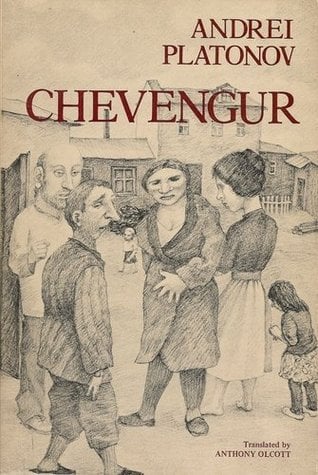
No. 46 on this list. Chevengur
Andrei Platonov · 1972
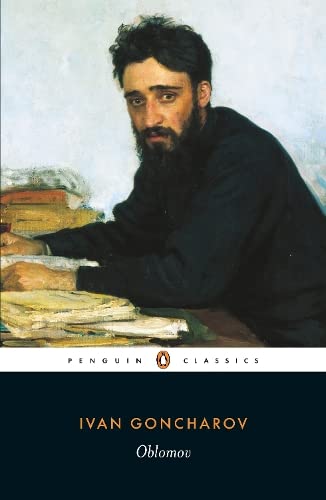
No. 47 on this list. Oblomov
Ivan Goncharov · 1859
Taught in schools: Russian FGOS literature standard
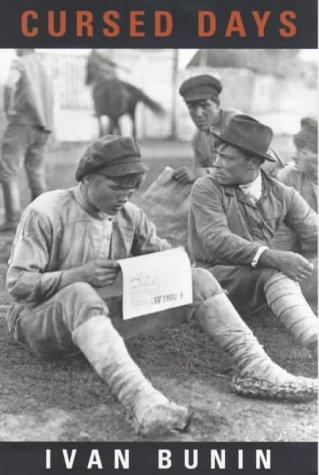
No. 48 on this list. Окаянные дни
Ivan Bunin · 1936
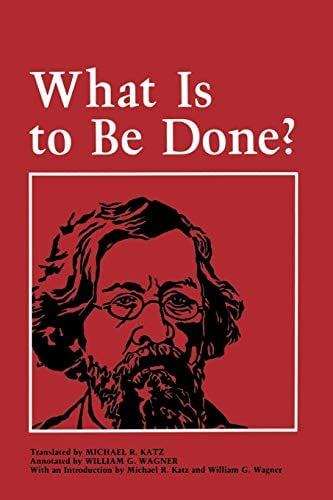
No. 49 on this list. What Is to Be Done?
Nikolai Chernyshevsky · 1863
Taught in schools: Russian FGOS literature standard
No. 50 on this list. Lady Macbeth of Mtsensk
Nikolai Leskov · 1865
Taught in schools: Russian FGOS literature standard

No. 51 on this list. The White Guard
Mikhail Bulgakov · 1925
Taught in schools: Russian FGOS literature standard
No. 52 on this list. The Enchanted Wanderer
Nikolai Leskov · 1873
Taught in schools: Russian FGOS literature standard
No. 53 on this list. Virgin Soil Upturned
Mikhail Sholokhov · 1932
No. 54 on this list. Чапаев и Пустота
Viktor Pelevin · 2015
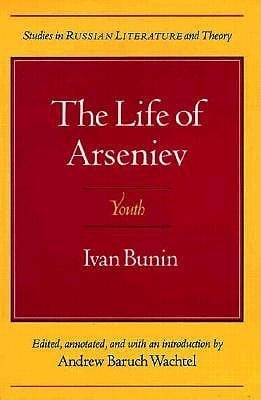
No. 55 on this list. The Life of Arseniev
Ivan Bunin · 1933
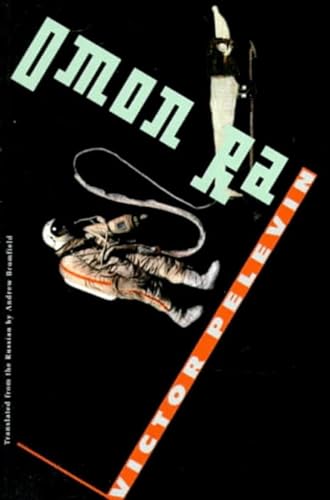
No. 56 on this list. Omon Ra
Viktor Pelevin · 1992
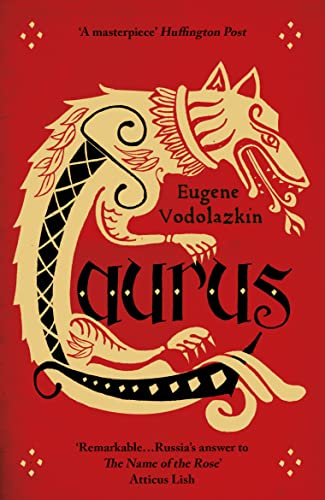
No. 57 on this list. Laurus
Eugene Vodolazkin · 2012
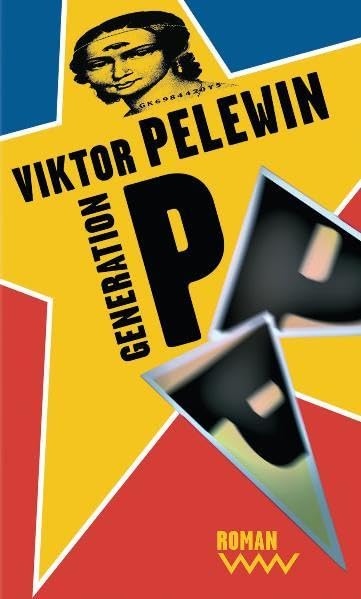
No. 58 on this list. Generation P
Viktor Pelevin · 1999
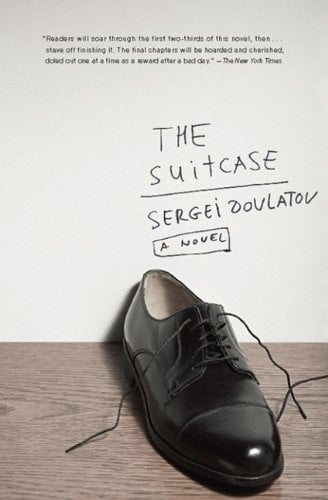
No. 59 on this list. The Suitcase
Sergei Dovlatov · 1986
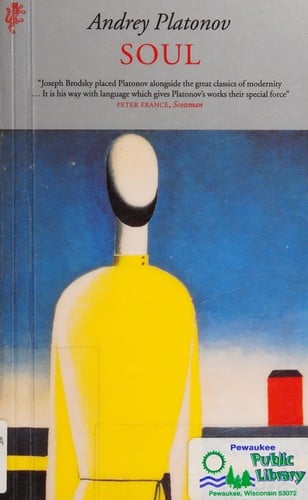
No. 60 on this list. Soul
Andrei Platonov · 1964
No. 61 on this list. The Big Green Tent
Ludmila Ulitskaya · 2010
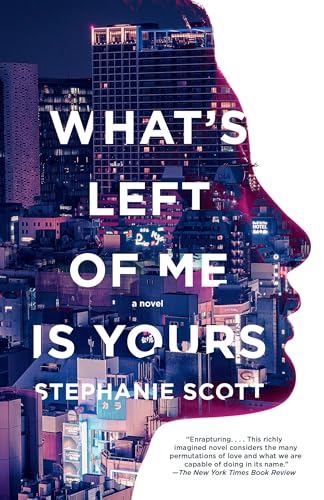
No. 62 on this list. What's Left of Me Is Yours
Stephanie Scott · 2025
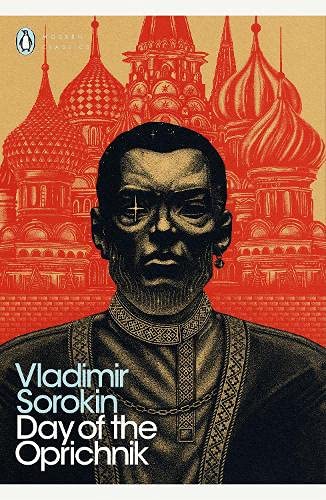
No. 63 on this list. The Day of the Oprichnik
Vladimir Sorokin · 2006
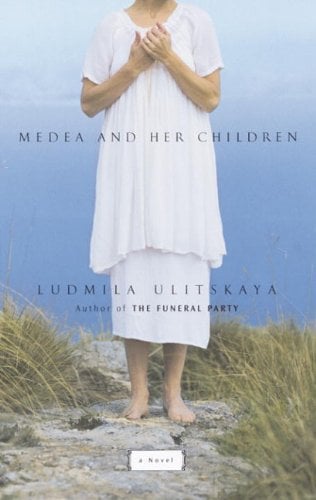
No. 64 on this list. Medea and Her Children
Ludmila Ulitskaya · 1996
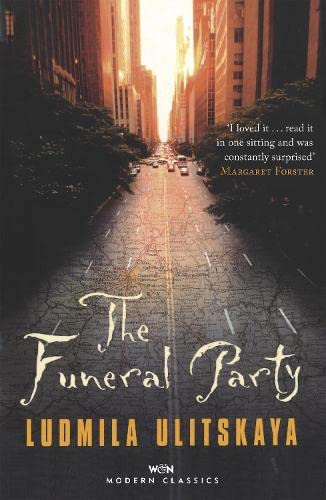
No. 65 on this list. The Funeral Party
Ludmila Ulitskaya · 1997
About this list
These 65 books are the highest-scoring eligible literary novels from Russia currently in the catalogue. By literary regard, it opens with Anna Karenina, Crime and Punishment and Selected Stories. About 556 hours of reading in all, for the 63 with measured lengths. Difficulty runs from 50 to 66 out of 100 for the middle half of the list; the summit is Petersburg at 85.
This list is ranked by literary regard, with a consistent order for equal scores. Membership follows authors and co-authors, not translators or editors. Catalogue coverage and the historical canon both limit what this list can represent, and genre labels are the catalogue’s own, gathered into broader kinds.
When we matched the Canons dataset to our catalogue in October 2026, our canonical-status scores rose with the number of school curricula, publisher series and lists in it that cite a work: the median score was 72 for books one such source cites, 84 at two, 88 at three, 92 at four and 93 at five or more. Prizes are left out of that count. Outside the state curricula, the dataset’s sources choose mostly from what has been translated into English or French, so it is a weaker check on other literatures. Source: Canons (Andrew Piper), CC BY 4.0
Questions people actually ask
- What are the best literary novels from Russia?
- By literary regard, which weighs canonical status, critical standing and influence, Anna Karenina, Crime and Punishment, Selected Stories, War and Peace and The Cherry Orchard lead. ReadingRate ranks 65 such books, each with a difficulty score and a reading-time estimate.
- Where should I start with literary novels from Russia?
- Start from difficulty, not from rank. The most approachable books on this list that still carry top literary regard are The Captain's Daughter by Alexander Pushkin (about 2.5 hours), One Day in the Life of Ivan Denisovich by Aleksandr Solzhenitsyn and A Hero of Our Time by Mikhail Lermontov.
- How hard are literary novels from Russia to read?
- Most of this list sits between 50 and 66 on ReadingRate's 100-point difficulty scale, where 40 to 55 is moderate. The summit is Petersburg at 85. Every entry carries its own score, so a reader can pick a great book at a difficulty they will finish.
- How is this list ranked?
- On literary-regard data: how canonically established a work is, its critical standing, and its influence on later writing. It is not a readers’ poll, which is why recent bestsellers rarely appear. Membership follows authors and co-authors, not translators or editors. A list that is not a genre list keeps to literature (fiction, poetry, drama and philosophy), with philosophy taking no more than one slot in five while there is literature left to rank; every list holds at most three works by one author.