Hours at an average pace
Showing 97 books
About 1,189 hours for 97 of 97 books with measured lengths. Estimates use 250 words a minute, adjusted for each book's difficulty. At 2 hours a day, about 595 days for those books.
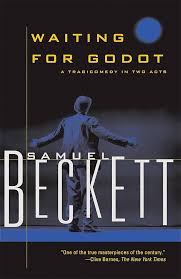
No. 1 on this list. Waiting for Godot
Samuel Beckett · 1953
Difficult2.4 hours
Included in: Great Books of the Western World
Waiting for Godot appears on virtually every comparative literature, modern drama, and theater studies syllabus worldwide, and is listed in Open Syllabus's Top 500 Literature titles. The Wikipedia article exists in 68 languages, and the play has been continuously performed since its 1953 Paris premiere. Le Monde named it among the 100 Books of the Century. It is as canonical as any play written after Shakespeare.
Utopia is a fixture in political philosophy, early modern history, and English literature curricula globally. The word 'utopia' entered every major European language, a feat achieved by fewer than a dozen literary works. It appears on thousands of university syllabi across disciplines — philosophy, political science, history, English, Renaissance studies — and is universally recognized as foundational reading.
No. 3 on this list. Gargantua and Pantagruel
François Rabelais · 1532
Challenging33 hours
Taught in schools: Lektury obowiązkowe – Polish national reading list (Poland)
Included in: Bokklubben World Library, Great Books of the Western World
Gargantua and Pantagruel appears on virtually every Western literary canon list and is required reading in Renaissance literature courses at universities worldwide. The work has Wikipedia articles in more than 60 languages and has maintained continuous scholarly attention since the 16th century. It appears on Harold Bloom's Western Canon and the Great Books curricula as a founding text of European prose fiction.
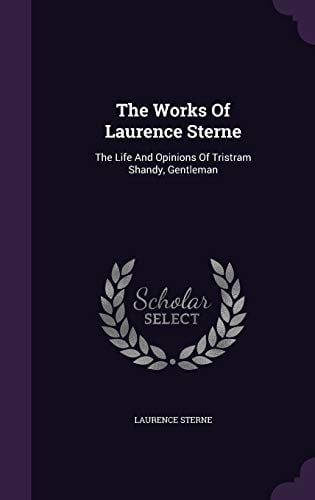
No. 4 on this list. The Life and Opinions of Tristram Shandy, Gentleman
Laurence Sterne · 1759
Difficult27 hours
Included in: Bokklubben World Library, Great Books of the Western World
Tristram Shandy is one of the most taught 18th-century English novels in university literature programs worldwide, appearing on virtually every course covering the development of the novel form, postmodernism avant la lettre, and experimental fiction. It consistently appears on lists of the greatest novels in the English language — Modern Library, Penguin Classics, academic consensus lists — and is the foundational text for any discussion of metafiction and narrative self-consciousness. Its canonical status is second only to Fielding's Tom Jones among 18th-century English prose fiction.
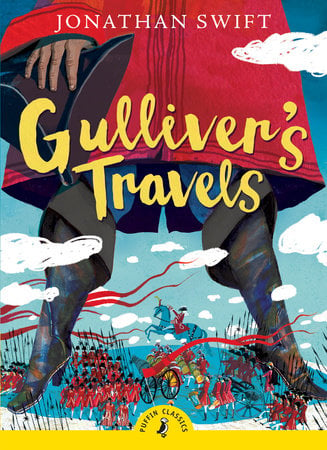
No. 5 on this list. Gulliver's Travels
Jonathan Swift · 1726
Challenging10 hours
Taught in schools: CSEC English B – Caribbean Examinations Council, Hungarian literature curriculum (magyar nyelv és irodalom) (Hungary)
Included in: Bokklubben World Library, Great Books of the Western World
Swift shrinks his protagonist to six inches in Lilliput, inflates him to a giant in Brobdingnag, then deposits him among rational horses who regard humans as vermin. No other satire in English has so thoroughly weaponized scale and perspective to indict politics, science, and the species itself.
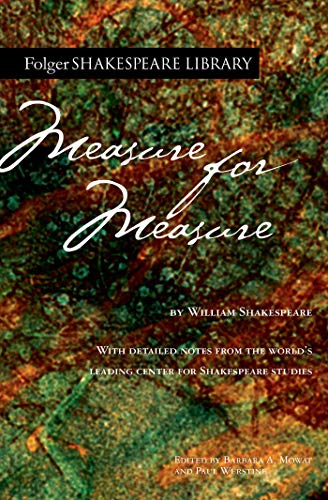
No. 6 on this list. Measure for Measure
William Shakespeare · 1604
Difficult2.8 hours
Taught in schools: AQA GCSE and A-level English Literature (UK), WJEC/Eduqas GCSE and A-level English Literature (UK)
Included in: Great Books of the Western World
Measure for Measure appears on university syllabi across English literature, drama, law, and gender studies courses worldwide. It is one of Shakespeare's most-taught 'problem plays,' central to any serious study of his canon, with Wikipedia articles in dozens of languages. Less ubiquitous than Hamlet or Macbeth, but firmly within the core Shakespeare curriculum.
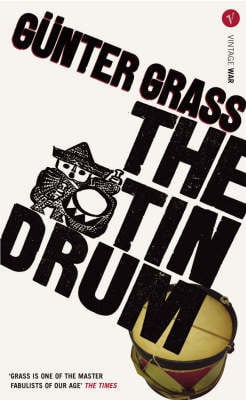
No. 7 on this list. The Tin Drum
Günter Grass · 1959
Difficult27 hours
Included in: Bokklubben World Library
The Tin Drum appears on approximately 200 university syllabi according to Open Syllabus Project data (57th percentile), placing it firmly in world literature and 20th-century European fiction curricula. Wikipedia coverage spans 35 languages with dedicated Reception and Adaptations sections, indicating sustained international engagement. The novel is widely regarded as the defining work of postwar German literature, though its syllabus presence falls short of canonical American fixtures like The Great Gatsby.
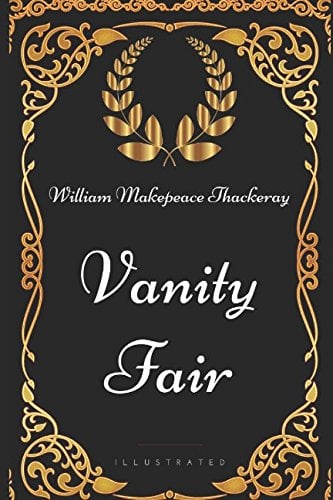
No. 8 on this list. Vanity Fair
William Makepeace Thackeray · 1848
Difficult41 hours
Taught in schools: AQA GCSE and A-level English Literature (UK)
Vanity Fair is a cornerstone of Victorian literature curricula worldwide, appearing on roughly 2,000–3,000 university syllabi across English literature, European novel, and 19th-century studies courses. It sits on the Modern Library's 100 Best Novels list and appears in every major survey of the Victorian novel. Wikipedia articles exist in over 70 languages, and the title itself has passed into common usage as a byword for social ambition and display.
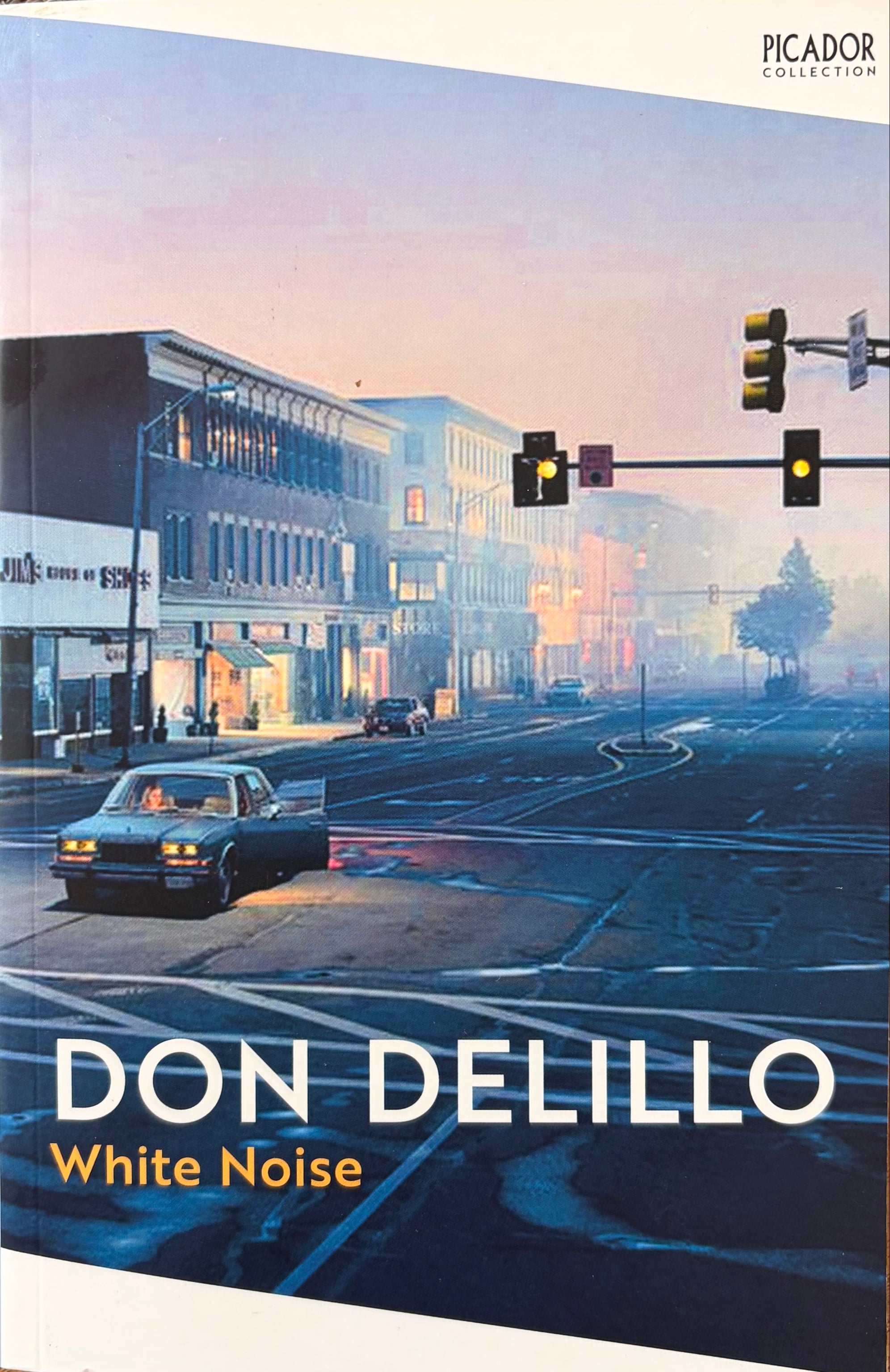
The definitive novel of American postmodern anxiety. The Airborne Toxic Event, the supermarket as cathedral, the fear of death—DeLillo captured how Americans live among systems they cannot understand.
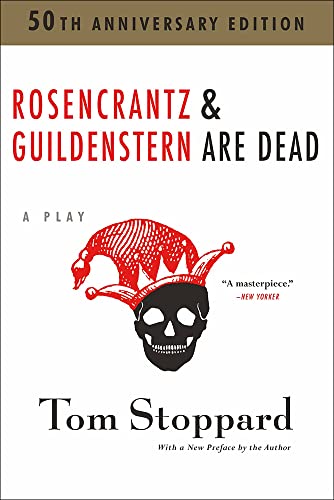
Rosencrantz and Guildenstern Are Dead is a fixture of university theater and English literature curricula, appearing consistently on drama syllabi across English-speaking universities. It is widely taught alongside Waiting for Godot as a key postmodern, absurdist text. Its Wikipedia article exists in dozens of languages and includes dedicated reception and adaptations sections, and a 1990 film adaptation by Stoppard himself extended its cultural reach.

No. 11 on this list. The Crying of Lot 49 · Thomas Pynchon · 1966
Oedipa Maas learns she has been named executor of Pierce Inverarity's estate, a California real estate mogul and former lover whose tangled holdings require investigation. Traveling to the fictional San Narciso with co-executor Metzger, a lawyer, she begins noticing a mysterious symbol—a muted post horn—appearing in unexpected places. Her research into a Jacobean revenge play performed locally reveals references to Tristero, an underground postal system that may have operated in opposition to official mail services for centuries. As Oedipa pursues leads through bizarre informants—Mike Fallopian explaining the Peter Pinguid Society, John Nefastis demonstrating his entropy-reversing machine, professor Emory Bortz debating theatrical textual variants—she cannot determine whether she has discovered a genuine conspiracy or descended into paranoia. Her husband Mucho suffers breakdowns at his disk jockey job while Metzger abandons both the investigation and their affair. Characters appear with improbable names and suspect motives, stamps contain hidden messages, and evidence proliferates without resolving into coherent truth. The novel concludes with Oedipa attending an auction where a mysterious bidder may reveal the conspiracy's reality, but the narrative ends the moment before revelation, suspending her permanently between competing interpretations of American communication, meaning, and madness.
Challenging4.7 hours
Start this bookNo. 12 on this list. Our Mutual Friend · Charles Dickens · 1865
Our Mutual Friend is a fixture of Victorian literature courses at universities worldwide, typically assigned alongside Great Expectations and Bleak House in advanced English studies. Wikipedia articles for the novel exist in dozens of languages, reflecting its global canonical standing. It consistently appears on critics' lists of Dickens's greatest works and in syllabi covering 19th-century social fiction.
Difficult35 hours
Read nowNo. 13 on this list. The Posthumous Memoirs of Brás Cubas · Machado de Assis · 1881
Widely taught in Latin American literature courses at universities across the Americas and Europe, Memórias Póstumas is the foundational text of Brazilian literary realism and a required landmark in any serious survey of world fiction. Although its Wikipedia presence is strong across dozens of languages, it remains less universally assigned than García Márquez or Borges in Anglophone syllabi, placing it below the 85-percentile canonical tier while well above the midpoint.
Difficult8.5 hours
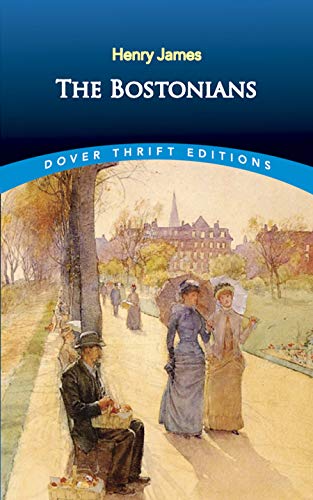
Start this bookNo. 14 on this list. The Bostonians · Henry James · 1886
No syllabus or Wikipedia data was returned by automated signals, but 'The Bostonians' appears in virtually every American literature survey course at the university level and is consistently included on canonical lists of 19th-century American fiction. It is studied widely in courses on gender, American realism, and late Victorian culture, placing it solidly in the upper tier of taught texts — below James's most famous works like 'The Portrait of a Lady' but well above minor or specialist titles.
Challenging17 hours
Start this bookNo. 15 on this list. Bohemian Lights · Ramón del Valle-Inclán · 1924
Required reading in Spanish secondary education and the defining text of the esperpento in every account of modern Spanish theatre.
Difficult2.8 hours
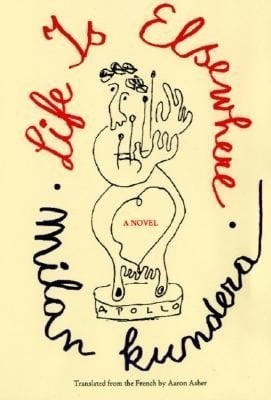
Start this bookNo. 16 on this list. Life Is Elsewhere · Milan Kundera · 1973
Life Is Elsewhere won the Prix Médicis Étranger in 1973, Kundera's first major international prize, and established him as a central figure of world literature outside the Communist bloc. It is taught in comparative literature and Central European literature courses at universities internationally, and is included in numerous critical surveys of the twentieth-century novel. Its canonical position rests partly on Kundera's broader oeuvre — The Unbearable Lightness of Being secured his global reputation — but this novel is consistently cited as his most structurally ambitious.
Difficult10 hours
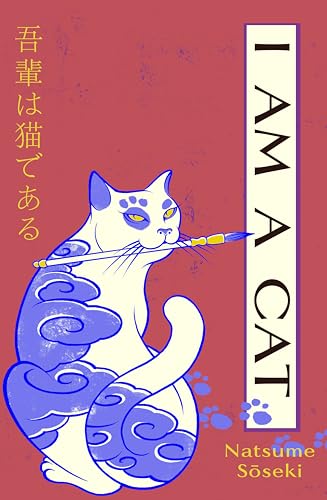
Start this bookNo. 17 on this list. I Am a Cat · Natsume Sōseki · 1905
Included in: UNESCO Collection of Representative Works
A cornerstone of modern Japanese literature, 'I Am a Cat' is taught across Japanese universities and regularly appears in world literature curricula internationally. Soseki's debut launched one of the most celebrated literary careers in Japanese history, and the novel remains required reading in discussions of Meiji-era fiction and the development of the modern Japanese novel form.
Difficult25 hours
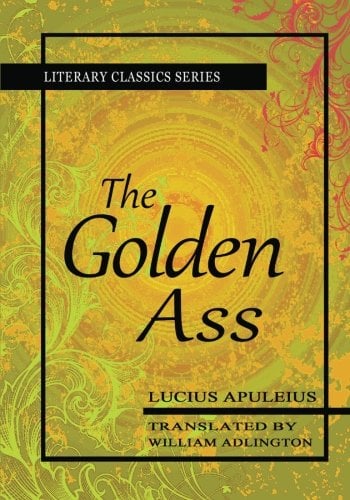
Start this bookNo. 18 on this list. The Golden Ass · Apuleius · 170
Included in: Oxford World's Classics
The Golden Ass is the only Latin prose novel to survive complete from antiquity, making it a required text in virtually every classical literature and ancient novel course worldwide. Though the database returned no formal syllabus entries, the work appears across comparative literature, mythology, and world literature curricula at universities globally. It features in most canonical 'great books' programs and was included in Harold Bloom's Western Canon.
Difficult12 hours
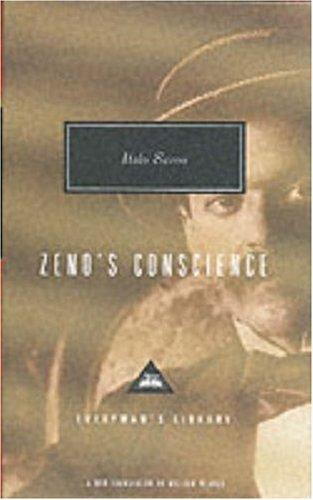
Start this bookNo. 19 on this list. Zeno's Conscience · Italo Svevo · 1923
Included in: Bokklubben World Library
Standard on modernism syllabi beside Ulysses and The Magic Mountain, in print in Penguin Classics, Everyman's and NYRB, and included in 1001 Books You Must Read Before You Die.
Challenging15 hours
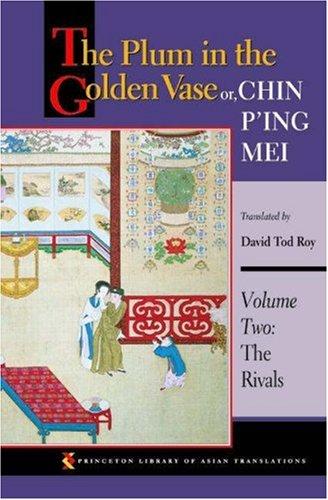
Start this bookNo. 20 on this list. The Plum in the Golden Vase · Lanling Xiaoxiao Sheng · 1617
One of the four masterworks of Ming fiction, taught wherever Chinese literature is taught, though it was banned for most of its history and remains restricted in China.
Challenging55 hours
Start this book
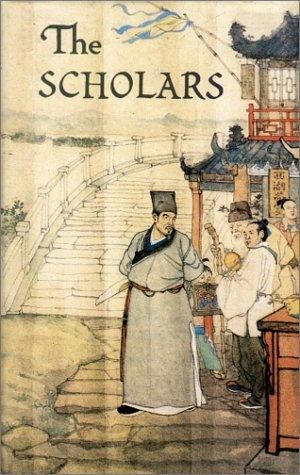
No. 21 on this list. The Scholars · Wu Jingzi · 1750
One of the six classic Chinese novels, standard on university reading lists and used in Chinese schools for the Fan Jin chapter alone.
Challenging22 hours
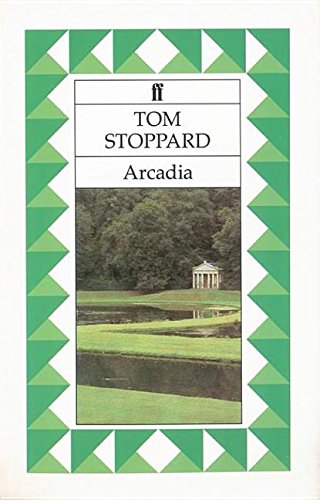
Start this bookNo. 22 on this list. Arcadia · Tom Stoppard · 1993
Arcadia is widely regarded as one of the finest English-language plays of the twentieth century and appears on drama syllabi at most anglophone universities. The play lacks the database signals (no syllabus count, no Wikipedia data retrieved), but from general knowledge it is a fixture of British drama courses and has been continuously staged in London and New York since its 1993 premiere. It ranks below Hamlet or Waiting for Godot in canonical weight but above most contemporary drama.
Difficult5.7 hours
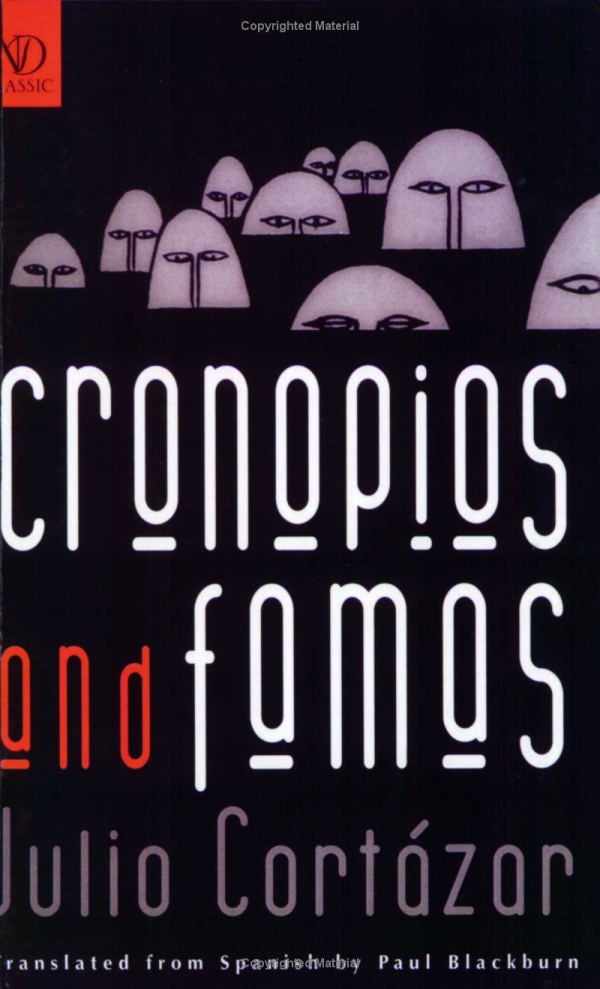
Start this bookNo. 23 on this list. Cronopios and Famas · Julio Cortázar · 1962
Taught in schools: Literatura, Diseño Curricular – Provincia de Buenos Aires (Argentina), UNAM Escuela Nacional Preparatoria – programas de Literatura (Mexico)
Julio Cortázar divides humanity into three species. The Famas are prudent, meticulous, and thorough — when traveling, one fama inspects the hotel, one files a report with the police, one copies the list of emergency doctors. The Cronopios are wet, green, disordered, and joyful — they find all hotels full, miss every train, and dream that huge parties are being given in the city to which they are invited. The Esperanzas wait for things to come to them. In sixty-odd miniatures, Cortázar demonstrates what happens when these types collide: a cronopio appointed Director General of Radio Diffusion immediately translates all broadcasts into Romanian; a fama who wants wood chops down a eucalyptus tree without noticing it screams. Before the creature taxonomy begins, an 'Instruction Manual' opens the book with deadpan procedural guides — how to cry, how to sing, how to be afraid — that use the earnest register of a technical manual to make observations about alienation and habit. 'Instructions on How to Climb a Staircase' explains in meticulous detail how to lift one foot, then the other, as if this has never been done before. The writing is compact and funny and strange, each piece its own sealed logic, ending on the precisely wrong note. Cortázar invented a form here that nobody else has quite replicated: philosophical comedy delivered in the voice of a very serious bureaucrat who has gone slightly mad.
Difficult3.1 hours
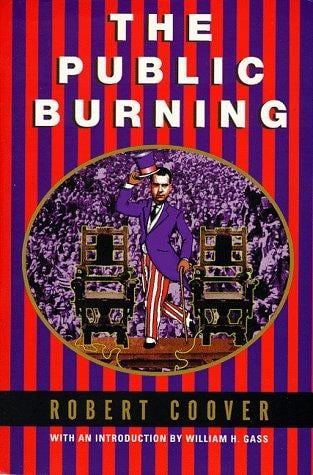
Start this bookNo. 24 on this list. The Public Burning · Robert Coover · 1977
The Public Burning is Robert Coover's most ambitious and controversial novel — refused by seventeen publishers before Viking accepted it, then immediately pulled from paperback after a Nixon lawsuit threat. It appears in every major survey of American postmodern fiction (Hassan, Waugh, McHale), is taught widely in graduate seminars on metafiction, and is cited alongside Gravity's Rainbow and Giles Goat-Boy as the defining novels of the postmodern satirical-historical mode. Its canonical status exceeds its readership by a large margin.
Very Difficult37 hours
Start this bookNo. 25 on this list. Rameau's Nephew · Denis Diderot · 1805
Included in: Great Books of the Western World
Rameau's Nephew is a fixture in 18th-century French literature and philosophy courses at the university level, though it occupies a more specialist niche than Diderot's Encyclopédie work. It appears on syllabi in French literature, Enlightenment studies, and courses on the dialogue form. Goethe's German translation (1805) was the work's first publication and secured its European reputation; Wikipedia articles exist in around 30 languages.
Difficult6 hours
Start this bookNo. 26 on this list. Invitation to a Beheading · Vladimir Nabokov · 1936
Invitation to a Beheading is consistently included in surveys of essential 20th-century European fiction and appears in Russian literature and modernist fiction courses worldwide. It features on Modern Library's lists and is considered one of Nabokov's major pre-American works; while less universally assigned than Lolita or Pale Fire, it is firmly inside the literary canon's second tier.
Difficult7 hours
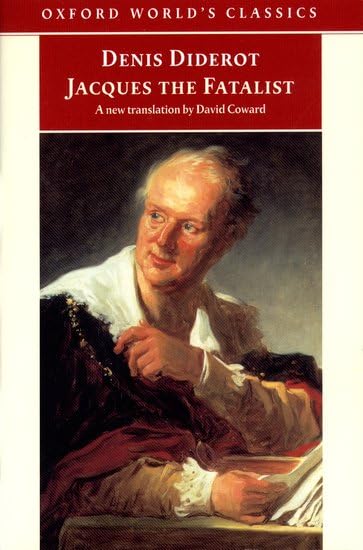
Start this bookNo. 27 on this list. Jacques the Fatalist and His Master · Denis Diderot · 1796
Included in: Bokklubben World Library
Jacques the Fatalist is firmly established in the European canon as a key work of Enlightenment fiction and a precursor to the postmodern novel. It appears regularly in French literature courses and European novel seminars, though less widely taught than Voltaire's Candide or Rousseau. Featured on most scholarly 'essential Enlightenment fiction' lists and acknowledged as a foundational text for meta-fictional tradition.
Difficult11 hours
Start this bookNo. 28 on this list. Erasure · Percival Everett · 2001
Increasingly recognized as a major American novel, especially after the film adaptation American Fiction and Everett's Pulitzer Prize win for James.
Difficult12 hours
Start this bookNo. 29 on this list. Naomi · Jun'ichirō Tanizaki · 1924
Naomi is a staple of Japanese literature and world literature courses at universities across the United States, Europe, and Japan — Tanizaki's most accessible novel and the one most commonly assigned to introduce his work. While not as universally required as Kafka or Fitzgerald, it appears consistently in syllabi on Japanese modernism and postcolonial readings of cultural identity. The 'Naomi-ism' phenomenon it catalyzed became shorthand in Japanese cultural criticism for the era's anxious Westernization.
Challenging6.5 hours
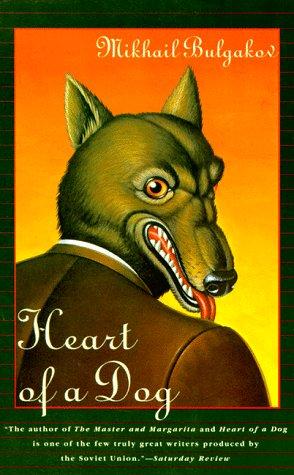
Start this bookNo. 30 on this list. Heart of a Dog · Mikhail Bulgakov · 1925
Heart of a Dog is a fixture in world literature and Russian literature courses at universities across Europe, North America, and beyond. Suppressed in the Soviet Union until 1987, its belated publication intensified its canonical status as an essential document of Soviet-era dissent. It appears in dozens of Wikipedia languages and on syllabi covering 20th-century European fiction and political satire.
Difficult3.8 hours
Start this book

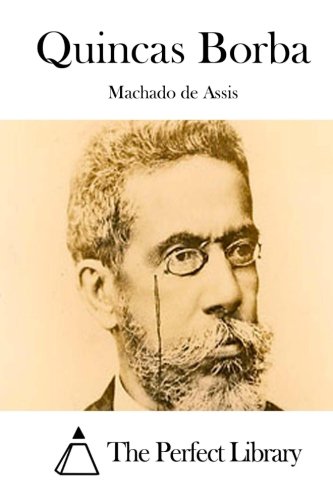
No. 31 on this list. Quincas Borba
Machado de Assis · 1891
Included in: Biblioteca Ayacucho, UNESCO Collection of Representative Works
No. 32 on this list. Hayavadana
Girish Karnad · 1971
No. 33 on this list. The Dunciad
Alexander Pope · 1728
Included in: Oxford World's Classics
No. 34 on this list. Ferdydurke
Witold Gombrowicz · 1937
Taught in schools: Lektury obowiązkowe – Polish national reading list (Poland)
No. 35 on this list. The Confessions of Felix Krull
Thomas Mann · 1954
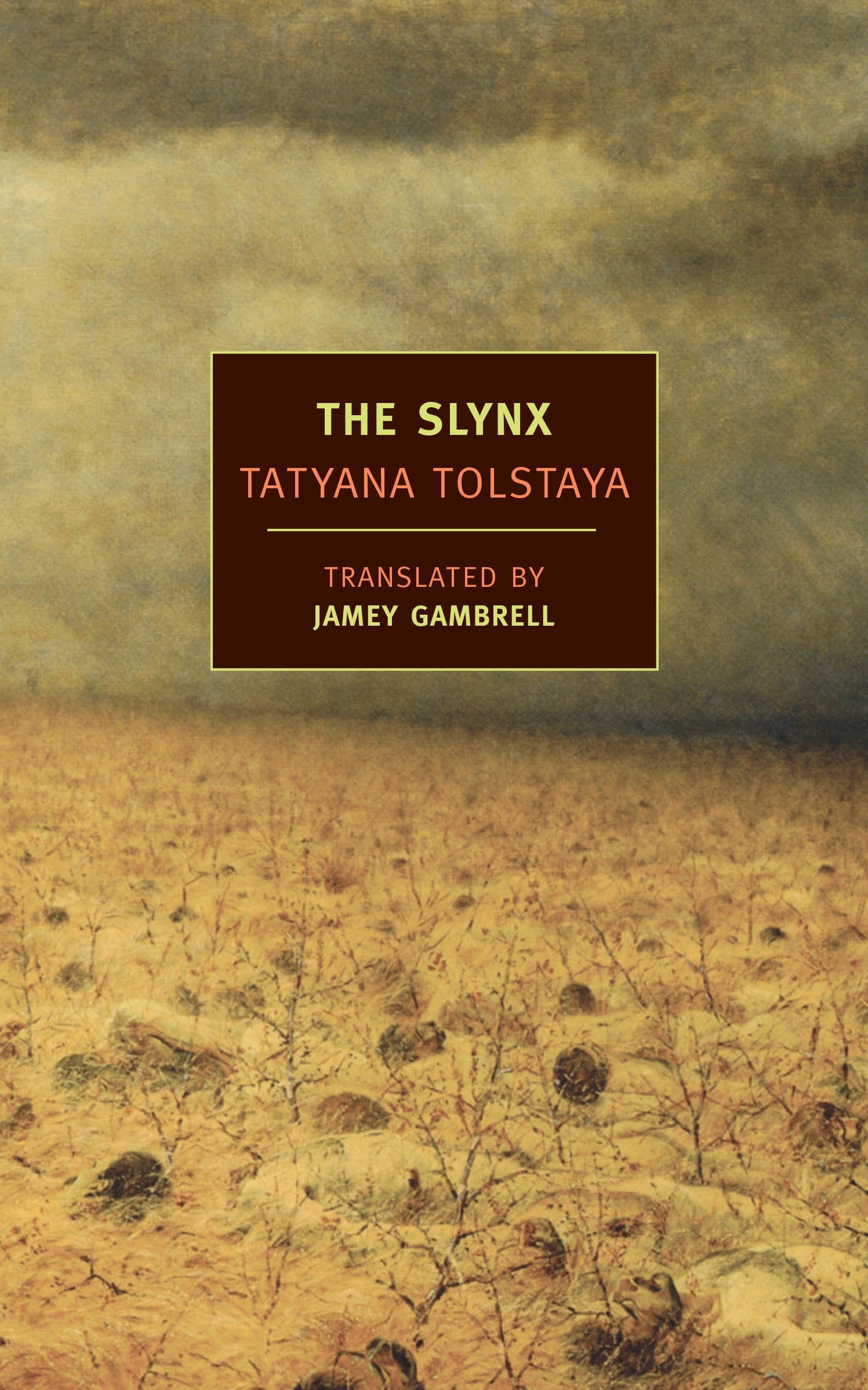
No. 36 on this list. The Slynx
Tatyana Tolstaya · 2000
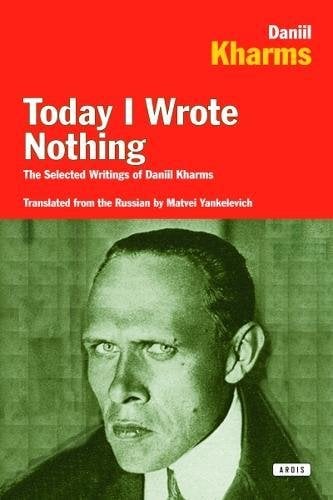
No. 37 on this list. Today I Wrote Nothing
No. 38 on this list. Bouvard and Pécuchet
Gustave Flaubert · 1881
No. 39 on this list. A Tale of a Tub
Jonathan Swift · 1704
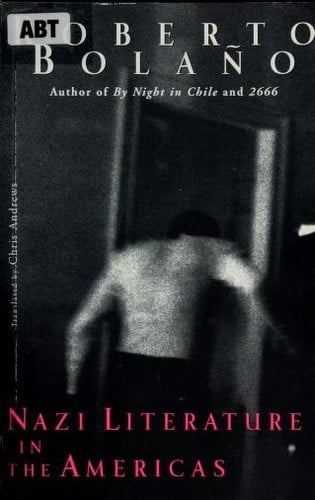
No. 40 on this list. Nazi Literature in the Americas
Roberto Bolaño · 1996
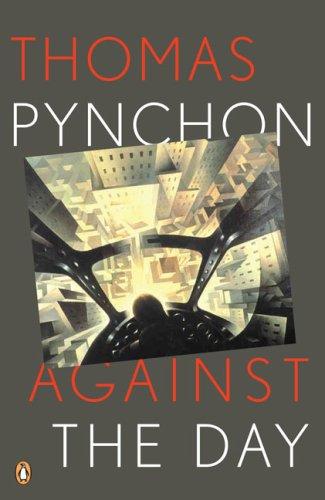
No. 41 on this list. Against the Day
Thomas Pynchon · 2006
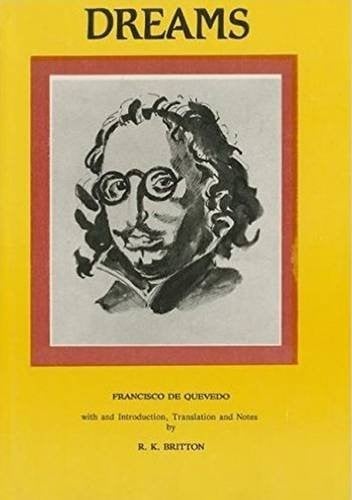
No. 42 on this list. Dreams and Discourses
Francisco de Quevedo · 1627
No. 43 on this list. Miss Lonelyhearts
Nathanael West · 1933
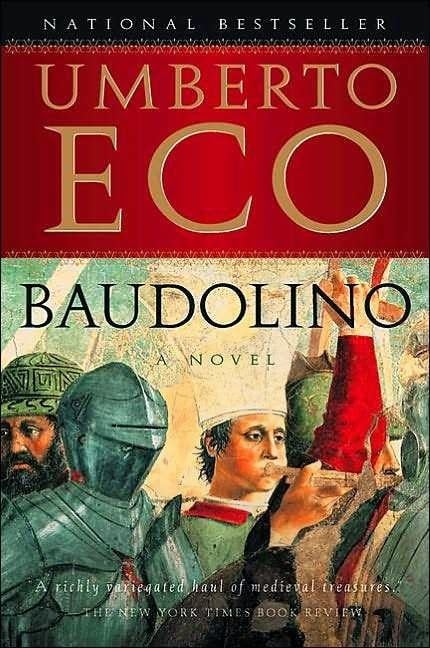
No. 44 on this list. Baudolino
Umberto Eco · 2000
No. 45 on this list. The Girls of Slender Means
Muriel Spark · 1963
No. 46 on this list. The Clown
Heinrich Böll · 1963
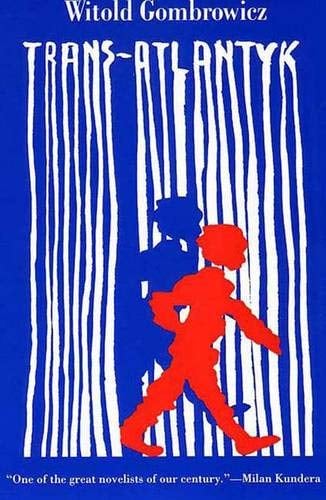
No. 47 on this list. Trans-Atlantyk
Witold Gombrowicz · 1953
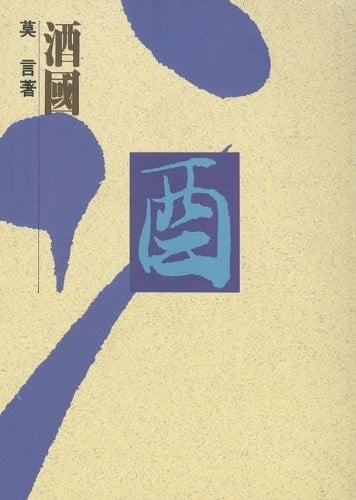
No. 48 on this list. The Republic of Wine
Mo Yan · 1992
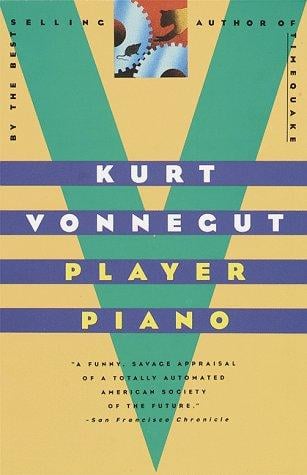
No. 49 on this list. Player Piano
Kurt Vonnegut · 1952
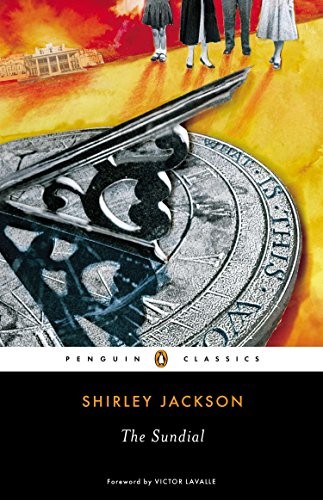
No. 50 on this list. The Sundial
Shirley Jackson · 1958
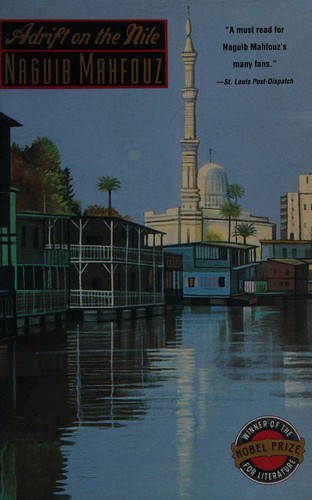
No. 51 on this list. Adrift on the Nile
Naguib Mahfouz · 1966
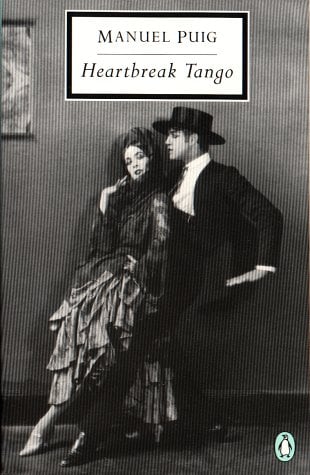
No. 52 on this list. Heartbreak Tango
Manuel Puig · 1969
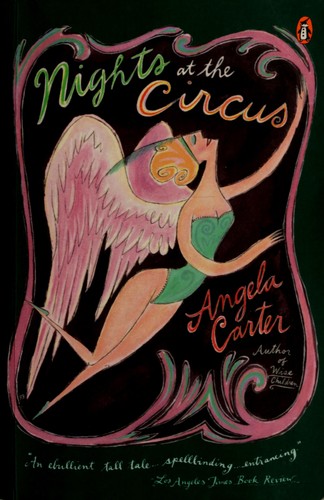
No. 53 on this list. Nights at the Circus
Angela Carter · 1984
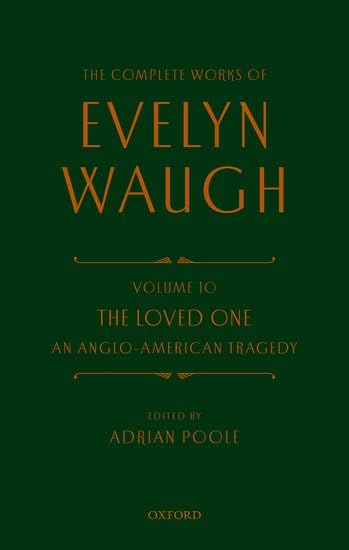
No. 54 on this list. The Loved One
Evelyn Waugh · 1948
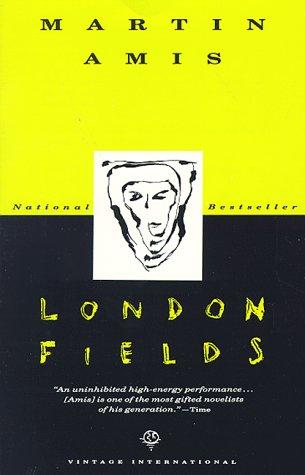
No. 55 on this list. London Fields
Martin Amis · 1989
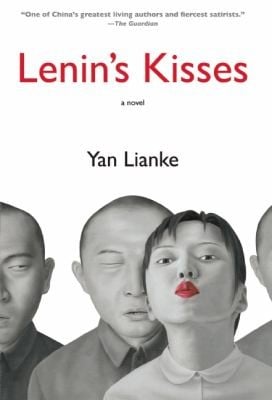
No. 56 on this list. Lenin's Kisses
Yan Lianke · 2004
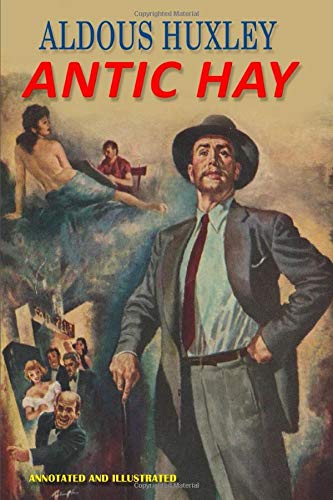
No. 57 on this list. Antic Hay
Aldous Huxley · 1923
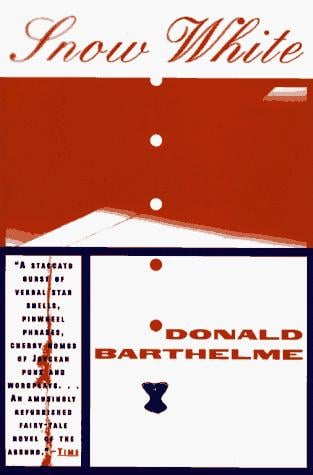
No. 58 on this list. Snow White
Donald Barthelme · 1967
No. 59 on this list. Pastoralia
George Saunders · 2000
No. 60 on this list. The Enchanted Wanderer
Nikolai Leskov · 1873
Taught in schools: Russian FGOS literature standard
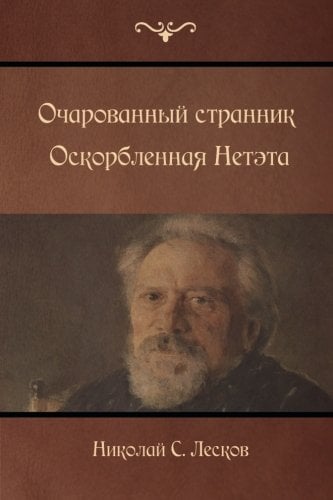
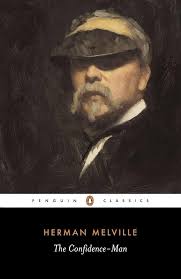
No. 61 on this list. The Confidence-Man
Herman Melville · 1857
No. 62 on this list. The Futurological Congress
Stanisław Lem · 1971
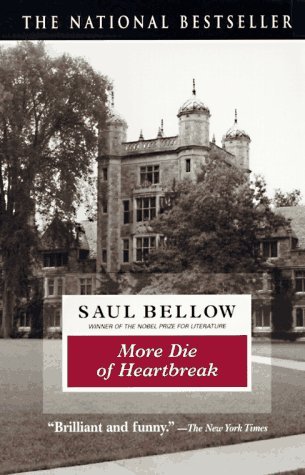
No. 63 on this list. More Die of Heartbreak
Saul Bellow · 1987
No. 64 on this list. Ruined City
Jia Pingwa · 1993
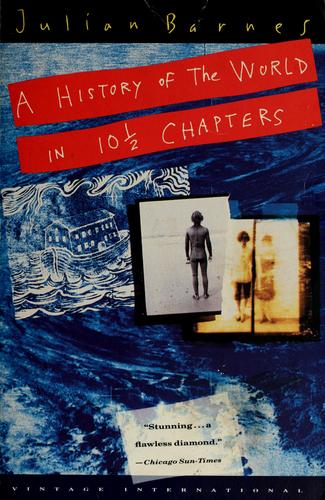
No. 65 on this list. A History of the World in 10½ Chapters
Julian Barnes · 1989
No. 66 on this list. End Zone
Don DeLillo · 1972
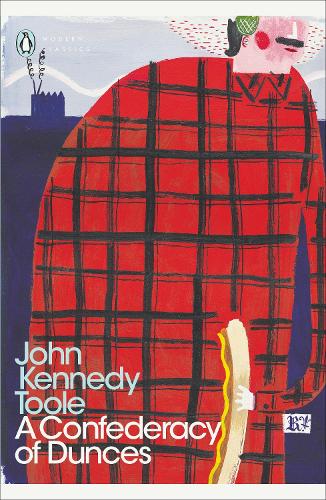
No. 67 on this list. A Confederacy of Dunces
John Kennedy Toole · 1981
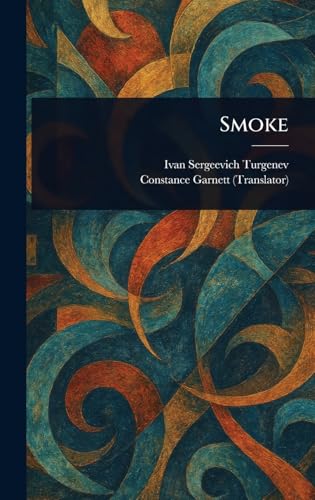
No. 68 on this list. Smoke
Ivan Turgenev · 1867
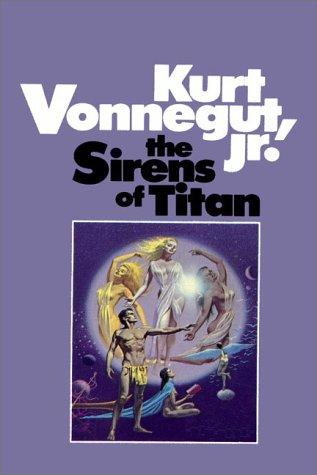
No. 69 on this list. The Sirens of Titan
Kurt Vonnegut · 1959
No. 70 on this list. Чапаев и Пустота
Viktor Pelevin · 2015

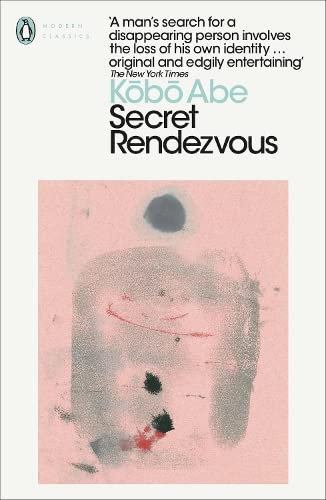
No. 71 on this list. Secret Rendezvous
Kobo Abe · 1977
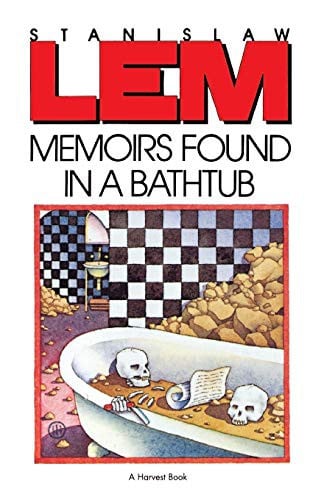
No. 72 on this list. Memoirs Found in a Bathtub
Stanisław Lem · 1961
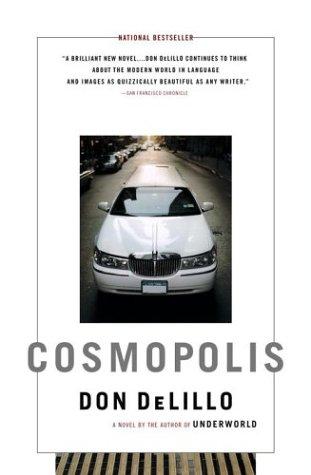
No. 73 on this list. Cosmopolis
Don DeLillo · 2003
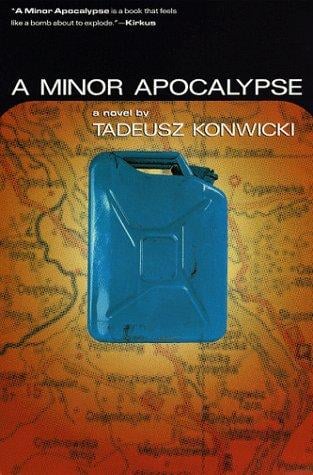
No. 74 on this list. A Minor Apocalypse
Tadeusz Konwicki · 1979
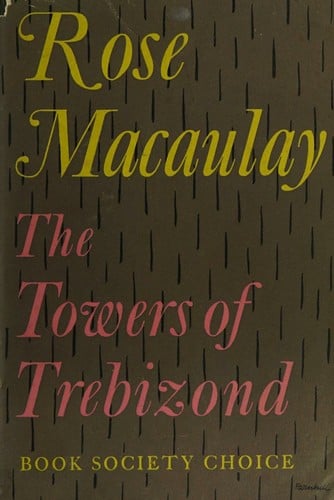
No. 75 on this list. The Towers of Trebizond
Rose Macaulay · 1956
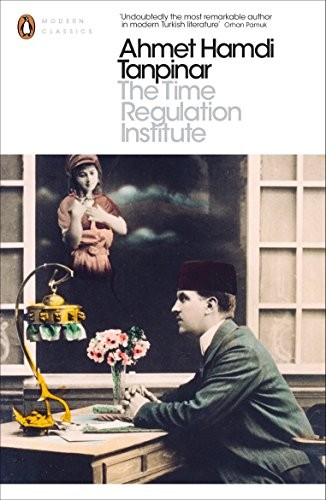
No. 76 on this list. The Time Regulation Institute
Ahmet Hamdi Tanpinar · 1961
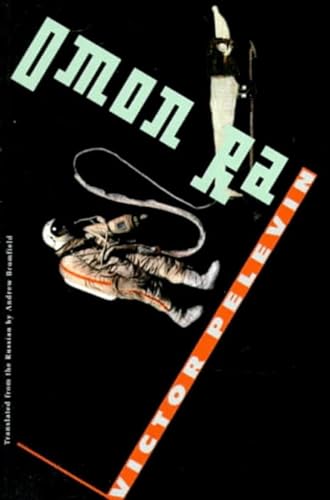
No. 77 on this list. Omon Ra
Viktor Pelevin · 1992
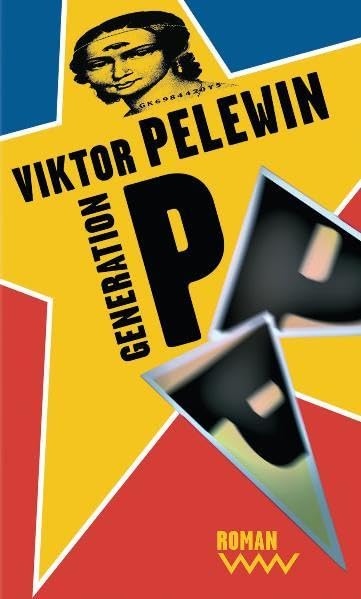
No. 78 on this list. Generation P
Viktor Pelevin · 1999
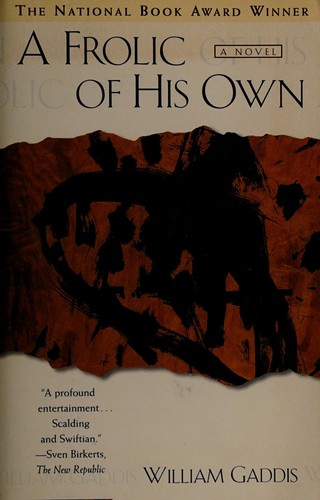
No. 79 on this list. A Frolic of His Own
William Gaddis · 1994
No. 80 on this list. His Only Son
Leopoldo Alas "Clarín" · 1891
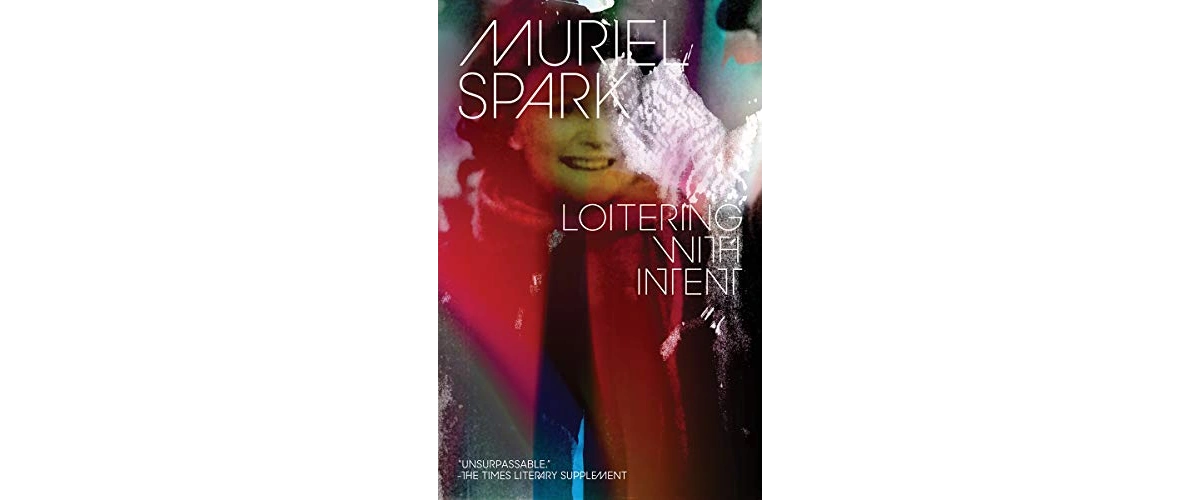
No. 81 on this list. Loitering with Intent
Muriel Spark · 1981
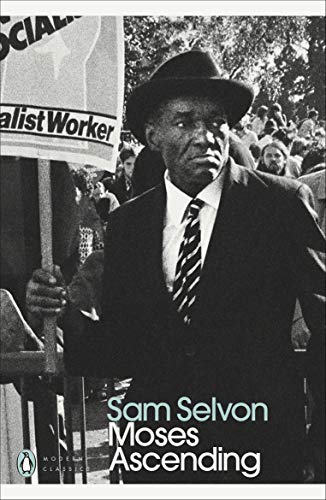
No. 82 on this list. Moses Ascending
Sam Selvon · 1975
No. 83 on this list. Put Out More Flags
Evelyn Waugh · 1942
No. 84 on this list. Party Going
Henry Green · 1939
No. 85 on this list. Herscht 07769
László Krasznahorkai · 2021
No. 86 on this list. Geek Love
Katherine Dunn · 1989
No. 87 on this list. Quichotte
Salman Rushdie · 2019
No. 88 on this list. JR
William Gaddis · 1976
No. 89 on this list. Amsterdam
Ian McEwan · 1998
No. 90 on this list. Feet of Clay
Terry Pratchett · 1996
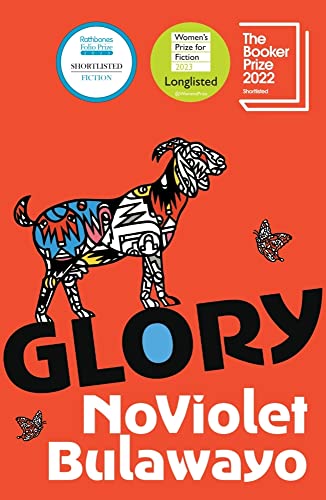
No. 91 on this list. Glory
NoViolet Bulawayo · 2022
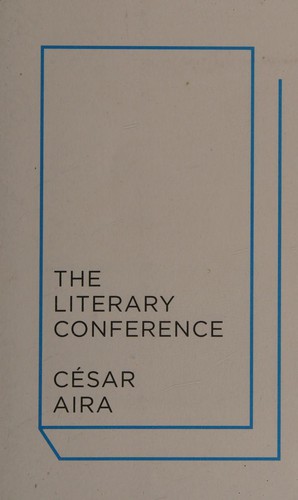
No. 92 on this list. The Literary Conference
César Aira · 2006
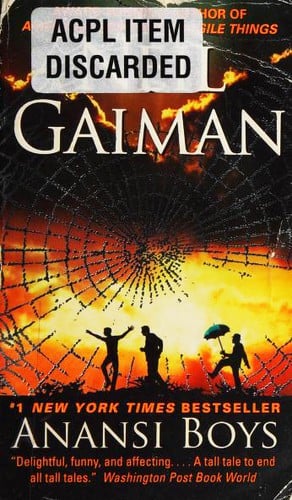
No. 93 on this list. Anansi Boys
Neil Gaiman · 2005
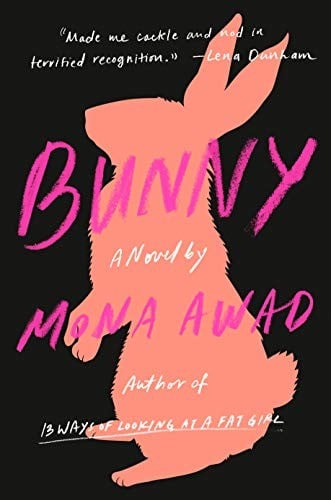
No. 94 on this list. Bunny
Mona Awad · 2019
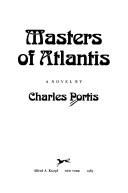
No. 95 on this list. Masters of Atlantis
Charles Portis · 1985
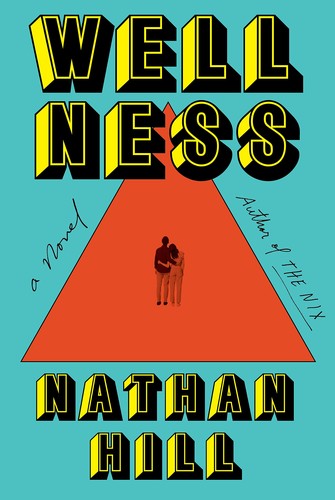
No. 96 on this list. Wellness
Nathan Hill · 2023
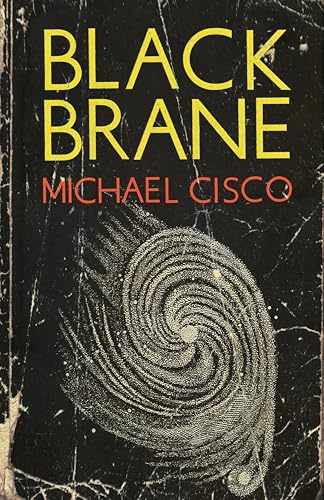
No. 97 on this list. Black Brane
Michael Cisco · 2025
About this list
These 97 books are the highest-scoring eligible challenging satires and comic novels currently in the catalogue. By literary regard, it opens with Waiting for Godot, Utopia and Gargantua and Pantagruel. About 1,189 hours of reading in all. Difficulty runs from 68 to 74 out of 100 for the middle half of the list; the summit is The Public Burning at 86.
This list is ranked by literary regard, with a consistent order for equal scores. Membership follows authors and co-authors, not translators or editors. Catalogue coverage and the historical canon both limit what this list can represent, and genre labels are the catalogue’s own, gathered into broader kinds.
When we matched the Canons dataset to our catalogue in October 2026, our canonical-status scores rose with the number of school curricula, publisher series and lists in it that cite a work: the median score was 72 for books one such source cites, 84 at two, 88 at three, 92 at four and 93 at five or more. Prizes are left out of that count. Outside the state curricula, the dataset’s sources choose mostly from what has been translated into English or French, so it is a weaker check on other literatures. Source: Canons (Andrew Piper), CC BY 4.0
Questions people actually ask
- What are the best challenging satires and comic novels?
- By literary regard, which weighs canonical status, critical standing and influence, Waiting for Godot, Utopia, Gargantua and Pantagruel, The Life and Opinions of Tristram Shandy, Gentleman and Gulliver's Travels lead. ReadingRate ranks 97 such books, each with a difficulty score and a reading-time estimate.
- Where should I start with challenging satires and comic novels?
- Start from difficulty, not from rank. The most approachable books on this list that still carry top literary regard are The Scholars by Wu Jingzi (about 22 hours), Gulliver's Travels by Jonathan Swift and Zeno's Conscience by Italo Svevo.
- How hard are challenging satires and comic novels to read?
- Most of this list sits between 68 and 74 on ReadingRate's 100-point difficulty scale, where 40 to 55 is moderate. The summit is The Public Burning at 86. Every entry carries its own score, so a reader can pick a great book at a difficulty they will finish.
- How is this list ranked?
- On literary-regard data: how canonically established a work is, its critical standing, and its influence on later writing. It is not a readers’ poll, which is why recent bestsellers rarely appear. Membership follows authors and co-authors, not translators or editors. A list that is not a genre list keeps to literature (fiction, poetry, drama and philosophy), with philosophy taking no more than one slot in five while there is literature left to rank; every list holds at most three works by one author.