Hours at an average pace
Showing 100 books
About 951 hours for 100 of 100 books with measured lengths. Estimates use 250 words a minute, adjusted for each book's difficulty. At 2 hours a day, about 476 days for those books.
No. 1 on this list. The Birds
Aristophanes · c. 414 BCE
Moderate1.3 hours
Included in: Great Books of the Western World
The Birds is universally recognized as one of Aristophanes' finest comedies and a canonical text of ancient Greek literature, appearing on syllabi for classical literature, comparative literature, and Western civilization courses globally. Slightly less commonly assigned as an entry point than Lysistrata or The Clouds, it is nonetheless required reading in classics programs. The absence of database records reflects a data gap, not genuine obscurity.
Thomas Pynchon constructs an encyclopedic paranoid masterwork spanning 760 pages of rocket science, Pavlovian conditioning, corporate conspiracy, and encyclopedic digression. Tyrone Slothrop, American lieutenant in wartime London, discovers his sexual conquests map perfectly onto V-2 rocket strike locations—but the erections precede the impacts. Was he conditioned as an infant by sinister behaviorist Laszlo Jamf? Does a corporate-military cartel control history itself? Pynchon provides evidence for every paranoid connection while confirming none. The novel sprawls across 1944-45 Europe, from London under rocket attack to occupied Germany's anarchic Zone, accumulating hundreds of characters, corporate entities, chemical formulas, and historical conspiracies. Pynchon's prose shifts registers violently: technical manuals on rocket engineering dissolve into vaudeville routines, then into lyrical meditations on death and entropy. The vocabulary demands encyclopedic knowledge—thermodynamics, organic chemistry, Tarot, Rilke, film history, brand names. Readers navigate specialized jargon without glossaries, track characters who appear once and vanish, decode references to real and imaginary corporations. The difficulty is purposeful: Pynchon creates textual experience of paranoid information overload. His central symbol, the V-2 rocket, carries impossible symbolic weight: phallic death-bringer, technological sublime, gravity's rainbow parabola from launch to silent impact. The rocket arrives before its sound—death you cannot hear coming. Pynchon explores how technology transforms human consciousness, how corporations and states use Pavlovian conditioning for control, how empire produces extinction (the dodo, the Herero genocide). Concrete plot events—Slothrop's investigation, Roger and Jessica's doomed love, Blicero's ritual rocket launch—carry enormous abstract weight about history, causation, and freedom. The novel asks whether patterns are real or paranoid projection: does Slothrop's conditioning prove control, or is it coincidence interpreted as conspiracy? Pynchon withholds answers. The structure mirrors paranoid thinking—everything potentially connects, secret cartels manipulate history, individual agency vanishes into systems. Slothrop himself fragments as the novel progresses, appearing less frequently, dissolving into scattered references, finally disappearing entirely. The dissolution is structural: as Slothrop loses coherence, so does the narrative. Subplots proliferate, the center fails to hold, entropy increases. The ending places readers in a movie theater in Los Angeles, present tense, as the 00000 rocket descends toward them. The novel freeze-frames before impact, leaving readers perpetually awaiting the explosion. No resolution occurs—narrative, thematic, or moral. Gravity's Rainbow withholds the satisfactions of conventional fiction while demanding enormous interpretive labor. Its encyclopedic scope, technical difficulty, and paranoid plotting make it among English literature's most challenging novels. Pynchon proved unreadability and importance could coexist, that difficulty itself could be the point. The novel's influence on postmodern fiction is incalculable—it established new possibilities for combining history, science, and popular culture in maximalist form. Reading it requires surrender to accumulation, pattern-seeking without resolution, immersion in encyclopedic detail that may or may not signify. The reward is experiencing consciousness under late capitalism: paranoid, fragmented, overwhelmed by information, seeking patterns in noise, awaiting the rocket's silent arrival.
No. 3 on this list. The War of the Worlds
H.G. Wells · 1898
Moderate4.4 hours
Taught in schools: OCR GCSE and A-level English Literature (UK), Pearson Edexcel GCSE and A-level English Literature (UK), WJEC/Eduqas GCSE and A-level English Literature (UK)
The War of the Worlds is a cornerstone of science fiction, taught widely in literature and science fiction courses. While not as universally assigned as 1984 or Brave New World, it appears regularly in surveys of speculative fiction, Victorian literature, and science fiction history. The novel's influence on the genre ensures its continued academic presence.
A Nobel-winning author's first novel, taught widely in German and world literature courses as the model family chronicle.
No. 5 on this list. A House for Mr. Biswas
V.S. Naipaul · 1961
Moderate13 hours
Taught in schools: CSEC English B – Caribbean Examinations Council
Naipaul tracked one man's forty-year struggle to own a house of his own in colonial Trinidad, and by treating that modest ambition with the gravity of epic, wrote the definitive novel about the immigrant's war between dignity and dispossession. Mr. Biswas's defeats are so granular and so cumulative that the house, when it finally comes, means more than any literary symbol has a right to.
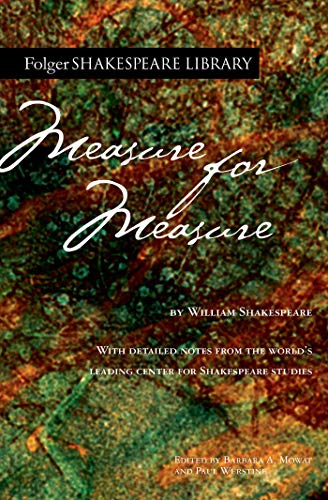
No. 6 on this list. Measure for Measure
William Shakespeare · 1604
Difficult2.8 hours
Taught in schools: AQA GCSE and A-level English Literature (UK), WJEC/Eduqas GCSE and A-level English Literature (UK)
Included in: Great Books of the Western World
Measure for Measure appears on university syllabi across English literature, drama, law, and gender studies courses worldwide. It is one of Shakespeare's most-taught 'problem plays,' central to any serious study of his canon, with Wikipedia articles in dozens of languages. Less ubiquitous than Hamlet or Macbeth, but firmly within the core Shakespeare curriculum.
Angels in America is taught in American theater, drama, and queer studies programs at universities across the country and is consistently listed among the essential works of 20th-century American literature. Both parts of the play appear regularly on syllabi in literature, political science, and history courses. Its status as a defining document of the AIDS crisis and Reagan-era America makes it required context for anyone studying the period.
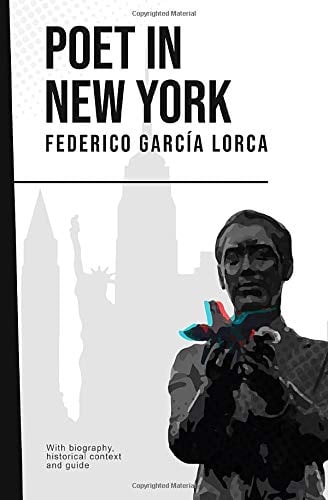
One of the major poetry collections of the twentieth century and a landmark of Spanish-language surrealism.
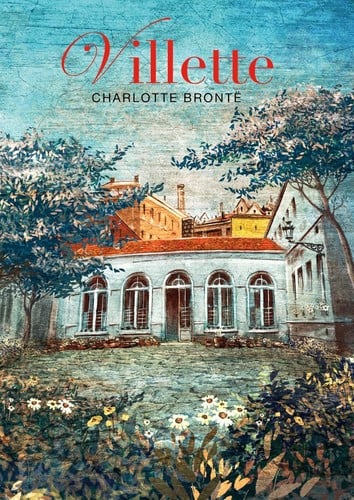
Widely taught in advanced 19th-century literature courses and Victorian fiction seminars, though less ubiquitous than Jane Eyre. Contemporary scholarship increasingly positions Villette as Brontë's most sophisticated novel; it appears regularly on university syllabi in feminist literary criticism and psychological realism tracks.
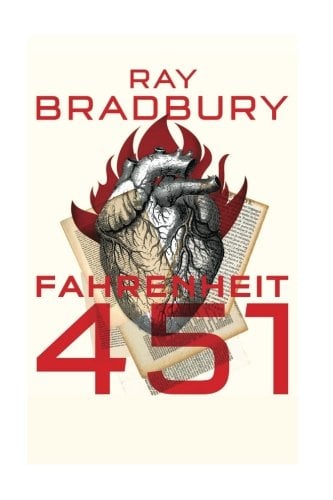
No. 10 on this list. Fahrenheit 451
Ray Bradbury · 1953
Moderate3.6 hours
Taught in schools: Common Core text exemplars (Appendix B) (US), Pacific Senior Secondary Certificate – English
Guy Montag burns books for a living. In Bradbury's 1953 novel, firemen don't put out fires — they start them, torching any house where books are found. Montag has done this for years without question, until a teenage neighbor named Clarisse asks him if he's happy. He realizes he isn't. The world Bradbury builds runs on distraction: giant wall-screen televisions, radio "seashells" plugged into ears at all hours, and the constant roar of speed. Nobody reads. Nobody thinks too long about anything. The firemen exist not because books are dangerous but because the majority found them uncomfortable, and discomfort is the one thing this society refuses to tolerate. Bradbury writes in a poetic, image-saturated style — sentences that flare and crackle the way the fires do. The abstraction is real: this is a novel about censorship, conformity, and the slow voluntary surrender of the mind, not just a plot about a man who changes his job. The phoenix appears as a recurring symbol; so does fire itself, destroyer and renewer at once. What Montag finds at the edge of the city — people who have memorized entire books, becoming the books themselves — is one of the more striking images in American science fiction.

No. 11 on this list. Women in Love · D.H. Lawrence · 1920
Appears on 241 university syllabi (59th percentile, Open Syllabus Project) and is listed on the Modern Library 100 Best Novels. Wikipedia coverage in 11 languages is modest for a major English novel, suggesting strong Anglophone canonical status that has not fully globalized.
Challenging16 hours
Read nowNo. 12 on this list. A Connecticut Yankee in King Arthur's Court · Mark Twain · 1889
It is a standard in American literature courses and part of Twain's core canon with Huckleberry Finn. It is taught less often than Gatsby but widely, as a founding time-travel satire.
Moderate6.6 hours
Read nowNo. 13 on this list. V for Vendetta · Alan Moore · 1989
One of the foundational texts of the graphic novel form. Widely taught, frequently cited in discussions of political fiction and dystopian literature.
Easy3.9 hours
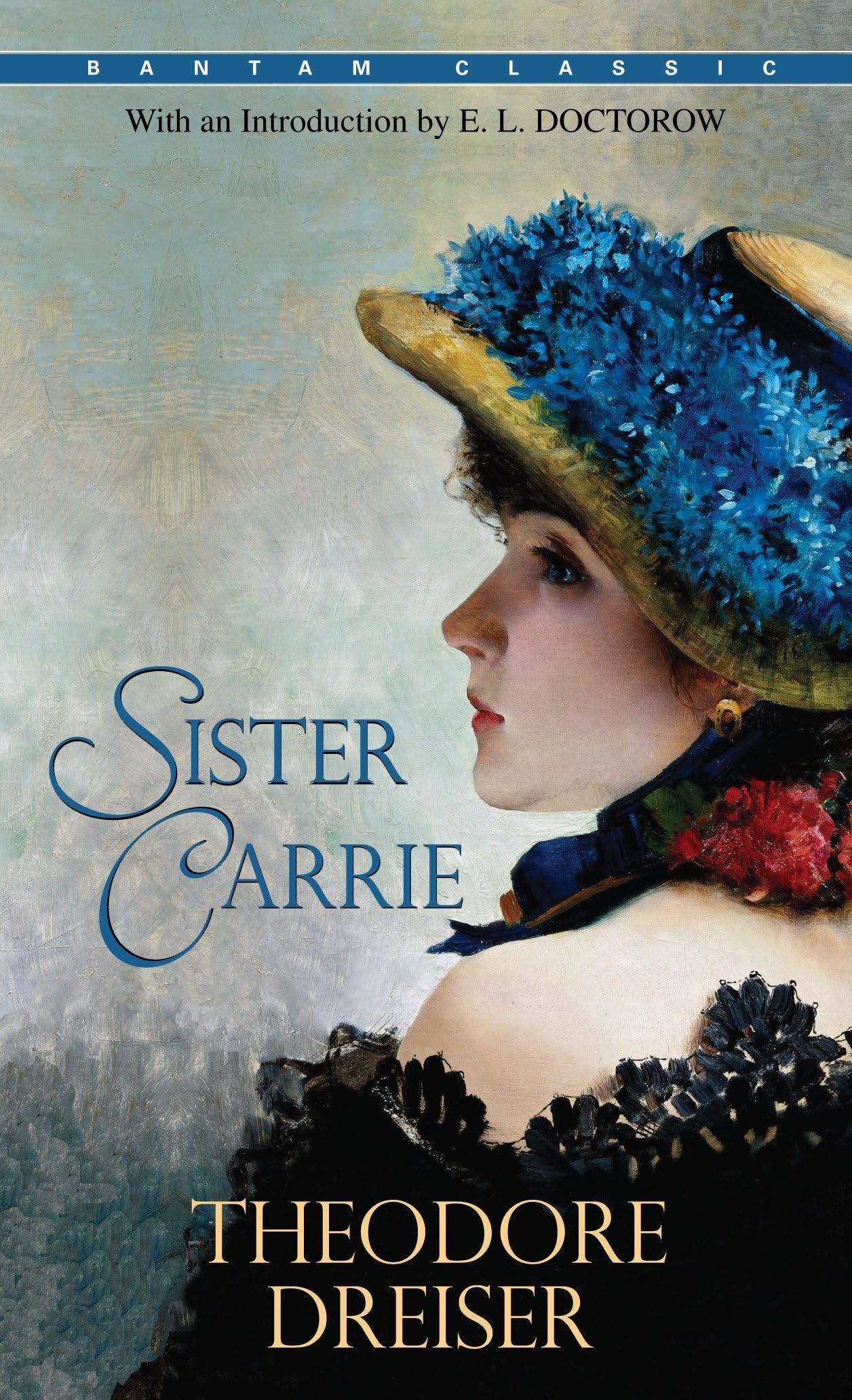
Start this bookNo. 14 on this list. Sister Carrie · Theodore Dreiser · 1900
Appears on 1,040 university syllabi and sits on the Modern Library 100 Best Novels list. It is a standard text for American naturalism and the Gilded Age city.
Easy9.4 hours
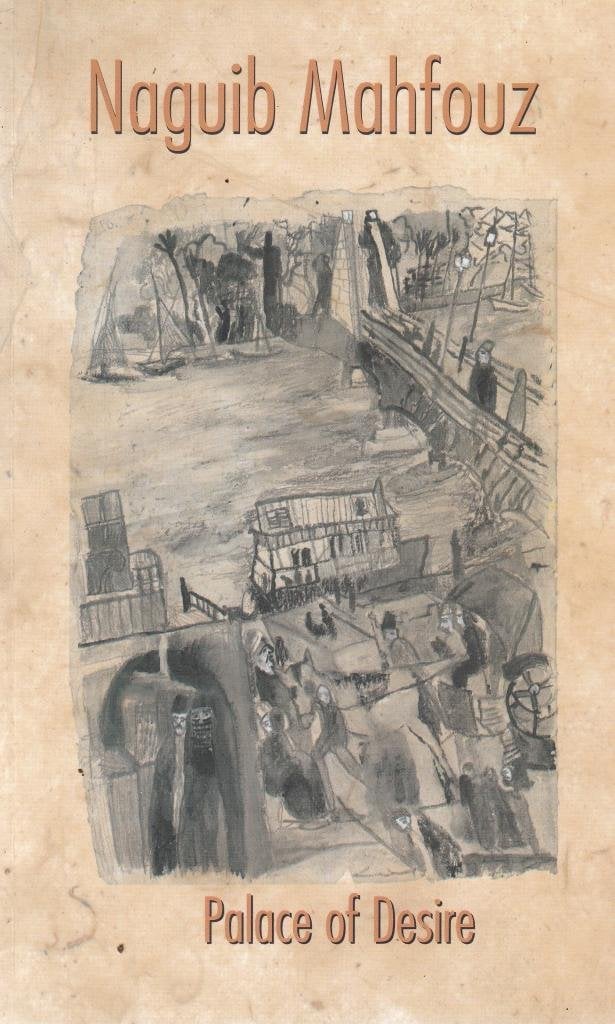
Read nowNo. 15 on this list. Palace of Desire · Naguib Mahfouz · 1957
The Cairo Trilogy is Mahfouz's defining work, but individual volumes appear less frequently on syllabi than standalone classics. Palace of Desire appears on only 2 university syllabi in the Open Syllabus Project. The trilogy is a fixture in world literature and Arabic literature courses, though Western curricula tend to assign excerpts or the first volume rather than the full sequence.
Challenging16 hours
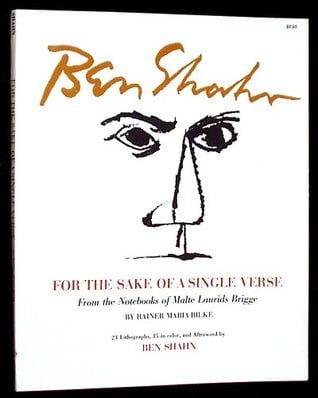
Start this bookNo. 16 on this list. The Notebooks of Malte Laurids Brigge · Rainer Maria Rilke · 1910
Die Aufzeichnungen des Malte Laurids Brigge is on Le Monde's 100 Books of the Century, with Wikipedia articles in 14 languages. It is taught as a founding text of modernist prose in German and comparative literature courses.
Challenging6 hours
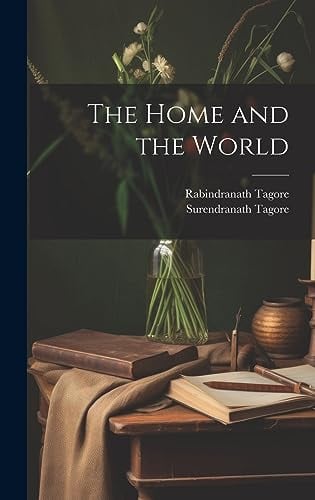
Start this bookNo. 17 on this list. The Home and the World · Rabindranath Tagore · 1916
The Home and the World is one of Tagore's most celebrated novels and a staple of postcolonial literature syllabi worldwide. Written by the first non-European Nobel laureate, it occupies a significant position in the global literary canon, particularly in discussions of Indian literature, nationalism, and modernity. Satyajit Ray's 1984 film adaptation further cemented its cultural status. It appears in 7 Wikipedia languages and has remained continuously in print for over a century.
Challenging5.2 hours
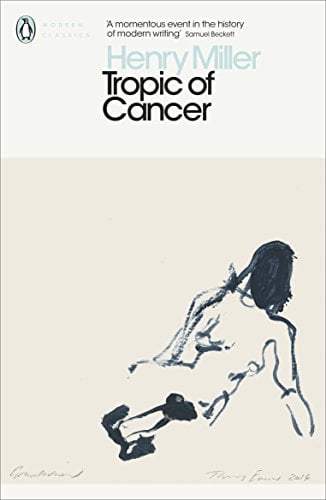
Read nowNo. 18 on this list. Tropic of Cancer · Henry Miller · 1934
Tropic of Cancer holds established position in modernist and 20th-century literature curricula, taught in courses on American modernism, expatriate literature, and the experimental novel. Recognized as significant but not universally required reading at all levels like Gatsby or 1984; more niche canonical status within specific literary traditions.
Challenging9.5 hours
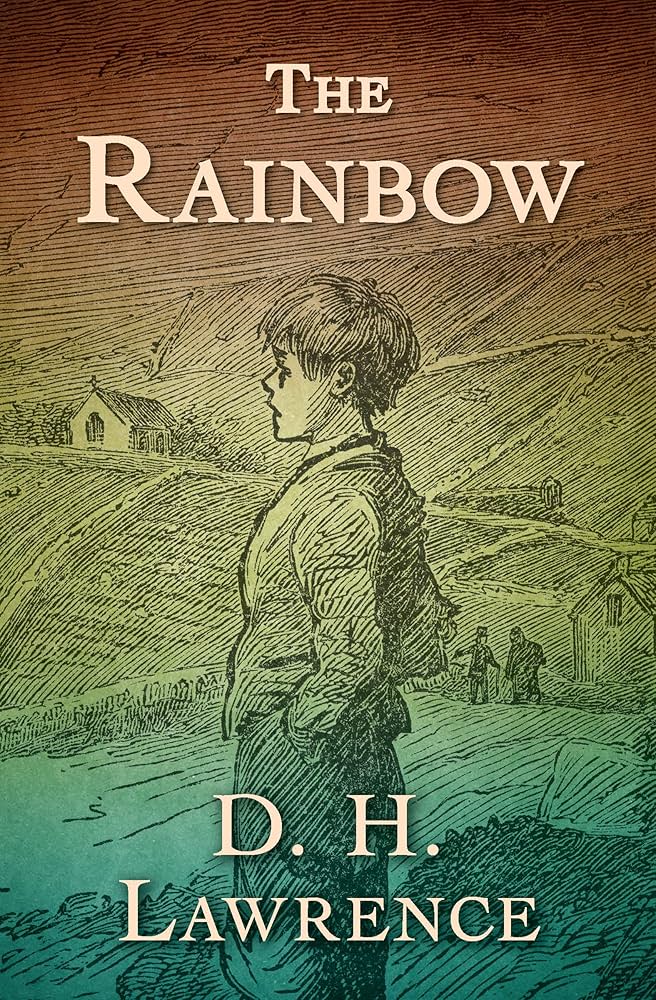
Start this bookNo. 19 on this list. The Rainbow · D.H. Lawrence · 1915
The Rainbow is firmly established in the English literary canon as one of Lawrence's major novels and a landmark of early modernism. It appears on the Modern Library 100 Best Novels list, is a staple of university curricula covering British modernism, and is widely recognized as a foundational text in the novel of sexuality and consciousness.
Challenging16 hours
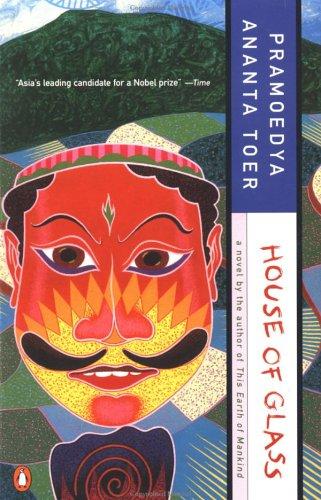
Read nowNo. 20 on this list. House of Glass · Pramoedya Ananta Toer · 1988
House of Glass is the concluding volume of the Buru Quartet, which is universally regarded as the most important work of Indonesian literature and one of the defining anticolonial novels of the twentieth century. It appears on numerous world literature reading lists and is taught at universities across Southeast Asia, Europe, and North America, though its presence in Western canons is less robust than its literary standing merits.
Difficult20 hours
Start this book
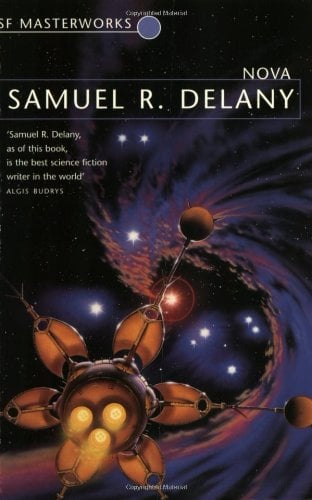
No. 21 on this list. Nova · Samuel R. Delany · 1968
Nova holds a firm place in the SF literary canon, included in the SF Masterworks series and cited as a defining text of the New Wave movement. Its standing is strong within genre criticism but has not fully crossed into mainstream literary canonization.
Difficult9.9 hours
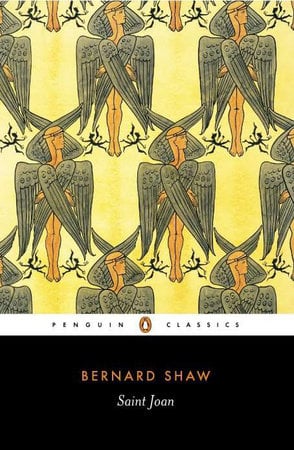
Start this bookNo. 22 on this list. Saint Joan · George Bernard Shaw · 1923
Included in: Great Books of the Western World
In 1429, Joan, an illiterate seventeen-year-old peasant girl from Domrémy, arrives at the castle of Vaucouleurs claiming that saints' voices command her to crown the Dauphin and drive the English from France. Through sheer conviction, she persuades the skeptical Captain Robert de Baudricourt to send her to Chinon, where she astounds the French court. The weak Dauphin Charles, his cynical Archbishop, and the capable soldier Dunois all find themselves swept along by her extraordinary certainty. Joan leads French forces to lift the siege of Orleans and sees Charles crowned at Rheims, but her military boldness and claim to direct divine guidance threaten both Church hierarchy and feudal nobility. The English Earl of Warwick and the French Bishop Cauchon, neither villains nor fools, recognize that Joan's proto-Protestant insistence on individual conscience and her proto-nationalist loyalty to France above feudal allegiances endanger their entire world order. At her trial for heresy, Joan faces judges who believe sincerely that they serve God by destroying her. She recants briefly under threat of burning, then reclaims her voices and goes to the stake. Twenty-five years later, in Charles's dream, the rehabilitated and eventually canonized Joan asks when the world will be ready to receive its saints—and receives only silence.
Moderate4 hours
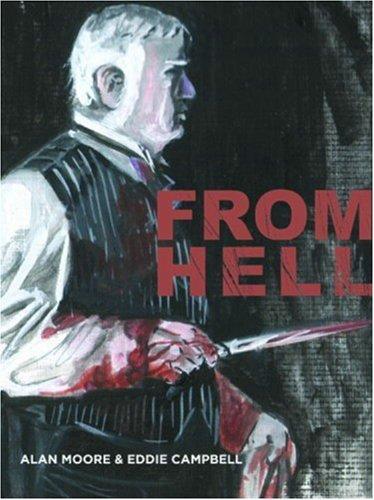
Read nowNo. 23 on this list. From Hell · Alan Moore · 1999
Widely regarded as one of the greatest graphic novels ever produced. A staple of comics criticism and increasingly taught in university courses.
Moderate8 hours
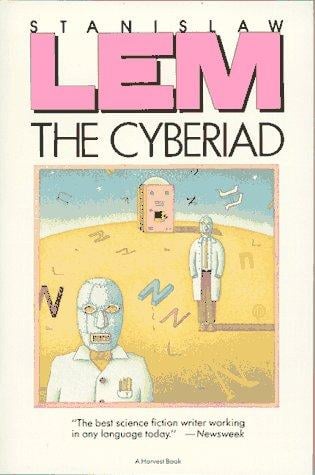
Start this bookNo. 24 on this list. The Cyberiad · Stanisław Lem · 1965
Trurl and Klapaucius are constructors — engineers of impossible things — who travel the universe building machines that write poetry, create dragons out of probability, and kidnap kings using algorithms. In the opening story, Trurl builds a machine that can make anything starting with the letter N. When it begins making Nothing — not ordinary nothing, but dynamic, aggressive Nothingness — it starts erasing the world one item at a time: the gruncheons go, then the pritons, then the zits, and the sky acquires holes that have never healed. Stanisław Lem writes fairy tales about robots, but the fairy tales are philosophical arguments in disguise. Each of the fifteen linked adventures runs a thought experiment: what happens when collective intelligence exceeds the scale at which militarism makes sense? Can a machine write great poetry if civilization wrote the poet? What does it mean to exist inside a simulation you cannot distinguish from reality? The deadpan fable narrator treats catastrophe and cosmic comedy with identical gravity, and the gap between that voice and what is actually happening is where all the meaning lives. The Cyberiad reads as slapstick adventure on the surface — Trurl escaping dungeon after dungeon with improbable ingenuity — and as philosophy underneath, where questions about consciousness, creation, and the purpose of intelligence are never resolved. Lem gives you both pleasures at once, and the math jokes are genuine.
Challenging8.4 hours
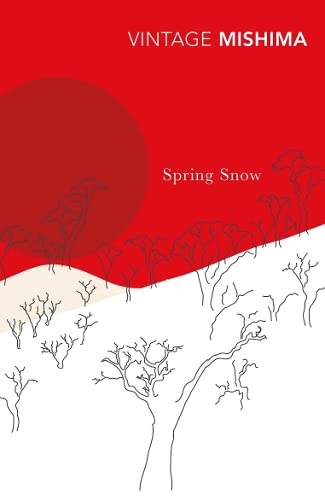
Start this bookNo. 25 on this list. Spring Snow · Yukio Mishima · 1969
Included in: UNESCO Collection of Representative Works
Spring Snow is the first volume of Mishima's Sea of Fertility tetralogy and is regularly taught in world literature and Japanese literature courses at universities globally. While no database syllabus data was retrieved, the novel is widely regarded as one of the essential works of 20th-century Japanese literature and appears frequently on recommended reading lists for modern world fiction.
Difficult14 hours
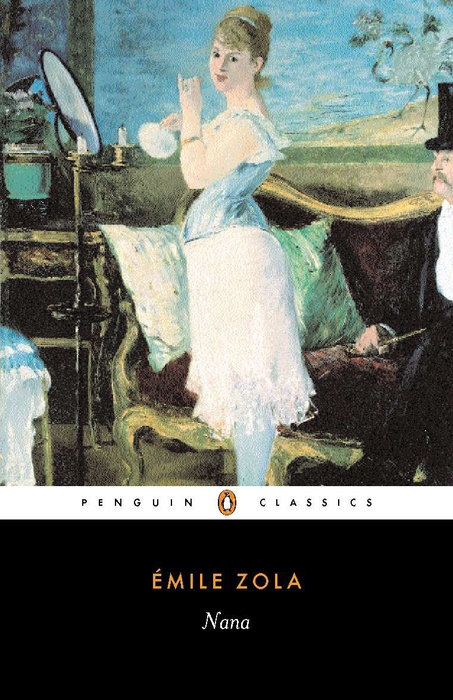
Start this bookNo. 26 on this list. Nana · Émile Zola · 1880
Nana stands as a defining text of literary naturalism and a cornerstone of French 19th-century fiction. As the ninth novel in Zola's ambitious Rougon-Macquart cycle, it regularly appears in French literature curricula and surveys of European realism. While perhaps less universally assigned than Germinal or L'Assommoir, it remains essential to understanding naturalism, Second Empire social critique, and Zola's literary project.
Moderate12 hours
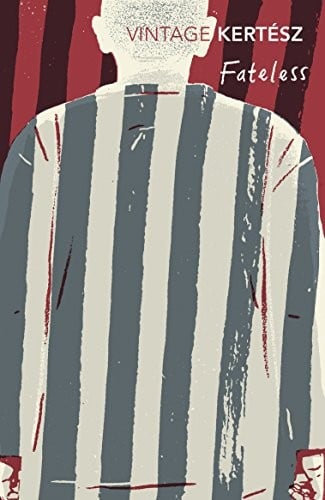
Read nowNo. 27 on this list. Fatelessness · Imre Kertész · 1975
Taught in schools: Hungarian literature curriculum (magyar nyelv és irodalom) (Hungary)
Fatelessness holds significant canonical status within Holocaust literature and Central European fiction, frequently taught in university courses on trauma literature and twentieth-century European novels. While not as universally assigned as Wiesel or Levi, it represents a crucial counter-narrative in Holocaust literature, challenging redemptive and metaphysical interpretations of the camps.
Challenging4.6 hours
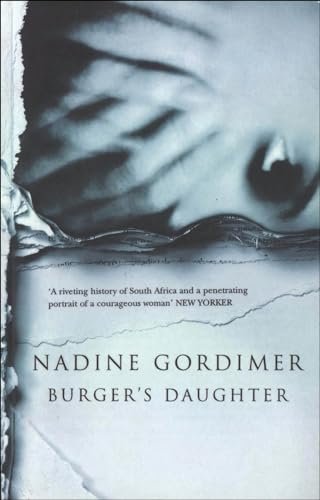
Start this bookNo. 28 on this list. Burger's Daughter · Nadine Gordimer · 1979
Burger's Daughter appears on 68 university syllabi (Open Syllabus Project, 45.8th percentile), placing it firmly in postcolonial and African literature courses though not in the top tier of globally canonical texts. Wikipedia articles exist in 7 languages — modest compared to landmark novels — but the article runs to over 61,000 characters and includes a dedicated reception section, indicating sustained critical discourse.
Challenging13 hours
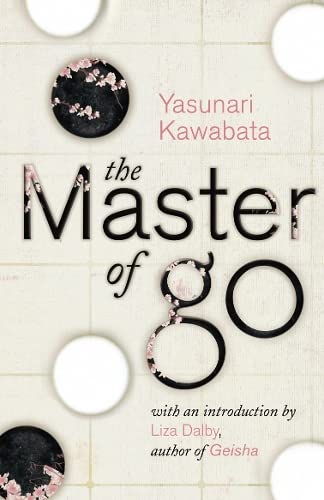
Start this bookNo. 29 on this list. The Master of Go · Yasunari Kawabata · 1954
Regularly taught in Japanese literature and world literature courses at university level, though less ubiquitous than Kawabata's Snow Country. Recognized as one of the key texts for understanding 20th-century Japanese prose and the aesthetic of mono no aware. Its inclusion in Nobel Prize retrospectives solidified its place in the world literature canon.
Challenging3.7 hours
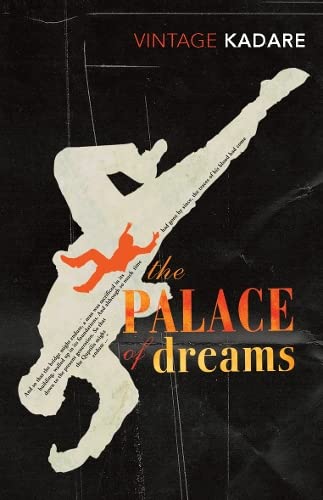
Start this bookNo. 30 on this list. The Palace of Dreams · Ismail Kadare · 1981
Mark-Alem Quprili wakes one morning to begin his first day at the Tabir Sarrail — the Palace of Dreams — where the Ottoman State collects, sorts, and interprets every dream dreamed by every subject across the Empire, searching for the one divine signal that might save or doom the Sultan. His family, the great Quprili dynasty that has given the Empire five Grand Viziers and as many imprisoned or decapitated members, arranged the appointment. The building swallows him whole: labyrinthine corridors, blue-green files stacked floor to ceiling, clerks bent over thousands of nightly visions from Kustendil to the European borders. Kadare wrote this novel in 1981 as allegory, the Ottoman machinery standing in for communist Albania under Enver Hoxha. The Palace of Dreams does not merely observe its citizens — it harvests their unconscious, processing the darker side of the population's inner life as raw material for state power. Mark-Alem, caught between his family's grandeur and the bureaucracy's anonymous terror, learns to alter dream interpretations to avoid culpability, to keep his head down while the system grinds. At dinner, his uncle Kurt speaks with reckless brilliance about the Tabir as the only institution where the masses make direct contact with the state. Nobody changes the subject in time. This is a Kafkaesque novel that knows exactly what it is doing with Kafka — the dreamworld is not metaphor but administrative fact, and the dread is the dread of the functionary who understands, too late, that he has become part of the machine.
Challenging5.4 hours
Start this book
No. 31 on this list. Naomi
Jun'ichirō Tanizaki · 1924
No. 32 on this list. The Lost Steps
Alejo Carpentier · 1953
No. 33 on this list. Death on the Installment Plan
Louis-Ferdinand Céline · 1936
No. 34 on this list. Slowness
Milan Kundera · 1995
No. 35 on this list. Man and Superman
George Bernard Shaw · 1903
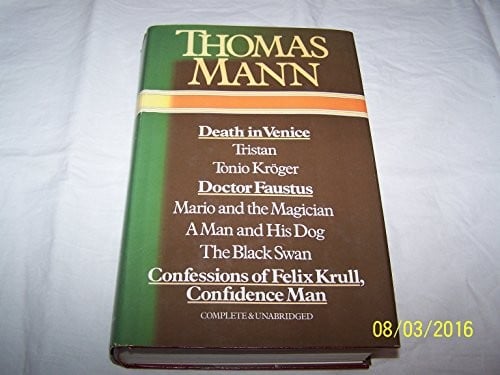
No. 36 on this list. The Confessions of Felix Krull
Thomas Mann · 1954
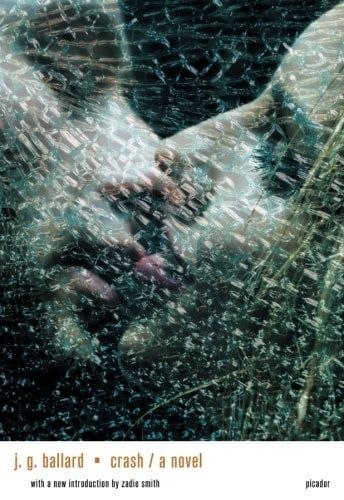
No. 37 on this list. Crash
J.G. Ballard · 1973
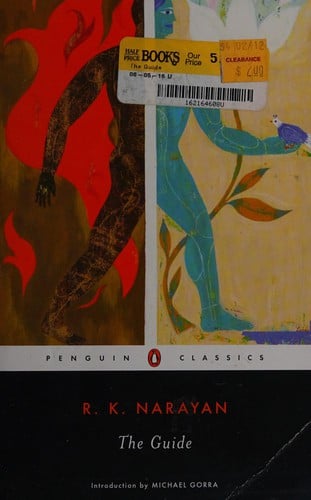
No. 38 on this list. The Guide
R.K. Narayan · 1958
Taught in schools: CSEC English B – Caribbean Examinations Council
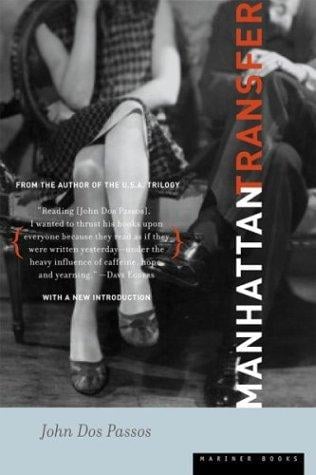
No. 39 on this list. Manhattan Transfer
John Dos Passos · 1925
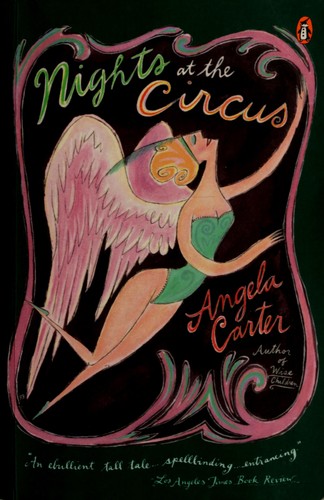
No. 40 on this list. Nights at the Circus
Angela Carter · 1984


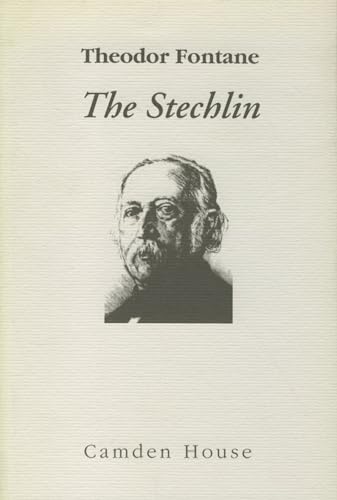
No. 41 on this list. The Stechlin
Theodor Fontane · 1898
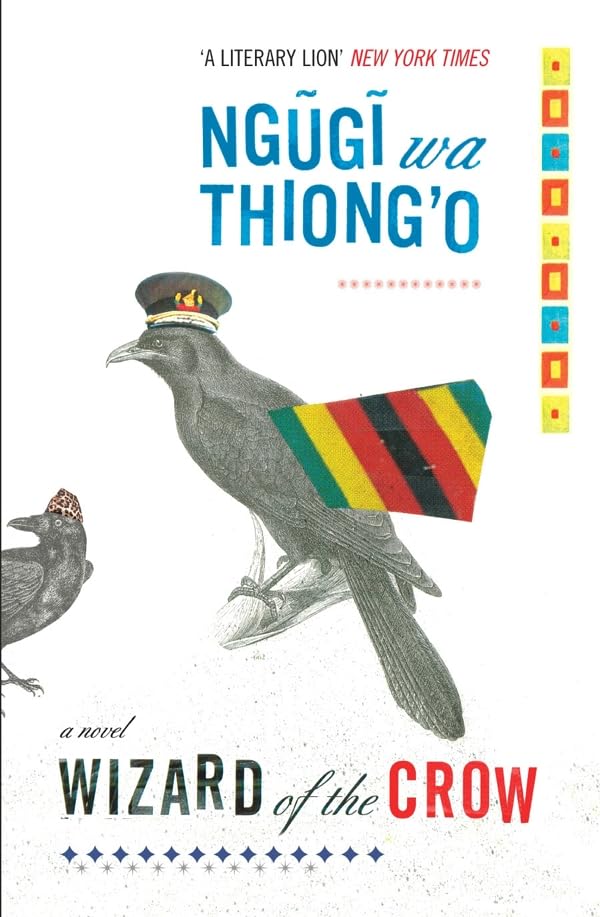
No. 42 on this list. The River Between
Ngugi wa Thiong'o · 1965
Taught in schools: CSEC English B – Caribbean Examinations Council
Included in: Heinemann African Writers Series
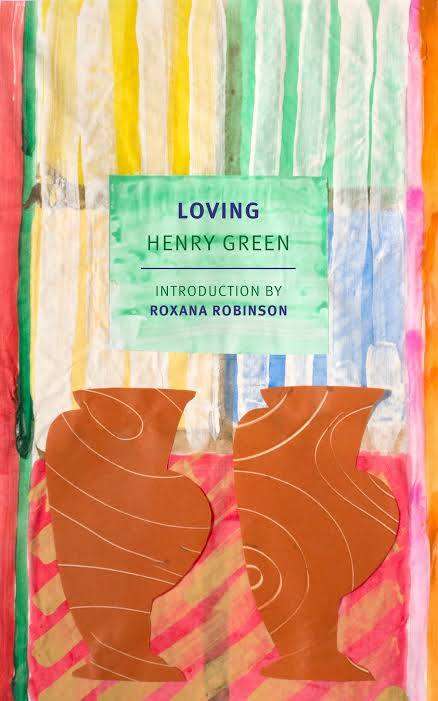
No. 43 on this list. Loving
Henry Green · 1945
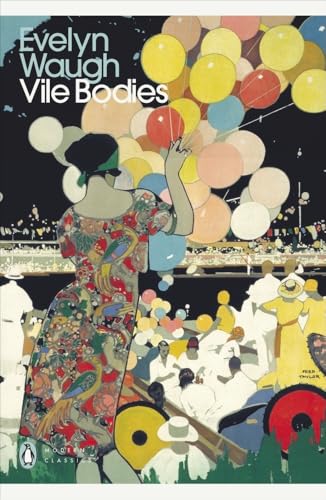
No. 44 on this list. Vile Bodies
Evelyn Waugh · 1930
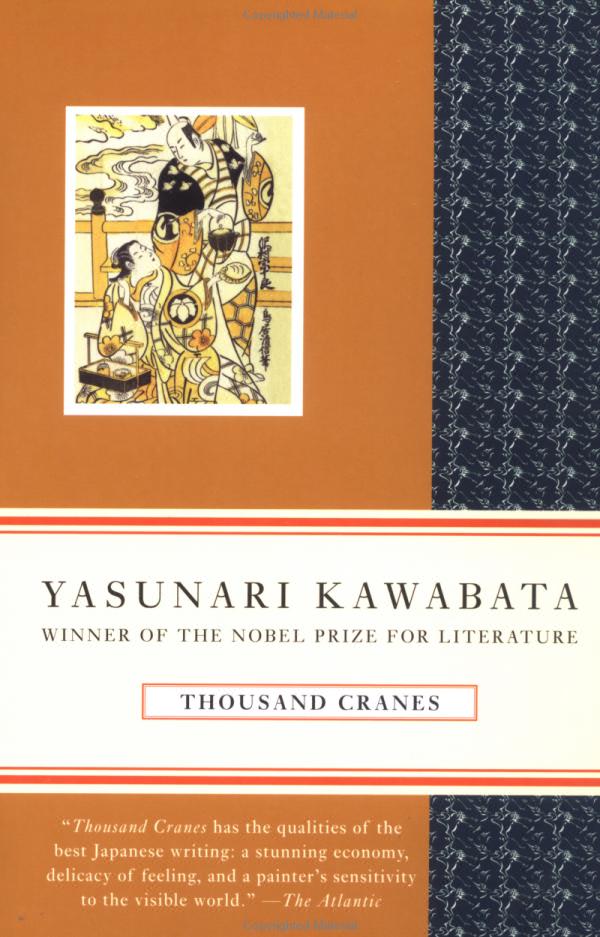
No. 45 on this list. Thousand Cranes
Yasunari Kawabata · 1949
Included in: UNESCO Collection of Representative Works
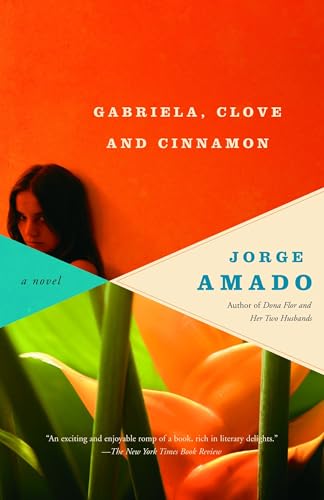
No. 46 on this list. Gabriela, Clove and Cinnamon
Jorge Amado · 1958
No. 47 on this list. The Makioka Sisters
Jun'ichirō Tanizaki · 1948
Included in: UNESCO Collection of Representative Works
No. 48 on this list. Oryx and Crake
Margaret Atwood · 2003
No. 49 on this list. Against the Day
Thomas Pynchon · 2006
No. 50 on this list. Kusamakura
Natsume Sōseki · 1906
Included in: UNESCO Collection of Representative Works
No. 51 on this list. Purple Hibiscus
Chimamanda Ngozi Adichie · 2004
Taught in schools: Leaving Certificate English – NCCA / State Examinations Commission (Ireland)
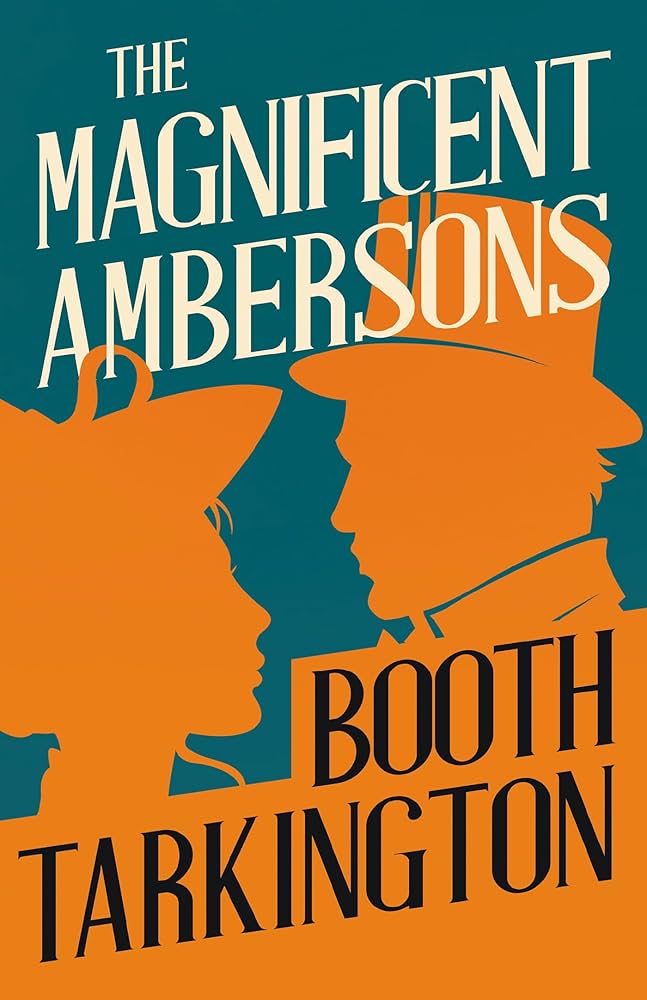
No. 52 on this list. The Magnificent Ambersons
Booth Tarkington · 1919
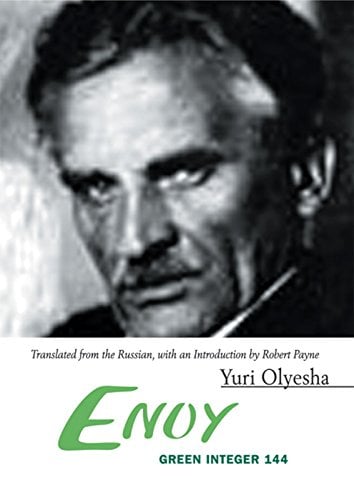
No. 53 on this list. Envy
Yuri Olesha · 1927
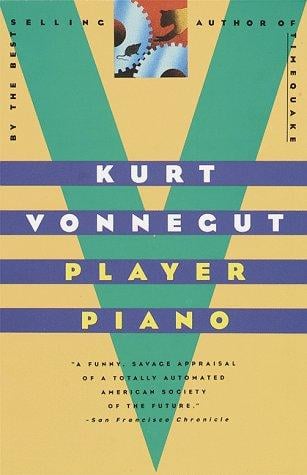
No. 54 on this list. Player Piano
Kurt Vonnegut · 1952
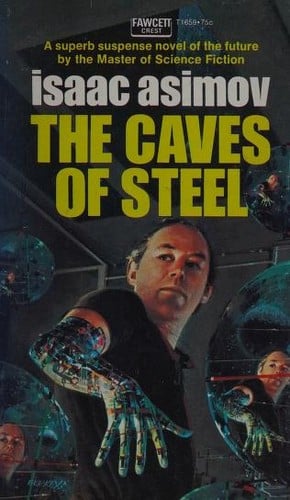
No. 55 on this list. The Caves of Steel
Isaac Asimov · 1954
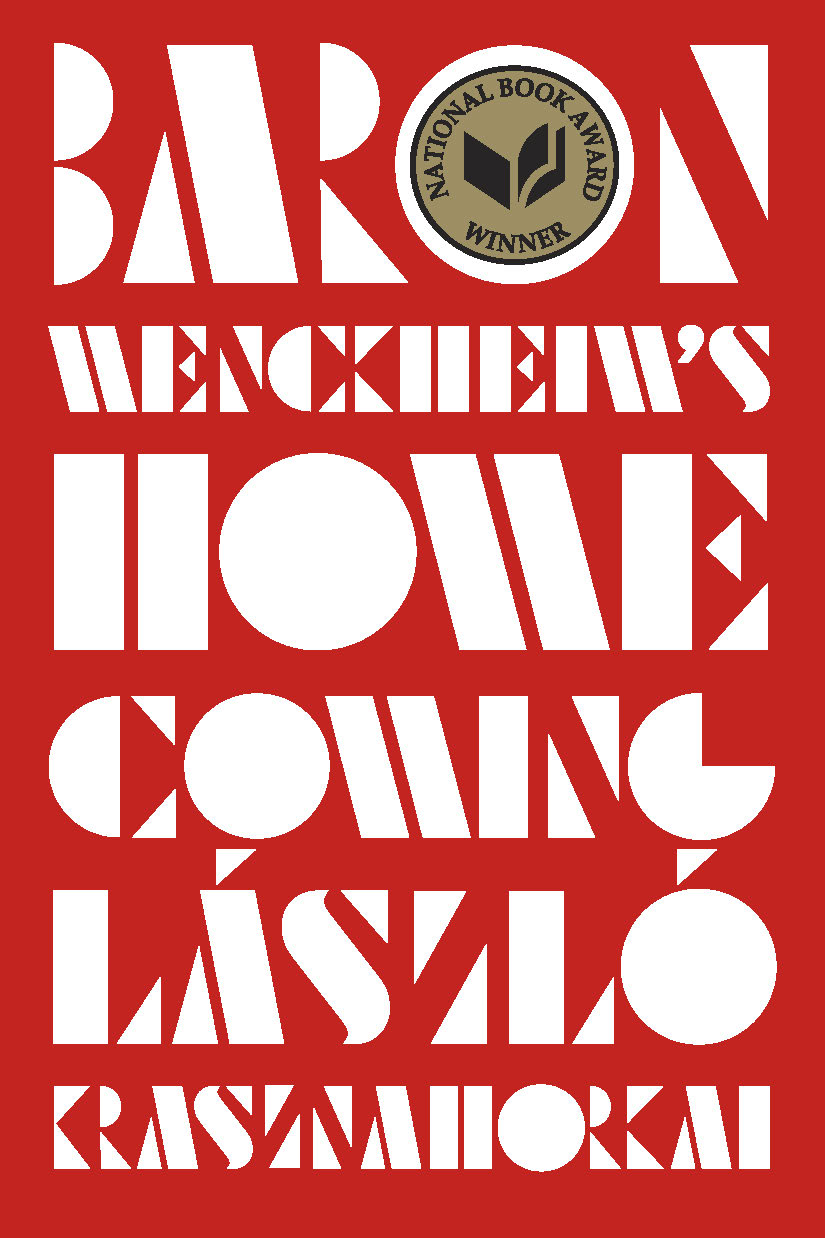
No. 56 on this list. Baron Wenckheim's Homecoming
László Krasznahorkai · 2016
No. 57 on this list. Footsteps
Pramoedya Ananta Toer · 1985
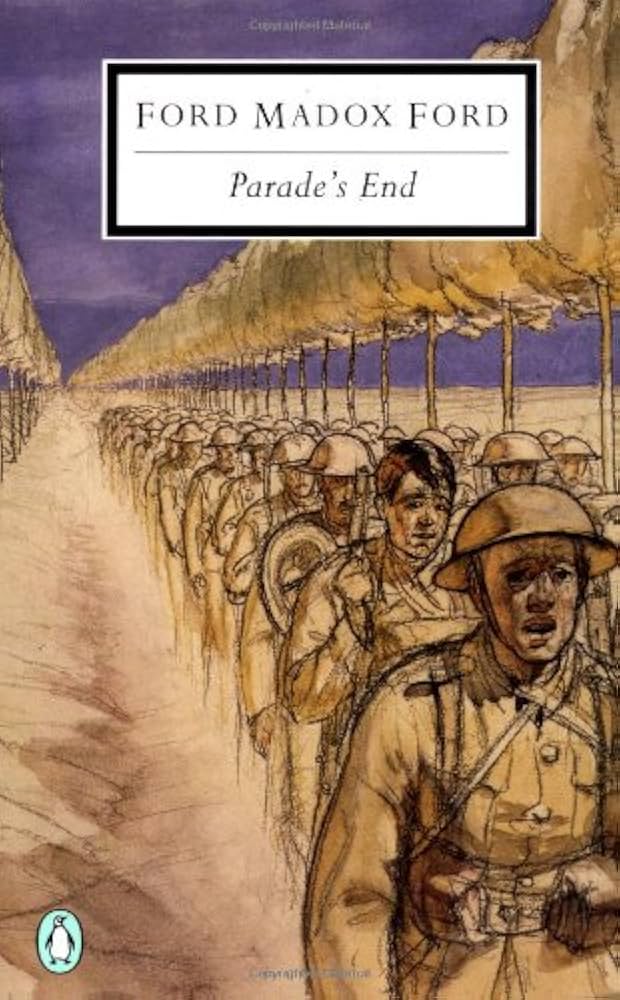
No. 58 on this list. Parade's End
Ford Madox Ford · 1928
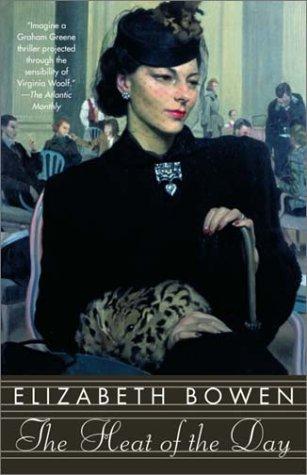
No. 59 on this list. The Heat of the Day
Elizabeth Bowen · 1948
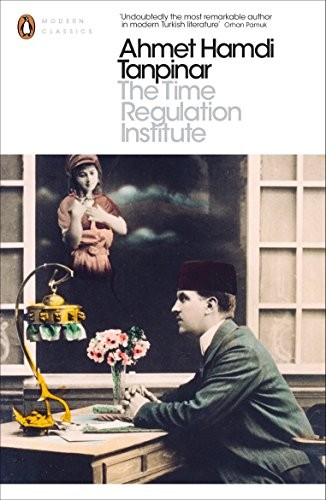
No. 60 on this list. The Time Regulation Institute
Ahmet Hamdi Tanpinar · 1961
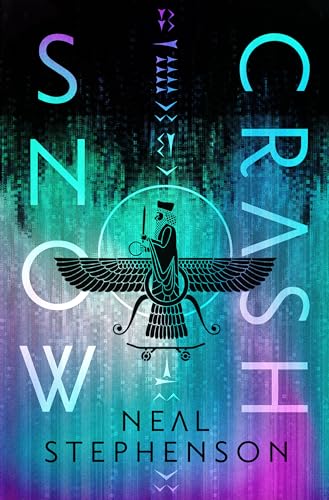
No. 61 on this list. Snow Crash
Neal Stephenson · 1992
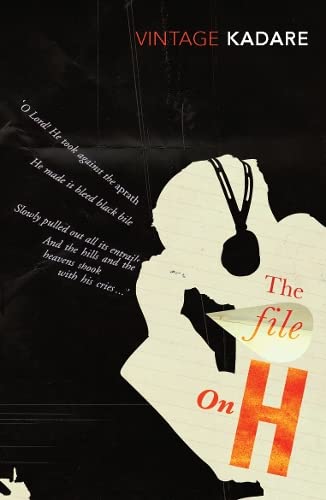
No. 62 on this list. The File on H.
Ismail Kadare · 1981
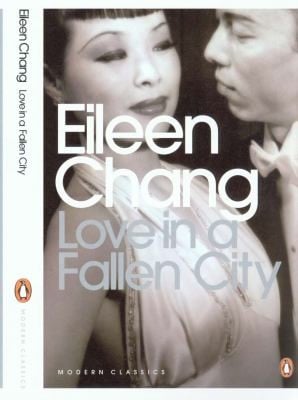
No. 63 on this list. Love in a Fallen City
Eileen Chang · 1943
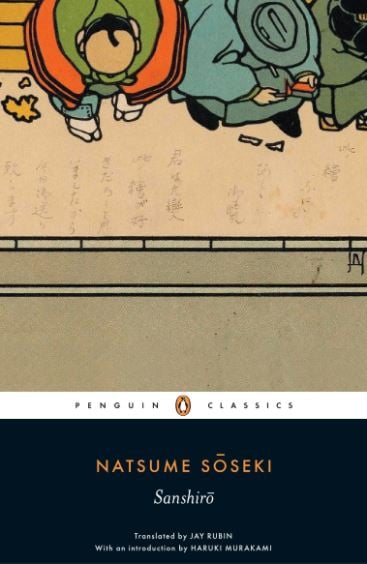
No. 64 on this list. Sanshiro
Natsume Sōseki · 1908
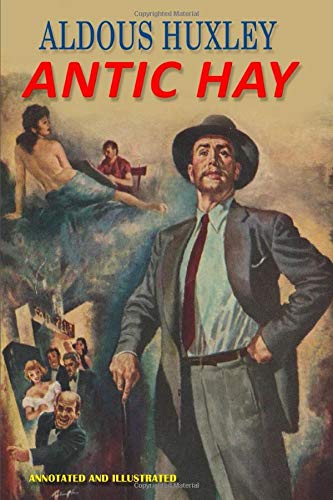
No. 65 on this list. Antic Hay
Aldous Huxley · 1923
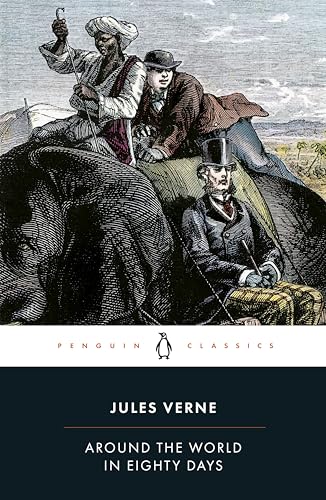
No. 66 on this list. Around the World in Eighty Days
Jules Verne · 1872
Taught in schools: CSEC English B – Caribbean Examinations Council
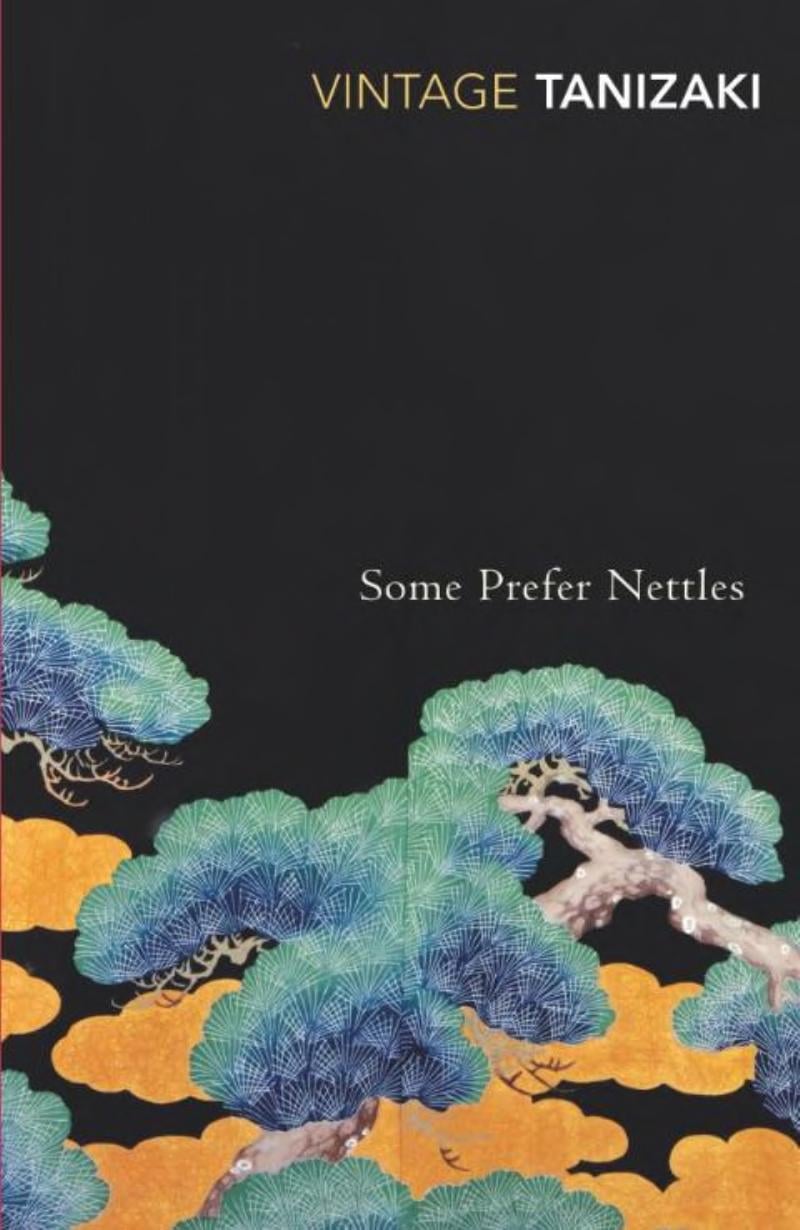
No. 67 on this list. Some Prefer Nettles
Jun'ichirō Tanizaki · 1929
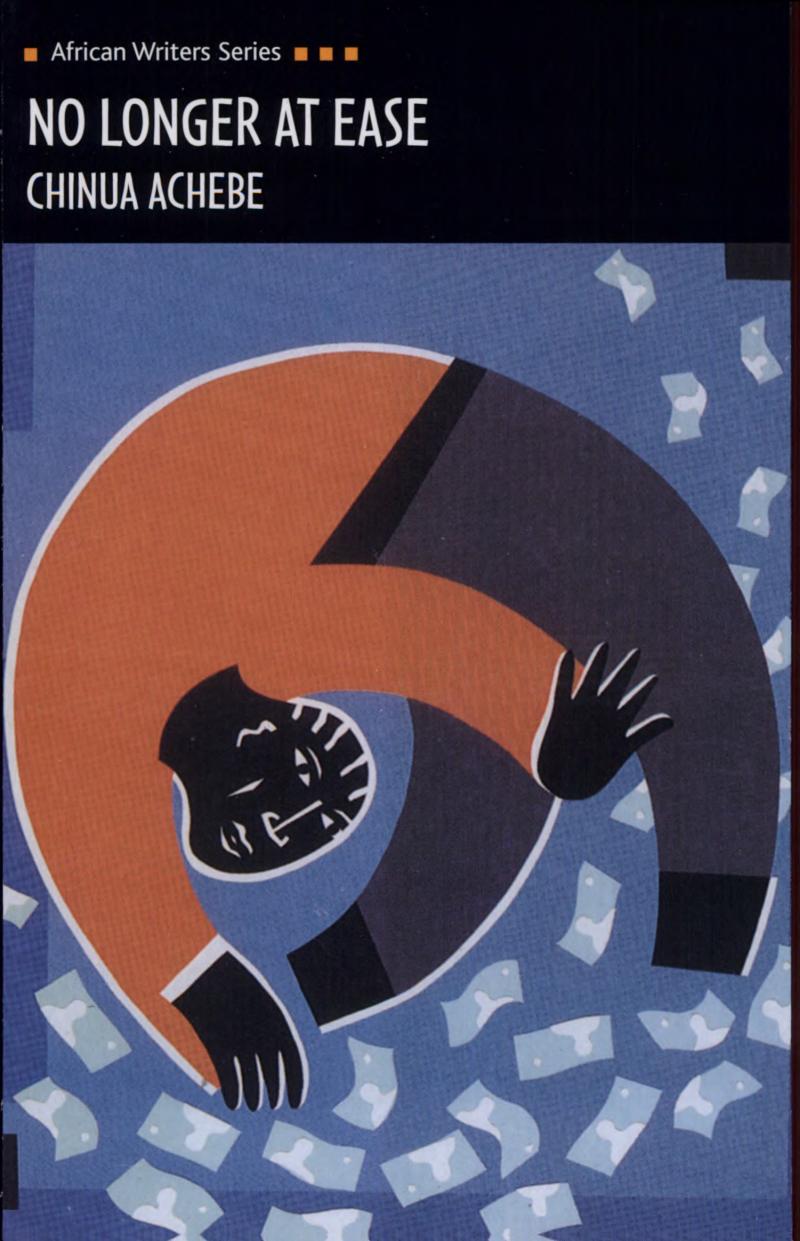
No. 68 on this list. No Longer at Ease
Chinua Achebe · 1960
Taught in schools: Pacific Senior Secondary Certificate – English
Included in: Heinemann African Writers Series
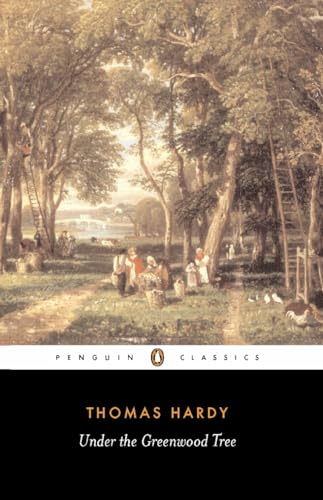
No. 69 on this list. Under the Greenwood Tree
Thomas Hardy · 1872
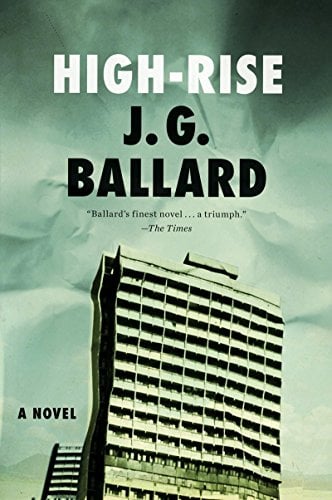
No. 70 on this list. High-Rise
J.G. Ballard · 1975
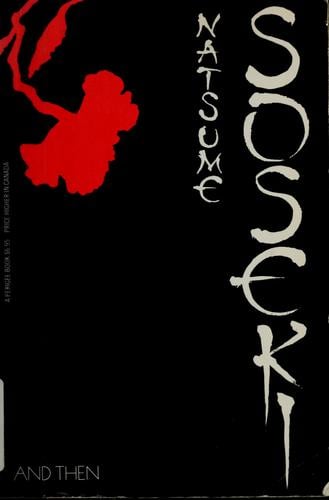
No. 71 on this list. And Then
Natsume Sōseki · 1909
Included in: UNESCO Collection of Representative Works
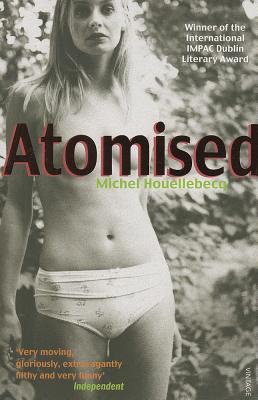
No. 72 on this list. Atomised
Michel Houellebecq · 2002
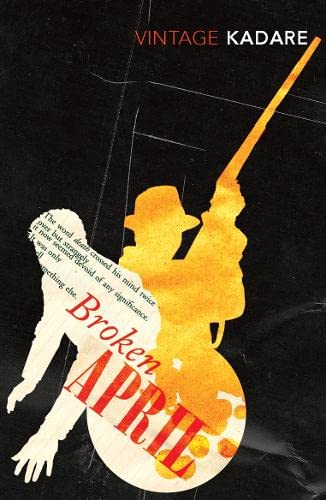
No. 73 on this list. Broken April
Ismail Kadare · 1978
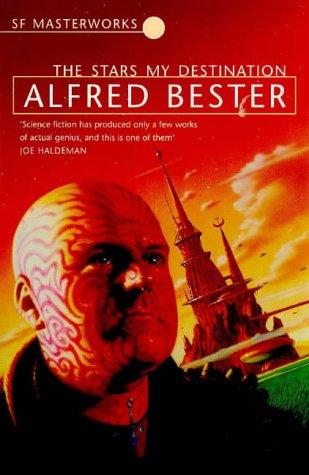
No. 74 on this list. The Stars My Destination
Alfred Bester · 1956
No. 75 on this list. The Toilers of the Sea
Victor Hugo · 1866
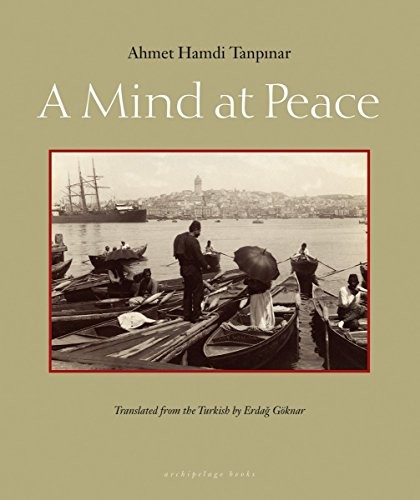
No. 76 on this list. A Mind at Peace
Ahmet Hamdi Tanpinar · 1949
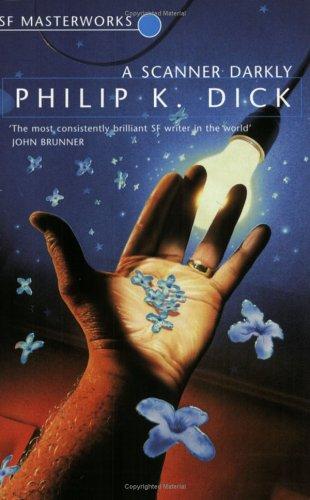
No. 77 on this list. A Scanner Darkly
Philip K. Dick · 1977
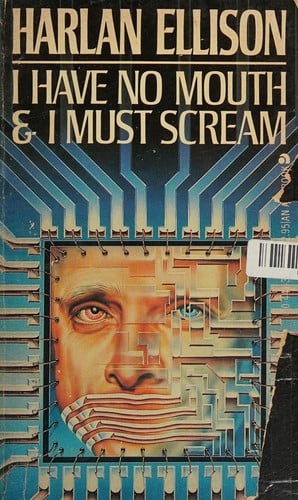
No. 78 on this list. I Have No Mouth & I Must Scream
Harlan Ellison · 1967
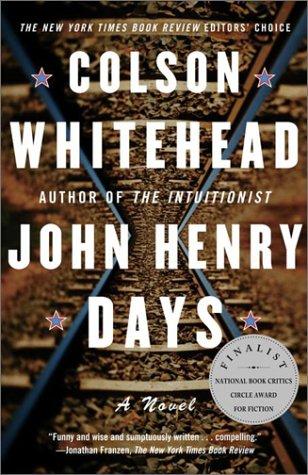
No. 79 on this list. John Henry Days
Colson Whitehead · 2001
No. 80 on this list. Marcovaldo
Italo Calvino · 1963

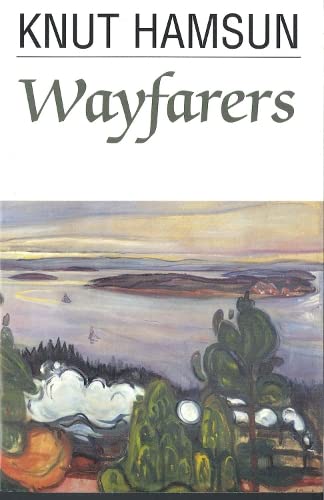
No. 81 on this list. Wayfarers
Knut Hamsun · 1927
No. 82 on this list. The Vendor of Sweets
R.K. Narayan · 1967
No. 83 on this list. G.
John Berger · 1972
No. 84 on this list. Flow My Tears, the Policeman Said
Philip K. Dick · 1974
No. 85 on this list. The Appointment
Herta Müller · 1997
No. 86 on this list. Wilhelm Meister's Journeyman Years
Johann Wolfgang von Goethe · 1821
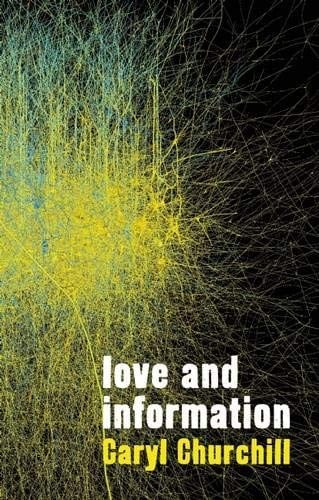
No. 87 on this list. Love and Information
Caryl Churchill · 2012
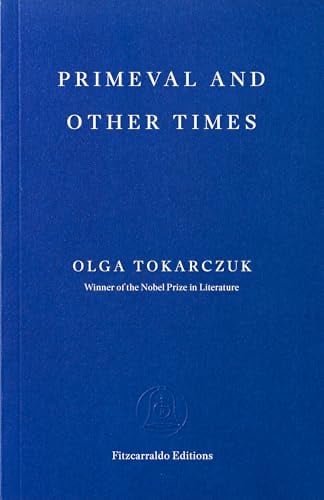
No. 88 on this list. Primeval and Other Times
Olga Tokarczuk · 1996
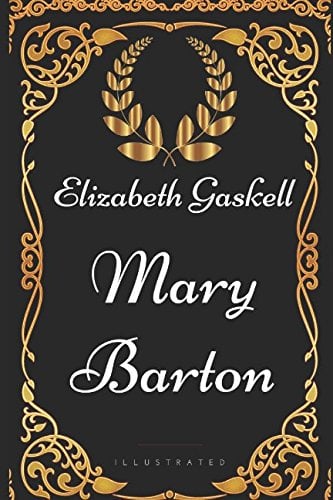
No. 89 on this list. Mary Barton
Elizabeth Gaskell · 1848
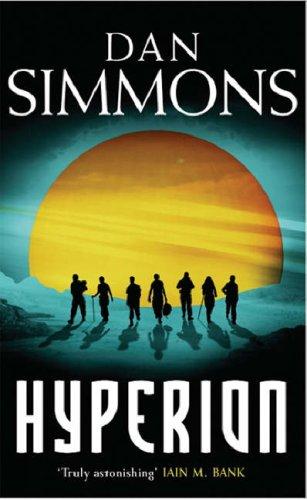
No. 90 on this list. Hyperion
Dan Simmons · 1989
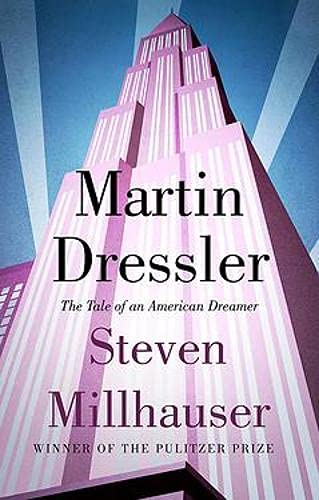
No. 91 on this list. Martin Dressler
Steven Millhauser · 1997
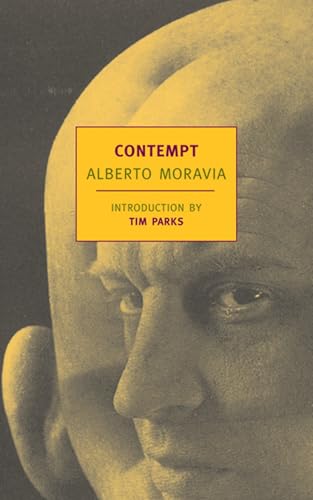
No. 92 on this list. Contempt
Alberto Moravia · 1954
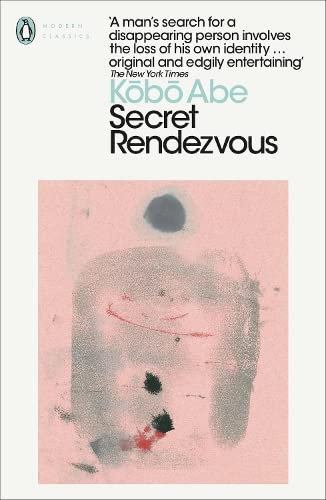
No. 93 on this list. Secret Rendezvous
Kobo Abe · 1977
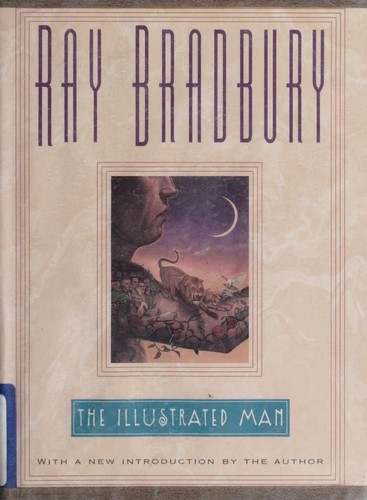
No. 94 on this list. The Illustrated Man
Ray Bradbury · 1951
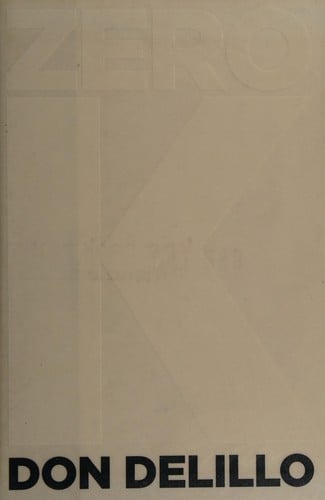
No. 95 on this list. Zero K
Don DeLillo · 2016
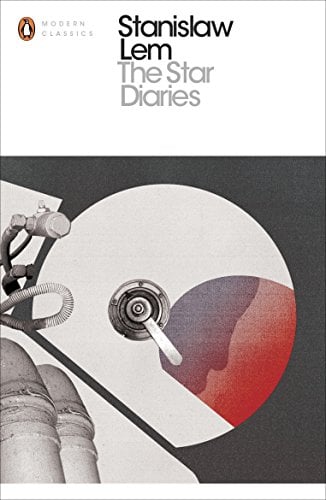
No. 96 on this list. The Star Diaries
Stanisław Lem · 1957
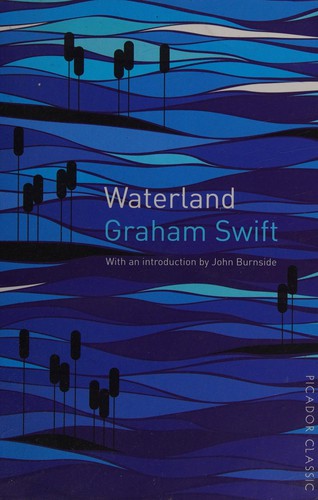
No. 97 on this list. Waterland
Graham Swift · 1983
Taught in schools: AQA GCSE and A-level English Literature (UK)
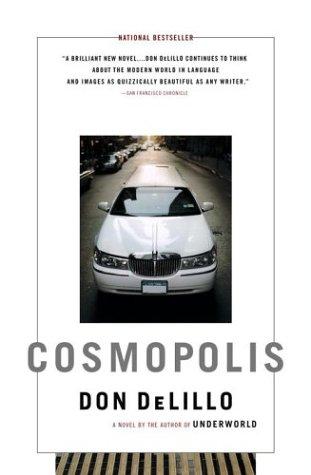
No. 98 on this list. Cosmopolis
Don DeLillo · 2003
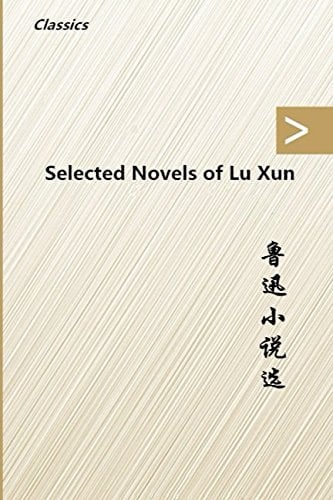
No. 99 on this list. Old Tales Retold
Lu Xun · 1936
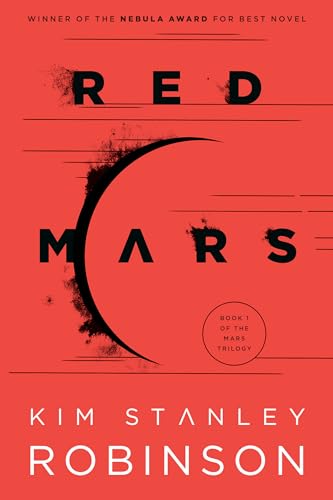
No. 100 on this list. Red Mars
Kim Stanley Robinson · 1993
About this list
These 100 books are the highest-scoring eligible books about technology and modernity currently in the catalogue. About 951 hours of reading in all. Difficulty runs from 48 to 68 out of 100 for the middle half of the list; the summit is Gravity's Rainbow at 84.
This list is ranked by literary regard, with a consistent order for equal scores. Membership follows authors and co-authors, not translators or editors. A book is here when ReadingRate files it under Technology & Modernity as one of its primary reading domains, at a confidence of 0.8 or more. Catalogue coverage and the historical canon both limit what this list can represent.
When we matched the Canons dataset to our catalogue in October 2026, our canonical-status scores rose with the number of school curricula, publisher series and lists in it that cite a work: the median score was 72 for books one such source cites, 84 at two, 88 at three, 92 at four and 93 at five or more. Prizes are left out of that count. Outside the state curricula, the dataset’s sources choose mostly from what has been translated into English or French, so it is a weaker check on other literatures. Source: Canons (Andrew Piper), CC BY 4.0
Questions people actually ask
- What are the best books about technology and modernity?
- By literary regard, which weighs canonical status, critical standing and influence: The Birds by Aristophanes, Gravity's Rainbow by Thomas Pynchon, The War of the Worlds by H.G. Wells, Buddenbrooks: The Decline of a Family by Thomas Mann and A House for Mr. Biswas by V.S. Naipaul. ReadingRate ranks 100 such books, each with a difficulty score and a reading-time estimate.
- Which books about technology and modernity should I read first?
- Start from difficulty, not from rank. The most approachable books on this list that still carry top literary regard are Sister Carrie by Theodore Dreiser (about 9.4 hours), V for Vendetta by Alan Moore and The Birds by Aristophanes.
- What are the shortest of the best books about technology and modernity?
- Among the top 25, the shortest are Poet in New York by Federico García Lorca (about 58 min), The Birds by Aristophanes (about 1.3 hours) and Measure for Measure by William Shakespeare (about 2.8 hours), at an average pace of 250 words a minute adjusted for each book's difficulty.
- Which of the best books about technology and modernity are the established classics?
- By canonical status, how firmly a book sits in curricula, anthologies and the canon: The Birds by Aristophanes, The War of the Worlds by H.G. Wells, Buddenbrooks: The Decline of a Family by Thomas Mann, A House for Mr. Biswas by V.S. Naipaul and Fahrenheit 451 by Ray Bradbury.
- Can I read any of these books about technology and modernity for free?
- 16 of the 100 open in ReadingRate's reader with a free account, from public-domain editions: The War of the Worlds, Measure for Measure, Villette, Women in Love, A Connecticut Yankee in King Arthur's Court and 11 more.
- How long would it take to read the top ten?
- About 115 hours, at an average pace of 250 words a minute adjusted for each book's difficulty: 58 days at two hours a day. Set your own pace on the page and the list's reading times change to it.
- How hard are books about technology and modernity to read?
- Most of this list sits between 48 and 68 on ReadingRate's 100-point difficulty scale, where 40 to 55 is moderate. The summit is Gravity's Rainbow at 84. Every entry carries its own score, so a reader can pick a great book at a difficulty they will finish.
- How is this list ranked?
- On literary-regard data: how canonically established a work is, its critical standing, and its influence on later writing. It is not a readers’ poll, which is why recent bestsellers rarely appear. Membership follows authors and co-authors, not translators or editors. Lists by country, author, period, theme or difficulty keep to literature (fiction, poetry, drama and philosophy), their novels, poems and plays first and their philosophy after them; a list of a kind of book, such as memoir or criticism, keeps every book of that kind. Every list holds at most three works by one author. A book is here when ReadingRate files it under Technology & Modernity as one of its primary reading domains, at a confidence of 0.8 or more.