Hours at an average pace
Showing 100 books
About 1,173 hours for 100 of 100 books with measured lengths. Estimates use 250 words a minute, adjusted for each book's difficulty. At 2 hours a day, about 587 days for those books.
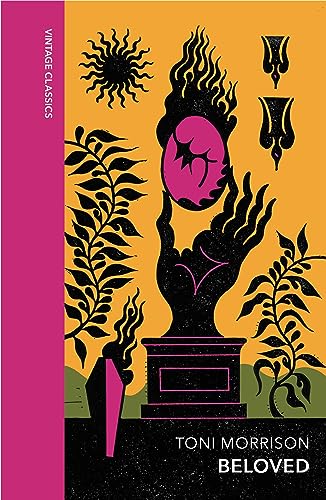
No. 1 on this list. Beloved
Toni Morrison · 1988
Challenging7.4 hours
Taught in schools: Pearson Edexcel GCSE and A-level English Literature (UK)
Included in: Bokklubben World Library
Morrison made the ghost of a murdered child literal — she moves into the house, eats all the food, demands everything — and in doing so found the only form adequate to represent what slavery did to the interior lives of the people who survived it. The novel forced American fiction to reckon with a history it had aestheticized or avoided.
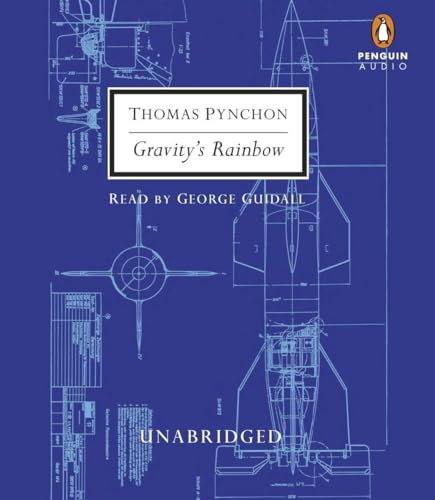
Thomas Pynchon constructs an encyclopedic paranoid masterwork spanning 760 pages of rocket science, Pavlovian conditioning, corporate conspiracy, and encyclopedic digression. Tyrone Slothrop, American lieutenant in wartime London, discovers his sexual conquests map perfectly onto V-2 rocket strike locations—but the erections precede the impacts. Was he conditioned as an infant by sinister behaviorist Laszlo Jamf? Does a corporate-military cartel control history itself? Pynchon provides evidence for every paranoid connection while confirming none. The novel sprawls across 1944-45 Europe, from London under rocket attack to occupied Germany's anarchic Zone, accumulating hundreds of characters, corporate entities, chemical formulas, and historical conspiracies. Pynchon's prose shifts registers violently: technical manuals on rocket engineering dissolve into vaudeville routines, then into lyrical meditations on death and entropy. The vocabulary demands encyclopedic knowledge—thermodynamics, organic chemistry, Tarot, Rilke, film history, brand names. Readers navigate specialized jargon without glossaries, track characters who appear once and vanish, decode references to real and imaginary corporations. The difficulty is purposeful: Pynchon creates textual experience of paranoid information overload. His central symbol, the V-2 rocket, carries impossible symbolic weight: phallic death-bringer, technological sublime, gravity's rainbow parabola from launch to silent impact. The rocket arrives before its sound—death you cannot hear coming. Pynchon explores how technology transforms human consciousness, how corporations and states use Pavlovian conditioning for control, how empire produces extinction (the dodo, the Herero genocide). Concrete plot events—Slothrop's investigation, Roger and Jessica's doomed love, Blicero's ritual rocket launch—carry enormous abstract weight about history, causation, and freedom. The novel asks whether patterns are real or paranoid projection: does Slothrop's conditioning prove control, or is it coincidence interpreted as conspiracy? Pynchon withholds answers. The structure mirrors paranoid thinking—everything potentially connects, secret cartels manipulate history, individual agency vanishes into systems. Slothrop himself fragments as the novel progresses, appearing less frequently, dissolving into scattered references, finally disappearing entirely. The dissolution is structural: as Slothrop loses coherence, so does the narrative. Subplots proliferate, the center fails to hold, entropy increases. The ending places readers in a movie theater in Los Angeles, present tense, as the 00000 rocket descends toward them. The novel freeze-frames before impact, leaving readers perpetually awaiting the explosion. No resolution occurs—narrative, thematic, or moral. Gravity's Rainbow withholds the satisfactions of conventional fiction while demanding enormous interpretive labor. Its encyclopedic scope, technical difficulty, and paranoid plotting make it among English literature's most challenging novels. Pynchon proved unreadability and importance could coexist, that difficulty itself could be the point. The novel's influence on postmodern fiction is incalculable—it established new possibilities for combining history, science, and popular culture in maximalist form. Reading it requires surrender to accumulation, pattern-seeking without resolution, immersion in encyclopedic detail that may or may not signify. The reward is experiencing consciousness under late capitalism: paranoid, fragmented, overwhelmed by information, seeking patterns in noise, awaiting the rocket's silent arrival.
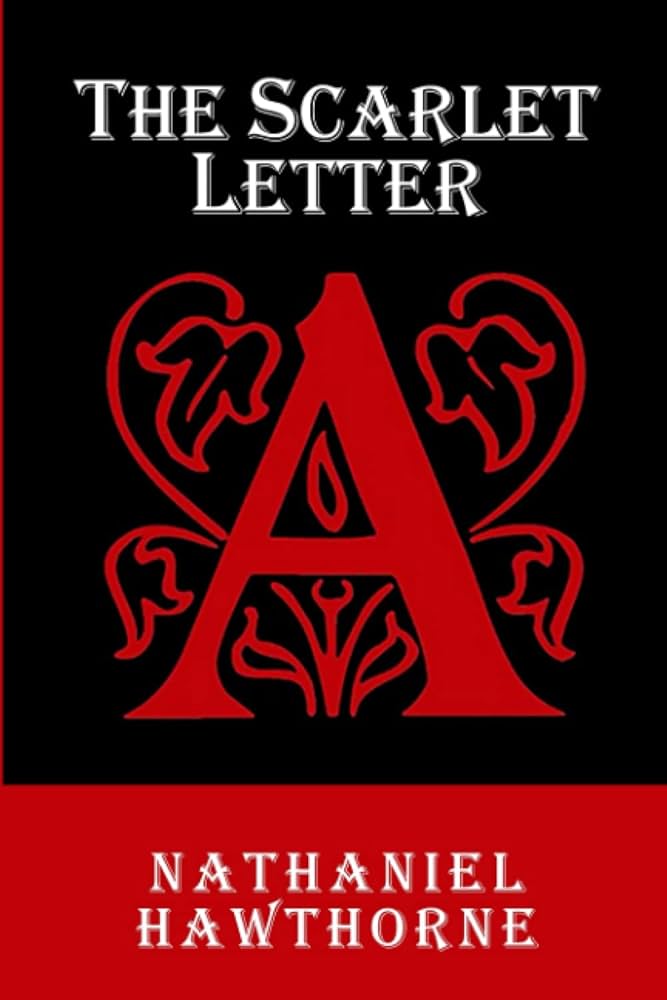
No. 3 on this list. The Scarlet Letter
Nathaniel Hawthorne · 1850
Difficult9.4 hours
Taught in schools: Common Core text exemplars (Appendix B) (US), CSEC English B – Caribbean Examinations Council
Appears on 1,893 university syllabi (Open Syllabus, 81.9th percentile), a fixture of American literature courses and AP high school curricula across the United States. Wikipedia articles exist in 38 languages, and the work has continuous presence in American literary education since its 1850 publication.
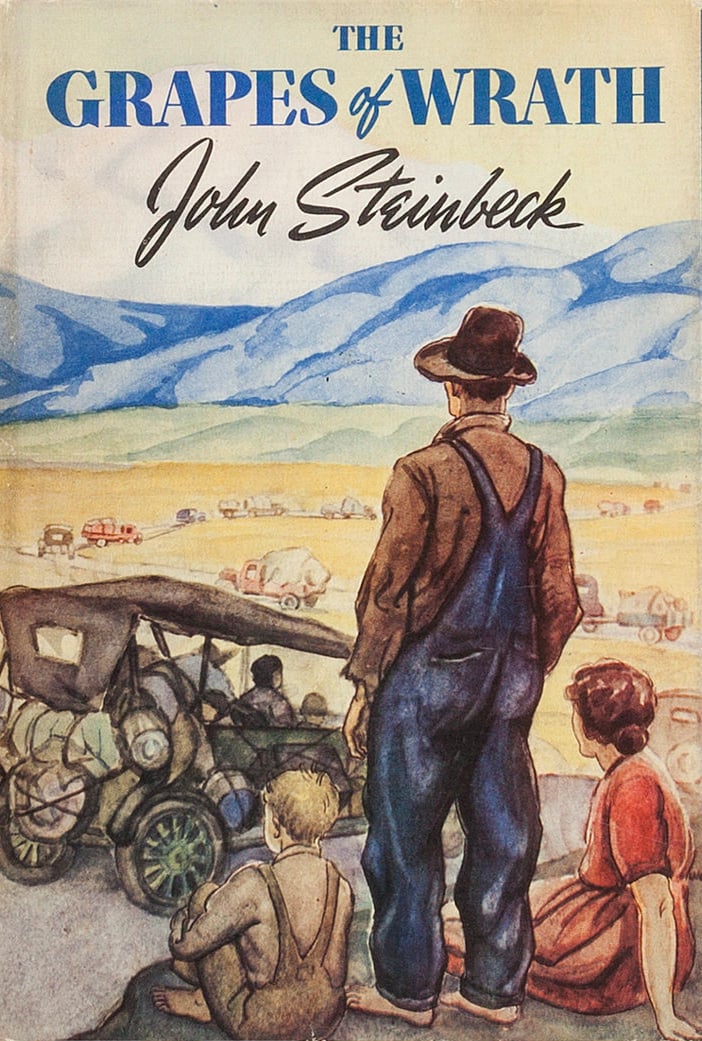
No. 4 on this list. The Grapes of Wrath
John Steinbeck · 1939
Challenging13 hours
Taught in schools: Common Core text exemplars (Appendix B) (US), OCR GCSE and A-level English Literature (UK), Pacific Senior Secondary Certificate – English
Appears on 727 university syllabi (Open Syllabus Project, 71.5th percentile) and has Wikipedia articles in 58 languages. Listed on the Modern Library 100 Best Novels, TIME's All-TIME 100 Novels, Le Monde's 100 Books of the Century, and the BBC Big Read Top 100, establishing it as a fixture of American literary curricula.
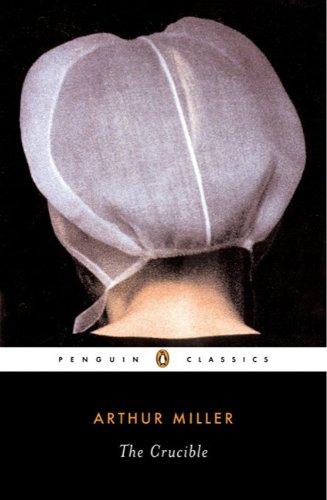
Standard curriculum text in American high schools and universities, The Crucible is one of the most-assigned plays in English-speaking education. Its McCarthyism allegory gives it permanence across both literary and political syllabi, and it has been in continuous production since its 1953 premiere. The Open Syllabus Project places it among the most frequently taught dramatic works in US classrooms.
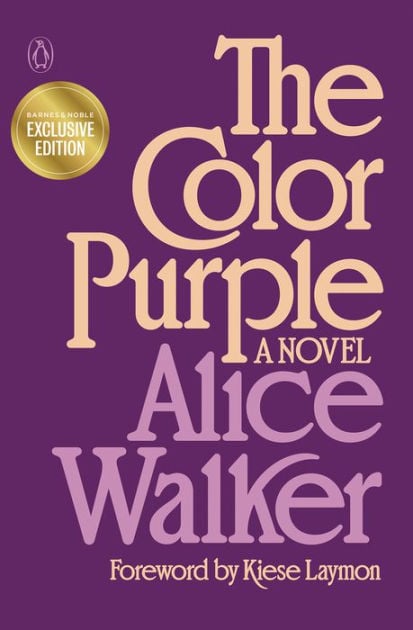
No. 6 on this list. The Color Purple
Alice Walker · 1983
Moderate4.6 hours
Taught in schools: AQA GCSE and A-level English Literature (UK), CSEC English B – Caribbean Examinations Council, Pearson Edexcel GCSE and A-level English Literature (UK)
Appears on 1,185 university syllabi according to Open Syllabus (76.8th percentile), making it a fixture of American literature, women's studies, and African American studies courses. Wikipedia articles in 22 languages reflect its global reach. Consistently listed in essential American fiction surveys, and the 1985 Spielberg film expanded its cultural footprint far beyond academic settings.
V. appears on hundreds of university syllabi in American literature, postmodernism, and world fiction courses, and is consistently ranked among the essential American novels of the twentieth century by critics and scholars. It appears on the Modern Library 100 Best Novels list and Time magazine's All-TIME 100 Novels. Less universally assigned than Pynchon's Gravity's Rainbow in terms of academic prestige, but the more frequently taught first novel in postmodern American fiction sequences.
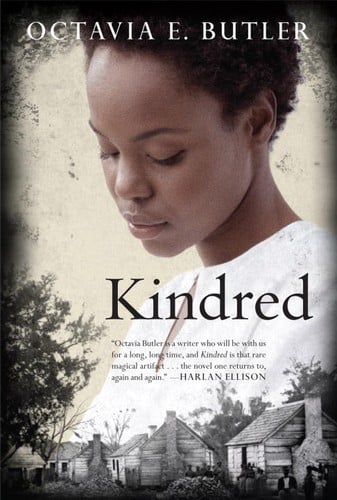
No. 8 on this list. Kindred
Octavia E. Butler · 1979
Challenging9.1 hours
Taught in schools: CSEC English B – Caribbean Examinations Council
Kindred is required reading in African American literature, American history, and science fiction courses at universities across the United States and internationally. It appears on the Modern Library's reader list of the 100 best novels and is frequently paired with primary sources on American slavery. Octavia Butler is the first science fiction writer to receive a MacArthur Fellowship, and Kindred is her most assigned work.
Uncle Tom's Cabin holds essential historical status in American literature and history curricula. Lincoln's alleged remark—'So this is the little lady who started this great war'—marks its political impact. The novel appears on lists of books that changed America, taught in courses on 19th-century literature, abolitionism, and protest fiction. Its canonical position rests on historical consequence more than literary innovation.
Taught widely in American literature courses as the founding frontier romance, though its racial attitudes complicate its classroom status. It stands slightly below the staples such as Gatsby.
No. 11 on this list. The Plague of Doves · Louise Erdrich · 2008
Pulitzer Prize finalist (2009) and the first entry in a trilogy whose second volume, The Round House, won the National Book Award. Taught in university courses on contemporary American and Native American literature, with an established academic presence in postcolonial and ethnic studies. Widely regarded as one of Erdrich's most formally accomplished novels.
Difficult14 hours
Start this bookNo. 12 on this list. Mason & Dixon · Thomas Pynchon · 1997
Mason & Dixon appears on graduate-level American literature and postmodern fiction syllabi, most notably in courses on Pynchon or on the 18th-century novel's legacy, but has not achieved the broad undergraduate curriculum placement of Gravity's Rainbow or The Crying of Lot 49. It appears on the Modern Library 100 Best Novels list and most 'great American novels' inventories. Wikipedia articles exist in over a dozen languages. Its length and difficulty limit classroom adoption compared to shorter Pynchon works.
Very Difficult42 hours
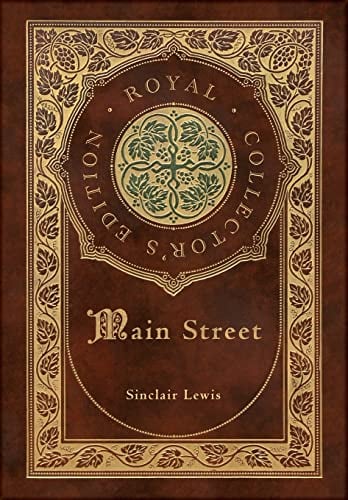
Start this bookNo. 13 on this list. Main Street · Sinclair Lewis · 1920
The novel that made Sinclair Lewis famous. Carol Kennicott's disillusionment with Gopher Prairie, Minnesota became the definitive portrait of small-town American provincialism. Core text in American literature courses.
Moderate11 hours
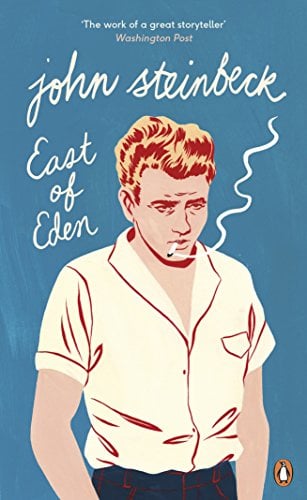
Read nowNo. 14 on this list. East of Eden · John Steinbeck · 1952
East of Eden occupies solid canonical ground as Steinbeck's most ambitious novel and his own declared masterwork. While not displacing The Grapes of Wrath in the American canon, it receives consistent academic attention and remains widely taught. Its biblical ambition and multigenerational scope give it canonical heft.
Moderate16 hours
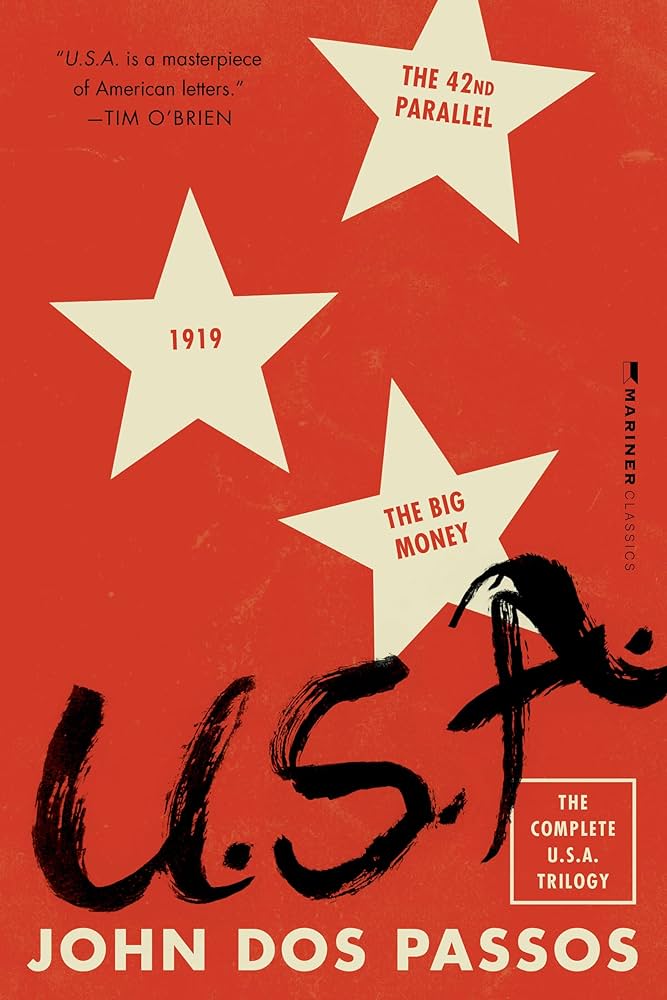
Start this bookNo. 15 on this list. U.S.A. · John Dos Passos · 1938
Listed on the Modern Library 100 Best Novels (1998), one of relatively few American works on that list. Regularly taught in American literature survey courses at universities and appears on nearly every critic's shortlist for the great American novel of the first half of the 20th century. TIME included it in its All-TIME 100 Novels list. The syllabus data shows low Open Syllabus counts, but the trilogy's academic presence is substantial in upper-division and graduate American literature courses.
Difficult57 hours
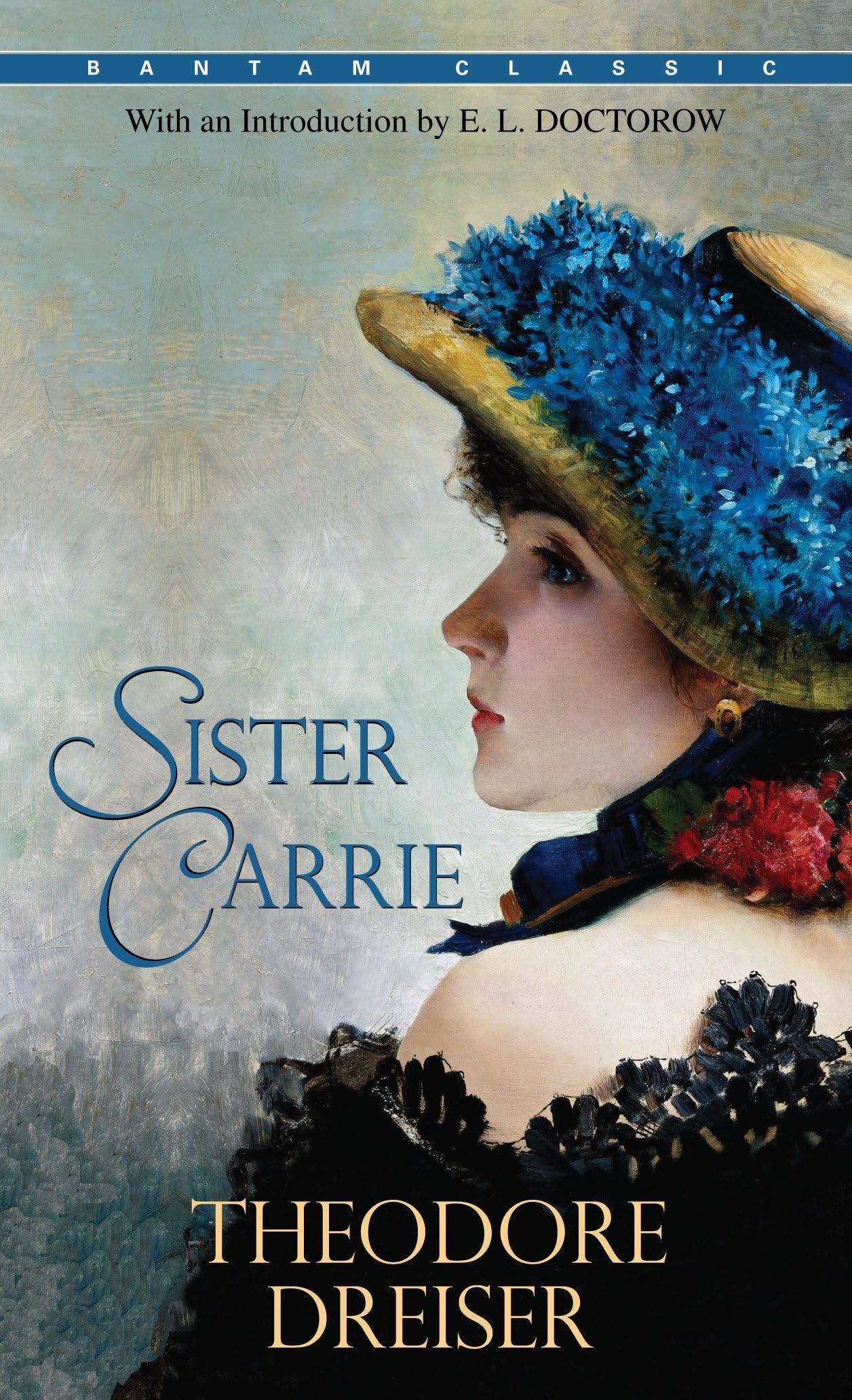
Start this bookNo. 16 on this list. Sister Carrie · Theodore Dreiser · 1900
Appears on 1,040 university syllabi and sits on the Modern Library 100 Best Novels list. It is a standard text for American naturalism and the Gilded Age city.
Easy9.4 hours
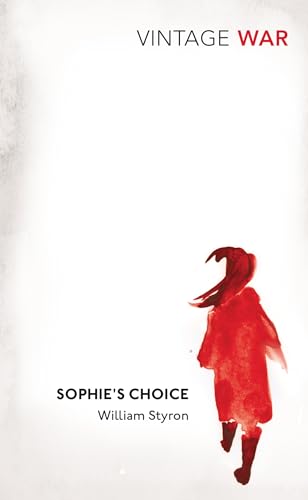
Read nowNo. 17 on this list. Sophie's Choice · William Styron · 1980
The novel won the National Book Award and remains widely taught in American literature and Holocaust studies courses. Its title phrase entered common usage as shorthand for impossible moral dilemmas. While not universally assigned at the undergraduate level like Gatsby or Beloved, it holds secure mid-tier canonical status as a major American treatment of Holocaust memory.
Challenging54 hours
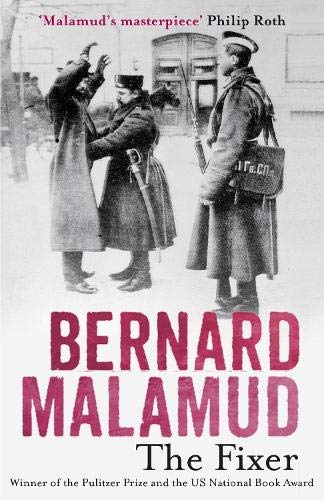
Start this bookNo. 18 on this list. The Fixer · Bernard Malamud · 1967
The Fixer holds firm placement in the postwar American literary canon, regularly taught in university courses and appearing in Norton Anthology selections. Its dual Pulitzer Prize and National Book Award victories secured institutional recognition. The novel stands as a defining work of American Jewish literature and historical fiction about anti-Semitism, though it occupies a secondary tier below the absolute classics of 20th-century American fiction.
Challenging7.4 hours
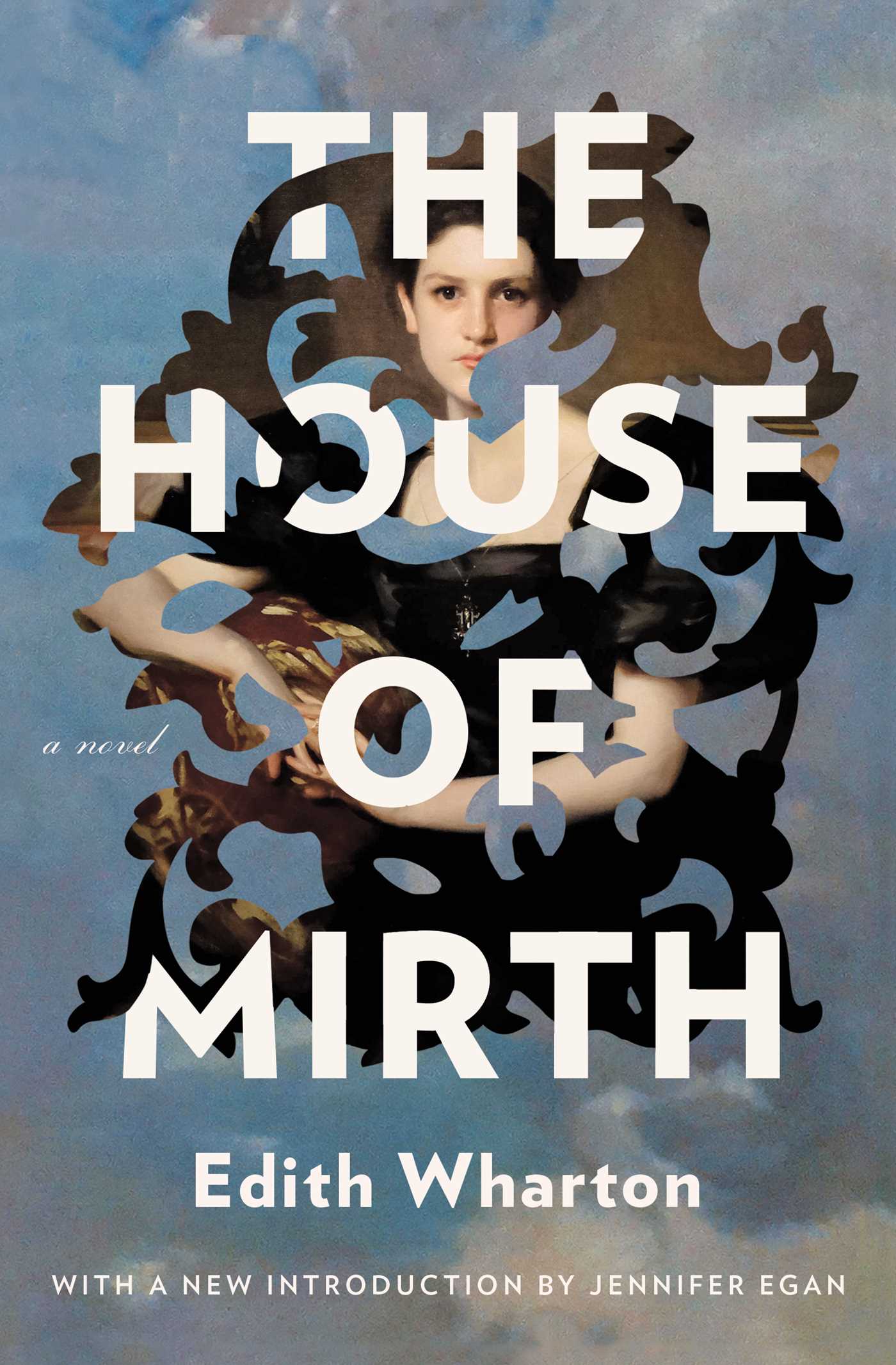
Start this bookNo. 19 on this list. The House of Mirth · Edith Wharton · 1905
It is on the Modern Library 100 Best Novels list and on 928 university syllabi, placing it in the 74th percentile. It is a standard text in American literature and Gilded Age courses.
Moderate8.9 hours
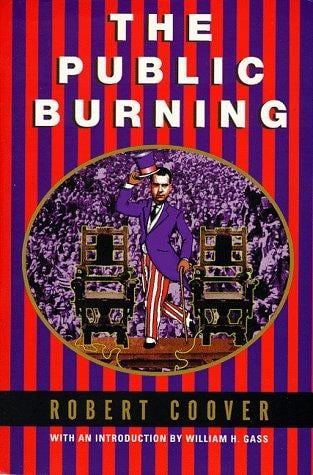
Read nowNo. 20 on this list. The Public Burning · Robert Coover · 1977
The Public Burning is Robert Coover's most ambitious and controversial novel — refused by seventeen publishers before Viking accepted it, then immediately pulled from paperback after a Nixon lawsuit threat. It appears in every major survey of American postmodern fiction (Hassan, Waugh, McHale), is taught widely in graduate seminars on metafiction, and is cited alongside Gravity's Rainbow and Giles Goat-Boy as the defining novels of the postmodern satirical-historical mode. Its canonical status exceeds its readership by a large margin.
Very Difficult37 hours
Start this book
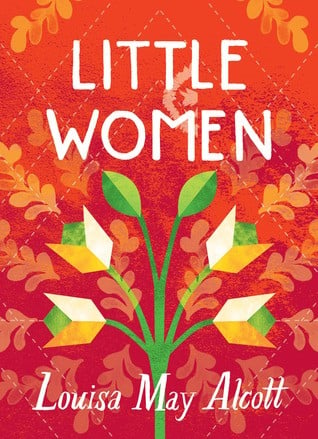
No. 21 on this list. Little Women (Little Women, #1) · Louisa May Alcott · 1868
Taught in schools: Common Core text exemplars (Appendix B) (US)
The book is a staple of American literature and girlhood reading, widely taught in schools and adapted many times. It ranks below the core canon of Gatsby and Mockingbird in college syllabi.
Easy6.5 hours
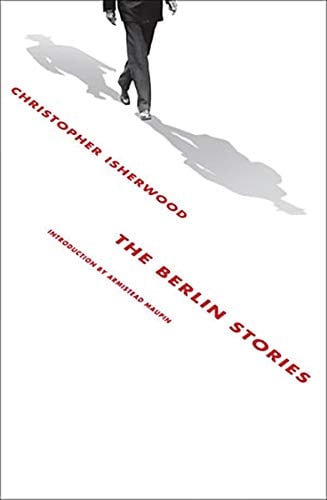
Start this bookNo. 22 on this list. The Berlin Stories · Christopher Isherwood · 1945
The Berlin Stories occupies a secure if not supreme position in the twentieth-century canon. It appears regularly on syllabi for modern British literature and studies of Weimar culture, recognized as essential testimony to pre-Nazi Berlin and pioneering gay literature. While not achieving Ulysses-level monumentality, it maintains steady critical and academic presence, has never gone out of print, and generated the cultural phenomenon 'Cabaret.' Its canonical status rests on historical witness and cultural influence more than formal innovation.
Moderate9.6 hours
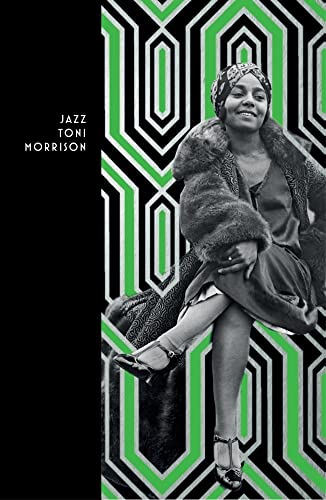
Start this bookNo. 23 on this list. Jazz · Toni Morrison · 1992
Jazz stands as the middle volume of Morrison's trilogy examining African American history through myth and music. While less taught than Beloved, it appears on graduate syllabi and critical studies of Morrison's work, recognized as an ambitious experiment in narrative voice and jazz-influenced form.
Challenging5.9 hours
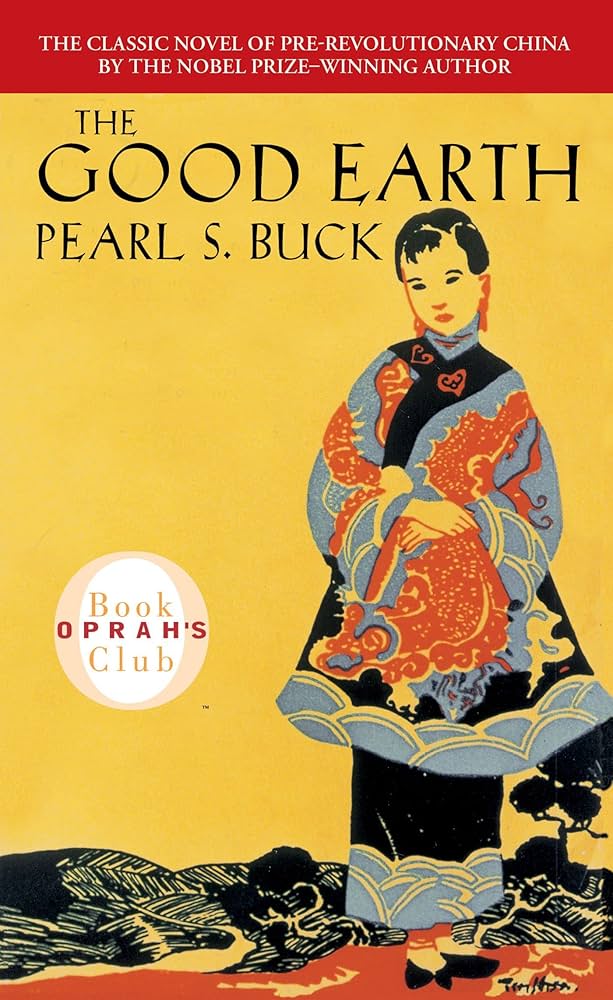
Start this bookNo. 24 on this list. The Good Earth · Pearl S. Buck · 1931
Pulitzer and Nobel Prize novel. Essential in Asian-American lit and world literature.
Moderate7.2 hours
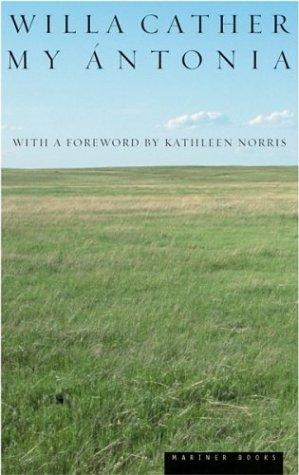
Start this bookNo. 25 on this list. My Antonia · Willa Cather · 1918
My Antonia appears on thousands of university syllabi across American literature, women's literature, and immigrant experience courses. It is included on the Modern Library's 100 Best Novels list and is a fixture in American high school and university curricula, representing the prairie immigrant experience as few other novels do.
Challenging8.4 hours
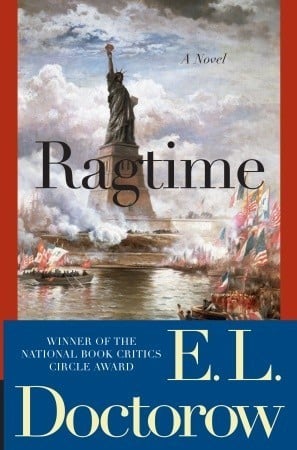
Read nowNo. 26 on this list. Ragtime · E.L. Doctorow · 1975
Ragtime appears on 558 university syllabi according to Open Syllabus (68.7th percentile) and has Wikipedia articles in 56 languages. It holds a position on both the Modern Library 100 Best Novels and TIME's All-TIME 100 Novels lists, placing it firmly within the recognized American literary canon, though below the most-taught texts like Gatsby or Mockingbird.
Difficult8.9 hours
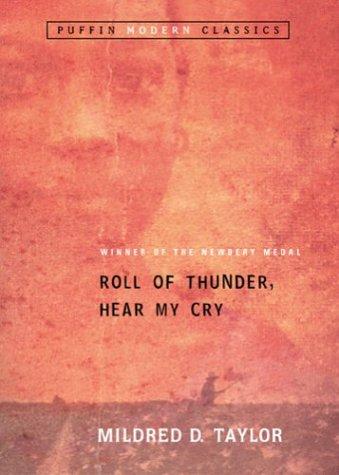
Start this bookNo. 27 on this list. Roll of Thunder, Hear My Cry · Mildred D. Taylor · 1976
Taught in schools: CSEC English B – Caribbean Examinations Council, Singapore-Cambridge GCE O-Level Literature in English (2065)
Newbery Medal winner and a cornerstone of Black children's literature. Widely taught and frequently appears on essential reading lists.
Very Easy2.4 hours
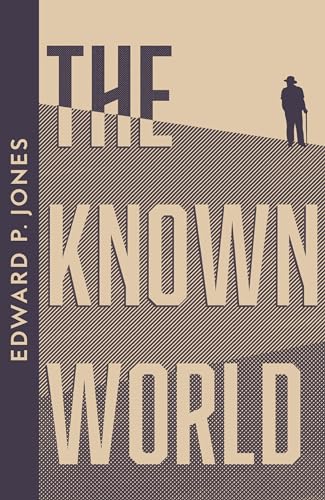
Start this bookNo. 28 on this list. The Known World · Edward P. Jones · 2004
Pulitzer Prize winner (2004), widely taught in African American literature and American history courses. Growing presence in contemporary fiction syllabi but not yet at universal canonical status like 'Beloved.' Recognized as essential within specific academic contexts.
Challenging11 hours
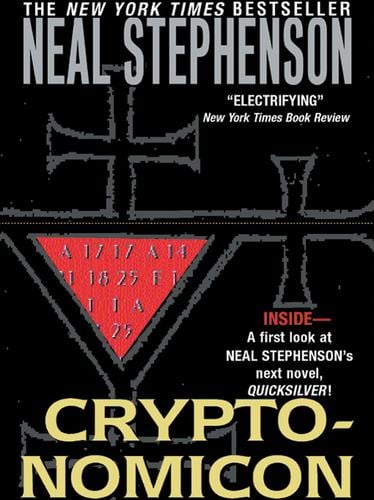
Start this bookNo. 29 on this list. Cryptonomicon · Neal Stephenson · 1999
Cryptonomicon occupies an unusual position: it is widely regarded as a landmark in its subgenre — techno-thriller crossed with literary novel — and is heavily referenced in discussions of fiction about cryptography, hacking culture, and digital privacy. It does not appear on standard literary syllabi, but it is routinely assigned in computer science departments, media studies courses, and cyberpunk/speculative fiction seminars. Its canonical status is high within its genre community but below the threshold of the broader literary canon.
Difficult47 hours
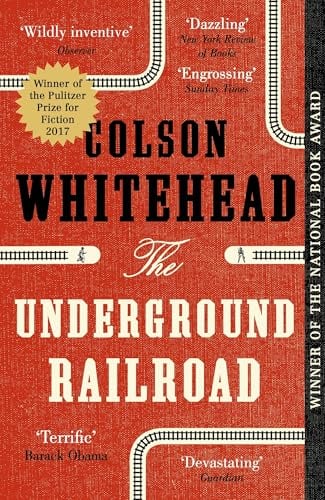
Start this bookNo. 30 on this list. The Underground Railroad · Colson Whitehead · 2016
Taught in schools: Leaving Certificate English – NCCA / State Examinations Commission (Ireland)
Appears on 438 university syllabi (66th percentile by Open Syllabus), with a Wikipedia article in 43 languages and a substantial 161,000-character entry. The novel has entered American literature curricula rapidly since its 2016 publication, though it has not yet reached the multi-decade saturation of older canonical works like Beloved.
Challenging8.1 hours
Start this book
No. 31 on this list. World's Fair
E.L. Doctorow · 1986
No. 32 on this list. Tracks
Louise Erdrich · 1988
No. 33 on this list. The Nickel Boys
Colson Whitehead · 2019
No. 34 on this list. Trust
Hernan Diaz · 2022
No. 35 on this list. The Confessions of Nat Turner
William Styron · 1968
No. 36 on this list. O Pioneers!
Willa Cather · 1913
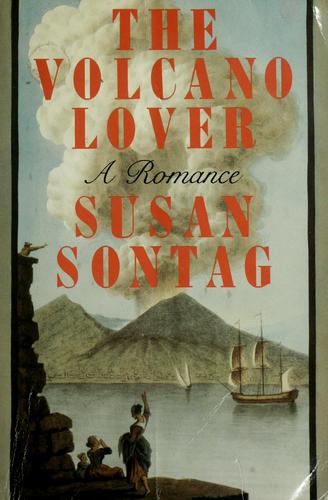
No. 37 on this list. The Volcano Lover: A Romance
Susan Sontag · 1992
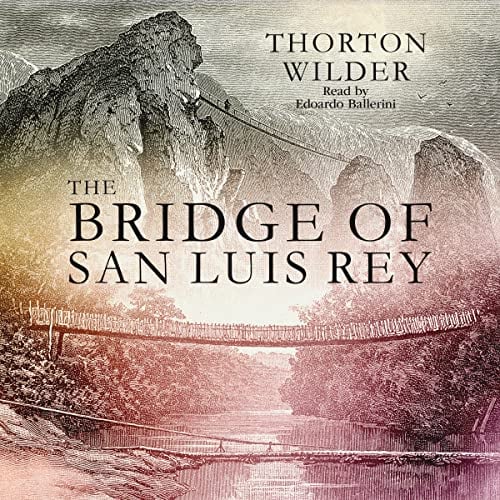
No. 38 on this list. The Bridge of San Luis Rey
Thornton Wilder · 1927
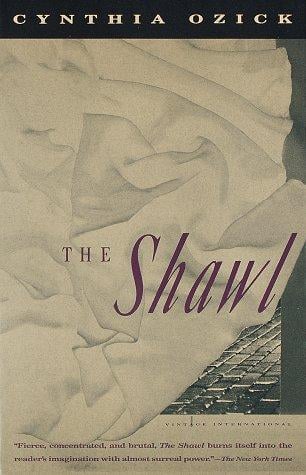
No. 39 on this list. The Shawl
Cynthia Ozick · 1989
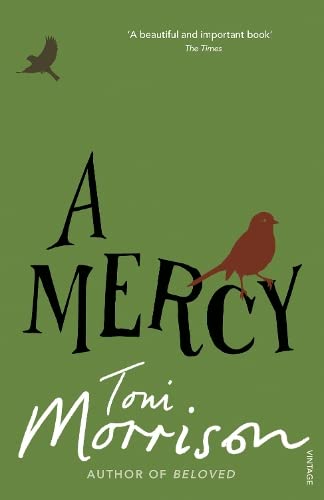
No. 40 on this list. A Mercy
Toni Morrison · 2008
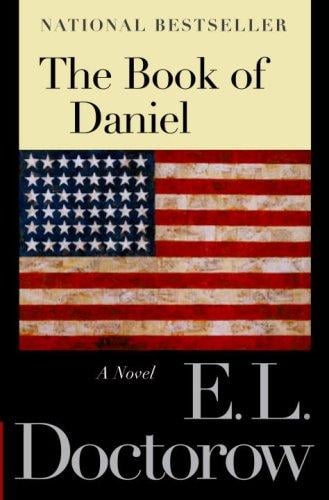
No. 41 on this list. The Book of Daniel
E.L. Doctorow · 1971
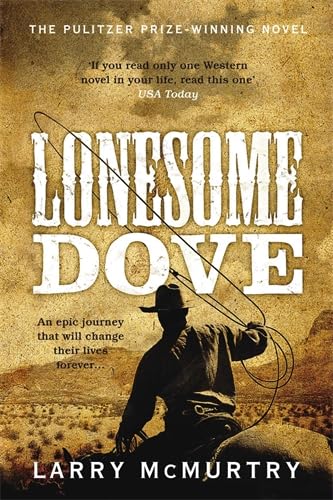
No. 42 on this list. Lonesome Dove
Larry McMurtry · 1986
No. 43 on this list. The Song of Hiawatha
Henry Wadsworth Longfellow · 2004
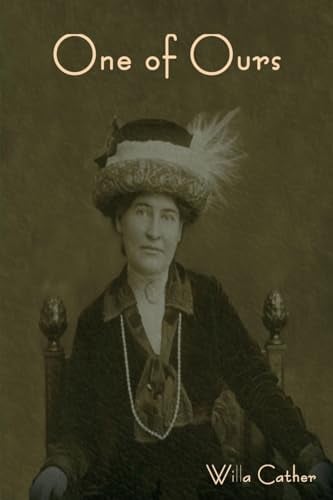
No. 44 on this list. One of Ours
Willa Cather · 1923
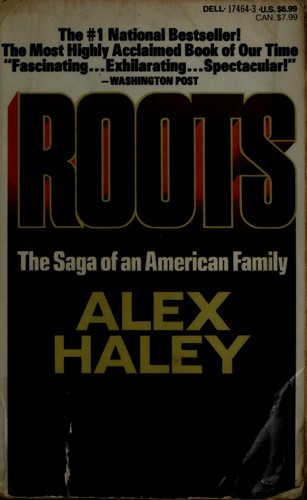
No. 45 on this list. Roots: The Saga of an American Family
Alex Haley · 1976
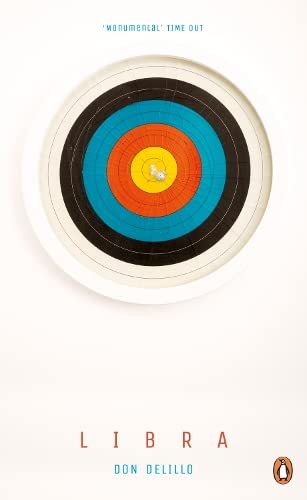
No. 46 on this list. Libra
Don DeLillo · 1988
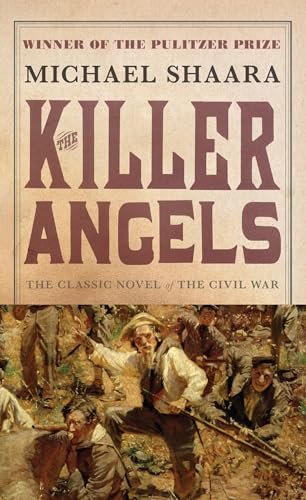
No. 47 on this list. The Killer Angels
Michael Shaara · 1975
Taught in schools: Common Core text exemplars (Appendix B) (US)
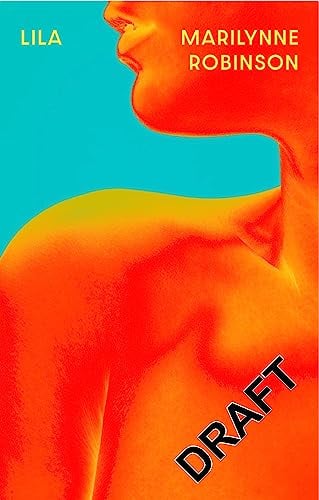
No. 48 on this list. Lila
Marilynne Robinson · 2015
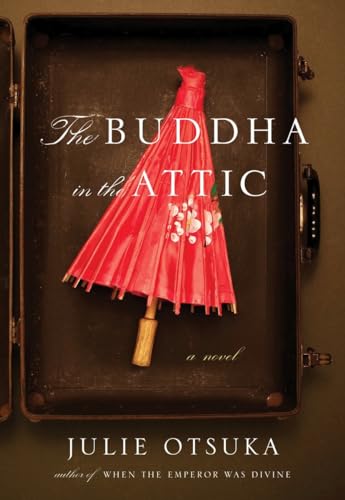
No. 49 on this list. The Buddha in the Attic
Julie Otsuka · 2012
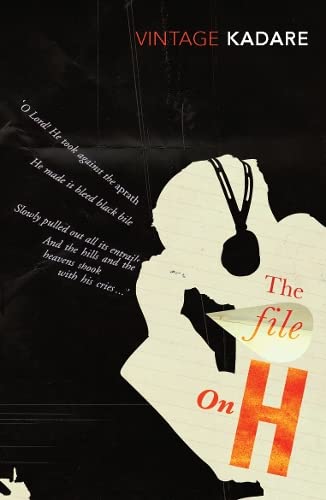
No. 50 on this list. The File on H.
Ismail Kadare · 1981
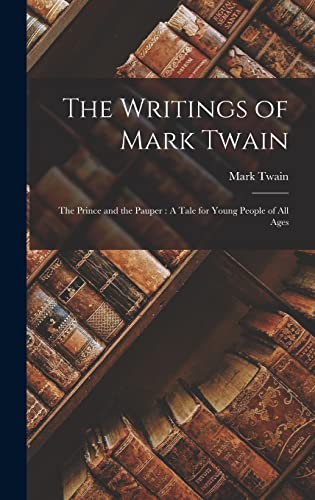
No. 51 on this list. The Prince and the Pauper
Mark Twain · 1881
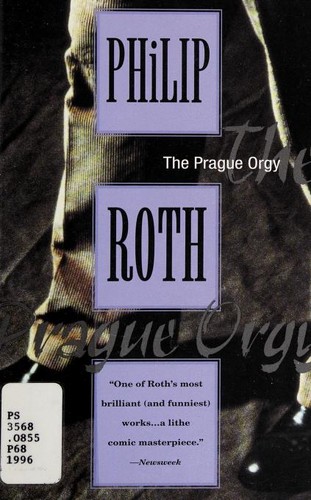
No. 52 on this list. I Married a Communist
Philip Roth · 1998
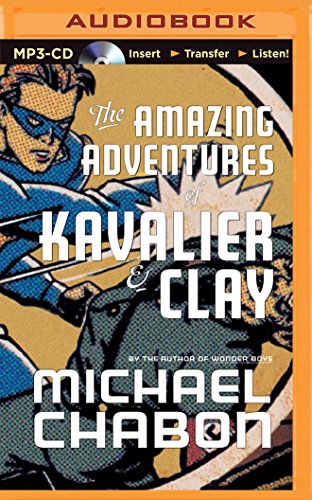
No. 53 on this list. The Amazing Adventures of Kavalier & Clay
Michael Chabon · 2001
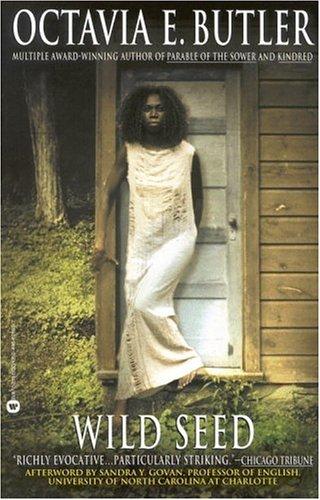
No. 54 on this list. Wild Seed
Octavia E. Butler · 1980
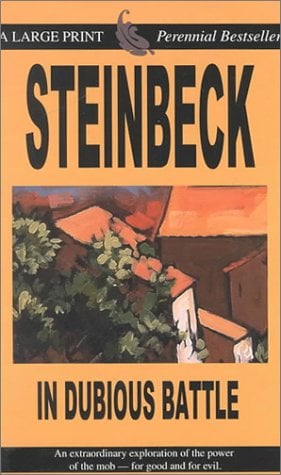
No. 55 on this list. In Dubious Battle
John Steinbeck · 1936
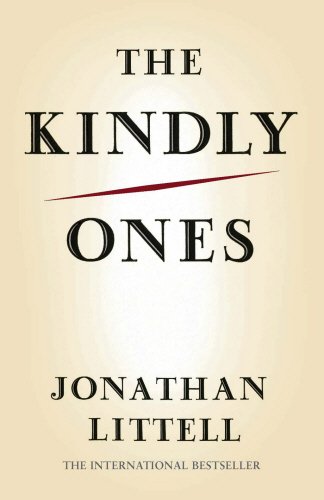
No. 56 on this list. The Kindly Ones
Jonathan Littell · 2006
No. 57 on this list. Gone with the Wind
No. 58 on this list. The Unvanquished
William Faulkner · 1938
No. 59 on this list. Nemesis
Philip Roth · 2010
Taught in schools: UNAM Escuela Nacional Preparatoria – programas de Literatura (Mexico)
No. 60 on this list. John Henry Days
Colson Whitehead · 2001
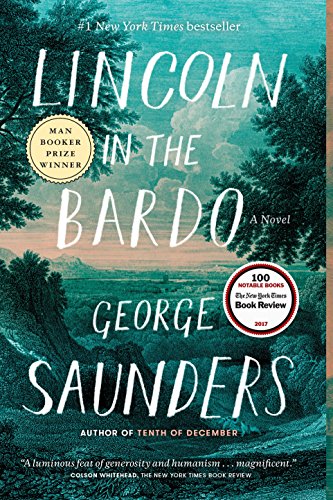
No. 61 on this list. Lincoln in the Bardo
George Saunders · 2017
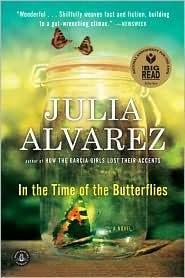
No. 62 on this list. In the Time of the Butterflies
Julia Alvarez · 1994
Taught in schools: UNAM Escuela Nacional Preparatoria – programas de Literatura (Mexico)
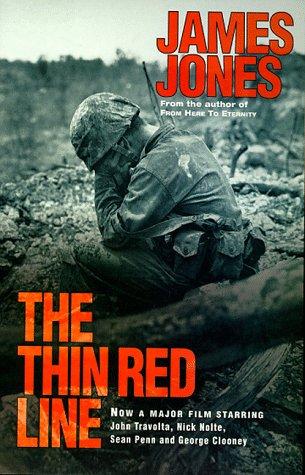
No. 63 on this list. The Thin Red Line
James Jones · 1998
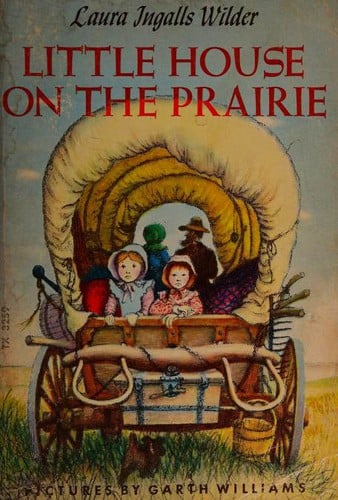
No. 64 on this list. Little House on the Prairie
Laura Ingalls Wilder · 1935
No. 65 on this list. Blonde
Joyce Carol Oates · 2000
No. 66 on this list. Little House in the Big Woods
Laura Ingalls Wilder · 2007
Taught in schools: Common Core text exemplars (Appendix B) (US)
No. 67 on this list. Martin Dressler
Steven Millhauser · 1997
No. 68 on this list. Dodsworth
Sinclair Lewis · 1929
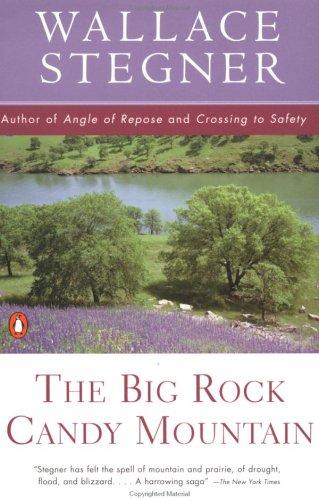
No. 69 on this list. The Big Rock Candy Mountain
Wallace Stegner · 1991
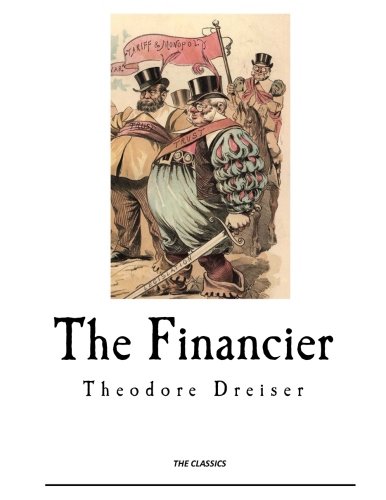
No. 70 on this list. The Financier
Theodore Dreiser · 1912
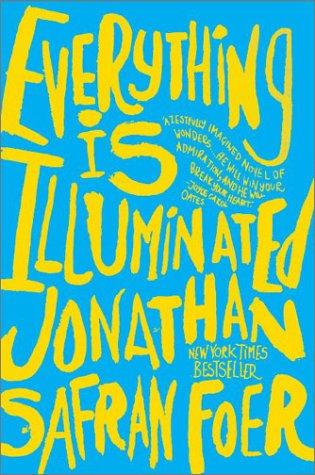
No. 71 on this list. Everything Is Illuminated
Jonathan Safran Foer · 2002
No. 72 on this list. Angel Down
Daniel Kraus · 2025
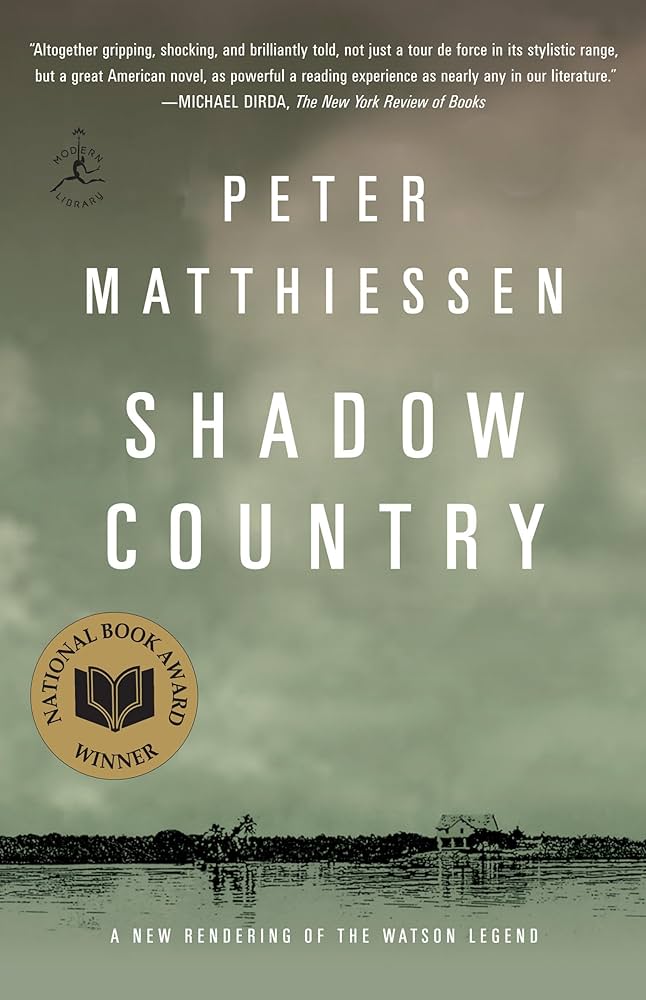
No. 73 on this list. Shadow Country
Peter Matthiessen · 2008
No. 74 on this list. The Forbidden Forest
Mircea Eliade · 1955
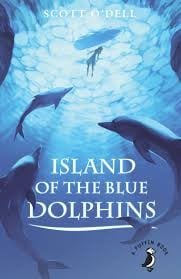
No. 75 on this list. Island of the Blue Dolphins
Scott O'Dell · 1960
Taught in schools: CSEC English B – Caribbean Examinations Council
No. 76 on this list. The Good Lord Bird
James McBride · 2013
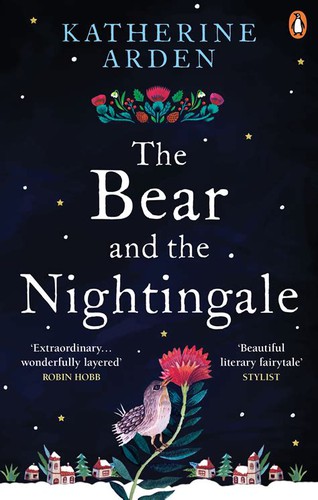
No. 77 on this list. The Bear and the Nightingale
Katherine Arden · 2017
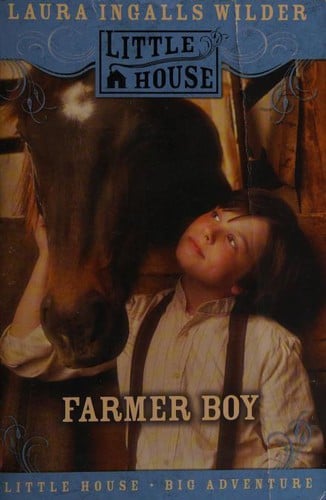
No. 78 on this list. Farmer Boy
Laura Ingalls Wilder · 2007
Taught in schools: CSEC English B – Caribbean Examinations Council
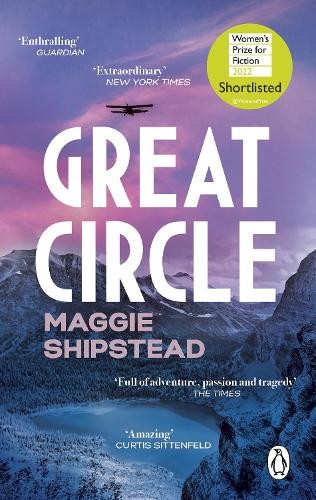
No. 79 on this list. Great Circle
Maggie Shipstead · 2021
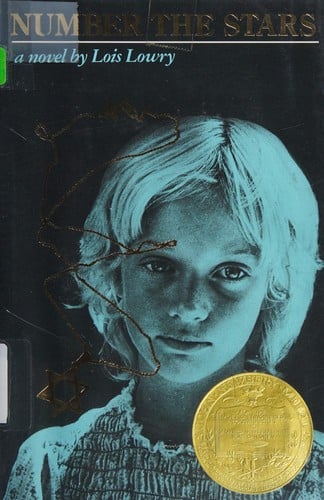
No. 80 on this list. Number the Stars
Lois Lowry · 1989
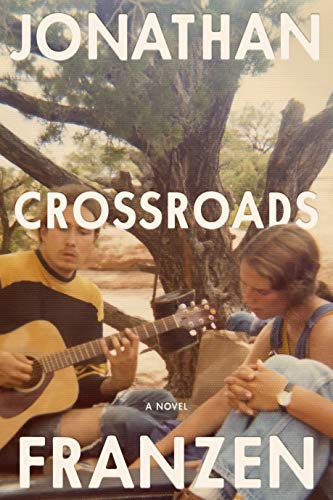
No. 81 on this list. Crossroads
Jonathan Franzen · 2021
No. 82 on this list. Tales of the South Pacific
James Michener · 1948
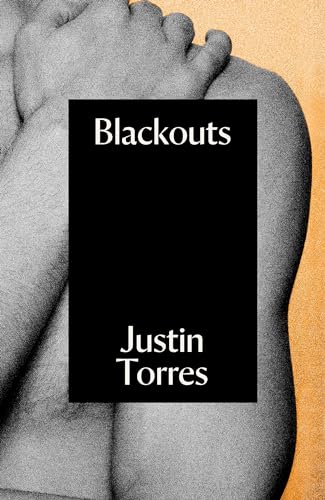
No. 83 on this list. Blackouts
Justin Torres · 2023
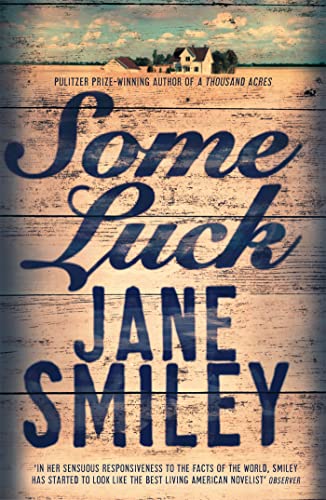
No. 84 on this list. Some Luck
Jane Smiley · 2014
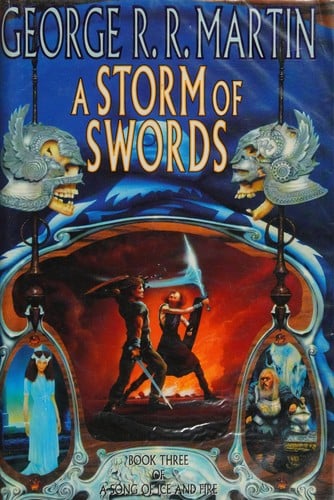
No. 85 on this list. A Storm of Swords
George R.R. Martin · 2000
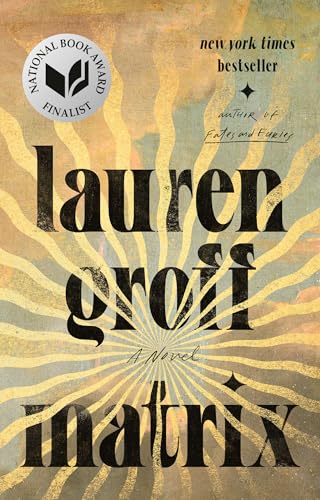
No. 86 on this list. Matrix
Lauren Groff · 2021
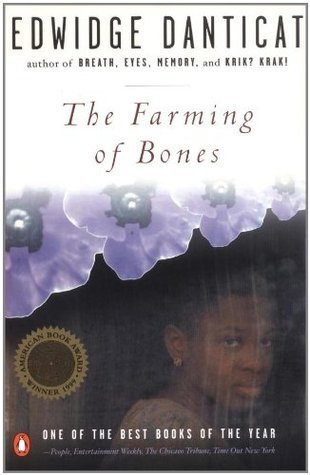
No. 87 on this list. The Farming of Bones
Edwidge Danticat · 1998
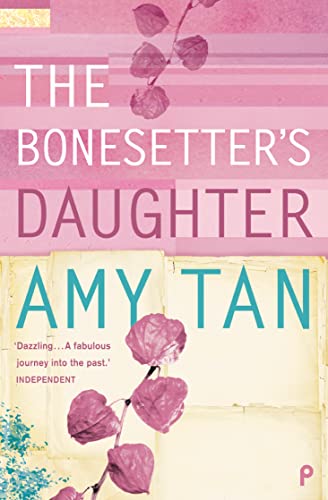
No. 88 on this list. The Bonesetter's Daughter
Amy Tan · 1999
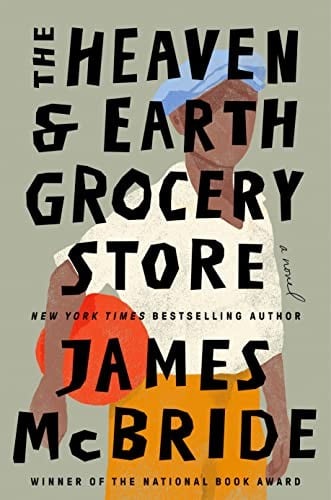
No. 89 on this list. The Heaven & Earth Grocery Store
James McBride · 2023
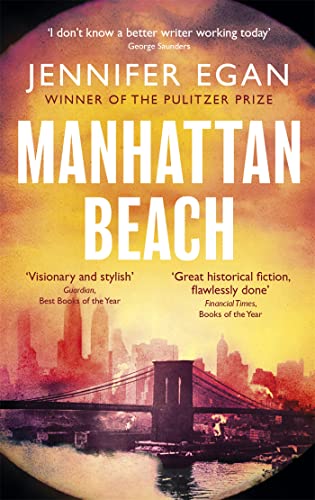
No. 90 on this list. Manhattan Beach
Jennifer Egan · 2017
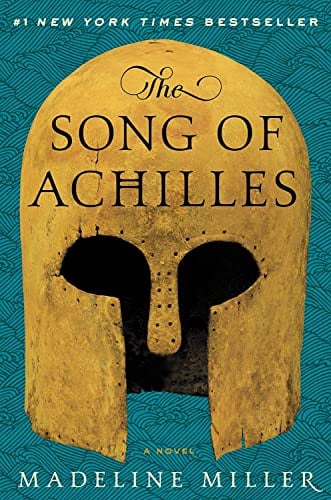
No. 91 on this list. The Song of Achilles
Madeline Miller · 2012
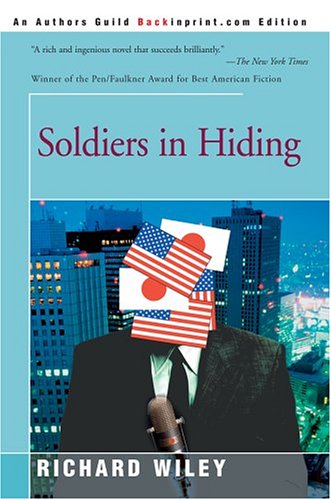
No. 92 on this list. Soldiers in Hiding
Richard Wiley · 1987
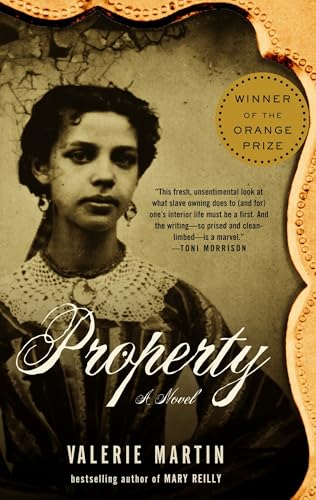
No. 93 on this list. Property
Valerie Martin · 2003
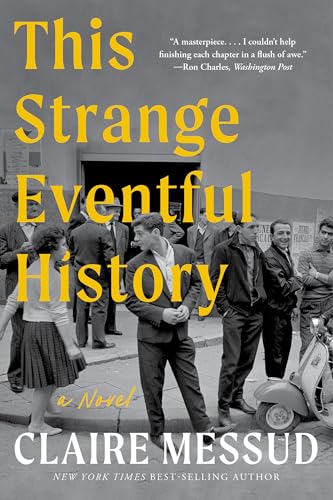
No. 94 on this list. This Strange Eventful History
Claire Messud · 2024
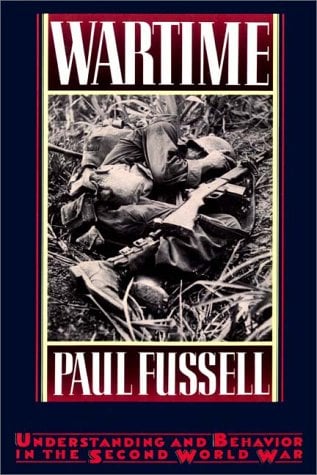
No. 95 on this list. Wartime: Understanding and Behavior in the Second World War
Paul Fussell · 1989
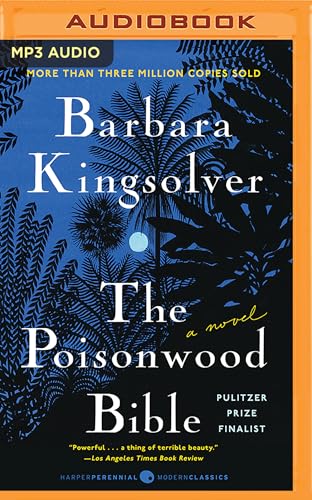
No. 96 on this list. The Poisonwood Bible
Barbara Kingsolver · 1999
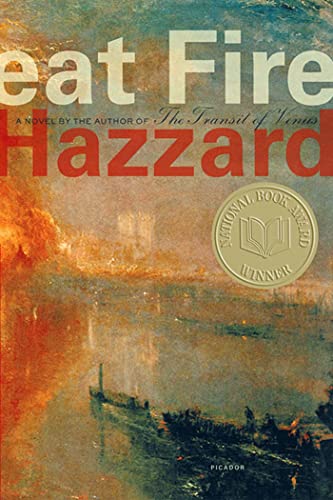
No. 97 on this list. The Great Fire
Shirley Hazzard · 2004
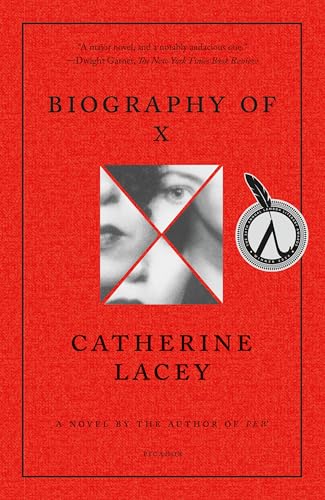
No. 98 on this list. Biography of X
Catherine Lacey · 2023
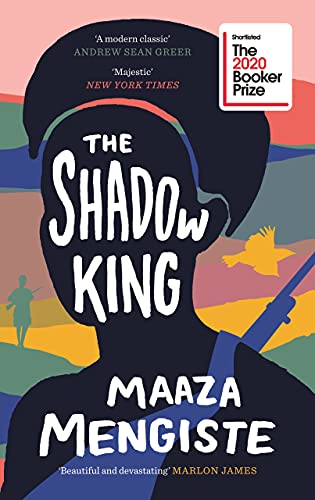
No. 99 on this list. The Shadow King
Maaza Mengiste · 2020
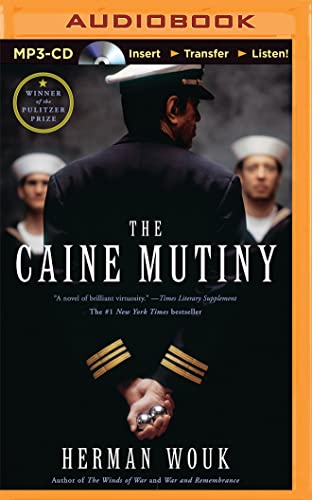
No. 100 on this list. The Caine Mutiny
Herman Wouk · 1952
About this list
These 100 books are the highest-scoring eligible historical novels from the United States currently in the catalogue. By literary regard, it opens with Beloved, Gravity's Rainbow and The Scarlet Letter. About 1,173 hours of reading in all. Difficulty runs from 45 to 61 out of 100 for the middle half of the list; the summit is The Public Burning at 86.
This list is ranked by literary regard, with a consistent order for equal scores. Membership follows authors and co-authors, not translators or editors. Catalogue coverage and the historical canon both limit what this list can represent, and genre labels are the catalogue’s own, gathered into broader kinds.
When we matched the Canons dataset to our catalogue in October 2026, our canonical-status scores rose with the number of school curricula, publisher series and lists in it that cite a work: the median score was 72 for books one such source cites, 84 at two, 88 at three, 92 at four and 93 at five or more. Prizes are left out of that count. Outside the state curricula, the dataset’s sources choose mostly from what has been translated into English or French, so it is a weaker check on other literatures. Source: Canons (Andrew Piper), CC BY 4.0
Questions people actually ask
- What are the best historical novels from the United States?
- By literary regard, which weighs canonical status, critical standing and influence, Beloved, Gravity's Rainbow, The Scarlet Letter, The Grapes of Wrath and The Crucible lead. ReadingRate ranks 100 such books, each with a difficulty score and a reading-time estimate.
- Where should I start with historical novels from the United States?
- Start from difficulty, not from rank. The most approachable books on this list that still carry top literary regard are Sister Carrie by Theodore Dreiser (about 9.4 hours), The Last of the Mohicans by James Fenimore Cooper and Uncle Tom's Cabin by Harriet Beecher Stowe.
- How hard are historical novels from the United States to read?
- Most of this list sits between 45 and 61 on ReadingRate's 100-point difficulty scale, where 40 to 55 is moderate. The summit is The Public Burning at 86. Every entry carries its own score, so a reader can pick a great book at a difficulty they will finish.
- How is this list ranked?
- On literary-regard data: how canonically established a work is, its critical standing, and its influence on later writing. It is not a readers’ poll, which is why recent bestsellers rarely appear. Membership follows authors and co-authors, not translators or editors. A list that is not a genre list keeps to literature (fiction, poetry, drama and philosophy), with philosophy taking no more than one slot in five while there is literature left to rank; every list holds at most three works by one author.