Hours at an average pace
Showing 100 books
About 1,121 hours for 99 of 100 books with measured lengths. Estimates use 250 words a minute, adjusted for each book's difficulty. At 2 hours a day, about 561 days for those books.
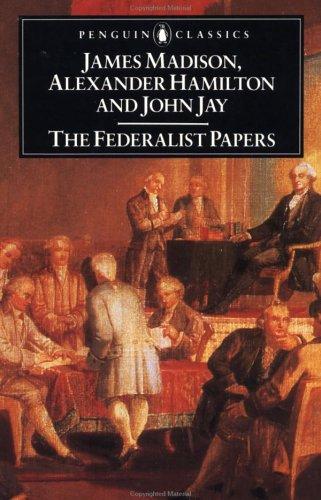
The foundational text of American constitutional theory, cited by the Supreme Court.
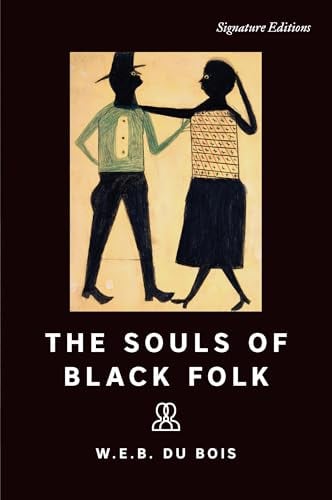
Required reading in American universities across sociology, African American studies, history, and literature departments, appearing on more syllabi than almost any other work of American nonfiction. Continuously in print since 1903, it appears on virtually every list of essential American books and is considered foundational to American intellectual history.
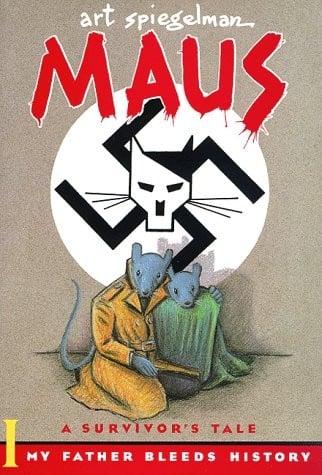
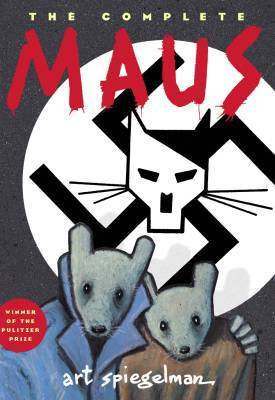
No. 3 on this list. Maus I: A Survivor's Tale: My Father Bleeds History
Art Spiegelman · 1991
Easy2.2 hours
Maus is widely taught in schools and universities as a central Holocaust text and as the key work of the graphic novel, and it won a Pulitzer Prize special award in 1992 for the combined work. It is now standard in comics studies and memory studies.
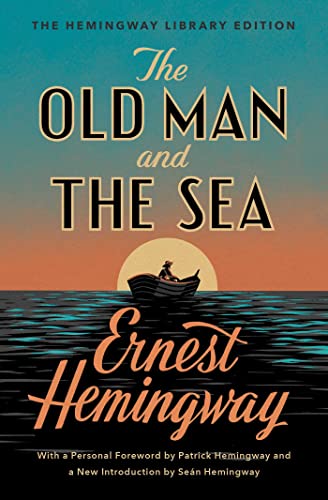
No. 4 on this list. The Old Man and the Sea
Ernest Hemingway · 1953
Moderate1.7 hours
Taught in schools: Kazakh literature curriculum (Kazakhstan)
Included in: Bokklubben World Library
Hemingway reduced fiction to one old man, one marlin, and the Gulf Stream, and proved that a story stripped to its barest elements could carry the weight of a parable about endurance, craft, and the dignity of losing. The novella's final image — the skeleton of the great fish picked clean at the dock — is among the most perfectly earned symbols in American literature.
No. 5 on this list. The Princeton Companion to Classical Japanese Literature
Earl Miner · 1985
Challenging18 hours
The standard English-language reference for classical Japanese literature; no comparable work has appeared since publication.
No. 6 on this list. The American Renaissance: Art and Expression in the Age of Emerson and Whitman
F.O. Matthiessen · 1941
Challenging21 hours
American Renaissance is credited with naming and founding the field — the 1850-55 period is still called 'the American Renaissance' because of this book, and it remains standard graduate reading in American literature and American Studies programs. It sits alongside Edmund Wilson's Patriotic Gore as one of the two or three books that created the discipline it now anchors.
Widely taught in universities and high schools as the defining Holocaust graphic memoir, Maus appears on hundreds of literature and history syllabi worldwide. It is listed on virtually every major 'essential reading' and 'greatest books' compilation that includes graphic literature, from the Modern Library to Time's All-TIME 100 Novels. While not on syllabi at the scale of Fitzgerald or Austen, it holds unique canonical status as the book that forced academia to take comics seriously.
Hiroshima is required reading in American journalism schools and widely taught in history, ethics, and literature courses across the country. NYU's journalism faculty voted it the finest piece of American journalism of the 20th century. The book has remained continuously in print since 1946 and appears on virtually every list of essential American nonfiction.
The standard account of Robert Moses and of how power works in American cities, assigned in urban planning, political science and journalism programmes. It appears on nearly every list of the best American nonfiction of the twentieth century.
The Feminine Mystique appears on hundreds of women's studies, American history, and sociology syllabi across the United States and internationally. Time magazine named it one of the 100 most important nonfiction books of the 20th century, and it features on Modern Library and similar 'essential nonfiction' lists. Its Wikipedia article exists in dozens of languages with substantial coverage of its reception and cultural impact.

No. 11 on this list. The Icon and the Axe: An Interpretive History of Russian Culture · James Billington · 1966
Standard reference for Russian cultural history in English-language scholarship.
Challenging24 hours
Start this bookNo. 12 on this list. James Joyce · Richard Ellmann · 1959
Our database captured no syllabus or Wikipedia signals for this title, but the book's real-world position is unambiguous: it is the standard reference for Joyce's life, cited in virtually every scholarly work on Joyce since 1959, assigned in graduate modernism courses, and named to the Modern Library's 100 Best Nonfiction list. 'Ellmann' functions as shorthand — critics cite it by the biographer's surname alone.
Moderate21 hours
Start this bookNo. 13 on this list. The Civil War: A Narrative, Volume 1 · Shelby Foote · 1958
Widely regarded as the definitive narrative history of the American Civil War. A staple on university reading lists for Civil War history and creative nonfiction courses. Ken Burns's landmark PBS documentary brought Foote and this work to national prominence, cementing its place in the American literary canon as essential reading for understanding the conflict.
Easy23 hours
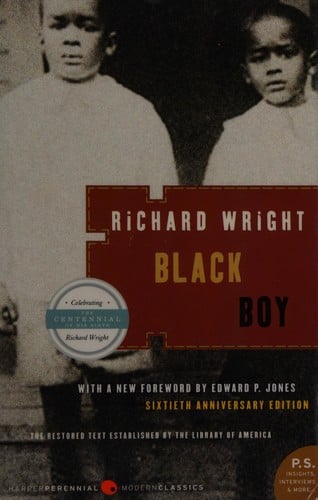
Start this bookNo. 14 on this list. Black Boy · Richard Wright · 1945
Black Boy is a fixture in American secondary and university curricula, routinely assigned in courses on African American literature, autobiography, and twentieth-century American history. It appears on widely used reading lists alongside Native Son and Frederick Douglass's Narrative. The book has maintained continuous institutional presence since its 1945 publication and Book-of-the-Month Club selection.
Easy5.3 hours
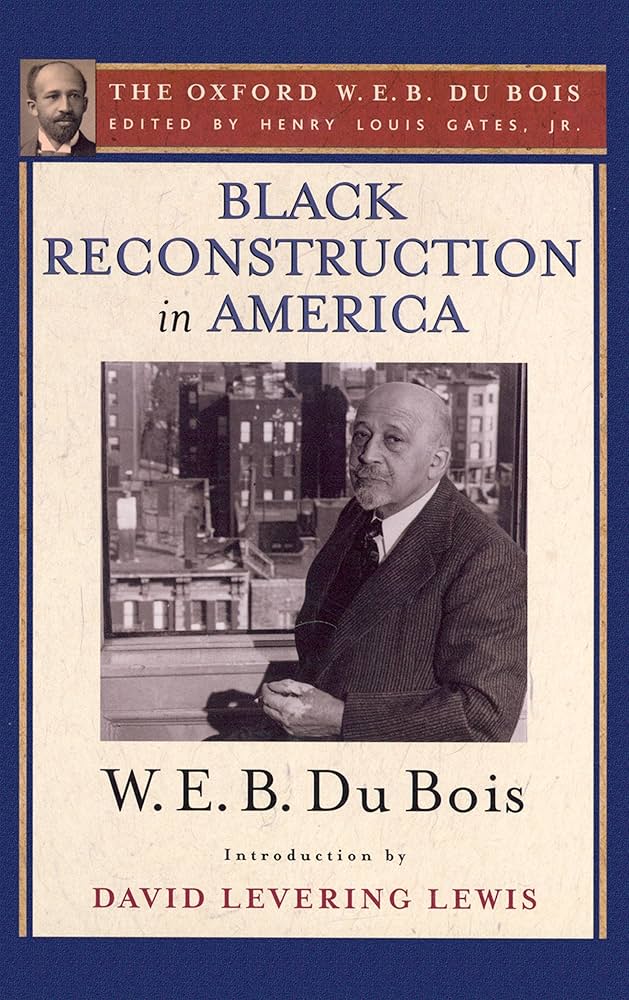
Start this bookNo. 15 on this list. Black Reconstruction in America · W. E. B. Du Bois · 1935
Now recognized as one of the most important works of American historical scholarship, foundational to modern Reconstruction studies.
Easy15 hours
Start this bookNo. 16 on this list. Ain't I a Woman · bell hooks · 1981
In 1981, a 29-year-old Gloria Jean Watkins — writing under the name bell hooks — published an argument that neither the civil rights movement nor the women's movement had bothered to make: that black women in America occupied a position erased by both. hooks starts in the hold of slave ships, where African women were stripped, beaten, and raped alongside men, then sold into a system that denied them the 'femininity' white culture used to define womanhood itself. She traces this erasure forward through Reconstruction, the suffrage movement, and the rise of second-wave feminism, showing how white feminists repeatedly centered their own experience while black male activists asked black women to subordinate gender to race. The title borrows from Sojourner Truth's 1851 speech, and hooks writes with that same refusal to let anyone off the hook. Her chapters on the myth of the black matriarch and the devaluation of black womanhood remain some of the clearest articulations of how racism and sexism operate not as parallel systems but as a single interlocking machinery. The prose is direct, the anger controlled, the scholarship grounded in lived history. Readers looking for intersectional feminism before the term existed will find its intellectual foundation here.
Easy3.7 hours
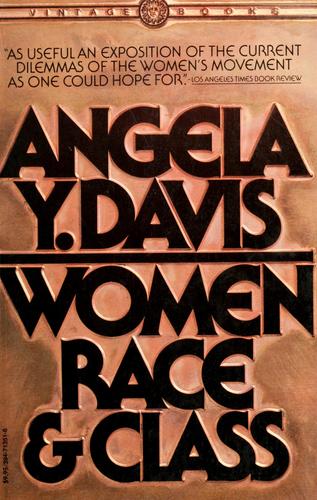
Start this bookNo. 17 on this list. Women, Race & Class · Angela Davis · 1981
A fixture on syllabi in Women's Studies, African American Studies, Sociology, and History courses across US universities since its 1981 publication. Required reading in virtually every Black feminist theory course and central to the canon of intersectional scholarship. Widely included on lists of essential texts in feminist and critical race theory.
Moderate4.7 hours
Start this bookNo. 18 on this list. The Cambridge History of Russian Literature · Charles Moser · 1989
The standard comprehensive reference for Russian literary history in English.
Challenging33 hours
Start this bookNo. 19 on this list. The Great Age of Chinese Poetry: The High T'ang · Stephen Owen · 1981
The standard English critical account of the High Tang; assigned in Chinese literature courses across North American universities.
Moderate9 hours
Start this bookNo. 20 on this list. Guns, Germs, and Steel · Jared Diamond · 1997
The verified data signals show no syllabus or Wikipedia entries on file for this title, but Guns, Germs, and Steel has been a fixture of introductory world-history, geography, and anthropology courses since the late 1990s and was adapted into a three-part PBS/National Geographic documentary in 2005. It sits below a literary classic like The Great Gatsby in curricular ubiquity but comfortably ahead of a work with only cult-course status.
Moderate9.2 hours
Start this book
No. 21 on this list. Narrative of the Life of Frederick Douglass · Frederick Douglass · 1845
Frederick Douglass was born into slavery on a Maryland plantation and never knew his exact birthday. His mother, a field hand, walked twelve miles at night to lie beside him before returning to work at dawn. She died when he was seven; he felt it as a stranger's death. From this opening act of separation, Douglass traces his path from Eastern Shore plantations to Baltimore streets to the abolitionist stage -- and at each turn, the question is the same: what does slavery do to human beings, both Black and white? The book's most startling insight arrives in a Baltimore parlor, where Sophia Auld begins teaching the boy his letters. Her husband forbids it, and Douglass understands instantly: if reading makes a slave unfit for bondage, then reading is the way out. He trades bread for lessons with white children on the street. The pivotal scene comes years later, when Douglass fights the slave-breaker Covey to a standstill: 'You have seen how a man was made a slave; you shall see how a slave was made a man.' Written in 1845, while Douglass was still legally property, this is testimony with the names left in -- masters, overseers, farms, the murdered and the murderers. Every page is an act of defiance.
Very Easy2 hours
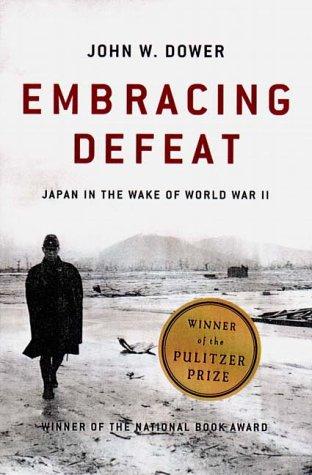
Read nowNo. 22 on this list. Embracing Defeat · John W. Dower · 1999
Embracing Defeat is standard reading in university courses on modern Japanese history, U.S. foreign policy, and the Pacific War across North America, Europe, and East Asia. It appears on syllabi at virtually every institution that teaches post-1945 Japanese history and has become the default English-language account of the American occupation. Its Wikipedia article exists in multiple languages, reflecting its reach beyond the Anglophone academy.
Easy11 hours
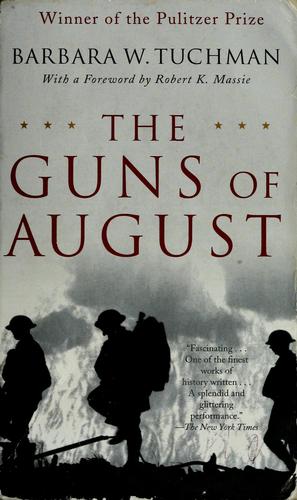
Start this bookNo. 23 on this list. The Guns of August · Barbara W. Tuchman · 1962
In August 1914, the armies of Europe mobilized according to plans drawn up years before, and the men who had written those plans found themselves unable to stop them. Barbara Tuchman follows the first month of the First World War through the decisions of Kaiser Wilhelm, General von Moltke, Sir Edward Grey, King Albert of Belgium, French commander Joffre, and the British Expeditionary Force crossing the Channel — tracking each government's calculations as they collide with reality. The Schlieffen Plan, Germany's blueprint for a two-front war, required sweeping through Belgium in six weeks. Belgium refused to yield. The sequence of what followed — the fall of Liège, the burning of Louvain's library, the British retreat from Mons, the French armies shattering against German lines in the battles of the frontiers — shows how a war that most leaders expected to end by Christmas instead set the terms for the next four years. Tuchman writes narrative history as a novelist would: scenes, dialogue, the texture of specific moments. John F. Kennedy read this book during the Cuban Missile Crisis, reportedly to remind himself how quickly leaders can lose control of the forces they have set in motion. It won the Pulitzer Prize in 1963. The question it asks — how educated, cautious men produced a catastrophe none of them wanted — has not become less relevant.
Moderate12 hours
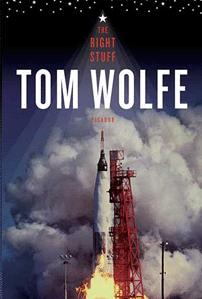
Start this bookNo. 24 on this list. The Right Stuff · Tom Wolfe · 1979
Widely assigned in American journalism, creative nonfiction, and cultural studies courses. The book appears on numerous 'best nonfiction' lists and is a fixture in New Journalism syllabi. Its phrases—'the right stuff,' 'pushing the envelope'—have entered common usage, a rare marker of cultural penetration for a nonfiction work.
Easy8.3 hours
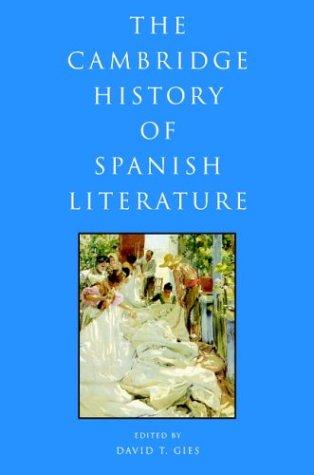
Start this bookNo. 25 on this list. The Cambridge History of Spanish Literature · David Thatcher Gies · 2004
The standard Cambridge History coverage of Spanish literature, widely used in graduate syllabi.
Challenging32 hours
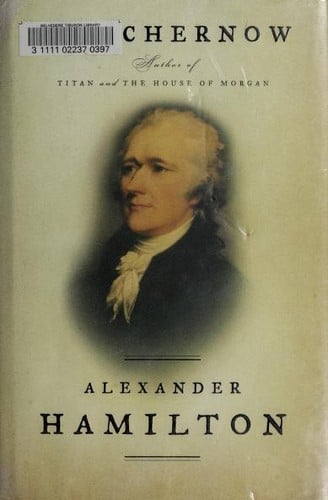
Start this bookNo. 26 on this list. Alexander Hamilton · Ron Chernow · 2004
The definitive modern biography of Alexander Hamilton, widely assigned in American history, political science, and constitutional law courses at universities across the United States. It has become the standard reference work on Hamilton's life, and its cultural footprint expanded enormously after inspiring Lin-Manuel Miranda's Broadway musical 'Hamilton' in 2015.
Easy19 hours
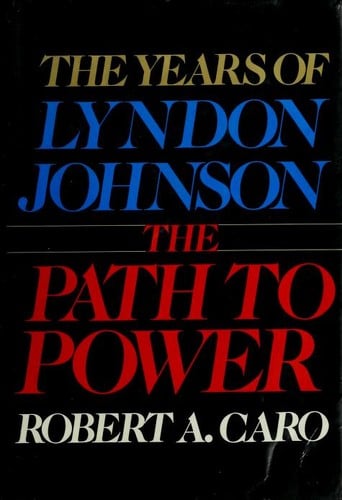
Start this bookNo. 27 on this list. The Path To Power · Robert A. Caro · 1982
The volume is widely assigned in political biography and American history courses, and it anchors the Years of Lyndon Johnson series. It is a modern classic of the genre rather than a universal curriculum fixture.
Easy18 hours
Start this bookNo. 28 on this list. The Mismeasure of Man · Stephen Jay Gould · 1981
A landmark in the history and critique of science; required reading in science studies, history, and sociology.
Easy6 hours
Start this bookNo. 29 on this list. The Cambridge Companion to Modern Japanese Literature · Dennis Washburn · 2010
The standard English-language scholarly companion to modern Japanese literature; assigned in graduate seminars internationally.
Challenging10 hours
Start this bookNo. 30 on this list. The Warmth of Other Suns · Isabel Wilkerson · 2010
It is widely assigned in American history and African American studies courses and read as a modern classic of narrative history. A recent book, it has not yet reached the staple status of the older canon.
Easy12 hours
Start this book
No. 31 on this list. Seeing Like a State
James C. Scott · 1998
No. 32 on this list. Errand into the Wilderness
Perry Miller · 1956
No. 33 on this list. The Known World
Edward P. Jones · 2004
No. 34 on this list. The Underground Railroad
Colson Whitehead · 2016
Taught in schools: Leaving Certificate English – NCCA / State Examinations Commission (Ireland)
No. 35 on this list. The Content of the Form: Narrative Discourse and Historical Representation
Hayden White · 1987
No. 36 on this list. A History of Japanese Literature
Donald Keene · 1976
No. 37 on this list. Regeneration Through Violence: The Mythology of the American Frontier, 1600–1860
Richard Slotkin · 1973
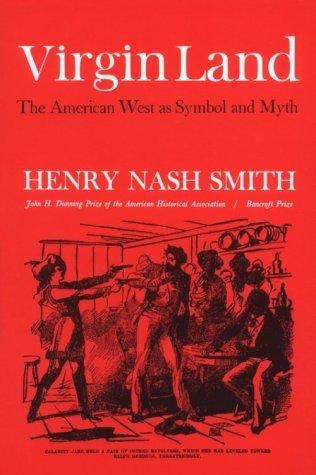
No. 38 on this list. Virgin Land: The American West as Symbol and Myth
Henry Nash Smith · 1950
No. 39 on this list. A History of Italian Literature
Ernest Hatch Wilkins · 1954
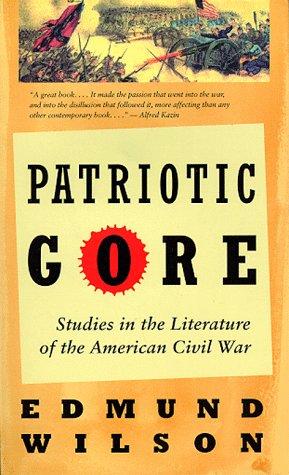
No. 40 on this list. Patriotic Gore: Studies in the Literature of the American Civil War
Edmund Wilson · 1962
No. 41 on this list. The Wounded Heart: Writing on Chosŏn-Era Korean Fiction
Michael D. Shin · 2010
No. 42 on this list. The Feminization of American Culture
Ann Douglas · 1977
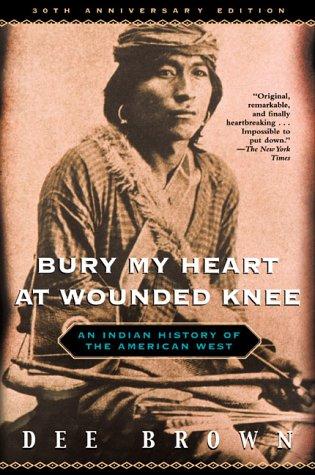
No. 43 on this list. Bury My Heart at Wounded Knee
Dee Brown · 1970
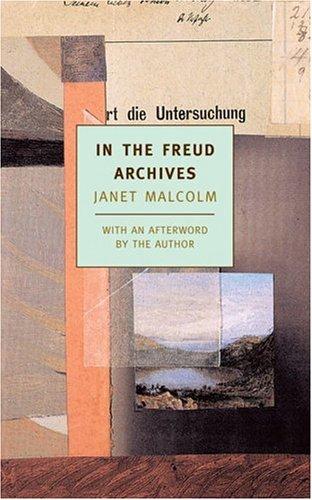
No. 44 on this list. In the Freud Archives
Janet Malcolm · 1984
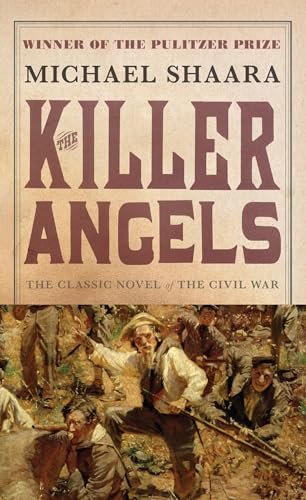
No. 45 on this list. The Killer Angels
Michael Shaara · 1975
Taught in schools: Common Core text exemplars (Appendix B) (US)
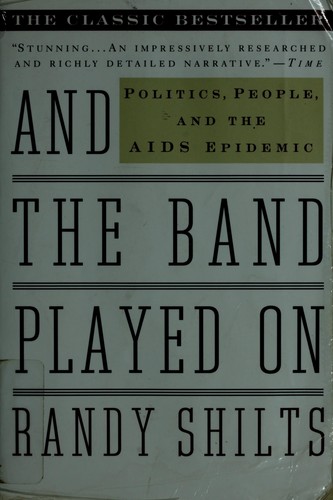
No. 46 on this list. And the Band Played On: Politics, People, and the AIDS Epidemic
Randy Shilts · 1987
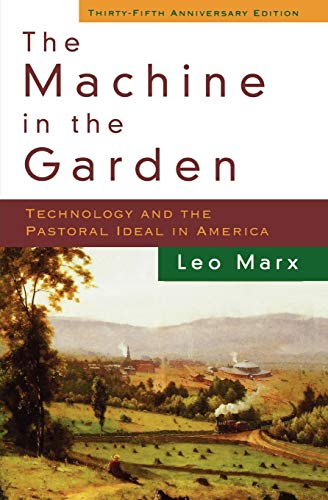
No. 47 on this list. The Machine in the Garden: Technology and the Pastoral Ideal in America
Leo Marx · 1964
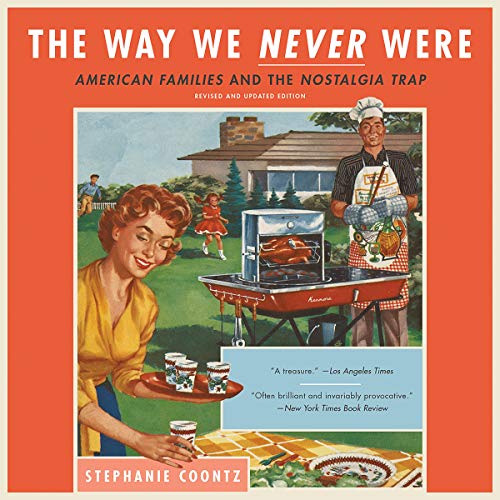
No. 48 on this list. The Way We Never Were: American Families and the Nostalgia Trap
Stephanie Coontz · 1992
No. 49 on this list. Truman
David McCullough · 1993
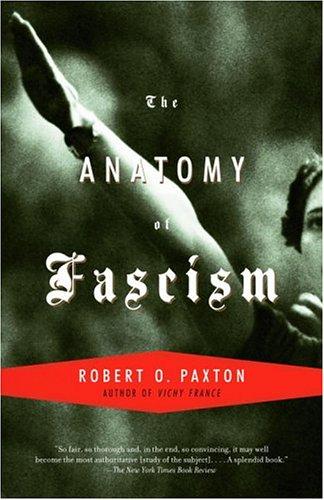
No. 50 on this list. The Anatomy of Fascism
Robert O. Paxton · 2004
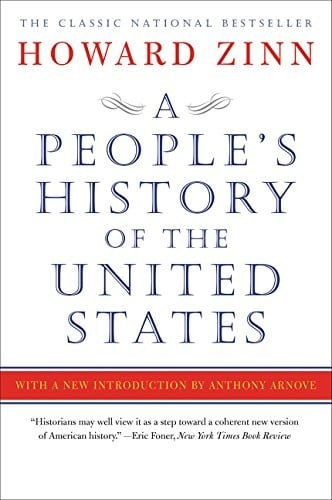
No. 51 on this list. A People's History of the United States
Howard Zinn · 1980
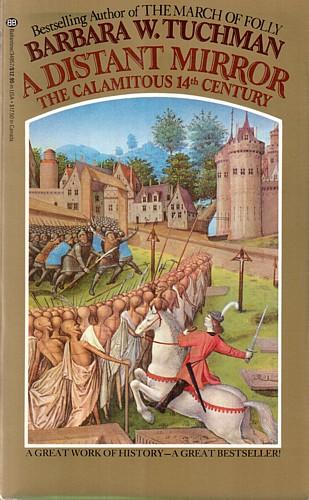
No. 52 on this list. A Distant Mirror
Barbara W. Tuchman · 1978
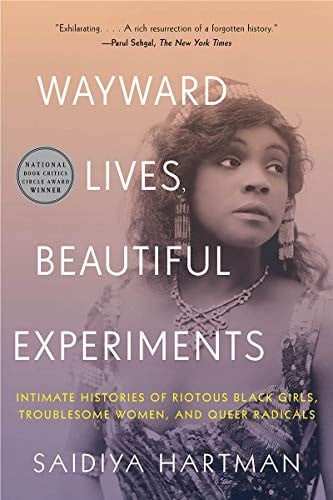
No. 53 on this list. Wayward Lives, Beautiful Experiments: Intimate Histories of Riotous Black Girls, Troublesome Women, and Queer Radicals
Saidiya Hartman · 2020
No. 54 on this list. The Flowering of New England
Van Wyck Brooks · 1936
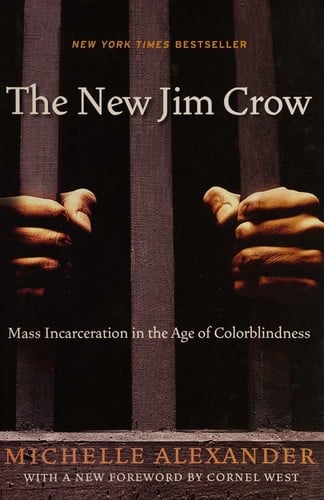
No. 55 on this list. The New Jim Crow
Michelle Alexander · 2010
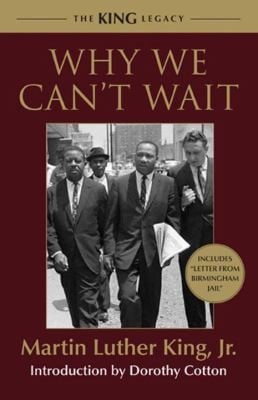
No. 56 on this list. Why We Can't Wait
Martin Luther King Jr. · 1964
No. 57 on this list. Mr. Clemens and Mark Twain: A Biography
Justin Kaplan · 1966
No. 58 on this list. The Program Era
Mark McGurl · 2009
No. 59 on this list. The Rediscovery of America: Native Peoples and the Unmaking of US History
Ned Blackhawk · 2023
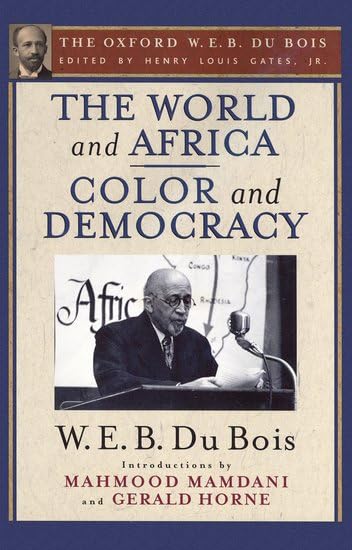
No. 60 on this list. The World and Africa
W. E. B. Du Bois · 1947

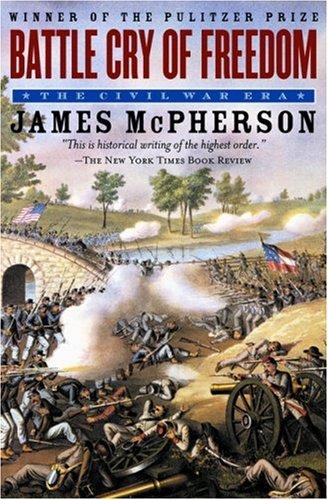
No. 61 on this list. Battle Cry of Freedom
James M. McPherson · 1988
No. 62 on this list. A History of Brazilian Literature
Isaac Goldberg · 1922
No. 63 on this list. The Ecology of Freedom: The Emergence and Dissolution of Hierarchy
Murray Bookchin · 1982
No. 64 on this list. Honor Thy Father
Gay Talese · 1971
No. 65 on this list. The Good Lord Bird
James McBride · 2013
No. 66 on this list. The Wager
David Grann · 2023
No. 67 on this list. The Song of Achilles
Madeline Miller · 2012
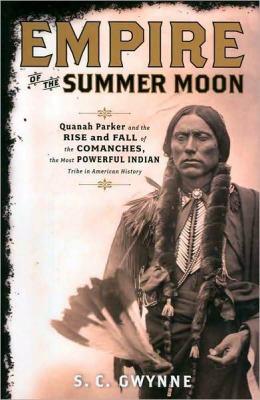
No. 68 on this list. Empire of the Summer Moon
S. C. Gwynne · 2010
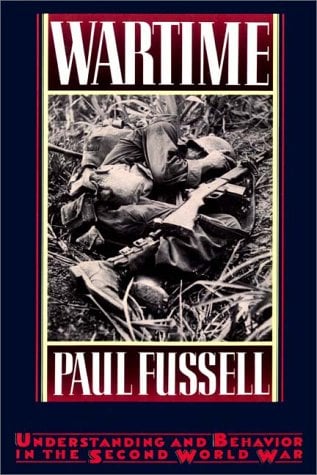
No. 69 on this list. Wartime: Understanding and Behavior in the Second World War
Paul Fussell · 1989
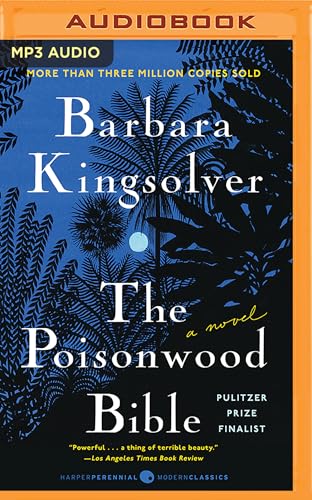
No. 70 on this list. The Poisonwood Bible
Barbara Kingsolver · 1999
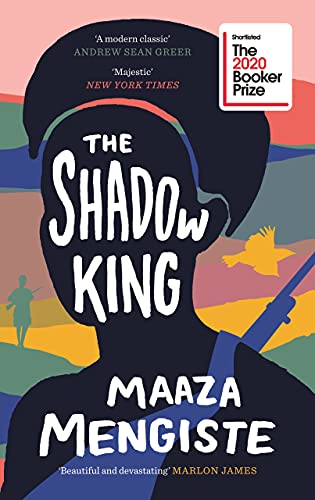
No. 71 on this list. The Shadow King
Maaza Mengiste · 2020
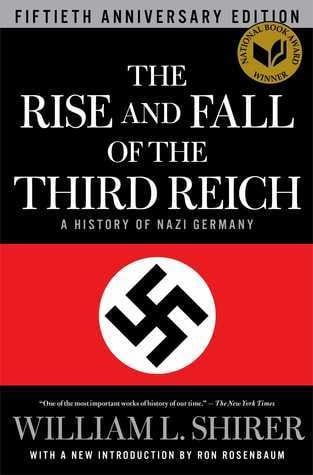
No. 72 on this list. The Rise and Fall of the Third Reich
William L. Shirer · 1960
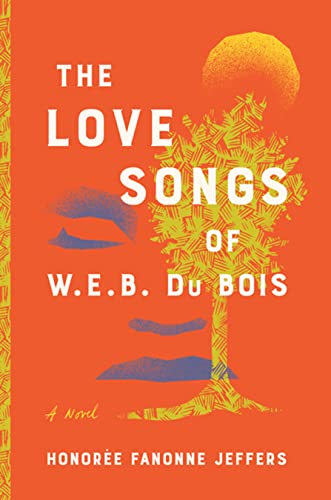
No. 73 on this list. The Love Songs of W.E.B. Du Bois
Honoree Fanonne Jeffers · 2021
No. 74 on this list. Let the Record Show: A Political History of ACT UP New York, 1987-1993
Sarah Schulman · 2021
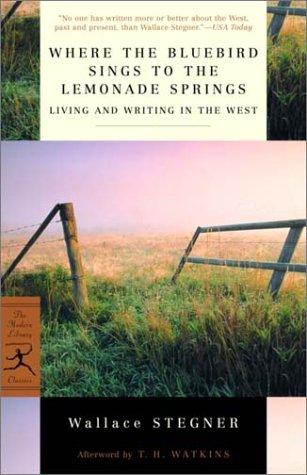
No. 75 on this list. Where the Bluebird Sings to the Lemonade Springs: Living and Writing in the West
Wallace Stegner · 2002
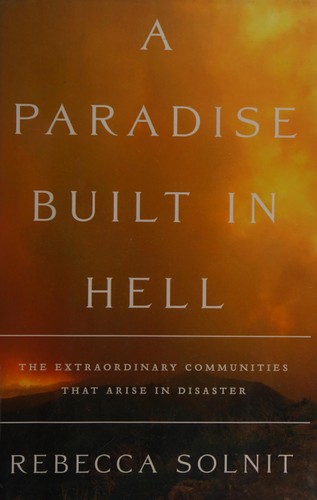
No. 76 on this list. A Paradise Built in Hell: The Extraordinary Communities That Arise in Disaster
Rebecca Solnit · 2009
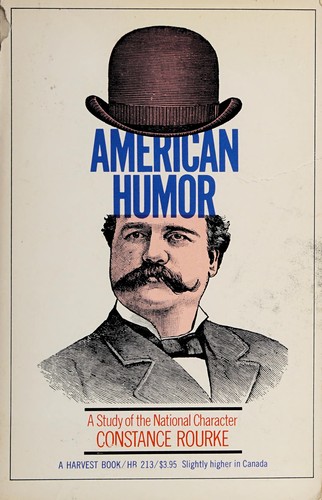
No. 77 on this list. American Humor: A Study of the National Character
Constance Rourke · 1931
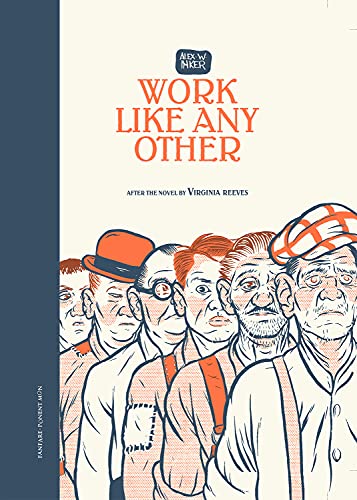
No. 78 on this list. Work Like Any Other
Virginia Reeves · 2016
No. 79 on this list. Gabriel García Márquez: A Life
Gerald Martin · 2008
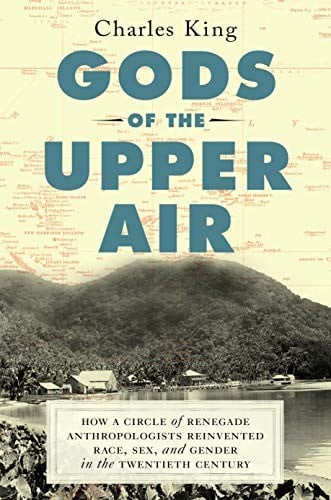
No. 80 on this list. Gods of the Upper Air: How a Circle of Renegade Anthropologists Reinvented Race, Sex, and Gender in the Twentieth Century
No. 81 on this list. The Sweetness of Water
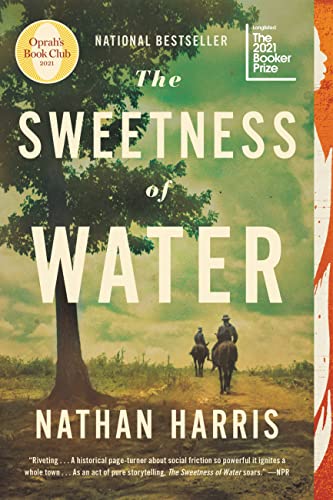
Nathan Harris · 2021
No. 82 on this list. Why Nations Fail
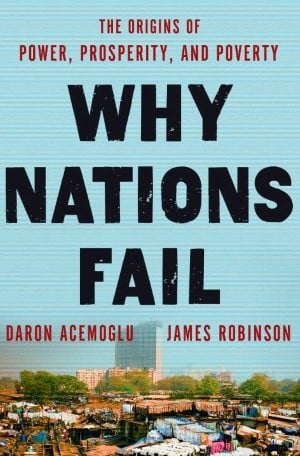
Daron Acemoglu · 2012
No. 83 on this list. Before the Movement: The Hidden History of Black Civil Rights
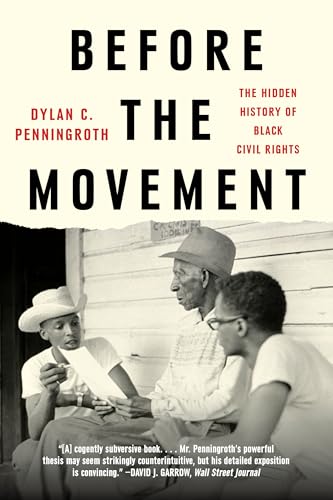
Dylan C. Penningroth · 2023
No. 84 on this list. Gideon's Trumpet
Anthony Lewis · 1964
No. 85 on this list. Thy Neighbor's Wife
Gay Talese · 1981
No. 86 on this list. Bloodlands
Timothy Snyder · 2010
No. 87 on this list. Theory of War
Joan Brady · 1993
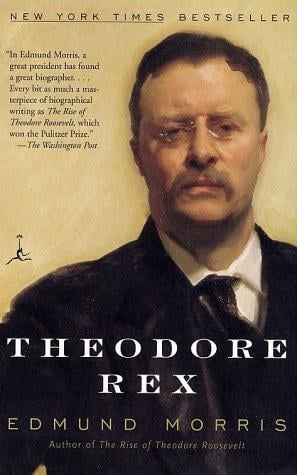
No. 88 on this list. Theodore Rex
Edmund Morris · 2001
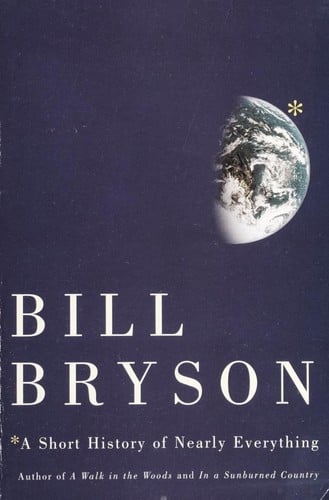
No. 89 on this list. A Short History of Nearly Everything
Bill Bryson · 2003
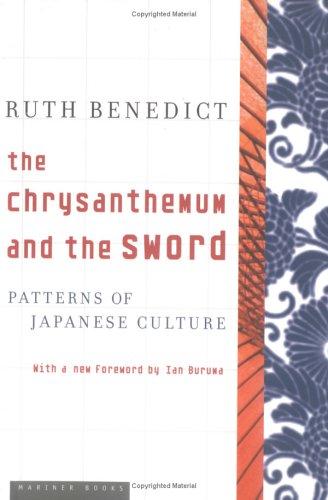
No. 90 on this list. The Chrysanthemum and the Sword
Ruth Benedict · 1946
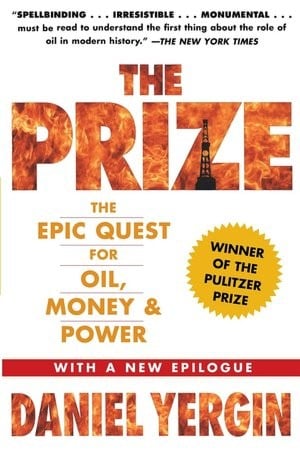
No. 91 on this list. The Prize
Daniel Yergin · 1991
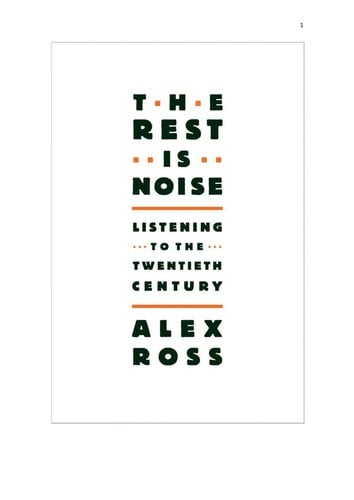
No. 92 on this list. The Rest Is Noise
Alex Ross · 2007
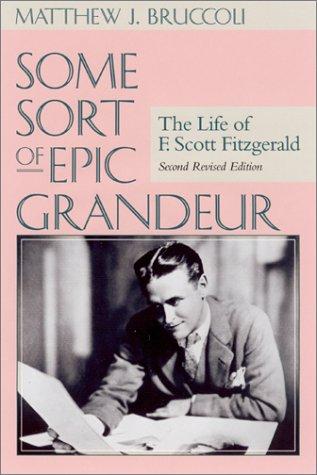
No. 93 on this list. Some Sort of Epic Grandeur: The Life of F. Scott Fitzgerald
Matthew J. Bruccoli · 1981
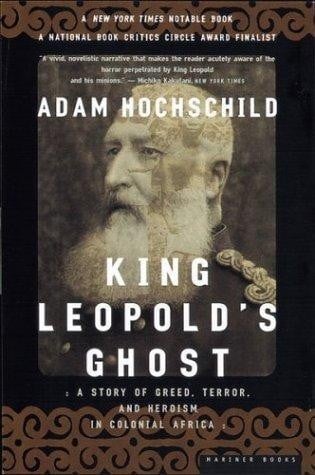
No. 94 on this list. King Leopold's Ghost
Adam Hochschild · 1998
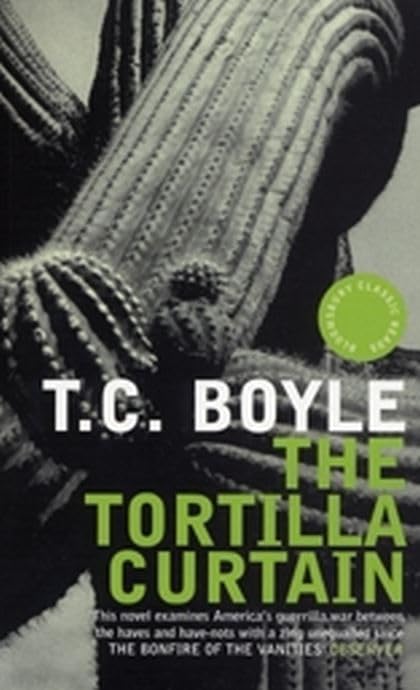
No. 95 on this list. World's End
T. Coraghessan Boyle · 1988
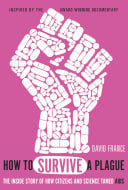
No. 96 on this list. How to Survive a Plague: The Inside Story of How Citizens and Science Tamed AIDS
David France · 2016
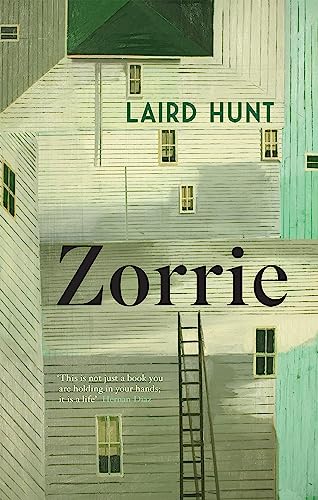
No. 97 on this list. Zorrie
Laird Hunt · 2021
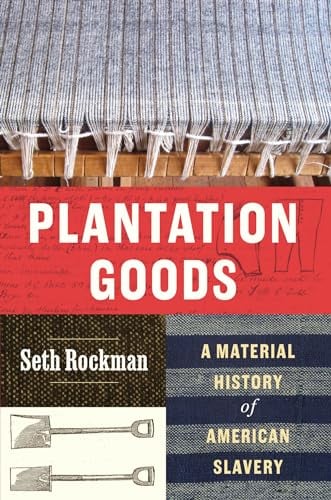
No. 98 on this list. Plantation Goods: A Material History of American Slavery
Seth Rockman · 2024
No. 99 on this list. Ernest Hemingway: A Life Story
Carlos Baker · 1969
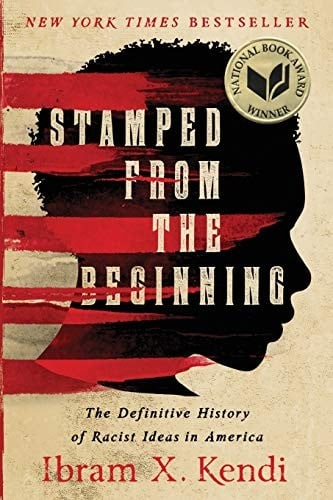
No. 100 on this list. Stamped from the Beginning
Ibram X. Kendi · 2016
About this list
These 100 books are the highest-scoring eligible history books from the United States currently in the catalogue. By literary regard, it opens with The Federalist Papers, The Souls of Black Folk and Maus I: A Survivor's Tale: My Father Bleeds History. About 1,121 hours of reading in all, for the 99 with measured lengths. Difficulty runs from 35 to 55 out of 100 for the middle half of the list; the summit is The Content of the Form: Narrative Discourse and Historical Representation at 72.
This list is ranked by literary regard, with a consistent order for equal scores. Membership follows authors and co-authors, not translators or editors. Catalogue coverage and the historical canon both limit what this list can represent, and genre labels are the catalogue’s own, gathered into broader kinds.
When we matched the Canons dataset to our catalogue in October 2026, our canonical-status scores rose with the number of school curricula, publisher series and lists in it that cite a work: the median score was 72 for books one such source cites, 84 at two, 88 at three, 92 at four and 93 at five or more. Prizes are left out of that count. Outside the state curricula, the dataset’s sources choose mostly from what has been translated into English or French, so it is a weaker check on other literatures. Source: Canons (Andrew Piper), CC BY 4.0
Questions people actually ask
- What are the best history books from the United States?
- By literary regard, which weighs canonical status, critical standing and influence, The Federalist Papers, The Souls of Black Folk, Maus I: A Survivor's Tale: My Father Bleeds History, The Old Man and the Sea and The Princeton Companion to Classical Japanese Literature lead. ReadingRate ranks 100 such books, each with a difficulty score and a reading-time estimate.
- Where should I start with history books from the United States?
- Start from difficulty, not from rank. The most approachable books on this list that still carry top literary regard are Narrative of the Life of Frederick Douglass by Frederick Douglass (about 2 hours), Maus I: A Survivor's Tale: My Father Bleeds History by Art Spiegelman and Ain't I a Woman by bell hooks.
- How hard are history books from the United States to read?
- Most of this list sits between 35 and 55 on ReadingRate's 100-point difficulty scale, where 40 to 55 is moderate. The summit is The Content of the Form: Narrative Discourse and Historical Representation at 72. Every entry carries its own score, so a reader can pick a great book at a difficulty they will finish.
- How is this list ranked?
- On literary-regard data: how canonically established a work is, its critical standing, and its influence on later writing. It is not a readers’ poll, which is why recent bestsellers rarely appear. Membership follows authors and co-authors, not translators or editors. A list that is not a genre list keeps to literature (fiction, poetry, drama and philosophy), with philosophy taking no more than one slot in five while there is literature left to rank; every list holds at most three works by one author.