Hours at an average pace
Showing 100 books
About 642 hours for 100 of 100 books with measured lengths. Estimates use 250 words a minute, adjusted for each book's difficulty. At 2 hours a day, about 321 days for those books.
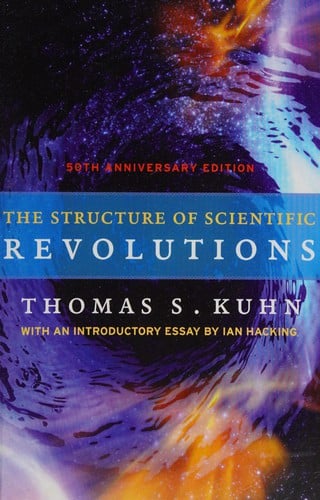
No. 1 on this list. The Structure of Scientific Revolutions
Thomas S. Kuhn · 1962
Challenging5.6 hours
Standard reading across philosophy and history of science, sociology and science and technology studies, and one of the most assigned academic books of the twentieth century. The phrase 'paradigm shift' entered everyday language from it.
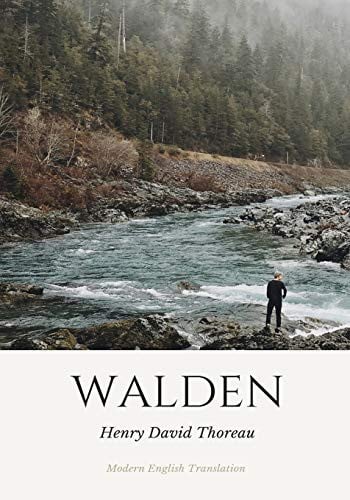
Thoreau moved to a cabin on a pond for two years and wrote a book that made solitude, bean-counting, and the observation of thawing mud into acts of radical philosophy. Walden supplied the intellectual template for civil disobedience, environmentalism, and voluntary simplicity — three movements that still run on its sentences.
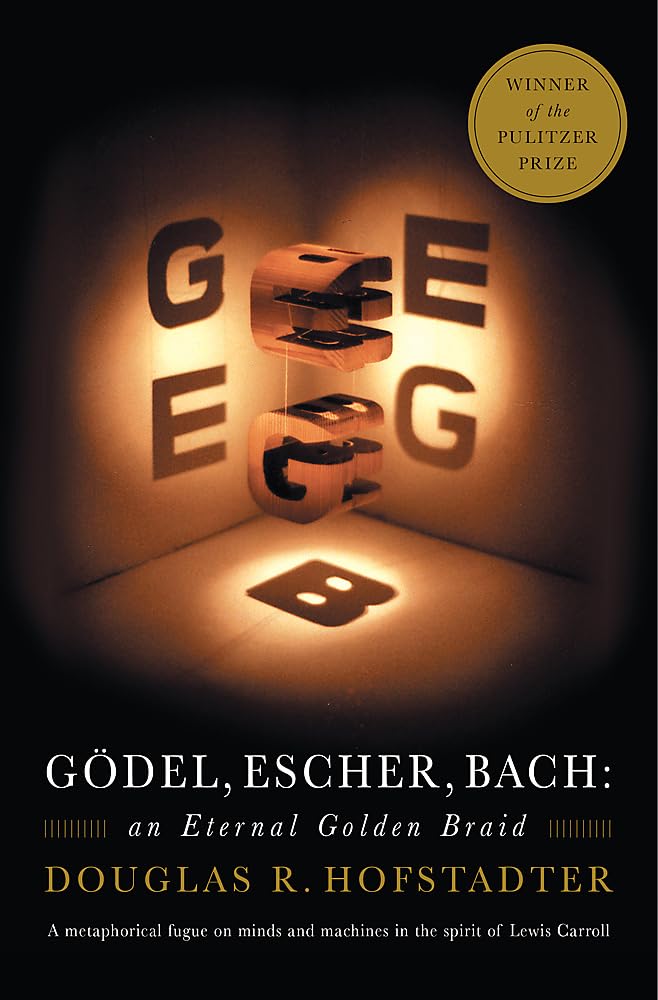
No. 3 on this list. Gödel, Escher, Bach: An Eternal Golden Braid
Douglas R. Hofstadter · 1979
Difficult37 hours
GEB won the Pulitzer Prize for General Nonfiction in 1980 and the National Book Award in the same year, immediately entering the canon of science writing. It appears on virtually every 'essential AI and cognitive science' reading list and is routinely assigned in courses on philosophy of mind, computer science, and interdisciplinary studies across hundreds of universities. Its Wikipedia article exists in dozens of languages, reflecting global reach; few popular-science books from 1979 remain this continuously in print and actively taught.
Taught in virtually every environmental studies, ecology, and environmental humanities program in the United States. The land ethic essay is one of the most reprinted texts in conservation history, and the book appears on every major 'essential nature writing' and 'books that shaped American environmental thought' list.
Required reading in environmental science, ecology, American history, and science writing courses worldwide. Regularly listed among the most important books of the 20th century by Le Monde, Modern Library, and TIME. Its influence extends far beyond literary circles into science, law, and public policy.
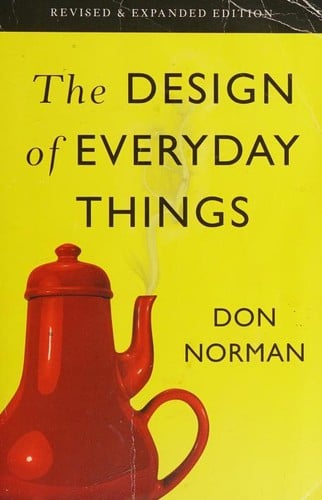
A foundational text in design education, required reading in virtually every industrial design, HCI, and UX program worldwide. The book has remained continuously in print since 1988 and appears on thousands of university syllabi across engineering, psychology, and design departments.
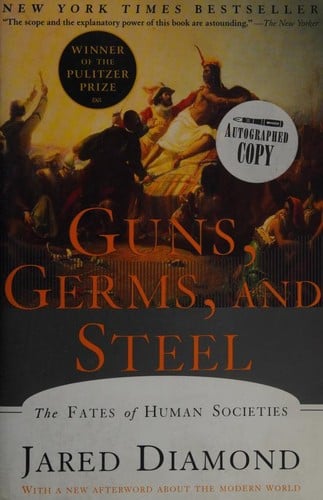
The verified data signals show no syllabus or Wikipedia entries on file for this title, but Guns, Germs, and Steel has been a fixture of introductory world-history, geography, and anthropology courses since the late 1990s and was adapted into a three-part PBS/National Geographic documentary in 2005. It sits below a literary classic like The Great Gatsby in curricular ubiquity but comfortably ahead of a work with only cult-course status.
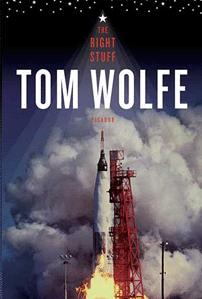
Widely assigned in American journalism, creative nonfiction, and cultural studies courses. The book appears on numerous 'best nonfiction' lists and is a fixture in New Journalism syllabi. Its phrases—'the right stuff,' 'pushing the envelope'—have entered common usage, a rare marker of cultural penetration for a nonfiction work.
A landmark in the history and critique of science; required reading in science studies, history, and sociology.
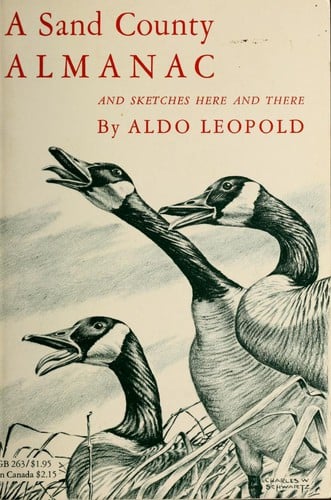
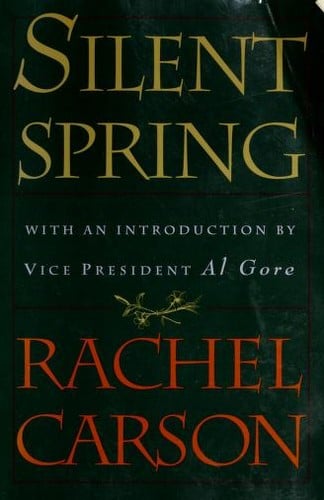
Winner of the 1975 Pulitzer Prize for General Nonfiction, widely taught in creative nonfiction workshops and environmental literature courses across American universities. A fixture on nature writing syllabi and 'best nonfiction' lists, though it falls short of universal required-reading status outside its genre.
No. 11 on this list. Basin and Range · John McPhee · 1981
Basin and Range is a standard text in creative nonfiction courses and frequently assigned in American universities alongside McPhee's other Annals volumes. While it lacks a standalone Wikipedia article in multiple languages, it is widely considered essential reading in the narrative science writing tradition and appears in geology and environmental humanities syllabi. Its canonical status is reinforced as part of Annals of the Former World, which won the Pulitzer Prize in 1999.
Moderate3.2 hours
Start this bookNo. 12 on this list. Cosmos · Carl Sagan · 1980
Cosmos is essential reading within the popular science canon and appears in science communication and astronomy courses at universities worldwide. It is not a standard humanities syllabus fixture like canonical fiction, but it is widely cited as the definitive popular astronomy text and has remained in continuous print since 1980.
Moderate8.1 hours
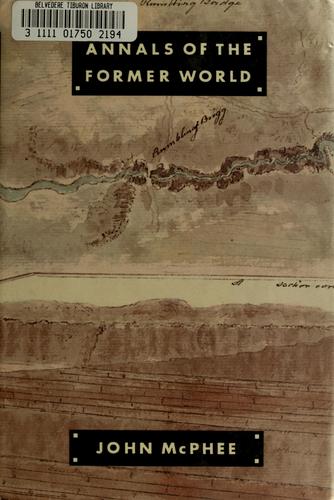
Start this bookNo. 13 on this list. Annals of the Former World · John McPhee · 1998
Winner of the 1999 Pulitzer Prize for General Nonfiction, the book is widely regarded as the definitive work of American literary geology writing and appears on science writing, environmental humanities, and American nonfiction reading lists. It occupies a strong canonical position within literary nonfiction, though it is more a specialist essential than a broadly taught undergraduate staple like the canonical American novels.
Challenging18 hours
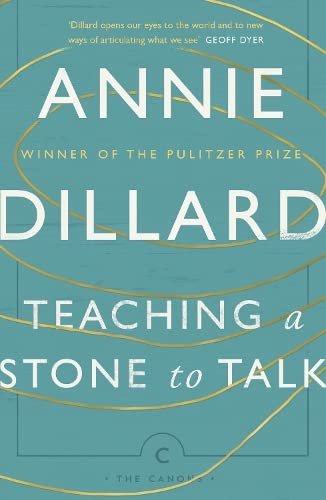
Start this bookNo. 14 on this list. Teaching a Stone to Talk · Annie Dillard · 1982
Annie Dillard goes to Mass and keeps imagining herself on a polar ice floe. This is the logic of the title essay 'An Expedition to the Pole,' which braids the disasters of Franklin, Scott, and Nansen with the small absurdities of Catholic liturgy—the singing group called Wildflowers, a baby named Oswaldo in blue tennis shoes, a priest whose knees crack like fine church music. The pivot is Dillard's actual question: why do churchgoers seem like cheerful tourists on a packaged tour of the Absolute? The Franklin expedition carried sterling silver flatware and a backgammon board into the Arctic and died. What are we carrying? The other essays are pitched at the same edge. 'Life on the Rocks: The Galápagos' opens with a sea lion resting its muzzle on Dillard's arm and ends with the continents riding their crustal plates like boys on dolphins. 'The Deer at Providencia' watches a deer die on a rope while Dillard eats lunch, then asks quietly what exactly surprises the men around her. Dillard writes as a natural historian trained by mystics: every fact about polar deaths or Darwin's finches is also an argument about what it means to be alive and failing to understand it. The reading experience is quiet, demanding, and luminous—a book that asks hard questions and refuses to answer them on your behalf.
Moderate2.9 hours
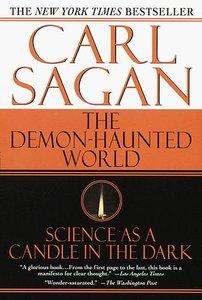
Start this bookNo. 15 on this list. The Demon-Haunted World · Carl Sagan · 1995
The Demon-Haunted World is widely assigned in critical thinking, philosophy of science, and introductory science courses at universities across the English-speaking world. Its 'baloney detection kit' chapter is excerpted in dozens of textbooks and anthologies, and the book appears on most 'essential reading' lists for scientific literacy.
Moderate9 hours
Start this bookNo. 16 on this list. Growing Up in New Guinea · Margaret Mead · 1930
Ranked by literary regard among eligible works in the current catalogue. This position reflects the available catalogue evidence.
Moderate6.3 hours
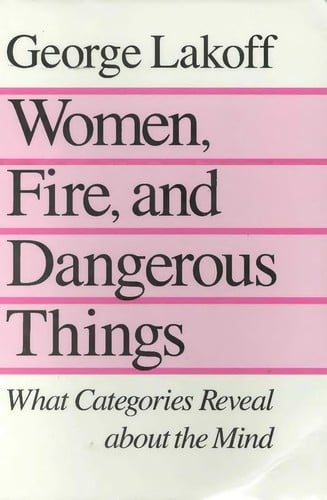
Start this bookNo. 17 on this list. Women, Fire, and Dangerous Things: What Categories Reveal about the Mind · George Lakoff · 1990
A standard reference in cognitive linguistics and categorisation.
Challenging18 hours
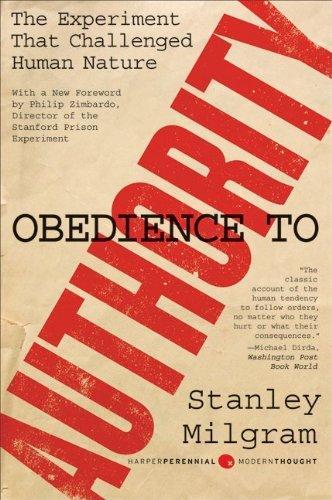
Start this bookNo. 18 on this list. Obedience to Authority · Stanley Milgram · 1974
In 1961, Stanley Milgram ran a simple experiment at Yale University. A volunteer sat in front of a shock generator with thirty labeled switches, from 15 volts to 450 volts. An experimenter in a lab coat instructed the volunteer to administer shocks to a stranger in the next room whenever the stranger answered a question incorrectly. The stranger screamed. The volunteer continued. Two-thirds of ordinary Americans delivered what they believed to be potentially lethal shocks because a man in authority told them to keep going. Milgram's account of these experiments is spare and methodical, walking through eighteen variations — what happens when the victim is in the same room, when the authority figure leaves, when other volunteers rebel, when the authority is a corporation rather than a university. Each variation peels away another excuse. It is not distance, not personality, not some German pathology. The mechanism is structural: people enter what Milgram calls the "agentic state," subordinating their own judgment to the hierarchy they find themselves in. The book is not comfortable reading, because its conclusions apply to the reader as readily as to anyone else. What makes it stick, fifty years later, is Milgram's refusal to look away from what he found — and his insistence that understanding the mechanism is the first step toward resisting it.
Moderate3.5 hours
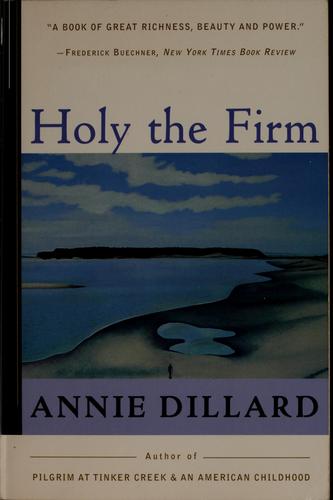
Start this bookNo. 19 on this list. Holy the Firm · Annie Dillard · 1977
Holy the Firm appears regularly on MFA creative nonfiction syllabi and in courses on the lyric essay, American nature writing, and spiritual literature, though it is far less broadly assigned than Pilgrim at Tinker Creek. It is not a K-12 canonical text. The Open Syllabus database shows no appearances in this database, likely a data gap rather than absence — the book is widely anthologized in essay collections and taught at graduate level. Its status as a touchstone of the lyric essay form is secure in literary circles.
Challenging53 min
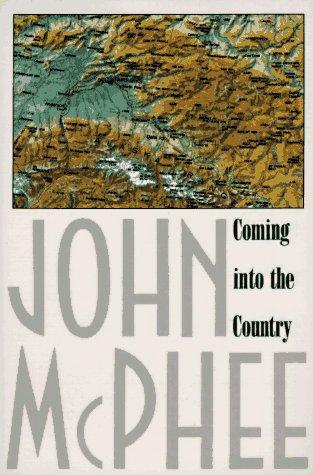
Start this bookNo. 20 on this list. Coming into the Country · John McPhee · 1977
Coming into the Country was a national bestseller on publication in 1977 and is widely cited as McPhee's greatest single work and one of the defining books of American literary nonfiction. It is a fixture on creative nonfiction and environmental writing syllabi, though it lacks the universal high-school curriculum presence of works like To Kill a Mockingbird. Robert Macfarlane's 2015 foreword attests to its sustained influence across four decades.
Easy9.1 hours
Start this book
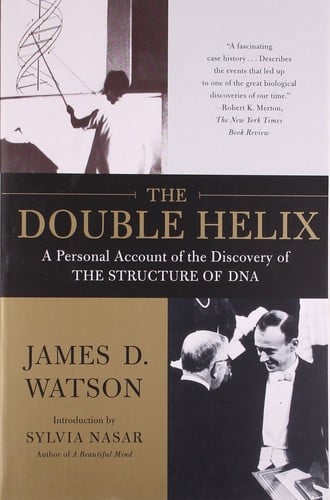
No. 21 on this list. The Double Helix · James D. Watson · 1968
One of the most important science memoirs ever written. Required reading in history of science courses.
Easy2.9 hours
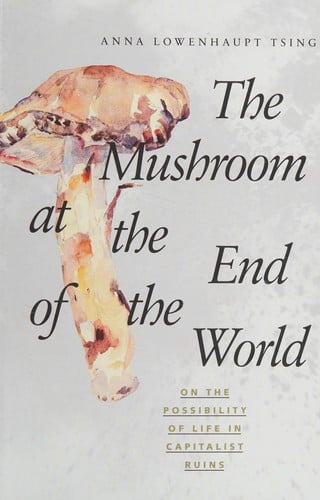
Start this bookNo. 22 on this list. The Mushroom at the End of the World: On the Possibility of Life in Capitalist Ruins · Anna Lowenhaupt Tsing · 2015
Ranked by literary regard among eligible works in the current catalogue. This position reflects the available catalogue evidence.
Challenging8.9 hours
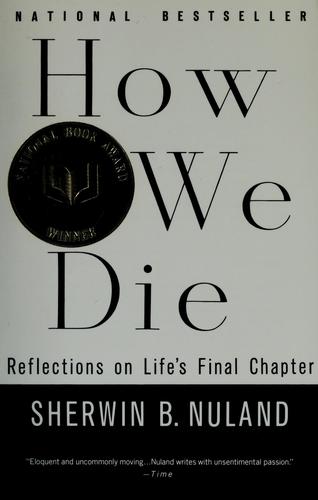
Start this bookNo. 23 on this list. How We Die · Sherwin B. Nuland · 1994
A National Book Award winner and a standard text in medical humanities and bioethics courses, but not a staple of general literature curricula.
Easy6.5 hours
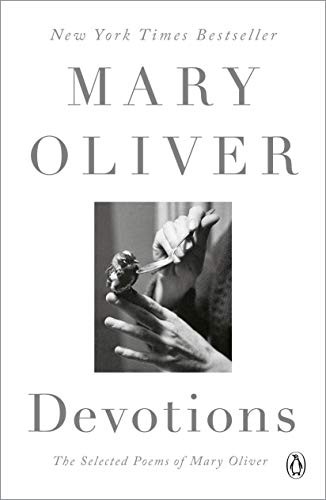
Start this bookNo. 24 on this list. Devotions · Mary Oliver · 2017
Mary Oliver appears regularly on undergraduate syllabi in American poetry surveys, creative writing programs, and environmental humanities courses. She is not a high school curriculum fixture at the level of Frost or Whitman, but Devotions is a standard course text. No syllabus data was returned from the database, but her presence in higher education is well documented.
Easy2.2 hours
Start this bookNo. 25 on this list. Illness as Metaphor · Susan Sontag · 1978
Sontag, diagnosed with breast cancer in 1975, wrote this essay to demolish the metaphors that surround serious illness—the idea that cancer reveals something about the patient's character, that it is caused by repressed emotions, or that it is a 'battle' the patient must 'fight.' She traces a parallel history of tuberculosis in the nineteenth century and cancer in the twentieth, showing how each disease attracted a mythology that blamed the patient and mystified the illness. TB was romanticized as the disease of sensitive artists; cancer was demonized as the disease of repression and conformity. Both mythologies, she argues, add unnecessary suffering to the already terrible experience of being sick. The essay is a masterpiece of intellectual polemic: tight, angry, and precisely argued, with no wasted words.
Moderate1.4 hours
Start this bookNo. 26 on this list. Pathologies of Power: Health, Human Rights, and the New War on the Poor · Paul Farmer · 2005
A standard text across global health and medical anthropology curricula.
Challenging9.3 hours
Start this bookNo. 27 on this list. Consciousness Explained · Daniel C. Dennett · 1991
One of the landmark works in philosophy of mind. Required reading in the field.
Easy9.2 hours
Start this bookNo. 28 on this list. Cognition in the Wild · Edwin Hutchins · 1995
Standard reading in cognitive science and human-computer interaction.
Challenging10 hours
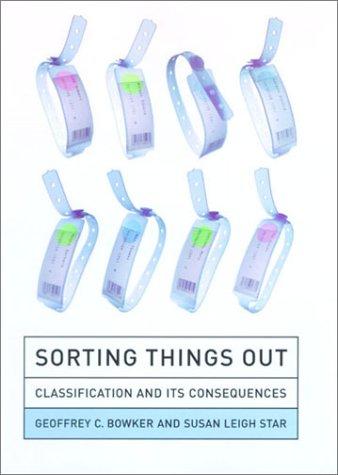
Start this bookNo. 29 on this list. Sorting Things Out: Classification and Its Consequences · Susan Leigh Star · 1999
Standard graduate reading in information science and science studies.
Challenging9.9 hours
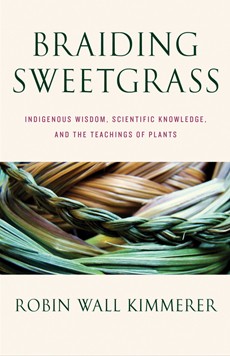
Start this bookNo. 30 on this list. Braiding Sweetgrass: Indigenous Wisdom, Scientific Knowledge, and the Teachings of Plants · Robin Wall Kimmerer · 2013
Braiding Sweetgrass has become essential reading in environmental humanities, Indigenous studies, and ecology courses across North America. It appears on syllabi in environmental studies, ecology, and Native American studies programs and is frequently cited as a transformative text. No formal database data was available, but its adoption in higher education is broadly documented.
Moderate6.1 hours
Start this book
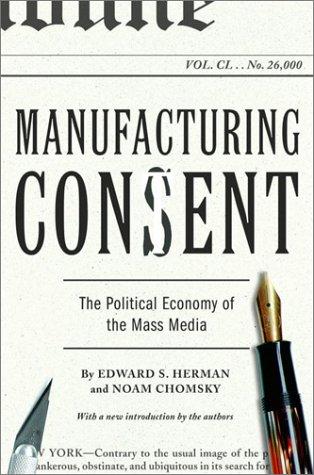
No. 31 on this list. Manufacturing Consent
Noam Chomsky · 1988
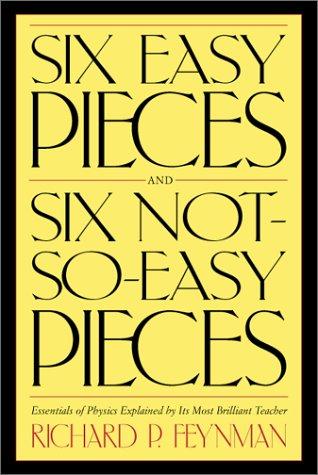
No. 32 on this list. Six Easy Pieces / Six Not-So-Easy Pieces
Richard P. Feynman · 2001
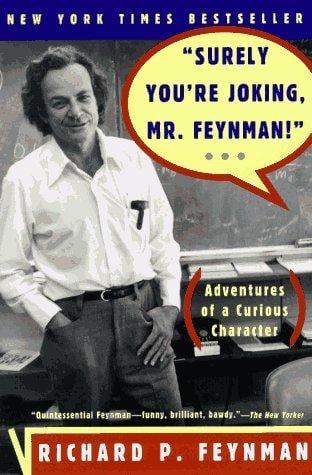
No. 33 on this list. Surely You're Joking, Mr. Feynman!
Richard P. Feynman · 1985
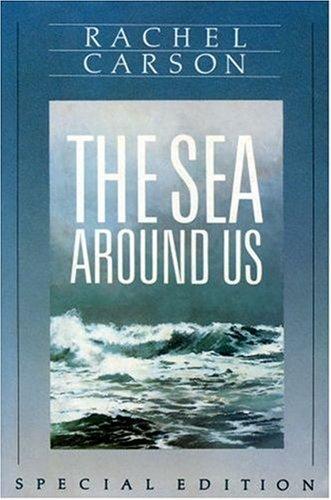
No. 34 on this list. The Sea Around Us
Rachel Carson · 1951
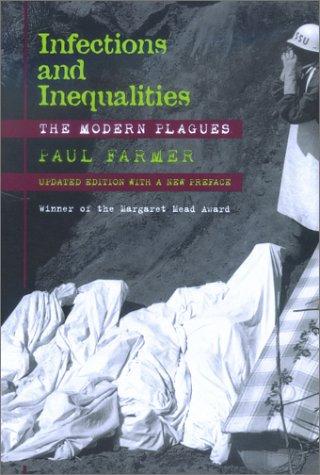
No. 35 on this list. Infections and Inequalities: The Modern Plagues
Paul Farmer · 2001
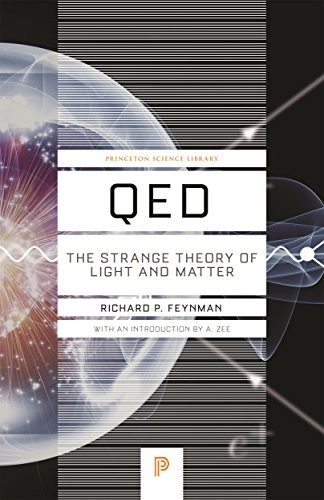
No. 36 on this list. QED
Richard Feynman · 1985
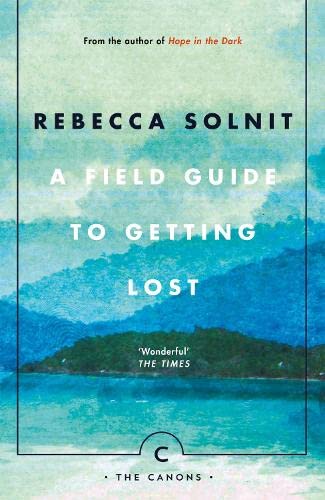
No. 37 on this list. A Field Guide to Getting Lost
Rebecca Solnit · 2005
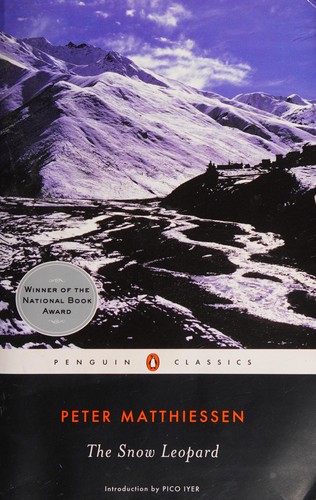
No. 38 on this list. The Snow Leopard
Peter Matthiessen · 1978
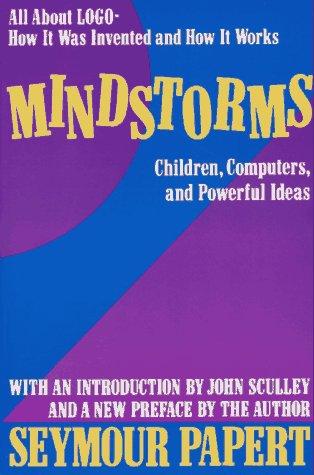
No. 39 on this list. Mindstorms
Seymour Papert · 1980
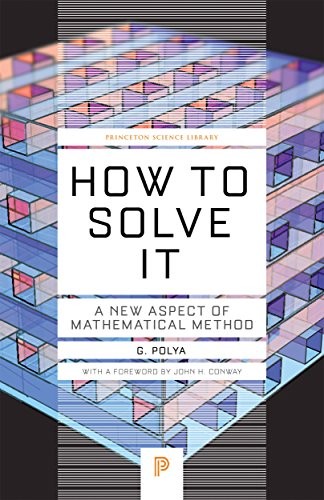
No. 40 on this list. How to Solve It
George Pólya · 1945
No. 41 on this list. The Character of Physical Law
Richard Feynman · 1965
No. 42 on this list. Chaos
James Gleick · 1987
No. 43 on this list. Barkskins
Annie Proulx · 2016
No. 44 on this list. Where the Bluebird Sings to the Lemonade Springs: Living and Writing in the West
Wallace Stegner · 2002
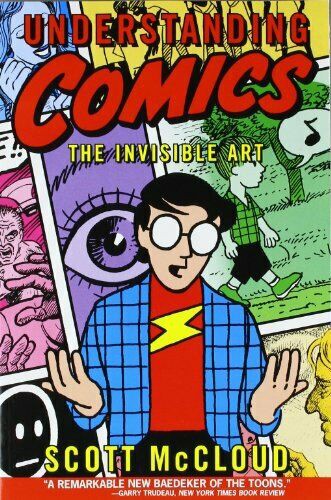
No. 45 on this list. Understanding Comics
Scott McCloud · 1993
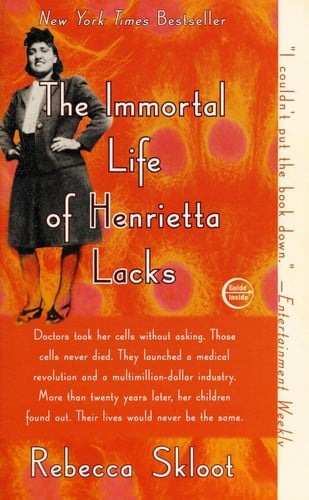
No. 46 on this list. The Immortal Life of Henrietta Lacks
Rebecca Skloot · 2010
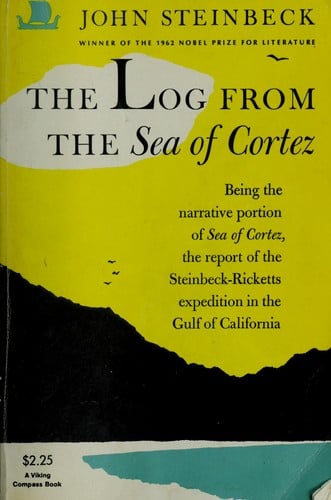
No. 47 on this list. The Log from the Sea of Cortez
John Steinbeck · 1951
No. 48 on this list. Upstream
Mary Oliver · 2016
No. 49 on this list. The Checklist Manifesto: How to Get Things Right
Atul Gawande · 2010
No. 50 on this list. Six Easy Pieces
Richard Feynman · 1994
No. 51 on this list. The Innovator's Dilemma
Clayton M. Christensen · 1997
No. 52 on this list. The Elegant Universe
Brian Greene · 1999
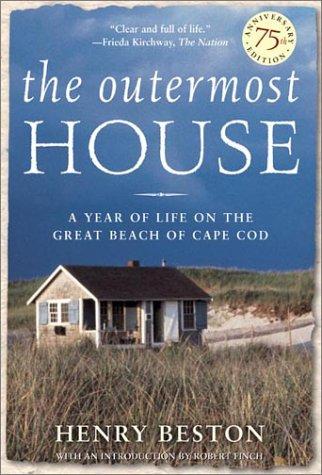
No. 53 on this list. The Outermost House
Henry Beston · 1928
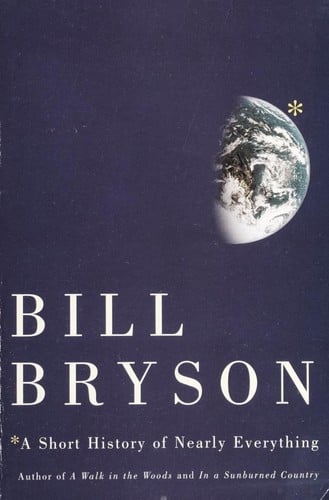
No. 54 on this list. A Short History of Nearly Everything
Bill Bryson · 2003
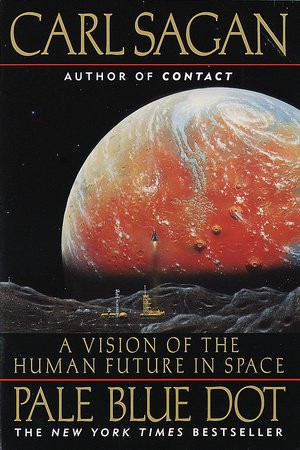
No. 55 on this list. Pale Blue Dot
Carl Sagan · 1994
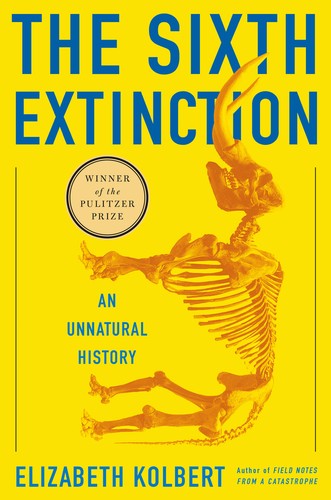
No. 56 on this list. The Sixth Extinction
Elizabeth Kolbert · 2014
No. 57 on this list. Flight Behavior
Barbara Kingsolver · 2012
No. 58 on this list. The Image
Daniel J. Boorstin · 1962
No. 59 on this list. Desert Solitaire
Edward Abbey · 1968
No. 60 on this list. The Spell of the Sensuous: Perception and Language in a More-Than-Human World
David Abram · 1997
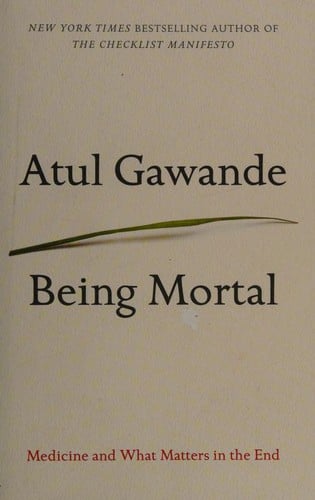
No. 61 on this list. Being Mortal
Atul Gawande · 2014
No. 62 on this list. Determined: A Science of Life Without Free Will
Robert M. Sapolsky · 2024
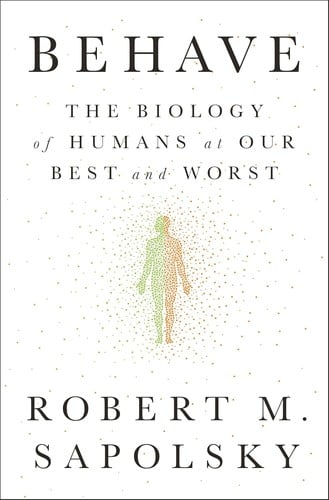
No. 63 on this list. Behave
Robert M. Sapolsky · 2017
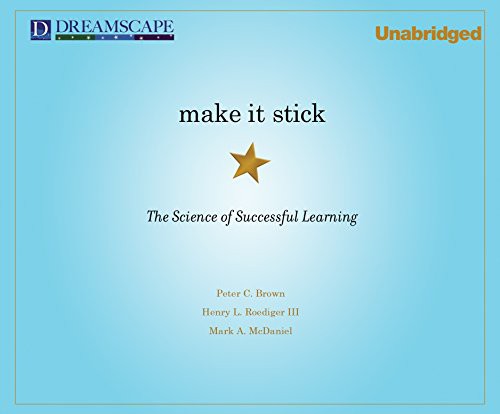
No. 64 on this list. Make It Stick: The Science of Successful Learning
Henry L. Roediger · 2014
No. 65 on this list. The Black Swan
Nassim Nicholas Taleb · 2007
No. 66 on this list. The Botany of Desire
Michael Pollan · 2001
No. 67 on this list. I Contain Multitudes: The Microbes Within Us and a Grander View of Life
Ed Yong · 2016
No. 68 on this list. I Am a Strange Loop
Douglas Hofstadter · 2007
No. 69 on this list. Prodigal Summer
Barbara Kingsolver · 2000
No. 70 on this list. Einstein: His Life and Universe
Walter Isaacson · 2007
No. 71 on this list. The Signal and the Noise: Why So Many Predictions Fail-But Some Don't
Nate Silver · 2012
No. 72 on this list. Thinking in Systems
Donella H. Meadows · 2008
No. 73 on this list. An Immense World: How Animal Senses Reveal the Hidden Realms Around Us
Ed Yong · 2022
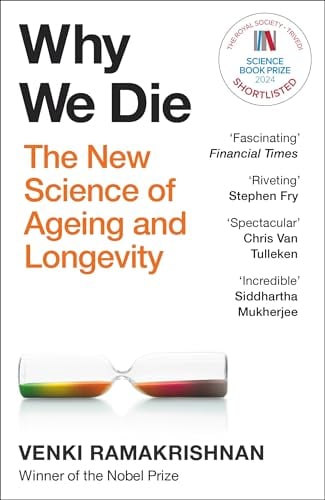
No. 74 on this list. Why We Die: The New Science of Ageing and the Quest for Immortality
Venki Ramakrishnan · 2024
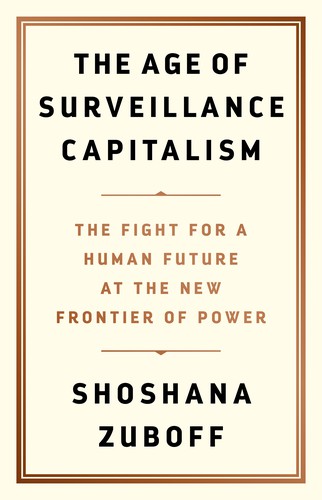
No. 75 on this list. The Age of Surveillance Capitalism
Shoshana Zuboff · 2019
No. 76 on this list. 1491
Charles C. Mann · 2005
No. 77 on this list. Hoot
Carl Hiaasen · 2002
No. 78 on this list. Life 3.0
Max Tegmark · 2017
No. 79 on this list. The Information
James Gleick · 2011
No. 80 on this list. Technopoly
Neil Postman · 1992
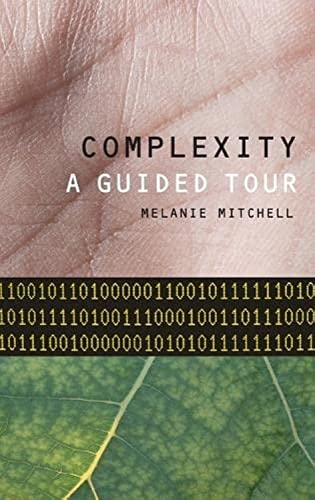
No. 81 on this list. Complexity
Melanie Mitchell · 2011
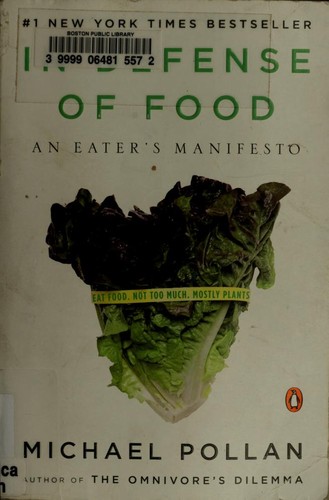
No. 82 on this list. In Defense of Food
Michael Pollan · 2008
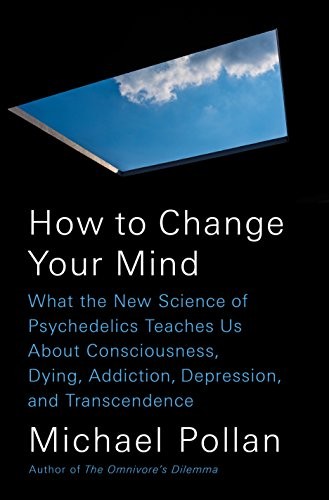
No. 83 on this list. How to Change Your Mind
Michael Pollan · 2018
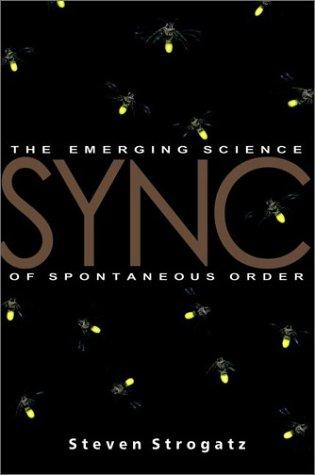
No. 84 on this list. Sync
Steven H. Strogatz · 2003
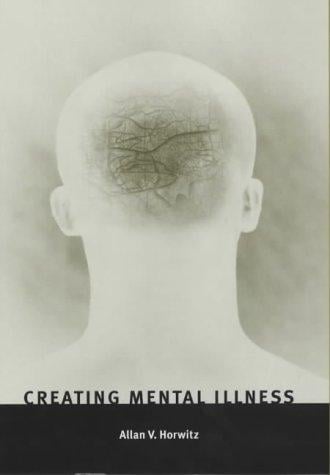
No. 85 on this list. Creating Mental Illness
Allan V. Horwitz · 2001
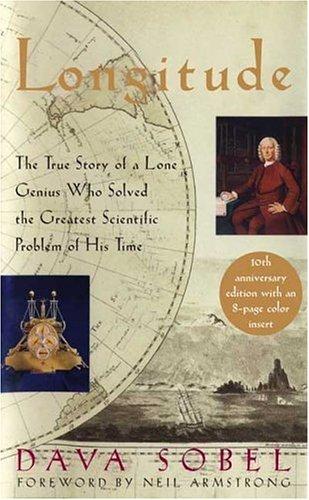
No. 86 on this list. Longitude
Dava Sobel · 1995
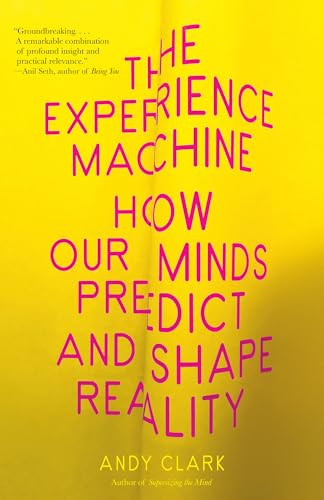
No. 87 on this list. The Experience Machine: How Our Minds Predict and Shape Reality
Andy Clark · 2024
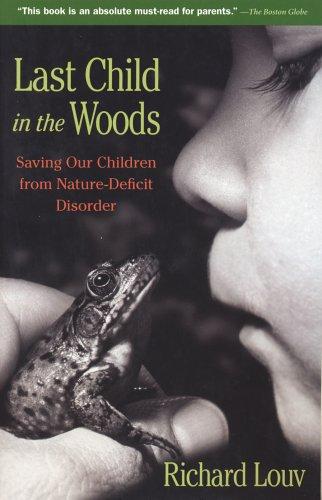
No. 88 on this list. Last Child in the Woods: Saving Our Children from Nature-Deficit Disorder
Richard Louv · 2006
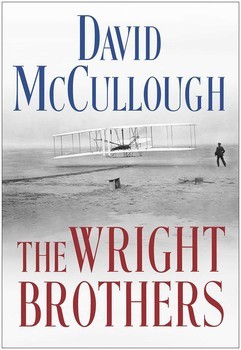
No. 89 on this list. The Wright Brothers
David McCullough · 2015
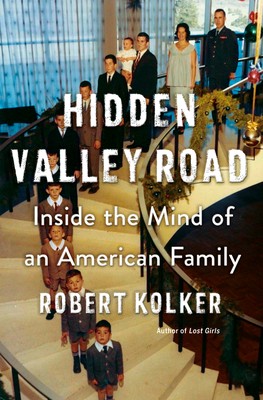
No. 90 on this list. Hidden Valley Road
Robert Kolker · 2020
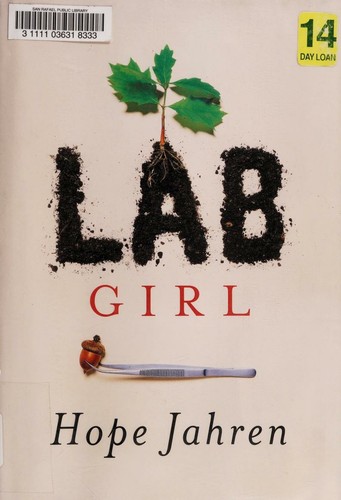
No. 91 on this list. Lab Girl
Hope Jahren · 2016
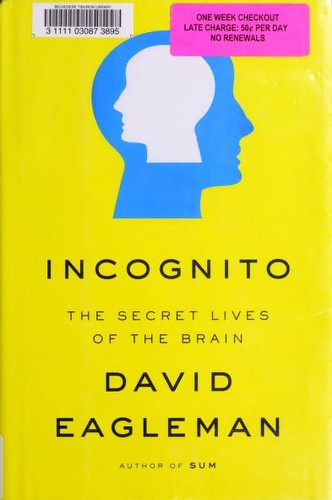
No. 92 on this list. Incognito: The Secret Lives of the Brain
David Eagleman · 2011
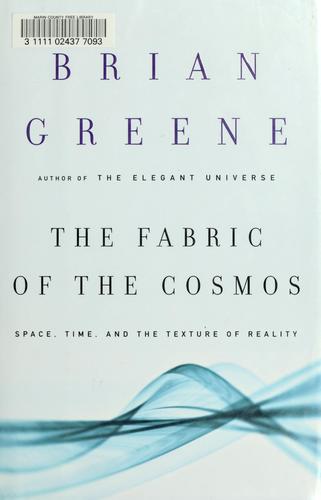
No. 93 on this list. The Fabric of the Cosmos
Brian Greene · 2004
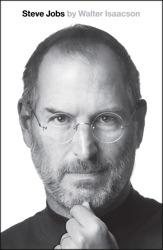
No. 94 on this list. Steve Jobs
Walter Isaacson · 2011
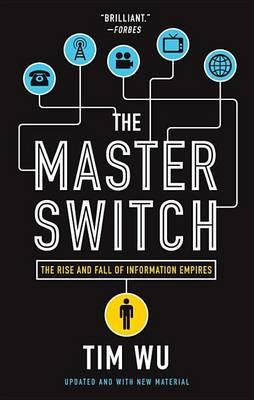
No. 95 on this list. The Master Switch
Tim Wu · 2010
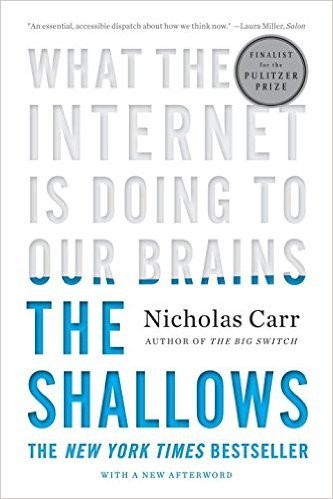
No. 96 on this list. The Shallows
Nicholas Carr · 2010
No. 97 on this list. You Are Not a Gadget
Jaron Lanier · 2010
No. 98 on this list. Weapons of Math Destruction
Cathy O'Neil · 2016
No. 99 on this list. The Art of Fermentation
Sandor Ellix Katz · 2012
No. 100 on this list. Born to Run
Christopher McDougall · 2009
About this list
These 100 books are the highest-scoring eligible science books from the United States currently in the catalogue. By literary regard, it opens with The Structure of Scientific Revolutions, Walden and Gödel, Escher, Bach: An Eternal Golden Braid. About 642 hours of reading in all. Difficulty runs from 28 to 46 out of 100 for the middle half of the list; the summit is Gödel, Escher, Bach: An Eternal Golden Braid at 75.
This list is ranked by literary regard, with a consistent order for equal scores. Membership follows authors and co-authors, not translators or editors. Catalogue coverage and the historical canon both limit what this list can represent, and genre labels are the catalogue’s own, gathered into broader kinds.
When we matched the Canons dataset to our catalogue in October 2026, our canonical-status scores rose with the number of school curricula, publisher series and lists in it that cite a work: the median score was 72 for books one such source cites, 84 at two, 88 at three, 92 at four and 93 at five or more. Prizes are left out of that count. Outside the state curricula, the dataset’s sources choose mostly from what has been translated into English or French, so it is a weaker check on other literatures. Source: Canons (Andrew Piper), CC BY 4.0
Questions people actually ask
- What are the best science books from the United States?
- By literary regard, which weighs canonical status, critical standing and influence, The Structure of Scientific Revolutions, Walden, Gödel, Escher, Bach: An Eternal Golden Braid, Sand County Almanac and Silent Spring lead. ReadingRate ranks 100 such books, each with a difficulty score and a reading-time estimate.
- Where should I start with science books from the United States?
- Start from difficulty, not from rank. The most approachable books on this list that still carry top literary regard are The Design of Everyday Things by Don Norman (about 6 hours), Guns, Germs, and Steel by Jared Diamond and Sand County Almanac by Aldo Leopold.
- How hard are science books from the United States to read?
- Most of this list sits between 28 and 46 on ReadingRate's 100-point difficulty scale, where 40 to 55 is moderate. The summit is Gödel, Escher, Bach: An Eternal Golden Braid at 75. Every entry carries its own score, so a reader can pick a great book at a difficulty they will finish.
- How is this list ranked?
- On literary-regard data: how canonically established a work is, its critical standing, and its influence on later writing. It is not a readers’ poll, which is why recent bestsellers rarely appear. Membership follows authors and co-authors, not translators or editors. A list that is not a genre list keeps to literature (fiction, poetry, drama and philosophy), with philosophy taking no more than one slot in five while there is literature left to rank; every list holds at most three works by one author.