Hours at an average pace
Showing 100 books
About 931 hours for 97 of 100 books with measured lengths. Estimates use 250 words a minute, adjusted for each book's difficulty. At 2 hours a day, about 466 days for those books.
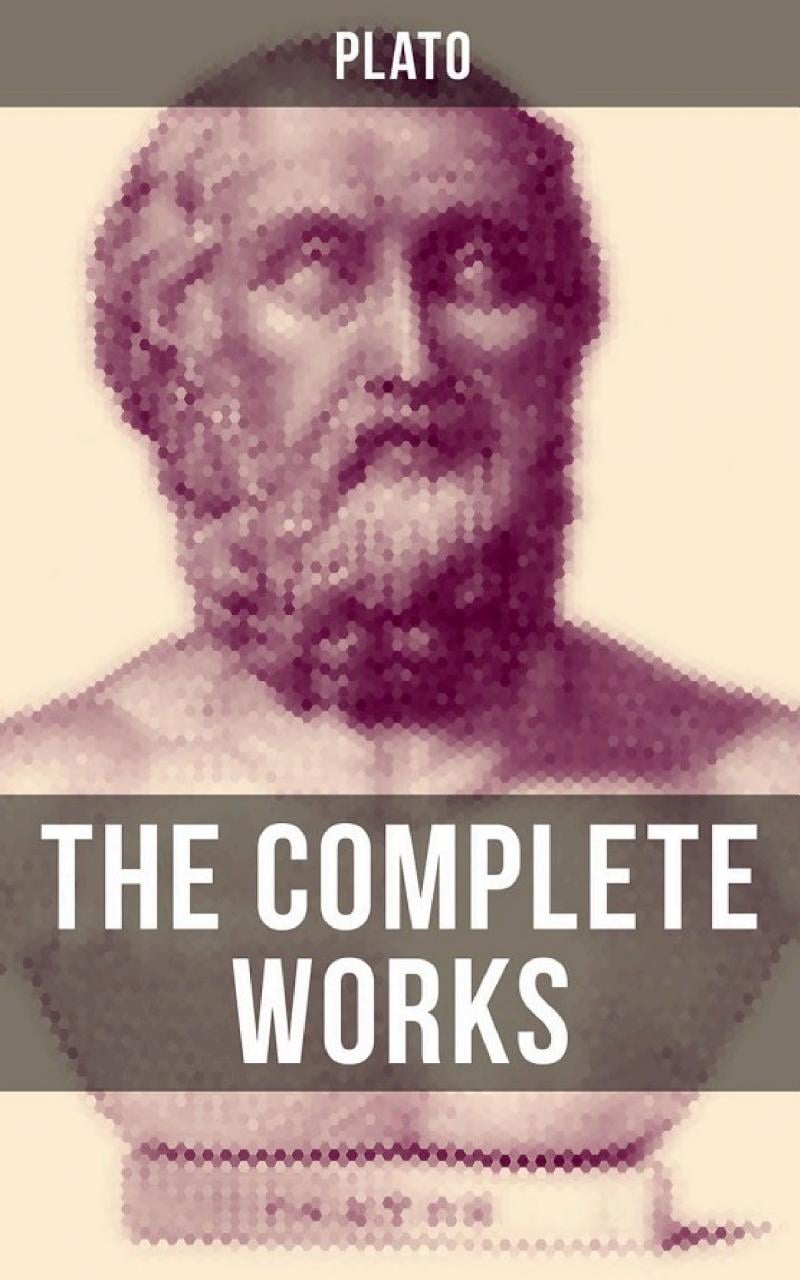
Plato's dialogues are required in philosophy and classics courses everywhere, and the Republic is taught in political theory, education and literature courses. They form a foundation of Western higher education.
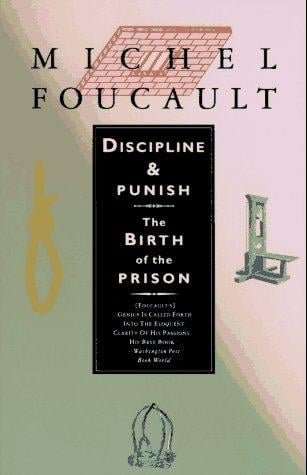
Discipline and Punish is required reading in sociology, criminology, philosophy, cultural studies, history, and literary theory courses worldwide. It appears on thousands of university syllabi across disciplines, making it comparable in canonical weight to the most taught works of 20th-century thought. It is considered foundational for understanding modern social institutions across every field of the humanities and social sciences.
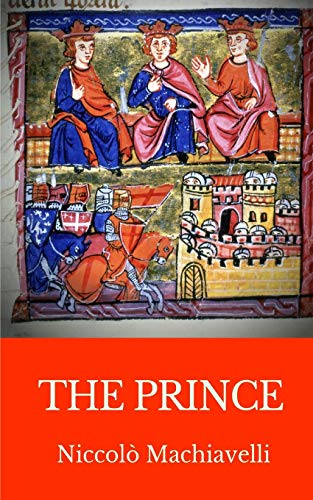
The Prince is required reading in political science, philosophy, history, and humanities curricula worldwide and is among the most widely assigned non-fiction texts in higher education. It appears on every syllabus for political philosophy and political theory, from introductory undergraduate courses to graduate seminars. Few texts of any era command this breadth of curricular presence.
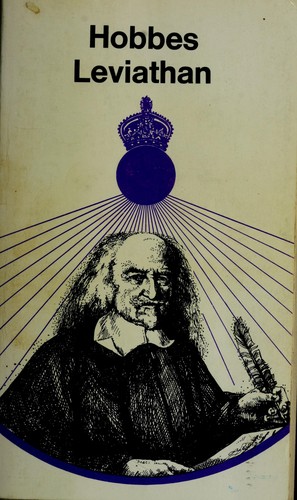
No. 4 on this list. Leviathan
Thomas Hobbes · 1651
Challenging20 hours
Included in: Great Books of the Western World
Leviathan is a core text of political philosophy, taught in nearly every course on the history of political thought and included in Britannica's Great Books of the Western World. Its picture of life without government as 'solitary, poor, nasty, brutish, and short' is among the most quoted lines in English prose.
Capital is a founding text of economics, sociology, political theory, and history courses worldwide. It is read across disciplines, though more in the social sciences than in literature departments.
An Inquiry into the Nature and Causes of the Wealth of Nations (1776) is the founding text of modern economics and a fixture of courses in economics, political philosophy and the history of ideas. It has never been out of print.
The Social Contract (1762) is one of the most taught works of political philosophy, read in courses on democracy, the Enlightenment and the French Revolution. Its opening, 'Man is born free, and everywhere he is in chains', is among the most quoted lines in political writing.
Two Treatises of Government is a standard text in political philosophy and the history of political thought, assigned alongside Hobbes's Leviathan and Rousseau's Social Contract on courses worldwide. The Second Treatise in particular is treated as essential reading on consent, property and the right of revolution.
The foundational text of American constitutional theory, cited by the Supreme Court.
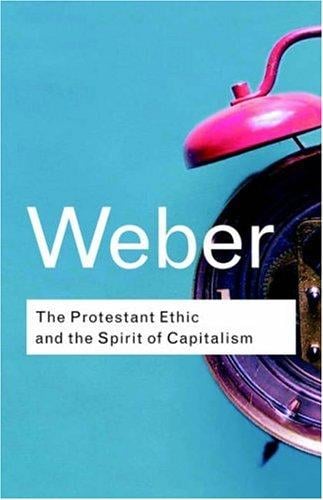
No. 10 on this list. The Protestant Ethic and the Spirit of Capitalism
Max Weber · 1905
Challenging16 hours
One of the founding texts of sociology, taught in introductory and theory courses alongside Marx and Durkheim and assigned across history, economics and religious studies. It ranked fourth in the International Sociological Association's 1998 poll of the books of the century.
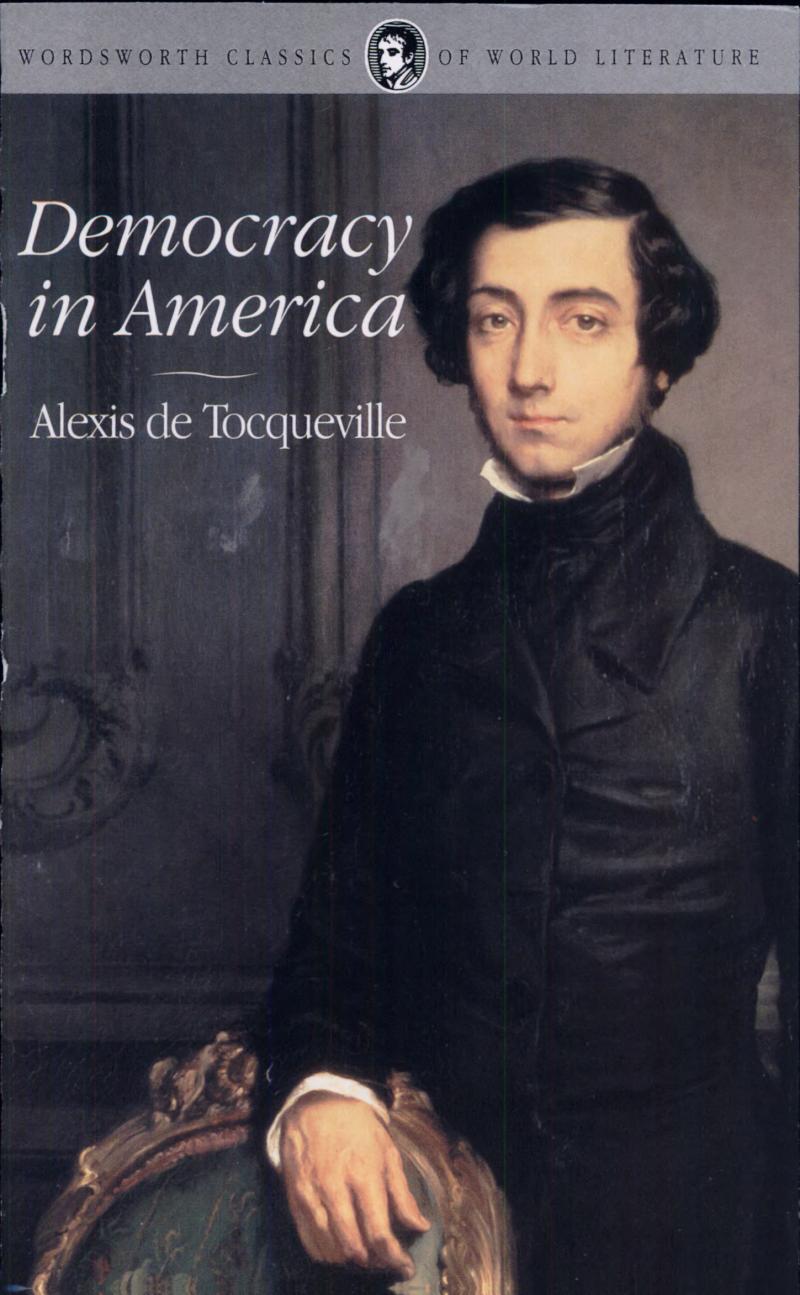
No. 11 on this list. Democracy in America · Alexis de Tocqueville · 1835
Required reading in virtually every political theory, American history, and comparative politics curriculum worldwide. The book has never left print since 1835 and is foundational to democratic theory in political science, sociology, and history departments alike. With Wikipedia articles in over 80 languages and presence on thousands of university syllabi across disciplines, it ranks among the most institutionally canonical works of political thought.
Challenging28 hours
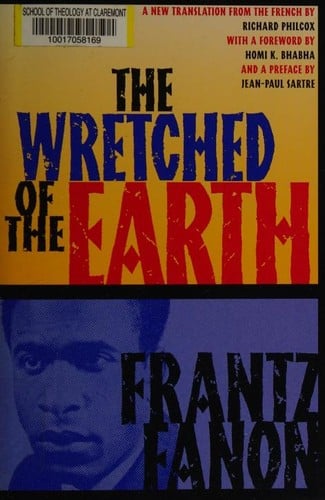
Start this bookNo. 12 on this list. The Wretched of the Earth · Frantz Fanon · 1961
The Wretched of the Earth appears on syllabi in postcolonial studies, African studies, political philosophy, sociology, and literary theory programs worldwide — among the most-assigned theoretical texts of the 20th century. Its Wikipedia article exists in over 40 languages. It is routinely listed alongside Fanon's Black Skin, White Masks as required reading for anyone working in fields touching on race, colonialism, or global politics.
Challenging7.7 hours
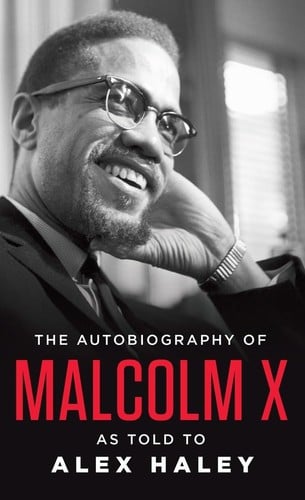
Start this bookNo. 13 on this list. The Autobiography of Malcolm X · Malcolm X · 1965
It is widely taught in American history and literature courses, is named among Time's most important nonfiction books of the century, and is an essential text in African American studies.
Easy9.9 hours
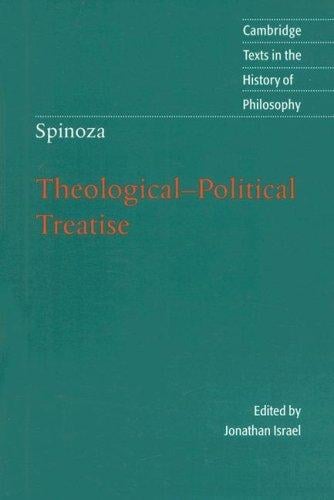
Start this bookNo. 14 on this list. Theological-Political Treatise · Baruch Spinoza · 1670
The Theological-Political Treatise is a standard text in early modern philosophy, political theory and religious studies courses, and it is central to the history of biblical criticism and the Enlightenment. Spinoza's Ethics is more widely taught as a whole.
Challenging9 hours
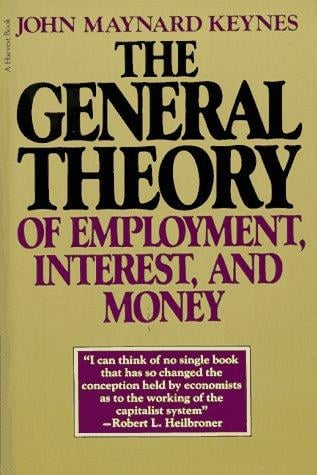
Start this bookNo. 15 on this list. The General Theory of Employment, Interest and Money · John Maynard Keynes · 1936
The founding text of macroeconomics, the General Theory is standard reading in economics and history of economic thought courses and is assigned in politics and history courses on the Depression and the postwar settlement. It appears on most lists of the most important books of the twentieth century.
Challenging12 hours
Start this bookNo. 16 on this list. The Autobiography of Malcolm X: As Told to Alex Haley · Malcolm X · 1991
It is widely assigned in American history, African American studies and literature courses, and it appears on many lists of essential twentieth-century nonfiction. Time magazine named it among the most important nonfiction books of the century.
Easy10 hours
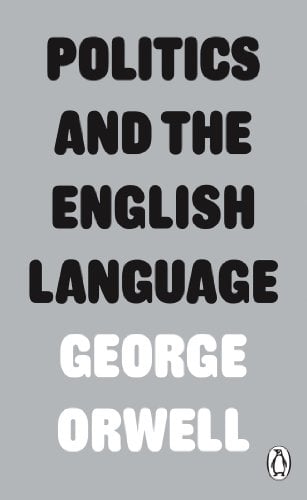
Start this bookNo. 17 on this list. Politics and the English Language · George Orwell · 1946
One of the most anthologized and assigned essays in the English language, a fixture of first-year composition, rhetoric, and journalism curricula worldwide. Its six rules and the phrase 'political language' recur in countless style guides and writing handbooks. No syllabus or Wikipedia-language data was available in our database, but its teaching presence rivals the most-taught novels.
Easy16 min
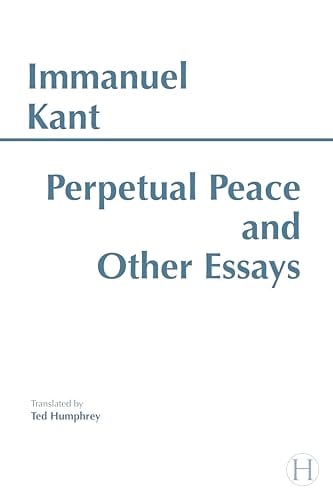
Start this bookNo. 18 on this list. Perpetual Peace · Immanuel Kant · 1795
Perpetual Peace is standard reading in political theory and international relations courses worldwide, and anchors the study of liberal internationalism and the democratic peace. It sits below Kant's Critiques in general philosophy syllabi.
Challenging2 hours
Start this bookNo. 19 on this list. The Histories · Herodotus · c. 430 BCE
Herodotus traveled from Egypt to Scythia, interviewed locals, and wrote down everything—the Persian Wars, the customs of distant peoples, talking foxes, flying snakes—inventing both history and ethnography in a single narrative. Cicero called him the father of history; the label has never been seriously challenged.
Moderate22 hours
Read nowNo. 20 on this list. The Presentation of Self in Everyday Life · Erving Goffman · 1956
Appears on thousands of sociology, communication studies, and social psychology syllabi worldwide and is the foundational text for dramaturgical theory in social science. No comparable introduction to microsociology is as widely assigned across disciplines — sociology, anthropology, communication, performance studies, and cultural theory all treat it as required reading.
Moderate5.8 hours
Start this book

No. 21 on this list. Shooting an Elephant and Other Essays · George Orwell · 1950
Orwell's essays are standard fixtures in English literature and university composition courses worldwide. 'Shooting an Elephant' and 'Politics and the English Language' rank among the most-assigned essays in undergraduate curricula, appearing across literature, political science, and writing programs. Individual essays have been continuously reprinted since their first collection in the late 1940s.
Easy6.9 hours
Start this bookNo. 22 on this list. Anti-Oedipus: Capitalism and Schizophrenia · Gilles Deleuze · 1983
Anti-Oedipus is a standard text in continental philosophy, critical theory and cultural studies courses, and A Thousand Plateaus builds on it. It is taught widely, though less universally than the great novels or core philosophy classics.
Difficult30 hours
Start this bookNo. 23 on this list. Grimm's Fairy Tales · Brothers Grimm · 1812
Jacob and Wilhelm Grimm collected Cinderella, Rapunzel, Hansel and Gretel, Snow White, and Rumpelstiltskin from oral sources and fixed them in print, giving Western childhood its permanent mythology. The collection launched the discipline of folklore studies and remains the most influential story anthology ever published.
Easy5.9 hours
Start this bookNo. 24 on this list. Letters on the Aesthetic Education of Man · Friedrich Schiller · 1795
The Letters are the founding text of German aesthetic education and a standard in philosophy, German literature and aesthetics courses. Hegel, Marx and later critical theory all take it up, though it is read less widely than Schiller's plays or the Kantian Critiques.
Challenging3.8 hours
Start this bookNo. 25 on this list. An Enemy of the People · Henrik Ibsen · 1882
An Enemy of the People is a standard text in university drama, literature, and political philosophy curricula worldwide, and is featured on virtually all lists of essential Western drama. Arthur Miller's celebrated 1950 adaptation attests to its enduring canonical status. While taught less broadly than Ibsen's A Doll's House or Hedda Gabler, it remains a fixture in theatre studies and social realist drama courses globally.
Challenging2.7 hours
Start this bookNo. 26 on this list. Minima Moralia · Theodor W. Adorno · 1951
Theodor Adorno wrote Minima Moralia between 1944 and 1947, in exile from Nazi Germany, thinking in German while living in Los Angeles. The book's subtitle — Reflections from Damaged Life — is its argument: late capitalism has deformed the smallest gestures, down to the way people say goodbye, arrange furniture, or offer gifts. The 153 aphorisms each begin from some corner of daily experience and immediately turn it into evidence. Adorno watches a houseguest try to help with the dishes and ends up indicting the ideology of helpfulness itself. He watches American children at play and finds the administered society in the rules of their games. American roads, he notes, are inserted directly into landscape with no soft path at the edge — expressionless. Nothing survives without bearing the marks of what produced it. The prose enacts this method in its own syntax: sentences build through nested qualifications, invert themselves, then qualify the inversion. Reading must be slow or it produces nothing. There are no characters, no plot, no narrative — only argument conducted through observation, 153 times. The book ends on a line that has since become the most quoted sentence in German philosophy: there is no right life in the wrong one. Adorno's 300 pages are the case for that verdict, assembled from the evidence of ordinary afternoons.
Difficult13 hours
Start this bookNo. 27 on this list. Letter from Birmingham Jail · Martin Luther King Jr. · 1963
King wrote this letter on scraps of newspaper in a Birmingham jail cell, responding to eight white clergymen who had called the civil rights demonstrations 'unwise and untimely.' The result is one of the most important documents in American history—a masterpiece of rhetoric that systematically dismantles the arguments for gradualism and 'waiting' while making the case for nonviolent direct action. King distinguishes between just and unjust laws, invokes Socrates, Augustine, Aquinas, and Buber, and delivers a devastating critique of the 'white moderate' who prefers order to justice. The letter moves from philosophical argument to prophetic witness, from the particular injustices of Birmingham to the universal struggle for human dignity. King writes with the cadences of the Black church, the precision of a trained theologian, and the moral authority of a man willing to go to jail for his beliefs. The letter transcends its immediate context to stand as one of the great statements on justice, conscience, and civil disobedience in any language.
Moderate27 min
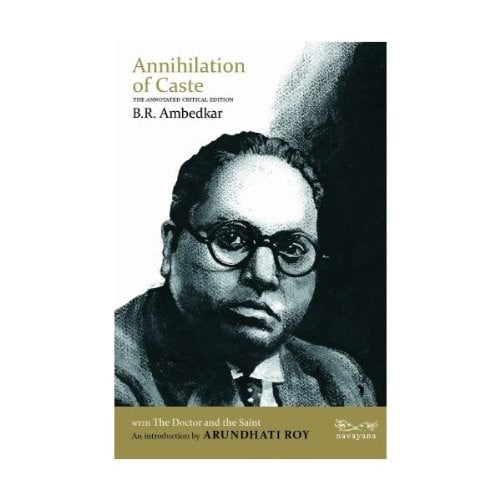
Start this bookNo. 28 on this list. Annihilation of Caste · B.R. Ambedkar · 1936
The foundational text of Dalit political thought, taught across sociology, political theory, and South Asian studies worldwide.
Moderate2 hours
Start this bookNo. 29 on this list. Fortunata and Jacinta · Benito Pérez Galdós · 1887
Universally recognized as the masterpiece of Spanish realism and one of the great European novels of the nineteenth century.
Easy20 hours
Start this bookNo. 30 on this list. Black Boy · Richard Wright · 1945
Black Boy is a fixture in American secondary and university curricula, routinely assigned in courses on African American literature, autobiography, and twentieth-century American history. It appears on widely used reading lists alongside Native Son and Frederick Douglass's Narrative. The book has maintained continuous institutional presence since its 1945 publication and Book-of-the-Month Club selection.
Easy5.3 hours
Start this book

No. 31 on this list. The Hero with a Thousand Faces
Joseph Campbell · 1949
No. 32 on this list. The Road to Serfdom
Friedrich Hayek · 1944
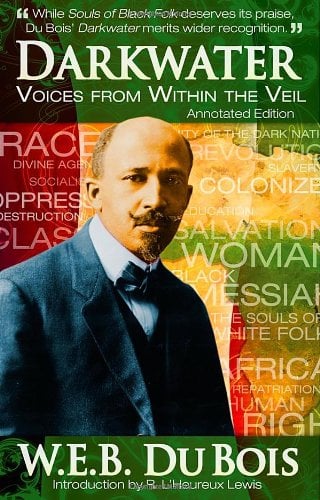
No. 33 on this list. Darkwater
W. E. B. Du Bois · 1920
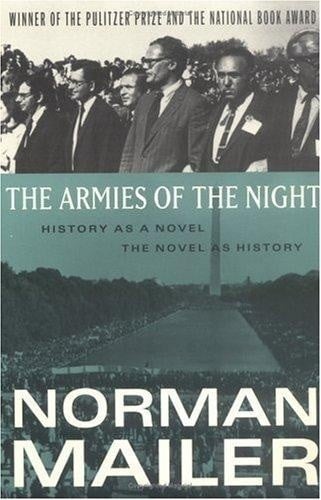
No. 34 on this list. The Armies of the Night
Norman Mailer · 1968
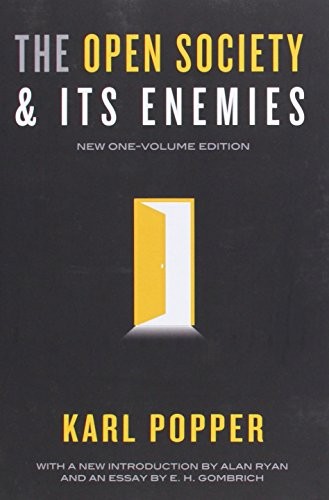
No. 35 on this list. The Open Society and Its Enemies
Karl Popper · 1945
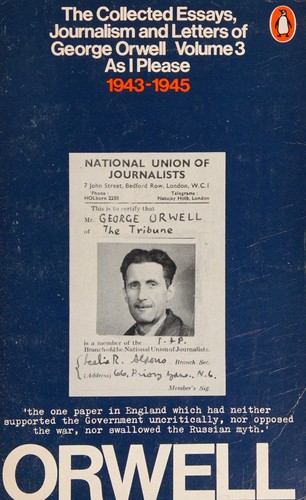
No. 36 on this list. The Collected Essays, Journalism and Letters of George Orwell
George Orwell · 1968
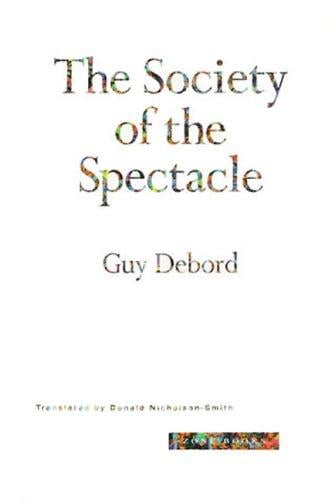
No. 37 on this list. The Society of the Spectacle
Guy Debord · 1967
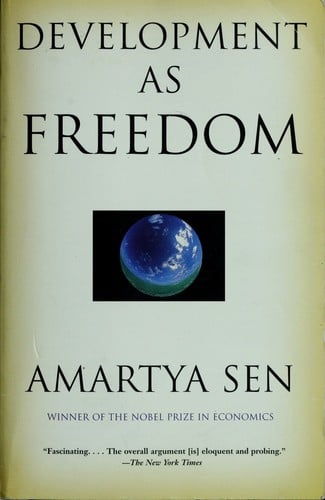
No. 38 on this list. Development as Freedom
Amartya Sen · 1999
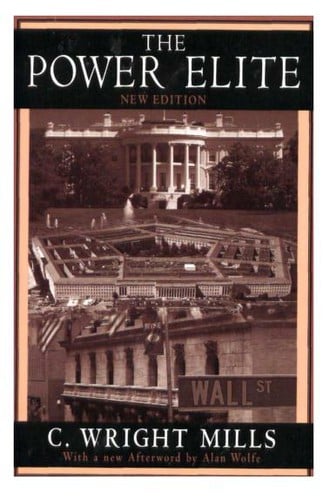
No. 39 on this list. The Power Elite
C. Wright Mills · 1956
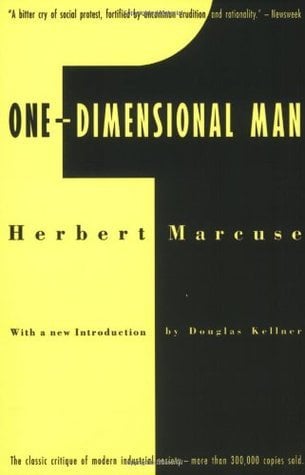
No. 40 on this list. One-Dimensional Man
Herbert Marcuse · 1964
No. 41 on this list. The Muqaddimah
Ibn Khaldun · 1377
Included in: UNESCO Collection of Representative Works
No. 42 on this list. Capital in the Twenty-First Century
Thomas Piketty · 2013
No. 43 on this list. The Sacred and the Profane
Mircea Eliade · 1957
No. 44 on this list. Cousin Bette
Honoré de Balzac · 1846
Included in: Great Books of the Western World
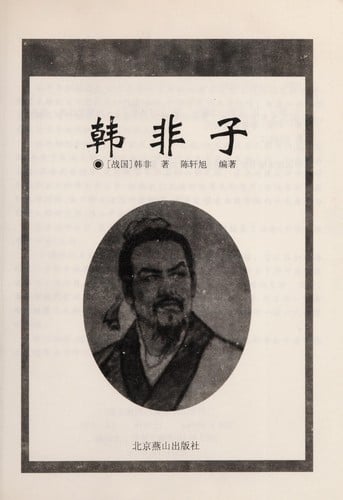
No. 45 on this list. Han Feizi
Han Fei · c. 233 BCE
No. 46 on this list. The Masters and the Slaves: A Study in the Development of Brazilian Civilization
Gilberto Freyre · 1933
No. 47 on this list. Simulacra and Simulation
Jean Baudrillard · 1981
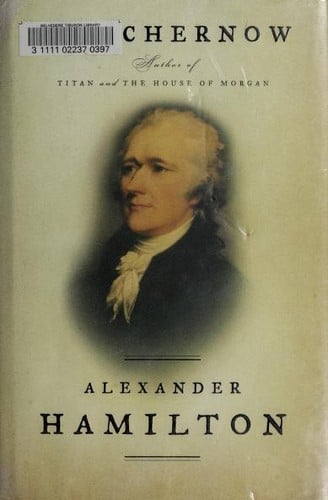
No. 48 on this list. Alexander Hamilton
Ron Chernow · 2004
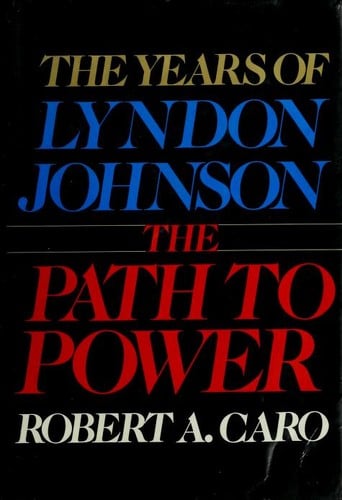
No. 49 on this list. The Path To Power
Robert A. Caro · 1982
No. 50 on this list. Raízes do Brasil
Sérgio Buarque de Holanda · 1995

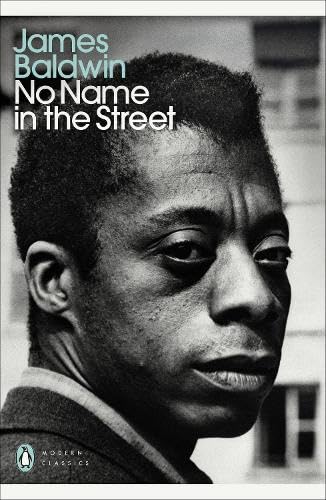
No. 51 on this list. No Name in the Street
James Baldwin · 1972
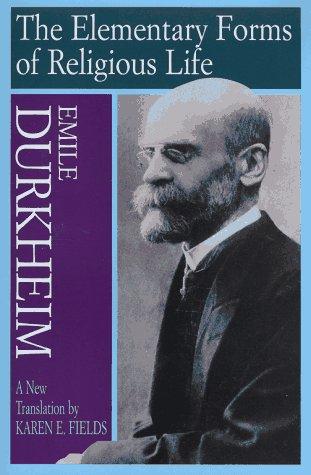
No. 52 on this list. The Elementary Forms of Religious Life
Emile Durkheim · 1912
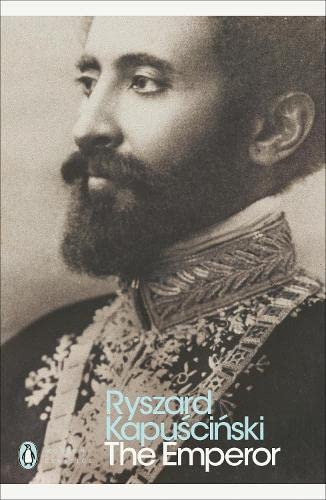
No. 53 on this list. The Emperor
Ryszard Kapuściński · 1978
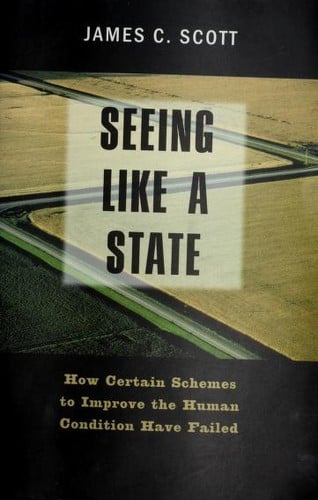
No. 54 on this list. Seeing Like a State
James C. Scott · 1998
No. 55 on this list. My Past and Thoughts
Alexander Herzen · 1868
No. 56 on this list. The Last Day of a Condemned Man
Victor Hugo · 1829
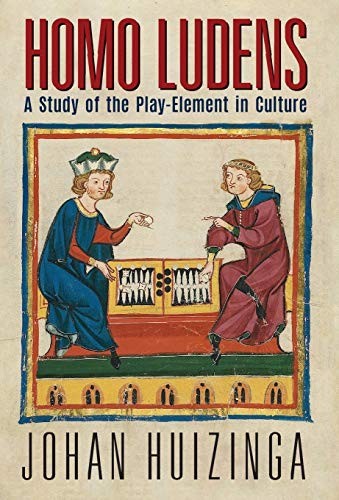
No. 57 on this list. Homo Ludens
Johan Huizinga · 1938
No. 58 on this list. Thomas Paine: Collected Writings (Loa #76): Common Sense / The American Crisis / Rights of Man / The Age of Reason / Pamphlets, Articles, and Letters
No. 59 on this list. The Silmarillion
J. R. R. Tolkien · 1977
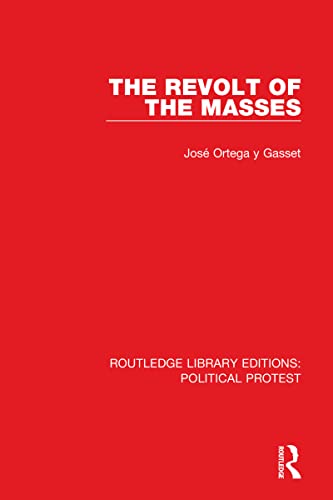
No. 60 on this list. The Revolt of the Masses
José Ortega y Gasset · 1930

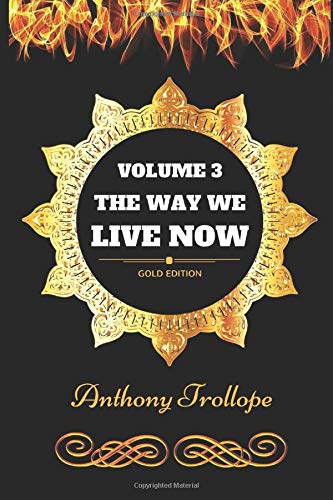
No. 61 on this list. The Way We Live Now
Anthony Trollope · 1875
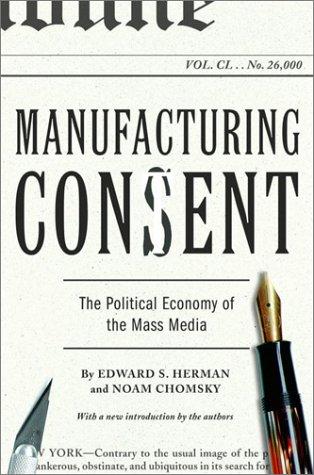
No. 62 on this list. Manufacturing Consent
Noam Chomsky · 1988
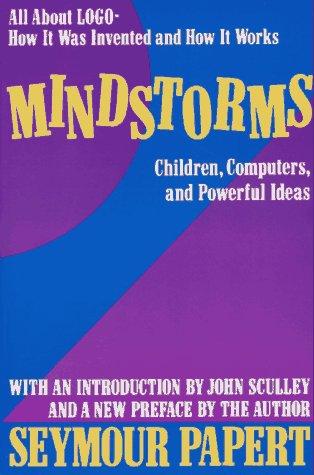
No. 63 on this list. Mindstorms
Seymour Papert · 1980
No. 64 on this list. The Question of Palestine
Edward W. Said · 1992
No. 65 on this list. Patriotic Gore: Studies in the Literature of the American Civil War
Edmund Wilson · 1962
No. 66 on this list. Bowling Alone
Robert D. Putnam · 2000
No. 67 on this list. Evicted
Matthew Desmond · 2016
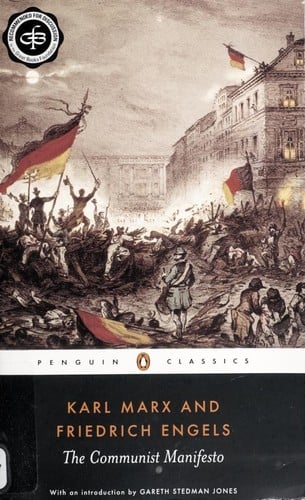
No. 68 on this list. The Communist Manifesto
Karl Marx · 1848
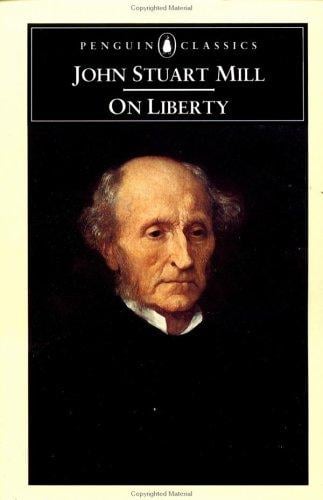
No. 69 on this list. On Liberty
John Stuart Mill · 1859
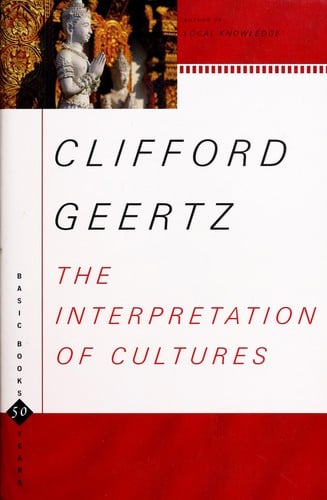
No. 70 on this list. The Interpretation of Cultures
Clifford Geertz · 1973
No. 71 on this list. The Age of Reason
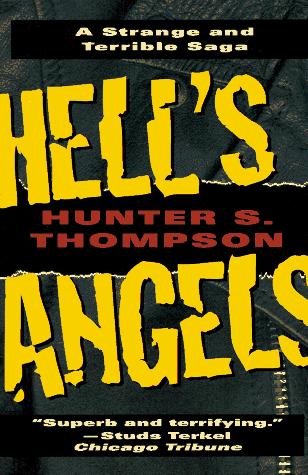
No. 72 on this list. Hell's Angels
Hunter S. Thompson · 1967
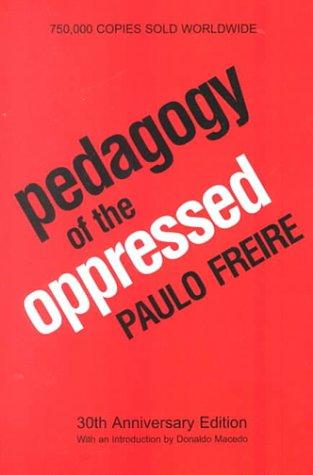
No. 73 on this list. Pedagogy of the Oppressed
Paulo Freire · 1968
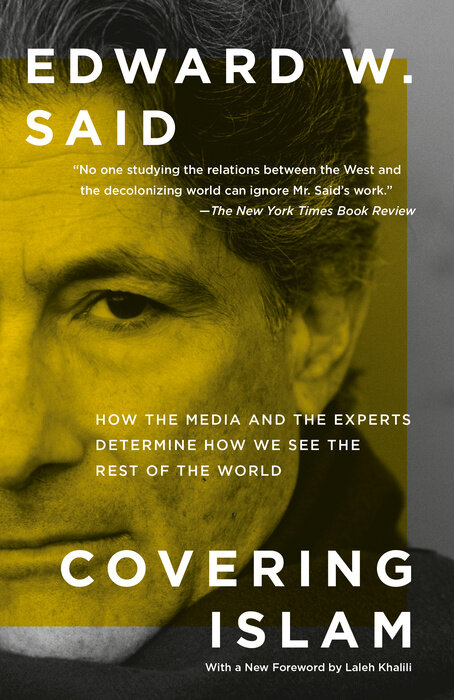
No. 74 on this list. Covering Islam Publisher: Vintage; Revised edition
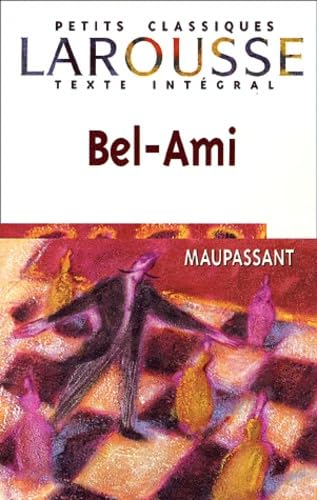
No. 75 on this list. Bel-Ami
Guy de Maupassant · 1885
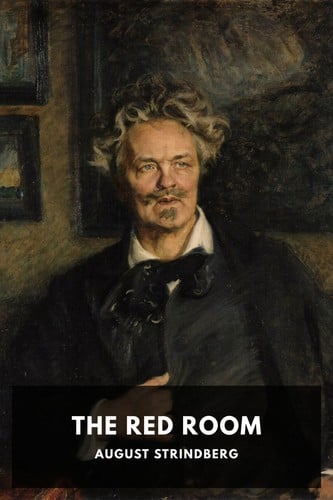
No. 76 on this list. The Red Room
August Strindberg · 1879
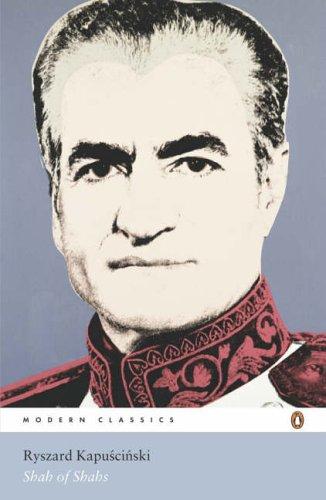
No. 77 on this list. Shah of Shahs
Ryszard Kapuściński · 1982
No. 78 on this list. Stigma
Erving Goffman · 1963
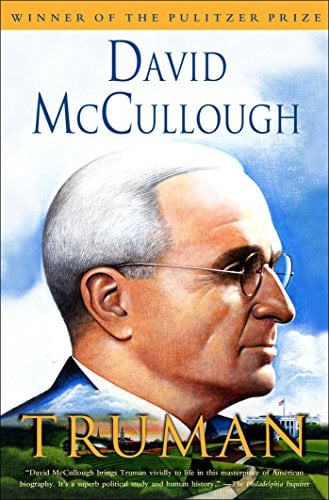
No. 79 on this list. Truman
David McCullough · 1993
No. 80 on this list. The Anatomy of Fascism
Robert O. Paxton · 2004

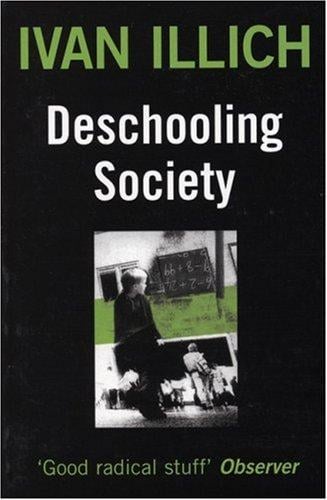
No. 81 on this list. Deschooling Society
Ivan Illich · 1971
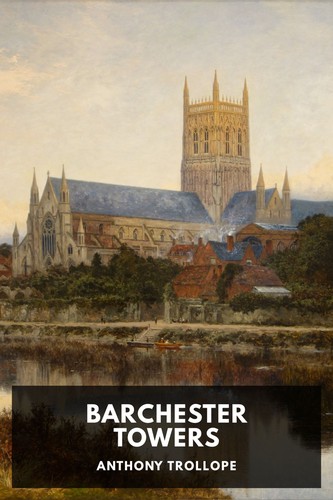
No. 82 on this list. Barchester Towers
Anthony Trollope · 1857
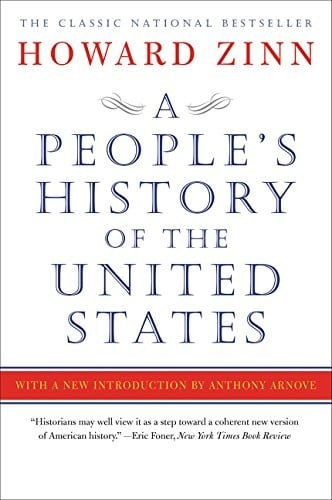
No. 83 on this list. A People's History of the United States
Howard Zinn · 1980
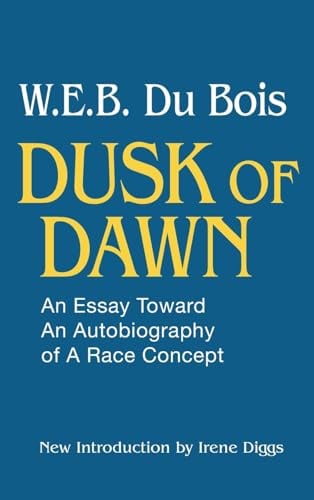
No. 84 on this list. Dusk of Dawn
W. E. B. Du Bois · 1940
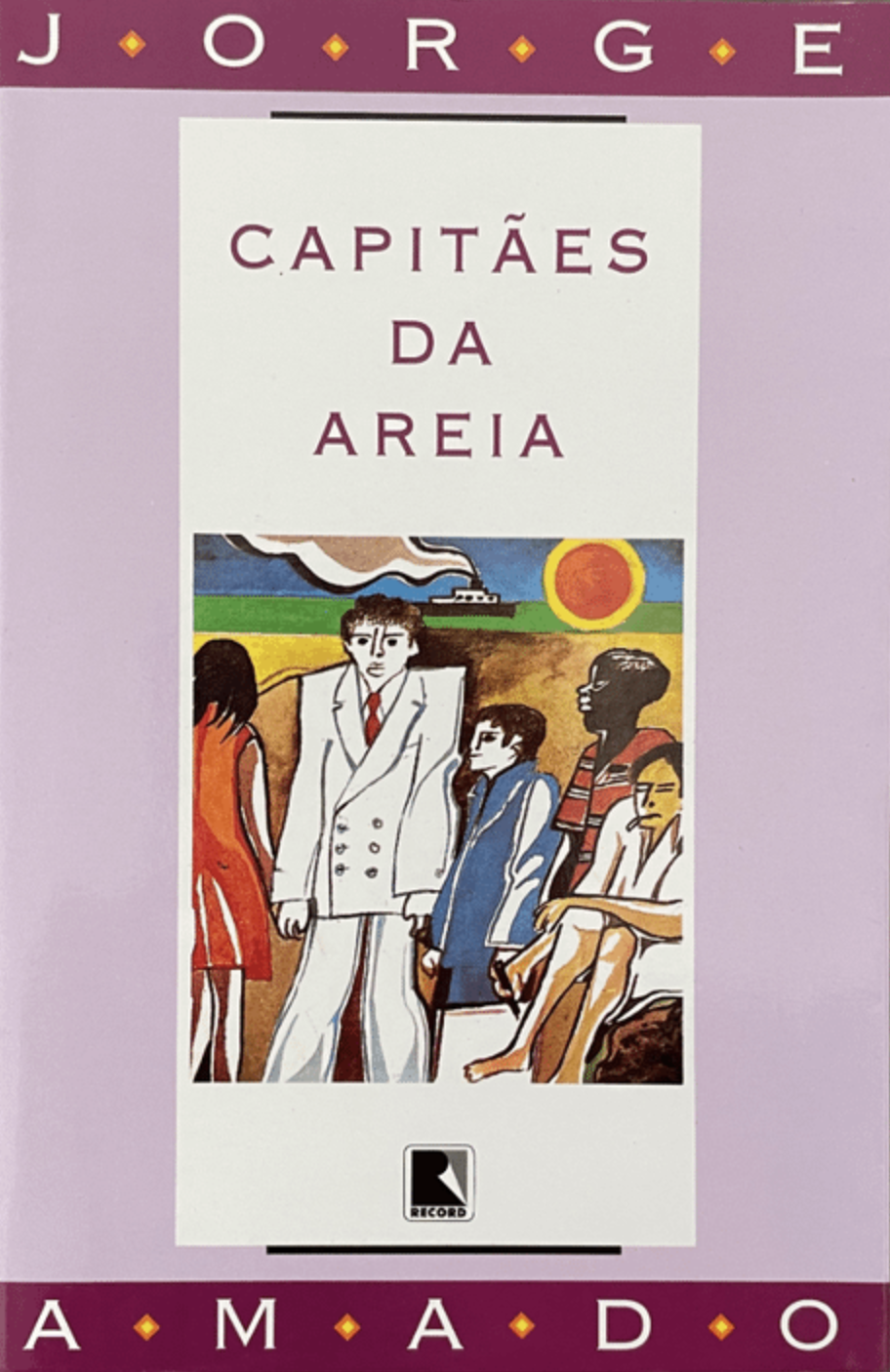
No. 85 on this list. Captains of the Sands
Jorge Amado · 1937
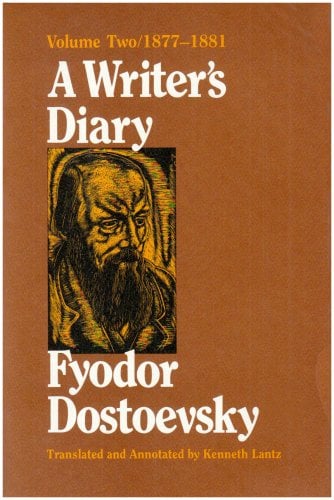
No. 86 on this list. A Writer's Diary
Fyodor Dostoevsky · 1877
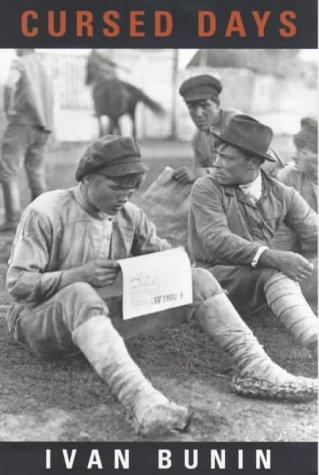
No. 87 on this list. Окаянные дни
Ivan Bunin · 1936
No. 88 on this list. The Arab Awakening: The Story of the Arab National Movement
No. 89 on this list. Hollow Land: Israel's Architecture of Occupation
Eyal Weizman · 2007
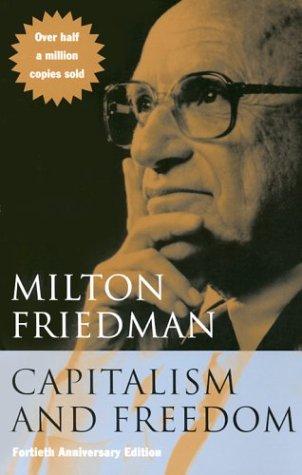
No. 90 on this list. Capitalism and Freedom
Milton Friedman · 1962


No. 91 on this list. Collusion Across the Jordan: King Abdullah, the Zionist Movement, and the Partition of Palestine
Avi Shlaim · 1988
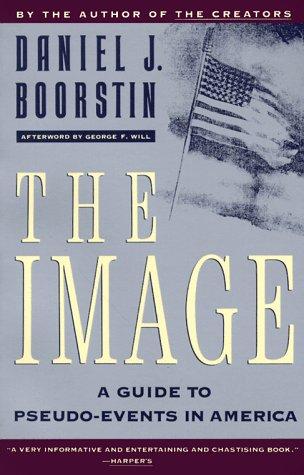
No. 92 on this list. The Image
Daniel J. Boorstin · 1962
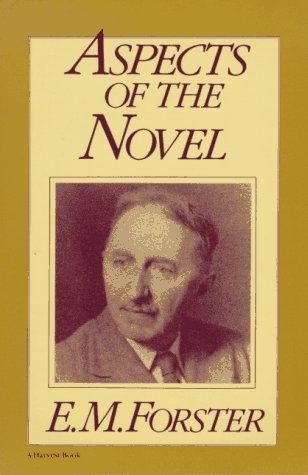
No. 93 on this list. Aspects of the Novel
E.M. Forster · 1927
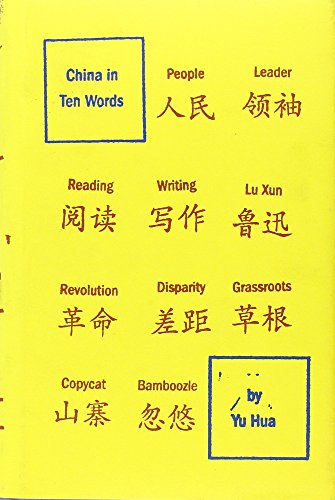
No. 94 on this list. China in Ten Words
Yu Hua · 2011
No. 95 on this list. The Politics of Obedience: The Discourse of Voluntary Servitude
No. 96 on this list. Imaginary Homelands: Essays and Criticism 1981-1991
Salman Rushdie · 1991
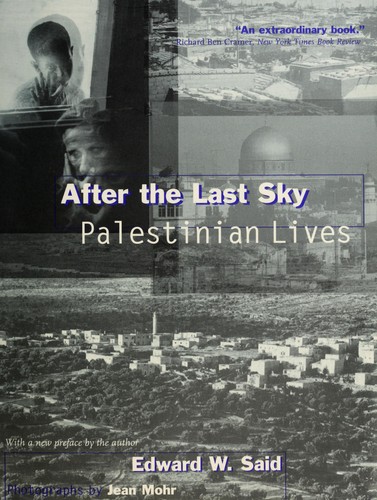
No. 97 on this list. After the Last Sky: Palestinian Lives
Edward W. Said · 1999
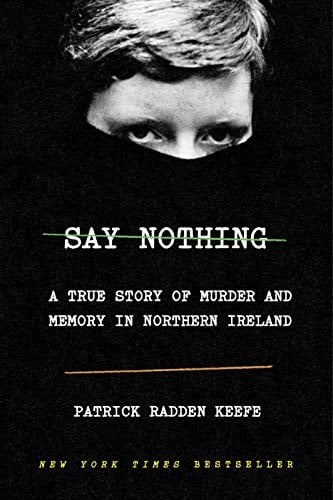
No. 98 on this list. Say Nothing
Patrick Radden Keefe · 2018
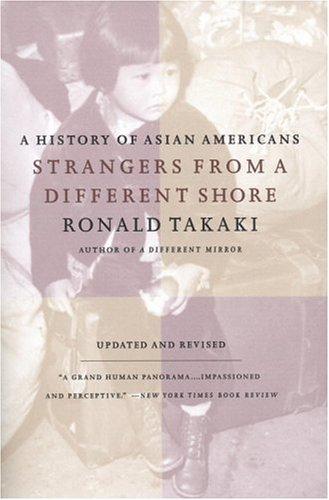
No. 99 on this list. Strangers From A Different Shore
Ronald Takaki · 1998
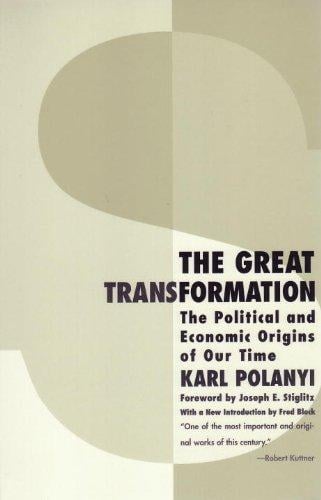
No. 100 on this list. The Great Transformation
Karl Polanyi · 1944


About this list
These 100 books are the highest-scoring eligible books on politics and society by men currently in the catalogue. About 931 hours of reading in all, for the 97 with measured lengths. Difficulty runs from 38 to 56 out of 100 for the middle half of the list; the summit is Anti-Oedipus: Capitalism and Schizophrenia at 84.
This list is ranked by literary regard, with a consistent order for equal scores. Membership follows authors and co-authors, not translators or editors. Catalogue coverage and the historical canon both limit what this list can represent, and genre labels are the catalogue’s own, gathered into broader kinds.
When we matched the Canons dataset to our catalogue in October 2026, our canonical-status scores rose with the number of school curricula, publisher series and lists in it that cite a work: the median score was 72 for books one such source cites, 84 at two, 88 at three, 92 at four and 93 at five or more. Prizes are left out of that count. Outside the state curricula, the dataset’s sources choose mostly from what has been translated into English or French, so it is a weaker check on other literatures. Source: Canons (Andrew Piper), CC BY 4.0
Questions people actually ask
- What are the best books on politics and society by men?
- By literary regard, which weighs canonical status, critical standing and influence: The Complete Works of Plato by Plato, Discipline and Punish by Michel Foucault, The Prince by Niccolò Machiavelli, Leviathan by Thomas Hobbes and Capital (Das Kapital) by Karl Marx. ReadingRate ranks 100 such books, each with a difficulty score and a reading-time estimate.
- Which books on politics and society by men should I read first?
- Start from difficulty, not from rank. The most approachable books on this list that still carry top literary regard are Politics and the English Language by George Orwell (about 16 min), The Autobiography of Malcolm X by Malcolm X and The Autobiography of Malcolm X: As Told to Alex Haley by Malcolm X.
- What are the shortest of the best books on politics and society by men?
- Among the top 25, the shortest are Politics and the English Language by George Orwell (about 16 min), Perpetual Peace by Immanuel Kant (about 2 hours) and An Enemy of the People by Henrik Ibsen (about 2.7 hours), at an average pace of 250 words a minute adjusted for each book's difficulty.
- Which of the best books on politics and society by men are the established classics?
- By canonical status, how firmly a book sits in curricula, anthologies and the canon: The Complete Works of Plato by Plato, The Federalist Papers by Alexander Hamilton, Discipline and Punish by Michel Foucault, The Prince by Niccolò Machiavelli and Leviathan by Thomas Hobbes.
- Can I read any of these books on politics and society by men for free?
- 11 of the 100 open in ReadingRate's reader with a free account, from public-domain editions: The Prince, Leviathan, The Wealth of Nations, The Social Contract, Two Treatises of Government and 6 more.
- How long would it take to read the top ten?
- About 110 hours for the 8 with measured lengths, at an average pace of 250 words a minute adjusted for each book's difficulty: 56 days at two hours a day. Set your own pace on the page and the list's reading times change to it.
- How hard are books on politics and society by men to read?
- Most of this list sits between 38 and 56 on ReadingRate's 100-point difficulty scale, where 40 to 55 is moderate. The summit is Anti-Oedipus: Capitalism and Schizophrenia at 84. Every entry carries its own score, so a reader can pick a great book at a difficulty they will finish.
- How is this list ranked?
- On literary-regard data: how canonically established a work is, its critical standing, and its influence on later writing. It is not a readers’ poll, which is why recent bestsellers rarely appear. Membership follows authors and co-authors, not translators or editors. Lists by country, author, period, theme or difficulty keep to literature (fiction, poetry, drama and philosophy), their novels, poems and plays first and their philosophy after them; a list of a kind of book, such as memoir or criticism, keeps every book of that kind. Every list holds at most three works by one author.