Hours at an average pace
Showing 88 books
About 894 hours for 88 of 88 books with measured lengths. Estimates use 250 words a minute, adjusted for each book's difficulty. At 2 hours a day, about 448 days for those books.
No. 1 on this list. War and Peace
Leo Tolstoy · 1869
Moderate39 hours
Taught in schools: Russian FGOS literature standard, Turkish edebiyat curriculum (Turkey)
Included in: Bibliothèque de la Pléiade, Bokklubben World Library, Great Books of the Western World
War and Peace appears on 120 university syllabi (Open Syllabus) and has Wikipedia articles in 80 languages, placing it among the most globally recognized novels ever written. It features on the BBC Big Read Top 100, the 1001 Books You Must Read Before You Die list, and the Open Syllabus Top 500 Literature canon, with a prestige NYRB Classics edition. The book is referenced universally as the archetype of the sweeping Russian novel.
Vonnegut unstuck his protagonist from time and used the resulting shattered chronology to convey what no linear war novel could: the way trauma scrambles cause and effect until the firebombing of Dresden and a zoo on an alien planet occupy the same plane of reality. The deadpan sentence "So it goes" after every death became the definitive literary response to mass killing.
No. 3 on this list. A Farewell to Arms
Ernest Hemingway · 1929
Moderate6 hours
Taught in schools: AQA GCSE and A-level English Literature (UK), Common Core text exemplars (Appendix B) (US), CSEC English B – Caribbean Examinations Council
Included in: UNESCO Collection of Representative Works
A Farewell to Arms secured canonical status immediately upon publication in 1929, establishing itself as a foundational modernist war narrative and remains a standard text in American literature curricula. Its influence on subsequent war fiction and its representation of the Lost Generation make it exemplary of early 20th-century literary achievement.
No. 4 on this list. For Whom the Bell Tolls
Ernest Hemingway · 1940
Moderate12 hours
Taught in schools: Turkish edebiyat curriculum (Turkey)
A staple of American literature curricula and regularly taught in courses on modernism, the Spanish Civil War, and Hemingway's oeuvre. Its canonical status is secure though slightly lower than The Sun Also Rises among scholars, while remaining widely assigned at both secondary and university levels.
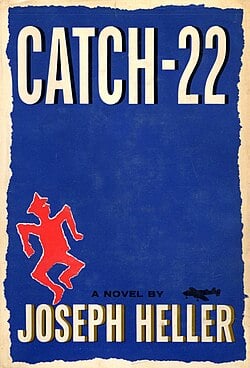
Yossarian wants to be grounded from combat missions, but anyone who asks to be grounded is sane enough to fly—that's the catch. Heller's circular logic gave the English language a new word and gave war fiction its most sustained assault on bureaucratic absurdity since Jaroslav Hašek's Good Soldier Švejk.
Taught widely in American literature courses as the founding frontier romance, though its racial attitudes complicate its classroom status. It stands slightly below the staples such as Gatsby.
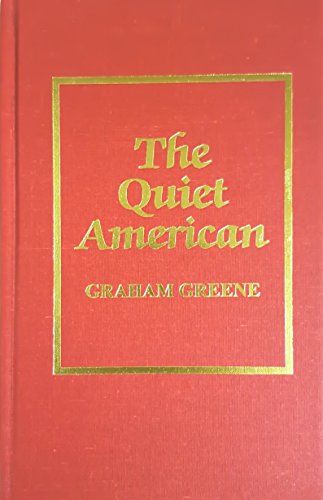
The Quiet American appears on the Modern Library 100 Best Novels and TIME's All-TIME 100 Novels lists and is taught regularly in postcolonial literature, Cold War fiction, and 20th-century British novel courses worldwide. Its prophetic critique of American intervention in Vietnam has made it a fixture in both literary and political science curricula. No syllabus or Wikipedia data was returned from the database, but its standing as a canonical text in world literature is established by critical consensus.
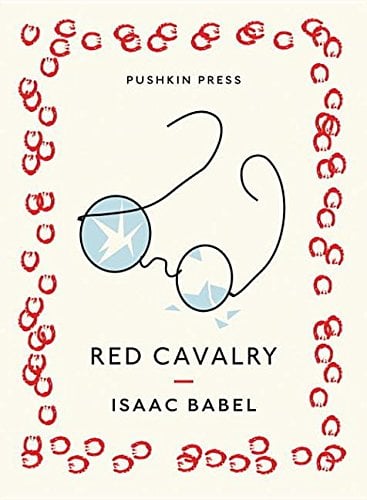
Isaac Babel spent six weeks riding with Budyonny's First Cavalry Army during the 1920 Polish-Soviet War and came back with thirty-five stories that read like dispatches from a world being destroyed while it still believes itself alive. The narrator, Lyutov — a bespectacled Jewish intellectual from Odessa — rides with Cossacks who slaughter without hesitation and then sleep soundly, and he watches them with a hunger he never admits and a horror he never names. In 'My First Goose,' Lyutov kills a goose to prove himself worthy of his billet; the act costs him something the story refuses to specify. In 'The Rabbi's Son,' a young Hasidic revolutionary dies clutching manuscripts of Hebrew poetry alongside Communist pamphlets. Babel writes in sentences so compressed they feel pressurized — the lyrical and the brutal occupy the same clause without canceling each other out. A dying horse, a looted synagogue, a father shot by his son: each image arrives exact and then Babel moves on, leaving the weight for the reader to carry. The collection refuses to resolve whether the revolution justified its violence, whether Lyutov ever earned his place among the Cossacks, or whether the Jewish civilization being trampled deserved to survive. Babel was arrested in 1939 and shot in 1940. These stories are what he left.
One of the most widely read texts in human history, taught in military academies (West Point, Sandhurst), MBA programs, political science courses, and East Asian studies worldwide. Wikipedia articles exist in over 100 languages. Its maxims have entered common parlance across cultures, and it appears on virtually every 'great books' or 'essential nonfiction' list.
Appears on 144 university syllabi according to Open Syllabus (53rd percentile), placing it solidly in the taught canon of Vietnam War literature and American postmodern fiction, though well below curriculum fixtures like Gatsby or Beloved. Inclusion in the Library of America — the highest American literary imprimatur — confirms its place among the recognized classics of the form.
No. 11 on this list. The Things They Carried · Tim O'Brien · 1990
The Things They Carried is one of the most widely taught works in American high school and university curricula, appearing on thousands of syllabi in American literature, war literature, and creative writing courses. It consistently appears on canonical reading lists and "great American novels" compendiums, cementing its place as the defining literary account of the Vietnam War experience.
Challenging35 min
Start this bookNo. 12 on this list. The Truce · Primo Levi · 1963
"The Truce" is taught widely in Holocaust literature, Italian literature, and 20th-century European history courses at universities across Europe and North America. It is less universally assigned than "If This Is a Man" but is firmly in the canon of serious literary and testimonial writing. No syllabus data was returned by the database, but Levi's standing in academic curricula is well established independently.
Easy8.6 hours
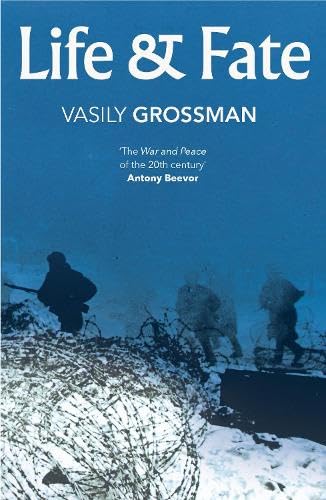
Start this bookNo. 13 on this list. Life and Fate · Vasily Grossman · 1980
Life and Fate is increasingly treated as one of the great novels of the twentieth century and appears on syllabi for 20th-century European literature, Russian literature, Holocaust studies, and courses on totalitarianism. Its Wikipedia article exists in over 35 languages. Its canonical position has risen sharply since its Western publication and continues to grow as it is recognized alongside War and Peace as a defining Russian epic.
Challenging25 hours
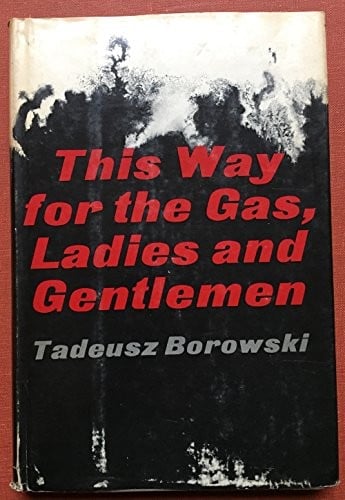
Start this bookNo. 14 on this list. This Way for the Gas, Ladies and Gentlemen · Tadeusz Borowski · 1948
A standard text in Holocaust-literature curricula worldwide and compulsory reading in Polish schools.
Challenging5.3 hours
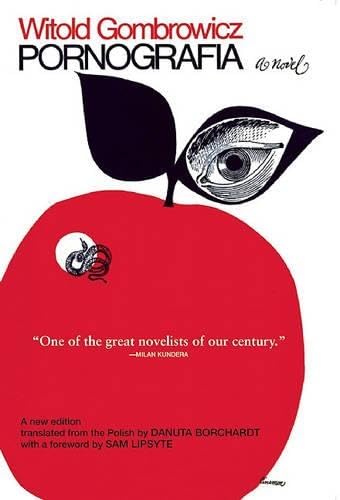
Start this bookNo. 15 on this list. Pornografia · Witold Gombrowicz · 1960
Pornografia is widely taught in European and Latin American literature courses and appears on world literature syllabi, though its presence in English-language curricula is more limited than Gombrowicz's Ferdydurke. No syllabus data was available in the database, and no Wikipedia article was indexed, but the novel is broadly recognized as a major work of 20th-century European fiction and appears on multiple 'greatest novels' lists.
Difficult6.2 hours
Start this bookNo. 16 on this list. Black Rain · Masuji Ibuse · 1966
The standard literary text on Hiroshima in Japanese and world-literature courses, in print in Kodansha International and Bantam editions and translated into more than fifteen languages.
Challenging8.3 hours
Start this bookNo. 17 on this list. The Land at the End of the World · Antonio Lobo Antunes · 1979
A Portuguese military doctor sits in a Lisbon bar late at night, talking at a woman who says nothing. For the next two hundred pages he doesn't stop. What pours out is the twenty-seven months he spent as an army psychiatrist in Angola during Portugal's colonial war — the bodies, the malaria, the boredom, the complicity — braided with memories of a Lisbon childhood lived in the shadow of Salazar's dictatorship and the bourgeois Catholic family that produced him. The zoo near his parents' apartment returns again and again: the animals behind wire, the very upright black roller-skating instructor tracing his slow ellipses, the solitude of the giraffe. The zoo is not a metaphor he explains. It is simply there, and the reader assembles what it means. Antunes writes in a single sustained torrent — no chapters, no scene breaks, no mercy. The syntax piles subordinate clause on subordinate clause until a sentence has carried you from a specific smell in Angolan scrub to a childhood memory of an aunt's apartment to a direct address back to the silent woman and her motionless hands. The narrator presents himself as tender, self-aware, a victim. The text contradicts him at every turn. He watched things happen that he did not stop. Originally published in 1979 as Os Cus de Judas — a title the English publisher softened — this is the novel that announced Antunes as the defining voice of post-colonial Portuguese literature. It reads like Faulkner set in the ruins of empire, with the guilt turned inward until it can't be contained.
Moderate4 hours
Start this bookNo. 18 on this list. A Fable · William Faulkner · 1955
A Fable occupies a contested position in the Faulkner canon — it won both the Pulitzer Prize and the National Book Award in 1955, which should guarantee canonical standing, but it is widely regarded as one of Faulkner's least-read major works, overshadowed by The Sound and the Fury, As I Lay Dying, and Absalom, Absalom! The Wikipedia article covers only 8 languages, far below other Faulkner titles, indicating limited global reach. Its Open Syllabus presence is negligible compared to Faulkner's earlier novels.
Difficult20 hours
Start this bookNo. 19 on this list. Four Generations Under One Roof · Lao She · 1949
A standard text in Chinese literature courses and one of the most adapted modern Chinese novels for television, though less read abroad than Rickshaw Boy.
Challenging23 hours
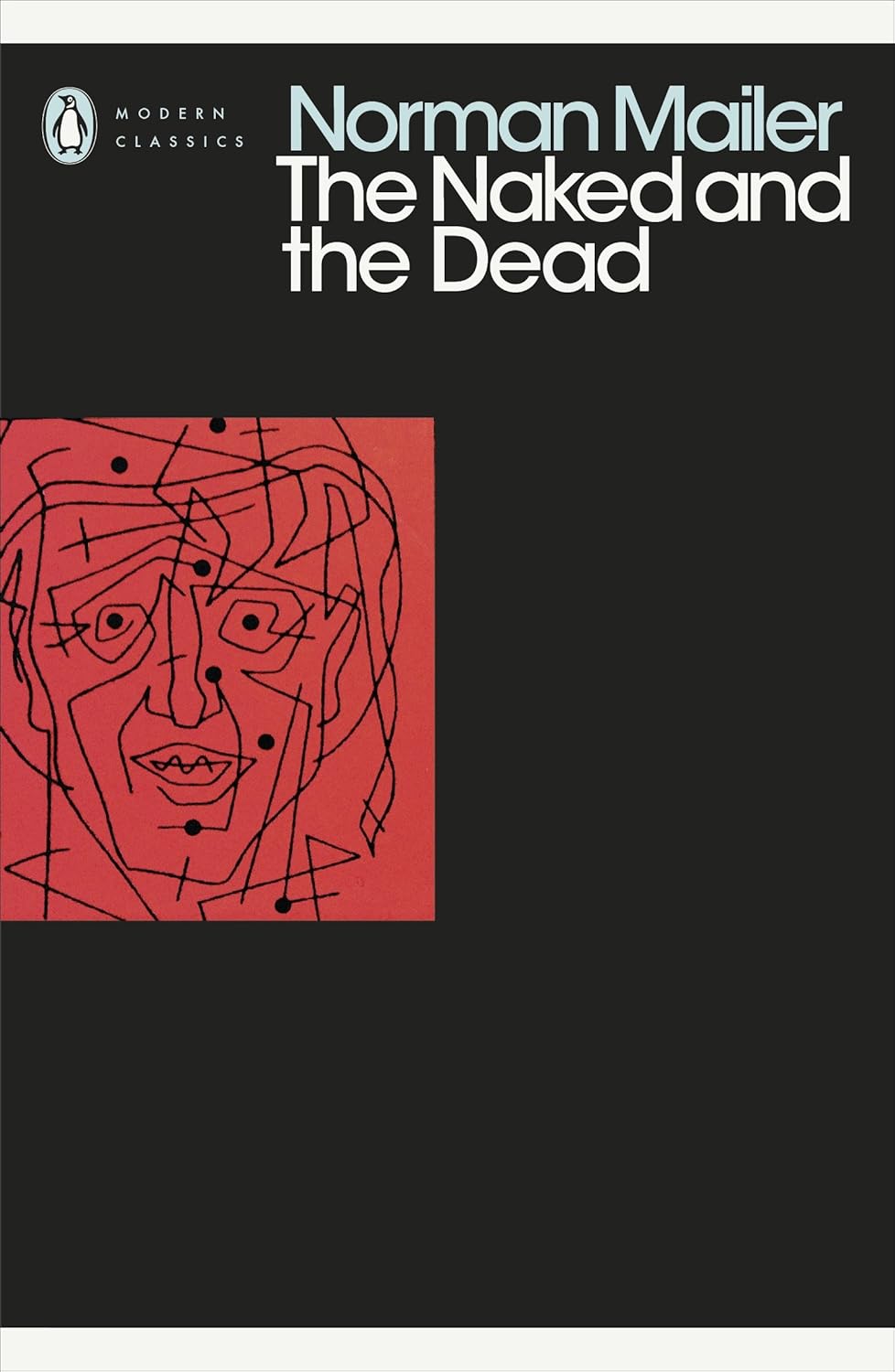
Start this bookNo. 20 on this list. The Naked and the Dead · Norman Mailer · 1948
Appears on 40 university syllabi (40th percentile in Open Syllabus) and listed on the Modern Library 100 Best Novels. Wikipedia articles exist in 16 languages with a dedicated reception section. A staple of American war literature courses but not a universal curriculum fixture.
Difficult32 hours
Start this book
No. 21 on this list. Fires on the Plain · Shōhei Ōoka · 1951
The standard Japanese novel of the Pacific War in world-literature and war-writing courses, in print in Tuttle and Penguin Modern Classics editions.
Difficult6.4 hours
Start this bookNo. 22 on this list. Mother Night · Kurt Vonnegut · 1961
Howard W. Campbell, Jr. is writing his confession from an Israeli prison cell, awaiting trial as a Nazi war criminal. He was also, he claims, an American spy — passing coded information through the emphases and pauses of his radio broadcasts. The Government of the United States neither confirms nor denies this. His only proof is an unbroken neck. Campbell spent the war performing anti-Semitism for Goebbels while embedding signals for the Allies; he spent fifteen postwar years in a Greenwich Village attic, drinking toasts to his dead wife and carving a chess set. Vonnegut gives him one moral at the front of the book and means it: we are what we pretend to be, so we must be careful about what we pretend to be. The novel surrounds Campbell with a gallery of grotesques — an aging SS man who joined the Hungarian SS as a Jew, the Black Fuehrer of Harlem, a Russian master spy who turns out to be a genuine painter and a genuine friend — each demonstrating the same principle from a different angle. The prose is Vonnegut at his most controlled: short sentences, black comedy, no comfort. The question the novel asks — whether a man who served evil for good reasons is innocent — gets no answer. Campbell supplies one anyway, by deciding to hang himself. It is the most honest thing he does.
Challenging4.1 hours
Start this bookNo. 23 on this list. The Path to the Nest of Spiders · Italo Calvino · 1947
The standard first novel of Italian neorealism on university syllabi, taught alongside Vittorini and Pavese, and in print in Ecco and Penguin editions.
Challenging3.8 hours
Start this bookNo. 24 on this list. The General of the Dead Army · Ismail Kadare · 1963
Listed in Le Monde's 100 Books of the Century and the work that introduced Kadare to Western readers after its 1970 French translation. It is studied in courses on Balkan and Eastern European literature.
Challenging6.9 hours
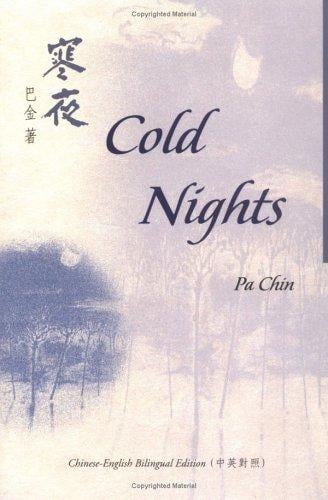
Start this bookNo. 25 on this list. Cold Nights · Ba Jin · 1947
Standard in modern Chinese literature courses as the counterweight to Family, and available in a Chinese University Press English edition.
Moderate6 hours
Start this bookNo. 26 on this list. Kaputt · Curzio Malaparte · 1944
A standard text on courses in war writing and the literature of collaboration, restored to wide circulation by the NYRB Classics edition and included on many European best-of-the-century lists.
Difficult18 hours
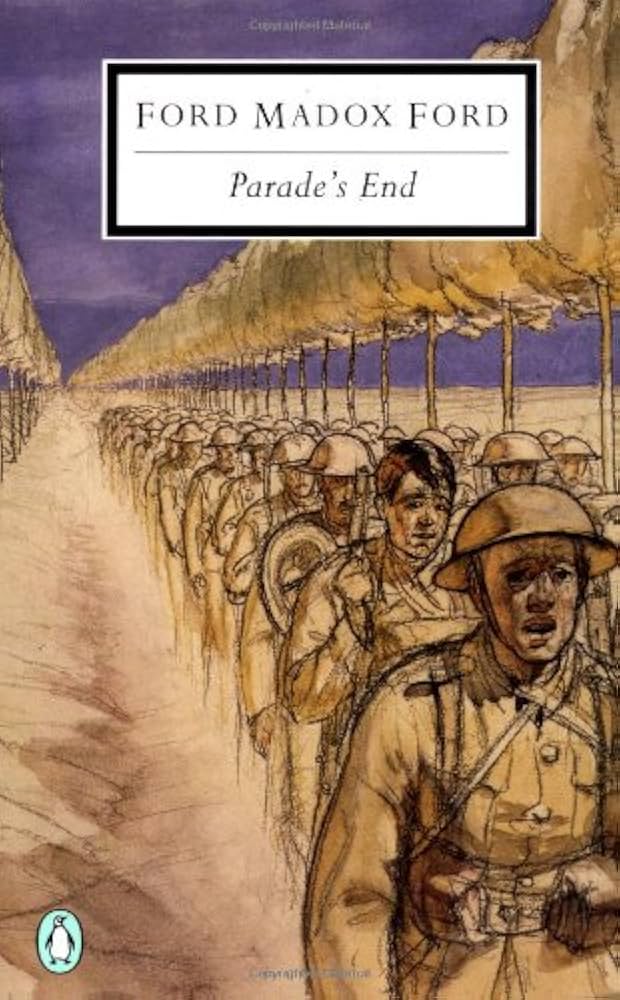
Start this bookNo. 27 on this list. Parade's End · Ford Madox Ford · 1928
Listed on the Modern Library 100 Best Novels and adapted as a BBC/HBO series in 2012, but Parade's End appears on relatively few university syllabi compared to canonical modernist texts. Wikipedia articles exist in only 4 languages. It occupies a curious position: universally praised by writers and critics but rarely assigned, overshadowed by Joyce, Woolf, and Lawrence in modernist curricula.
Difficult40 hours
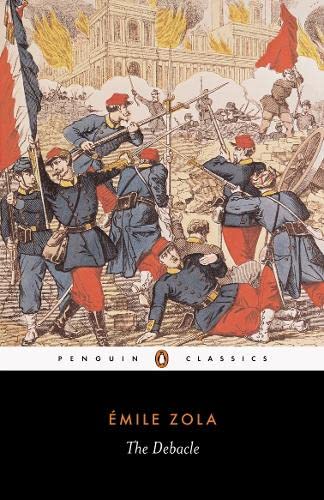
Start this bookNo. 28 on this list. The Debacle · Émile Zola · 1892
The Debacle was Zola's bestselling novel at publication and stands as one of the key entries in the Rougon-Macquart cycle, though it is considerably less taught today than Germinal or L'Assommoir. No syllabus or Wikipedia data is available in the database, but the novel holds an important place in French literary history.
Challenging19 hours
Start this bookNo. 29 on this list. Jerusalem Delivered · Torquato Tasso · 1581
A cornerstone of Italian Renaissance literature and a fixture of comparative-epic and Renaissance-studies syllabi, though it holds a narrower footprint in general English-language curricula than Idylls of the King or Paradise Lost. No syllabus or Wikipedia signal data was available for this record; its canonical standing rests on its place in the Italian tradition alongside Dante, Petrarch, and Ariosto.
Moderate9.1 hours
Start this bookNo. 30 on this list. A Memoir of the Warsaw Uprising · Miron Białoszewski · 1970
A standard text in Polish schools and in courses on war testimony and documentary prose.
Challenging6.5 hours
Start this book
No. 31 on this list. Islands in the Stream
Ernest Hemingway · 1970
No. 32 on this list. The Narrow Road to the Deep North
Richard Flanagan · 2014
No. 33 on this list. The White Guard
Mikhail Bulgakov · 1925
Taught in schools: Russian FGOS literature standard
No. 34 on this list. The Kindly Ones
Jonathan Littell · 2006
No. 35 on this list. The Unvanquished
William Faulkner · 1938
No. 36 on this list. From Here to Eternity
James Jones · 1952
No. 37 on this list. Two Women
Alberto Moravia · 1957
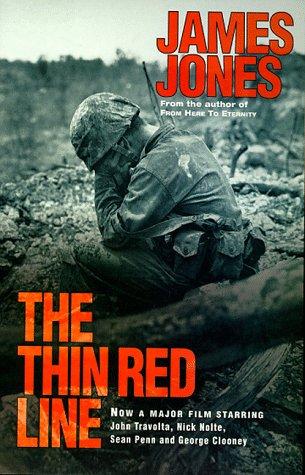
No. 38 on this list. The Thin Red Line
James Jones · 1998
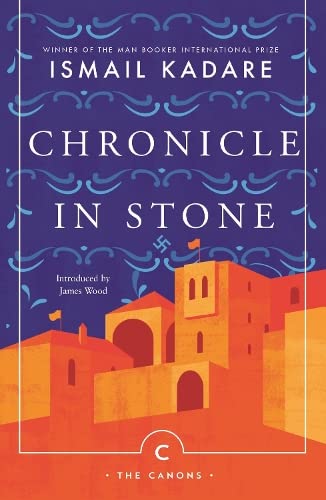
No. 39 on this list. Chronicle in Stone
Ismail Kadare · 1971
No. 40 on this list. The House on the Hill
Cesare Pavese · 1948
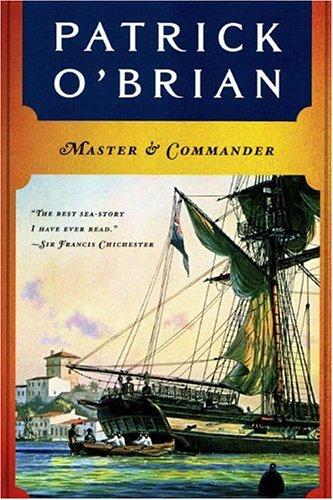
No. 41 on this list. Master and Commander
Patrick O'Brian · 1969
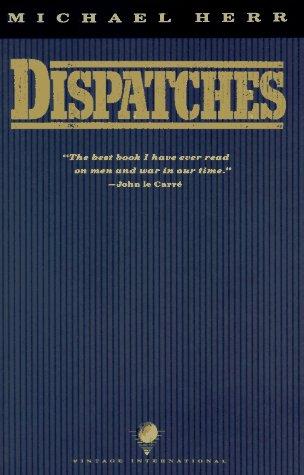
No. 42 on this list. Dispatches
Michael Herr · 1977
No. 43 on this list. Flood of Fire
Amitav Ghosh · 2015
No. 44 on this list. The Reader
Bernhard Schlink · 1995
No. 45 on this list. Closely Watched Trains
Bohumil Hrabal · 1965
No. 46 on this list. A Dreambook for Our Time
Tadeusz Konwicki · 1963
No. 47 on this list. See You Up There
Pierre Lemaitre · 2013
No. 48 on this list. Redeployment
Phil Klay · 2014
No. 49 on this list. Gossip from the Forest
Thomas Keneally · 1975
No. 50 on this list. At Night All Blood Is Black
David Diop · 2021
No. 51 on this list. A Storm of Swords
George R.R. Martin · 2000
No. 52 on this list. The Raid
Leo Tolstoy · 1853
No. 53 on this list. The Moon Is Down
No. 54 on this list. Empire of the Sun
J.G. Ballard · 1984
Taught in schools: CSEC English B – Caribbean Examinations Council
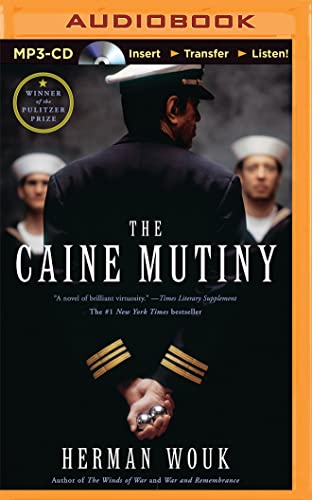
No. 55 on this list. The Caine Mutiny
Herman Wouk · 1952
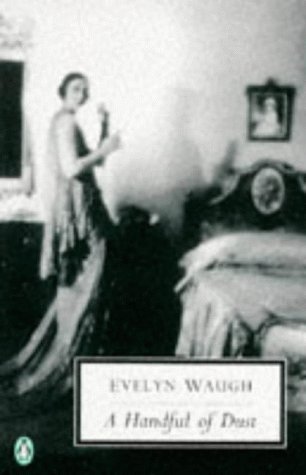
No. 56 on this list. Put Out More Flags
Evelyn Waugh · 1942
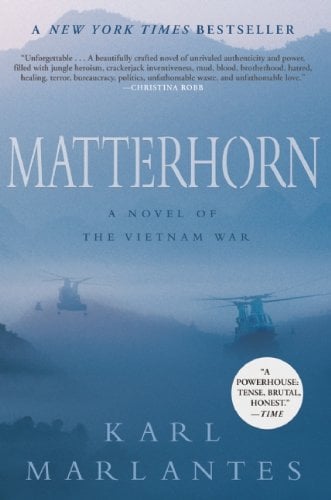
No. 57 on this list. Matterhorn
Karl Marlantes · 2010
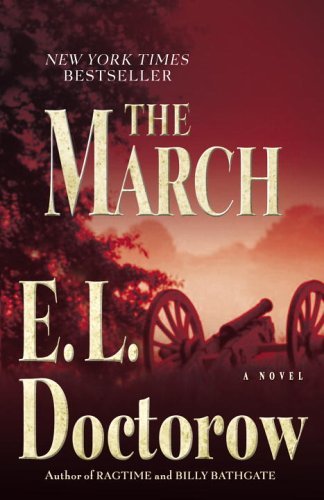
No. 58 on this list. The March
E.L. Doctorow · 2006
No. 59 on this list. Days Without End
Sebastian Barry · 2017
No. 60 on this list. De Niro's Game
Rawi Hage · 2008
No. 61 on this list. Return to Ithaca
Eyvind Johnson · 1946
No. 62 on this list. Europe Central
William T. Vollmann · 2005
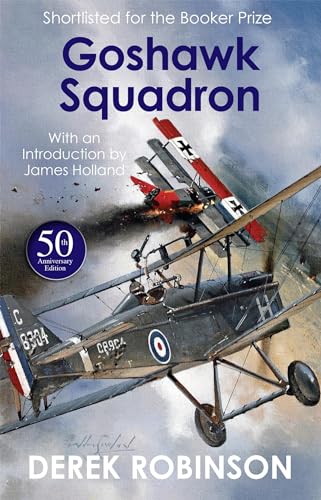
No. 63 on this list. Goshawk Squadron
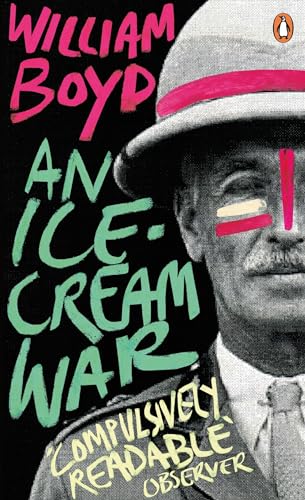
No. 64 on this list. An Ice-Cream War
William Boyd · 1982
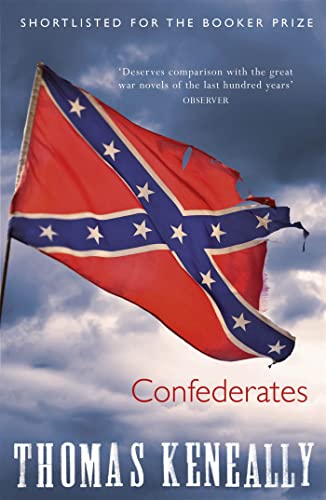
No. 65 on this list. Confederates
Thomas Keneally · 1979
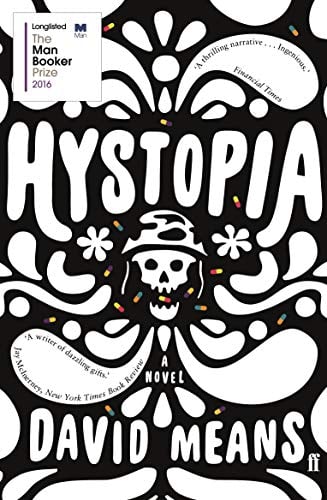
No. 66 on this list. Hystopia
David Means · 2016
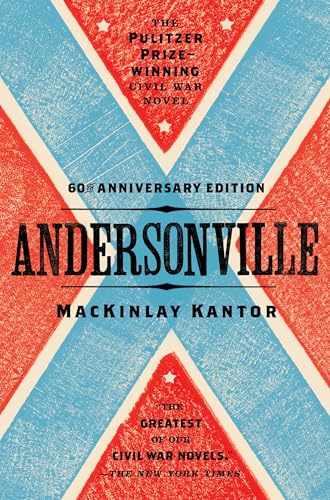
No. 67 on this list. Andersonville
MacKinlay Kantor · 1956
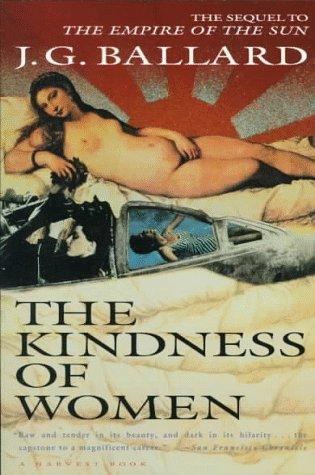
No. 68 on this list. The Kindness of Women
J.G. Ballard · 1991
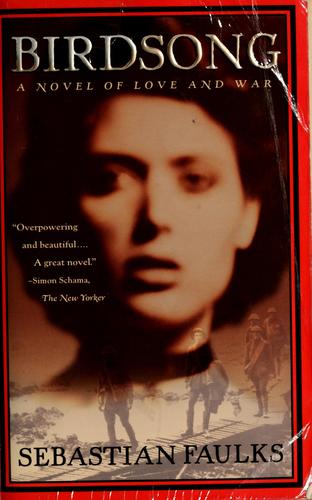
No. 69 on this list. Birdsong
Sebastian Faulks · 1997
Taught in schools: AQA GCSE and A-level English Literature (UK)
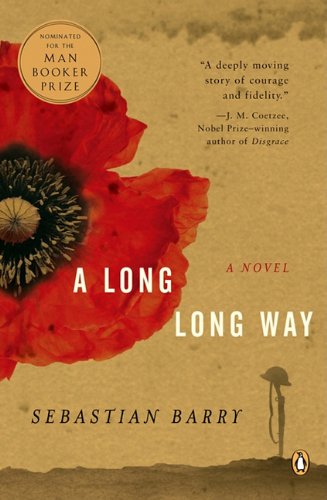
No. 70 on this list. A Long Long Way
Sebastian Barry · 2005
Taught in schools: AQA GCSE and A-level English Literature (UK)
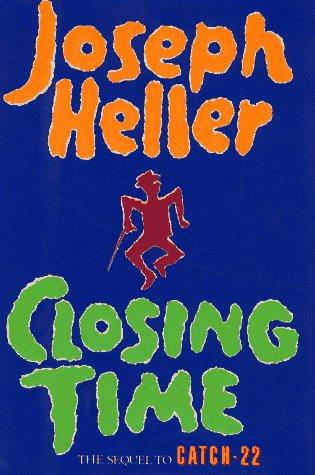
No. 71 on this list. Closing Time
Joseph Heller · 1995
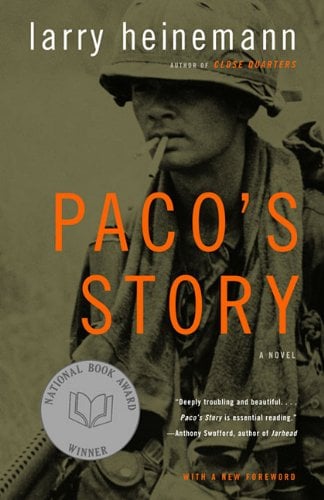
No. 72 on this list. Paco's Story
Larry Heinemann · 1987
No. 73 on this list. The Beautiful Mrs. Seidenman
Andrzej Szczypiorski · 1986
No. 74 on this list. The Surrendered
Chang-rae Lee · 2010
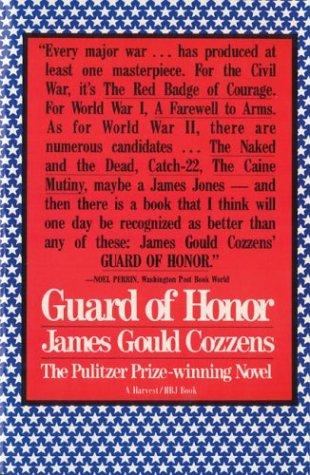
No. 75 on this list. Guard of Honor
James Gould Cozzens · 1949
No. 76 on this list. Milkweed
Jerry Spinelli · 2003
No. 77 on this list. A Thousand Splendid Suns
Khaled Hosseini · 2007
Taught in schools: Pearson Edexcel GCSE and A-level English Literature (UK)
No. 78 on this list. The Hunt for Red October
Tom Clancy · 1984
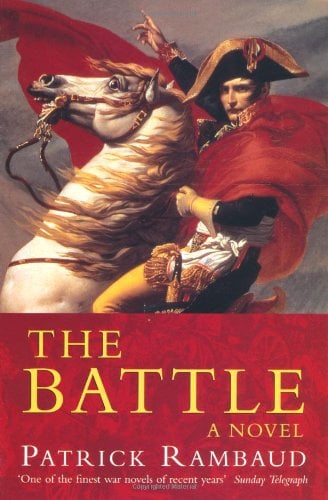
No. 79 on this list. The Battle
Patrick Rambaud · 1997
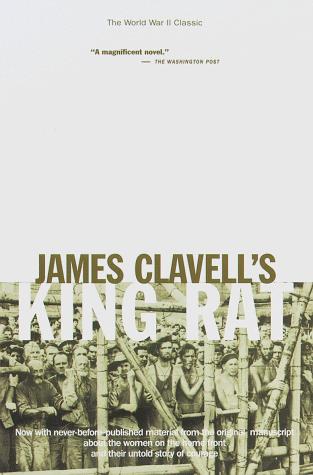
No. 80 on this list. King Rat
James Clavell · 1962
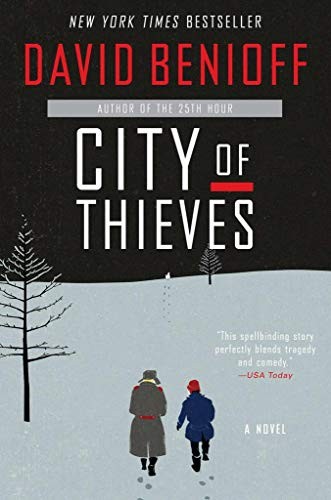
No. 81 on this list. City of Thieves
David Benioff · 2008
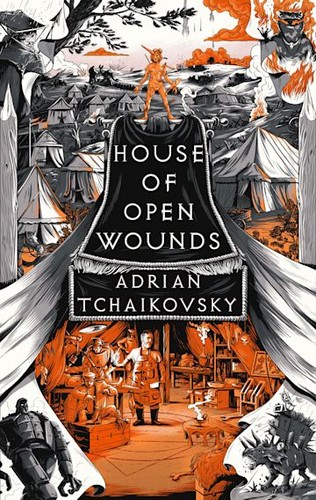
No. 82 on this list. House of Open Wounds
Adrian Tchaikovsky · 2023
No. 83 on this list. Malice
John Gwynne · 2012
No. 84 on this list. Clear and Present Danger (Jack Ryan, #5; Jack Ryan Universe, #6)
Tom Clancy · 1994
No. 85 on this list. God of Vengeance
Giles Kristian · 2014
No. 86 on this list. Wings of the Storm
Giles Kristian · 2017
No. 87 on this list. Beneath a Scarlet Sky
Mark Sullivan · 2017
No. 88 on this list. Camelot
Giles Kristian · 2020

About this list
These 88 books are the highest-scoring eligible war novels by men currently in the catalogue. By literary regard, it opens with War and Peace, Slaughterhouse-Five and A Farewell to Arms. About 894 hours of reading in all. Difficulty runs from 43 to 64 out of 100 for the middle half of the list; the summit is Kaputt at 76.
This list is ranked by literary regard, with a consistent order for equal scores. Membership follows authors and co-authors, not translators or editors. Catalogue coverage and the historical canon both limit what this list can represent, and genre labels are the catalogue’s own, gathered into broader kinds.
When we matched the Canons dataset to our catalogue in October 2026, our canonical-status scores rose with the number of school curricula, publisher series and lists in it that cite a work: the median score was 72 for books one such source cites, 84 at two, 88 at three, 92 at four and 93 at five or more. Prizes are left out of that count. Outside the state curricula, the dataset’s sources choose mostly from what has been translated into English or French, so it is a weaker check on other literatures. Source: Canons (Andrew Piper), CC BY 4.0
Questions people actually ask
- What are the best war novels by men?
- By literary regard, which weighs canonical status, critical standing and influence, War and Peace, Slaughterhouse-Five, A Farewell to Arms, For Whom the Bell Tolls and Catch-22 lead. ReadingRate ranks 88 such books, each with a difficulty score and a reading-time estimate.
- Where should I start with war novels by men?
- Start from difficulty, not from rank. The most approachable books on this list that still carry top literary regard are The Last of the Mohicans by James Fenimore Cooper (about 9.1 hours), The Art of War by Sun Tzu and For Whom the Bell Tolls by Ernest Hemingway.
- How hard are war novels by men to read?
- Most of this list sits between 43 and 64 on ReadingRate's 100-point difficulty scale, where 40 to 55 is moderate. The summit is Kaputt at 76. Every entry carries its own score, so a reader can pick a great book at a difficulty they will finish.
- How is this list ranked?
- On literary-regard data: how canonically established a work is, its critical standing, and its influence on later writing. It is not a readers’ poll, which is why recent bestsellers rarely appear. Membership follows authors and co-authors, not translators or editors. A list that is not a genre list keeps to literature (fiction, poetry, drama and philosophy), with philosophy taking no more than one slot in five while there is literature left to rank; every list holds at most three works by one author.