Hours at an average pace
Showing 55 books
About 293 hours for 54 of 55 books with measured lengths. Estimates use 250 words a minute, adjusted for each book's difficulty. At 2 hours a day, about 147 days for those books.
One of the most assigned art history textbooks globally, continuously in print since 1950 and translated into more than 30 languages. A fixture in introductory art history courses at universities worldwide, it has sold millions of copies and remains the default entry point for the discipline.
No. 2 on this list. Persian Literature: A Bio-Bibliographical Survey
Charles Ambrose Storey · 1927
Moderate13 hours
The indispensable reference work for Persian literary scholarship; no comparable alternative exists.
Required reading in virtually every art history curriculum worldwide, from introductory surveys to graduate seminars. Vasari's Lives appears on syllabi for Renaissance studies, Western civilization, and art historiography courses across Europe and North America. It is the foundational text of the discipline — no course on Italian Renaissance art omits it.
No. 4 on this list. Areopagitica
John Milton · 1644
Moderate1.3 hours
Included in: Great Books of the Western World
The foundational text of free speech philosophy. Required reading in political philosophy, law, and media studies worldwide.
The Preface to Shakespeare is one of the canonical texts of English literary criticism, taught in virtually every graduate programme in English literature and appearing on syllabi in the history of criticism and 18th-century studies. It is treated as a foundational document of English critical thought alongside Sidney's Defence of Poesy and Arnold's 'The Function of Criticism.' No syllabus data is available in the database, but its presence in standard anthologies of literary criticism is well established.
No. 6 on this list. Traditional Chinese Stories: Themes and Variations
C. T. Hsia · 1968
Easy5.6 hours
The founding critical text for classical Chinese fiction in English; its framework still anchors syllabi and comparative discussions.
No. 7 on this list. The Sutra of Princess Pari: A Study of the Korean Shamanist Epic
Gi-Wook Shin · 1999
Easy6.9 hours
The definitive scholarly statement of the 'colonial modernity' framework for Korea; universally cited in Korean studies scholarship.
Embracing Defeat is standard reading in university courses on modern Japanese history, U.S. foreign policy, and the Pacific War across North America, Europe, and East Asia. It appears on syllabi at virtually every institution that teaches post-1945 Japanese history and has become the default English-language account of the American occupation. Its Wikipedia article exists in multiple languages, reflecting its reach beyond the Anglophone academy.
"The world of theories is not my world," Kundera announces on the first page — and then builds one of the most precise theories of the novel written by a practicing novelist. Across seven formally distinct sections — historical essay, interview, critical notes, alphabetical dictionary, prize address — he traces a counter-history of European fiction from Cervantes to Kafka, arguing that the novel exists to preserve what no other form can: the knowledge that human existence is irreducibly ambiguous. Kundera reads literary history like a composer analyzing a score. He tracks how Balzac's social institutions replaced Cervantes' open road, how Kafka stripped away all reasonable motivation to leave pure irrational force, how Hasek's comedy of the First World War revealed that nobody believed the propaganda anymore. His own aesthetic emerges from the dialogues with Christian Salmon: radical divestment, architectonic clarity, the novel as counterpoint of multiple registers held in tension. The book's boldest claim is also its simplest: the novel is 'the echo of God's laughter,' a space where certainty dissolves and uncertainty is not a weakness but the highest form of knowledge. Against totalitarian thinking — which Kundera knew firsthand from Czechoslovakia — the novel stands as the last form that refuses the 'either-or.' The sixty-three words section is the strangest and most useful: a personal dictionary of terms like kitsch, lightness, the agélaste, the Kafkan. Demanding without being difficult, this is a book for readers who love novels and want to understand what they are for.
No. 10 on this list. South Korea's 1987 Democracy Movement: A Literary Companion
David R. McCann · 2004
Easy5 hours
The standard English-language teaching anthology for modern Korean poetry; widely used in university courses.
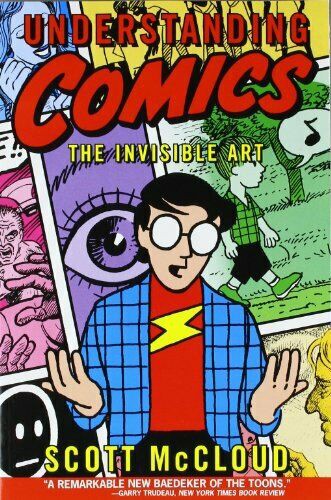
No. 11 on this list. Understanding Comics · Scott McCloud · 1993
Scott McCloud's Understanding Comics: The Invisible Art (1993), a book-length essay drawn as a comic, is the standard introduction to comics theory. It is assigned in nearly every comics studies course and widely in design and media programs.
Easy1.2 hours
Start this bookNo. 12 on this list. Count Julian · Juan Goytisolo · 1970
Count Julian (Reivindicación del conde don Julián, 1970), the middle novel of the trilogy begun with Marks of Identity, is a standard text in courses on the post-war Spanish novel. Banned in Franco's Spain, it is read in English in Helen Lane's translation.
Very Easy2.6 hours
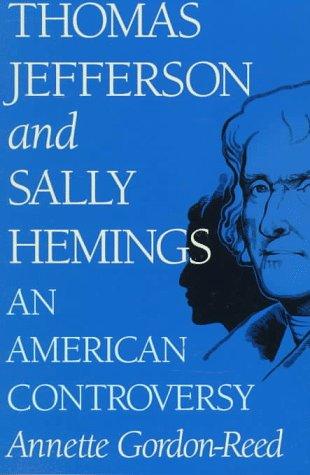
Start this bookNo. 13 on this list. Thomas Jefferson & Sally Hemings: An American Controversy · Annette Gordon-Reed · 1998
Thomas Jefferson and Sally Hemings: An American Controversy (1997) is standard reading in courses on Jefferson, slavery and American historiography. It is required background for any serious discussion of the Hemings family, though its home is history syllabi rather than literary ones.
Easy5.1 hours
Start this bookNo. 14 on this list. The Wounded Heart: Writing on Chosŏn-Era Korean Fiction · Michael D. Shin · 2010
An important revisionist contribution to the field; widely cited in Korean literary studies though not yet achieving textbook status.
Easy5.5 hours
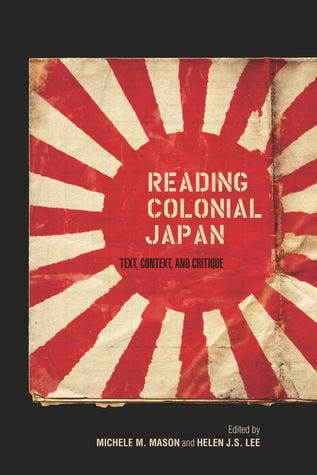
Start this bookNo. 15 on this list. Reading Colonial Japan: Text, Context, and Critique · Michele M. Mason · 2012
A significant scholarly contribution to both Korean studies and colonial discourse studies; widely cited in both fields.
Easy6.5 hours
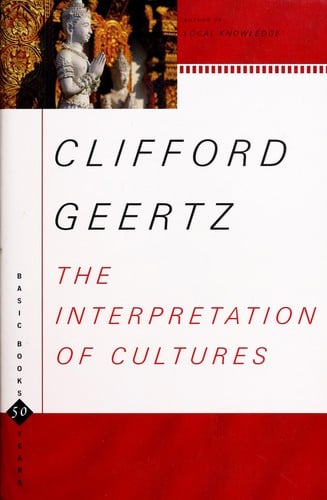
Start this bookNo. 16 on this list. The Interpretation of Cultures · Clifford Geertz · 1973
Foundational text in cultural anthropology. Assigned in virtually every graduate program.
Easy7 hours
Start this bookNo. 17 on this list. The Making of Modern Korean Poetry: Foreign Influences and Native Creativity · Kim Hyun-suk · 2003
A significant scholarly contribution to Korean literary studies that has reshaped how modern Korean poetry is contextualized in English-language scholarship.
Easy5.7 hours
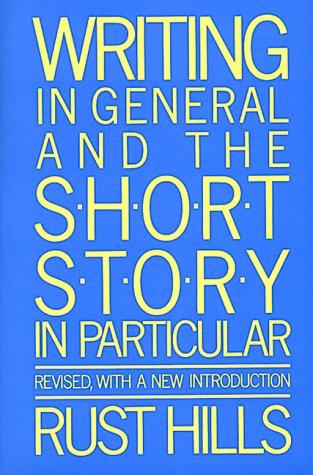
Start this bookNo. 18 on this list. Writing in General and the Short Story in Particular · Rust Hills · 1977
Rust Hills spent decades as fiction editor of Esquire, shaping the careers of Carver, Cheever, and Yates. This book is the record of what he learned: that the short story's defining feature is the transformation of character through a single, unified action, and that every formal choice — point of view, tense, sentence rhythm, scene construction, the placement of the ending — either serves or subverts this unity. Hills is ruthlessly precise about craft: he distinguishes between the story that has a dramatic situation and the story that earns one, between the narrator who tells us what happened and the narrator who makes it happen to the reader in the present of reading. The prose is direct and often terse, mirroring his aesthetic. What lifts the book above most craft instruction is Hills's willingness to make binding aesthetic judgments and to explain them. For working writers, this is more useful than most academic theory; for critics, it models the practitioner-critic's close attention to formal consequence.
Easy3 hours
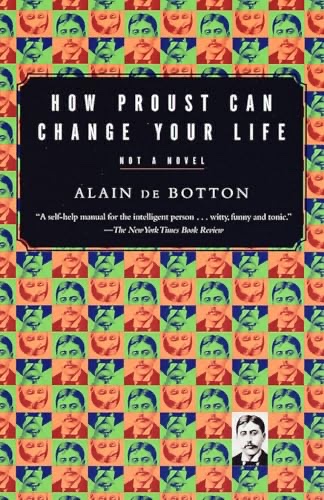
Start this bookNo. 19 on this list. How Proust Can Change Your Life · Alain de Botton · 1997
Widely read as an introduction to Proust and as a work of literary essayism.
Easy3.5 hours
Start this bookNo. 20 on this list. An Area of Darkness: A Discovery of India · V. S. Naipaul · 1964
An Area of Darkness is the first of V. S. Naipaul's three books on India and is widely read in courses on travel writing and postcolonial literature. It is often paired with India: A Wounded Civilization and India: A Million Mutinies Now.
Easy4.7 hours
Start this book
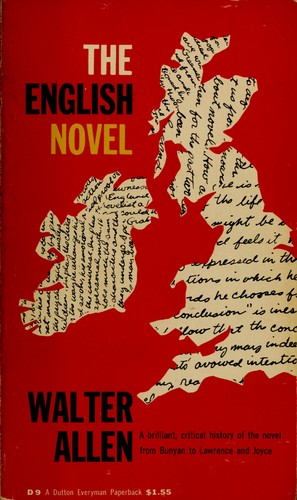
No. 21 on this list. The English Novel: A Short Critical History · Walter Allen · 1954
Long-standing reference work used as an introductory guide to English fiction.
Moderate5.8 hours
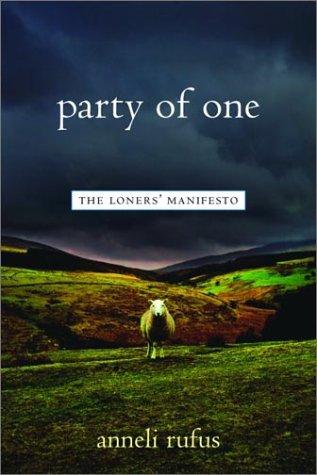
Start this bookNo. 22 on this list. Party of One: The Loner's Manifesto · Anneli Rufus · 2003
Popular in introversion and loner communities; less prominent in academic criticism.
Easy4.3 hours
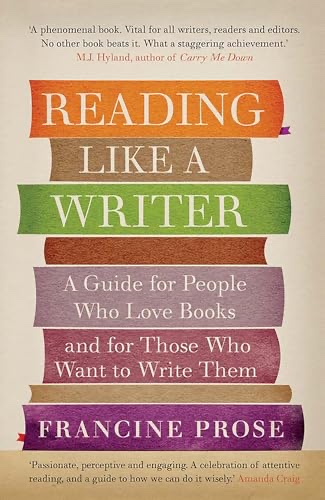
Start this bookNo. 23 on this list. Reading Like a Writer · Francine Prose · 2006
Standard on MFA program reading lists and creative writing courses at universities, but not part of the English literature canon in the way canonical fiction is. It occupies a well-regarded niche as a craft text rather than a work studied for its own literary status.
Easy4.9 hours
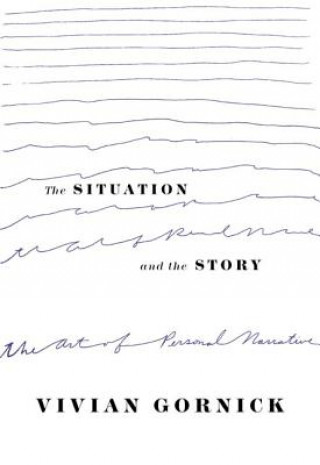
Start this bookNo. 24 on this list. The Situation and the Story · Vivian Gornick · 2001
The Situation and the Story has become a near-standard text in MFA programs and creative writing courses across the United States, though it lacks the syllabus footprint of major critical works. No Open Syllabus or Wikipedia data was found in the database, but its penetration in creative writing pedagogy is broad and documented through its continuous citation in craft anthologies and syllabi. It is frequently cited as essential reading for nonfiction writers.
Moderate2.5 hours
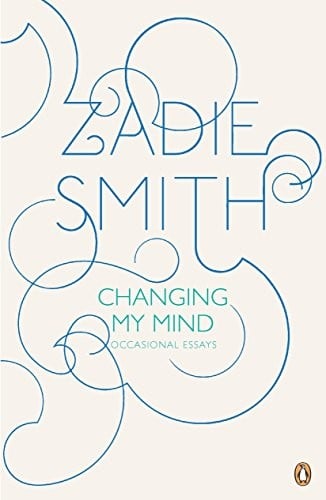
Start this bookNo. 25 on this list. Changing My Mind: Occasional Essays · Zadie Smith · 2009
An important essay collection that helped establish Smith as a major critic as well as novelist. 'Two Paths for the Novel' has become a reference point in contemporary literary discourse.
Easy5.9 hours
Start this bookNo. 26 on this list. Perelandra · C.S. Lewis · 1943
Perelandra is widely taught in Christian literature, Inklings studies, and science fiction survey courses, and appears on many Christian college syllabi. It is not part of the mainstream secular literary canon and appears on relatively few Open Syllabus-tracked university reading lists. Within its niche — theological fantasy, Lewis scholarship, the history of Christian apologetics — it is considered an essential text.
Moderate4.7 hours
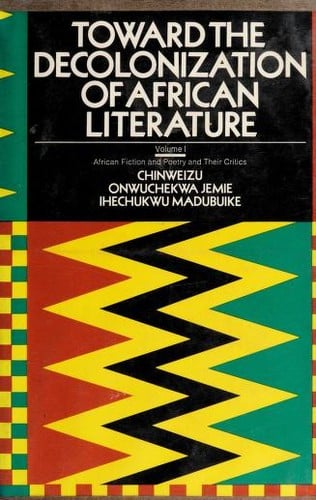
Start this bookNo. 27 on this list. Toward the Decolonization of African Literature · Chinweizu · 1980
It is a standard text in postcolonial and African literary studies and a frequent reference in debates on decolonizing criticism. It is not a general curriculum staple.
Moderate6.8 hours
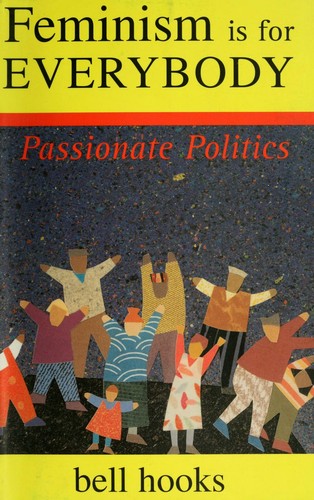
Start this bookNo. 28 on this list. Feminism Is for Everybody · bell hooks · 2000
bell hooks opens with a clean definition: feminism is a movement to end sexism, sexist exploitation, and oppression. That sentence is the whole project. In twenty short chapters, she takes the definition and tests it against every corner of American life — race, class, work, parenting, violence, popular culture, and the classroom. She argues that mainstream feminism failed by centering the concerns of privileged white women and abandoning the working-class women and women of color who had the most to gain from dismantling patriarchy. The movement that was supposed to liberate everyone became a vehicle for women to gain equal access to male power, leaving the underlying structures intact. hooks wrote this book as a primer — short enough to finish in a sitting, plain enough that no one needs a graduate seminar to follow it. The argument is cumulative: each chapter adds another dimension to what ending sexism actually demands. By the final pages, the reader has a map of feminist politics that includes men, children, and class struggle as essential terrain. The writing is direct, sometimes blunt, always engaged. hooks never pretends she is merely describing; she is arguing, and the argument is that feminist politics, properly understood, is the only politics that can make everyone free.
Easy2 hours
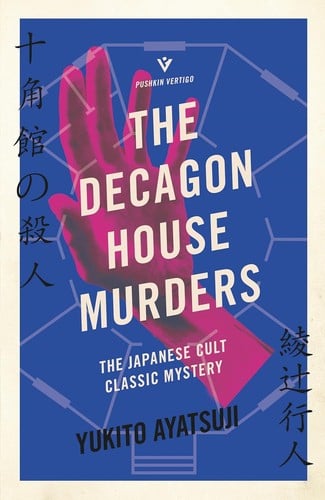
Start this bookNo. 29 on this list. The Decagon House Murders · Yukito Ayatsuji · 1987
The Decagon House Murders is a long-standing favourite in Japan and a standard reference point in discussions of the honkaku puzzle mystery. Its English translations have made it a staple recommendation for classic-mystery readers, though it is seldom taught outside genre courses.
Moderate3.8 hours
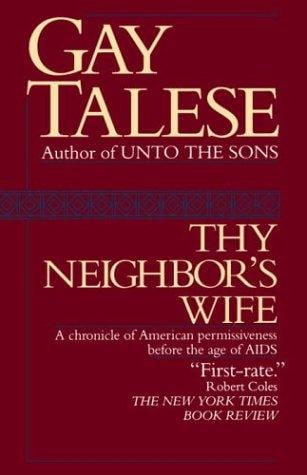
Start this bookNo. 30 on this list. Thy Neighbor's Wife · Gay Talese · 1981
No syllabus data was returned, and the book's Wikipedia presence was not detected in the database. As a work of new journalism, it appears in journalism schools and American cultural history courses but lacks the broad canonical footprint of Talese's earlier 'Frank Sinatra Has a Cold' or peers like Tom Wolfe's 'The Electric Kool-Aid Acid Test.' It holds a firm second-tier canonical position in American literary nonfiction.
Easy12 hours
Start this book
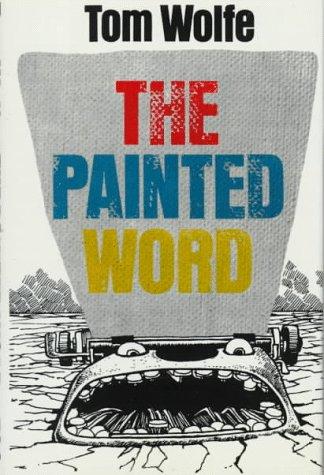
No. 31 on this list. The Painted Word
Tom Wolfe · 1975
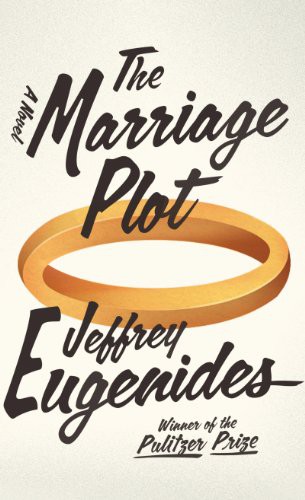
No. 32 on this list. The Marriage Plot
Jeffrey Eugenides · 2011
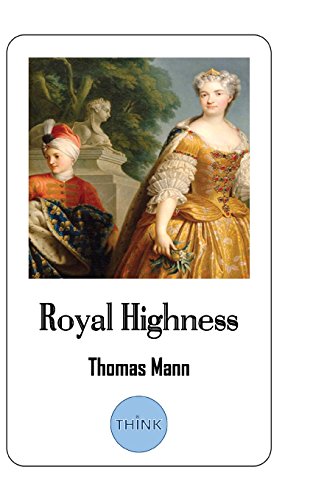
No. 33 on this list. Royal Highness
Thomas Mann · 1909
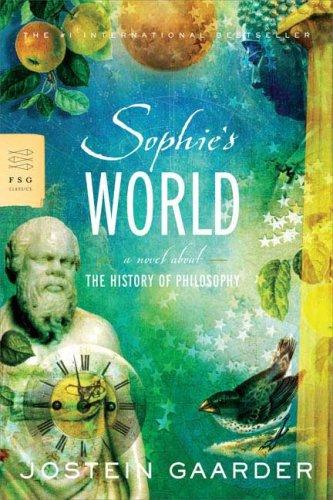
No. 34 on this list. Sophie's World
Jostein Gaarder · 1991
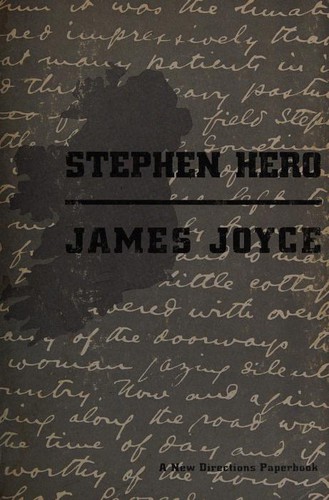
No. 35 on this list. Stephen Hero
James Joyce · 1944
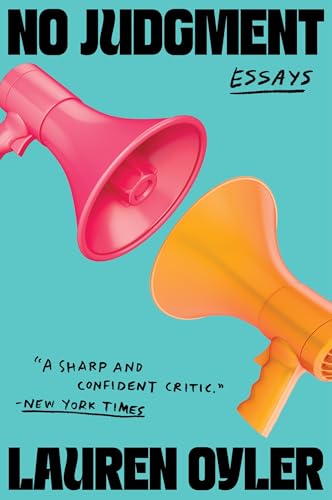
No. 36 on this list. No Judgment
Lauren Oyler · 2023
No. 37 on this list. Survival: A Thematic Guide to Canadian Literature
Margaret Atwood · 1972
No. 38 on this list. The Bush Garden: Essays on the Canadian Imagination
Northrop Frye · 1971
No. 39 on this list. How to Read Literature Like a Professor: A Lively and Entertaining Guide to Reading Between the Lines
Thomas C. Foster · 2003
No. 40 on this list. The Cambridge History of Canadian Literature
Coral Ann Howells · 2009
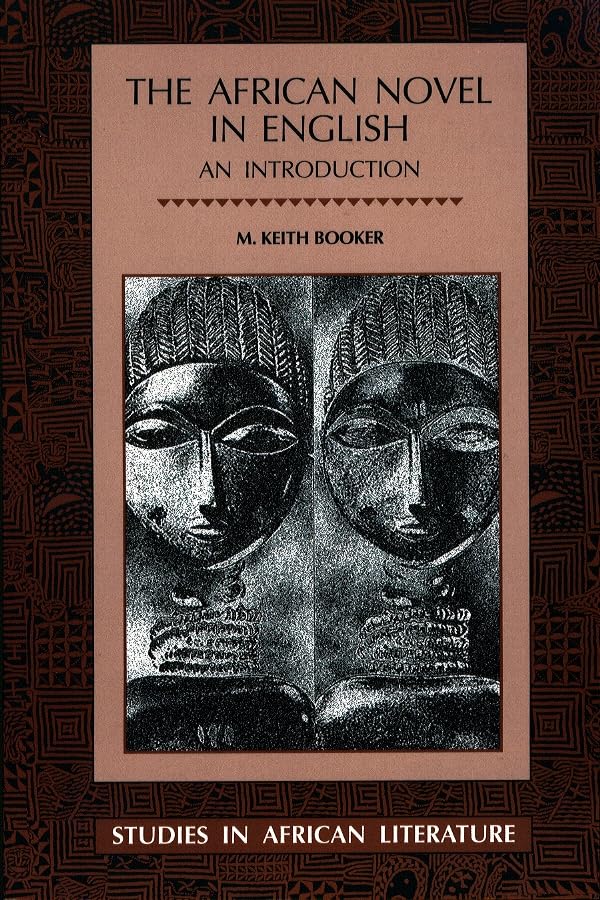
No. 41 on this list. The African Novel in English: An Introduction
M. Keith Booker · 1998
No. 42 on this list. The Impossible Fairy Tale
Han Yujoo · 2013
No. 43 on this list. Helgoland
Carlo Rovelli · 2020
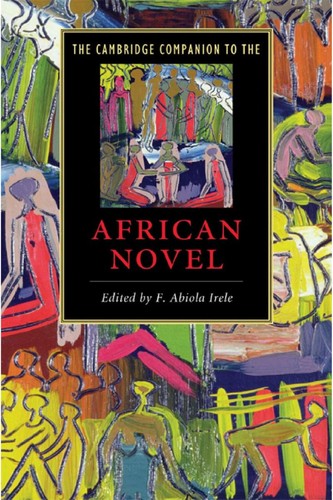
No. 44 on this list. The Cambridge Companion to the African Novel
F. Abiola Irele · 2009
No. 45 on this list. The Twice-Born Fiction: Themes and Techniques of the Indian Novel in English
Meenakshi Mukherjee · 1971
No. 46 on this list. The Perishable Empire: Essays on Indian Writing in English
Meenakshi Mukherjee · 2000
No. 47 on this list. The Architecture of Happiness
Alain de Botton · 2006
No. 48 on this list. Scarlet Sister Mary
Julia Peterkin · 1929
No. 49 on this list. Butterfly on Rock: A Study of Themes and Images in Canadian Literature
D.G. Jones · 1970
No. 50 on this list. Four Arguments for the Elimination of Television
Jerry Mander · 1978

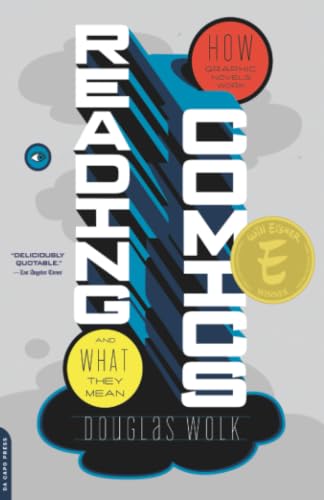
No. 51 on this list. Reading Comics: How Graphic Novels Work and What They Mean
Douglas Wolk · 2007
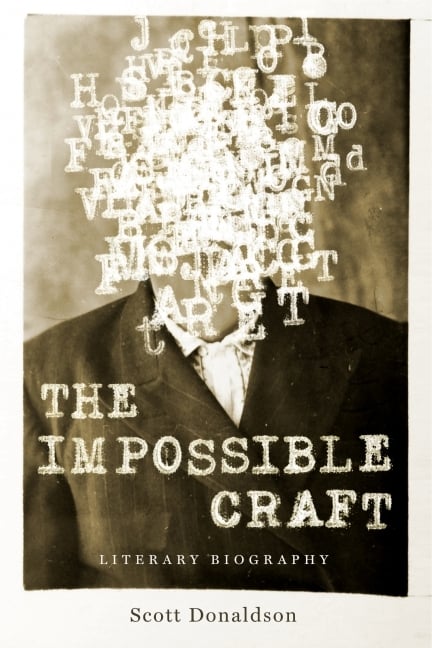
No. 52 on this list. The Impossible Craft
Scott Donaldson · 2015
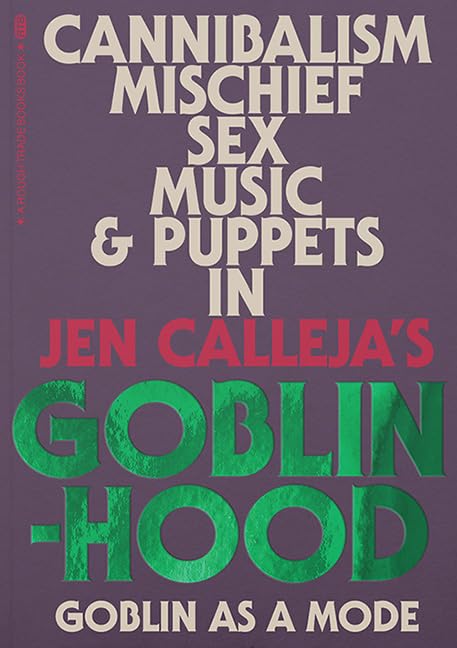
No. 53 on this list. Goblinhood: Goblin As A Mode
Jen Calleja · 2024
No. 54 on this list. You Had Me at Hola
Alexis Daria · 2020
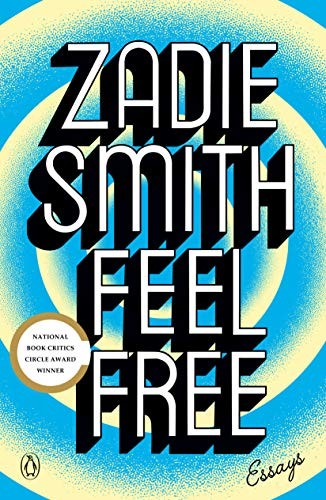
No. 55 on this list. Feel Free
Zadie Smith · 2018

About this list
These 55 books are the highest-scoring eligible easy books of criticism and theory currently in the catalogue. About 293 hours of reading in all, for the 54 with measured lengths. Difficulty runs from 34 to 42 out of 100 for the middle half of the list; the summit is Areopagitica at 45.
This list is ranked by literary regard, with a consistent order for equal scores. Membership follows authors and co-authors, not translators or editors. A book is here when ReadingRate files it under Criticism & Theory as one of its primary reading domains, at a confidence of 0.8 or more. Catalogue coverage and the historical canon both limit what this list can represent.
When we matched the Canons dataset to our catalogue in October 2026, our canonical-status scores rose with the number of school curricula, publisher series and lists in it that cite a work: the median score was 72 for books one such source cites, 84 at two, 88 at three, 92 at four and 93 at five or more. Prizes are left out of that count. Outside the state curricula, the dataset’s sources choose mostly from what has been translated into English or French, so it is a weaker check on other literatures. Source: Canons (Andrew Piper), CC BY 4.0
Questions people actually ask
- What are the best easy books of criticism and theory?
- By literary regard, which weighs canonical status, critical standing and influence: The Story of Art by E.H. Gombrich, Persian Literature: A Bio-Bibliographical Survey by Charles Ambrose Storey, The Lives of the Artists by Giorgio Vasari, Areopagitica by John Milton and Preface to Shakespeare by Samuel Johnson. ReadingRate ranks 55 such books, each with a difficulty score and a reading-time estimate.
- Which easy books of criticism and theory should I read first?
- Start from difficulty, not from rank. The most approachable books on this list that still carry top literary regard are Count Julian by Juan Goytisolo (about 2.6 hours), Writing in General and the Short Story in Particular by Rust Hills and Embracing Defeat by John W. Dower.
- What are the shortest of the best easy books of criticism and theory?
- Among the top 25, the shortest are Areopagitica by John Milton (about 1.3 hours), Understanding Comics by Scott McCloud (about 1.2 hours) and Preface to Shakespeare by Samuel Johnson (about 1.4 hours), at an average pace of 250 words a minute adjusted for each book's difficulty.
- Which of the best easy books of criticism and theory are the established classics?
- By canonical status, how firmly a book sits in curricula, anthologies and the canon: The Story of Art by E.H. Gombrich, Persian Literature: A Bio-Bibliographical Survey by Charles Ambrose Storey, The Lives of the Artists by Giorgio Vasari, Areopagitica by John Milton and Traditional Chinese Stories: Themes and Variations by C. T. Hsia.
- Can I read any of these easy books of criticism and theory for free?
- 2 of the 55 open in ReadingRate's reader with a free account, from public-domain editions: Areopagitica and Royal Highness.
- How long would it take to read the top ten?
- About 72 hours, at an average pace of 250 words a minute adjusted for each book's difficulty: 36 days at two hours a day. Set your own pace on the page and the list's reading times change to it.
- How hard are easy books of criticism and theory to read?
- Most of this list sits between 34 and 42 on ReadingRate's 100-point difficulty scale, where 40 to 55 is moderate. The summit is Areopagitica at 45. Every entry carries its own score, so a reader can pick a great book at a difficulty they will finish.
- How is this list ranked?
- On literary-regard data: how canonically established a work is, its critical standing, and its influence on later writing. It is not a readers’ poll, which is why recent bestsellers rarely appear. Membership follows authors and co-authors, not translators or editors. Lists by country, author, period, theme or difficulty keep to literature (fiction, poetry, drama and philosophy), their novels, poems and plays first and their philosophy after them; a list of a kind of book, such as memoir or criticism, keeps every book of that kind. Every list holds at most three works by one author. A book is here when ReadingRate files it under Criticism & Theory as one of its primary reading domains, at a confidence of 0.8 or more.