Hours at an average pace
Showing 100 books
About 1,470 hours for 100 of 100 books with measured lengths. Estimates use 250 words a minute, adjusted for each book's difficulty. At 2 hours a day, about 736 days for those books.
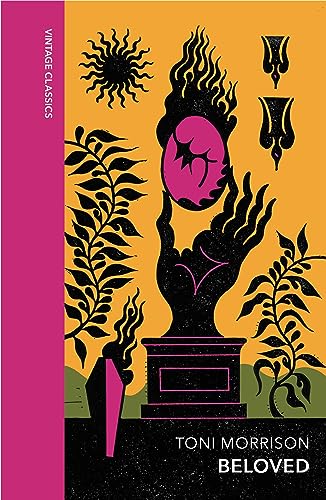
No. 1 on this list. Beloved
Toni Morrison · 1988
Challenging7.4 hours
Taught in schools: Pearson Edexcel GCSE and A-level English Literature (UK)
Included in: Bokklubben World Library
Morrison made the ghost of a murdered child literal — she moves into the house, eats all the food, demands everything — and in doing so found the only form adequate to represent what slavery did to the interior lives of the people who survived it. The novel forced American fiction to reckon with a history it had aestheticized or avoided.
No. 2 on this list. Pride and Prejudice
Jane Austen · 1813
Moderate8.6 hours
Taught in schools: AQA GCSE and A-level English Literature (UK), Cambridge IGCSE Literature in English (0475), Common Core text exemplars (Appendix B) (US)
Included in: Bokklubben World Library
Appears on 2,313 university syllabi — placing it at the 84th percentile of all taught books globally — and Wikipedia covers the novel in 74 languages. Listed in the BBC Big Read Top 100, 1001 Books You Must Read Before You Die, and published in prestige editions by both Penguin Classics and Everyman's Library. One of the most consistently taught novels in English literature.
No. 3 on this list. War and Peace
Leo Tolstoy · 1869
Moderate39 hours
Taught in schools: Russian FGOS literature standard, Turkish edebiyat curriculum (Turkey)
Included in: Bibliothèque de la Pléiade, Bokklubben World Library, Great Books of the Western World
War and Peace appears on 120 university syllabi (Open Syllabus) and has Wikipedia articles in 80 languages, placing it among the most globally recognized novels ever written. It features on the BBC Big Read Top 100, the 1001 Books You Must Read Before You Die list, and the Open Syllabus Top 500 Literature canon, with a prestige NYRB Classics edition. The book is referenced universally as the archetype of the sweeping Russian novel.
No. 4 on this list. Les Misérables
Victor Hugo · 1862
Challenging51 hours
Taught in schools: Turkish edebiyat curriculum (Turkey)
Les Misérables has a Wikipedia article available in 71 languages and a 73,000-character article with dedicated reception and adaptations sections — indicators of global cultural reach matched by few 19th-century novels. It is treated as a foundational text in French literature courses worldwide and appears on most lists of essential world fiction. Its canonical status in francophone secondary and university education is comparable to Hamlet's in English curricula.
No. 5 on this list. Henry V
William Shakespeare · 1600
Difficult3 hours
Included in: Great Books of the Western World
Henry V sits at the core of the Shakespeare canon, taught in secondary schools and universities worldwide and a fixture in RSC and major repertory seasons. While not the first play assigned on Shakespeare surveys — that distinction goes to Hamlet or Macbeth — it appears on virtually every history plays syllabus and features prominently in collections of essential dramatic literature.
No. 6 on this list. Richard III
William Shakespeare · 1597
Challenging2.8 hours
Taught in schools: CAPE Literatures in English – Caribbean Examinations Council
Included in: Great Books of the Western World
Richard III is among the most frequently performed Shakespeare plays and a staple of secondary school and university curricula worldwide. Its opening monologue — 'Now is the winter of our discontent' — is among the most memorized passages in English literature. The play appears on virtually every Shakespeare survey and features in courses on history plays, villainy, and political drama.
No. 7 on this list. Middlemarch
George Eliot · 1871
Moderate22 hours
Taught in schools: AQA GCSE and A-level English Literature (UK)
Included in: Bokklubben World Library, Great Books of the Western World
Appears on 1,070 university syllabi (75th percentile by Open Syllabus), anchoring Victorian literature courses worldwide. Wikipedia covers it in 25 languages with a substantial 52,926-character article including dedicated Reception and Adaptations sections. Virginia Woolf's declaration that it is 'one of the few English novels written for grown-up people' has given it a persistent critical shorthand that appears on nearly every canonical 'greatest novels' list.
No. 8 on this list. All Quiet on the Western Front
Erich Maria Remarque · 1987
Easy4.3 hours
Taught in schools: AQA GCSE and A-level English Literature (UK)
One of the essential WWI novels, taught in literature and history courses worldwide.
Thomas Pynchon constructs an encyclopedic paranoid masterwork spanning 760 pages of rocket science, Pavlovian conditioning, corporate conspiracy, and encyclopedic digression. Tyrone Slothrop, American lieutenant in wartime London, discovers his sexual conquests map perfectly onto V-2 rocket strike locations—but the erections precede the impacts. Was he conditioned as an infant by sinister behaviorist Laszlo Jamf? Does a corporate-military cartel control history itself? Pynchon provides evidence for every paranoid connection while confirming none. The novel sprawls across 1944-45 Europe, from London under rocket attack to occupied Germany's anarchic Zone, accumulating hundreds of characters, corporate entities, chemical formulas, and historical conspiracies. Pynchon's prose shifts registers violently: technical manuals on rocket engineering dissolve into vaudeville routines, then into lyrical meditations on death and entropy. The vocabulary demands encyclopedic knowledge—thermodynamics, organic chemistry, Tarot, Rilke, film history, brand names. Readers navigate specialized jargon without glossaries, track characters who appear once and vanish, decode references to real and imaginary corporations. The difficulty is purposeful: Pynchon creates textual experience of paranoid information overload. His central symbol, the V-2 rocket, carries impossible symbolic weight: phallic death-bringer, technological sublime, gravity's rainbow parabola from launch to silent impact. The rocket arrives before its sound—death you cannot hear coming. Pynchon explores how technology transforms human consciousness, how corporations and states use Pavlovian conditioning for control, how empire produces extinction (the dodo, the Herero genocide). Concrete plot events—Slothrop's investigation, Roger and Jessica's doomed love, Blicero's ritual rocket launch—carry enormous abstract weight about history, causation, and freedom. The novel asks whether patterns are real or paranoid projection: does Slothrop's conditioning prove control, or is it coincidence interpreted as conspiracy? Pynchon withholds answers. The structure mirrors paranoid thinking—everything potentially connects, secret cartels manipulate history, individual agency vanishes into systems. Slothrop himself fragments as the novel progresses, appearing less frequently, dissolving into scattered references, finally disappearing entirely. The dissolution is structural: as Slothrop loses coherence, so does the narrative. Subplots proliferate, the center fails to hold, entropy increases. The ending places readers in a movie theater in Los Angeles, present tense, as the 00000 rocket descends toward them. The novel freeze-frames before impact, leaving readers perpetually awaiting the explosion. No resolution occurs—narrative, thematic, or moral. Gravity's Rainbow withholds the satisfactions of conventional fiction while demanding enormous interpretive labor. Its encyclopedic scope, technical difficulty, and paranoid plotting make it among English literature's most challenging novels. Pynchon proved unreadability and importance could coexist, that difficulty itself could be the point. The novel's influence on postmodern fiction is incalculable—it established new possibilities for combining history, science, and popular culture in maximalist form. Reading it requires surrender to accumulation, pattern-seeking without resolution, immersion in encyclopedic detail that may or may not signify. The reward is experiencing consciousness under late capitalism: paranoid, fragmented, overwhelmed by information, seeking patterns in noise, awaiting the rocket's silent arrival.
No. 10 on this list. Orlando
Virginia Woolf · 1928
Moderate5.2 hours
Taught in schools: UNAM Escuela Nacional Preparatoria – programas de Literatura (Mexico)
Orlando appears on university syllabi worldwide in modernist literature, gender studies, feminist theory, and LGBTQ+ studies courses — one of the few novels to anchor multiple disciplines simultaneously. It features on Modern Library's 100 Best Novels list and is discussed in virtually every survey of 20th-century British fiction. Woolf's stature guarantees its place in the canon regardless of pedagogical fashion.
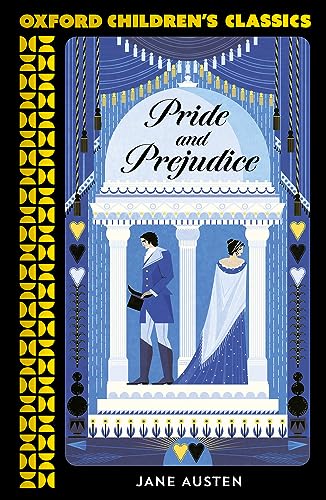
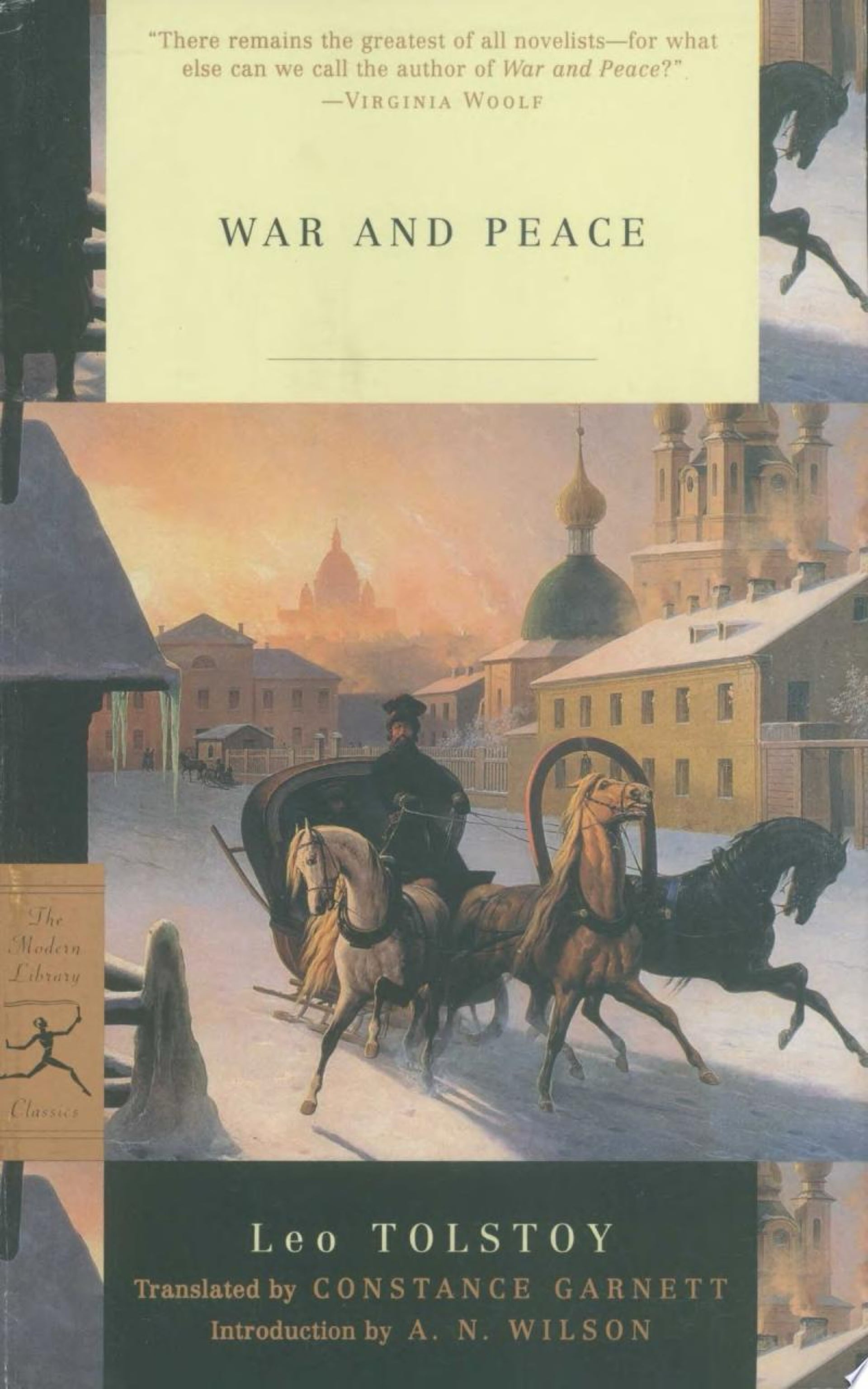
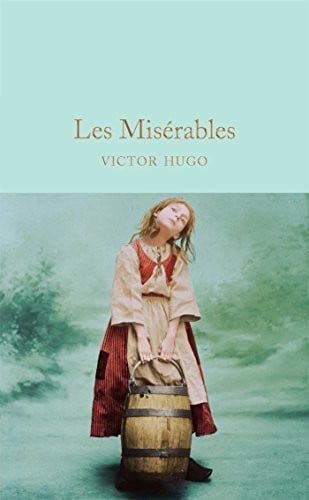
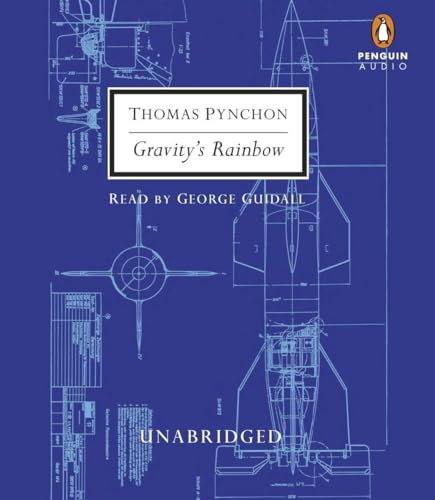
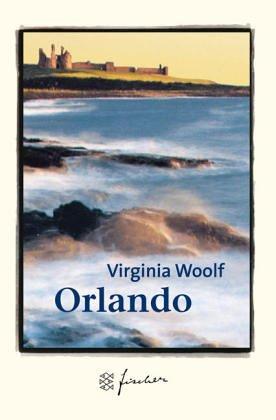
No. 11 on this list. The Hunchback of Notre-Dame · Victor Hugo · 1831
Among Hugo most famous novels. Sparked Gothic Revival and cathedral preservation movement.
Challenging16 hours
Start this bookNo. 12 on this list. The Scarlet Letter · Nathaniel Hawthorne · 1850
Taught in schools: Common Core text exemplars (Appendix B) (US), CSEC English B – Caribbean Examinations Council
Appears on 1,893 university syllabi (Open Syllabus, 81.9th percentile), a fixture of American literature courses and AP high school curricula across the United States. Wikipedia articles exist in 38 languages, and the work has continuous presence in American literary education since its 1850 publication.
Difficult9.4 hours
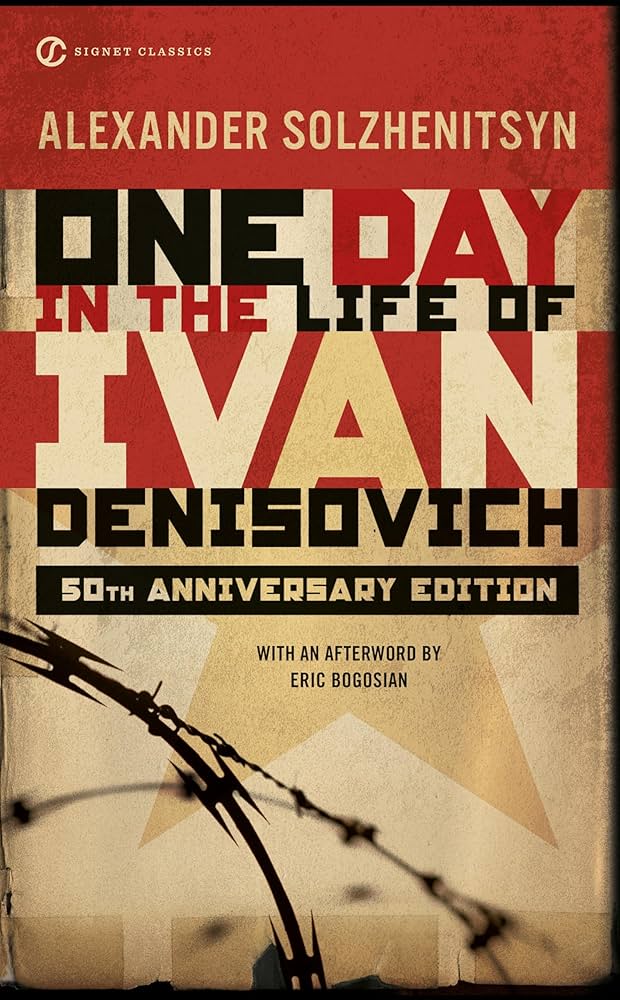
Read nowNo. 13 on this list. One Day in the Life of Ivan Denisovich · Aleksandr Solzhenitsyn · 1962
A single January day in a Soviet labor camp in the early 1950s, told through the eyes of Ivan Denisovich Shukhov, a peasant ten years into a trumped-up sentence for treason. Solzhenitsyn structures the novel as a minute-by-minute account: the pre-dawn wake-up, the roll call in −30° cold, the march to the construction site, the bricklaying in the wind, the return, the thin soup, and lights out. The genius of the book is its scale — one man, one day — and the moral universe Shukhov navigates within it. He is not heroic in any conventional sense; he calculates how to get an extra bowl of gruel, how to pocket a useful piece of metal, how to avoid the guards' notice. Yet these calculations constitute a form of dignity. Published in 1962 in the Soviet literary journal Novy Mir under Khrushchev's brief thaw, the novella hit Soviet readers like a physical shock: the Gulag had existed for decades, but naming it in print was new. In the West it became the first credible inside account of the camp system, a document as much as a novel. Solzhenitsyn's prose is close-grained and unsentimental, the voice tuned to Shukhov's practical intelligence. The cold is not metaphorical; the bread is not symbolic. The facts speak.
Easy3 hours
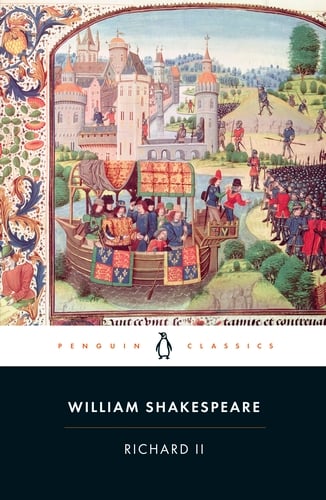
Start this bookNo. 14 on this list. Richard II · William Shakespeare · 1597
Taught in schools: AQA GCSE and A-level English Literature (UK)
Included in: Great Books of the Western World
Richard II is a standard text in Shakespeare curricula and appears regularly on university syllabi in history plays, Renaissance drama, and political theory courses. It is considered one of the finest of the English history plays, taught alongside Henry IV Part 1 and Henry V as part of the second tetralogy. Its lyrical language and meditation on kingship have made it a consistent choice for advanced Shakespeare courses.
Challenging2.3 hours
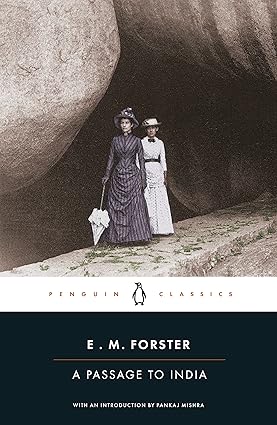
Read nowNo. 15 on this list. A Passage to India · E.M. Forster · 1924
Forster sent an Englishwoman and an Indian doctor into the Marabar Caves and made what did or did not happen there into a parable for the impossibility of genuine human connection across the gulf of empire. The novel's refusal to resolve its central mystery is its most honest statement about what colonialism does to perception itself.
Moderate7.2 hours
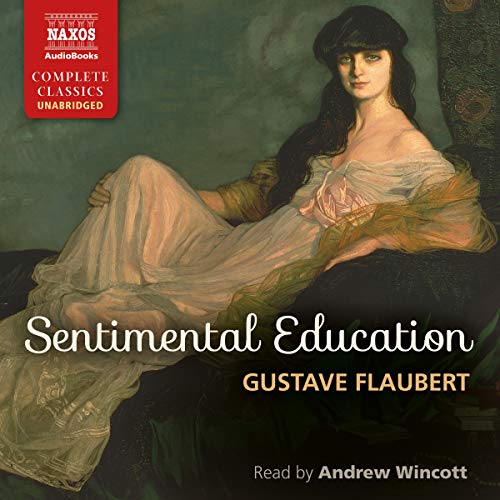
Read nowNo. 16 on this list. Sentimental Education · Gustave Flaubert · 1869
Included in: Bokklubben World Library
Wikipedia article available in 27 languages with dedicated reception and adaptations sections, indicating sustained global readership. Taught in French literature and comparative literature courses at universities worldwide, though less universally assigned than Madame Bovary.
Challenging18 hours
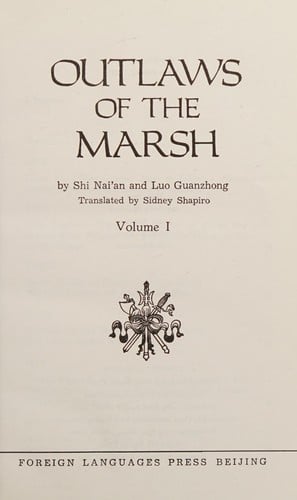
Read nowNo. 17 on this list. Water Margin · Shi Nai'an
Included in: Bibliothèque de la Pléiade
One of Four Great Classical Novels; foundational for martial arts genre.
Moderate33 hours
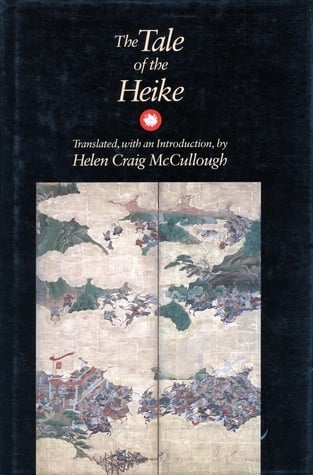
Start this bookNo. 18 on this list. The Tale of the Heike · Anonymous
Japan's national epic, equivalent to the Iliad in the Western canon. Foundational to Japanese literature, taught universally in Japanese curricula, and central to understanding Japanese cultural identity. The work has influenced Japanese aesthetics for seven centuries, codifying concepts like mono no aware. Its canonical status is absolute and unchallenged within Japanese literary tradition, comparable only to The Tale of Genji in cultural importance.
Challenging14 hours
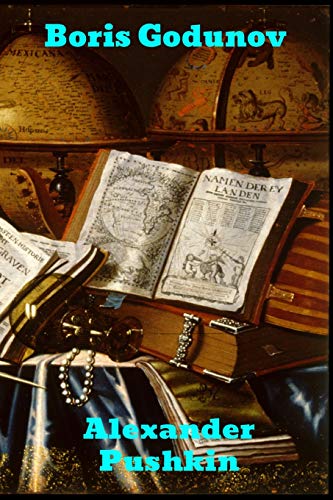
Start this bookNo. 19 on this list. Boris Godunov · Alexander Pushkin · 1831
Boris Godunov is a core text in Russian literature curricula worldwide and appears in Slavic literature and world drama courses at major universities. The play's Wikipedia article exists in over 50 languages, reflecting its global recognition. It is consistently anthologized alongside the foundational works of 19th-century European drama.
Moderate1.1 hours
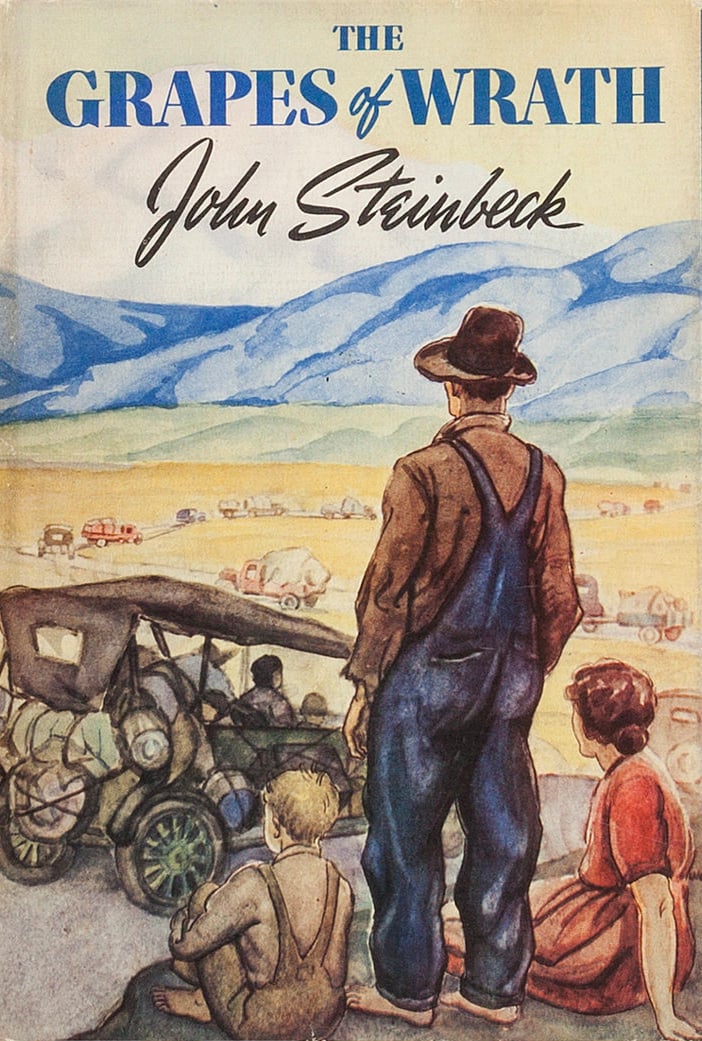
Start this bookNo. 20 on this list. The Grapes of Wrath · John Steinbeck · 1939
Taught in schools: Common Core text exemplars (Appendix B) (US), OCR GCSE and A-level English Literature (UK), Pacific Senior Secondary Certificate – English
Appears on 727 university syllabi (Open Syllabus Project, 71.5th percentile) and has Wikipedia articles in 58 languages. Listed on the Modern Library 100 Best Novels, TIME's All-TIME 100 Novels, Le Monde's 100 Books of the Century, and the BBC Big Read Top 100, establishing it as a fixture of American literary curricula.
Challenging13 hours
Start this book
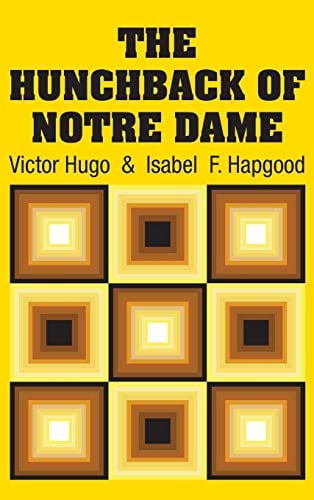
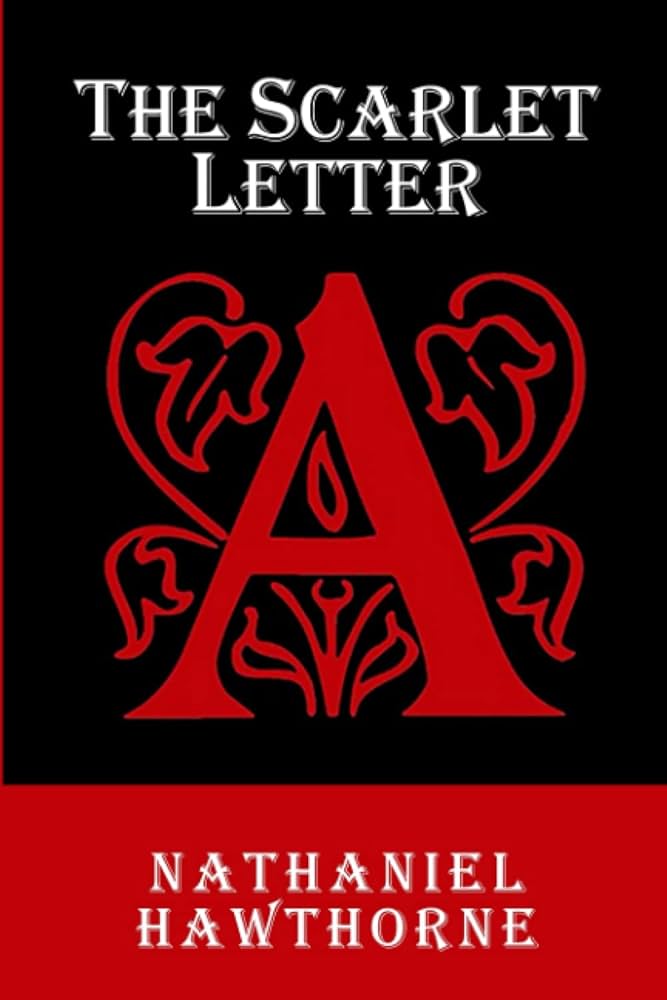
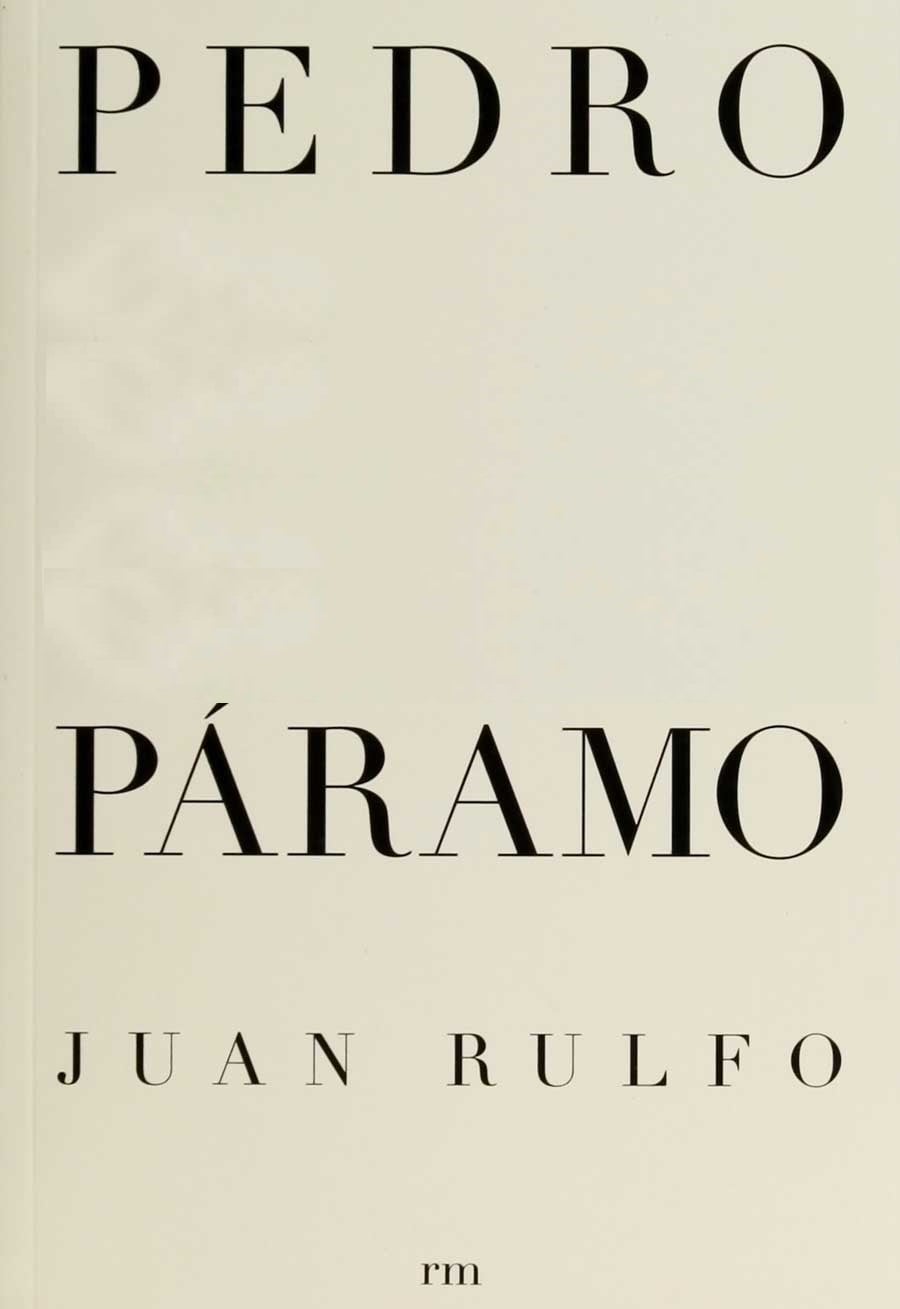
No. 21 on this list. Pedro Páramo · Juan Rulfo · 1955
Taught in schools: Literatura, Diseño Curricular – Provincia de Buenos Aires (Argentina), UNAM Escuela Nacional Preparatoria – programas de Literatura (Mexico)
Included in: Bokklubben World Library
Pedro Páramo is the foundational text of Latin American modernism, present in nearly every world literature curriculum globally. Its Wikipedia article spans 26 languages. García Márquez credited it with teaching him how to write One Hundred Years of Solitude — a direct line of influence that alone ensures canonical permanence. Penguin Modern Classics published it in 1961.
Difficult3.6 hours
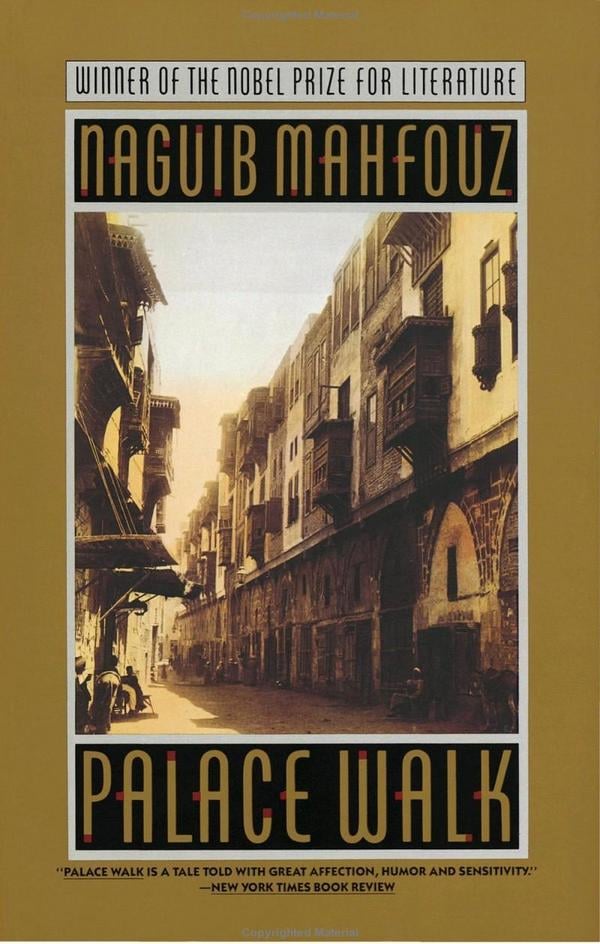
Start this bookNo. 22 on this list. Palace Walk · Naguib Mahfouz · 1956
Appears on 56 university syllabi according to Open Syllabus, placing it in the 44th percentile — respectable but reflecting the underrepresentation of Arabic literature in Western curricula. As the opening volume of Mahfouz's Cairo Trilogy, it anchors world literature and postcolonial studies courses that cover the modern Arabic novel.
Challenging19 hours
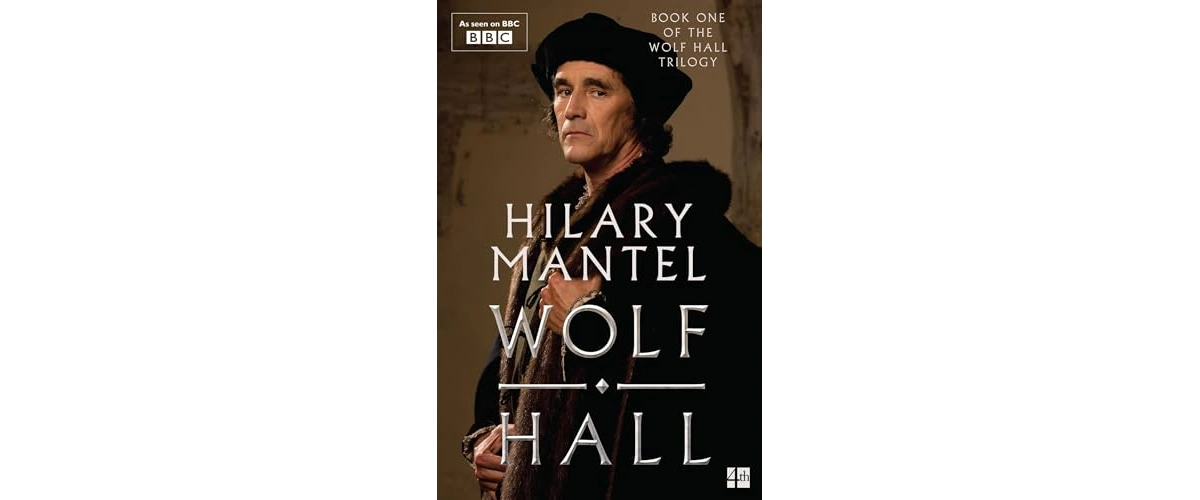
Start this bookNo. 23 on this list. Wolf Hall · Hilary Mantel · 2009
The historical novel that changed the genre's literary status. Thomas Cromwell's rise, rendered in present tense and close third person, made Tudor politics feel immediate. Core text in contemporary fiction and historical fiction courses.
Challenging18 hours
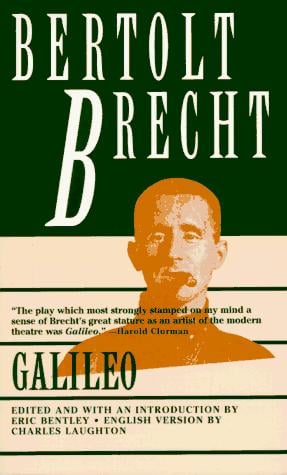
Start this bookNo. 24 on this list. Life of Galileo · Bertolt Brecht · 1943
Life of Galileo is a cornerstone of the Brechtian canon and a fixture on university syllabi worldwide — taught in drama programs, literature departments, and philosophy of science courses alike. Brecht's five-scene structure and the figure of Galileo recanting before the Inquisition appear in virtually every survey of modern drama, placing this work well above mid-tier literary status.
Challenging15 hours
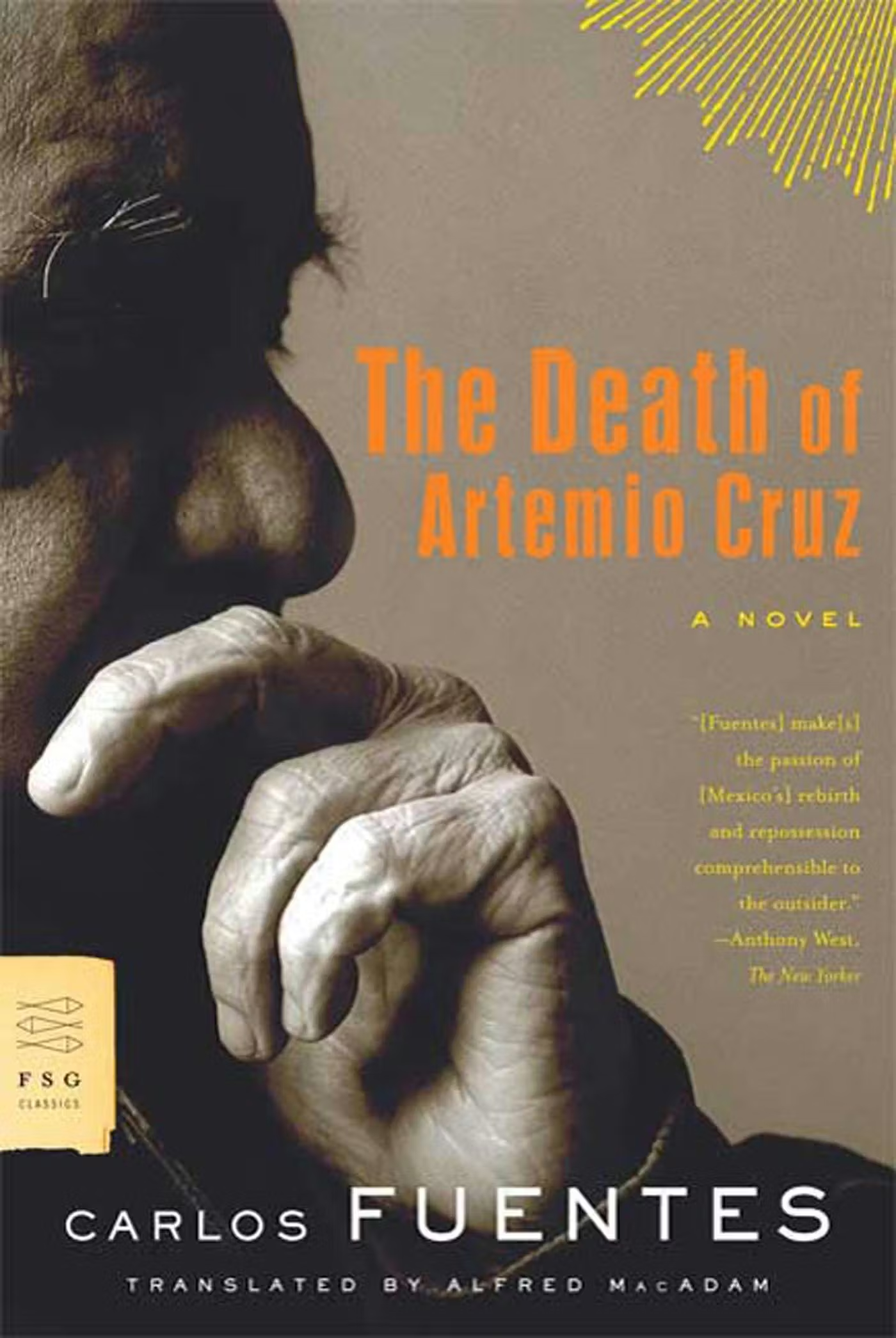
Start this bookNo. 25 on this list. The Death of Artemio Cruz · Carlos Fuentes · 1962
The Death of Artemio Cruz occupies a central position in the Latin American Boom canon and appears regularly in world literature curricula alongside works by García Márquez, Vargas Llosa, and Cortázar. It is widely considered Fuentes's masterpiece and a defining text of mid-20th-century experimental fiction. The novel remains in continuous print in multiple languages and features prominently in scholarly studies of modernist narrative technique.
Challenging9.3 hours
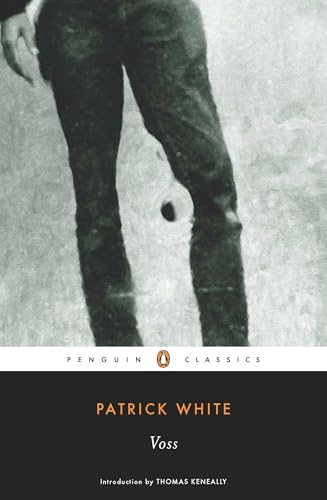
Start this bookNo. 26 on this list. Voss · Patrick White · 1957
Voss is recognized as a cornerstone of Australian literature and a major work of postcolonial fiction. It consistently appears in scholarly discussions of antipodean identity, imperial mythology, and mid-century modernism. The novel has maintained critical attention since publication and is standard curriculum in Australian and Commonwealth literary studies.
Challenging16 hours
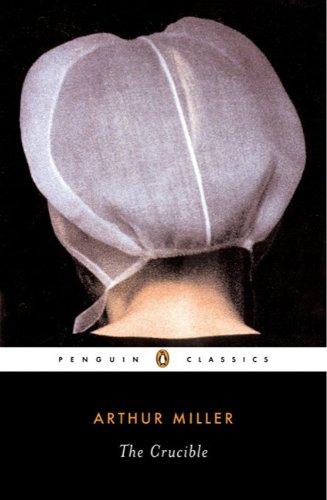
Start this bookNo. 27 on this list. The Crucible · Arthur Miller · 1953
Standard curriculum text in American high schools and universities, The Crucible is one of the most-assigned plays in English-speaking education. Its McCarthyism allegory gives it permanence across both literary and political syllabi, and it has been in continuous production since its 1953 premiere. The Open Syllabus Project places it among the most frequently taught dramatic works in US classrooms.
Challenging3.1 hours
Start this bookNo. 28 on this list. Noli Me Tangere · José Rizal · 1887
Included in: Biblioteca Ayacucho, UNESCO Collection of Representative Works
Required reading in all Philippine schools by law, Noli Me Tangere holds a uniquely institutionalized canonical status — one of the few novels anywhere in the world with a legal mandate for teaching. It appears on world literature and postcolonial studies syllabi globally, and its Wikipedia article exists in dozens of languages reflecting its reach across Southeast Asia and the broader diaspora.
Challenging13 hours
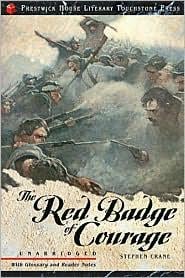
Start this bookNo. 29 on this list. The Red Badge of Courage · Stephen Crane · 2006
The novel is a staple of American high school and college courses and a foundational war novel. Its 2006 date reflects an edition of a 1895 classic.
Moderate2.7 hours
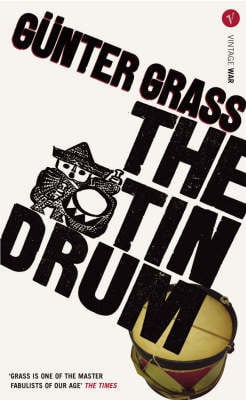
Start this bookNo. 30 on this list. The Tin Drum · Günter Grass · 1959
Included in: Bokklubben World Library
The Tin Drum appears on approximately 200 university syllabi according to Open Syllabus Project data (57th percentile), placing it firmly in world literature and 20th-century European fiction curricula. Wikipedia coverage spans 35 languages with dedicated Reception and Adaptations sections, indicating sustained international engagement. The novel is widely regarded as the defining work of postwar German literature, though its syllabus presence falls short of canonical American fixtures like The Great Gatsby.
Difficult27 hours
Start this book
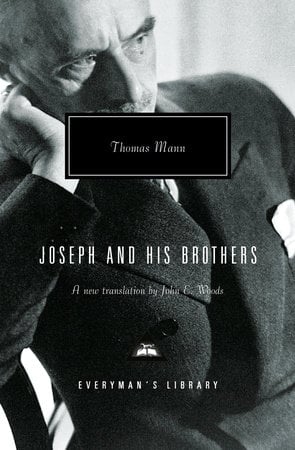
No. 31 on this list. Joseph and His Brothers
Thomas Mann · 1943
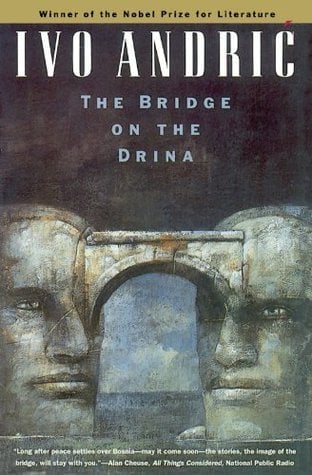
No. 32 on this list. The Bridge on the Drina
Ivo Andrić · 1945
Taught in schools: Turkish edebiyat curriculum (Turkey)
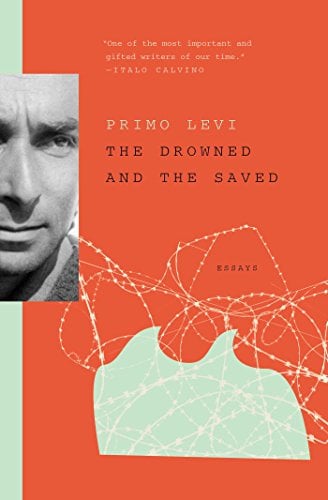
No. 33 on this list. The Drowned and the Saved
Primo Levi · 1986
No. 34 on this list. Pan Tadeusz
Adam Mickiewicz · 1834
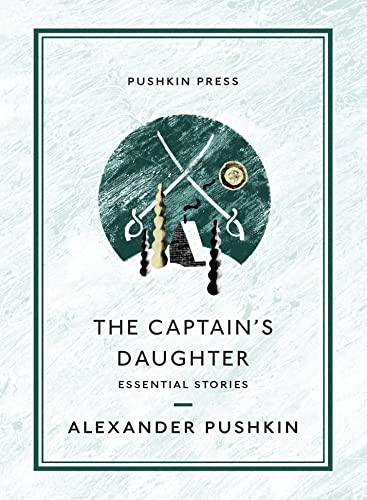
No. 35 on this list. The Captain's Daughter
Alexander Pushkin · 1836
No. 36 on this list. A Tale of Two Cities
Charles Dickens · 1859
Taught in schools: Turkish edebiyat curriculum (Turkey)
No. 37 on this list. The Color Purple
Alice Walker · 1983
Taught in schools: AQA GCSE and A-level English Literature (UK), CSEC English B – Caribbean Examinations Council, Pearson Edexcel GCSE and A-level English Literature (UK)
No. 38 on this list. Romance of the Three Kingdoms
Included in: UNESCO Collection of Representative Works
No. 39 on this list. The Mirror and the Light
Hilary Mantel · 2020
No. 40 on this list. Vanity Fair
William Makepeace Thackeray · 1848
Taught in schools: AQA GCSE and A-level English Literature (UK)
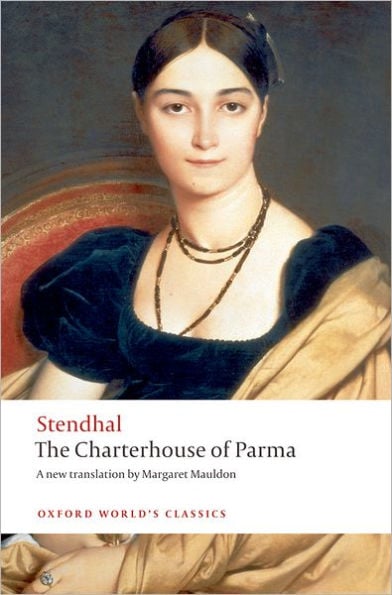
No. 41 on this list. The Charterhouse of Parma
Stendhal · 1839
No. 42 on this list. V.
Thomas Pynchon · 1963
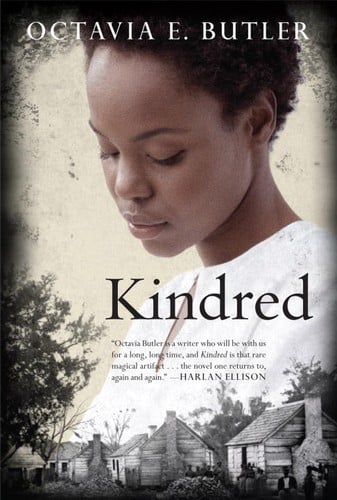
No. 43 on this list. Kindred
Octavia E. Butler · 1979
Taught in schools: CSEC English B – Caribbean Examinations Council
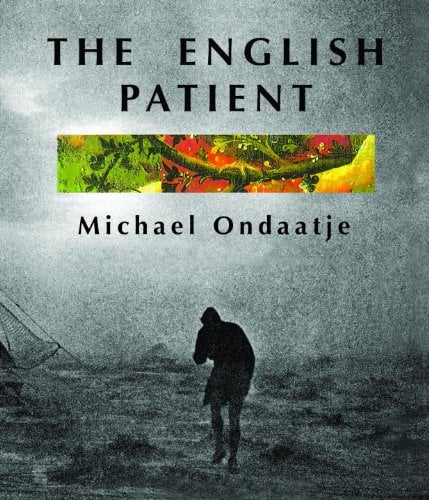
No. 44 on this list. The English Patient
Michael Ondaatje · 1992
No. 45 on this list. The Leopard
Giuseppe Tomasi di Lampedusa · 1958
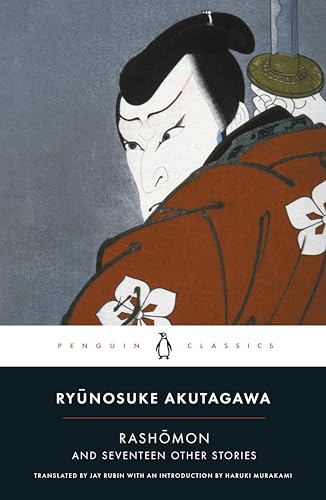
No. 46 on this list. Rashomon and Seventeen Other Stories
Ryūnosuke Akutagawa · 1915
No. 47 on this list. The Betrothed
Alessandro Manzoni · 1827
No. 48 on this list. The Shadow Lines
Amitav Ghosh · 1988
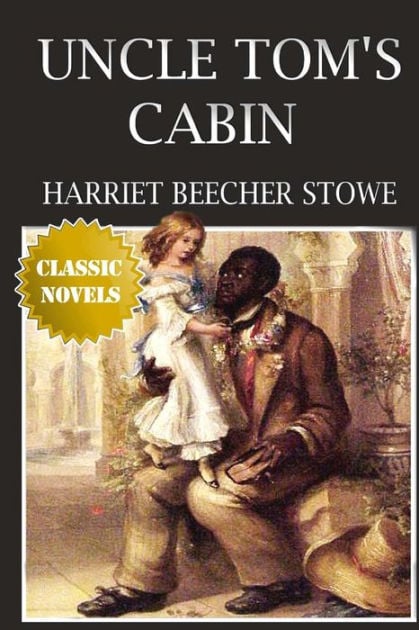
No. 49 on this list. Uncle Tom's Cabin
Harriet Beecher Stowe · 1852
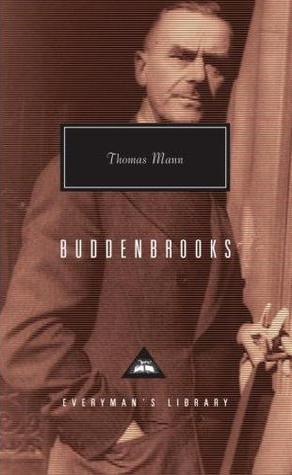
No. 50 on this list. Buddenbrooks
Thomas Mann · 1901
Included in: Bokklubben World Library
No. 51 on this list. Ivanhoe
Walter Scott · 1819
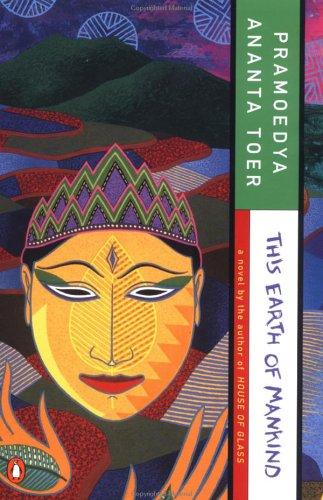
No. 52 on this list. This Earth of Mankind
Pramoedya Ananta Toer · 1980
Taught in schools: Indonesian sastra curriculum
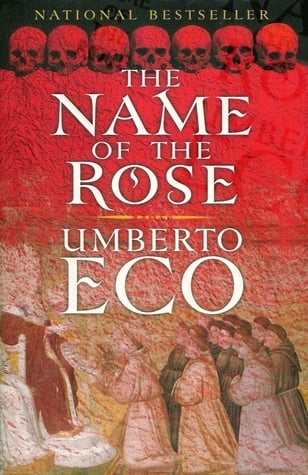
No. 53 on this list. The Name of the Rose
Umberto Eco · 1980
No. 54 on this list. A Grain of Wheat
Ngugi wa Thiong'o · 1967
Included in: Heinemann African Writers Series
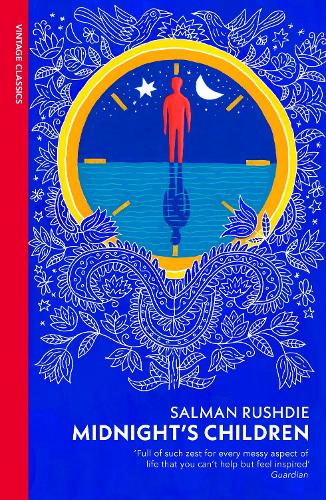
No. 55 on this list. Midnight's Children
Salman Rushdie · 1981
Included in: Bokklubben World Library
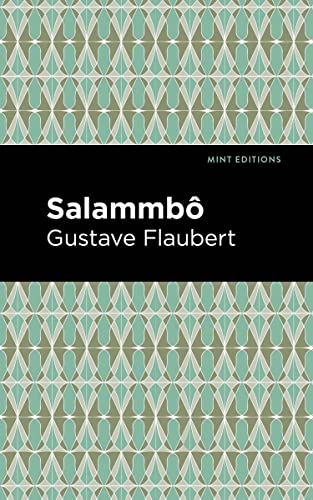
No. 56 on this list. Salammbô
Gustave Flaubert · 1862
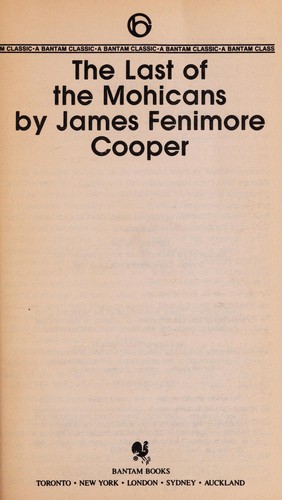
No. 57 on this list. The Last of the Mohicans
James Fenimore Cooper · 1826
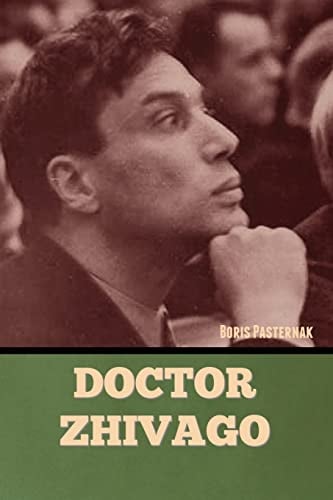
No. 58 on this list. Doctor Zhivago
Boris Pasternak · 1957
Taught in schools: Russian FGOS literature standard
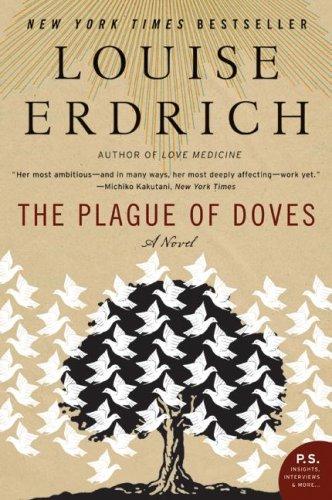
No. 59 on this list. The Plague of Doves
Louise Erdrich · 2008
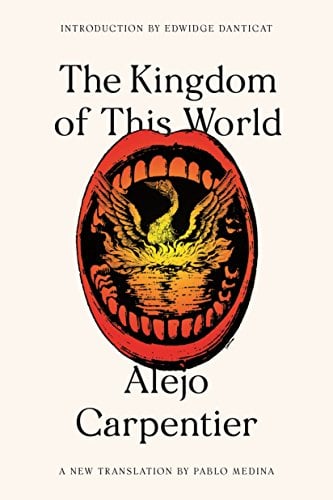
No. 60 on this list. The Kingdom of This World
Alejo Carpentier · 1949
Taught in schools: Literatura, Diseño Curricular – Provincia de Buenos Aires (Argentina)
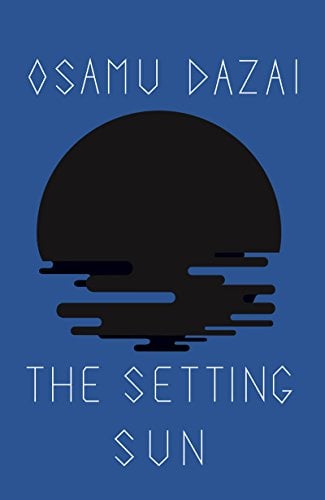
No. 61 on this list. The Setting Sun
Osamu Dazai · 1947
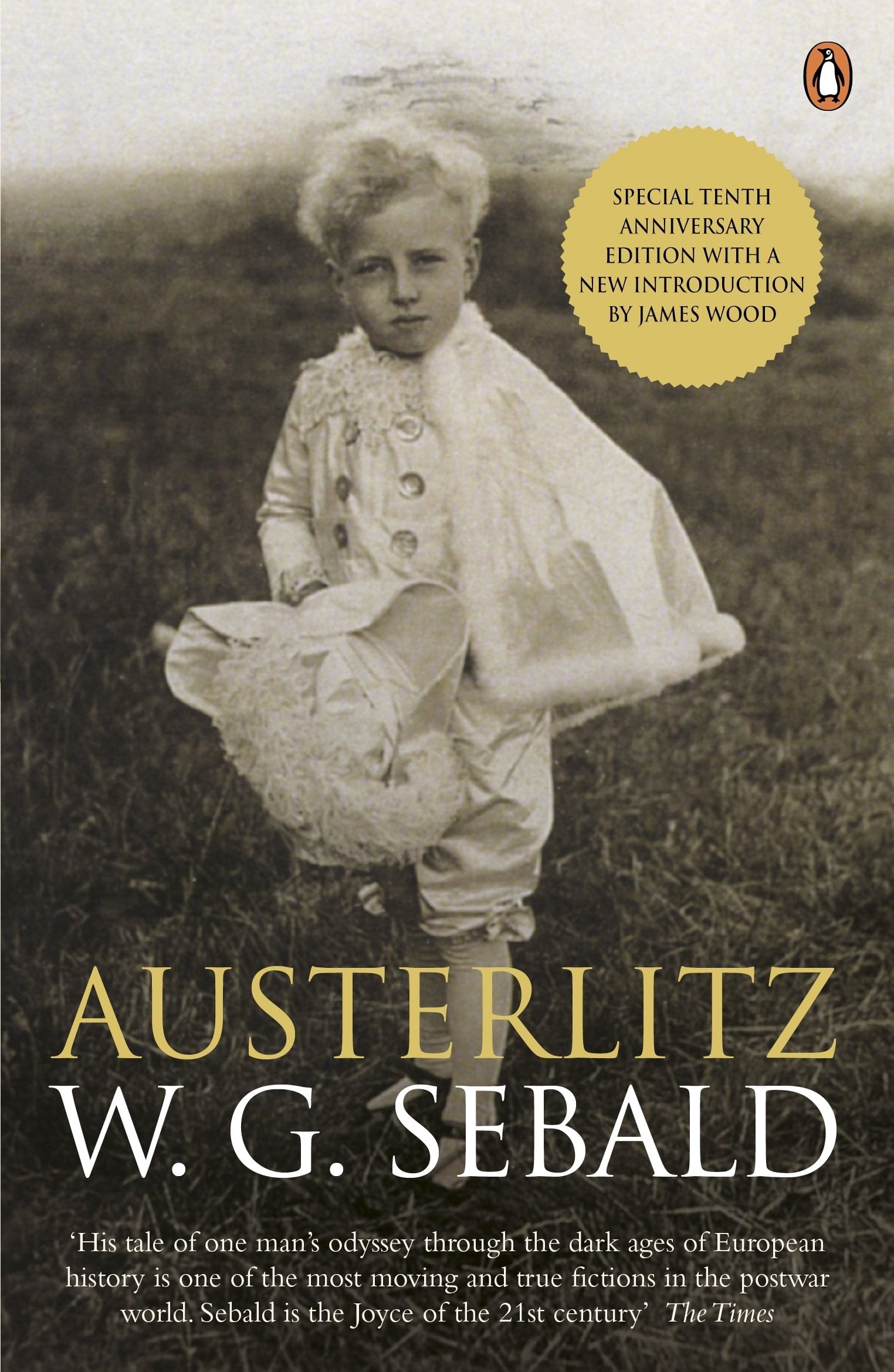
No. 62 on this list. Austerlitz
W.G. Sebald · 2001
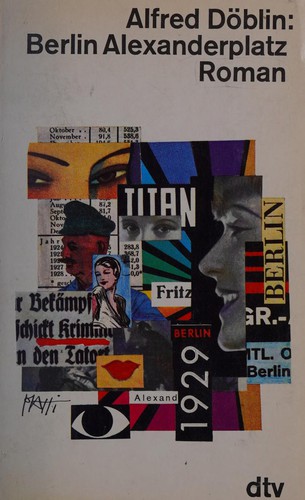
No. 63 on this list. Berlin Alexanderplatz
Alfred Döblin · 1929
Included in: Bokklubben World Library
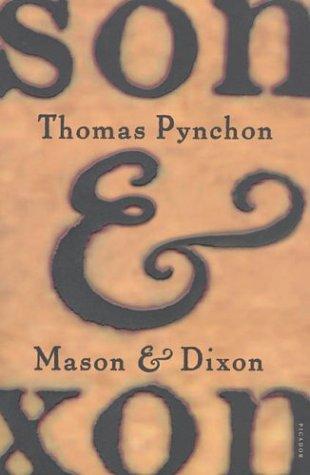
No. 64 on this list. Mason & Dixon
Thomas Pynchon · 1997
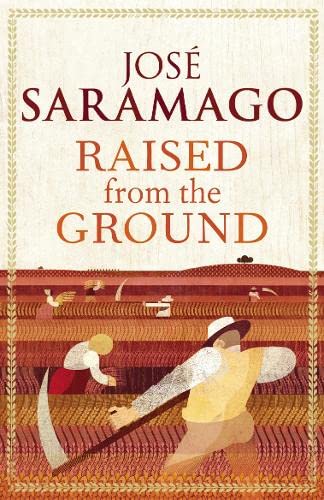
No. 65 on this list. Raised from the Ground
José Saramago · 1980
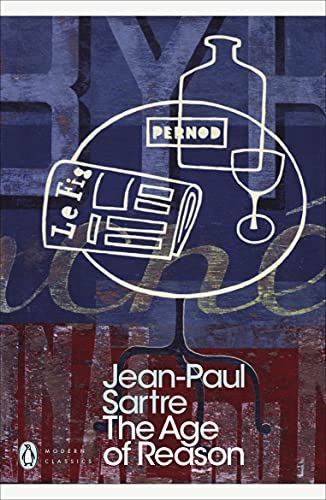
No. 66 on this list. The Age of Reason
Jean-Paul Sartre · 1945
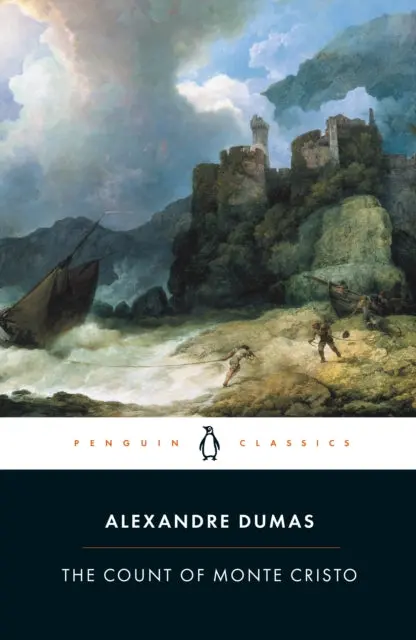
No. 67 on this list. The Count of Monte Cristo
Alexandre Dumas · 1844
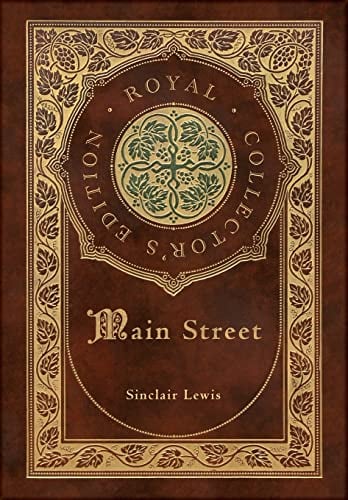
No. 68 on this list. Main Street
Sinclair Lewis · 1920
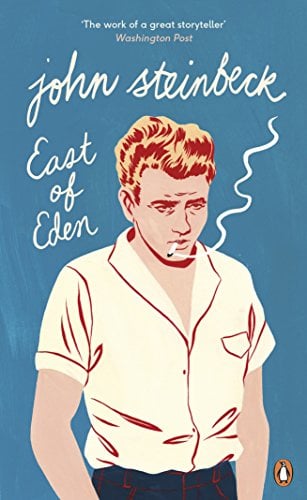
No. 69 on this list. East of Eden
John Steinbeck · 1952
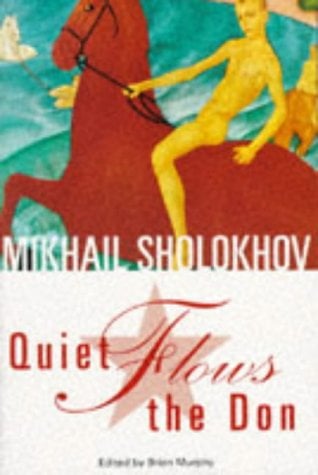
No. 70 on this list. And Quiet Flows the Don
Mikhail Sholokhov · 1928
Taught in schools: Russian FGOS literature standard
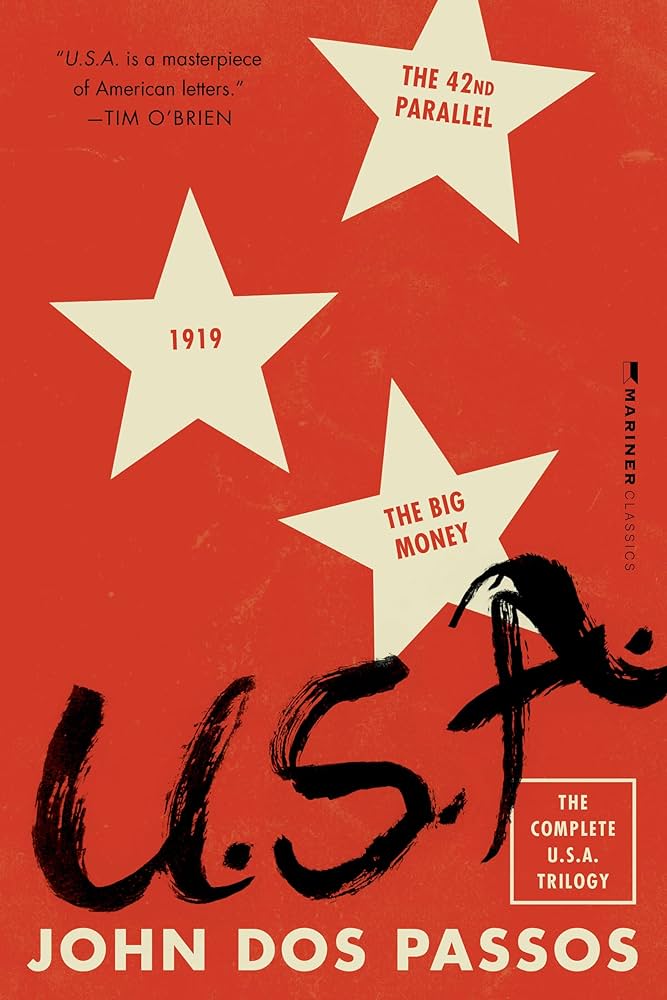
No. 71 on this list. U.S.A.
John Dos Passos · 1938
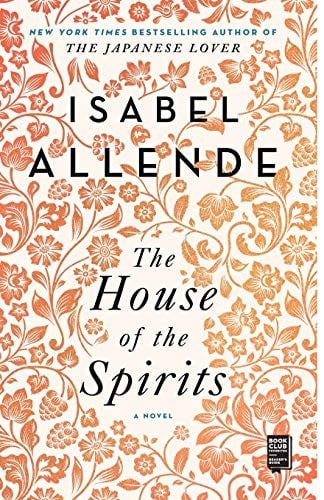
No. 72 on this list. The House of the Spirits
Isabel Allende · 1982
Taught in schools: Literatura, Diseño Curricular – Provincia de Buenos Aires (Argentina), UNAM Escuela Nacional Preparatoria – programas de Literatura (Mexico)
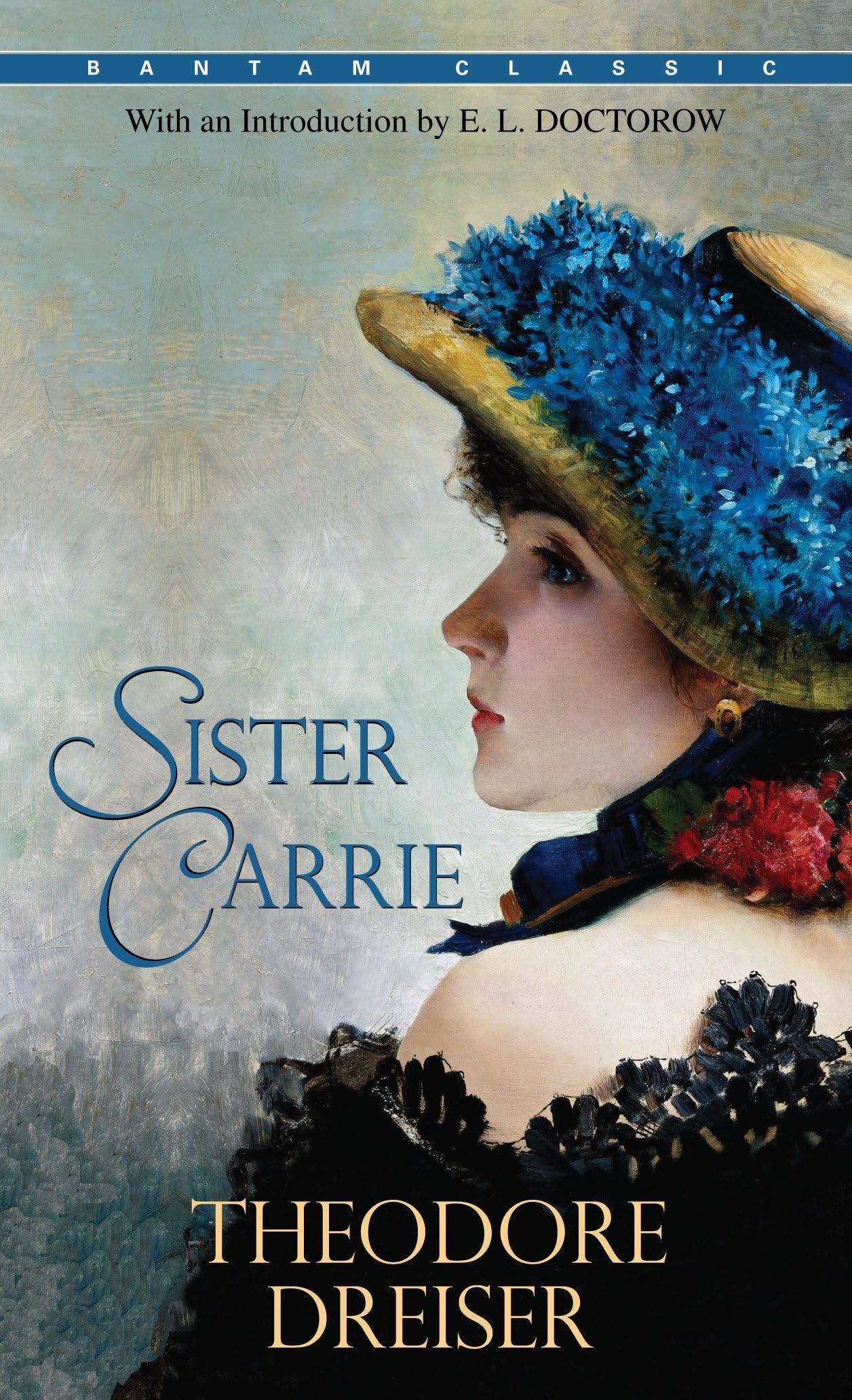
No. 73 on this list. Sister Carrie
Theodore Dreiser · 1900
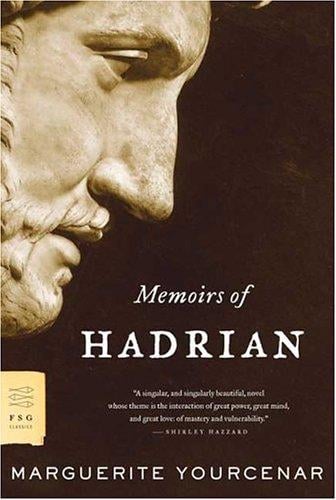
No. 74 on this list. Memoirs of Hadrian
Marguerite Yourcenar · 1951
Included in: Bokklubben World Library
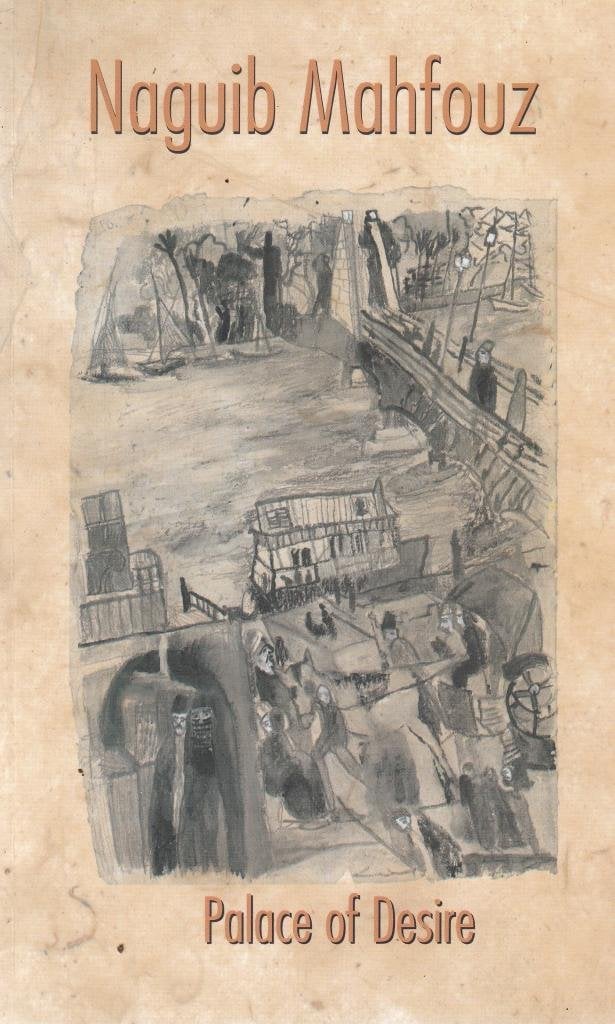
No. 75 on this list. Palace of Desire
Naguib Mahfouz · 1957
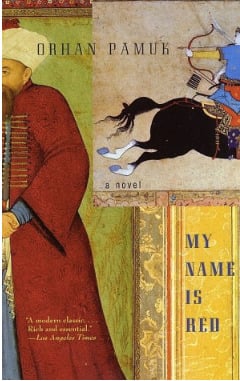
No. 76 on this list. My Name Is Red
Orhan Pamuk · 2003
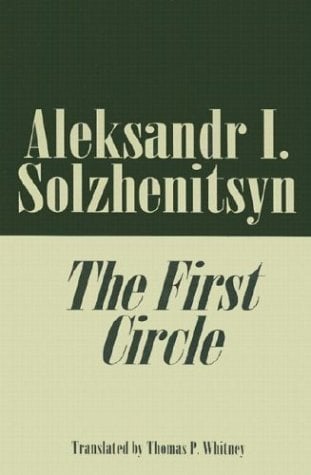
No. 77 on this list. The First Circle
Aleksandr Solzhenitsyn · 1968
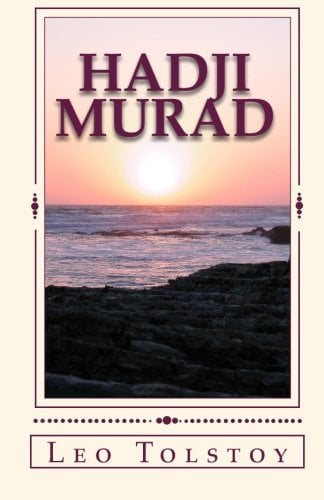
No. 78 on this list. Hadji Murad
Leo Tolstoy · 1912
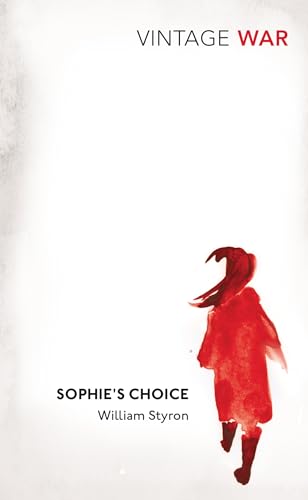
No. 79 on this list. Sophie's Choice
William Styron · 1980
No. 80 on this list. Silence
Shūsaku Endō · 1966
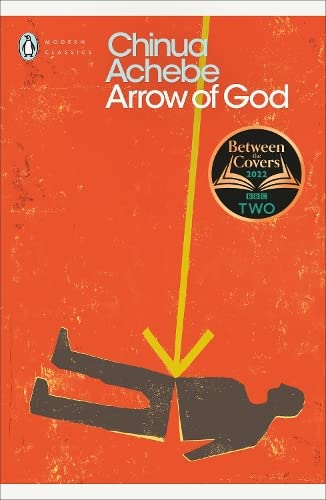
No. 81 on this list. Arrow of God
Chinua Achebe · 1964
Taught in schools: CSEC English B – Caribbean Examinations Council
Included in: Heinemann African Writers Series
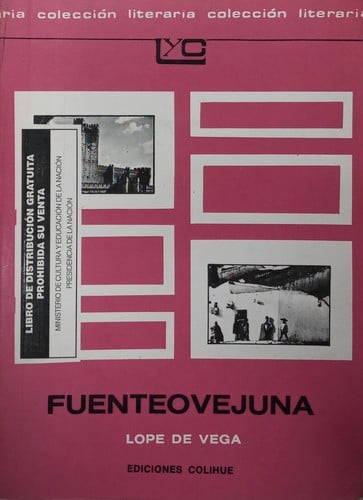
No. 82 on this list. Fuenteovejuna
Lope de Vega · 1619
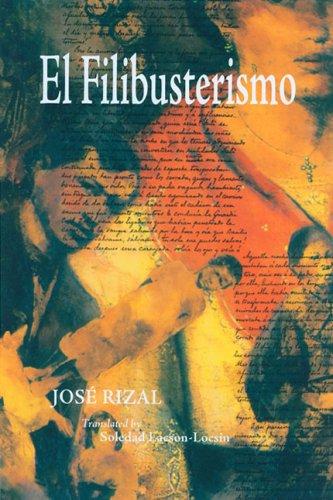
No. 83 on this list. El Filibusterismo
José Rizal · 1891
Included in: UNESCO Collection of Representative Works
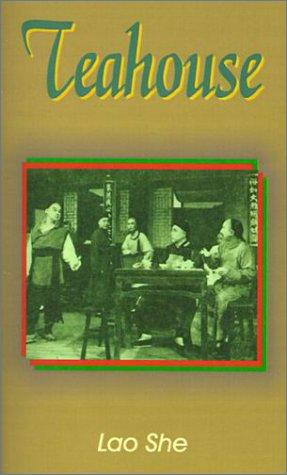
No. 84 on this list. Teahouse
Lao She · 1957
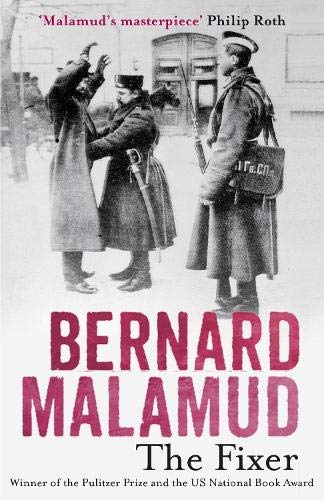
No. 85 on this list. The Fixer
Bernard Malamud · 1967
No. 86 on this list. House of Glass
Pramoedya Ananta Toer · 1988
No. 87 on this list. Tughlaq
Girish Karnad · 1964
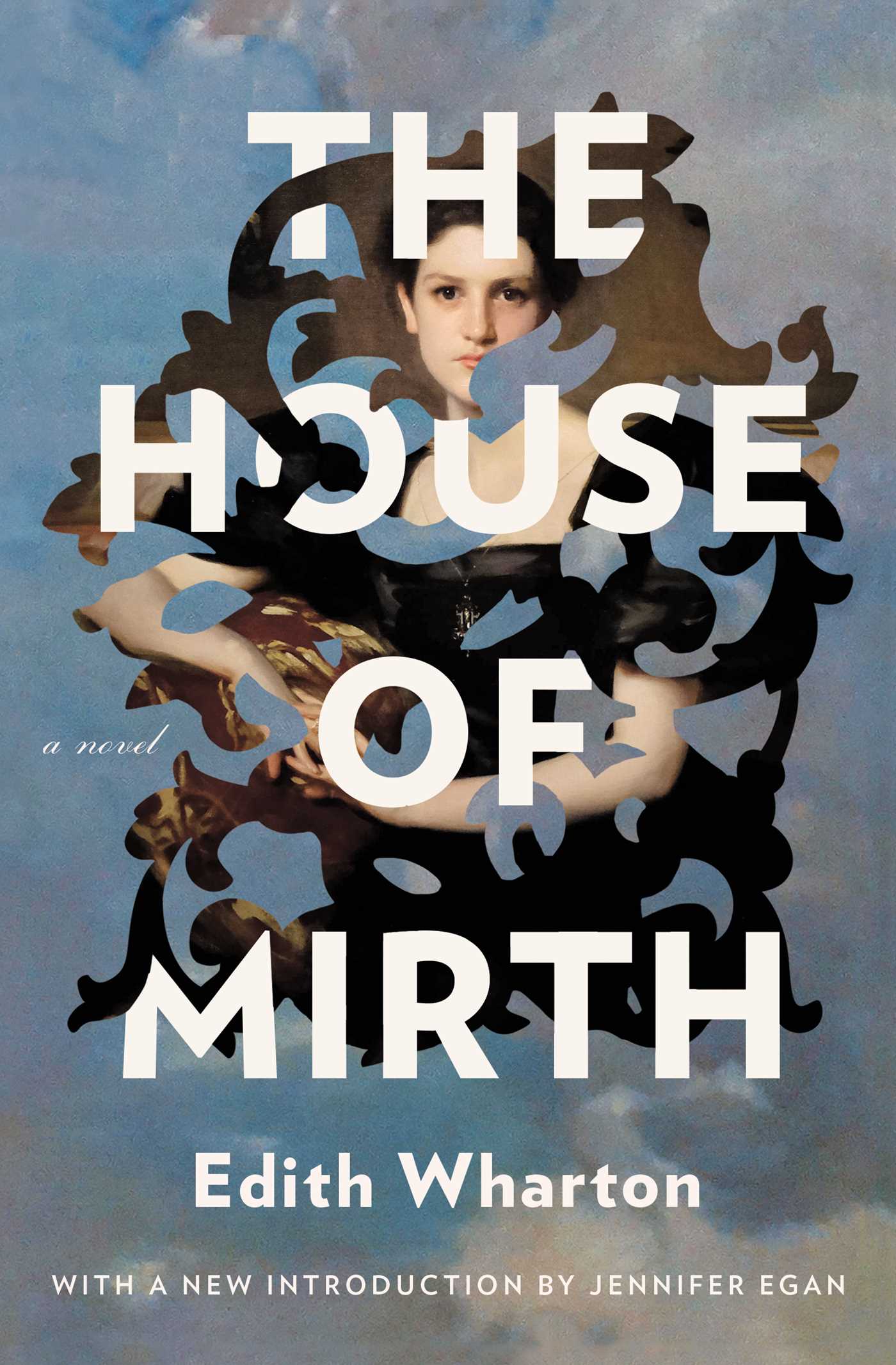
No. 88 on this list. The House of Mirth
Edith Wharton · 1905
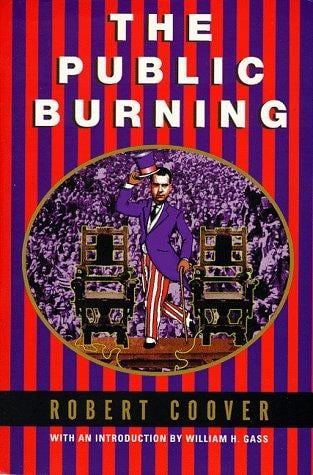
No. 89 on this list. The Public Burning
Robert Coover · 1977
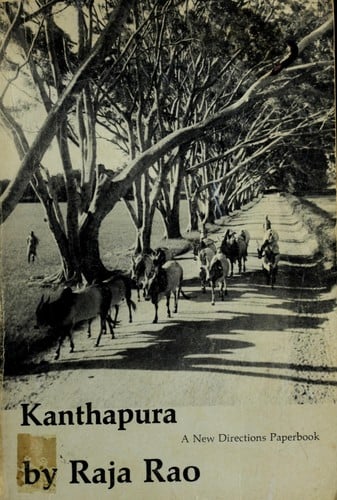
No. 90 on this list. Kanthapura
Raja Rao · 1938
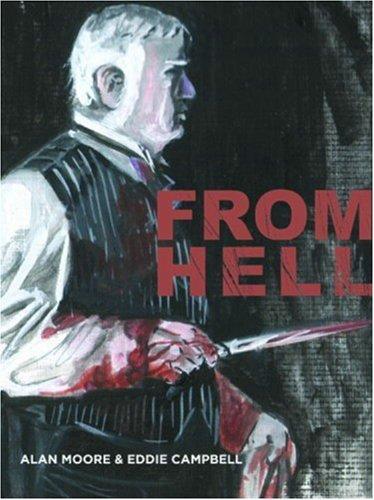
No. 91 on this list. From Hell
Alan Moore · 1999
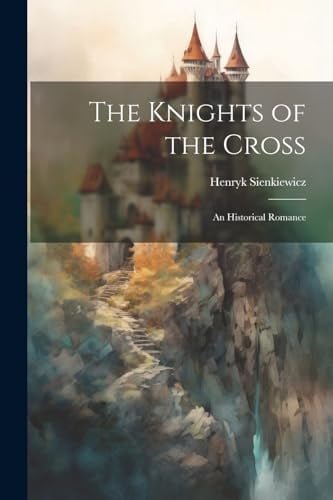
No. 92 on this list. The Knights of the Cross
Henryk Sienkiewicz · 1900
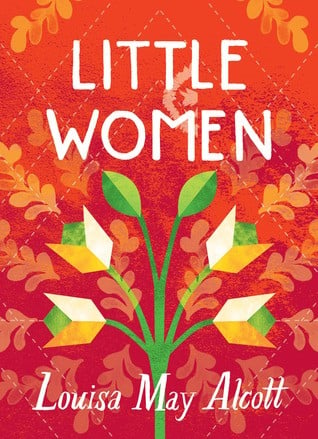
No. 93 on this list. Little Women (Little Women, #1)
Louisa May Alcott · 1868
Taught in schools: Common Core text exemplars (Appendix B) (US)
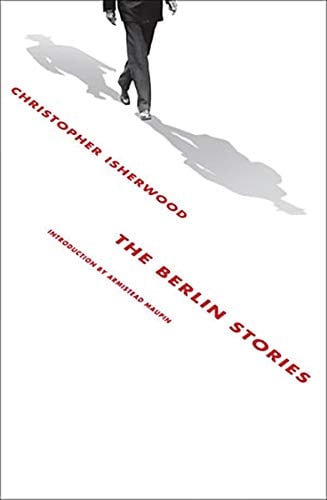
No. 94 on this list. The Berlin Stories
Christopher Isherwood · 1945
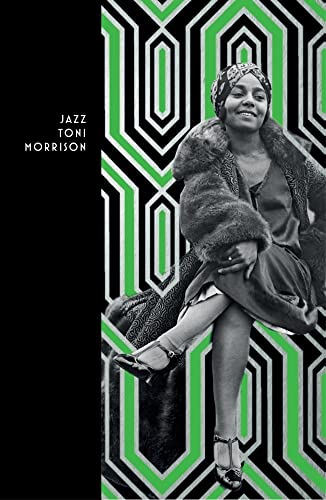
No. 95 on this list. Jazz
Toni Morrison · 1992
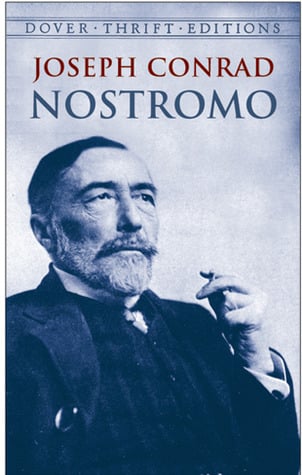
No. 96 on this list. Nostromo
Joseph Conrad · 1904
Included in: Bokklubben World Library
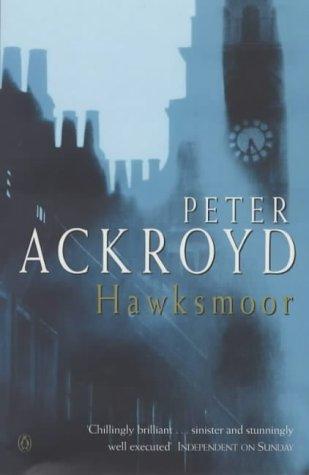
No. 97 on this list. Hawksmoor
Peter Ackroyd · 1985
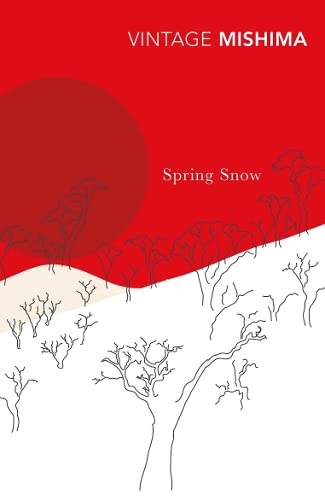
No. 98 on this list. Spring Snow
Yukio Mishima · 1969
Included in: UNESCO Collection of Representative Works
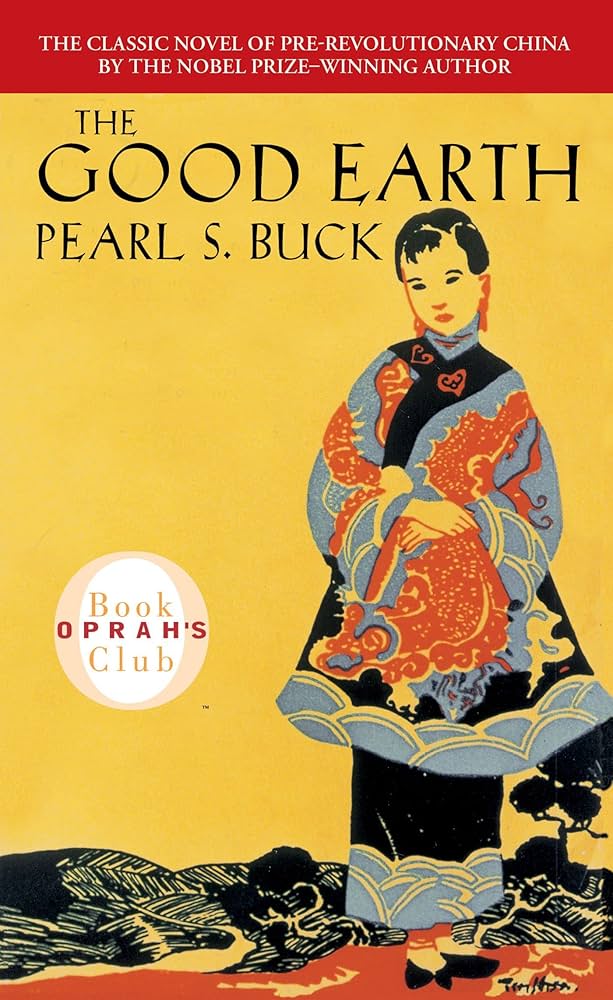
No. 99 on this list. The Good Earth
Pearl S. Buck · 1931
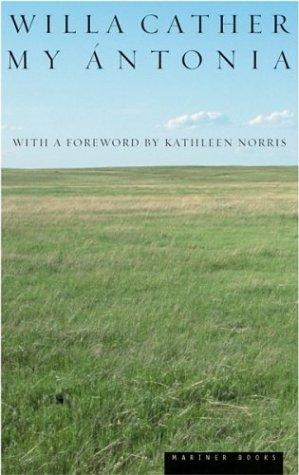
No. 100 on this list. My Antonia
Willa Cather · 1918
About this list
These 100 books are the highest-scoring eligible historical novels currently in the catalogue. By literary regard, it opens with Beloved, Pride and Prejudice and War and Peace. About 1,470 hours of reading in all. Difficulty runs from 51 to 67 out of 100 for the middle half of the list; the summit is The Public Burning at 86.
This list is ranked by literary regard, with a consistent order for equal scores. Membership follows authors and co-authors, not translators or editors. Catalogue coverage and the historical canon both limit what this list can represent, and genre labels are the catalogue’s own, gathered into broader kinds.
When we matched the Canons dataset to our catalogue in October 2026, our canonical-status scores rose with the number of school curricula, publisher series and lists in it that cite a work: the median score was 72 for books one such source cites, 84 at two, 88 at three, 92 at four and 93 at five or more. Prizes are left out of that count. Outside the state curricula, the dataset’s sources choose mostly from what has been translated into English or French, so it is a weaker check on other literatures. Source: Canons (Andrew Piper), CC BY 4.0
Questions people actually ask
- What are the best historical novels?
- By literary regard, which weighs canonical status, critical standing and influence, Beloved, Pride and Prejudice, War and Peace, Les Misérables and Henry V lead. ReadingRate ranks 100 such books, each with a difficulty score and a reading-time estimate.
- Where should I start with historical novels?
- Start from difficulty, not from rank. The most approachable books on this list that still carry top literary regard are All Quiet on the Western Front by Erich Maria Remarque (about 4.3 hours), This Earth of Mankind by Pramoedya Ananta Toer and The Captain's Daughter by Alexander Pushkin.
- How hard are historical novels to read?
- Most of this list sits between 51 and 67 on ReadingRate's 100-point difficulty scale, where 40 to 55 is moderate. The summit is The Public Burning at 86. Every entry carries its own score, so a reader can pick a great book at a difficulty they will finish.
- How is this list ranked?
- On literary-regard data: how canonically established a work is, its critical standing, and its influence on later writing. It is not a readers’ poll, which is why recent bestsellers rarely appear. Membership follows authors and co-authors, not translators or editors. A list that is not a genre list keeps to literature (fiction, poetry, drama and philosophy), with philosophy taking no more than one slot in five while there is literature left to rank; every list holds at most three works by one author.