Hours at an average pace
Showing 100 books
About 1,033 hours for 99 of 100 books with measured lengths. Estimates use 250 words a minute, adjusted for each book's difficulty. At 2 hours a day, about 517 days for those books.
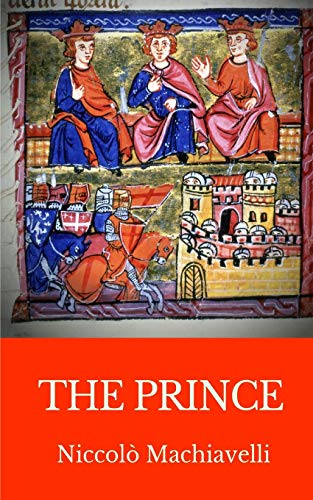
The Prince is required reading in political science, philosophy, history, and humanities curricula worldwide and is among the most widely assigned non-fiction texts in higher education. It appears on every syllabus for political philosophy and political theory, from introductory undergraduate courses to graduate seminars. Few texts of any era command this breadth of curricular presence.
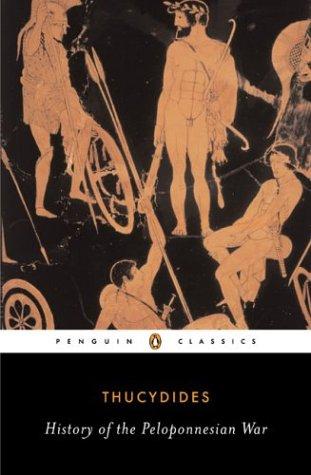
A foundation text of Western thought, assigned across classics, history, political science and international relations, and a fixture of Great Books programs. The U.S. Naval War College has built its strategy teaching around it since the 1970s.
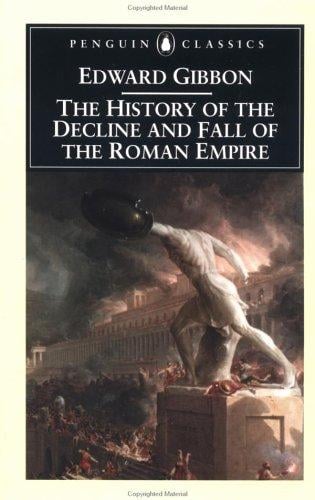
Published in six volumes between 1776 and 1789, it has stayed in print ever since and is a set text in courses on historiography, the Enlightenment and English prose. It appears on every major list of essential works of history in English.
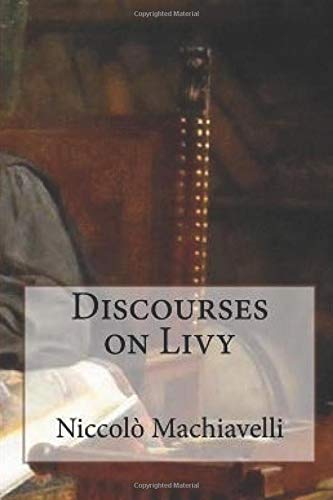
Niccolò Machiavelli spent the last decade of his life under house arrest, banned from Florence's political world, and wrote the Discourses on Livy as a systematic attempt to teach what he could no longer practice. Working through Titus Livy's history of Rome book by book, Machiavelli extracts from each episode a principle of republican governance — how to found a city, sustain a republic, manage armies, treat conquered peoples, handle conspiracies, and survive the inevitable corruption of institutions. The argument runs to 142 chapters across three books, each one a small essay: he states a thesis, marshals Roman examples, and delivers a verdict. Machiavelli's Rome is not an idealized past but a working laboratory. When he recommends that a new republic must sometimes execute its founding families, or that a prince should appear virtuous rather than be virtuous, he is not being provocative — he is being precise. The Discourses is the longer and more theoretically ambitious of his two major works, and the one where his commitment to republican liberty is explicit rather than implied. Readers accustomed to political philosophy as abstract theory will find this text unusual: it thinks in cases, in generals, in the specific behavior of specific tribunes during specific sieges. The Victorian translation adds a layer of archaic syntax to the Renaissance argument. What emerges is a political science conducted before the term existed — unsentimental, empirical, and still asking questions no subsequent political thinker has fully answered.
The Constitution is the founding document of the United States and is taught at every level of American education, in history, civics, law and political theory. It is among the most widely taught texts in the world, though this particular free edition is just one copy of it.
No. 6 on this list. Maus I: A Survivor's Tale: My Father Bleeds History
Art Spiegelman · 1991
Easy2.2 hours
Maus is widely taught in schools and universities as a central Holocaust text and as the key work of the graphic novel, and it won a Pulitzer Prize special award in 1992 for the combined work. It is now standard in comics studies and memory studies.
Parallel Lives is among the most foundational texts of Western classical education, central to curricula in classics, ancient history, philosophy, and political thought for over two millennia. Shakespeare drew directly on it for Julius Caesar, Antony and Cleopatra, Coriolanus, and Timon of Athens; Montaigne read it constantly; Rousseau credited it with forming his character. Wikipedia articles exist in 37 languages, reflecting its global recognition as a canonical text of antiquity.
No. 8 on this list. The Old Man and the Sea
Ernest Hemingway · 1953
Moderate1.7 hours
Taught in schools: Kazakh literature curriculum (Kazakhstan)
Included in: Bokklubben World Library
Hemingway reduced fiction to one old man, one marlin, and the Gulf Stream, and proved that a story stripped to its barest elements could carry the weight of a parable about endurance, craft, and the dignity of losing. The novella's final image — the skeleton of the great fish picked clean at the dock — is among the most perfectly earned symbols in American literature.
One of the most assigned art history textbooks globally, continuously in print since 1950 and translated into more than 30 languages. A fixture in introductory art history courses at universities worldwide, it has sold millions of copies and remains the default entry point for the discipline.
Required reading in virtually every art history curriculum worldwide, from introductory surveys to graduate seminars. Vasari's Lives appears on syllabi for Renaissance studies, Western civilization, and art historiography courses across Europe and North America. It is the foundational text of the discipline — no course on Italian Renaissance art omits it.
No. 11 on this list. Hiroshima · John Hersey · 1946
Hiroshima is required reading in American journalism schools and widely taught in history, ethics, and literature courses across the country. NYU's journalism faculty voted it the finest piece of American journalism of the 20th century. The book has remained continuously in print since 1946 and appears on virtually every list of essential American nonfiction.
Easy2.6 hours
Start this bookNo. 12 on this list. James Joyce · Richard Ellmann · 1959
Our database captured no syllabus or Wikipedia signals for this title, but the book's real-world position is unambiguous: it is the standard reference for Joyce's life, cited in virtually every scholarly work on Joyce since 1959, assigned in graduate modernism courses, and named to the Modern Library's 100 Best Nonfiction list. 'Ellmann' functions as shorthand — critics cite it by the biographer's surname alone.
Moderate21 hours
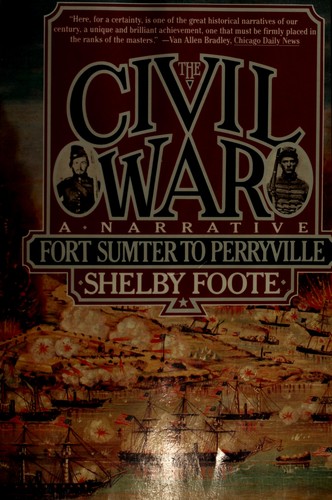
Start this bookNo. 13 on this list. The Civil War: A Narrative, Volume 1 · Shelby Foote · 1958
Widely regarded as the definitive narrative history of the American Civil War. A staple on university reading lists for Civil War history and creative nonfiction courses. Ken Burns's landmark PBS documentary brought Foote and this work to national prominence, cementing its place in the American literary canon as essential reading for understanding the conflict.
Easy23 hours
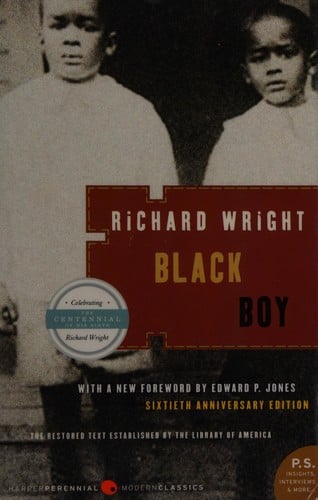
Start this bookNo. 14 on this list. Black Boy · Richard Wright · 1945
Black Boy is a fixture in American secondary and university curricula, routinely assigned in courses on African American literature, autobiography, and twentieth-century American history. It appears on widely used reading lists alongside Native Son and Frederick Douglass's Narrative. The book has maintained continuous institutional presence since its 1945 publication and Book-of-the-Month Club selection.
Easy5.3 hours
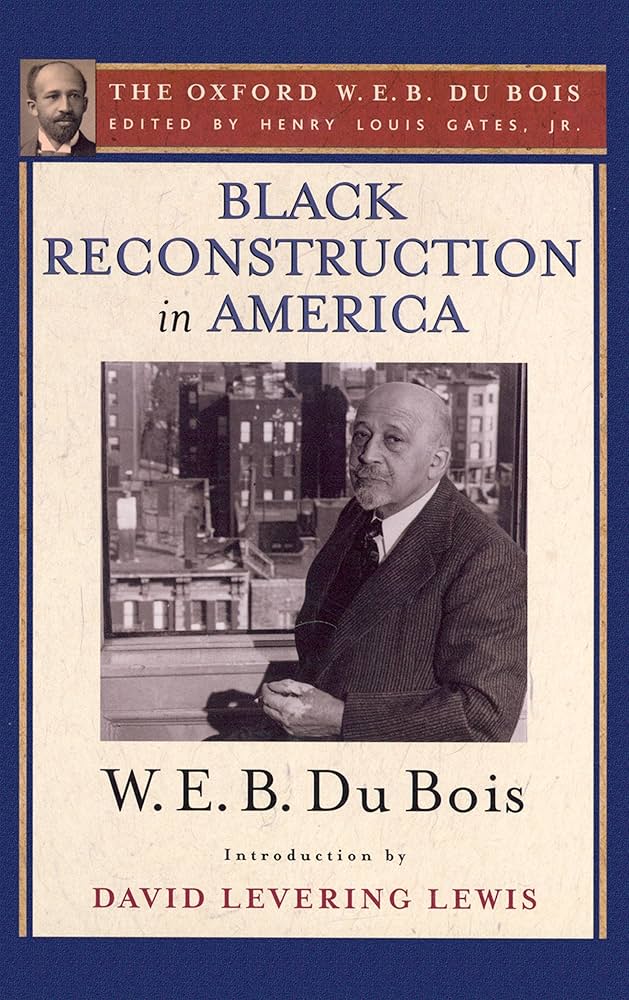
Start this bookNo. 15 on this list. Black Reconstruction in America · W. E. B. Du Bois · 1935
Now recognized as one of the most important works of American historical scholarship, foundational to modern Reconstruction studies.
Easy15 hours
Start this bookNo. 16 on this list. Ain't I a Woman · bell hooks · 1981
In 1981, a 29-year-old Gloria Jean Watkins — writing under the name bell hooks — published an argument that neither the civil rights movement nor the women's movement had bothered to make: that black women in America occupied a position erased by both. hooks starts in the hold of slave ships, where African women were stripped, beaten, and raped alongside men, then sold into a system that denied them the 'femininity' white culture used to define womanhood itself. She traces this erasure forward through Reconstruction, the suffrage movement, and the rise of second-wave feminism, showing how white feminists repeatedly centered their own experience while black male activists asked black women to subordinate gender to race. The title borrows from Sojourner Truth's 1851 speech, and hooks writes with that same refusal to let anyone off the hook. Her chapters on the myth of the black matriarch and the devaluation of black womanhood remain some of the clearest articulations of how racism and sexism operate not as parallel systems but as a single interlocking machinery. The prose is direct, the anger controlled, the scholarship grounded in lived history. Readers looking for intersectional feminism before the term existed will find its intellectual foundation here.
Easy3.7 hours
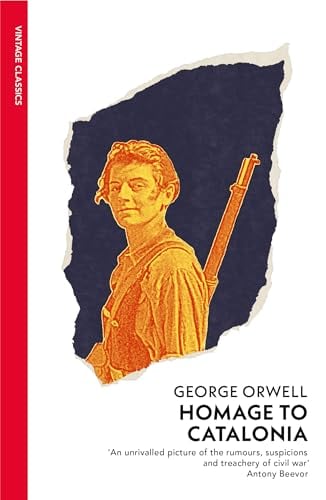
Start this bookNo. 17 on this list. Homage to Catalonia · George Orwell · 1938
Homage to Catalonia is standard reading in courses on 20th-century political history, European literature, and war memoir at universities worldwide. Orwell is among the most assigned authors in English-language syllabi, and while this title is less ubiquitous than 1984 or Animal Farm, it appears consistently in political science and modern history curricula. It has been in continuous print since its 1952 reissue and features on numerous 'essential nonfiction' lists.
Moderate5 hours
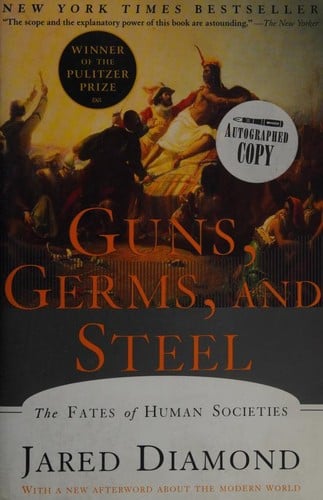
Start this bookNo. 18 on this list. Guns, Germs, and Steel · Jared Diamond · 1997
The verified data signals show no syllabus or Wikipedia entries on file for this title, but Guns, Germs, and Steel has been a fixture of introductory world-history, geography, and anthropology courses since the late 1990s and was adapted into a three-part PBS/National Geographic documentary in 2005. It sits below a literary classic like The Great Gatsby in curricular ubiquity but comfortably ahead of a work with only cult-course status.
Moderate9.2 hours
Start this bookNo. 19 on this list. The Sutra of Princess Pari: A Study of the Korean Shamanist Epic · Gi-Wook Shin · 1999
The definitive scholarly statement of the 'colonial modernity' framework for Korea; universally cited in Korean studies scholarship.
Easy6.9 hours
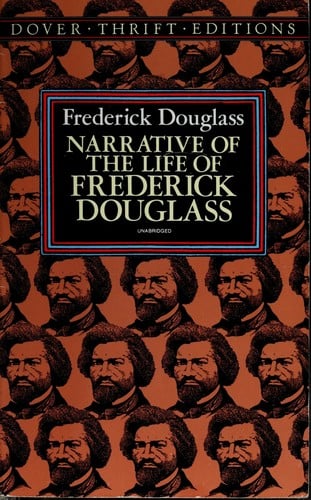
Start this bookNo. 20 on this list. Narrative of the Life of Frederick Douglass · Frederick Douglass · 1845
Frederick Douglass was born into slavery on a Maryland plantation and never knew his exact birthday. His mother, a field hand, walked twelve miles at night to lie beside him before returning to work at dawn. She died when he was seven; he felt it as a stranger's death. From this opening act of separation, Douglass traces his path from Eastern Shore plantations to Baltimore streets to the abolitionist stage -- and at each turn, the question is the same: what does slavery do to human beings, both Black and white? The book's most startling insight arrives in a Baltimore parlor, where Sophia Auld begins teaching the boy his letters. Her husband forbids it, and Douglass understands instantly: if reading makes a slave unfit for bondage, then reading is the way out. He trades bread for lessons with white children on the street. The pivotal scene comes years later, when Douglass fights the slave-breaker Covey to a standstill: 'You have seen how a man was made a slave; you shall see how a slave was made a man.' Written in 1845, while Douglass was still legally property, this is testimony with the names left in -- masters, overseers, farms, the murdered and the murderers. Every page is an act of defiance.
Very Easy2 hours
Read now
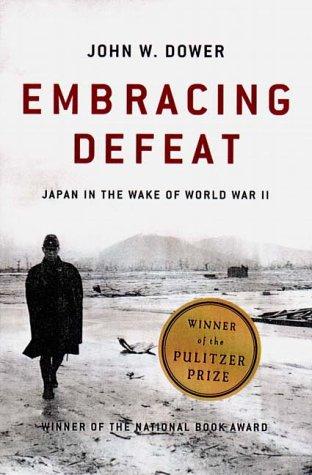
No. 21 on this list. Embracing Defeat · John W. Dower · 1999
Embracing Defeat is standard reading in university courses on modern Japanese history, U.S. foreign policy, and the Pacific War across North America, Europe, and East Asia. It appears on syllabi at virtually every institution that teaches post-1945 Japanese history and has become the default English-language account of the American occupation. Its Wikipedia article exists in multiple languages, reflecting its reach beyond the Anglophone academy.
Easy11 hours
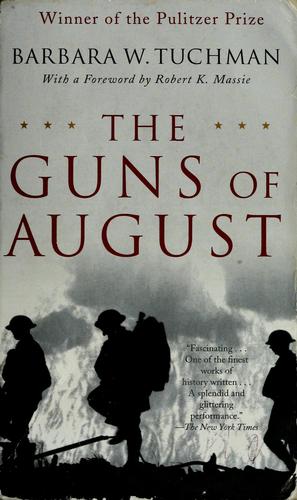
Start this bookNo. 22 on this list. The Guns of August · Barbara W. Tuchman · 1962
In August 1914, the armies of Europe mobilized according to plans drawn up years before, and the men who had written those plans found themselves unable to stop them. Barbara Tuchman follows the first month of the First World War through the decisions of Kaiser Wilhelm, General von Moltke, Sir Edward Grey, King Albert of Belgium, French commander Joffre, and the British Expeditionary Force crossing the Channel — tracking each government's calculations as they collide with reality. The Schlieffen Plan, Germany's blueprint for a two-front war, required sweeping through Belgium in six weeks. Belgium refused to yield. The sequence of what followed — the fall of Liège, the burning of Louvain's library, the British retreat from Mons, the French armies shattering against German lines in the battles of the frontiers — shows how a war that most leaders expected to end by Christmas instead set the terms for the next four years. Tuchman writes narrative history as a novelist would: scenes, dialogue, the texture of specific moments. John F. Kennedy read this book during the Cuban Missile Crisis, reportedly to remind himself how quickly leaders can lose control of the forces they have set in motion. It won the Pulitzer Prize in 1963. The question it asks — how educated, cautious men produced a catastrophe none of them wanted — has not become less relevant.
Moderate12 hours
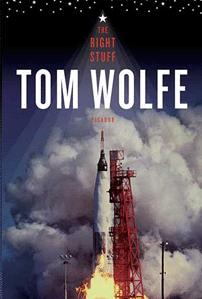
Start this bookNo. 23 on this list. The Right Stuff · Tom Wolfe · 1979
Widely assigned in American journalism, creative nonfiction, and cultural studies courses. The book appears on numerous 'best nonfiction' lists and is a fixture in New Journalism syllabi. Its phrases—'the right stuff,' 'pushing the envelope'—have entered common usage, a rare marker of cultural penetration for a nonfiction work.
Easy8.3 hours
Start this bookNo. 24 on this list. The Travels of Marco Polo · Marco Polo · 1300
The standard European source on medieval Asia, taught across world-history, travel-writing and medieval-studies courses, and permanently in print in Penguin Classics and Everyman's.
Moderate7.4 hours
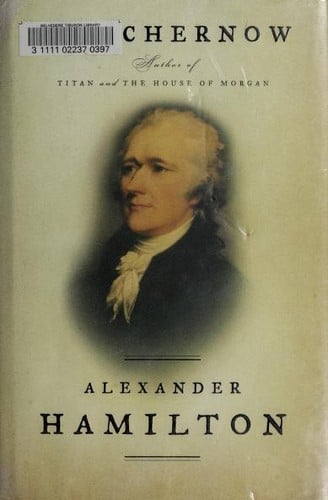
Start this bookNo. 25 on this list. Alexander Hamilton · Ron Chernow · 2004
The definitive modern biography of Alexander Hamilton, widely assigned in American history, political science, and constitutional law courses at universities across the United States. It has become the standard reference work on Hamilton's life, and its cultural footprint expanded enormously after inspiring Lin-Manuel Miranda's Broadway musical 'Hamilton' in 2015.
Easy19 hours
Start this bookNo. 26 on this list. The Path To Power · Robert A. Caro · 1982
The volume is widely assigned in political biography and American history courses, and it anchors the Years of Lyndon Johnson series. It is a modern classic of the genre rather than a universal curriculum fixture.
Easy18 hours
Start this bookNo. 27 on this list. The Mismeasure of Man · Stephen Jay Gould · 1981
A landmark in the history and critique of science; required reading in science studies, history, and sociology.
Easy6 hours
Start this bookNo. 28 on this list. Incidents in the Life of a Slave Girl · Harriet Ann Jacobs · 1861
It is a staple of American literature and African American studies courses and the best-known slave narrative by a woman. Few narratives are taught as widely, though it stands below the central novels.
Easy2.6 hours
Start this bookNo. 29 on this list. The Warmth of Other Suns · Isabel Wilkerson · 2010
It is widely assigned in American history and African American studies courses and read as a modern classic of narrative history. A recent book, it has not yet reached the staple status of the older canon.
Easy12 hours
Start this bookNo. 30 on this list. Twelve Years a Slave · Solomon Northup · 1853
It is a staple of American literature and history courses as a core slave narrative. The 2013 film adaptation widened its readership, though it sits below the highest canonical works.
Easy5.2 hours
Start this book
No. 31 on this list. Virgin Land: The American West as Symbol and Myth
Henry Nash Smith · 1950
No. 32 on this list. The Diary of Samuel Pepys
No. 33 on this list. The Wounded Heart: Writing on Chosŏn-Era Korean Fiction
Michael D. Shin · 2010
No. 34 on this list. Abraham Lincoln: The Prairie Years and the War Years
Carl Sandburg · 1899
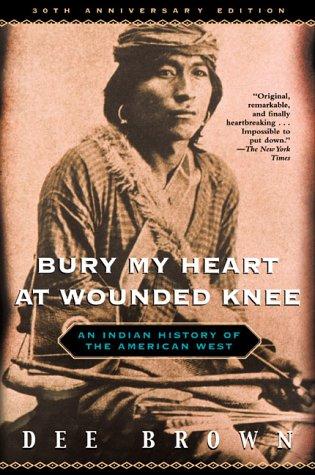
No. 35 on this list. Bury My Heart at Wounded Knee
Dee Brown · 1970
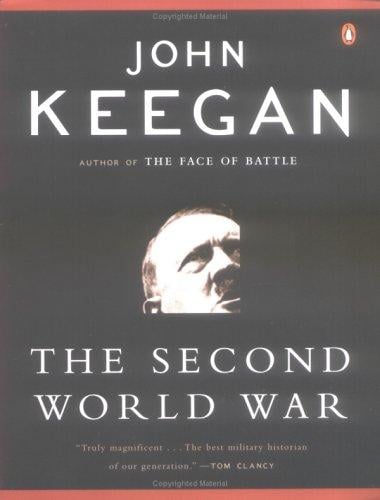
No. 36 on this list. The Second World War
John Keegan · 1989
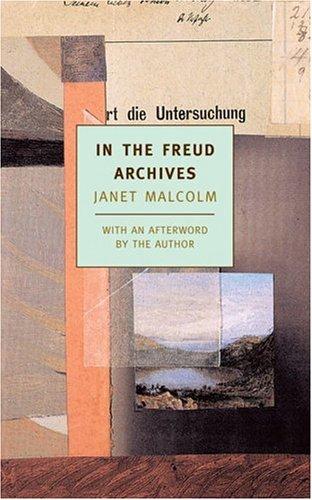
No. 37 on this list. In the Freud Archives
Janet Malcolm · 1984
No. 38 on this list. The Complete Personal Memoirs of Ulysses S Grant
Ulysses S. Grant · 2017
No. 39 on this list. The Making of Modern Korean Poetry: Foreign Influences and Native Creativity
Kim Hyun-suk · 2003
No. 40 on this list. A History of God
Karen Armstrong · 1993
No. 41 on this list. Long Walk to Freedom
Nelson Mandela · 1994
No. 42 on this list. Truman
David McCullough · 1993
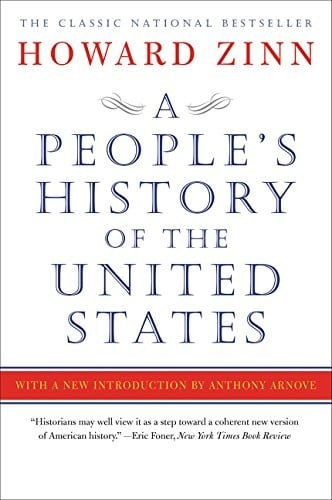
No. 43 on this list. A People's History of the United States
Howard Zinn · 1980
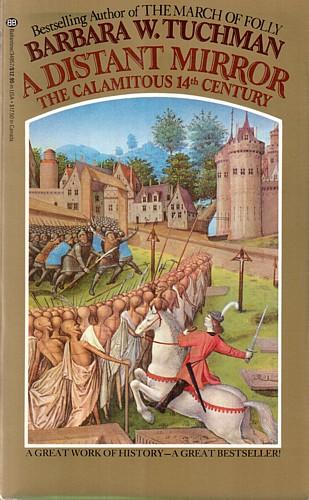
No. 44 on this list. A Distant Mirror
Barbara W. Tuchman · 1978
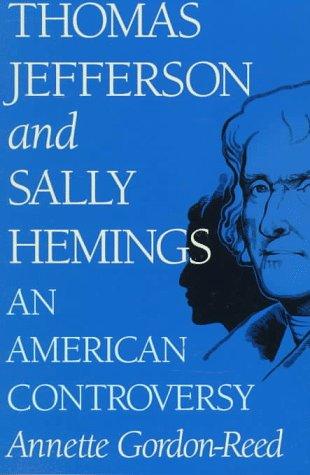
No. 45 on this list. Thomas Jefferson & Sally Hemings: An American Controversy
Annette Gordon-Reed · 1998
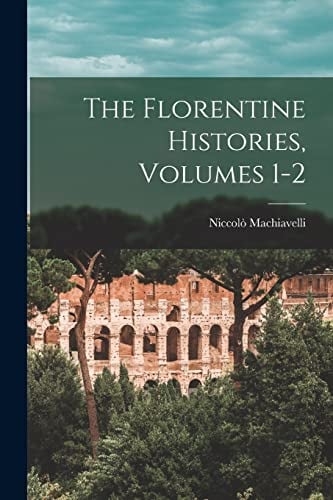
No. 46 on this list. Florentine Histories
Niccolò Machiavelli · 1532
No. 47 on this list. The Flowering of New England
Van Wyck Brooks · 1936
No. 48 on this list. The Lion and the Unicorn: Socialism and the English Genius
George Orwell · 1941
No. 49 on this list. The New Jim Crow
Michelle Alexander · 2010
No. 50 on this list. The Great Transformation
Karl Polanyi · 1944
No. 51 on this list. Why We Can't Wait
Martin Luther King Jr. · 1964
No. 52 on this list. Mr. Clemens and Mark Twain: A Biography
Justin Kaplan · 1966
No. 53 on this list. The Rediscovery of America: Native Peoples and the Unmaking of US History
Ned Blackhawk · 2023
No. 54 on this list. The Emperor of All Maladies
Siddhartha Mukherjee · 2010
No. 55 on this list. Battle Cry of Freedom
James M. McPherson · 1988
No. 56 on this list. Honor Thy Father
Gay Talese · 1971
No. 57 on this list. The Constitution of the United States of America, with all of the Amendments; The Declaration of Independence; and The Articles of Confederation, annotated (Breathitt Classics)
No. 58 on this list. A History of the English-Speaking Peoples
Winston Churchill · 1956
No. 59 on this list. The Wager
David Grann · 2023
No. 60 on this list. Empire of the Summer Moon
S. C. Gwynne · 2010

No. 61 on this list. The Gutenberg Galaxy
Marshall McLuhan · 1962
No. 62 on this list. Wartime: Understanding and Behavior in the Second World War
Paul Fussell · 1989
No. 63 on this list. The Rise and Fall of the Third Reich
William L. Shirer · 1960
No. 64 on this list. Jane Austen: A Life
Claire Tomalin · 1997
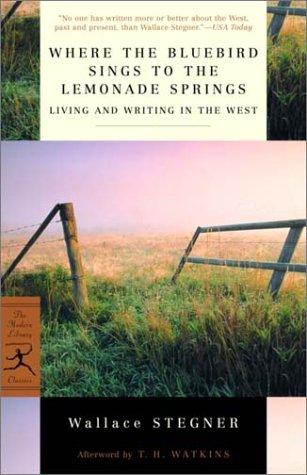
No. 65 on this list. Where the Bluebird Sings to the Lemonade Springs: Living and Writing in the West
Wallace Stegner · 2002
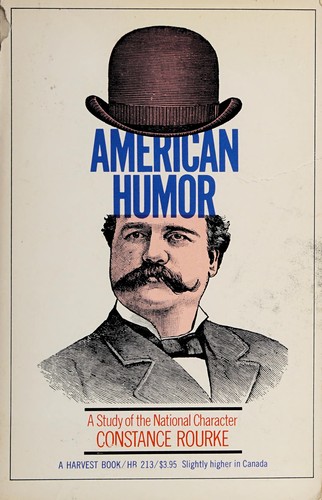
No. 66 on this list. American Humor: A Study of the National Character
Constance Rourke · 1931
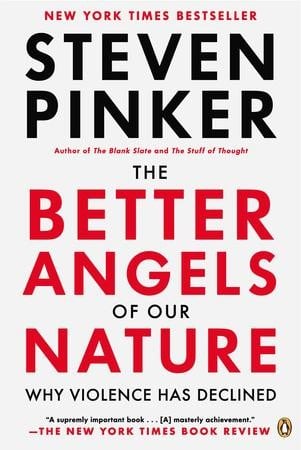
No. 67 on this list. The Better Angels of Our Nature
Steven Pinker · 2011
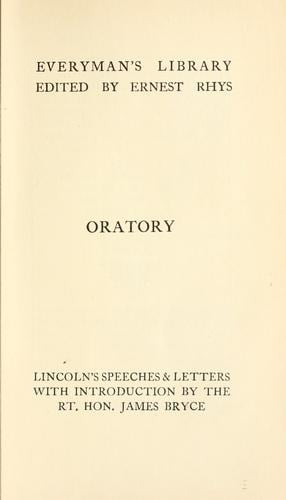
No. 68 on this list. Speeches and Letters of Abraham Lincoln, 1832-1865
Abraham Lincoln · 1949
No. 69 on this list. Gabriel García Márquez: A Life
Gerald Martin · 2008
No. 70 on this list. Why Nations Fail
Daron Acemoglu · 2012
No. 71 on this list. With Malice Toward None: A Life of Abraham Lincoln
Stephen B. Oates · 1994
No. 72 on this list. Before the Movement: The Hidden History of Black Civil Rights
Dylan C. Penningroth · 2023
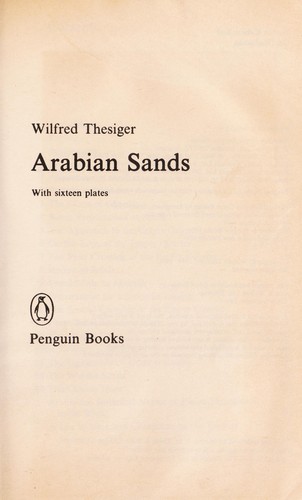
No. 73 on this list. Arabian Sands
Wilfred Thesiger · 1959
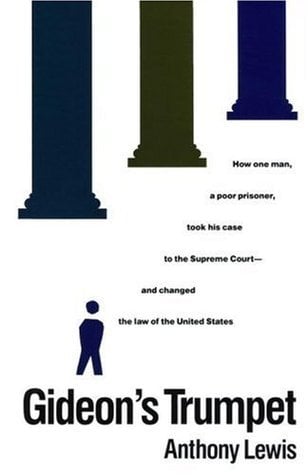
No. 74 on this list. Gideon's Trumpet
Anthony Lewis · 1964
No. 75 on this list. Thy Neighbor's Wife
Gay Talese · 1981
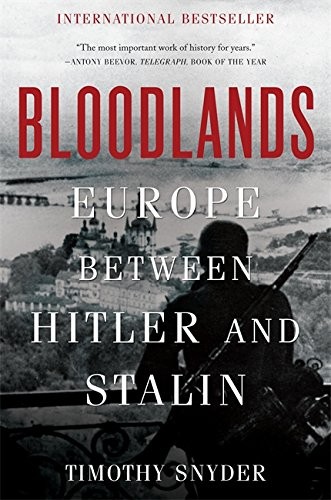
No. 76 on this list. Bloodlands
Timothy Snyder · 2010
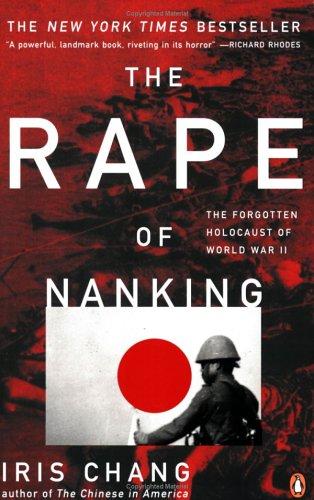
No. 77 on this list. The Rape of Nanking: The Forgotten Holocaust of World War II
Iris Shun-Ru Chang · 1997
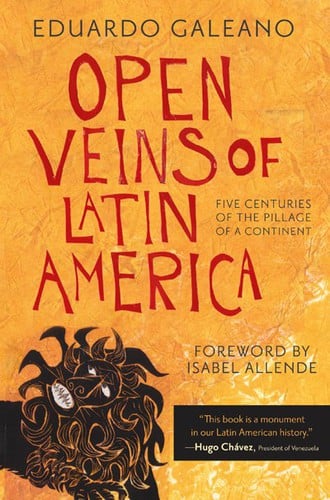
No. 78 on this list. Open Veins of Latin America
Eduardo Galeano · 1971
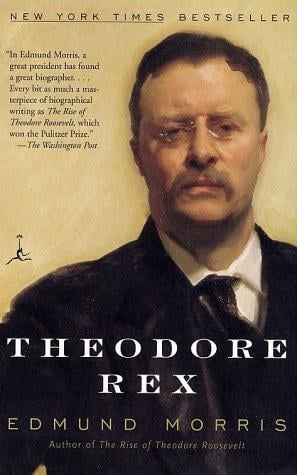
No. 79 on this list. Theodore Rex
Edmund Morris · 2001
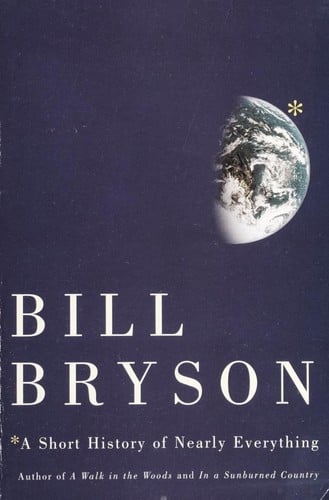
No. 80 on this list. A Short History of Nearly Everything
Bill Bryson · 2003
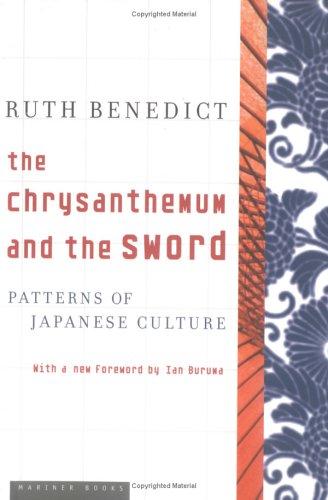
No. 81 on this list. The Chrysanthemum and the Sword
Ruth Benedict · 1946
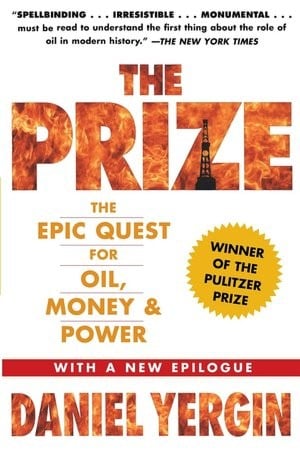
No. 82 on this list. The Prize
Daniel Yergin · 1991
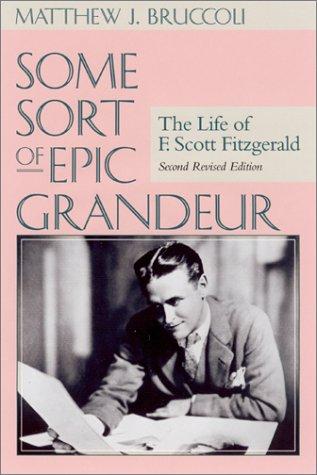
No. 83 on this list. Some Sort of Epic Grandeur: The Life of F. Scott Fitzgerald
Matthew J. Bruccoli · 1981
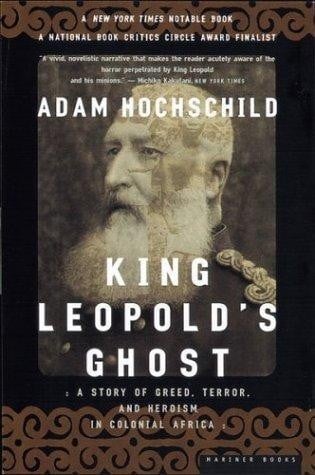
No. 84 on this list. King Leopold's Ghost
Adam Hochschild · 1998
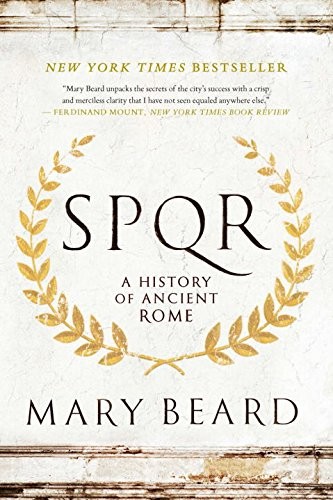
No. 85 on this list. SPQR
Mary Beard · 2015
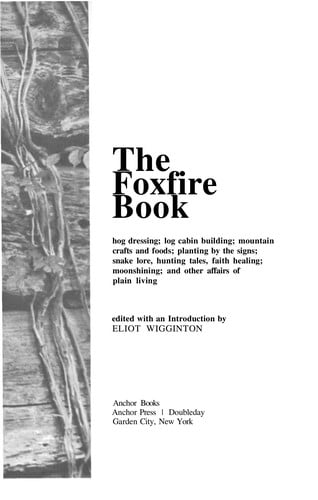
No. 86 on this list. The Foxfire Book: Hog Dressing; Log Cabin Building; Mountain Crafts and Foods; Planting by the Signs; Snake Lore, Hunting Tales, Faith Healing
Eliot Wigginton · 1972
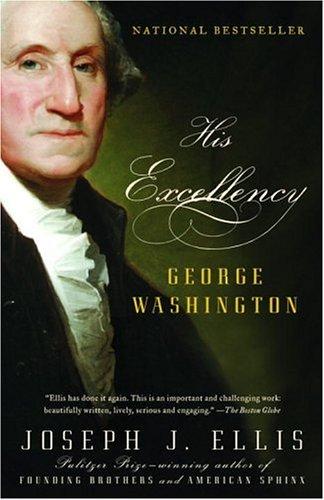
No. 87 on this list. His Excellency: George Washington
Joseph J. Ellis · 2005
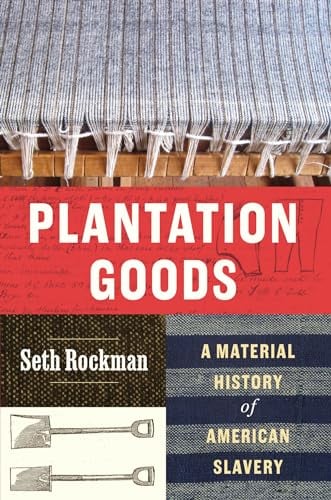
No. 88 on this list. Plantation Goods: A Material History of American Slavery
Seth Rockman · 2024
No. 89 on this list. The Gene
Siddhartha Mukherjee · 2016
No. 90 on this list. Nexus: A Brief History of Information Networks from the Stone Age to AI
Yuval Noah Harari · 2024
No. 91 on this list. How to Hide an Empire: A History of the Greater United States
Daniel Immerwahr · 2019
No. 92 on this list. Ernest Hemingway: A Life Story
Carlos Baker · 1969
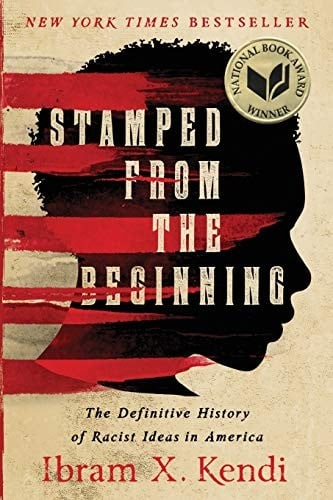
No. 93 on this list. Stamped from the Beginning
Ibram X. Kendi · 2016
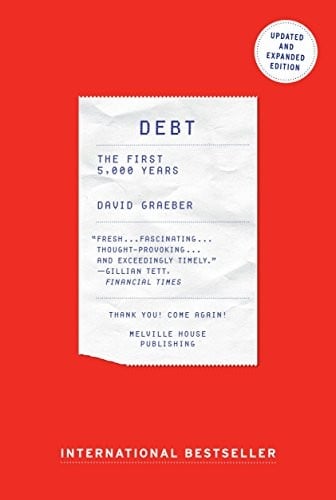
No. 94 on this list. Debt
David Graeber · 2011
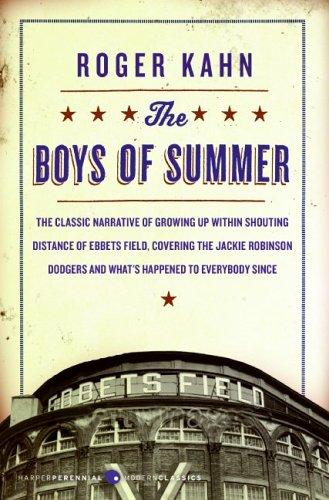
No. 95 on this list. The Boys of Summer
Roger Kahn · 1972
No. 96 on this list. Einstein: His Life and Universe
Walter Isaacson · 2007
No. 97 on this list. Say Nothing
Patrick Radden Keefe · 2018
No. 98 on this list. The Thirty Years War
C.V. Wedgwood · 2005
No. 99 on this list. Killers of the Flower Moon
David Grann · 2017
No. 100 on this list. Cleopatra: A Life
Stacy Schiff · 2010
About this list
These 100 books are the highest-scoring eligible easy history books currently in the catalogue. By literary regard, it opens with The Prince, The Peloponnesian War and The Decline and Fall of the Roman Empire. About 1,033 hours of reading in all, for the 99 with measured lengths. Difficulty runs from 29 to 40 out of 100 for the middle half of the list; the summit is In the Freud Archives at 45.
This list is ranked by literary regard, with a consistent order for equal scores. Membership follows authors and co-authors, not translators or editors. Catalogue coverage and the historical canon both limit what this list can represent, and genre labels are the catalogue’s own, gathered into broader kinds.
When we matched the Canons dataset to our catalogue in October 2026, our canonical-status scores rose with the number of school curricula, publisher series and lists in it that cite a work: the median score was 72 for books one such source cites, 84 at two, 88 at three, 92 at four and 93 at five or more. Prizes are left out of that count. Outside the state curricula, the dataset’s sources choose mostly from what has been translated into English or French, so it is a weaker check on other literatures. Source: Canons (Andrew Piper), CC BY 4.0
Questions people actually ask
- What are the best easy history books?
- By literary regard, which weighs canonical status, critical standing and influence, The Prince, The Peloponnesian War, The Decline and Fall of the Roman Empire, Discourses on Livy and The United States Constitution lead. ReadingRate ranks 100 such books, each with a difficulty score and a reading-time estimate.
- Where should I start with easy history books?
- Start from difficulty, not from rank. The most approachable books on this list that still carry top literary regard are Narrative of the Life of Frederick Douglass by Frederick Douglass (about 2 hours), Maus I: A Survivor's Tale: My Father Bleeds History by Art Spiegelman and Ain't I a Woman by bell hooks.
- How hard are easy history books to read?
- Most of this list sits between 29 and 40 on ReadingRate's 100-point difficulty scale, where 40 to 55 is moderate. The summit is In the Freud Archives at 45. Every entry carries its own score, so a reader can pick a great book at a difficulty they will finish.
- How is this list ranked?
- On literary-regard data: how canonically established a work is, its critical standing, and its influence on later writing. It is not a readers’ poll, which is why recent bestsellers rarely appear. Membership follows authors and co-authors, not translators or editors. A list that is not a genre list keeps to literature (fiction, poetry, drama and philosophy), with philosophy taking no more than one slot in five while there is literature left to rank; every list holds at most three works by one author.