Hours at an average pace
Showing 100 books
About 786 hours for 100 of 100 books with measured lengths. Estimates use 250 words a minute, adjusted for each book's difficulty. At 2 hours a day, about 393 days for those books.
No. 1 on this list. Adventures of Huckleberry Finn
Mark Twain · 1884
Moderate7.5 hours
Taught in schools: Pearson Edexcel GCSE and A-level English Literature (UK)
Included in: Bokklubben World Library, Great Books of the Western World
Adventures of Huckleberry Finn is taught in virtually every American high school and university American literature course, and is among the most debated and analyzed works in the American canon. Its Wikipedia article spans 62 languages with a dedicated reception section, reflecting global critical discourse sustained for over 140 years. Ernest Hemingway's declaration that all modern American literature comes from this one book cemented its place as the foundational American novel.
No. 2 on this list. The Canterbury Tales
Geoffrey Chaucer · 1400
Challenging22 hours
Taught in schools: UNAM Escuela Nacional Preparatoria – programas de Literatura (Mexico)
Included in: Bokklubben World Library, Great Books of the Western World
Chaucer assembled a cross-section of fourteenth-century English society — knight, pardoner, wife, miller — and let each tell a tale in a voice so particular that the frame story became a laboratory for vernacular English prose and poetry. He proved that the language of London could carry the literary weight that had belonged to Latin and French.
No. 3 on this list. Gargantua and Pantagruel
François Rabelais · 1532
Challenging33 hours
Taught in schools: Lektury obowiązkowe – Polish national reading list (Poland)
Included in: Bokklubben World Library, Great Books of the Western World
Gargantua and Pantagruel appears on virtually every Western literary canon list and is required reading in Renaissance literature courses at universities worldwide. The work has Wikipedia articles in more than 60 languages and has maintained continuous scholarly attention since the 16th century. It appears on Harold Bloom's Western Canon and the Great Books curricula as a founding text of European prose fiction.
No. 4 on this list. The Overcoat
Nikolai Gogol · 1842
Challenging59 min
Taught in schools: Kazakh literature curriculum (Kazakhstan), Montenegrin literature curriculum (crnogorski jezik i književnost) (Montenegro), Russian FGOS literature standard
"The Overcoat" is one of the most canonical short works in world literature, with a Wikipedia article available in 36 languages. It is standard reading in Russian literature courses and world literature surveys at universities globally. Dostoevsky's declaration that all Russian literature emerged from Gogol's overcoat has enshrined it as a foundational text for nearly two centuries.
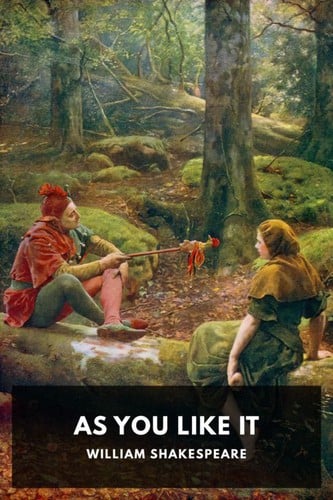
No. 5 on this list. As You Like It
William Shakespeare · 1600
Moderate1.6 hours
Taught in schools: CSEC English B – Caribbean Examinations Council, WBCHSE English and Alternative English syllabuses (India)
Included in: Great Books of the Western World
As You Like It appears on thousands of university syllabi worldwide and is regularly staged by major theater companies. Its central monologue — 'All the world's a stage' — is among the most quoted passages in English literature, cementing its place in the core Shakespeare canon alongside Hamlet and Midsummer Night's Dream.
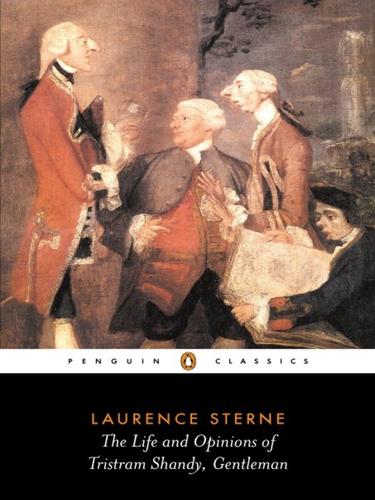
No. 6 on this list. The Life and Opinions of Tristram Shandy, Gentleman
Laurence Sterne · 1759
Difficult27 hours
Included in: Bokklubben World Library, Great Books of the Western World
Tristram Shandy is one of the most taught 18th-century English novels in university literature programs worldwide, appearing on virtually every course covering the development of the novel form, postmodernism avant la lettre, and experimental fiction. It consistently appears on lists of the greatest novels in the English language — Modern Library, Penguin Classics, academic consensus lists — and is the foundational text for any discussion of metafiction and narrative self-consciousness. Its canonical status is second only to Fielding's Tom Jones among 18th-century English prose fiction.
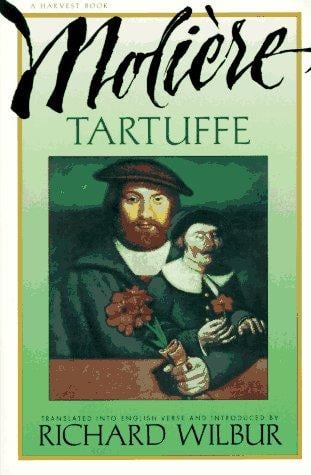
No. 7 on this list. Tartuffe
Molière · 1669
Moderate1.3 hours
Taught in schools: Hungarian literature curriculum (magyar nyelv és irodalom) (Hungary)
Included in: Great Books of the Western World
Tartuffe is required reading in French literature, comparative literature, and theater history courses at virtually every major university. It is among the most-performed French plays internationally and appears on nearly all canonical drama reading lists alongside Racine and Corneille. The play has been in continuous repertoire since 1669 and is central to any study of Western comedy.
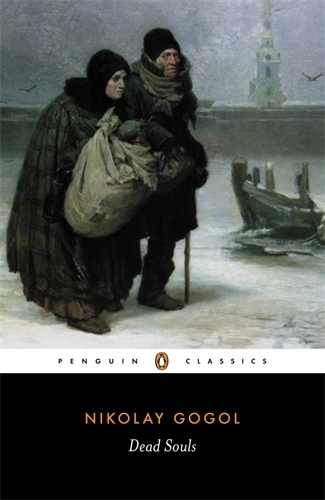
No. 8 on this list. Dead Souls
Nikolai Gogol · 1842
Challenging10 hours
Taught in schools: Kazakh literature curriculum (Kazakhstan), Russian FGOS literature standard, Turkish edebiyat curriculum (Turkey)
Included in: Bokklubben World Library
Gogol invented a con man who travels provincial Russia buying the legal titles to dead serfs, and the scheme becomes a lens that reveals an entire civilization running on fraud, vanity, and paperwork. The novel created Russian satirical prose and gave the language its first great comic voice — simultaneously grotesque, lyrical, and furious.
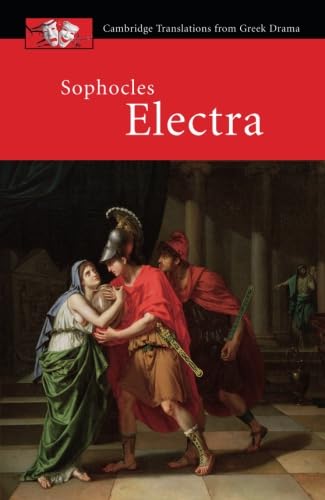
No. 9 on this list. Electra
Sophocles · c. 410 BCE
Moderate50 min
Included in: Great Books of the Western World
Electra is required reading in virtually every university classics and comparative literature program. All seven of Sophocles' surviving plays form the backbone of Western classical studies, and Electra — alongside Oedipus Rex and Antigone — is among the most taught. It appears on syllabi across departments from literature to philosophy to theater.
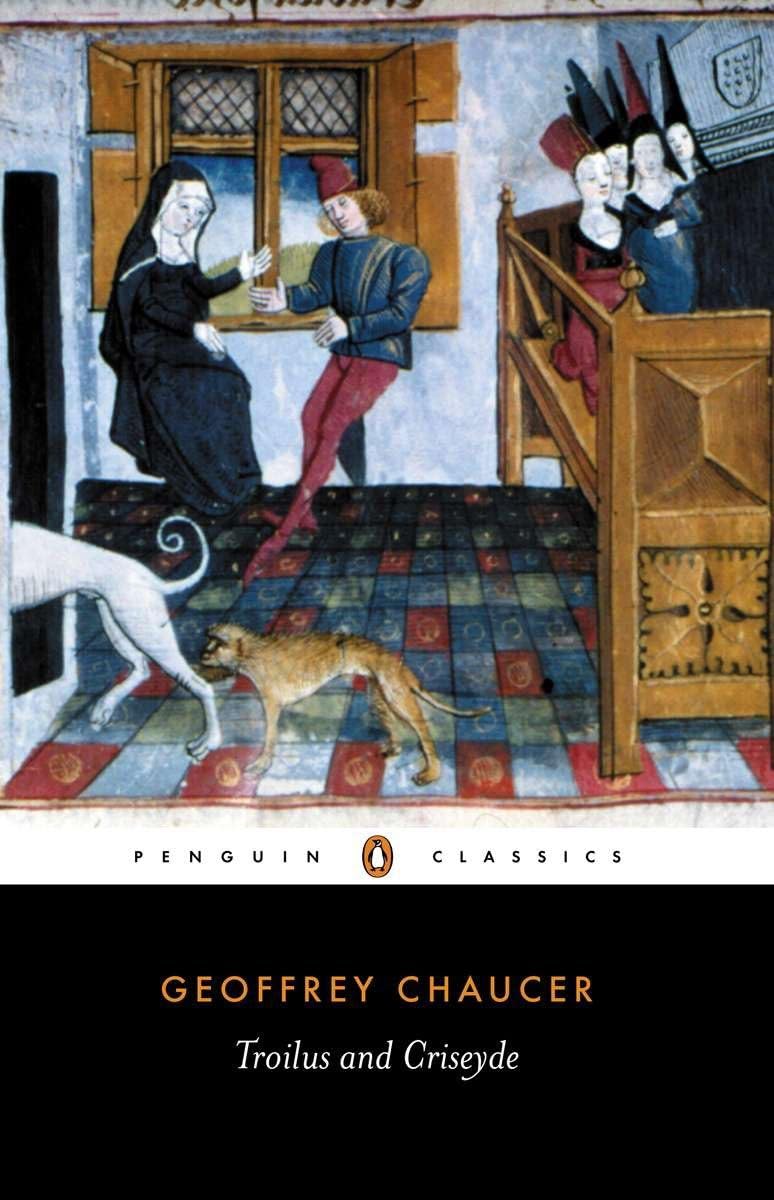
No. 10 on this list. Troilus and Criseyde
Geoffrey Chaucer · 1385
Difficult9.3 hours
Included in: Great Books of the Western World
Required reading in virtually every medieval English literature curriculum, taught across English, Comparative Literature, and Medieval Studies programs at universities worldwide. Though Open Syllabus data is unavailable here, Chaucer courses built around this text are standard at every major university with an English department. It holds a place among the most-studied long poems in the English language.
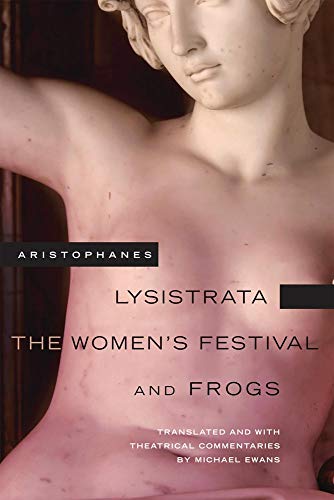
No. 11 on this list. Lysistrata · Aristophanes · c. 411 BCE
Taught in schools: Hungarian literature curriculum (magyar nyelv és irodalom) (Hungary)
Included in: Great Books of the Western World
Lysistrata appears on university syllabi worldwide in classics, theatre, women's studies, and political science courses. It is one of the most-performed ancient Greek comedies and features in virtually every survey of world literature and Western drama. Its 2,400-year continuous performance history makes it one of the most durably canonical texts in any language.
Easy50 min
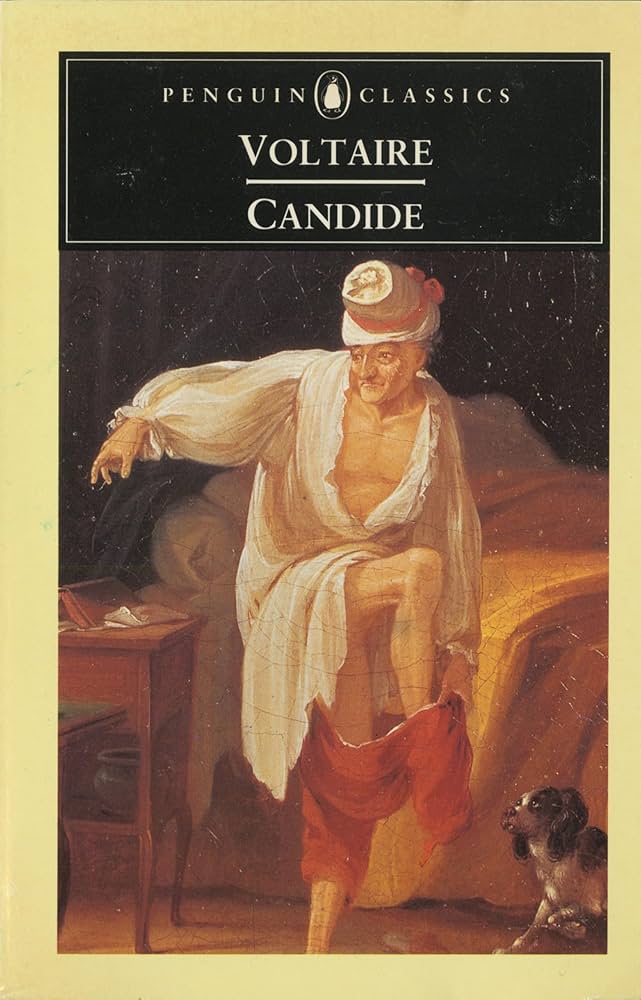
Start this bookNo. 12 on this list. Candide · Voltaire · 1759
Taught in schools: Hungarian literature curriculum (magyar nyelv és irodalom) (Hungary)
Included in: Great Books of the Western World
Voltaire's Candide gets flogged, shipwrecked, and nearly auto-da-féd across three continents, each catastrophe demolishing Pangloss's insistence that this is the best of all possible worlds. The final line—"we must cultivate our garden"—became the Enlightenment's most quoted rebuke to metaphysical optimism.
Challenging3 hours
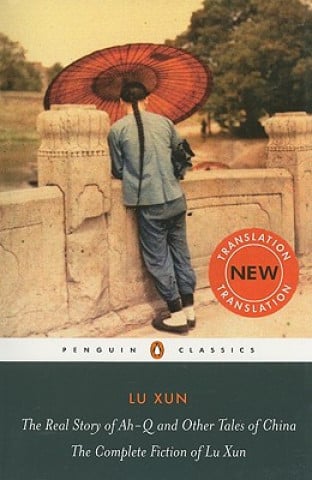
Read nowNo. 13 on this list. The True Story of Ah Q · Lu Xun · 1921
Ah Q stands with Quixote, Oblomov, and Babbitt as literature's archetypal national figures. For modern Chinese literature, this text functions as foundational myth—the work that demonstrated vernacular Chinese could carry savage social critique and established Lu Xun as the tradition's father.
Easy1.5 hours
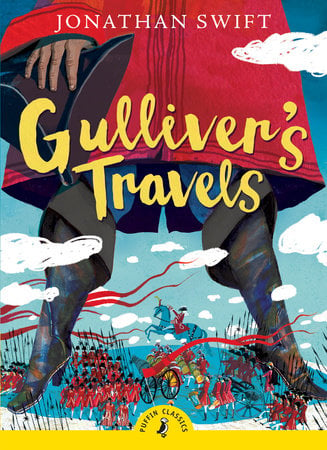
Start this bookNo. 14 on this list. Gulliver's Travels · Jonathan Swift · 1726
Taught in schools: CSEC English B – Caribbean Examinations Council, Hungarian literature curriculum (magyar nyelv és irodalom) (Hungary)
Included in: Bokklubben World Library, Great Books of the Western World
Swift shrinks his protagonist to six inches in Lilliput, inflates him to a giant in Brobdingnag, then deposits him among rational horses who regard humans as vermin. No other satire in English has so thoroughly weaponized scale and perspective to indict politics, science, and the species itself.
Challenging10 hours
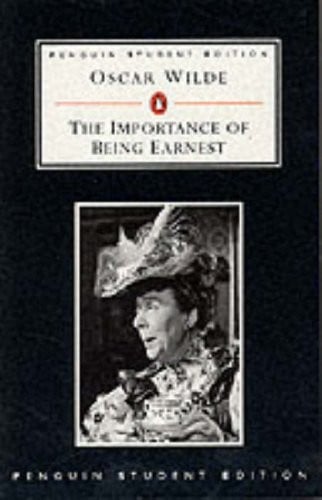
Read nowNo. 15 on this list. The Importance of Being Earnest · Oscar Wilde · 1893
Taught in schools: AQA GCSE and A-level English Literature (UK), Common Core text exemplars (Appendix B) (US), CSEC English B – Caribbean Examinations Council
Ranked by literary regard among eligible works in the current catalogue. This position reflects the available catalogue evidence.
Moderate1.9 hours
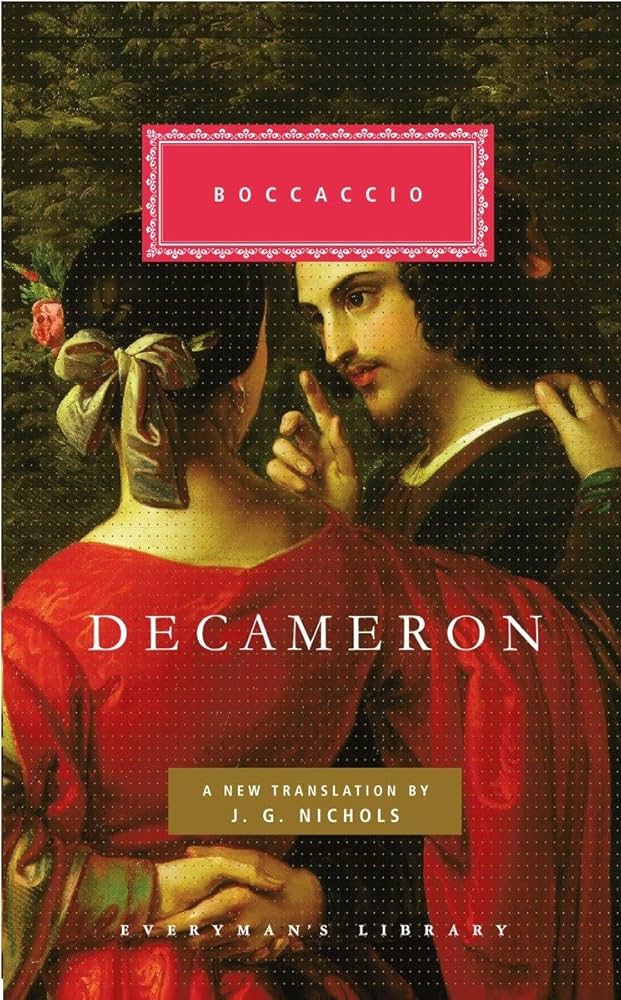
Start this bookNo. 16 on this list. The Decameron · Giovanni Boccaccio · 1353
Included in: Bokklubben World Library
Ten young Florentines flee the Black Death and tell a hundred stories—bawdy, tragic, satirical—that give prose fiction its first great architecture. Chaucer borrowed from it, and the frame-narrative technique Boccaccio perfected here became the scaffolding for centuries of European storytelling.
Moderate20 hours
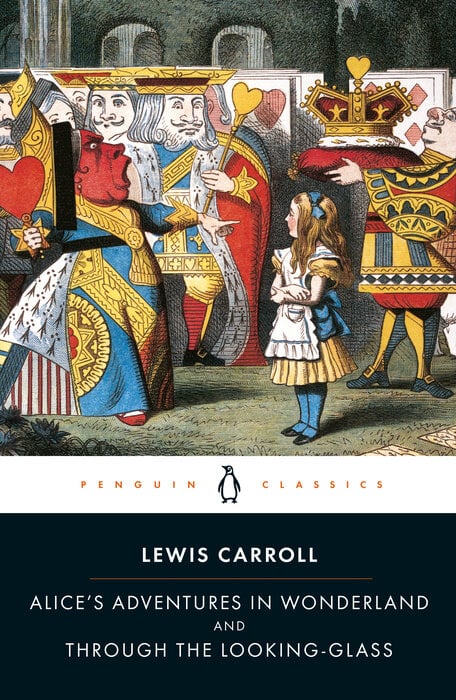
Read nowNo. 17 on this list. Alice's Adventures in Wonderland and Through the Looking-Glass · Lewis Carroll · 1871
No syllabus or Wikipedia-language data is recorded for this edition in our database, but Alice is a fixture of children's-literature, Victorian-studies, and philosophy-of-language courses worldwide. It remains one of the most translated books in history, with a reach comparable to Hamlet's or The Great Gatsby's syllabus ubiquity.
Moderate3.6 hours
Start this bookNo. 18 on this list. The Frogs · Aristophanes · c. 405 BCE
Taught in schools: Montenegrin literature curriculum (crnogorski jezik i književnost) (Montenegro)
Included in: Great Books of the Western World
Dionysus, god of theater and wine, has a problem: Athens has run out of good tragedians. Euripides is dead, Sophocles is dead, and the city's stages are filling up with lesser men. So Dionysus disguises himself as Heracles — borrowed lion-skin and all — and descends into the underworld to bring Euripides back. He takes his slave Xanthias with him, who spends most of the play pointing out that his master is a coward. What begins as a slapstick adventure through Hades — complete with a chorus of literal frogs croaking "Brekekekex koax koax" as Dionysus rows across the Styx — turns into a formal literary debate. Aeschylus and Euripides, both dead, compete for the underworld's throne of poetry. They weigh each other's verses on an actual scale. They trade insults about meters, politics, and moral purpose. Aristophanes wrote this in 405 BCE, the year Athens was losing the Peloponnesian War, and the play's question — what should poetry do for a city in crisis? — had an edge that wasn't merely academic. The comedy is loud, obscene, and intellectually serious in the same breath. Read it expecting a play that treats literary criticism as a matter of civic life and death.
Challenging1.1 hours
Start this bookNo. 19 on this list. Collected Poems of Constantine Cavafy · Constantine P. Cavafy · 1935
One of the most important poets of the twentieth century, canonical in modern Greek literature and widely translated and admired internationally.
Moderate59 min
Start this bookNo. 20 on this list. The Comedy of Errors · William Shakespeare · 1594
Included in: Great Books of the Western World
The Comedy of Errors appears on English literature syllabi worldwide as a fixture in Shakespeare survey courses. Among Shakespeare's 37 plays it ranks below the major tragedies in teaching frequency, but as the shortest play in the canon and the foundational English stage farce it maintains consistent academic presence across drama and literature programmes.
Moderate1 hours
Read now
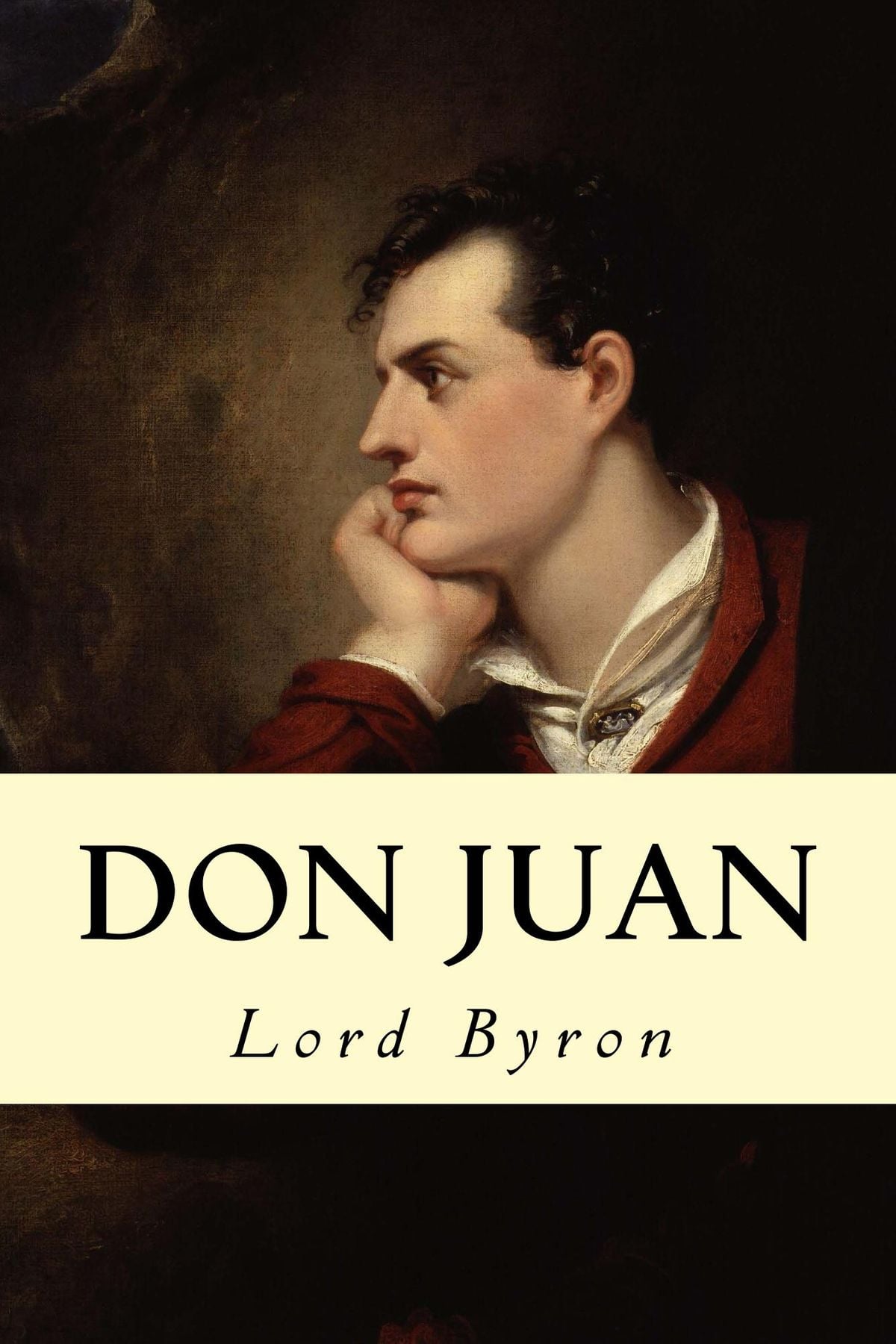
No. 21 on this list. Don Juan · Lord Byron · 1824
Byron's sixteen-thousand-line ottava rima epic turns the legendary seducer into a passive, charming boy buffeted across Europe by women, wars, and shipwrecks. The digressions—on English hypocrisy, the nature of fame, the stupidity of war—are the point, making it the first great poem that reads like a novel.
Challenging11 hours
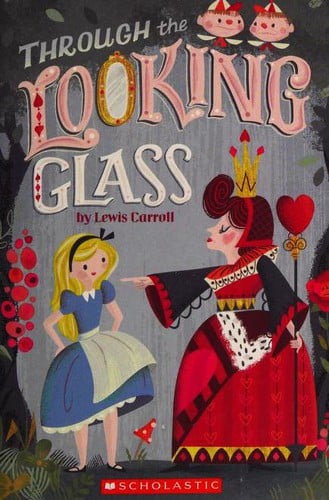
Read nowNo. 22 on this list. Through the Looking-Glass and What Alice Found There · Lewis Carroll
It is a core text of Victorian and children's literature, taught in courses on nonsense, fantasy and Victorian studies and constantly adapted. It trails only a little behind the first Alice book in curricula.
Moderate4.1 hours
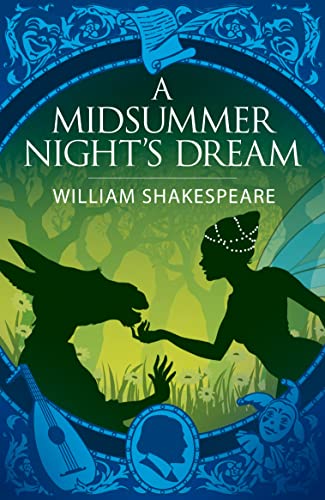
Start this bookNo. 23 on this list. A Midsummer Night's Dream · William Shakespeare · 1600
Taught in schools: CSEC English B – Caribbean Examinations Council
Included in: Great Books of the Western World
Four Athenian lovers stumble through an enchanted forest while Oberon and Puck rearrange their affections with a magic flower, and a troupe of tradesmen rehearse the worst play ever staged. Shakespeare nests three worlds—court, fairy kingdom, and amateur theater—into a single moonlit structure that defines romantic comedy.
Moderate1.1 hours
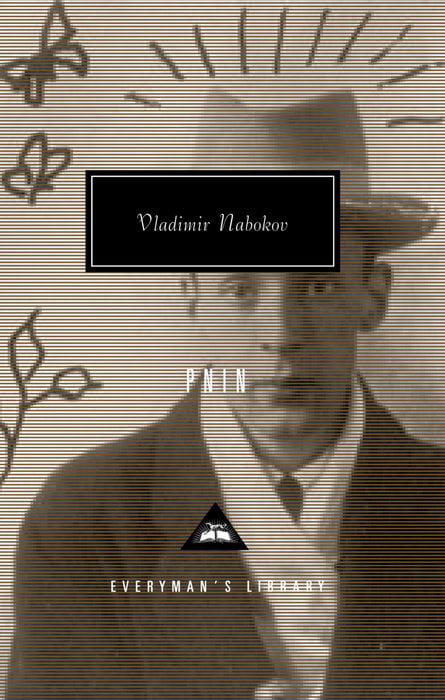
Read nowNo. 24 on this list. Pnin · Vladimir Nabokov · 1957
Pnin occupies established position in 20th-century literature curricula, taught as representative Nabokov and exemplary modernist treatment of exile. While less universally assigned than Lolita or Pale Fire, the novel appears regularly in Russian-American literature, American modernism, and displaced-person studies courses.
Challenging3.8 hours
Start this bookNo. 25 on this list. The Pickwick Papers · Charles Dickens · 1837
A standard fixture in Victorian literature surveys and 19th-century English literature courses, though overshadowed in syllabi by Dickens's later works such as Great Expectations and A Tale of Two Cities. Its status as Dickens's first novel and as the text that established serialized fiction as a mass-market form gives it a firm place in the canon, even if it is read less frequently than his mature novels.
Moderate19 hours
Read nowNo. 26 on this list. Martin Chuzzlewit · Charles Dickens · 1844
Martin Chuzzlewit holds a secure but second-tier position in the Dickens canon, taught regularly in Victorian literature courses and included on most serious Dickens reading lists, though it receives less classroom attention than Bleak House, Great Expectations, or David Copperfield. Dickens himself considered it his best work up to that point. The novel is available in numerous editions including Penguin Classics and Oxford World's Classics, and its key characters—Pecksniff, Sairey Gamp—remain cultural reference points.
Challenging24 hours
Read nowNo. 27 on this list. The Importance of Being Earnest and Other Plays · Oscar Wilde · 1898
No syllabus or Wikipedia-language data turned up in this database pass, but The Importance of Being Earnest is a fixture of English-language secondary and university curricula worldwide and one of the most frequently produced plays in the English repertoire, with multiple film adaptations (1952, 1992, 2002) keeping it in general circulation. That level of sustained institutional presence puts it near To Kill a Mockingbird's curriculum-fixture status, even without syllabus counts to confirm it directly.
Moderate6.9 hours
Start this bookNo. 28 on this list. Vanity Fair · William Makepeace Thackeray · 1848
Taught in schools: AQA GCSE and A-level English Literature (UK)
Vanity Fair is a cornerstone of Victorian literature curricula worldwide, appearing on roughly 2,000–3,000 university syllabi across English literature, European novel, and 19th-century studies courses. It sits on the Modern Library's 100 Best Novels list and appears in every major survey of the Victorian novel. Wikipedia articles exist in over 70 languages, and the title itself has passed into common usage as a byword for social ambition and display.
Difficult41 hours
Start this bookNo. 29 on this list. White Noise · Don DeLillo · 1985
The definitive novel of American postmodern anxiety. The Airborne Toxic Event, the supermarket as cathedral, the fear of death—DeLillo captured how Americans live among systems they cannot understand.
Challenging9.4 hours
Start this bookNo. 30 on this list. Eugene Onegin · Alexander Pushkin · 1833
Taught in schools: Hungarian literature curriculum (magyar nyelv és irodalom) (Hungary), Russian FGOS literature standard
Foundation of Russian literary tradition, taught universally in Russian literature courses worldwide. Pushkin's masterpiece anchors the curriculum; canonical status unquestioned since publication, marking the emergence of Russian literature as a major European force.
Challenging4.7 hours
Read now
No. 31 on this list. The Bald Soprano
Eugène Ionesco · 1950
No. 32 on this list. Orlando Furioso
Ludovico Ariosto · 1516
Taught in schools: UNAM Escuela Nacional Preparatoria – programas de Literatura (Mexico)
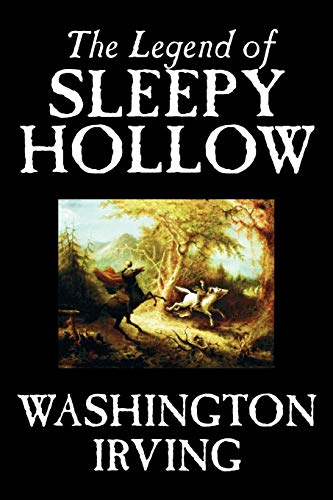
No. 33 on this list. The Legend of Sleepy Hollow
Washington Irving · 1820
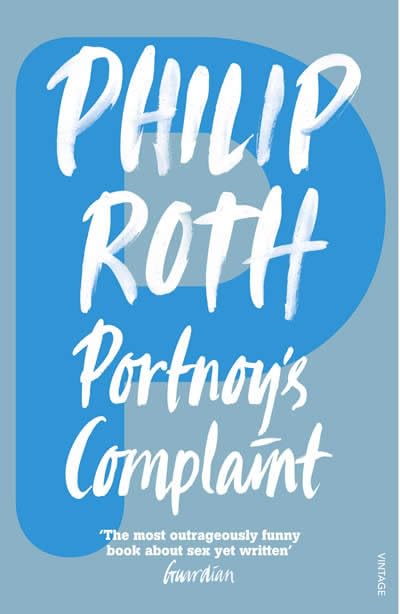
No. 34 on this list. Portnoy's Complaint
Philip Roth · 1969
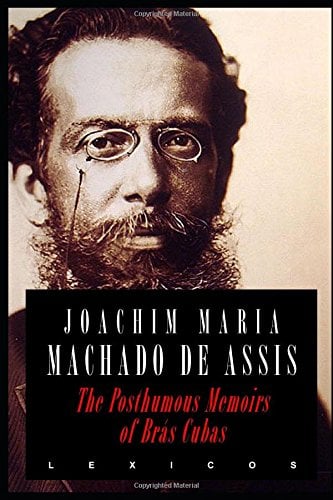
No. 35 on this list. The Posthumous Memoirs of Brás Cubas
Machado de Assis · 1881
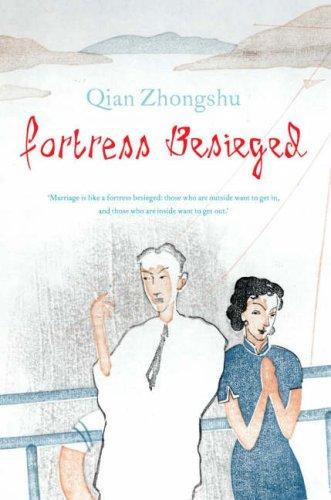
No. 36 on this list. Fortress Besieged
Qian Zhongshu · 1947
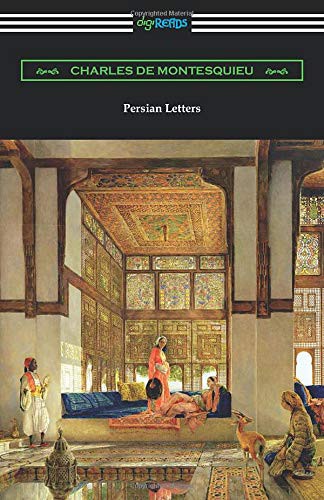
No. 37 on this list. Persian Letters
Montesquieu · 1721
Taught in schools: Hungarian literature curriculum (magyar nyelv és irodalom) (Hungary)
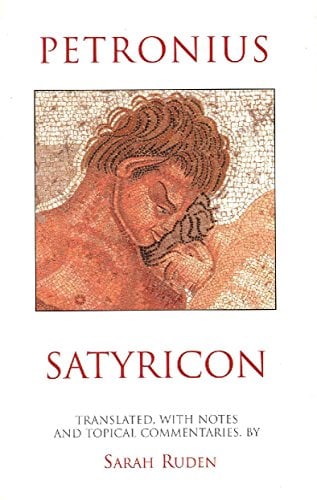
No. 38 on this list. Satyricon
Petronius · 60
Included in: Oxford World's Classics
No. 39 on this list. The Dunciad
Alexander Pope · 1728
Included in: Oxford World's Classics
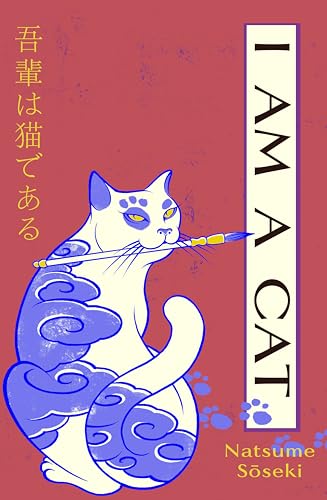
No. 40 on this list. I Am a Cat
Natsume Sōseki · 1905
Included in: UNESCO Collection of Representative Works
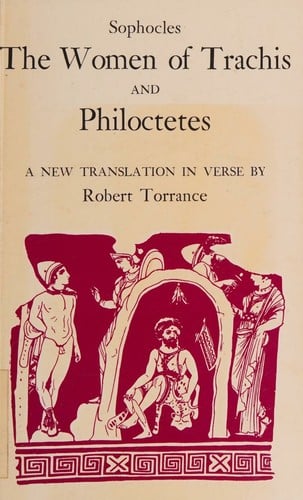
No. 41 on this list. The Women of Trachis
Sophocles · c. 450 BCE
Included in: Great Books of the Western World
No. 42 on this list. Lust
Elfriede Jelinek · 1989
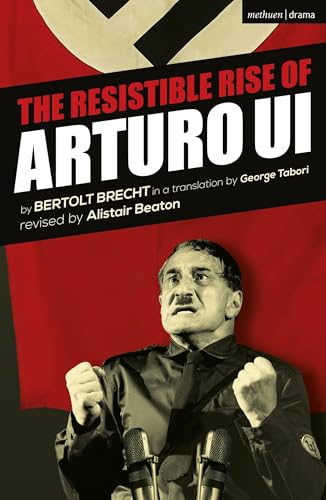
No. 43 on this list. The Resistible Rise of Arturo Ui
Bertolt Brecht · 1941
No. 44 on this list. A Room with a View
E.M. Forster · 1908
Taught in schools: AQA GCSE and A-level English Literature (UK), WJEC/Eduqas GCSE and A-level English Literature (UK)
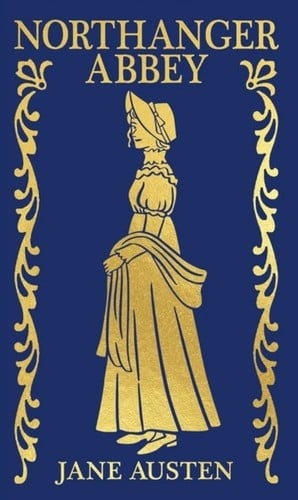
No. 45 on this list. Northanger Abbey
Jane Austen · 1818
Taught in schools: AQA GCSE and A-level English Literature (UK)
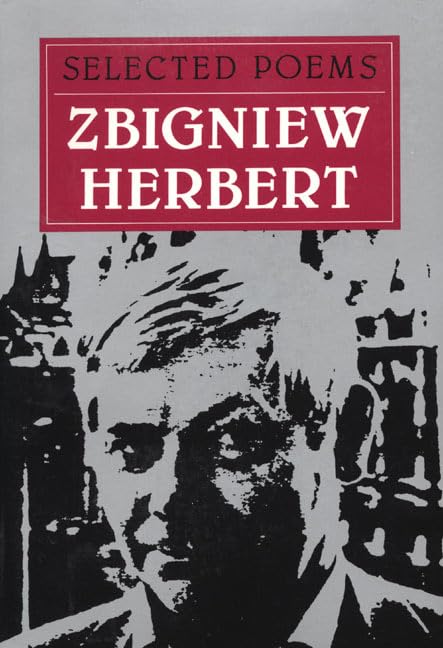
No. 46 on this list. Selected Poems of Zbigniew Herbert
Zbigniew Herbert · 1977
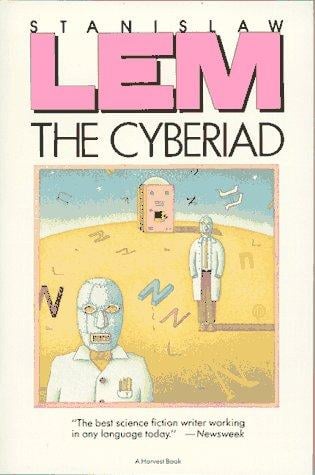
No. 47 on this list. The Cyberiad
Stanisław Lem · 1965
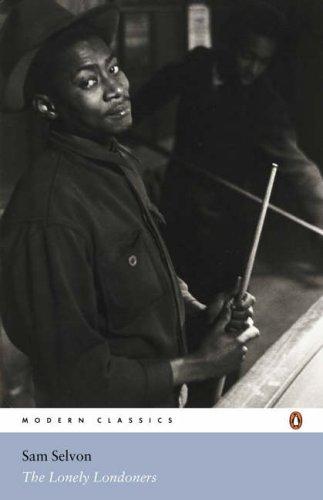
No. 48 on this list. The Lonely Londoners
Sam Selvon · 1956
Taught in schools: Pearson Edexcel GCSE and A-level English Literature (UK)
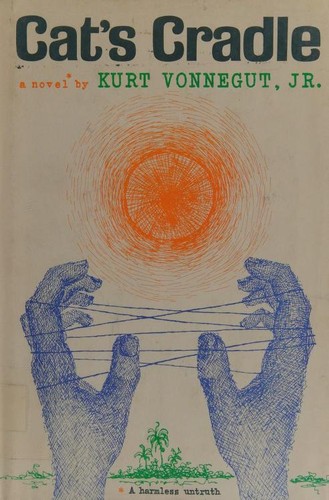
No. 49 on this list. Cat’s Cradle
Kurt Vonnegut · 1963
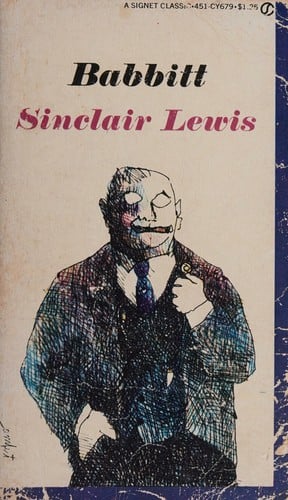
No. 50 on this list. Babbitt
Sinclair Lewis · 1922
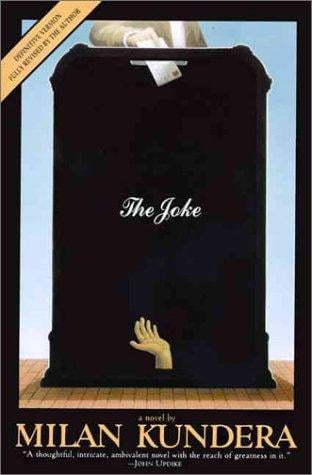
No. 51 on this list. The Joke
Milan Kundera · 1967
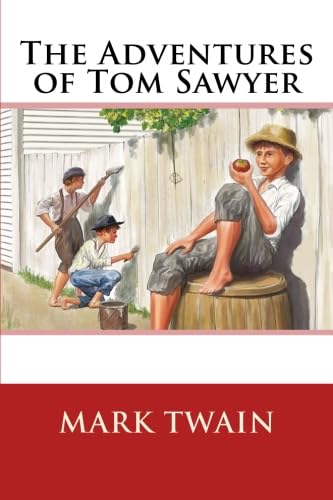
No. 52 on this list. The Adventures of Tom Sawyer
Mark Twain · 1876
Taught in schools: Common Core text exemplars (Appendix B) (US)
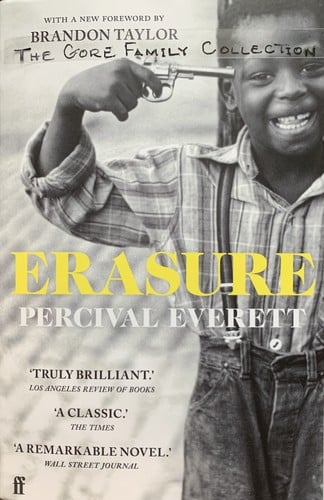
No. 53 on this list. Erasure
Percival Everett · 2001
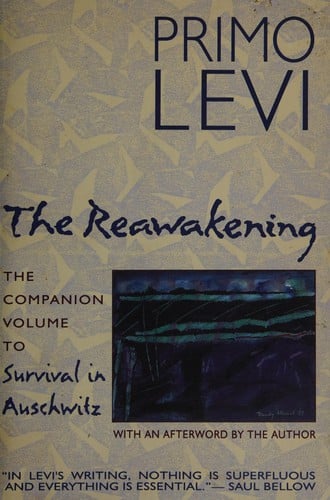
No. 54 on this list. The Truce
Primo Levi · 1963
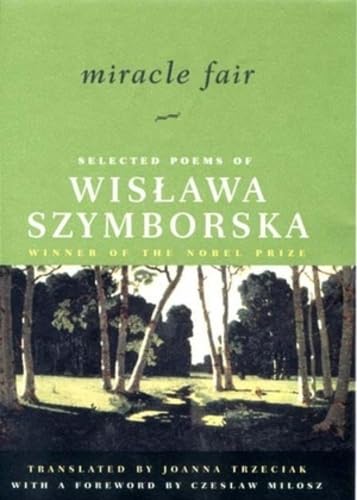
No. 55 on this list. Selected Poems of Wisława Szymborska
Wisława Szymborska · 1998
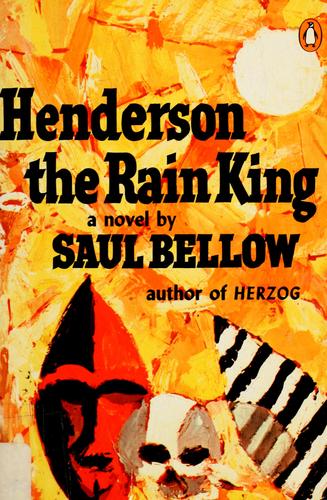
No. 56 on this list. Henderson the Rain King
Saul Bellow · 1959
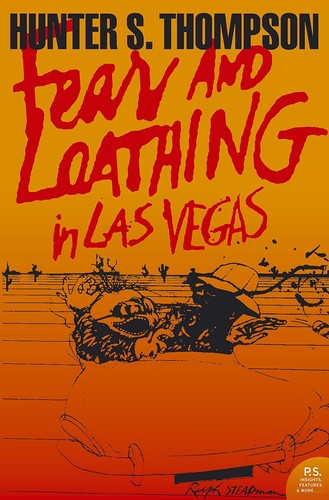
No. 57 on this list. Fear and Loathing in Las Vegas: A Savage Journey to the Heart of the American Dream
Hunter S. Thompson · 1998
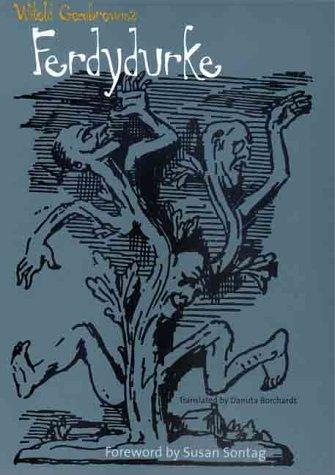
No. 58 on this list. Ferdydurke
Witold Gombrowicz · 1937
Taught in schools: Lektury obowiązkowe – Polish national reading list (Poland)
No. 59 on this list. Man and Superman
George Bernard Shaw · 1903
No. 60 on this list. A Tale of a Tub
Jonathan Swift · 1704
No. 61 on this list. True History
Lucian · 180
No. 62 on this list. Evenings on a Farm Near Dikanka
Nikolai Gogol · 1832
No. 63 on this list. Lucky Jim
Kingsley Amis · 1954
Taught in schools: CSEC English B – Caribbean Examinations Council
No. 64 on this list. Mandragola
Niccolò Machiavelli · 1524
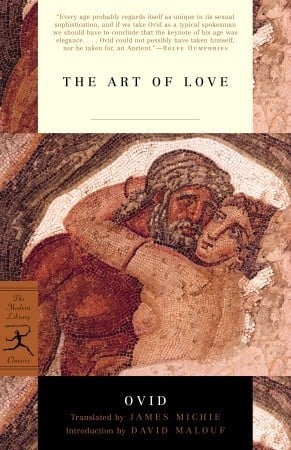
No. 65 on this list. The Art of Love
Ovid · 2
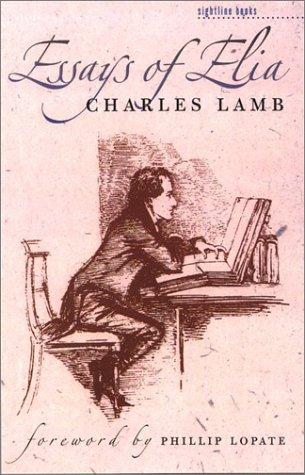
No. 66 on this list. Essays of Elia
Charles Lamb · 1823
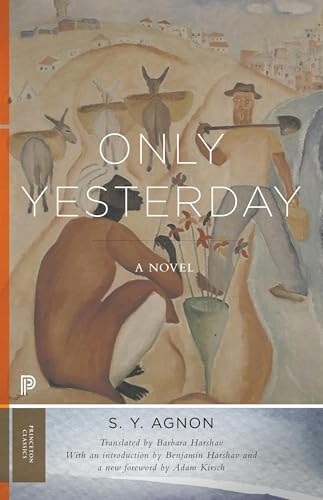
No. 67 on this list. Only Yesterday
Shmuel Yosef Agnon · 1945
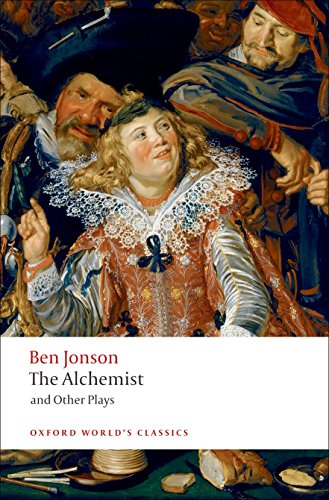
No. 68 on this list. Volpone
Ben Jonson · 1606
No. 69 on this list. The Complete Illustrated Works of Oscar Wilde
Oscar Wilde · 1908
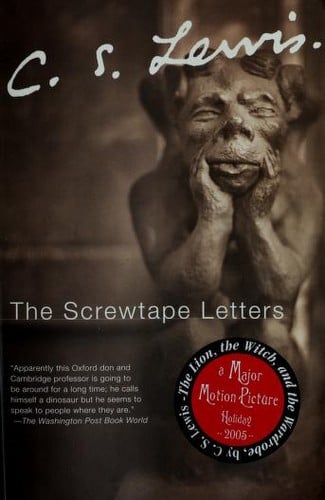
No. 70 on this list. The Screwtape Letters
C.S. Lewis · 1942
No. 71 on this list. The Sot-Weed Factor
John Barth · 1960
No. 72 on this list. Decline and Fall
Evelyn Waugh · 1928
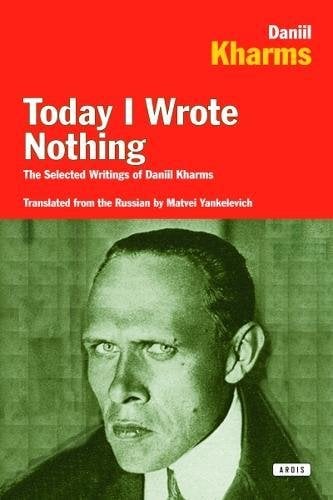
No. 73 on this list. Today I Wrote Nothing
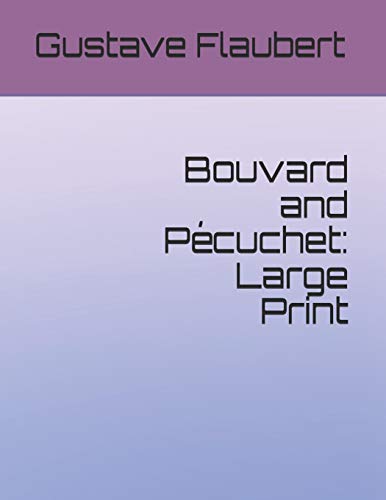
No. 74 on this list. Bouvard and Pécuchet
Gustave Flaubert · 1881
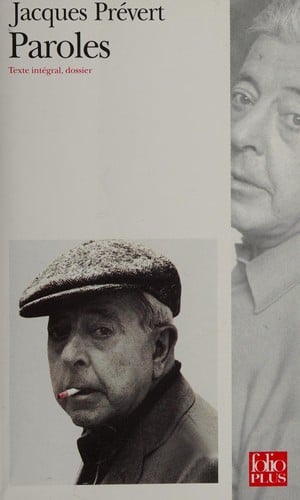
No. 75 on this list. Paroles
Jacques Prévert · 1946
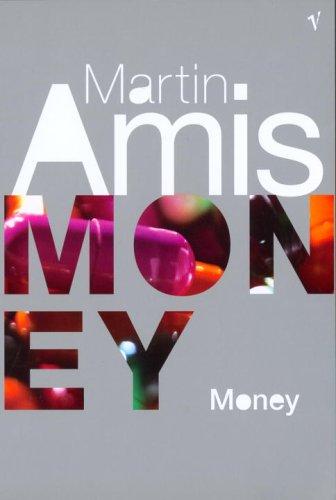
No. 76 on this list. Money: A Suicide Note
Martin Amis · 1984
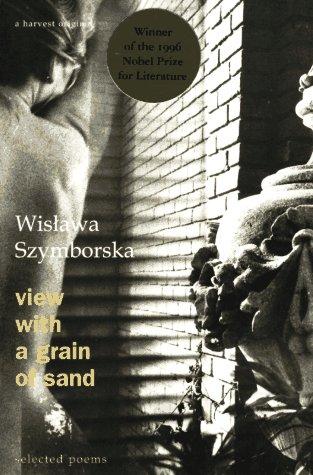
No. 77 on this list. View with a Grain of Sand
Wisława Szymborska · 1995
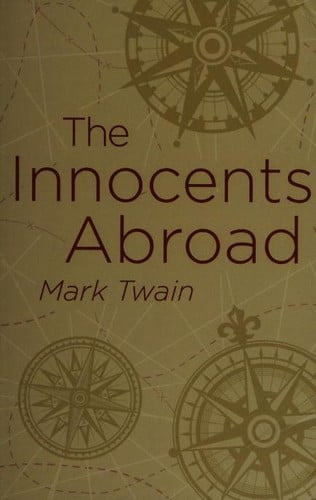
No. 78 on this list. The Innocents Abroad
Mark Twain · 1869
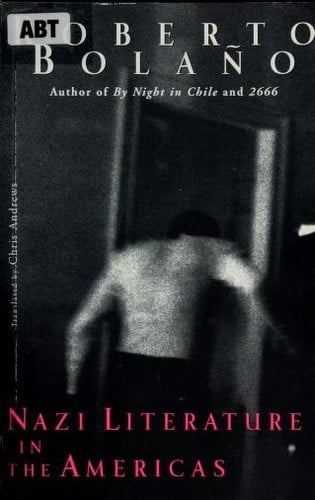
No. 79 on this list. Nazi Literature in the Americas
Roberto Bolaño · 1996
No. 80 on this list. Fer-de-Lance
Rex Stout · 1934
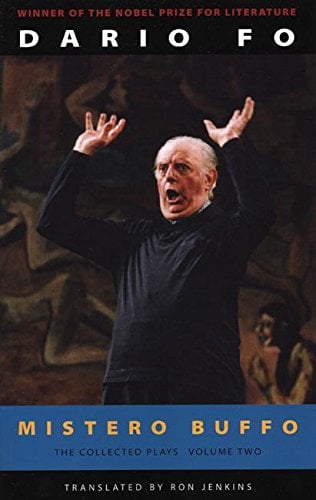
No. 81 on this list. Mistero Buffo
Dario Fo · 1969
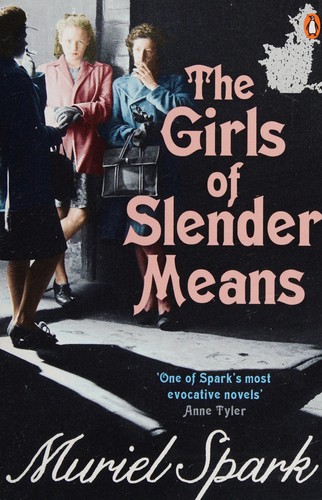
No. 82 on this list. The Girls of Slender Means
Muriel Spark · 1963
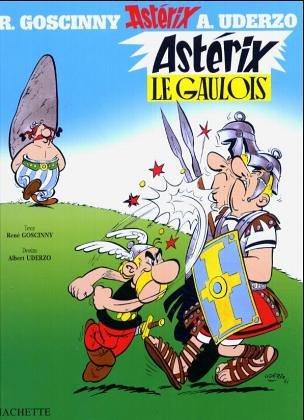
No. 83 on this list. Asterix the Gaul
René Goscinny · 1961
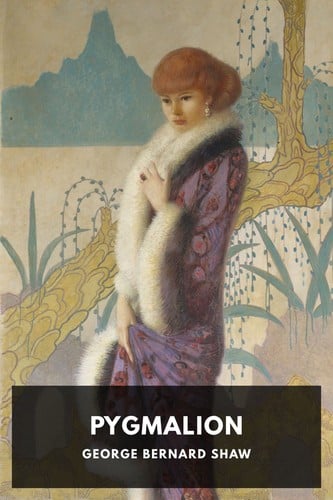
No. 84 on this list. Pygmalion
George Bernard Shaw · 1913
Taught in schools: CSEC English B – Caribbean Examinations Council, Pacific Senior Secondary Certificate – English
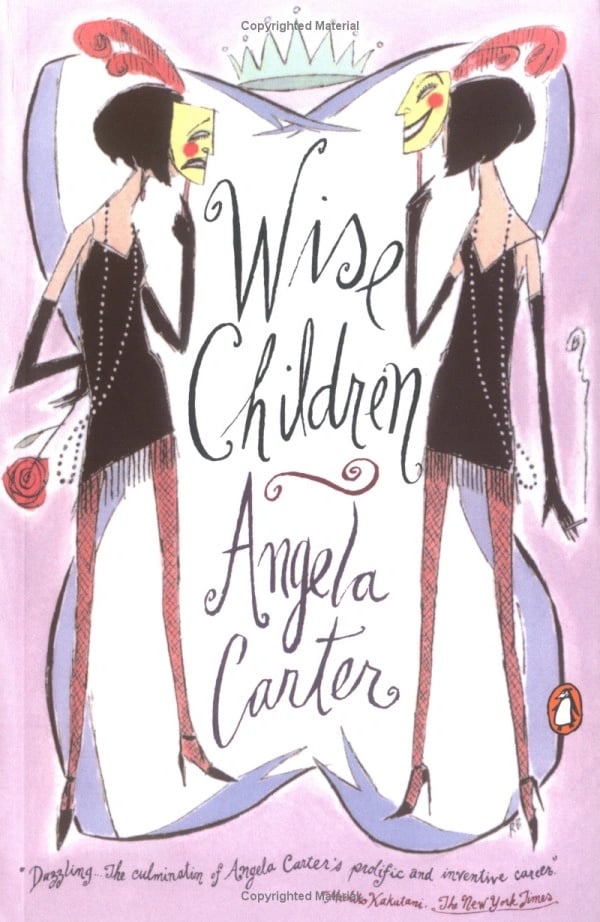
No. 85 on this list. Wise Children
Angela Carter · 1991
Taught in schools: AQA GCSE and A-level English Literature (UK)
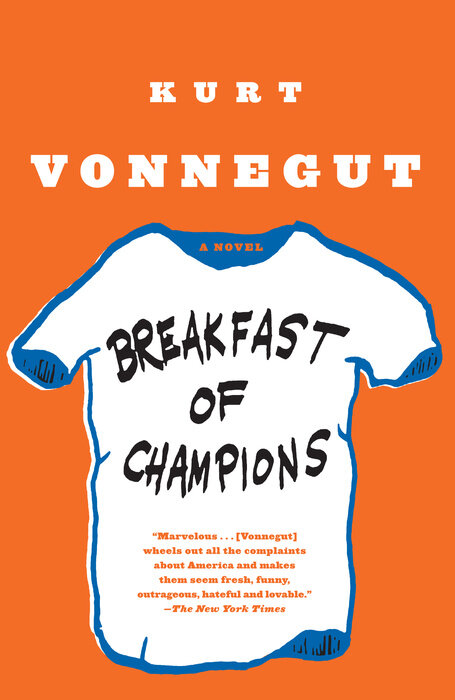
No. 86 on this list. Breakfast of Champions
Kurt Vonnegut · 1973
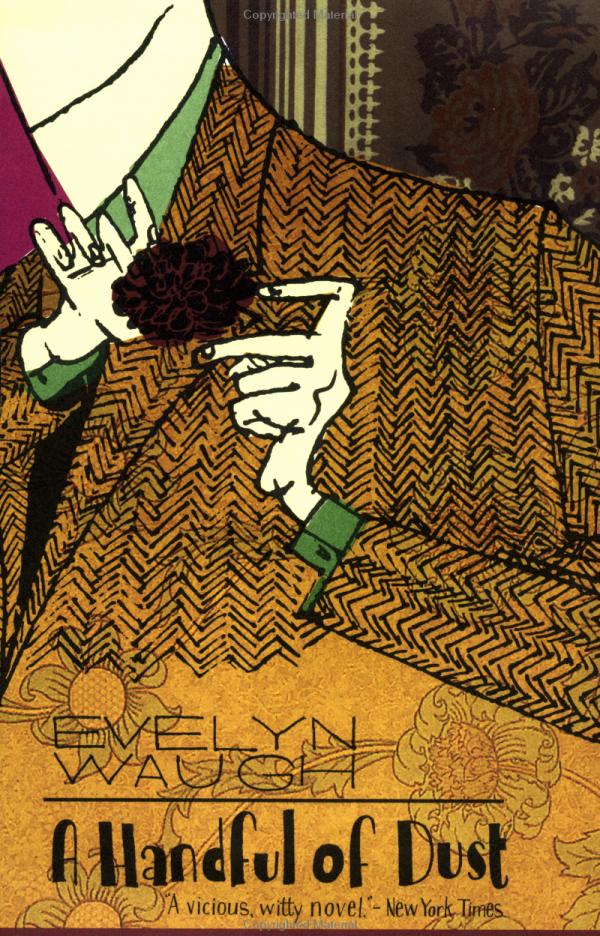
No. 87 on this list. A Handful of Dust
Evelyn Waugh · 1934
Taught in schools: CSEC English B – Caribbean Examinations Council
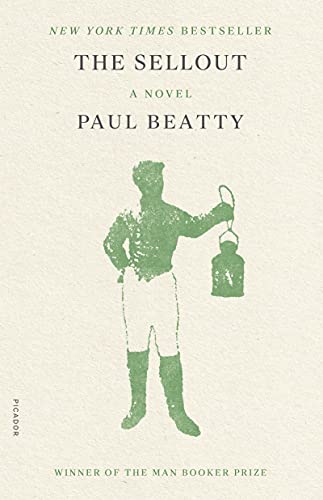
No. 88 on this list. The Sellout
Paul Beatty · 2016
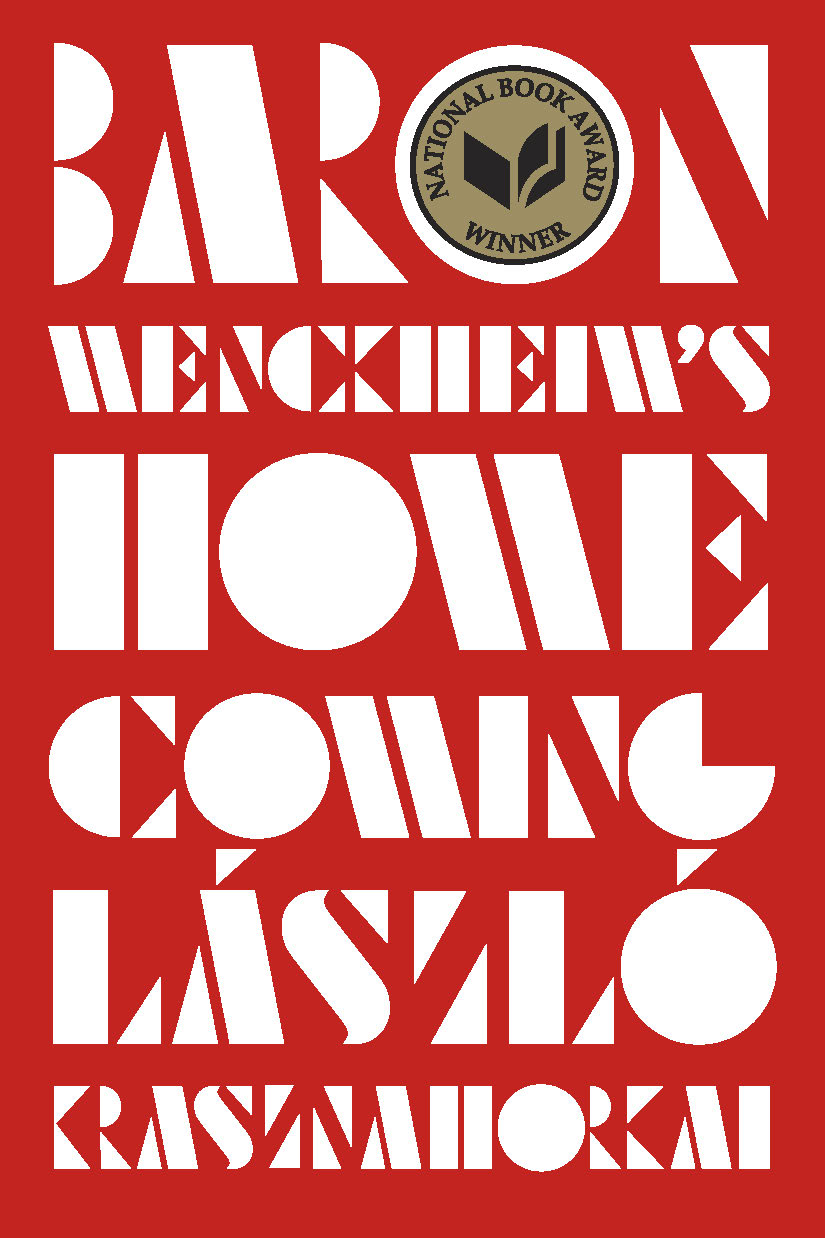
No. 89 on this list. Baron Wenckheim's Homecoming
László Krasznahorkai · 2016
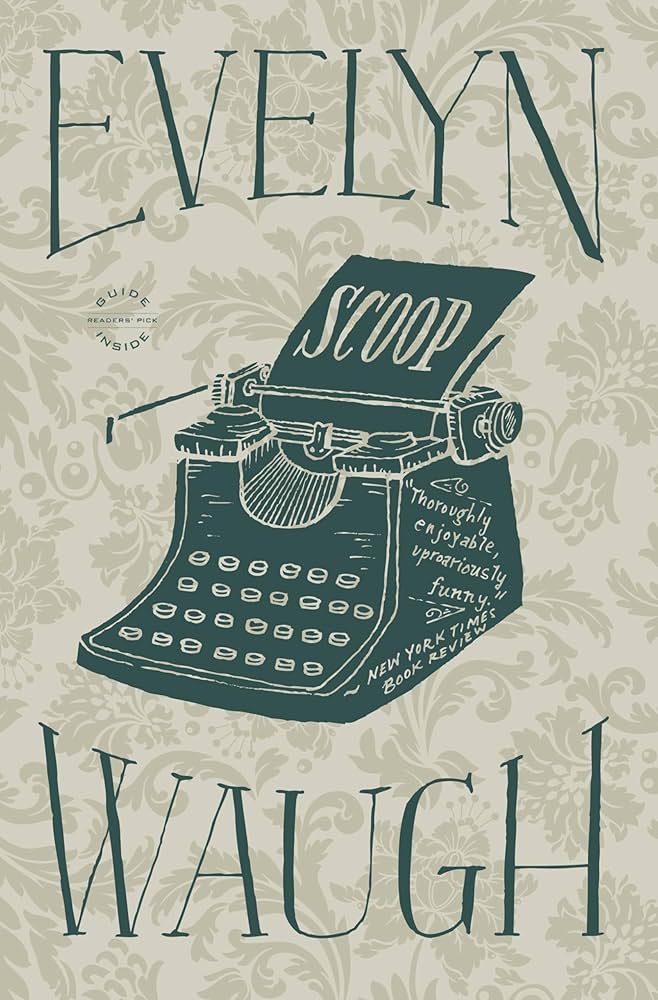
No. 90 on this list. Scoop
Evelyn Waugh · 1938
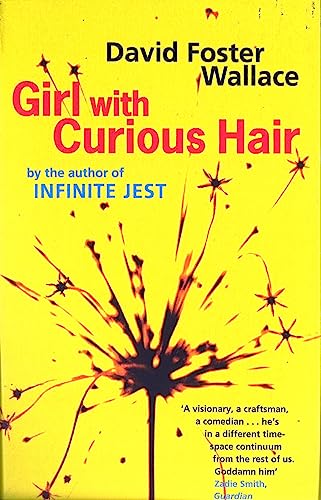
No. 91 on this list. Girl with Curious Hair
David Foster Wallace · 1989
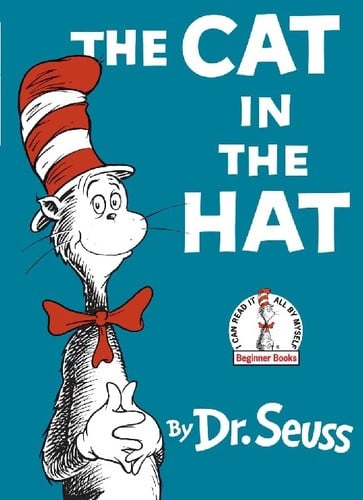
No. 92 on this list. The Cat in the Hat
Dr. Seuss · 1957
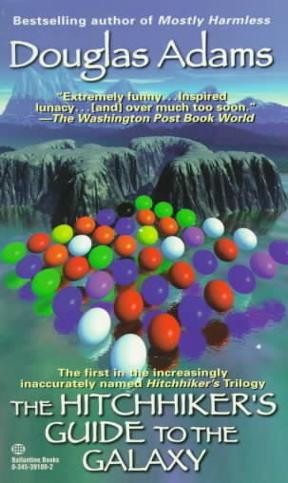
No. 93 on this list. The Hitchhiker's Guide to the Galaxy
Douglas Adams · 1979
Taught in schools: CSEC English B – Caribbean Examinations Council
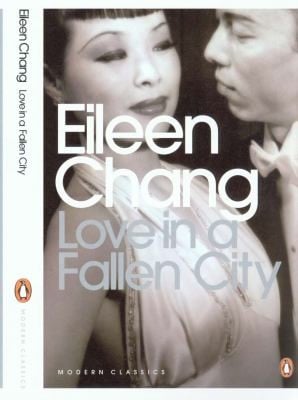
No. 94 on this list. Love in a Fallen City
Eileen Chang · 1943
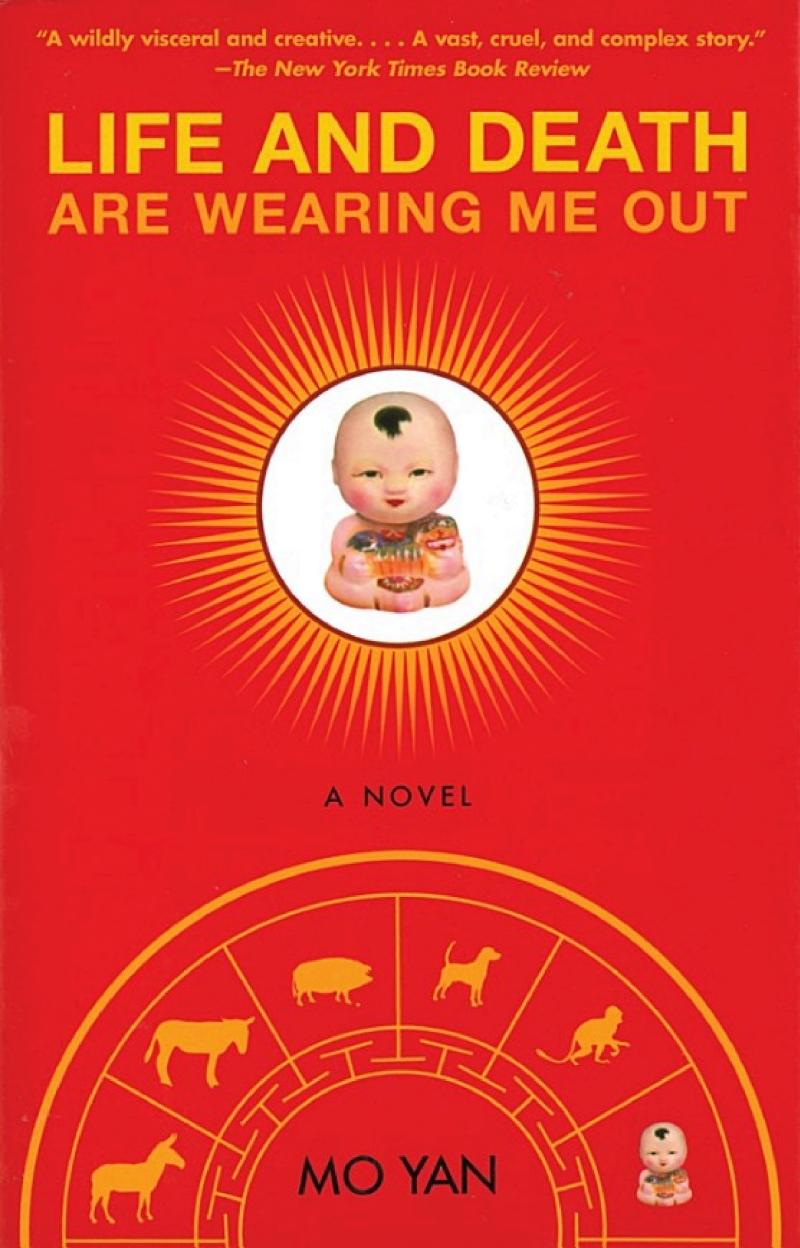
No. 95 on this list. Life and Death Are Wearing Me Out
Mo Yan · 2006
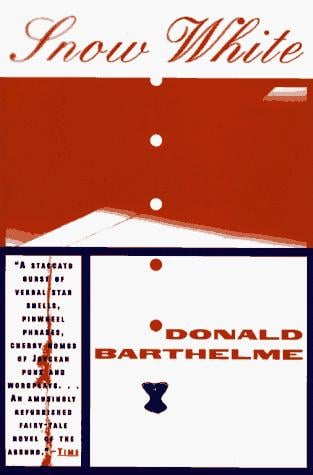
No. 96 on this list. Snow White
Donald Barthelme · 1967
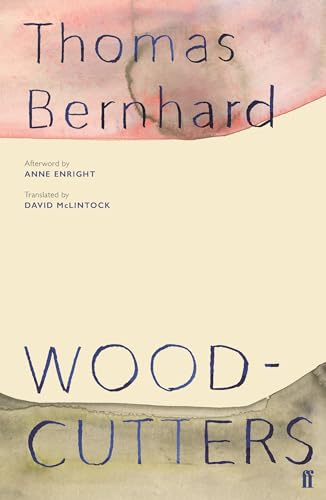
No. 97 on this list. Woodcutters
Thomas Bernhard · 1984
No. 98 on this list. The Good Soldier Svejk
Jaroslav Hasek · 1923
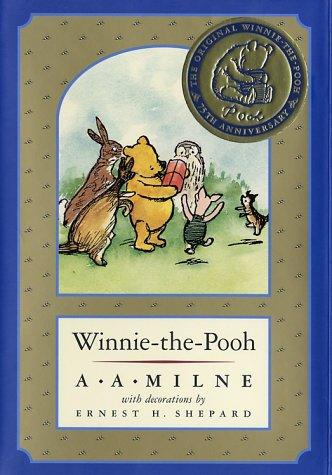
No. 99 on this list. Winnie-the-Pooh
A.A. Milne · 1926
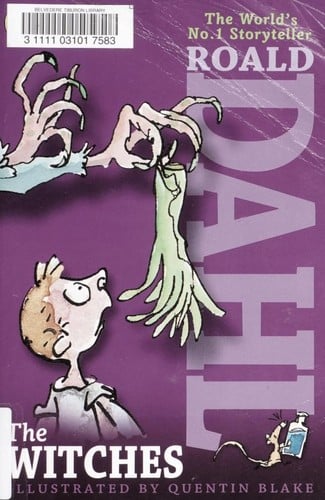
No. 100 on this list. The Witches
Roald Dahl · 1983
About this list
These 100 books are the highest-scoring eligible funny and satirical books currently in the catalogue. About 786 hours of reading in all. Difficulty runs from 45 to 64 out of 100 for the middle half of the list; the summit is The Sellout at 85.
This list is ranked by literary regard, with a consistent order for equal scores. Membership follows authors and co-authors, not translators or editors. A book is here when ReadingRate files it under Humor & Satire as one of its primary reading domains, at a confidence of 0.8 or more. Catalogue coverage and the historical canon both limit what this list can represent.
When we matched the Canons dataset to our catalogue in October 2026, our canonical-status scores rose with the number of school curricula, publisher series and lists in it that cite a work: the median score was 72 for books one such source cites, 84 at two, 88 at three, 92 at four and 93 at five or more. Prizes are left out of that count. Outside the state curricula, the dataset’s sources choose mostly from what has been translated into English or French, so it is a weaker check on other literatures. Source: Canons (Andrew Piper), CC BY 4.0
Questions people actually ask
- What are the best funny and satirical books?
- By literary regard, which weighs canonical status, critical standing and influence: Adventures of Huckleberry Finn by Mark Twain, The Canterbury Tales by Geoffrey Chaucer, Gargantua and Pantagruel by François Rabelais, The Overcoat by Nikolai Gogol and As You Like It by William Shakespeare. ReadingRate ranks 100 such books, each with a difficulty score and a reading-time estimate.
- Which funny and satirical books should I read first?
- Start from difficulty, not from rank. The most approachable books on this list that still carry top literary regard are Lysistrata by Aristophanes (about 50 min), The True Story of Ah Q by Lu Xun and Fortress Besieged by Qian Zhongshu.
- What are the shortest of the best funny and satirical books?
- Among the top 25, the shortest are The Overcoat by Nikolai Gogol (about 59 min), Electra by Sophocles (about 50 min) and The Frogs by Aristophanes (about 1.1 hours), at an average pace of 250 words a minute adjusted for each book's difficulty.
- Which of the best funny and satirical books are the established classics?
- By canonical status, how firmly a book sits in curricula, anthologies and the canon: The True Story of Ah Q by Lu Xun, Adventures of Huckleberry Finn by Mark Twain, The Canterbury Tales by Geoffrey Chaucer, Tartuffe by Molière and The Importance of Being Earnest by Oscar Wilde.
- Can I read any of these funny and satirical books for free?
- 25 of the 100 open in ReadingRate's reader with a free account, from public-domain editions: Adventures of Huckleberry Finn, The Canterbury Tales, As You Like It, Dead Souls, Electra and 20 more.
- How long would it take to read the top ten?
- About 114 hours, at an average pace of 250 words a minute adjusted for each book's difficulty: 58 days at two hours a day. Set your own pace on the page and the list's reading times change to it.
- How hard are funny and satirical books to read?
- Most of this list sits between 45 and 64 on ReadingRate's 100-point difficulty scale, where 40 to 55 is moderate. The summit is The Sellout at 85. Every entry carries its own score, so a reader can pick a great book at a difficulty they will finish.
- How is this list ranked?
- On literary-regard data: how canonically established a work is, its critical standing, and its influence on later writing. It is not a readers’ poll, which is why recent bestsellers rarely appear. Membership follows authors and co-authors, not translators or editors. Lists by country, author, period, theme or difficulty keep to literature (fiction, poetry, drama and philosophy), their novels, poems and plays first and their philosophy after them; a list of a kind of book, such as memoir or criticism, keeps every book of that kind. Every list holds at most three works by one author. A book is here when ReadingRate files it under Humor & Satire as one of its primary reading domains, at a confidence of 0.8 or more.