Hours at an average pace
Showing 100 books
About 597 hours for 100 of 100 books with measured lengths. Estimates use 250 words a minute, adjusted for each book's difficulty. At 2 hours a day, about 299 days for those books.
No. 1 on this list. Bérénice
Jean Racine · 1670
Moderate50 min
Included in: Great Books of the Western World
Bérénice is a cornerstone of French classical literature, taught in virtually every French lycée and featured in world literature and drama curricula internationally. Alongside Phèdre and Andromaque, it is one of the three works most associated with Racine's genius and is considered essential reading for anyone studying French neoclassical theatre.
The Gita—a 700-verse dialogue between the warrior prince Arjuna and his charioteer Krishna, who is an avatar of God—is embedded within the Mahabharata but has been read as a standalone scripture for centuries. On the eve of a catastrophic battle, Arjuna sees his kinsmen arrayed on both sides and refuses to fight. Krishna's response unfolds the central teachings of Hindu philosophy: karma yoga (the path of selfless action), bhakti yoga (the path of devotion), and jnana yoga (the path of knowledge). Krishna argues that Arjuna must act—not because the outcome matters but because action without attachment to results is the nature of dharma. The Gita's synthesis of duty and detachment, action and renunciation, has made it the most widely read scripture in Hinduism and one of the most influential philosophical texts in world literature. Gandhi called it his 'eternal mother'; Oppenheimer quoted it upon witnessing the first nuclear explosion. Its teachings on duty, selflessness, and the nature of consciousness continue to resonate across cultures and centuries.
Andromaque, widowed queen of Troy, has one goal: protect her son Astyanax, the last living heir of Hector. Standing between her son's life and his death is Pyrrhus, the Greek king who killed her husband and now holds them both captive — and who, inconveniently, is in love with her. Pyrrhus will spare the boy if she marries him. She refuses. He turns back to his betrothed, Hermione. Then he returns to Andromaque again. This chain of unrequited desire — Oreste loves Hermione, Hermione loves Pyrrhus, Pyrrhus loves Andromaque, Andromaque loves only the dead Hector — is the entire engine of the play. Racine wrote Andromaque in 1667, when he was thirty, and it made him famous overnight. The alexandrine verse is strict and relentless, each character arguing their case with the precision of a lawyer and the desperation of someone who knows they are losing. What distinguishes this from other tragedies is how little pity Racine allows anyone: every character is both victim and tormentor. By the final act, Pyrrhus is dead, Hermione has killed herself, and Oreste has gone mad. Andromaque survives, which in context feels like its own punishment.
Foundational text of Chicana feminism, border studies, and queer theory. Universally taught in relevant fields.
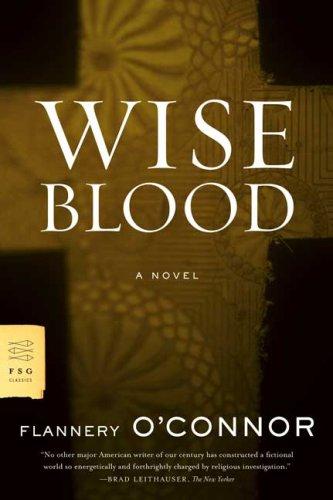
A landmark of Southern Gothic fiction and American literature, widely taught and critically analyzed. One of the defining novels of postwar American fiction.
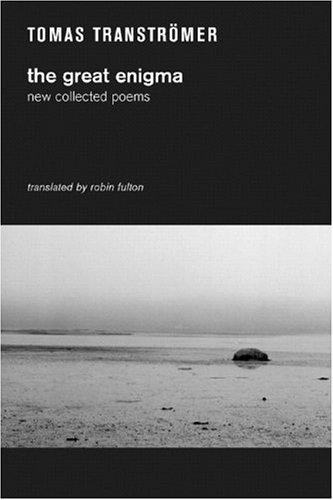
Nobel Prize-winning collected poems. The defining Swedish poet of the twentieth century.
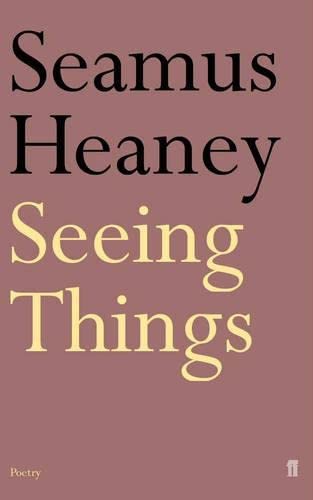
One of the most admired collections by a Nobel laureate poet. Considered a turning point in Heaney's career and among his finest work.
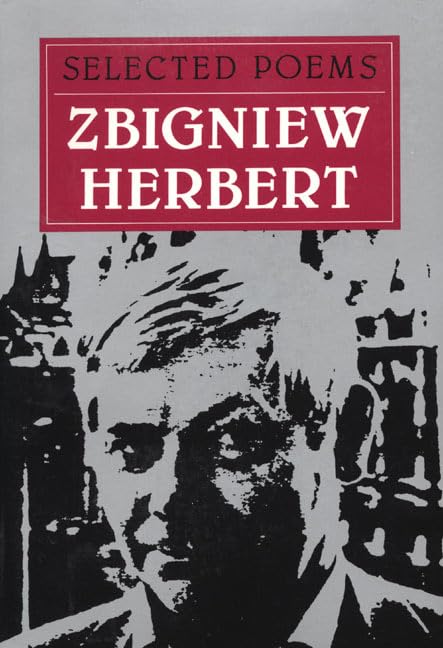
One of the most important Polish poets of the twentieth century, widely translated and taught in courses on modern poetry.
Central volume of the Foundation trilogy, one of the most important works in science fiction history. The Mule is one of the genre's iconic characters.
No. 10 on this list. Henry VIII
William Shakespeare · 1613
Easy1.6 hours
Included in: Great Books of the Western World
Henry VIII is part of the Shakespeare First Folio and is taught in Shakespeare survey courses worldwide, though it occupies the lower tier of the canon compared to the major tragedies and histories. The play's disputed authorship — widely attributed to Shakespeare and John Fletcher in collaboration — has generated sustained academic interest. It does not appear on syllabi as consistently as Hamlet, Macbeth, or Richard II, but it remains firmly within the Shakespearean corpus that all serious literary study engages.
No. 11 on this list. Arrowsmith · Sinclair Lewis · 1925
Martin Arrowsmith, an idealistic young doctor, struggles to maintain his scientific integrity as he moves from small-town practice to research laboratories to public health work. At every turn, commercialism, politics, and human weakness threaten to corrupt his quest for truth. Lewis's novel about the conflict between pure science and institutional pressure won the Pulitzer Prize (which he famously declined).
Moderate11 hours
Read nowNo. 12 on this list. Roll of Thunder, Hear My Cry · Mildred D. Taylor · 1976
Taught in schools: CSEC English B – Caribbean Examinations Council, Singapore-Cambridge GCE O-Level Literature in English (2065)
Newbery Medal winner and a cornerstone of Black children's literature. Widely taught and frequently appears on essential reading lists.
Very Easy2.4 hours
Start this bookNo. 13 on this list. Memed, My Hawk · Yasar Kemal · 1955
Included in: UNESCO Collection of Representative Works
The foundational novel of modern Turkish literature's international reputation. Widely translated and studied as a masterpiece of Turkish fiction.
Easy5.4 hours
Start this bookNo. 14 on this list. The Word for World Is Forest · Ursula K Le Guin · 1972
A fixture in SF studies, environmental humanities, and postcolonial literature courses at universities worldwide. Le Guin's work overall is more canonically established than this single novella — it appears regularly on SF syllabi and ecocriticism reading lists, taught alongside texts like Octavia Butler's Kindred and Kim Stanley Robinson's Mars trilogy, though without the 2000+ syllabus presence of Beloved or The Great Gatsby.
Moderate2.5 hours
Start this bookNo. 15 on this list. Adam Bede · George Eliot · 1859
Adam Bede appears regularly on Victorian literature and 19th-century British fiction syllabi at universities worldwide, and is the standard entry point to George Eliot's work in courses that cannot assign the longer Middlemarch. It is included in most survey courses of the Victorian novel. Its canonical status within the Eliot corpus is secondary only to Middlemarch and The Mill on the Floss, but within the broader Victorian canon it holds a secure if not dominant position — consistently anthologized, consistently in print, and consistently cited as a foundational work of Victorian realism.
Moderate13 hours
Read nowNo. 16 on this list. Julie, or the New Heloise · Jean-Jacques Rousseau · 1761
The most important French novel before the 19th century and a founding text of Romanticism. Less read today than it deserves, partly due to its length and didactic passages.
Moderate18 hours
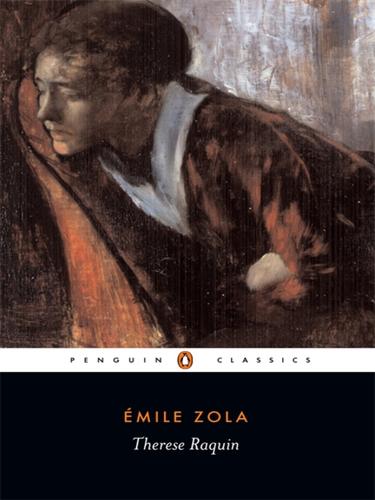
Start this bookNo. 17 on this list. Thérèse Raquin · Émile Zola · 1867
Widely read and taught as a foundational naturalist text, though less prominent than Germinal or L'Assommoir in the Zola canon.
Easy3.6 hours
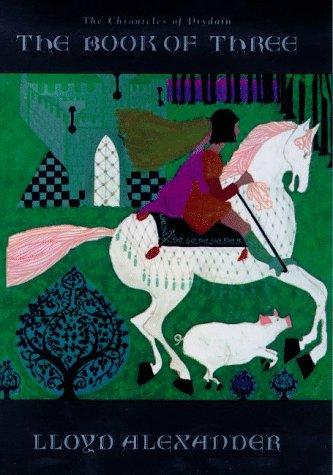
Start this bookNo. 18 on this list. The Book of Three · Lloyd Alexander · 1964
Newbery Medal winner (for The High King). The Chronicles of Prydain are a cornerstone of children's fantasy.
Easy2.3 hours
Start this bookNo. 19 on this list. Dirty Hands · Jean-Paul Sartre · 1948
One of the most performed French plays of the twentieth century and a staple of political theater. Widely taught in philosophy and literature courses.
Easy2.4 hours
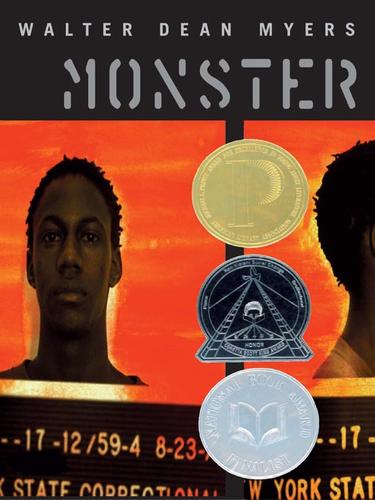
Start this bookNo. 20 on this list. Monster · Walter Dean Myers · 1999
Steve Harmon is sixteen years old and on trial for felony murder. He may have acted as a lookout for a Harlem drugstore robbery that left the owner dead — or he may not have. The question hangs over Walter Dean Myers's 1999 novel, which Steve narrates in the only form that makes sense to him: a screenplay. He writes himself as the protagonist, titles the film Monster — the word the prosecutor used to describe him — and cuts between courtroom scenes and flashback journal entries while his mother cries in the gallery and his lawyer calculates the odds. The form is not a gimmick. A screenplay externalizes action and dialogue while burying interiority in stage directions, and that gap is exactly where Myers puts the book's central problem: we watch Steve perform innocence without ever being certain whether we are watching performance or truth. The trial exposes Harlem's carceral machinery — the way young Black men get classified, processed, and destroyed — but Monster refuses to let that machinery fully explain Steve. He asks, on the last page, who he is. Myers doesn't answer. Readers will spend time after the last page deciding whether that's evasion or honesty, and what it says about how they read a defendant's face.
Easy1.7 hours
Start this book
No. 21 on this list. The House of the Seven Gables · Nathaniel Hawthorne · 1851
A major work of the American Renaissance, widely taught alongside The Scarlet Letter though less frequently read outside academic settings.
Moderate6.5 hours
Start this bookNo. 22 on this list. The Castle of Otranto · Horace Walpole · 1764
The Castle of Otranto appears regularly on syllabi for 18th-century literature, Romanticism, and Gothic studies courses at universities worldwide. It is the mandatory founding text for any serious study of the Gothic genre. Its canonical presence is disciplinary rather than universal — standard in literary history surveys but not assigned with the frequency of Austen or Defoe.
Easy2.1 hours
Start this bookNo. 23 on this list. The Rape of Lucrece · William Shakespeare · 1594
A significant early Shakespeare poem, increasingly studied for its treatment of sexual violence and consent.
Moderate56 min
Read nowNo. 24 on this list. Babel-17 · Samuel R. Delany · 1966
Babel-17 won the 1966 Nebula Award for Best Novel (tied with Flowers for Algernon) and appears on most SF core reading lists and New Wave SF curricula. It has limited presence on general literature university syllabi but is widely taught in SF-specific academic courses. Its canonical status is high within the genre and modest outside it.
Moderate3.8 hours
Start this bookNo. 25 on this list. The Flies · Jean-Paul Sartre · 1943
Taught in schools: UNAM Escuela Nacional Preparatoria – programas de Literatura (Mexico)
A major work of existentialist theater and an important document of intellectual resistance during the occupation. Regularly taught and performed.
Easy1.8 hours
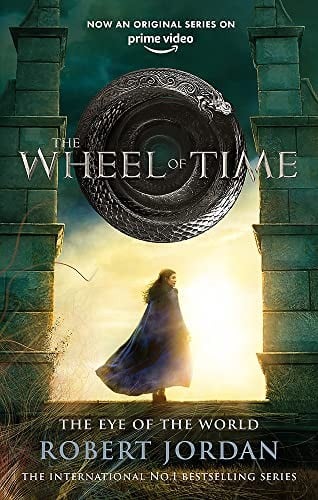
Start this bookNo. 26 on this list. The Eye of the World · Robert Jordan · 1990
The Eye of the World launched one of fantasy's most influential series. While not considered literary fiction, it holds canonical status within the epic fantasy genre, frequently cited alongside Tolkien's work as foundational to modern fantasy.
Easy16 hours
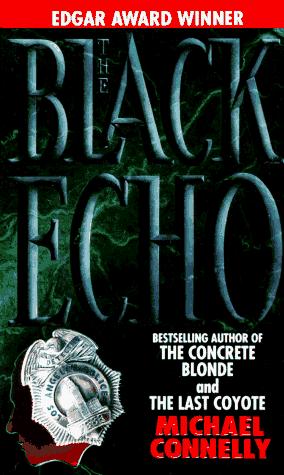
Start this bookNo. 27 on this list. The Black Echo · Michael Connelly · 1992
Launched one of the most acclaimed detective series in modern crime fiction. Edgar Award winner.
Easy6 hours
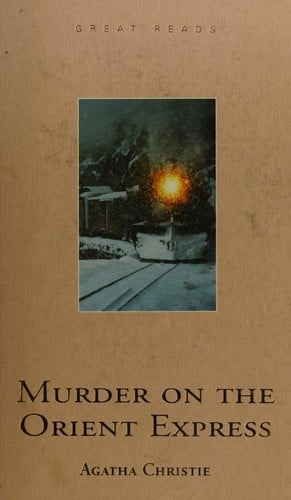
Start this bookNo. 28 on this list. Murder on the Orient Express · Agatha Christie · 1934
A fixture in mystery and detective fiction courses worldwide, and one of the most translated English-language novels of the twentieth century with Wikipedia articles in over 60 languages. Widely included on 'essential reading' and 'best mysteries' lists, though its presence in general literary syllabi is lower than canonical modernist works.
Easy3.3 hours
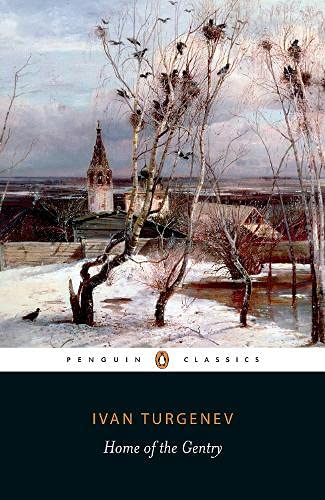
Start this bookNo. 29 on this list. Home of the Gentry · Ivan Turgenev · 1859
Taught in schools: Russian FGOS literature standard
Home of the Gentry is a standard text in Russian literature curricula, regularly anthologized alongside Turgenev's major works. It is less central to Western syllabi than Fathers and Sons but figures prominently in courses on 19th-century European realism. No data from Open Syllabus is available in the database, but its presence in scholarly editions and collected works reflects sustained institutional regard.
Moderate4.1 hours
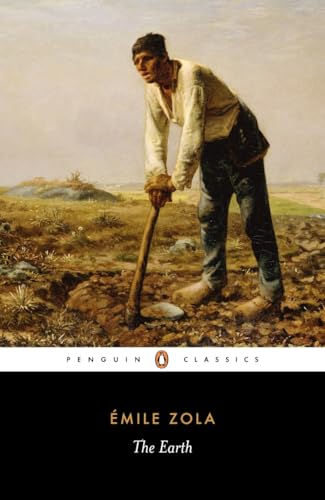
Start this bookNo. 30 on this list. The Earth · Émile Zola · 1887
An important entry in the Rougon-Macquart cycle but less widely read than Germinal, L'Assommoir, or Nana. Valued by scholars of naturalism and rural fiction.
Easy9.8 hours
Start this book
No. 31 on this list. The Omnivore's Dilemma
Michael Pollan · 2006
No. 32 on this list. And Then
Natsume Sōseki · 1909
Included in: UNESCO Collection of Representative Works
No. 33 on this list. Caleb Williams
William Godwin · 1794
No. 34 on this list. Spin
Robert Charles Wilson · 2005
No. 35 on this list. The Horseman on the Roof
Jean Giono · 1951
No. 36 on this list. Mary Barton
Elizabeth Gaskell · 1848
No. 37 on this list. The Star Diaries
Stanisław Lem · 1957
No. 38 on this list. The Thirty-Nine Steps
John Buchan · 1915
No. 39 on this list. Killing Floor
Lee Child · 1997
No. 40 on this list. Perelandra
C.S. Lewis · 1943
No. 41 on this list. A Severed Head
Iris Murdoch · 1961
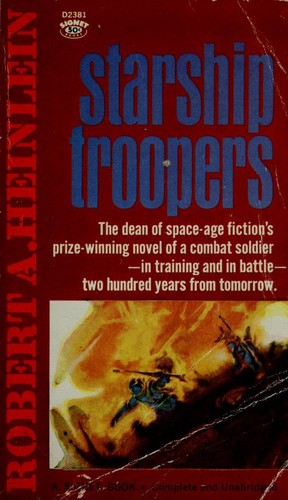
No. 42 on this list. Starship Troopers
Robert A. Heinlein · 1959
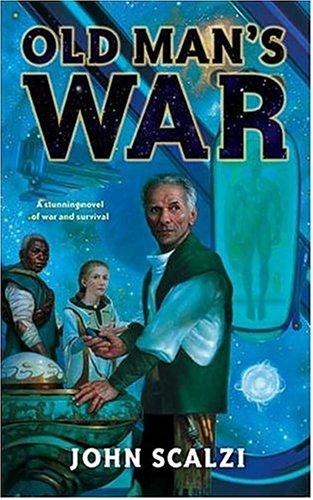
No. 43 on this list. Old Man's War
John Scalzi · 2005
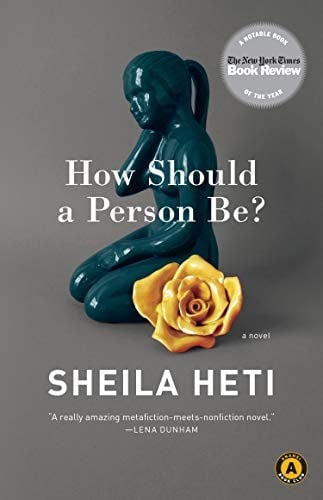
No. 44 on this list. How Should a Person Be?
Sheila Heti · 2012
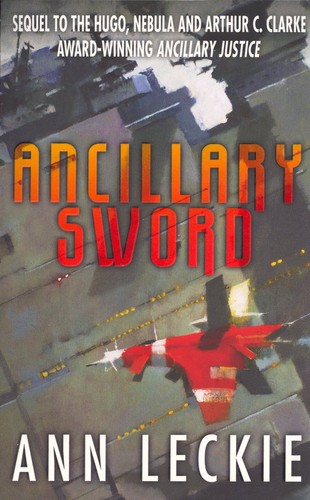
No. 45 on this list. Ancillary Sword
Ann Leckie · 2014
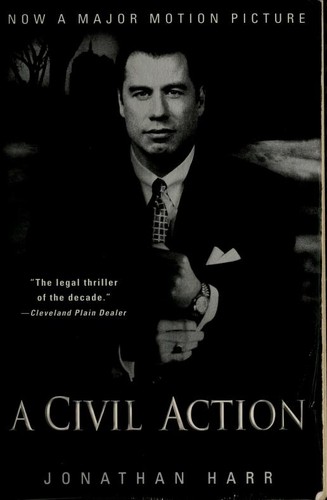
No. 46 on this list. A Civil Action
Jonathan Harr · 1995
No. 47 on this list. Romola
George Eliot · 1863
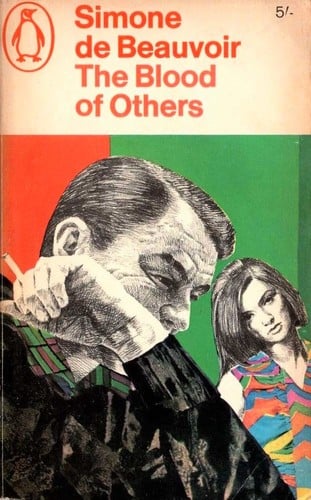
No. 48 on this list. The Blood of Others
Simone de Beauvoir · 1945
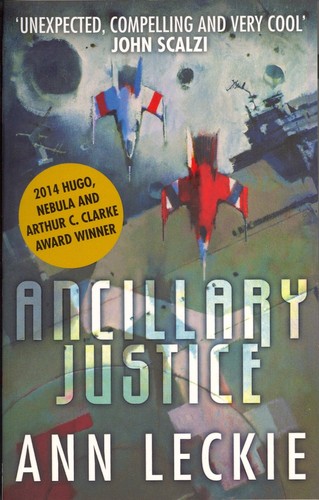
No. 49 on this list. Ancillary Justice
Ann Leckie · 2013
No. 50 on this list. White-Jacket
Herman Melville · 1850
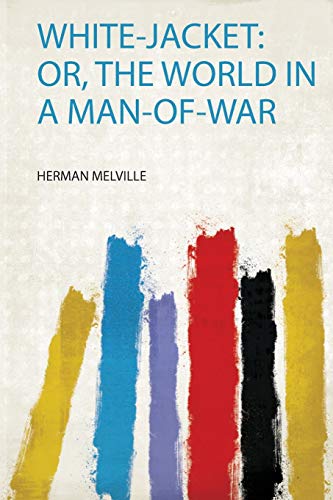
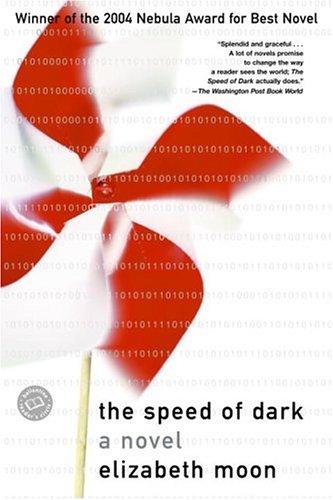
No. 51 on this list. The Speed of Dark
Elizabeth Moon · 2003
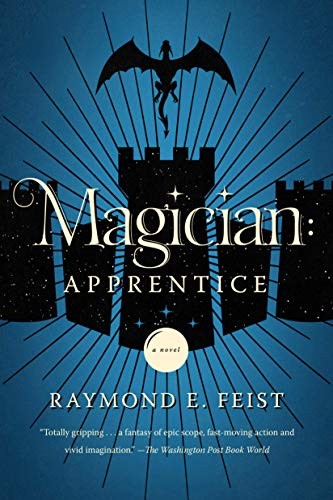
No. 52 on this list. Magician: Apprentice
Raymond E. Feist · 1982
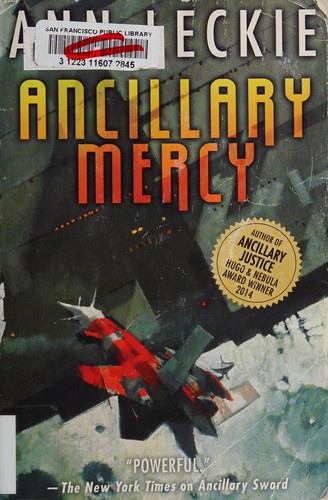
No. 53 on this list. Ancillary Mercy
Ann Leckie · 2015
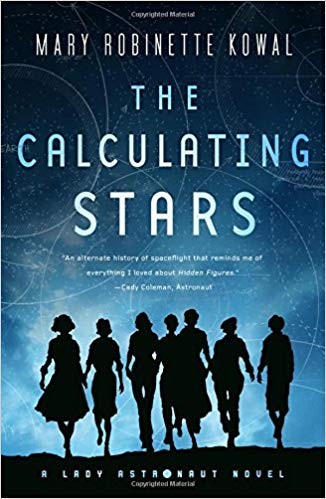
No. 54 on this list. The Calculating Stars
Mary Robinette Kowal · 2018
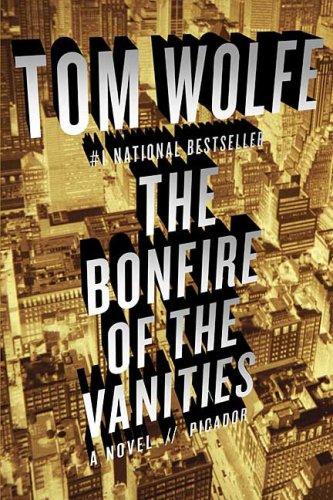
No. 55 on this list. The Bonfire of the Vanities
Tom Wolfe · 1987
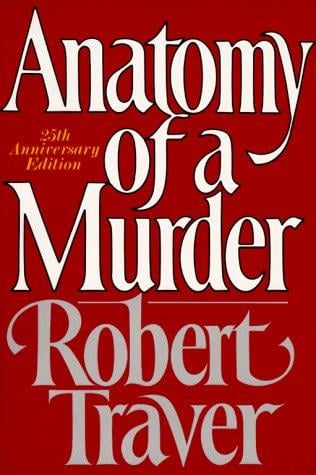
No. 56 on this list. Anatomy of a Murder
Robert Traver · 1958
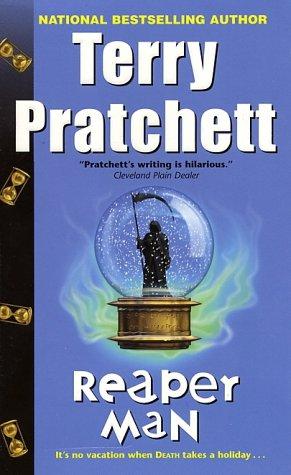
No. 57 on this list. Reaper Man
Terry Pratchett · 1991
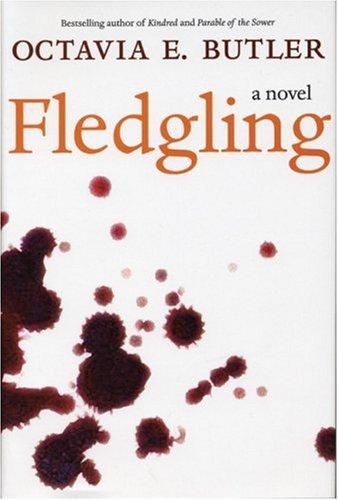
No. 58 on this list. Fledgling
Octavia E. Butler · 2005
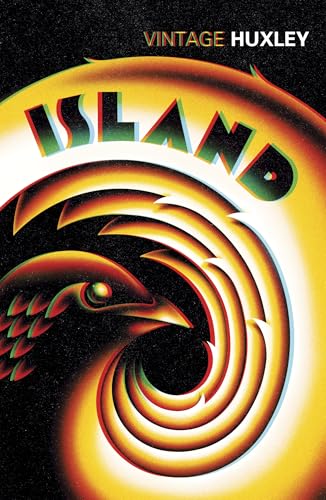
No. 59 on this list. Island
Aldous Huxley · 1962
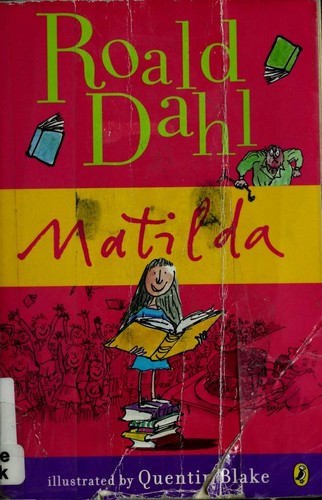
No. 60 on this list. Matilda
Roald Dahl · 1988
Taught in schools: CSEC English B – Caribbean Examinations Council
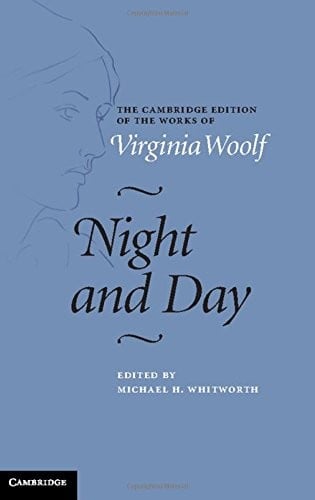
No. 61 on this list. Night and Day
Virginia Woolf · 1919
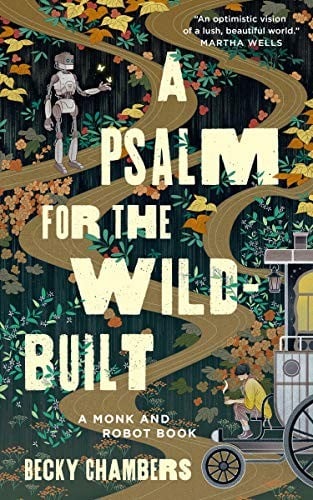
No. 62 on this list. A Psalm for the Wild-Built
Becky Chambers · 2021
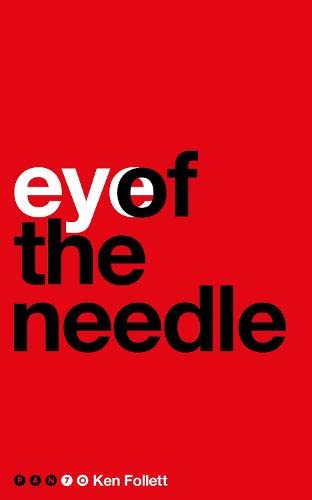
No. 63 on this list. Eye of the Needle
Ken Follett · 1978
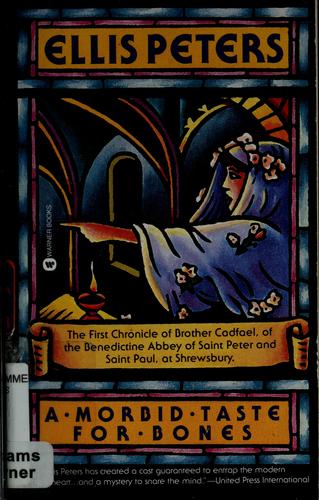
No. 64 on this list. A Morbid Taste for Bones
Ellis Peters · 1977
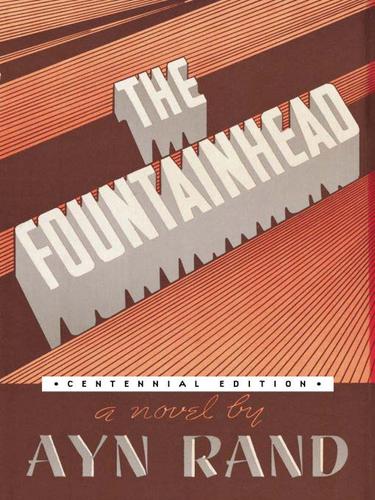
No. 65 on this list. The Fountainhead
Ayn Rand · 1943
No. 66 on this list. The Far Pavilions
M.M. Kaye · 1978
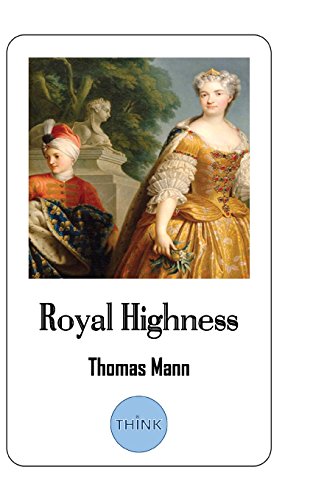
No. 67 on this list. Royal Highness
Thomas Mann · 1909
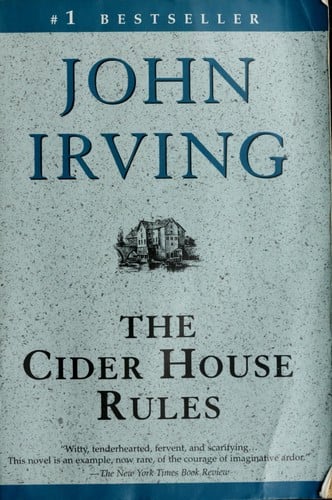
No. 68 on this list. The Cider House Rules
John Irving · 1985
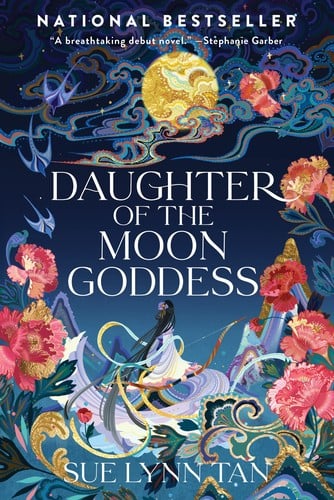
No. 69 on this list. Daughter of the Moon Goddess
Sue Lynn Tan · 2022
No. 70 on this list. Valperga
Mary Shelley · 1823

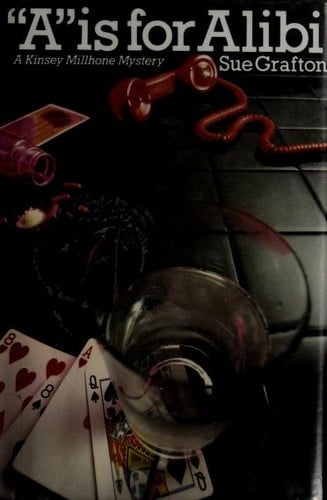
No. 71 on this list. "A" Is for Alibi
Sue Grafton · 1982
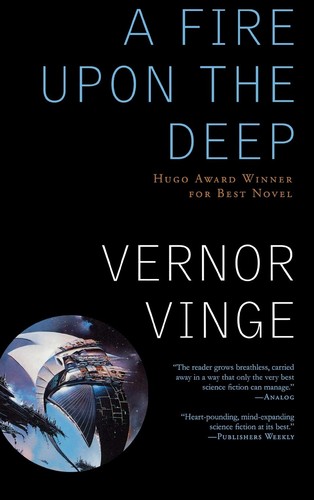
No. 72 on this list. A Fire Upon the Deep
Vernor Vinge · 1992
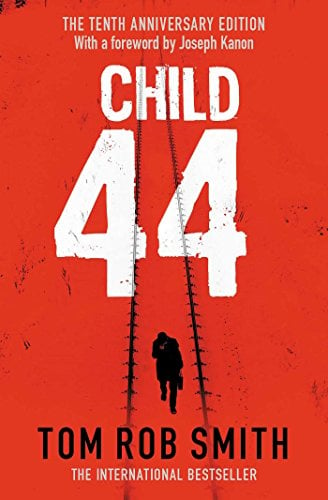
No. 73 on this list. Child 44
Tom Rob Smith · 2008
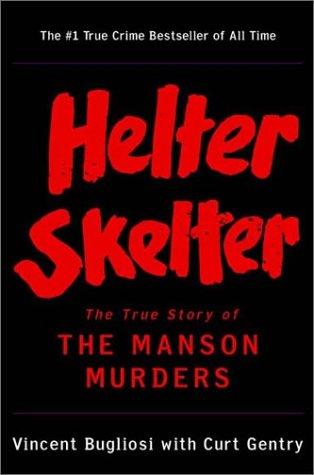
No. 74 on this list. Helter Skelter
Vincent Bugliosi · 1974
No. 75 on this list. Flush: A Biography
Virginia Woolf · 1933
No. 76 on this list. A Clergyman's Daughter
George Orwell · 1935
No. 77 on this list. Gorky Park
Martin Cruz Smith · 1981
No. 78 on this list. Dragonflight
Anne McCaffrey · 1968
No. 79 on this list. Written in the Stars
Alexandria Bellefleur · 2020
No. 80 on this list. The Run of His Life
Jeffrey Toobin · 1996
No. 81 on this list. Ghettoside
Jill Leovy · 2015
No. 82 on this list. The Shape of Water
Andrea Camilleri · 1994
No. 83 on this list. Dress Your Family in Corduroy and Denim
David Sedaris · 2004
No. 84 on this list. Here One Moment
Liane Moriarty · 2024
No. 85 on this list. The Worm Ouroboros
E. R. Eddison · 1922
No. 86 on this list. Legend
Marie Lu · 2011
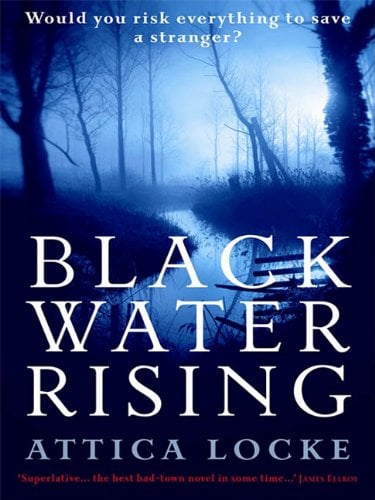
No. 87 on this list. Black Water Rising
Attica Locke · 2010
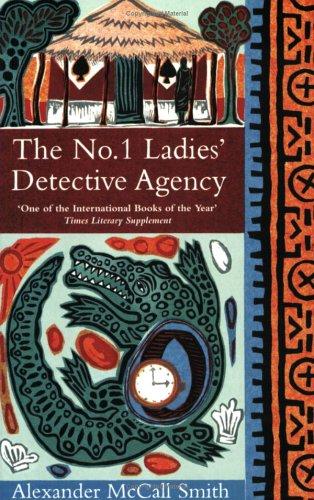
No. 88 on this list. The No. 1 Ladies' Detective Agency
Alexander McCall Smith · 1998
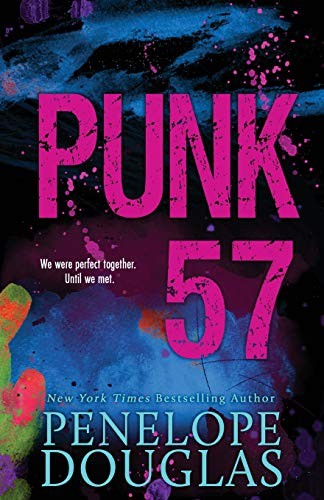
No. 89 on this list. Punk 57
Penelope Douglas · 2016
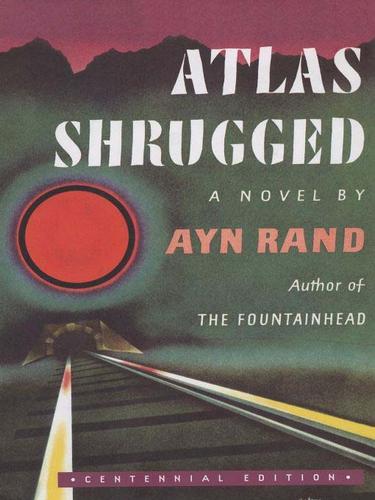
No. 90 on this list. Atlas Shrugged (Centennial Ed. HC)
Ayn Rand · 1957
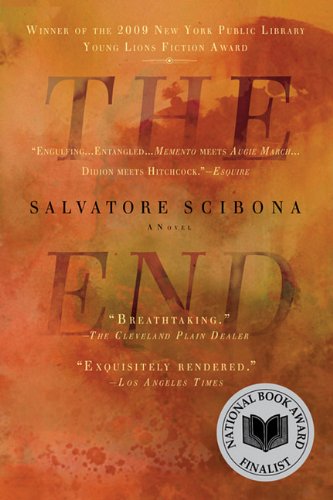
No. 91 on this list. The End
Salvatore Scibona · 2008
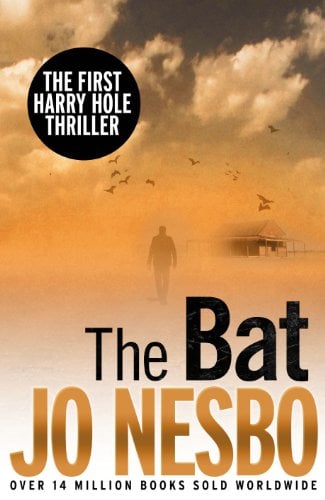
No. 92 on this list. The Bat
Jo Nesbø · 1997
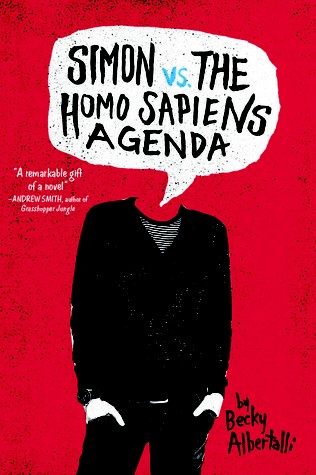
No. 93 on this list. Simon vs. the Homo Sapiens Agenda
Becky Albertalli · 2015
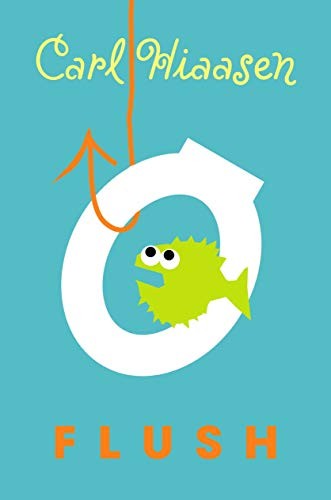
No. 94 on this list. Flush
Carl Hiaasen · 2005
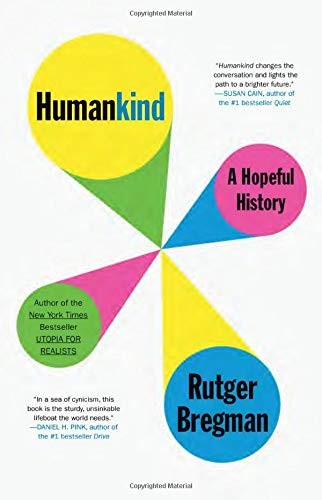
No. 95 on this list. Humankind: A Hopeful History
Rutger Bregman · 2020
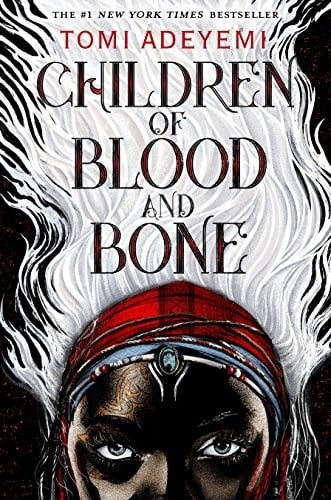
No. 96 on this list. Children of Blood and Bone
Tomi Adeyemi · 2018
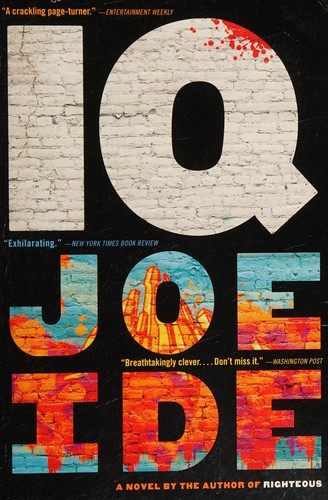
No. 97 on this list. IQ
Joe Ide · 2016
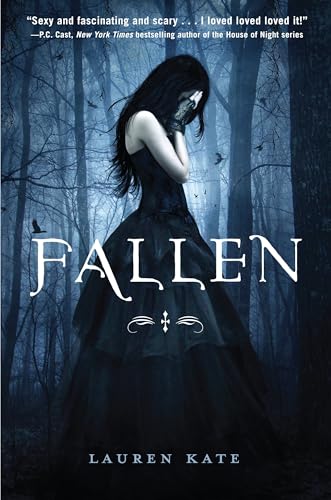
No. 98 on this list. Fallen
Lauren Kate · 2009
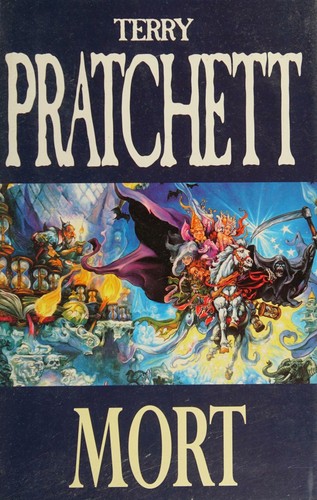
No. 99 on this list. Mort
Terry Pratchett · 1987
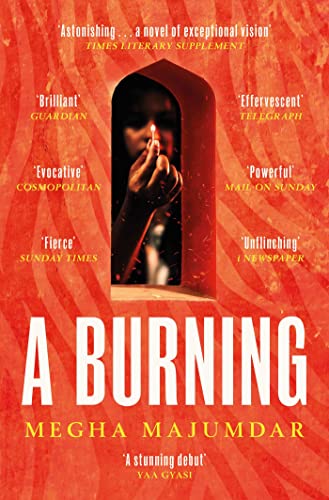
No. 100 on this list. A Burning
Megha Majumdar · 2020
About this list
These 100 books are the highest-scoring eligible easy books about philosophy and ideas currently in the catalogue. About 597 hours of reading in all. Difficulty runs from 29 to 41 out of 100 for the middle half of the list; the summit is Arrowsmith at 45.
This list is ranked by literary regard, with a consistent order for equal scores. Membership follows authors and co-authors, not translators or editors. A book is here when ReadingRate files it under Philosophy & Ideas as one of its primary reading domains, at a confidence of 0.8 or more. Catalogue coverage and the historical canon both limit what this list can represent.
When we matched the Canons dataset to our catalogue in October 2026, our canonical-status scores rose with the number of school curricula, publisher series and lists in it that cite a work: the median score was 72 for books one such source cites, 84 at two, 88 at three, 92 at four and 93 at five or more. Prizes are left out of that count. Outside the state curricula, the dataset’s sources choose mostly from what has been translated into English or French, so it is a weaker check on other literatures. Source: Canons (Andrew Piper), CC BY 4.0
Questions people actually ask
- What are the best easy books about philosophy and ideas?
- By literary regard, which weighs canonical status, critical standing and influence: Bérénice by Jean Racine, The Bhagavad Gita by Vyasa, Andromaque by Jean Racine, Borderlands/La Frontera: The New Mestiza by Gloria Anzaldua and Wise Blood by Flannery O'Connor. ReadingRate ranks 100 such books, each with a difficulty score and a reading-time estimate.
- Which easy books about philosophy and ideas should I read first?
- Start from difficulty, not from rank. The most approachable books on this list that still carry top literary regard are The Bhagavad Gita by Vyasa (about 1.4 hours), Borderlands/La Frontera: The New Mestiza by Gloria Anzaldua and Seeing Things by Seamus Heaney.
- What are the shortest of the best easy books about philosophy and ideas?
- Among the top 25, the shortest are Bérénice by Jean Racine (about 50 min), Andromaque by Jean Racine (about 57 min) and Seeing Things by Seamus Heaney (about 57 min), at an average pace of 250 words a minute adjusted for each book's difficulty.
- Which of the best easy books about philosophy and ideas are the established classics?
- By canonical status, how firmly a book sits in curricula, anthologies and the canon: The Bhagavad Gita by Vyasa, Bérénice by Jean Racine, Andromaque by Jean Racine, The Great Enigma: New Collected Poems by Tomas Tranströmer and Borderlands/La Frontera: The New Mestiza by Gloria Anzaldua.
- Can I read any of these easy books about philosophy and ideas for free?
- 10 of the 100 open in ReadingRate's reader with a free account, from public-domain editions: Henry VIII, Arrowsmith, Adam Bede, The Rape of Lucrece, The Thirty-Nine Steps and 5 more.
- How long would it take to read the top ten?
- About 20 hours, at an average pace of 250 words a minute adjusted for each book's difficulty: 10 days at two hours a day. Set your own pace on the page and the list's reading times change to it.
- How hard are easy books about philosophy and ideas to read?
- Most of this list sits between 29 and 41 on ReadingRate's 100-point difficulty scale, where 40 to 55 is moderate. The summit is Arrowsmith at 45. Every entry carries its own score, so a reader can pick a great book at a difficulty they will finish.
- How is this list ranked?
- On literary-regard data: how canonically established a work is, its critical standing, and its influence on later writing. It is not a readers’ poll, which is why recent bestsellers rarely appear. Membership follows authors and co-authors, not translators or editors. Lists by country, author, period, theme or difficulty keep to literature (fiction, poetry, drama and philosophy), their novels, poems and plays first and their philosophy after them; a list of a kind of book, such as memoir or criticism, keeps every book of that kind. Every list holds at most three works by one author. A book is here when ReadingRate files it under Philosophy & Ideas as one of its primary reading domains, at a confidence of 0.8 or more.