Hours at an average pace
Showing 100 books
About 795 hours for 100 of 100 books with measured lengths. Estimates use 250 words a minute, adjusted for each book's difficulty. At 2 hours a day, about 398 days for those books.
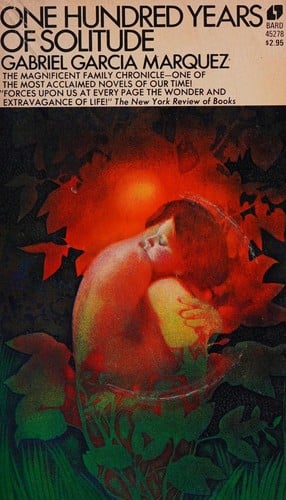
No. 1 on this list. One Hundred Years of Solitude
Gabriel García Márquez · 1967
Challenging10 hours
Taught in schools: Literatura, Diseño Curricular – Provincia de Buenos Aires (Argentina)
Included in: Bokklubben World Library
García Márquez wove a century of Latin American history into one family's story where the miraculous and the mundane coexist without explanation — ice is as wondrous as levitation. The book proved that the novel could channel an entire continent's experience in a voice that had no European precedent.
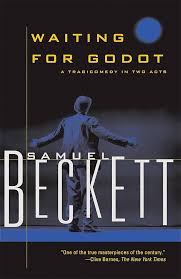
No. 2 on this list. Waiting for Godot
Samuel Beckett · 1953
Difficult2.4 hours
Included in: Great Books of the Western World
Waiting for Godot appears on virtually every comparative literature, modern drama, and theater studies syllabus worldwide, and is listed in Open Syllabus's Top 500 Literature titles. The Wikipedia article exists in 68 languages, and the play has been continuously performed since its 1953 Paris premiere. Le Monde named it among the 100 Books of the Century. It is as canonical as any play written after Shakespeare.
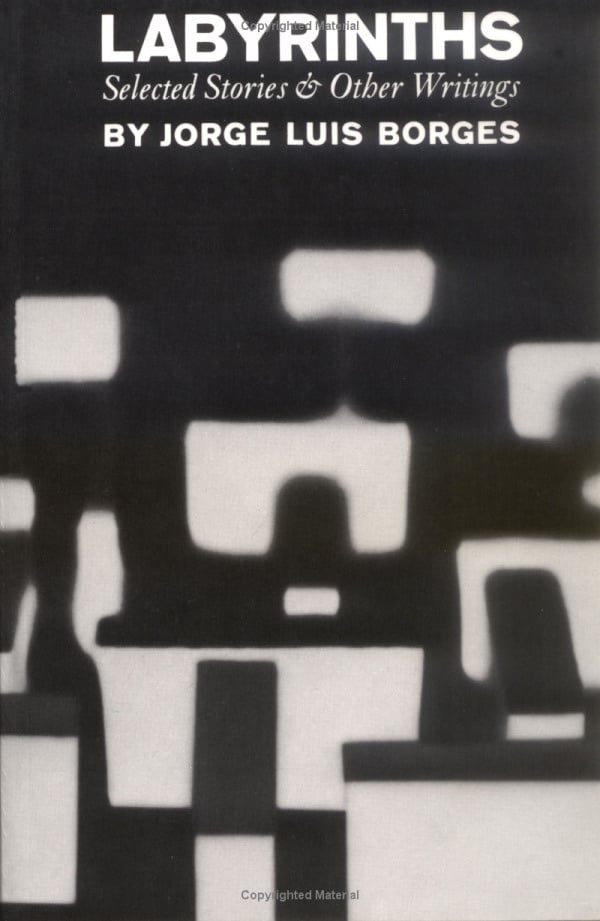
Labyrinths is the standard English-language anthology through which Borges enters world literature curricula, taught in virtually every major comparative literature, Latin American literature, and 20th-century fiction course at universities worldwide. Published by New Directions in 1962, it established the benchmark for how Borges is read in translation and has remained continuously in print for over six decades as an essential classroom and critical text.
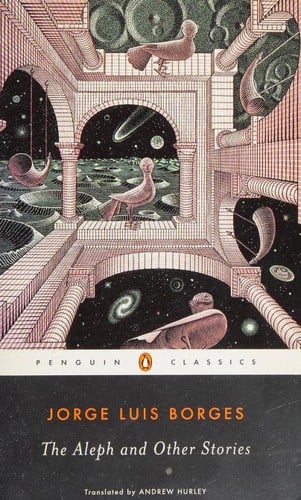
No. 4 on this list. The Aleph
Jorge Luis Borges · 1949
Difficult7.8 hours
Taught in schools: Literatura, Diseño Curricular – Provincia de Buenos Aires (Argentina), UNAM Escuela Nacional Preparatoria – programas de Literatura (Mexico)
Borges and his short fiction appear on university syllabi worldwide — in world literature, Latin American literature, postmodernism, and comparative literature courses. 'The Aleph,' 'The Circular Ruins,' and 'Death and the Compass' are among the most frequently anthologized stories in the Western canon. Though no formal syllabus count is available in the database, Borges is standard reading at virtually every English-language university.
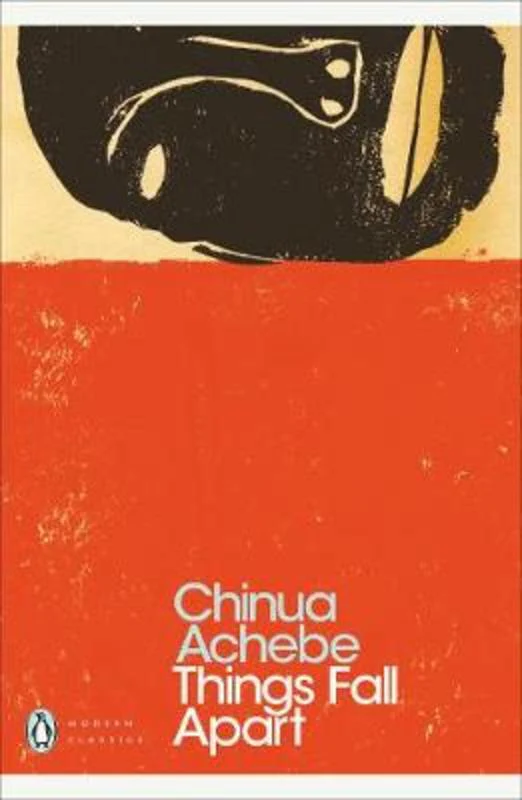
No. 5 on this list. Things Fall Apart
Chinua Achebe · 1958
Moderate3.3 hours
Taught in schools: Cambridge IGCSE Literature in English (0475), Common Core text exemplars (Appendix B) (US), CSEC English B – Caribbean Examinations Council
Included in: Bokklubben World Library, Heinemann African Writers Series
Achebe told the story of colonialism from the inside of an Igbo village rather than from a European ship, and in doing so dismantled a century of Western fiction that had treated Africa as scenery. The novel created the template for postcolonial literature in English.
One of the most important collections in postwar American poetry. 'Skunk Hour' alone secures its place in the canon.
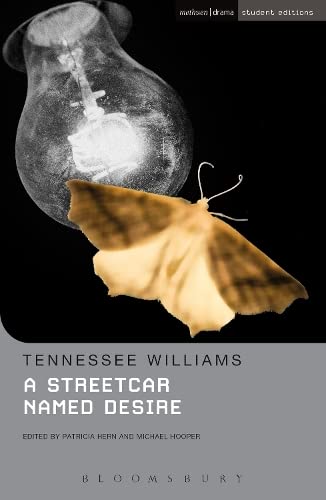
No. 7 on this list. A Streetcar Named Desire
Tennessee Williams · 1947
Challenging2.3 hours
Taught in schools: AQA GCSE and A-level English Literature (UK), Cambridge IGCSE Literature in English (0475), UNAM Escuela Nacional Preparatoria – programas de Literatura (Mexico)
Required reading in virtually every American literature curriculum, from high school through university, and among the most-produced plays in the American theater canon. It appears on nearly every 'great American plays' list alongside Death of a Salesman, and has been continuously performed since its 1947 Broadway premiere.
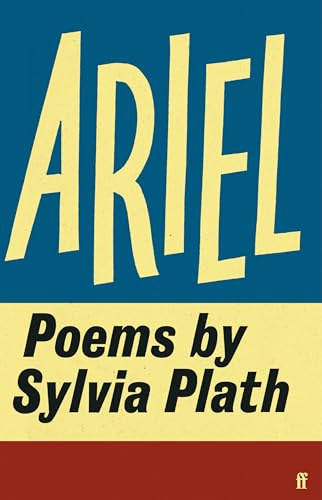
No. 8 on this list. Ariel
Sylvia Plath · 1965
Difficult2.4 hours
Taught in schools: AQA GCSE and A-level English Literature (UK)
Ariel is standard reading across American and British university literature and women's studies curricula, appearing on thousands of syllabi. The collection is included on virtually every 'essential 20th century poetry' list and occupies a permanent position in the confessional poetry canon. Its Wikipedia article exists in over 30 languages, and it has been continuously in print since its 1965 publication.
No. 9 on this list. Death of a Salesman
Arthur Miller · 1949
Challenging3.9 hours
Taught in schools: AQA GCSE and A-level English Literature (UK), Common Core text exemplars (Appendix B) (US), CSEC English B – Caribbean Examinations Council
Required reading in virtually every American high school and most university American Drama and Literature courses. The play appears on thousands of university syllabi globally and consistently ranks among the defining works of American theater on 'essential reading' lists. It has been in continuous production since its 1949 premiere.
No. 10 on this list. Lolita
Vladimir Nabokov · 1955
Challenging11 hours
Included in: Bokklubben World Library
Nabokov gave a monster the most beautiful prose in the English language and dared the reader to be seduced by it, producing the most disturbing test case for the relationship between aesthetic pleasure and moral judgment. Humbert Humbert's sentences are so exquisite that noticing your own enchantment becomes the novel's real subject.
No. 11 on this list. 1984 · George Orwell · 1949
Taught in schools: Hungarian literature curriculum (magyar nyelv és irodalom) (Hungary), Lektury obowiązkowe – Polish national reading list (Poland), OCR GCSE and A-level English Literature (UK)
Included in: Bokklubben World Library
Appears on 1,763 university syllabi (Open Syllabus) and Wikipedia articles in 204 languages, placing it among the most globally distributed literary works. Listed on the Modern Library 100 Best Novels, TIME All-TIME 100, Le Monde's 100 Books of the Century, and BBC Big Read Top 100 — an almost unrivaled breadth of canonical recognition spanning five decades of list-making.
Moderate6.5 hours
Start this bookNo. 12 on this list. Happy Days · Samuel Beckett · 1961
Happy Days anchors modernist and postmodern drama syllabi internationally alongside Waiting for Godot and Endgame. It is taught in theatre, English literature, and philosophy programs across Europe and North America. Wikipedia covers it in over 40 languages. It is among the most-assigned Beckett plays and appears on virtually every postwar drama reading list.
Moderate46 min
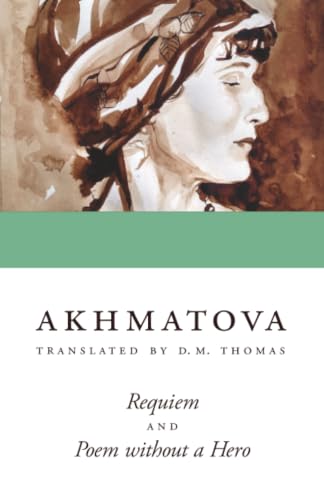
Start this bookNo. 13 on this list. Requiem · Anna Akhmatova · 1963
Taught in schools: Russian FGOS literature standard
Requiem appears on syllabi in virtually every university course covering 20th-century Russian literature, genocide and testimony studies, and modernist poetry globally. Akhmatova's Wikipedia entry exists in over 80 languages. The work is consistently listed among the defining literary documents of Stalinist terror alongside Solzhenitsyn's Gulag Archipelago and Nadezhda Mandelstam's memoirs. It has been continuously in print since its 1987 Soviet publication and in Western translation since 1964.
Difficult1.5 hours
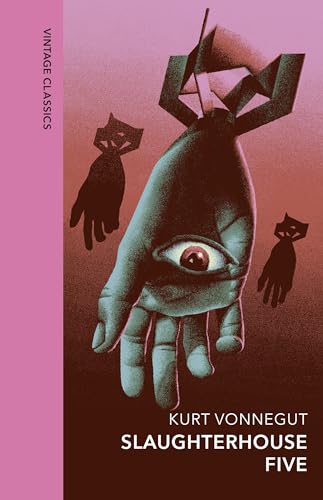
Start this bookNo. 14 on this list. Slaughterhouse-Five · Kurt Vonnegut · 1969
Vonnegut unstuck his protagonist from time and used the resulting shattered chronology to convey what no linear war novel could: the way trauma scrambles cause and effect until the firebombing of Dresden and a zoo on an alien planet occupy the same plane of reality. The deadpan sentence "So it goes" after every death became the definitive literary response to mass killing.
Challenging4.3 hours
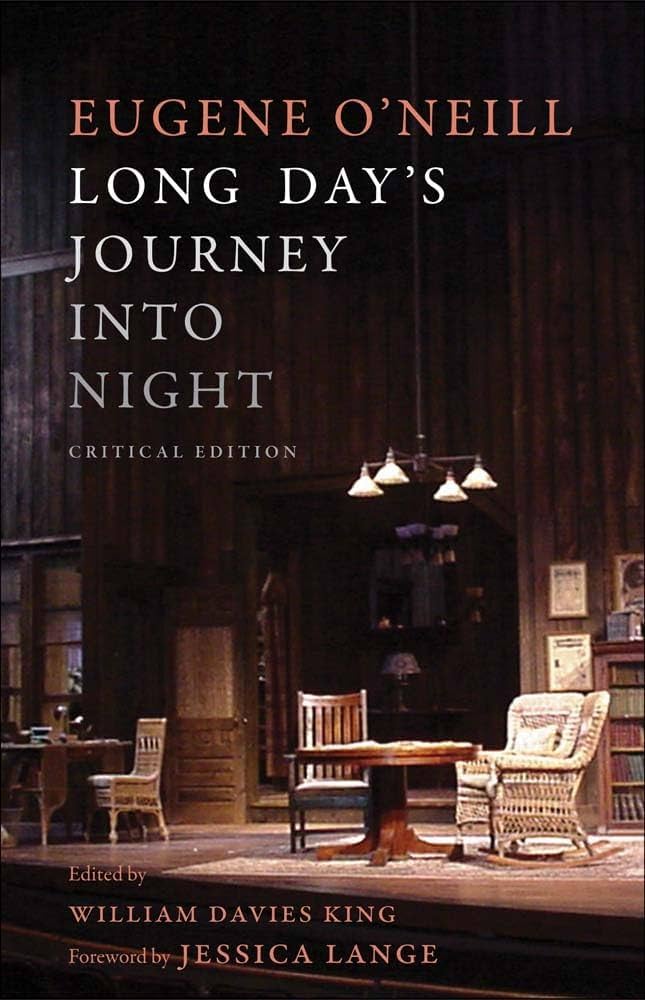
Start this bookNo. 15 on this list. Long Day's Journey into Night · Eugene O'Neill · 1956
O'Neill dramatized his own family — the morphine-addicted mother, the alcoholic father, the doomed brother — with such lacerating honesty that he ordered the play sealed until twenty-five years after his death. The result is the most autobiographically raw masterpiece in American theater, a four-act cycle of blame and forgiveness that never grants its characters the relief of a resolution.
Moderate4.6 hours
Start this bookNo. 16 on this list. On the Road · Jack Kerouac · 1957
Kerouac typed the ecstatic cross-country journeys of his circle into a single scroll of spontaneous prose that turned restlessness itself into a literary style and a generational identity. The novel did not just describe the Beat movement — it created its mythology, and the image of the open American highway as spiritual practice originates here.
Moderate8 hours
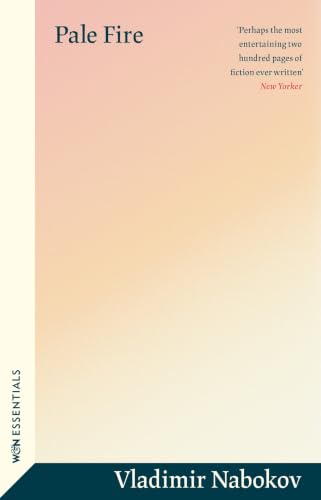
Start this bookNo. 17 on this list. Pale Fire · Vladimir Nabokov · 1962
Nabokov disguised a novel as a 999-line poem with a lunatic's commentary, and the gap between what the commentator thinks he is explaining and what the reader discovers he is revealing became the most elaborate unreliable-narrator trap in fiction. The book is simultaneously a parody of academic scholarship, a detective story, and a meditation on exile — and no two readers have ever agreed on which layer is the real one.
Difficult9.1 hours
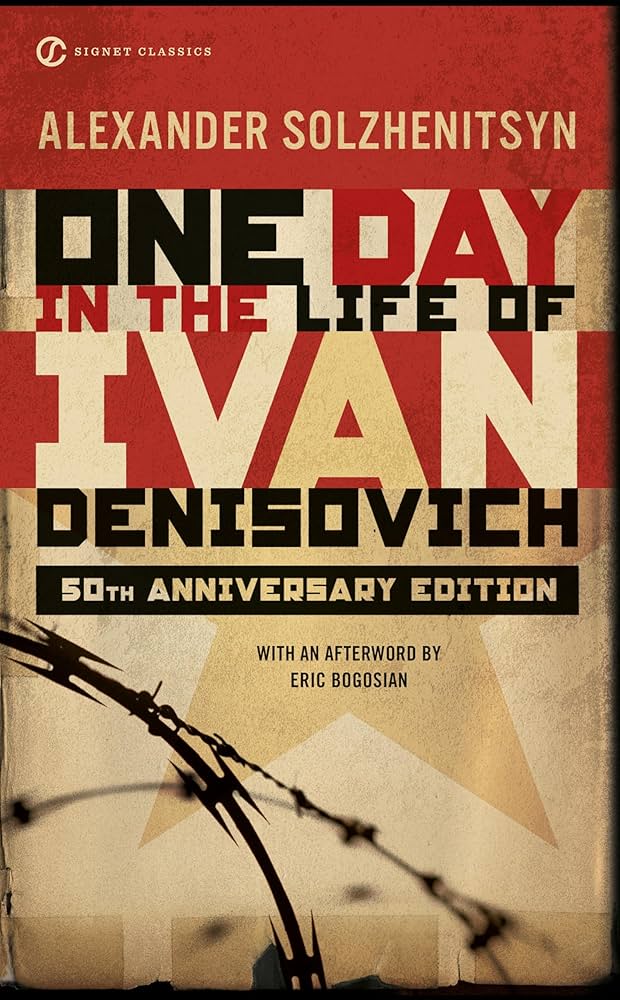
Start this bookNo. 18 on this list. One Day in the Life of Ivan Denisovich · Aleksandr Solzhenitsyn · 1962
A single January day in a Soviet labor camp in the early 1950s, told through the eyes of Ivan Denisovich Shukhov, a peasant ten years into a trumped-up sentence for treason. Solzhenitsyn structures the novel as a minute-by-minute account: the pre-dawn wake-up, the roll call in −30° cold, the march to the construction site, the bricklaying in the wind, the return, the thin soup, and lights out. The genius of the book is its scale — one man, one day — and the moral universe Shukhov navigates within it. He is not heroic in any conventional sense; he calculates how to get an extra bowl of gruel, how to pocket a useful piece of metal, how to avoid the guards' notice. Yet these calculations constitute a form of dignity. Published in 1962 in the Soviet literary journal Novy Mir under Khrushchev's brief thaw, the novella hit Soviet readers like a physical shock: the Gulag had existed for decades, but naming it in print was new. In the West it became the first credible inside account of the camp system, a document as much as a novel. Solzhenitsyn's prose is close-grained and unsentimental, the voice tuned to Shukhov's practical intelligence. The cold is not metaphorical; the bread is not symbolic. The facts speak.
Easy3 hours
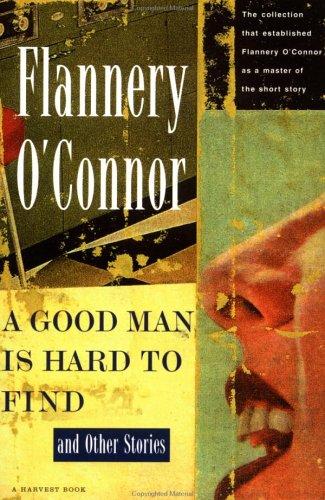
Start this bookNo. 19 on this list. A Good Man Is Hard to Find · Flannery O'Connor · 1955
One of the most important short story collections in American literature. The title story alone is among the most widely taught and analyzed works of American fiction.
Moderate2.8 hours
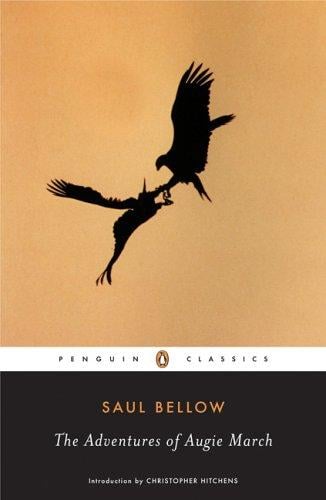
Start this bookNo. 20 on this list. The Adventures of Augie March · Saul Bellow · 1954
Taught in schools: Common Core text exemplars (Appendix B) (US)
Bellow opened the floodgates of American prose with a first sentence — "I am an American, Chicago born" — that declared the immigrant son's right to the whole language, high and low, lyrical and street-smart, in a single breath. The novel proved that the American picaresque could carry philosophical weight without sacrificing velocity, and it liberated a generation of novelists from Hemingway's tight-lipped restraint.
Challenging19 hours
Start this book
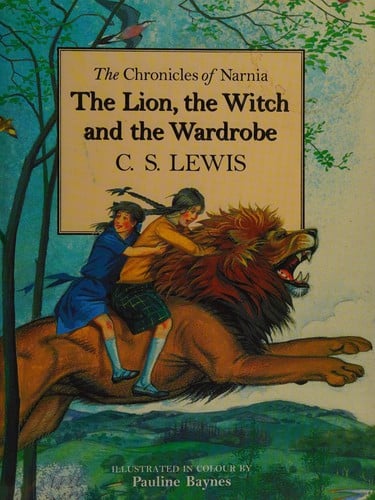
No. 21 on this list. The Lion, the Witch and the Wardrobe · C.S. Lewis · 1950
The Lion, the Witch and the Wardrobe is taught in elementary and middle schools worldwide and is considered essential children's literature. It appears on countless reading lists and is often children's introduction to fantasy literature. The Narnia series is foundational to understanding modern fantasy and children's fiction.
Easy2.1 hours
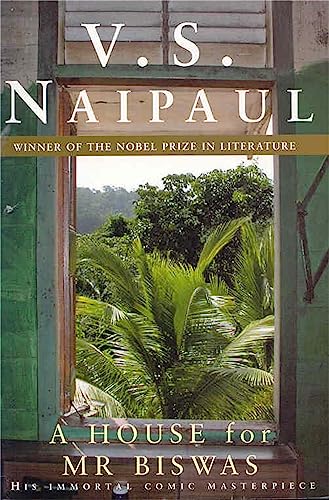
Start this bookNo. 22 on this list. A House for Mr. Biswas · V.S. Naipaul · 1961
Taught in schools: CSEC English B – Caribbean Examinations Council
Naipaul tracked one man's forty-year struggle to own a house of his own in colonial Trinidad, and by treating that modest ambition with the gravity of epic, wrote the definitive novel about the immigrant's war between dignity and dispossession. Mr. Biswas's defeats are so granular and so cumulative that the house, when it finally comes, means more than any literary symbol has a right to.
Moderate13 hours
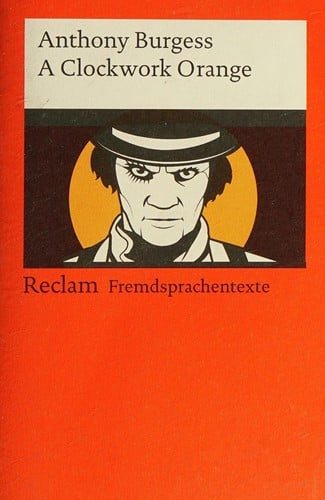
Start this bookNo. 23 on this list. A Clockwork Orange · Anthony Burgess · 1962
The essential novel of violence, free will, and state control. Core text in courses on dystopian fiction and ethics. Nadsat, the invented slang, demonstrated how language shapes consciousness. Kubrick's 1971 film became inseparable from the novel.
Moderate4.1 hours
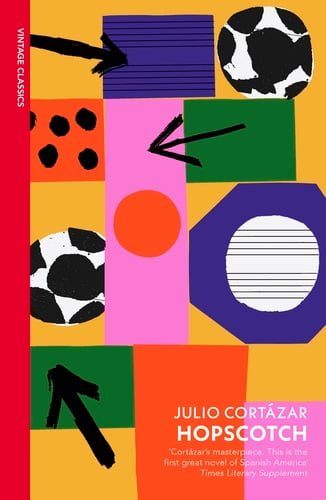
Start this bookNo. 24 on this list. Hopscotch · Julio Cortázar · 1963
Rayuela is one of the core novels of the Latin American Boom, taught in Spanish and world literature courses across the Americas and Europe. It appears on most lists of the great Spanish-language novels of the century.
Difficult20 hours
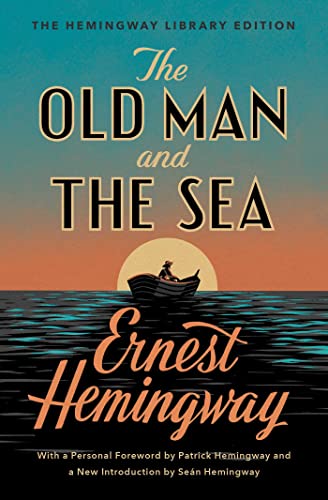
Start this bookNo. 25 on this list. The Old Man and the Sea · Ernest Hemingway · 1953
Taught in schools: Kazakh literature curriculum (Kazakhstan)
Included in: Bokklubben World Library
Hemingway reduced fiction to one old man, one marlin, and the Gulf Stream, and proved that a story stripped to its barest elements could carry the weight of a parable about endurance, craft, and the dignity of losing. The novella's final image — the skeleton of the great fish picked clean at the dock — is among the most perfectly earned symbols in American literature.
Moderate1.7 hours
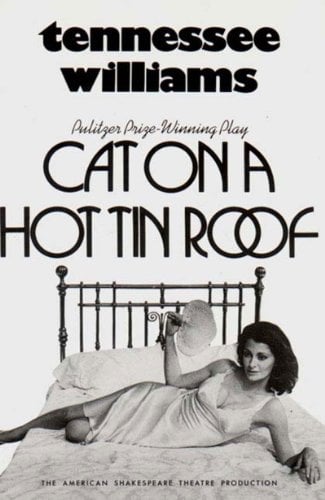
Start this bookNo. 26 on this list. Cat on a Hot Tin Roof · Tennessee Williams · 1955
Taught in schools: AQA GCSE and A-level English Literature (UK)
Cat on a Hot Tin Roof won the 1955 Pulitzer Prize for Drama and is taught in American literature and theater courses across the country, standing alongside A Streetcar Named Desire as the twin peaks of Williams's canon. The 1958 film adaptation with Paul Newman and Elizabeth Taylor brought it to global audiences, cementing its place in the broader cultural record. It appears on virtually every syllabus covering American drama.
Challenging5.5 hours
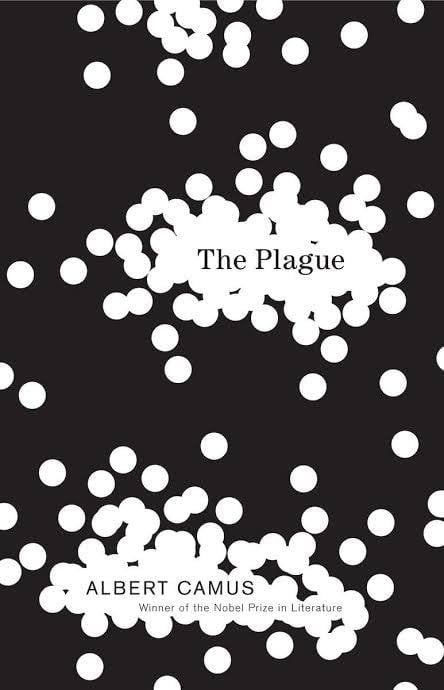
Start this bookNo. 27 on this list. The Plague · Albert Camus · 1947
Taught in schools: Lektury obowiązkowe – Polish national reading list (Poland)
Included in: UNESCO Collection of Representative Works
The Plague is taught across Europe, the Americas, and Asia in existentialism, 20th-century literature, and French literature courses. Its Wikipedia article exists in 124 languages — comparable to the reach of Kafka's The Trial and well above most postwar novels. Listed in 1001 Books You Must Read Before You Die and enshrined as a Penguin Modern Classic.
Moderate6.7 hours
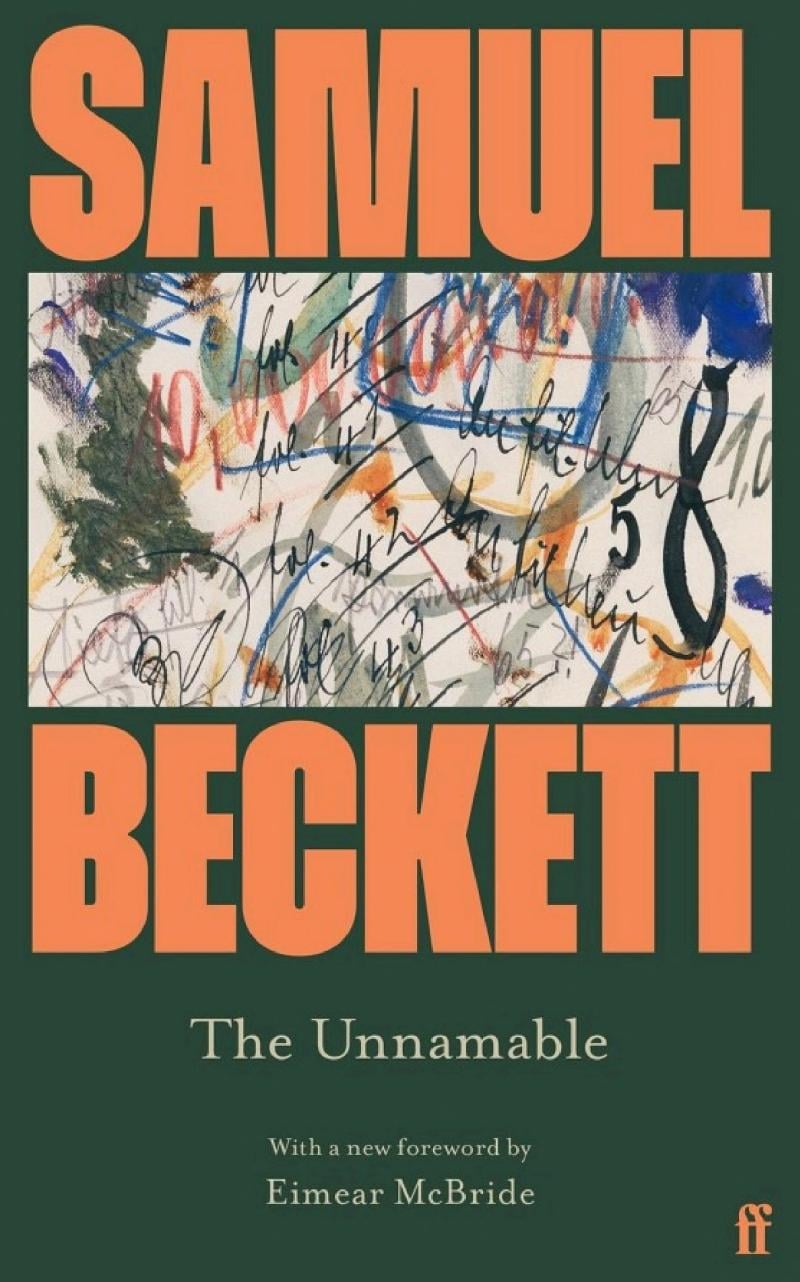
Start this bookNo. 28 on this list. The Unnamable · Samuel Beckett · 1953
Included in: Bokklubben World Library
The Unnamable is taught in advanced modernism, postmodernism, and philosophy-of-language courses at universities worldwide, though less universally than Waiting for Godot. It anchors the Beckett Trilogy, which is among the canonical texts of twentieth-century literature in English and French. The Wikipedia and syllabus data signals appear underreported for this work.
Difficult27 hours
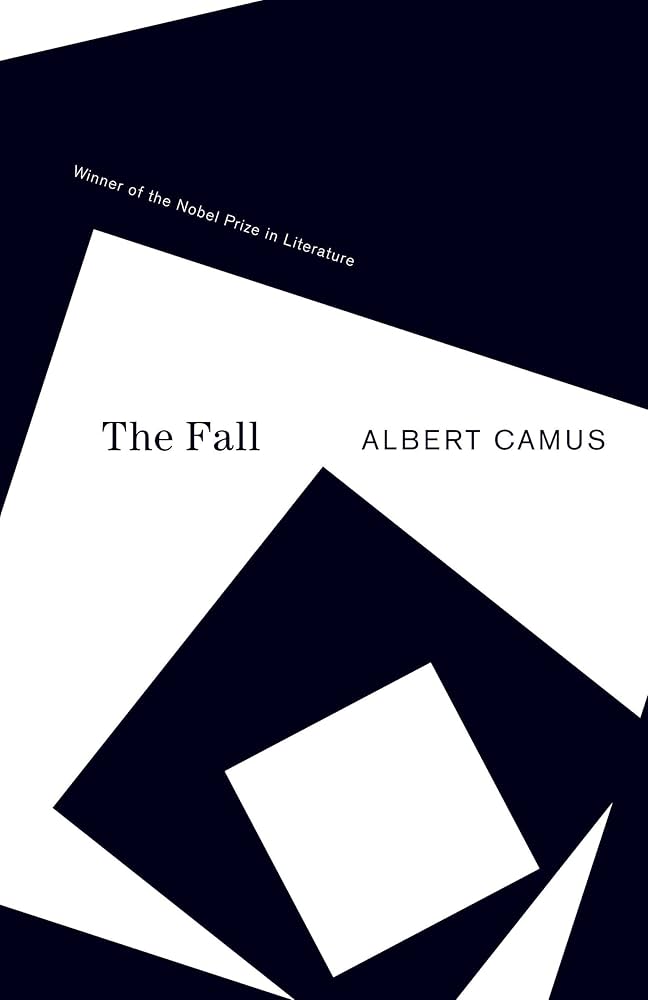
Start this bookNo. 29 on this list. The Fall · Albert Camus · 1956
Published 1956, The Fall holds secure position in the twentieth-century canon as Camus's most formally accomplished and philosophically complex fiction. Widely taught in philosophy and literature courses as paradigmatic existentialist text, it appears on major 'best of century' lists and maintains continuous scholarly attention. Its status benefits from Camus's Nobel Prize (1957) and from representing the mature synthesis of his philosophical fiction after The Stranger and The Plague.
Challenging2.6 hours
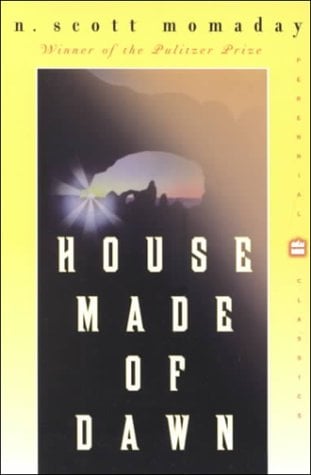
Start this bookNo. 30 on this list. House Made of Dawn · N. Scott Momaday · 1969
House Made of Dawn appears on virtually every Native American literature syllabus and most American literature surveys covering the post-1960 period. It is the foundational text of the Native American literary renaissance and required reading in courses on multicultural American literature, modernism, and postwar fiction.
Challenging5.6 hours
Start this book
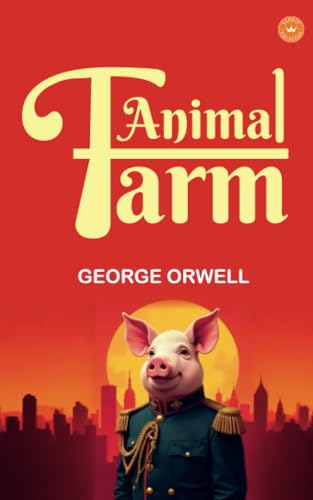
No. 31 on this list. Animal Farm
George Orwell · 1945
Taught in schools: AQA GCSE and A-level English Literature (UK), CSEC English B – Caribbean Examinations Council, Lesotho literature in English
Included in: Great Books of the Western World
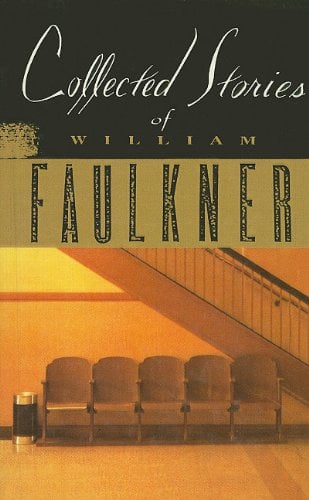
No. 32 on this list. Collected Stories
William Faulkner · 1951
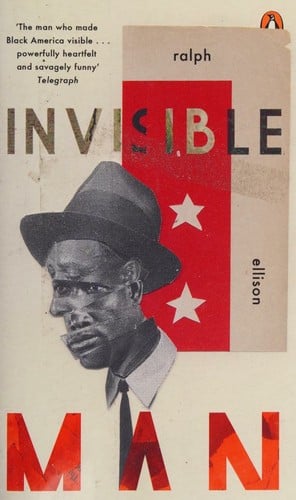
No. 33 on this list. Invisible Man
Ralph Ellison · 1953
Included in: Bokklubben World Library
No. 34 on this list. Montage of a Dream Deferred
Langston Hughes · 1951
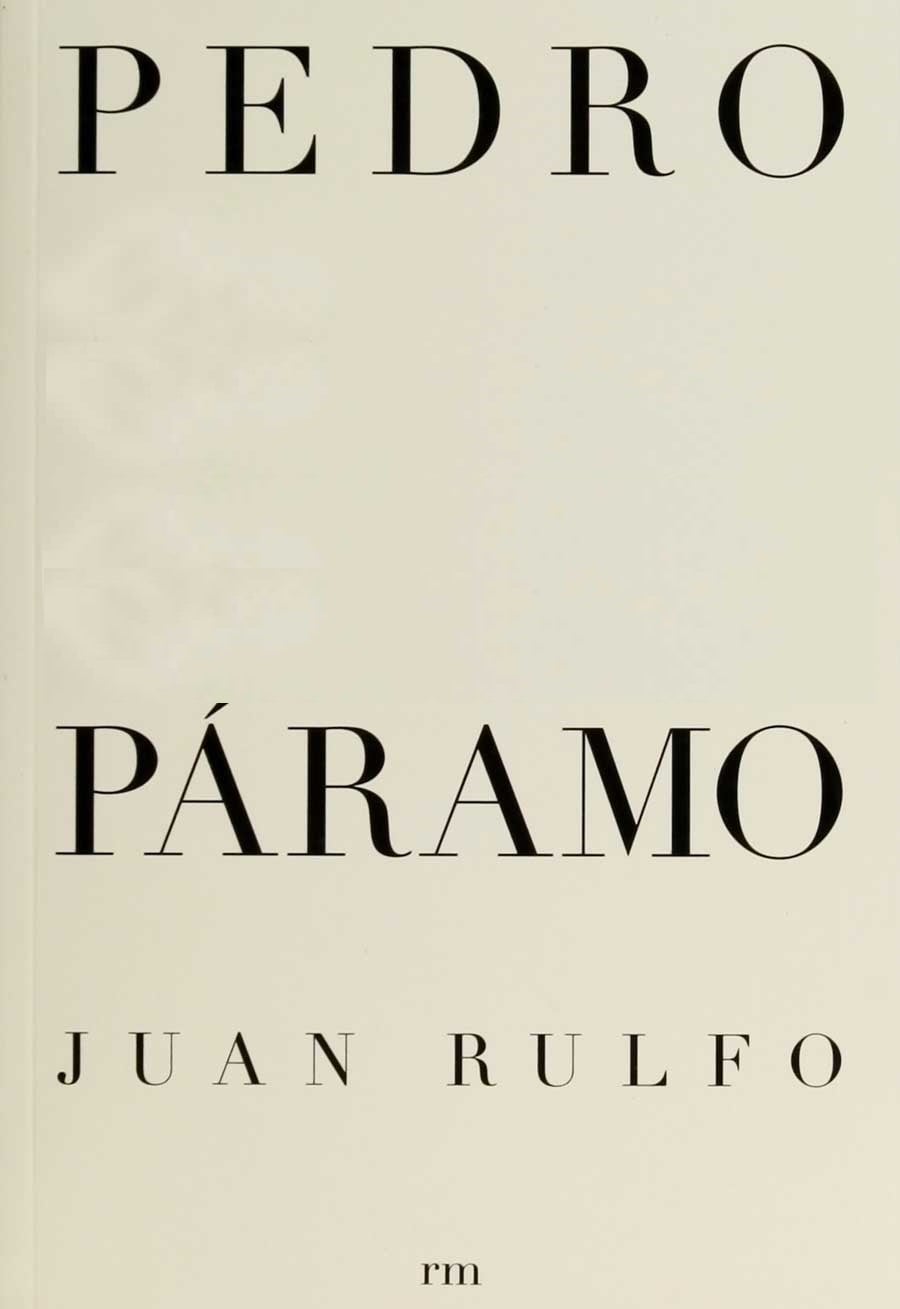
No. 35 on this list. Pedro Páramo
Juan Rulfo · 1955
Taught in schools: Literatura, Diseño Curricular – Provincia de Buenos Aires (Argentina), UNAM Escuela Nacional Preparatoria – programas de Literatura (Mexico)
Included in: Bokklubben World Library
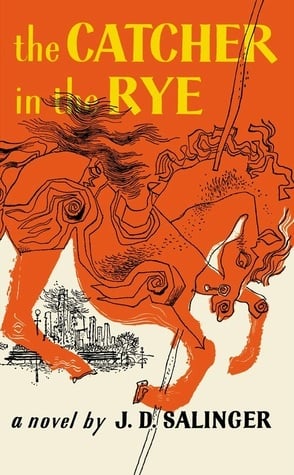
No. 36 on this list. The Catcher in the Rye
J.D. Salinger · 1951
Taught in schools: CSEC English B – Caribbean Examinations Council, Montenegrin literature curriculum (crnogorski jezik i književnost) (Montenegro)
No. 37 on this list. The Caucasian Chalk Circle
Bertolt Brecht · 1948
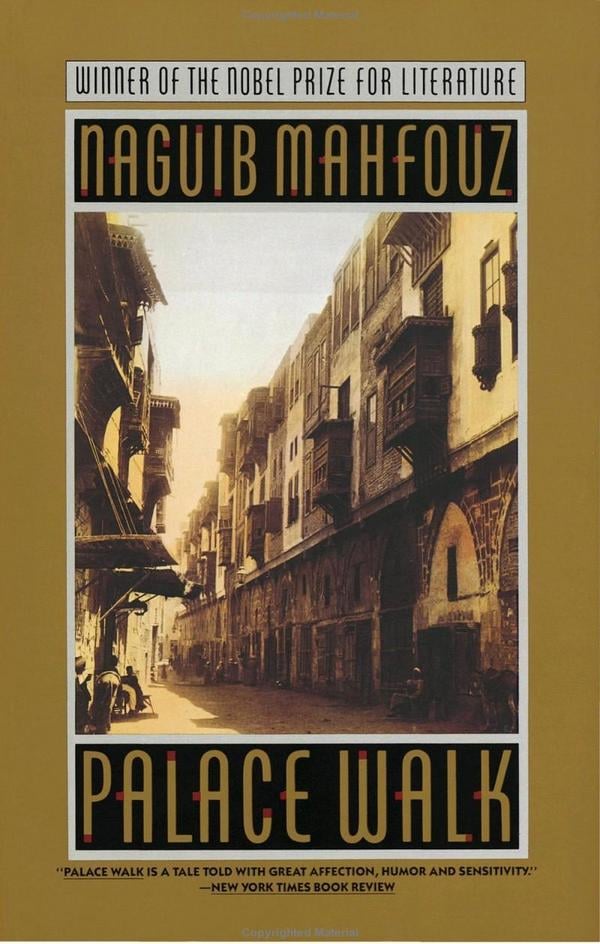
No. 38 on this list. Palace Walk
Naguib Mahfouz · 1956
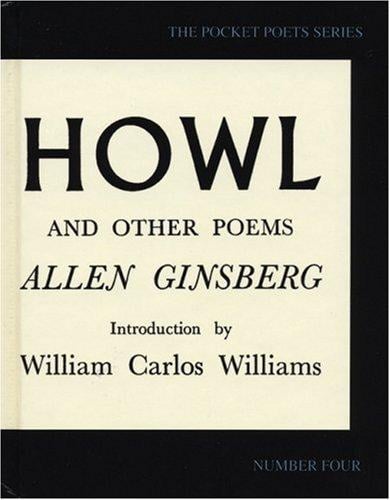
No. 39 on this list. Howl and Other Poems
Allen Ginsberg · 1956
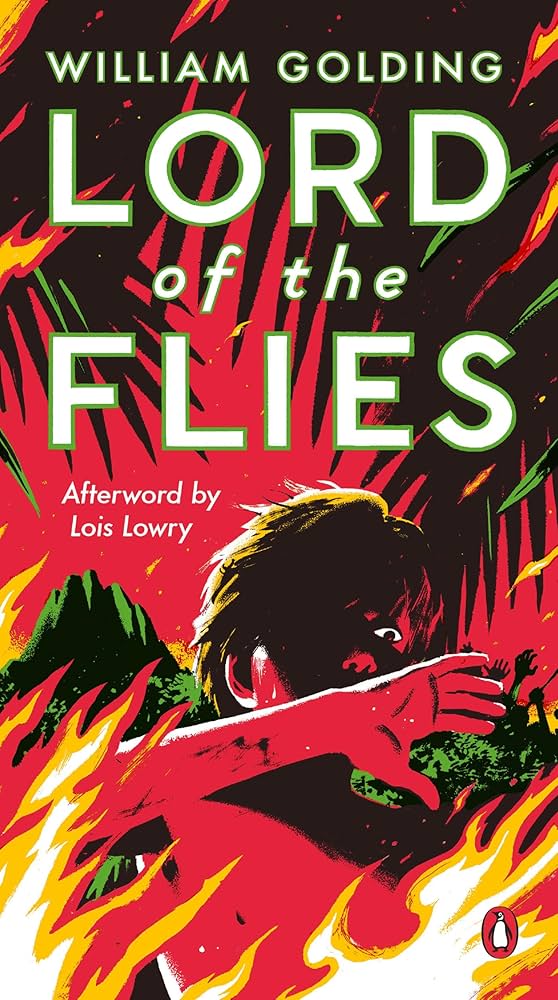
No. 40 on this list. Lord of the Flies
William Golding · 1954
Taught in schools: AQA GCSE and A-level English Literature (UK), Pacific Senior Secondary Certificate – English, Pearson Edexcel GCSE and A-level English Literature (UK)
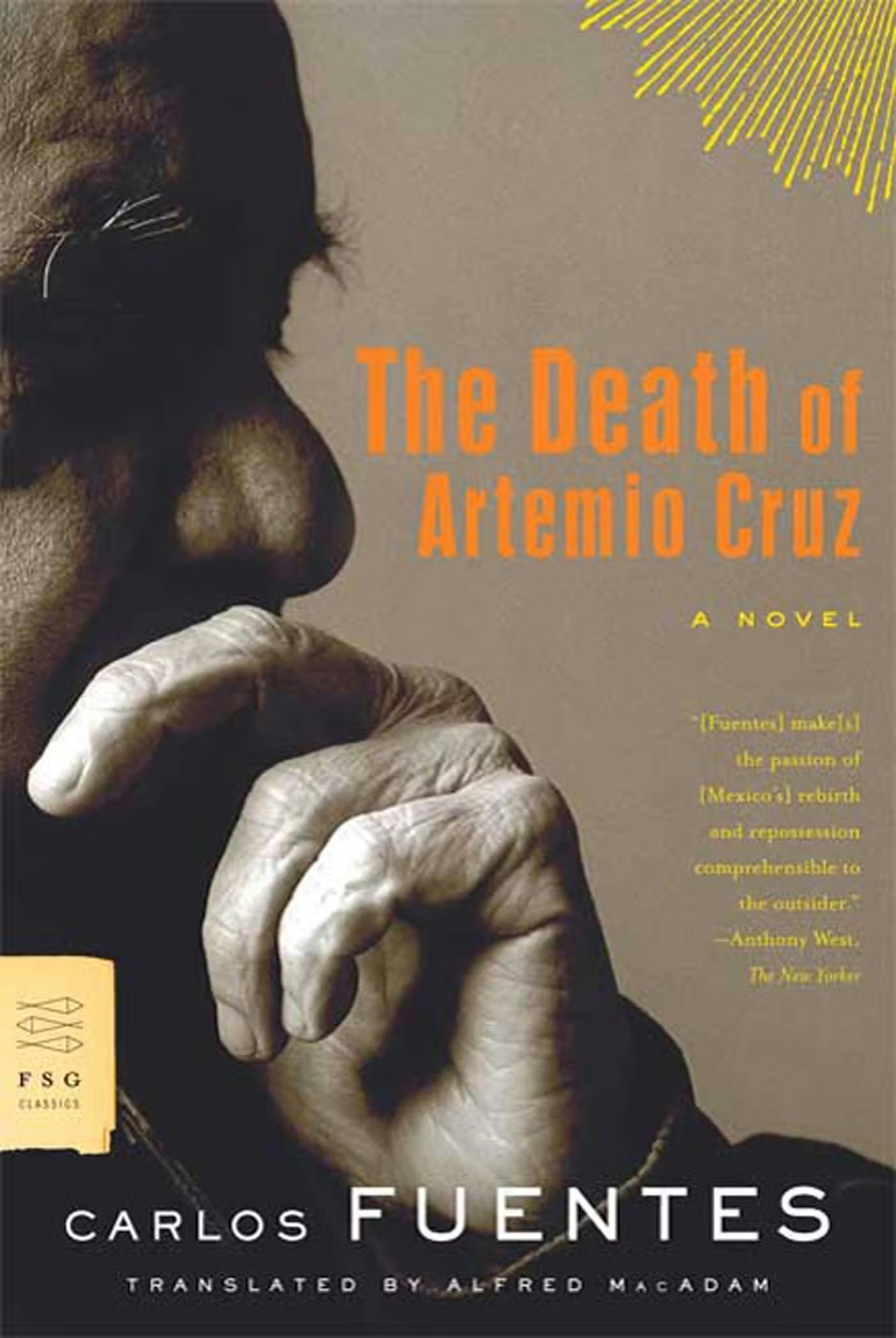
No. 41 on this list. The Death of Artemio Cruz
Carlos Fuentes · 1962
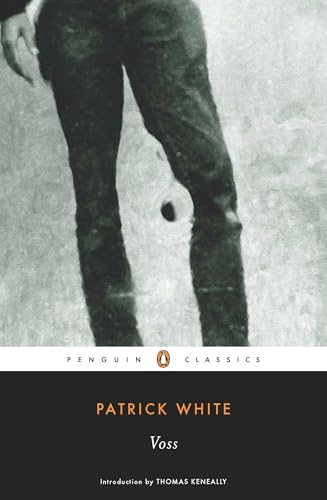
No. 42 on this list. Voss
Patrick White · 1957
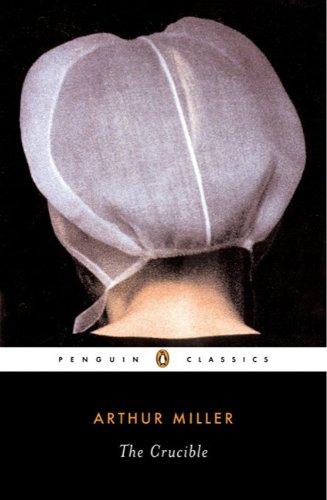
No. 43 on this list. The Crucible
Arthur Miller · 1953
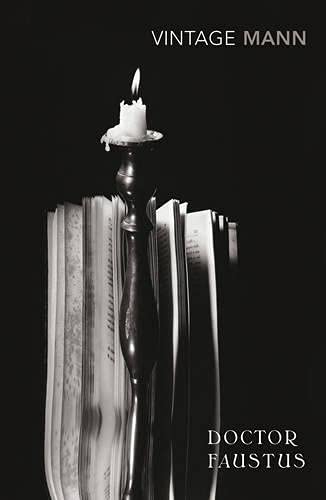
No. 44 on this list. Doctor Faustus
Thomas Mann · 1947
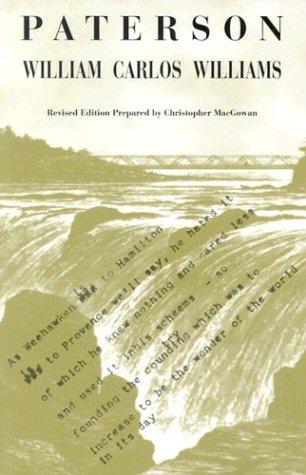
No. 45 on this list. Paterson
William Carlos Williams · 1963
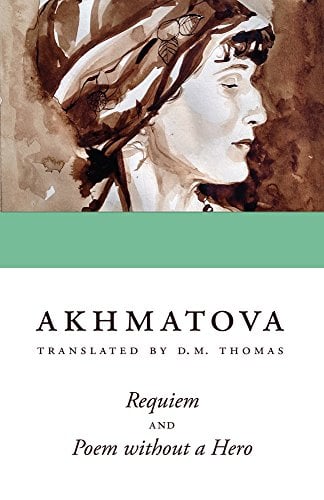
No. 46 on this list. Poem Without a Hero
Anna Akhmatova · 1960
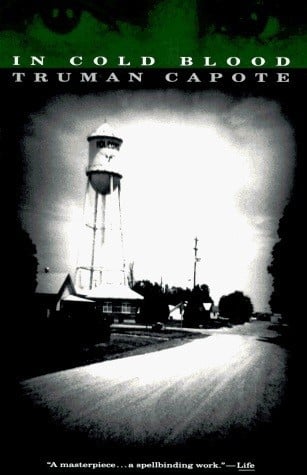
No. 47 on this list. In Cold Blood
Truman Capote · 1966
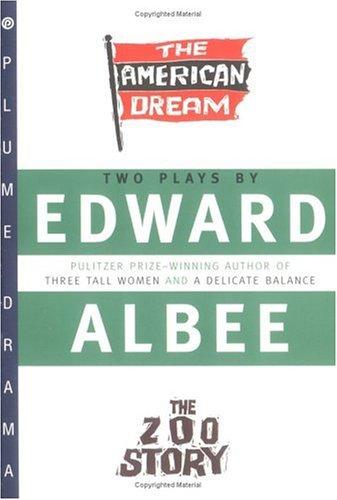
No. 48 on this list. The Zoo Story
Edward Albee · 1959
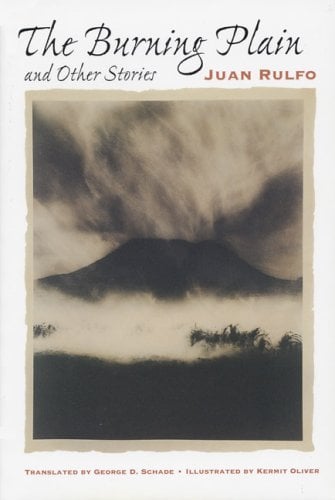
No. 49 on this list. The Burning Plain and Other Stories
Juan Rulfo · 1953
Taught in schools: UNAM Escuela Nacional Preparatoria – programas de Literatura (Mexico)
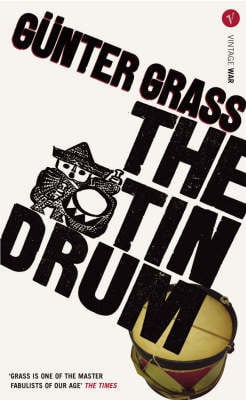
No. 50 on this list. The Tin Drum
Günter Grass · 1959
Included in: Bokklubben World Library
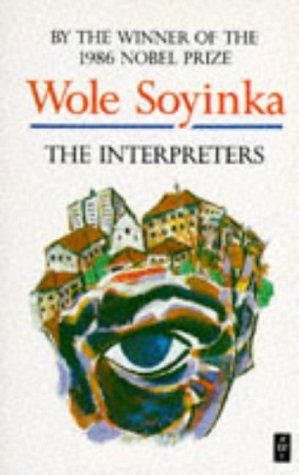
No. 51 on this list. The Interpreters
Wole Soyinka · 1965
Included in: Heinemann African Writers Series
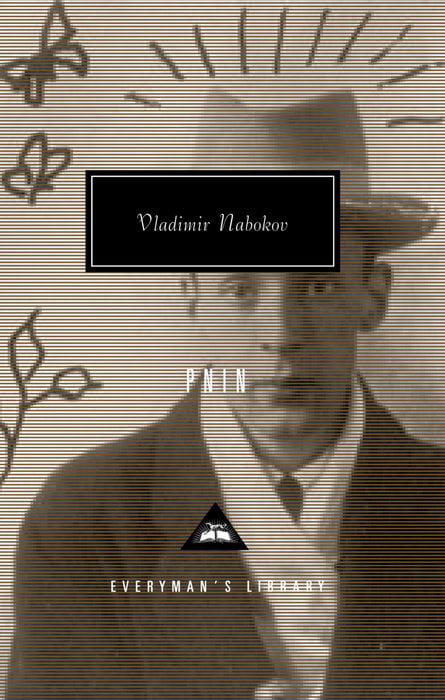
No. 52 on this list. Pnin
Vladimir Nabokov · 1957
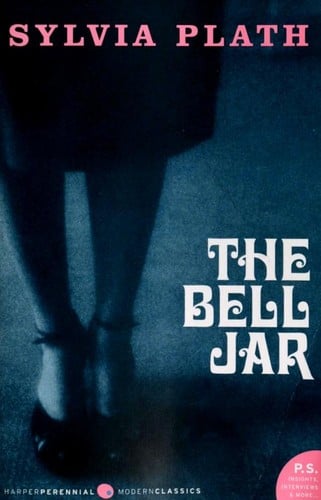
No. 53 on this list. The Bell Jar
Sylvia Plath · 1963
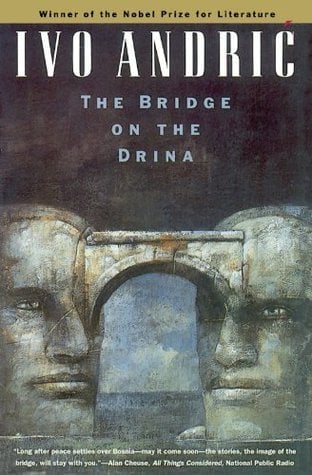
No. 54 on this list. The Bridge on the Drina
Ivo Andrić · 1945
Taught in schools: Turkish edebiyat curriculum (Turkey)
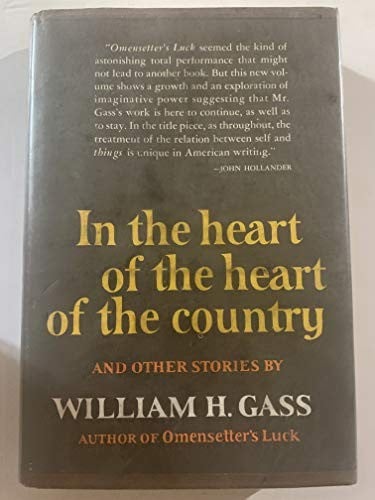
No. 55 on this list. In the Heart of the Heart of the Country
William Gass · 1968
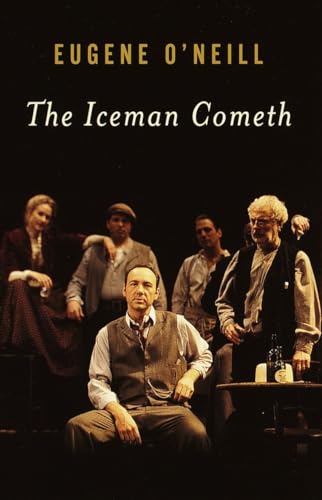
No. 56 on this list. The Iceman Cometh
Eugene O'Neill · 1946
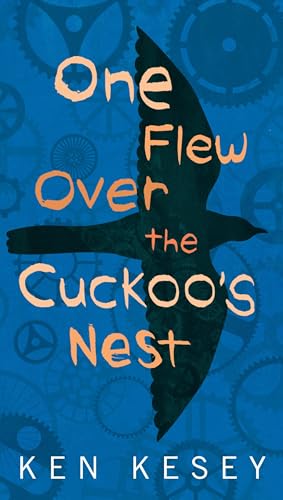
No. 57 on this list. One Flew Over the Cuckoo's Nest
Ken Kesey · 1962
Taught in schools: AQA GCSE and A-level English Literature (UK)
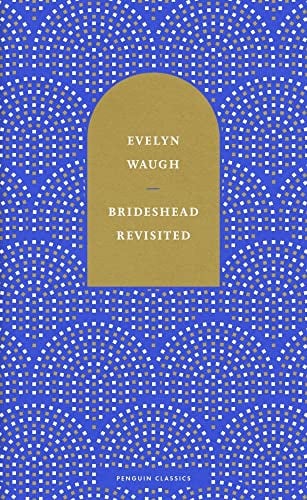
No. 58 on this list. Brideshead Revisited
Evelyn Waugh · 1945
No. 59 on this list. Exercises in Style
Raymond Queneau · 1947
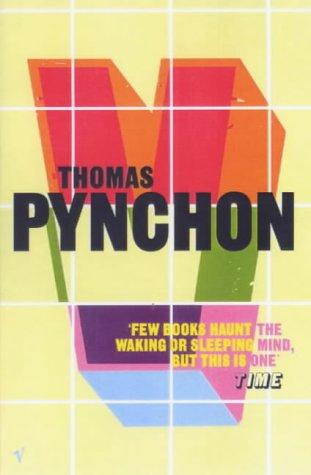
No. 60 on this list. V.
Thomas Pynchon · 1963
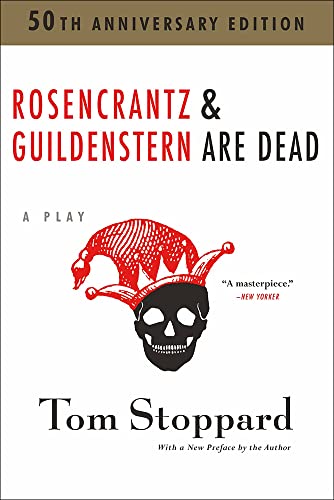
No. 61 on this list. Rosencrantz and Guildenstern Are Dead
Tom Stoppard · 1966
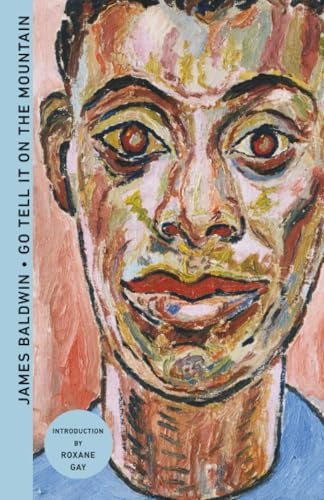
No. 62 on this list. Go Tell It on the Mountain
James Baldwin · 1953
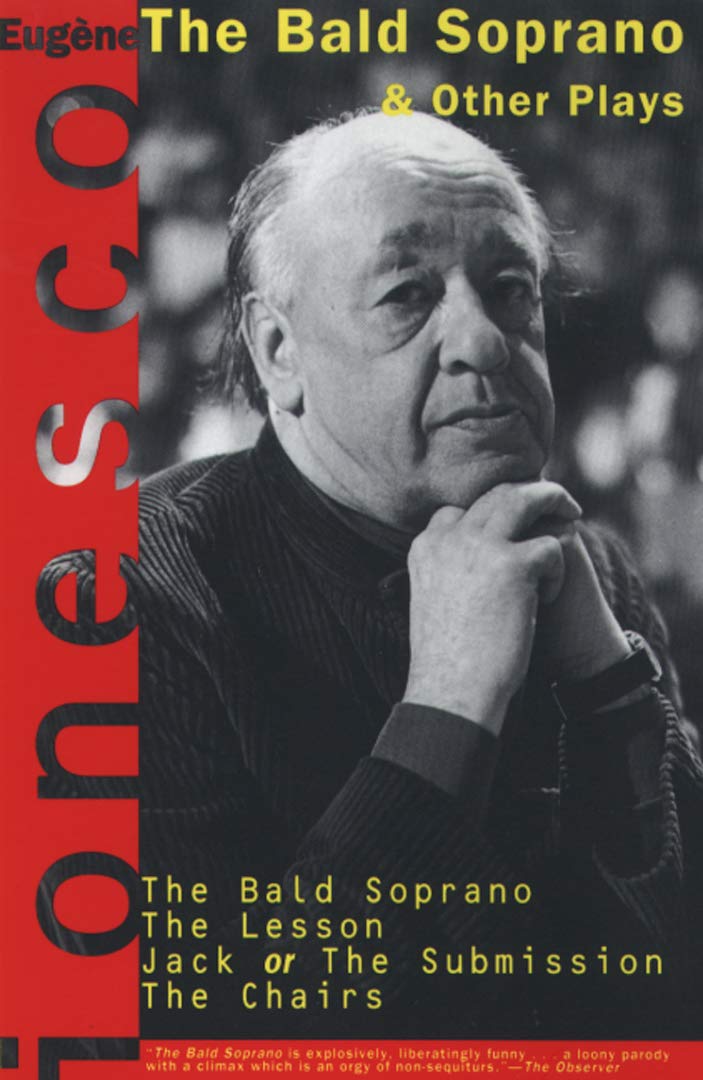
No. 63 on this list. The Bald Soprano
Eugène Ionesco · 1950
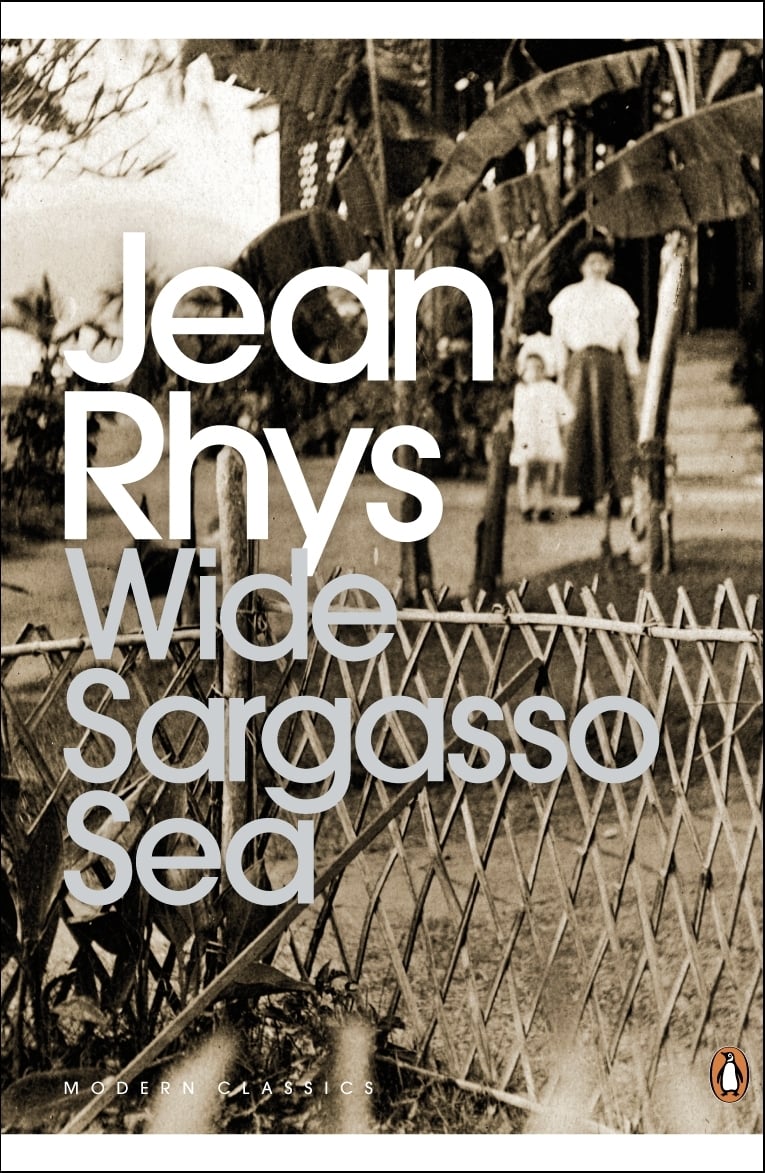
No. 64 on this list. Wide Sargasso Sea
Jean Rhys · 1966
Taught in schools: CSEC English B – Caribbean Examinations Council, WJEC/Eduqas GCSE and A-level English Literature (UK)
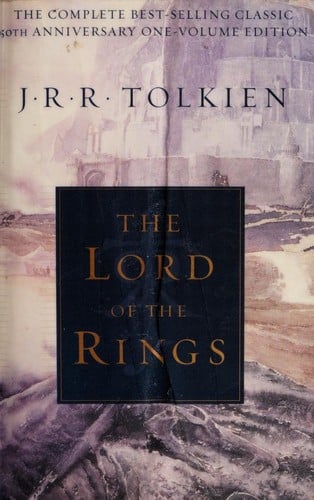
No. 65 on this list. The Lord of the Rings (The Lord of the Rings, #1-3)
J.R.R. Tolkien · 1954
Taught in schools: Pacific Senior Secondary Certificate – English
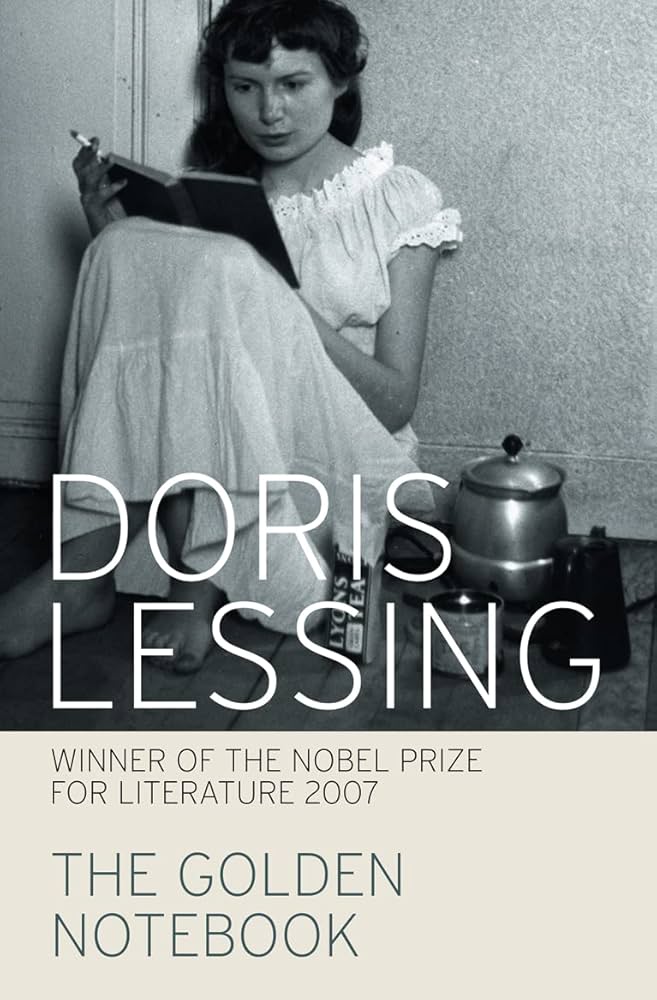
No. 66 on this list. The Golden Notebook
Doris Lessing · 1962
Included in: Bokklubben World Library
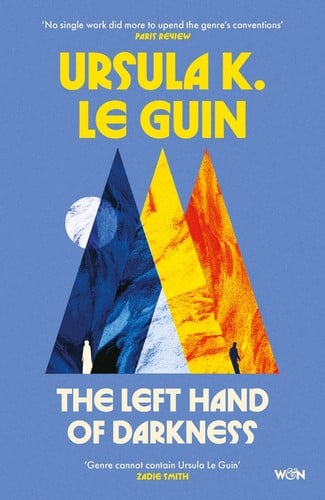
No. 67 on this list. The Left Hand of Darkness
Ursula K Le Guin · 1969
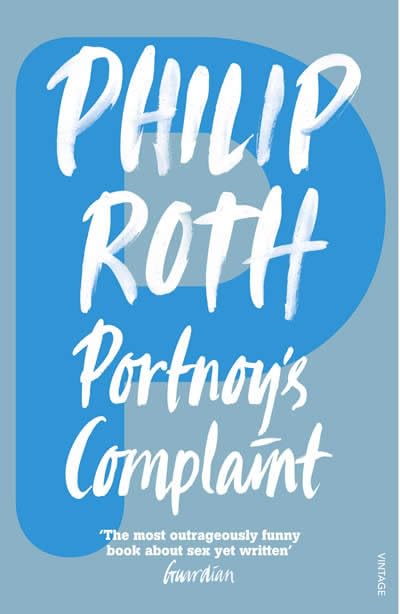
No. 68 on this list. Portnoy's Complaint
Philip Roth · 1969
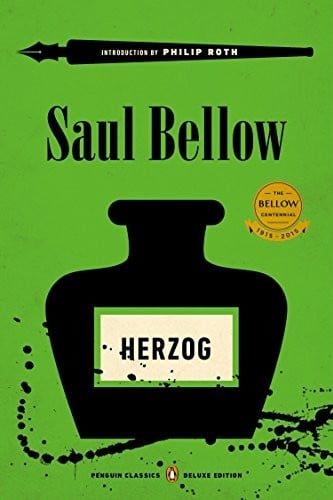
No. 69 on this list. Herzog
Saul Bellow · 1965
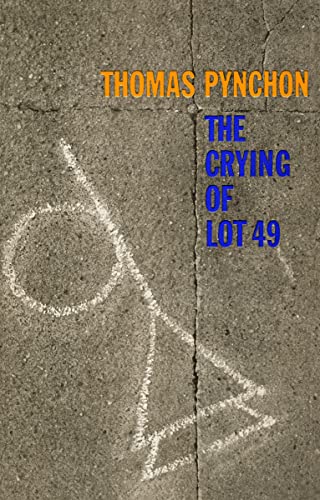
No. 70 on this list. The Crying of Lot 49
Thomas Pynchon · 1966
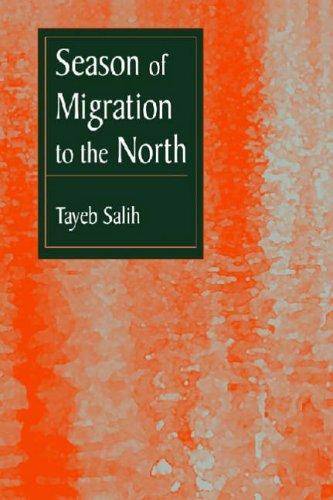
No. 71 on this list. Season of Migration to the North
Tayeb Salih · 1966
Included in: Bokklubben World Library, Heinemann African Writers Series
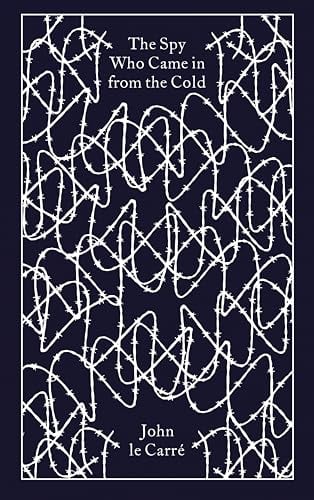
No. 72 on this list. The Spy Who Came in from the Cold
John le Carré · 1963
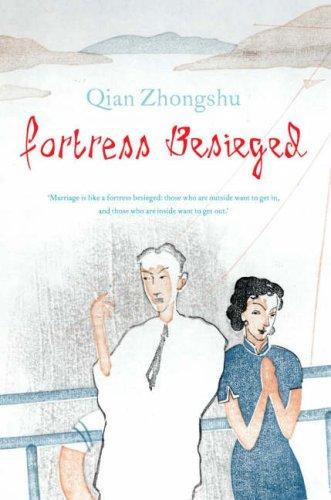
No. 73 on this list. Fortress Besieged
Qian Zhongshu · 1947
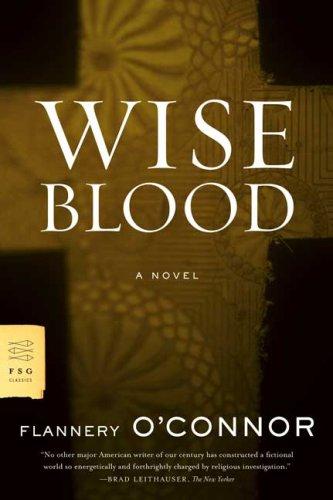
No. 74 on this list. Wise Blood
Flannery O'Connor · 1952
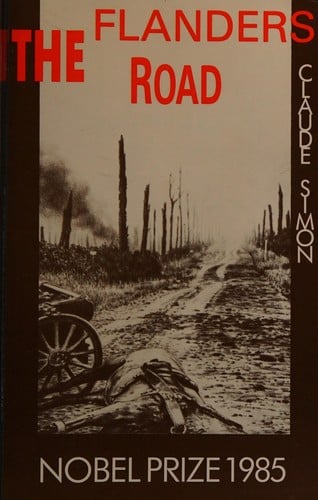
No. 75 on this list. The Flanders Road
Claude Simon · 1960
No. 76 on this list. A Grain of Wheat
Ngugi wa Thiong'o · 1967
Included in: Heinemann African Writers Series
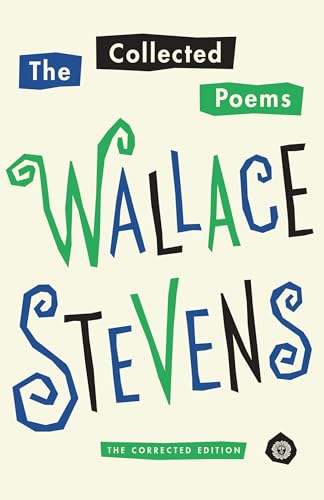
No. 77 on this list. The Auroras of Autumn
Wallace Stevens · 1950
No. 78 on this list. Catch-22
Joseph Heller · 1961
No. 79 on this list. The Haunting of Hill House
Shirley Jackson · 1959
No. 80 on this list. A Void
Georges Perec · 1969
No. 81 on this list. Dance of the Happy Shades
Alice Munro · 1968
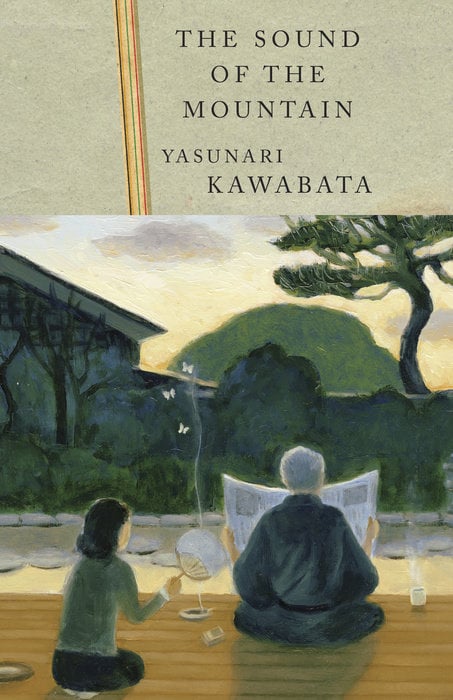
No. 82 on this list. The Sound of the Mountain
Yasunari Kawabata · 1949
Included in: Bokklubben World Library, UNESCO Collection of Representative Works
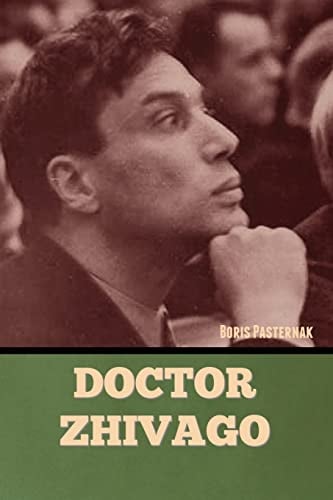
No. 83 on this list. Doctor Zhivago
Boris Pasternak · 1957
Taught in schools: Russian FGOS literature standard
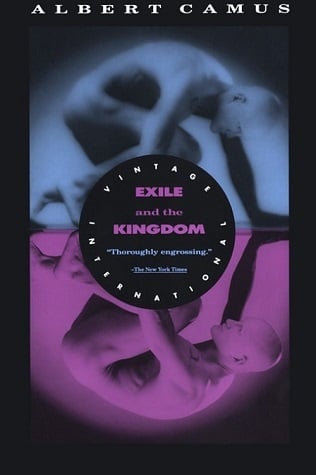
No. 84 on this list. Exile and the Kingdom
Albert Camus · 1957
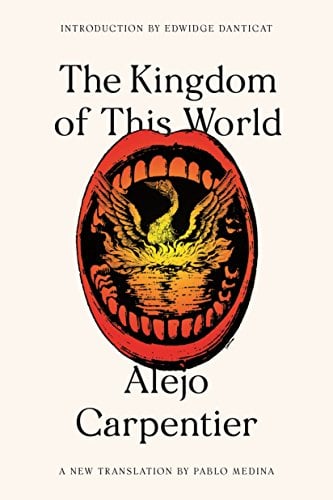
No. 85 on this list. The Kingdom of This World
Alejo Carpentier · 1949
Taught in schools: Literatura, Diseño Curricular – Provincia de Buenos Aires (Argentina)
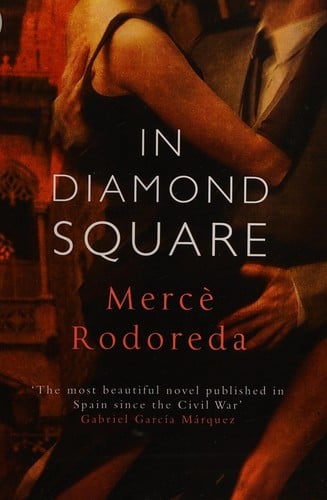
No. 86 on this list. The Time of the Doves
Mercè Rodoreda · 1962
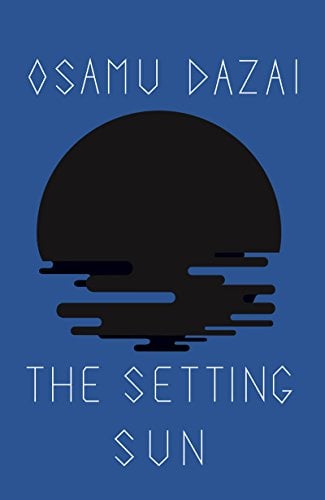
No. 87 on this list. The Setting Sun
Osamu Dazai · 1947
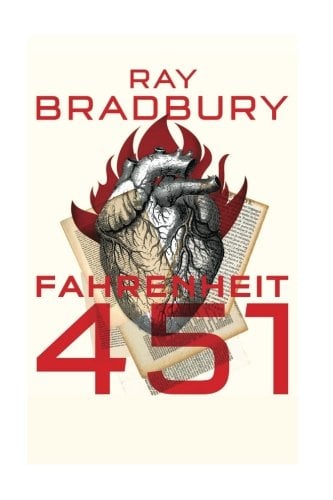
No. 88 on this list. Fahrenheit 451
Ray Bradbury · 1953
Taught in schools: Common Core text exemplars (Appendix B) (US), Pacific Senior Secondary Certificate – English
No. 89 on this list. Solaris
Stanisław Lem · 1961
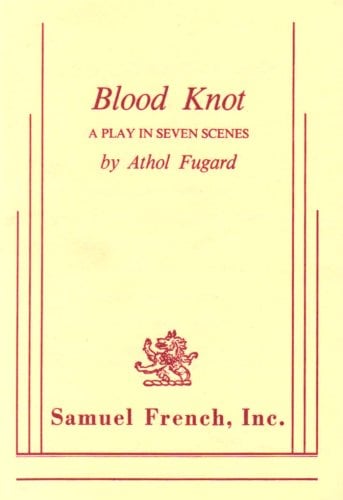
No. 90 on this list. Blood Knot
Athol Fugard · 1961

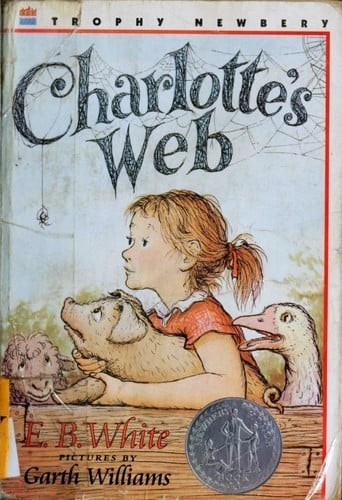
No. 91 on this list. Charlotte's Web
E.B. White · 1952
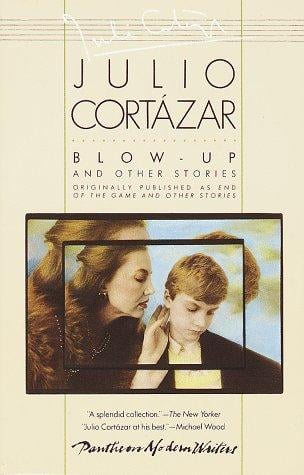
No. 92 on this list. Blow-Up and Other Stories
Julio Cortázar · 1967
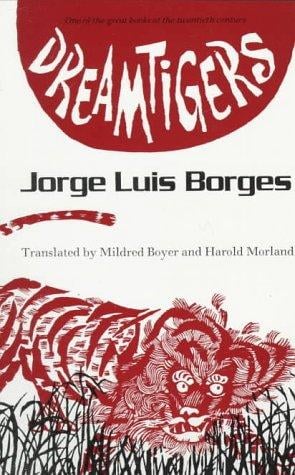
No. 93 on this list. Dreamtigers
Jorge Luis Borges · 1960
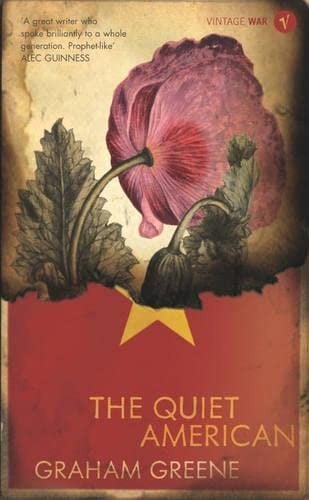
No. 94 on this list. The Quiet American
Graham Greene · 1955
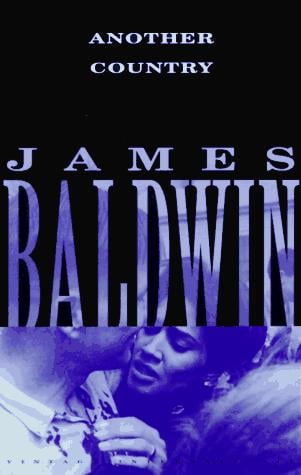
No. 95 on this list. Another Country
James Baldwin · 1962
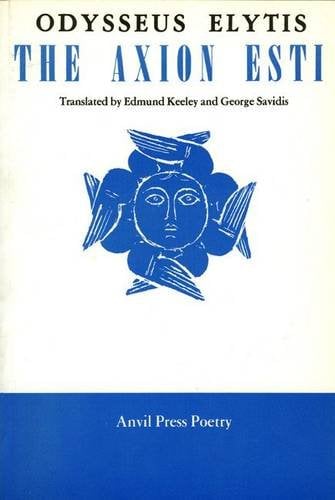
No. 96 on this list. The Axion Esti
Odysseas Elytis · 1959
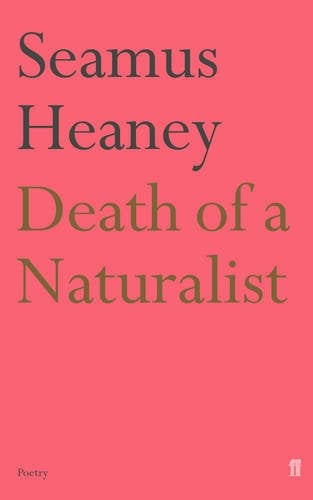
No. 97 on this list. Death of a Naturalist
Seamus Heaney · 1966
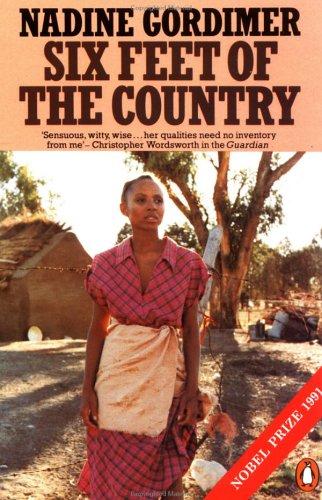
No. 98 on this list. Six Feet of the Country
Nadine Gordimer · 1956
No. 99 on this list. Meditations in an Emergency
Frank O'Hara · 1957
No. 100 on this list. The Age of Reason
Jean-Paul Sartre · 1945
About this list
These 100 books are the highest-scoring eligible postwar and mid-century books currently in the catalogue. About 795 hours of reading in all. Difficulty runs from 54 to 70 out of 100 for the middle half of the list; the summit is In the Heart of the Heart of the Country at 87.
This list is ranked by literary regard, with a consistent order for equal scores. Membership follows authors and co-authors, not translators or editors. A book is here when ReadingRate files it under Postwar & Mid-Century Literature as one of its primary reading domains, and only when its author’s lifetime places it in the period. Catalogue coverage and the historical canon both limit what this list can represent.
When we matched the Canons dataset to our catalogue in October 2026, our canonical-status scores rose with the number of school curricula, publisher series and lists in it that cite a work: the median score was 72 for books one such source cites, 84 at two, 88 at three, 92 at four and 93 at five or more. Prizes are left out of that count. Outside the state curricula, the dataset’s sources choose mostly from what has been translated into English or French, so it is a weaker check on other literatures. Source: Canons (Andrew Piper), CC BY 4.0
Questions people actually ask
- What are the best postwar and mid-century books?
- By literary regard, which weighs canonical status, critical standing and influence: One Hundred Years of Solitude by Gabriel García Márquez, Waiting for Godot by Samuel Beckett, Labyrinths by Jorge Luis Borges, The Aleph by Jorge Luis Borges and Things Fall Apart by Chinua Achebe. ReadingRate ranks 100 such books, each with a difficulty score and a reading-time estimate.
- Which postwar and mid-century books should I read first?
- Start from difficulty, not from rank. The most approachable books on this list that still carry top literary regard are Charlotte's Web by E.B. White (about 1.6 hours), Meditations in an Emergency by Frank O'Hara and The Time of the Doves by Mercè Rodoreda.
- What are the shortest of the best postwar and mid-century books?
- Among the top 25, the shortest are Happy Days by Samuel Beckett (about 46 min), Requiem by Anna Akhmatova (about 1.5 hours) and Ariel by Sylvia Plath (about 2.4 hours), at an average pace of 250 words a minute adjusted for each book's difficulty.
- Which of the best postwar and mid-century books are the established classics?
- By canonical status, how firmly a book sits in curricula, anthologies and the canon: One Hundred Years of Solitude by Gabriel García Márquez, 1984 by George Orwell, Waiting for Godot by Samuel Beckett, Things Fall Apart by Chinua Achebe and Long Day's Journey into Night by Eugene O'Neill.
- How long would it take to read the top ten?
- About 61 hours, at an average pace of 250 words a minute adjusted for each book's difficulty: 31 days at two hours a day. Set your own pace on the page and the list's reading times change to it.
- How hard are postwar and mid-century books to read?
- Most of this list sits between 54 and 70 on ReadingRate's 100-point difficulty scale, where 40 to 55 is moderate. The summit is In the Heart of the Heart of the Country at 87. Every entry carries its own score, so a reader can pick a great book at a difficulty they will finish.
- How is this list ranked?
- On literary-regard data: how canonically established a work is, its critical standing, and its influence on later writing. It is not a readers’ poll, which is why recent bestsellers rarely appear. Membership follows authors and co-authors, not translators or editors. Lists by country, author, period, theme or difficulty keep to literature (fiction, poetry, drama and philosophy), their novels, poems and plays first and their philosophy after them; a list of a kind of book, such as memoir or criticism, keeps every book of that kind. Every list holds at most three works by one author. A book is here when ReadingRate files it under Postwar & Mid-Century Literature as one of its primary reading domains, and only when its author’s lifetime places it in the period.