Hours at an average pace
Showing 100 books
About 689 hours for 100 of 100 books with measured lengths. Estimates use 250 words a minute, adjusted for each book's difficulty. At 2 hours a day, about 345 days for those books.
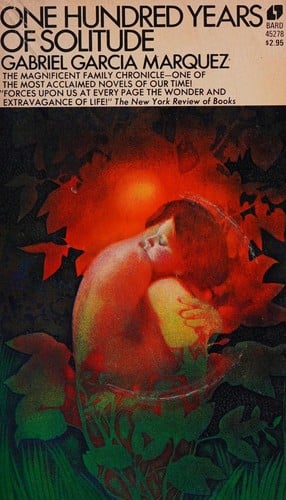
No. 1 on this list. One Hundred Years of Solitude
Gabriel García Márquez · 1967
Challenging10 hours
Taught in schools: Literatura, Diseño Curricular – Provincia de Buenos Aires (Argentina)
Included in: Bokklubben World Library
García Márquez wove a century of Latin American history into one family's story where the miraculous and the mundane coexist without explanation — ice is as wondrous as levitation. The book proved that the novel could channel an entire continent's experience in a voice that had no European precedent.
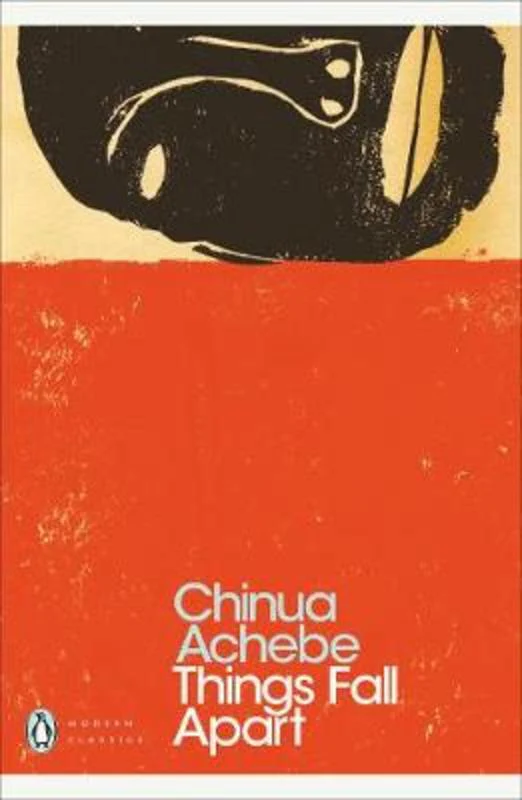
No. 2 on this list. Things Fall Apart
Chinua Achebe · 1958
Moderate3.3 hours
Taught in schools: Cambridge IGCSE Literature in English (0475), Common Core text exemplars (Appendix B) (US), CSEC English B – Caribbean Examinations Council
Included in: Bokklubben World Library, Heinemann African Writers Series
Achebe told the story of colonialism from the inside of an Igbo village rather than from a European ship, and in doing so dismantled a century of Western fiction that had treated Africa as scenery. The novel created the template for postcolonial literature in English.
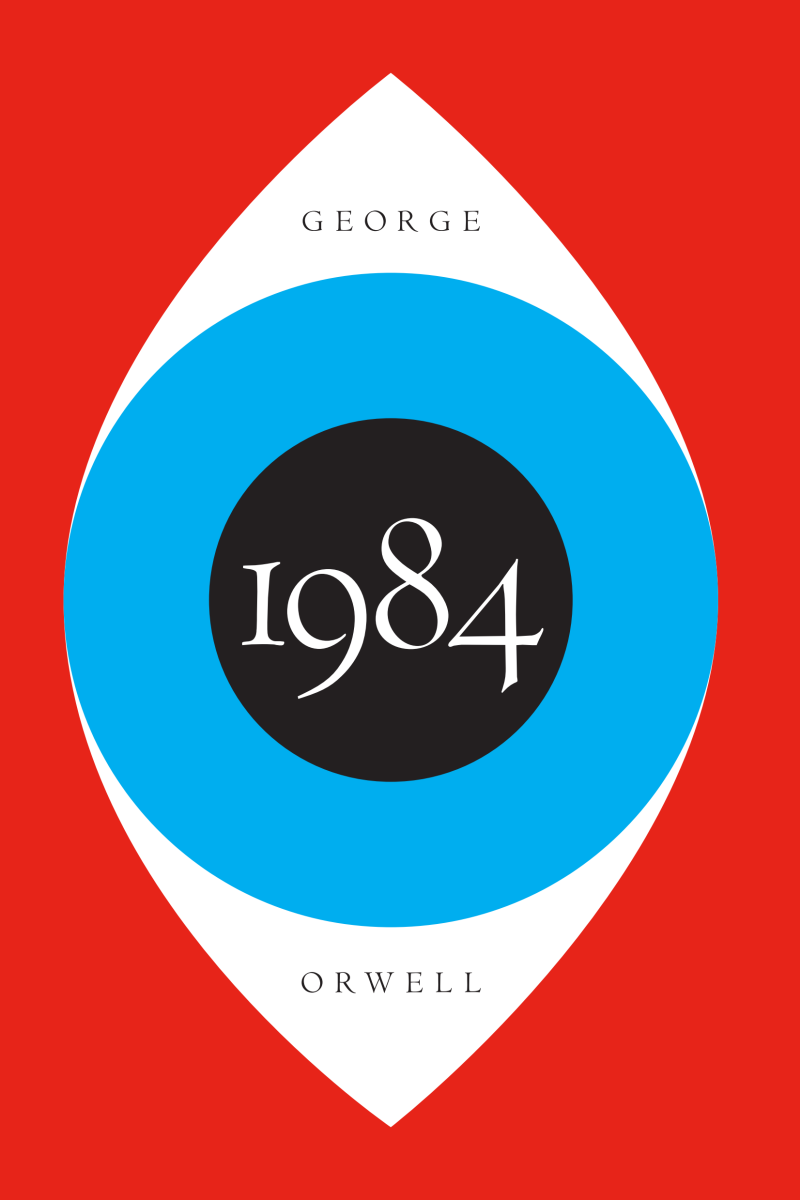
No. 3 on this list. 1984
George Orwell · 1949
Moderate6.5 hours
Taught in schools: Hungarian literature curriculum (magyar nyelv és irodalom) (Hungary), Lektury obowiązkowe – Polish national reading list (Poland), OCR GCSE and A-level English Literature (UK)
Included in: Bokklubben World Library
Appears on 1,763 university syllabi (Open Syllabus) and Wikipedia articles in 204 languages, placing it among the most globally distributed literary works. Listed on the Modern Library 100 Best Novels, TIME All-TIME 100, Le Monde's 100 Books of the Century, and BBC Big Read Top 100 — an almost unrivaled breadth of canonical recognition spanning five decades of list-making.
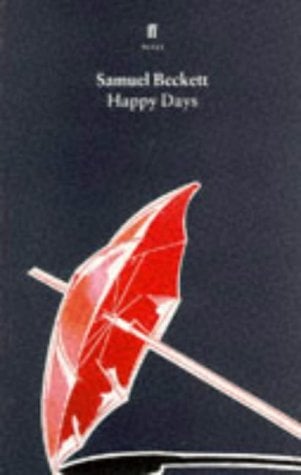
Happy Days anchors modernist and postmodern drama syllabi internationally alongside Waiting for Godot and Endgame. It is taught in theatre, English literature, and philosophy programs across Europe and North America. Wikipedia covers it in over 40 languages. It is among the most-assigned Beckett plays and appears on virtually every postwar drama reading list.
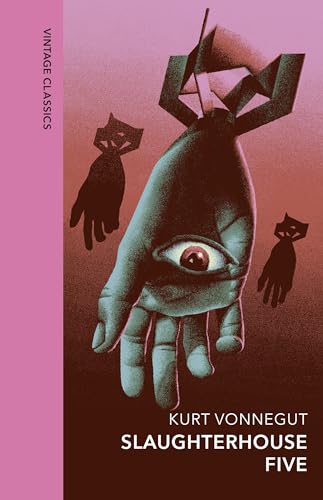
Vonnegut unstuck his protagonist from time and used the resulting shattered chronology to convey what no linear war novel could: the way trauma scrambles cause and effect until the firebombing of Dresden and a zoo on an alien planet occupy the same plane of reality. The deadpan sentence "So it goes" after every death became the definitive literary response to mass killing.
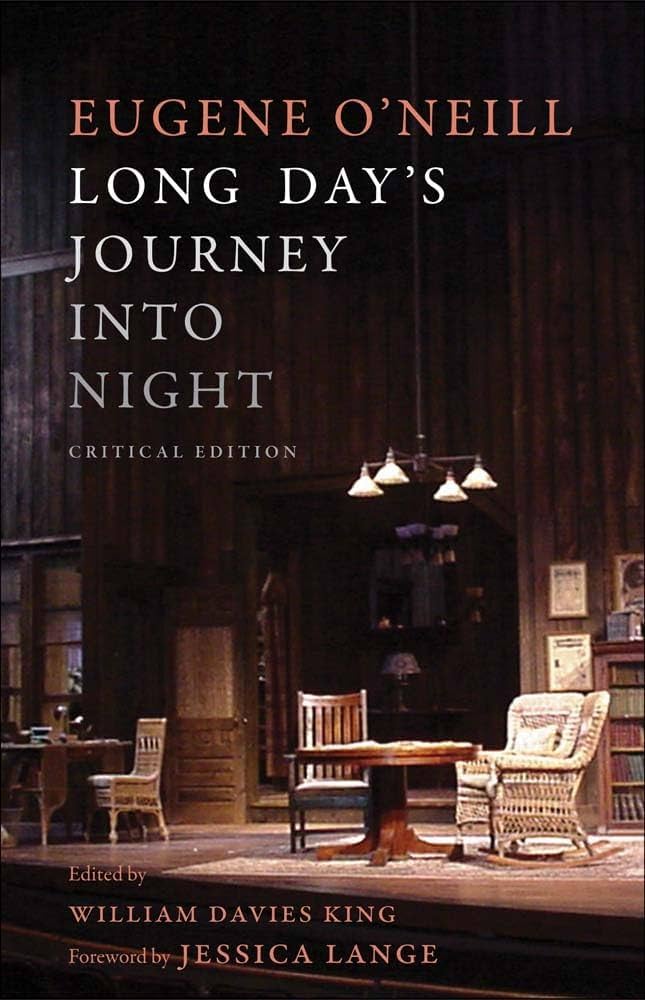
O'Neill dramatized his own family — the morphine-addicted mother, the alcoholic father, the doomed brother — with such lacerating honesty that he ordered the play sealed until twenty-five years after his death. The result is the most autobiographically raw masterpiece in American theater, a four-act cycle of blame and forgiveness that never grants its characters the relief of a resolution.
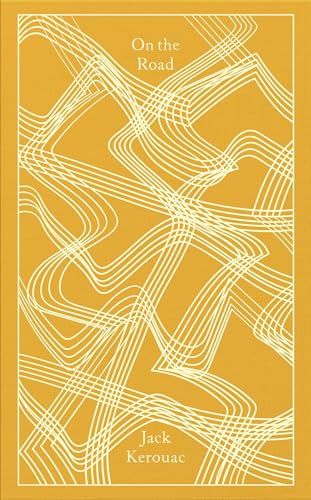
Kerouac typed the ecstatic cross-country journeys of his circle into a single scroll of spontaneous prose that turned restlessness itself into a literary style and a generational identity. The novel did not just describe the Beat movement — it created its mythology, and the image of the open American highway as spiritual practice originates here.
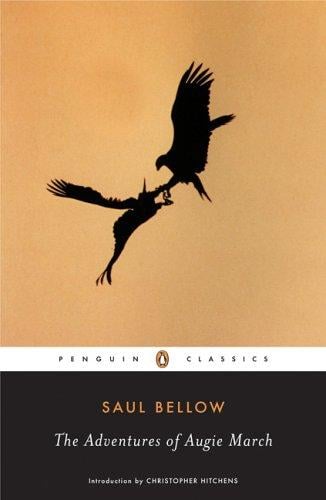
No. 8 on this list. The Adventures of Augie March
Saul Bellow · 1954
Challenging19 hours
Taught in schools: Common Core text exemplars (Appendix B) (US)
Bellow opened the floodgates of American prose with a first sentence — "I am an American, Chicago born" — that declared the immigrant son's right to the whole language, high and low, lyrical and street-smart, in a single breath. The novel proved that the American picaresque could carry philosophical weight without sacrificing velocity, and it liberated a generation of novelists from Hemingway's tight-lipped restraint.
No. 9 on this list. A House for Mr. Biswas
V.S. Naipaul · 1961
Moderate13 hours
Taught in schools: CSEC English B – Caribbean Examinations Council
Naipaul tracked one man's forty-year struggle to own a house of his own in colonial Trinidad, and by treating that modest ambition with the gravity of epic, wrote the definitive novel about the immigrant's war between dignity and dispossession. Mr. Biswas's defeats are so granular and so cumulative that the house, when it finally comes, means more than any literary symbol has a right to.
The essential novel of violence, free will, and state control. Core text in courses on dystopian fiction and ethics. Nadsat, the invented slang, demonstrated how language shapes consciousness. Kubrick's 1971 film became inseparable from the novel.
No. 11 on this list. The Plague · Albert Camus · 1947
Taught in schools: Lektury obowiązkowe – Polish national reading list (Poland)
Included in: UNESCO Collection of Representative Works
The Plague is taught across Europe, the Americas, and Asia in existentialism, 20th-century literature, and French literature courses. Its Wikipedia article exists in 124 languages — comparable to the reach of Kafka's The Trial and well above most postwar novels. Listed in 1001 Books You Must Read Before You Die and enshrined as a Penguin Modern Classic.
Moderate6.7 hours
Start this bookNo. 12 on this list. The Fall · Albert Camus · 1956
Published 1956, The Fall holds secure position in the twentieth-century canon as Camus's most formally accomplished and philosophically complex fiction. Widely taught in philosophy and literature courses as paradigmatic existentialist text, it appears on major 'best of century' lists and maintains continuous scholarly attention. Its status benefits from Camus's Nobel Prize (1957) and from representing the mature synthesis of his philosophical fiction after The Stranger and The Plague.
Challenging2.6 hours
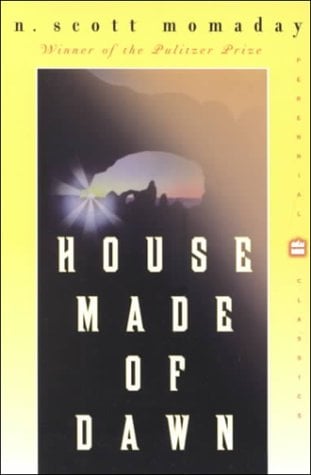
Start this bookNo. 13 on this list. House Made of Dawn · N. Scott Momaday · 1969
House Made of Dawn appears on virtually every Native American literature syllabus and most American literature surveys covering the post-1960 period. It is the foundational text of the Native American literary renaissance and required reading in courses on multicultural American literature, modernism, and postwar fiction.
Challenging5.6 hours
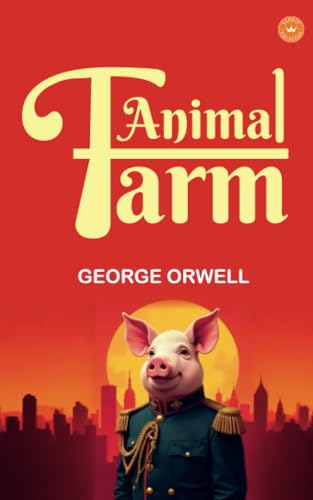
Start this bookNo. 14 on this list. Animal Farm · George Orwell · 1945
Taught in schools: AQA GCSE and A-level English Literature (UK), CSEC English B – Caribbean Examinations Council, Lesotho literature in English
Included in: Great Books of the Western World
Appears on 591 university syllabi according to the Open Syllabus Project (69th percentile) and has Wikipedia articles in 95 languages. Listed on TIME's All-TIME 100 Novels, Modern Library's 100 Best Novels, the BBC Big Read Top 100, and 1001 Books You Must Read Before You Die — a breadth of recognition that places it among the most reliably canonical works of 20th-century fiction.
Challenging2.3 hours
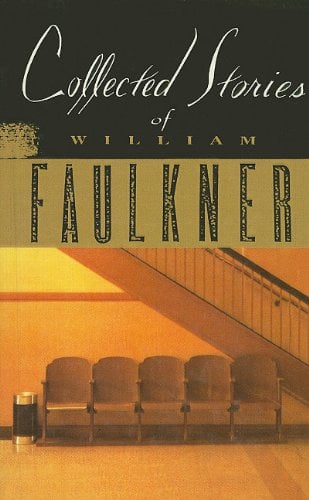
Start this bookNo. 15 on this list. Collected Stories · William Faulkner · 1951
Collected Stories won the National Book Award in 1951 and remains central to American short fiction canon. These stories appear regularly in anthologies and academic syllabi. While perhaps overshadowed by Faulkner's novels, the collection represents an essential component of his Yoknapatawpha saga and demonstrates his mastery across forms.
Challenging22 hours
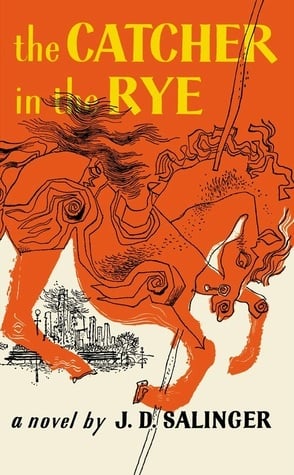
Start this bookNo. 16 on this list. The Catcher in the Rye · J.D. Salinger · 1951
Taught in schools: CSEC English B – Caribbean Examinations Council, Montenegrin literature curriculum (crnogorski jezik i književnost) (Montenegro)
Appears on 1,046 university syllabi (75th percentile per Open Syllabus) and has Wikipedia articles in 66 languages, placing it among the most-taught American novels. Listed on the Modern Library 100 Best Novels, TIME All-TIME 100 Novels, and Le Monde's 100 Books of the Century — a fixture in American high school and university curricula since its 1951 publication.
Challenging5.7 hours
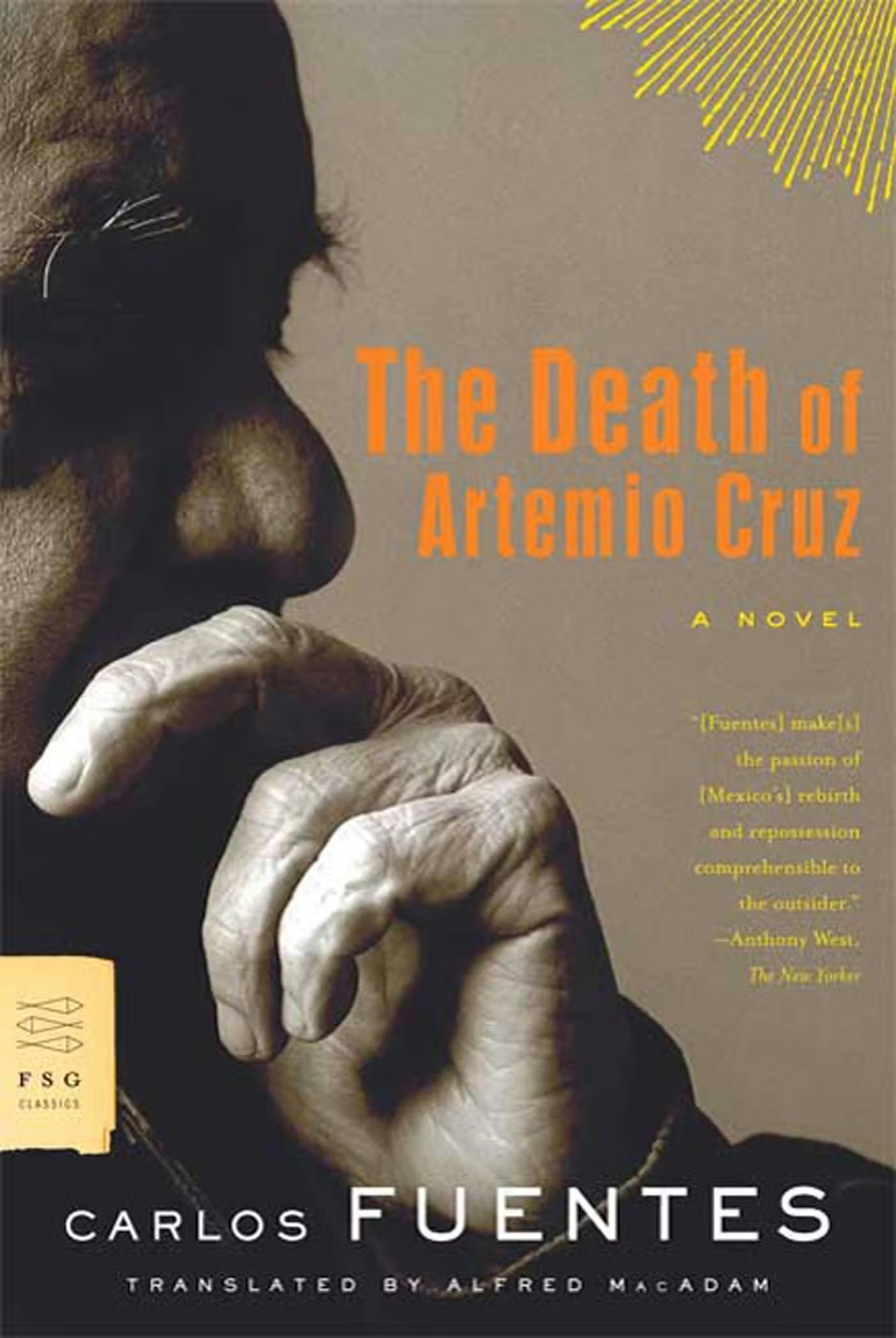
Start this bookNo. 17 on this list. The Death of Artemio Cruz · Carlos Fuentes · 1962
The Death of Artemio Cruz occupies a central position in the Latin American Boom canon and appears regularly in world literature curricula alongside works by García Márquez, Vargas Llosa, and Cortázar. It is widely considered Fuentes's masterpiece and a defining text of mid-20th-century experimental fiction. The novel remains in continuous print in multiple languages and features prominently in scholarly studies of modernist narrative technique.
Challenging9.3 hours
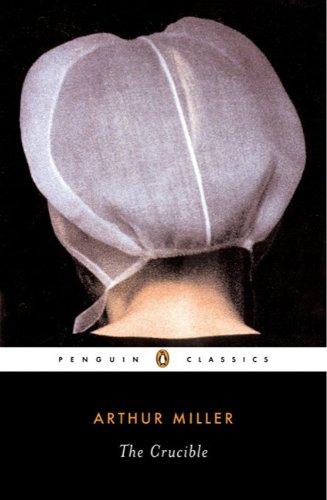
Start this bookNo. 18 on this list. The Crucible · Arthur Miller · 1953
Standard curriculum text in American high schools and universities, The Crucible is one of the most-assigned plays in English-speaking education. Its McCarthyism allegory gives it permanence across both literary and political syllabi, and it has been in continuous production since its 1953 premiere. The Open Syllabus Project places it among the most frequently taught dramatic works in US classrooms.
Challenging3.1 hours
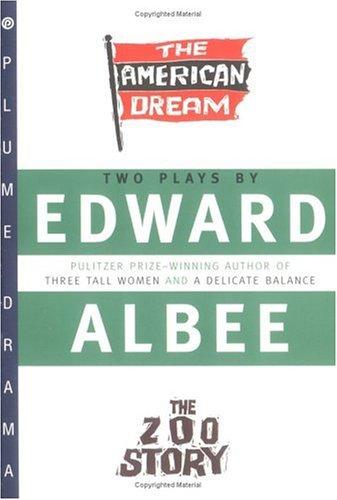
Start this bookNo. 19 on this list. The Zoo Story · Edward Albee · 1959
A foundational work of American avant-garde theater and Albee's debut. Widely taught, anthologized, and performed as a landmark one-act play.
Challenging1.3 hours
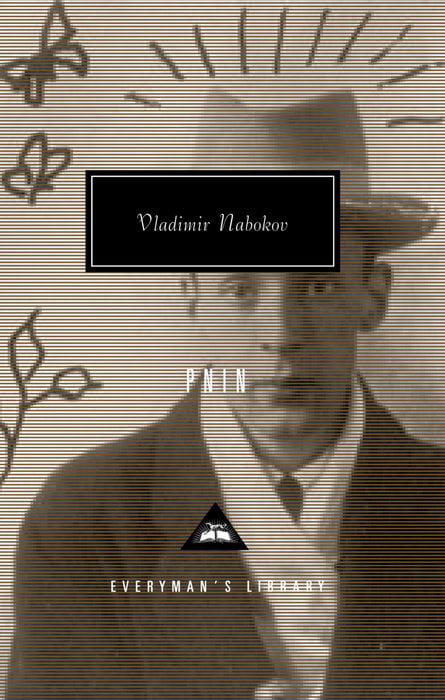
Start this bookNo. 20 on this list. Pnin · Vladimir Nabokov · 1957
Pnin occupies established position in 20th-century literature curricula, taught as representative Nabokov and exemplary modernist treatment of exile. While less universally assigned than Lolita or Pale Fire, the novel appears regularly in Russian-American literature, American modernism, and displaced-person studies courses.
Challenging3.8 hours
Start this book
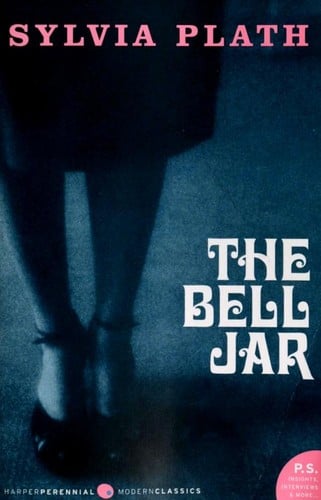
No. 21 on this list. The Bell Jar · Sylvia Plath · 1963
The Bell Jar is required reading in virtually every American women's literature and confessional writing course, and appears widely in high school curricula addressing mental health and mid-century American life. It holds a secure place on Modern Library and similar essential reading lists, and remains one of the most assigned novels in discussions of feminist literary history.
Challenging6.4 hours
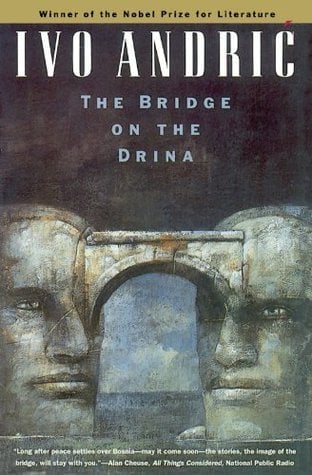
Start this bookNo. 22 on this list. The Bridge on the Drina · Ivo Andrić · 1945
Taught in schools: Turkish edebiyat curriculum (Turkey)
Andrić's Nobel Prize-winning masterwork holds central position in Balkan literature and broader 20th-century fiction. The novel appears regularly in world literature curricula and scholarly studies of historical fiction, postcolonial literature, and European modernism. It defines the chronicle-novel form and serves as essential text for understanding Balkan cultural memory.
Challenging11 hours
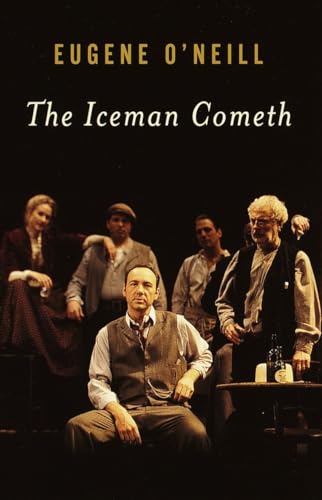
Start this bookNo. 23 on this list. The Iceman Cometh · Eugene O'Neill · 1946
The Iceman Cometh appears in the Open Syllabus Top 500 Literature list and holds Library of America and NYRB Classics editions — markers of canonical permanence in American letters. It is taught in virtually every American drama survey and appears on most 'great American plays' lists alongside Long Day's Journey into Night. Wikipedia carries the play in only 5 languages, reflecting the global reach of drama (versus fiction) rather than lesser standing; within American literary culture, The Iceman Cometh is firmly canonical.
Challenging5.5 hours
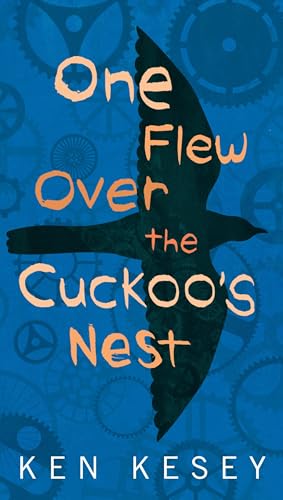
Start this bookNo. 24 on this list. One Flew Over the Cuckoo's Nest · Ken Kesey · 1962
Taught in schools: AQA GCSE and A-level English Literature (UK)
The novel stands as a defining countercultural text of the 1960s, regularly taught in high schools and universities. Its critique of institutional conformity and exploration of sanity as social construct secured permanent placement in American literary canon. The work shaped cultural conversation about psychiatric power and individual freedom.
Challenging8.3 hours
Start this bookNo. 25 on this list. Brideshead Revisited · Evelyn Waugh · 1945
The nostalgic masterpiece of English Catholicism. Charles Ryder's Oxford youth and his entanglement with the Marchmains became the definitive portrait of aristocratic decline. Core text in British literature courses.
Moderate8 hours
Start this bookNo. 26 on this list. Exercises in Style · Raymond Queneau · 1947
A cornerstone text of postwar French avant-garde literature and the OuLiPo tradition, widely assigned in literary theory and creative writing courses. Not a household classic in the manner of Camus but firmly enshrined in academic and experimental-fiction canons worldwide.
Challenging2.1 hours
Start this bookNo. 27 on this list. The Bald Soprano · Eugène Ionesco · 1950
The Bald Soprano appears in Le Monde's 100 Books of the Century (1999) and the Open Syllabus Top 500 Literature list, with a Wikipedia presence in 27 languages. It is standard coursework in theater history, comparative literature, and 20th-century drama programs globally — a fixed point on any survey of modern theater. Less universally assigned than Shakespeare or Beckett's Waiting for Godot, but firmly in the canon of world drama with no serious dispute about its place there.
Moderate3.8 hours
Start this bookNo. 28 on this list. Wide Sargasso Sea · Jean Rhys · 1966
Taught in schools: CSEC English B – Caribbean Examinations Council, WJEC/Eduqas GCSE and A-level English Literature (UK)
The postcolonial revision that changed how we read Jane Eyre. Antoinette/Bertha's story—the madwoman in the attic given voice—became essential feminist and postcolonial criticism. Core text in Caribbean literature and courses on literary rewriting.
Challenging4.3 hours
Start this bookNo. 29 on this list. The Lord of the Rings (The Lord of the Rings, #1-3) · J.R.R. Tolkien · 1954
Taught in schools: Pacific Senior Secondary Certificate – English
Widely taught in fantasy, medieval-influenced and popular literature courses and ranked among the most read novels, but less dominant on core literary syllabi than Gatsby or Crime and Punishment.
Moderate34 hours
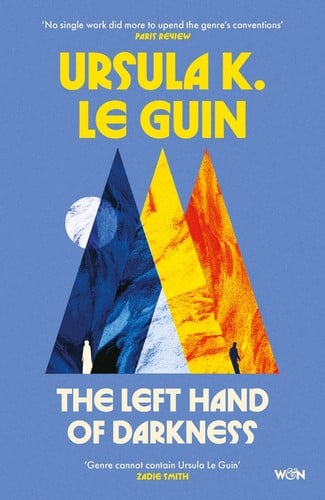
Start this bookNo. 30 on this list. The Left Hand of Darkness · Ursula K Le Guin · 1969
Genly Ai, a human envoy from a galactic coalition called the Ekumen, arrives on the planet Gethen to invite its people into interstellar fellowship. The planet is locked in an ice age, and its inhabitants possess a biology that would reshape how any visitor understands human nature: Gethenians have no fixed sex, spending most of each month in a neuter state before entering 'kemmer,' a brief fertile period during which they become randomly male or female. Genly must navigate the treacherous politics of two rival nations, Karhide and Orgoreyn, while struggling against his own deeply ingrained assumptions about gender. His most important relationship is with Estraven, a disgraced Karhidish politician whose motives Genly cannot read through the fog of his own gendered expectations. Their harrowing journey across an arctic ice sheet strips away politics, culture, and prejudice, forcing a communion between two beings who must learn to see each other without the categories that have shaped their perceptions. Le Guin constructs the novel as a mosaic of voices: Genly's diplomatic report, Estraven's spare journal, Gethenian myths and legends, and anthropological field notes, each offering a partial and unreliable perspective on a world that resists totalizing description. The prose is crystalline and unhurried, moving between political intrigue, philosophical reflection, and passages of extraordinary landscape writing as the two travelers cross the Gobrin Ice. The embedded myths refract the novel's central concerns with duality, betrayal, and the inseparability of light and darkness.
Challenging7.4 hours
Start this book
No. 31 on this list. Portnoy's Complaint
Philip Roth · 1969
No. 32 on this list. Herzog
Saul Bellow · 1965
No. 33 on this list. The Spy Who Came in from the Cold
John le Carré · 1963
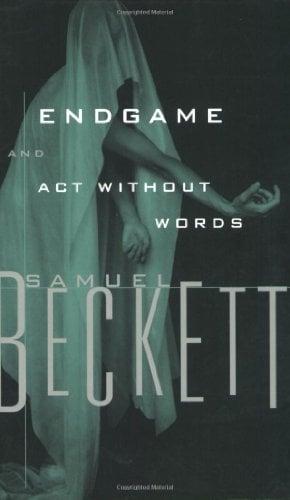
No. 34 on this list. Endgame
Samuel Beckett · 1957
No. 35 on this list. A Grain of Wheat
Ngugi wa Thiong'o · 1967
Included in: Heinemann African Writers Series
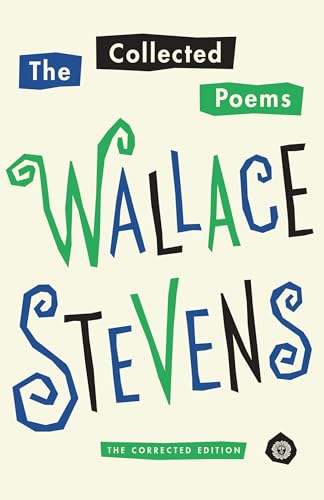
No. 36 on this list. The Auroras of Autumn
Wallace Stevens · 1950
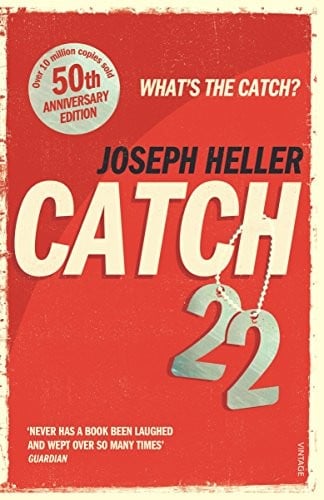
No. 37 on this list. Catch-22
Joseph Heller · 1961
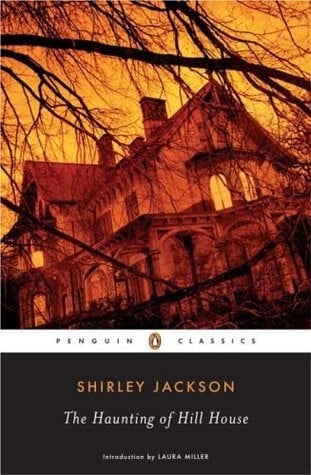
No. 38 on this list. The Haunting of Hill House
Shirley Jackson · 1959
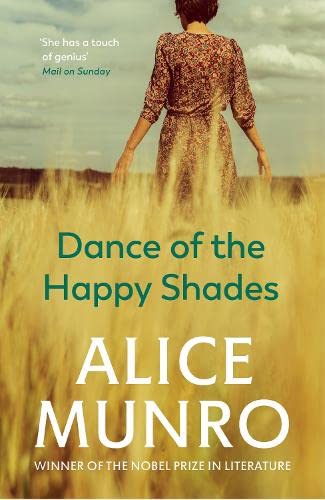
No. 39 on this list. Dance of the Happy Shades
Alice Munro · 1968
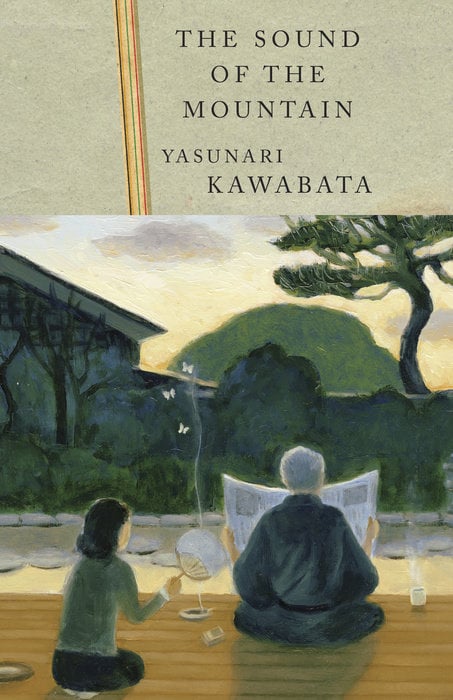
No. 40 on this list. The Sound of the Mountain
Yasunari Kawabata · 1949
Included in: Bokklubben World Library, UNESCO Collection of Representative Works
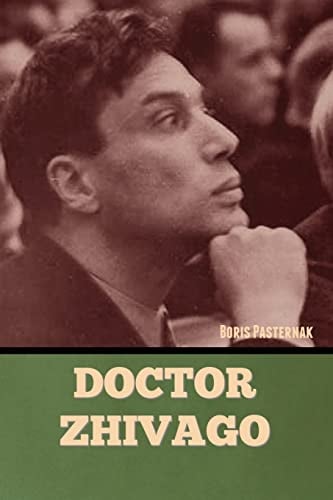
No. 41 on this list. Doctor Zhivago
Boris Pasternak · 1957
Taught in schools: Russian FGOS literature standard
No. 42 on this list. Exile and the Kingdom
Albert Camus · 1957
No. 43 on this list. Fahrenheit 451
Ray Bradbury · 1953
Taught in schools: Common Core text exemplars (Appendix B) (US), Pacific Senior Secondary Certificate – English
No. 44 on this list. Krapp's Last Tape
Samuel Beckett · 1958
No. 45 on this list. Blow-Up and Other Stories
Julio Cortázar · 1967
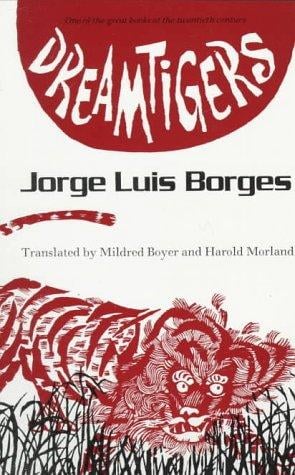
No. 46 on this list. Dreamtigers
Jorge Luis Borges · 1960
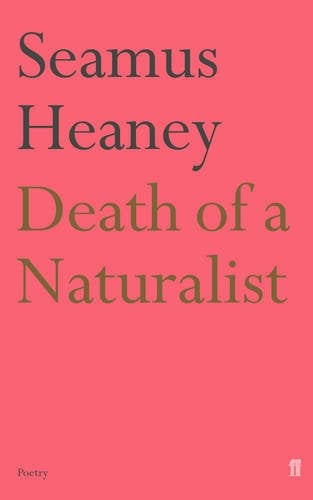
No. 47 on this list. Death of a Naturalist
Seamus Heaney · 1966
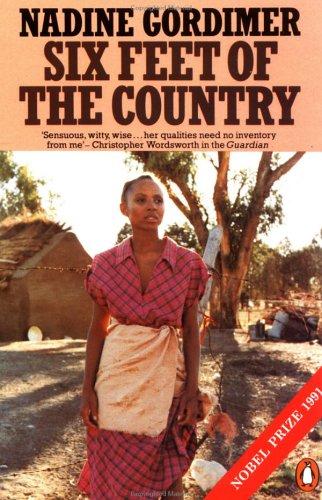
No. 48 on this list. Six Feet of the Country
Nadine Gordimer · 1956
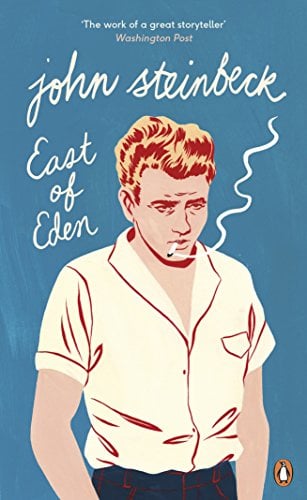
No. 49 on this list. East of Eden
John Steinbeck · 1952
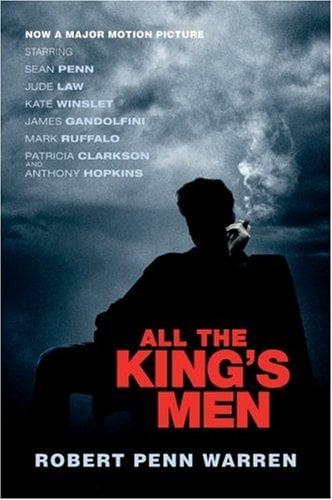
No. 50 on this list. All the King's Men
Robert Penn Warren · 1946
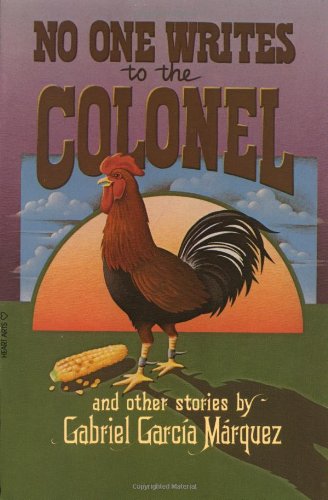
No. 51 on this list. No One Writes to the Colonel
Gabriel García Márquez · 1961
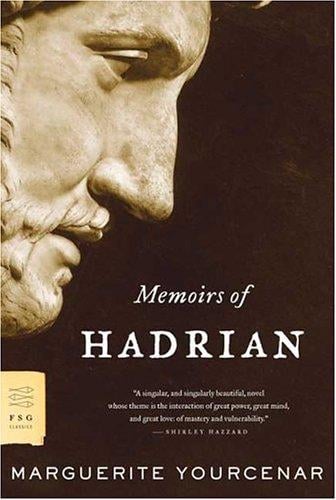
No. 52 on this list. Memoirs of Hadrian
Marguerite Yourcenar · 1951
Included in: Bokklubben World Library
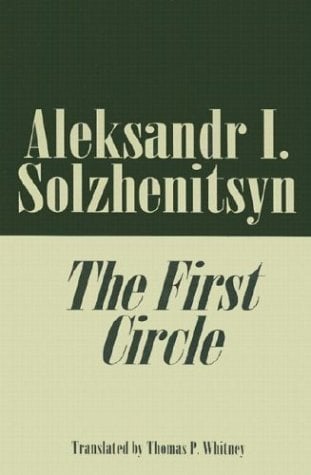
No. 53 on this list. The First Circle
Aleksandr Solzhenitsyn · 1968
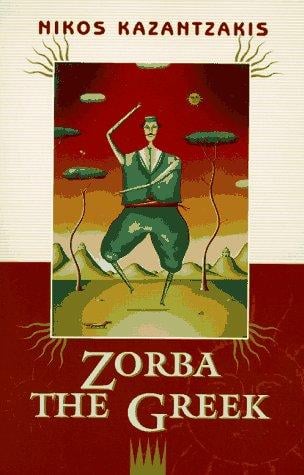
No. 54 on this list. Zorba the Greek
Nikos Kazantzakis · 1946
Included in: Bokklubben World Library
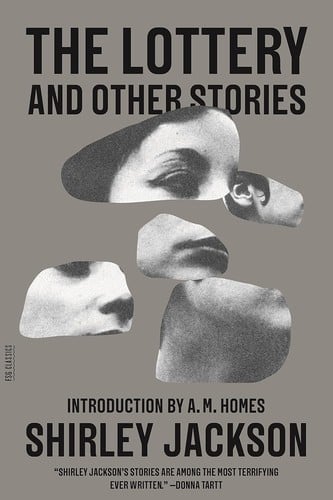
No. 55 on this list. The Lottery and Other Stories
Shirley Jackson · 1949
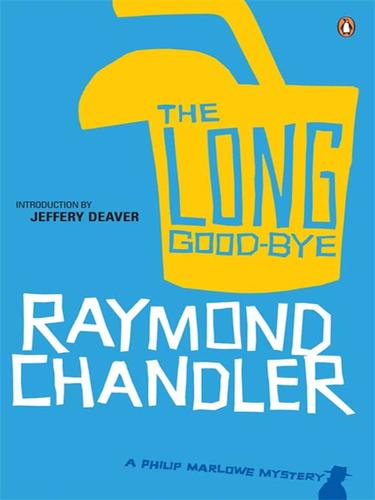
No. 56 on this list. The Long Goodbye
Raymond Chandler · 1953
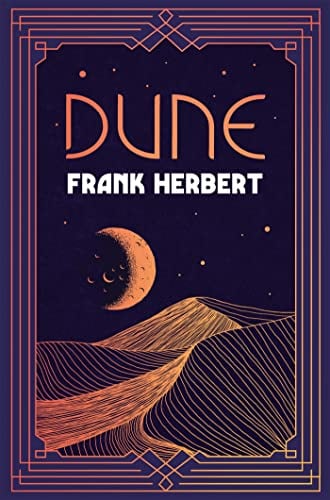
No. 57 on this list. Dune
Frank Herbert · 1965
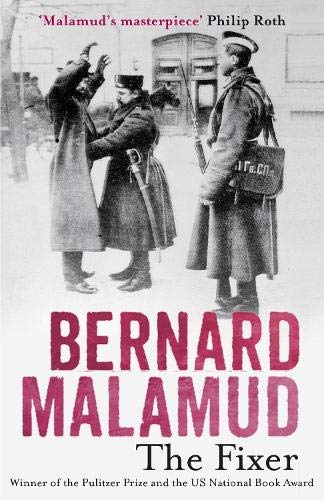
No. 58 on this list. The Fixer
Bernard Malamud · 1967
No. 59 on this list. Midaq Alley
Naguib Mahfouz · 1947
Taught in schools: Moroccan secondary Arabic literature (Morocco)
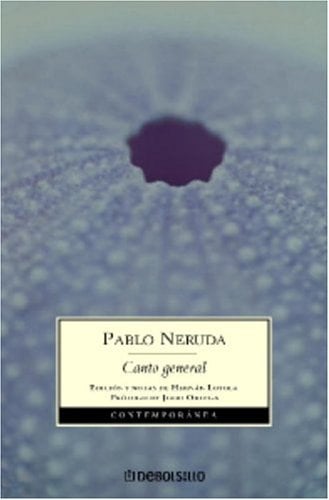
No. 60 on this list. Canto General
Pablo Neruda · 1950
Taught in schools: Literatura, Diseño Curricular – Provincia de Buenos Aires (Argentina), UNAM Escuela Nacional Preparatoria – programas de Literatura (Mexico)
No. 61 on this list. The Woman in the Dunes
Kobo Abe · 1962
Included in: UNESCO Collection of Representative Works
No. 62 on this list. A Wizard of Earthsea
Ursula K Le Guin · 1968
No. 63 on this list. A Personal Matter
Kenzaburō Ōe · 1964
No. 64 on this list. Rabbit, Run
John Updike · 1960
No. 65 on this list. The Old Capital
Yasunari Kawabata · 1962
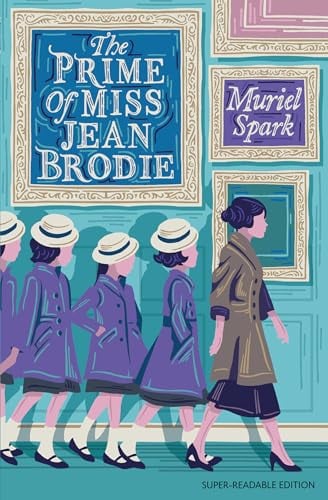
No. 66 on this list. The Prime of Miss Jean Brodie
Muriel Spark · 1961
Taught in schools: CSEC English B – Caribbean Examinations Council
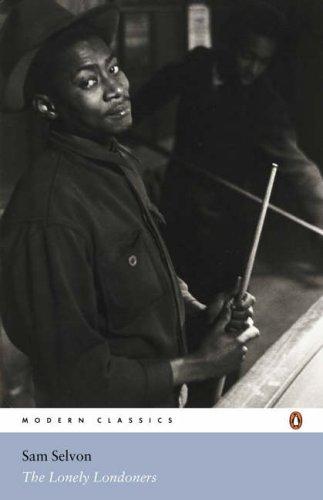
No. 67 on this list. The Lonely Londoners
Sam Selvon · 1956
Taught in schools: Pearson Edexcel GCSE and A-level English Literature (UK)
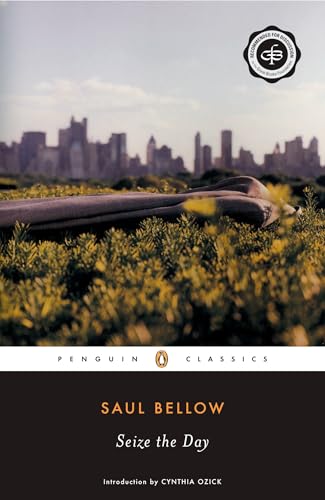
No. 68 on this list. Seize the Day
Saul Bellow · 1956
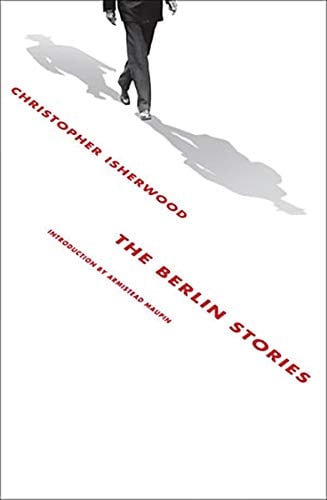
No. 69 on this list. The Berlin Stories
Christopher Isherwood · 1945
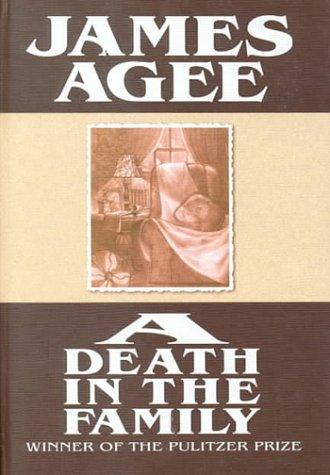
No. 70 on this list. A Death in the Family
James Agee · 1958
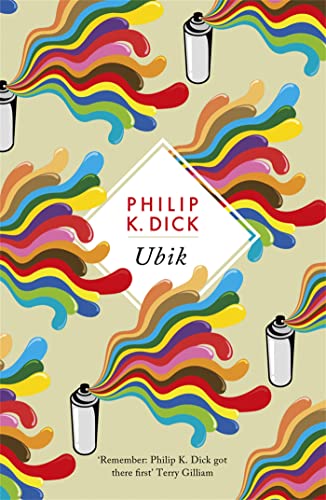
No. 71 on this list. Ubik
Philip K. Dick · 1969
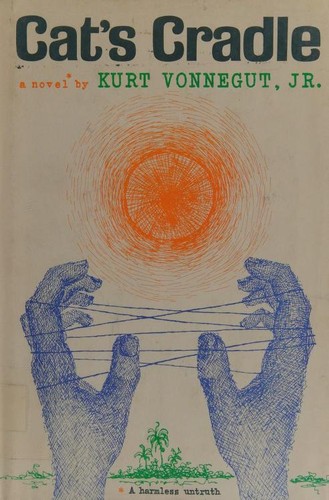
No. 72 on this list. Cat’s Cradle
Kurt Vonnegut · 1963
No. 73 on this list. Cat's Cradle
Kurt Vonnegut · 1963
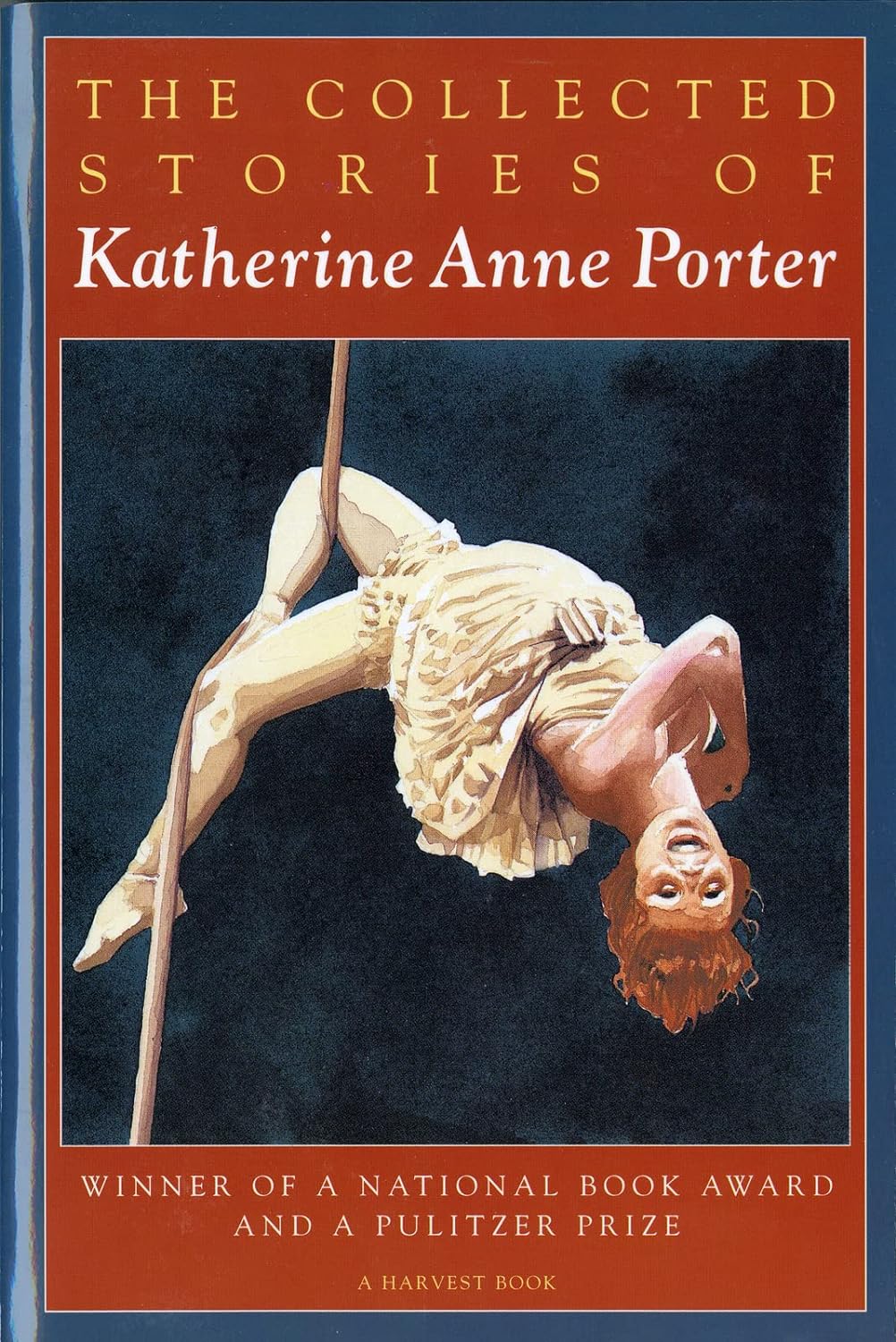
No. 74 on this list. The Collected Stories of Katherine Anne Porter
Katherine Anne Porter · 1966
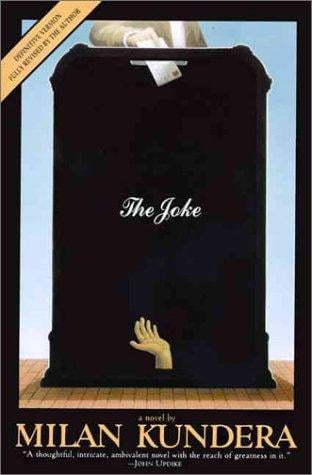
No. 75 on this list. The Joke
Milan Kundera · 1967
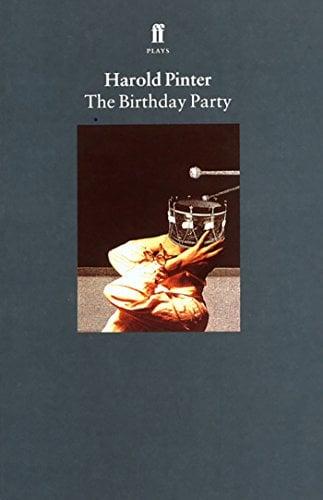
No. 76 on this list. The Birthday Party
Harold Pinter · 1957
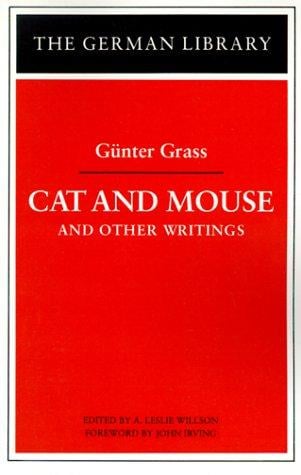
No. 77 on this list. Cat and Mouse
Günter Grass · 1961
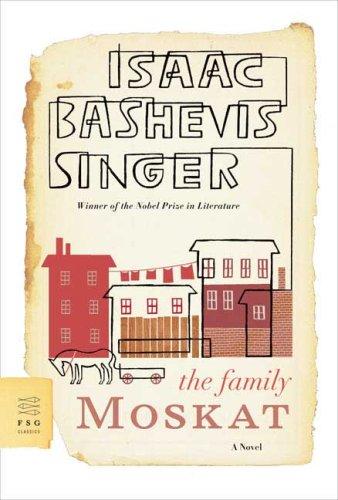
No. 78 on this list. The Family Moskat
Isaac Bashevis Singer · 1950
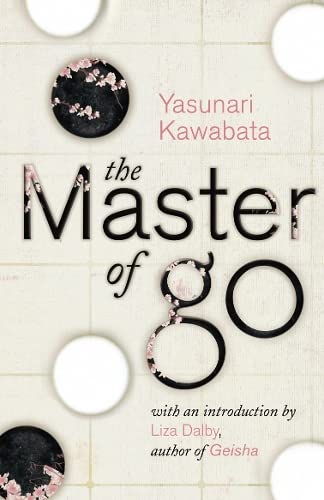
No. 79 on this list. The Master of Go
Yasunari Kawabata · 1954
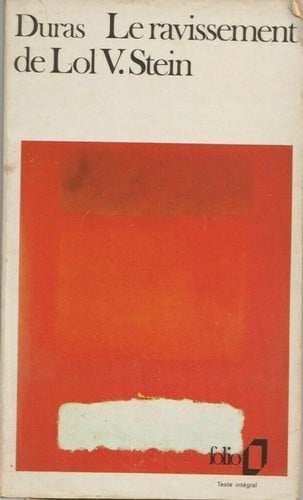
No. 80 on this list. The Ravishing of Lol Stein
Marguerite Duras · 1964
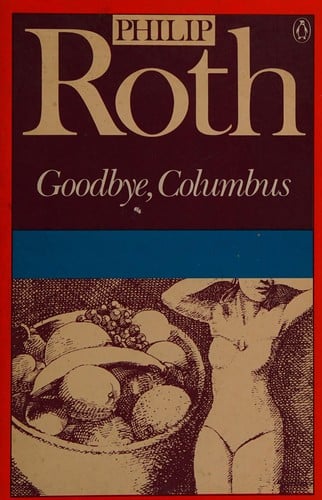
No. 81 on this list. Goodbye, Columbus
Philip Roth · 1960
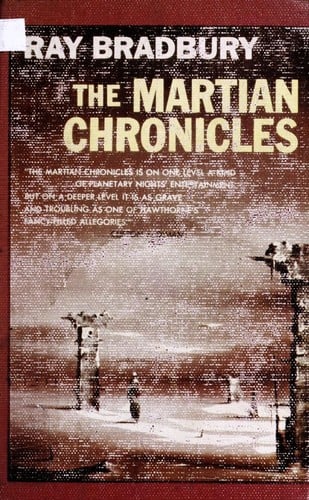
No. 82 on this list. The Martian Chronicles
Ray Bradbury · 1950
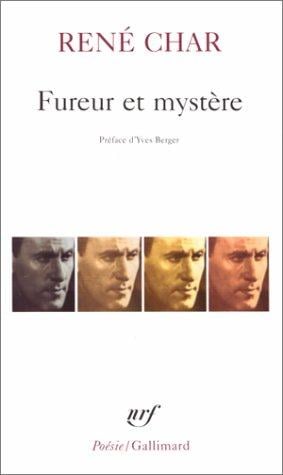
No. 83 on this list. Furor and Mystery
René Char · 1948
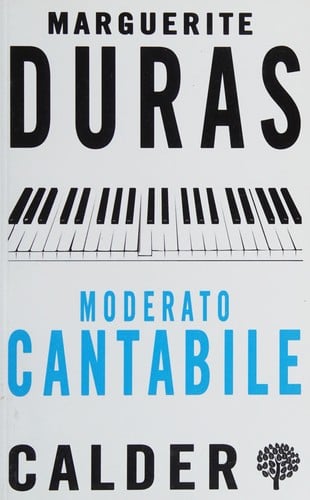
No. 84 on this list. Moderato Cantabile
Marguerite Duras · 1958
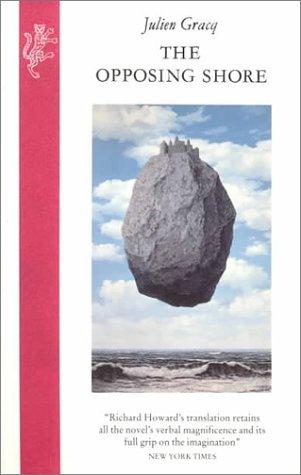
No. 85 on this list. The Opposing Shore
Julien Gracq · 1951
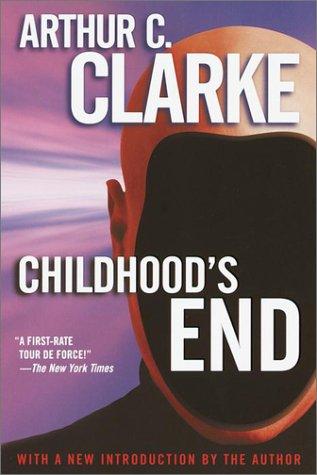
No. 86 on this list. Childhood's End
Arthur C. Clarke · 1953
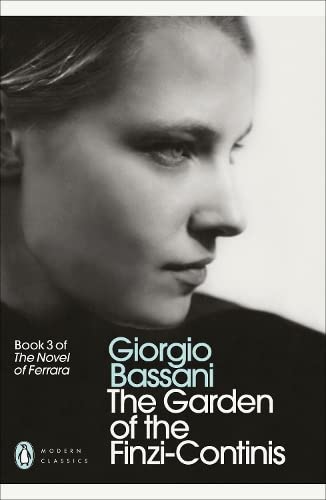
No. 87 on this list. The Garden of the Finzi-Continis
Giorgio Bassani · 1962
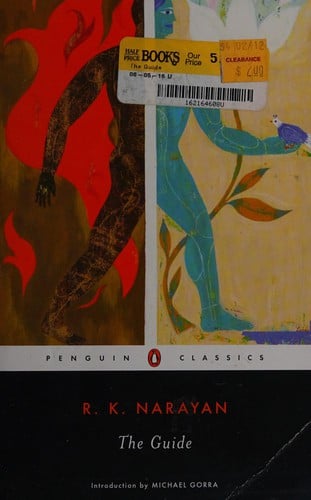
No. 88 on this list. The Guide
R.K. Narayan · 1958
Taught in schools: CSEC English B – Caribbean Examinations Council
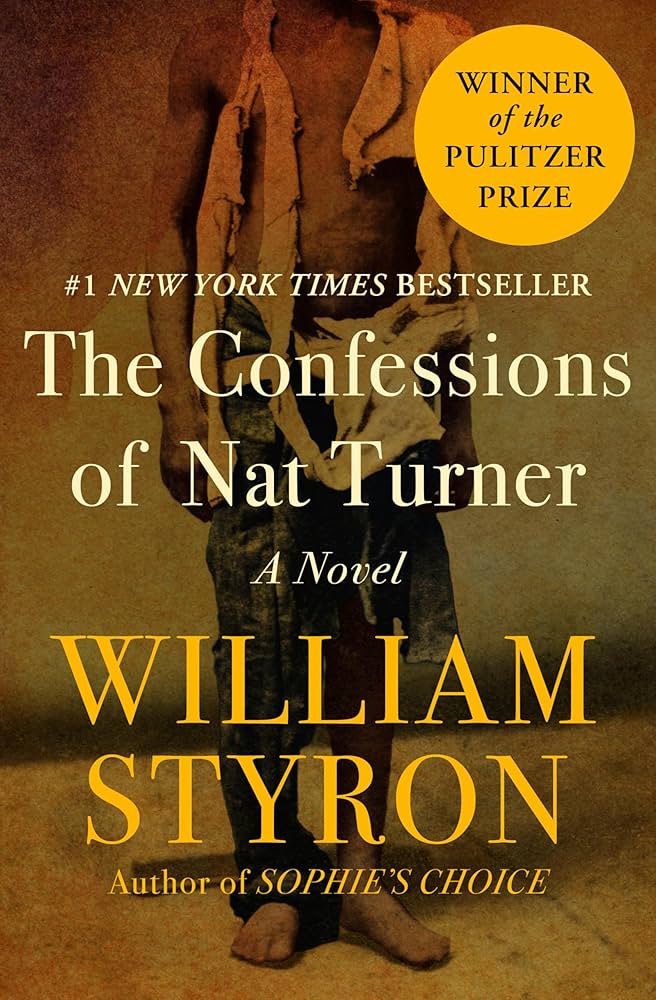
No. 89 on this list. The Confessions of Nat Turner
William Styron · 1968
No. 90 on this list. Lucky Jim
Kingsley Amis · 1954
Taught in schools: CSEC English B – Caribbean Examinations Council
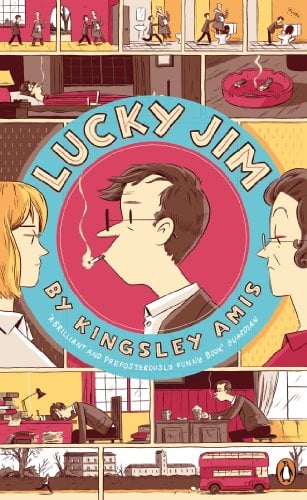
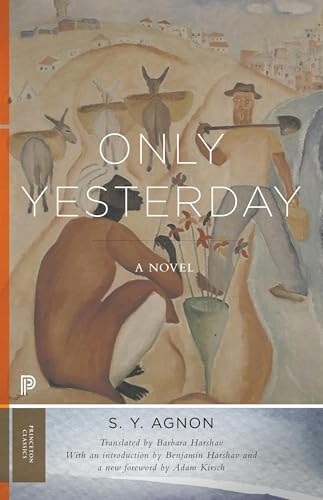
No. 91 on this list. Only Yesterday
Shmuel Yosef Agnon · 1945
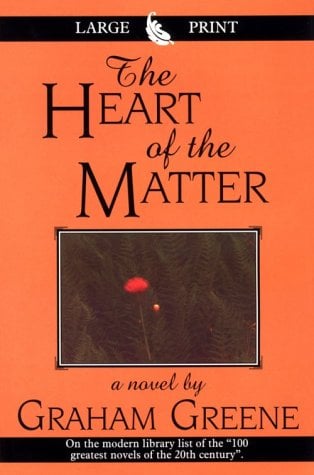
No. 92 on this list. The Heart of the Matter
Graham Greene · 1948
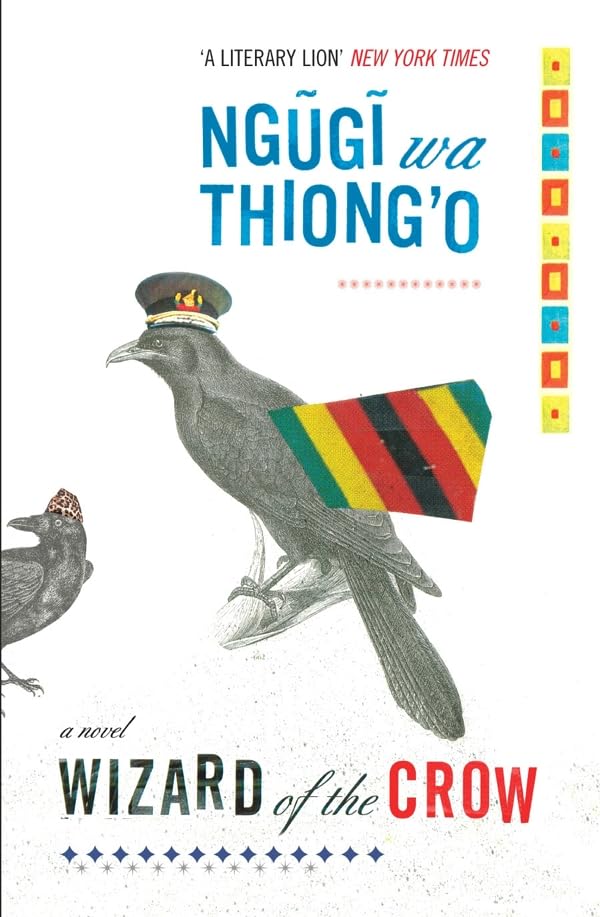
No. 93 on this list. The River Between
Ngugi wa Thiong'o · 1965
Taught in schools: CSEC English B – Caribbean Examinations Council
Included in: Heinemann African Writers Series
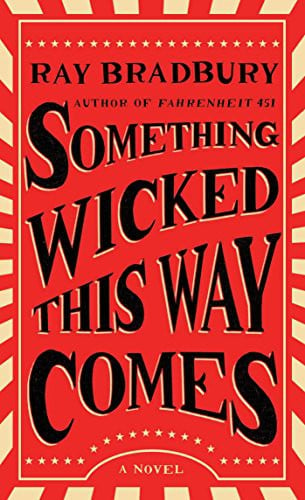
No. 94 on this list. Something Wicked This Way Comes
Ray Bradbury · 1962
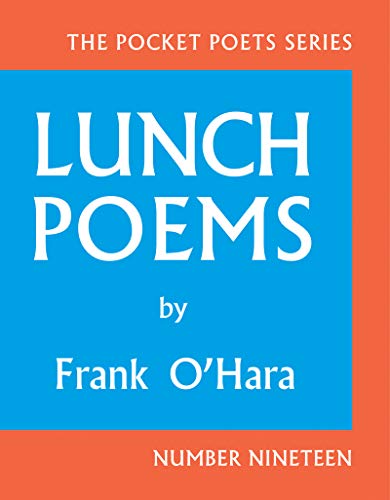
No. 95 on this list. Lunch Poems
Frank O'Hara · 1964
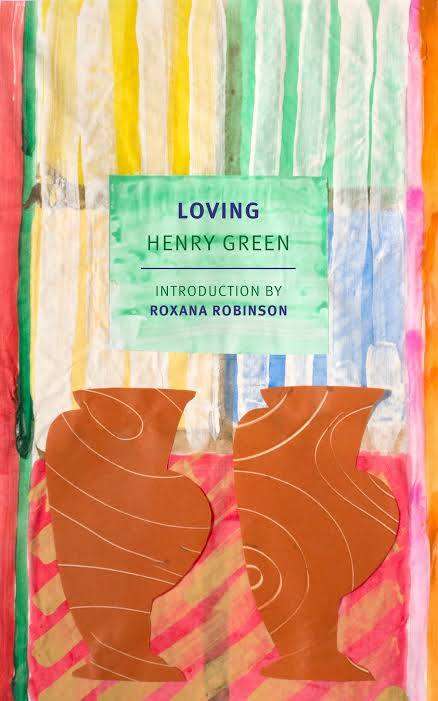
No. 96 on this list. Loving
Henry Green · 1945
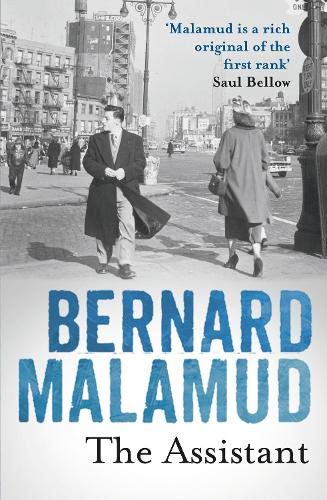
No. 97 on this list. The Assistant
Bernard Malamud · 1957
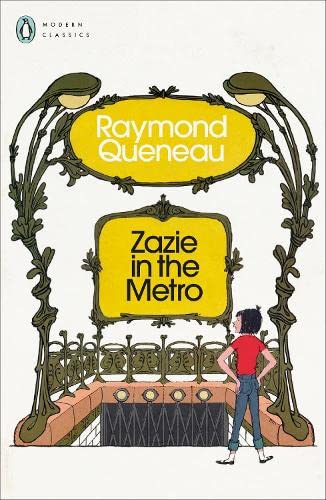
No. 98 on this list. Zazie in the Metro
Raymond Queneau · 1959
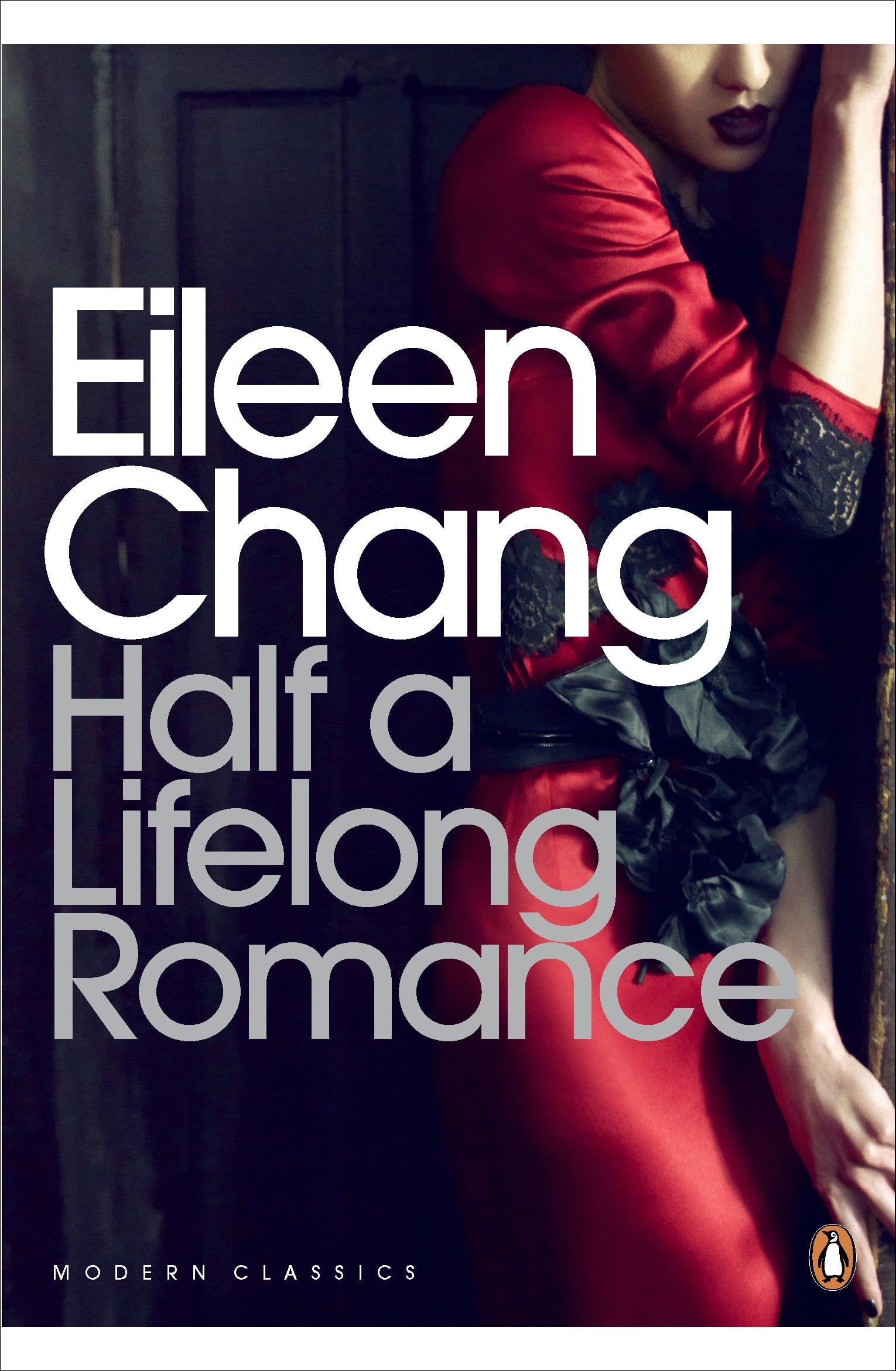
No. 99 on this list. Half a Lifelong Romance
Eileen Chang · 1948
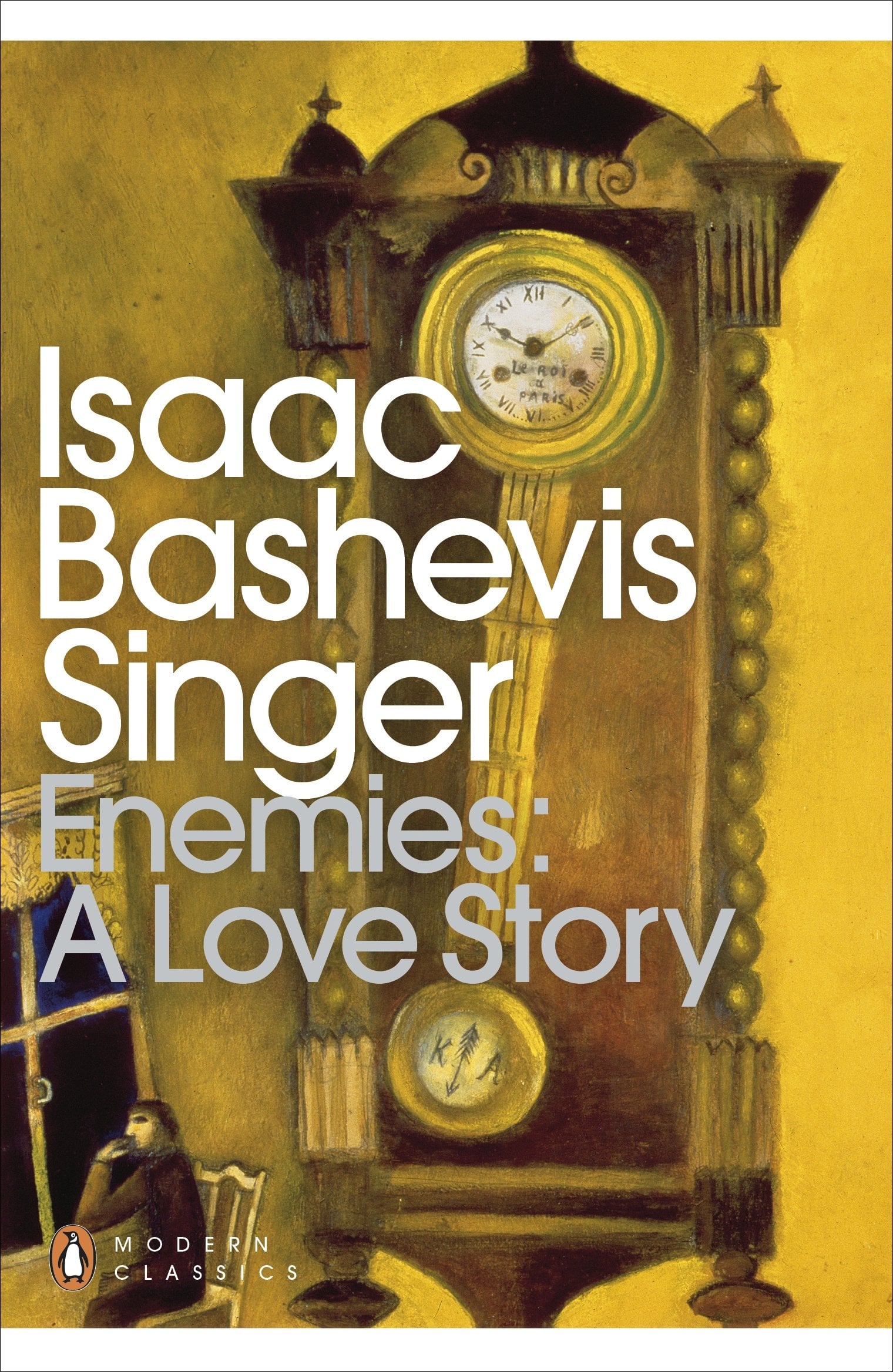
No. 100 on this list. Enemies, A Love Story
Isaac Bashevis Singer · 1966
About this list
These 100 books are the highest-scoring eligible moderately difficult postwar and mid-century books currently in the catalogue. About 689 hours of reading in all. Difficulty runs from 54 to 60 out of 100 for the middle half of the list; the summit is The Bell Jar at 64.
This list is ranked by literary regard, with a consistent order for equal scores. Membership follows authors and co-authors, not translators or editors. A book is here when ReadingRate files it under Postwar & Mid-Century Literature as one of its primary reading domains, and only when its author’s lifetime places it in the period. Catalogue coverage and the historical canon both limit what this list can represent.
When we matched the Canons dataset to our catalogue in October 2026, our canonical-status scores rose with the number of school curricula, publisher series and lists in it that cite a work: the median score was 72 for books one such source cites, 84 at two, 88 at three, 92 at four and 93 at five or more. Prizes are left out of that count. Outside the state curricula, the dataset’s sources choose mostly from what has been translated into English or French, so it is a weaker check on other literatures. Source: Canons (Andrew Piper), CC BY 4.0
Questions people actually ask
- What are the best moderately difficult postwar and mid-century books?
- By literary regard, which weighs canonical status, critical standing and influence: One Hundred Years of Solitude by Gabriel García Márquez, Things Fall Apart by Chinua Achebe, 1984 by George Orwell, Happy Days by Samuel Beckett and Slaughterhouse-Five by Kurt Vonnegut. ReadingRate ranks 100 such books, each with a difficulty score and a reading-time estimate.
- Which moderately difficult postwar and mid-century books should I read first?
- Start from difficulty, not from rank. The most approachable books on this list that still carry top literary regard are Things Fall Apart by Chinua Achebe (about 3.3 hours), The Lord of the Rings (The Lord of the Rings, #1-3) by J.R.R. Tolkien and Krapp's Last Tape by Samuel Beckett.
- What are the shortest of the best moderately difficult postwar and mid-century books?
- Among the top 25, the shortest are Happy Days by Samuel Beckett (about 46 min), The Zoo Story by Edward Albee (about 1.3 hours) and The Fall by Albert Camus (about 2.6 hours), at an average pace of 250 words a minute adjusted for each book's difficulty.
- Which of the best moderately difficult postwar and mid-century books are the established classics?
- By canonical status, how firmly a book sits in curricula, anthologies and the canon: One Hundred Years of Solitude by Gabriel García Márquez, 1984 by George Orwell, Things Fall Apart by Chinua Achebe, Long Day's Journey into Night by Eugene O'Neill and Slaughterhouse-Five by Kurt Vonnegut.
- How long would it take to read the top ten?
- About 74 hours, at an average pace of 250 words a minute adjusted for each book's difficulty: 38 days at two hours a day. Set your own pace on the page and the list's reading times change to it.
- How hard are moderately difficult postwar and mid-century books to read?
- Most of this list sits between 54 and 60 on ReadingRate's 100-point difficulty scale, where 40 to 55 is moderate. The summit is The Bell Jar at 64. Every entry carries its own score, so a reader can pick a great book at a difficulty they will finish.
- How is this list ranked?
- On literary-regard data: how canonically established a work is, its critical standing, and its influence on later writing. It is not a readers’ poll, which is why recent bestsellers rarely appear. Membership follows authors and co-authors, not translators or editors. Lists by country, author, period, theme or difficulty keep to literature (fiction, poetry, drama and philosophy), their novels, poems and plays first and their philosophy after them; a list of a kind of book, such as memoir or criticism, keeps every book of that kind. Every list holds at most three works by one author. A book is here when ReadingRate files it under Postwar & Mid-Century Literature as one of its primary reading domains, and only when its author’s lifetime places it in the period.