Hours at an average pace
Showing 100 books
About 844 hours for 99 of 100 books with measured lengths. Estimates use 250 words a minute, adjusted for each book's difficulty. At 2 hours a day, about 423 days for those books.
No. 1 on this list. Macbeth
William Shakespeare · 1606
Challenging1.4 hours
Taught in schools: WBCHSE English and Alternative English syllabuses (India)
Included in: Great Books of the Western World
Shakespeare compressed an entire arc of political ambition, guilt, and psychological disintegration into his shortest tragedy, giving English its most visceral portrait of how a single murderous act can unravel a mind. Lady Macbeth's sleepwalking and Macbeth's "tomorrow and tomorrow" soliloquy remain the benchmarks for dramatizing a conscience that cannot escape itself.
No. 2 on this list. Aeneid
Virgil · c. 19 BCE
Challenging9.4 hours
Included in: Bokklubben World Library, Great Books of the Western World
Virgil reverse-engineered Homer to give Rome a founding myth that justified empire, pietas, and destiny — and in the process invented the idea that a national epic could be a deliberate literary construction rather than an inherited oral tradition. Dante, Milton, and every poet who tried to write a civilization into existence started here.
No. 3 on this list. David Copperfield
Charles Dickens · 1850
Moderate24 hours
Taught in schools: WJEC/Eduqas GCSE and A-level English Literature (UK)
David Copperfield is firmly established in the Western literary canon as one of Dickens's supreme achievements and a defining example of the Victorian Bildungsroman. It remains widely taught, studied, and adapted across cultures.
No. 4 on this list. Julius Caesar
William Shakespeare · 1599
Challenging1.8 hours
Included in: Great Books of the Western World
Julius Caesar is among the most widely taught Shakespeare plays in the English-speaking world, a staple of secondary school curricula alongside Macbeth and Romeo and Juliet. It appears on thousands of university syllabi in courses on Renaissance drama, political thought, and oratory. Its speeches — particularly Antony's 'Friends, Romans, countrymen' — are among the most memorized passages in the English language.
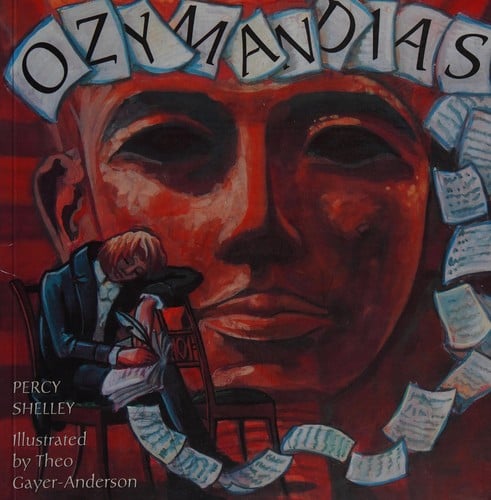
Ozymandias is among the most anthologized poems in the English language, a fixture of high school and university poetry units on Romanticism. No syllabus or Wikipedia-language data was available in ReadingRate's database for this entry, but its presence in virtually every major poetry anthology and British Romanticism syllabus puts it near the top of the canon regardless.
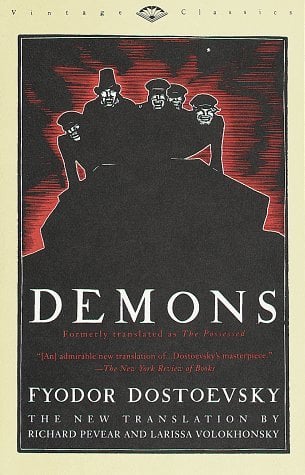
No. 6 on this list. Demons
Fyodor Dostoevsky · 1872
Challenging22 hours
Included in: Bokklubben World Library
A revolutionary cell takes hold of a provincial Russian town, manipulating liberal reformers and committing murder in the name of progress. Based partly on the Nechaev affair—a real case where a revolutionary leader murdered a skeptical member of his group—Dostoevsky creates a portrait of ideological possession that proved prophetic. Nikolai Stavrogin, beautiful and morally empty, inspires devotion he cannot reciprocate. Pyotr Verkhovensky, cunning and nihilistic, orchestrates chaos he believes will bring utopia. Around them swirl liberals, revolutionaries, idealists, and cynics whose ideas have disconnected from reality. The novel is Dostoevsky's darkest political vision: a society where borrowed Western ideas have corrupted Russian souls, where the best lack all conviction and the worst are full of passionate intensity. Also published as The Possessed or The Devils.
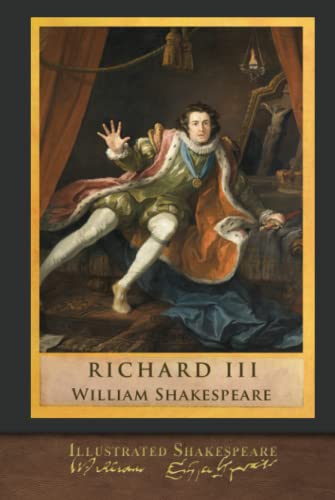
No. 7 on this list. Richard III
William Shakespeare · 1597
Challenging2.8 hours
Taught in schools: CAPE Literatures in English – Caribbean Examinations Council
Included in: Great Books of the Western World
Richard III is among the most frequently performed Shakespeare plays and a staple of secondary school and university curricula worldwide. Its opening monologue — 'Now is the winter of our discontent' — is among the most memorized passages in English literature. The play appears on virtually every Shakespeare survey and features in courses on history plays, villainy, and political drama.
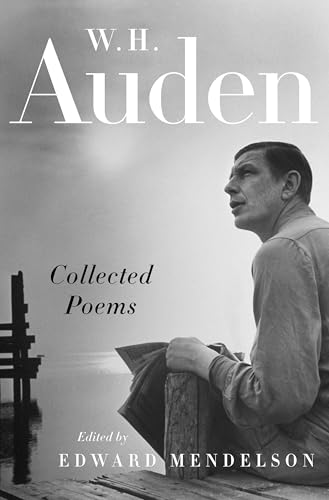
One of the most important English-language poets of the twentieth century, central to the modern canon alongside Yeats and Eliot.
No. 9 on this list. Prometheus Bound
Aeschylus · c. 430 BCE
Challenging47 min
Included in: Great Books of the Western World
Prometheus Bound is standard curriculum in classics departments, Western civilization courses, and world literature programs at universities globally. It appears on virtually every 'foundations of Western literature' syllabus alongside Homer and Sophocles. Though the database shows no tracked syllabus entries, the work has 2,500 years of unbroken canonical transmission.
No. 10 on this list. Lycidas
John Milton · 1638
Moderate6 min
Included in: Great Books of the Western World
A fixture of the Norton Anthology and of every Milton and Renaissance poetry course, and the standard example of the English pastoral elegy. Its place in anthologies and survey courses has been secure since the eighteenth century.
No. 11 on this list. 1984 · George Orwell · 1949
Taught in schools: Hungarian literature curriculum (magyar nyelv és irodalom) (Hungary), Lektury obowiązkowe – Polish national reading list (Poland), OCR GCSE and A-level English Literature (UK)
Included in: Bokklubben World Library
Appears on 1,763 university syllabi (Open Syllabus) and Wikipedia articles in 204 languages, placing it among the most globally distributed literary works. Listed on the Modern Library 100 Best Novels, TIME All-TIME 100, Le Monde's 100 Books of the Century, and BBC Big Read Top 100 — an almost unrivaled breadth of canonical recognition spanning five decades of list-making.
Moderate6.5 hours
Start this bookNo. 12 on this list. Brave New World · Aldous Huxley · 1932
Taught in schools: UNAM Escuela Nacional Preparatoria – programas de Literatura (Mexico)
Huxley imagined a world that controls its population not through pain but through pleasure — soma, engineered happiness, and the abolition of family — and thereby identified the dystopia that Orwell missed: the one people choose voluntarily. The novel's anxiety about technology as narcotic has only grown sharper with time.
Moderate4.4 hours
Start this bookNo. 13 on this list. The Gulag Archipelago · Aleksandr Solzhenitsyn · 1973
Solzhenitsyn documented the Soviet forced-labor system with the evidentiary mass of a prosecutor and the moral witness of a survivor, compiling testimony from over two hundred prisoners into a work that made the word "gulag" part of every language. The book did more to delegitimize the Soviet state than any political movement of its era.
Challenging
Start this bookNo. 14 on this list. The Threepenny Opera · Bertolt Brecht · 1928
Die Dreigroschenoper premiered in Berlin on August 28, 1928, and became one of the most performed plays of the 20th century, with productions on every inhabited continent. It is core curriculum in theatre studies, German literature, European modernism, and political theory courses worldwide. No syllabus data appears in the database, but the play's canonical standing is among the highest in 20th-century drama.
Challenging2.1 hours
Start this bookNo. 15 on this list. The Clouds · Aristophanes · c. 423 BCE
Taught in schools: Lektury obowiązkowe – Polish national reading list (Poland)
Included in: Great Books of the Western World
The Clouds appears on virtually every classical literature and ancient philosophy syllabus, often assigned alongside Plato's Apology — which explicitly names the play as contributing to popular sentiment against Socrates. It is one of only eleven surviving plays by Aristophanes, and among those, one of the most studied. No book with this syllabus footprint in classics departments falls below 85.
Challenging1.2 hours
Start this bookNo. 16 on this list. Lost Illusions · Honoré de Balzac · 1843
Lost Illusions is the centrepiece of Balzac's La Comédie humaine and a standard text in French literature and in courses on the nineteenth-century European novel. Xavier Giannoli's 2021 film adaptation brought it new readers.
Challenging18 hours
Read nowNo. 17 on this list. The Return of the Native · Thomas Hardy · 1878
The Return of the Native stands as one of Hardy's major tragic novels and a cornerstone of Victorian fiction. Egdon Heath's status as literary landscape rivals any in English literature, and the novel appears consistently in academic curricula and critical studies of the Victorian novel.
Challenging11 hours
Read nowNo. 18 on this list. The Handmaid's Tale · Margaret Atwood · 2017
Taught in schools: AQA GCSE and A-level English Literature (UK), OCR GCSE and A-level English Literature (UK), Pearson Edexcel GCSE and A-level English Literature (UK)
The novel is a staple of high school and university courses on dystopia and feminist literature. It was shortlisted for the Booker Prize, appears on the 1001 Books list, and is published as a Penguin Modern Classic.
Challenging7.7 hours
Start this bookNo. 19 on this list. Animal Farm · George Orwell · 1945
Taught in schools: AQA GCSE and A-level English Literature (UK), CSEC English B – Caribbean Examinations Council, Lesotho literature in English
Included in: Great Books of the Western World
Appears on 591 university syllabi according to the Open Syllabus Project (69th percentile) and has Wikipedia articles in 95 languages. Listed on TIME's All-TIME 100 Novels, Modern Library's 100 Best Novels, the BBC Big Read Top 100, and 1001 Books You Must Read Before You Die — a breadth of recognition that places it among the most reliably canonical works of 20th-century fiction.
Challenging2.3 hours
Start this bookNo. 20 on this list. Collected Stories · William Faulkner · 1951
Collected Stories won the National Book Award in 1951 and remains central to American short fiction canon. These stories appear regularly in anthologies and academic syllabi. While perhaps overshadowed by Faulkner's novels, the collection represents an essential component of his Yoknapatawpha saga and demonstrates his mastery across forms.
Challenging22 hours
Start this book
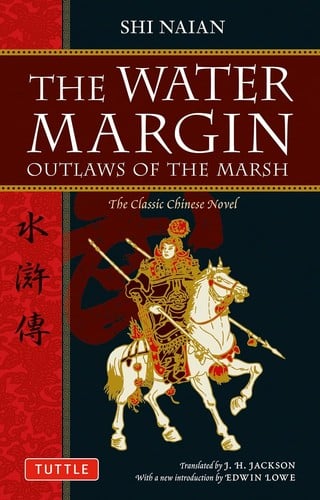
No. 21 on this list. Water Margin · Shi Nai'an
Included in: Bibliothèque de la Pléiade
One of Four Great Classical Novels; foundational for martial arts genre.
Moderate33 hours
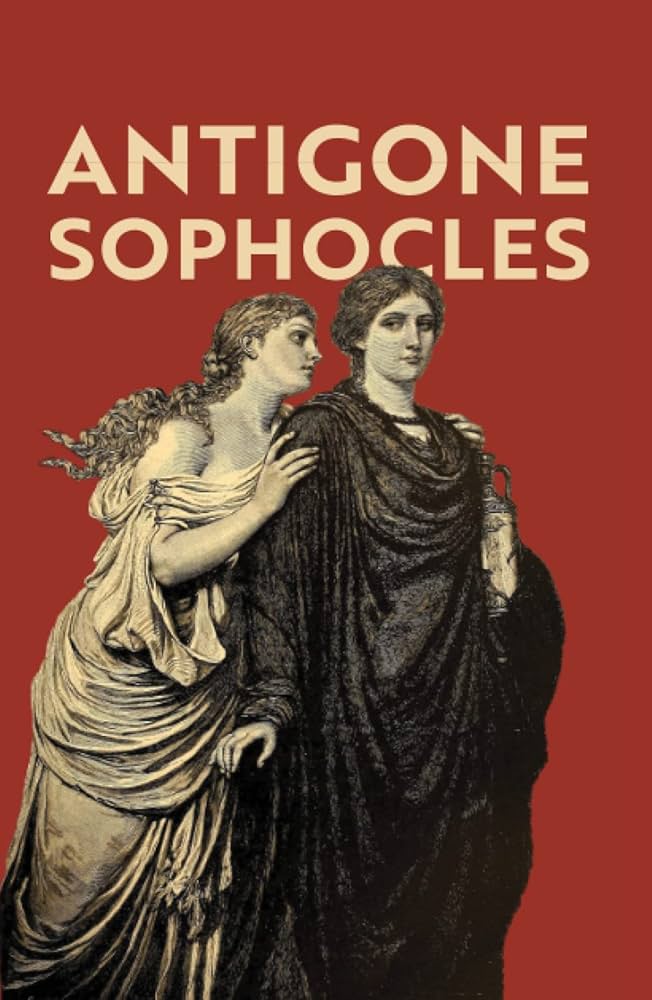
Start this bookNo. 22 on this list. Antigone · Sophocles · c. 441 BCE
Taught in schools: Hungarian literature curriculum (magyar nyelv és irodalom) (Hungary), Lektury obowiązkowe – Polish national reading list (Poland), Montenegrin literature curriculum (crnogorski jezik i književnost) (Montenegro)
Included in: Great Books of the Western World
Sophocles gave a young woman one impossible choice — obey the state or bury her brother — and built from it the foundational argument about what happens when human law and moral law collide. Every subsequent debate about civil disobedience, from Thoreau to Martin Luther King, restates the question Antigone asked first.
Moderate2.6 hours
Read nowNo. 23 on this list. Boris Godunov · Alexander Pushkin · 1831
Boris Godunov is a core text in Russian literature curricula worldwide and appears in Slavic literature and world drama courses at major universities. The play's Wikipedia article exists in over 50 languages, reflecting its global recognition. It is consistently anthologized alongside the foundational works of 19th-century European drama.
Moderate1.1 hours
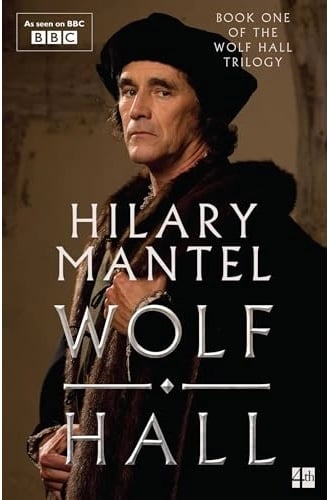
Start this bookNo. 24 on this list. Wolf Hall · Hilary Mantel · 2009
The historical novel that changed the genre's literary status. Thomas Cromwell's rise, rendered in present tense and close third person, made Tudor politics feel immediate. Core text in contemporary fiction and historical fiction courses.
Challenging18 hours
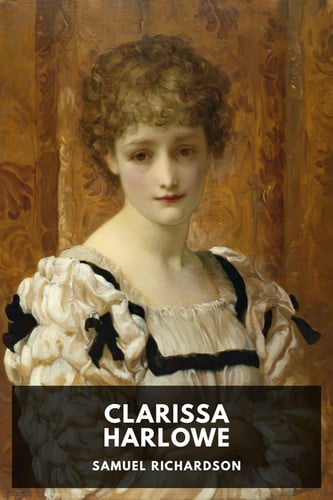
Start this bookNo. 25 on this list. Clarissa · Samuel Richardson · 1748
Clarissa is a founding text of the English novel, appearing on virtually every 18th-century literature syllabus and in English doctoral programs worldwide. It features on the Modern Library and TIME All-TIME 100 lists and is treated as essential reading alongside Tom Jones and Robinson Crusoe. While database signals show no recorded syllabus appearances, this reflects data gaps rather than the book's actual canonical position — it is among the most studied British novels of any century.
Challenging8.5 hours
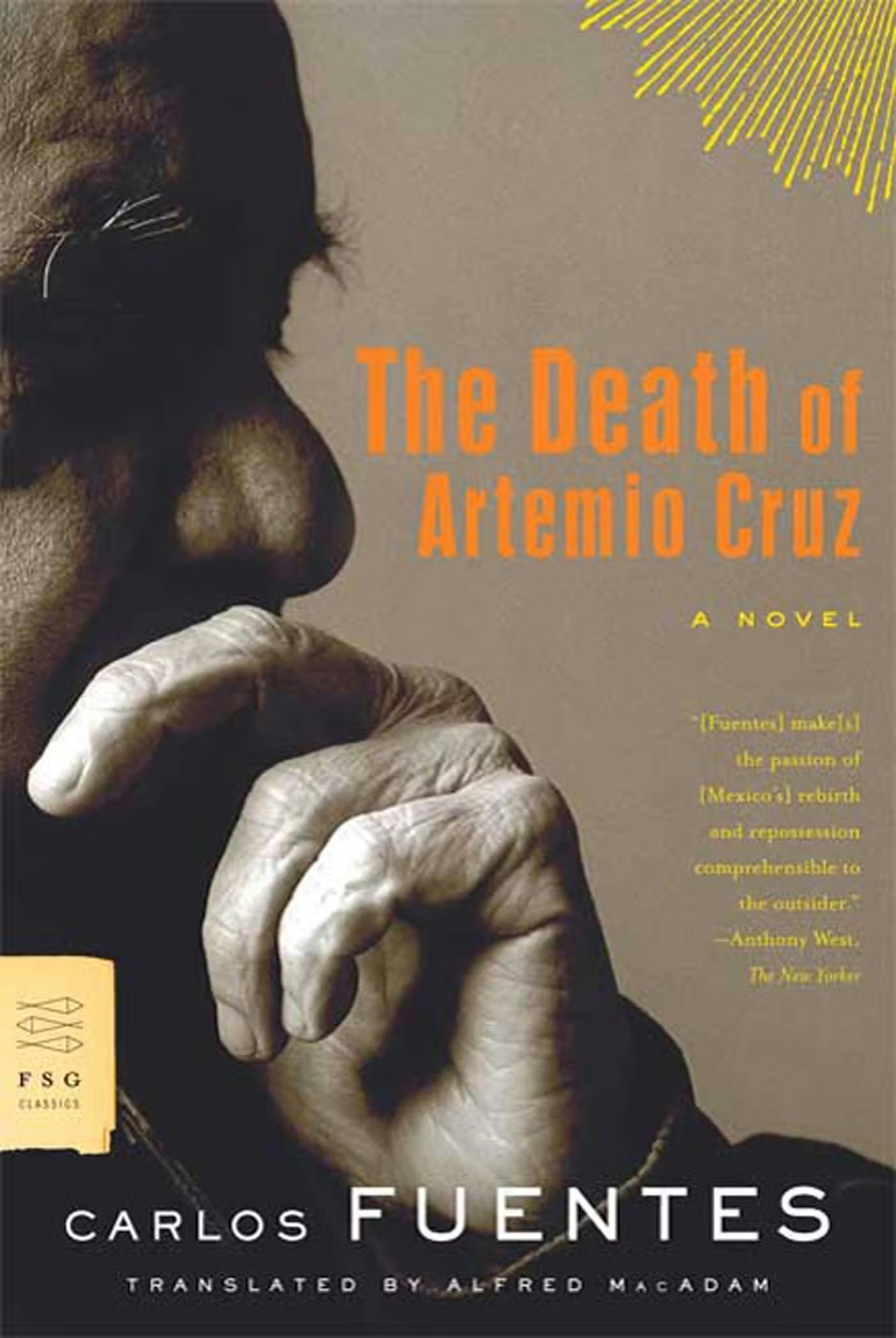
Start this bookNo. 26 on this list. The Death of Artemio Cruz · Carlos Fuentes · 1962
The Death of Artemio Cruz occupies a central position in the Latin American Boom canon and appears regularly in world literature curricula alongside works by García Márquez, Vargas Llosa, and Cortázar. It is widely considered Fuentes's masterpiece and a defining text of mid-20th-century experimental fiction. The novel remains in continuous print in multiple languages and features prominently in scholarly studies of modernist narrative technique.
Challenging9.3 hours
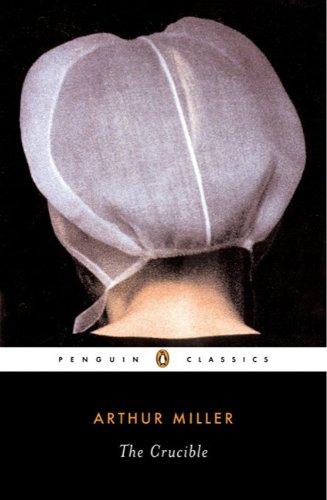
Start this bookNo. 27 on this list. The Crucible · Arthur Miller · 1953
Standard curriculum text in American high schools and universities, The Crucible is one of the most-assigned plays in English-speaking education. Its McCarthyism allegory gives it permanence across both literary and political syllabi, and it has been in continuous production since its 1953 premiere. The Open Syllabus Project places it among the most frequently taught dramatic works in US classrooms.
Challenging3.1 hours
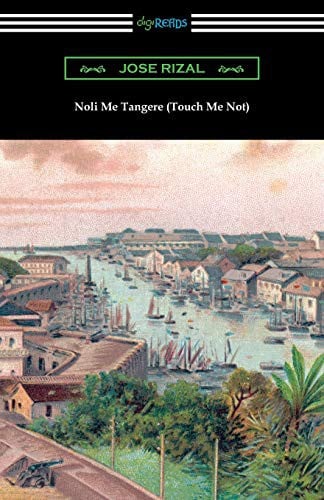
Start this bookNo. 28 on this list. Noli Me Tangere · José Rizal · 1887
Included in: Biblioteca Ayacucho, UNESCO Collection of Representative Works
Required reading in all Philippine schools by law, Noli Me Tangere holds a uniquely institutionalized canonical status — one of the few novels anywhere in the world with a legal mandate for teaching. It appears on world literature and postcolonial studies syllabi globally, and its Wikipedia article exists in dozens of languages reflecting its reach across Southeast Asia and the broader diaspora.
Challenging13 hours
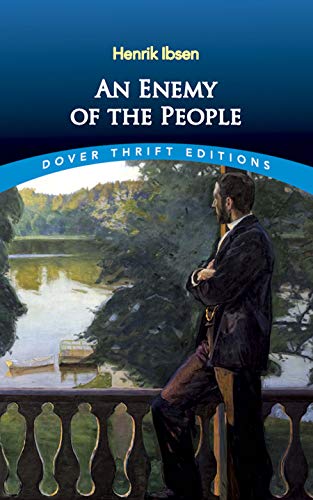
Start this bookNo. 29 on this list. An Enemy of the People · Henrik Ibsen · 1882
An Enemy of the People is a standard text in university drama, literature, and political philosophy curricula worldwide, and is featured on virtually all lists of essential Western drama. Arthur Miller's celebrated 1950 adaptation attests to its enduring canonical status. While taught less broadly than Ibsen's A Doll's House or Hedda Gabler, it remains a fixture in theatre studies and social realist drama courses globally.
Challenging2.7 hours
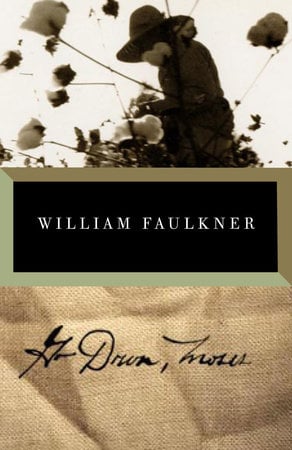
Start this bookNo. 30 on this list. Go Down, Moses · William Faulkner · 1942
Go Down, Moses is recognized as central to American modernism and Southern gothic literature. It appears consistently in university curricula and major literary anthologies. While not achieving the absolute canonical singularity of Faulkner's The Sound and the Fury or Absalom, Absalom!, it commands secure canonical standing within American letters.
Challenging9.1 hours
Start this book
No. 31 on this list. The Lusiads
Luis de Camoes · 1572
Included in: UNESCO Collection of Representative Works
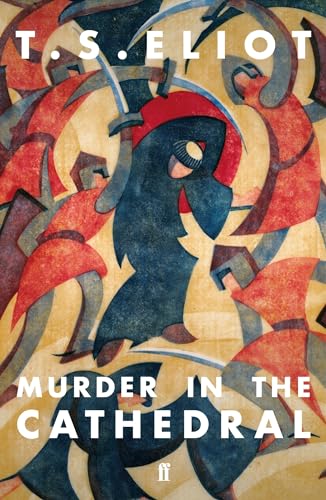
No. 32 on this list. Murder in the Cathedral
T. S. Eliot · 1935
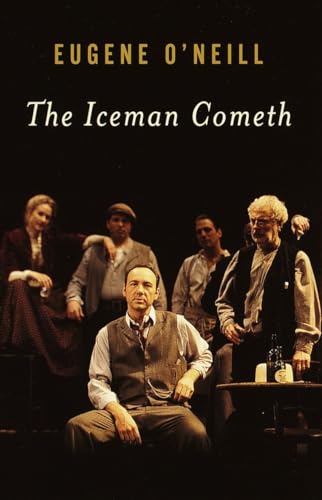
No. 33 on this list. The Iceman Cometh
Eugene O'Neill · 1946
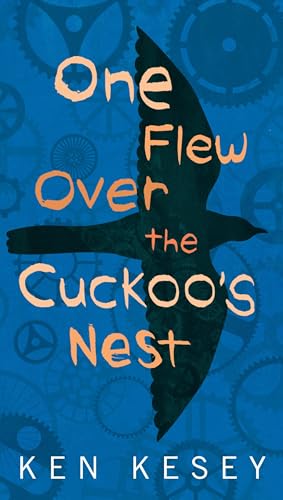
No. 34 on this list. One Flew Over the Cuckoo's Nest
Ken Kesey · 1962
Taught in schools: AQA GCSE and A-level English Literature (UK)
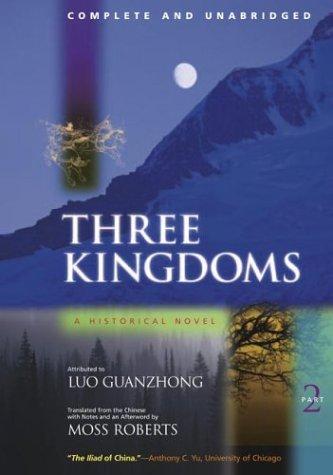
No. 35 on this list. Romance of the Three Kingdoms
Included in: UNESCO Collection of Representative Works
No. 36 on this list. Benito Cereno
Herman Melville · 1855
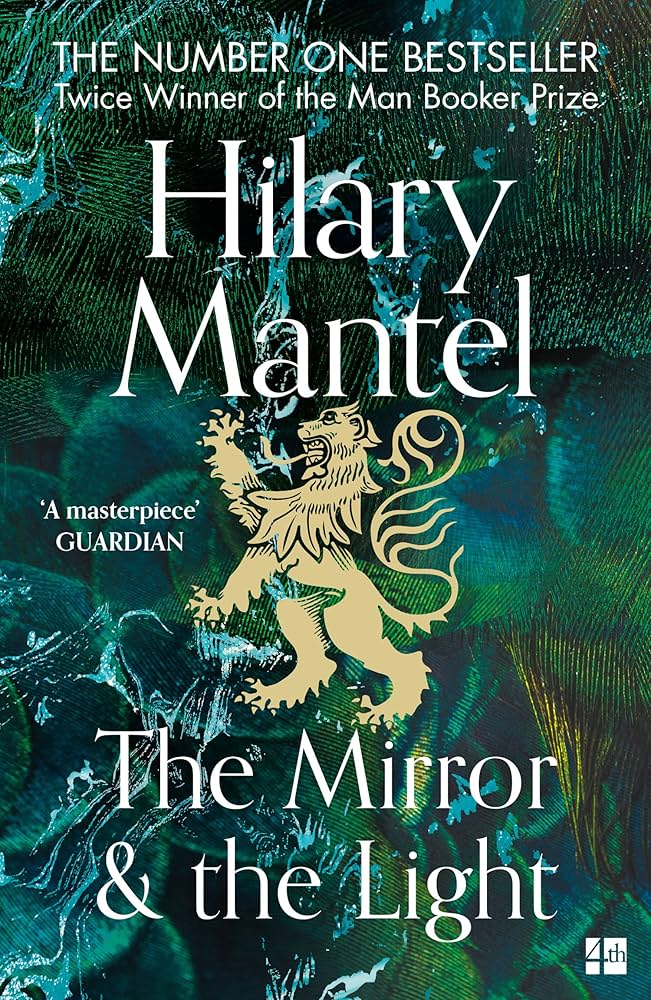
No. 37 on this list. The Mirror and the Light
Hilary Mantel · 2020
No. 38 on this list. The Charterhouse of Parma
Stendhal · 1839
No. 39 on this list. Life & Times of Michael K
J.M. Coetzee · 1983
Taught in schools: UNAM Escuela Nacional Preparatoria – programas de Literatura (Mexico)
No. 40 on this list. The Lord of the Rings (The Lord of the Rings, #1-3)
J.R.R. Tolkien · 1954
Taught in schools: Pacific Senior Secondary Certificate – English
No. 41 on this list. Waiting for the Barbarians
J.M. Coetzee · 1980
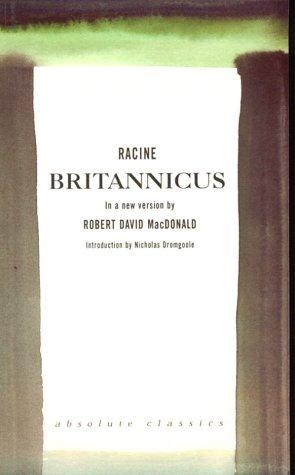
No. 42 on this list. Britannicus
Jean Racine · 1669
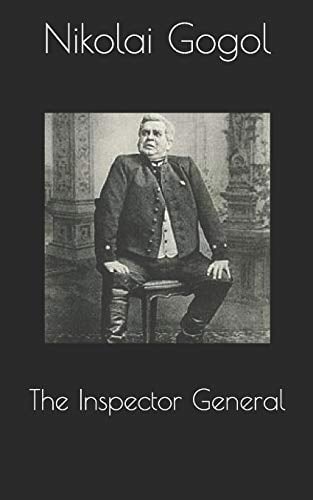
No. 43 on this list. The Inspector General
Nikolai Gogol · 1836
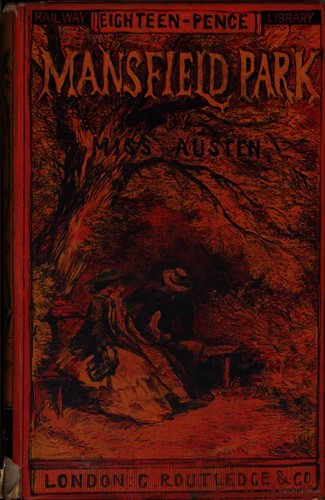
No. 44 on this list. Mansfield Park
Jane Austen · 1814
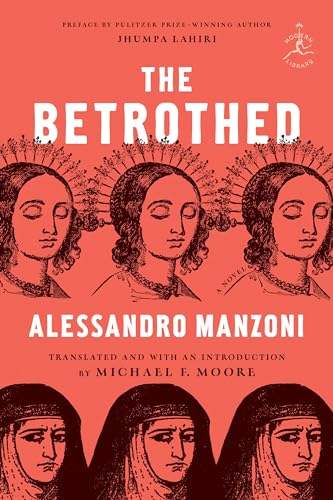
No. 45 on this list. The Betrothed
Alessandro Manzoni · 1827
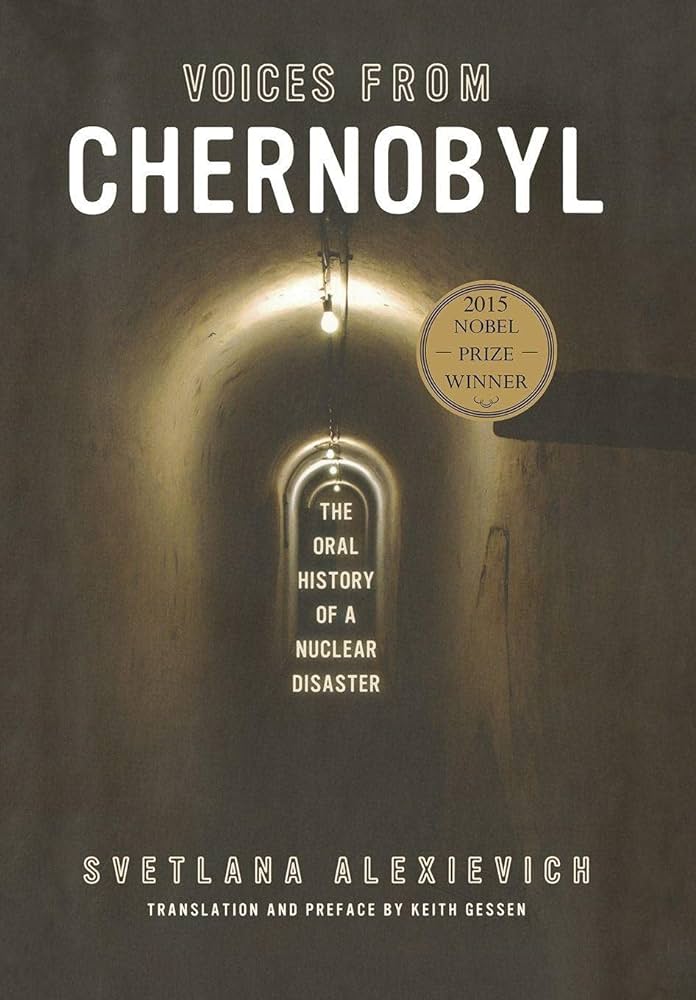
No. 46 on this list. Voices from Chernobyl
Svetlana Alexievich · 1997
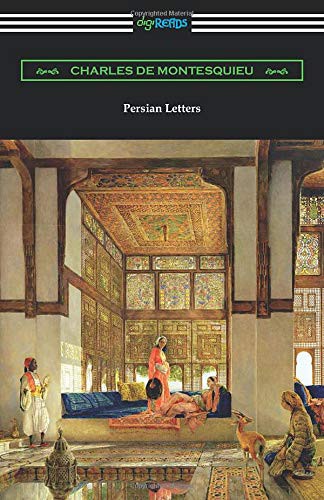
No. 47 on this list. Persian Letters
Montesquieu · 1721
Taught in schools: Hungarian literature curriculum (magyar nyelv és irodalom) (Hungary)
No. 48 on this list. A Grain of Wheat
Ngugi wa Thiong'o · 1967
Included in: Heinemann African Writers Series
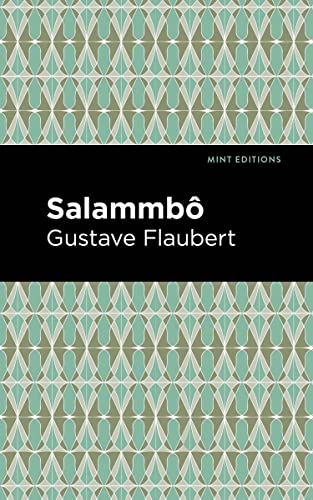
No. 49 on this list. Salammbô
Gustave Flaubert · 1862
No. 50 on this list. Eugénie Grandet
Honoré de Balzac · 1833
No. 51 on this list. Villette
Charlotte Brontë · 1853
No. 52 on this list. Women in Love
D.H. Lawrence · 1920
No. 53 on this list. Rosmersholm
Henrik Ibsen · 1886
No. 54 on this list. The Conservationist
Nadine Gordimer · 1974
No. 55 on this list. Six Feet of the Country
Nadine Gordimer · 1956
No. 56 on this list. The Man Who Loved Children
Christina Stead · 1940
No. 57 on this list. The Book of Laughter and Forgetting
Milan Kundera · 1979
No. 58 on this list. Diary of a Madman
Nikolai Gogol · 1835
No. 59 on this list. No One Writes to the Colonel
Gabriel García Márquez · 1961
No. 60 on this list. Memoirs of Hadrian
Marguerite Yourcenar · 1951
Included in: Bokklubben World Library
No. 61 on this list. The Nose
Nikolai Gogol · 1836
Taught in schools: Hungarian literature curriculum (magyar nyelv és irodalom) (Hungary)
No. 62 on this list. The First Circle
Aleksandr Solzhenitsyn · 1968
No. 63 on this list. Ward No. 6
Anton Chekhov · 1892
No. 64 on this list. The Resistible Rise of Arturo Ui
Bertolt Brecht · 1941
No. 65 on this list. Fasti
Ovid · 8
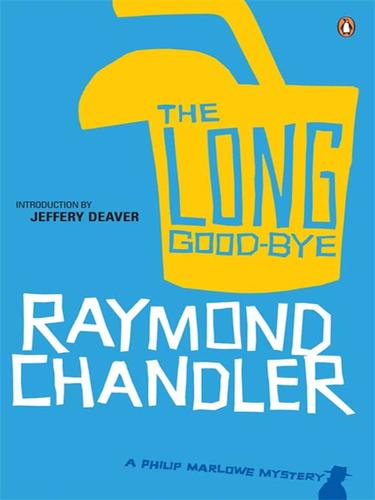
No. 66 on this list. The Long Goodbye
Raymond Chandler · 1953
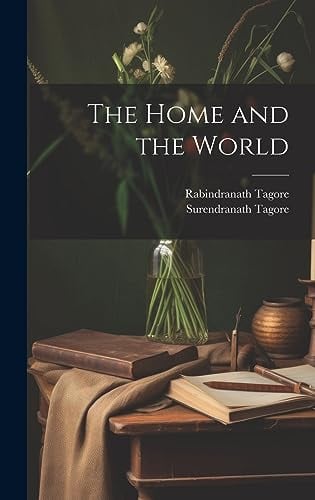
No. 67 on this list. The Home and the World
Rabindranath Tagore · 1916
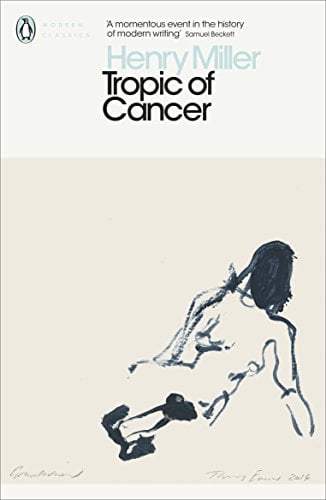
No. 68 on this list. Tropic of Cancer
Henry Miller · 1934
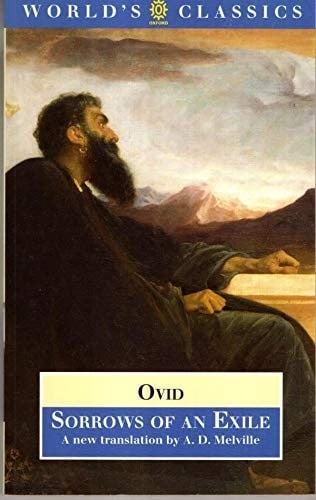
No. 69 on this list. Tristia
Ovid · 12
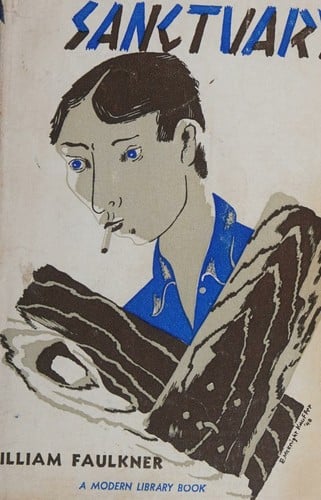
No. 70 on this list. Sanctuary
William Faulkner · 1931
Taught in schools: CSEC English B – Caribbean Examinations Council
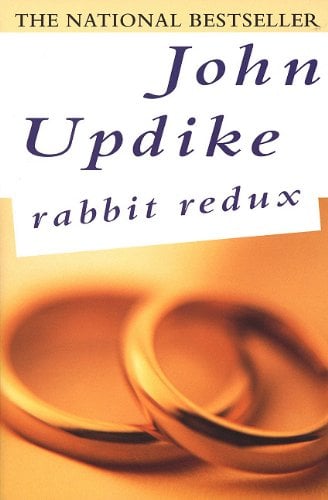
No. 71 on this list. Rabbit Redux
John Updike · 1971
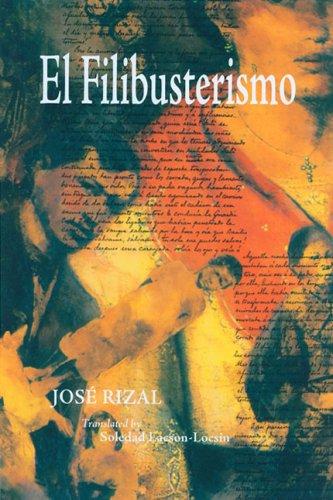
No. 72 on this list. El Filibusterismo
José Rizal · 1891
Included in: UNESCO Collection of Representative Works
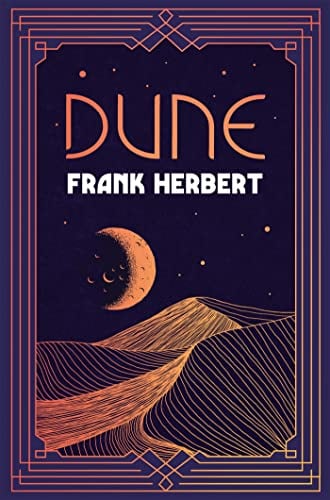
No. 73 on this list. Dune
Frank Herbert · 1965
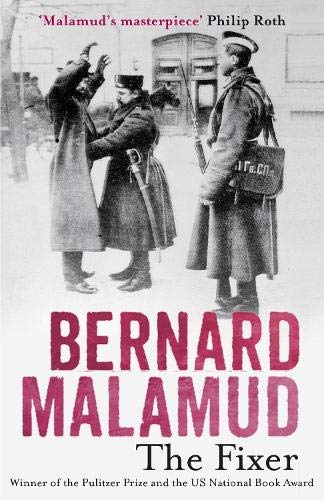
No. 74 on this list. The Fixer
Bernard Malamud · 1967
No. 75 on this list. Canto General
Pablo Neruda · 1950
Taught in schools: Literatura, Diseño Curricular – Provincia de Buenos Aires (Argentina), UNAM Escuela Nacional Preparatoria – programas de Literatura (Mexico)
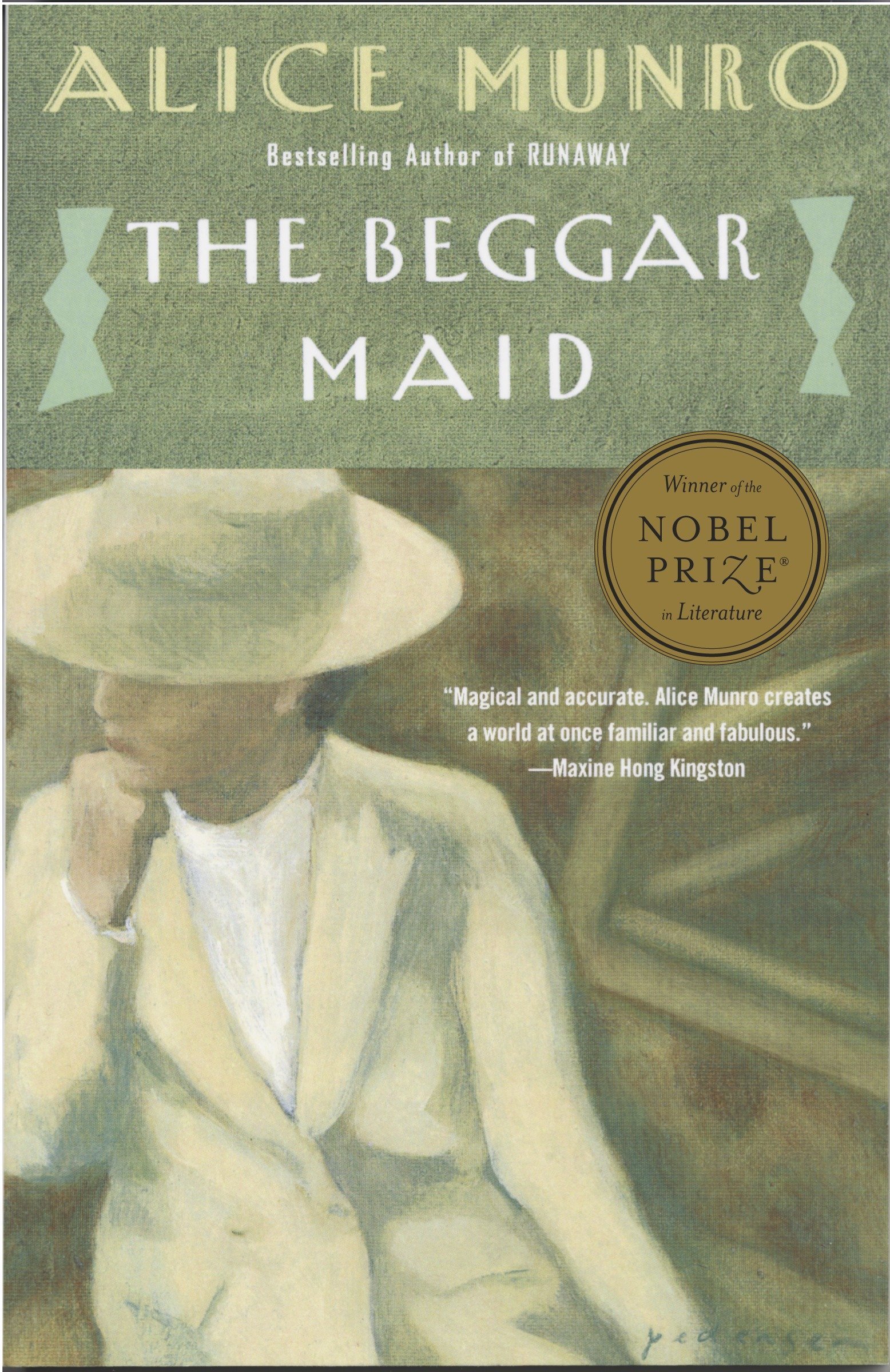
No. 76 on this list. The Beggar Maid
Alice Munro · 1980
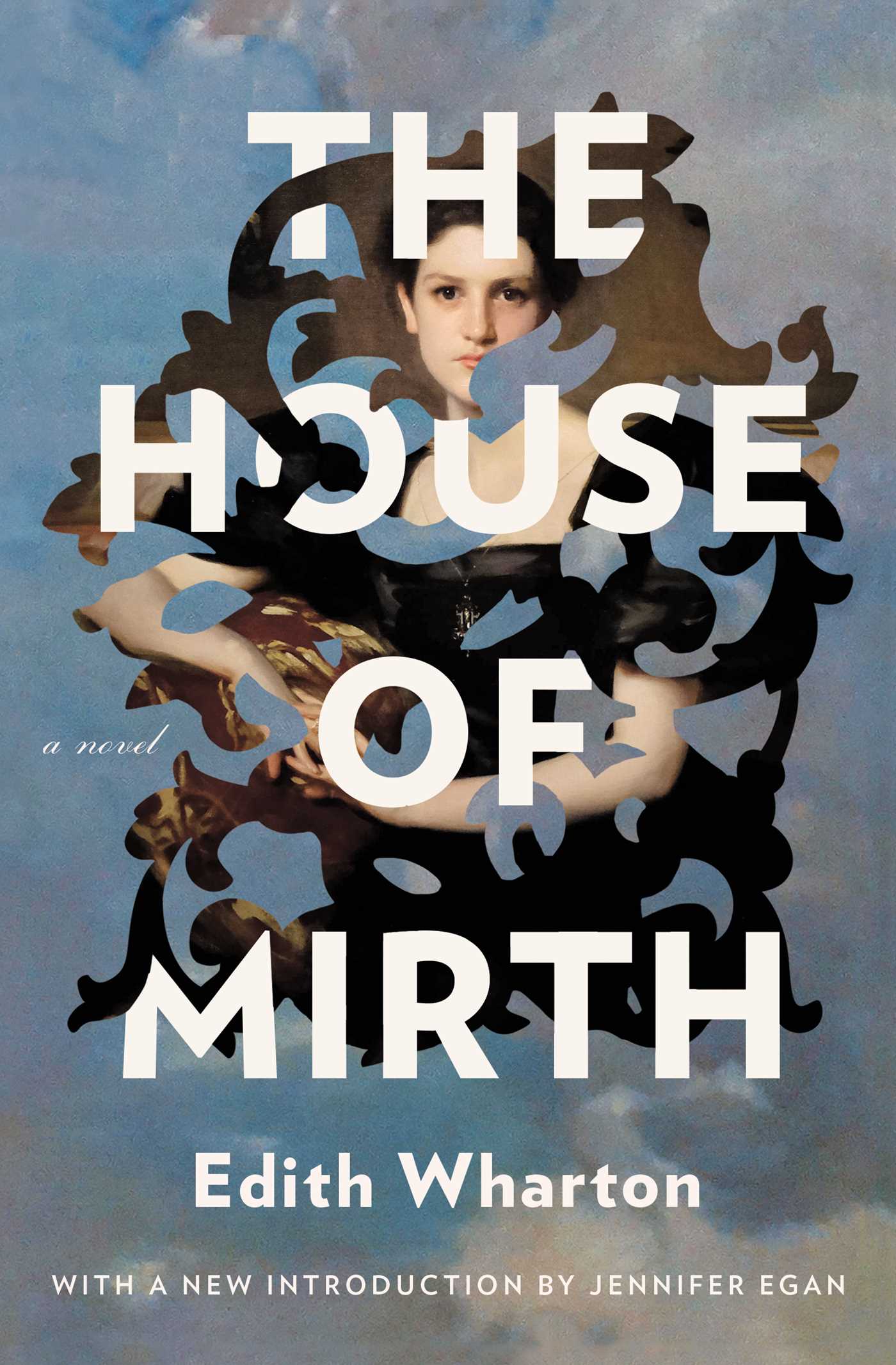
No. 77 on this list. The House of Mirth
Edith Wharton · 1905
No. 78 on this list. Germinal
Émile Zola · 1885
No. 79 on this list. The Prime of Miss Jean Brodie
Muriel Spark · 1961
Taught in schools: CSEC English B – Caribbean Examinations Council
No. 80 on this list. The Glass Key
Dashiell Hammett · 1931
No. 81 on this list. Snow
Orhan Pamuk · 2002
No. 82 on this list. Resurrection
Leo Tolstoy · 1899
No. 83 on this list. Nana
Émile Zola · 1880
No. 84 on this list. The Joke
Milan Kundera · 1967
No. 85 on this list. The Birthday Party
Harold Pinter · 1957
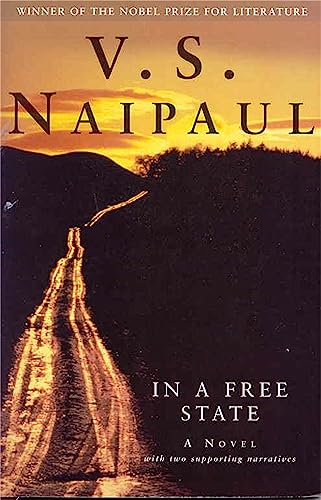
No. 86 on this list. In a Free State
V.S. Naipaul · 1971
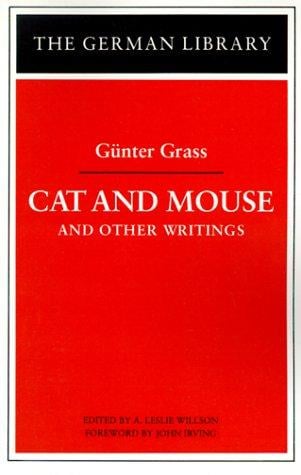
No. 87 on this list. Cat and Mouse
Günter Grass · 1961
No. 88 on this list. Watchmen #1: At Midnight, All The Agents…
Alan Moore · 1986
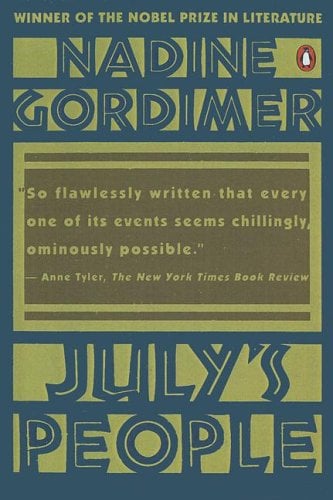
No. 89 on this list. July's People
Nadine Gordimer · 1981
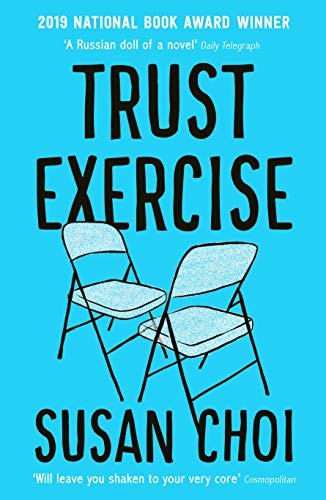
No. 90 on this list. Trust Exercise
Susan Choi · 2019
No. 91 on this list. Petals of Blood
Ngugi wa Thiong'o · 1977
Included in: Heinemann African Writers Series
No. 92 on this list. A Bend in the River
V.S. Naipaul · 1979
No. 93 on this list. Life and Fate
Vasily Grossman · 1980
No. 94 on this list. The Known World
Edward P. Jones · 2004
No. 95 on this list. A Thousand Acres
Jane Smiley · 1992
No. 96 on this list. Wild Grass
Lu Xun · 1927
No. 97 on this list. The War of the End of the World
Mario Vargas Llosa · 1981
No. 98 on this list. Furor and Mystery
René Char · 1948
No. 99 on this list. Devil on the Cross
Ngugi wa Thiong'o · 1980
Included in: Heinemann African Writers Series
No. 100 on this list. Tamburlaine the Great
Christopher Marlowe · 1587
About this list
These 100 books are the highest-scoring eligible moderately difficult books about power and politics currently in the catalogue. About 844 hours of reading in all, for the 99 with measured lengths. Difficulty runs from 54 to 60 out of 100 for the middle half of the list; the summit is Waiting for the Barbarians at 65.
This list is ranked by literary regard, with a consistent order for equal scores. Membership follows authors and co-authors, not translators or editors. A book is here when ReadingRate files it under Power & Politics as one of its primary reading domains, at a confidence of 0.8 or more. Catalogue coverage and the historical canon both limit what this list can represent.
When we matched the Canons dataset to our catalogue in October 2026, our canonical-status scores rose with the number of school curricula, publisher series and lists in it that cite a work: the median score was 72 for books one such source cites, 84 at two, 88 at three, 92 at four and 93 at five or more. Prizes are left out of that count. Outside the state curricula, the dataset’s sources choose mostly from what has been translated into English or French, so it is a weaker check on other literatures. Source: Canons (Andrew Piper), CC BY 4.0
Questions people actually ask
- What are the best moderately difficult books about power and politics?
- By literary regard, which weighs canonical status, critical standing and influence: Macbeth by William Shakespeare, Aeneid by Virgil, David Copperfield by Charles Dickens, Julius Caesar by William Shakespeare and Ozymandias by Percy Bysshe Shelley. ReadingRate ranks 100 such books, each with a difficulty score and a reading-time estimate.
- Which moderately difficult books about power and politics should I read first?
- Start from difficulty, not from rank. The most approachable books on this list that still carry top literary regard are The Lord of the Rings (The Lord of the Rings, #1-3) by J.R.R. Tolkien (about 34 hours), 1984 by George Orwell and Water Margin by Shi Nai'an.
- What are the shortest of the best moderately difficult books about power and politics?
- Among the top 25, the shortest are Ozymandias by Percy Bysshe Shelley (about 1 min), Lycidas by John Milton (about 6 min) and Prometheus Bound by Aeschylus (about 47 min), at an average pace of 250 words a minute adjusted for each book's difficulty.
- Which of the best moderately difficult books about power and politics are the established classics?
- By canonical status, how firmly a book sits in curricula, anthologies and the canon: Aeneid by Virgil, 1984 by George Orwell, Macbeth by William Shakespeare, Ozymandias by Percy Bysshe Shelley and Brave New World by Aldous Huxley.
- Can I read any of these moderately difficult books about power and politics for free?
- 23 of the 100 open in ReadingRate's reader with a free account, from public-domain editions: Macbeth, Aeneid, David Copperfield, Julius Caesar, Demons and 18 more.
- How long would it take to read the top ten?
- About 64 hours, at an average pace of 250 words a minute adjusted for each book's difficulty: 33 days at two hours a day. Set your own pace on the page and the list's reading times change to it.
- How hard are moderately difficult books about power and politics to read?
- Most of this list sits between 54 and 60 on ReadingRate's 100-point difficulty scale, where 40 to 55 is moderate. The summit is Waiting for the Barbarians at 65. Every entry carries its own score, so a reader can pick a great book at a difficulty they will finish.
- How is this list ranked?
- On literary-regard data: how canonically established a work is, its critical standing, and its influence on later writing. It is not a readers’ poll, which is why recent bestsellers rarely appear. Membership follows authors and co-authors, not translators or editors. Lists by country, author, period, theme or difficulty keep to literature (fiction, poetry, drama and philosophy), their novels, poems and plays first and their philosophy after them; a list of a kind of book, such as memoir or criticism, keeps every book of that kind. Every list holds at most three works by one author. A book is here when ReadingRate files it under Power & Politics as one of its primary reading domains, at a confidence of 0.8 or more.