Hours at an average pace
Showing 100 books
About 868 hours for 100 of 100 books with measured lengths. Estimates use 250 words a minute, adjusted for each book's difficulty. At 2 hours a day, about 435 days for those books.
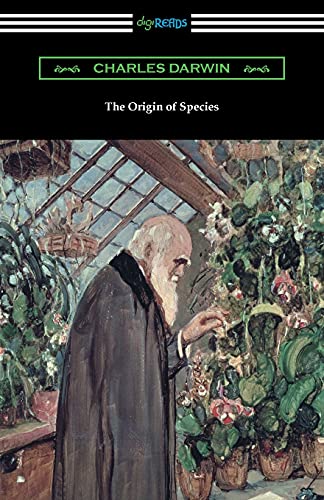
The book is a cornerstone of biology, history of science and Victorian studies, assigned across disciplines worldwide. It is among the most widely taught scientific texts ever written.
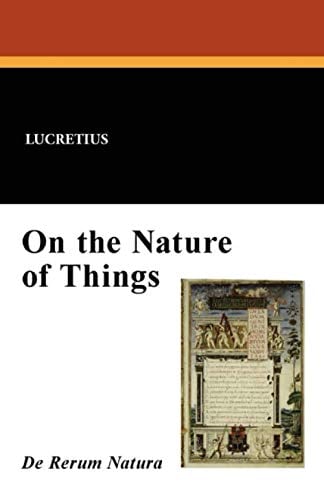
No. 2 on this list. On the Nature of Things
Lucretius · c. 55 BCE
Moderate5.5 hours
Included in: Great Books of the Western World
De Rerum Natura is one of the most significant surviving texts from antiquity, taught in classics, philosophy, and history of science programs at universities worldwide. It represents the fullest extant exposition of Epicurean atomism in any language and appears on virtually every list of essential classical works. Its rediscovery by Poggio Bracciolini in 1417 is credited with catalyzing Renaissance intellectual culture.
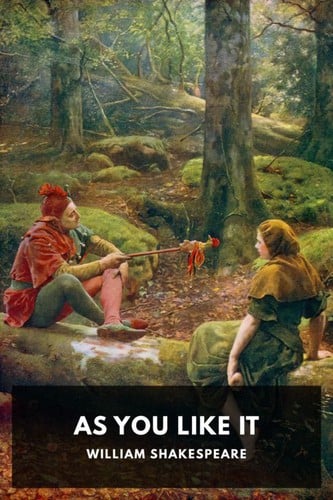
No. 3 on this list. As You Like It
William Shakespeare · 1600
Moderate1.6 hours
Taught in schools: CSEC English B – Caribbean Examinations Council, WBCHSE English and Alternative English syllabuses (India)
Included in: Great Books of the Western World
As You Like It appears on thousands of university syllabi worldwide and is regularly staged by major theater companies. Its central monologue — 'All the world's a stage' — is among the most quoted passages in English literature, cementing its place in the core Shakespeare canon alongside Hamlet and Midsummer Night's Dream.
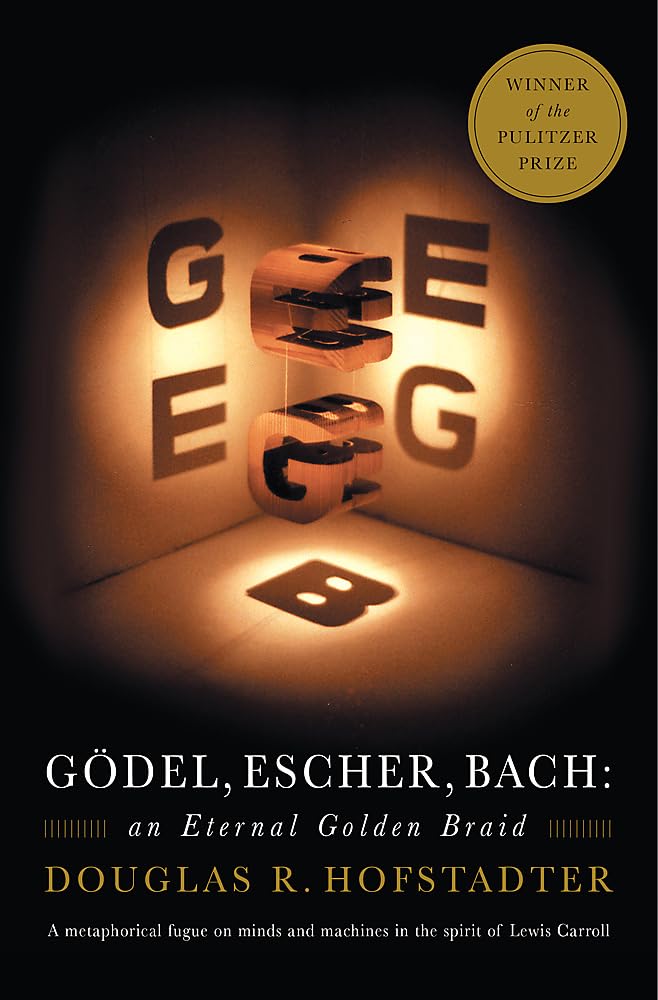
No. 4 on this list. Gödel, Escher, Bach: An Eternal Golden Braid
Douglas R. Hofstadter · 1979
Difficult37 hours
GEB won the Pulitzer Prize for General Nonfiction in 1980 and the National Book Award in the same year, immediately entering the canon of science writing. It appears on virtually every 'essential AI and cognitive science' reading list and is routinely assigned in courses on philosophy of mind, computer science, and interdisciplinary studies across hundreds of universities. Its Wikipedia article exists in dozens of languages, reflecting global reach; few popular-science books from 1979 remain this continuously in print and actively taught.
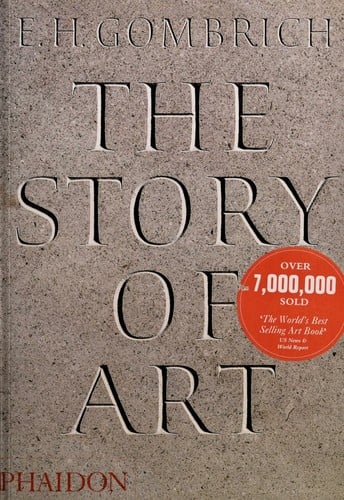
One of the most assigned art history textbooks globally, continuously in print since 1950 and translated into more than 30 languages. A fixture in introductory art history courses at universities worldwide, it has sold millions of copies and remains the default entry point for the discipline.
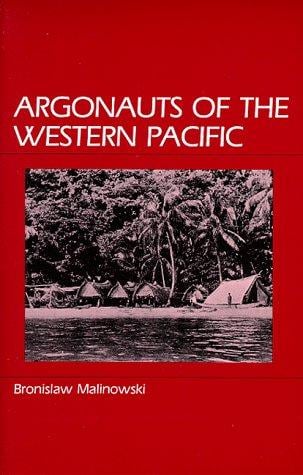
The founding text of modern fieldwork and taught in almost every anthropology programme.
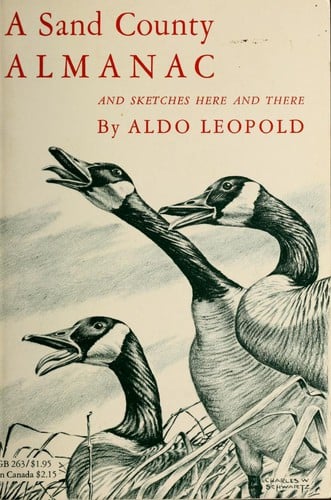
Taught in virtually every environmental studies, ecology, and environmental humanities program in the United States. The land ethic essay is one of the most reprinted texts in conservation history, and the book appears on every major 'essential nature writing' and 'books that shaped American environmental thought' list.
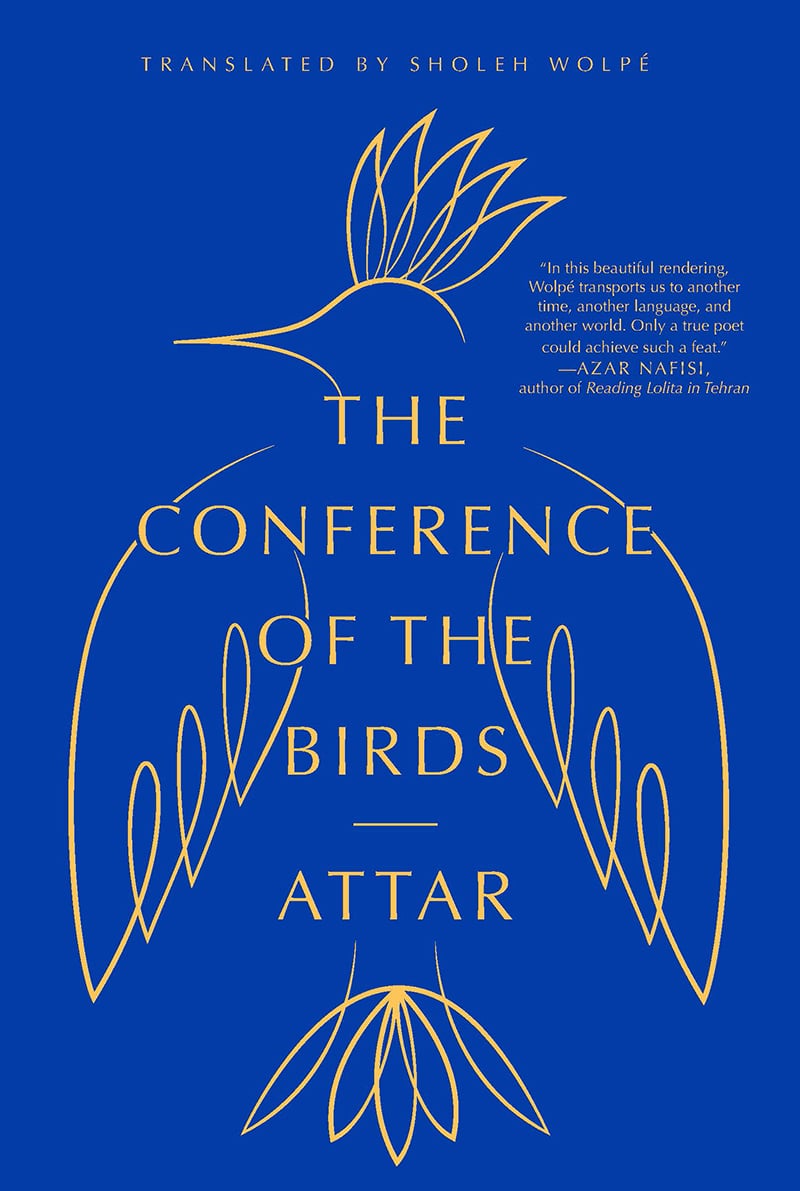
Recognized as one of the greatest works of Persian literature and a foundational text of Sufism. It ranks alongside the Quran and works by Rumi in Islamic intellectual tradition. Western literary canons increasingly recognize it as essential world literature.
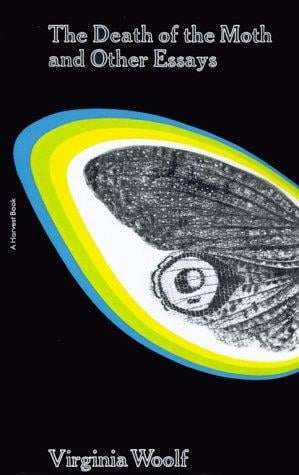
The title essay 'The Death of the Moth' is one of the most anthologized pieces in the English language, appearing in virtually every major collection of literary essays and countless university writing courses. Though the collection as a whole is less individually indexed than Woolf's novels, these essays — alongside 'Street Haunting' and 'Middlebrow' — are fixtures of modernist prose and creative nonfiction curricula worldwide.
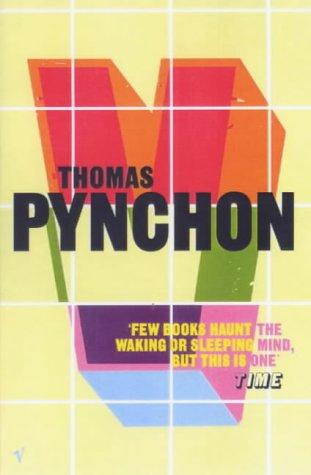
V. appears on hundreds of university syllabi in American literature, postmodernism, and world fiction courses, and is consistently ranked among the essential American novels of the twentieth century by critics and scholars. It appears on the Modern Library 100 Best Novels list and Time magazine's All-TIME 100 Novels. Less universally assigned than Pynchon's Gravity's Rainbow in terms of academic prestige, but the more frequently taught first novel in postmodern American fiction sequences.
No. 11 on this list. The Periodic Table · Primo Levi · 1975
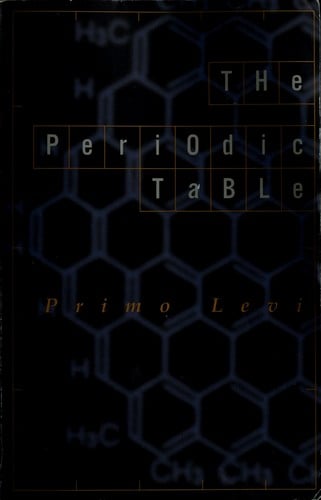
Named the best science book ever written by the Royal Institution; a recognized literary masterwork.
Challenging6.1 hours
Start this bookNo. 12 on this list. The Selfish Gene · Richard Dawkins · 1976
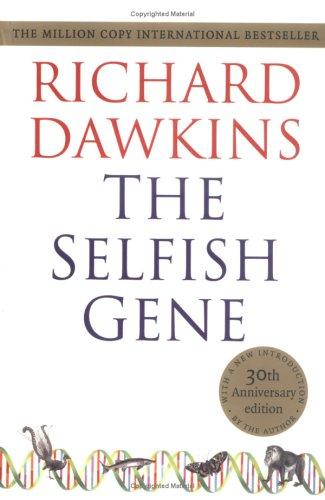
Four billion years ago, a molecule capable of copying itself appeared in the primordial soup. Everything since — every bacterium, beetle, and human being — is a machine built by those replicators to carry them forward. Richard Dawkins published this argument in 1976, and it reorganized how biologists, philosophers, and general readers think about evolution. The unit of selection, Dawkins argues, is not the species, not the group, not even the individual organism. It is the gene. Organisms are temporary coalitions built by genes competing for spots in the next generation. Altruism, cooperation, parent-offspring conflict, and sex ratios all follow from this single reorientation of perspective. Dawkins builds his case through thirteen chapters of escalating clarity, anchoring every theoretical claim in concrete animal behavior: penguins refusing to be the first in the water, praying mantises eating their mates mid-copulation, worker bees dying to protect the hive. The book's penultimate chapter introduces the meme — a unit of cultural replication analogous to the gene — as a second kind of replicator that has emerged in human minds. Written for the general reader who has no specialized knowledge but is unwilling to be patronized, The Selfish Gene remains the most precise and readable account of Darwinian logic ever written for a non-specialist audience.
Easy6.4 hours
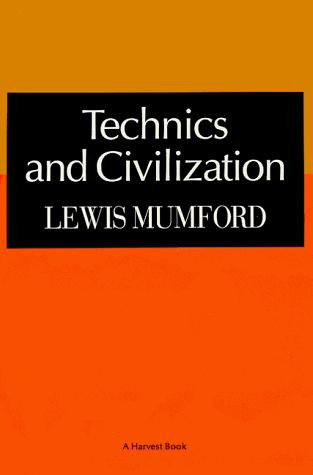
Start this bookNo. 13 on this list. Technics and Civilization · Lewis Mumford · 1934
The founding text of the history of technology as a humanistic discipline in English. Assigned in technology studies, urban planning, cultural history, and sociology of science courses worldwide. Republished by the University of Chicago Press with a new introduction by Langdon Winner. Considered essential to understanding how scholars think about machines and culture.
Challenging17 hours
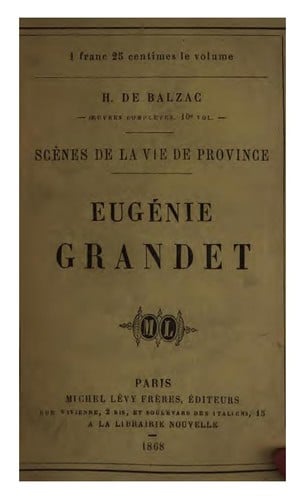
Start this bookNo. 14 on this list. Eugénie Grandet · Honoré de Balzac · 1833
Eugénie Grandet stands as a cornerstone of French literary realism and a key work in Balzac's vast Comédie humaine. It appears regularly in French literature curricula, realist novel courses, and 19th-century European literature surveys. The novel's dissection of provincial avarice and its portrait of female suffering under patriarchal capitalism have made it essential reading for understanding the realist tradition.
Moderate5 hours
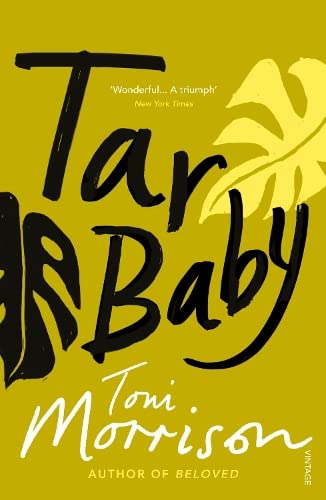
Read nowNo. 15 on this list. Tar Baby · Toni Morrison · 1981
On Isle des Chevaliers, a Caribbean island reshaped by Haitian labor and American money, Valerian Street — a retired Philadelphia candy magnate — cultivates hydrangeas in his greenhouse and avoids his neighbors. His wife Margaret, his butler Sydney and cook Ondine, and his niece Jadine, a model trained in Paris, share the villa in a state of maintained tension. When Son — a Black American fugitive who stowed away on their supply boat — is discovered hiding in the house, he breaks open every unspoken arrangement the household depends on. Morrison uses the folk tale of the tar baby as the novel's armature: Jadine and Son become stuck to each other in a relationship that neither can survive and neither can leave. She embodies what he calls racial betrayal — educated in Europe, photographed in furs, at home nowhere. He embodies what she calls romantic primitivism — a man out of time, faithful to a Black Southern past that she finds suffocating. Morrison writes this conflict without a referee. The Caribbean setting is not backdrop but argument — the swamp, the rain forest, the blind horsemen who ride the hills at night all carry the weight of African spiritual history beneath the colonial surface. The novel ends on a mythic image: Son running toward those horsemen, Jadine flying back to Paris. Morrison offers no verdict on who was right.
Moderate6.7 hours
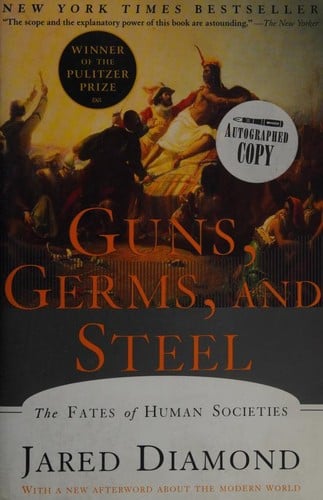
Start this bookNo. 16 on this list. Guns, Germs, and Steel · Jared Diamond · 1997
The verified data signals show no syllabus or Wikipedia entries on file for this title, but Guns, Germs, and Steel has been a fixture of introductory world-history, geography, and anthropology courses since the late 1990s and was adapted into a three-part PBS/National Geographic documentary in 2005. It sits below a literary classic like The Great Gatsby in curricular ubiquity but comfortably ahead of a work with only cult-course status.
Moderate9.2 hours
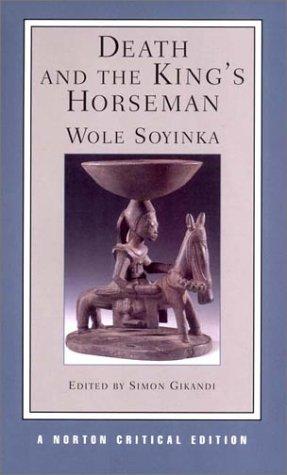
Start this bookNo. 17 on this list. Death and the King's Horseman · Wole Soyinka · 1975
Taught in schools: Common Core text exemplars (Appendix B) (US)
Elesin Oba, the King's Horseman, stands at the threshold between worlds. Yoruba custom demands his ritual death to accompany the deceased king to the ancestral realm. The women of the market drape him in ceremonial cloth and sing him toward eternity, their voices a pulse beneath the drumming that orders his final hours. District Officer Pilkings, armed with Victorian certainty and Christian duty, arrests Elesin to prevent the suicide, confident that imprisonment saves a life. But the white man's intervention shatters something irreplaceable. Elesin's will fractures. The son, Olunde, returns from medical school in England having crossed an ocean to bury his father, only to discover his father imprisoned and the cosmic order inverted. When the body of the son is revealed as the final courier to the king, wrapped in cloth and carried by women, Elesin strangles himself with his chains. Soyinka orchestrates collision between cultures through idiom, rhythm, and the unstoppable momentum of ritual toward its terrible completion. The play's power resides not in resolving this clash but in exposing how each party acts from unshakeable conviction while remaining deaf to the other's fundamental logic.
Moderate1.1 hours
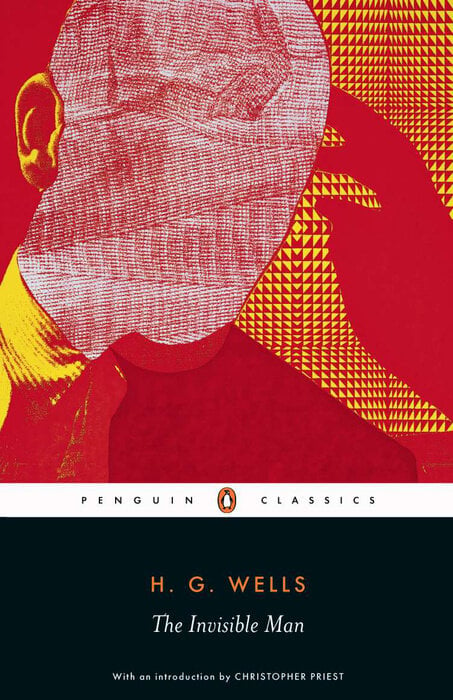
Start this bookNo. 18 on this list. The Invisible Man · H.G. Wells · 1897
The Invisible Man occupies a firm place in the science fiction canon and appears on university syllabi worldwide, particularly in courses on early SF and Victorian literature. H.G. Wells's scientific romances are among the most consistently reprinted and anthologized works in the genre. While not at the level of Great Expectations or The Great Gatsby in general literary curricula, it is a standard text in SF and genre studies.
Moderate3.3 hours
Start this bookNo. 19 on this list. 20,000 Leagues Under the Sea · Jules Verne · 1870
20,000 Leagues Under the Sea appears on curricula worldwide and is a fixture of science fiction canon lists from Penguin Classics to the Modern Library. Wikipedia articles for the novel exist in over 60 languages, reflecting its global reach across more than 150 years. It is among the handful of 19th-century adventure novels still routinely assigned in schools and universities outside their country of origin.
Moderate6.7 hours
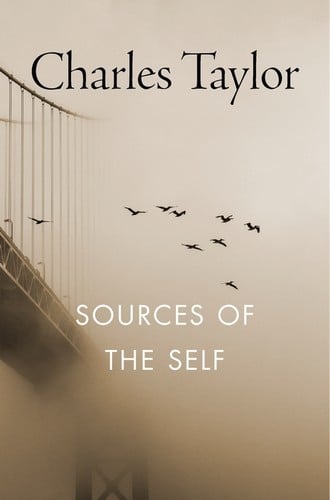
Read nowNo. 20 on this list. Sources of the Self: The Making of the Modern Identity · Charles Taylor · 1989
Charles Taylor argues that modern identity is not self-evident but has a history — one that can be traced from Plato through Augustine, Descartes, Locke, and Romanticism to the present. The modern sense of self involves a distinctive combination: an inner depth (the self as something to be discovered within), a commitment to ordinary life as morally significant, and an expressive individualism that equates authenticity with self-realization. Taylor's central concern is the 'moral ontology' that underlies modern identity — the implicit framework of goods and obligations within which we make sense of our lives. Without acknowledging this framework, modern moral philosophy cannot understand what it is actually doing. The book is a major work of philosophical anthropology and intellectual history, tracing how the self became a problem — something that requires explanation, exploration, and justification rather than simply acceptance.
Challenging21 hours
Start this book
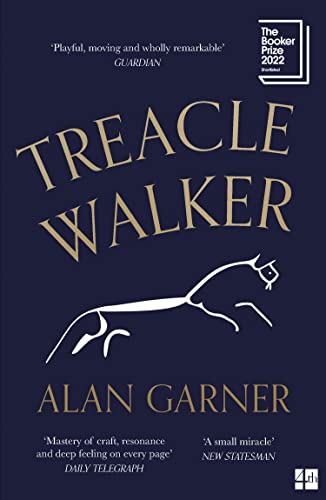
No. 21 on this list. Treacle Walker · Alan Garner · 2022
Published in 2021, Treacle Walker is too recent for canonical judgment, but Garner's lifelong integration of British folklore into literary fiction gives it strong claims. As his late-career distillation of myth, archaeology, and language, it consolidates his reputation as a major British fantasist.
Challenging1.5 hours
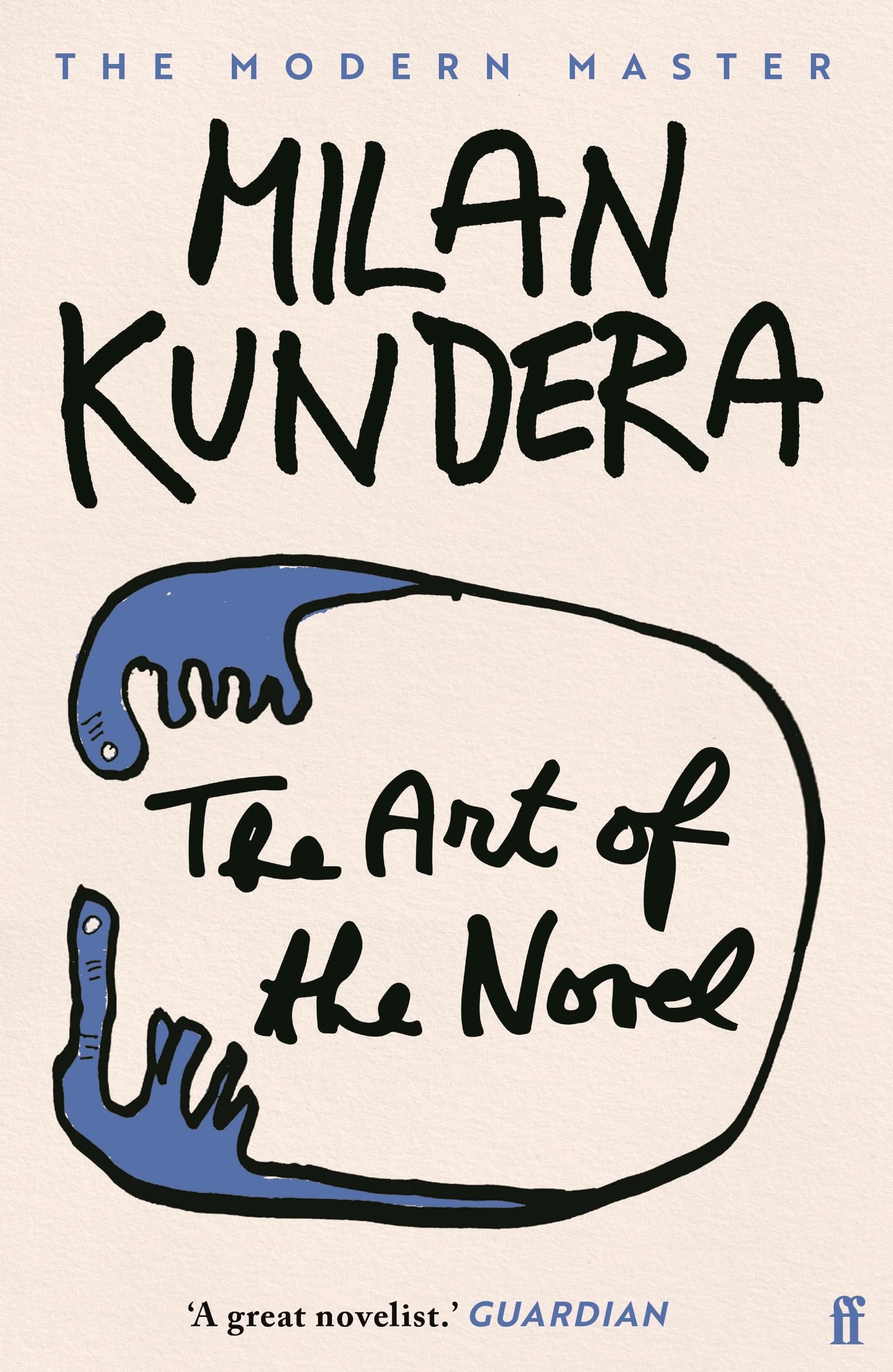
Start this bookNo. 22 on this list. The Art of the Novel · Milan Kundera · 1986
"The world of theories is not my world," Kundera announces on the first page — and then builds one of the most precise theories of the novel written by a practicing novelist. Across seven formally distinct sections — historical essay, interview, critical notes, alphabetical dictionary, prize address — he traces a counter-history of European fiction from Cervantes to Kafka, arguing that the novel exists to preserve what no other form can: the knowledge that human existence is irreducibly ambiguous. Kundera reads literary history like a composer analyzing a score. He tracks how Balzac's social institutions replaced Cervantes' open road, how Kafka stripped away all reasonable motivation to leave pure irrational force, how Hasek's comedy of the First World War revealed that nobody believed the propaganda anymore. His own aesthetic emerges from the dialogues with Christian Salmon: radical divestment, architectonic clarity, the novel as counterpoint of multiple registers held in tension. The book's boldest claim is also its simplest: the novel is 'the echo of God's laughter,' a space where certainty dissolves and uncertainty is not a weakness but the highest form of knowledge. Against totalitarian thinking — which Kundera knew firsthand from Czechoslovakia — the novel stands as the last form that refuses the 'either-or.' The sixty-three words section is the strangest and most useful: a personal dictionary of terms like kitsch, lightness, the agélaste, the Kafkan. Demanding without being difficult, this is a book for readers who love novels and want to understand what they are for.
Easy2.1 hours
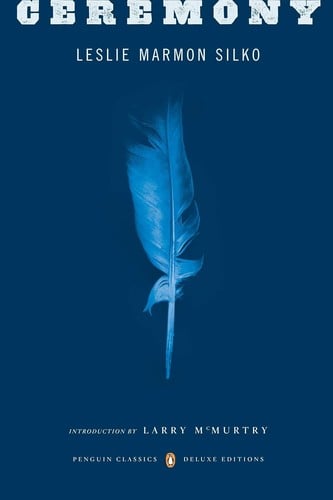
Start this bookNo. 23 on this list. Ceremony · Leslie Marmon Silko · 1977
Tayo comes home from the Pacific War unable to sleep. The voices won't stop—Japanese soldiers shouting, his uncle Josiah calling to him through jungle heat, his cousin Rocky dying in the mud of a prison march. The VA hospital calls it battle fatigue. His grandmother calls for a medicine man. The land around Laguna Pueblo is in its sixth year of drought, and Tayo believes, with a guilt that sits in his stomach like a stone, that he caused it—that his wartime curse against the rain followed him home. Silko writes two novels at once: a realist account of a mixed-blood veteran's breakdown and his slow return to the living, and a mythic narrative of Laguna ceremony, the stories of Thought-Woman and Reed Woman and Hummingbird woven directly into the prose as poetry. The two registers don't sit beside each other—they bleed into each other, memory becoming hallucination, hallucination becoming vision, vision becoming healing. The spotted Mexican cattle Josiah bought before the war, wild and drought-adapted and worth finding, serve as Tayo's purpose and his proof that something can survive. The novel ends with resolution—Tayo completes his ceremony, the rain returns—but not before Silko has made plain what was nearly lost: the web of story that holds a people together, which colonial schooling nearly succeeded in cutting. This is a novel about what stories do when they are the only medicine left.
Challenging7 hours
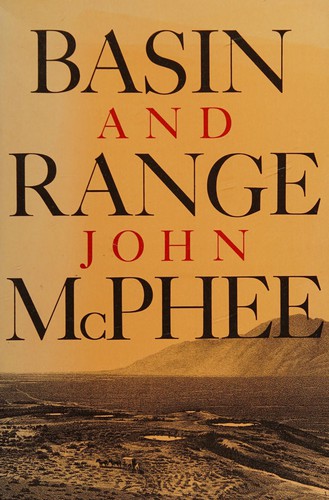
Start this bookNo. 24 on this list. Basin and Range · John McPhee · 1981
Basin and Range is a standard text in creative nonfiction courses and frequently assigned in American universities alongside McPhee's other Annals volumes. While it lacks a standalone Wikipedia article in multiple languages, it is widely considered essential reading in the narrative science writing tradition and appears in geology and environmental humanities syllabi. Its canonical status is reinforced as part of Annals of the Former World, which won the Pulitzer Prize in 1999.
Moderate3.2 hours
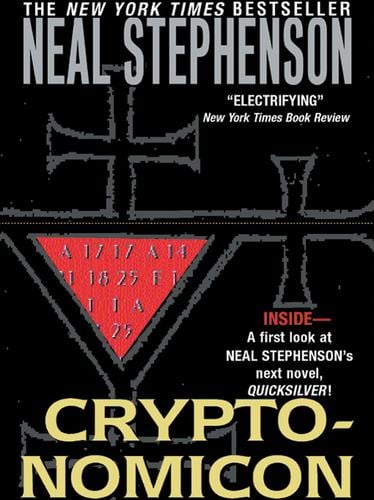
Start this bookNo. 25 on this list. Cryptonomicon · Neal Stephenson · 1999
Cryptonomicon occupies an unusual position: it is widely regarded as a landmark in its subgenre — techno-thriller crossed with literary novel — and is heavily referenced in discussions of fiction about cryptography, hacking culture, and digital privacy. It does not appear on standard literary syllabi, but it is routinely assigned in computer science departments, media studies courses, and cyberpunk/speculative fiction seminars. Its canonical status is high within its genre community but below the threshold of the broader literary canon.
Difficult47 hours
Start this bookNo. 26 on this list. VALIS · Philip K. Dick · 1981
Horselover Fat — whose name translates Philip K. Dick from Greek and German — receives a beam of pink light in February 1974 and begins to know things he has no business knowing, including that his son has a life-threatening hernia. The narrator, Phil, reports all of this about Fat while being Fat, a split he names and never quite resolves. VALIS is Dick's attempt to make sense of what happened to him in 1974: whether the Vast Active Living Intelligence System actually fired information into his brain via satellite, or whether he simply had a breakdown after years of amphetamines and grief. He presents both possibilities with equal seriousness and refuses to choose between them. The novel draws on Gnostic Christianity, Zoroastrianism, the Nag Hammadi texts, and Soviet encyclopedia definitions of the plasmate to construct a theology in which the Roman Empire never ended and God is a living information system embedded in matter. Fat's friends — Kevin the cynic, David the orthodox Catholic, Phil the reluctant recorder — serve as sounding boards for arguments that the novel takes as seriously as Dostoevsky's Grand Inquisitor. The result is science fiction that reads like a psychiatric case file written by a man who cannot decide whether he is the patient or the prophet. Dick died before he finished the Exegesis he drew from. VALIS is what that project looked like when it had a plot.
Challenging6.7 hours
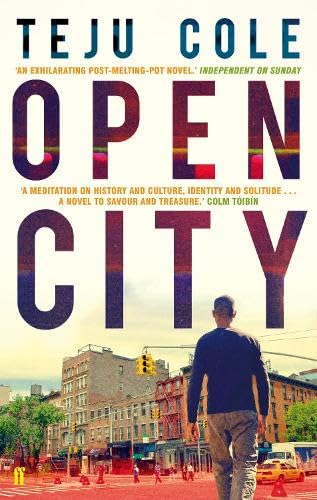
Start this bookNo. 27 on this list. Open City · Teju Cole · 2011
Open City appears on multiple major best-novels-of-the-21st-century lists (The Guardian, Time magazine, NPR) and is widely taught in postcolonial, contemporary fiction, and American literature university courses. It has established canonical status within its decade, though it remains more recent than the settled canon.
Difficult11 hours
Start this bookNo. 28 on this list. Man and Superman · George Bernard Shaw · 1903
Man and Superman appears on 86 university syllabi (48th percentile by Open Syllabus data) and holds Wikipedia articles in 9 languages. It is taught in drama and modern literature courses but sits behind Pygmalion and Major Barbara in Shaw's own canon. The Wikipedia article includes dedicated Reception and Adaptations sections, indicating sustained critical discourse.
Challenging6.5 hours
Read nowNo. 29 on this list. Twenty Thousand Leagues Under the Sea · Jules Verne · 1870
A staple of world adventure and science fiction, widely taught and abridged for school readers in many languages. It is a fixture of Verne's Voyages Extraordinaires, though less central to university literature courses than the major realist novels.
Easy4.3 hours
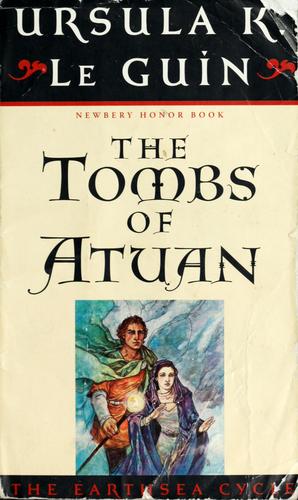
Start this bookNo. 30 on this list. The Tombs of Atuan · Ursula K Le Guin · 1971
The Tombs of Atuan is the second volume of Le Guin's Earthsea Cycle, which has been a staple of middle school and YA curricula for decades. It won the Newbery Honor in 1972. While not as universally taught as the first Earthsea volume or Le Guin's science fiction, it appears regularly in fantasy literature courses and feminist literary criticism syllabi, cementing its place as a significant canonical text within speculative fiction.
Challenging3.4 hours
Start this book
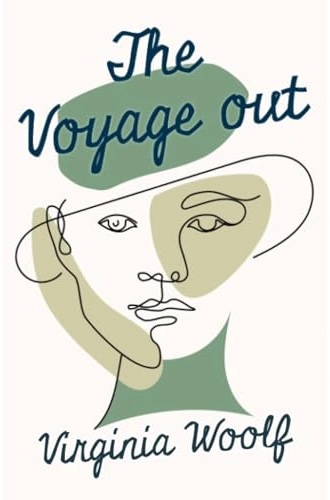
No. 31 on this list. The Voyage Out
Virginia Woolf · 1915
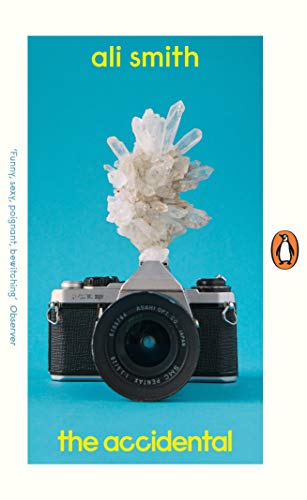
No. 32 on this list. The Accidental
Ali Smith · 2005
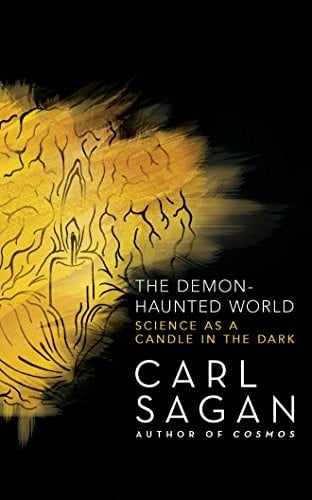
No. 33 on this list. The Demon-Haunted World
Carl Sagan · 1995
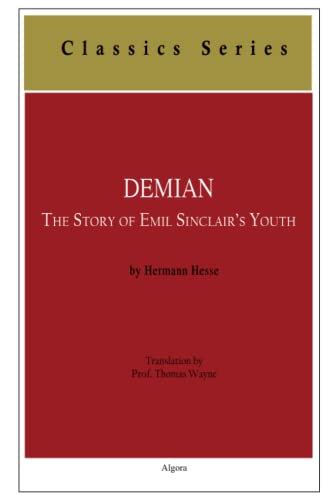
No. 34 on this list. Demian
Hermann Hesse · 1919
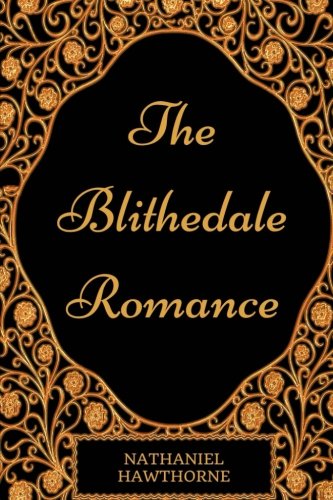
No. 35 on this list. The Blithedale Romance
Nathaniel Hawthorne · 1852
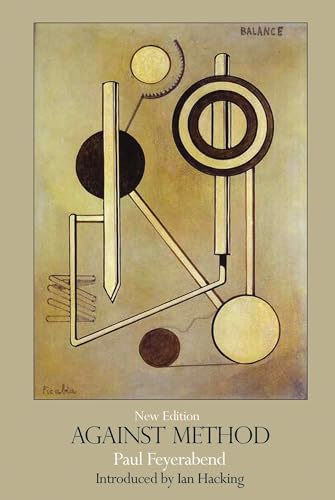
No. 36 on this list. Against Method
Paul Feyerabend · 1975
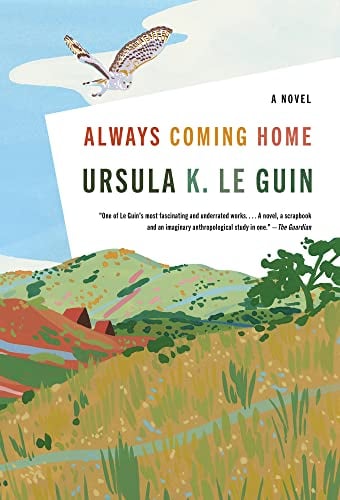
No. 37 on this list. Always Coming Home
Ursula K Le Guin · 1985
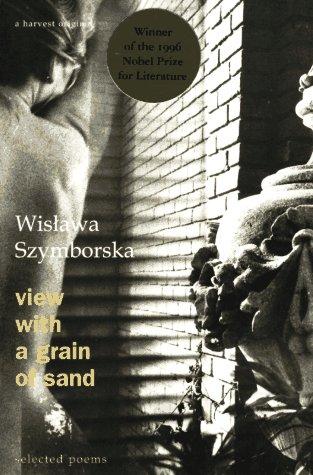
No. 38 on this list. View with a Grain of Sand
Wisława Szymborska · 1995
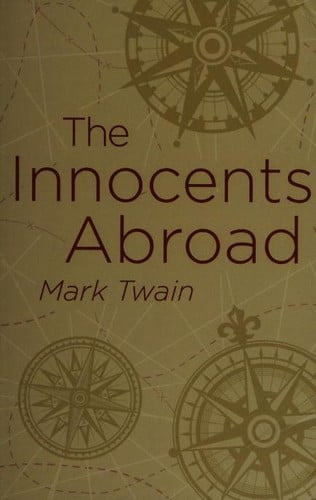
No. 39 on this list. The Innocents Abroad
Mark Twain · 1869
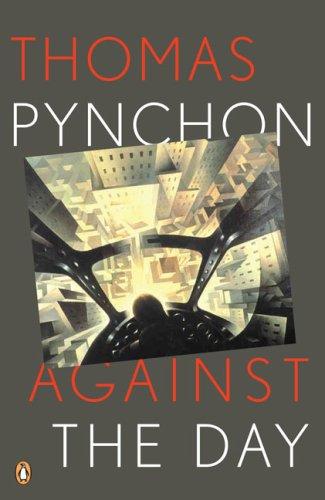
No. 40 on this list. Against the Day
Thomas Pynchon · 2006
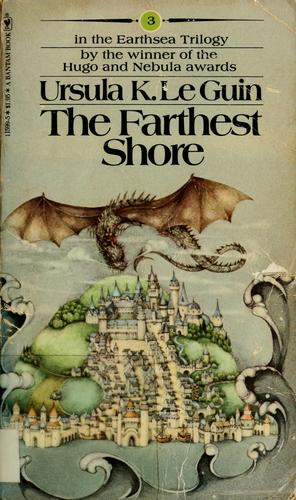
No. 41 on this list. The Farthest Shore
Ursula K Le Guin · 1972
No. 42 on this list. Babel-17
Samuel R. Delany · 1966
No. 43 on this list. Woman on the Edge of Time
Marge Piercy · 1976
No. 44 on this list. The Crystal World
J.G. Ballard · 1966
No. 45 on this list. The Abyss
Marguerite Yourcenar · 1968
No. 46 on this list. Baron Wenckheim's Homecoming
László Krasznahorkai · 2016
No. 47 on this list. The Drowned World
J.G. Ballard · 1962
No. 48 on this list. The Double Helix
James D. Watson · 1968
No. 49 on this list. The Experimental Novel
Émile Zola · 1880
No. 50 on this list. The Omnivore's Dilemma
Michael Pollan · 2006
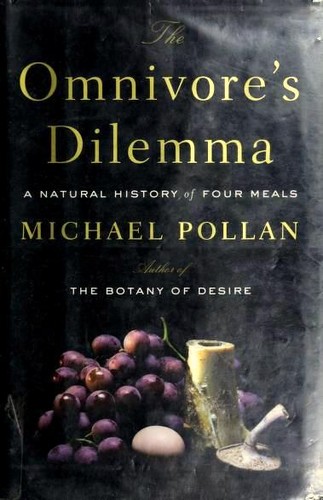
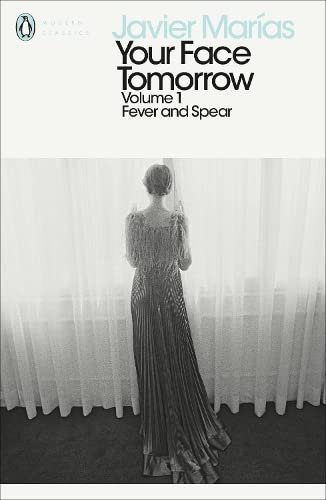
No. 51 on this list. Your Face Tomorrow: Fever and Spear
Javier Marías · 2002
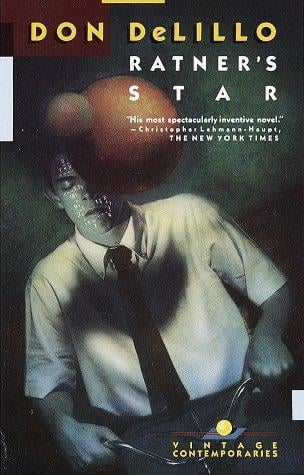
No. 52 on this list. Ratner's Star
Don DeLillo · 1976
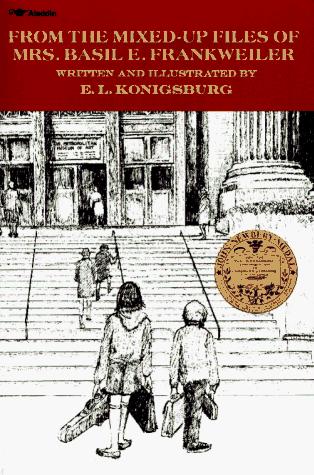
No. 53 on this list. From the Mixed-Up Files of Mrs. Basil E. Frankweiler
E.L. Konigsburg · 1967
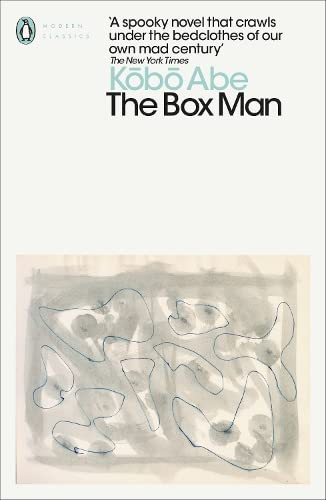
No. 54 on this list. The Box Man
Kobo Abe · 1973
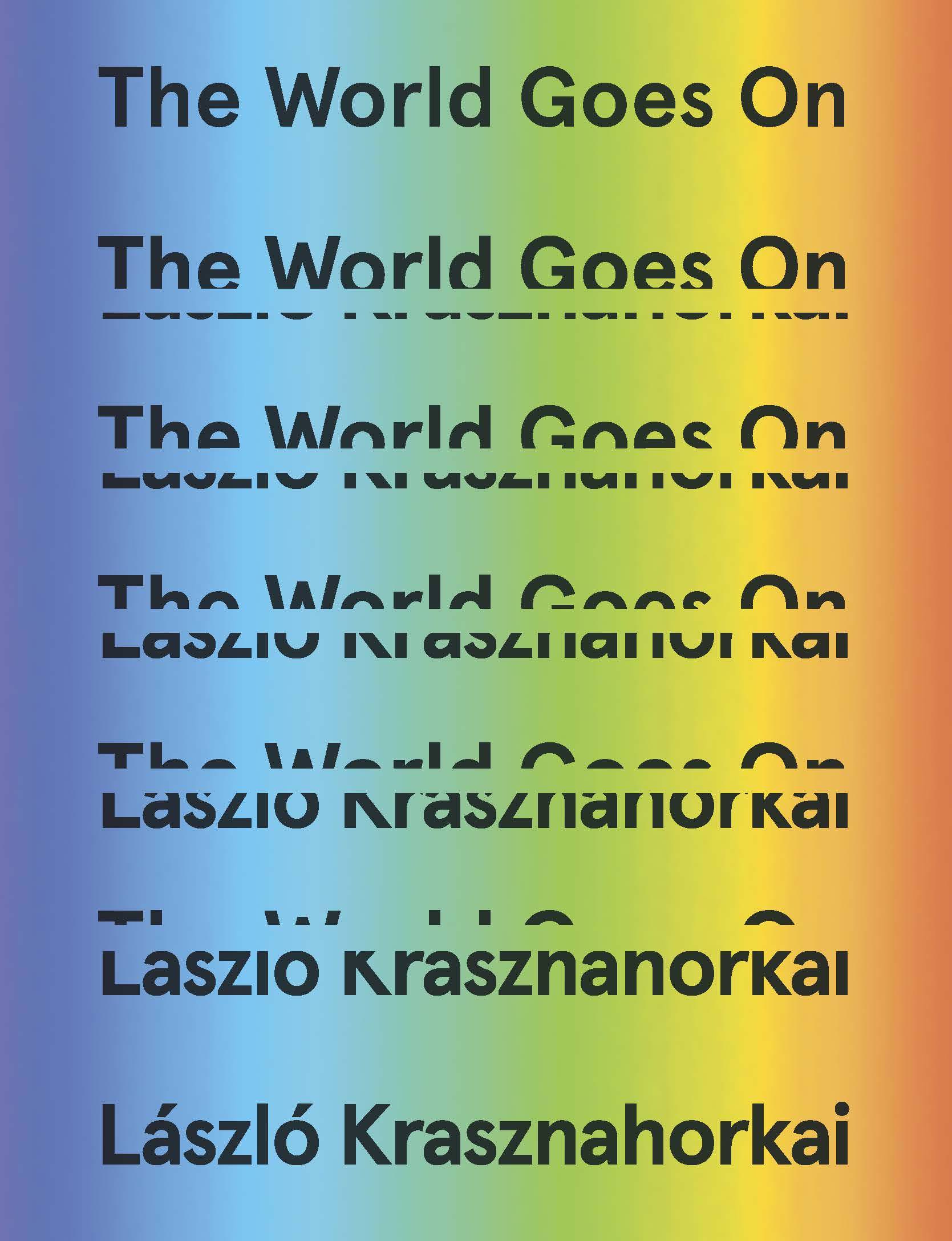
No. 55 on this list. The World Goes On
László Krasznahorkai · 2018
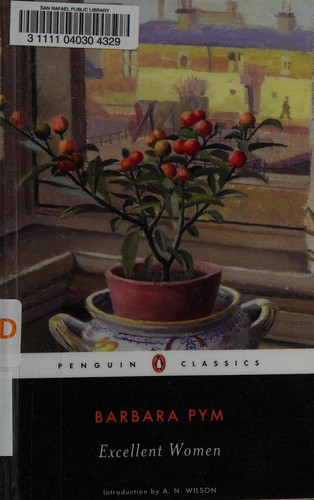
No. 56 on this list. Excellent Women
Barbara Pym · 1952
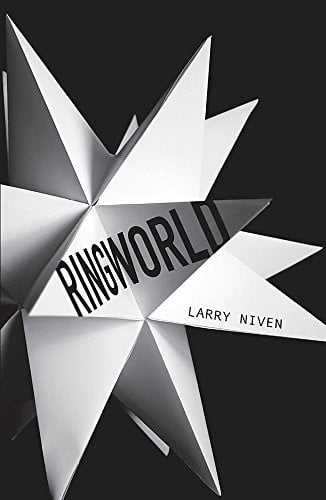
No. 57 on this list. Ringworld
Larry Niven · 1970
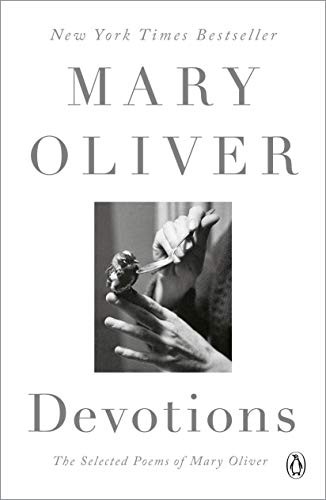
No. 58 on this list. Devotions
Mary Oliver · 2017
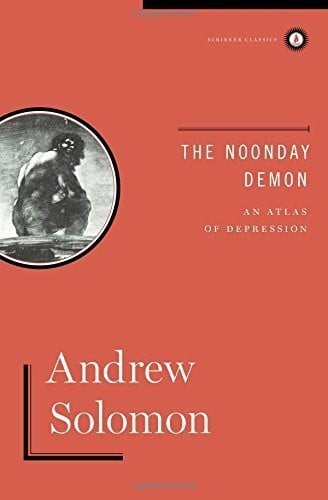
No. 59 on this list. The Noonday Demon: An Atlas of Depression
Andrew Solomon · 2001
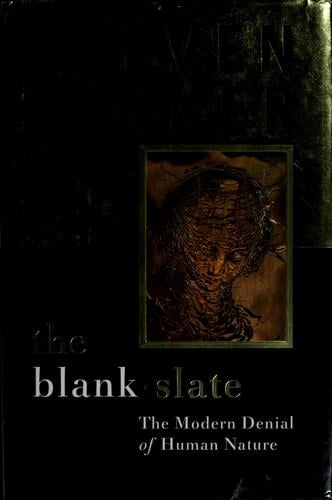
No. 60 on this list. The Blank Slate
Steven Pinker · 2002
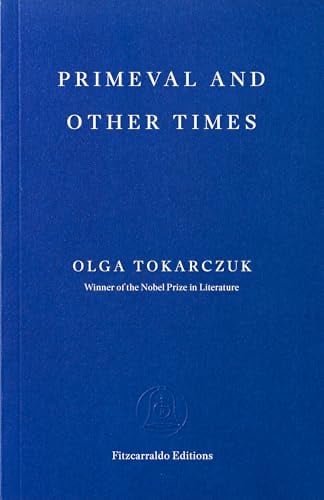
No. 61 on this list. Primeval and Other Times
Olga Tokarczuk · 1996
No. 62 on this list. Dodsworth
Sinclair Lewis · 1929
No. 63 on this list. Binti
Nnedi Okofor · 2015
No. 64 on this list. The Three-Body Problem
Liu Cixin · 2008
No. 65 on this list. The Language Instinct
Steven Pinker · 1994
No. 66 on this list. Six Easy Pieces / Six Not-So-Easy Pieces
Richard P. Feynman · 2001
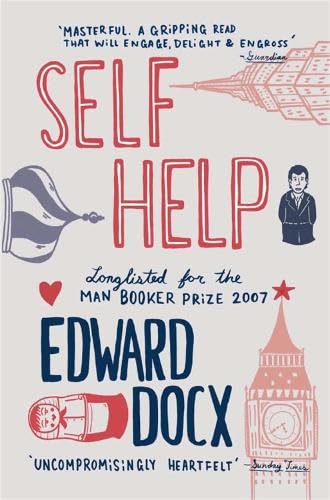
No. 67 on this list. Self Help
Edward Docx · 2007
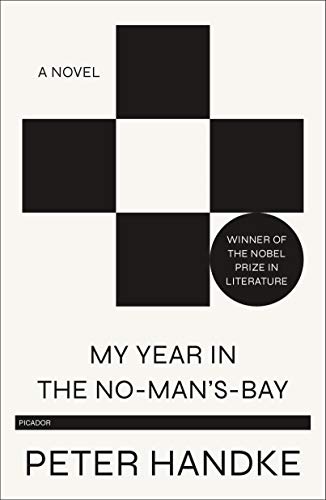
No. 68 on this list. My Year in the No-Man's-Bay
Peter Handke · 1994
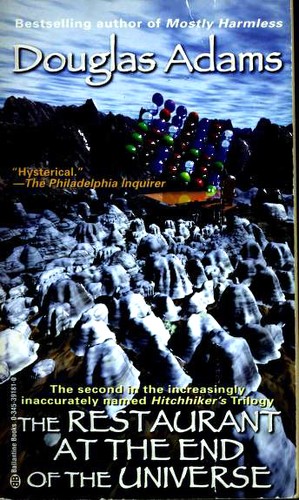
No. 69 on this list. The Restaurant at the End of the Universe
Douglas Adams · 1980
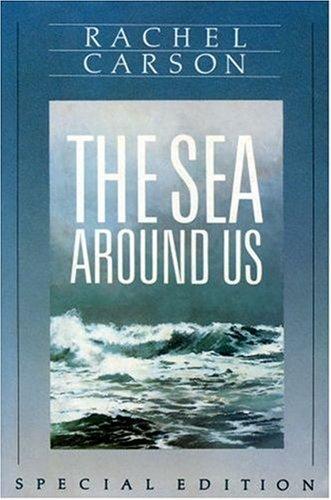
No. 70 on this list. The Sea Around Us
Rachel Carson · 1951
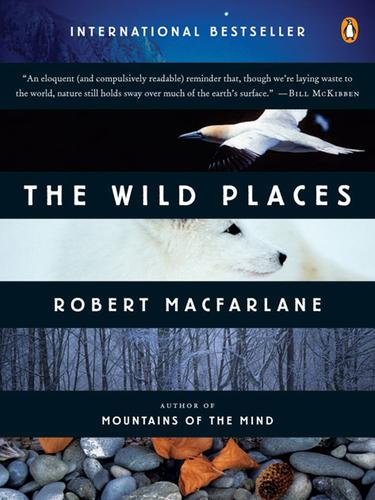
No. 71 on this list. The Wild Places
Robert Macfarlane · 2007
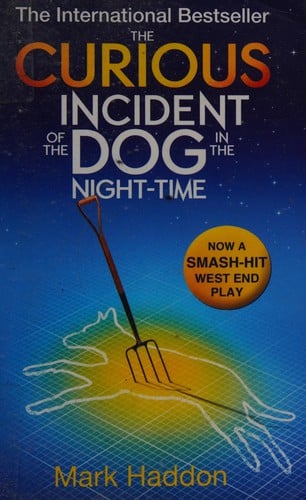
No. 72 on this list. The Curious Incident of the Dog in the Night-Time
Mark Haddon · 2003
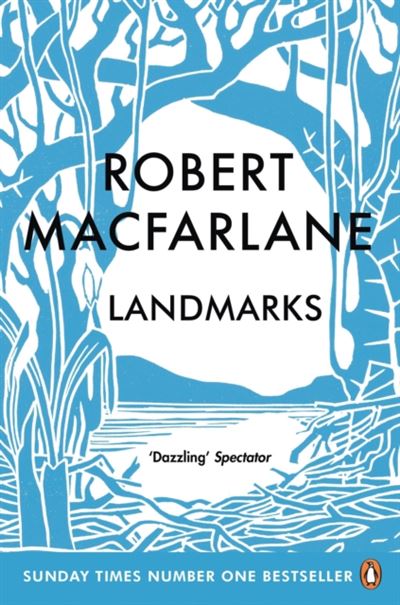
No. 73 on this list. Landmarks
Robert Macfarlane · 2015
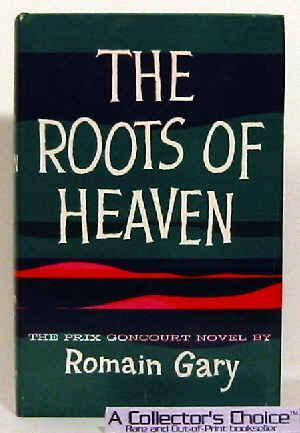
No. 74 on this list. The Roots of Heaven
Romain Gary · 1956
No. 75 on this list. The Quick and the Dead
Joy Williams · 2000
No. 76 on this list. The Phantom Tollbooth
Norton Juster · 1961
No. 77 on this list. The Blind Watchmaker
Richard Dawkins · 1986
No. 78 on this list. Catching Fire
Richard W. Wrangham · 2009
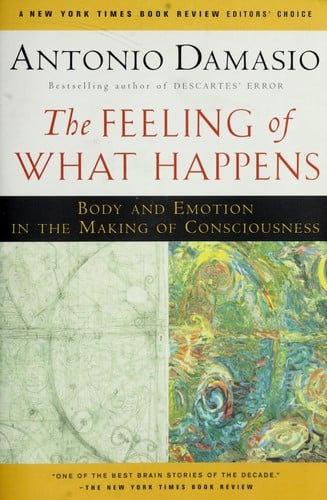
No. 79 on this list. The Feeling of What Happens
Antonio Damasio · 1999
No. 80 on this list. Love
Toni Morrison · 2003

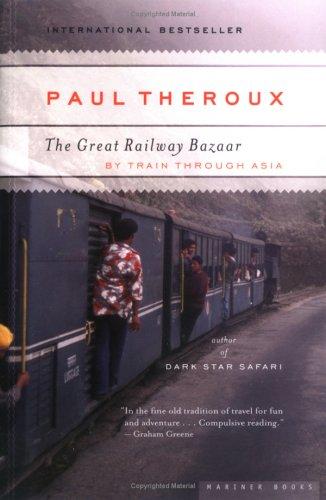
No. 81 on this list. The Great Railway Bazaar
Paul Theroux · 1975
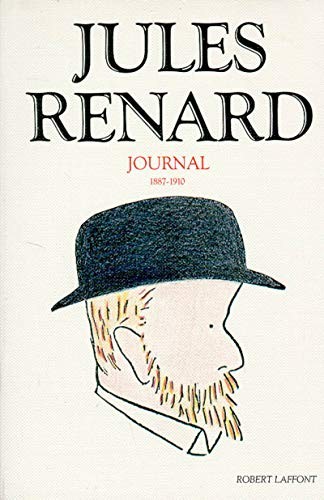
No. 82 on this list. Journal
Jules Renard · 1887
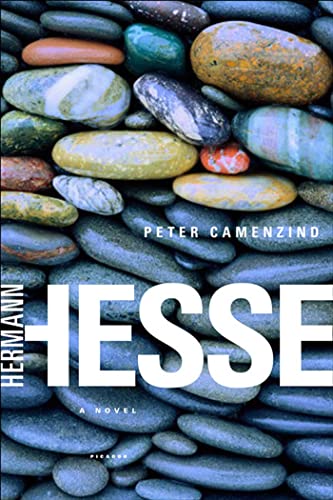
No. 83 on this list. Peter Camenzind
Hermann Hesse · 1904
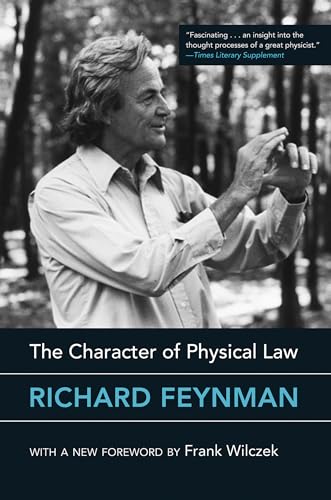
No. 84 on this list. The Character of Physical Law
Richard Feynman · 1965
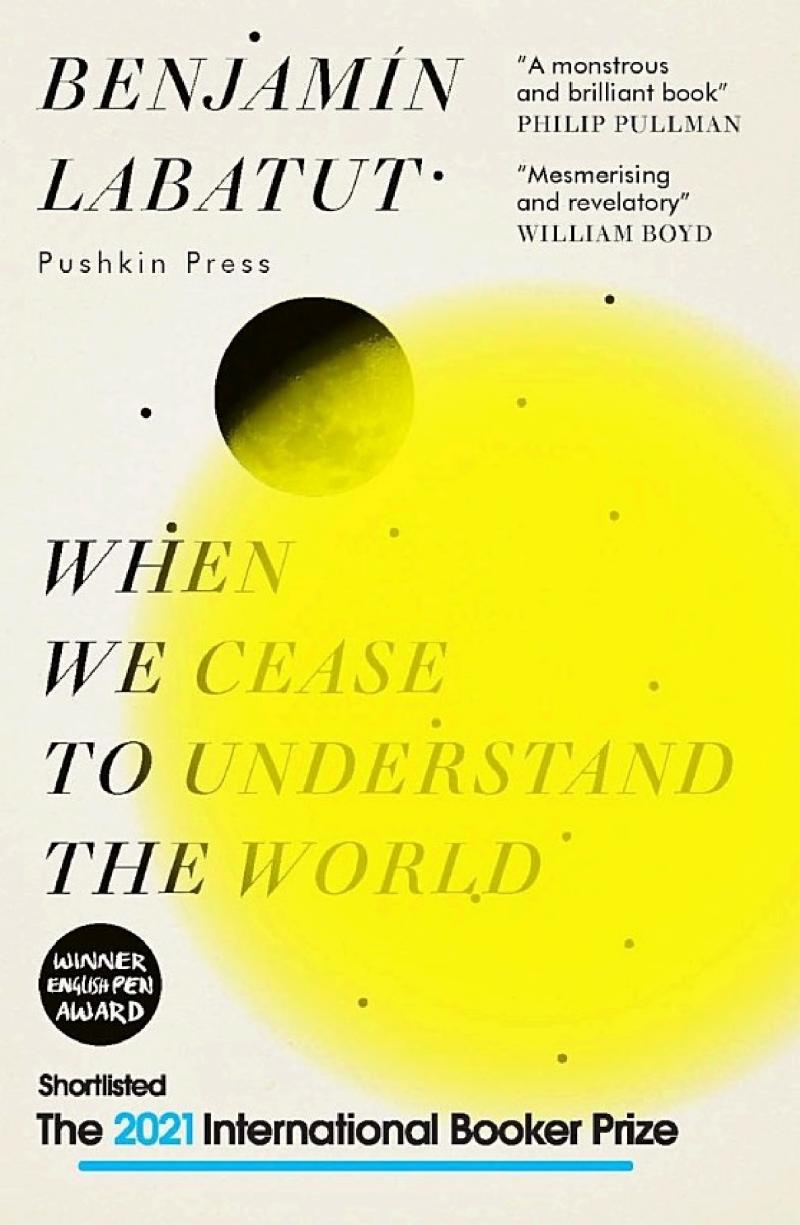
No. 85 on this list. When We Cease to Understand the World
Benjamin Labatut · 2021
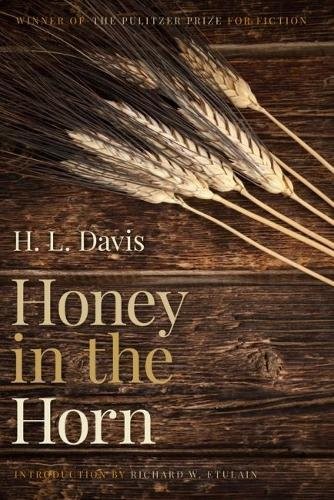
No. 86 on this list. Honey in the Horn
H.L. Davis · 1936
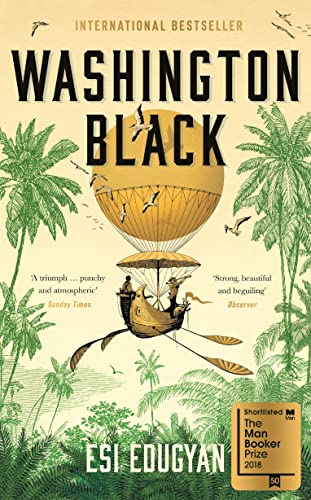
No. 87 on this list. Washington Black
Esi Edugyan · 2018
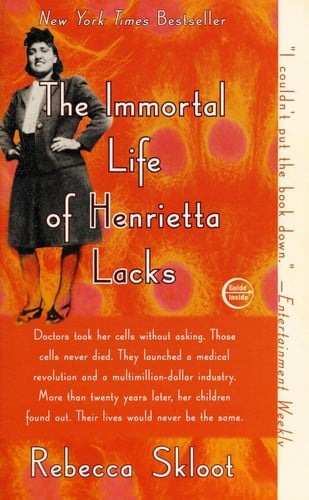
No. 88 on this list. The Immortal Life of Henrietta Lacks
Rebecca Skloot · 2010
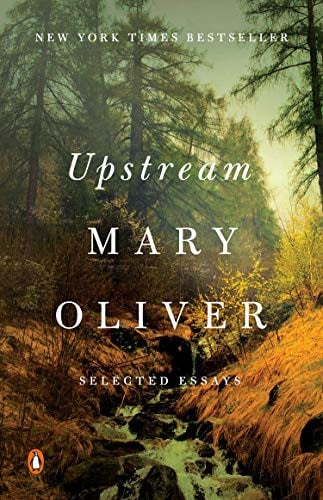
No. 89 on this list. Upstream
Mary Oliver · 2016
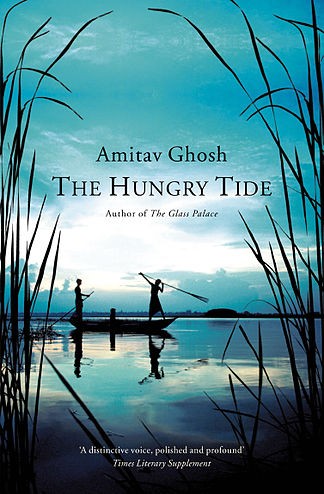
No. 90 on this list. The Hungry Tide
Amitav Ghosh · 2004
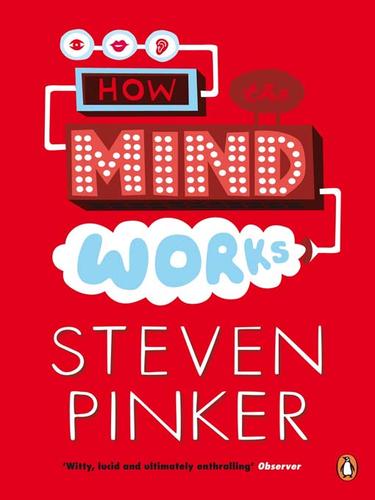
No. 91 on this list. How the Mind Works
Steven Pinker · 1997
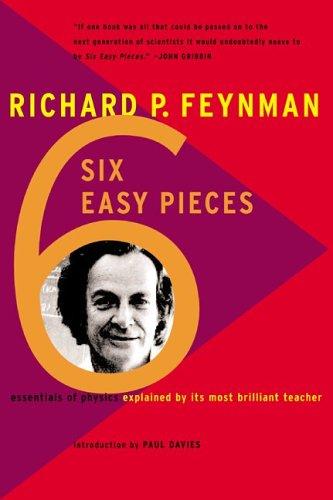
No. 92 on this list. Six Easy Pieces
Richard Feynman · 1994
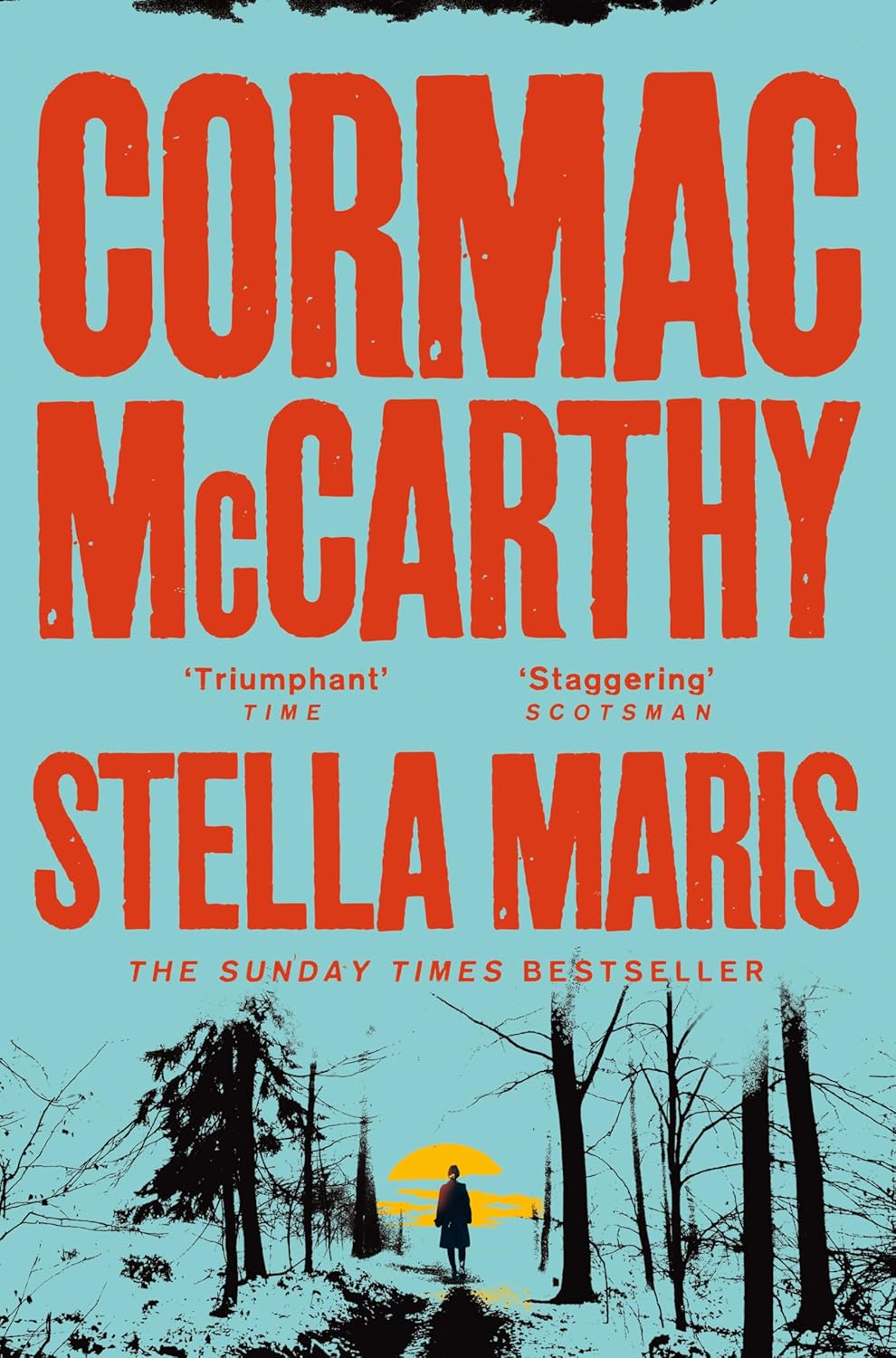
No. 93 on this list. Stella Maris
Cormac McCarthy · 2022
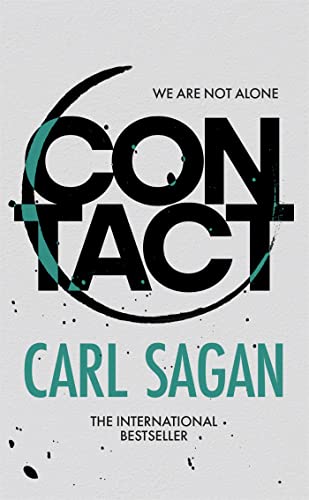
No. 94 on this list. Contact
Carl Sagan · 1985
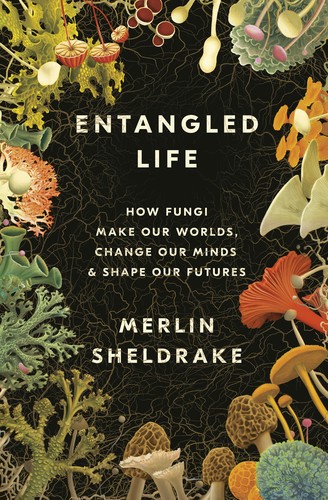
No. 95 on this list. Entangled Life
Merlin Sheldrake · 2020
No. 96 on this list. A Tramp Abroad
Mark Twain · 1880
No. 97 on this list. The Elegant Universe
Brian Greene · 1999
No. 98 on this list. Getting Lost
Annie Ernaux · 2001
No. 99 on this list. QED
Richard Feynman · 1985
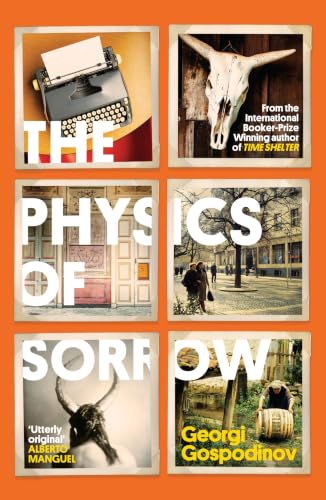
No. 100 on this list. The Physics of Sorrow
Georgi Gospodinov · 2021
About this list
These 100 books are the highest-scoring eligible books about science and discovery currently in the catalogue. About 868 hours of reading in all. Difficulty runs from 41 to 60 out of 100 for the middle half of the list; the summit is Against the Day at 83.
This list is ranked by literary regard, with a consistent order for equal scores. Membership follows authors and co-authors, not translators or editors. A book is here when ReadingRate files it under Science & Discovery as one of its primary reading domains, at a confidence of 0.8 or more. Catalogue coverage and the historical canon both limit what this list can represent.
When we matched the Canons dataset to our catalogue in October 2026, our canonical-status scores rose with the number of school curricula, publisher series and lists in it that cite a work: the median score was 72 for books one such source cites, 84 at two, 88 at three, 92 at four and 93 at five or more. Prizes are left out of that count. Outside the state curricula, the dataset’s sources choose mostly from what has been translated into English or French, so it is a weaker check on other literatures. Source: Canons (Andrew Piper), CC BY 4.0
Questions people actually ask
- What are the best books about science and discovery?
- By literary regard, which weighs canonical status, critical standing and influence: The Origin of Species by Charles Darwin, On the Nature of Things by Lucretius, As You Like It by William Shakespeare, Gödel, Escher, Bach: An Eternal Golden Braid by Douglas R. Hofstadter and The Story of Art by E.H. Gombrich. ReadingRate ranks 100 such books, each with a difficulty score and a reading-time estimate.
- Which books about science and discovery should I read first?
- Start from difficulty, not from rank. The most approachable books on this list that still carry top literary regard are The Selfish Gene by Richard Dawkins (about 6.4 hours), The Art of the Novel by Milan Kundera and Guns, Germs, and Steel by Jared Diamond.
- What are the shortest of the best books about science and discovery?
- Among the top 25, the shortest are Death and the King's Horseman by Wole Soyinka (about 1.1 hours), Treacle Walker by Alan Garner (about 1.5 hours) and As You Like It by William Shakespeare (about 1.6 hours), at an average pace of 250 words a minute adjusted for each book's difficulty.
- Which of the best books about science and discovery are the established classics?
- By canonical status, how firmly a book sits in curricula, anthologies and the canon: The Origin of Species by Charles Darwin, On the Nature of Things by Lucretius, The Story of Art by E.H. Gombrich, As You Like It by William Shakespeare and Gödel, Escher, Bach: An Eternal Golden Braid by Douglas R. Hofstadter.
- Can I read any of these books about science and discovery for free?
- 9 of the 100 open in ReadingRate's reader with a free account, from public-domain editions: As You Like It, Eugénie Grandet, 20,000 Leagues Under the Sea, Man and Superman, The Voyage Out and 4 more.
- How long would it take to read the top ten?
- About 115 hours, at an average pace of 250 words a minute adjusted for each book's difficulty: 58 days at two hours a day. Set your own pace on the page and the list's reading times change to it.
- How hard are books about science and discovery to read?
- Most of this list sits between 41 and 60 on ReadingRate's 100-point difficulty scale, where 40 to 55 is moderate. The summit is Against the Day at 83. Every entry carries its own score, so a reader can pick a great book at a difficulty they will finish.
- How is this list ranked?
- On literary-regard data: how canonically established a work is, its critical standing, and its influence on later writing. It is not a readers’ poll, which is why recent bestsellers rarely appear. Membership follows authors and co-authors, not translators or editors. Lists by country, author, period, theme or difficulty keep to literature (fiction, poetry, drama and philosophy), their novels, poems and plays first and their philosophy after them; a list of a kind of book, such as memoir or criticism, keeps every book of that kind. Every list holds at most three works by one author. A book is here when ReadingRate files it under Science & Discovery as one of its primary reading domains, at a confidence of 0.8 or more.