Hours at an average pace
Showing 100 books
About 933 hours for 100 of 100 books with measured lengths. Estimates use 250 words a minute, adjusted for each book's difficulty. At 2 hours a day, about 467 days for those books.
The single most important sonnet sequence in English and among the most celebrated poems ever written.
No. 2 on this list. Macbeth
William Shakespeare · 1606
Challenging1.4 hours
Taught in schools: WBCHSE English and Alternative English syllabuses (India)
Included in: Great Books of the Western World
Shakespeare compressed an entire arc of political ambition, guilt, and psychological disintegration into his shortest tragedy, giving English its most visceral portrait of how a single murderous act can unravel a mind. Lady Macbeth's sleepwalking and Macbeth's "tomorrow and tomorrow" soliloquy remain the benchmarks for dramatizing a conscience that cannot escape itself.
No. 3 on this list. Pride and Prejudice
Jane Austen · 1813
Moderate8.6 hours
Taught in schools: AQA GCSE and A-level English Literature (UK), Cambridge IGCSE Literature in English (0475), Common Core text exemplars (Appendix B) (US)
Included in: Bokklubben World Library
Appears on 2,313 university syllabi — placing it at the 84th percentile of all taught books globally — and Wikipedia covers the novel in 74 languages. Listed in the BBC Big Read Top 100, 1001 Books You Must Read Before You Die, and published in prestige editions by both Penguin Classics and Everyman's Library. One of the most consistently taught novels in English literature.
No. 4 on this list. The Canterbury Tales
Geoffrey Chaucer · 1400
Challenging22 hours
Taught in schools: UNAM Escuela Nacional Preparatoria – programas de Literatura (Mexico)
Included in: Bokklubben World Library, Great Books of the Western World
Chaucer assembled a cross-section of fourteenth-century English society — knight, pardoner, wife, miller — and let each tell a tale in a voice so particular that the frame story became a laboratory for vernacular English prose and poetry. He proved that the language of London could carry the literary weight that had belonged to Latin and French.
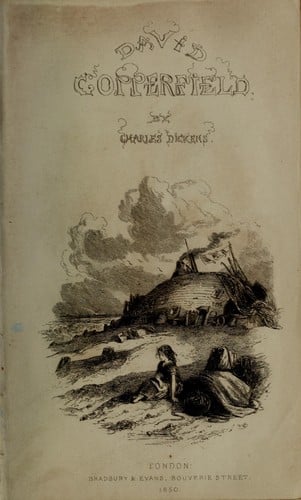
No. 5 on this list. David Copperfield
Charles Dickens · 1850
Moderate24 hours
Taught in schools: WJEC/Eduqas GCSE and A-level English Literature (UK)
David Copperfield is firmly established in the Western literary canon as one of Dickens's supreme achievements and a defining example of the Victorian Bildungsroman. It remains widely taught, studied, and adapted across cultures.
No. 6 on this list. Julius Caesar
William Shakespeare · 1599
Challenging1.8 hours
Included in: Great Books of the Western World
Julius Caesar is among the most widely taught Shakespeare plays in the English-speaking world, a staple of secondary school curricula alongside Macbeth and Romeo and Juliet. It appears on thousands of university syllabi in courses on Renaissance drama, political thought, and oratory. Its speeches — particularly Antony's 'Friends, Romans, countrymen' — are among the most memorized passages in the English language.
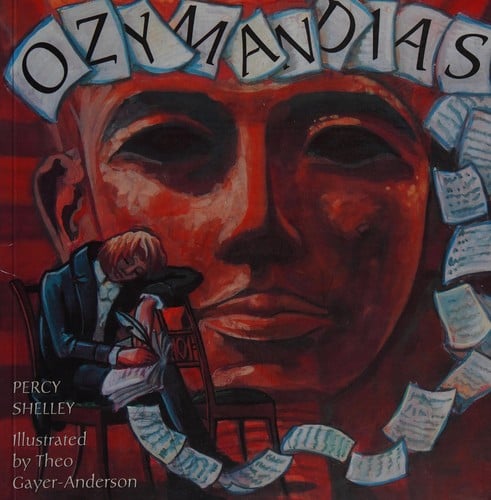
Ozymandias is among the most anthologized poems in the English language, a fixture of high school and university poetry units on Romanticism. No syllabus or Wikipedia-language data was available in ReadingRate's database for this entry, but its presence in virtually every major poetry anthology and British Romanticism syllabus puts it near the top of the canon regardless.
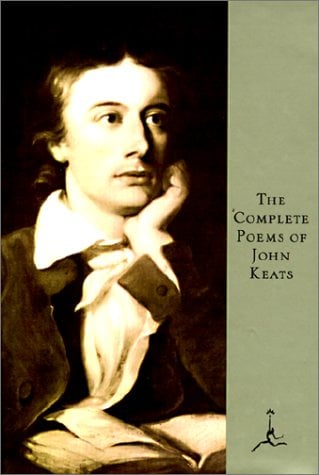
No modern syllabus or award-tracking data applies to a poet who died in 1821, but Keats's odes are among the most anthologized and taught poems in the English language, a fixture of every survey of Romantic and British literature. His Wikipedia presence is extensive and translated into dozens of languages, on par with the other major Romantics.
Utilitarianism is required reading in philosophy curricula worldwide and appears on virtually every syllabus for ethics, political philosophy, and moral theory. It is one of the most assigned philosophical texts in English-language universities, assigned alongside Kant's Groundwork as the foundational statement of consequentialist ethics. No undergraduate philosophy education omits it.
No. 10 on this list. Great Expectations
Charles Dickens · 1861
Moderate12 hours
Taught in schools: AQA GCSE and A-level English Literature (UK), OCR GCSE and A-level English Literature (UK), Pearson Edexcel GCSE and A-level English Literature (UK)
Included in: Bokklubben World Library
Dickens tracked Pip's journey from a Kent forge to London's moneyed drawing rooms to expose the way class aspiration corrodes character — then made the reader complicit in Pip's snobbery before pulling back the curtain on who his true benefactor was. It is his most psychologically honest novel, and the one where his plotting matches his moral intelligence.
No. 11 on this list. Middlemarch · George Eliot · 1871
Taught in schools: AQA GCSE and A-level English Literature (UK)
Included in: Bokklubben World Library, Great Books of the Western World
Appears on 1,070 university syllabi (75th percentile by Open Syllabus), anchoring Victorian literature courses worldwide. Wikipedia covers it in 25 languages with a substantial 52,926-character article including dedicated Reception and Adaptations sections. Virginia Woolf's declaration that it is 'one of the few English novels written for grown-up people' has given it a persistent critical shorthand that appears on nearly every canonical 'greatest novels' list.
Moderate22 hours
Read nowNo. 12 on this list. Lycidas · John Milton · 1638
Included in: Great Books of the Western World
A fixture of the Norton Anthology and of every Milton and Renaissance poetry course, and the standard example of the English pastoral elegy. Its place in anthologies and survey courses has been secure since the eighteenth century.
Moderate6 min
Read nowNo. 13 on this list. 1984 · George Orwell · 1949
Taught in schools: Hungarian literature curriculum (magyar nyelv és irodalom) (Hungary), Lektury obowiązkowe – Polish national reading list (Poland), OCR GCSE and A-level English Literature (UK)
Included in: Bokklubben World Library
Appears on 1,763 university syllabi (Open Syllabus) and Wikipedia articles in 204 languages, placing it among the most globally distributed literary works. Listed on the Modern Library 100 Best Novels, TIME All-TIME 100, Le Monde's 100 Books of the Century, and BBC Big Read Top 100 — an almost unrivaled breadth of canonical recognition spanning five decades of list-making.
Moderate6.5 hours
Start this bookNo. 14 on this list. Brave New World · Aldous Huxley · 1932
Taught in schools: UNAM Escuela Nacional Preparatoria – programas de Literatura (Mexico)
Huxley imagined a world that controls its population not through pain but through pleasure — soma, engineered happiness, and the abolition of family — and thereby identified the dystopia that Orwell missed: the one people choose voluntarily. The novel's anxiety about technology as narcotic has only grown sharper with time.
Moderate4.4 hours
Start this bookNo. 15 on this list. Beowulf · Anonymous
The oldest surviving long poem in Old English transforms a Scandinavian hero's monster-fights into a meditation on the transience of glory and the duty of a leader to spend his life for his people. Its recovery from a single fire-damaged manuscript preserved the founding work of English-language literary tradition.
Challenging3.4 hours
Read nowNo. 16 on this list. Orlando · Virginia Woolf · 1928
Taught in schools: UNAM Escuela Nacional Preparatoria – programas de Literatura (Mexico)
Orlando appears on university syllabi worldwide in modernist literature, gender studies, feminist theory, and LGBTQ+ studies courses — one of the few novels to anchor multiple disciplines simultaneously. It features on Modern Library's 100 Best Novels list and is discussed in virtually every survey of 20th-century British fiction. Woolf's stature guarantees its place in the canon regardless of pedagogical fashion.
Moderate5.2 hours
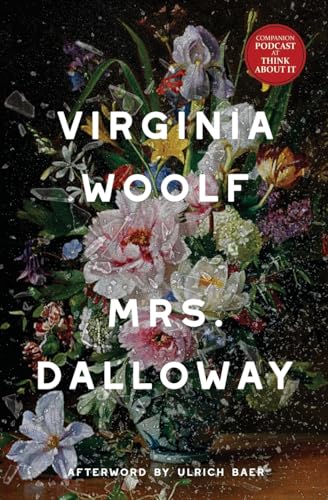
Start this bookNo. 17 on this list. Mrs. Dalloway · Virginia Woolf · 1925
Taught in schools: OCR GCSE and A-level English Literature (UK), Pearson Edexcel GCSE and A-level English Literature (UK)
Included in: Bokklubben World Library
Appears on 4,254 university syllabi according to the Open Syllabus Project, placing it at the 90.7th percentile of all taught texts — above Beloved's range and approaching The Great Gatsby's 3,500+ appearances. Listed on TIME's All-TIME 100 Novels (2005) and in 1001 Books You Must Read Before You Die. Wikipedia articles in 35 languages with an adaptations section confirm broad global reach.
Challenging7.1 hours
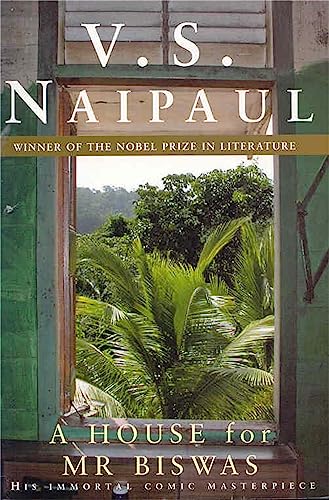
Read nowNo. 18 on this list. A House for Mr. Biswas · V.S. Naipaul · 1961
Taught in schools: CSEC English B – Caribbean Examinations Council
Naipaul tracked one man's forty-year struggle to own a house of his own in colonial Trinidad, and by treating that modest ambition with the gravity of epic, wrote the definitive novel about the immigrant's war between dignity and dispossession. Mr. Biswas's defeats are so granular and so cumulative that the house, when it finally comes, means more than any literary symbol has a right to.
Moderate13 hours
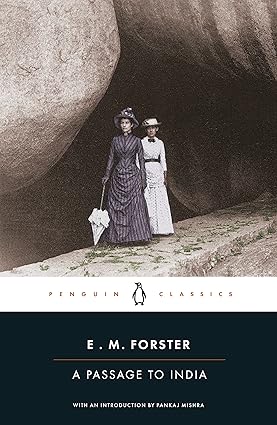
Start this bookNo. 19 on this list. A Passage to India · E.M. Forster · 1924
Forster sent an Englishwoman and an Indian doctor into the Marabar Caves and made what did or did not happen there into a parable for the impossibility of genuine human connection across the gulf of empire. The novel's refusal to resolve its central mystery is its most honest statement about what colonialism does to perception itself.
Moderate7.2 hours
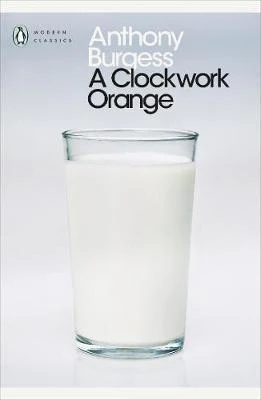
Read nowNo. 20 on this list. A Clockwork Orange · Anthony Burgess · 1962
The essential novel of violence, free will, and state control. Core text in courses on dystopian fiction and ethics. Nadsat, the invented slang, demonstrated how language shapes consciousness. Kubrick's 1971 film became inseparable from the novel.
Moderate4.1 hours
Start this book
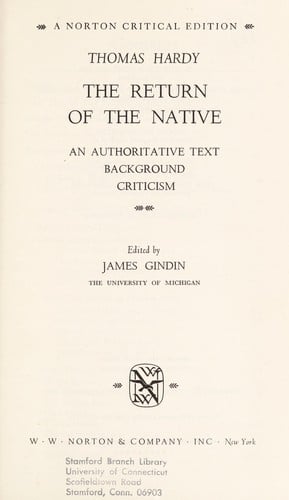
No. 21 on this list. The Return of the Native · Thomas Hardy · 1878
The Return of the Native stands as one of Hardy's major tragic novels and a cornerstone of Victorian fiction. Egdon Heath's status as literary landscape rivals any in English literature, and the novel appears consistently in academic curricula and critical studies of the Victorian novel.
Challenging11 hours
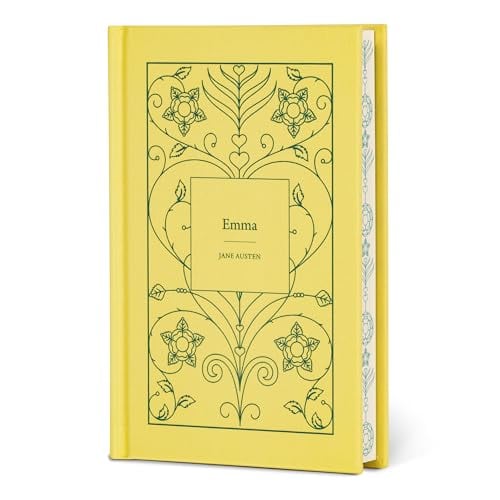
Read nowNo. 22 on this list. Emma · Jane Austen · 1815
Taught in schools: AQA GCSE and A-level English Literature (UK), CSEC English B – Caribbean Examinations Council
Included in: Great Books of the Western World, Oxford World's Classics
Emma is taught in virtually every survey of British literature and appears on most lists of essential novels. It is Austen's longest and most complex work, considered by some critics her masterpiece. The novel appears in high school AP courses, undergraduate surveys, and graduate seminars. It has been adapted countless times for film and television. Its status in the Western canon is unassailable, ranking just below Pride and Prejudice in popular awareness but equal or higher in critical estimation.
Challenging12 hours
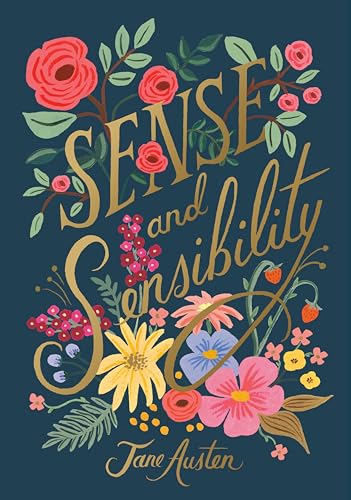
Read nowNo. 23 on this list. Sense and Sensibility · Jane Austen · 1811
Taught in schools: OCR GCSE and A-level English Literature (UK), WJEC/Eduqas GCSE and A-level English Literature (UK)
Austen first published novel. Less celebrated than Pride and Prejudice or Emma but firmly canonical.
Moderate8.7 hours
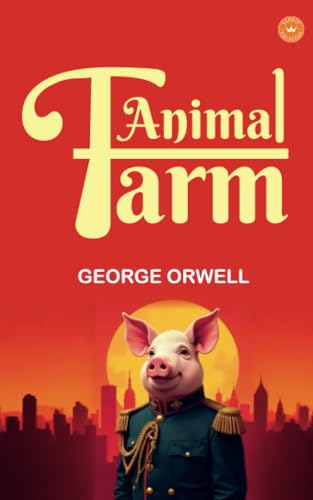
Read nowNo. 24 on this list. Animal Farm · George Orwell · 1945
Taught in schools: AQA GCSE and A-level English Literature (UK), CSEC English B – Caribbean Examinations Council, Lesotho literature in English
Included in: Great Books of the Western World
Appears on 591 university syllabi according to the Open Syllabus Project (69th percentile) and has Wikipedia articles in 95 languages. Listed on TIME's All-TIME 100 Novels, Modern Library's 100 Best Novels, the BBC Big Read Top 100, and 1001 Books You Must Read Before You Die — a breadth of recognition that places it among the most reliably canonical works of 20th-century fiction.
Challenging2.3 hours
Start this bookNo. 25 on this list. The Prelude · William Wordsworth · 1850
A fixture of every survey of English Romanticism and nearly every anthology of British poetry, though as a single long poem it draws less raw syllabus volume than assigned novels—closer to Beloved's discipline-specific canonicity than a mass-market fixture like Gatsby.
Challenging4.6 hours
Start this bookNo. 26 on this list. Jane Eyre · Charlotte Brontë · 1847
Taught in schools: AQA GCSE and A-level English Literature (UK), Common Core text exemplars (Appendix B) (US), CSEC English B – Caribbean Examinations Council
Appears on 6,194 university syllabi according to Open Syllabus — placing it at the 94.8th percentile — and its Wikipedia article spans 59 languages with dedicated Reception and Adaptations sections. Jane Eyre is a fixture of Victorian literature courses worldwide and features on both the Open Syllabus Top 500 Literature list and the BBC Big Read Top 100.
Moderate13 hours
Read nowNo. 27 on this list. Tess of the d'Urbervilles · Thomas Hardy · 1891
Taught in schools: AQA GCSE and A-level English Literature (UK), Pearson Edexcel GCSE and A-level English Literature (UK)
Hardy built the most damning indictment of Victorian sexual morality around a woman whose "purity" the subtitle insists upon while every institution in the novel — church, law, family, class — conspires to destroy her for losing it. Tess Durbeyfield's fate demonstrated that the realist novel could prosecute an entire society's hypocrisy.
Challenging11 hours
Read nowNo. 28 on this list. Wolf Hall · Hilary Mantel · 2009
The historical novel that changed the genre's literary status. Thomas Cromwell's rise, rendered in present tense and close third person, made Tudor politics feel immediate. Core text in contemporary fiction and historical fiction courses.
Challenging18 hours
Start this bookNo. 29 on this list. The Logic of Scientific Discovery · Karl Popper · 1934
The Logic of Scientific Discovery is required reading in virtually every philosophy of science course at the university level and appears widely on syllabi in history and philosophy of science programs globally. It is not a literary canonical text but holds the equivalent position within its discipline — a foundational text that practitioners of science and philosophy are expected to know.
Challenging16 hours
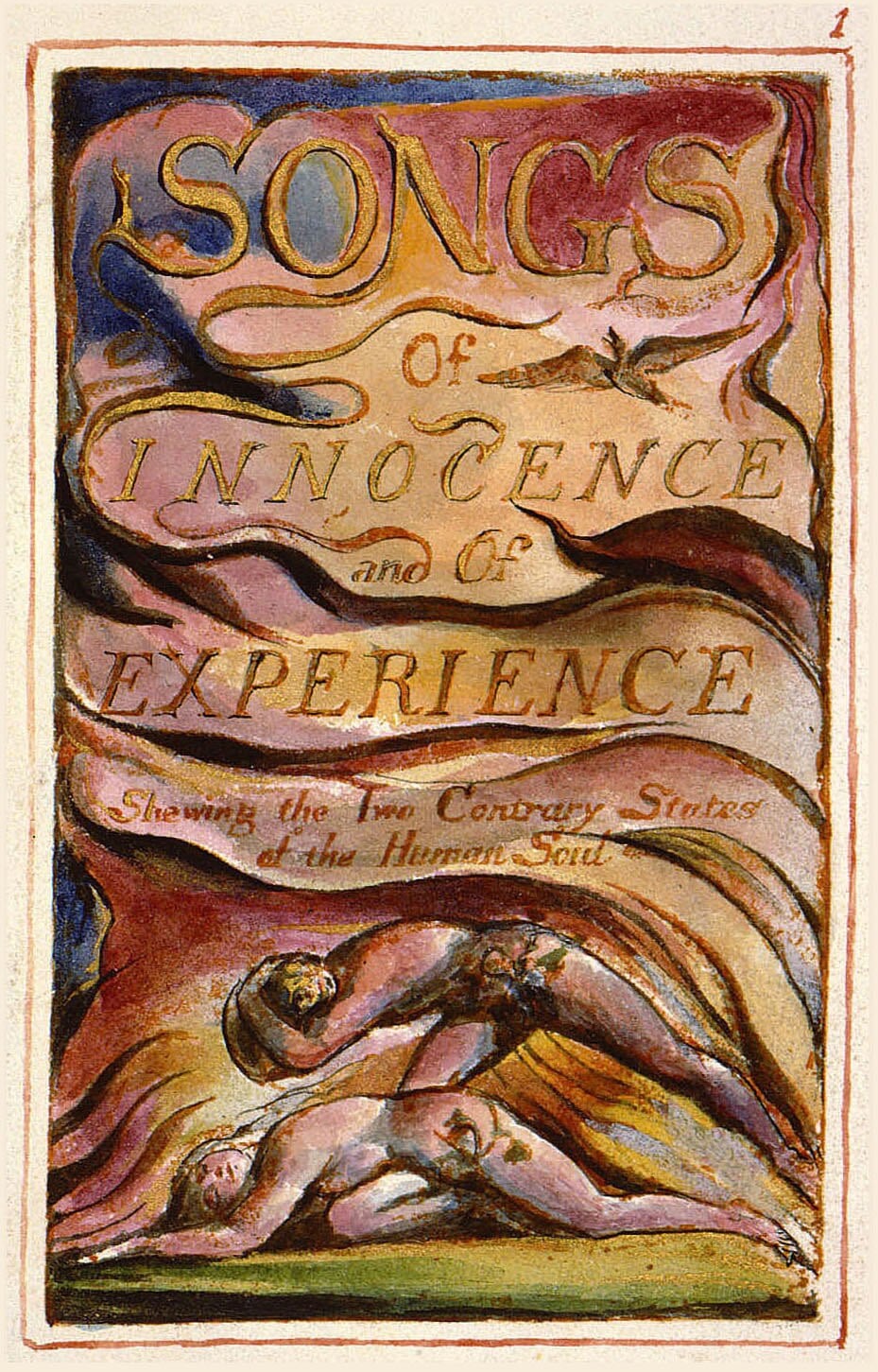
Start this bookNo. 30 on this list. Songs of Innocence and of Experience · William Blake · 1794
Taught in schools: AQA GCSE and A-level English Literature (UK)
Blake etched, printed, and hand-colored each plate himself, fusing lyric poetry with visual art in a form no one had attempted before. The paired "Lamb" and "Tyger" compress an entire theology into forty-four lines: innocence asks who made you; experience asks how dare He.
Challenging46 min
Read now
No. 31 on this list. Samson Agonistes
John Milton · 1671
Included in: Great Books of the Western World
No. 32 on this list. Clarissa
Samuel Richardson · 1748
No. 33 on this list. The Strange Case of Dr Jekyll and Mr Hyde
Robert Louis Stevenson · 1886
Taught in schools: AQA GCSE and A-level English Literature (UK), OCR GCSE and A-level English Literature (UK)
No. 34 on this list. After Virtue
Alasdair MacIntyre · 1981
No. 35 on this list. The Mayor of Casterbridge
Thomas Hardy · 1886
Taught in schools: Leaving Certificate English – NCCA / State Examinations Commission (Ireland), WJEC/Eduqas GCSE and A-level English Literature (UK)
No. 36 on this list. Don Juan
Lord Byron · 1824
No. 37 on this list. Through the Looking-Glass and What Alice Found There
No. 38 on this list. Oliver Twist
Charles Dickens · 1838
Taught in schools: AQA GCSE and A-level English Literature (UK), Hungarian literature curriculum (magyar nyelv és irodalom) (Hungary)
No. 39 on this list. Doctor Faustus
Christopher Marlowe · 1604
No. 40 on this list. The Essays
Francis Bacon · 1625
No. 41 on this list. The Pilgrims Progress
John Bunyan · 1857
No. 42 on this list. The Book of the Duchess
Geoffrey Chaucer · 1368
No. 43 on this list. Paradise Regained
John Milton · 1671
No. 44 on this list. Brideshead Revisited
Evelyn Waugh · 1945
No. 45 on this list. Between the Acts
Virginia Woolf · 1941
No. 46 on this list. The Mirror and the Light
Hilary Mantel · 2020
No. 47 on this list. Culture and Anarchy
Matthew Arnold · 1869
No. 48 on this list. Never Let Me Go
Kazuo Ishiguro · 2005
Taught in schools: AQA GCSE and A-level English Literature (UK), OCR GCSE and A-level English Literature (UK), Pearson Edexcel GCSE and A-level English Literature (UK)
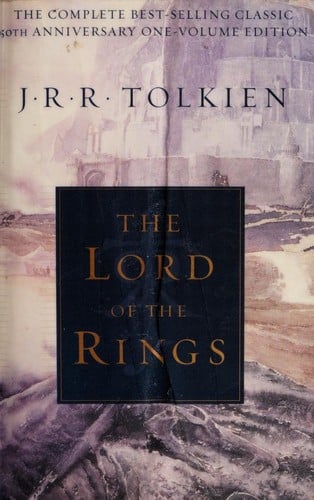
No. 49 on this list. The Lord of the Rings (The Lord of the Rings, #1-3)
J.R.R. Tolkien · 1954
Taught in schools: Pacific Senior Secondary Certificate – English
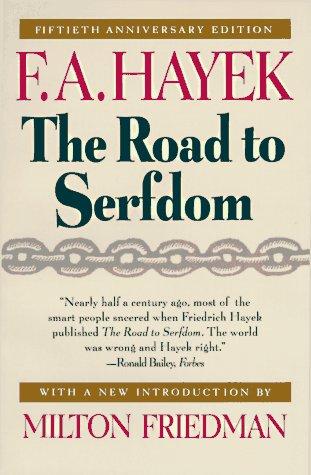
No. 50 on this list. The Road to Serfdom
Friedrich Hayek · 1944
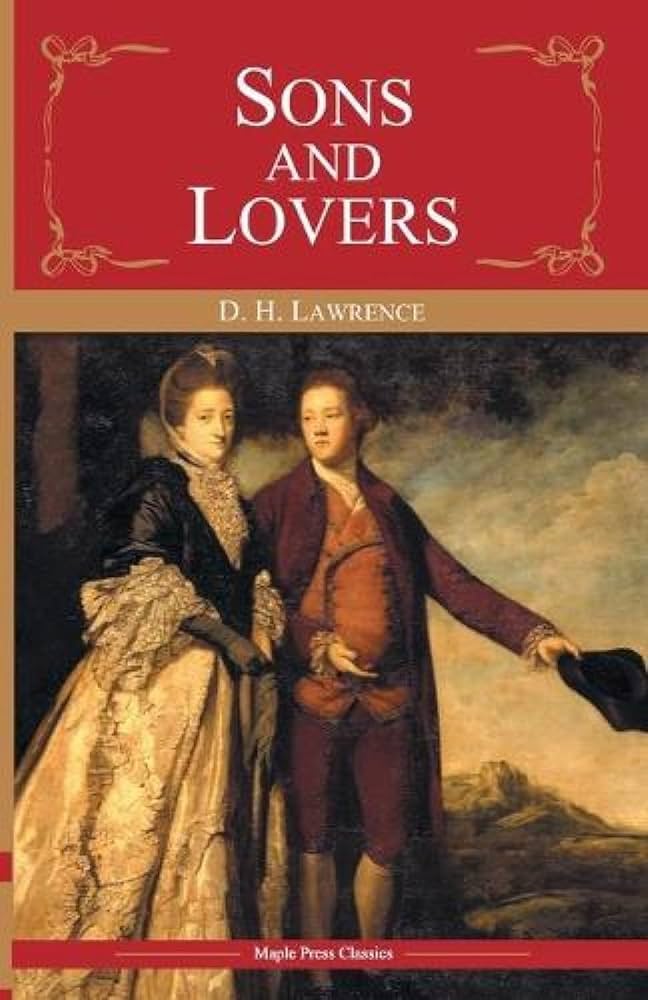
No. 51 on this list. Sons and Lovers
D.H. Lawrence · 1913
Included in: Bokklubben World Library
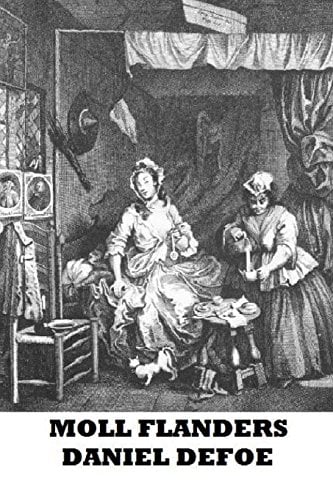
No. 52 on this list. Moll Flanders
Daniel Defoe · 1722
No. 53 on this list. The Open Society and Its Enemies
Karl Popper · 1945
No. 54 on this list. Tom Jones
Henry Fielding · 1749
Included in: Great Books of the Western World
No. 55 on this list. Villette
Charlotte Brontë · 1853
No. 56 on this list. Women in Love
D.H. Lawrence · 1920
No. 57 on this list. Howards End
E.M. Forster · 1910
No. 58 on this list. The Time Machine
H.G. Wells · 1895
No. 59 on this list. The Power and the Glory
Graham Greene · 1940
No. 60 on this list. A Room with a View
E.M. Forster · 1908
Taught in schools: AQA GCSE and A-level English Literature (UK), WJEC/Eduqas GCSE and A-level English Literature (UK)
No. 61 on this list. The Long Goodbye
Raymond Chandler · 1953
No. 62 on this list. The Wealth of Nations
Adam Smith · 1776
No. 63 on this list. The Mill on the Floss
George Eliot · 1860
Taught in schools: AQA GCSE and A-level English Literature (UK)
No. 64 on this list. The Rainbow
D.H. Lawrence · 1915
No. 65 on this list. The Invisible Man
H.G. Wells · 1897
No. 66 on this list. Leviathan
Thomas Hobbes · 1651
Included in: Great Books of the Western World
No. 67 on this list. From Hell
Alan Moore · 1999
No. 68 on this list. The Prime of Miss Jean Brodie
Muriel Spark · 1961
Taught in schools: CSEC English B – Caribbean Examinations Council
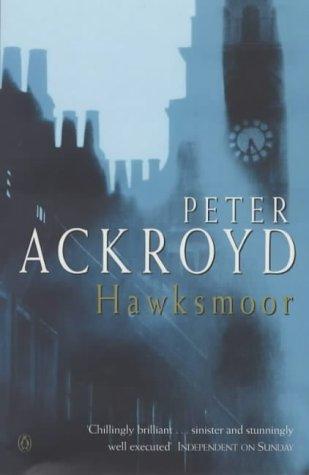
No. 69 on this list. Hawksmoor
Peter Ackroyd · 1985
No. 70 on this list. Mac Flecknoe
John Dryden · 1682
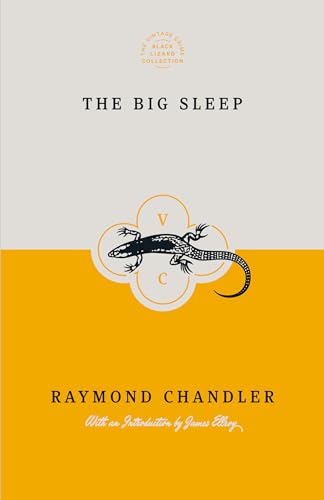
No. 71 on this list. The Big Sleep
Raymond Chandler · 1939
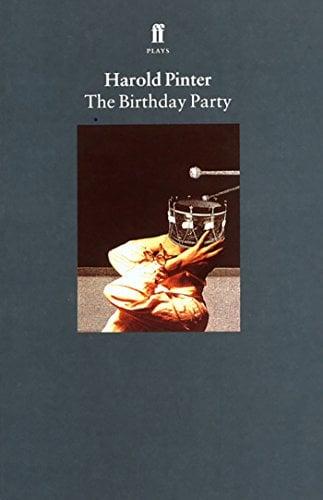
No. 72 on this list. The Birthday Party
Harold Pinter · 1957
No. 73 on this list. In a Free State
V.S. Naipaul · 1971
No. 74 on this list. Burmese Days
George Orwell · 1934
No. 75 on this list. Watchmen #1: At Midnight, All The Agents…
Alan Moore · 1986
No. 76 on this list. The Island of Doctor Moreau
H.G. Wells · 1896
No. 77 on this list. A Bend in the River
V.S. Naipaul · 1979
No. 78 on this list. Prometheus Unbound
Percy Bysshe Shelley · 1820
No. 79 on this list. Peter Pan
J.M. Barrie · 1911
No. 80 on this list. Le Morte d'Arthur
Thomas Malory · 1485
No. 81 on this list. The Silmarillion
J. R. R. Tolkien · 1977
No. 82 on this list. Dr. Jekyll and Mr. Hyde
Taught in schools: CSEC English B – Caribbean Examinations Council, Pearson Edexcel GCSE and A-level English Literature (UK)
No. 83 on this list. 4.48 Psychosis
Sarah Kane · 2000
No. 84 on this list. The Swimming-Pool Library
Alan Hollinghurst · 1988
No. 85 on this list. Modernity and Self-Identity
Anthony Giddens · 1991
No. 86 on this list. Kim
Rudyard Kipling · 1901
No. 87 on this list. The Sandman
Neil Gaiman · 1989
No. 88 on this list. Daniel Deronda
George Eliot · 1876
No. 89 on this list. The Accidental
Ali Smith · 2005
No. 90 on this list. His Dark Materials
Philip Pullman · 1995
No. 91 on this list. The Duchess of Malfi
John Webster · 1614
Taught in schools: WJEC/Eduqas GCSE and A-level English Literature (UK)
No. 92 on this list. Lucky Jim
Kingsley Amis · 1954
Taught in schools: CSEC English B – Caribbean Examinations Council
No. 93 on this list. The Murder of Roger Ackroyd
Agatha Christie · 1926
Taught in schools: AQA GCSE and A-level English Literature (UK)
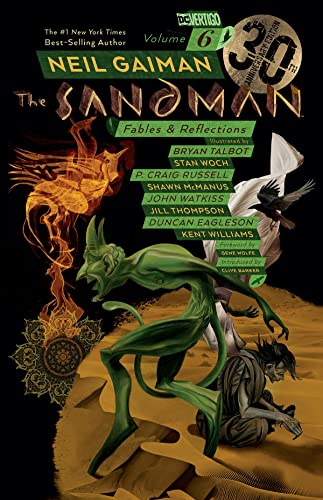
No. 94 on this list. The Sandman Vol. 6: Fables & Reflections
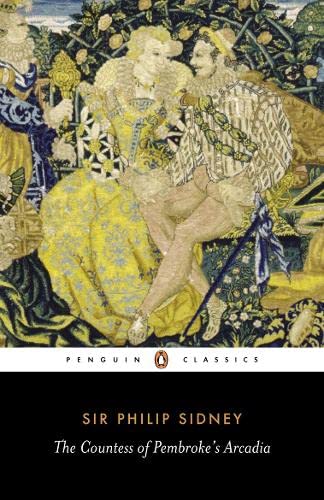
No. 95 on this list. Arcadia
Philip Sidney · 1590
No. 96 on this list. Essays of Elia
Charles Lamb · 1823
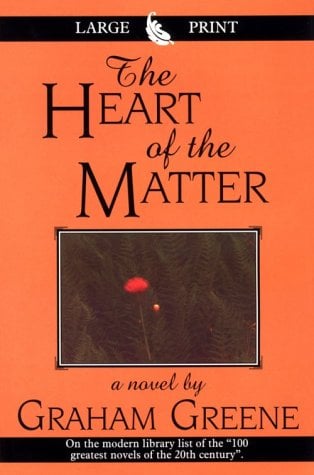
No. 97 on this list. The Heart of the Matter
Graham Greene · 1948
No. 98 on this list. Volpone
Ben Jonson · 1606
No. 99 on this list. Farewell, My Lovely
Raymond Chandler · 1940
No. 100 on this list. Black Lamb and Grey Falcon
Rebecca West · 1941
About this list
These 100 books are the highest-scoring eligible moderately difficult books from Britain currently in the catalogue. By literary regard, it opens with Sonnets, Macbeth and Pride and Prejudice. About 933 hours of reading in all. Difficulty runs from 51 to 58 out of 100 for the middle half of the list; the summit is Leviathan at 65.
This list is ranked by literary regard, with a consistent order for equal scores. Membership follows authors and co-authors, not translators or editors. Catalogue coverage and the historical canon both limit what this list can represent.
When we matched the Canons dataset to our catalogue in October 2026, our canonical-status scores rose with the number of school curricula, publisher series and lists in it that cite a work: the median score was 72 for books one such source cites, 84 at two, 88 at three, 92 at four and 93 at five or more. Prizes are left out of that count. Outside the state curricula, the dataset’s sources choose mostly from what has been translated into English or French, so it is a weaker check on other literatures. Source: Canons (Andrew Piper), CC BY 4.0
Questions people actually ask
- What are the best moderately difficult books from Britain?
- By literary regard, which weighs canonical status, critical standing and influence, Sonnets, Macbeth, Pride and Prejudice, The Canterbury Tales and David Copperfield lead. ReadingRate ranks 100 such books, each with a difficulty score and a reading-time estimate.
- Where should I start with moderately difficult books from Britain?
- Start from difficulty, not from rank. The most approachable books on this list that still carry top literary regard are The Lord of the Rings (The Lord of the Rings, #1-3) by J.R.R. Tolkien (about 34 hours), Orlando by Virginia Woolf and A House for Mr. Biswas by V.S. Naipaul.
- How hard are moderately difficult books from Britain to read?
- Most of this list sits between 51 and 58 on ReadingRate's 100-point difficulty scale, where 40 to 55 is moderate. The summit is Leviathan at 65. Every entry carries its own score, so a reader can pick a great book at a difficulty they will finish.
- How is this list ranked?
- On literary-regard data: how canonically established a work is, its critical standing, and its influence on later writing. It is not a readers’ poll, which is why recent bestsellers rarely appear. Membership follows authors and co-authors, not translators or editors. A list that is not a genre list keeps to literature (fiction, poetry, drama and philosophy), with philosophy taking no more than one slot in five while there is literature left to rank; every list holds at most three works by one author.