Hours at an average pace
Showing 100 books
About 519 hours for 100 of 100 books with measured lengths. Estimates use 250 words a minute, adjusted for each book's difficulty. At 2 hours a day, about 260 days for those books.
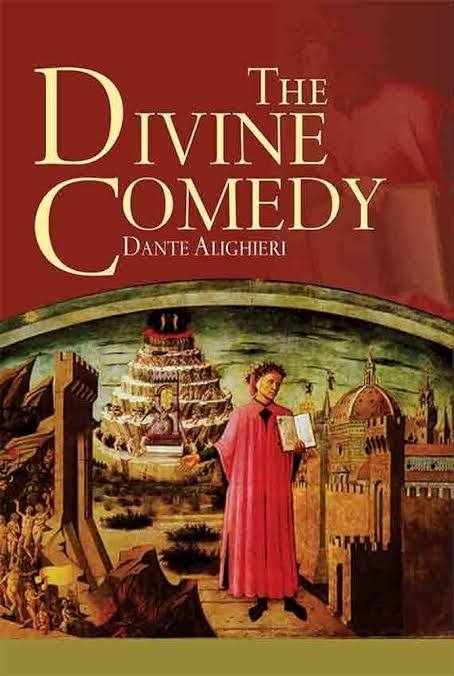
No. 1 on this list. Divine Comedy
Dante Alighieri · 1320
Challenging11 hours
Taught in schools: Armenian secondary literature, Lektury obowiązkowe – Polish national reading list (Poland), UNAM Escuela Nacional Preparatoria – programas de Literatura (Mexico)
Included in: Bokklubben World Library, Great Books of the Western World, UNESCO Collection of Representative Works
Dante built a complete architecture of the afterlife so precise you can map it, then populated it with real people he knew. The result fused theology, politics, and autobiography into a single narrative structure that no poem has matched in ambition or execution.
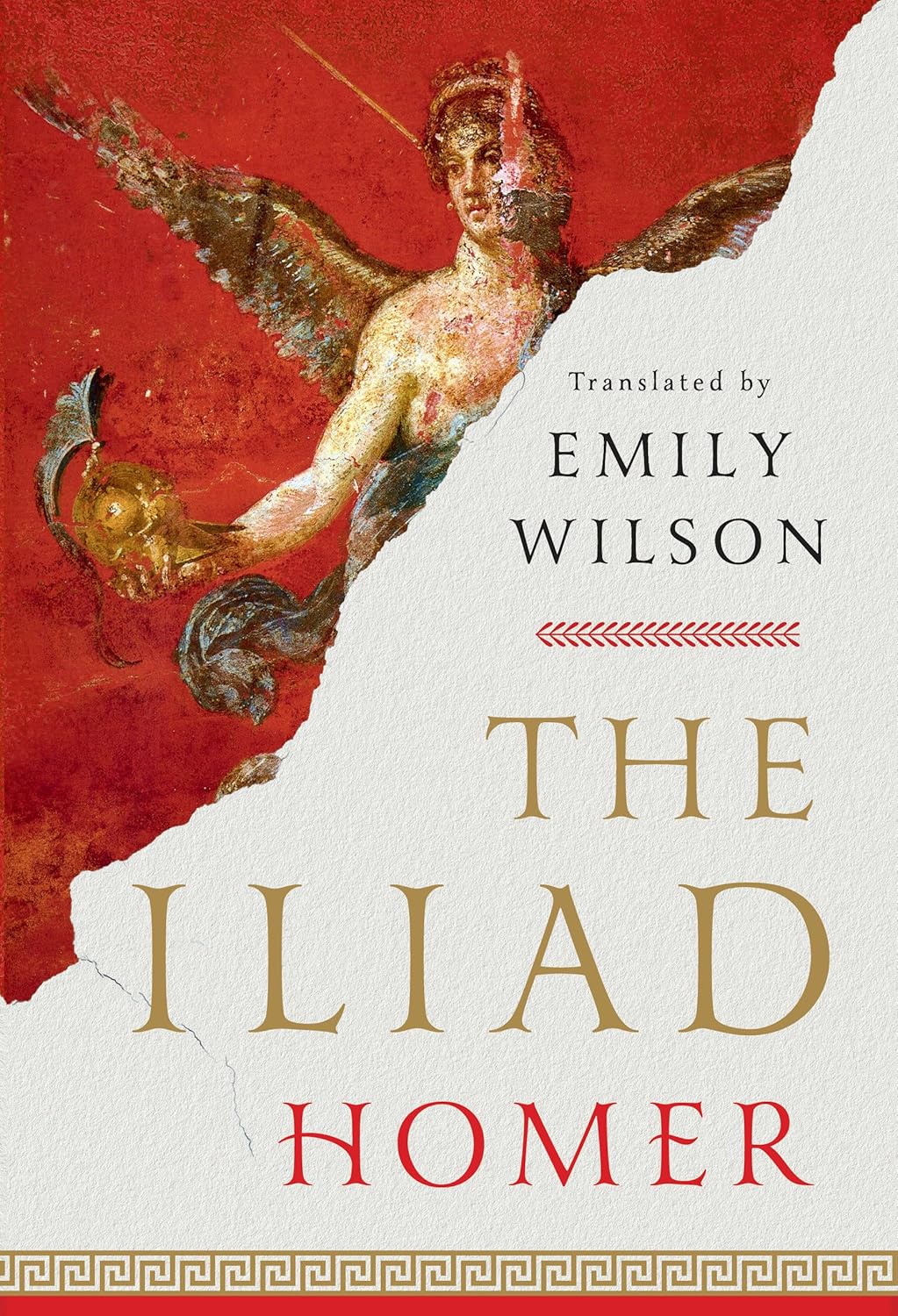
No. 2 on this list. Iliad
Homer · c. 750 BCE
Challenging13 hours
Taught in schools: Montenegrin literature curriculum (crnogorski jezik i književnost) (Montenegro)
Included in: Bokklubben World Library, Great Books of the Western World
The foundational war poem of Western civilization, and still the most unflinching. Homer gives Achilles' rage the same weight as Hector's tenderness with his son, refusing to let either side own the meaning of the slaughter.
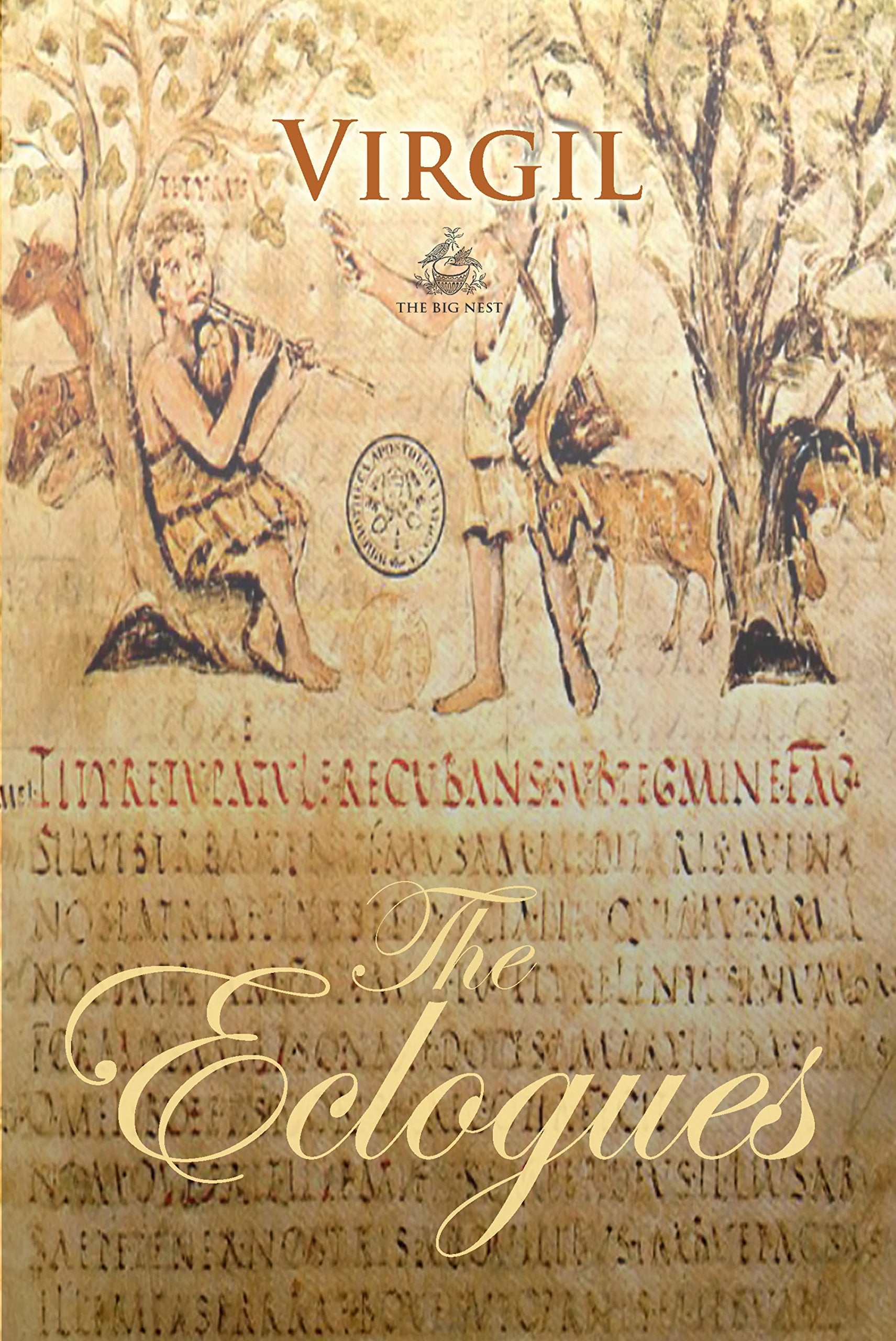
No. 3 on this list. Eclogues
Virgil · c. 37 BCE
Challenging58 min
Included in: Great Books of the Western World
The Eclogues are required reading in classical studies curricula worldwide, appearing on thousands of university syllabi in Latin, comparative literature, and humanities courses. They are among the most translated and discussed poems from antiquity, with Wikipedia articles in over 50 languages and continuous scholarly attention spanning two millennia. Eclogue IV alone has generated centuries of theological and literary debate.
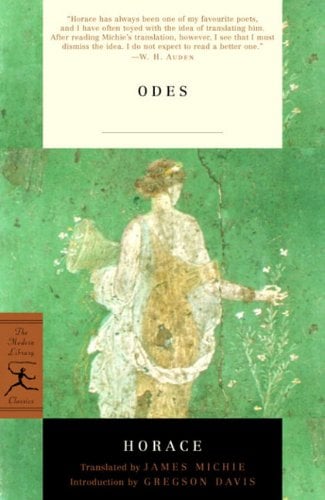
Horace's Odes have been required reading in classical curricula for over two thousand years without interruption — studied in Rome, medieval monasteries, Renaissance courts, and modern universities alike. The phrase 'carpe diem' originates in Odes I.11 and has entered every major world language. The Wikipedia article appears in only 1 language in the current database, but this reflects a data gap: the Odes are among the most-taught texts in any Western classics or humanities program, with presence on thousands of university syllabi globally.
Yeats is on virtually every Anglophone university literature syllabus. 'The Second Coming,' 'Easter 1916,' 'Sailing to Byzantium,' and 'The Lake Isle of Innisfree' are among the most widely anthologized and taught poems in the English language. The Collected Poems is treated as an essential text in Irish, British, and American literary curricula alike, with sustained presence in over a century of anthologies.
The single most important sonnet sequence in English and among the most celebrated poems ever written.
No. 7 on this list. The Waste Land
T. S. Eliot · 1922
Very Difficult1.4 hours
Taught in schools: Pacific Senior Secondary Certificate – English
Included in: Great Books of the Western World
Eliot shattered the conventions of English-language poetry by splicing together fragments of six languages, Grail legend, and London pub talk into a single 434-line collage that made modernism unavoidable. No poem before it had turned cultural disintegration itself into a formal principle.
No. 8 on this list. Paradise Lost
John Milton · 1667
Challenging8.4 hours
Taught in schools: AQA GCSE and A-level English Literature (UK), WJEC/Eduqas GCSE and A-level English Literature (UK)
Included in: Great Books of the Western World
Milton retold the fall of man in blank verse of such muscular grandeur that Satan became the most charismatic figure in English poetry — not because Milton failed, but because he understood that rebellion requires eloquence. The poem reshaped the English language's sense of what a long sentence could do.
No. 9 on this list. Georgics
Virgil · c. 29 BCE
Moderate1.6 hours
Included in: Great Books of the Western World
The Georgics is a cornerstone of Western classical education, appearing on university syllabi worldwide wherever Latin literature, pastoral poetry, or the history of agriculture is taught. It stands alongside the Aeneid and Eclogues as the essential Virgilian triad; no serious study of Latin poetry omits it. Its influence on English poets from Dryden through Seamus Heaney has kept it continuously present in anglophone literary education as well.
No. 10 on this list. On the Nature of Things
Lucretius · c. 55 BCE
Moderate5.5 hours
Included in: Great Books of the Western World
De Rerum Natura is one of the most significant surviving texts from antiquity, taught in classics, philosophy, and history of science programs at universities worldwide. It represents the fullest extant exposition of Epicurean atomism in any language and appears on virtually every list of essential classical works. Its rediscovery by Poggio Bracciolini in 1417 is credited with catalyzing Renaissance intellectual culture.
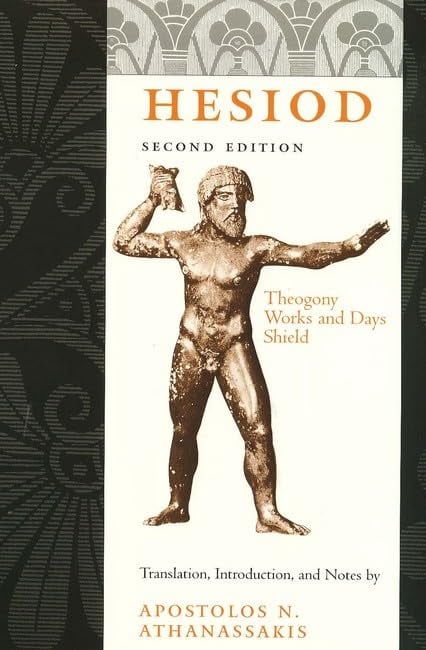
No. 11 on this list. Theogony · Hesiod · c. 700 BCE
Taught in schools: Hungarian literature curriculum (magyar nyelv és irodalom) (Hungary)
The Theogony is the foundational text of Greek mythology and Western cosmogony, required reading in classics, comparative literature, and religious studies curricula worldwide. Available in 62 Wikipedia languages, it represents one of the most extensively studied works of ancient literature. Alongside Homer's Iliad and Odyssey, it constitutes the primary textual record of ancient Greek religious belief — no understanding of Western literary tradition is complete without it.
Moderate38 min
Start this bookNo. 12 on this list. Faust · Johann Wolfgang von Goethe · 1832
Taught in schools: Turkish edebiyat curriculum (Turkey)
Included in: Bokklubben World Library, Great Books of the Western World
Goethe spent sixty years building a dramatic poem in which a scholar sells his soul not for pleasure but for the experience of a moment worth stopping time for. The work became the central myth of modernity: the idea that striving itself, not arrival, is what redeems a human life.
Challenging3.9 hours
Read nowNo. 13 on this list. Aeneid · Virgil · c. 19 BCE
Included in: Bokklubben World Library, Great Books of the Western World
Virgil reverse-engineered Homer to give Rome a founding myth that justified empire, pietas, and destiny — and in the process invented the idea that a national epic could be a deliberate literary construction rather than an inherited oral tradition. Dante, Milton, and every poet who tried to write a civilization into existence started here.
Challenging9.4 hours
Read nowNo. 14 on this list. Vita Nuova · Dante Alighieri · 1294
Vita Nuova is taught in virtually every medieval Italian literature program worldwide and appears in most comparative literature and Romance philology curricula. It is the foundational text of the dolce stil novo movement and the biographical prologue to the Divine Comedy, one of the most studied works in Western literary history. Wikipedia entries exist in more than 80 languages, and the work has been continuously in print and commentary since Boccaccio's 14th-century biography of Dante.
Moderate1.7 hours
Read nowNo. 15 on this list. The Love Song of J. Alfred Prufrock · T. S. Eliot · 1915
Taught in schools: Common Core text exemplars (Appendix B) (US)
One of the most taught poems in English, standard in introductory poetry courses, modernism surveys and the major anthologies. First printed in Poetry magazine in 1915 at Ezra Pound's urging, it is usually treated as the start of modernist verse in English.
Challenging14 min
Start this bookNo. 16 on this list. The Canterbury Tales · Geoffrey Chaucer · 1400
Taught in schools: UNAM Escuela Nacional Preparatoria – programas de Literatura (Mexico)
Included in: Bokklubben World Library, Great Books of the Western World
Chaucer assembled a cross-section of fourteenth-century English society — knight, pardoner, wife, miller — and let each tell a tale in a voice so particular that the frame story became a laboratory for vernacular English prose and poetry. He proved that the language of London could carry the literary weight that had belonged to Latin and French.
Challenging22 hours
Read nowNo. 17 on this list. The Cantos · Ezra Pound · 1970
The Cantos appear on virtually every graduate-level modernist poetry syllabus and are the unavoidable centerpiece of Pound studies worldwide. The Pisan Cantos alone are canonical across multiple national literary traditions. While shorter Pound poems are more widely assigned at the undergraduate level, the full poem is central to any serious study of 20th-century Anglo-American poetry.
Very Difficult24 hours
Start this bookNo. 18 on this list. Canzoniere · Petrarch · 1374
Taught in schools: Montenegrin literature curriculum (crnogorski jezik i književnost) (Montenegro)
The foundation text of the European lyric tradition, taught in every survey of Renaissance and comparative literature, and in print in facing-page editions from Harvard, Oxford and Penguin.
Difficult4.2 hours
Start this bookNo. 19 on this list. Ozymandias · Percy Bysshe Shelley · 1818
Ozymandias is among the most anthologized poems in the English language, a fixture of high school and university poetry units on Romanticism. No syllabus or Wikipedia-language data was available in ReadingRate's database for this entry, but its presence in virtually every major poetry anthology and British Romanticism syllabus puts it near the top of the canon regardless.
Challenging1 min
Start this bookNo. 20 on this list. Complete Poems · John Keats · 1820
No modern syllabus or award-tracking data applies to a poet who died in 1821, but Keats's odes are among the most anthologized and taught poems in the English language, a fixture of every survey of Romantic and British literature. His Wikipedia presence is extensive and translated into dozens of languages, on par with the other major Romantics.
Challenging6 hours
Start this book
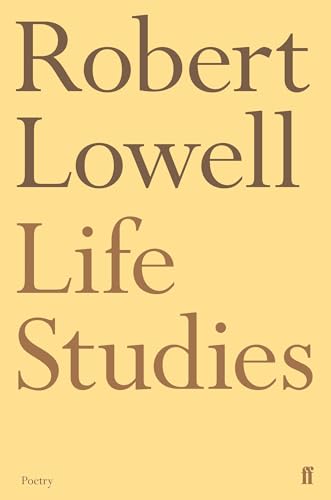
No. 21 on this list. Life Studies · Robert Lowell · 1959
One of the most important collections in postwar American poetry. 'Skunk Hour' alone secures its place in the canon.
Easy3 hours
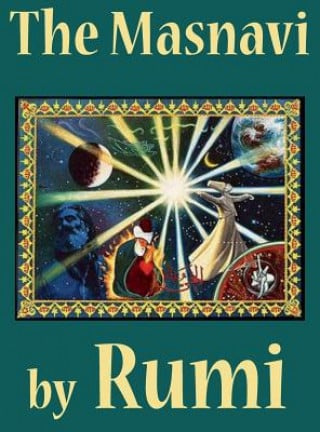
Start this bookNo. 22 on this list. Masnavi · Rumi · 1273
Included in: Bokklubben World Library, UNESCO Collection of Representative Works
Rumi poured twenty-five thousand couplets of mystical poetry into a single work that uses merchant tales, animal fables, Quranic commentary, and bawdy jokes to dramatize the soul's journey toward divine love. The Masnavi became the foundational text of Sufi literary tradition and remains the most widely read poem in the Persian-speaking world.
Challenging7.8 hours
Start this bookNo. 23 on this list. Collected Poems · Robert Frost · 1930
Frost appears on virtually every American high school and university English curriculum. 'The Road Not Taken,' 'Mending Wall,' and 'Stopping by Woods on a Snowy Evening' are among the most-taught poems in the English language, and the Collected Poems is the standard edition used in academic settings. His work is a fixture of the canon in a way shared by almost no other 20th-century American poet.
Challenging5.4 hours
Start this bookNo. 24 on this list. Works and Days · Hesiod · c. 700 BCE
Taught in schools: Hungarian literature curriculum (magyar nyelv és irodalom) (Hungary)
Hesiod addresses his brother Perses, who has squandered his inheritance and bribed corrupt judges to get more. The occasion is petty and local — a sibling dispute in the village of Askra, a bad place at the foot of Mount Helikon. From this nugget of irritation, Hesiod builds outward into cosmology, myth, ethics, and practical instruction. He tells how Zeus hid prosperity from men after Prometheus stole fire, how Pandora released suffering from a jar, and how mankind has declined through five ages from gold to iron. Then he turns practical: when to plough (when the Pleiades rise), what timber to use for a plough-tree (holm oak), how to dress against the winter north wind, how to harvest grapes. A.E. Stallings' translation renders all this in rhyming iambic couplets — plain-spoken, aphoristic, occasionally wry. The poem ends with sixty lines on lucky and unlucky days, which days to geld livestock, which to open a storage jar, which to be born. What makes Works and Days strange and durable is this combination: the most practical agricultural manual in Greek literature, framed by the oldest surviving account of why human life is hard and what a person can do about it.
Moderate1.6 hours
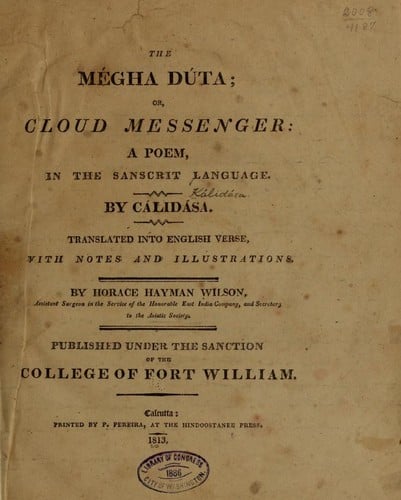
Start this bookNo. 25 on this list. Meghaduta · Kalidasa · 400
The most imitated poem in Sanskrit literature, spawning an entire duta-kavya genre, and a required text in classical Indian literary study worldwide.
Challenging35 min
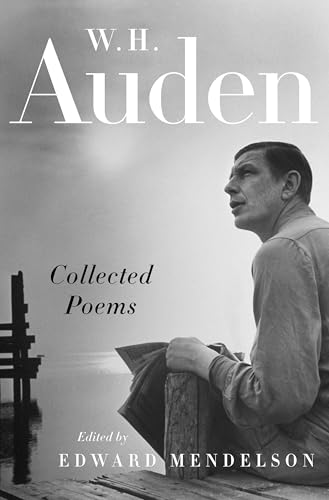
Start this bookNo. 26 on this list. Collected Poems of W.H. Auden · W.H. Auden · 1976
One of the most important English-language poets of the twentieth century, central to the modern canon alongside Yeats and Eliot.
Moderate2.3 hours
Start this bookNo. 27 on this list. Tao Te Ching · Laozi
The Tao Te Ching is one of the most translated texts in human history — second only to the Bible in total translations, with over 250 English versions alone. It anchors courses in world philosophy, comparative religion, East Asian studies, and literature at virtually every major university. Its Wikipedia article exists in over 80 languages.
Challenging4.1 hours
Read nowNo. 28 on this list. Four Quartets · T. S. Eliot · 1943
Eliot fused the rhythms of Anglican liturgy, the imagery of the English countryside, and the philosophy of time into four linked meditations on what it means to arrive where you started and know the place for the first time. The poems represent the summit of his craft — the point where his erudition finally dissolved entirely into music.
Difficult51 min
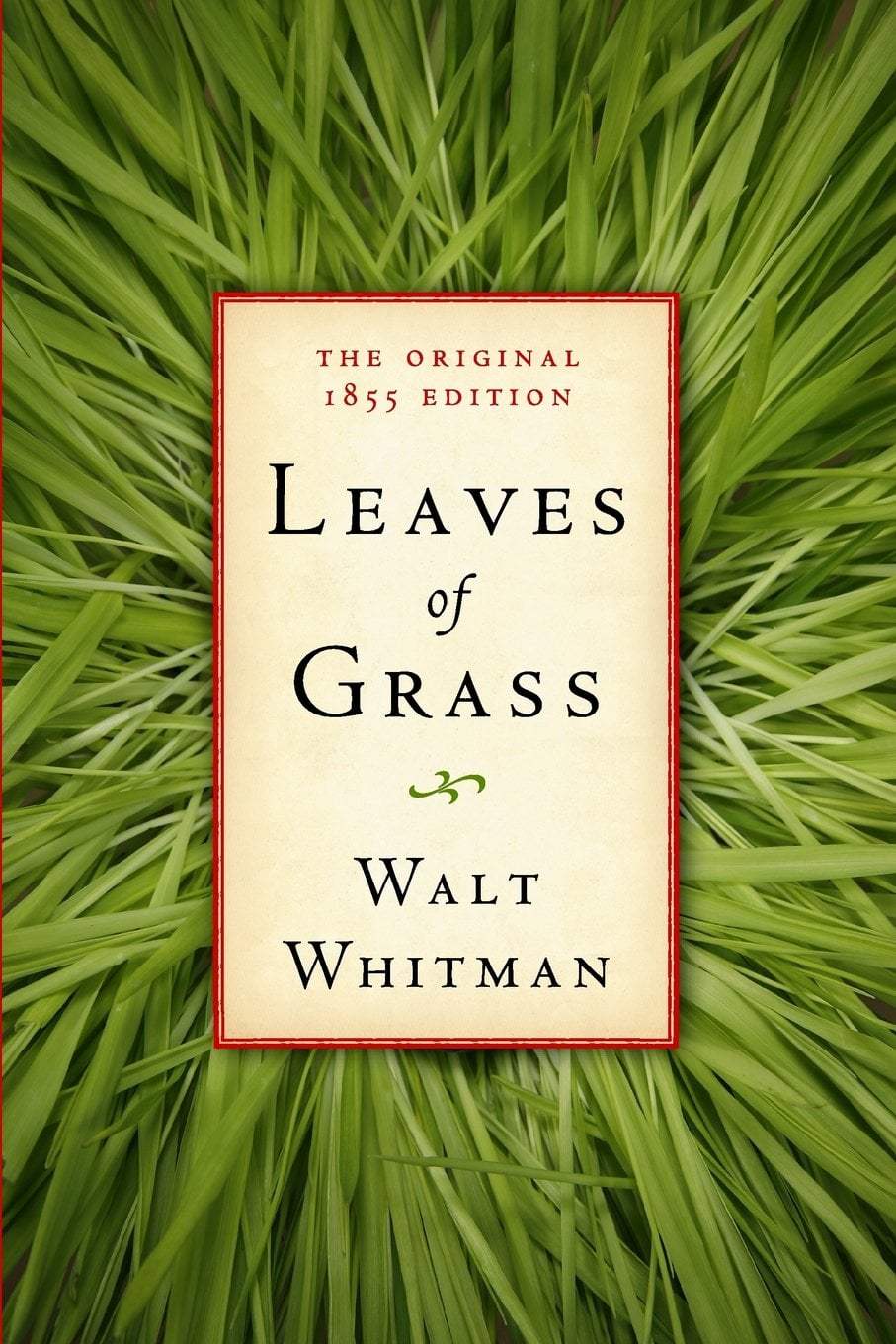
Start this bookNo. 29 on this list. Leaves of Grass · Walt Whitman · 1855
Included in: Bokklubben World Library
Whitman's opening salvo—"I celebrate myself, and sing myself"—broke every rule of Victorian verse: no fixed meter, no rhyme, no inherited diction, just the American vernacular cataloging dockworkers, prostitutes, and prairies in ecstatic cadences. Every free-verse poet since writes in the wake of this book.
Moderate8.5 hours
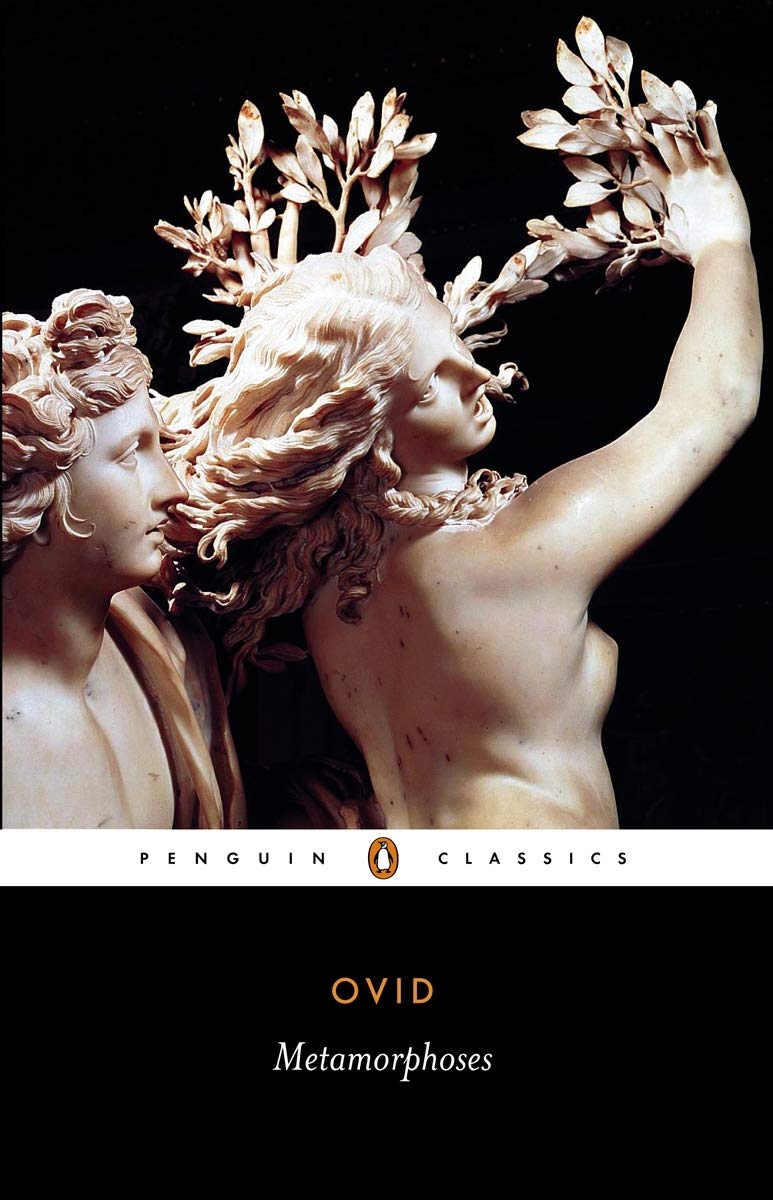
Read nowNo. 30 on this list. Metamorphoses · Ovid · 8
Taught in schools: Hungarian literature curriculum (magyar nyelv és irodalom) (Hungary)
Included in: Bokklubben World Library
Ovid's Metamorphoses, composed around 8 CE, stands as one of the supreme achievements of classical literature—a sprawling epic in fifteen books (this edition presents Books I-VII) that weaves together approximately 250 Greek and Roman myths united by the theme of transformation. Written in elegant Latin hexameters and here rendered into English prose by Henry T. Riley (1851), the work traces a chronological arc from the creation of the cosmos through the deification of Julius Caesar, creating what Ovid called "a perpetual song" of bodies changed into new forms. The narrative moves with extraordinary fluidity between tales of divine passion and punishment, mortal hubris and heroism, featuring such iconic episodes as Apollo's pursuit of Daphne, Phaethon's disastrous ride in the sun-chariot, Perseus's rescue of Andromeda, and Medea's terrible vengeance. Ovid demonstrates remarkable psychological acuity in depicting emotional states—love, jealousy, rage, grief—and their transformative power. His treatment often subverts traditional heroic narratives, giving voice to victims and exploring the darker aspects of divine behavior with irony and pathos. The work serves simultaneously as mythological compendium, artistic showcase, and subtle political commentary. Its influence on Western culture proves immeasurable: it has served as the primary source for classical mythology across centuries, inspiring masterworks of visual art, literature, music, and drama from the medieval period through modernity. This translation includes extensive scholarly apparatus with historical context, geographical notes, and interpretive commentary, making the complex mythological material accessible while preserving the work's literary power and enduring relevance to questions of identity, change, and the human condition.
Difficult15 hours
Read now
No. 31 on this list. Lycidas
John Milton · 1638
Included in: Great Books of the Western World
No. 32 on this list. Mahabharata
Vyasa · c. 400 BCE
No. 33 on this list. Ramayana
Valmiki · c. 500 BCE
No. 34 on this list. Troilus and Criseyde
Geoffrey Chaucer · 1385
Included in: Great Books of the Western World
No. 35 on this list. The Faerie Queene
Edmund Spenser · 1590
No. 36 on this list. The Narrow Road to the Deep North and Other Travel Sketches
Matsuo Bashō · 1702
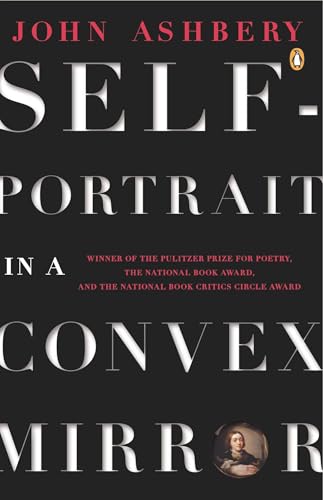
No. 37 on this list. Self-Portrait in a Convex Mirror
John Ashbery · 1975
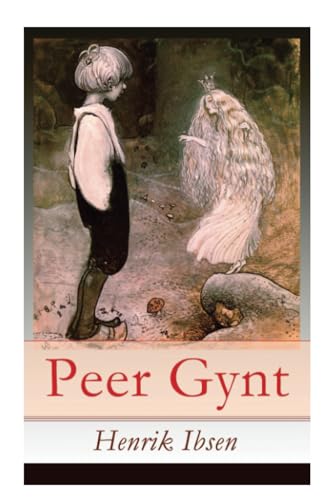
No. 38 on this list. Peer Gynt
Henrik Ibsen · 1867
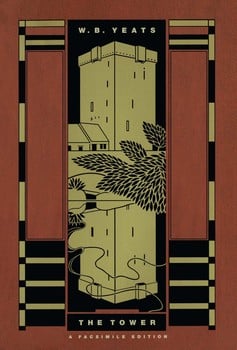
No. 39 on this list. The Tower
William Butler Yeats · 1928
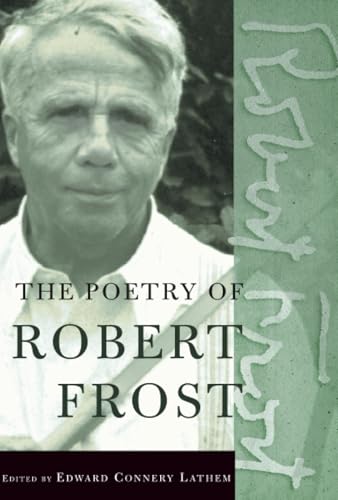
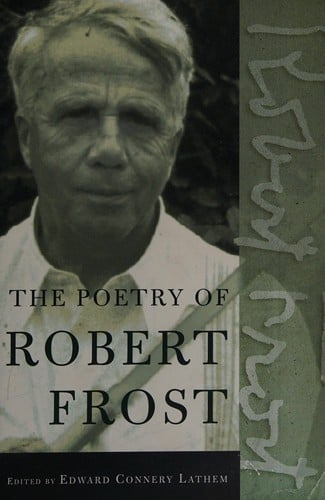
No. 40 on this list. The Poetry of Robert Frost
Robert Frost · 1979
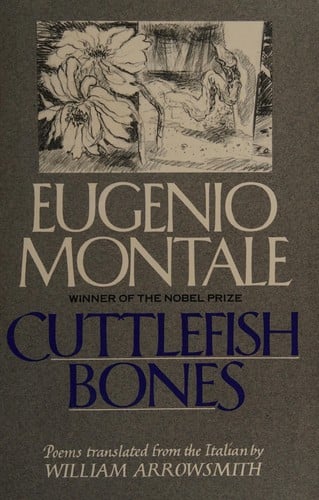
No. 41 on this list. Cuttlefish Bones
Eugenio Montale · 1925
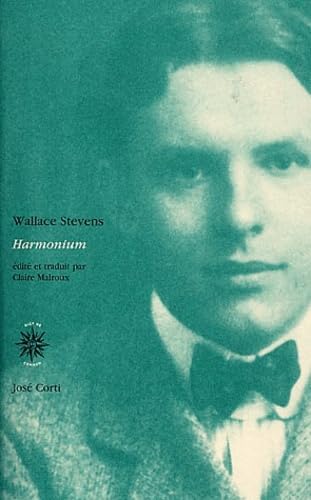
No. 42 on this list. Harmonium
Wallace Stevens · 1923
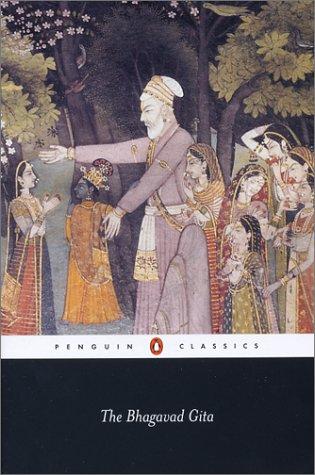
No. 43 on this list. The Bhagavad Gita
Vyasa · c. 200 BCE
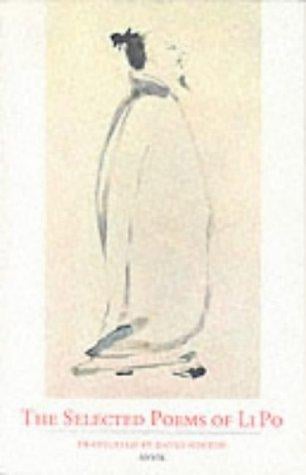
No. 44 on this list. The Selected Poems of Li Po
Li Bai · 762
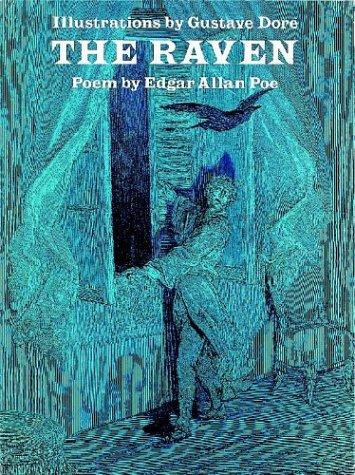
No. 45 on this list. The Raven
Edgar Allan Poe · 1845
Taught in schools: Common Core text exemplars (Appendix B) (US)
No. 46 on this list. The Prelude
William Wordsworth · 1850
No. 47 on this list. Tirukkural
Thiruvalluvar · 100
No. 48 on this list. Ars Poetica
Horace · c. 19 BCE
No. 49 on this list. Venus and Adonis
William Shakespeare · 1593
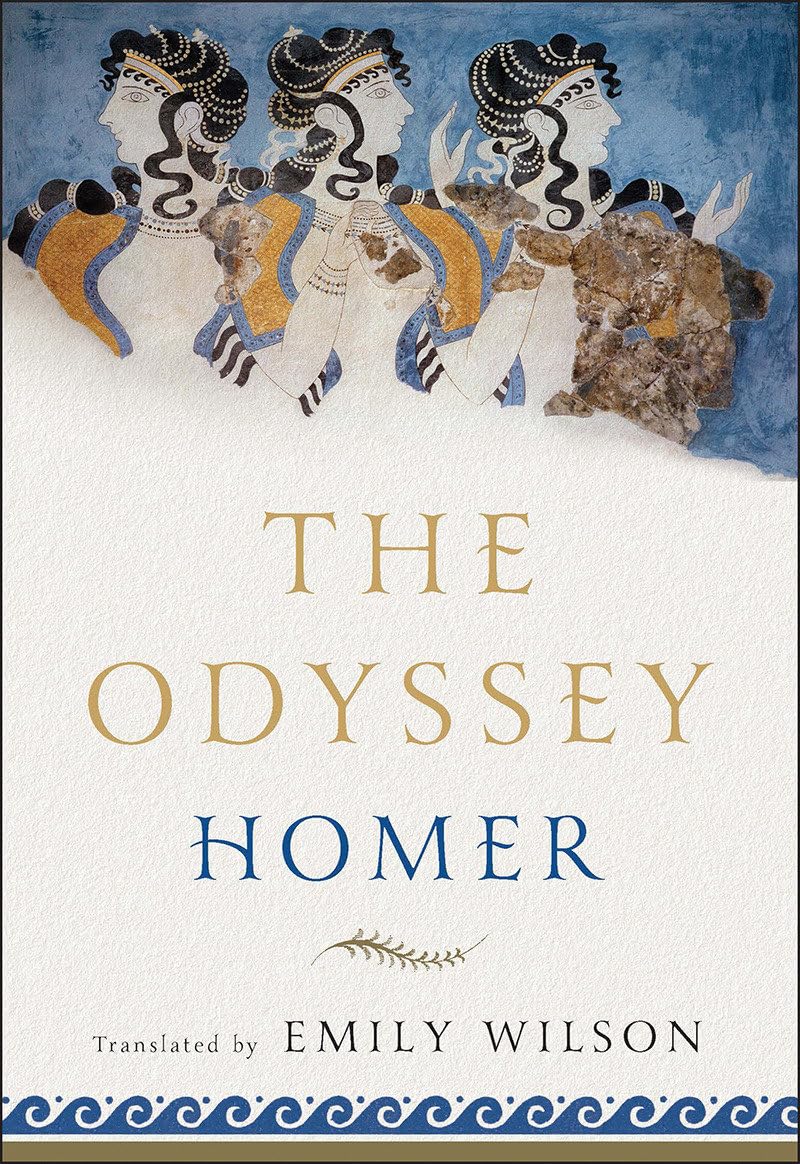
No. 50 on this list. Odyssey
Homer · c. 725 BCE
No. 51 on this list. Montage of a Dream Deferred
Langston Hughes · 1951
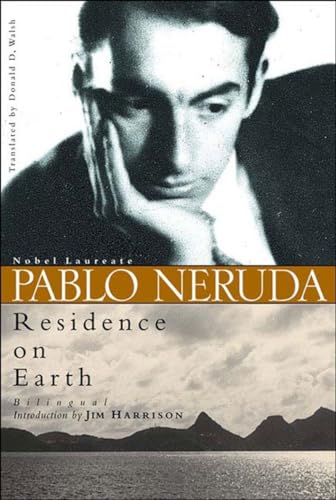
No. 52 on this list. Residence on Earth
Pablo Neruda · 1933
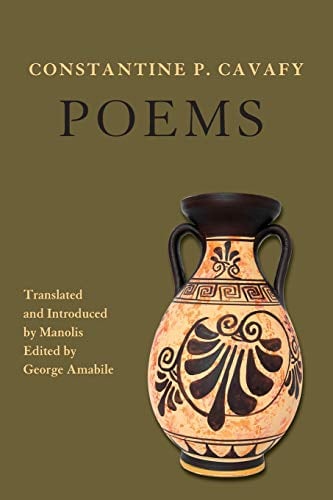
No. 53 on this list. Collected Poems of Constantine Cavafy
Constantine P. Cavafy · 1935
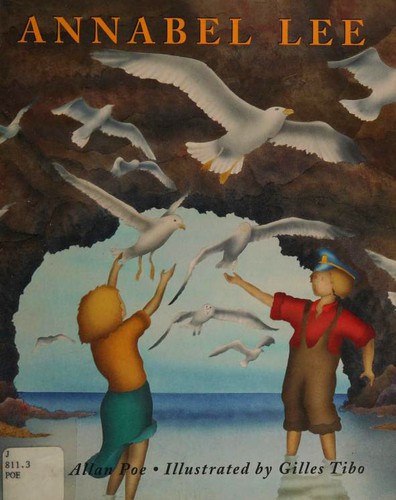
No. 54 on this list. Annabel Lee
Edgar Allan Poe · 1849
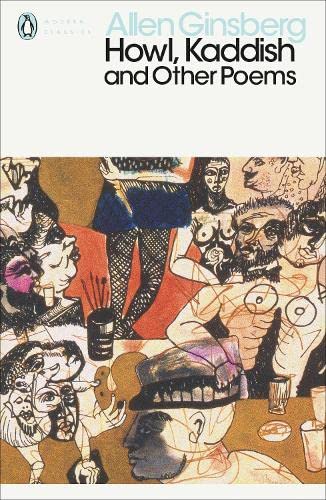
No. 55 on this list. Howl and Other Poems
Allen Ginsberg · 1956
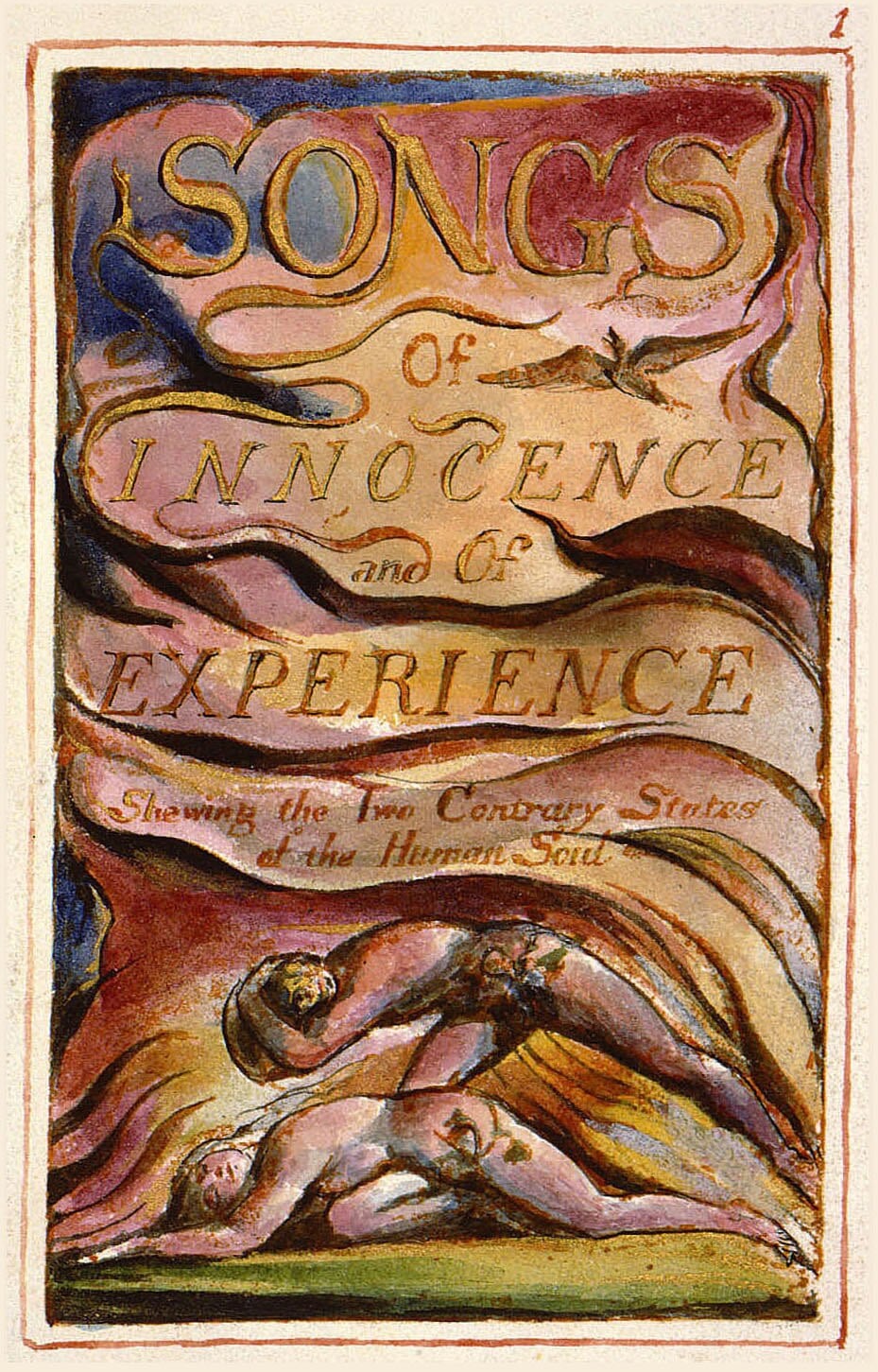
No. 56 on this list. Songs of Innocence and of Experience
William Blake · 1794
Taught in schools: AQA GCSE and A-level English Literature (UK)
No. 57 on this list. Samson Agonistes
John Milton · 1671
Included in: Great Books of the Western World
No. 58 on this list. Selected Poems of Czesław Miłosz
Czesław Miłosz · 1988
No. 59 on this list. Paterson
William Carlos Williams · 1963
No. 60 on this list. Don Juan
Lord Byron · 1824
No. 61 on this list. Heroides
Ovid · c. 15 BCE
No. 62 on this list. Personae
Ezra Pound · 1926
No. 63 on this list. The Conference of the Birds
Attar of Nishapur · 1177
No. 64 on this list. Amores
Ovid · c. 16 BCE
No. 65 on this list. Canti
Giacomo Leopardi · 1835
No. 66 on this list. Sir Gawain and the Green Knight
The Pearl Poet · 1375
No. 67 on this list. Collected Poems of Derek Walcott
Derek Walcott · 1986
No. 68 on this list. Twenty Love Poems and a Song of Despair
Pablo Neruda · 1924
Taught in schools: UNAM Escuela Nacional Preparatoria – programas de Literatura (Mexico)
No. 69 on this list. The Book of Disquiet
Included in: Bokklubben World Library
No. 70 on this list. Gita Govinda
Jayadeva · 1200
Included in: UNESCO Collection of Representative Works

No. 71 on this list. North of Boston
Robert Frost · 1914
No. 72 on this list. Fields of Castile
Antonio Machado · 1912
No. 73 on this list. Les Contemplations
Victor Hugo · 1856
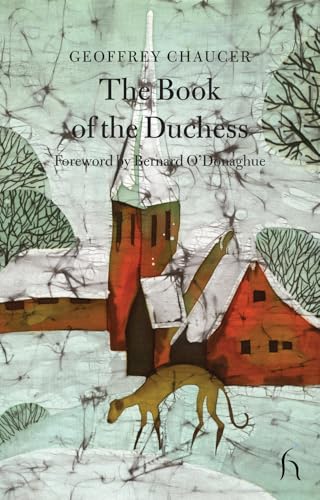
No. 74 on this list. The Book of the Duchess
Geoffrey Chaucer · 1368
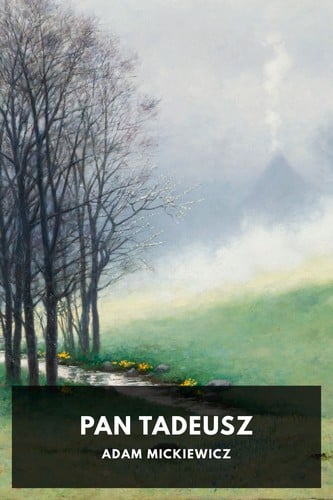
No. 75 on this list. Pan Tadeusz
Adam Mickiewicz · 1834
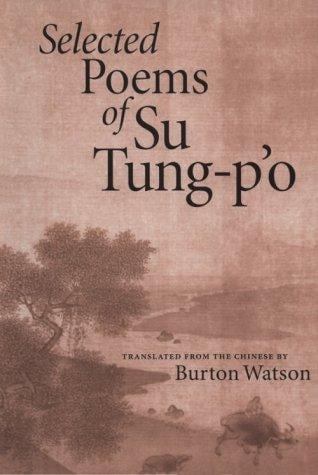
No. 76 on this list. Selected Poems of Su Tung-p’o
Su Shi · 1101
No. 77 on this list. Spring and All
William Carlos Williams · 1923
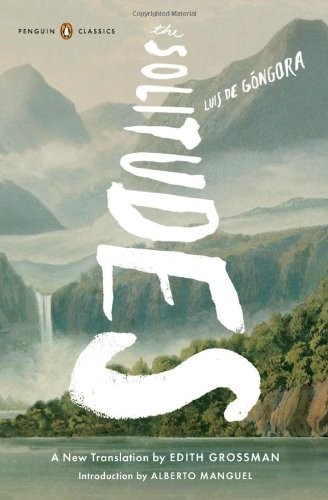
No. 78 on this list. The Solitudes
Luis de Góngora · 1613
No. 79 on this list. The Songs of the South
Qu Yuan · c. 278 BCE
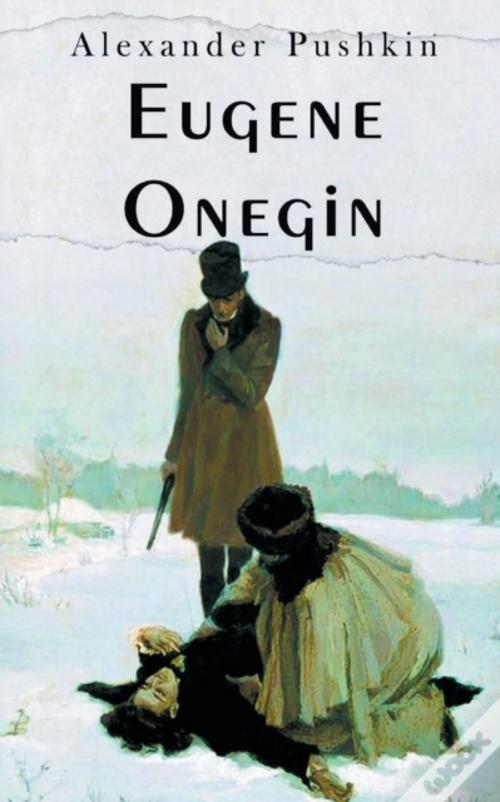
No. 80 on this list. Eugene Onegin
Alexander Pushkin · 1833
Taught in schools: Hungarian literature curriculum (magyar nyelv és irodalom) (Hungary), Russian FGOS literature standard
No. 81 on this list. The Weary Blues
Langston Hughes · 1926
No. 82 on this list. Orlando Furioso
Ludovico Ariosto · 1516
Taught in schools: UNAM Escuela Nacional Preparatoria – programas de Literatura (Mexico)
No. 83 on this list. The Selected Poems of Wang Wei
Wang Wei · 761
No. 84 on this list. The Great Enigma: New Collected Poems
Tomas Tranströmer · 2006
No. 85 on this list. Omeros
Derek Walcott · 1990
No. 86 on this list. Selected Poems of Garcilaso de la Vega
Garcilaso de la Vega · 1543
No. 87 on this list. The Auroras of Autumn
Wallace Stevens · 1950
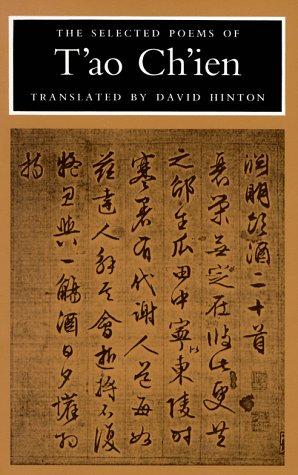
No. 88 on this list. The Selected Poems of T’ao Ch’ien
Tao Yuanming · 427
No. 89 on this list. Selected Poems of Osip Mandelstam
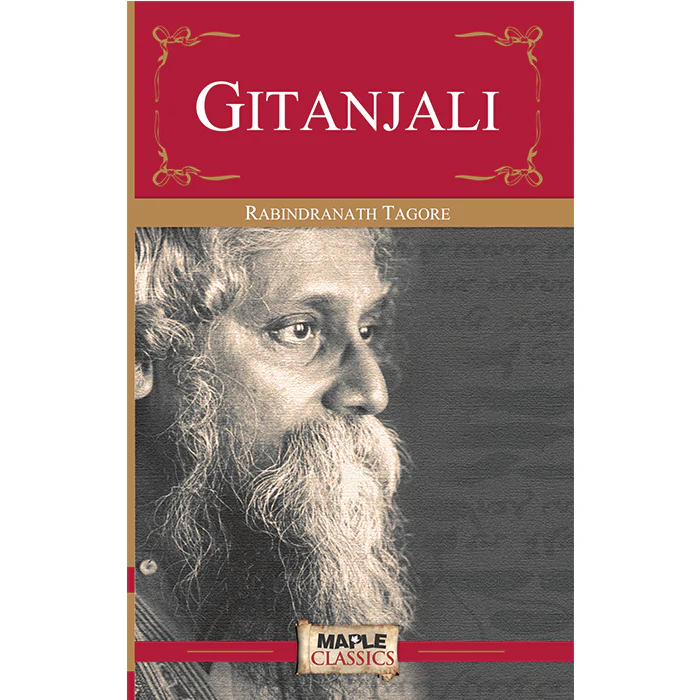
No. 90 on this list. Gitanjali
Rabindranath Tagore · 1910
Included in: UNESCO Collection of Representative Works

No. 91 on this list. Unfortunately, It Was Paradise
Mahmoud Darwish · 2003
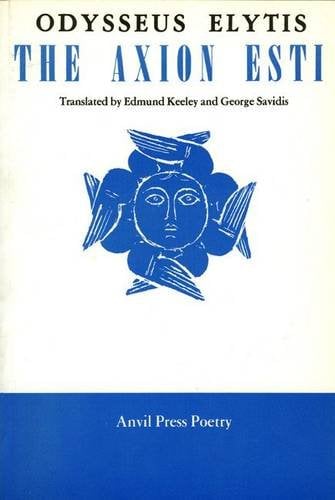
No. 92 on this list. The Axion Esti
Odysseas Elytis · 1959
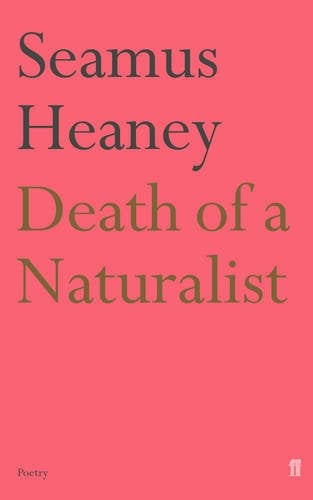
No. 93 on this list. Death of a Naturalist
Seamus Heaney · 1966
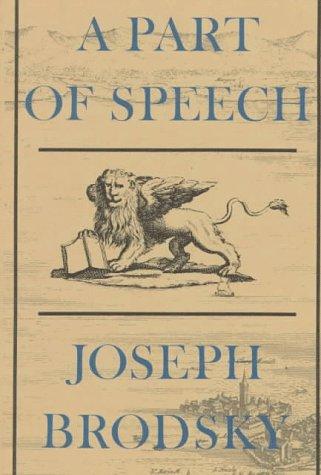
No. 94 on this list. A Part of Speech
Joseph Brodsky · 1977
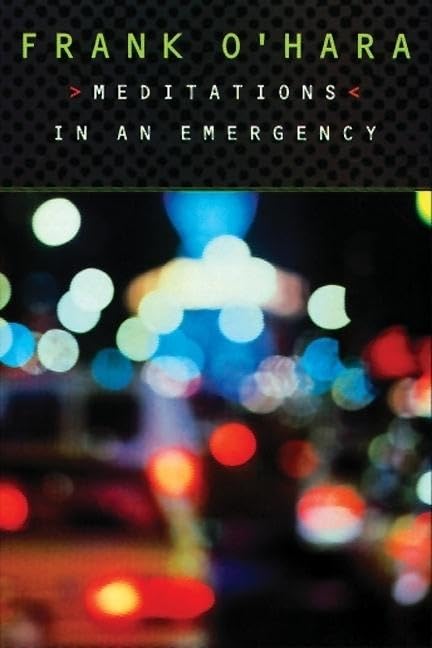
No. 95 on this list. Meditations in an Emergency
Frank O'Hara · 1957
No. 96 on this list. Field Work
Seamus Heaney · 1979
Taught in schools: WJEC/Eduqas GCSE and A-level English Literature (UK)
No. 97 on this list. Selected Poems of Po Chü-i
Bai Juyi · 846
No. 98 on this list. Forefathers' Eve
Adam Mickiewicz · 1832
Taught in schools: Lektury obowiązkowe – Polish national reading list (Poland)
No. 99 on this list. Seeing Things
Seamus Heaney · 1991
No. 100 on this list. Rhymes and Legends
Gustavo Adolfo Bécquer · 1871
About this list
These 100 books are the highest-scoring eligible poetry collections by men currently in the catalogue. By literary regard, it opens with Divine Comedy, Iliad and Eclogues. About 519 hours of reading in all. Difficulty runs from 51 to 68 out of 100 for the middle half of the list; the summit is The Waste Land at 92.
This list is ranked by literary regard, with a consistent order for equal scores. Membership follows authors and co-authors, not translators or editors. Catalogue coverage and the historical canon both limit what this list can represent, and genre labels are the catalogue’s own, gathered into broader kinds.
When we matched the Canons dataset to our catalogue in October 2026, our canonical-status scores rose with the number of school curricula, publisher series and lists in it that cite a work: the median score was 72 for books one such source cites, 84 at two, 88 at three, 92 at four and 93 at five or more. Prizes are left out of that count. Outside the state curricula, the dataset’s sources choose mostly from what has been translated into English or French, so it is a weaker check on other literatures. Source: Canons (Andrew Piper), CC BY 4.0
Questions people actually ask
- What are the best poetry collections by men?
- By literary regard, which weighs canonical status, critical standing and influence, Divine Comedy, Iliad, Eclogues, Odes and Collected Poems of W.B. Yeats lead. ReadingRate ranks 100 such books, each with a difficulty score and a reading-time estimate.
- Where should I start with poetry collections by men?
- Start from difficulty, not from rank. The most approachable books on this list that still carry top literary regard are Meditations in an Emergency by Frank O'Hara (about 23 min), The Bhagavad Gita by Vyasa and Montage of a Dream Deferred by Langston Hughes.
- How hard are poetry collections by men to read?
- Most of this list sits between 51 and 68 on ReadingRate's 100-point difficulty scale, where 40 to 55 is moderate. The summit is The Waste Land at 92. Every entry carries its own score, so a reader can pick a great book at a difficulty they will finish.
- How is this list ranked?
- On literary-regard data: how canonically established a work is, its critical standing, and its influence on later writing. It is not a readers’ poll, which is why recent bestsellers rarely appear. Membership follows authors and co-authors, not translators or editors. A list that is not a genre list keeps to literature (fiction, poetry, drama and philosophy), with philosophy taking no more than one slot in five while there is literature left to rank; every list holds at most three works by one author.