Hours at an average pace
Showing 71 books
About 484 hours for 71 of 71 books with measured lengths. Estimates use 250 words a minute, adjusted for each book's difficulty. At 2 hours a day, about 242 days for those books.
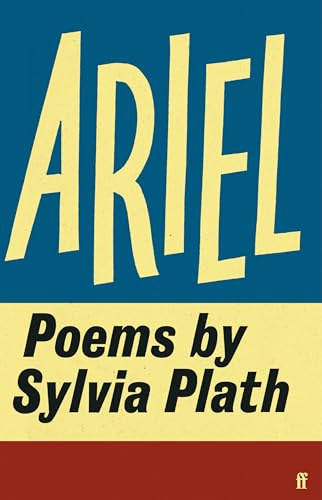
No. 1 on this list. Ariel
Sylvia Plath · 1965
Difficult2.4 hours
Taught in schools: AQA GCSE and A-level English Literature (UK)
Ariel is standard reading across American and British university literature and women's studies curricula, appearing on thousands of syllabi. The collection is included on virtually every 'essential 20th century poetry' list and occupies a permanent position in the confessional poetry canon. Its Wikipedia article exists in over 30 languages, and it has been continuously in print since its 1965 publication.
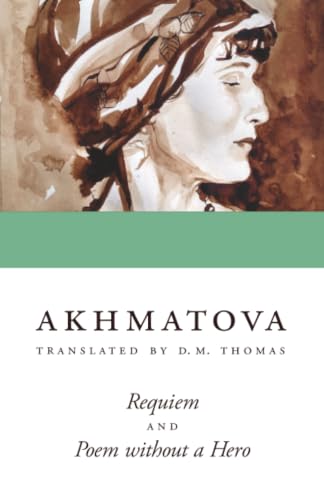
No. 2 on this list. Requiem
Anna Akhmatova · 1963
Difficult1.5 hours
Taught in schools: Russian FGOS literature standard
Requiem appears on syllabi in virtually every university course covering 20th-century Russian literature, genocide and testimony studies, and modernist poetry globally. Akhmatova's Wikipedia entry exists in over 80 languages. The work is consistently listed among the defining literary documents of Stalinist terror alongside Solzhenitsyn's Gulag Archipelago and Nadezhda Mandelstam's memoirs. It has been continuously in print since its 1987 Soviet publication and in Western translation since 1964.
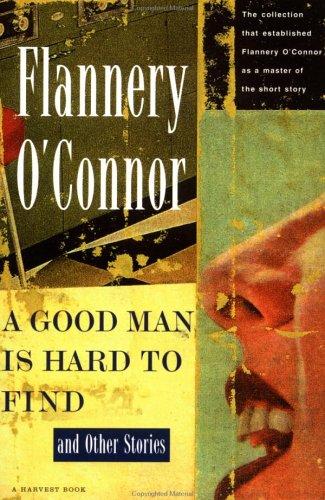
One of the most important short story collections in American literature. The title story alone is among the most widely taught and analyzed works of American fiction.
Requiem and Poem Without a Hero are canonical texts of 20th-century Russian literature and essential documents of Stalinist-era witness poetry — required reading in Russian literature courses worldwide. No database records appear for this English translation's syllabus presence, but the works are universally taught in courses on Soviet literature, women's writing, and poetry of witness. The Wikipedia absence in this database likely reflects a data gap rather than actual obscurity: Akhmatova's works are foundational to Russian studies curricula.
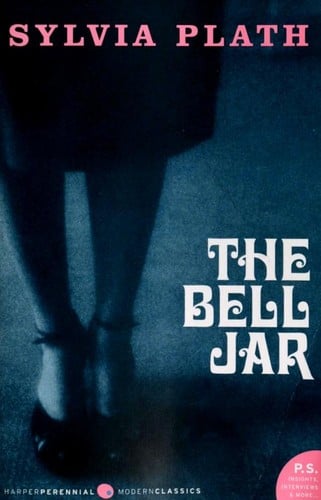
The Bell Jar is required reading in virtually every American women's literature and confessional writing course, and appears widely in high school curricula addressing mental health and mid-century American life. It holds a secure place on Modern Library and similar essential reading lists, and remains one of the most assigned novels in discussions of feminist literary history.
No. 6 on this list. Wide Sargasso Sea
Jean Rhys · 1966
Challenging4.3 hours
Taught in schools: CSEC English B – Caribbean Examinations Council, WJEC/Eduqas GCSE and A-level English Literature (UK)
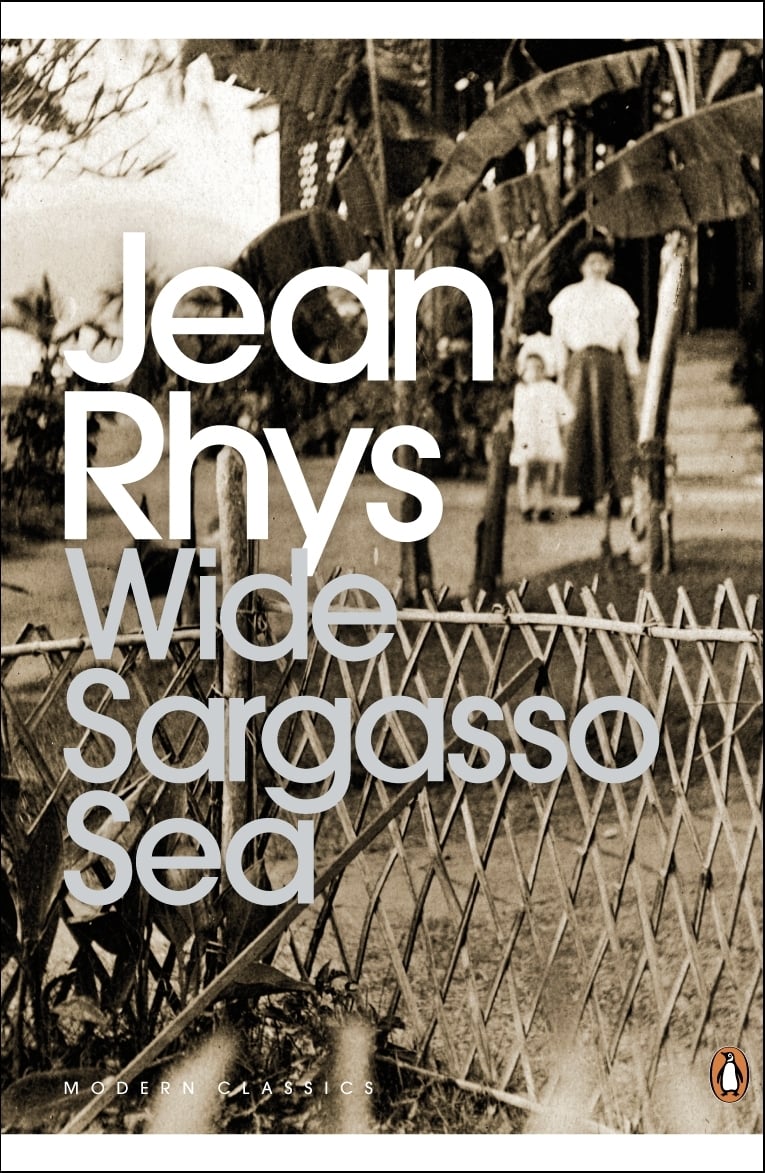
The postcolonial revision that changed how we read Jane Eyre. Antoinette/Bertha's story—the madwoman in the attic given voice—became essential feminist and postcolonial criticism. Core text in Caribbean literature and courses on literary rewriting.
No. 7 on this list. The Golden Notebook
Doris Lessing · 1962
Difficult28 hours
Included in: Bokklubben World Library
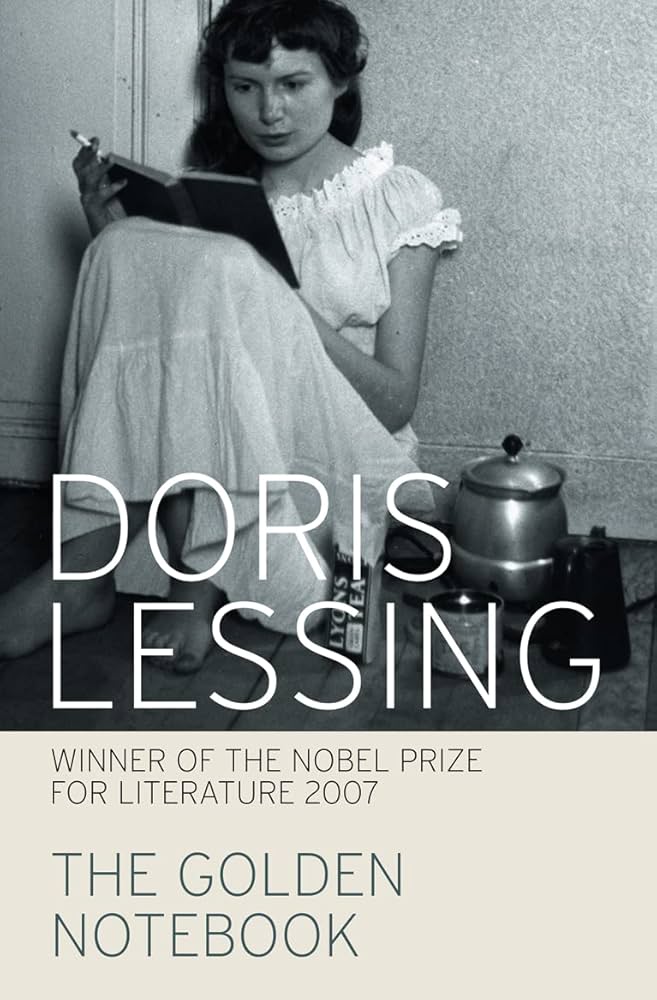
The Golden Notebook appears on 139 university syllabi according to the Open Syllabus Project (53rd percentile) and is listed in Open Syllabus's Top 500 Literature titles. It appears on TIME's All-TIME 100 Novels list (2005) and holds Wikipedia articles in 20 languages. It is a standard text in women's literature, postcolonial literature, and 20th-century British fiction courses, though not at the frequency of The Great Gatsby or To Kill a Mockingbird.
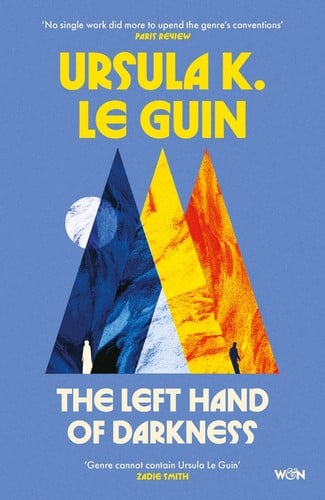
Genly Ai, a human envoy from a galactic coalition called the Ekumen, arrives on the planet Gethen to invite its people into interstellar fellowship. The planet is locked in an ice age, and its inhabitants possess a biology that would reshape how any visitor understands human nature: Gethenians have no fixed sex, spending most of each month in a neuter state before entering 'kemmer,' a brief fertile period during which they become randomly male or female. Genly must navigate the treacherous politics of two rival nations, Karhide and Orgoreyn, while struggling against his own deeply ingrained assumptions about gender. His most important relationship is with Estraven, a disgraced Karhidish politician whose motives Genly cannot read through the fog of his own gendered expectations. Their harrowing journey across an arctic ice sheet strips away politics, culture, and prejudice, forcing a communion between two beings who must learn to see each other without the categories that have shaped their perceptions. Le Guin constructs the novel as a mosaic of voices: Genly's diplomatic report, Estraven's spare journal, Gethenian myths and legends, and anthropological field notes, each offering a partial and unreliable perspective on a world that resists totalizing description. The prose is crystalline and unhurried, moving between political intrigue, philosophical reflection, and passages of extraordinary landscape writing as the two travelers cross the Gobrin Ice. The embedded myths refract the novel's central concerns with duality, betrayal, and the inseparability of light and darkness.
A landmark of Southern Gothic fiction and American literature, widely taught and critically analyzed. One of the defining novels of postwar American fiction.
The Haunting of Hill House is widely recognized as the definitive American haunted-house novel and one of the finest works of Gothic fiction in the English language. It has been continuously in print since 1959 and is regularly taught in university courses on American literature, Gothic studies, and the horror genre. Stephen King called its opening paragraph the finest in the history of horror fiction. It appears on virtually every serious list of essential horror and Gothic novels and has been adapted for film (twice) and television (the acclaimed 2018 Netflix series).
No. 11 on this list. Dance of the Happy Shades · Alice Munro · 1968
As Munro's debut collection and winner of the 1968 Governor General's Award, this book established her as a major voice in short fiction. It's widely taught in Canadian literature courses and remains essential to understanding the development of the contemporary short story. Munro's subsequent Nobel Prize (2013) has reinforced this collection's canonical importance.
Moderate5.2 hours
Start this bookNo. 12 on this list. The Time of the Doves · Mercè Rodoreda · 1962
The undisputed masterpiece of twentieth-century Catalan literature. Widely translated and recognized as one of the great European novels of the postwar period.
Easy3 hours
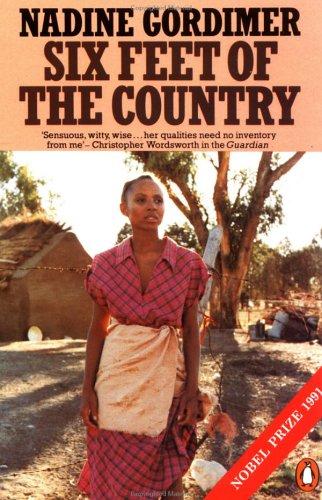
Start this bookNo. 13 on this list. Six Feet of the Country · Nadine Gordimer · 1956
Widely recognized as a cornerstone of post-colonial and South African literature. Appears consistently in university curricula and anthologies of significant twentieth-century short fiction. Represents a crucial moment in articulating apartheid-era social consciousness.
Moderate4.1 hours
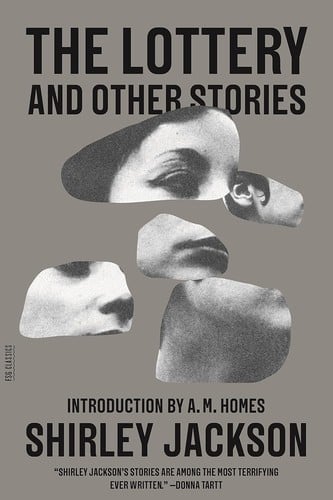
Start this bookNo. 14 on this list. The Lottery and Other Stories · Shirley Jackson · 1949
The title story 'The Lottery' is one of the most anthologized and taught short stories in the American canon, appearing in virtually every introduction-to-fiction textbook. The collection itself appears regularly on American short-story syllabi. Jackson's work has experienced a major critical reassessment since the 2010s, elevating her from genre curiosity to recognized American master.
Moderate5.3 hours
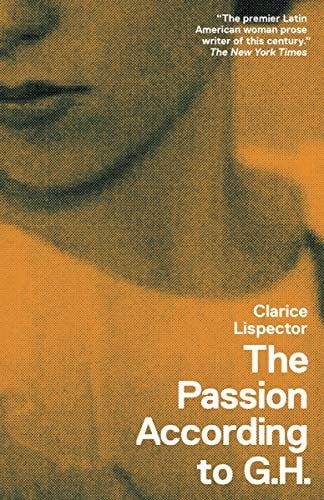
Start this bookNo. 15 on this list. The Passion According to G.H. · Clarice Lispector · 1964
Taught in schools: FUVEST leituras obrigatórias (USP vestibular) (Brazil)
No syllabus appearances or Wikipedia data were found in the database, but Lispector's standing in world literature is considerable. The Passion According to G.H. is widely cited as her masterwork and appears regularly in academic world literature, Latin American literature, and feminist theory syllabi internationally. It appears on Penguin Classics lists and several 'best novels ever' lists. Its canonical standing is higher in literary/academic circuits than in general readership, comparable to Beckett's The Unnamable — revered by specialists, unknown to general audiences.
Difficult6.5 hours
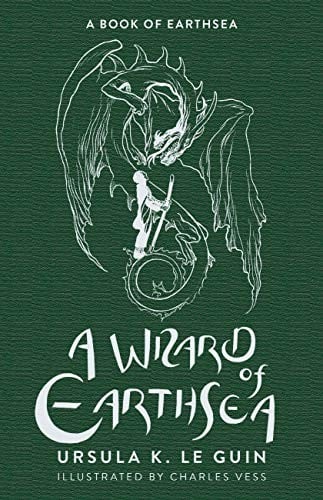
Start this bookNo. 16 on this list. A Wizard of Earthsea · Ursula K Le Guin · 1968
A Wizard of Earthsea appears regularly on university syllabi for science fiction and fantasy literature courses, and its Wikipedia article exists in dozens of language editions — a reliable indicator of global reach. It sits on the American Library Association's list of most frequently challenged books and features on virtually every canonical fantasy reading list compiled since the 1970s.
Moderate4.1 hours
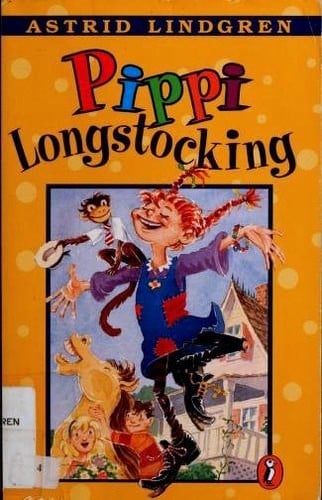
Start this bookNo. 17 on this list. Pippi Longstocking · Astrid Lindgren · 1945
Taught in schools: Lithuanian literature curriculum (lietuvių kalba ir literatūra)
Included in: Bokklubben World Library
Pippi Longstocking is translated into over 70 languages and has sold more than 140 million copies worldwide, making it one of the most widely distributed children's books ever published. It is standard reading in Swedish schools and appears on canonical children's literature lists across Europe and beyond. While not a fixture of university literature syllabi, it holds an unassailable position in the children's literature canon globally.
Very Easy1.2 hours
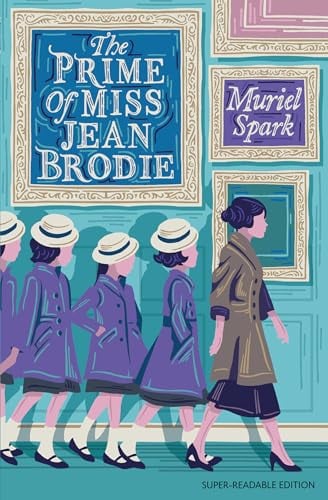
Start this bookNo. 18 on this list. The Prime of Miss Jean Brodie · Muriel Spark · 1961
Taught in schools: CSEC English B – Caribbean Examinations Council
Regularly taught in British literature and women's studies courses, considered essential modern Scottish fiction. Appears on A-level syllabi and university 20th-century literature surveys. Not as universally taught as The Great Gatsby, but firmly established in academic curricula focused on postwar British fiction and modernist technique.
Challenging3.5 hours
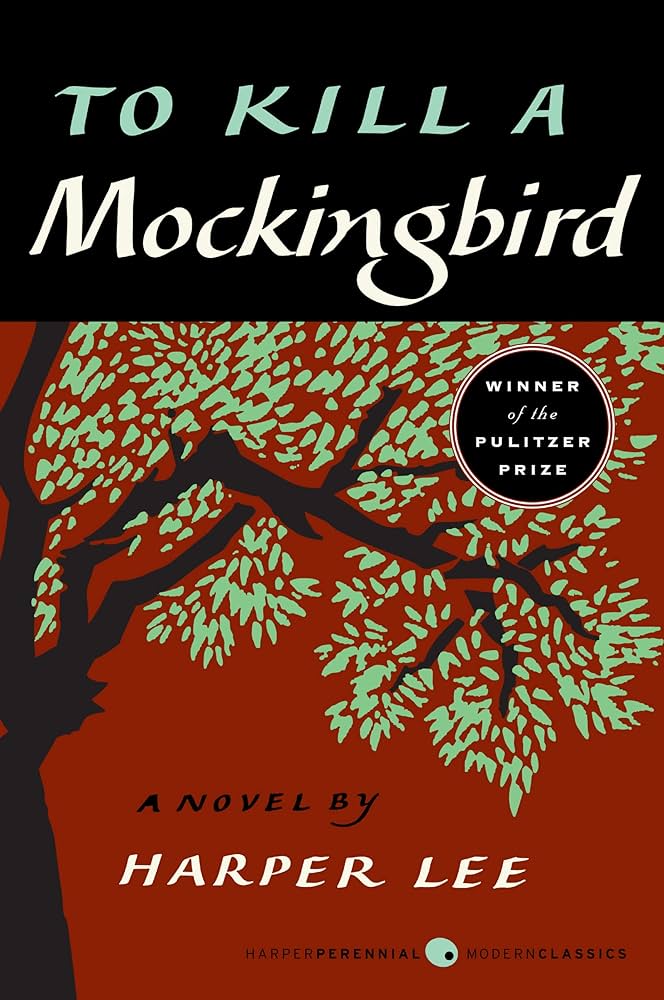
Start this bookNo. 19 on this list. To Kill a Mockingbird · Harper Lee · 1961
Taught in schools: Cambridge IGCSE Literature in English (0475), Common Core text exemplars (Appendix B) (US), CSEC English B – Caribbean Examinations Council
Appears on 1,674 university syllabi (80.6th percentile, Open Syllabus Project) and is a fixture of American high school and university English curricula. Wikipedia articles exist in 58 languages with dedicated reception and adaptations sections. Published by four prestige houses — Library of America, Everyman's Library, Penguin Classics, and Penguin Modern Classics — confirming its standing in the Western canon.
Moderate6.3 hours
Start this bookNo. 20 on this list. Arturo's Island · Elsa Morante · 1957
Winner of the Premio Strega in 1957, Italy's most prestigious literary prize, Arturo's Island is firmly established in the Italian literary canon and taught extensively in Italian schools and universities. It appears regularly on international world-literature lists and is considered one of the defining Italian novels of the twentieth century, alongside works by Pavese and Calvino.
Difficult14 hours
Start this book
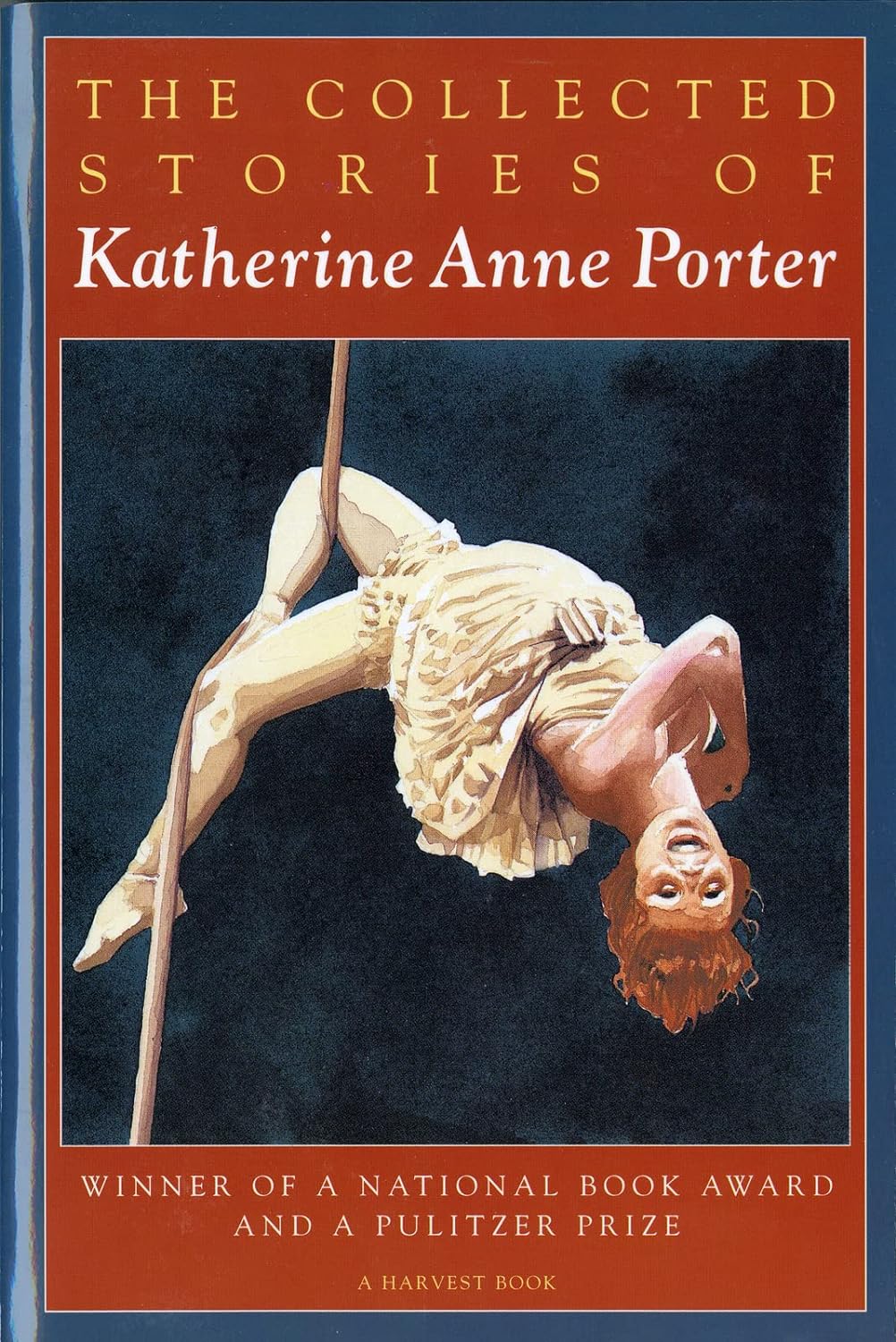
No. 21 on this list. The Collected Stories of Katherine Anne Porter · Katherine Anne Porter · 1966
Stories such as 'Flowering Judas', 'The Jilting of Granny Weatherall' and 'Pale Horse, Pale Rider' are standard in American literature anthologies and short-story courses. The Library of America collected the stories in 2008.
Challenging20 hours
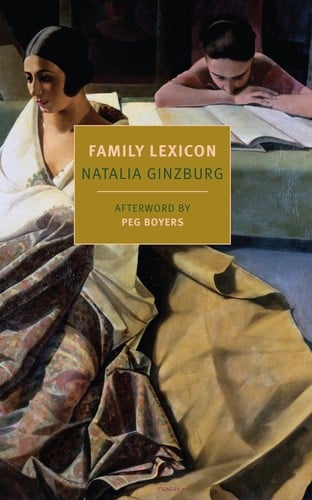
Start this bookNo. 22 on this list. Family Lexicon · Natalia Ginzburg · 1963
Family Lexicon won the Premio Strega in 1963, Italy's most prestigious literary prize, and is consistently listed among the essential works of twentieth-century Italian literature. It appears regularly on university syllabi in Italian Studies and European literature courses, though its international syllabus presence is smaller than that of Ginzburg's more widely translated contemporaries like Calvino or Pavese.
Challenging6.5 hours
Start this bookNo. 23 on this list. Family Ties · Clarice Lispector · 1960
Family Ties appears regularly on comparative literature and Latin American literature syllabi worldwide, and Lispector is among the most studied Lusophone writers in university world literature courses. No syllabus count was captured in the database, but her work has sustained continuous academic inclusion since the 1960s. Hélène Cixous's book-length critical study of Lispector (The Stream Running Nowhere) cemented the collection's place in the Western literary canon.
Difficult3.6 hours
Start this bookNo. 24 on this list. The Ravishing of Lol Stein · Marguerite Duras · 1964
On Le Monde's 100 Books of the Century, Le Ravissement de Lol V. Stein is a standard text in French literature courses and in feminist and psychoanalytic criticism. It is less widely read in English than The Lover.
Challenging3.7 hours
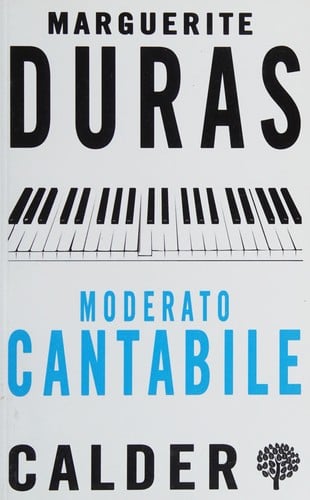
Start this bookNo. 25 on this list. Moderato Cantabile · Marguerite Duras · 1958
Moderato Cantabile is a cornerstone of French postwar literature and the nouveau roman movement, taught widely in French, Francophone, and European literature programs. Though no syllabus data was found in the database, the work is among Duras's most discussed novels and appears consistently in courses on 20th-century French fiction, feminist literature, and literary minimalism. Its canonical status is stronger in Europe than in English-language curricula.
Challenging1.4 hours
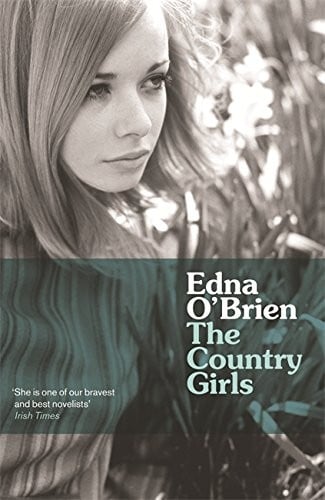
Start this bookNo. 26 on this list. The Country Girls · Edna O'Brien · 1960
A landmark of Irish literature and a foundational text for the frank depiction of women's experience. Widely taught and discussed.
Difficult5.9 hours
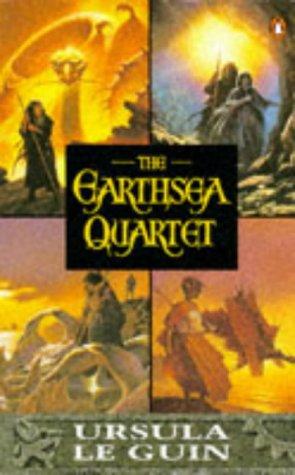
Start this bookNo. 27 on this list. The Earthsea Quartet · Ursula K Le Guin · 1968
Across four novels spanning decades, Le Guin builds the archipelago of Earthsea—a world of islands, sailing, and true-name magic where knowing a thing's true name gives power over it. A Wizard of Earthsea follows the young wizard Ged as he releases a shadow-creature and must pursue it across the world. The Tombs of Atuan follows a priestess freed from underground servitude. The Farthest Shore follows Ged, now Archmage, pursuing a wizard who has broken the boundary between life and death. Tehanu, written sixteen years later, returns to Earthsea with a feminist perspective, following the abused child Therru and the former priestess Tenar in a world where women's power has been systematically suppressed. Le Guin's magic system—where speaking a true name is the fundamental magical act—is the most elegant in fantasy. The prose is spare, rhythmic, and precise, closer to myth than novel.
Moderate15 hours
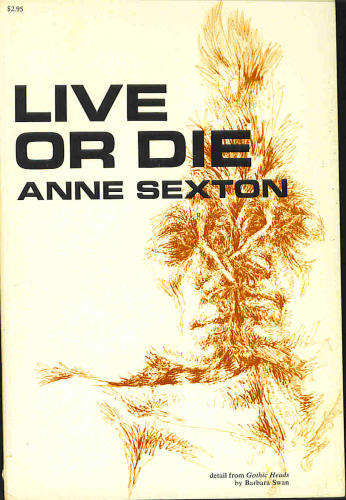
Start this bookNo. 28 on this list. Live or Die · Anne Sexton · 1966
Anne Sexton arranged these thirty-three poems in the order she wrote them — January 1962 to February 1966 — and called the result 'a fever chart for a bad case of melancholy.' Each poem arrives with a date at the bottom, evidence rather than ornament. The collection opens with her father, a wool salesman who drank in his bedroom and died on the road; within pages she has checked herself into a psychiatric ward, addressed Sylvia Plath's corpse ('Thief!— how did you crawl into, crawl down alone into the death I wanted so badly'), mourned a son she never had, and watched her daughter call on God instead of her mother when a horse crushes her foot. Sexton's language stays in the body. She counts out eight pharmaceutical capsules each night, arranges them 'as in the laying on of hands or the black sacrament.' Suicides, she observes, 'have a special language. Like carpenters they want to know which tools. They never ask why build.' The hospital and the suburban kitchen share equal authority. God appears, and Mary, and Judas, and Sylvia, and none of them offer adequate answers. The final poem, 'Live,' turns the collection's entire argument on its axis. Eight Dalmatian puppies survive the pails of water that waited to drown them. 'I am not what I expected. Not an Eichmann. The poison just didn't take.' The fever chart ends with a temperature that isn't, finally, fatal. This is the Pulitzer Prize-winning collection that defined confessional poetry as a form capable of sustaining both unbearable honesty and survival.
Easy43 min
Start this bookNo. 29 on this list. The Golden Apples · Eudora Welty · 1949
Virgie Rainey swallowed a button the day King MacLain came back to Morgana and then fled his own front porch before knocking. That's where Eudora Welty's sequence of seven stories begins—with a gossipy neighbor churning butter and narrating what she barely witnessed. The Golden Apples spans fifty years of life in Morgana, Mississippi: King's twin sons growing up without him, the German piano teacher Miss Eckhart pouring Beethoven into children who will barely remember her, a girl nearly drowning at a summer camp while a boy scout named Loch Morrison watches from the bank with the calculating dispassion of someone taking notes. Welty writes in multiple voices, each distinct—the vernacular monologue of 'Shower of Gold,' the double-stranded telescope-and-memory narration of 'June Recital,' the hallucinatory street-walking of 'Music from Spain'—and all of them circle the same problem: what we owe one another across the distance of separate selves. The book's mythological scaffolding (Perseus, Orpheus, Zeus's golden shower, Yeats's wandering Aengus) operates beneath the surface, surfacing only in charged moments. The final image—Virgie on a courthouse stile in October rain, hearing through it 'the running of the horse and bear, the stroke of the leopard, the dragon's crusty slither'—earns its strangeness. This is literary fiction that demands full attention and rewards rereading.
Difficult12 hours
Start this bookNo. 30 on this list. Half a Lifelong Romance · Eileen Chang · 1948
Widely taught in Chinese literature courses at universities across the United States, Taiwan, Hong Kong, and the mainland, and featured in world literature syllabi as a defining work of twentieth-century Chinese fiction. The novel is considered one of Eileen Chang's masterworks and appears on curated lists of essential modern Chinese literature. Its status outside Chinese-language contexts is more specialized than canonical in the Western sense.
Challenging10 hours
Start this book
No. 31 on this list. The Grass is Singing
Doris Lessing · 1950
Taught in schools: CSEC English B – Caribbean Examinations Council
Included in: Heinemann African Writers Series
No. 32 on this list. The Member of the Wedding
Carson McCullers · 1946
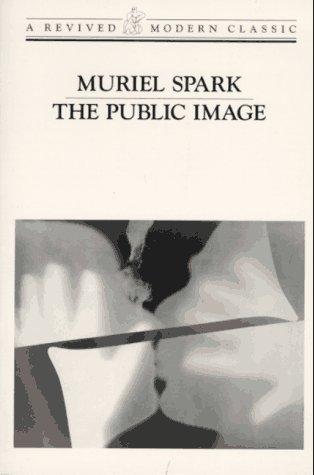
No. 33 on this list. The Public Image
Muriel Spark · 1969
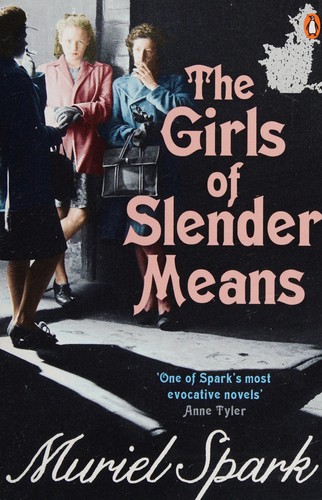
No. 34 on this list. The Girls of Slender Means
Muriel Spark · 1963
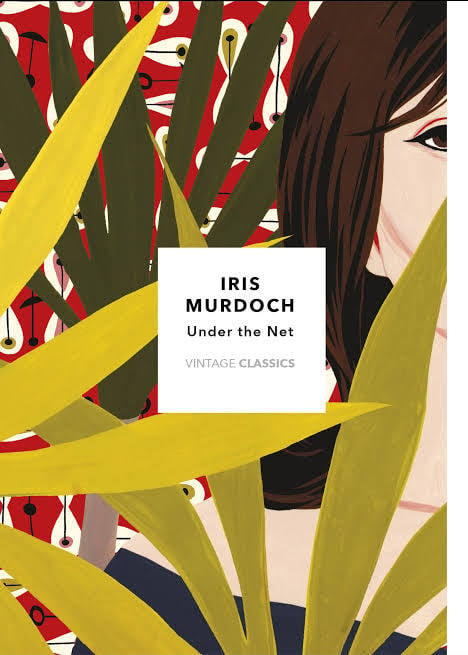
No. 35 on this list. Under the Net
Iris Murdoch · 1954
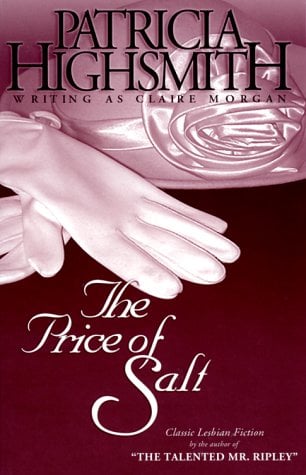
No. 36 on this list. The Price of Salt
Patricia Highsmith · 1952
No. 37 on this list. The Woman Destroyed
Simone de Beauvoir · 1967
No. 38 on this list. The Sundial
Shirley Jackson · 1958
No. 39 on this list. The Heat of the Day
Elizabeth Bowen · 1948
No. 40 on this list. The Ballad of the Sad Café
Carson McCullers · 1951
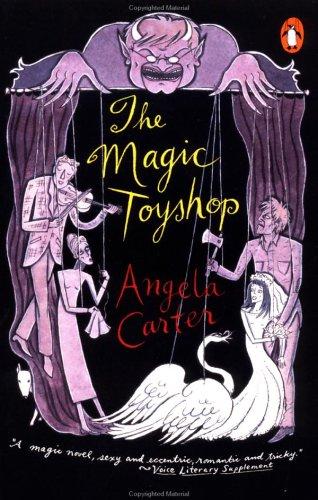
No. 41 on this list. The Magic Toyshop
Angela Carter · 1967
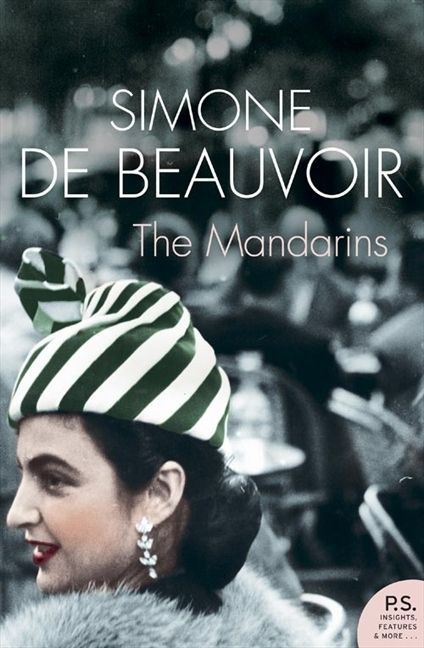
No. 42 on this list. The Mandarins
Simone de Beauvoir · 1954
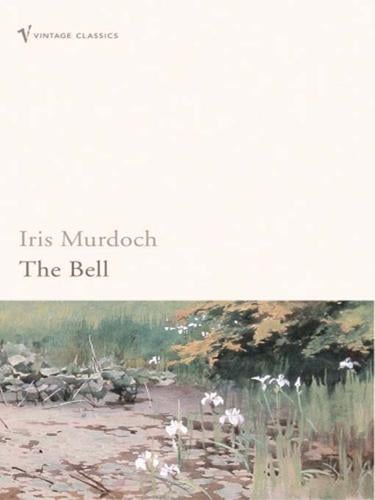
No. 43 on this list. The Bell
Iris Murdoch · 1958
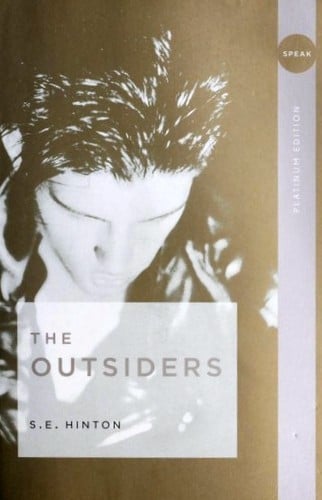
No. 44 on this list. The Outsiders
S.E. Hinton · 1967
Taught in schools: CSEC English B – Caribbean Examinations Council, Pacific Senior Secondary Certificate – English
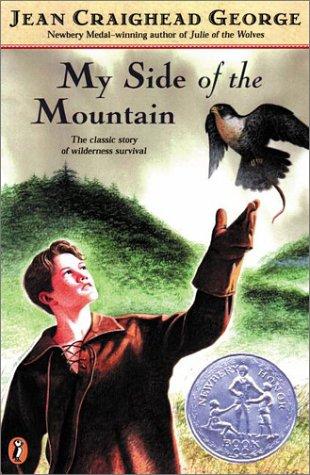
No. 45 on this list. My Side of the Mountain
Jean Craighead George · 1959
Taught in schools: CSEC English B – Caribbean Examinations Council
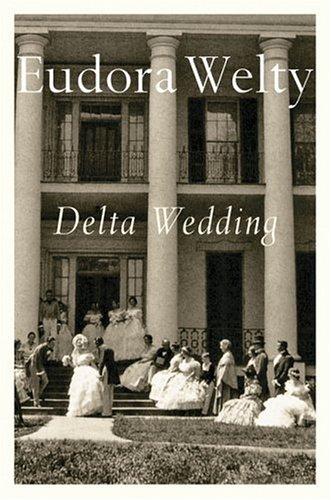
No. 46 on this list. Delta Wedding
Eudora Welty · 1946
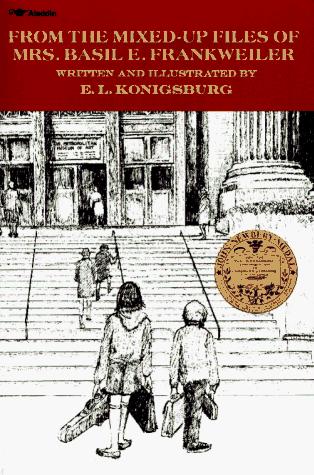
No. 47 on this list. From the Mixed-Up Files of Mrs. Basil E. Frankweiler
E.L. Konigsburg · 1967
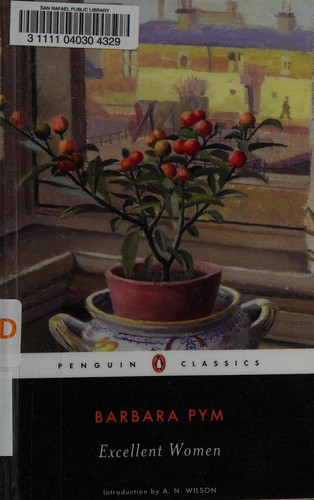
No. 48 on this list. Excellent Women
Barbara Pym · 1952
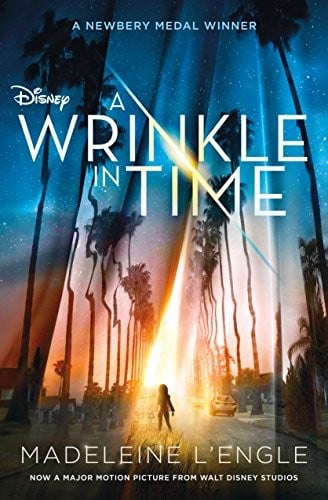
No. 49 on this list. A Wrinkle in Time
Madeleine L'Engle · 1962
Taught in schools: Common Core text exemplars (Appendix B) (US), CSEC English B – Caribbean Examinations Council
No. 50 on this list. Bonjour Tristesse
Françoise Sagan · 1954
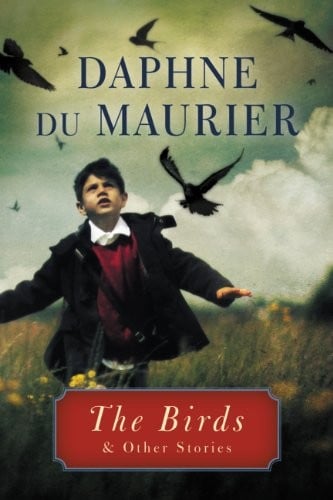
No. 51 on this list. The Birds and Other Stories
Daphne du Maurier · 1952
No. 52 on this list. The Sea Wall
Marguerite Duras · 1950
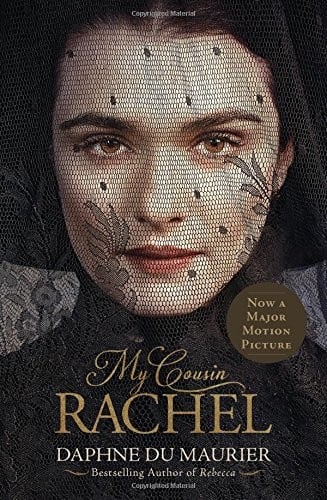
No. 53 on this list. My Cousin Rachel
Daphne du Maurier · 1951
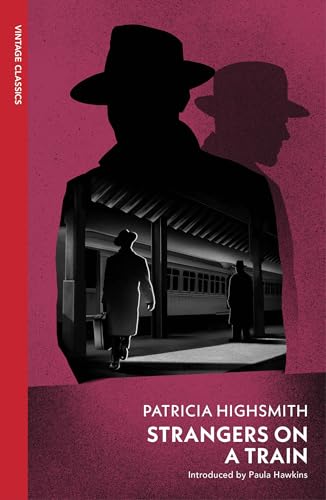
No. 54 on this list. Strangers on a Train
Patricia Highsmith · 1950
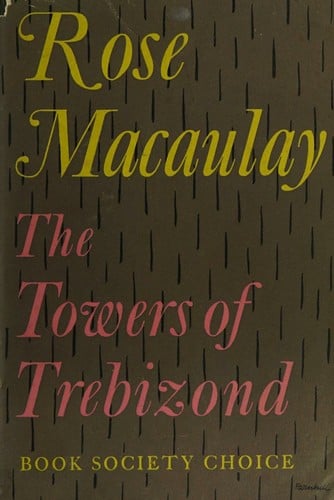
No. 55 on this list. The Towers of Trebizond
Rose Macaulay · 1956
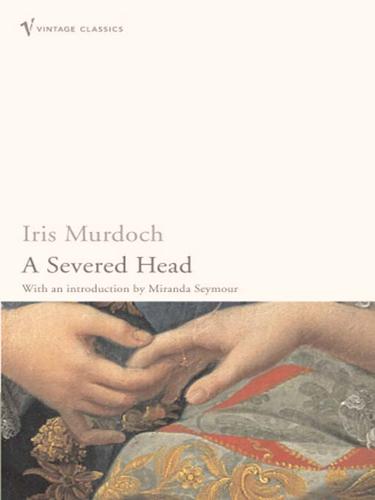
No. 56 on this list. A Severed Head
Iris Murdoch · 1961
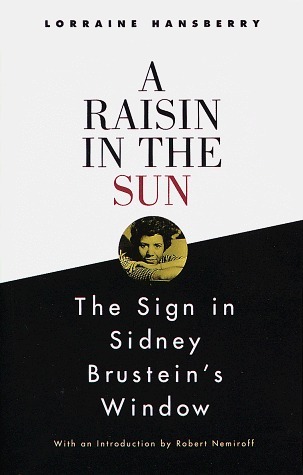
No. 57 on this list. The Sign in Sidney Brustein's Window
Lorraine Hansberry · 1964
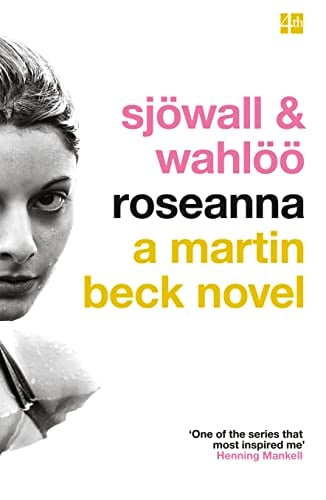
No. 58 on this list. Roseanna
Maj Sjöwall · 1965
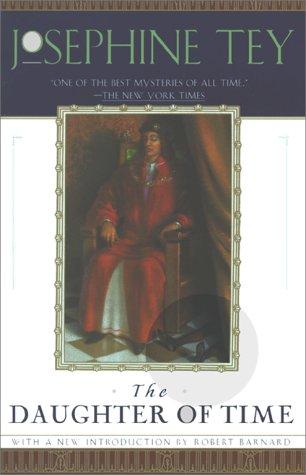
No. 59 on this list. The Daughter of Time
Josephine Tey · 1951
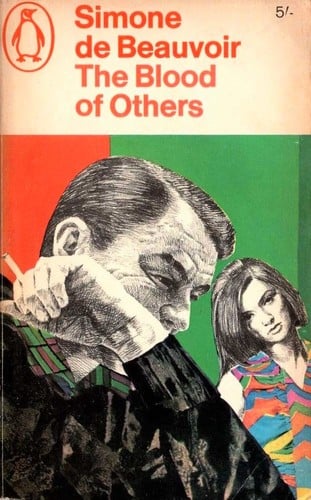
No. 60 on this list. The Blood of Others
Simone de Beauvoir · 1945
No. 61 on this list. Picnic on Paradise
Joanna Russ · 1968
No. 62 on this list. Faces in the Water
Janet Frame · 1961
No. 63 on this list. The Dry Heart
Natalia Ginzburg · 1947
No. 64 on this list. Valentino and Sagittarius
Natalia Ginzburg · 1957
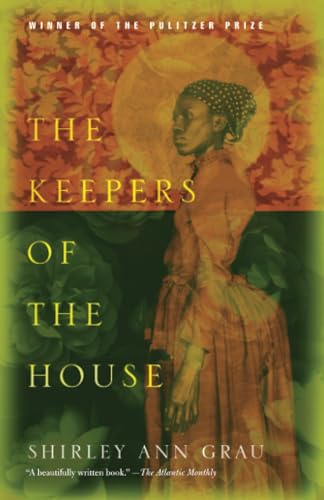
No. 65 on this list. The Keepers of the House
Shirley Ann Grau · 1965
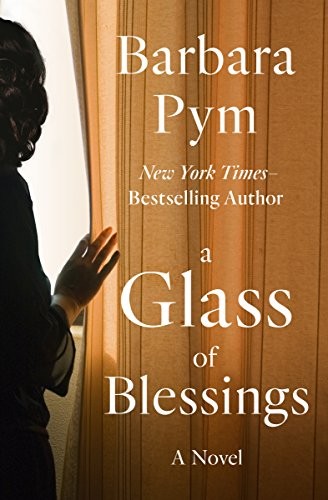
No. 66 on this list. A Glass of Blessings
Barbara Pym · 1958
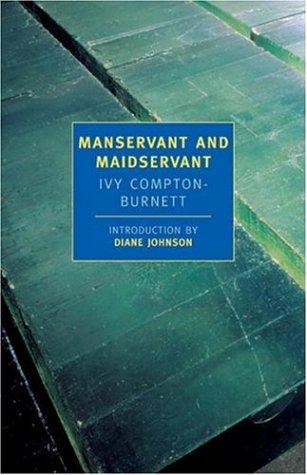
No. 67 on this list. Manservant and Maidservant
Ivy Compton-Burnett · 1947
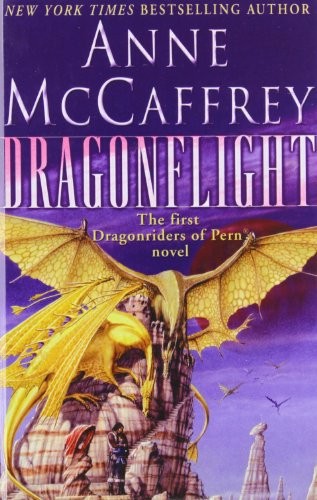
No. 68 on this list. Dragonflight
Anne McCaffrey · 1968
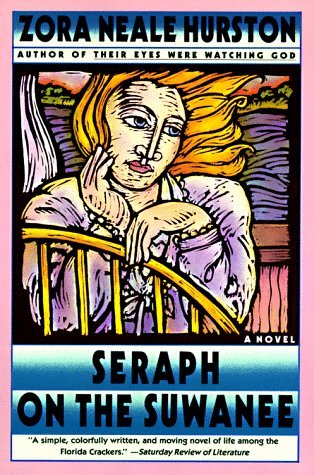
No. 69 on this list. Seraph on the Suwanee
Zora Neale Hurston · 1948
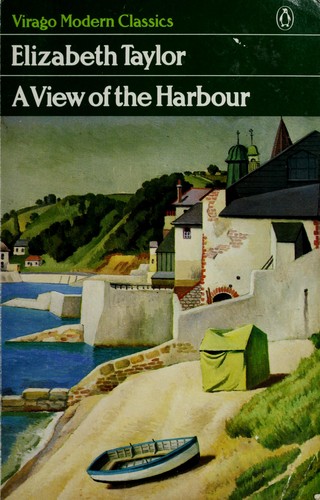
No. 70 on this list. A View of the Harbour
Elizabeth Taylor · 1947
About this list
These 71 books are the highest-scoring eligible postwar and mid-century books by women currently in the catalogue. About 484 hours of reading in all. Difficulty runs from 45 to 66 out of 100 for the middle half of the list; the summit is Poem Without a Hero at 81.
This list is ranked by literary regard, with a consistent order for equal scores. Membership follows authors and co-authors, not translators or editors. A book is here when ReadingRate files it under Postwar & Mid-Century Literature as one of its primary reading domains, and only when its author’s lifetime places it in the period. Catalogue coverage and the historical canon both limit what this list can represent.
When we matched the Canons dataset to our catalogue in October 2026, our canonical-status scores rose with the number of school curricula, publisher series and lists in it that cite a work: the median score was 72 for books one such source cites, 84 at two, 88 at three, 92 at four and 93 at five or more. Prizes are left out of that count. Outside the state curricula, the dataset’s sources choose mostly from what has been translated into English or French, so it is a weaker check on other literatures. Source: Canons (Andrew Piper), CC BY 4.0
Questions people actually ask
- What are the best postwar and mid-century books by women?
- By literary regard, which weighs canonical status, critical standing and influence: Ariel by Sylvia Plath, Requiem by Anna Akhmatova, A Good Man Is Hard to Find by Flannery O'Connor, Poem Without a Hero by Anna Akhmatova and The Bell Jar by Sylvia Plath. ReadingRate ranks 71 such books, each with a difficulty score and a reading-time estimate.
- Which postwar and mid-century books by women should I read first?
- Start from difficulty, not from rank. The most approachable books on this list that still carry top literary regard are The Time of the Doves by Mercè Rodoreda (about 3 hours), A Good Man Is Hard to Find by Flannery O'Connor and Wise Blood by Flannery O'Connor.
- What are the shortest of the best postwar and mid-century books by women?
- Among the top 25, the shortest are Requiem by Anna Akhmatova (about 1.5 hours), Poem Without a Hero by Anna Akhmatova (about 2 hours) and Moderato Cantabile by Marguerite Duras (about 1.4 hours), at an average pace of 250 words a minute adjusted for each book's difficulty.
- Which of the best postwar and mid-century books by women are the established classics?
- By canonical status, how firmly a book sits in curricula, anthologies and the canon: Ariel by Sylvia Plath, A Good Man Is Hard to Find by Flannery O'Connor, To Kill a Mockingbird by Harper Lee, Requiem by Anna Akhmatova and The Bell Jar by Sylvia Plath.
- How long would it take to read the top ten?
- About 63 hours, at an average pace of 250 words a minute adjusted for each book's difficulty: 32 days at two hours a day. Set your own pace on the page and the list's reading times change to it.
- How hard are postwar and mid-century books by women to read?
- Most of this list sits between 45 and 66 on ReadingRate's 100-point difficulty scale, where 40 to 55 is moderate. The summit is Poem Without a Hero at 81. Every entry carries its own score, so a reader can pick a great book at a difficulty they will finish.
- How is this list ranked?
- On literary-regard data: how canonically established a work is, its critical standing, and its influence on later writing. It is not a readers’ poll, which is why recent bestsellers rarely appear. Membership follows authors and co-authors, not translators or editors. Lists by country, author, period, theme or difficulty keep to literature (fiction, poetry, drama and philosophy), their novels, poems and plays first and their philosophy after them; a list of a kind of book, such as memoir or criticism, keeps every book of that kind. Every list holds at most three works by one author. A book is here when ReadingRate files it under Postwar & Mid-Century Literature as one of its primary reading domains, and only when its author’s lifetime places it in the period.