Hours at an average pace
Showing 100 books
About 521 hours for 99 of 100 books with measured lengths. Estimates use 250 words a minute, adjusted for each book's difficulty. At 2 hours a day, about 261 days for those books.
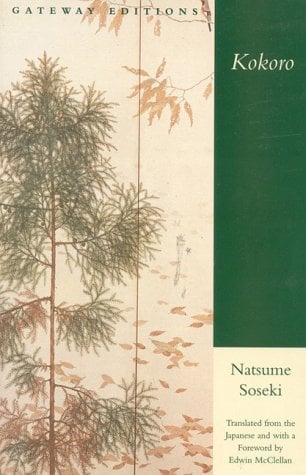
No. 1 on this list. Kokoro
Natsume Sōseki · 1914
Moderate4.5 hours
Included in: UNESCO Collection of Representative Works
Kokoro is universally regarded as the supreme masterpiece of modern Japanese literature and one of the most important novels of the twentieth century in any language. It is the single most commonly assigned novel in Japanese high schools and universities, and appears on literature syllabi worldwide. It has been continuously in print since 1914 and has been translated into dozens of languages. It is a permanent fixture of every serious list of world literature, from the Penguin Classics and Oxford World Classics catalogs to Harold Bloom's discussions of global literary achievement.
No. 2 on this list. The Miser
Molière · 1668
Moderate1.4 hours
Taught in schools: Lektury obowiązkowe – Polish national reading list (Poland), UNAM Escuela Nacional Preparatoria – programas de Literatura (Mexico)
Included in: Great Books of the Western World
The Miser is a staple of French literature and world theater curricula across universities globally, ranking among the most performed and studied comedies of the Western canon. While no syllabus count is in the database, it appears consistently on comparative literature, French studies, and drama course lists. Its presence in world literature anthologies across dozens of languages reflects its canonical standing.
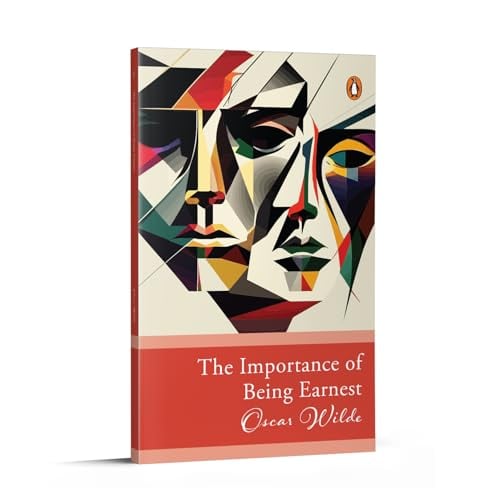
No. 3 on this list. The Importance of Being Earnest and Other Plays
Oscar Wilde · 1898
Moderate6.9 hours
No syllabus or Wikipedia-language data turned up in this database pass, but The Importance of Being Earnest is a fixture of English-language secondary and university curricula worldwide and one of the most frequently produced plays in the English repertoire, with multiple film adaptations (1952, 1992, 2002) keeping it in general circulation. That level of sustained institutional presence puts it near To Kill a Mockingbird's curriculum-fixture status, even without syllabus counts to confirm it directly.
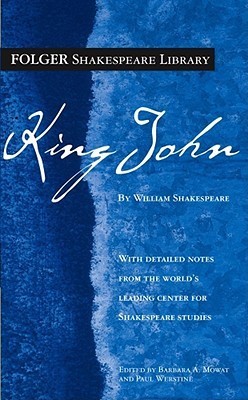
No. 4 on this list. King John
William Shakespeare · 1596
Easy6.4 hours
Included in: Great Books of the Western World
Philip Faulconbridge knows exactly who he is: the illegitimate son of Richard Coeur-de-lion, raised as a Faulconbridge, legitimized by his own choice. King John knows what he wants: the English throne his brother's son Arthur has the better legal claim to. What neither man can control is the play's central force — commodity, Shakespeare's word for self-interest dressed as principle. Around them, King Philip of France swears sacred oaths and breaks them within an act. Cardinal Pandulph maneuvers the papacy's interests through excommunication and alliance. Constance, Arthur's mother, rails at every betrayal with an intensity that makes her grief both righteous and inconvenient. The play traces the political machinery of the Plantagenet world with cold precision: marriage negotiations dissolve wars, papal legates redirect armies, and a child's claim to a throne becomes a reason to have the child killed. Shakespeare sets the Bastard at the center not as hero but as observer — his asides running alongside the action like a mordant commentary on how kings behave when they think no one is watching. The verse shifts register constantly, from formal diplomatic address to earthy soliloquy to Constance's raw lament. King John is among the least-produced of Shakespeare's histories, which has left it free of the interpretive weight that settles on Hamlet or Richard II. Reading it now, the question of who has the right to rule — by birth, by force, by divine sanction, by popular consent — has not become less urgent.
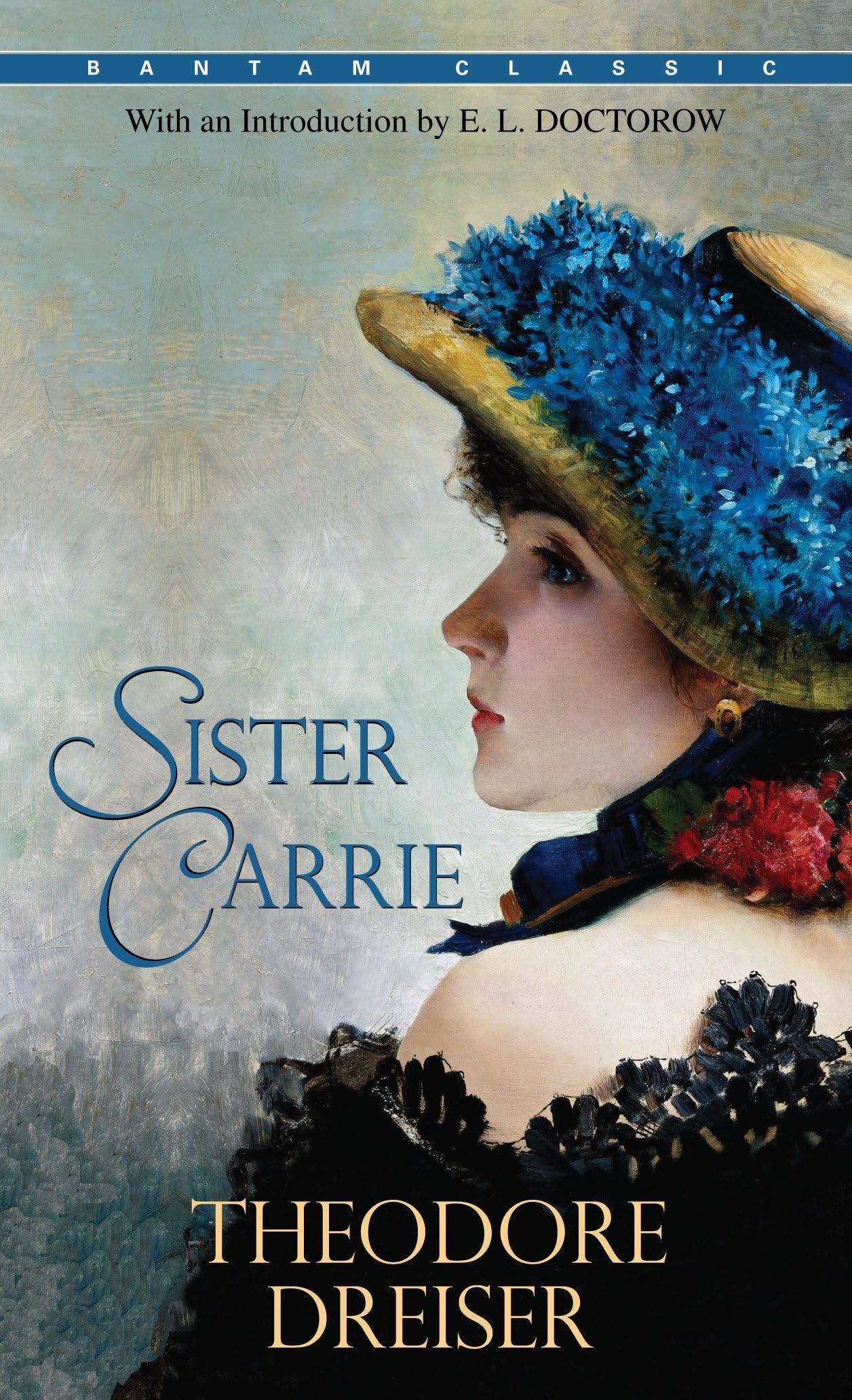
Appears on 1,040 university syllabi and sits on the Modern Library 100 Best Novels list. It is a standard text for American naturalism and the Gilded Age city.
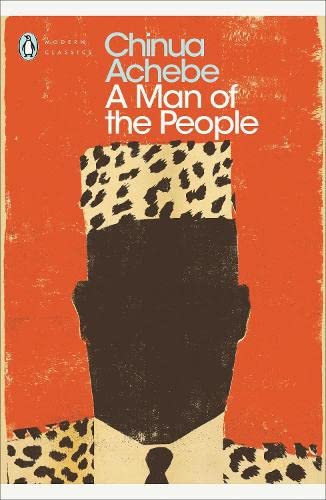
No. 6 on this list. A Man of the People
Chinua Achebe · 1966
Easy3 hours
Taught in schools: Pacific Senior Secondary Certificate – English
Included in: Heinemann African Writers Series
"A Man of the People" appears regularly on university syllabi in African literature, postcolonial studies, and world literature courses, though it occupies a secondary position relative to Achebe's "Things Fall Apart," which is among the most taught novels globally. The book's prophetic publication date—released the same day as Nigeria's first military coup—secured it a place in literary history beyond its syllabus presence. It is standard reading in courses on African political fiction and postcolonial satire.
Jenny holds significant status in Scandinavian literary history as an early psychological realist novel examining female artistic ambition and sexuality with unprecedented frankness. Its 1911 publication sparked controversy and established Undset as a major voice before her Nobel-winning Kristin Lavransdatter trilogy. While less universally canonical than her medieval epics, Jenny remains essential for understanding early 20th-century Nordic modernism and appears regularly in Norwegian literary curricula and scholarship on women's writing.
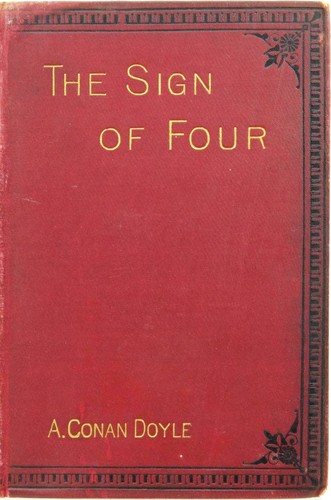
No. 8 on this list. The Sign of Four
Arthur Conan Doyle · 1889
Easy2.4 hours
Taught in schools: AQA GCSE and A-level English Literature (UK)
Sherlock Holmes is injecting cocaine—the seven-percent solution, three times daily—when Mary Morstan walks into 221B Baker Street with a problem she cannot explain: six years of anonymous pearls arriving by post, and now a letter summoning her to a meeting that night. Watson accompanies her, and within hours the case opens onto a murder, a stolen Indian treasure, and a pact sworn by four men in an Agra fortress thirty years before. This is the novel where Watson falls in love. While Holmes methodically catalogs evidence—a wooden leg's indentation on a windowsill, the chemical composition of a spent cartridge—Watson watches Mary Morstan and loses his professional distance entirely. Doyle sustains the contrast deliberately: Holmes predicts, correctly, that the treasure's fate will please Watson for reasons having nothing to do with justice. The chase down the Thames at night, a steam launch fleeing through dark water with Holmes directing pursuit from the deck, is one of Victorian fiction's great set pieces. Jonathan Small's long confession afterward gives the novel its moral weight: the Agra Treasure exists because soldiers betrayed each other in a dying empire, and it has destroyed every life it touched since. Doyle writes with Victorian momentum—no scene idles. For readers who know Holmes only from adaptations, this is sharper, stranger, and more melancholy than expected.
Count Julian (Reivindicación del conde don Julián, 1970), the middle novel of the trilogy begun with Marks of Identity, is a standard text in courses on the post-war Spanish novel. Banned in Franco's Spain, it is read in English in Helen Lane's translation.
A respected Racine tragedy, regularly included in critical discussion though less frequently performed than Phèdre or Andromaque.
No. 11 on this list. The Way We Live Now · Anthony Trollope · 1875
Widely taught in Victorian literature courses at universities worldwide and consistently included in lists of the greatest 19th-century English novels. Routinely called Trollope's masterpiece and the finest Victorian satire of money and society. While no formal database entry is available here, the novel's presence on undergraduate syllabi is extensive, placing it solidly in the upper tier of Victorian canonical texts, though below the very highest (Dickens, George Eliot, Hardy).
Moderate23 hours
Start this bookNo. 12 on this list. The Land at the End of the World · Antonio Lobo Antunes · 1979
A Portuguese military doctor sits in a Lisbon bar late at night, talking at a woman who says nothing. For the next two hundred pages he doesn't stop. What pours out is the twenty-seven months he spent as an army psychiatrist in Angola during Portugal's colonial war — the bodies, the malaria, the boredom, the complicity — braided with memories of a Lisbon childhood lived in the shadow of Salazar's dictatorship and the bourgeois Catholic family that produced him. The zoo near his parents' apartment returns again and again: the animals behind wire, the very upright black roller-skating instructor tracing his slow ellipses, the solitude of the giraffe. The zoo is not a metaphor he explains. It is simply there, and the reader assembles what it means. Antunes writes in a single sustained torrent — no chapters, no scene breaks, no mercy. The syntax piles subordinate clause on subordinate clause until a sentence has carried you from a specific smell in Angolan scrub to a childhood memory of an aunt's apartment to a direct address back to the silent woman and her motionless hands. The narrator presents himself as tender, self-aware, a victim. The text contradicts him at every turn. He watched things happen that he did not stop. Originally published in 1979 as Os Cus de Judas — a title the English publisher softened — this is the novel that announced Antunes as the defining voice of post-colonial Portuguese literature. It reads like Faulkner set in the ruins of empire, with the guilt turned inward until it can't be contained.
Moderate4 hours
Start this bookNo. 13 on this list. Adam Bede · George Eliot · 1859
Adam Bede appears regularly on Victorian literature and 19th-century British fiction syllabi at universities worldwide, and is the standard entry point to George Eliot's work in courses that cannot assign the longer Middlemarch. It is included in most survey courses of the Victorian novel. Its canonical status within the Eliot corpus is secondary only to Middlemarch and The Mill on the Floss, but within the broader Victorian canon it holds a secure if not dominant position — consistently anthologized, consistently in print, and consistently cited as a foundational work of Victorian realism.
Moderate13 hours
Read nowNo. 14 on this list. Mandragola · Niccolò Machiavelli · 1524
The greatest Italian Renaissance comedy and Machiavelli's most performed work, standard in courses on European drama and Renaissance literature.
Easy1.1 hours
Read nowNo. 15 on this list. The Golovlyov Family · Mikhail Saltykov-Shchedrin · 1880
Considered the greatest Russian satirical novel and one of the major achievements of nineteenth-century Russian prose, though less internationally known than Tolstoy or Dostoevsky.
Easy6.8 hours
Start this bookNo. 16 on this list. Elmer Gantry · Sinclair Lewis · 1927
One of Sinclair Lewis's major satires of the 1920s, alongside Main Street and Babbitt. It appears on only 5 university syllabi in Open Syllabus data, but its title character's name became a byword for the hypocritical preacher.
Easy9.3 hours
Read nowNo. 17 on this list. And Then There Were None · Agatha Christie · 1939
Taught in schools: Hungarian literature curriculum (magyar nyelv és irodalom) (Hungary)
Christie's most celebrated novel holds a dominant place in the mystery canon and is widely recognized as the best-selling mystery of all time. It appears on virtually every 'greatest mysteries ever written' list — TIME's All-TIME 100 Novels, the BBC's Big Read — and is frequently taught in genre fiction courses. Its canonical standing within popular fiction far exceeds that of typical genre works, though it sits below the academic canonicity of literary fiction anchors like Gatsby or Beloved.
Easy2.8 hours
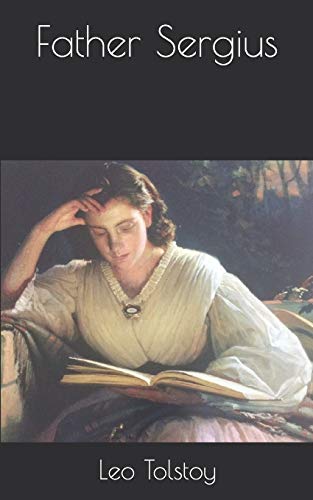
Start this bookNo. 18 on this list. Father Sergius · Leo Tolstoy · 1898
Father Sergius appears on university syllabi in Tolstoy studies and 19th-century Russian literature courses, but it occupies a secondary position relative to War and Peace, Anna Karenina, and The Death of Ivan Ilyich. No syllabus or Wikipedia data was returned by the data signals tool, consistent with the novella's status as a respected but not widely-taught shorter work. It appears in major collected editions of Tolstoy but is rarely the primary text in survey courses.
Moderate1.1 hours
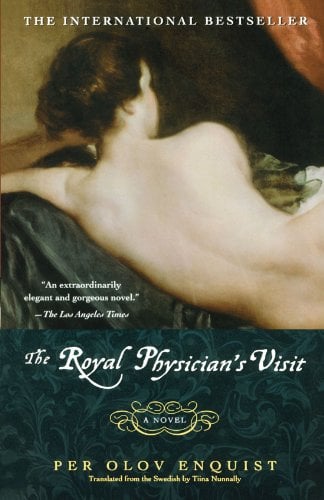
Read nowNo. 19 on this list. The Visit of the Royal Physician · Per Olov Enquist · 1999
Widely regarded as one of the finest Scandinavian novels of the late twentieth century. An international bestseller and a staple of Swedish literary culture.
Moderate5.3 hours
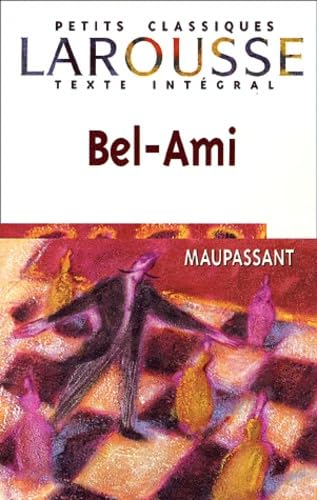
Start this bookNo. 20 on this list. Bel-Ami · Guy de Maupassant · 1885
Bel-Ami appears on world literature and French literature syllabi globally and is considered Maupassant's most important novel. The database lacks syllabus data but Wikipedia lists the book in over 30 languages with a substantial article including reception and adaptations sections. It features consistently on lists of essential 19th-century French novels.
Moderate3.1 hours
Start this book

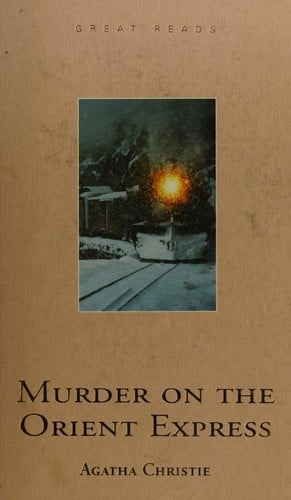
No. 21 on this list. Murder on the Orient Express · Agatha Christie · 1934
A fixture in mystery and detective fiction courses worldwide, and one of the most translated English-language novels of the twentieth century with Wikipedia articles in over 60 languages. Widely included on 'essential reading' and 'best mysteries' lists, though its presence in general literary syllabi is lower than canonical modernist works.
Easy3.3 hours
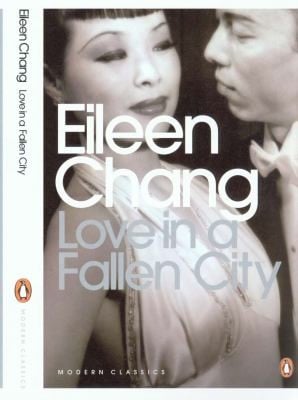
Start this bookNo. 22 on this list. Love in a Fallen City · Eileen Chang · 1943
Chang is recognized as a major figure in modern Chinese literature and is regularly taught in Chinese literature, Asian studies, and world literature courses. This Penguin Modern Classics edition and inclusion in the Columbia Anthology of Modern Chinese Literature signal canonical standing. Her syllabi presence in Western universities remains more limited than in Chinese-speaking academic institutions, where she is a curriculum staple.
Easy6.2 hours
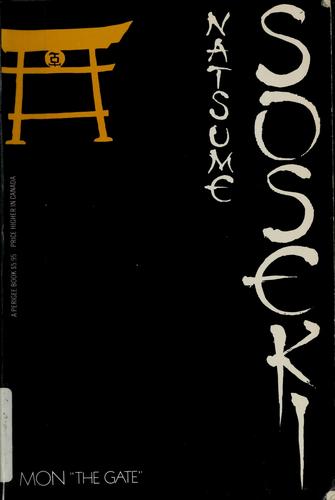
Start this bookNo. 23 on this list. The Gate · Natsume Sōseki · 1910
Included in: UNESCO Collection of Representative Works
The concluding novel of Soseki's early trilogy. Admired for its restraint and psychological depth.
Moderate4.1 hours
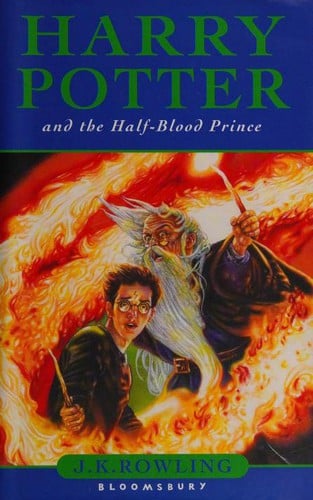
Start this bookNo. 24 on this list. Harry Potter and the Half-Blood Prince · J.K. Rowling · 2005
Not a set text, but among the most widely read novels of the century and increasingly studied as a cultural object.
Easy10 hours
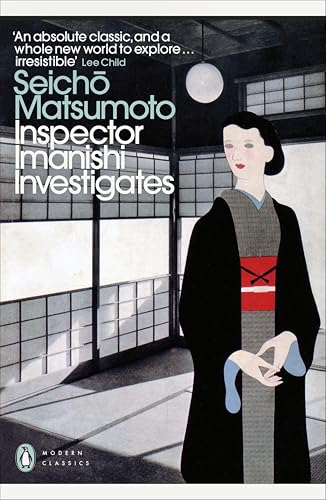
Start this bookNo. 25 on this list. Inspector Imanishi Investigates · Seichō Matsumoto · 1961
A foundational text of Japanese crime fiction, studied extensively in Japanese literature programs and increasingly abroad.
Moderate5.8 hours
Start this bookNo. 26 on this list. The Vendor of Sweets · R.K. Narayan · 1967
One of Narayan's most admired novels and a standard text in Indian literature courses, though less internationally famous than The Guide.
Easy2.3 hours
Start this bookNo. 27 on this list. The Little Sister · Raymond Chandler · 1988
Chandler is a staple of crime fiction and American hard-boiled studies, though this novel is less taught than The Big Sleep. It is a respected title in the genre canon but not a core curricular text.
Easy4 hours
Start this bookNo. 28 on this list. Everyman · Philip Roth · 2007
The book won the 2007 PEN/Faulkner Award. It is regularly taught in contemporary American literature courses and in courses on aging, yet it sits below Roth's major works such as Portnoy's Complaint and American Pastoral in the syllabus ranking. It has a Wikipedia page in 4 languages.
Moderate2.5 hours
Start this bookNo. 29 on this list. Bastard Out of Carolina · Dorothy Allison · 1992
Appears on 253 university syllabi, placing it above many contemporary novels in Southern literature, women's studies and queer studies courses. It is not yet a universal staple like Beloved.
Easy4.9 hours
Start this bookNo. 30 on this list. Marianela · Benito Pérez Galdós
One of Galdós's best-known novels and a standard text in Spanish literature courses, though less central than his Fortunata and Jacinta.
Easy4.2 hours
Start this book

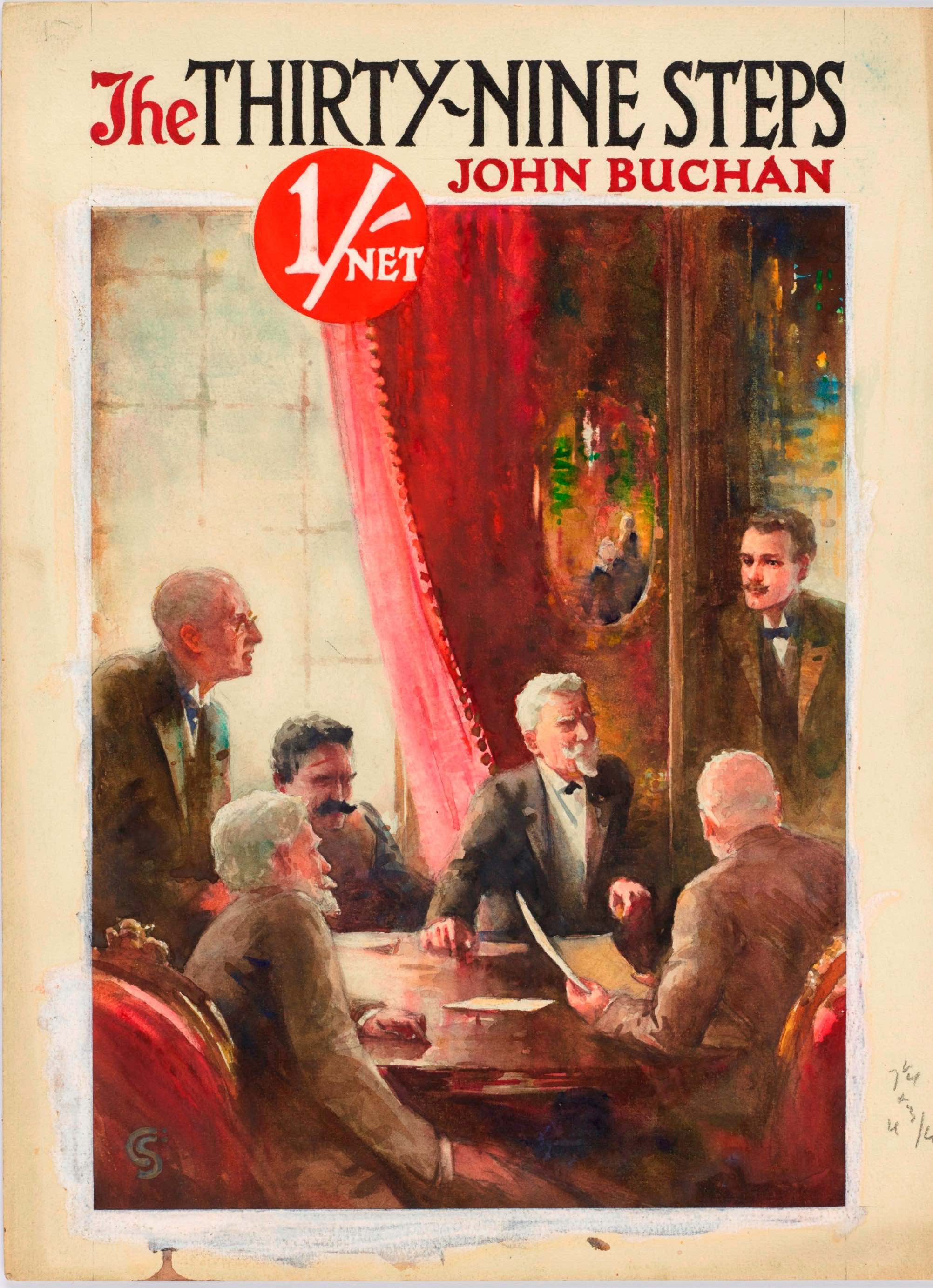
No. 31 on this list. The Thirty-Nine Steps
John Buchan · 1915
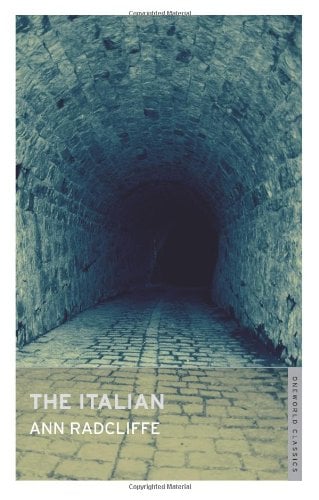
No. 32 on this list. The Italian
Ann Radcliffe · 1796
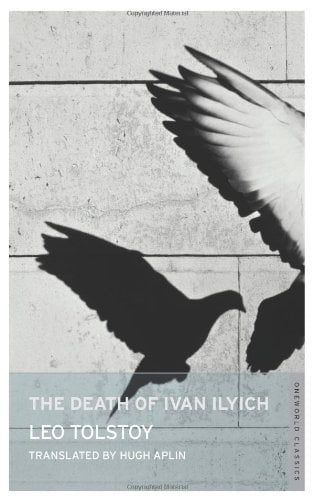
No. 33 on this list. The Devil
Leo Tolstoy · 1911
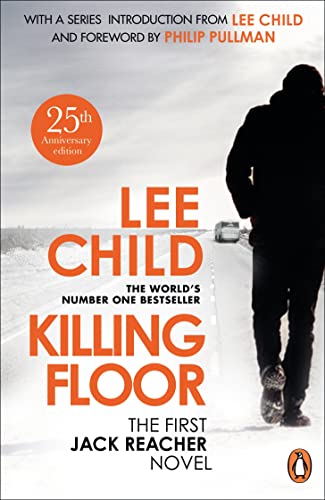
No. 34 on this list. Killing Floor
Lee Child · 1997
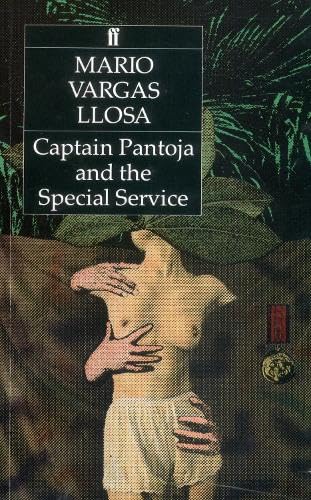
No. 35 on this list. Captain Pantoja and the Special Service
Mario Vargas Llosa · 1973
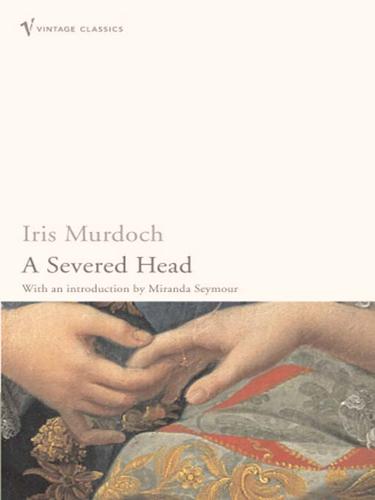
No. 36 on this list. A Severed Head
Iris Murdoch · 1961
No. 37 on this list. The Fury
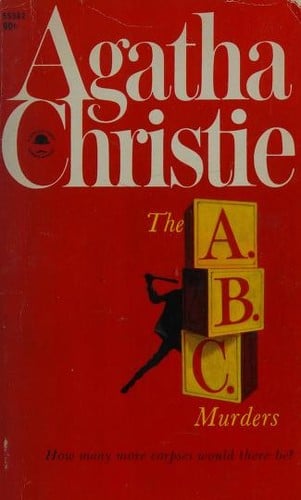
No. 38 on this list. The ABC Murders
Agatha Christie · 1936
No. 39 on this list. The 39 Steps
John Buchan · 1915
No. 40 on this list. The Empress of Salt and Fortune
Nghi Vo · 2020
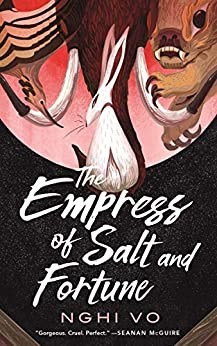
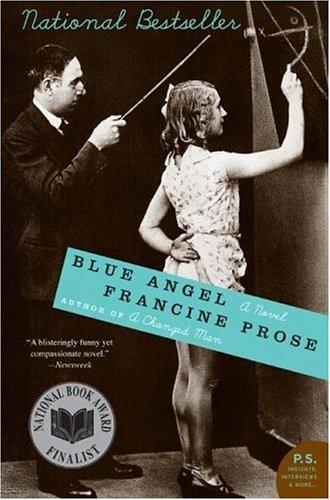
No. 41 on this list. Blue Angel
Francine Prose · 2000
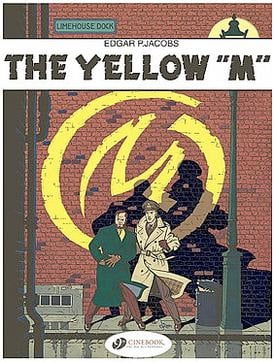
No. 42 on this list. Blake and Mortimer
Edgar P. Jacobs · 1946
No. 43 on this list. Romola
George Eliot · 1863
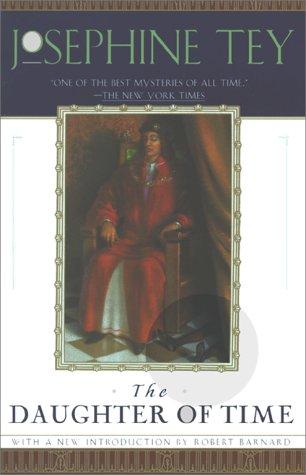
No. 44 on this list. The Daughter of Time
Josephine Tey · 1951
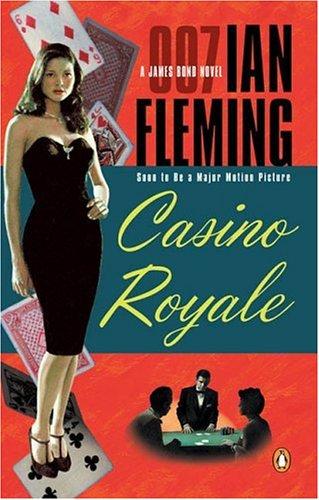
No. 45 on this list. Casino Royale
Ian Fleming · 1953
No. 46 on this list. The garden of Eden
Ernest Hemingway · 1986
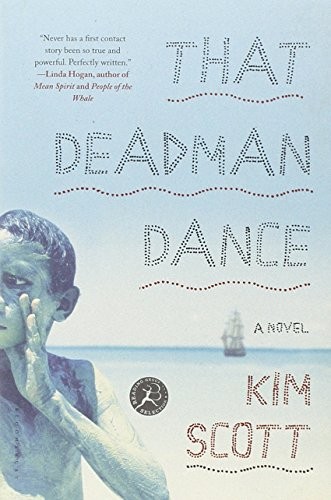
No. 47 on this list. That Deadman Dance
Kim Scott · 2010
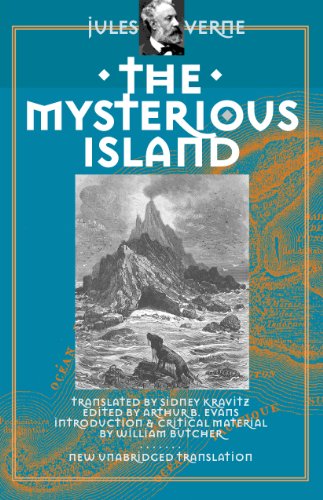
No. 48 on this list. The Mysterious Island
Jules Verne · 1875
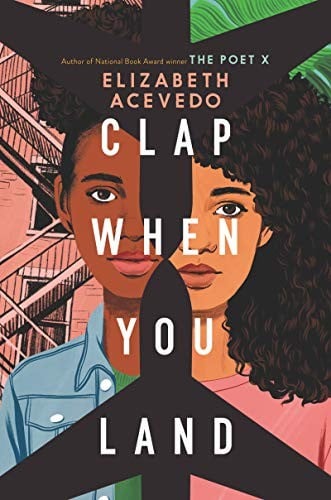
No. 49 on this list. Clap When You Land
Elizabeth Acevedo · 2020
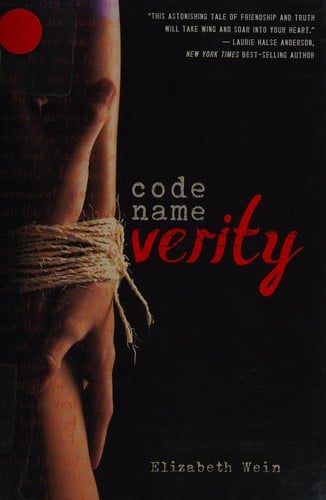
No. 50 on this list. Code Name Verity
Elizabeth Wein · 2012

No. 51 on this list. The Village of Stepanchikovo and Its Inhabitants
Fyodor Dostoevsky · 1859
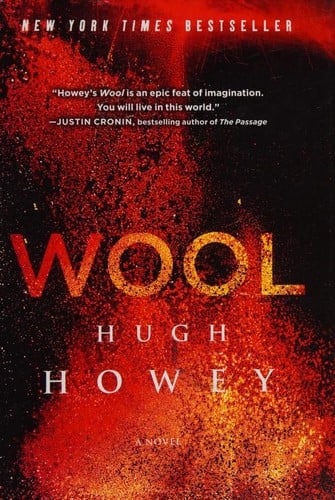
No. 52 on this list. Wool
Hugh Howey · 2011
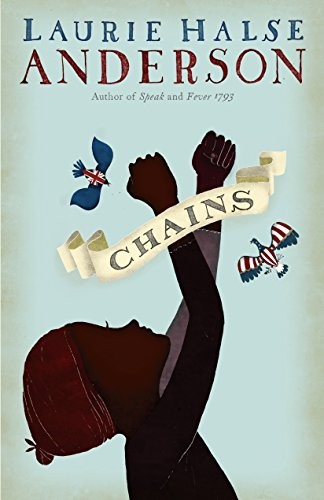
No. 53 on this list. Chains
Laurie Halse Anderson · 2008
No. 54 on this list. Prohibido suicidarse en primavera
No. 55 on this list. Lady Susan
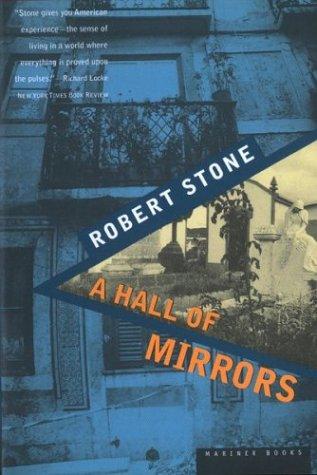
No. 56 on this list. A Hall of Mirrors
Robert Stone · 1967
No. 57 on this list. Only Dull People Are Brilliant at Breakfast
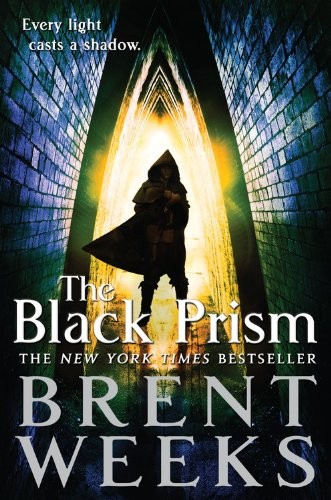
No. 58 on this list. The Black Prism
Brent Weeks · 2010
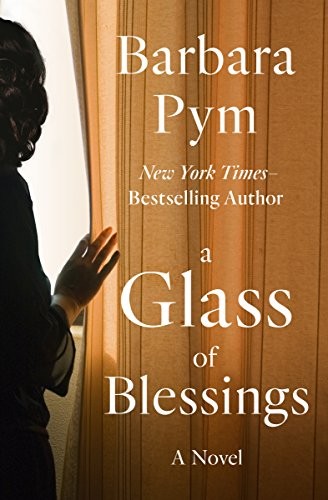
No. 59 on this list. A Glass of Blessings
Barbara Pym · 1958
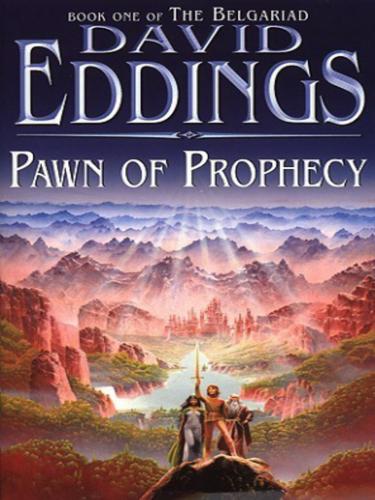
No. 60 on this list. Pawn of Prophecy
David Eddings · 1982

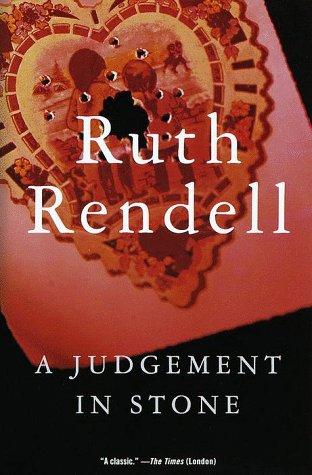
No. 61 on this list. A Judgement in Stone
Ruth Rendell · 1977
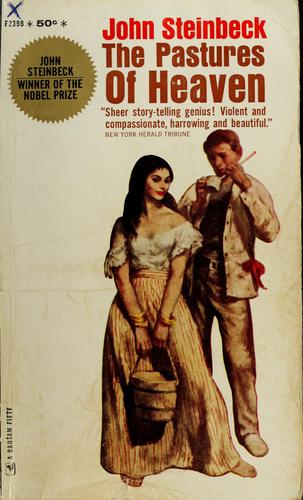
No. 62 on this list. The Pastures of Heaven
John Steinbeck · 1932
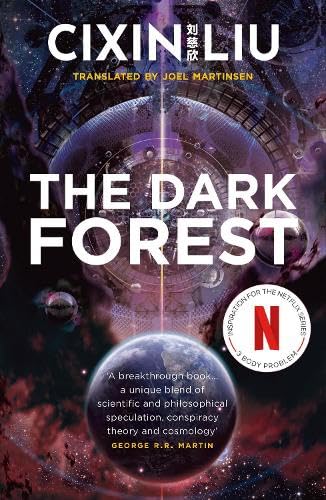
No. 63 on this list. The Dark Forest
Liu Cixin · 2008
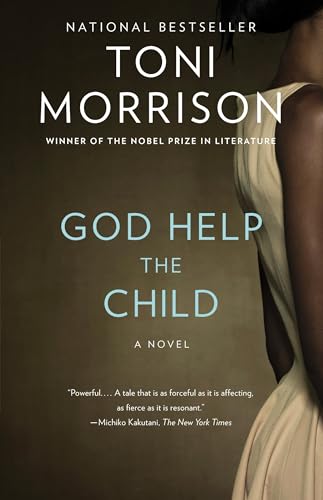
No. 64 on this list. God Help the Child
Toni Morrison · 2015
No. 65 on this list. Uncle's Dream
Fyodor Dostoevsky · 1859
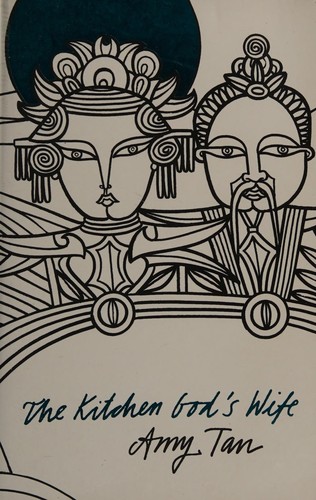
No. 66 on this list. The Kitchen God's Wife
Amy Tan · 1991
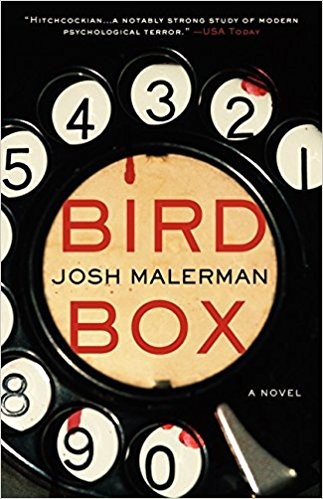
No. 67 on this list. Bird Box
Josh Malerman · 2014
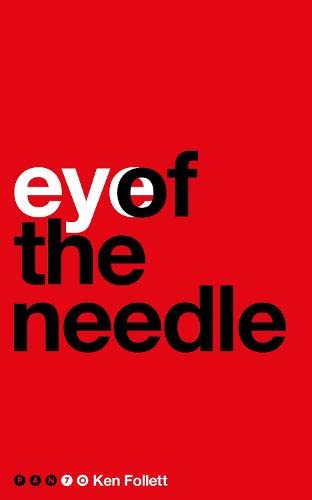
No. 68 on this list. Eye of the Needle
Ken Follett · 1978
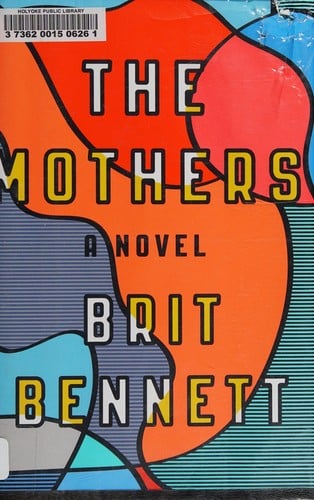
No. 69 on this list. The Mothers
Brit Bennett · 2016
No. 70 on this list. The Friends of Eddie Coyle
George V. Higgins · 1970
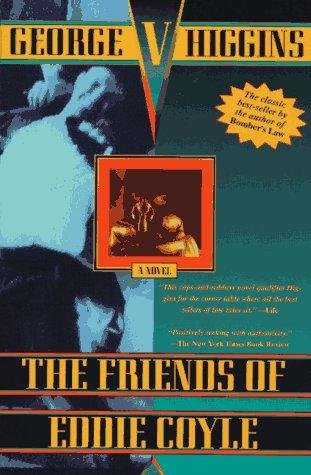
No. 71 on this list. The Black Swan
Thomas Mann · 1953
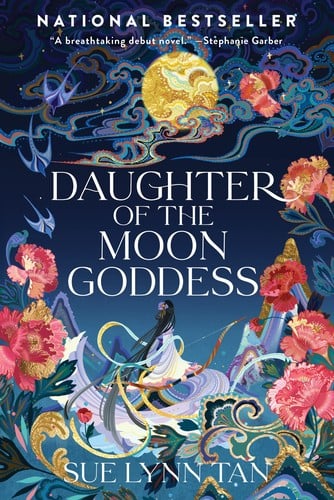
No. 72 on this list. Daughter of the Moon Goddess
Sue Lynn Tan · 2022
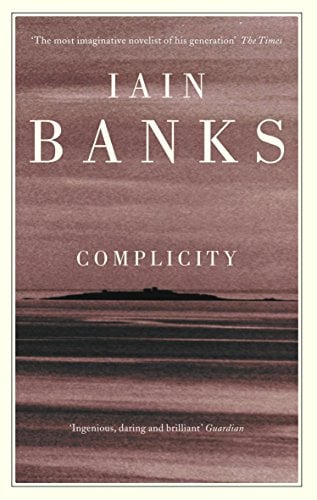
No. 73 on this list. Complicity
Iain Banks · 1993
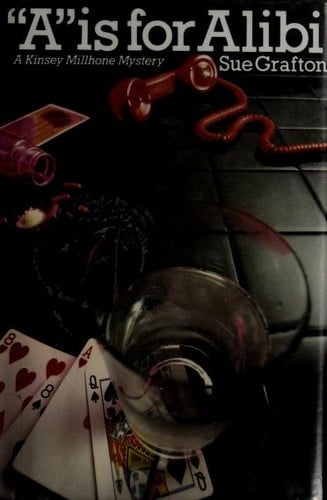
No. 74 on this list. "A" Is for Alibi
Sue Grafton · 1982
No. 75 on this list. The Weapon Shops of Isher
A.E. van Vogt · 2013
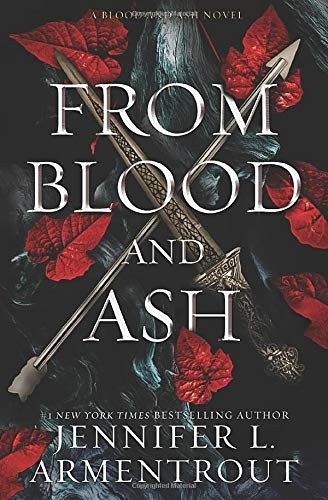
No. 76 on this list. From Blood and Ash
Jennifer L. Armentrout · 2020
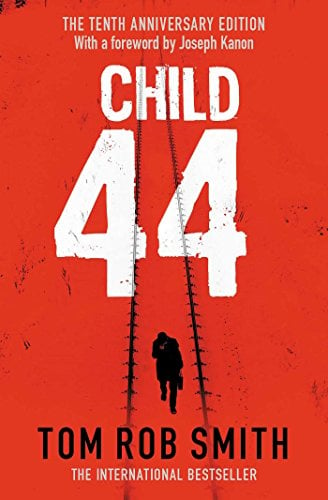
No. 77 on this list. Child 44
Tom Rob Smith · 2008
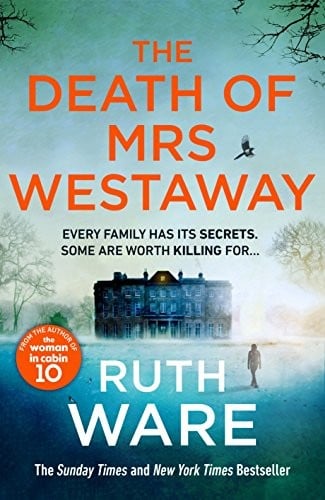
No. 78 on this list. The Death of Mrs. Westaway
Ruth Ware · 2018
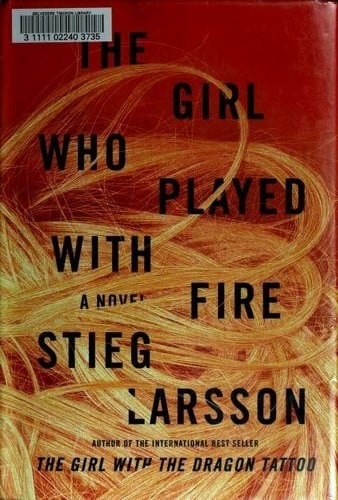
No. 79 on this list. The Girl Who Played with Fire
Stieg Larsson · 2009
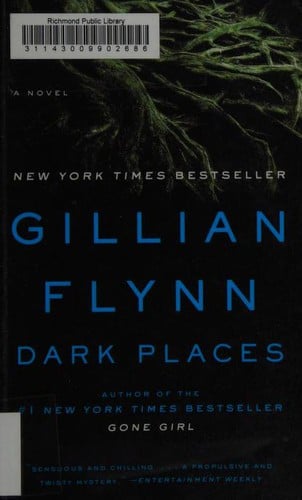
No. 80 on this list. Dark Places
Gillian Flynn · 2009
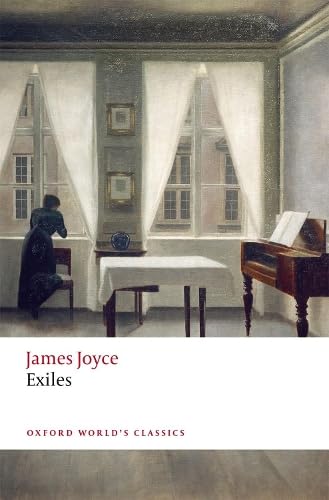
No. 81 on this list. Exiles
James Joyce · 1918
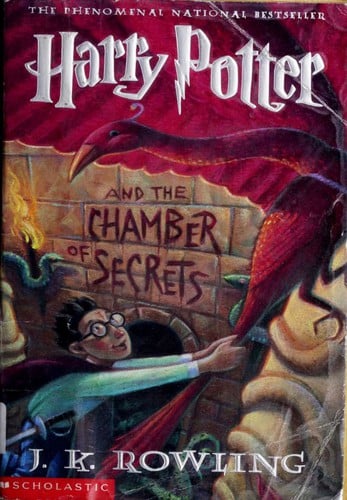
No. 82 on this list. Harry Potter and the Chamber of Secrets
J.K. Rowling · 1999
No. 83 on this list. Aimez-vous Brahms...
Françoise Sagan · 2017
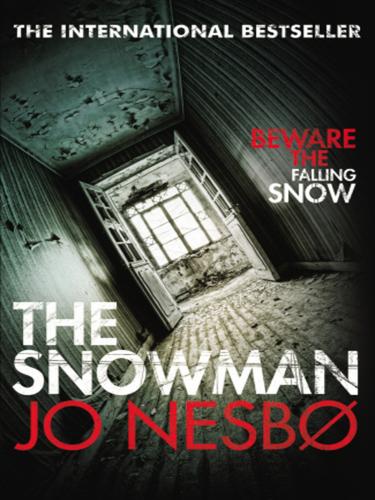
No. 84 on this list. The Snowman
Jo Nesbø · 2007
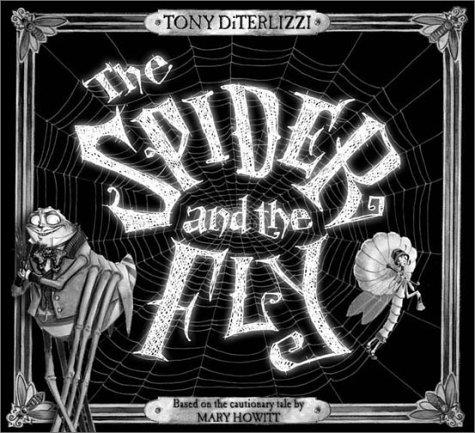
No. 85 on this list. The Spider and the Fly
Mary Botham Howitt · 2002
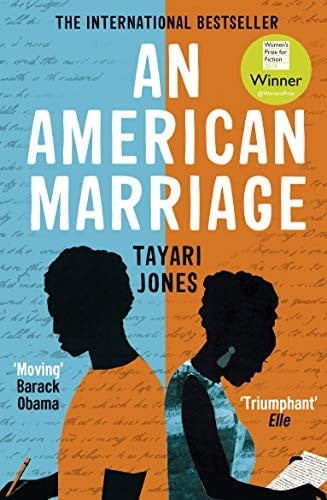
No. 86 on this list. An American Marriage
Tayari Jones · 2019
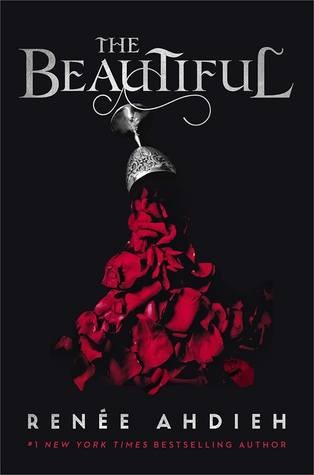
No. 87 on this list. The Beautiful
Renee Ahdieh · 2019
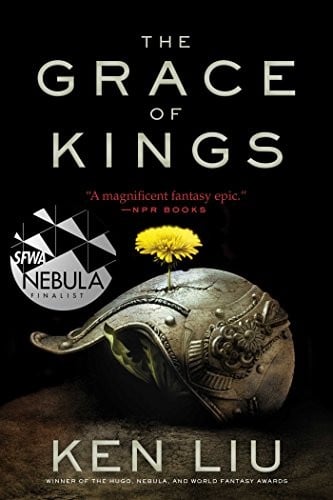
No. 88 on this list. The Grace of Kings
Ken Liu · 2015
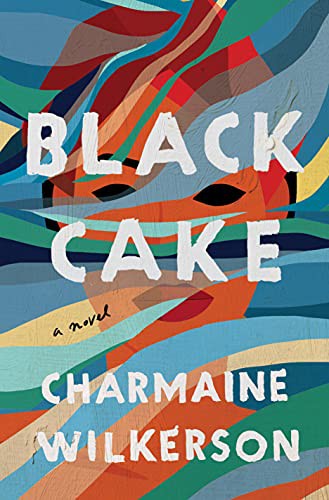
No. 89 on this list. Black Cake
Charmaine Wilkerson · 2022
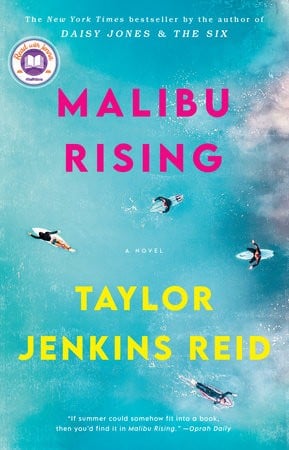
No. 90 on this list. Malibu Rising
Taylor Jenkins Reid · 2021

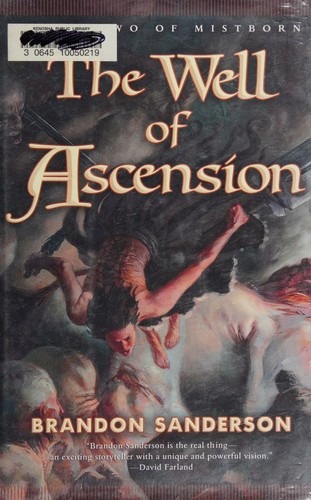
No. 91 on this list. The Well of Ascension
Brandon Sanderson · 2007
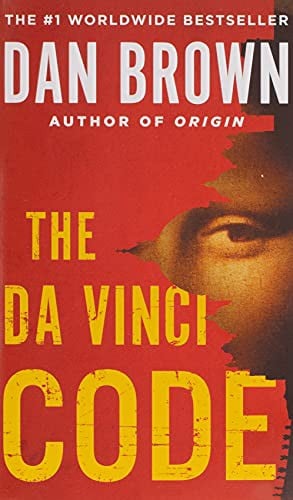
No. 92 on this list. The Da Vinci Code
Dan Brown · 2003
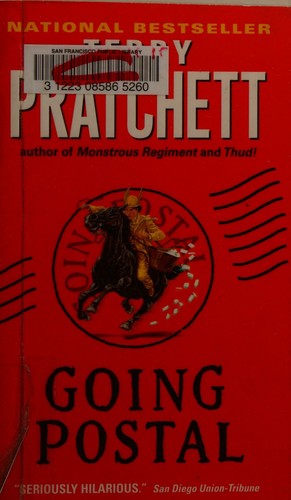
No. 93 on this list. Going Postal
Terry Pratchett · 2004
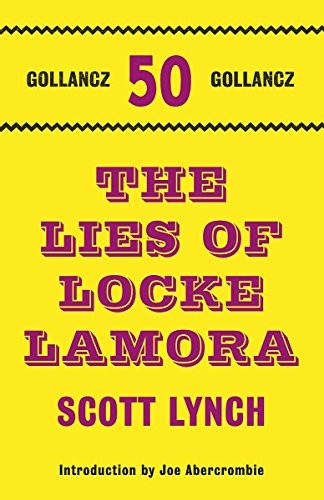
No. 94 on this list. The Lies of Locke Lamora
Scott Lynch · 2006
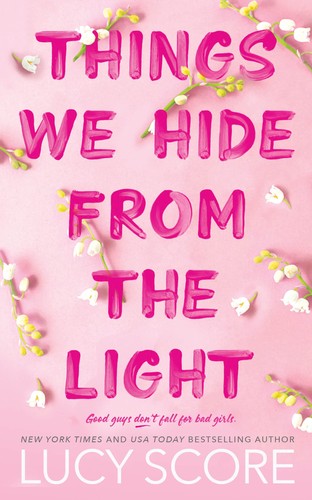
No. 95 on this list. Things We Never Got Over
Lucy Score · 2022
No. 96 on this list. Mon traître
Sorj Chalandon · 2008
No. 97 on this list. Die Wunden unserer Brüder: Roman (German Edition)
Joseph Andras · 2017
No. 98 on this list. Millenium: La trilogie
Stieg Larsson · 2005
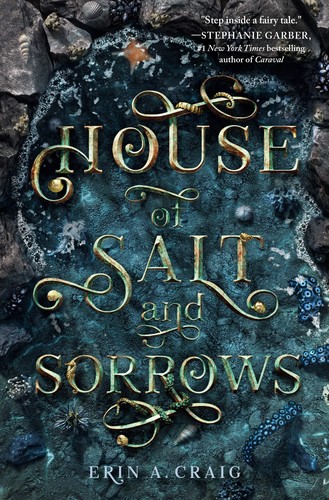
No. 99 on this list. House of Salt and Sorrows
Erin A. Craig · 2019
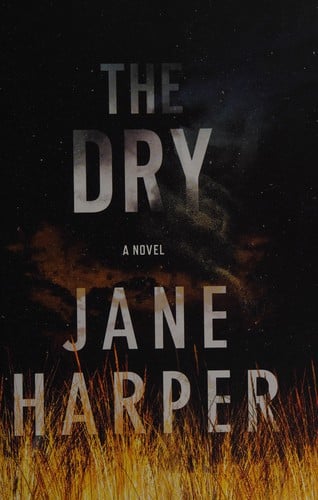
No. 100 on this list. The Dry
Jane Harper · 2016


About this list
These 100 books are the highest-scoring eligible easy books about deception and secrets currently in the catalogue. About 521 hours of reading in all, for the 99 with measured lengths. Difficulty runs from 33 to 41 out of 100 for the middle half of the list; the summit is Romola at 45.
This list is ranked by literary regard, with a consistent order for equal scores. Membership follows authors and co-authors, not translators or editors. A book is here when ReadingRate files it under Deception & Secrets as one of its primary reading domains, at a confidence of 0.8 or more. Catalogue coverage and the historical canon both limit what this list can represent.
When we matched the Canons dataset to our catalogue in October 2026, our canonical-status scores rose with the number of school curricula, publisher series and lists in it that cite a work: the median score was 72 for books one such source cites, 84 at two, 88 at three, 92 at four and 93 at five or more. Prizes are left out of that count. Outside the state curricula, the dataset’s sources choose mostly from what has been translated into English or French, so it is a weaker check on other literatures. Source: Canons (Andrew Piper), CC BY 4.0
Questions people actually ask
- What are the best easy books about deception and secrets?
- By literary regard, which weighs canonical status, critical standing and influence: Kokoro by Natsume Sōseki, The Miser by Molière, The Importance of Being Earnest and Other Plays by Oscar Wilde, King John by William Shakespeare and Sister Carrie by Theodore Dreiser. ReadingRate ranks 100 such books, each with a difficulty score and a reading-time estimate.
- Which easy books about deception and secrets should I read first?
- Start from difficulty, not from rank. The most approachable books on this list that still carry top literary regard are Sister Carrie by Theodore Dreiser (about 9.4 hours), King John by William Shakespeare and Kokoro by Natsume Sōseki.
- What are the shortest of the best easy books about deception and secrets?
- Among the top 25, the shortest are Bajazet by Jean Racine (about 57 min), Father Sergius by Leo Tolstoy (about 1.1 hours) and Mandragola by Niccolò Machiavelli (about 1.1 hours), at an average pace of 250 words a minute adjusted for each book's difficulty.
- Which of the best easy books about deception and secrets are the established classics?
- By canonical status, how firmly a book sits in curricula, anthologies and the canon: Kokoro by Natsume Sōseki, The Miser by Molière, The Importance of Being Earnest and Other Plays by Oscar Wilde, Sister Carrie by Theodore Dreiser and King John by William Shakespeare.
- Can I read any of these easy books about deception and secrets for free?
- 12 of the 100 open in ReadingRate's reader with a free account, from public-domain editions: King John, Sister Carrie, Jenny, Adam Bede, Mandragola and 7 more.
- How long would it take to read the top ten?
- About 43 hours, at an average pace of 250 words a minute adjusted for each book's difficulty: 22 days at two hours a day. Set your own pace on the page and the list's reading times change to it.
- How hard are easy books about deception and secrets to read?
- Most of this list sits between 33 and 41 on ReadingRate's 100-point difficulty scale, where 40 to 55 is moderate. The summit is Romola at 45. Every entry carries its own score, so a reader can pick a great book at a difficulty they will finish.
- How is this list ranked?
- On literary-regard data: how canonically established a work is, its critical standing, and its influence on later writing. It is not a readers’ poll, which is why recent bestsellers rarely appear. Membership follows authors and co-authors, not translators or editors. Lists by country, author, period, theme or difficulty keep to literature (fiction, poetry, drama and philosophy), their novels, poems and plays first and their philosophy after them; a list of a kind of book, such as memoir or criticism, keeps every book of that kind. Every list holds at most three works by one author. A book is here when ReadingRate files it under Deception & Secrets as one of its primary reading domains, at a confidence of 0.8 or more.