Hours at an average pace
Showing 100 books
About 847 hours for 100 of 100 books with measured lengths. Estimates use 250 words a minute, adjusted for each book's difficulty. At 2 hours a day, about 424 days for those books.
No. 1 on this list. On the Nature of Things
Lucretius · c. 55 BCE
Moderate5.5 hours
Included in: Great Books of the Western World
De Rerum Natura is one of the most significant surviving texts from antiquity, taught in classics, philosophy, and history of science programs at universities worldwide. It represents the fullest extant exposition of Epicurean atomism in any language and appears on virtually every list of essential classical works. Its rediscovery by Poggio Bracciolini in 1417 is credited with catalyzing Renaissance intellectual culture.
No. 2 on this list. David Copperfield
Charles Dickens · 1850
Moderate24 hours
Taught in schools: WJEC/Eduqas GCSE and A-level English Literature (UK)
David Copperfield is firmly established in the Western literary canon as one of Dickens's supreme achievements and a defining example of the Victorian Bildungsroman. It remains widely taught, studied, and adapted across cultures.
No. 3 on this list. Masnavi
Rumi · 1273
Challenging7.8 hours
Included in: Bokklubben World Library, UNESCO Collection of Representative Works
Rumi poured twenty-five thousand couplets of mystical poetry into a single work that uses merchant tales, animal fables, Quranic commentary, and bawdy jokes to dramatize the soul's journey toward divine love. The Masnavi became the foundational text of Sufi literary tradition and remains the most widely read poem in the Persian-speaking world.
No. 4 on this list. Demons
Fyodor Dostoevsky · 1872
Challenging22 hours
Included in: Bokklubben World Library
A revolutionary cell takes hold of a provincial Russian town, manipulating liberal reformers and committing murder in the name of progress. Based partly on the Nechaev affair—a real case where a revolutionary leader murdered a skeptical member of his group—Dostoevsky creates a portrait of ideological possession that proved prophetic. Nikolai Stavrogin, beautiful and morally empty, inspires devotion he cannot reciprocate. Pyotr Verkhovensky, cunning and nihilistic, orchestrates chaos he believes will bring utopia. Around them swirl liberals, revolutionaries, idealists, and cynics whose ideas have disconnected from reality. The novel is Dostoevsky's darkest political vision: a society where borrowed Western ideas have corrupted Russian souls, where the best lack all conviction and the worst are full of passionate intensity. Also published as The Possessed or The Devils.
No. 5 on this list. The Winter's Tale
William Shakespeare · 1611
Challenging1.9 hours
Included in: Great Books of the Western World
A standard text in university Shakespeare courses worldwide, The Winter's Tale is taught as part of the late romances alongside The Tempest and Pericles. While it ranks below the major tragedies in curriculum frequency, it is required reading in virtually all advanced Shakespeare courses and appears regularly in comparative drama syllabi globally.
No. 6 on this list. Tartuffe
Molière · 1669
Moderate1.3 hours
Taught in schools: Hungarian literature curriculum (magyar nyelv és irodalom) (Hungary)
Included in: Great Books of the Western World
Tartuffe is required reading in French literature, comparative literature, and theater history courses at virtually every major university. It is among the most-performed French plays internationally and appears on nearly all canonical drama reading lists alongside Racine and Corneille. The play has been in continuous repertoire since 1669 and is central to any study of Western comedy.
No. 7 on this list. The Idiot
Fyodor Dostoevsky · 1869
Challenging19 hours
Taught in schools: Russian FGOS literature standard
Included in: Bokklubben World Library
Prince Myshkin steps off a train into St. Petersburg after four years in a Swiss sanatorium, cured of his epilepsy but carrying no money, no connections, and a disposition so transparently good that everyone around him assumes he is simple. He is not simple. He sees directly into people — their vanity, their suffering, their better selves — and says so without calculation, which the society he enters reads as idiocy. Within days he is entangled with two women: Nastasya Filippovna, a celebrated beauty who has been kept and ruined by a wealthy patron and who tears through every room she enters, and Aglaya Epanchina, young and proud and surrounded by suitors. Both fall in love with him. He loves both. He cannot save either. Dostoevsky set out to portray a 'positively beautiful man' and then placed him in conditions designed to break such a man apart. The question the novel drives toward — whether goodness has any purchase on the world, whether beauty can save or only destroy — is never answered. What accumulates instead is a portrait of Russian society in the 1860s: the new money, the decayed gentry, the radical youths, the drawing rooms where everyone performs and no one is seen. Myshkin alone refuses to perform, which makes him simultaneously the novel's moral center and its most helpless figure. The final scene — two men sitting in darkness beside a dead woman — is among the most harrowing endings in 19th-century fiction.
O'Neill dramatized his own family — the morphine-addicted mother, the alcoholic father, the doomed brother — with such lacerating honesty that he ordered the play sealed until twenty-five years after his death. The result is the most autobiographically raw masterpiece in American theater, a four-act cycle of blame and forgiveness that never grants its characters the relief of a resolution.
O'Connor occupies the highest tier of 20th-century American short fiction, regularly anthologized alongside Hemingway, Faulkner, and Chekhov. 'A Good Man Is Hard to Find' appears in virtually every American literature survey. The Complete Stories (1971) won the National Book Award posthumously, cementing her stature. Her work defines Southern Gothic and theological fiction, studied in literature programs worldwide as essential American modernism.
Wu Cheng'en sent a Buddhist monk and his three supernatural companions on a westward pilgrimage through eighty-one trials, creating the great picaresque of Chinese literature — a work that fuses slapstick comedy, Daoist and Buddhist allegory, and some of the most inventive monster-fights in world fiction. The Monkey King, Sun Wukong, became the most recognizable trickster figure in East Asian culture.
No. 11 on this list. The Hunchback of Notre-Dame · Victor Hugo · 1831
Among Hugo most famous novels. Sparked Gothic Revival and cathedral preservation movement.
Challenging16 hours
Start this bookNo. 12 on this list. The Threepenny Opera · Bertolt Brecht · 1928
Die Dreigroschenoper premiered in Berlin on August 28, 1928, and became one of the most performed plays of the 20th century, with productions on every inhabited continent. It is core curriculum in theatre studies, German literature, European modernism, and political theory courses worldwide. No syllabus data appears in the database, but the play's canonical standing is among the highest in 20th-century drama.
Challenging2.1 hours
Start this bookNo. 13 on this list. King James Bible · Anonymous
The King James Bible is the most widely distributed text in Western civilization and the single most influential book in the English literary tradition. The Book of Job appears on virtually every humanities syllabus touching religion, philosophy, or literature, and has been central to theology, literary study, and philosophical discourse for two millennia. Milton, Blake, Keats, Tennyson, Dostoevsky, Kafka, and Toni Morrison have all engaged directly with Job; the 1611 KJV translation shaped English prose style for four centuries.
Challenging66 hours
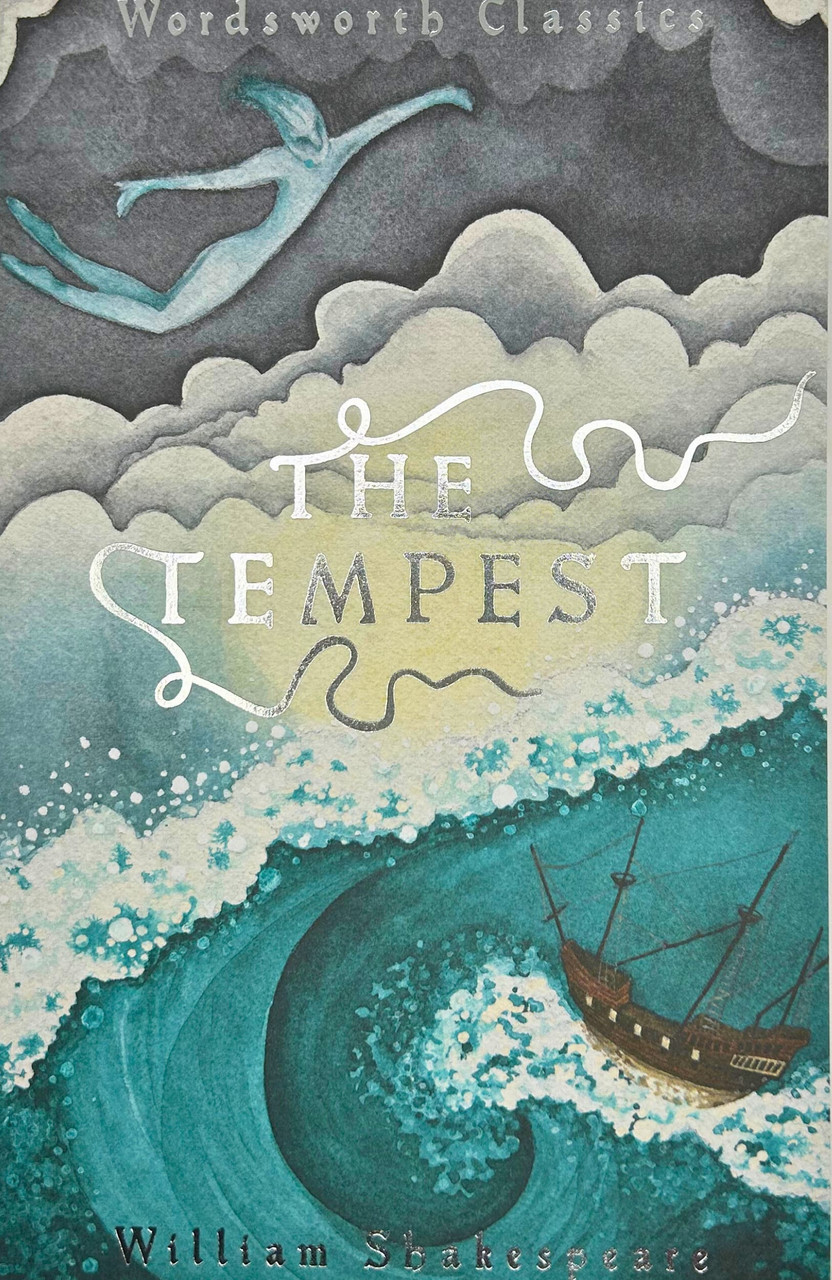
Start this bookNo. 14 on this list. The Tempest · William Shakespeare · 1611
Taught in schools: Pearson Edexcel GCSE and A-level English Literature (UK), UNAM Escuela Nacional Preparatoria – programas de Literatura (Mexico), WJEC/Eduqas GCSE and A-level English Literature (UK)
Included in: Great Books of the Western World
Prospero's island stages Shakespeare's final reckoning with his own art—the magician who conjures storms, manipulates lovers, and then drowns his book. Caliban's "Be not afeard; the isle is full of noises" is the most haunting speech given to a character the play calls a monster.
Challenging2 hours
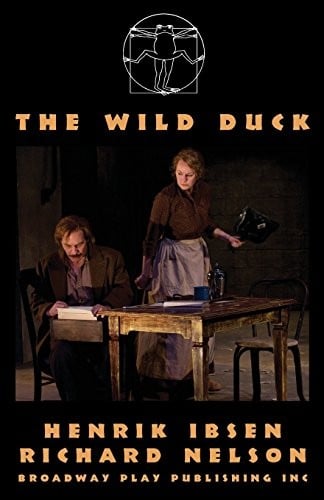
Read nowNo. 15 on this list. The Wild Duck · Henrik Ibsen · 1884
Taught in schools: Hungarian literature curriculum (magyar nyelv és irodalom) (Hungary)
Included in: Great Books of the Western World
The Wild Duck is a cornerstone of the Western dramatic canon, taught in virtually every university drama program and included in all standard collections of world theater. Though the database returns no syllabus count, Ibsen is the most taught non-English-language playwright in English-speaking universities, and this play—alongside Hedda Gabler and A Doll's House—appears on every major drama syllabus. It is consistently ranked among Ibsen's finest works and among the ten most important plays of the nineteenth century.
Moderate2.2 hours
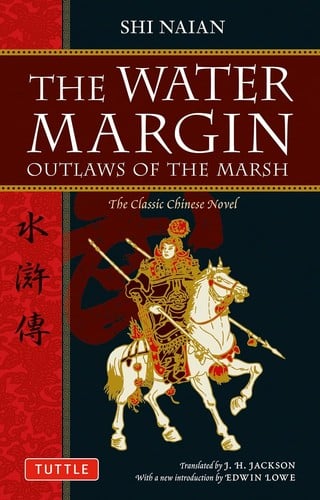
Start this bookNo. 16 on this list. Water Margin · Shi Nai'an
Included in: Bibliothèque de la Pléiade
One of Four Great Classical Novels; foundational for martial arts genre.
Moderate33 hours
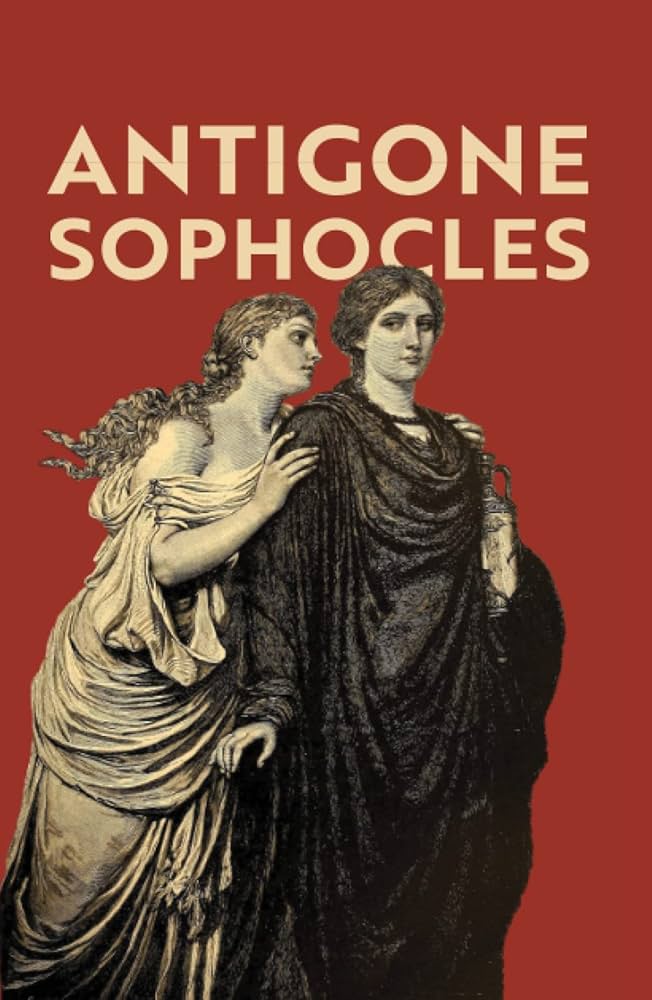
Start this bookNo. 17 on this list. Antigone · Sophocles · c. 441 BCE
Taught in schools: Hungarian literature curriculum (magyar nyelv és irodalom) (Hungary), Lektury obowiązkowe – Polish national reading list (Poland), Montenegrin literature curriculum (crnogorski jezik i književnost) (Montenegro)
Included in: Great Books of the Western World
Sophocles gave a young woman one impossible choice — obey the state or bury her brother — and built from it the foundational argument about what happens when human law and moral law collide. Every subsequent debate about civil disobedience, from Thoreau to Martin Luther King, restates the question Antigone asked first.
Moderate2.6 hours
Read nowNo. 18 on this list. Boris Godunov · Alexander Pushkin · 1831
Boris Godunov is a core text in Russian literature curricula worldwide and appears in Slavic literature and world drama courses at major universities. The play's Wikipedia article exists in over 50 languages, reflecting its global recognition. It is consistently anthologized alongside the foundational works of 19th-century European drama.
Moderate1.1 hours
Start this bookNo. 19 on this list. Songs of Innocence and of Experience · William Blake · 1794
Taught in schools: AQA GCSE and A-level English Literature (UK)
Blake etched, printed, and hand-colored each plate himself, fusing lyric poetry with visual art in a form no one had attempted before. The paired "Lamb" and "Tyger" compress an entire theology into forty-four lines: innocence asks who made you; experience asks how dare He.
Challenging46 min
Read nowNo. 20 on this list. The Hollow Men · T. S. Eliot · 1925
One of Eliot's most famous poems, universally anthologized and quoted, central to the modernist canon.
Challenging9 min
Start this book
No. 21 on this list. Shakuntala · Kalidasa · 400
Supreme Sanskrit drama; first Indian text to reach European audience.
Moderate4.5 hours
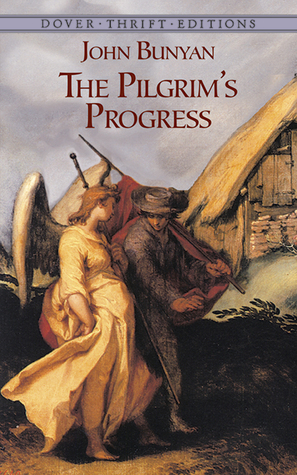
Start this bookNo. 22 on this list. The Pilgrims Progress · John Bunyan · 1857
One of the most widely read books in the English language for over three centuries, second only to the Bible in many Protestant households. Standard reading in English literature courses worldwide, foundational text in studies of allegory, Puritan literature, and the English novel's origins. Available in over 200 languages, making it one of the most translated books in history.
Moderate11 hours
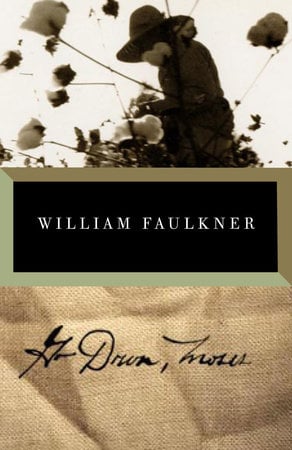
Start this bookNo. 23 on this list. Go Down, Moses · William Faulkner · 1942
Go Down, Moses is recognized as central to American modernism and Southern gothic literature. It appears consistently in university curricula and major literary anthologies. While not achieving the absolute canonical singularity of Faulkner's The Sound and the Fury or Absalom, Absalom!, it commands secure canonical standing within American letters.
Challenging9.1 hours
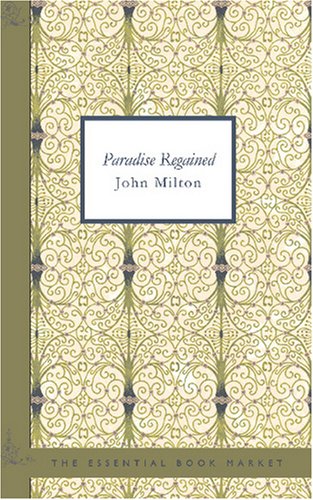
Start this bookNo. 24 on this list. Paradise Regained · John Milton · 1671
Satan has fallen from Heaven, and Christ has been baptized in the Jordan. What comes next, in Milton's 1671 brief epic, is forty days in the wilderness and the most compressed philosophical argument in English verse. Satan does not simply offer bread and kingdoms. He offers Rome, with its full imperial apparatus; Athens, with its entire philosophical tradition from Socrates through Plato; and glory, defined in every form human ambition has devised. Christ refuses each in turn — not from weakness but from a clear-eyed account of what power, learning, and reputation are actually worth. The poem turns on a question Milton considered his career's central problem: what does true heroism look like, if it is not military conquest, political dominion, or classical education? His answer is patience, reason, and the rejection of everything Satan can plausibly offer. Written as a 'brief epic' in four books, Paradise Regained is spare where Paradise Lost is vast — no war in Heaven, no garden, no catastrophe. The drama is entirely verbal: two interlocutors debating the nature of kingship in a desert, one of them lying. The blank verse is the most concentrated Milton ever wrote. Each refusal Christ delivers is also a definition of the new heroism Milton believed the English Revolution had failed to produce.
Moderate1.1 hours
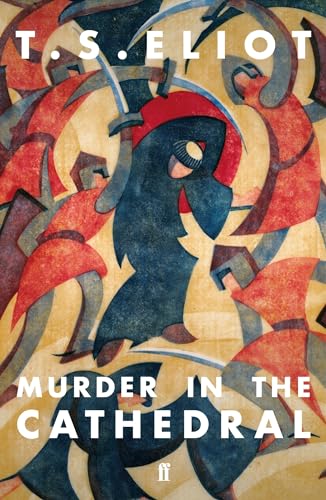
Read nowNo. 25 on this list. Murder in the Cathedral · T. S. Eliot · 1935
A dramatization in free verse and with features derived from ancient and medieval theatre of the killing of Thomas a Becket, Archbishop of Canterbury under King Henry II. Eliot used the device of a chorus, an ancient Greek invention, to express certain concerns and observations, and the killers take their turn to justify their action. When I read this play as a grammar school student in England, I was struck by the way the violence echoed the rise of fascism in Europe when the play was being written. My English master was somewhat mocking in class regarding my views, but later as a college student I read Eliot's own words confirming my experience.
Challenging1.7 hours
Start this bookNo. 26 on this list. The Iceman Cometh · Eugene O'Neill · 1946
The Iceman Cometh appears in the Open Syllabus Top 500 Literature list and holds Library of America and NYRB Classics editions — markers of canonical permanence in American letters. It is taught in virtually every American drama survey and appears on most 'great American plays' lists alongside Long Day's Journey into Night. Wikipedia carries the play in only 5 languages, reflecting the global reach of drama (versus fiction) rather than lesser standing; within American literary culture, The Iceman Cometh is firmly canonical.
Challenging5.5 hours
Start this bookNo. 27 on this list. Brideshead Revisited · Evelyn Waugh · 1945
The nostalgic masterpiece of English Catholicism. Charles Ryder's Oxford youth and his entanglement with the Marchmains became the definitive portrait of aristocratic decline. Core text in British literature courses.
Moderate8 hours
Start this bookNo. 28 on this list. Benito Cereno · Herman Melville · 1855
One of the most taught American novellas, central to literary discussions of race, slavery, and narrative perspective.
Moderate1.7 hours
Start this bookNo. 29 on this list. Martin Chuzzlewit · Charles Dickens · 1844
Martin Chuzzlewit holds a secure but second-tier position in the Dickens canon, taught regularly in Victorian literature courses and included on most serious Dickens reading lists, though it receives less classroom attention than Bleak House, Great Expectations, or David Copperfield. Dickens himself considered it his best work up to that point. The novel is available in numerous editions including Penguin Classics and Oxford World's Classics, and its key characters—Pecksniff, Sairey Gamp—remain cultural reference points.
Challenging24 hours
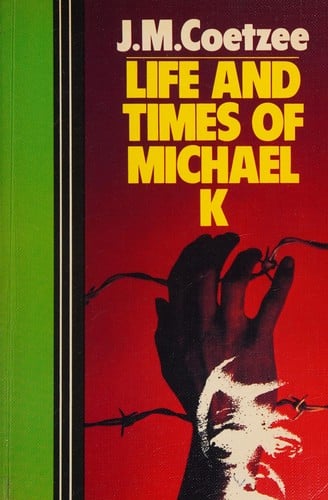
Read nowNo. 30 on this list. Life & Times of Michael K · J.M. Coetzee · 1983
Taught in schools: UNAM Escuela Nacional Preparatoria – programas de Literatura (Mexico)
Life and Times of Michael K won the Booker Prize in 1983 and stands as a foundational text in postcolonial literature. Its examination of apartheid South Africa, individual resistance, and the ethics of fiction has secured its place in literary canons alongside Coetzee's other major works. Frequently taught in universities and cited in critical literature.
Challenging5.2 hours
Start this book
No. 31 on this list. Rashomon and Seventeen Other Stories
Ryūnosuke Akutagawa · 1915
No. 32 on this list. Britannicus
Jean Racine · 1669
No. 33 on this list. The Mystery of Edwin Drood
Charles Dickens · 1870
No. 34 on this list. A Grain of Wheat
Ngugi wa Thiong'o · 1967
Included in: Heinemann African Writers Series
No. 35 on this list. Salammbô
Gustave Flaubert · 1862
No. 36 on this list. Exile and the Kingdom
Albert Camus · 1957
No. 37 on this list. Villette
Charlotte Brontë · 1853
No. 38 on this list. Siddhartha
Hermann Hesse · 1922
No. 39 on this list. Rosmersholm
Henrik Ibsen · 1886
No. 40 on this list. Gitanjali
Rabindranath Tagore · 1910
Included in: UNESCO Collection of Representative Works
No. 41 on this list. Jerusalem Delivered
Torquato Tasso · 1581
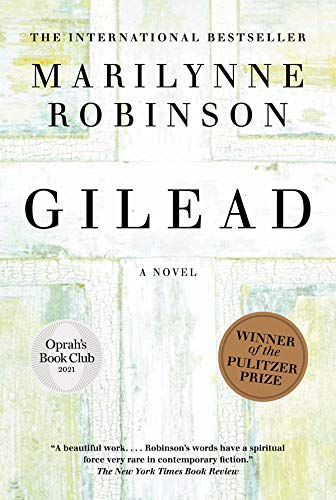
No. 42 on this list. Gilead
Marilynne Robinson · 2005
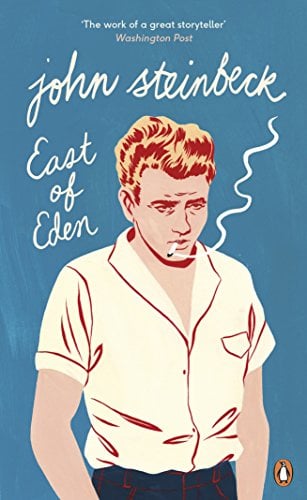
No. 43 on this list. East of Eden
John Steinbeck · 1952
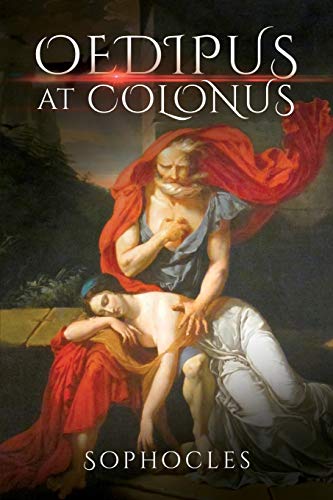
No. 44 on this list. Oedipus at Colonus
Sophocles · c. 401 BCE
Included in: Great Books of the Western World
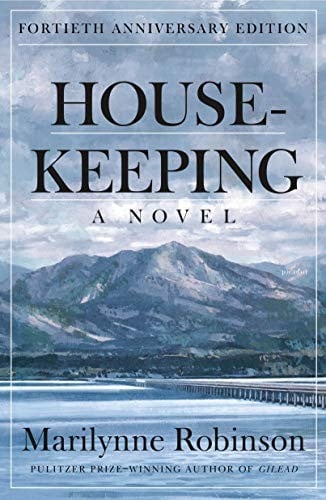
No. 45 on this list. Housekeeping
Marilynne Robinson · 1980
No. 46 on this list. Athalie
Jean Racine · 1691
No. 47 on this list. My Name Is Red
Orhan Pamuk · 2003
No. 48 on this list. The Power and the Glory
Graham Greene · 1940
No. 49 on this list. The Notebooks of Malte Laurids Brigge
Rainer Maria Rilke · 1910
No. 50 on this list. Tala
Gabriela Mistral · 1938
No. 51 on this list. Fasti
Ovid · 8
No. 52 on this list. Dune
Frank Herbert · 1965
No. 53 on this list. The Rainbow
D.H. Lawrence · 1915
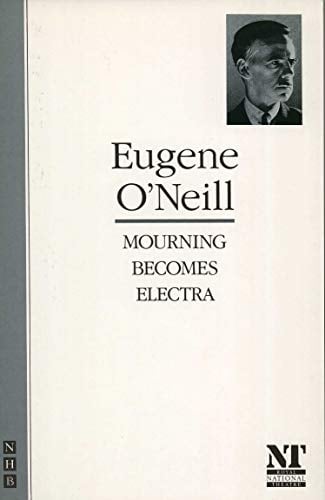
No. 54 on this list. Mourning Becomes Electra
Eugene O'Neill · 1931
Included in: Great Books of the Western World
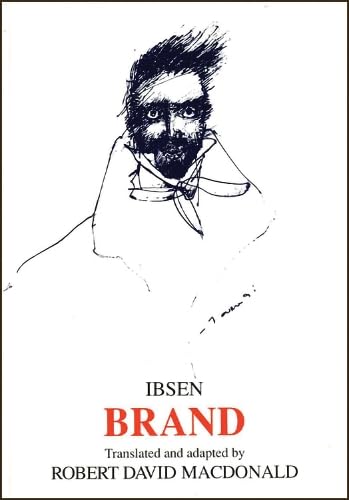
No. 55 on this list. Brand
Henrik Ibsen · 1866
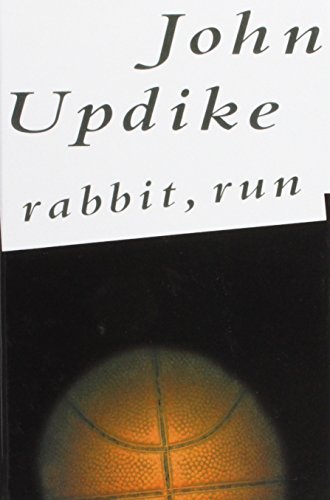
No. 56 on this list. Rabbit, Run
John Updike · 1960
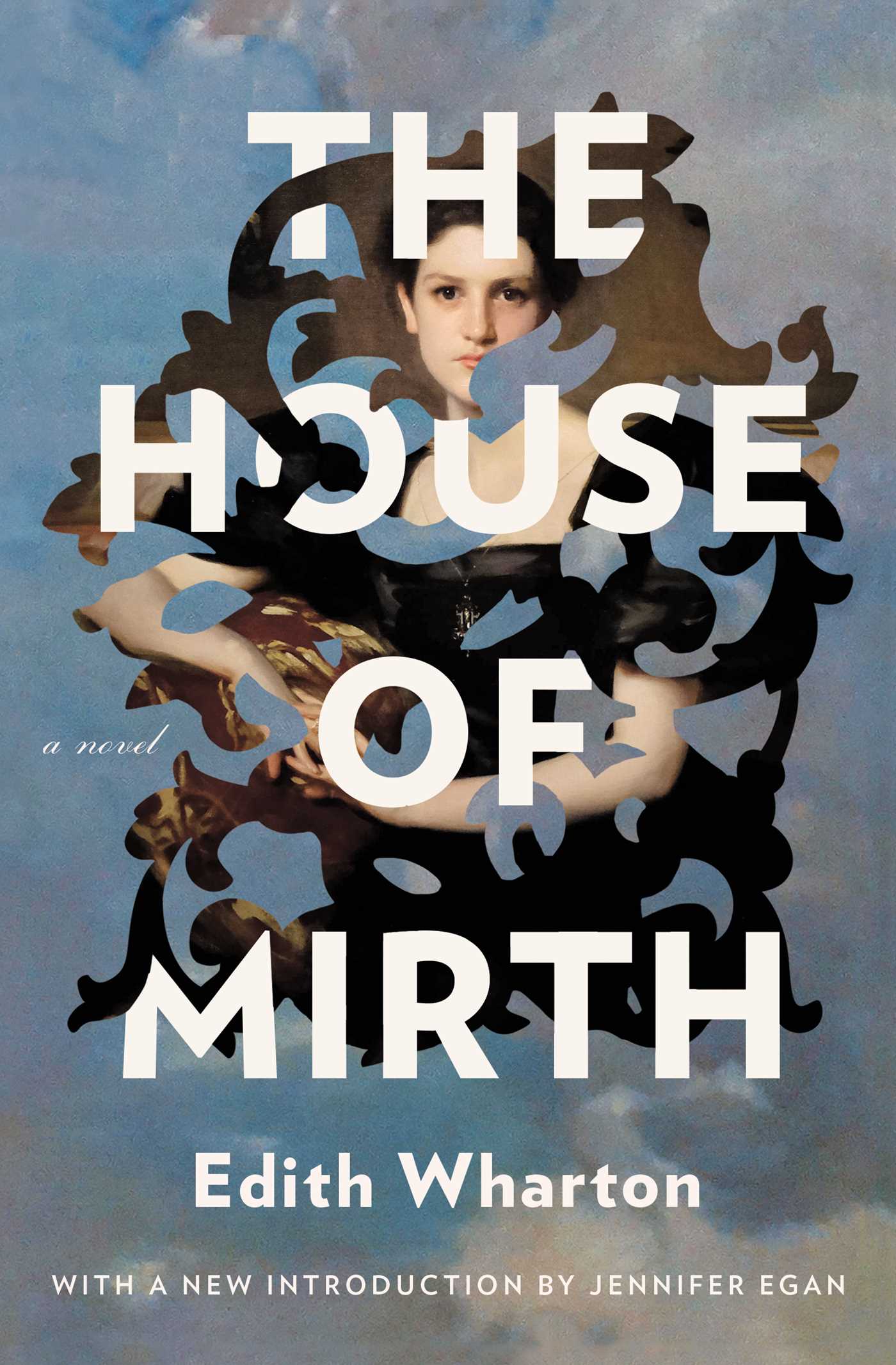
No. 57 on this list. The House of Mirth
Edith Wharton · 1905
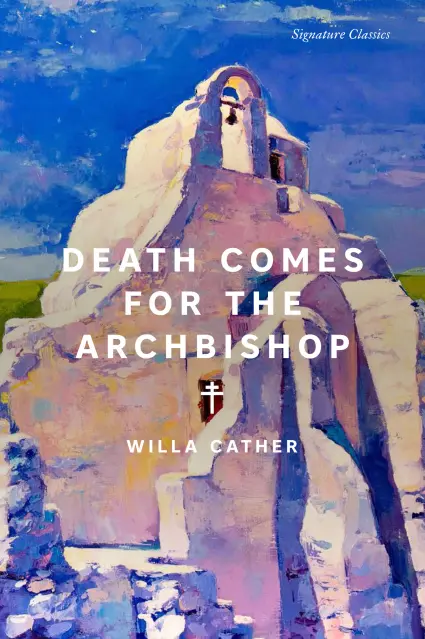
No. 58 on this list. Death Comes for the Archbishop
Willa Cather · 1927
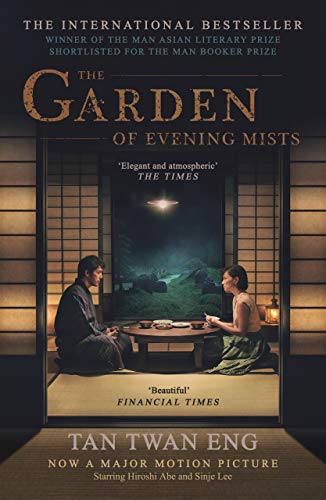
No. 59 on this list. The Garden of Evening Mists
Tan Twan Eng · 2013
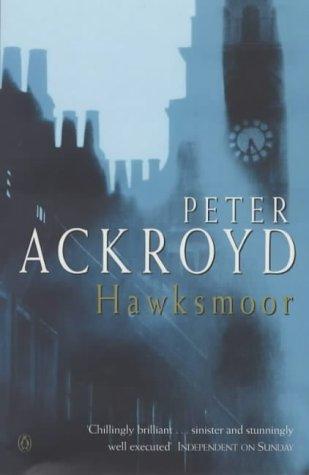
No. 60 on this list. Hawksmoor
Peter Ackroyd · 1985
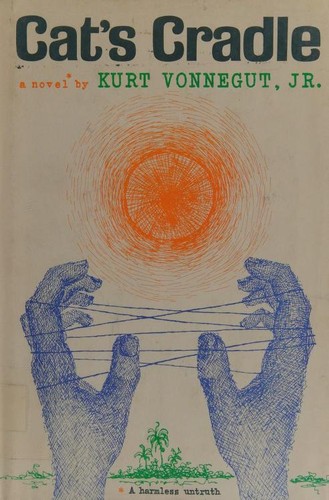
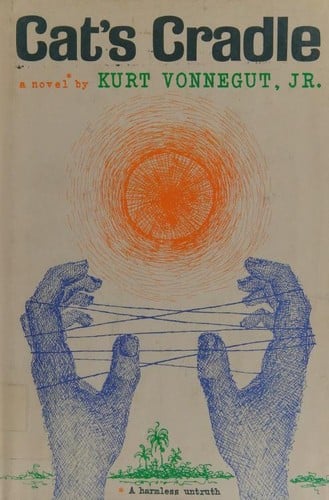
No. 61 on this list. Cat’s Cradle
Kurt Vonnegut · 1963
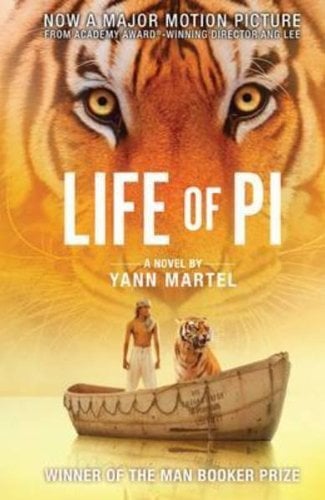
No. 62 on this list. Life of Pi
Yann Martel · 2002
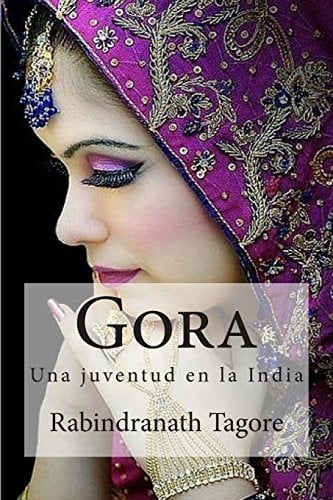
No. 63 on this list. Gora
Rabindranath Tagore · 1910
Taught in schools: Turkish edebiyat curriculum (Turkey)
Included in: UNESCO Collection of Representative Works
No. 64 on this list. Cat's Cradle
Kurt Vonnegut · 1963
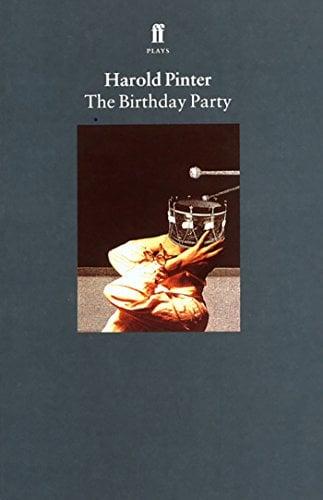
No. 65 on this list. The Birthday Party
Harold Pinter · 1957
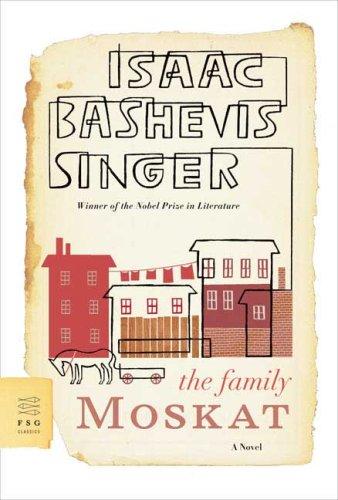
No. 66 on this list. The Family Moskat
Isaac Bashevis Singer · 1950
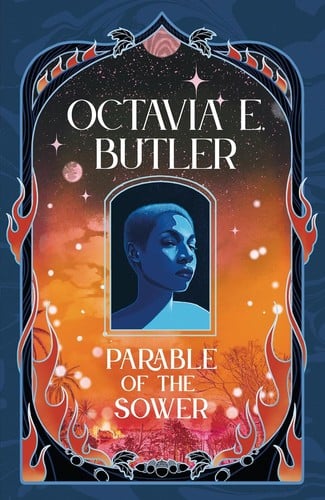
No. 67 on this list. Parable of the Sower
Octavia E. Butler · 1993
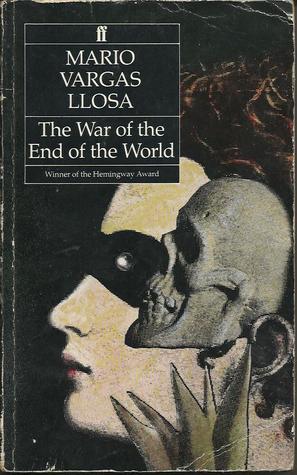
No. 68 on this list. The War of the End of the World
Mario Vargas Llosa · 1981
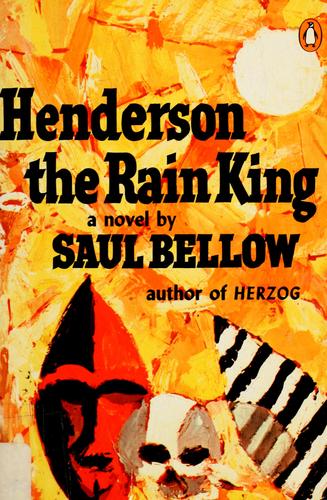
No. 69 on this list. Henderson the Rain King
Saul Bellow · 1959
No. 70 on this list. Kristin Lavransdatter
Sigrid Undset · 1922
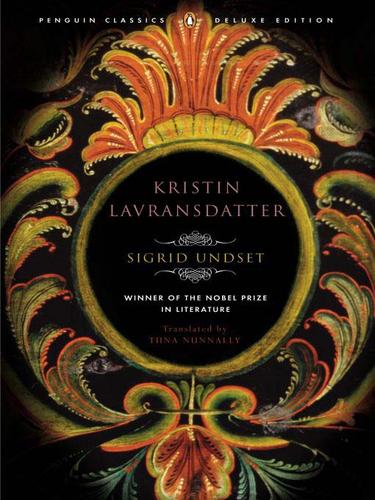
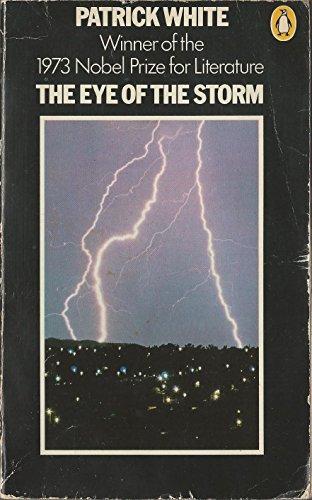
No. 71 on this list. The Eye of the Storm
Patrick White · 1973
No. 72 on this list. Distant Star
Roberto Bolaño · 1996
Taught in schools: UNAM Escuela Nacional Preparatoria – programas de Literatura (Mexico)
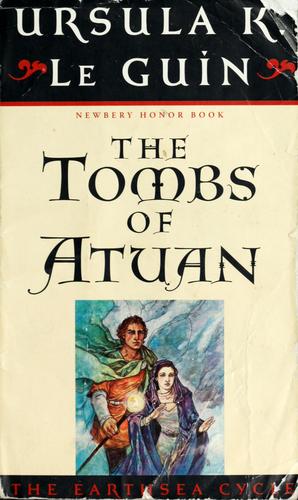
No. 73 on this list. The Tombs of Atuan
Ursula K Le Guin · 1971
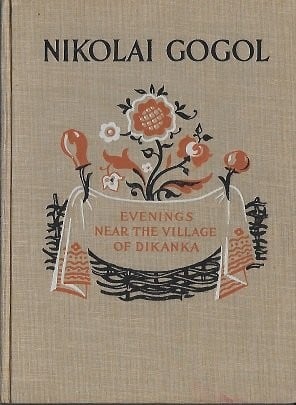
No. 74 on this list. Evenings on a Farm Near Dikanka
Nikolai Gogol · 1832
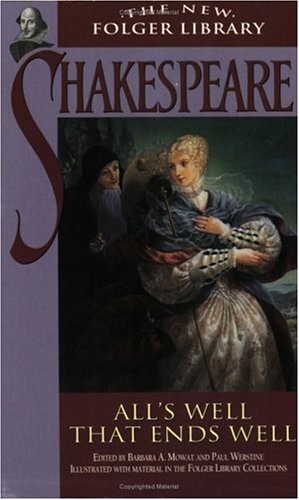
No. 75 on this list. All's Well That Ends Well
William Shakespeare · 1605
Included in: Great Books of the Western World
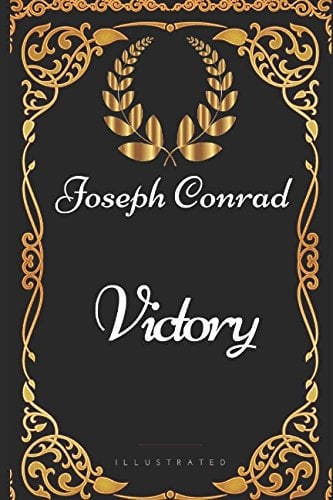
No. 76 on this list. Victory
Joseph Conrad · 1915
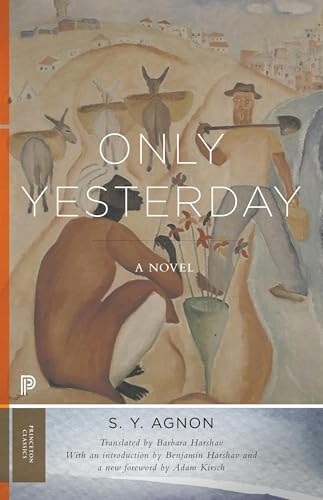
No. 77 on this list. Only Yesterday
Shmuel Yosef Agnon · 1945
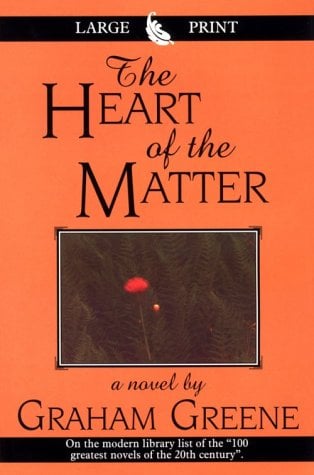
No. 78 on this list. The Heart of the Matter
Graham Greene · 1948
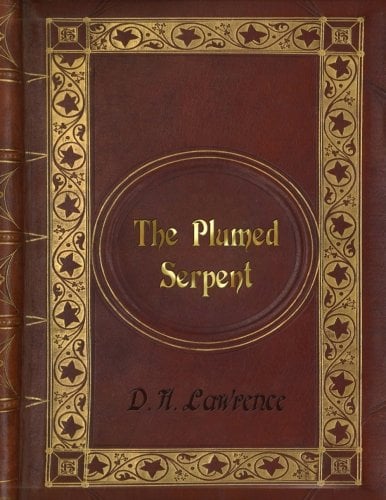
No. 79 on this list. The Plumed Serpent
D.H. Lawrence · 1926
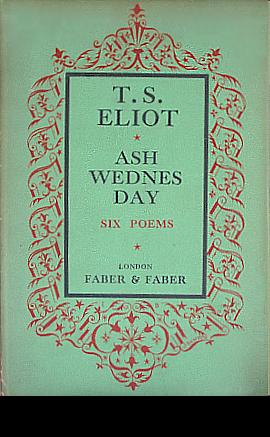
No. 80 on this list. Ash-Wednesday
T. S. Eliot · 1930
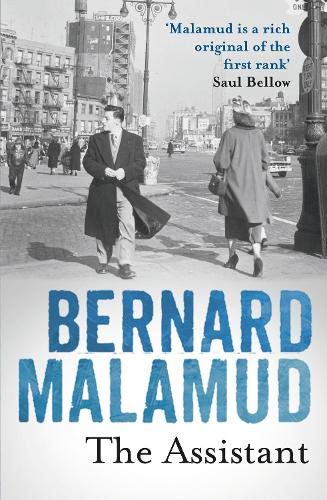
No. 81 on this list. The Assistant
Bernard Malamud · 1957
No. 82 on this list. Call It Sleep
Henry Roth · 1934
No. 83 on this list. The Satin Slipper
Paul Claudel · 1929
No. 84 on this list. Enemies, A Love Story
Isaac Bashevis Singer · 1966
No. 85 on this list. The Bridge of San Luis Rey
Thornton Wilder · 1927
No. 86 on this list. Demian
Hermann Hesse · 1919
No. 87 on this list. Thousand Cranes
Yasunari Kawabata · 1949
Included in: UNESCO Collection of Representative Works
No. 88 on this list. The Marble Faun
Nathaniel Hawthorne · 1860
No. 89 on this list. Intruder in the Dust
William Faulkner · 1948
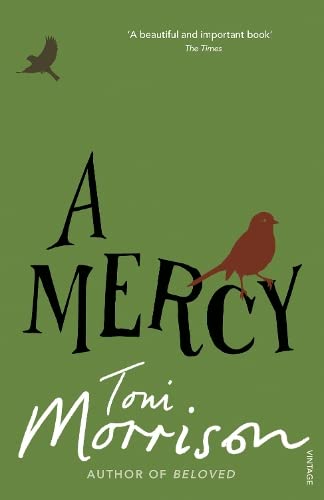
No. 90 on this list. A Mercy
Toni Morrison · 2008
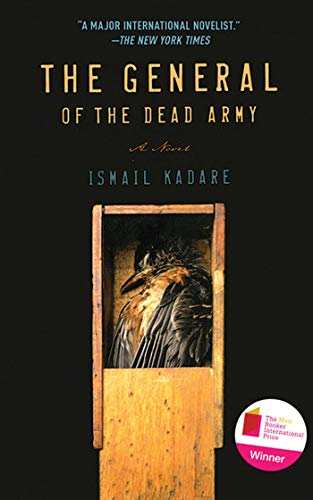
No. 91 on this list. The General of the Dead Army
Ismail Kadare · 1963
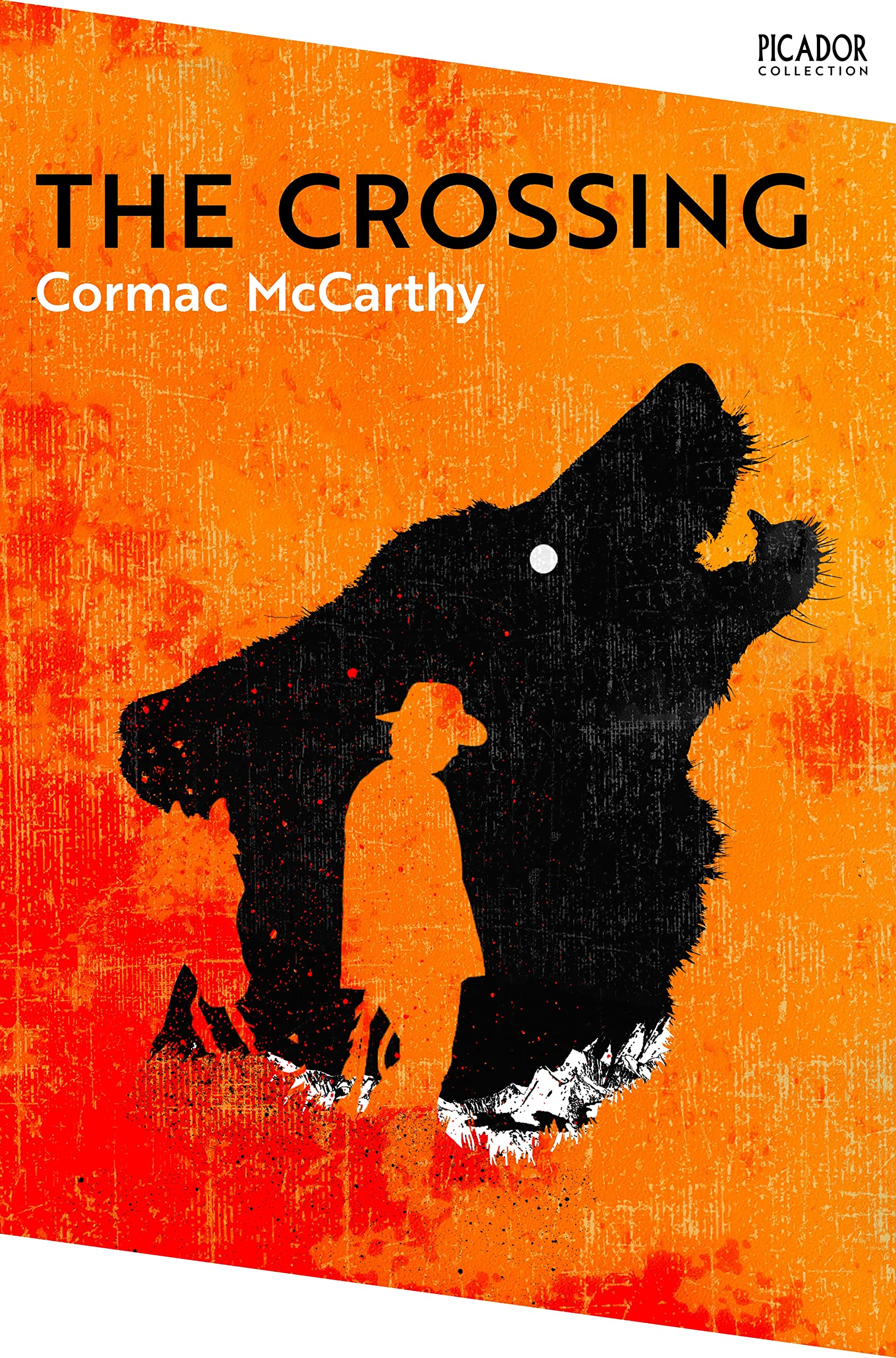
No. 92 on this list. The Crossing
Cormac McCarthy · 1994
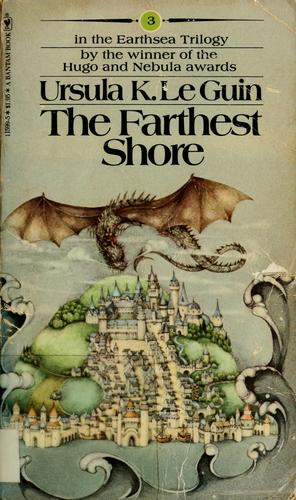
No. 93 on this list. The Farthest Shore
Ursula K Le Guin · 1972
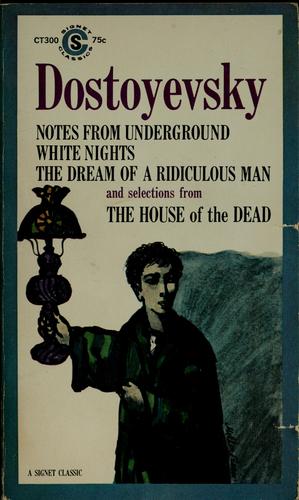
No. 94 on this list. The Dream of a Ridiculous Man
Fyodor Dostoevsky · 1877
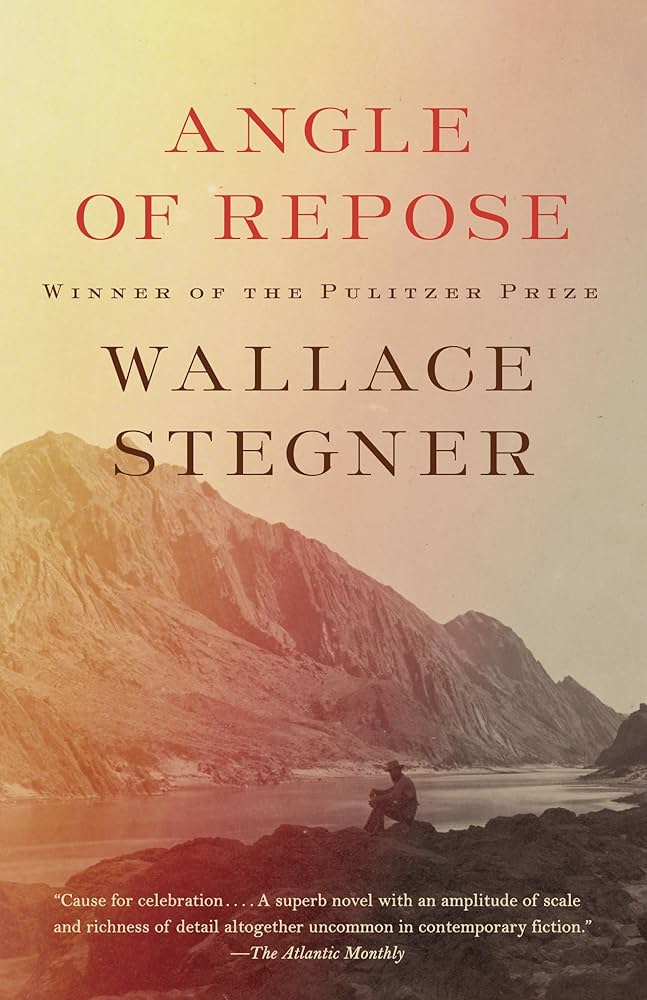
No. 95 on this list. Angle of Repose
Wallace Stegner · 1972
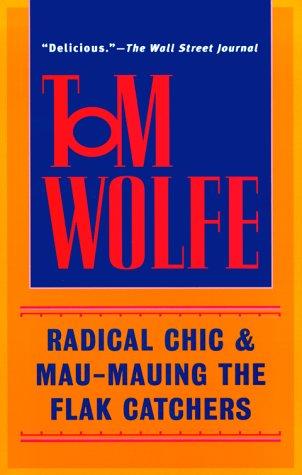
No. 96 on this list. Radical Chic & Mau-Mauing the Flak Catchers
Tom Wolfe · 1970
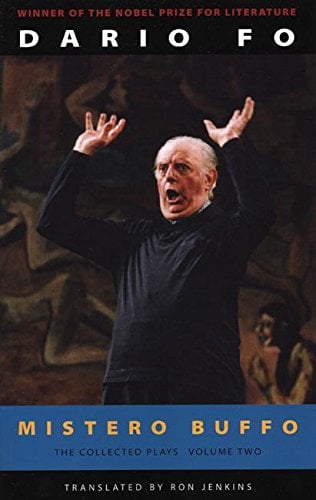
No. 97 on this list. Mistero Buffo
Dario Fo · 1969
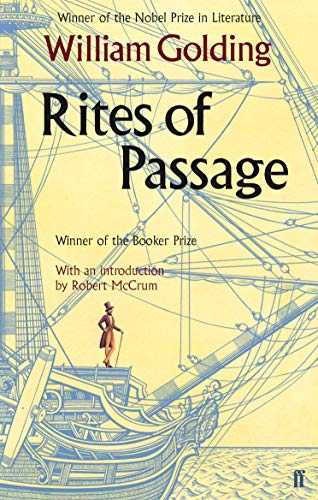
No. 98 on this list. Rites of Passage
William Golding · 1980
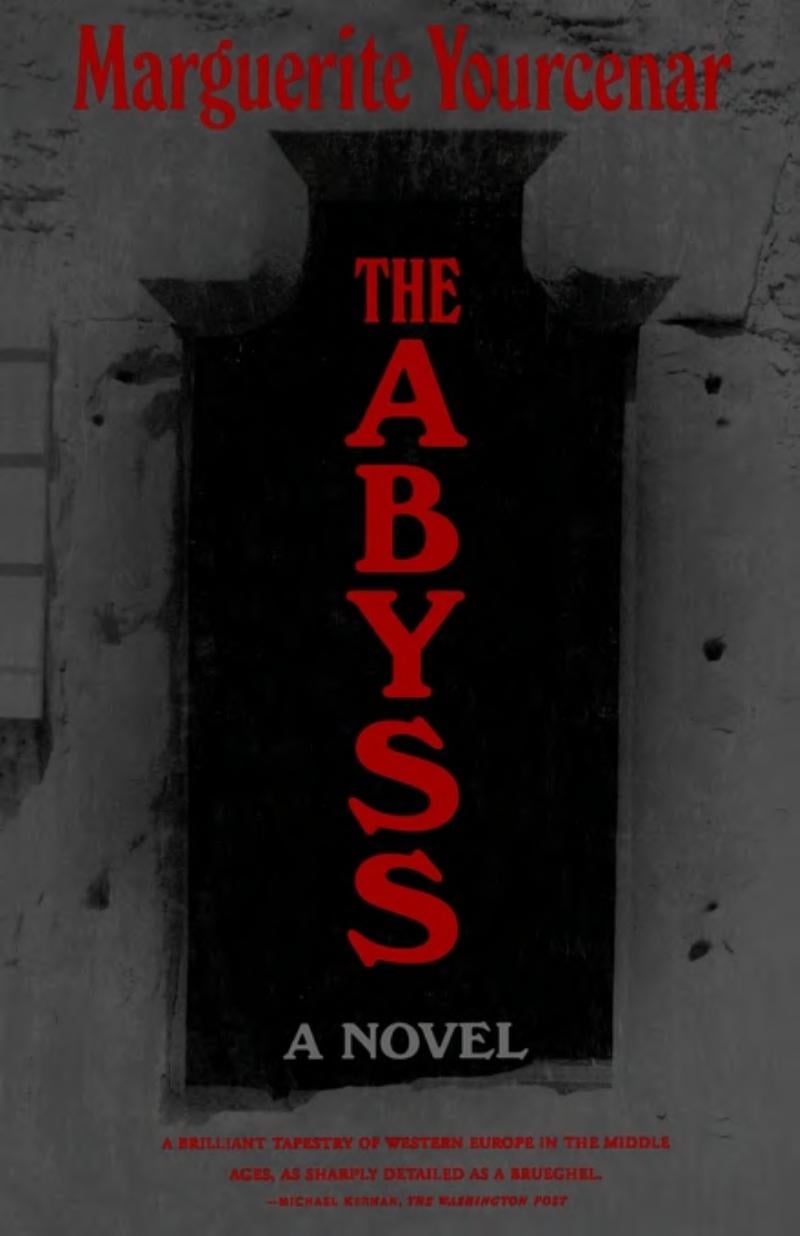
No. 99 on this list. The Abyss
Marguerite Yourcenar · 1968
No. 100 on this list. Franny and Zooey
J.D. Salinger · 1961
About this list
These 100 books are the highest-scoring eligible moderately difficult books about faith and spirituality currently in the catalogue. About 847 hours of reading in all. Difficulty runs from 51 to 60 out of 100 for the middle half of the list; the summit is Songs of Innocence and of Experience at 64.
This list is ranked by literary regard, with a consistent order for equal scores. Membership follows authors and co-authors, not translators or editors. A book is here when ReadingRate files it under Faith & Spirituality as one of its primary reading domains, at a confidence of 0.8 or more. Catalogue coverage and the historical canon both limit what this list can represent.
When we matched the Canons dataset to our catalogue in October 2026, our canonical-status scores rose with the number of school curricula, publisher series and lists in it that cite a work: the median score was 72 for books one such source cites, 84 at two, 88 at three, 92 at four and 93 at five or more. Prizes are left out of that count. Outside the state curricula, the dataset’s sources choose mostly from what has been translated into English or French, so it is a weaker check on other literatures. Source: Canons (Andrew Piper), CC BY 4.0
Questions people actually ask
- What are the best moderately difficult books about faith and spirituality?
- By literary regard, which weighs canonical status, critical standing and influence: On the Nature of Things by Lucretius, David Copperfield by Charles Dickens, Masnavi by Rumi, Demons by Fyodor Dostoevsky and The Winter's Tale by William Shakespeare. ReadingRate ranks 100 such books, each with a difficulty score and a reading-time estimate.
- Which moderately difficult books about faith and spirituality should I read first?
- Start from difficulty, not from rank. The most approachable books on this list that still carry top literary regard are Rashomon and Seventeen Other Stories by Ryūnosuke Akutagawa (about 4.2 hours), Siddhartha by Hermann Hesse and Water Margin by Shi Nai'an.
- What are the shortest of the best moderately difficult books about faith and spirituality?
- Among the top 25, the shortest are The Hollow Men by T. S. Eliot (about 9 min), Songs of Innocence and of Experience by William Blake (about 46 min) and Paradise Regained by John Milton (about 1.1 hours), at an average pace of 250 words a minute adjusted for each book's difficulty.
- Which of the best moderately difficult books about faith and spirituality are the established classics?
- By canonical status, how firmly a book sits in curricula, anthologies and the canon: King James Bible by Anonymous, Masnavi by Rumi, Long Day's Journey into Night by Eugene O'Neill, On the Nature of Things by Lucretius and David Copperfield by Charles Dickens.
- Can I read any of these moderately difficult books about faith and spirituality for free?
- 23 of the 100 open in ReadingRate's reader with a free account, from public-domain editions: David Copperfield, Demons, The Winter's Tale, The Idiot, Journey to the West and 18 more.
- How long would it take to read the top ten?
- About 108 hours, at an average pace of 250 words a minute adjusted for each book's difficulty: 54 days at two hours a day. Set your own pace on the page and the list's reading times change to it.
- How hard are moderately difficult books about faith and spirituality to read?
- Most of this list sits between 51 and 60 on ReadingRate's 100-point difficulty scale, where 40 to 55 is moderate. The summit is Songs of Innocence and of Experience at 64. Every entry carries its own score, so a reader can pick a great book at a difficulty they will finish.
- How is this list ranked?
- On literary-regard data: how canonically established a work is, its critical standing, and its influence on later writing. It is not a readers’ poll, which is why recent bestsellers rarely appear. Membership follows authors and co-authors, not translators or editors. Lists by country, author, period, theme or difficulty keep to literature (fiction, poetry, drama and philosophy), their novels, poems and plays first and their philosophy after them; a list of a kind of book, such as memoir or criticism, keeps every book of that kind. Every list holds at most three works by one author. A book is here when ReadingRate files it under Faith & Spirituality as one of its primary reading domains, at a confidence of 0.8 or more.