Hours at an average pace
Showing 100 books
About 944 hours for 100 of 100 books with measured lengths. Estimates use 250 words a minute, adjusted for each book's difficulty. At 2 hours a day, about 473 days for those books.
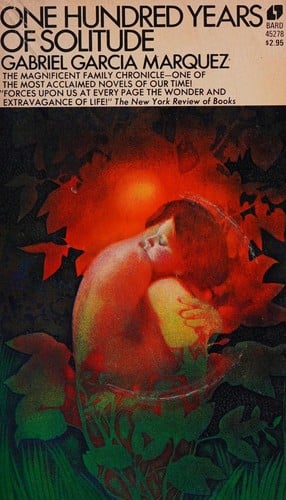
No. 1 on this list. One Hundred Years of Solitude
Gabriel García Márquez · 1967
Challenging10 hours
Taught in schools: Literatura, Diseño Curricular – Provincia de Buenos Aires (Argentina)
Included in: Bokklubben World Library
García Márquez wove a century of Latin American history into one family's story where the miraculous and the mundane coexist without explanation — ice is as wondrous as levitation. The book proved that the novel could channel an entire continent's experience in a voice that had no European precedent.
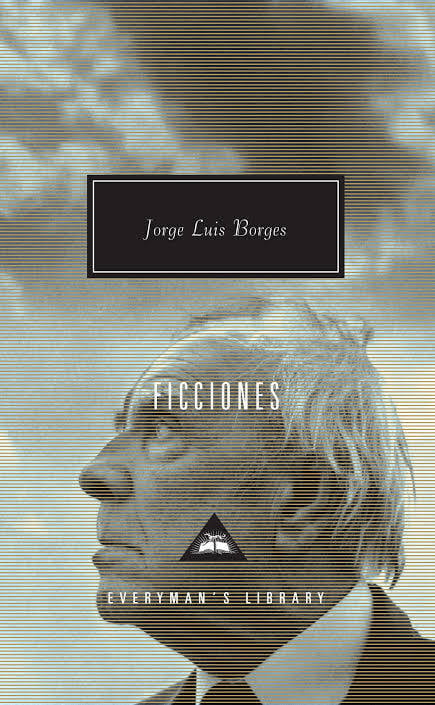
No. 2 on this list. Ficciones
Jorge Luis Borges · 1944
Challenging3.2 hours
Taught in schools: Literatura, Diseño Curricular – Provincia de Buenos Aires (Argentina)
Included in: Bokklubben World Library
Listed in Le Monde's 100 Books of the Century (1999) and featured on the Open Syllabus Top 500 Literature list. Published by both NYRB Classics and Penguin Modern Classics, the two most prestigious reprint houses in English. Wikipedia article exists in 22 languages with a dedicated Reception section. The data shows 0 syllabus appearances which understates actual penetration — Ficciones is embedded in world literature and comparative literature curricula globally.
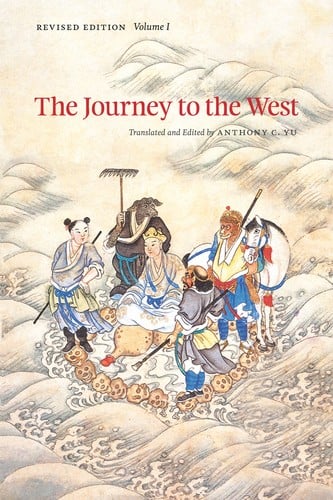
Wu Cheng'en sent a Buddhist monk and his three supernatural companions on a westward pilgrimage through eighty-one trials, creating the great picaresque of Chinese literature — a work that fuses slapstick comedy, Daoist and Buddhist allegory, and some of the most inventive monster-fights in world fiction. The Monkey King, Sun Wukong, became the most recognizable trickster figure in East Asian culture.
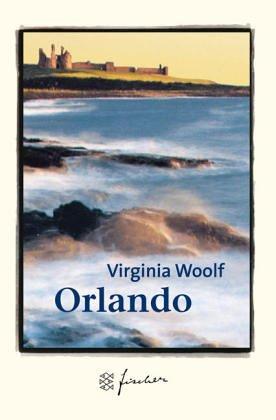
No. 4 on this list. Orlando
Virginia Woolf · 1928
Moderate5.2 hours
Taught in schools: UNAM Escuela Nacional Preparatoria – programas de Literatura (Mexico)
Orlando appears on university syllabi worldwide in modernist literature, gender studies, feminist theory, and LGBTQ+ studies courses — one of the few novels to anchor multiple disciplines simultaneously. It features on Modern Library's 100 Best Novels list and is discussed in virtually every survey of 20th-century British fiction. Woolf's stature guarantees its place in the canon regardless of pedagogical fashion.
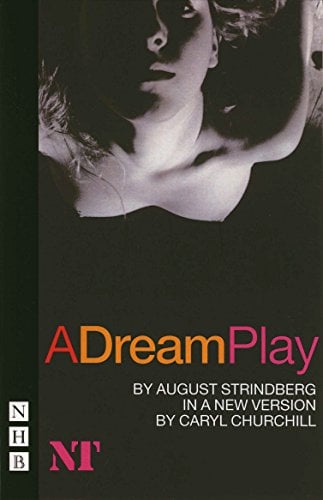
Recognized as one of the most important and innovative plays in Western drama. A foundational text of expressionism and the avant-garde theatre.
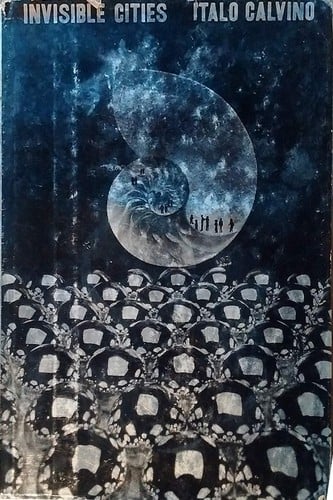
Marco Polo sits before Kublai Khan and describes cities he has visited — or perhaps invented. Despina can be approached by land or by sea, and looks entirely different depending on which direction you come from. Valdrada was built above a lake so that every action of its inhabitants would be doubled in the water below; the city and its mirror have learned to hate each other. Zobeide was constructed by men who all dreamed the same woman and built a city to trap her, but the woman never appeared. Calvino arranges 55 such cities across 11 categories — Cities & Memory, Cities & Desire, Thin Cities — in a mathematical grid that wears the clothing of fiction. The cities are not places. They are states of mind, arguments about time and loss, meditations on the difference between a map and the territory it claims to represent. Between the vignettes, Marco Polo and the Khan conduct dialogues about language, empire, and whether it is possible to describe anything that exists. The prose is precise and dreaming at once — a short paragraph can hold more compressed thought than a chapter of conventional fiction. This is a book that accumulates rather than progresses, and what it accumulates is a complete philosophy of how cities, and perhaps consciousness itself, work.
No. 7 on this list. The Tempest
William Shakespeare · 1611
Challenging2 hours
Taught in schools: Pearson Edexcel GCSE and A-level English Literature (UK), UNAM Escuela Nacional Preparatoria – programas de Literatura (Mexico), WJEC/Eduqas GCSE and A-level English Literature (UK)
Included in: Great Books of the Western World
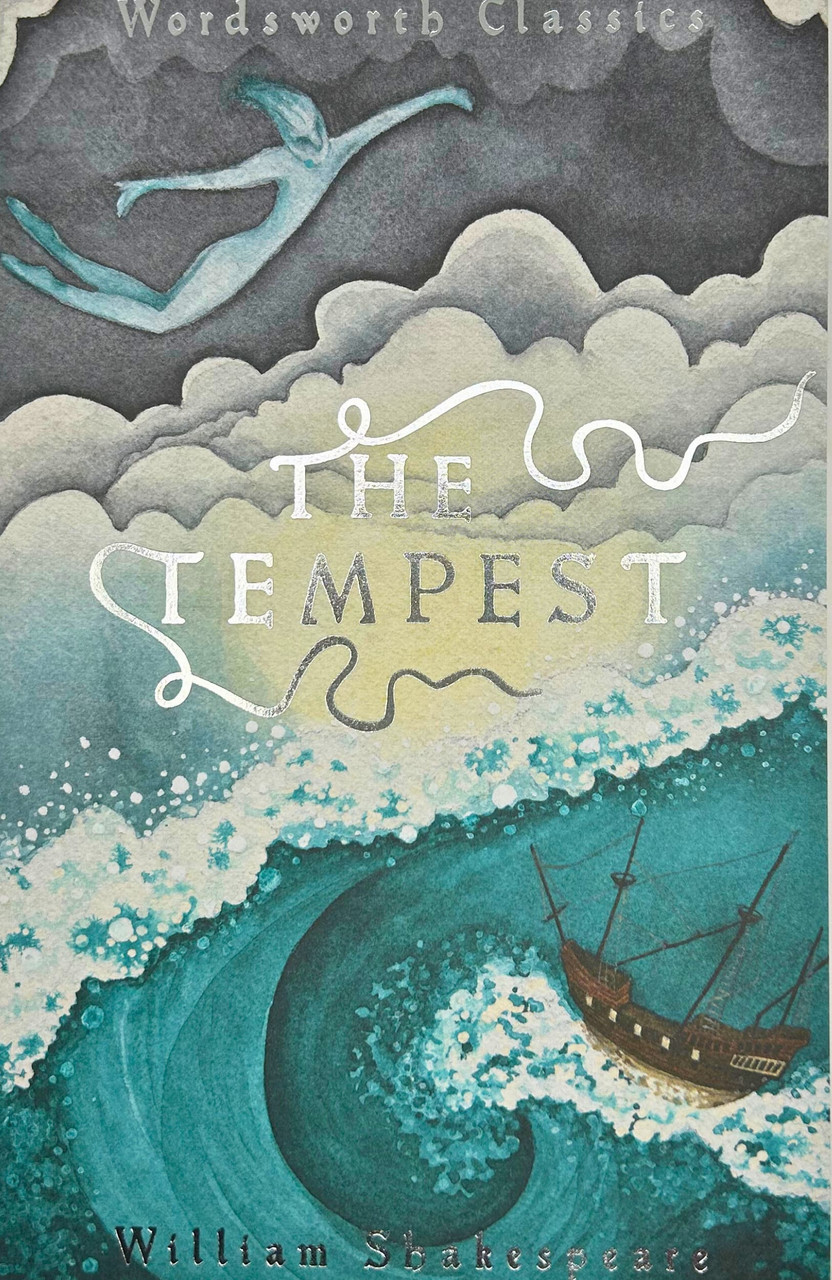
Prospero's island stages Shakespeare's final reckoning with his own art—the magician who conjures storms, manipulates lovers, and then drowns his book. Caliban's "Be not afeard; the isle is full of noises" is the most haunting speech given to a character the play calls a monster.
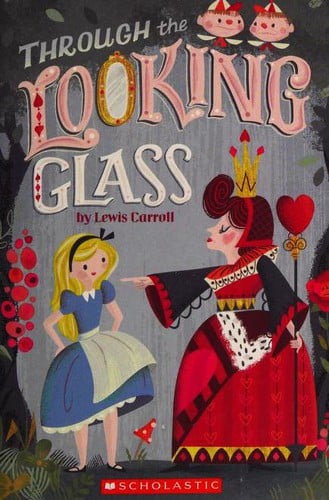
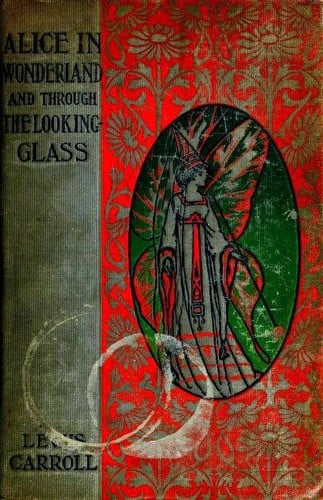
It is a core text of Victorian and children's literature, taught in courses on nonsense, fantasy and Victorian studies and constantly adapted. It trails only a little behind the first Alice book in curricula.
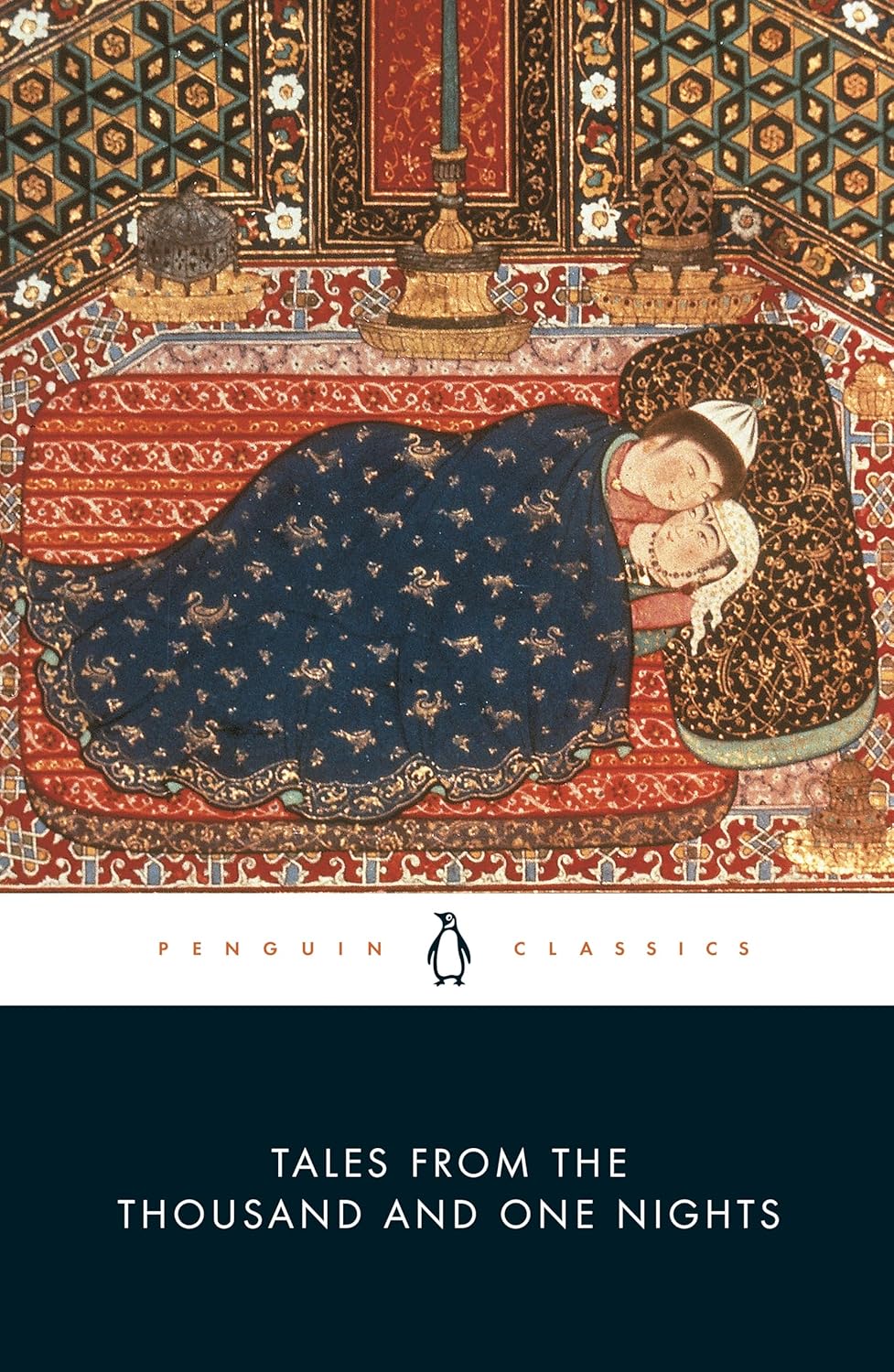
World literature's most famous story collection; shaped global narrative imagination.
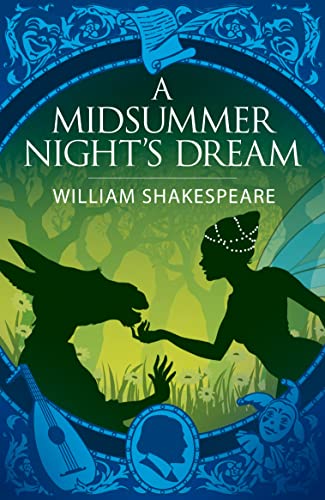
No. 10 on this list. A Midsummer Night's Dream
William Shakespeare · 1600
Moderate1.1 hours
Taught in schools: CSEC English B – Caribbean Examinations Council
Included in: Great Books of the Western World
Four Athenian lovers stumble through an enchanted forest while Oberon and Puck rearrange their affections with a magic flower, and a troupe of tradesmen rehearse the worst play ever staged. Shakespeare nests three worlds—court, fairy kingdom, and amateur theater—into a single moonlit structure that defines romantic comedy.
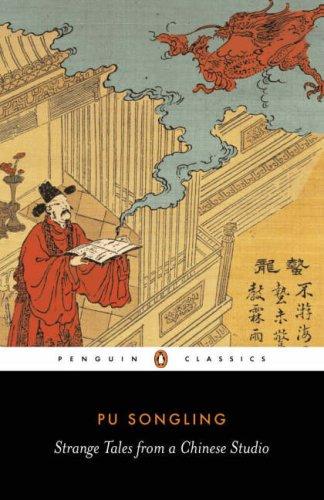
No. 11 on this list. Strange Tales from a Chinese Studio · Pu Songling
Included in: UNESCO Collection of Representative Works
The standard classical Chinese story collection, taught in every survey of premodern Chinese literature and available in Penguin Classics, Yale and Columbia editions.
Challenging22 hours
Start this bookNo. 12 on this list. Orlando Furioso · Ludovico Ariosto · 1516
Taught in schools: UNAM Escuela Nacional Preparatoria – programas de Literatura (Mexico)
Orlando Furioso stands as one of the defining works of Italian Renaissance literature, a fixture in Italian university curricula and comparative literature courses worldwide. Its influence on Spenser, Milton, Shakespeare, Cervantes, and Voltaire makes it indispensable to the study of early modern literature. While less taught in English-language universities than Greek and Roman epic, it appears on virtually every world literature and Renaissance literature syllabus.
Challenging22 hours
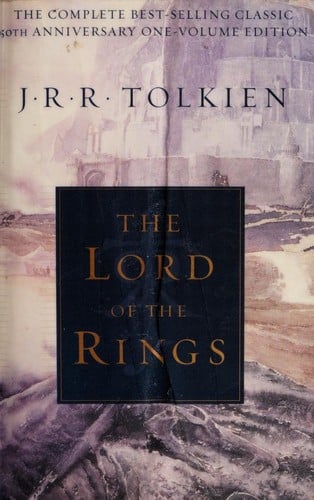
Start this bookNo. 13 on this list. The Lord of the Rings (The Lord of the Rings, #1-3) · J.R.R. Tolkien · 1954
Taught in schools: Pacific Senior Secondary Certificate – English
Widely taught in fantasy, medieval-influenced and popular literature courses and ranked among the most read novels, but less dominant on core literary syllabi than Gatsby or Crime and Punishment.
Moderate34 hours
Start this bookNo. 14 on this list. A Wizard of Earthsea · Ursula K Le Guin · 1968
A Wizard of Earthsea appears regularly on university syllabi for science fiction and fantasy literature courses, and its Wikipedia article exists in dozens of language editions — a reliable indicator of global reach. It sits on the American Library Association's list of most frequently challenged books and features on virtually every canonical fantasy reading list compiled since the 1970s.
Moderate4.1 hours
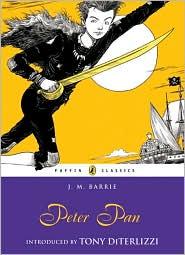
Start this bookNo. 15 on this list. Peter Pan · J.M. Barrie · 1911
Peter Pan is a fixture in children's literature curricula worldwide and appears in Wikipedia editions across 70+ languages, signaling its global cultural reach. The story originated as a 1904 stage play before the 1911 novel, giving it over a century of continuous readership, adaptation, and study. It appears regularly on university syllabi in courses covering children's literature, British modernism, and the cultural construction of childhood.
Challenging3.5 hours
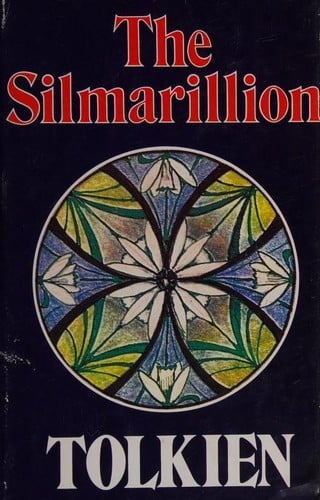
Start this bookNo. 16 on this list. The Silmarillion · J. R. R. Tolkien · 1977
The Silmarillion is widely read within fantasy literature and Tolkien studies, and it appears in courses on mythology, world-building, and fantasy as a genre. It lacks the universal curriculum presence of The Lord of the Rings or The Hobbit, but its Wikipedia article exists in 40+ languages and it remains the foundational text for understanding Tolkien's legendarium.
Moderate17 hours
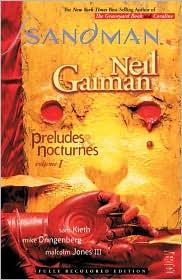
Start this bookNo. 17 on this list. The Sandman · Neil Gaiman · 1989
The Sandman occupies a privileged position in the canon of graphic literature and appears regularly in university courses on comics studies, mythology in popular culture, and genre fiction. It is consistently cited on 'essential graphic novels' lists and is taught in courses on sequential art at major universities. Within its medium, its canonical status approaches that of Ulysses in prose — foundational, required — though graphic novel courses reach fewer syllabi overall than prose literature courses. The DB returned no syllabus data, but external sources confirm strong academic presence in comics and cultural studies contexts.
Moderate17 hours
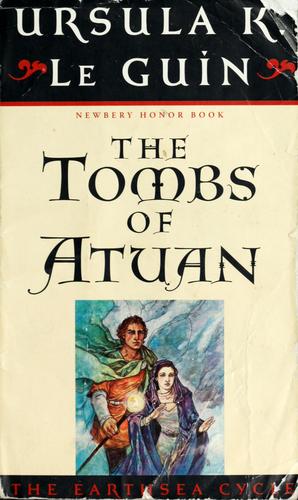
Start this bookNo. 18 on this list. The Tombs of Atuan · Ursula K Le Guin · 1971
The Tombs of Atuan is the second volume of Le Guin's Earthsea Cycle, which has been a staple of middle school and YA curricula for decades. It won the Newbery Honor in 1972. While not as universally taught as the first Earthsea volume or Le Guin's science fiction, it appears regularly in fantasy literature courses and feminist literary criticism syllabi, cementing its place as a significant canonical text within speculative fiction.
Challenging3.4 hours
Start this bookNo. 19 on this list. True History · Lucian · 180
True History appears on syllabi across classical studies, comparative literature, and science fiction history courses as the earliest surviving prose fantasy. It appears in virtually every survey of Western imaginative literature and is anthologized in Penguin Classics and Norton anthologies of world literature. Ancient works are underrepresented in modern syllabi databases, but its canonical reputation in classical scholarship is firm.
Challenging1.6 hours
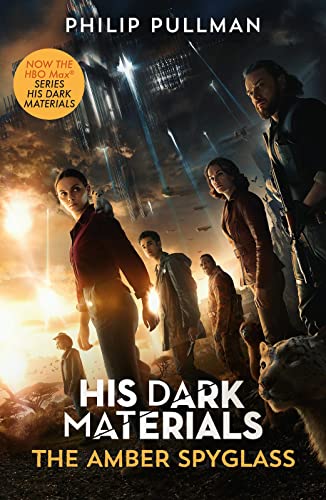
Start this bookNo. 20 on this list. His Dark Materials · Philip Pullman · 1995
His Dark Materials has become central to children's literature and fantasy canons, studied in schools and frequently referenced in contemporary fantasy discourse. The trilogy's influence on subsequent young adult fiction ensures sustained discussion, though it lacks the foundational status of works like Harry Potter in terms of market dominance.
Moderate11 hours
Start this book
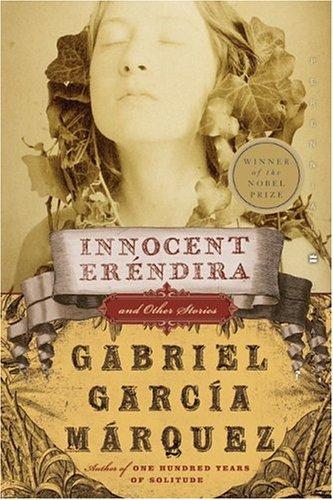
No. 21 on this list. Innocent Erendira and Other Stories · Gabriel García Márquez · 2005
García Márquez is a staple of world literature courses and the stories 'A Very Old Man with Enormous Wings' and 'The Handsomest Drowned Man in the World' are widely anthologized. The collection itself is less central than One Hundred Years of Solitude.
Moderate3.4 hours
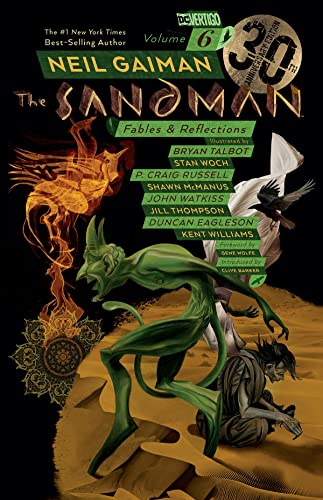
Start this bookNo. 22 on this list. The Sandman Vol. 6: Fables & Reflections · Neil Gaiman
The Sandman series appears on university literature and cultural studies syllabi as a defining example of the graphic novel form, though the medium remains underrepresented in traditional English department canons. Vol. 6 is rarely isolated from the series, but as part of one of the most-collected graphic novel sequences in print history it holds a firm place in any serious reading of the form. No syllabus data was available in the database.
Challenging1.5 hours
Start this bookNo. 23 on this list. Something Wicked This Way Comes · Ray Bradbury · 1962
Widely taught in American high school and university courses, particularly in science fiction and American literature surveys. It appears on numerous authoritative lists — including the Modern Library's reader poll — and is frequently cited as essential Bradbury alongside 'Fahrenheit 451.' No syllabus data was captured, but its classroom presence is well-documented.
Challenging5.7 hours
Start this bookNo. 24 on this list. The Cloven Viscount · Italo Calvino · 1952
Widely taught as the entry point to Calvino and to modern fable, in print in Vintage and Penguin as part of Our Ancestors, and a fixture of Italian school reading.
Challenging2.1 hours
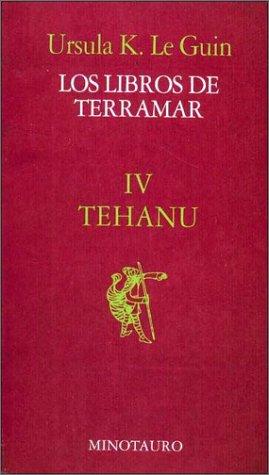
Start this bookNo. 25 on this list. Tehanu · Ursula K Le Guin · 1990
No Open Syllabus or Wikipedia data is available in the database, but Tehanu is regularly taught in courses on feminist science fiction and fantasy, gender and genre, and speculative world-building. It is not part of the mainstream literary canon (no placement on Modern Library or similar lists), but within the speculative fiction canon it is central—both as a key installment in the landmark Earthsea series and as a pioneering work of feminist fantasy. It sits comfortably above genre-only books like Gone Girl (45) but below universally taught literary works.
Moderate5 hours
Start this bookNo. 26 on this list. Black Water: The Anthology of Fantastic Literature · Alberto Manguel · 1983
A landmark anthology that defined 'fantastic literature' as a category for English-language readers. Continuously in print and widely referenced.
Moderate12 hours
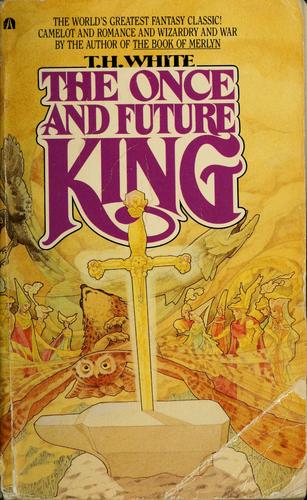
Start this bookNo. 27 on this list. The Once and Future King (The Once and Future King, #1–5) · T.H. White · 1987
White's Arthurian cycle is a standard of modern fantasy and a staple of school reading lists, adapted into Disney's The Sword in the Stone, Camelot and more. It is canonical in fantasy and children's literature but less so in university literature courses.
Moderate16 hours
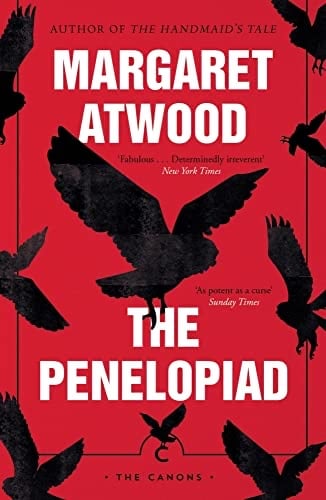
Start this bookNo. 28 on this list. Penelopiad · Margaret Atwood · 2005
The Penelopiad appears regularly on feminist literature syllabi, myth-retelling courses, and contemporary women's fiction reading lists, benefiting from its position in the Canongate Myths series and Atwood's towering reputation. It has not achieved the universal curricular penetration of Atwood's The Handmaid's Tale, placing it in established rather than major canon territory.
Challenging2.5 hours
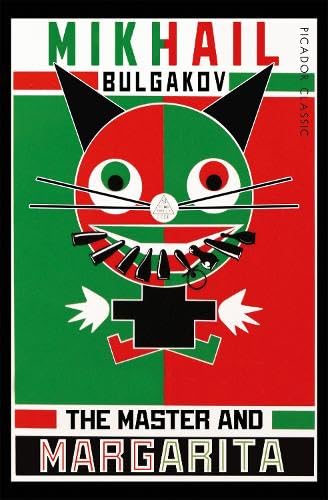
Start this bookNo. 29 on this list. The Master and Margarita · Mikhail Bulgakov · 1967
Taught in schools: Hungarian literature curriculum (magyar nyelv és irodalom) (Hungary), Lektury obowiązkowe – Polish national reading list (Poland), Lithuanian literature curriculum (lietuvių kalba ir literatūra)
Le Monde 100 Books of the Century, Penguin Modern Classics, NYRB Classics, Open Syllabus Top 500. Widely taught in university literature courses worldwide; central to Russian and world literature curricula.
Challenging13 hours
Start this bookNo. 30 on this list. 1Q84 · Haruki Murakami · 2009
1Q84 is considered Murakami's most ambitious work and appears on contemporary world literature syllabi and essential Murakami reading lists globally. No syllabus data was available in the database, but the novel's scope, its explicit engagement with Orwell, and its place in Murakami's career place it above mid-tier literary fiction. It is not at the level of canonical anchors like Ulysses or Beloved, but it is required reading for anyone studying contemporary Japanese literary fiction.
Challenging32 hours
Start this book
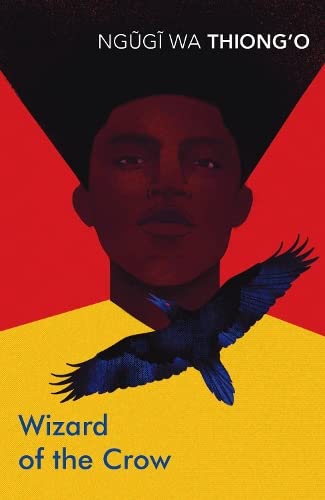
No. 31 on this list. Wizard of the Crow
Ngugi wa Thiong'o · 2004
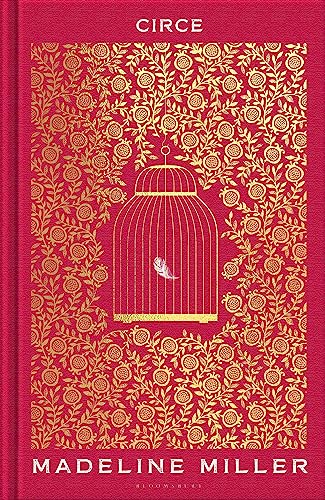
No. 32 on this list. Circe
Madeline Miller · 2019
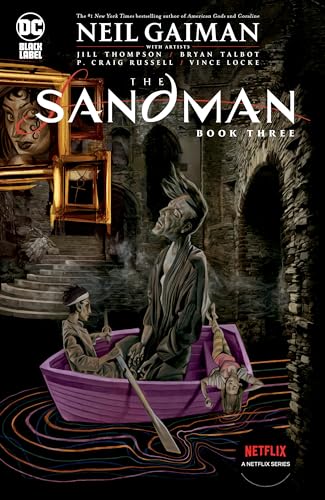
No. 33 on this list. The Sandman Vol. 3: Dream Country
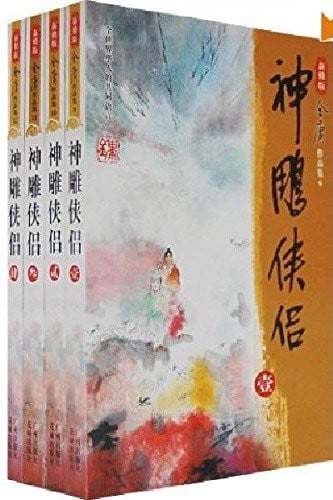
No. 34 on this list. The Legend of the Condor Heroes
Jin Yong · 1959
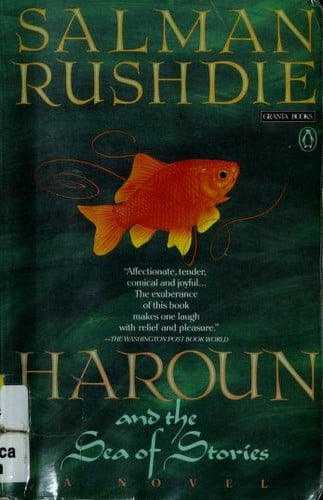
No. 35 on this list. Haroun and the Sea of Stories
Salman Rushdie · 1990
No. 36 on this list. The Magic Toyshop
Angela Carter · 1967
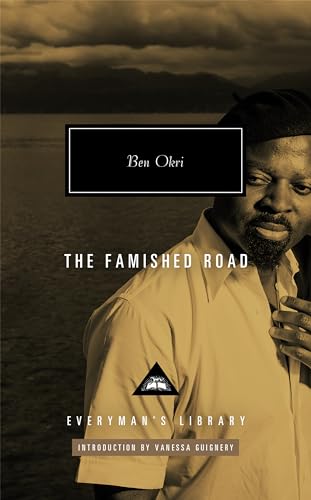
No. 37 on this list. The Famished Road
Ben Okri · 1991
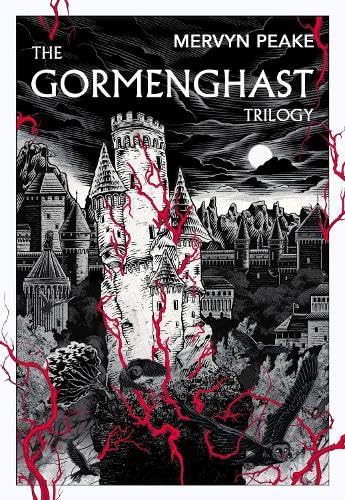
No. 38 on this list. Gormenghast
Mervyn Peake · 1950
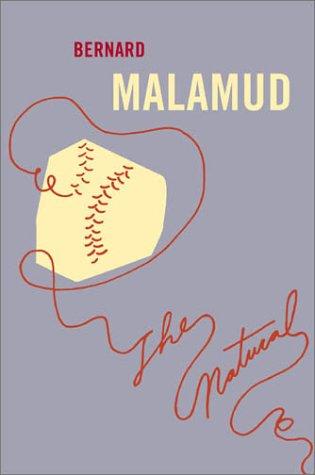
No. 39 on this list. The Natural
Bernard Malamud · 1952
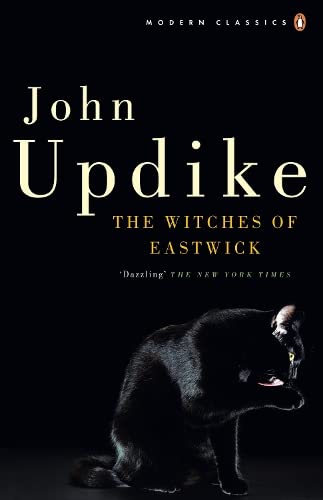
No. 40 on this list. The Witches of Eastwick
John Updike · 1984
No. 41 on this list. Eva Luna
Isabel Allende · 1987
No. 42 on this list. Froth on the Daydream
Boris Vian · 1947
No. 43 on this list. Kafka on the Shore
Haruki Murakami · 2001
No. 44 on this list. Marcovaldo
Italo Calvino · 1963
No. 45 on this list. The Wind in the Willows
Kenneth Grahame · 1908
Taught in schools: CSEC English B – Caribbean Examinations Council
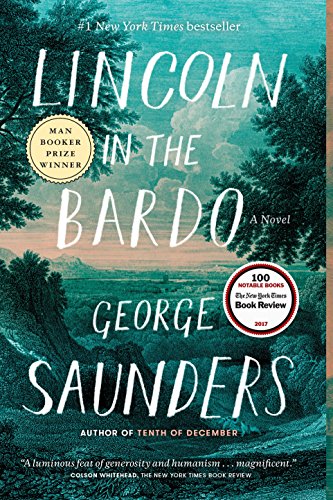
No. 46 on this list. Lincoln in the Bardo
George Saunders · 2017
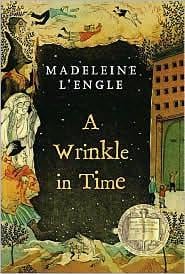
No. 47 on this list. A Wrinkle in Time
Madeleine L'Engle · 1962
Taught in schools: Common Core text exemplars (Appendix B) (US), CSEC English B – Caribbean Examinations Council
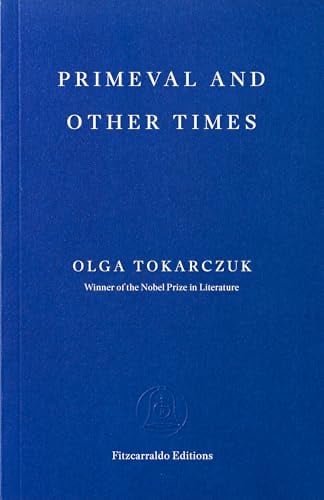
No. 48 on this list. Primeval and Other Times
Olga Tokarczuk · 1996
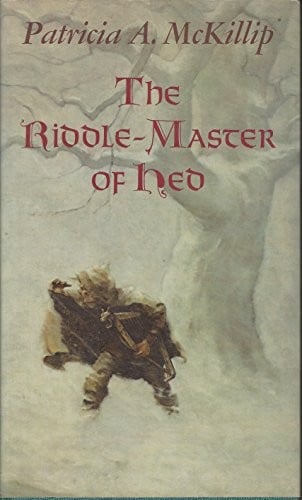
No. 49 on this list. The Riddle-Master of Hed
Patricia A. McKillip · 1976
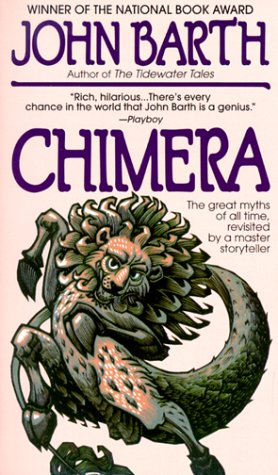
No. 50 on this list. Chimera
John Barth · 1973
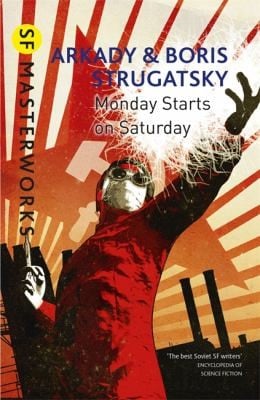
No. 51 on this list. Monday Begins on Saturday
Arkady and Boris Strugatsky · 1965
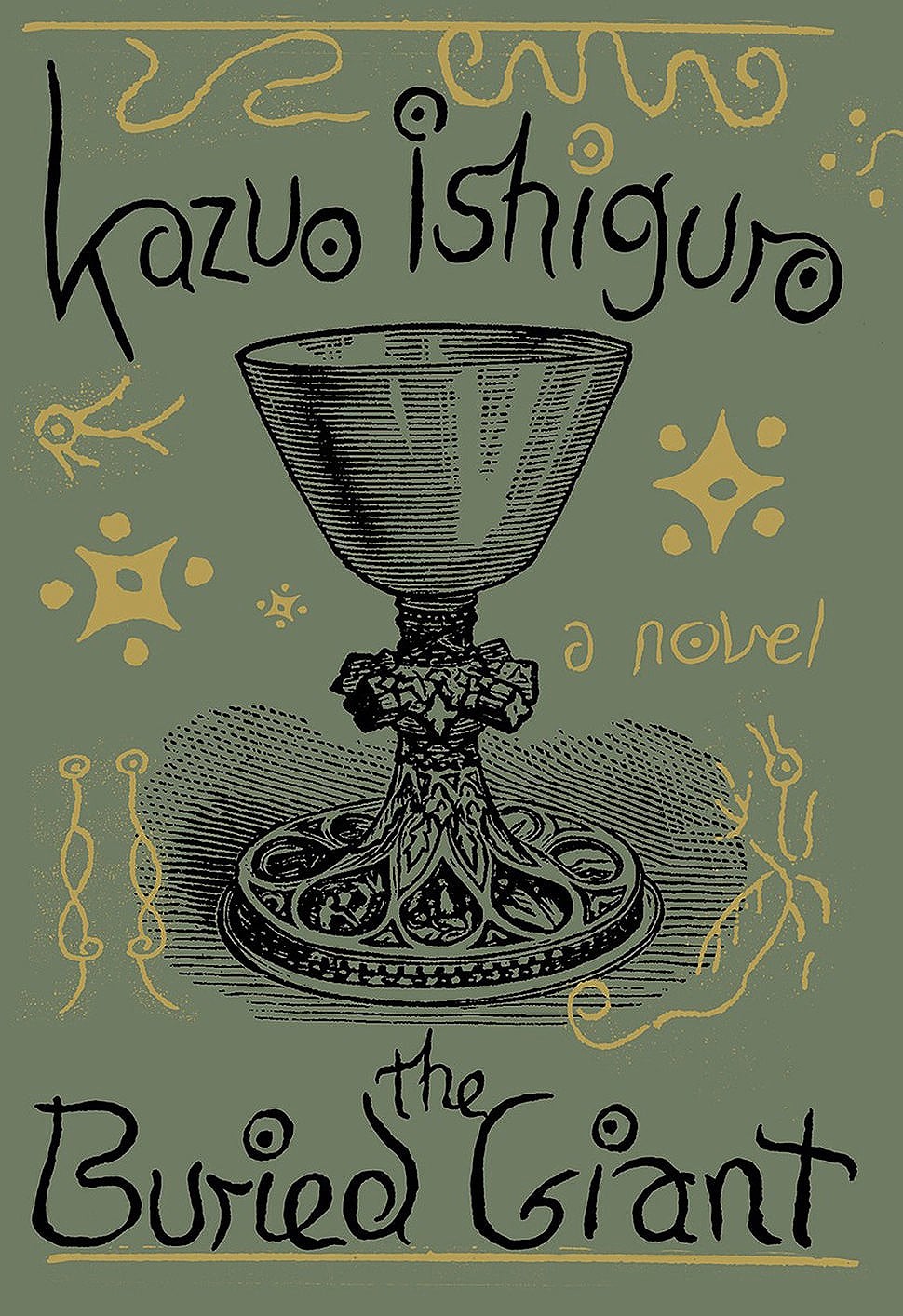
No. 52 on this list. The Buried Giant
Kazuo Ishiguro · 2015
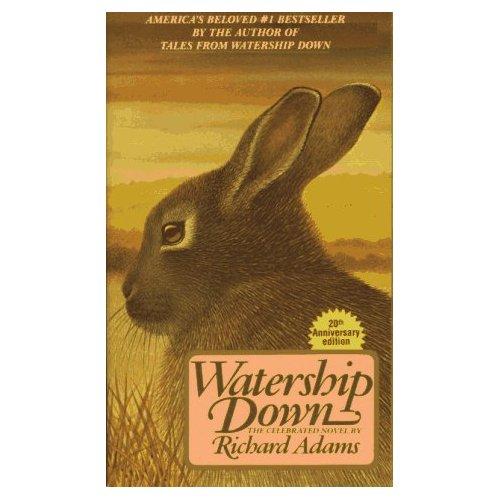
No. 53 on this list. Watership Down
Richard Adams · 1972
Taught in schools: CSEC English B – Caribbean Examinations Council
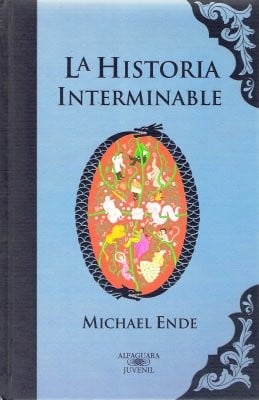
No. 54 on this list. The Neverending Story
Michael Ende · 1979
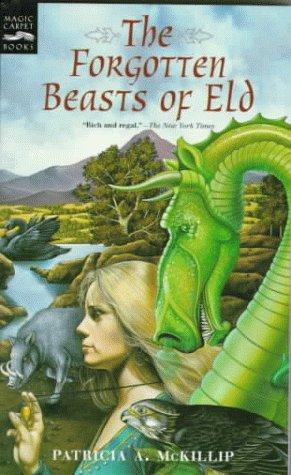
No. 55 on this list. The Forgotten Beasts of Eld
Patricia McKillip · 1974
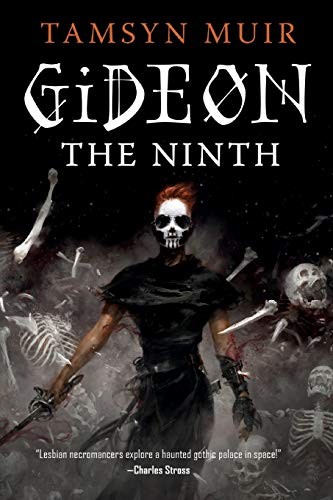
No. 56 on this list. Gideon the Ninth
Tamsyn Muir · 2019
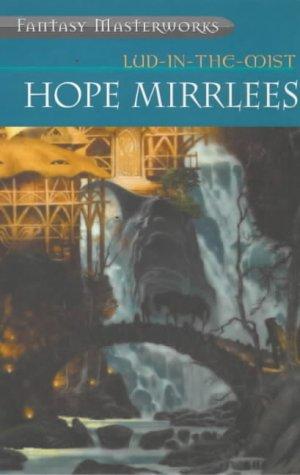
No. 57 on this list. Lud-in-the-Mist
Hope Mirrlees · 1926
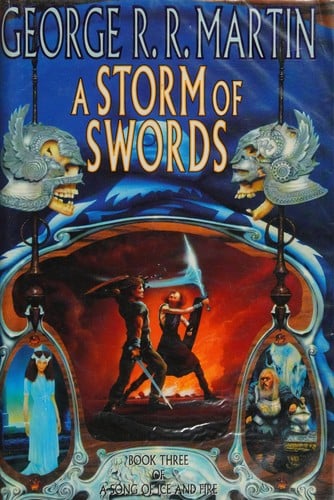
No. 58 on this list. A Storm of Swords
George R.R. Martin · 2000
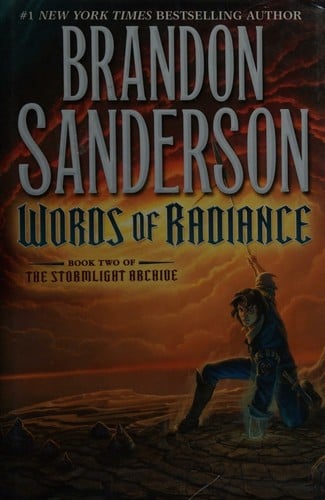
No. 59 on this list. Words of Radiance
Brandon Sanderson · 2012
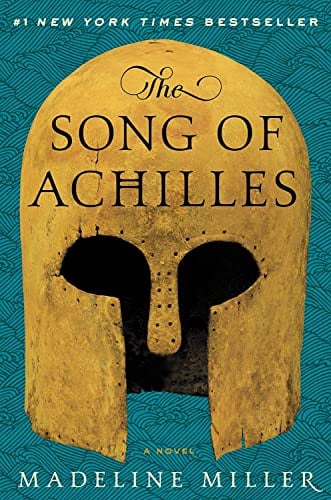
No. 60 on this list. The Song of Achilles
Madeline Miller · 2012
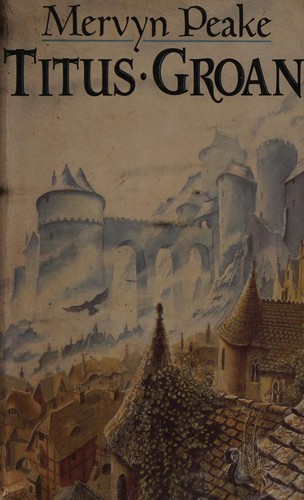
No. 61 on this list. Titus Groan
Mervyn Peake · 1946
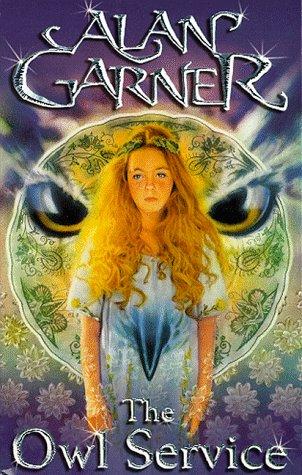
No. 62 on this list. The Owl Service
Alan Garner · 1967
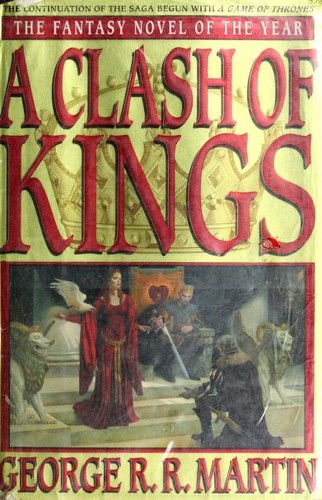
No. 63 on this list. A Clash of Kings
George R.R. Martin · 1998
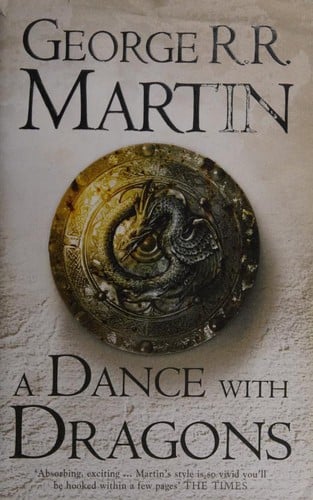
No. 64 on this list. A Dance with Dragons
George R.R. Martin · 2011
No. 65 on this list. Love in the New Millennium
Can Xue · 2013
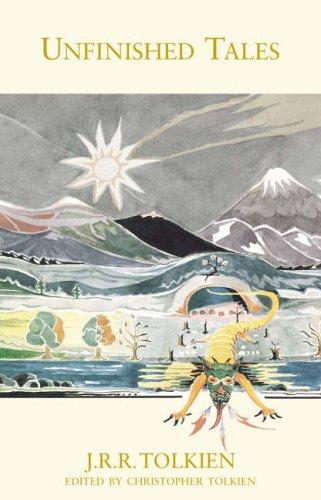
No. 66 on this list. Unfinished Tales
J.R.R. Tolkien · 1980
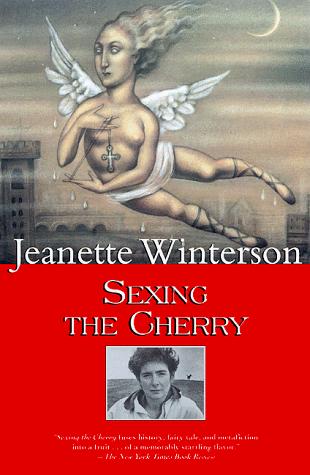
No. 67 on this list. Sexing the Cherry
Jeanette Winterson · 1998
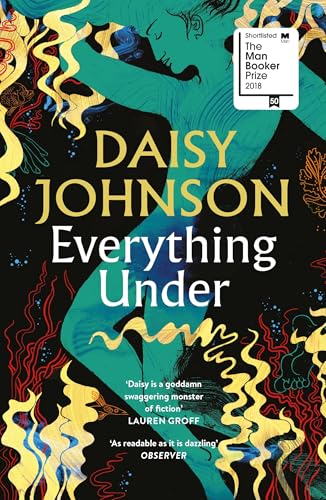
No. 68 on this list. Everything Under
Daisy Johnson · 2018
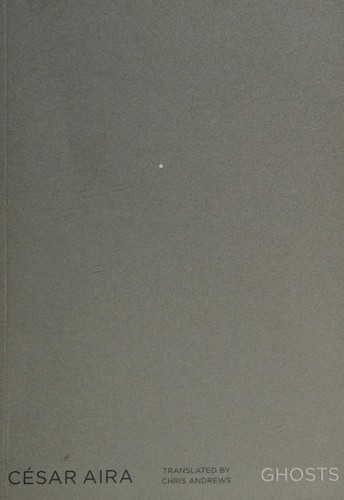
No. 69 on this list. Ghosts
César Aira · 1990
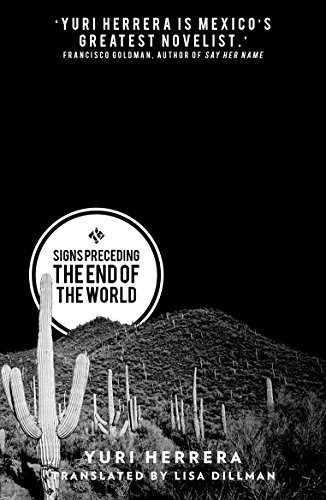
No. 70 on this list. Signs Preceding the End of the World
Yuri Herrera · 2009
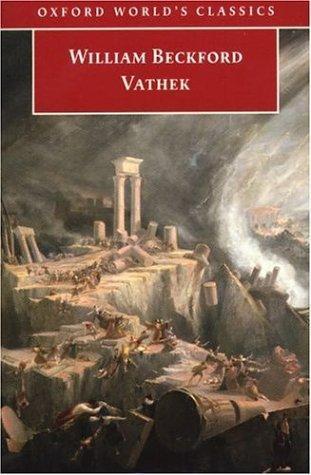
No. 71 on this list. Vathek
William Beckford · 1786
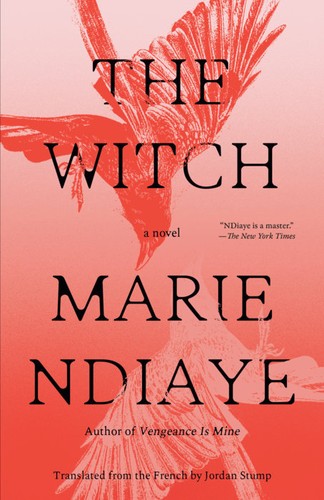
No. 72 on this list. The Witch
Marie NDiaye · 1996
No. 73 on this list. Sister Noon
Karen Joy Fowler · 2002
No. 74 on this list. Freshwater
Akwaeke Emezi · 2018
No. 75 on this list. Wyrd Sisters
Terry Pratchett · 1988
No. 76 on this list. Return to Ithaca
Eyvind Johnson · 1946
No. 77 on this list. Habibi
Craig Thompson · 2011
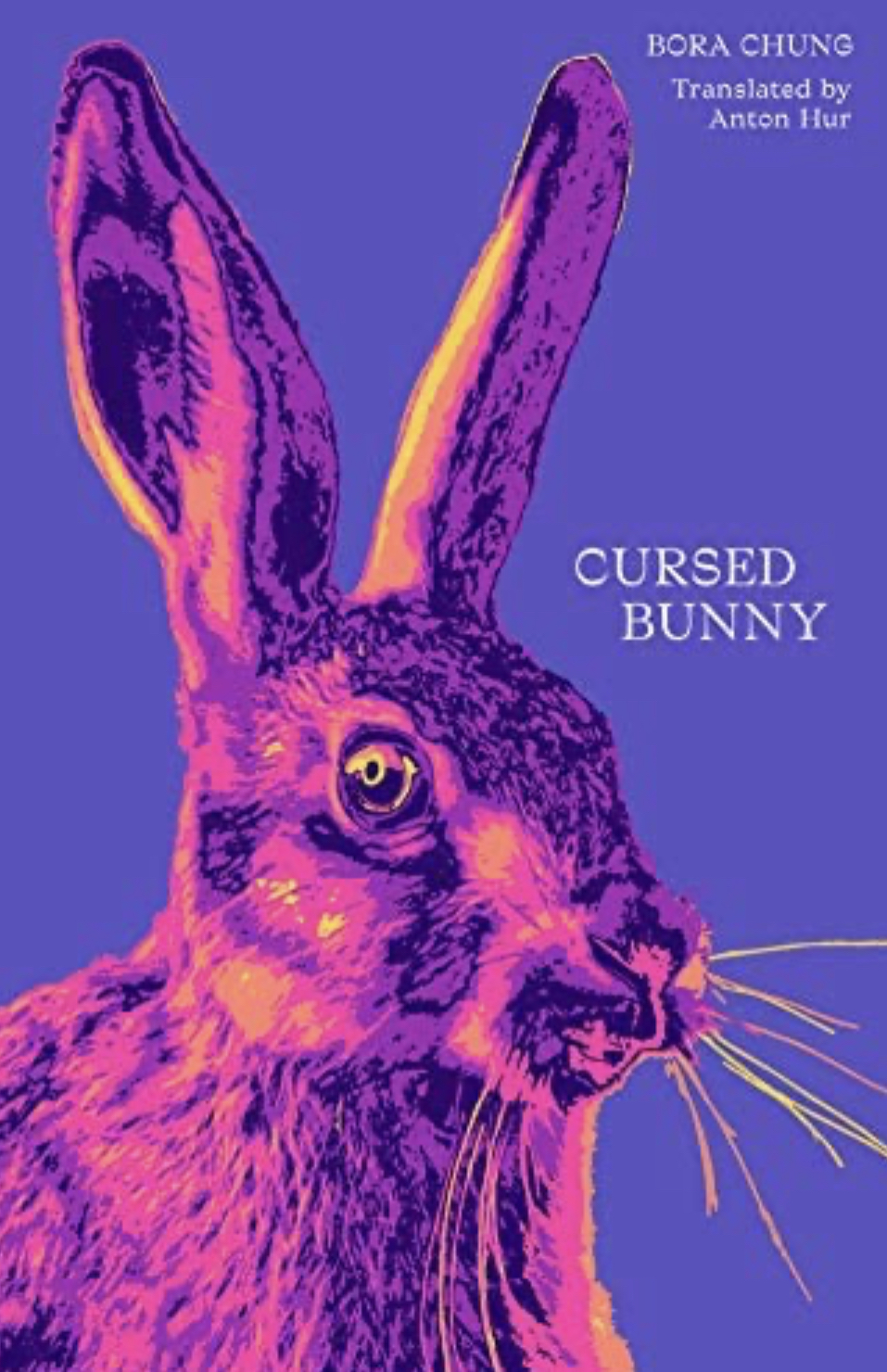
No. 78 on this list. Cursed Bunny
Bora Chung · 2022
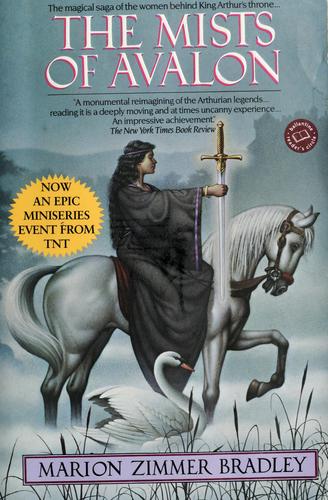
No. 79 on this list. The Mists of Avalon
Marion Zimmer Bradley · 1983
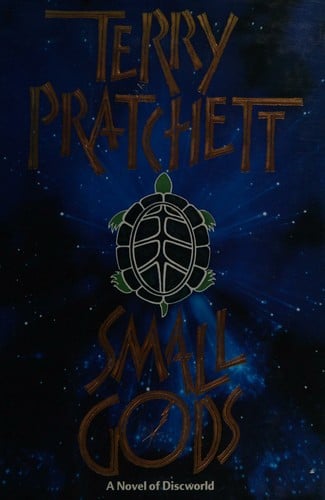
No. 80 on this list. Small Gods
Terry Pratchett · 1992

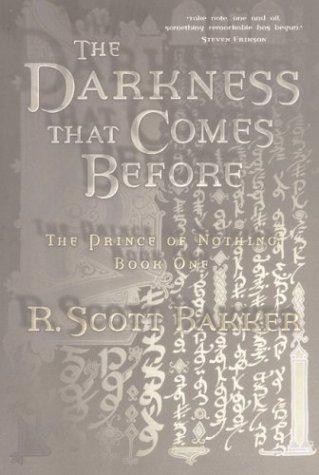
No. 81 on this list. The Darkness That Comes Before
R. Scott Bakker · 2003
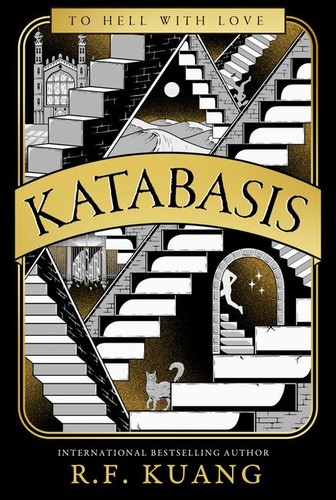
No. 82 on this list. Katabasis
R.F. Kuang · 2025
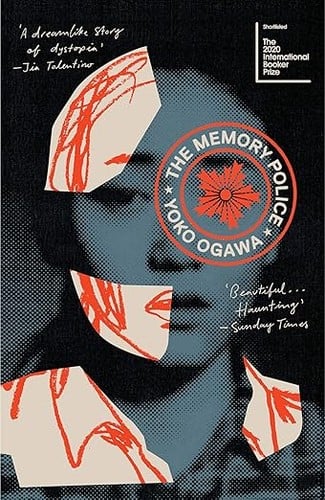
No. 83 on this list. The Memory Police
Yoko Ogawa · 2020
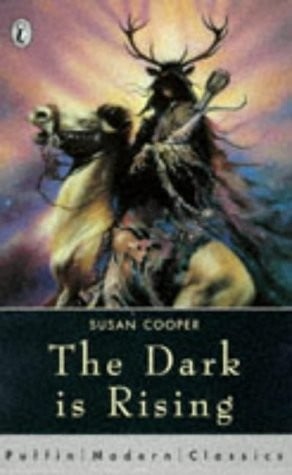
No. 84 on this list. The Dark Is Rising
Susan Cooper · 1973
Taught in schools: Common Core text exemplars (Appendix B) (US)
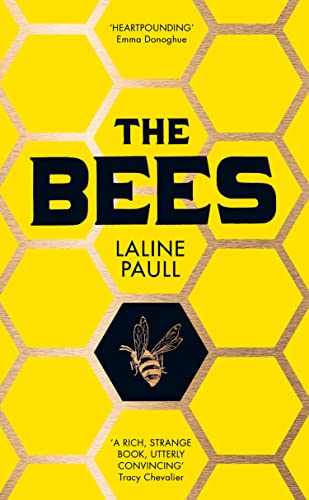
No. 85 on this list. The Bees
Laline Paull · 2015
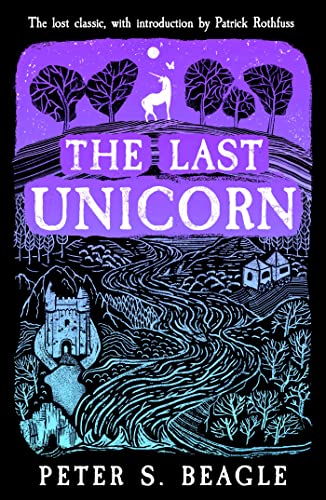
No. 86 on this list. The Last Unicorn
Peter S. Beagle · 1968
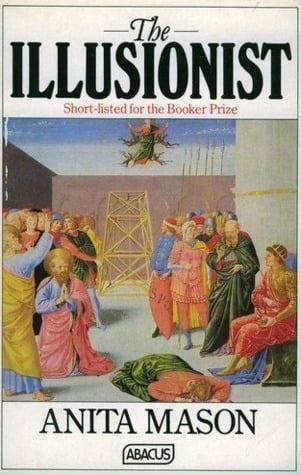
No. 87 on this list. The Illusionist
Anita Mason · 1983
No. 88 on this list. Phantastes
George MacDonald · 1858
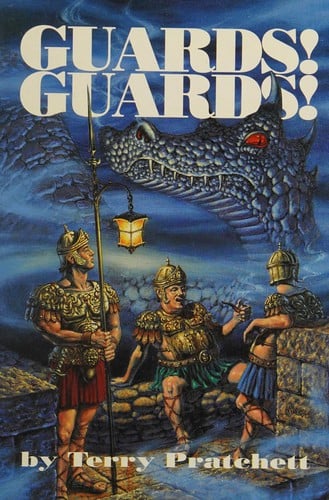
No. 89 on this list. Guards! Guards!
Terry Pratchett · 1989
No. 90 on this list. Wicked: The Life and Times of the Wicked Witch of the West
Gregory Maguire · 2000
No. 91 on this list. Women Without Men
Shahrnush Parsipur · 1989
No. 92 on this list. After the Quake
Haruki Murakami · 2000
No. 93 on this list. Swamplandia!
Karen Russell · 2000
No. 94 on this list. Ragnarok
A.S. Byatt · 2011
No. 95 on this list. Gardens of the Moon
Steven Erikson · 1999
No. 96 on this list. The Book of Love
Kelly Link · 2024
No. 97 on this list. I Give You Eyes and You Looked Toward Darkness
Irene Solà · 2025
No. 98 on this list. Under the Pendulum Sun
Jeannette Ng · 2017
No. 99 on this list. Jade City
Fonda Lee · 2017
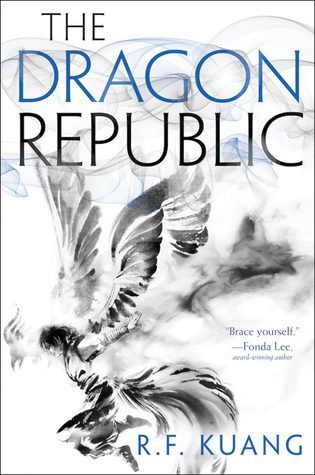
No. 100 on this list. The Dragon Republic
R.F. Kuang · 2019
About this list
These 100 books are the highest-scoring eligible moderately difficult fantasy novels currently in the catalogue. By literary regard, it opens with One Hundred Years of Solitude, Ficciones and Journey to the West. About 944 hours of reading in all. Difficulty runs from 49 to 60 out of 100 for the middle half of the list; the summit is Chimera at 64.
This list is ranked by literary regard, with a consistent order for equal scores. Membership follows authors and co-authors, not translators or editors. Catalogue coverage and the historical canon both limit what this list can represent, and genre labels are the catalogue’s own, gathered into broader kinds.
When we matched the Canons dataset to our catalogue in October 2026, our canonical-status scores rose with the number of school curricula, publisher series and lists in it that cite a work: the median score was 72 for books one such source cites, 84 at two, 88 at three, 92 at four and 93 at five or more. Prizes are left out of that count. Outside the state curricula, the dataset’s sources choose mostly from what has been translated into English or French, so it is a weaker check on other literatures. Source: Canons (Andrew Piper), CC BY 4.0
Questions people actually ask
- What are the best moderately difficult fantasy novels?
- By literary regard, which weighs canonical status, critical standing and influence, One Hundred Years of Solitude, Ficciones, Journey to the West, Orlando and A Dream Play lead. ReadingRate ranks 100 such books, each with a difficulty score and a reading-time estimate.
- Where should I start with moderately difficult fantasy novels?
- Start from difficulty, not from rank. The most approachable books on this list that still carry top literary regard are The Lord of the Rings (The Lord of the Rings, #1-3) by J.R.R. Tolkien (about 34 hours), Orlando by Virginia Woolf and Through the Looking-Glass and What Alice Found There by Lewis Carroll.
- How hard are moderately difficult fantasy novels to read?
- Most of this list sits between 49 and 60 on ReadingRate's 100-point difficulty scale, where 40 to 55 is moderate. The summit is Chimera at 64. Every entry carries its own score, so a reader can pick a great book at a difficulty they will finish.
- How is this list ranked?
- On literary-regard data: how canonically established a work is, its critical standing, and its influence on later writing. It is not a readers’ poll, which is why recent bestsellers rarely appear. Membership follows authors and co-authors, not translators or editors. A list that is not a genre list keeps to literature (fiction, poetry, drama and philosophy), with philosophy taking no more than one slot in five while there is literature left to rank; every list holds at most three works by one author.