Hours at an average pace
Showing 100 books
About 485 hours for 99 of 100 books with measured lengths. Estimates use 250 words a minute, adjusted for each book's difficulty. At 2 hours a day, about 243 days for those books.
One of the most important collections in postwar American poetry. 'Skunk Hour' alone secures its place in the canon.
No. 2 on this list. The Tell-Tale Heart
Edgar Allan Poe · 1843
Moderate32 min
Taught in schools: Pacific Senior Secondary Certificate – English
It is recommended reading in the Pacific Senior Secondary Certificate English curriculum and is among the most widely taught American short stories in schools worldwide, comparable to Gatsby's classroom ubiquity in its own form.
No. 3 on this list. Return to Haifa
Ghassan Kanafani · 1969
Easy1.4 hours
Taught in schools: Moroccan secondary Arabic literature (Morocco)
One of the foundational texts of Palestinian literature and one of the most widely read Arabic novellas worldwide.
No. 4 on this list. The Unwomanly Face of War
Svetlana Alexievich · 1985
Easy5.8 hours
Taught in schools: Lithuanian literature curriculum (lietuvių kalba ir literatūra), UNAM Escuela Nacional Preparatoria – programas de Literatura (Mexico)
Widely taught in university courses on Eastern European literature, WWII history, and oral history methodology, though not a fixture of secondary school curricula in the West. The 2015 Nobel Prize dramatically expanded its global reach and translation into forty-plus languages. Its canonical standing is growing rather than settled.
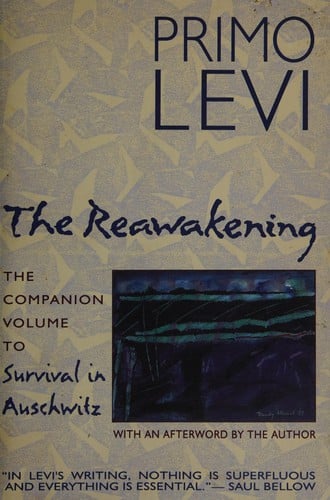
"The Truce" is taught widely in Holocaust literature, Italian literature, and 20th-century European history courses at universities across Europe and North America. It is less universally assigned than "If This Is a Man" but is firmly in the canon of serious literary and testimonial writing. No syllabus data was returned by the database, but Levi's standing in academic curricula is well established independently.
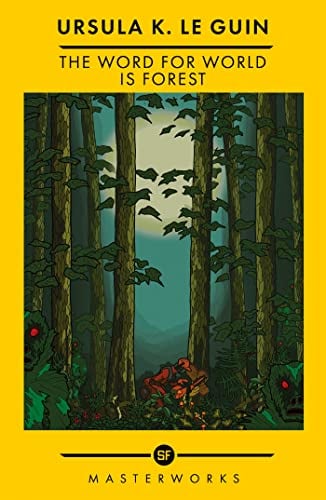
A fixture in SF studies, environmental humanities, and postcolonial literature courses at universities worldwide. Le Guin's work overall is more canonically established than this single novella — it appears regularly on SF syllabi and ecocriticism reading lists, taught alongside texts like Octavia Butler's Kindred and Kim Stanley Robinson's Mars trilogy, though without the 2000+ syllabus presence of Beloved or The Great Gatsby.
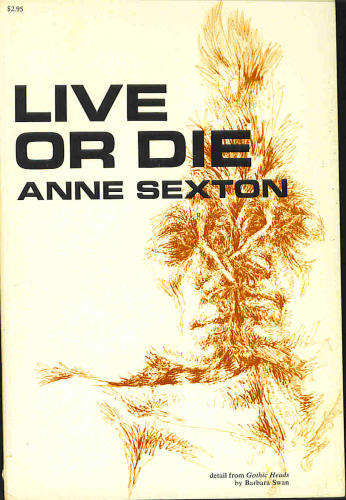
Anne Sexton arranged these thirty-three poems in the order she wrote them — January 1962 to February 1966 — and called the result 'a fever chart for a bad case of melancholy.' Each poem arrives with a date at the bottom, evidence rather than ornament. The collection opens with her father, a wool salesman who drank in his bedroom and died on the road; within pages she has checked herself into a psychiatric ward, addressed Sylvia Plath's corpse ('Thief!— how did you crawl into, crawl down alone into the death I wanted so badly'), mourned a son she never had, and watched her daughter call on God instead of her mother when a horse crushes her foot. Sexton's language stays in the body. She counts out eight pharmaceutical capsules each night, arranges them 'as in the laying on of hands or the black sacrament.' Suicides, she observes, 'have a special language. Like carpenters they want to know which tools. They never ask why build.' The hospital and the suburban kitchen share equal authority. God appears, and Mary, and Judas, and Sylvia, and none of them offer adequate answers. The final poem, 'Live,' turns the collection's entire argument on its axis. Eight Dalmatian puppies survive the pails of water that waited to drown them. 'I am not what I expected. Not an Eichmann. The poison just didn't take.' The fever chart ends with a temperature that isn't, finally, fatal. This is the Pulitzer Prize-winning collection that defined confessional poetry as a form capable of sustaining both unbearable honesty and survival.
A Portuguese military doctor sits in a Lisbon bar late at night, talking at a woman who says nothing. For the next two hundred pages he doesn't stop. What pours out is the twenty-seven months he spent as an army psychiatrist in Angola during Portugal's colonial war — the bodies, the malaria, the boredom, the complicity — braided with memories of a Lisbon childhood lived in the shadow of Salazar's dictatorship and the bourgeois Catholic family that produced him. The zoo near his parents' apartment returns again and again: the animals behind wire, the very upright black roller-skating instructor tracing his slow ellipses, the solitude of the giraffe. The zoo is not a metaphor he explains. It is simply there, and the reader assembles what it means. Antunes writes in a single sustained torrent — no chapters, no scene breaks, no mercy. The syntax piles subordinate clause on subordinate clause until a sentence has carried you from a specific smell in Angolan scrub to a childhood memory of an aunt's apartment to a direct address back to the silent woman and her motionless hands. The narrator presents himself as tender, self-aware, a victim. The text contradicts him at every turn. He watched things happen that he did not stop. Originally published in 1979 as Os Cus de Judas — a title the English publisher softened — this is the novel that announced Antunes as the defining voice of post-colonial Portuguese literature. It reads like Faulkner set in the ruins of empire, with the guilt turned inward until it can't be contained.
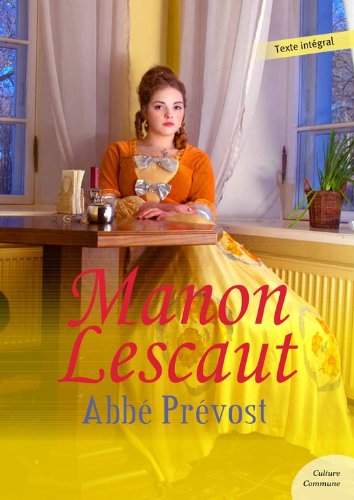
No. 9 on this list. Manon Lescaut
Abbé Prévost · 1731
Easy2.9 hours
Taught in schools: Programme de français, lycée général et technologique (France)
A cornerstone of the French novel and one of the great love stories of European literature. Widely read and studied.
A foundational text of 19th-century adventure fiction and proto-science fiction, taught in French literature and science fiction history courses worldwide. No syllabus data is available in the database, but Verne's novel is widely considered essential reading in genre history. It appears on most curated lists of classic science fiction and has remained in continuous print for over 160 years.
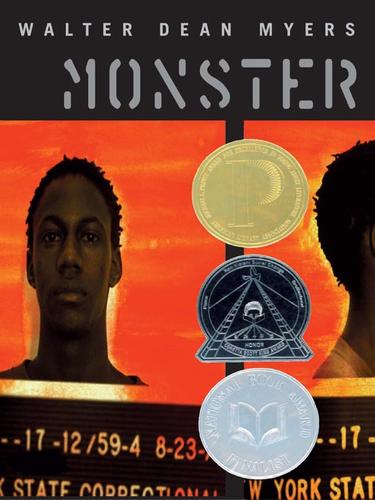
No. 11 on this list. Monster · Walter Dean Myers · 1999
Steve Harmon is sixteen years old and on trial for felony murder. He may have acted as a lookout for a Harlem drugstore robbery that left the owner dead — or he may not have. The question hangs over Walter Dean Myers's 1999 novel, which Steve narrates in the only form that makes sense to him: a screenplay. He writes himself as the protagonist, titles the film Monster — the word the prosecutor used to describe him — and cuts between courtroom scenes and flashback journal entries while his mother cries in the gallery and his lawyer calculates the odds. The form is not a gimmick. A screenplay externalizes action and dialogue while burying interiority in stage directions, and that gap is exactly where Myers puts the book's central problem: we watch Steve perform innocence without ever being certain whether we are watching performance or truth. The trial exposes Harlem's carceral machinery — the way young Black men get classified, processed, and destroyed — but Monster refuses to let that machinery fully explain Steve. He asks, on the last page, who he is. Myers doesn't answer. Readers will spend time after the last page deciding whether that's evasion or honesty, and what it says about how they read a defendant's face.
Easy1.7 hours
Start this bookNo. 12 on this list. The Golovlyov Family · Mikhail Saltykov-Shchedrin · 1880
Considered the greatest Russian satirical novel and one of the major achievements of nineteenth-century Russian prose, though less internationally known than Tolstoy or Dostoevsky.
Easy6.8 hours
Start this bookNo. 13 on this list. The Visit of the Royal Physician · Per Olov Enquist · 1999
Widely regarded as one of the finest Scandinavian novels of the late twentieth century. An international bestseller and a staple of Swedish literary culture.
Moderate5.3 hours
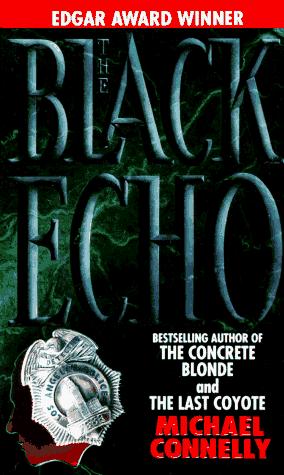
Start this bookNo. 14 on this list. The Black Echo · Michael Connelly · 1992
Launched one of the most acclaimed detective series in modern crime fiction. Edgar Award winner.
Easy6 hours
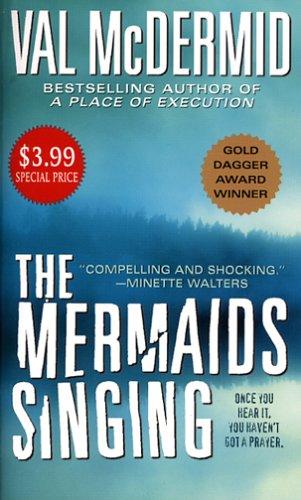
Start this bookNo. 15 on this list. The Mermaids Singing · Val McDermid · 1995
Gold Dagger winner. Launched one of crime fiction's most acclaimed series.
Easy6.5 hours
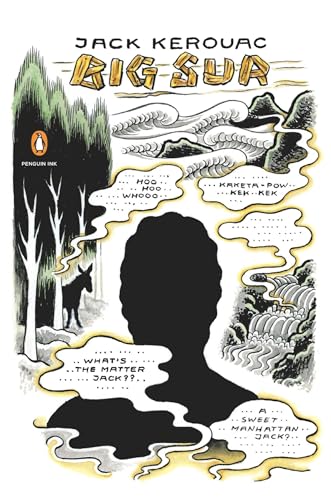
Start this bookNo. 16 on this list. Big Sur · Jack Kerouac · 1962
Increasingly regarded as one of Kerouac's best novels, perhaps his most artistically successful. Less widely known than On the Road but valued by critics.
Easy3.1 hours
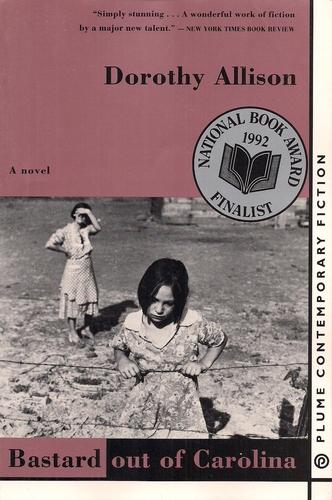
Start this bookNo. 17 on this list. Bastard Out of Carolina · Dorothy Allison · 1992
Appears on 253 university syllabi, placing it above many contemporary novels in Southern literature, women's studies and queer studies courses. It is not yet a universal staple like Beloved.
Easy4.9 hours
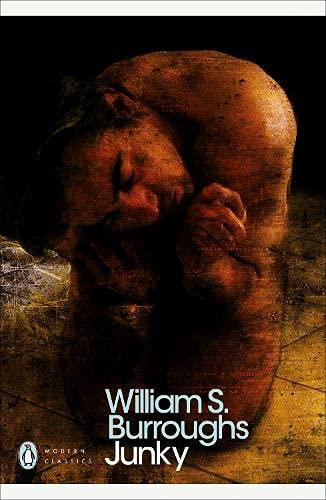
Start this bookNo. 18 on this list. Junky · William S. Burroughs · 1953
Valued as Burroughs's accessible first novel and as a document of the Beat Generation. Less studied than Naked Lunch but increasingly appreciated in its own right.
Very Easy2.1 hours
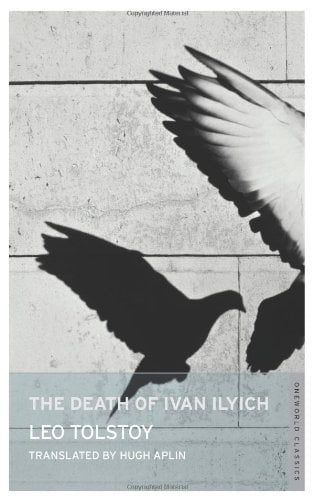
Start this bookNo. 19 on this list. The Devil · Leo Tolstoy · 1911
A late, posthumous work, taught less often than Anna Karenina or The Death of Ivan Ilyich. It appears in Tolstoy collections and in studies of his sexual ethics, with Kreutzer Sonata as its companion text.
Moderate1.2 hours
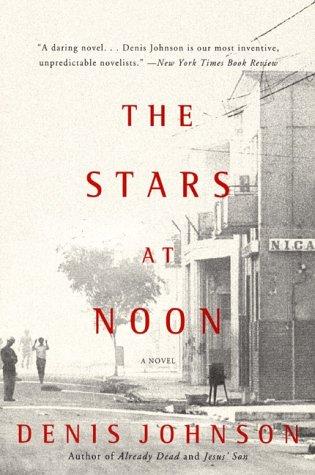
Read nowNo. 20 on this list. Angels · Denis Johnson · 1983
Recognized as an important debut that introduced one of the most distinctive voices in contemporary American fiction. Less widely read than Jesus' Son.
Easy3.9 hours
Start this book

No. 21 on this list. The Last Question · Isaac Asimov · 2007
It is an anthology staple of science fiction and widely read in classrooms and genre courses, though not a core literary canon text. It does not match the syllabus presence of Gatsby or 1984.
Easy9 min
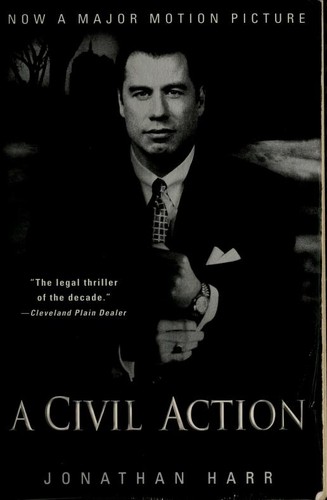
Start this bookNo. 22 on this list. A Civil Action · Jonathan Harr · 1995
A Civil Action (1995) is a staple of American legal education, widely assigned in first-year civil procedure courses, and a standard example of narrative nonfiction about the legal system. It is one of the best-known works of legal journalism.
Very Easy6.2 hours
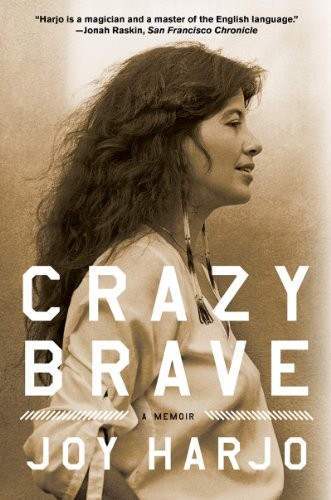
Start this bookNo. 23 on this list. Crazy Brave: A Memoir · Joy Harjo · 2012
Crazy Brave appears on Native American literature and creative nonfiction syllabi but lacks broad curricular penetration outside those contexts. Harjo's poetry collections, especially She Had Some Horses, are more commonly assigned. The memoir's teaching presence is modest compared to canonical personal narratives.
Easy2.4 hours
Start this bookNo. 24 on this list. The garden of Eden · Ernest Hemingway · 1986
A posthumous work by a canonical author, taught less than The Sun Also Rises or A Farewell to Arms. Gender and sexuality studies give it a niche in Hemingway courses.
Moderate4.5 hours
Start this bookNo. 25 on this list. Batman: Year One · Frank Miller · 2007
It is a defining modern superhero text and a staple of comics curricula and shop recommendations, but it is not a staple of general literature syllabi.
Easy2 hours
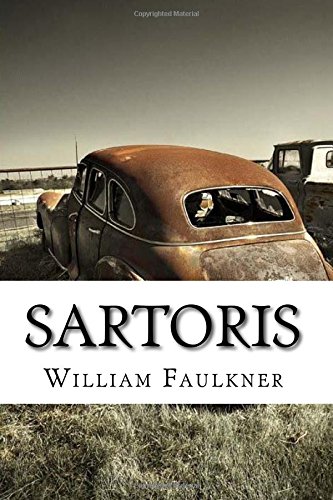
Start this bookNo. 26 on this list. Sartoris · William Faulkner · 1929
Historically significant as Faulkner's first Yoknapatawpha novel, but rarely taught on its own merits.
Moderate5 hours
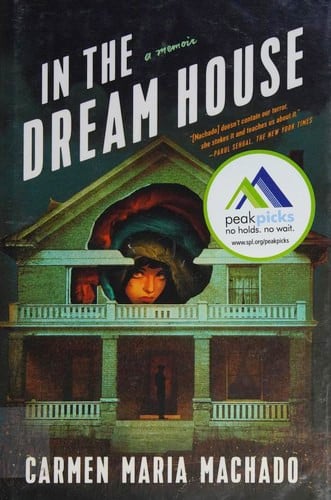
Start this bookNo. 27 on this list. In the Dream House · Carmen Maria Machado · 2019
Lambda Literary Award and Kirkus Prize winner. Widely taught in writing and gender studies programs.
Moderate3.4 hours
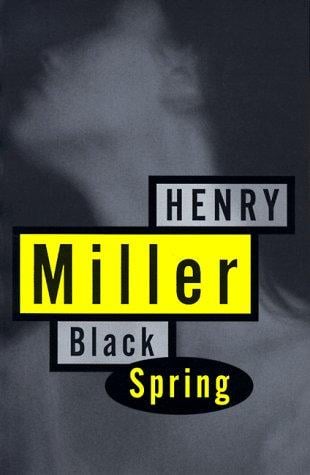
Start this bookNo. 28 on this list. Black Spring · Henry Miller · 1936
Less well-known than the Tropics but valued by Miller scholars as his most purely literary achievement. A cult favorite among writers.
Moderate3.7 hours
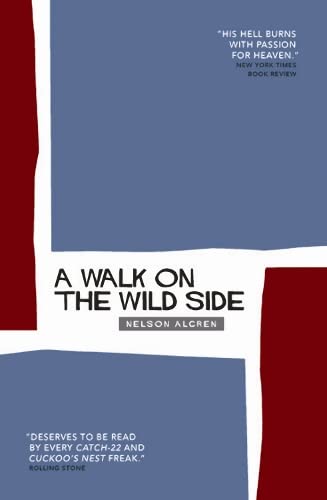
Start this bookNo. 29 on this list. A Walk on the Wild Side · Nelson Algren · 1956
A cult classic championed by writers and critics but not widely taught. Overshadowed by The Man with the Golden Arm in Algren's own canon.
Easy4 hours
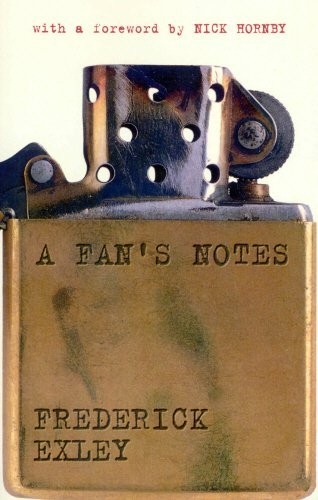
Start this bookNo. 30 on this list. A Fan's Notes · Frederick Exley · 1968
A cult classic with devoted admirers among writers and critics. Not part of the standard academic canon but persistently referenced as an underappreciated masterpiece.
Moderate6.3 hours
Start this book



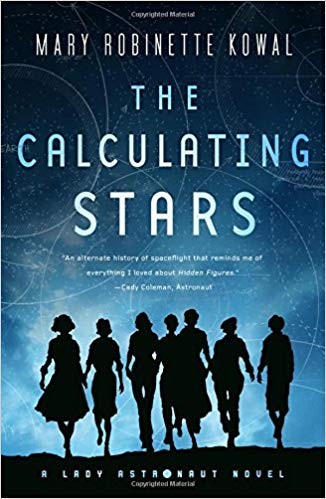
No. 31 on this list. The Calculating Stars
Mary Robinette Kowal · 2018
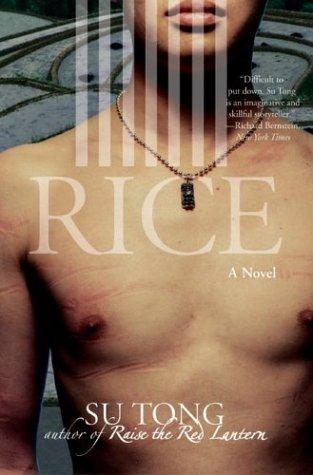
No. 32 on this list. Rice
Su Tong · 1991
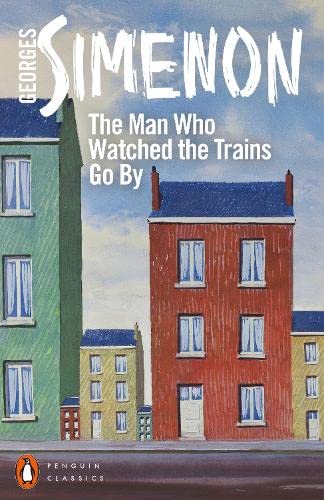
No. 33 on this list. The Man Who Watched Trains Go By
Georges Simenon · 1938
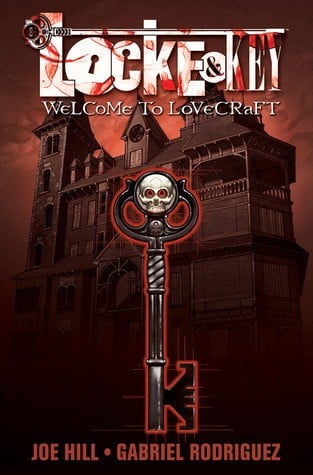
No. 34 on this list. Locke & Key
Joe Hill · 2008
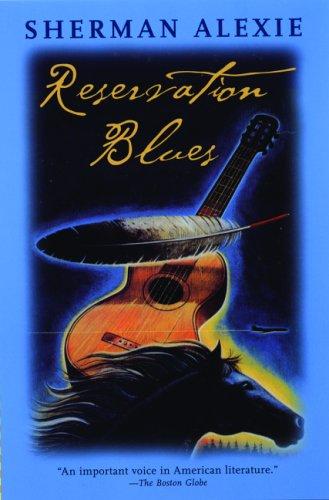
No. 35 on this list. Reservation Blues
Sherman Alexie · 1995
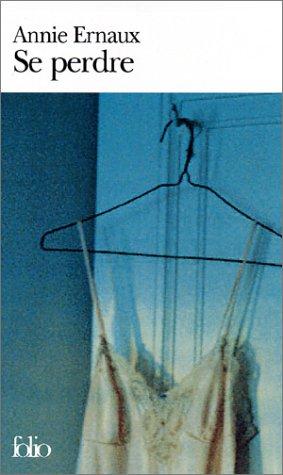
No. 36 on this list. Getting Lost
Annie Ernaux · 2001
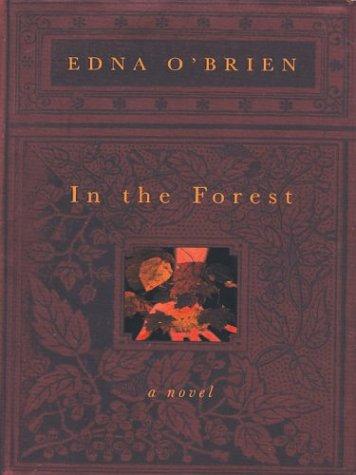
No. 37 on this list. In the Forest
Edna O'Brien · 2002
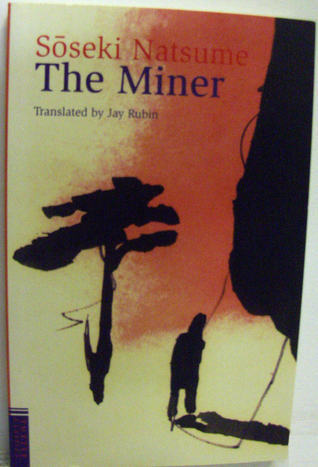
No. 38 on this list. The Miner
Natsume Sōseki · 1908
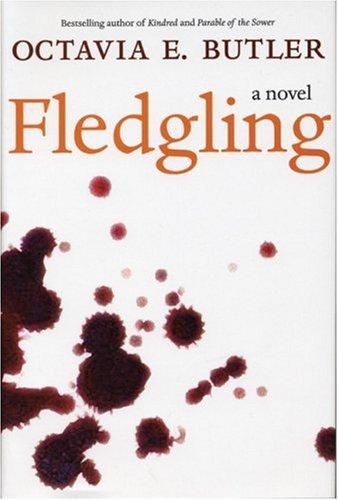
No. 39 on this list. Fledgling
Octavia E. Butler · 2005
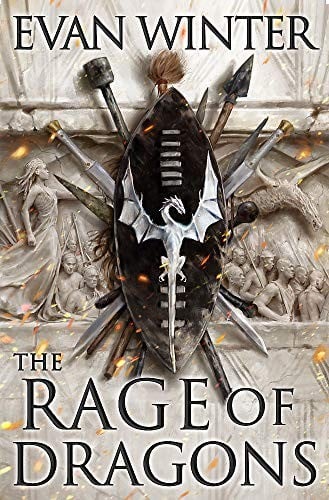
No. 40 on this list. The Rage of Dragons
Evan Winter · 2019
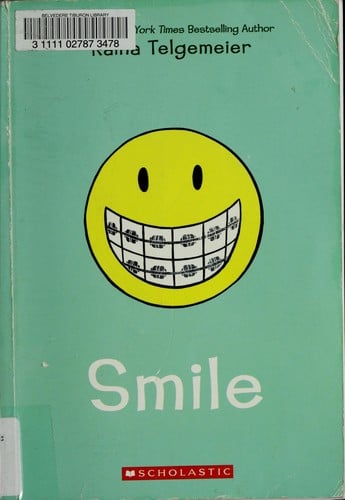
No. 41 on this list. Smile
Raina Telgemeier · 2010
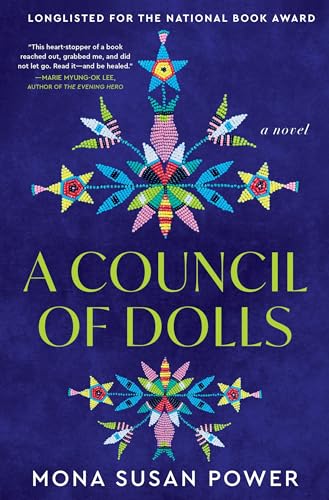
No. 42 on this list. A Council of Dolls
Mona Susan Power · 2023
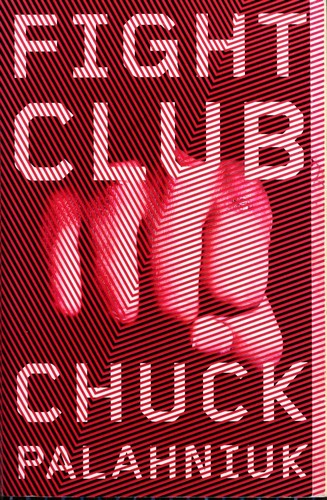
No. 43 on this list. Fight Club
Chuck Palahniuk · 1996
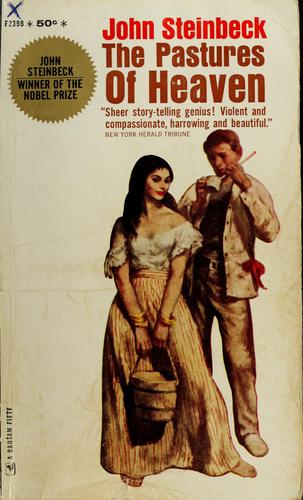
No. 44 on this list. The Pastures of Heaven
John Steinbeck · 1932
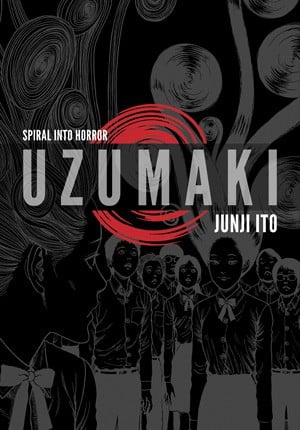
No. 45 on this list. Uzumaki
Junji Ito · 1998
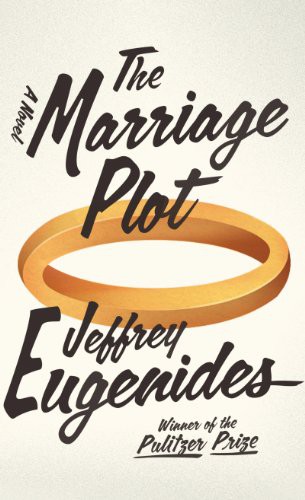
No. 46 on this list. The Marriage Plot
Jeffrey Eugenides · 2011
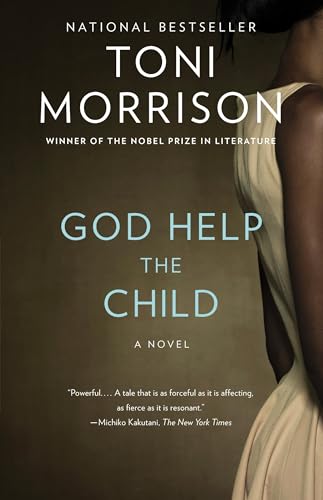
No. 47 on this list. God Help the Child
Toni Morrison · 2015
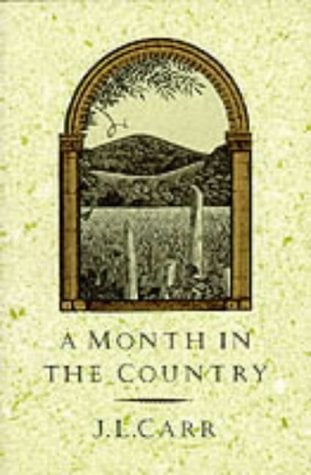
No. 48 on this list. A Month in the Country
J.L. Carr · 1980
No. 49 on this list. Soldier's Pay
William Faulkner · 1926
No. 50 on this list. Parasite Eve
Hideaki Sena · 1995
No. 51 on this list. Untold Night and Day
Bae Suah · 2013
No. 52 on this list. A Leopard-Skin Hat
François-Henri Désérable · 2025
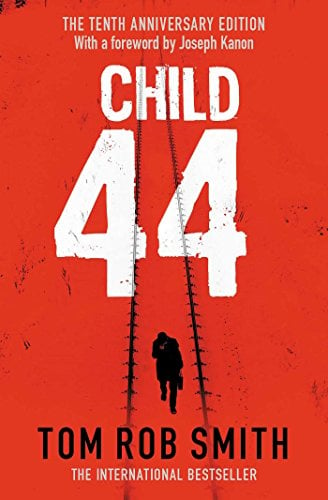
No. 53 on this list. Child 44
Tom Rob Smith · 2008
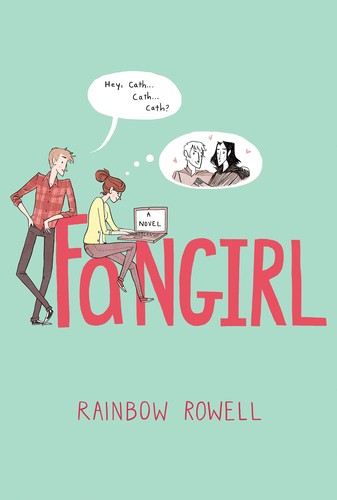
No. 54 on this list. Fangirl
Rainbow Rowell · 2013
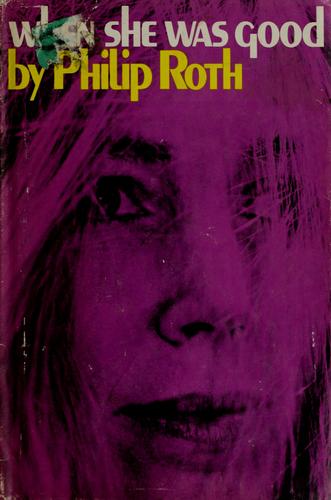
No. 55 on this list. When She Was Good
Philip Roth · 1967
No. 56 on this list. Flush: A Biography
Virginia Woolf · 1933
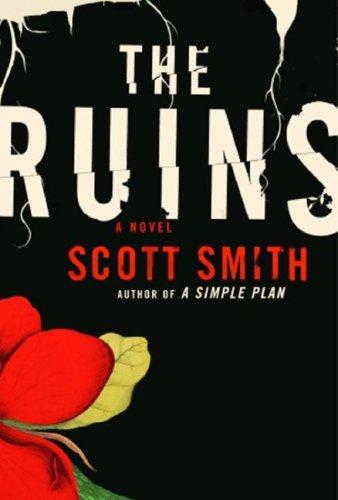
No. 57 on this list. The Ruins
Scott Smith · 2006
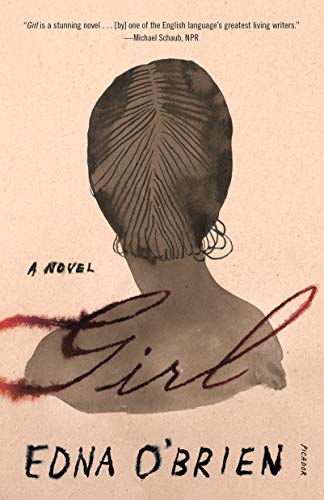
No. 58 on this list. Girl
Edna O'Brien · 2019
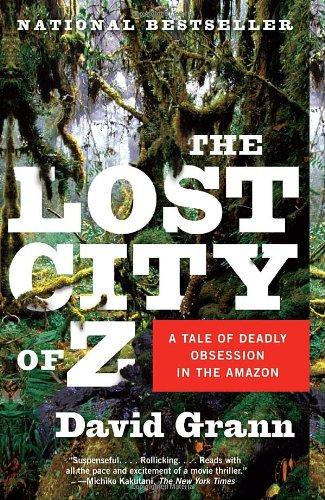
No. 59 on this list. The Lost City of Z
David Grann · 2009
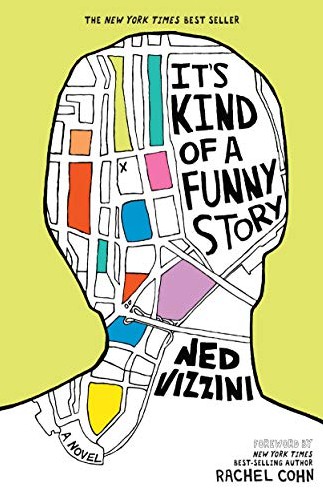
No. 60 on this list. It's Kind of a Funny Story
Ned Vizzini · 2006
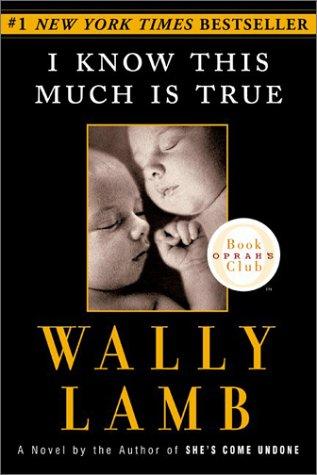
No. 61 on this list. I Know This Much Is True
Wally Lamb · 1998
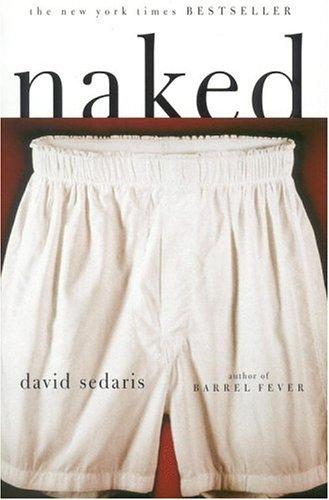
No. 62 on this list. Naked
David Sedaris · 1997
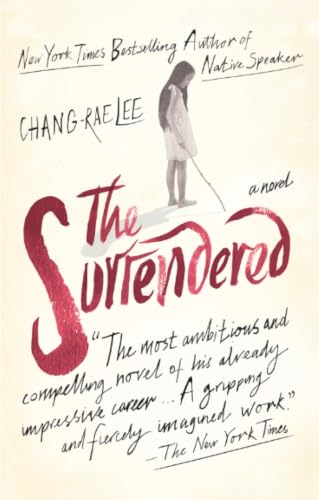
No. 63 on this list. The Surrendered
Chang-rae Lee · 2010
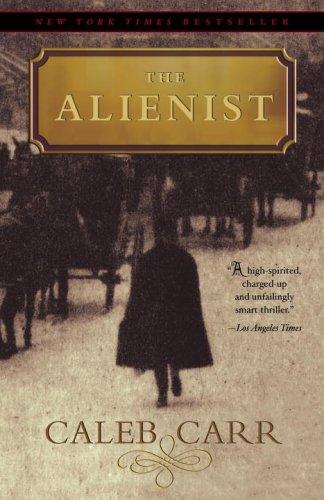
No. 64 on this list. The Alienist
Caleb Carr · 1994
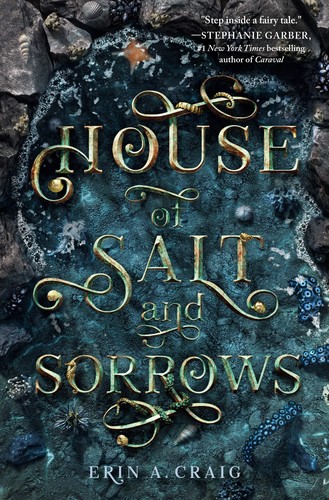
No. 65 on this list. House of Salt and Sorrows
Erin A. Craig · 2019
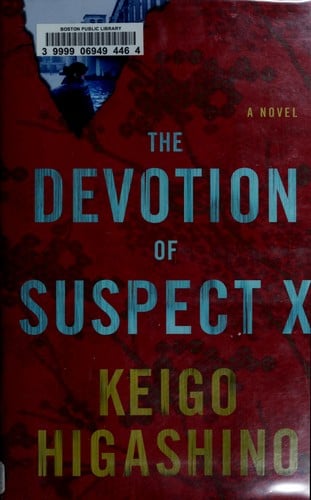
No. 66 on this list. The Devotion of Suspect X
Keigo Higashino · 2005
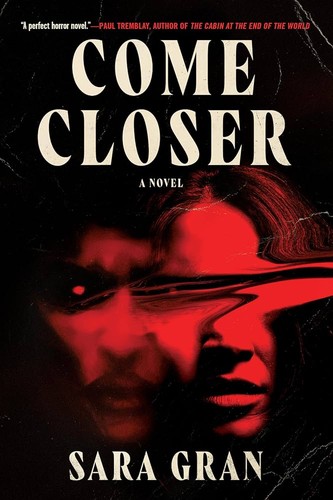
No. 67 on this list. Come Closer
Sara Gran · 2003
No. 68 on this list. All the Bright Places
Jennifer Niven · 2015
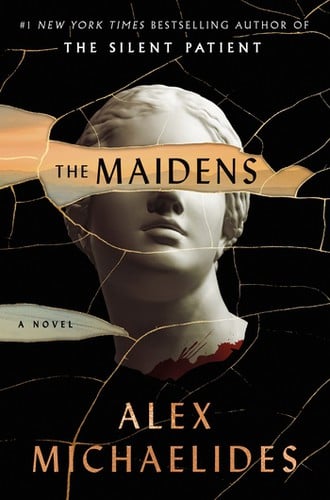
No. 69 on this list. The Maidens
Alex Michaelides · 2021
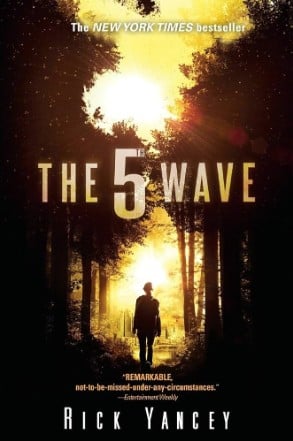
No. 70 on this list. The 5th Wave
Rick Yancey · 2013
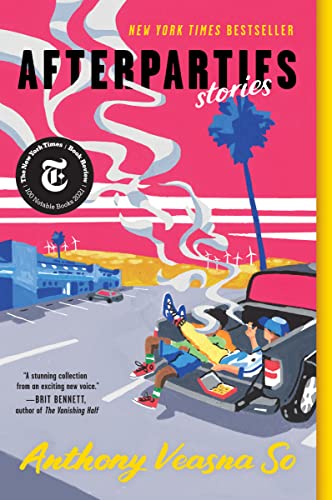
No. 71 on this list. Afterparties
Anthony Veasna So · 2021
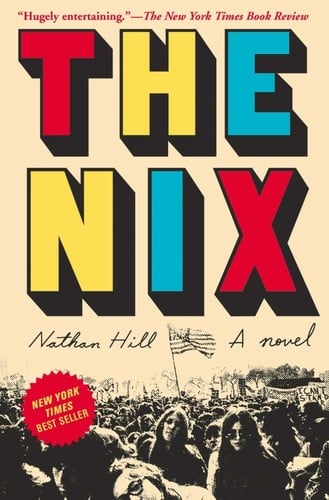
No. 72 on this list. The Nix
Nathan Hill · 2016
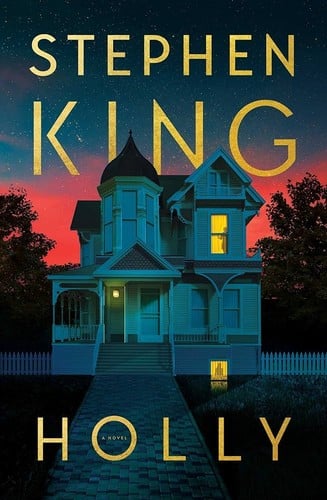
No. 73 on this list. Holly
Stephen King · 2023
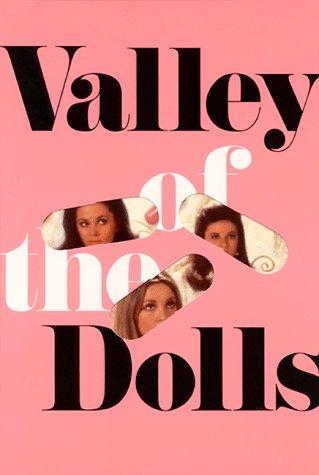
No. 74 on this list. Valley of the Dolls
Jacqueline Susann · 1997
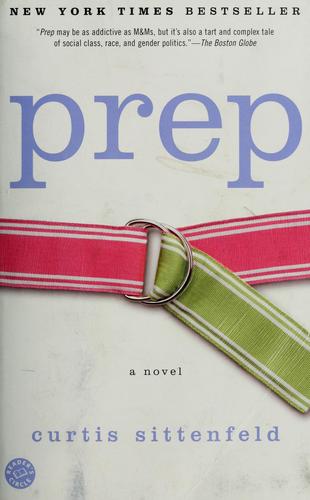
No. 75 on this list. Prep
Curtis Sittenfeld · 2005
No. 76 on this list. The Orange Grove
Larry Tremblay · 2015
No. 77 on this list. All the Sinners Bleed
S.A. Cosby · 2023
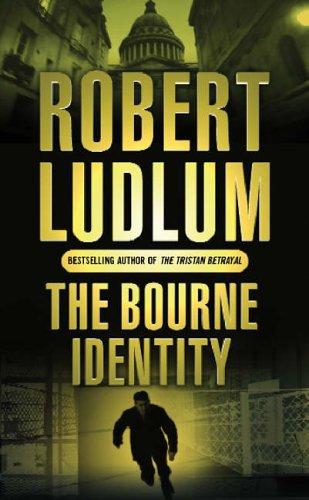
No. 78 on this list. The Bourne Identity
Robert Ludlum · 1980
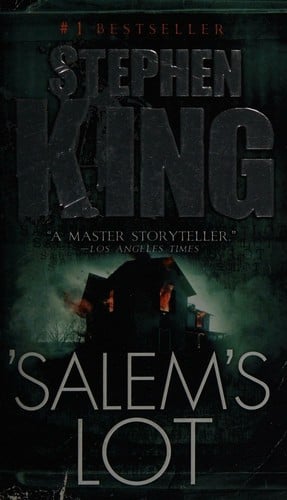
No. 79 on this list. 'Salem's Lot
Stephen King · 1975
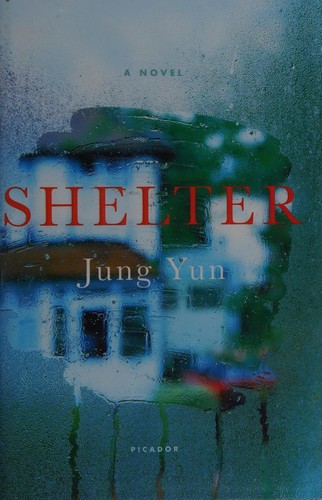
No. 80 on this list. Shelter
Jung Yun · 2016


No. 81 on this list. A Woman Is No Man
Etaf Rum · 2019
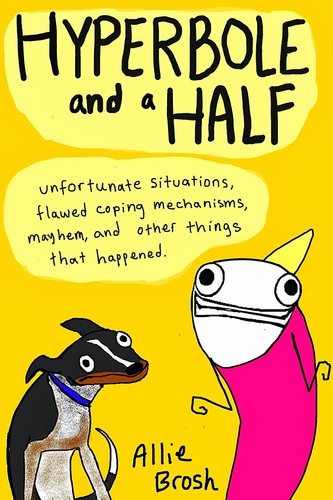
No. 82 on this list. Hyperbole and a Half
Allie Brosh · 2013
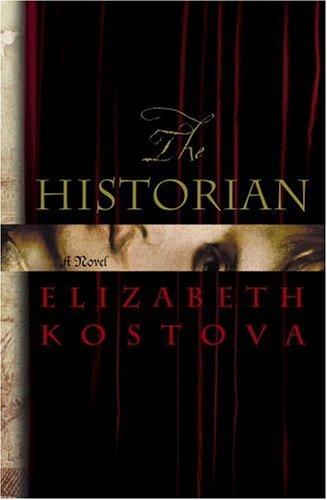
No. 83 on this list. The Historian
Elizabeth Kostova · 2005
No. 84 on this list. Sadie
Courtney Summers · 2018
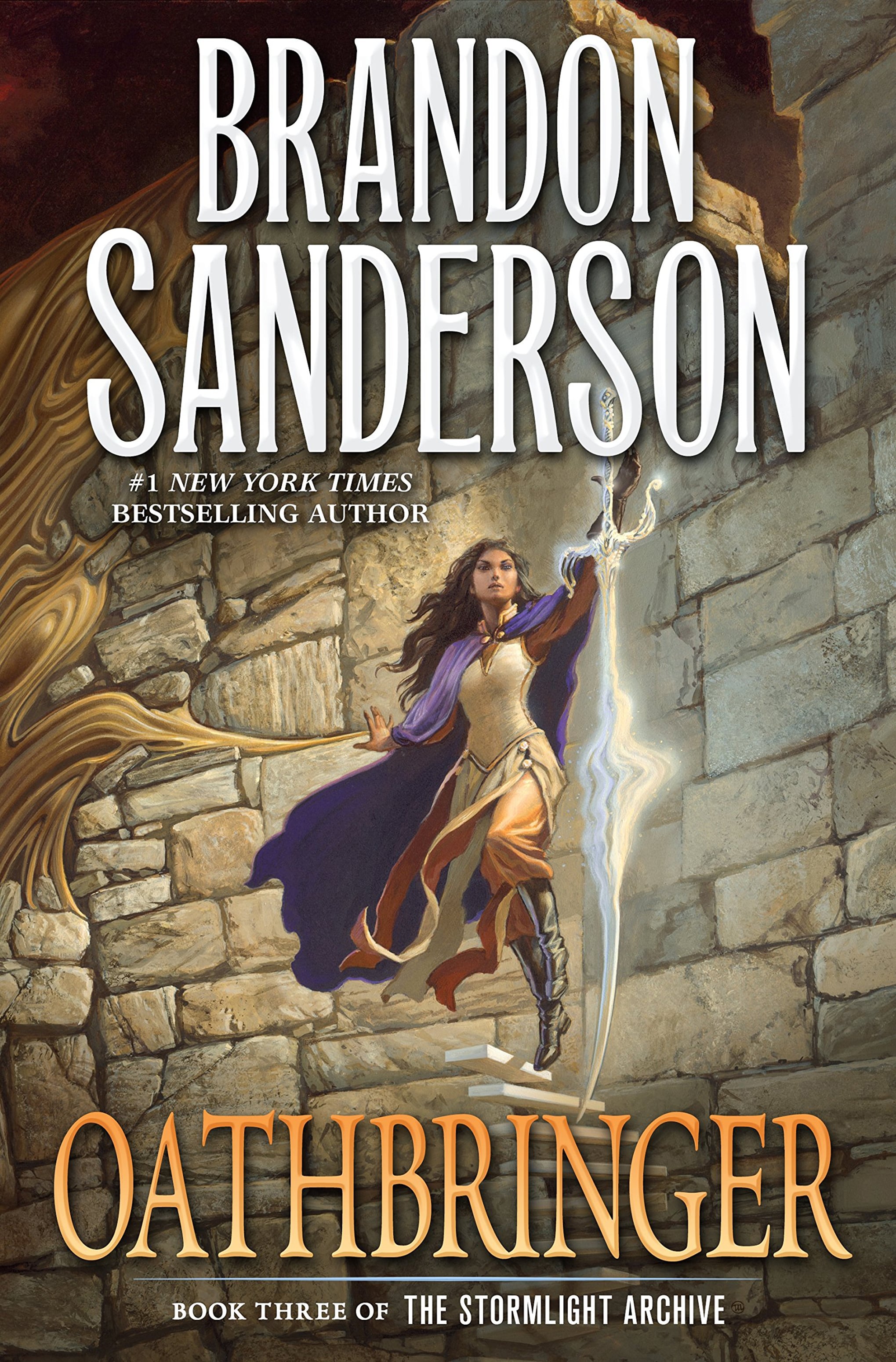
No. 85 on this list. Oathbringer
Brandon Sanderson · 2017
No. 86 on this list. Phantom
Jo Nesbø · 2012
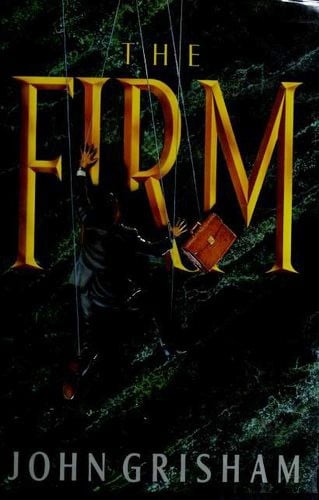
No. 87 on this list. The Firm
John Grisham · 1991
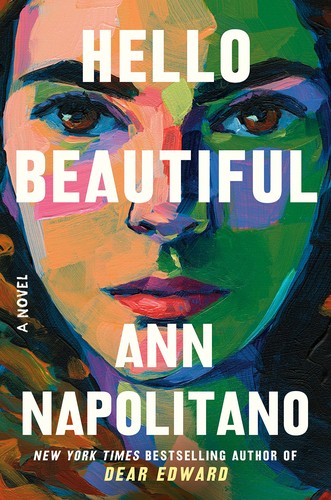
No. 88 on this list. Hello Beautiful
Ann Napolitano · 2023
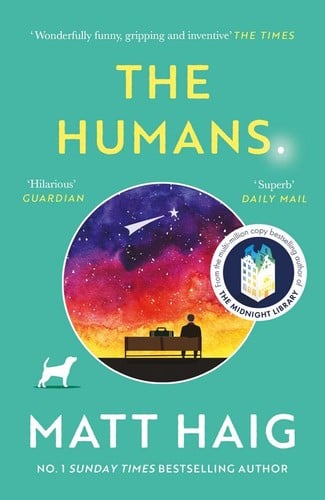
No. 89 on this list. The Humans
Matt Haig · 2014
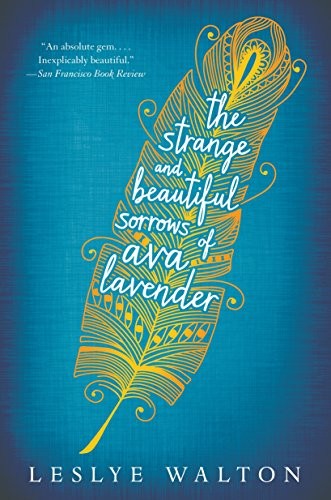
No. 90 on this list. The Strange and Beautiful Sorrows of Ava Lavender
Leslye Walton · 2014


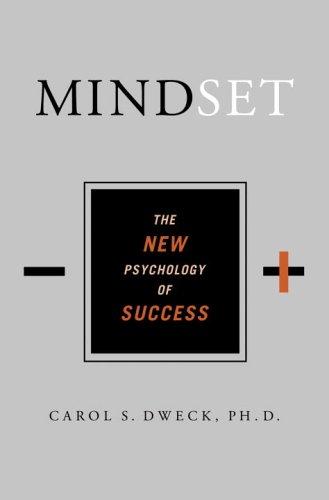
No. 91 on this list. Mindset
Carol S. Dweck · 2006
No. 92 on this list. Post-Traumatic
Chantal V. Johnson · 2022
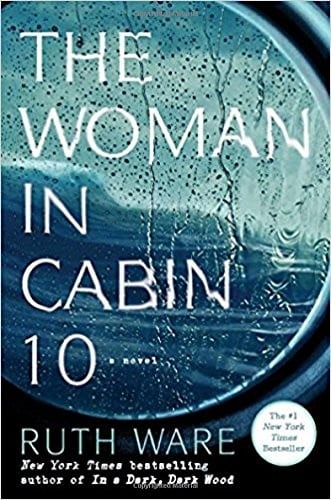
No. 93 on this list. The Woman in Cabin 10
Ruth Ware · 2016
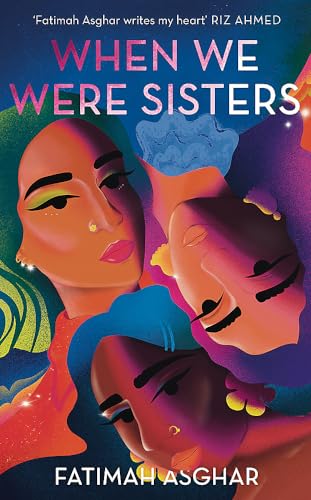
No. 94 on this list. When We Were Sisters
Fatimah Asghar · 2022
No. 95 on this list. None of This Is True
Lisa Jewell · 2023
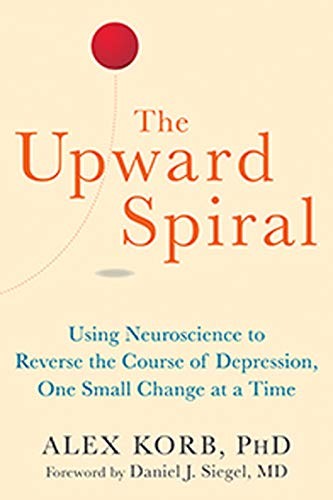
No. 96 on this list. The Upward Spiral: Using Neuroscience to Reverse the Course of Depression, One Small Change at a Time
Alex Korb · 2015
No. 97 on this list. Cognitive Neuroscience: A Very Short Introduction
Richard Passingham · 2016
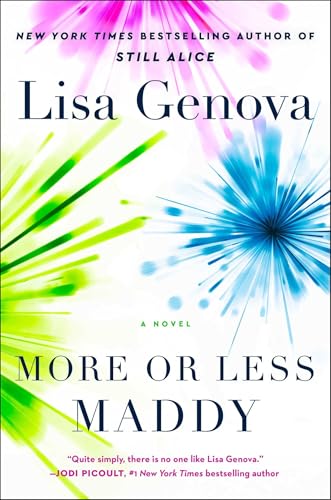
No. 98 on this list. More or Less Maddy
Lisa Genova · 2025
No. 99 on this list. Deposing Nathan
Zack Smedley · 2019
No. 100 on this list. Four: A Divergent Collection (Divergent Series Story)
Veronica Roth · 2014



About this list
These 100 books are the highest-scoring eligible easy books about madness and the mind currently in the catalogue. About 485 hours of reading in all, for the 99 with measured lengths. Difficulty runs from 29 to 40 out of 100 for the middle half of the list; the summit is The Miner at 45.
This list is ranked by literary regard, with a consistent order for equal scores. Membership follows authors and co-authors, not translators or editors. A book is here when ReadingRate files it under Madness & the Mind as one of its primary reading domains, at a confidence of 0.8 or more. Catalogue coverage and the historical canon both limit what this list can represent.
When we matched the Canons dataset to our catalogue in October 2026, our canonical-status scores rose with the number of school curricula, publisher series and lists in it that cite a work: the median score was 72 for books one such source cites, 84 at two, 88 at three, 92 at four and 93 at five or more. Prizes are left out of that count. Outside the state curricula, the dataset’s sources choose mostly from what has been translated into English or French, so it is a weaker check on other literatures. Source: Canons (Andrew Piper), CC BY 4.0
Questions people actually ask
- What are the best easy books about madness and the mind?
- By literary regard, which weighs canonical status, critical standing and influence: Life Studies by Robert Lowell, The Tell-Tale Heart by Edgar Allan Poe, Return to Haifa by Ghassan Kanafani, The Unwomanly Face of War by Svetlana Alexievich and The Truce by Primo Levi. ReadingRate ranks 100 such books, each with a difficulty score and a reading-time estimate.
- Which easy books about madness and the mind should I read first?
- Start from difficulty, not from rank. The most approachable books on this list that still carry top literary regard are The Unwomanly Face of War by Svetlana Alexievich (about 5.8 hours), Live or Die by Anne Sexton and Manon Lescaut by Abbé Prévost.
- What are the shortest of the best easy books about madness and the mind?
- Among the top 25, the shortest are The Last Question by Isaac Asimov (about 9 min), The Tell-Tale Heart by Edgar Allan Poe (about 32 min) and Live or Die by Anne Sexton (about 43 min), at an average pace of 250 words a minute adjusted for each book's difficulty.
- Which of the best easy books about madness and the mind are the established classics?
- By canonical status, how firmly a book sits in curricula, anthologies and the canon: Life Studies by Robert Lowell, The Tell-Tale Heart by Edgar Allan Poe, Return to Haifa by Ghassan Kanafani, Manon Lescaut by Abbé Prévost and The Golovlyov Family by Mikhail Saltykov-Shchedrin.
- Can I read any of these easy books about madness and the mind for free?
- 1 of the 100 opens in ReadingRate's reader with a free account, from public-domain editions: The Devil.
- How long would it take to read the top ten?
- About 34 hours, at an average pace of 250 words a minute adjusted for each book's difficulty: 17 days at two hours a day. Set your own pace on the page and the list's reading times change to it.
- How hard are easy books about madness and the mind to read?
- Most of this list sits between 29 and 40 on ReadingRate's 100-point difficulty scale, where 40 to 55 is moderate. The summit is The Miner at 45. Every entry carries its own score, so a reader can pick a great book at a difficulty they will finish.
- How is this list ranked?
- On literary-regard data: how canonically established a work is, its critical standing, and its influence on later writing. It is not a readers’ poll, which is why recent bestsellers rarely appear. Membership follows authors and co-authors, not translators or editors. Lists by country, author, period, theme or difficulty keep to literature (fiction, poetry, drama and philosophy), their novels, poems and plays first and their philosophy after them; a list of a kind of book, such as memoir or criticism, keeps every book of that kind. Every list holds at most three works by one author. A book is here when ReadingRate files it under Madness & the Mind as one of its primary reading domains, at a confidence of 0.8 or more.