Hours at an average pace
Showing 100 books
About 483 hours for 100 of 100 books with measured lengths. Estimates use 250 words a minute, adjusted for each book's difficulty. At 2 hours a day, about 242 days for those books.
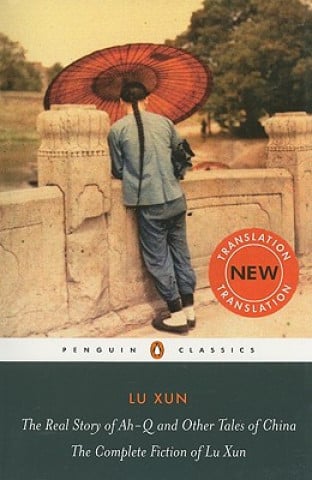
Ah Q stands with Quixote, Oblomov, and Babbitt as literature's archetypal national figures. For modern Chinese literature, this text functions as foundational myth—the work that demonstrated vernacular Chinese could carry savage social critique and established Lu Xun as the tradition's father.
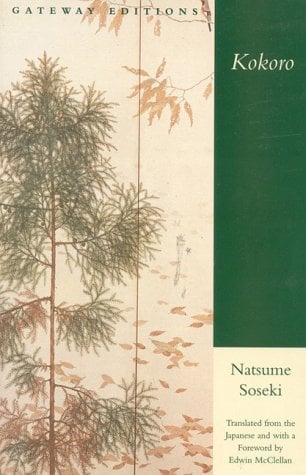
No. 2 on this list. Kokoro
Natsume Sōseki · 1914
Moderate4.5 hours
Included in: UNESCO Collection of Representative Works
Kokoro is universally regarded as the supreme masterpiece of modern Japanese literature and one of the most important novels of the twentieth century in any language. It is the single most commonly assigned novel in Japanese high schools and universities, and appears on literature syllabi worldwide. It has been continuously in print since 1914 and has been translated into dozens of languages. It is a permanent fixture of every serious list of world literature, from the Penguin Classics and Oxford World Classics catalogs to Harold Bloom's discussions of global literary achievement.
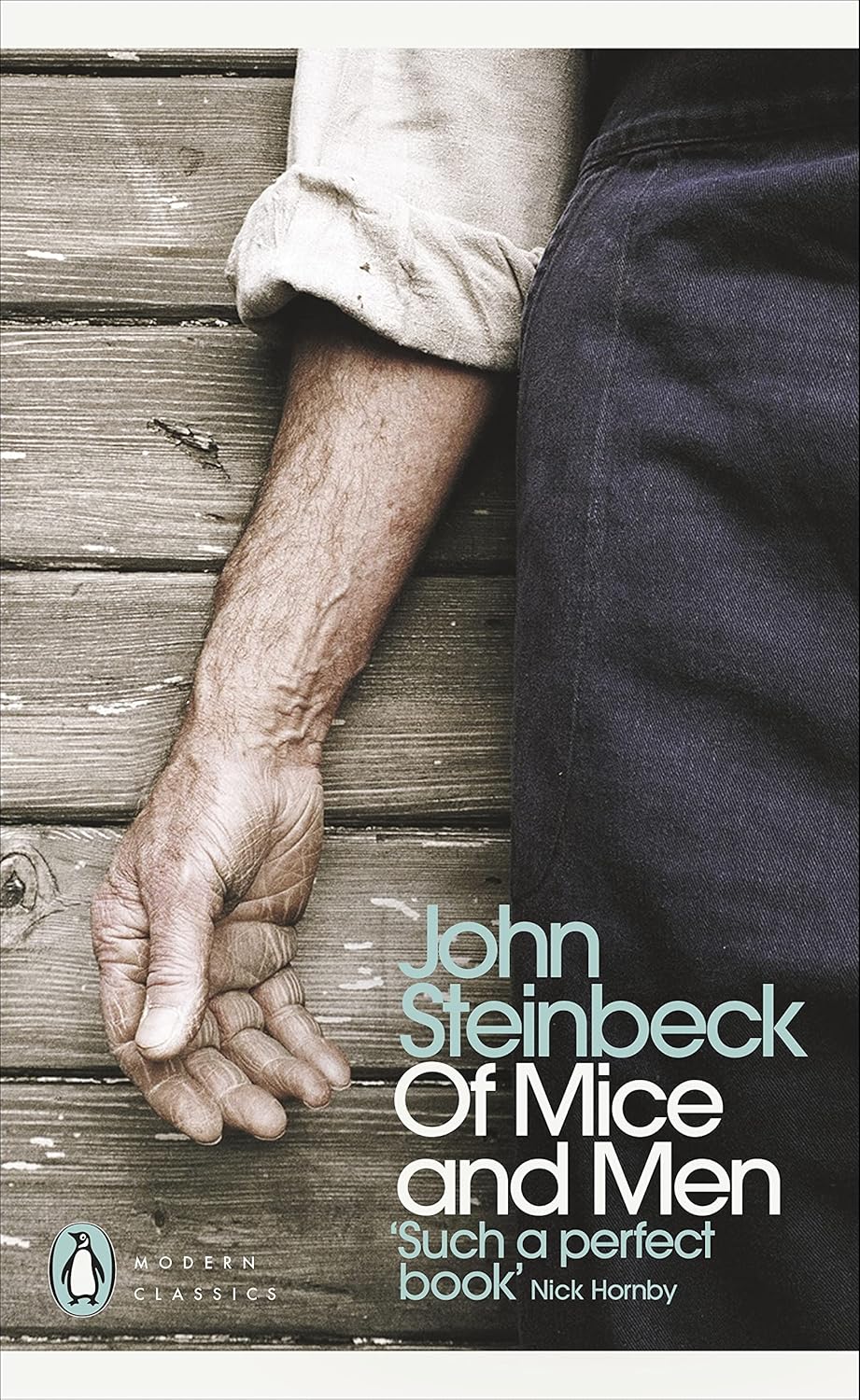
No. 3 on this list. Of Mice and Men
John Steinbeck · 1937
Easy1.7 hours
Taught in schools: Pacific Senior Secondary Certificate – English, Turkish edebiyat curriculum (Turkey)
One of the most taught works in American secondary and post-secondary education, with 548 syllabus appearances placing it in the top tier of assigned literature. Included in Library of America, Penguin Classics, Everyman's Library, and Penguin Modern Classics. Appears on the BBC Big Read Top 100 and 1001 Books You Must Read Before You Die. Its status as core American literary reading is unquestioned.
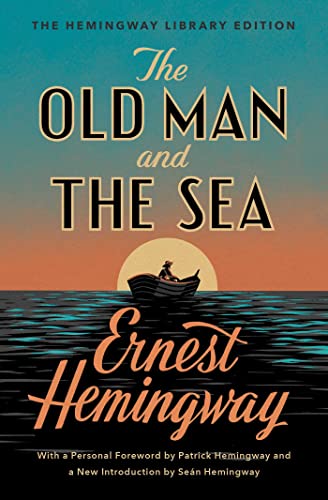
No. 4 on this list. The Old Man and the Sea
Ernest Hemingway · 1953
Moderate1.7 hours
Taught in schools: Kazakh literature curriculum (Kazakhstan)
Included in: Bokklubben World Library
Hemingway reduced fiction to one old man, one marlin, and the Gulf Stream, and proved that a story stripped to its barest elements could carry the weight of a parable about endurance, craft, and the dignity of losing. The novella's final image — the skeleton of the great fish picked clean at the dock — is among the most perfectly earned symbols in American literature.
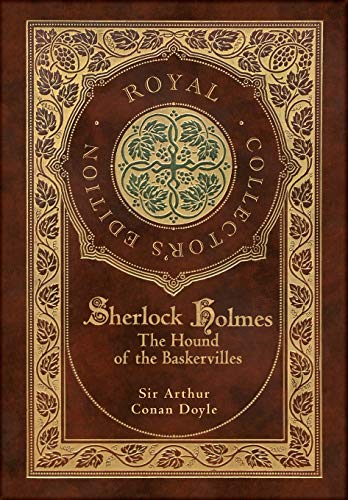
No. 5 on this list. The Hound of the Baskervilles
Arthur Conan Doyle · 1902
Easy3.5 hours
Taught in schools: CSEC English B – Caribbean Examinations Council
Sir Charles Baskerville dies on the Dartmoor moors, terror on his face, a giant hound's footprints nearby. A family curse tells of a spectral hound hunting the Baskervilles since the seventeenth century. Dr. Watson investigates while Holmes stays in London—or so it seems. The moor is fog-bound, treacherous, Gothic; the solution is pure Holmesian reason. Doyle killed Holmes at Reichenbach Falls in 1893 and resisted resurrection. This novel, serialized in 1901-02, is set before the death and doesn't quite bring Holmes back. But the public devoured it, and Holmes returned in full the following year. The Hound works both as mystery and Gothic atmosphere—the moor becomes a character, the hound hovers between supernatural and rational explanation until the last act. This is Doyle's most novelistic Holmes story, and many readers consider it the best.
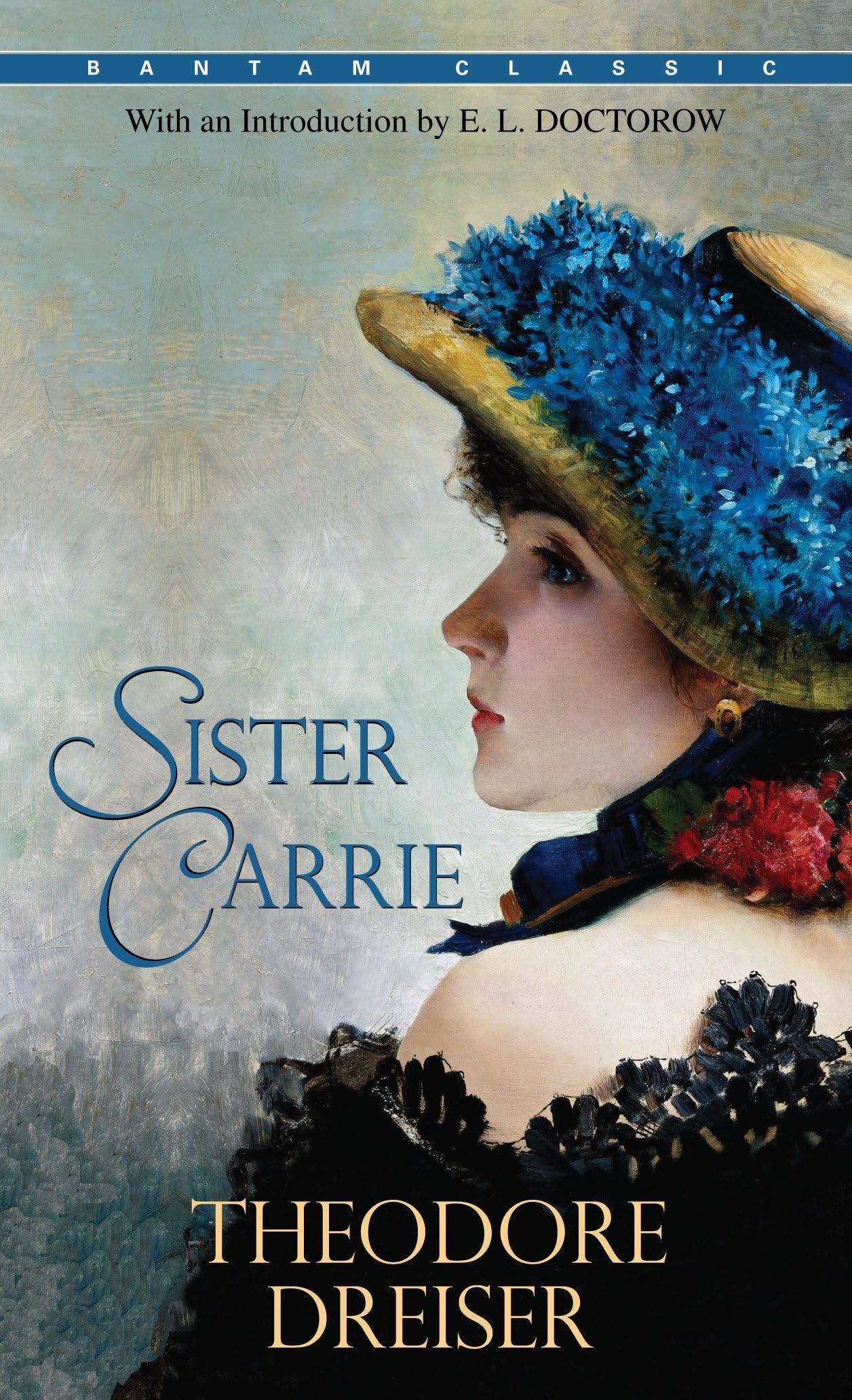
Appears on 1,040 university syllabi and sits on the Modern Library 100 Best Novels list. It is a standard text for American naturalism and the Gilded Age city.
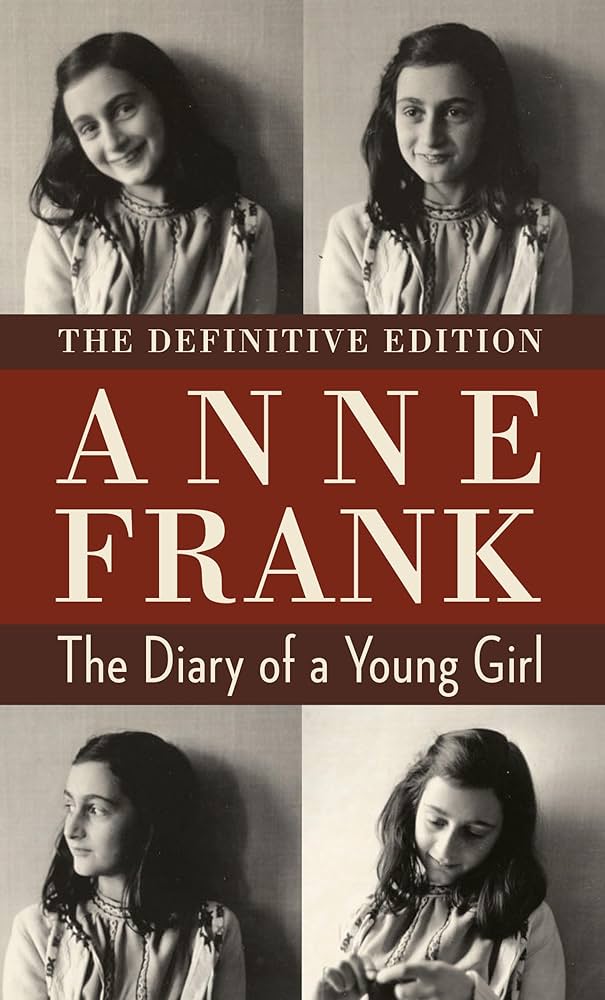
The diary is a fixture of secondary education worldwide and appears in 72 Wikipedia language editions — on par with The Great Gatsby — reflecting its global canonical reach. Its 133 Open Syllabus appearances (53rd percentile) undercount its true presence, as it is taught most heavily at the pre-university level. Le Monde named it one of the 100 Books of the Century in 1999.
One of the most widely assigned American novels, a staple of high school and college curricula. A central text of American literary realism.
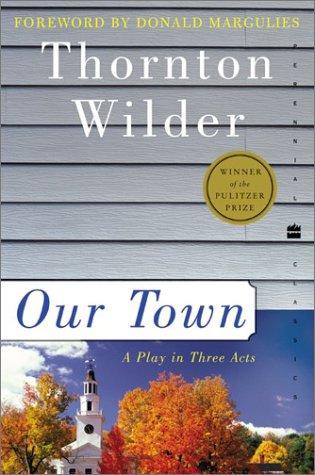
No. 9 on this list. Our Town
Thornton Wilder · 1938
Easy2.8 hours
Taught in schools: Common Core text exemplars (Appendix B) (US), CSEC English B – Caribbean Examinations Council
Our Town is among the most-produced American plays, a staple of high school and college drama and American literature courses. It won the 1938 Pulitzer Prize for Drama and is widely taught as a landmark of twentieth-century American theater.
Jenny holds significant status in Scandinavian literary history as an early psychological realist novel examining female artistic ambition and sexuality with unprecedented frankness. Its 1911 publication sparked controversy and established Undset as a major voice before her Nobel-winning Kristin Lavransdatter trilogy. While less universally canonical than her medieval epics, Jenny remains essential for understanding early 20th-century Nordic modernism and appears regularly in Norwegian literary curricula and scholarship on women's writing.
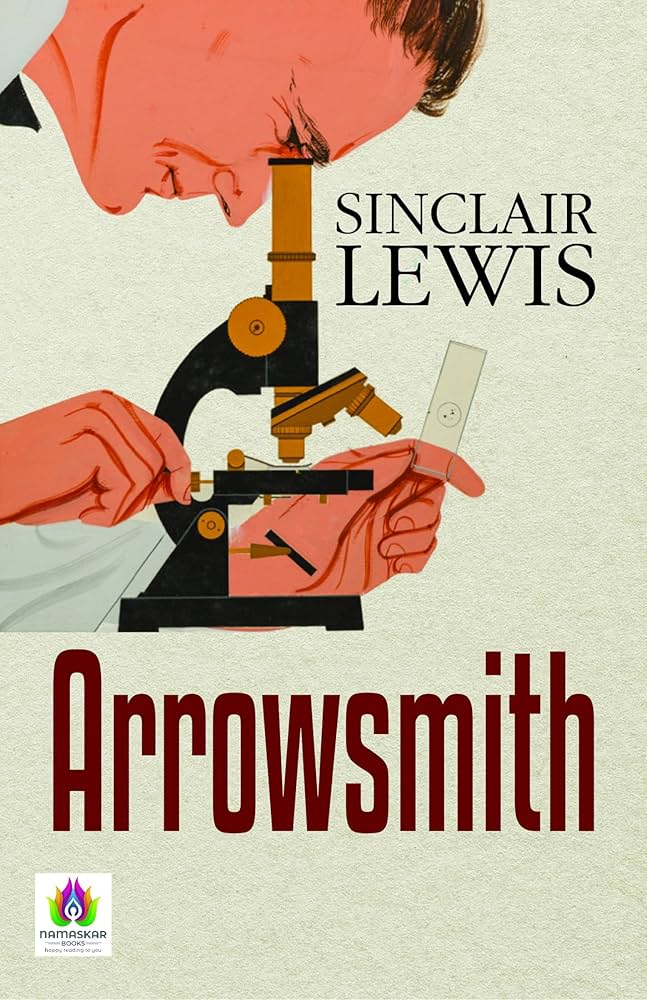
No. 11 on this list. Arrowsmith · Sinclair Lewis · 1925
Martin Arrowsmith, an idealistic young doctor, struggles to maintain his scientific integrity as he moves from small-town practice to research laboratories to public health work. At every turn, commercialism, politics, and human weakness threaten to corrupt his quest for truth. Lewis's novel about the conflict between pure science and institutional pressure won the Pulitzer Prize (which he famously declined).
Moderate11 hours
Read nowNo. 12 on this list. Night on the Galactic Railroad · Kenji Miyazawa · 1934
One of the most beloved and widely adapted works in Japanese literature. Cultural landmark.
Moderate1.9 hours
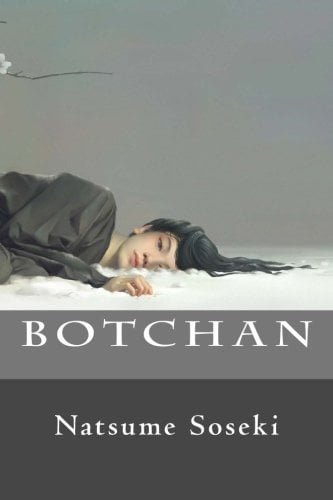
Start this bookNo. 13 on this list. Botchan · Natsume Sōseki · 1906
Included in: UNESCO Collection of Representative Works
The most widely read novel in Japanese literature. A national cultural touchstone for over a century.
Easy2.1 hours
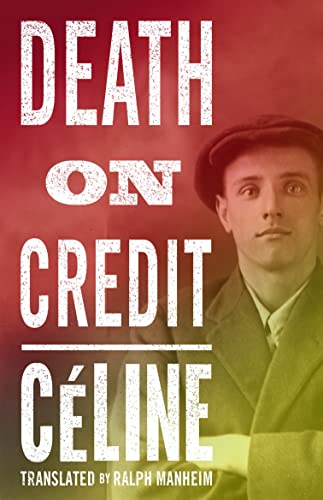
Read nowNo. 14 on this list. Death on the Installment Plan · Louis-Ferdinand Céline · 1936
Considered one of the great French novels of the twentieth century, though less widely read than Journey to the End of the Night. Central to studies of literary modernism.
Moderate11 hours
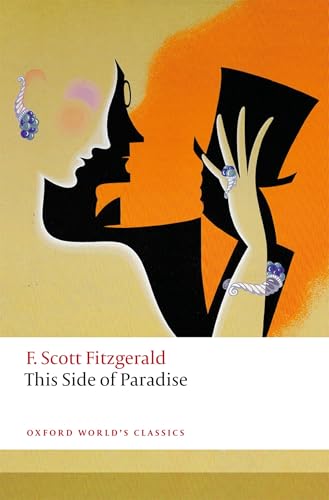
Start this bookNo. 15 on this list. This Side of Paradise · F. Scott Fitzgerald · 1920
Taught in American literature surveys and Fitzgerald-specific courses, but far less frequently than The Great Gatsby, which dominates both high school and university syllabi. This Side of Paradise appears primarily in courses on modernism, the 1920s, or the American bildungsroman. It holds a secure but secondary position in the Fitzgerald canon — the book that made him famous rather than the book that made him permanent.
Easy4.6 hours
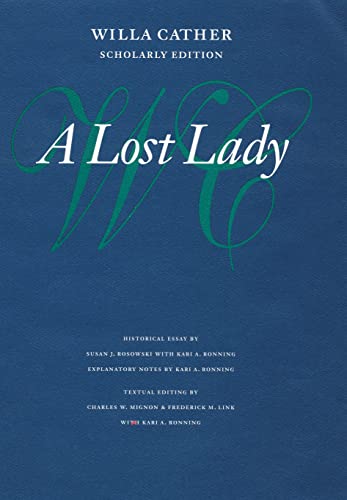
Read nowNo. 16 on this list. A Lost Lady · Willa Cather · 1923
Included in: Great Books of the Western World
One of Cather's most celebrated novels, widely anthologized and taught. F. Scott Fitzgerald admired it greatly.
Easy2.2 hours
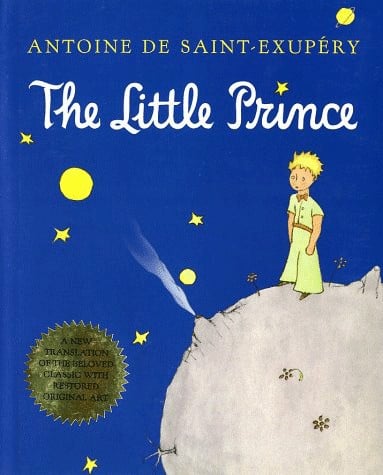
Start this bookNo. 17 on this list. The Little Prince · Antoine de Saint-Exupéry · 1943
Taught in schools: Common Core text exemplars (Appendix B) (US)
One of the most translated books in history with over 300 language editions, making it among the most widely read works of French literature. A staple of French school curricula and taught globally in world literature, philosophy, and children's literature courses. Wikipedia articles exist in well over 100 languages, reflecting universal cultural penetration.
Easy60 min
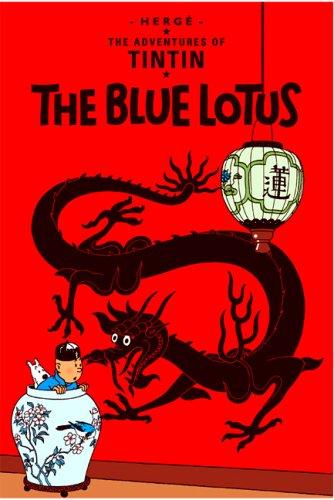
Start this bookNo. 18 on this list. The Blue Lotus · Hergé · 1936
Ranked 18th in Le Monde's 100 Books of the Century, above many canonical novels, and has Wikipedia articles in 40 languages. It is the Tintin album most discussed in comics studies and is widely read across Europe.
Easy26 min
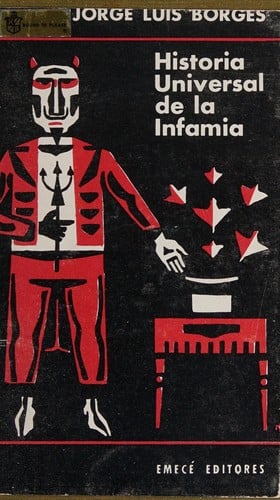
Start this bookNo. 19 on this list. A Universal History of Infamy · Jorge Luis Borges · 1935
Borges's first fiction collection and the origin of his narrative method. Important in the Borges canon but overshadowed by Ficciones and The Aleph.
Moderate1.6 hours
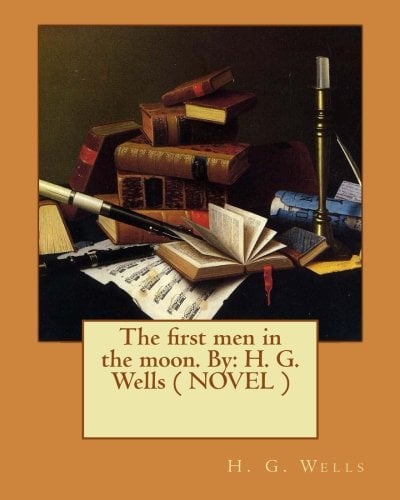
Start this bookNo. 20 on this list. The First Men in the Moon · H.G. Wells · 1901
The First Men in the Moon appears regularly on science fiction studies syllabi and is standard reading in courses on Victorian literature and early genre fiction. It lacks the crossover canonical presence of Wells's The Time Machine or The War of the Worlds, but is consistently included in histories of science fiction and Edwardian literature.
Moderate4.2 hours
Start this book
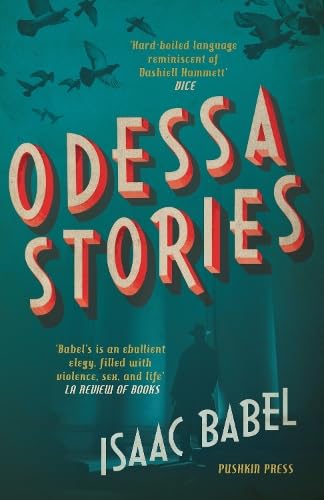
No. 21 on this list. Odessa Tales · Isaac Babel · 1931
A celebrated work of Russian and Jewish literature, widely anthologized and studied alongside Red Cavalry.
Easy1.1 hours
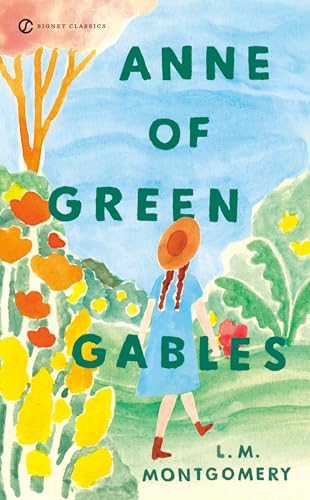
Start this bookNo. 22 on this list. Anne of Green Gables · L.M. Montgomery · 1908
Anne of Green Gables holds a secure place in the literary canon as one of the most enduring works of children's and young adult fiction. First published in 1908, it has never gone out of print, has been translated into over 36 languages, and has sold more than 50 million copies worldwide. It is widely taught in schools across Canada and globally, and its protagonist Anne Shirley has become a mythic icon of Canadian culture — a figure of comparable recognizability to Alice in Wonderland. While it sits firmly in the popular/children's classics tier rather than the prestige 'Great Books' canon, its canonical standing within its genre and cultural sphere is unassailable.
Easy5.7 hours
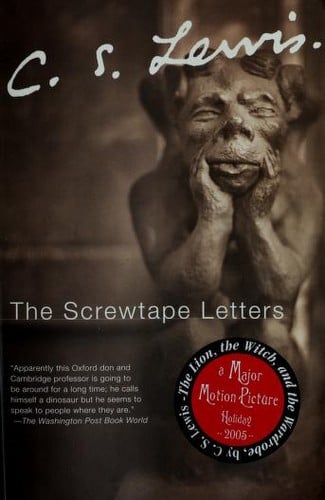
Start this bookNo. 23 on this list. The Screwtape Letters · C.S. Lewis · 1942
One of the most widely read works of Christian literature in the twentieth century. A staple of church reading groups and university courses on Lewis.
Moderate2.2 hours
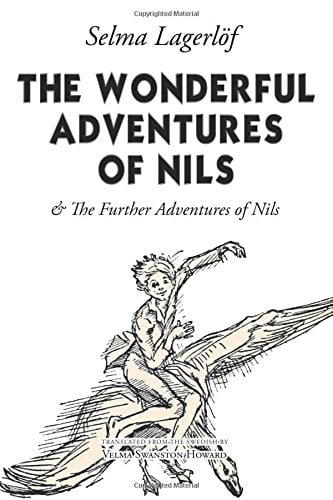
Start this bookNo. 24 on this list. The Wonderful Adventures of Nils · Selma Lagerlöf · 1906
On Le Monde's 100 Books of the Century, with a Wikipedia article in 39 languages. Commissioned as a geography reader for Swedish schools, it is a national classic in Sweden and a children's classic worldwide, though rarely on university syllabi.
Easy9.2 hours
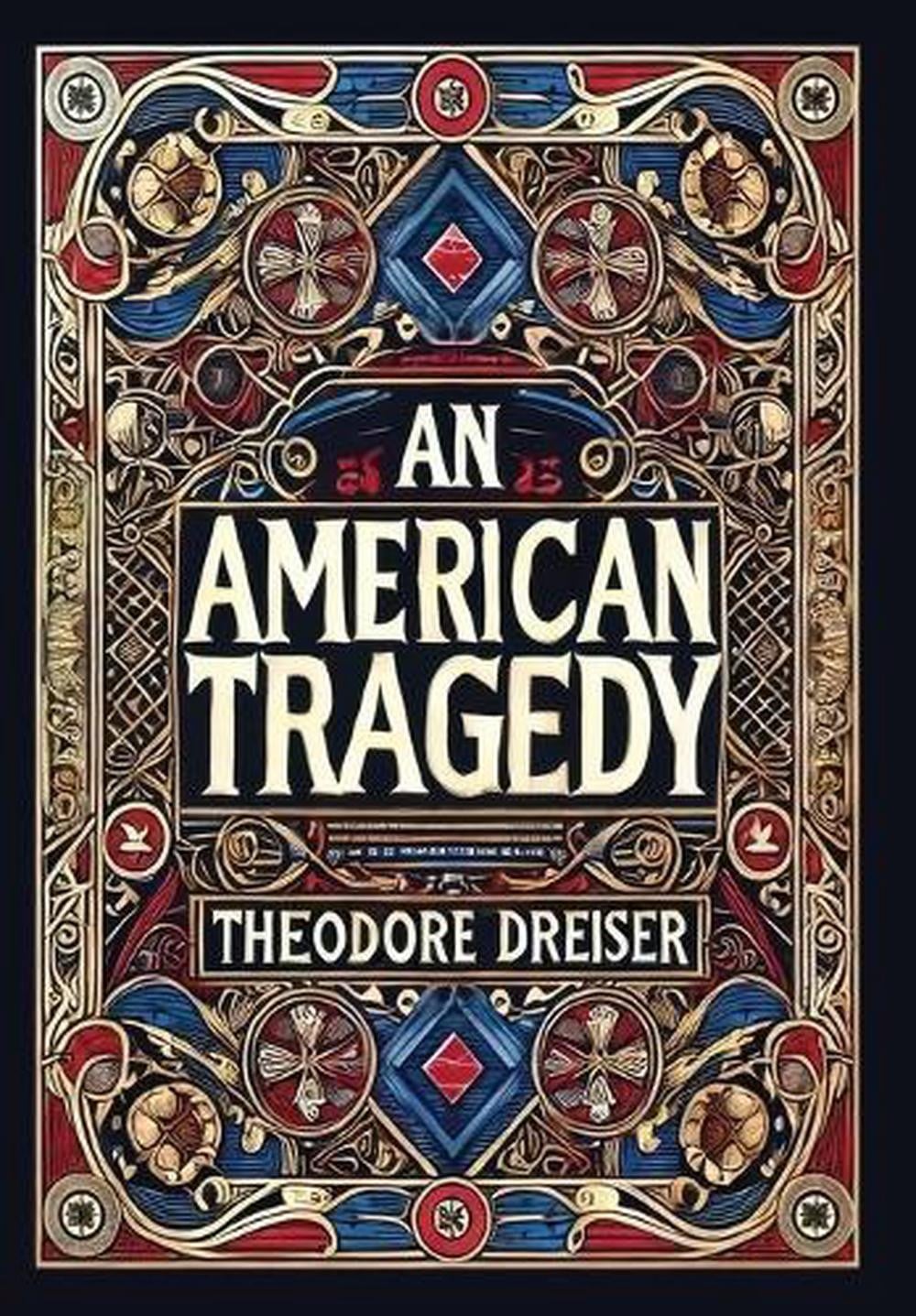
Read nowNo. 25 on this list. An American Tragedy · Theodore Dreiser · 1925
An American Tragedy appears on both TIME's All-TIME 100 Novels and Modern Library's 100 Best Novels, two of the most authoritative canons in American literature. With 75 syllabus appearances (46.87th percentile in the Open Syllabus database), it is a fixture in American literature survey courses though not as universally assigned as Fitzgerald or Hemingway. Wikipedia covers it in 23 languages with a dedicated Reception section, reflecting steady international recognition.
Moderate22 hours
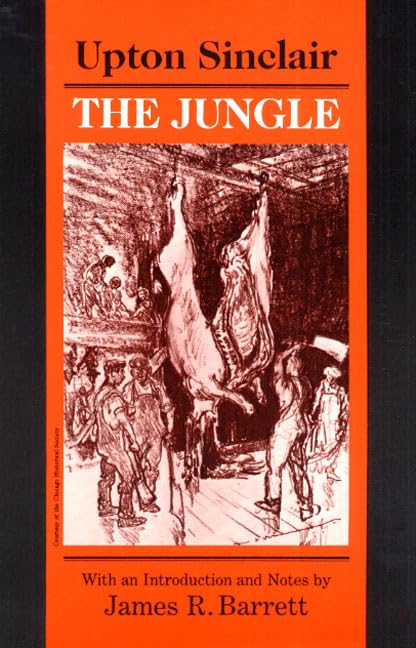
Read nowNo. 26 on this list. The Jungle · Upton Sinclair · 1906
One of the most historically significant American novels. Universally taught in American history and literature courses.
Very Easy6.5 hours
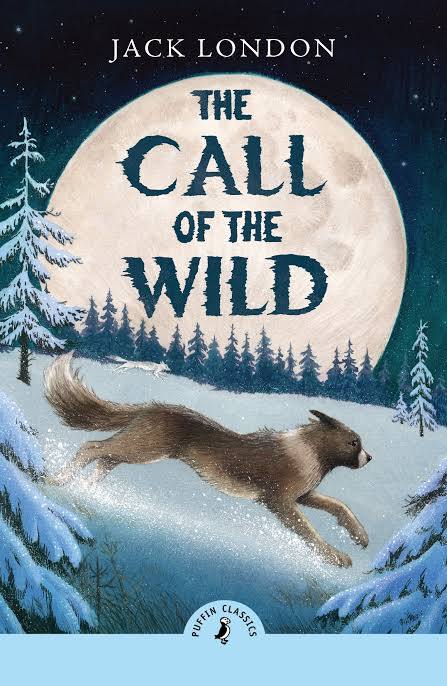
Start this bookNo. 27 on this list. The Call of the Wild · Jack London · 1903
Appears on 328 university syllabi according to the Open Syllabus Project, placing it in the 63rd percentile of taught works. Listed on the Modern Library 100 Best Novels. Wikipedia articles exist in 44 languages, and the work remains a fixture of American middle school and high school curricula as well as college courses on naturalism and American literature.
Moderate2 hours
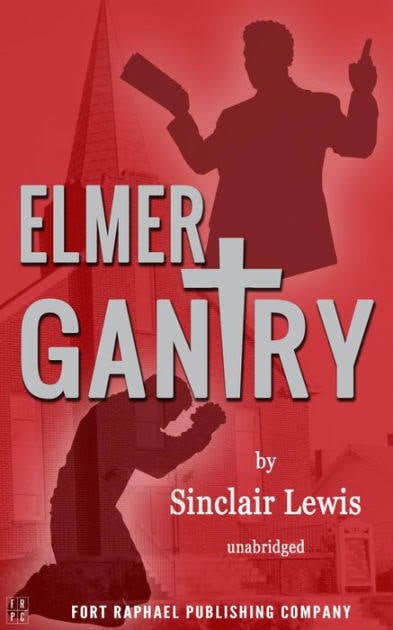
Read nowNo. 28 on this list. Elmer Gantry · Sinclair Lewis · 1927
One of Sinclair Lewis's major satires of the 1920s, alongside Main Street and Babbitt. It appears on only 5 university syllabi in Open Syllabus data, but its title character's name became a byword for the hypocritical preacher.
Easy9.3 hours
Read nowNo. 29 on this list. And Then There Were None · Agatha Christie · 1939
Taught in schools: Hungarian literature curriculum (magyar nyelv és irodalom) (Hungary)
Christie's most celebrated novel holds a dominant place in the mystery canon and is widely recognized as the best-selling mystery of all time. It appears on virtually every 'greatest mysteries ever written' list — TIME's All-TIME 100 Novels, the BBC's Big Read — and is frequently taught in genre fiction courses. Its canonical standing within popular fiction far exceeds that of typical genre works, though it sits below the academic canonicity of literary fiction anchors like Gatsby or Beloved.
Easy2.8 hours
Start this bookNo. 30 on this list. Fer-de-Lance · Rex Stout · 1934
Launched one of detective fiction's most enduring series. Nero Wolfe is a genre icon.
Easy3.4 hours
Start this book
No. 31 on this list. Tonio Kröger
Thomas Mann · 1903
No. 32 on this list. The Postman Always Rings Twice
James M. Cain · 1934
No. 33 on this list. Envy
Yuri Olesha · 1927
No. 34 on this list. The Flies
Jean-Paul Sartre · 1943
Taught in schools: UNAM Escuela Nacional Preparatoria – programas de Literatura (Mexico)
No. 35 on this list. White Fang
Jack London · 1906
Taught in schools: Turkish edebiyat curriculum (Turkey)
No. 36 on this list. Scoop
Evelyn Waugh · 1938
No. 37 on this list. The Sea-Wolf
Jack London · 1904
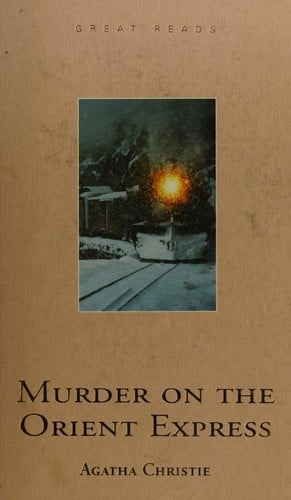
No. 38 on this list. Murder on the Orient Express
Agatha Christie · 1934
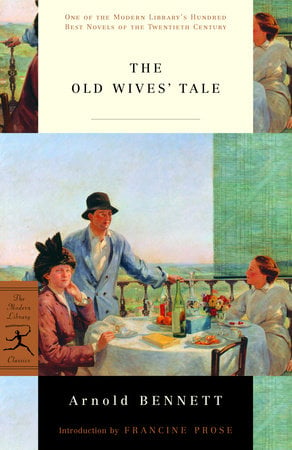
No. 39 on this list. The Old Wives' Tale
Arnold Bennett · 1908
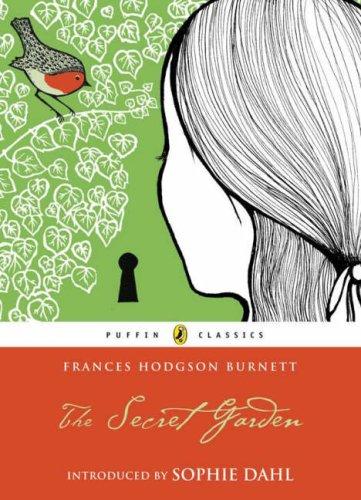
No. 40 on this list. The Secret Garden
Frances Hodgson Burnett · 1911
Taught in schools: Common Core text exemplars (Appendix B) (US)
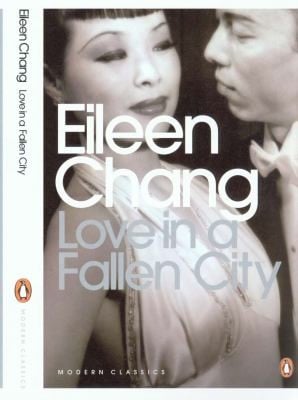
No. 41 on this list. Love in a Fallen City
Eileen Chang · 1943
No. 42 on this list. Sanshiro
Natsume Sōseki · 1908
No. 43 on this list. Good Morning, Midnight
Jean Rhys · 1939
No. 44 on this list. The Song of the Lark
Willa Cather · 1915
No. 45 on this list. Miss Sophia's Diary
Ding Ling · 1928
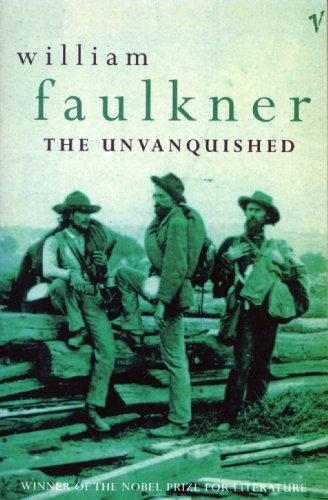
No. 46 on this list. The Unvanquished
William Faulkner · 1938
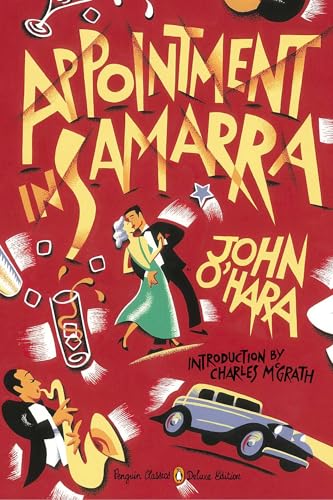
No. 47 on this list. Appointment in Samarra
John O'Hara · 1934
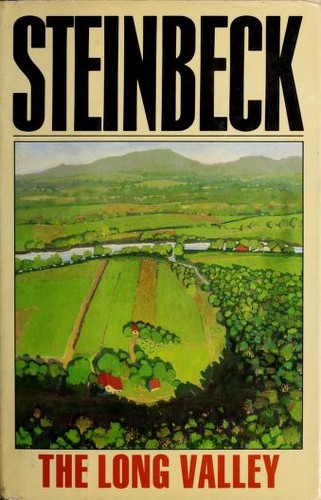
No. 48 on this list. The Long Valley
John Steinbeck · 1938
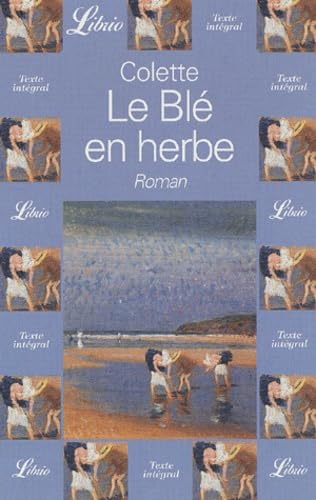
No. 49 on this list. The Ripening Seed
Colette · 1923
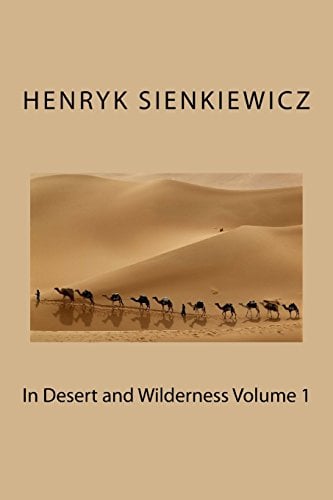
No. 50 on this list. In Desert and Wilderness
Henryk Sienkiewicz · 1911
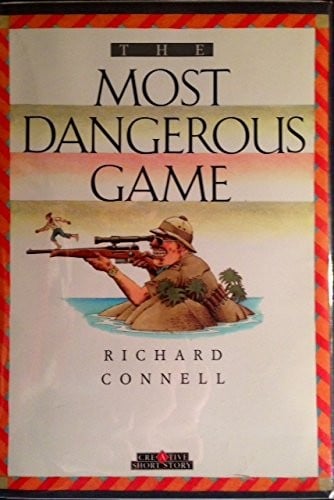
No. 51 on this list. The Most Dangerous Game
Richard Connell · 1924
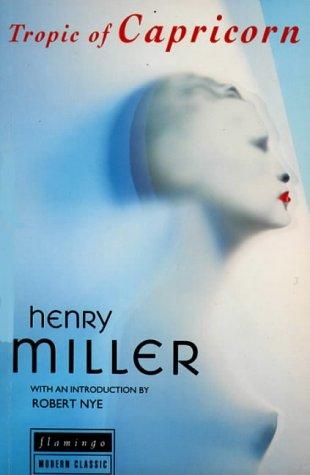
No. 52 on this list. Tropic of Capricorn
Henry Miller · 1939
No. 53 on this list. Old Tales Retold
Lu Xun · 1936
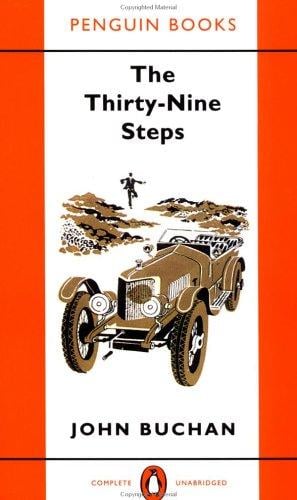
No. 54 on this list. The Thirty-Nine Steps
John Buchan · 1915
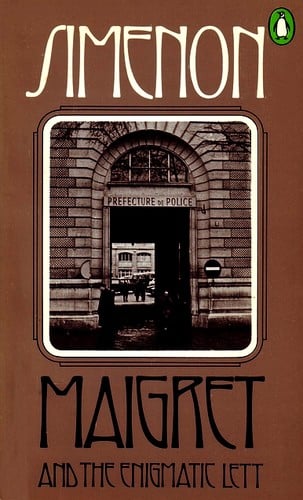
No. 55 on this list. The Strange Case of Peter the Lett
Georges Simenon · 1931
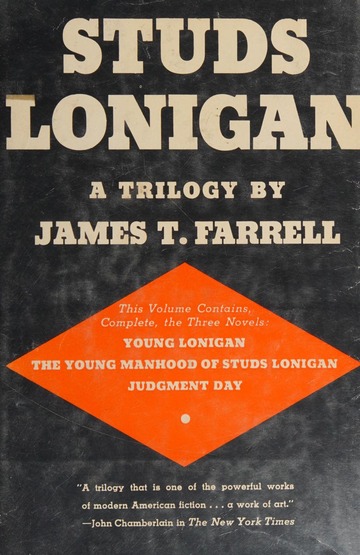
No. 56 on this list. The Studs Lonigan Trilogy
James T. Farrell · 1935
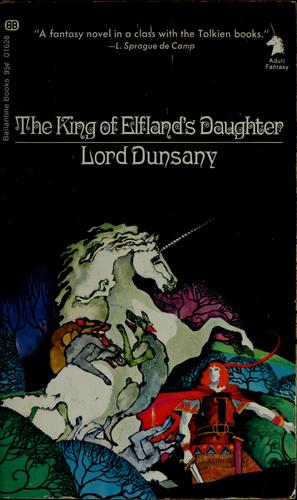
No. 57 on this list. The King of Elfland's Daughter
Lord Dunsany · 1924
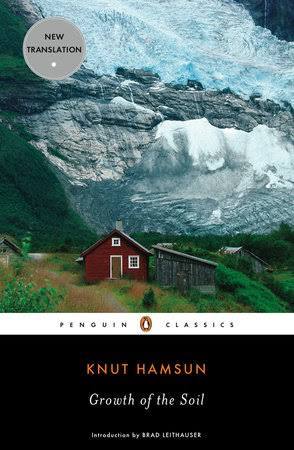
No. 58 on this list. Growth of the Soil
Knut Hamsun · 1917
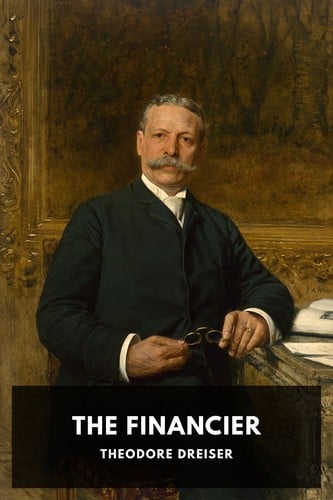
No. 59 on this list. The Financier
Theodore Dreiser · 1912
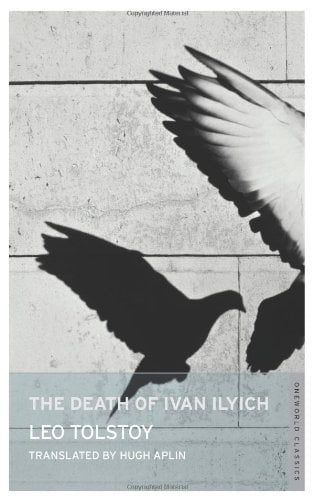
No. 60 on this list. The Devil
Leo Tolstoy · 1911
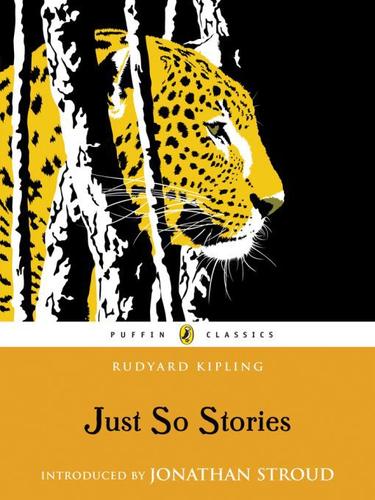
No. 61 on this list. Just So Stories
Rudyard Kipling · 1902
No. 62 on this list. Perelandra
C.S. Lewis · 1943
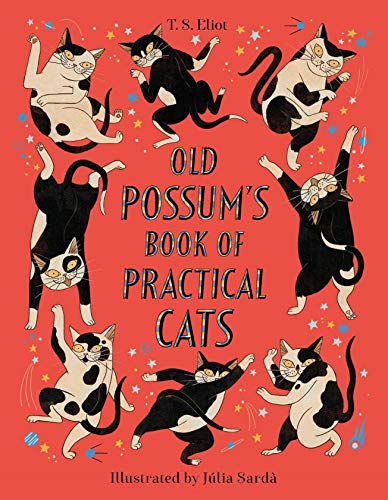
No. 63 on this list. Old Possum's Book of Practical Cats
T. S. Eliot · 1939
No. 64 on this list. Before Sunrise
Gerhart Hauptmann · 1930
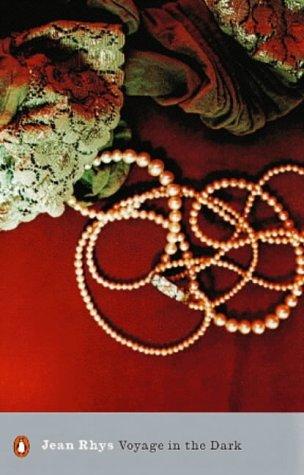
No. 65 on this list. Voyage in the Dark
Jean Rhys · 1934
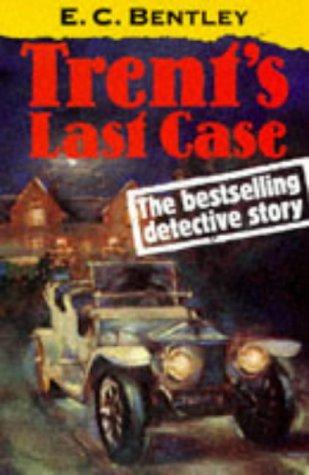
No. 66 on this list. Trent's Last Case
E.C. Bentley · 1913
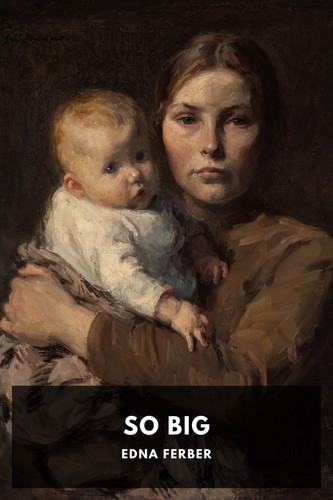
No. 67 on this list. So Big
Edna Ferber · 1925
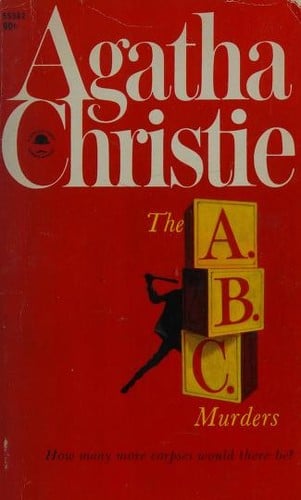
No. 68 on this list. The ABC Murders
Agatha Christie · 1936
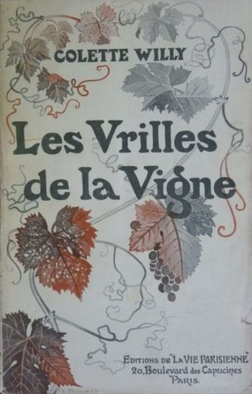
No. 69 on this list. The Tendrils of the Vine
Colette · 1908
Taught in schools: Programme de français, lycée général et technologique (France)
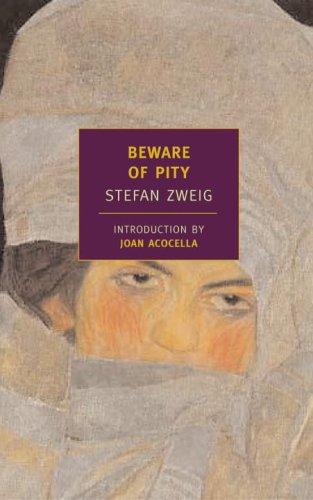
No. 70 on this list. Beware of Pity
Stefan Zweig · 1939
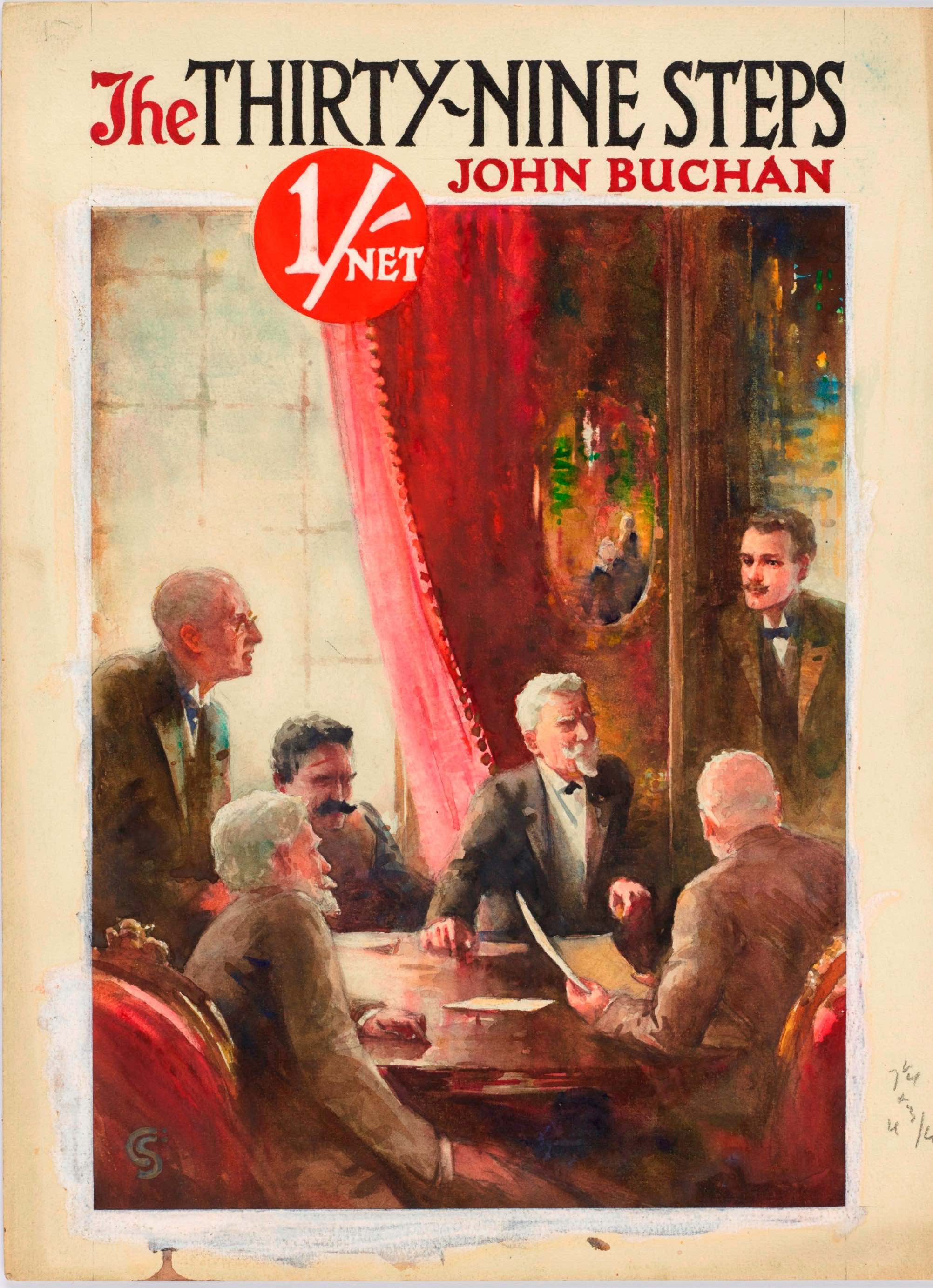
No. 71 on this list. The 39 Steps
John Buchan · 1915
No. 72 on this list. Ashes
Grazia Deledda · 1904
No. 73 on this list. The Able McLaughlins
Margaret Wilson · 1924
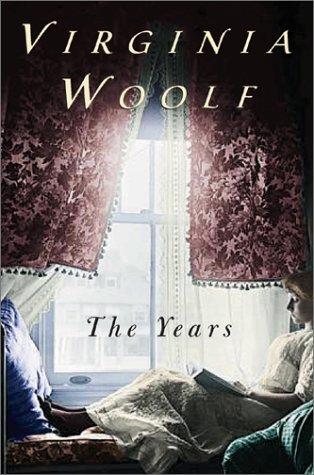
No. 74 on this list. The Years
Virginia Woolf · 1937
No. 75 on this list. Journey in the Dark
Martin Flavin · 1944
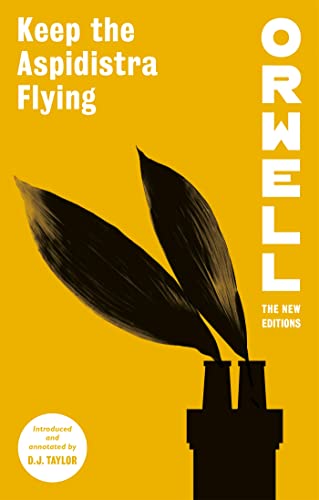
No. 76 on this list. Keep the Aspidistra Flying
George Orwell · 1936
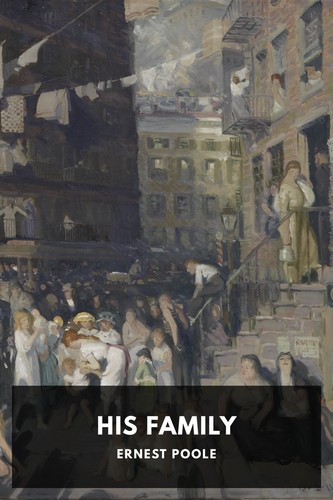
No. 77 on this list. His Family
Ernest Poole · 1918
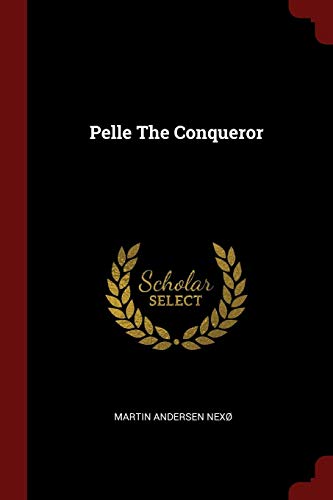
No. 78 on this list. Pelle the Conqueror
Martin Andersen Nexø · 1910
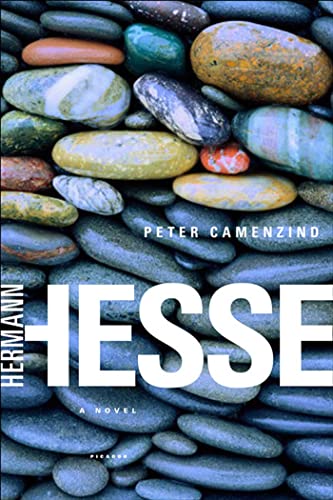
No. 79 on this list. Peter Camenzind
Hermann Hesse · 1904
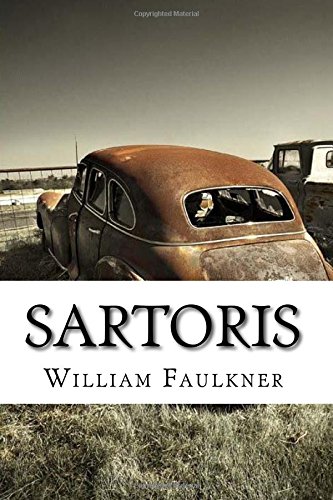
No. 80 on this list. Sartoris
William Faulkner · 1929
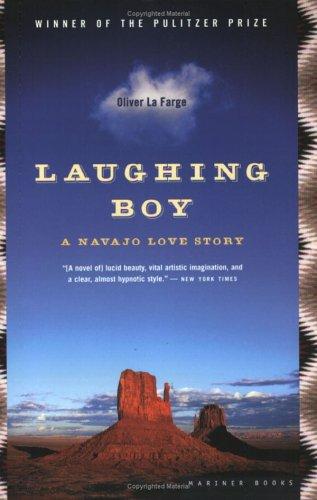
No. 81 on this list. Laughing Boy
Oliver La Farge · 1930
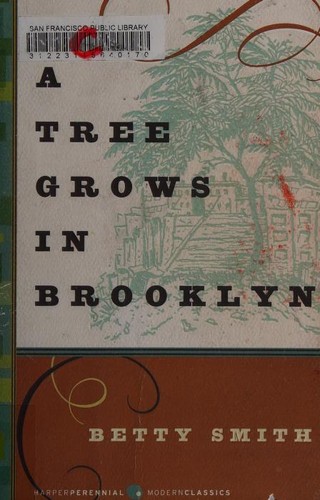
No. 82 on this list. A Tree Grows in Brooklyn
Betty Smith · 1943
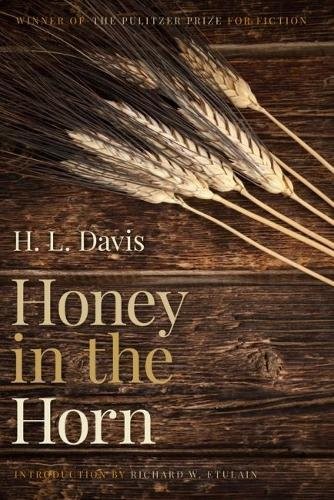
No. 83 on this list. Honey in the Horn
H.L. Davis · 1936
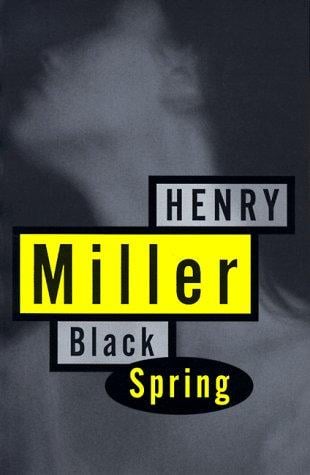
No. 84 on this list. Black Spring
Henry Miller · 1936
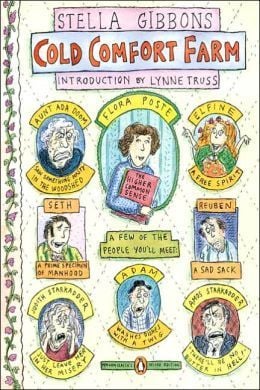
No. 85 on this list. Cold Comfort Farm
Stella Gibbons · 1932
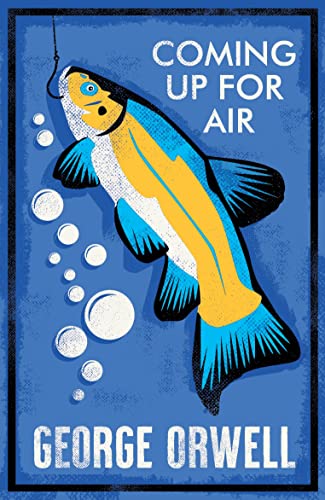
No. 86 on this list. Coming Up for Air
George Orwell · 1939
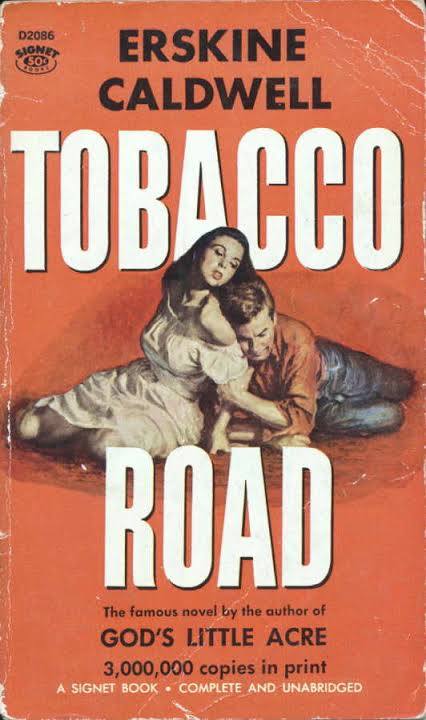
No. 87 on this list. Tobacco Road
Erskine Caldwell · 1932
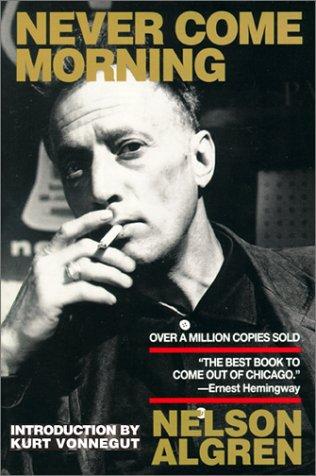
No. 88 on this list. Never Come Morning
Nelson Algren · 1942
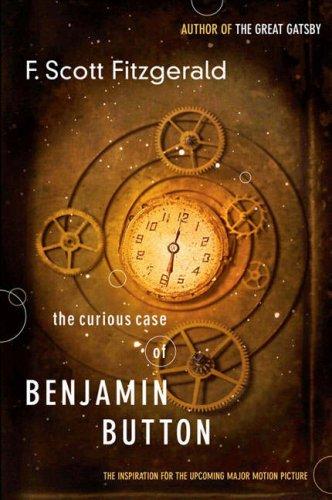
No. 89 on this list. The Curious Case of Benjamin Button
F. Scott Fitzgerald · 1922
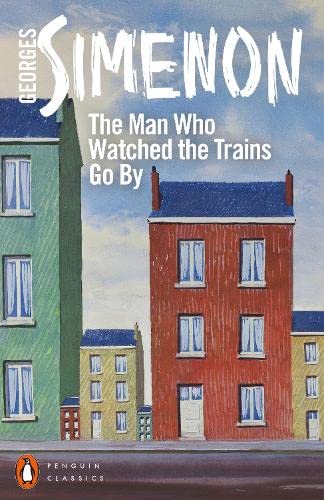
No. 90 on this list. The Man Who Watched Trains Go By
Georges Simenon · 1938
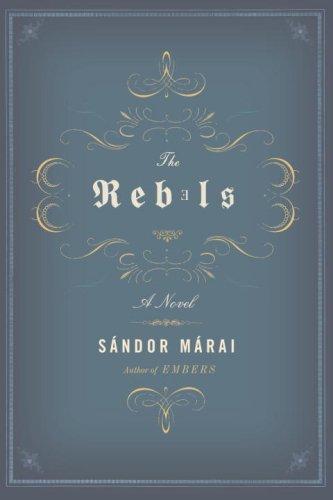
No. 91 on this list. The Rebels
Sándor Márai · 1930
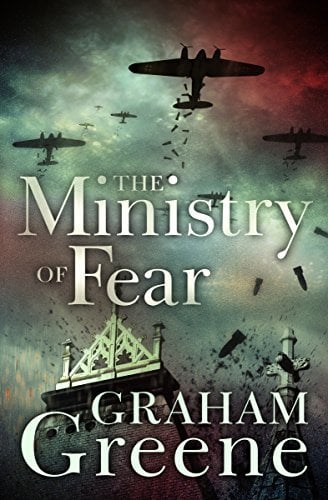
No. 92 on this list. The Ministry of Fear
Graham Greene · 1943
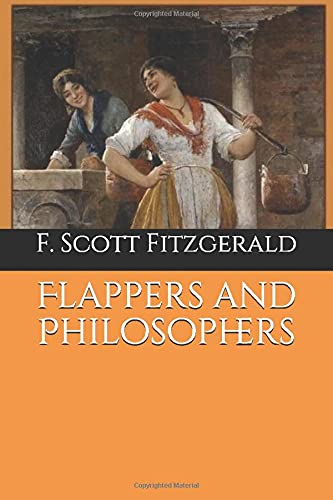
No. 93 on this list. Flappers and Philosophers
F. Scott Fitzgerald · 1920
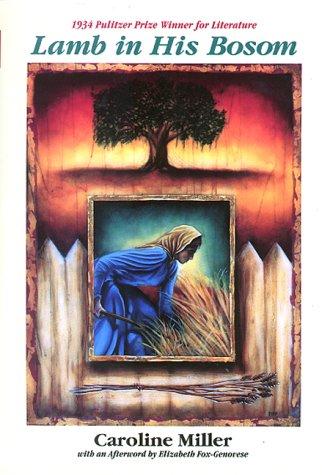
No. 94 on this list. Lamb in His Bosom
Caroline Miller · 1934
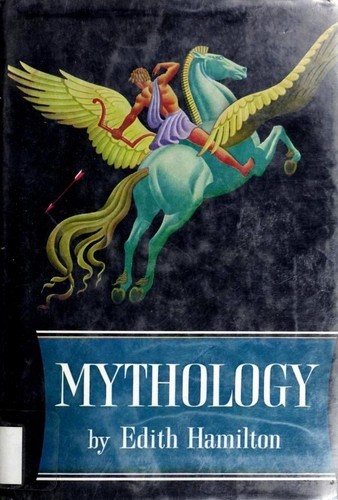
No. 95 on this list. Mythology
Edith Hamilton · 1942
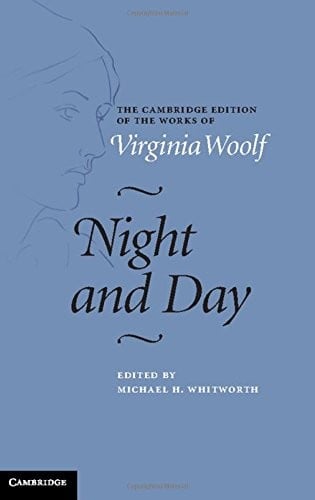
No. 96 on this list. Night and Day
Virginia Woolf · 1919
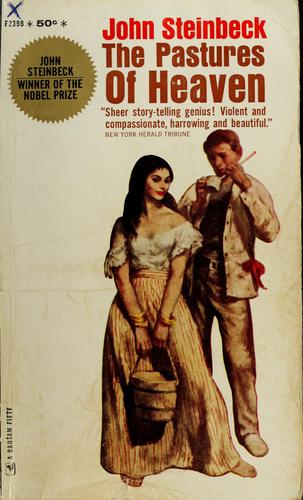
No. 97 on this list. The Pastures of Heaven
John Steinbeck · 1932
No. 98 on this list. The Blue Bird
Maurice Maeterlinck · 1908
No. 99 on this list. The Yearling
Marjorie Kinnan Rawlings · 1939
No. 100 on this list. Soldier's Pay
William Faulkner · 1926
About this list
These 100 books are the highest-scoring eligible easy modernist books currently in the catalogue. About 483 hours of reading in all. Difficulty runs from 34 to 42 out of 100 for the middle half of the list; the summit is Peter Camenzind at 45.
This list is ranked by literary regard, with a consistent order for equal scores. Membership follows authors and co-authors, not translators or editors. A book is here when ReadingRate files it under Modernist Literature as one of its primary reading domains, and only when its author’s lifetime places it in the period. Catalogue coverage and the historical canon both limit what this list can represent.
When we matched the Canons dataset to our catalogue in October 2026, our canonical-status scores rose with the number of school curricula, publisher series and lists in it that cite a work: the median score was 72 for books one such source cites, 84 at two, 88 at three, 92 at four and 93 at five or more. Prizes are left out of that count. Outside the state curricula, the dataset’s sources choose mostly from what has been translated into English or French, so it is a weaker check on other literatures. Source: Canons (Andrew Piper), CC BY 4.0
Questions people actually ask
- What are the best easy modernist books?
- By literary regard, which weighs canonical status, critical standing and influence: The True Story of Ah Q by Lu Xun, Kokoro by Natsume Sōseki, Of Mice and Men by John Steinbeck, The Old Man and the Sea by Ernest Hemingway and The Hound of the Baskervilles by Arthur Conan Doyle. ReadingRate ranks 100 such books, each with a difficulty score and a reading-time estimate.
- Which easy modernist books should I read first?
- Start from difficulty, not from rank. The most approachable books on this list that still carry top literary regard are The Diary of a Young Girl by Anne Frank (about 5.4 hours), Ethan Frome by Edith Wharton and Of Mice and Men by John Steinbeck.
- What are the shortest of the best easy modernist books?
- Among the top 25, the shortest are The Blue Lotus by Hergé (about 26 min), The Little Prince by Antoine de Saint-Exupéry (about 60 min) and Odessa Tales by Isaac Babel (about 1.1 hours), at an average pace of 250 words a minute adjusted for each book's difficulty.
- Which of the best easy modernist books are the established classics?
- By canonical status, how firmly a book sits in curricula, anthologies and the canon: The True Story of Ah Q by Lu Xun, Kokoro by Natsume Sōseki, Of Mice and Men by John Steinbeck, The Old Man and the Sea by Ernest Hemingway and The Diary of a Young Girl by Anne Frank.
- Can I read any of these easy modernist books for free?
- 27 of the 100 open in ReadingRate's reader with a free account, from public-domain editions: The Hound of the Baskervilles, Sister Carrie, Jenny, Arrowsmith, Botchan and 22 more.
- How long would it take to read the top ten?
- About 37 hours, at an average pace of 250 words a minute adjusted for each book's difficulty: 19 days at two hours a day. Set your own pace on the page and the list's reading times change to it.
- How hard are easy modernist books to read?
- Most of this list sits between 34 and 42 on ReadingRate's 100-point difficulty scale, where 40 to 55 is moderate. The summit is Peter Camenzind at 45. Every entry carries its own score, so a reader can pick a great book at a difficulty they will finish.
- How is this list ranked?
- On literary-regard data: how canonically established a work is, its critical standing, and its influence on later writing. It is not a readers’ poll, which is why recent bestsellers rarely appear. Membership follows authors and co-authors, not translators or editors. Lists by country, author, period, theme or difficulty keep to literature (fiction, poetry, drama and philosophy), their novels, poems and plays first and their philosophy after them; a list of a kind of book, such as memoir or criticism, keeps every book of that kind. Every list holds at most three works by one author. A book is here when ReadingRate files it under Modernist Literature as one of its primary reading domains, and only when its author’s lifetime places it in the period.