Hours at an average pace
Showing 100 books
About 1,046 hours for 100 of 100 books with measured lengths. Estimates use 250 words a minute, adjusted for each book's difficulty. At 2 hours a day, about 524 days for those books.
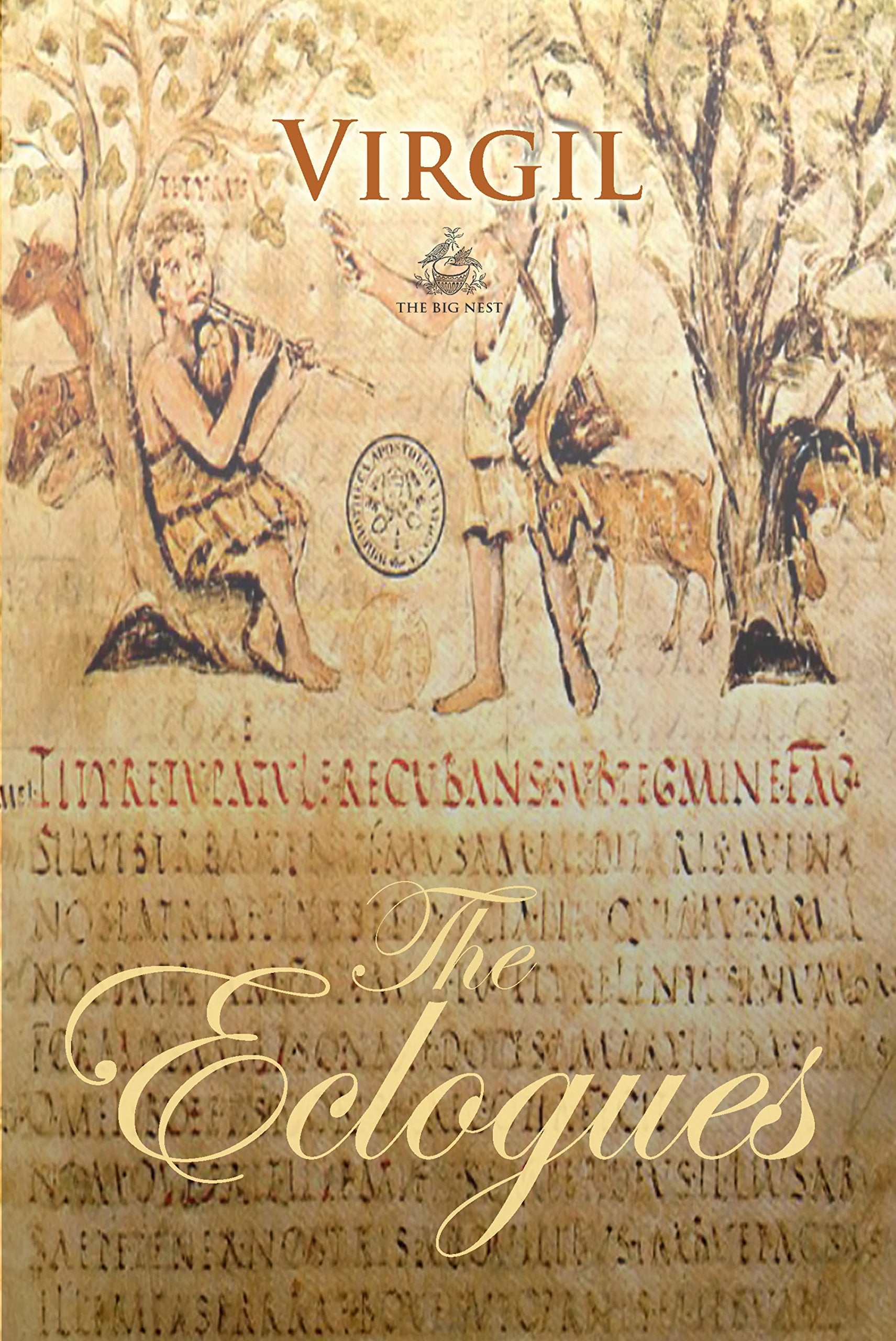
No. 1 on this list. Eclogues
Virgil · c. 37 BCE
Challenging58 min
Included in: Great Books of the Western World
The Eclogues are required reading in classical studies curricula worldwide, appearing on thousands of university syllabi in Latin, comparative literature, and humanities courses. They are among the most translated and discussed poems from antiquity, with Wikipedia articles in over 50 languages and continuous scholarly attention spanning two millennia. Eclogue IV alone has generated centuries of theological and literary debate.
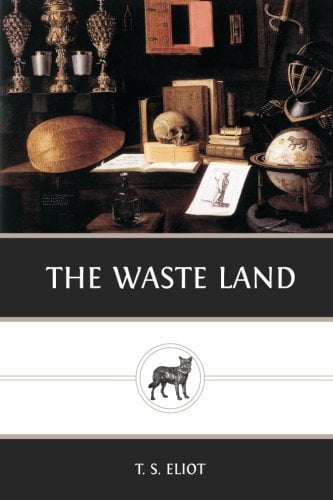
No. 2 on this list. The Waste Land
T. S. Eliot · 1922
Very Difficult1.4 hours
Taught in schools: Pacific Senior Secondary Certificate – English
Included in: Great Books of the Western World
Eliot shattered the conventions of English-language poetry by splicing together fragments of six languages, Grail legend, and London pub talk into a single 434-line collage that made modernism unavoidable. No poem before it had turned cultural disintegration itself into a formal principle.
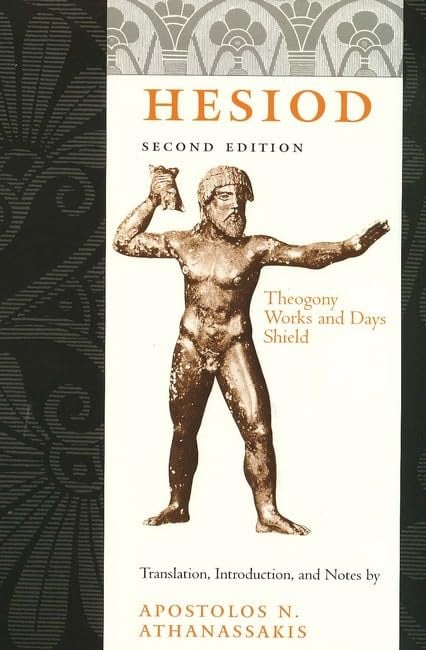
No. 3 on this list. Theogony
Hesiod · c. 700 BCE
Moderate38 min
Taught in schools: Hungarian literature curriculum (magyar nyelv és irodalom) (Hungary)
The Theogony is the foundational text of Greek mythology and Western cosmogony, required reading in classics, comparative literature, and religious studies curricula worldwide. Available in 62 Wikipedia languages, it represents one of the most extensively studied works of ancient literature. Alongside Homer's Iliad and Odyssey, it constitutes the primary textual record of ancient Greek religious belief — no understanding of Western literary tradition is complete without it.
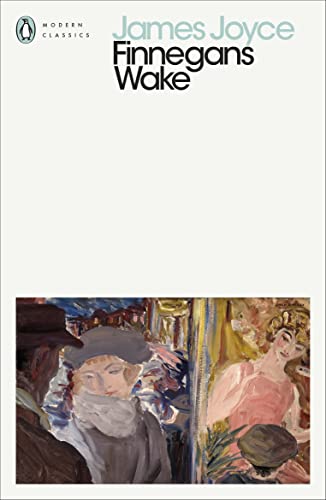
Finnegans Wake appears on 108 university syllabi (Open Syllabus, 50th percentile) and holds a Wikipedia article in 39 languages. It is listed on the Modern Library 100 Best Novels and published by NYRB Classics. Syllabus presence is lower than Ulysses because the book is taught almost exclusively in graduate Joyce seminars and advanced modernism courses — its difficulty makes undergraduate adoption rare.
The Cantos appear on virtually every graduate-level modernist poetry syllabus and are the unavoidable centerpiece of Pound studies worldwide. The Pisan Cantos alone are canonical across multiple national literary traditions. While shorter Pound poems are more widely assigned at the undergraduate level, the full poem is central to any serious study of 20th-century Anglo-American poetry.
No. 6 on this list. Metamorphoses
Ovid · 8
Difficult15 hours
Taught in schools: Hungarian literature curriculum (magyar nyelv és irodalom) (Hungary)
Included in: Bokklubben World Library
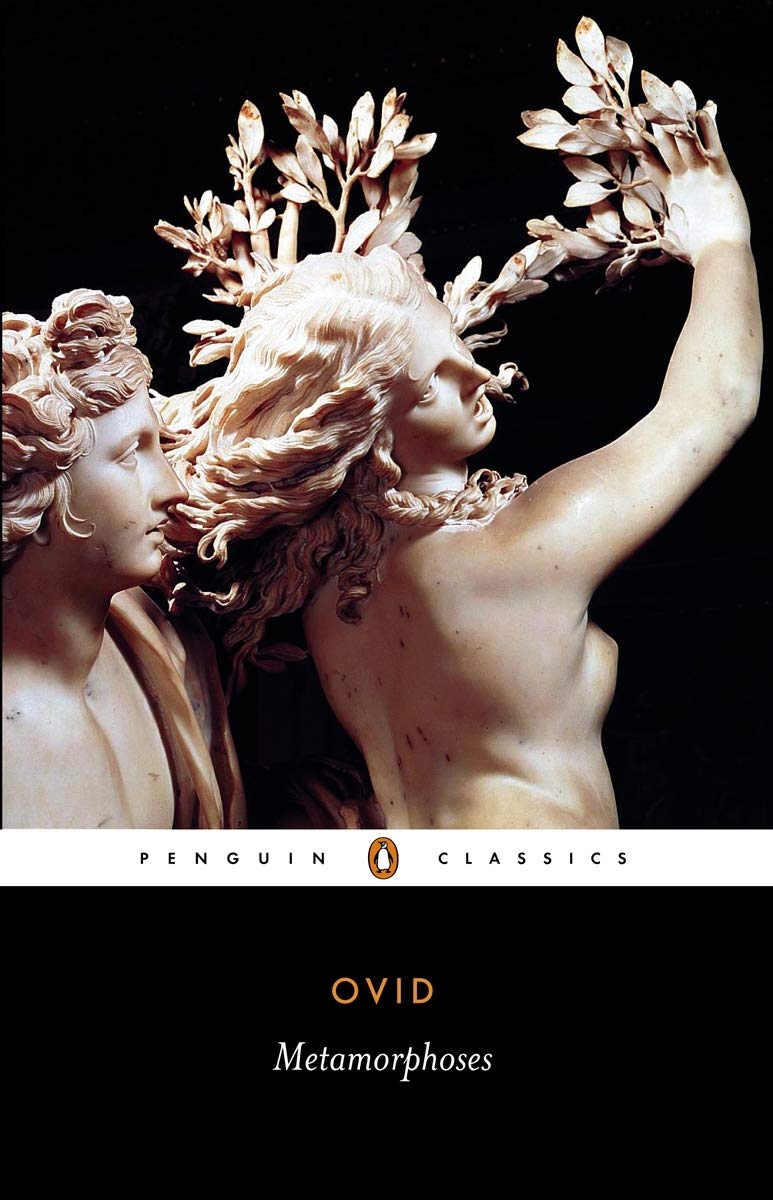
Ovid's Metamorphoses, composed around 8 CE, stands as one of the supreme achievements of classical literature—a sprawling epic in fifteen books (this edition presents Books I-VII) that weaves together approximately 250 Greek and Roman myths united by the theme of transformation. Written in elegant Latin hexameters and here rendered into English prose by Henry T. Riley (1851), the work traces a chronological arc from the creation of the cosmos through the deification of Julius Caesar, creating what Ovid called "a perpetual song" of bodies changed into new forms. The narrative moves with extraordinary fluidity between tales of divine passion and punishment, mortal hubris and heroism, featuring such iconic episodes as Apollo's pursuit of Daphne, Phaethon's disastrous ride in the sun-chariot, Perseus's rescue of Andromeda, and Medea's terrible vengeance. Ovid demonstrates remarkable psychological acuity in depicting emotional states—love, jealousy, rage, grief—and their transformative power. His treatment often subverts traditional heroic narratives, giving voice to victims and exploring the darker aspects of divine behavior with irony and pathos. The work serves simultaneously as mythological compendium, artistic showcase, and subtle political commentary. Its influence on Western culture proves immeasurable: it has served as the primary source for classical mythology across centuries, inspiring masterworks of visual art, literature, music, and drama from the medieval period through modernity. This translation includes extensive scholarly apparatus with historical context, geographical notes, and interpretive commentary, making the complex mythological material accessible while preserving the work's literary power and enduring relevance to questions of identity, change, and the human condition.
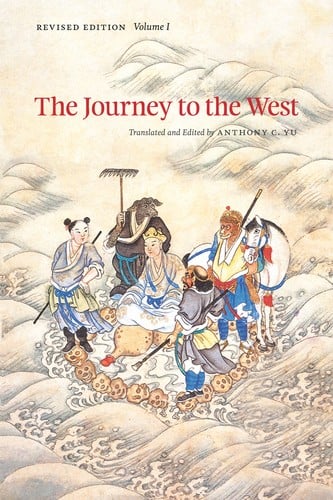
Wu Cheng'en sent a Buddhist monk and his three supernatural companions on a westward pilgrimage through eighty-one trials, creating the great picaresque of Chinese literature — a work that fuses slapstick comedy, Daoist and Buddhist allegory, and some of the most inventive monster-fights in world fiction. The Monkey King, Sun Wukong, became the most recognizable trickster figure in East Asian culture.
No. 8 on this list. Troilus and Cressida
William Shakespeare · 1609
Difficult3.1 hours
Included in: Great Books of the Western World
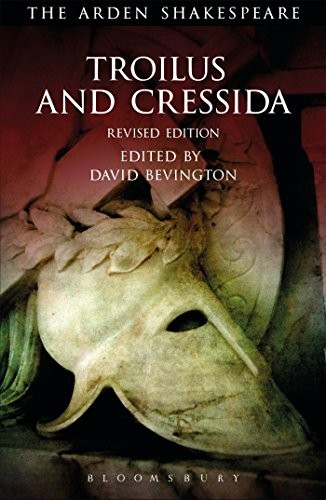
Troilus, a young Trojan prince, has fallen in love with Cressida just as the war with Greece enters its seventh year. Her uncle Pandarus brokers their union; they spend a single night together before she is traded to the Greeks in a prisoner exchange. In the Greek camp, Diomedes moves in. Troilus follows and watches it happen, unable to reconcile what his eyes show him with what he believes about faith and love. Running alongside this is a war machine in paralysis. Achilles sulks in his tent while the Greek generals hold councils on hierarchy and strategy that change nothing. Hector debates whether to fight a war he knows is unjust, then fights it anyway. Thersites, a deformed Greek soldier, follows everyone around cataloguing their stupidity with inexhaustible venom — war and lechery, he announces repeatedly, is all there is. Shakespeare wrote this play around 1602, and it does not behave like his others. The love story ends in betrayal rather than union. The heroes are vain, the strategies fail, and the climax — Hector murdered unarmed by Achilles and a pack of Myrmidons — is a deliberate outrage against the conventions of heroic drama. Pandarus delivers the final speech, offering the audience his syphilis. The play refuses catharsis. Readers expecting Shakespeare to redeem his characters or their world will find nothing of the kind.
Shakespeare's first published work (1593), personally overseen and dedicated to the Earl of Southampton, went through more than a dozen editions in his lifetime — making it the most reprinted English poem of the Elizabethan era. It appears on virtually all Renaissance literature and Shakespeare syllabi and features in every serious account of early modern English poetry.
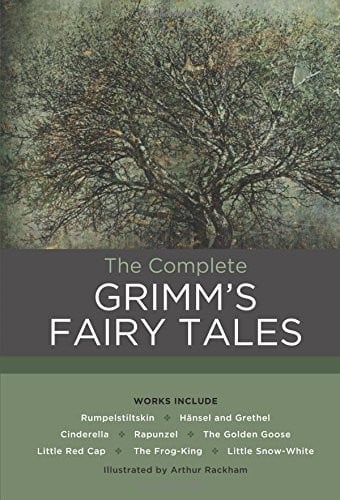
The Grimm tales are among the most widely taught and anthologized texts in the Western world, and they anchor folklore, children's literature, and German studies courses. Cinderella, Snow White, and Hansel and Gretel are cultural touchstones, though the edition itself is more of a reading text than a syllabus staple.
No. 11 on this list. Voss · Patrick White · 1957
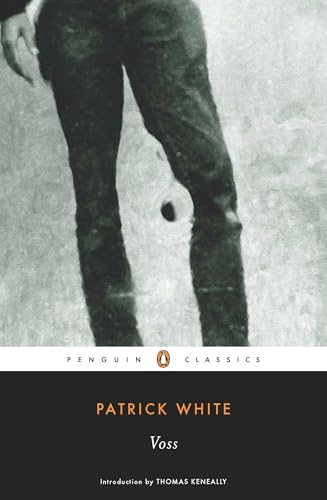
Voss is recognized as a cornerstone of Australian literature and a major work of postcolonial fiction. It consistently appears in scholarly discussions of antipodean identity, imperial mythology, and mid-century modernism. The novel has maintained critical attention since publication and is standard curriculum in Australian and Commonwealth literary studies.
Challenging16 hours
Start this bookNo. 12 on this list. Grimm's Fairy Tales · Brothers Grimm · 1812
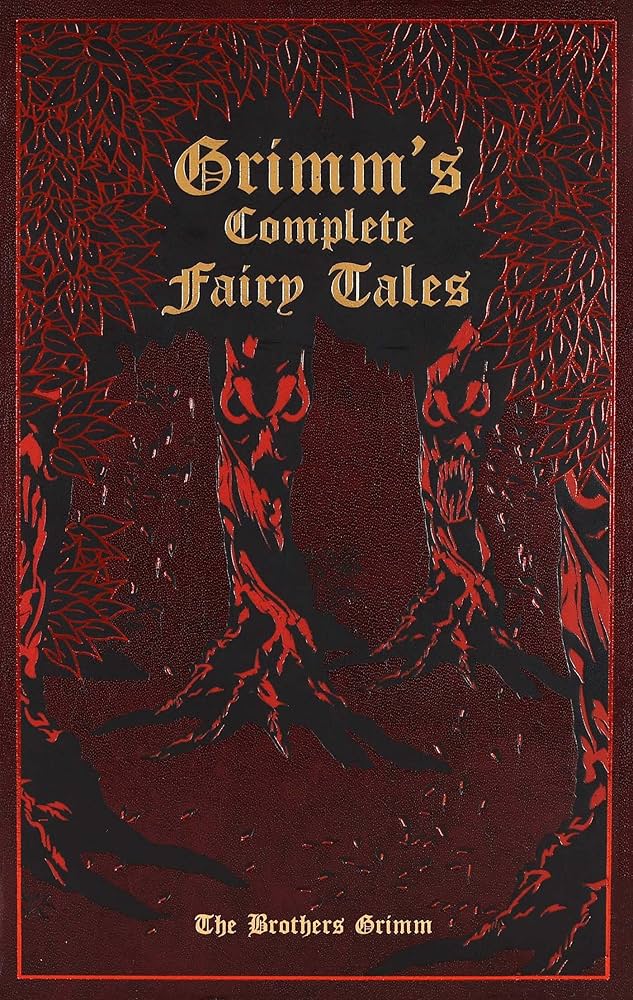
Jacob and Wilhelm Grimm collected Cinderella, Rapunzel, Hansel and Gretel, Snow White, and Rumpelstiltskin from oral sources and fixed them in print, giving Western childhood its permanent mythology. The collection launched the discipline of folklore studies and remains the most influential story anthology ever published.
Easy5.9 hours
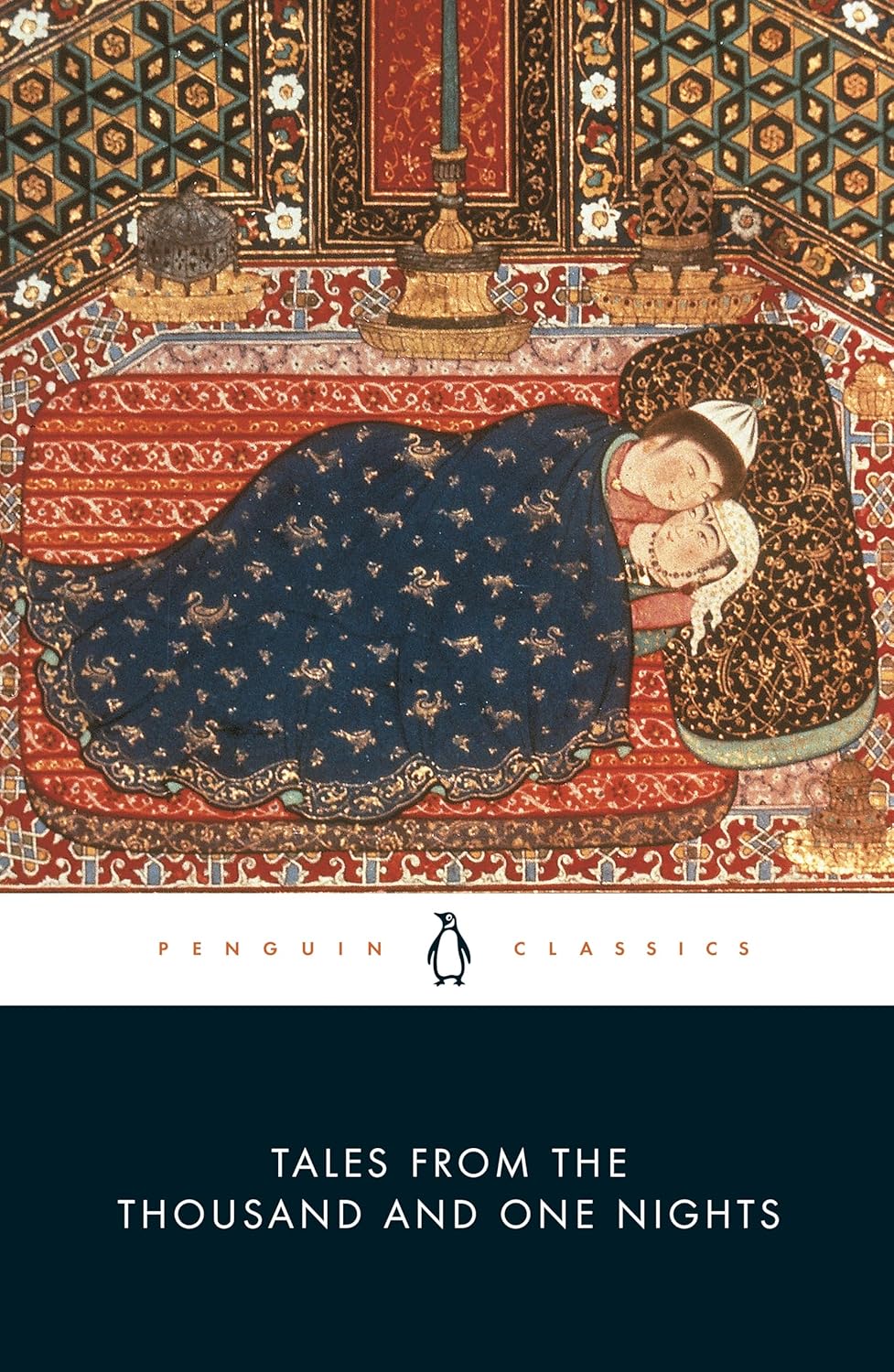
Start this bookNo. 13 on this list. One Thousand and One Nights · Anonymous
World literature's most famous story collection; shaped global narrative imagination.
Moderate16 hours
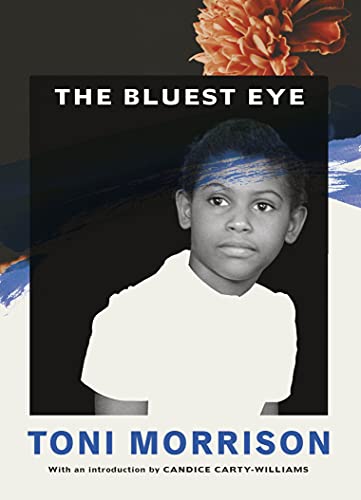
Start this bookNo. 14 on this list. The Bluest Eye · Toni Morrison · 1970
Taught in schools: Common Core text exemplars (Appendix B) (US)
While not as universally canonical as Beloved, The Bluest Eye is firmly established in the American literary canon, widely taught in universities, and recognized as a landmark debut that announced a major voice in American letters.
Challenging4.2 hours
Start this bookNo. 15 on this list. Gypsy Ballads · Federico García Lorca · 1928
Included in: Bokklubben World Library
Listed on Le Monde's 100 Books of the Century and the Open Syllabus Top 500 for Literature. Wikipedia articles exist in 18 languages. The Romancero gitano is a fixture in university courses on Spanish literature, European modernism, and world poetry, though its canonical reach outside Spanish-language literary culture is narrower than anglophone modernist landmarks. Pedro Salinas called it 'the most lauded, most triumphant' poetic work of the twentieth century.
Challenging2.3 hours
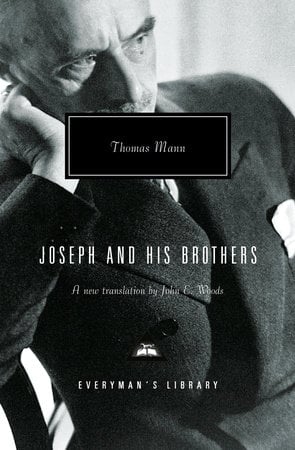
Start this bookNo. 16 on this list. Joseph and His Brothers · Thomas Mann · 1943
Joseph and His Brothers appears regularly on European and world literature curricula, particularly in German literature courses and modernism seminars. It features on multiple 'greatest novels' lists including Le Monde's 100 Books of the Century. The tetralogy is less frequently taught than Mann's shorter works (Death in Venice, The Magic Mountain) owing to its length, but its canonical standing within the Mann oeuvre and 20th-century literature broadly is secure. The database shows no syllabus or Wikipedia data, but scholarly consensus places this among the defining works of European modernism.
Challenging68 hours
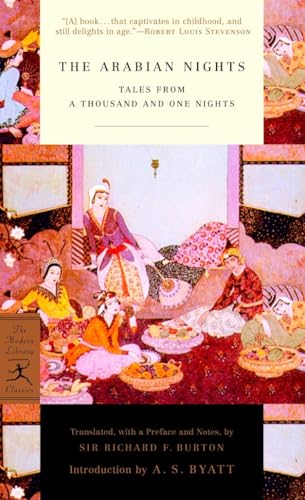
Start this bookNo. 17 on this list. The Arabian Nights · Anonymous
The Nights are a cornerstone of world literature and widely taught in comparative and Middle Eastern literature courses, though this 2004 edition is one of many renderings.
Moderate18 hours
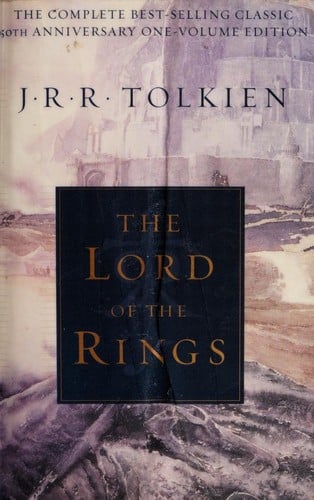
Start this bookNo. 18 on this list. The Lord of the Rings (The Lord of the Rings, #1-3) · J.R.R. Tolkien · 1954
Taught in schools: Pacific Senior Secondary Certificate – English
Widely taught in fantasy, medieval-influenced and popular literature courses and ranked among the most read novels, but less dominant on core literary syllabi than Gatsby or Crime and Punishment.
Moderate34 hours
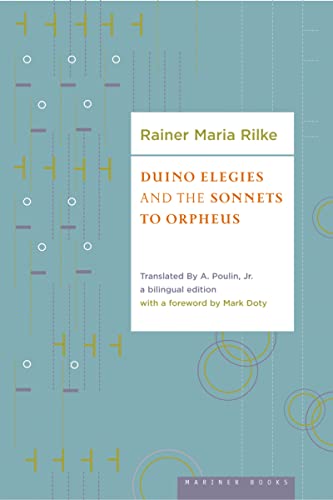
Start this bookNo. 19 on this list. The Sonnets to Orpheus · Rainer Maria Rilke · 1923
In February 1922, Rainer Maria Rilke retreated to Chateau de Muzot in Switzerland and composed fifty-five sonnets in three weeks. He addressed them to Orpheus — the Greek poet-god who descended into death to reclaim Eurydice and was torn apart by the Maenads for refusing them. The occasion was the recent death of Vera Knoop, a nineteen-year-old dancer Rilke barely knew; her death opened something. A tree ascends in the first line. Animals cluster around it in silence, listening. What Rilke is after is the premise that true song is not desire or communication but reality — breath as invisible poem, the moment when inner and outer stop being distinct. Orpheus moves through the cycle not as a character but as a principle: he is already dead, he already belongs to both realms, and because of this he can praise everything, including loss. The Sonnets instruct readers to will transformation, to be ahead of all parting, to whisper 'I am flowing' to the earth. They do not resolve their questions about death and being; they teach acceptance of irresolution as the condition of consciousness. Reading them asks for slow, repeated attention — each poem is compact and dense, and the cycle's meaning accumulates across all fifty-five. This is poetry as philosophical practice, the lyric at maximum pressure.
Difficult2.8 hours
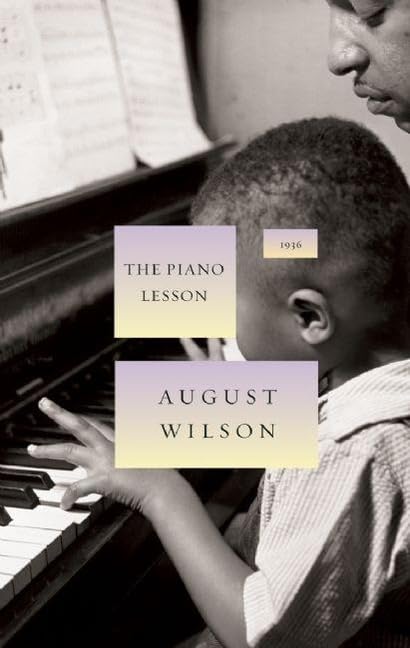
Start this bookNo. 20 on this list. The Piano Lesson · August Wilson · 1987
The Piano Lesson is a fixture in American drama and literature courses, taught alongside O'Neill, Miller, and Williams as a canonical American play. It is the centerpiece of August Wilson's ten-play Pittsburgh Cycle, a sequence now treated as essential reading in university drama programs. Its Pulitzer Prize win and sustained presence in curricula place it well above mid-tier literary works.
Challenging2.9 hours
Start this book
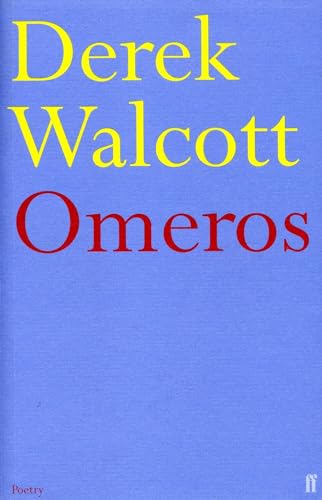
No. 21 on this list. Omeros · Derek Walcott · 1990
Winner of the Nobel Prize in Literature (1992, shortly after publication). Widely taught in postcolonial literature courses and contemporary poetry seminars. Included in Harold Bloom's Western Canon. Frequently anthologized in major poetry collections and world literature surveys. Recognized as defining achievement in Caribbean/postcolonial epic tradition.
Difficult7.8 hours
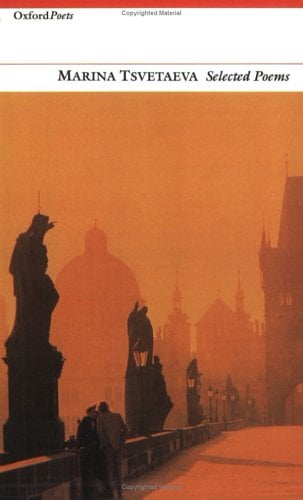
Start this bookNo. 22 on this list. Selected Poems of Marina Tsvetaeva · Marina Tsvetaeva
Tsvetaeva is firmly established as one of the four great Russian poets of the twentieth century, alongside Akhmatova, Mandelstam, and Pasternak.
Moderate1.7 hours
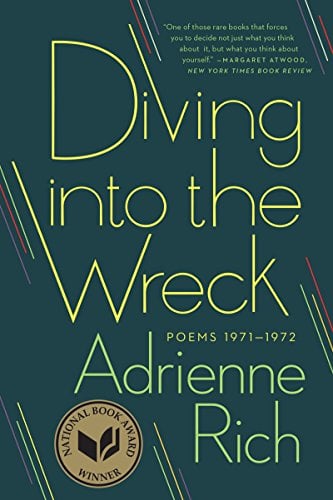
Start this bookNo. 23 on this list. Diving into the Wreck · Adrienne Rich · 1973
The title poem appears in virtually every major American poetry anthology and is standard reading in feminist literature, American poetry, and contemporary poetry courses. The collection sits firmly in the literary canon, comparable to Beloved (85) in academic reach if not in the broadest syllabi. No database data was returned, but Rich's place in American poetry curricula is well established.
Difficult47 min
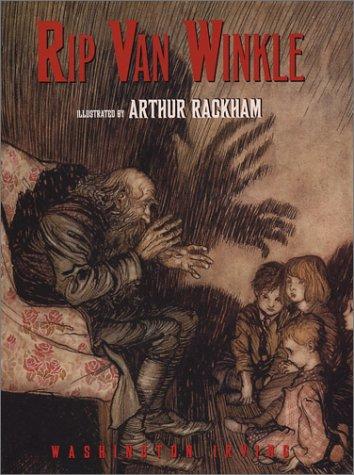
Start this bookNo. 24 on this list. Rip Van Winkle · Washington Irving · 1819
Rip Van Winkle is a staple of American literature anthologies and school curricula, the founding American short story alongside 'The Legend of Sleepy Hollow'. It is taught more widely than most short fiction, though less than Gatsby.
Easy58 min
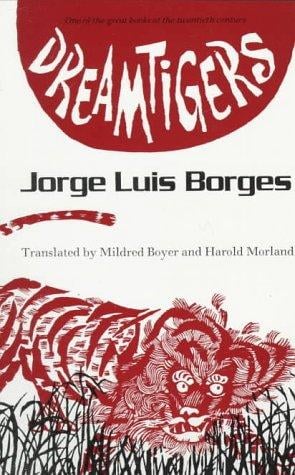
Start this bookNo. 25 on this list. Dreamtigers · Jorge Luis Borges · 1960
One of Borges's most beloved books and the source of some of his most quoted pieces, particularly 'Borges and I.' Central to his poetic reputation.
Moderate1.4 hours
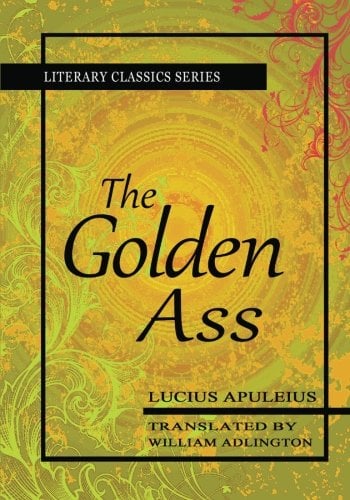
Start this bookNo. 26 on this list. The Golden Ass · Apuleius · 170
Included in: Oxford World's Classics
The Golden Ass is the only Latin prose novel to survive complete from antiquity, making it a required text in virtually every classical literature and ancient novel course worldwide. Though the database returned no formal syllabus entries, the work appears across comparative literature, mythology, and world literature curricula at universities globally. It features in most canonical 'great books' programs and was included in Harold Bloom's Western Canon.
Difficult12 hours
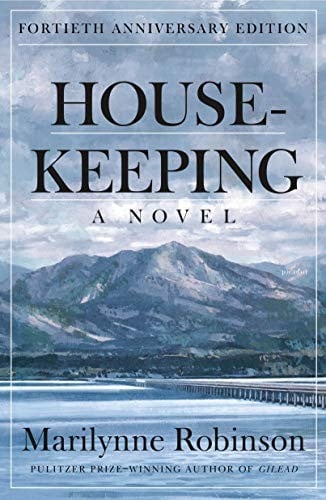
Start this bookNo. 27 on this list. Housekeeping · Marilynne Robinson · 1980
The most beautiful first novel of its generation. Ruth and Lucille's lives in Fingerbone, Idaho, Sylvie's transient existence—Robinson wrote prose like no one else. Core text in American literature courses. The novel launched a major career.
Challenging4.7 hours
Start this bookNo. 28 on this list. Company · Samuel Beckett · 1980
Company appears on syllabi within Beckett studies and late modernism courses, but the plays (Waiting for Godot, Endgame) dominate canonical Beckett curricula. The late prose trilogy (Company, Ill Seen Ill Said, Worstward Ho) is more specialist than canonical in the broad sense. Its Wikipedia presence is part of the wider Beckett corpus rather than as a standalone canonical text. Taught at graduate rather than undergraduate level.
Challenging2.6 hours
Start this bookNo. 29 on this list. Fasti · Ovid · 8
Fasti is a core text in Latin studies curricula and appears in most classical literature courses treating Augustan Rome, though it sits in the shadow of Ovid's Metamorphoses and Virgil's Aeneid in breadth of teaching. The Oxford World's Classics edition by Anne and Peter Wiseman (2011, revised 2013) marks its standing as a prestige canonical work. It is not among the most-taught Latin texts in translation courses but is standard reading for specialists.
Challenging6.9 hours
Read nowNo. 30 on this list. Nova · Samuel R. Delany · 1968
Nova holds a firm place in the SF literary canon, included in the SF Masterworks series and cited as a defining text of the New Wave movement. Its standing is strong within genre criticism but has not fully crossed into mainstream literary canonization.
Difficult9.9 hours
Start this book
No. 31 on this list. Treacle Walker
Alan Garner · 2022
No. 32 on this list. The Public Burning
Robert Coover · 1977
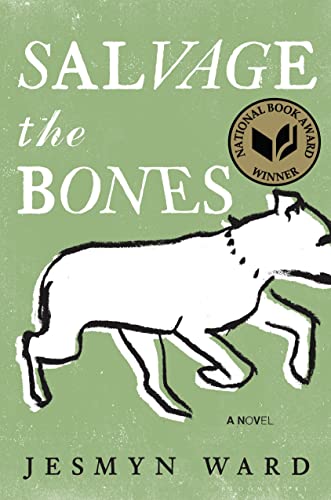
No. 33 on this list. Salvage the Bones
Jesmyn Ward · 2011
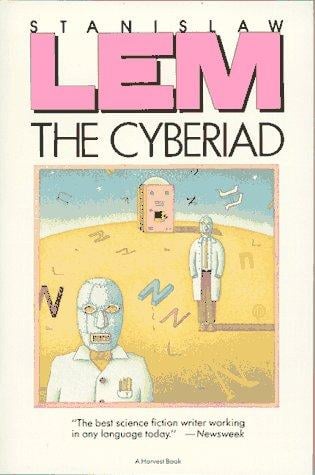
No. 34 on this list. The Cyberiad
Stanisław Lem · 1965
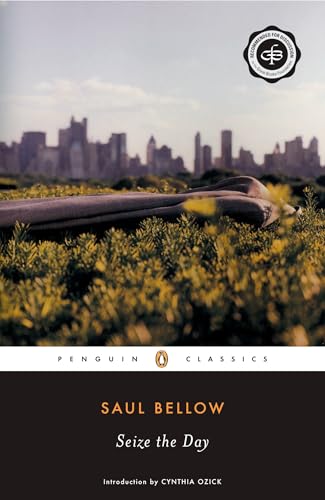
No. 35 on this list. Seize the Day
Saul Bellow · 1956
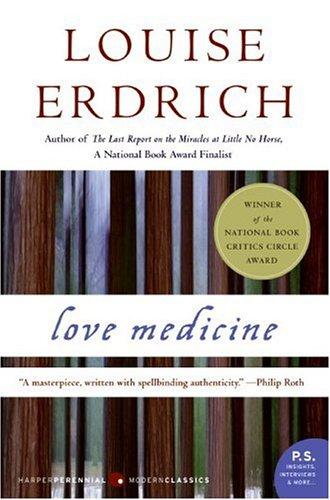
No. 36 on this list. Love Medicine
Louise Erdrich · 1984
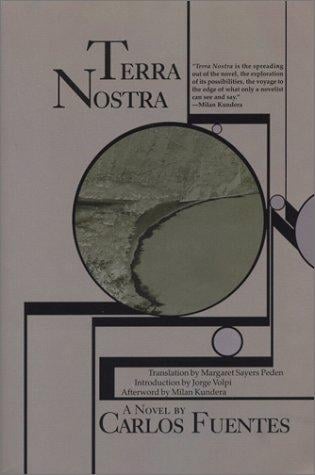
No. 37 on this list. Terra Nostra
Carlos Fuentes · 1975
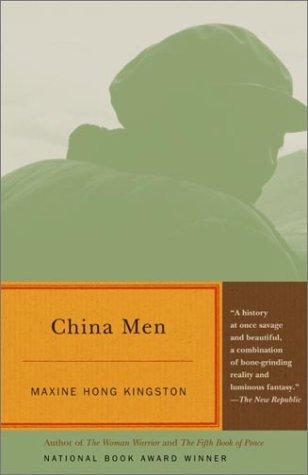
No. 38 on this list. China Men
Maxine Hong Kingston · 1980
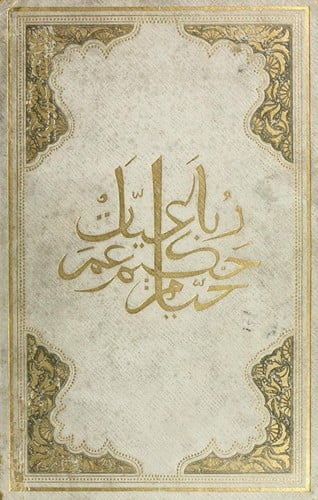
No. 39 on this list. Rubaiyat of Omar Khayyam
Omar Khayyam · 1120
Taught in schools: Armenian secondary literature
Included in: UNESCO Collection of Representative Works
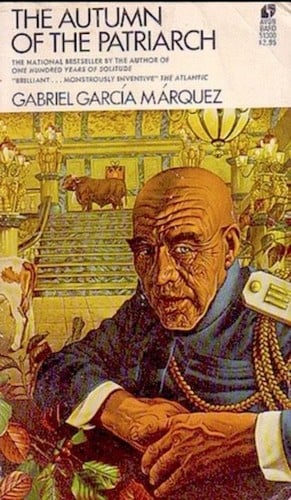
No. 40 on this list. The Autumn of the Patriarch
Gabriel García Márquez · 1975
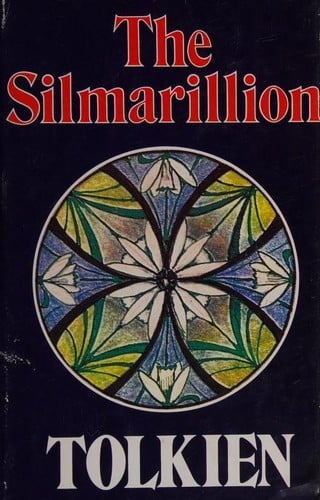
No. 41 on this list. The Silmarillion
J. R. R. Tolkien · 1977
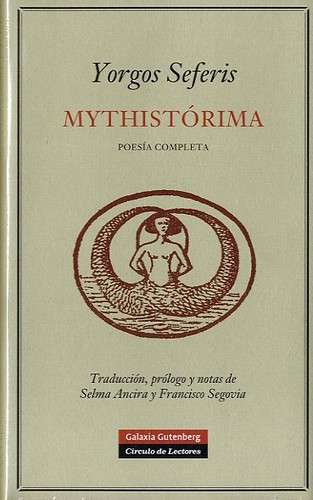
No. 42 on this list. Mythistorima
Giorgos Seferis · 1935
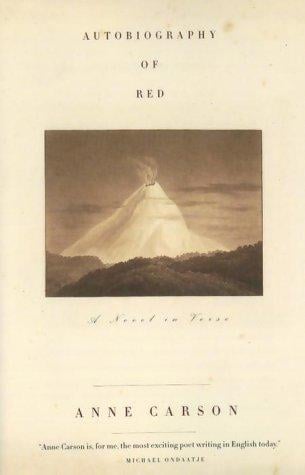
No. 43 on this list. Autobiography of Red
Anne Carson · 1999
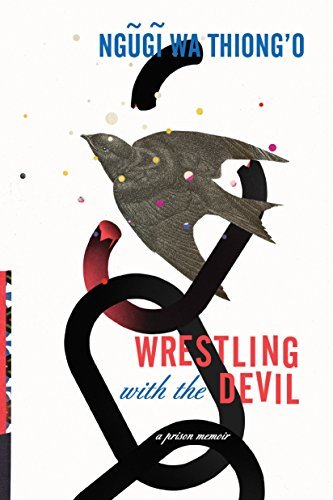
No. 44 on this list. Devil on the Cross
Ngugi wa Thiong'o · 1980
Included in: Heinemann African Writers Series
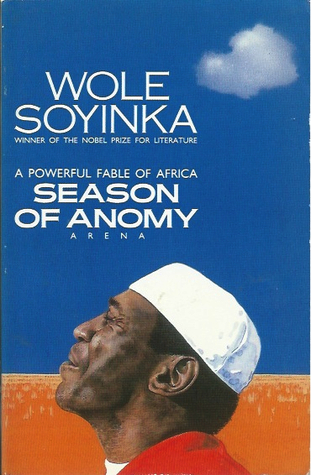
No. 45 on this list. Season of Anomy
Wole Soyinka · 1973
No. 46 on this list. The Sandman
Neil Gaiman · 1989
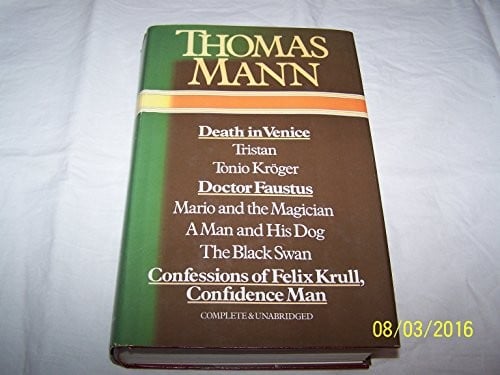
No. 47 on this list. The Confessions of Felix Krull
Thomas Mann · 1954
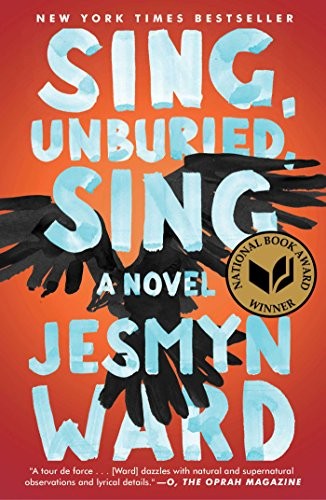
No. 48 on this list. Sing, Unburied, Sing
Jesmyn Ward · 2018
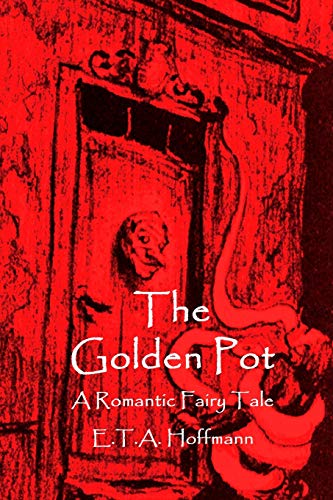
No. 49 on this list. The Golden Pot
E.T.A. Hoffmann · 1814
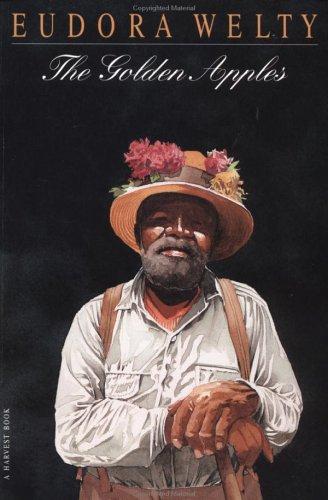
No. 50 on this list. The Golden Apples
Eudora Welty · 1949
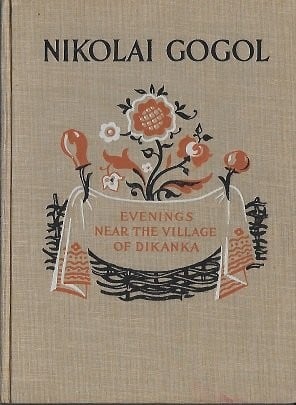
No. 51 on this list. Evenings on a Farm Near Dikanka
Nikolai Gogol · 1832
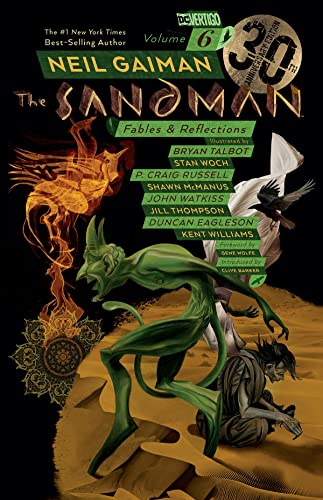
No. 52 on this list. The Sandman Vol. 6: Fables & Reflections
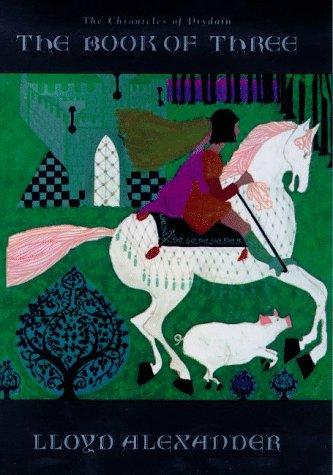
No. 53 on this list. The Book of Three
Lloyd Alexander · 1964
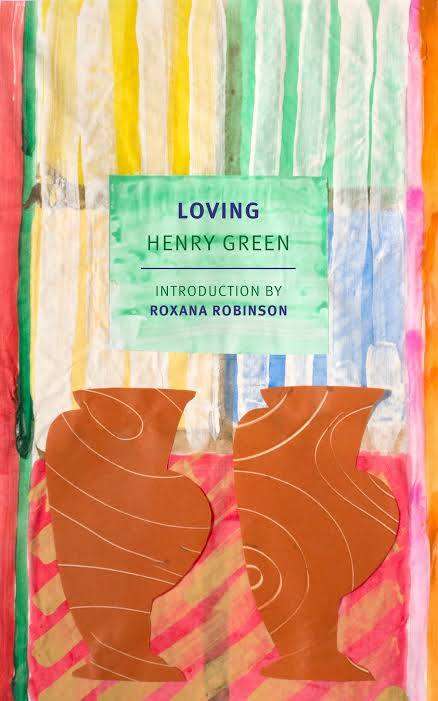
No. 54 on this list. Loving
Henry Green · 1945
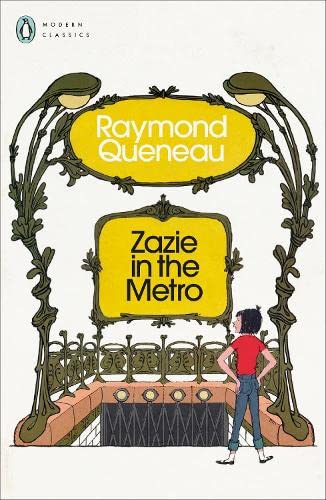
No. 55 on this list. Zazie in the Metro
Raymond Queneau · 1959
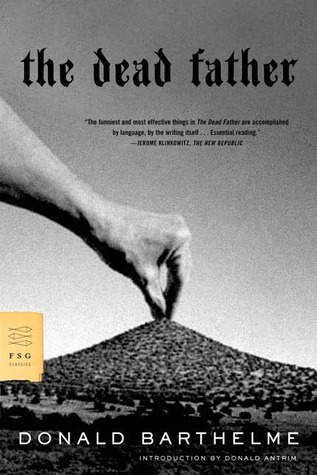
No. 56 on this list. The Dead Father
Donald Barthelme · 1975
No. 57 on this list. Amerika
Franz Kafka · 1927
No. 58 on this list. Men of Maize
Miguel Ángel Asturias · 1949
Taught in schools: Literatura, Diseño Curricular – Provincia de Buenos Aires (Argentina), UNAM Escuela Nacional Preparatoria – programas de Literatura (Mexico)
Included in: UNESCO Collection of Representative Works
No. 59 on this list. The Castle of Otranto
Horace Walpole · 1764
No. 60 on this list. The Guyana Quartet
Wilson Harris · 1985
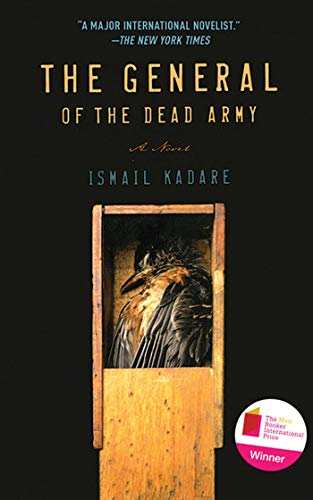
No. 61 on this list. The General of the Dead Army
Ismail Kadare · 1963
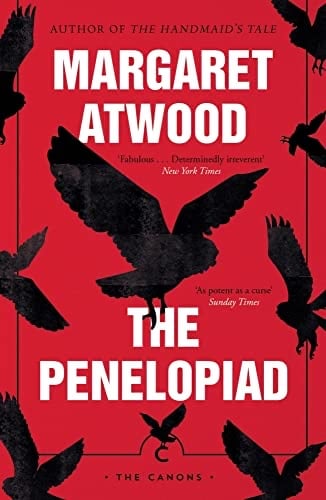
No. 62 on this list. Penelopiad
Margaret Atwood · 2005
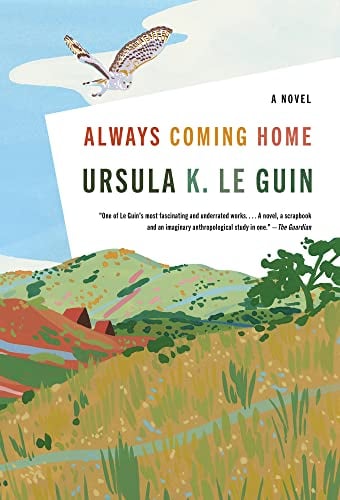
No. 63 on this list. Always Coming Home
Ursula K Le Guin · 1985
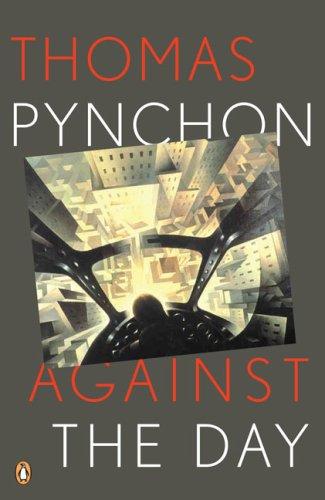
No. 64 on this list. Against the Day
Thomas Pynchon · 2006
No. 65 on this list. The Song of Hiawatha
Henry Wadsworth Longfellow · 2004
No. 66 on this list. Angle of Repose
Wallace Stegner · 1972
No. 67 on this list. Baudolino
Umberto Eco · 2000
No. 68 on this list. Circe
Madeline Miller · 2019
No. 69 on this list. The Mysteries of Udolpho
Ann Radcliffe · 1794
No. 70 on this list. Circe and the Cyclops
No. 71 on this list. The Eye of the World
Robert Jordan · 1990
No. 72 on this list. The Call of Cthulhu and Other Stories
H.P. Lovecraft · 1928
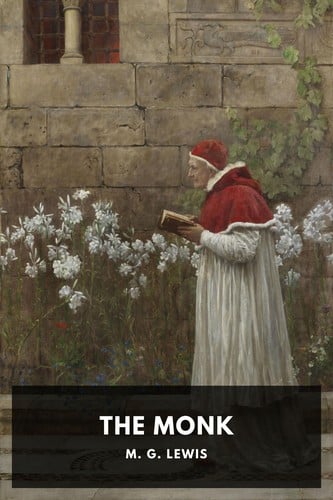
No. 73 on this list. The Monk
Matthew Gregory Lewis · 1796
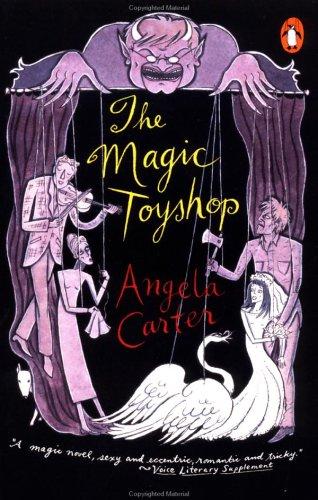
No. 74 on this list. The Magic Toyshop
Angela Carter · 1967
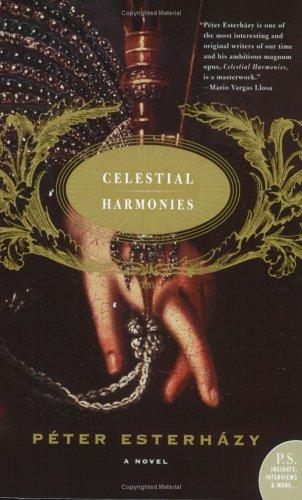
No. 75 on this list. Celestial Harmonies
Péter Esterházy · 2000
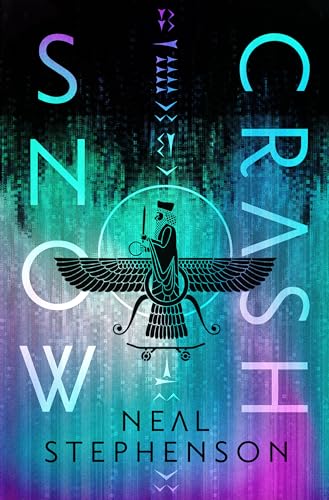
No. 76 on this list. Snow Crash
Neal Stephenson · 1992
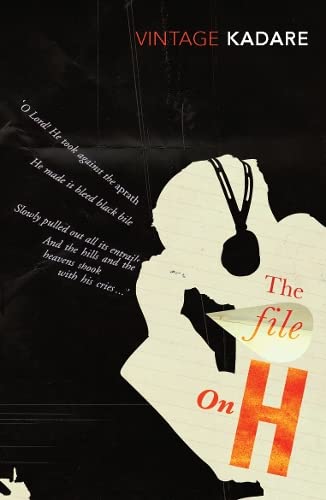
No. 77 on this list. The File on H.
Ismail Kadare · 1981
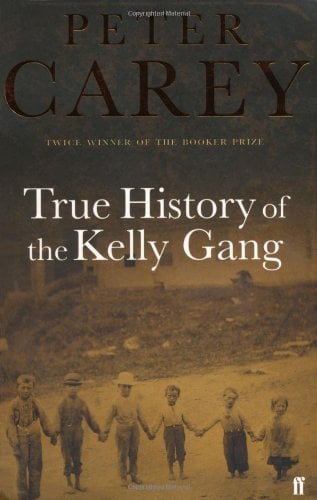
No. 78 on this list. True History of the Kelly Gang
Peter Carey · 2001
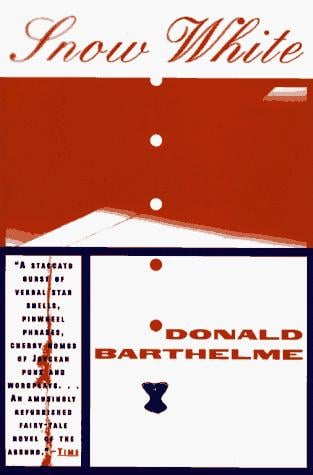
No. 79 on this list. Snow White
Donald Barthelme · 1967
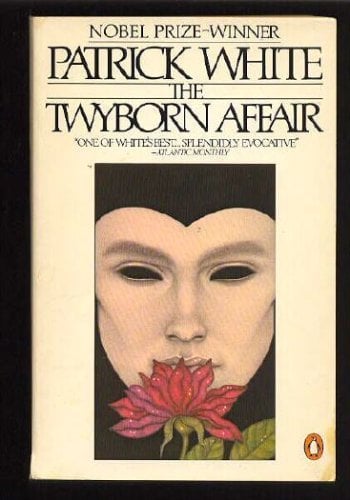
No. 80 on this list. The Twyborn Affair
Patrick White · 1979
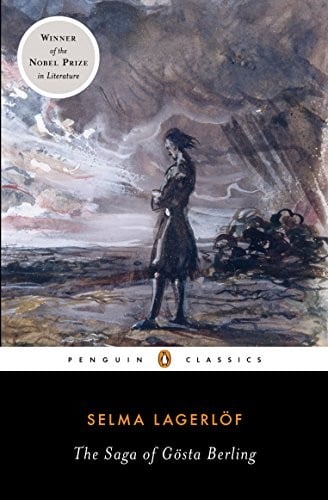
No. 81 on this list. The Saga of Gosta Berling
Selma Lagerlöf · 1891
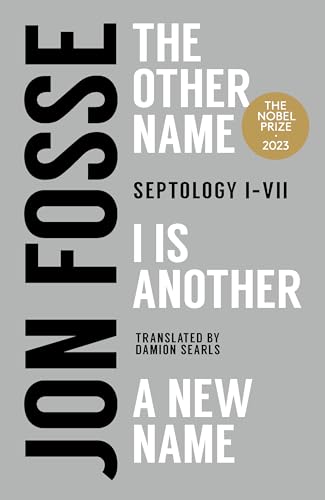
No. 82 on this list. Septology
Jon Fosse · 2019
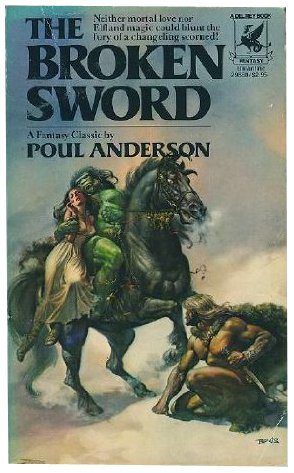
No. 83 on this list. The Broken Sword
Poul Anderson · 1954
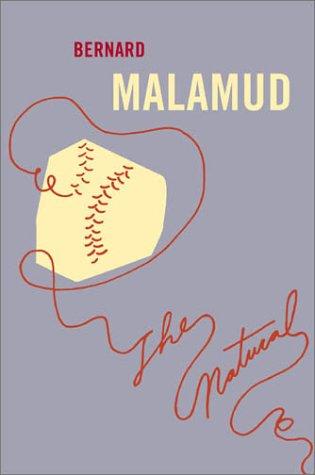
No. 84 on this list. The Natural
Bernard Malamud · 1952
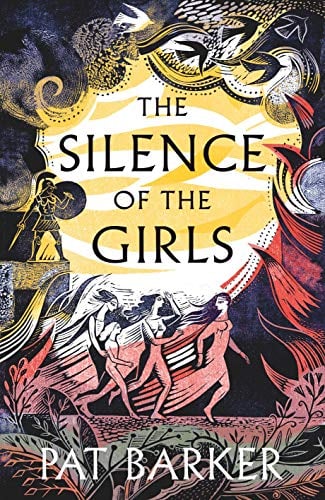
No. 85 on this list. The Silence of the Girls
Pat Barker · 2019
Taught in schools: Leaving Certificate English – NCCA / State Examinations Commission (Ireland)
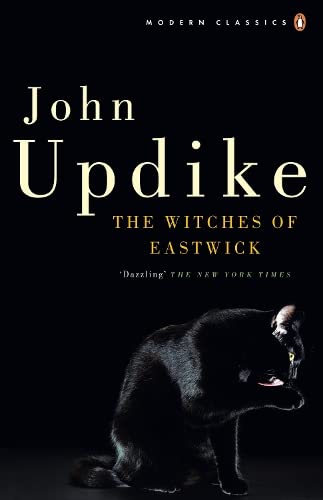
No. 86 on this list. The Witches of Eastwick
John Updike · 1984
No. 87 on this list. The Charles Men
Verner von Heidenstam · 1897
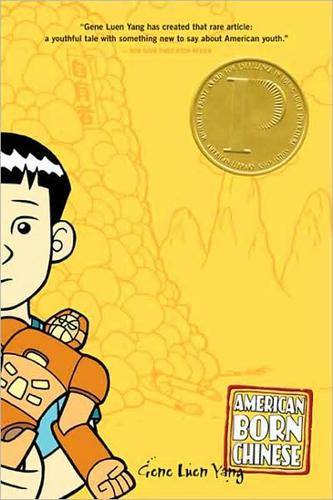
No. 88 on this list. American Born Chinese
Gene Luen Yang · 2006
No. 89 on this list. Ti-Jean and His Brothers
Derek Walcott · 1958
No. 90 on this list. The Robber Bride
Margaret Atwood · 1993
No. 91 on this list. The Einstein Intersection
Samuel R. Delany · 1967
No. 92 on this list. The Sandman, Vol. 9: The Kindly Ones
Neil Gaiman · 1996
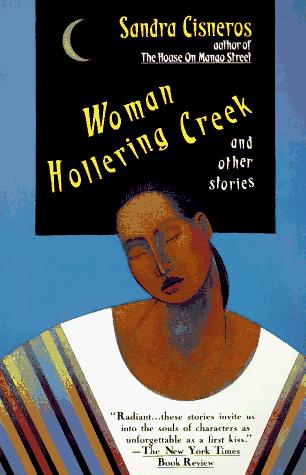
No. 93 on this list. Woman Hollering Creek and Other Stories
Sandra Cisneros · 1991
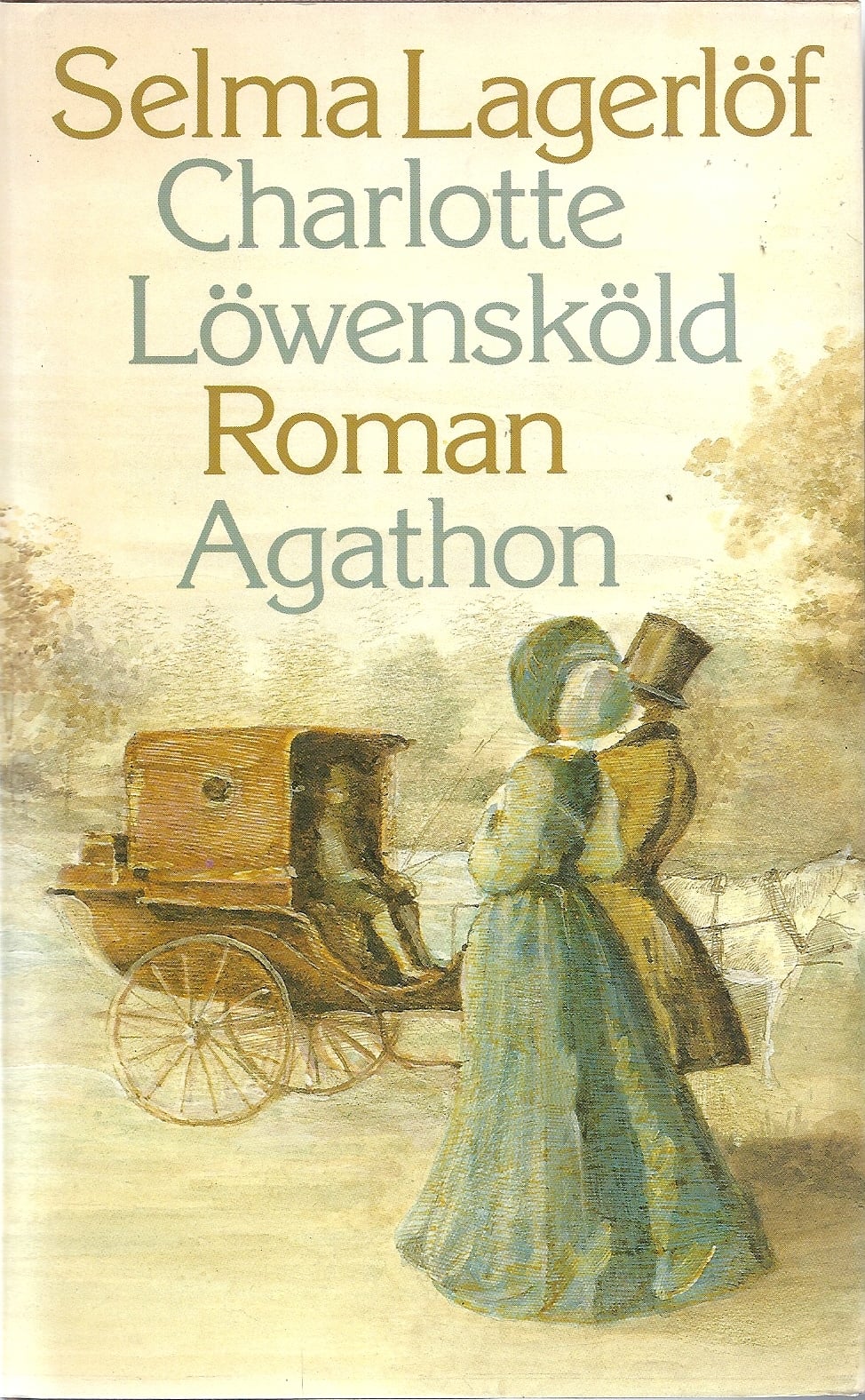
No. 94 on this list. Löwensköld Trilogy
Selma Lagerlöf · 1925
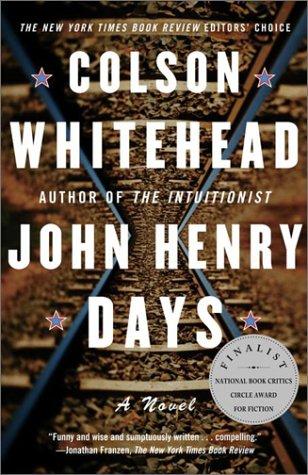
No. 95 on this list. John Henry Days
Colson Whitehead · 2001
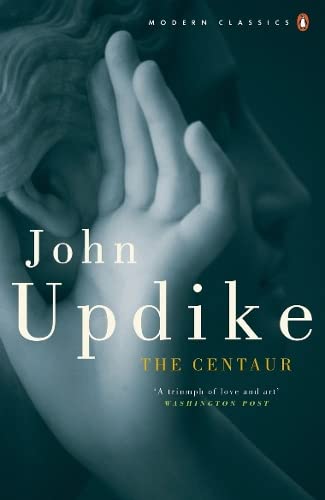
No. 96 on this list. The Centaur
John Updike · 1964
No. 97 on this list. Blonde
Joyce Carol Oates · 2000
No. 98 on this list. Under the Sun of Satan
Georges Bernanos · 1926
No. 99 on this list. The Great God Pan
Arthur Machen · 1894
No. 100 on this list. Red Doc>
Anne Carson · 2013
About this list
These 100 books are the highest-scoring eligible books of myth and folklore currently in the catalogue. About 1,046 hours of reading in all. Difficulty runs from 50 to 70 out of 100 for the middle half of the list; the summit is Finnegans Wake at 94.
This list is ranked by literary regard, with a consistent order for equal scores. Membership follows authors and co-authors, not translators or editors. A book is here when ReadingRate files it under Myth & Folklore as one of its primary reading domains, at a confidence of 0.8 or more. Catalogue coverage and the historical canon both limit what this list can represent.
When we matched the Canons dataset to our catalogue in October 2026, our canonical-status scores rose with the number of school curricula, publisher series and lists in it that cite a work: the median score was 72 for books one such source cites, 84 at two, 88 at three, 92 at four and 93 at five or more. Prizes are left out of that count. Outside the state curricula, the dataset’s sources choose mostly from what has been translated into English or French, so it is a weaker check on other literatures. Source: Canons (Andrew Piper), CC BY 4.0
Questions people actually ask
- What are the best books of myth and folklore?
- By literary regard, which weighs canonical status, critical standing and influence: Eclogues by Virgil, The Waste Land by T. S. Eliot, Theogony by Hesiod, Finnegans Wake by James Joyce and The Cantos by Ezra Pound. ReadingRate ranks 100 such books, each with a difficulty score and a reading-time estimate.
- Which books of myth and folklore should I read first?
- Start from difficulty, not from rank. The most approachable books on this list that still carry top literary regard are The Complete Grimm's Fairy Tales by Jacob Grimm (about 12 hours), Rip Van Winkle by Washington Irving and Grimm's Fairy Tales by Brothers Grimm.
- What are the shortest of the best books of myth and folklore?
- Among the top 25, the shortest are Diving into the Wreck by Adrienne Rich (about 47 min), The Waste Land by T. S. Eliot (about 1.4 hours) and Eclogues by Virgil (about 58 min), at an average pace of 250 words a minute adjusted for each book's difficulty.
- Which of the best books of myth and folklore are the established classics?
- By canonical status, how firmly a book sits in curricula, anthologies and the canon: Eclogues by Virgil, The Waste Land by T. S. Eliot, Theogony by Hesiod, Metamorphoses by Ovid and Journey to the West by Wu Cheng'en.
- Can I read any of these books of myth and folklore for free?
- 8 of the 100 open in ReadingRate's reader with a free account, from public-domain editions: Eclogues, The Waste Land, Metamorphoses, Journey to the West, Troilus and Cressida and 3 more.
- How long would it take to read the top ten?
- About 107 hours, at an average pace of 250 words a minute adjusted for each book's difficulty: 54 days at two hours a day. Set your own pace on the page and the list's reading times change to it.
- How hard are books of myth and folklore to read?
- Most of this list sits between 50 and 70 on ReadingRate's 100-point difficulty scale, where 40 to 55 is moderate. The summit is Finnegans Wake at 94. Every entry carries its own score, so a reader can pick a great book at a difficulty they will finish.
- How is this list ranked?
- On literary-regard data: how canonically established a work is, its critical standing, and its influence on later writing. It is not a readers’ poll, which is why recent bestsellers rarely appear. Membership follows authors and co-authors, not translators or editors. Lists by country, author, period, theme or difficulty keep to literature (fiction, poetry, drama and philosophy), their novels, poems and plays first and their philosophy after them; a list of a kind of book, such as memoir or criticism, keeps every book of that kind. Every list holds at most three works by one author. A book is here when ReadingRate files it under Myth & Folklore as one of its primary reading domains, at a confidence of 0.8 or more.