Hours at an average pace
Showing 100 books
About 774 hours for 100 of 100 books with measured lengths. Estimates use 250 words a minute, adjusted for each book's difficulty. At 2 hours a day, about 387 days for those books.
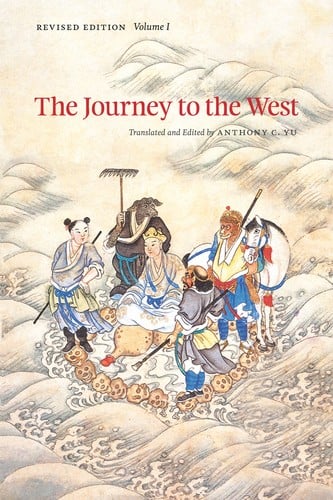
Wu Cheng'en sent a Buddhist monk and his three supernatural companions on a westward pilgrimage through eighty-one trials, creating the great picaresque of Chinese literature — a work that fuses slapstick comedy, Daoist and Buddhist allegory, and some of the most inventive monster-fights in world fiction. The Monkey King, Sun Wukong, became the most recognizable trickster figure in East Asian culture.
Shakespeare's first published work (1593), personally overseen and dedicated to the Earl of Southampton, went through more than a dozen editions in his lifetime — making it the most reprinted English poem of the Elizabethan era. It appears on virtually all Renaissance literature and Shakespeare syllabi and features in every serious account of early modern English poetry.
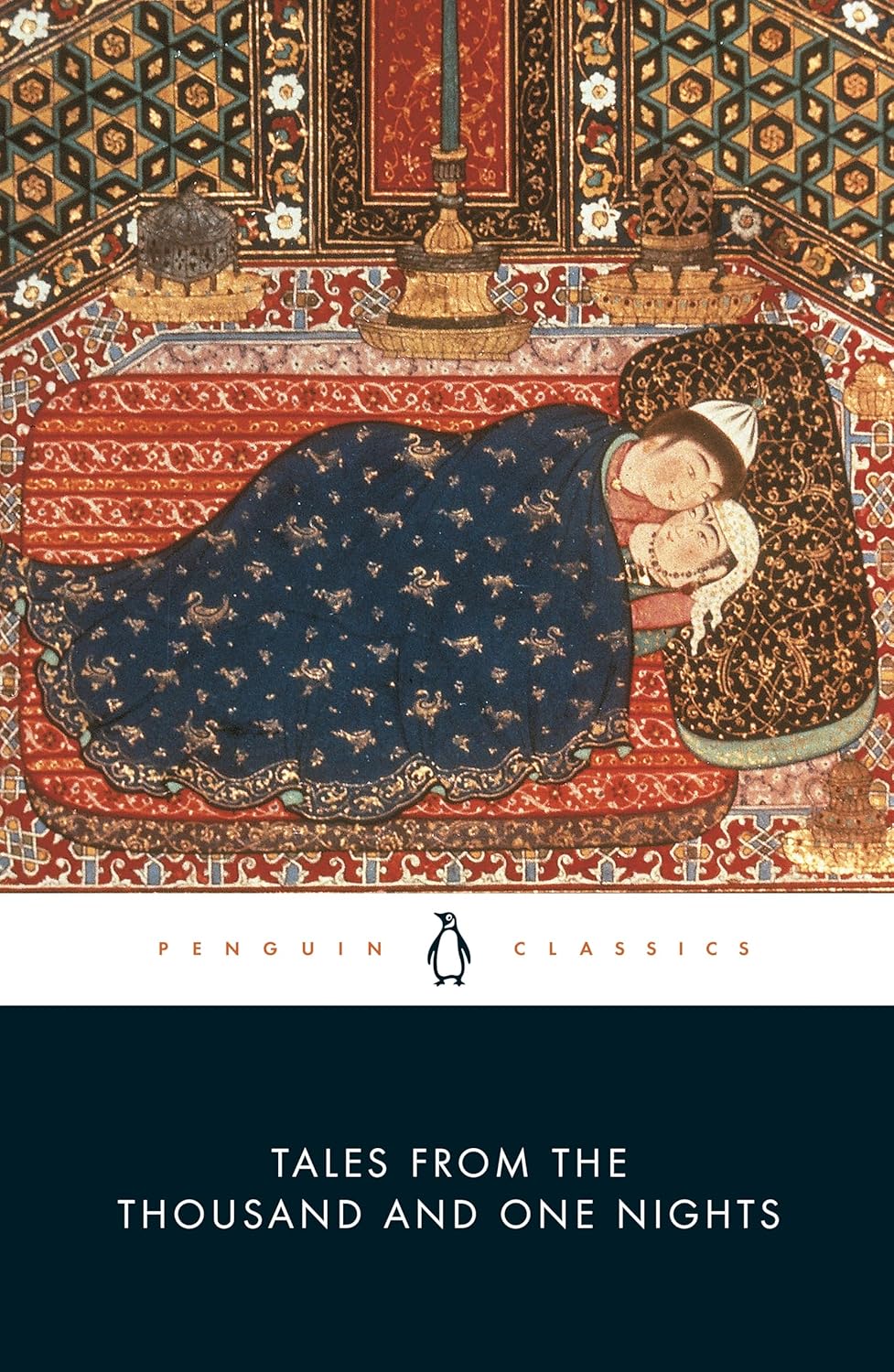
World literature's most famous story collection; shaped global narrative imagination.
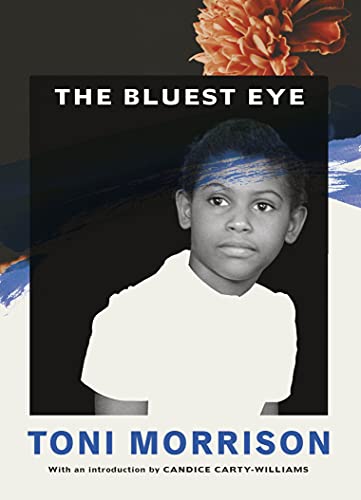
No. 4 on this list. The Bluest Eye
Toni Morrison · 1970
Challenging4.2 hours
Taught in schools: Common Core text exemplars (Appendix B) (US)
While not as universally canonical as Beloved, The Bluest Eye is firmly established in the American literary canon, widely taught in universities, and recognized as a landmark debut that announced a major voice in American letters.
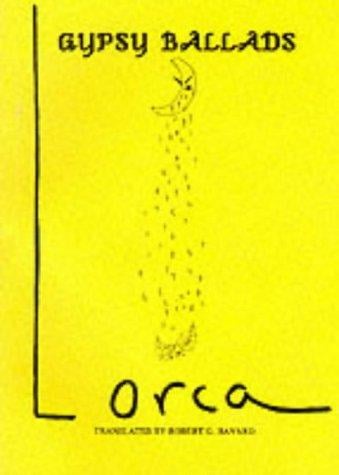
No. 5 on this list. Gypsy Ballads
Federico García Lorca · 1928
Challenging2.3 hours
Included in: Bokklubben World Library
Listed on Le Monde's 100 Books of the Century and the Open Syllabus Top 500 for Literature. Wikipedia articles exist in 18 languages. The Romancero gitano is a fixture in university courses on Spanish literature, European modernism, and world poetry, though its canonical reach outside Spanish-language literary culture is narrower than anglophone modernist landmarks. Pedro Salinas called it 'the most lauded, most triumphant' poetic work of the twentieth century.
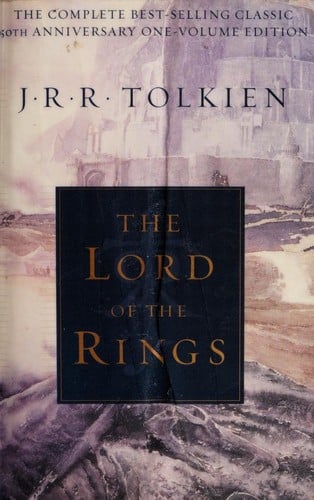
No. 6 on this list. The Lord of the Rings (The Lord of the Rings, #1-3)
J.R.R. Tolkien · 1954
Moderate34 hours
Taught in schools: Pacific Senior Secondary Certificate – English
Widely taught in fantasy, medieval-influenced and popular literature courses and ranked among the most read novels, but less dominant on core literary syllabi than Gatsby or Crime and Punishment.
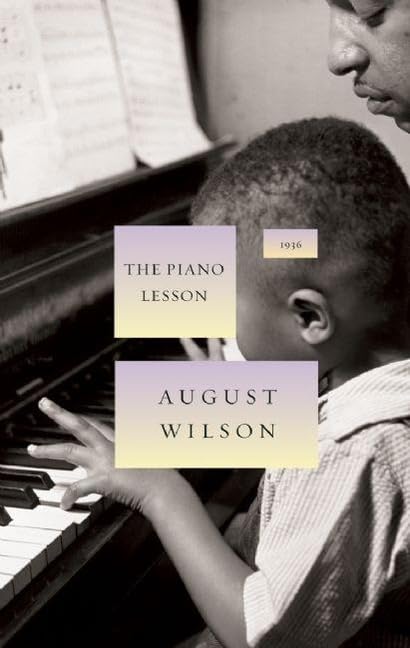
The Piano Lesson is a fixture in American drama and literature courses, taught alongside O'Neill, Miller, and Williams as a canonical American play. It is the centerpiece of August Wilson's ten-play Pittsburgh Cycle, a sequence now treated as essential reading in university drama programs. Its Pulitzer Prize win and sustained presence in curricula place it well above mid-tier literary works.
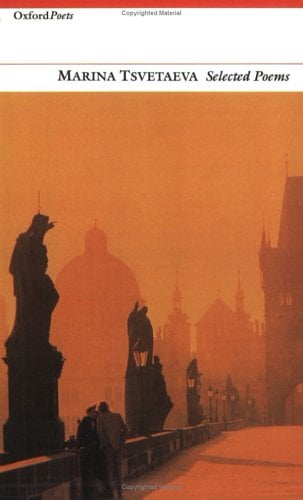
Tsvetaeva is firmly established as one of the four great Russian poets of the twentieth century, alongside Akhmatova, Mandelstam, and Pasternak.
One of Borges's most beloved books and the source of some of his most quoted pieces, particularly 'Borges and I.' Central to his poetic reputation.
The most beautiful first novel of its generation. Ruth and Lucille's lives in Fingerbone, Idaho, Sylvie's transient existence—Robinson wrote prose like no one else. Core text in American literature courses. The novel launched a major career.
No. 11 on this list. Company · Samuel Beckett · 1980
Company appears on syllabi within Beckett studies and late modernism courses, but the plays (Waiting for Godot, Endgame) dominate canonical Beckett curricula. The late prose trilogy (Company, Ill Seen Ill Said, Worstward Ho) is more specialist than canonical in the broad sense. Its Wikipedia presence is part of the wider Beckett corpus rather than as a standalone canonical text. Taught at graduate rather than undergraduate level.
Challenging2.6 hours
Start this bookNo. 12 on this list. Fasti · Ovid · 8
Fasti is a core text in Latin studies curricula and appears in most classical literature courses treating Augustan Rome, though it sits in the shadow of Ovid's Metamorphoses and Virgil's Aeneid in breadth of teaching. The Oxford World's Classics edition by Anne and Peter Wiseman (2011, revised 2013) marks its standing as a prestige canonical work. It is not among the most-taught Latin texts in translation courses but is standard reading for specialists.
Challenging6.9 hours
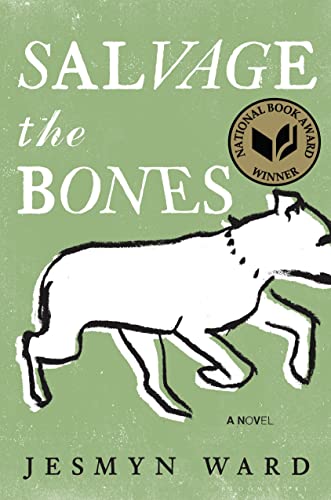
Read nowNo. 13 on this list. Salvage the Bones · Jesmyn Ward · 2011
Salvage the Bones is widely taught in contemporary American literature, African American literature, and Southern literature courses. Its National Book Award win brought it immediate and sustained academic attention, and Ward's subsequent acclaim has only reinforced the book's position on university reading lists. With 400 syllabus appearances it sits in the mid-canonical tier — solidly established but not yet at the frequency of works like Beloved or Their Eyes Were Watching God.
Moderate6 hours
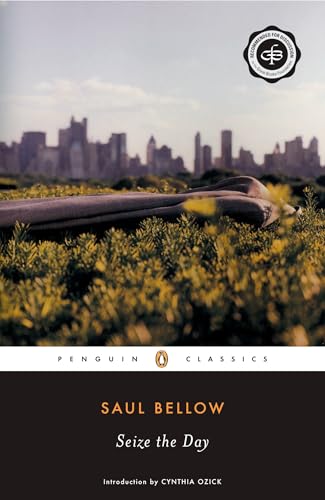
Start this bookNo. 14 on this list. Seize the Day · Saul Bellow · 1956
Widely taught in American literature and Jewish-American literature courses, the novella has secured its place in the postwar American canon. Its compact perfection and psychological depth make it a staple of university syllabi, though it lacks the cultural ubiquity of Bellow's longer novels.
Challenging2.8 hours
Start this bookNo. 15 on this list. Rubaiyat of Omar Khayyam · Omar Khayyam · 1120
Taught in schools: Armenian secondary literature
Included in: UNESCO Collection of Representative Works
Victorian classic; part of English literary heritage; the Persian original is canonical.
Moderate46 min
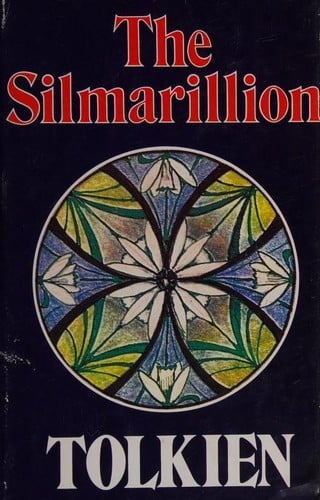
Read nowNo. 16 on this list. The Silmarillion · J. R. R. Tolkien · 1977
The Silmarillion is widely read within fantasy literature and Tolkien studies, and it appears in courses on mythology, world-building, and fantasy as a genre. It lacks the universal curriculum presence of The Lord of the Rings or The Hobbit, but its Wikipedia article exists in 40+ languages and it remains the foundational text for understanding Tolkien's legendarium.
Moderate17 hours
Start this bookNo. 17 on this list. Mythistorima · Giorgos Seferis · 1935
Mythistorema (1935) is a central text of modern Greek poetry, taught in Greece and read abroad in translations such as Edmund Keeley and Philip Sherrard's. It is the sequence most often chosen to represent Seferis in courses on European modernism.
Challenging10 min
Start this bookNo. 18 on this list. Devil on the Cross · Ngugi wa Thiong'o · 1980
Included in: Heinemann African Writers Series
Devil on the Cross holds a firm place in African literature curricula and postcolonial studies courses worldwide, though it reaches fewer syllabi than anglophone classics. Its historic significance — the first novel written in Gĩkũyũ — gives it an anchoring role in discussions of language, decolonization, and African literary identity that keeps it in circulation decades after publication.
Moderate7.8 hours
Start this bookNo. 19 on this list. The Sandman · Neil Gaiman · 1989
The Sandman occupies a privileged position in the canon of graphic literature and appears regularly in university courses on comics studies, mythology in popular culture, and genre fiction. It is consistently cited on 'essential graphic novels' lists and is taught in courses on sequential art at major universities. Within its medium, its canonical status approaches that of Ulysses in prose — foundational, required — though graphic novel courses reach fewer syllabi overall than prose literature courses. The DB returned no syllabus data, but external sources confirm strong academic presence in comics and cultural studies contexts.
Moderate17 hours
Start this bookNo. 20 on this list. Sing, Unburied, Sing · Jesmyn Ward · 2018
Sing, Unburied, Sing appears on 71 university syllabi — a solid midrange presence, placing it in the 46th percentile of works in the database. It is widely taught in contemporary American literature, Southern literature, and African American literature courses, though it has not yet achieved the deep canonical entrenchment of Morrison or Faulkner. Its teaching presence reflects a novel still being absorbed into the curriculum in the decade since its 2017 publication, with significant room for that footprint to grow.
Challenging6 hours
Start this book
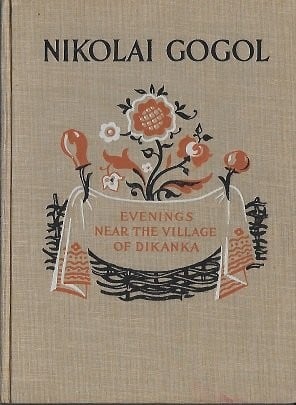
No. 21 on this list. Evenings on a Farm Near Dikanka · Nikolai Gogol · 1832
Evenings on a Farm Near Dikanka is a foundational text in Russian and Ukrainian literary history, appearing in Slavic literature and comparative folklore curricula worldwide. While it lacks the global syllabus penetration of Gogol's later Dead Souls or The Overcoat — works more central to realism courses — it is the required starting point for any study of Gogol's development. The book is likely in the 60th–70th percentile of canonical teaching across world literature programs.
Moderate5.8 hours
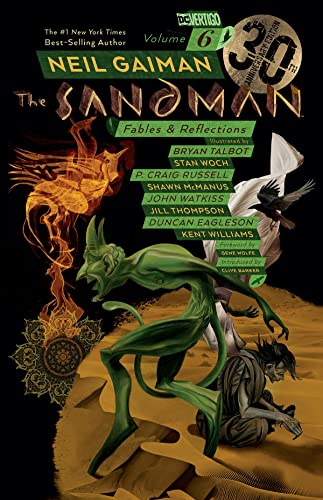
Start this bookNo. 22 on this list. The Sandman Vol. 6: Fables & Reflections · Neil Gaiman
The Sandman series appears on university literature and cultural studies syllabi as a defining example of the graphic novel form, though the medium remains underrepresented in traditional English department canons. Vol. 6 is rarely isolated from the series, but as part of one of the most-collected graphic novel sequences in print history it holds a firm place in any serious reading of the form. No syllabus data was available in the database.
Challenging1.5 hours
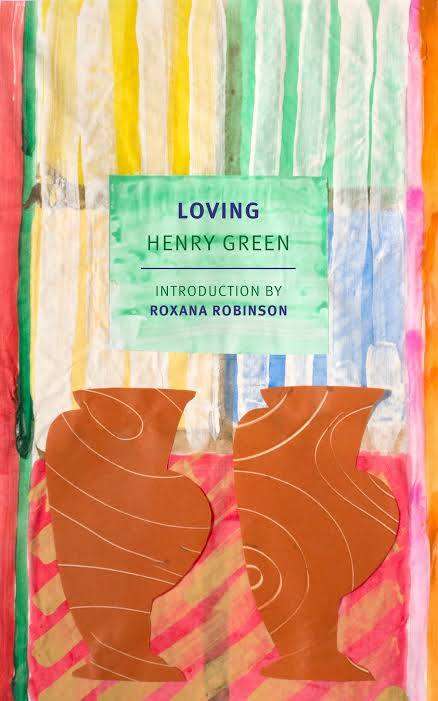
Start this bookNo. 23 on this list. Loving · Henry Green · 1945
Ranked 89th on the Modern Library 100 Best Novels and included on TIME's All-TIME 100 Novels, with Wikipedia articles in 10 languages. It is taught in courses on modernist and wartime British fiction, though less widely than Woolf or Waugh.
Moderate5.1 hours
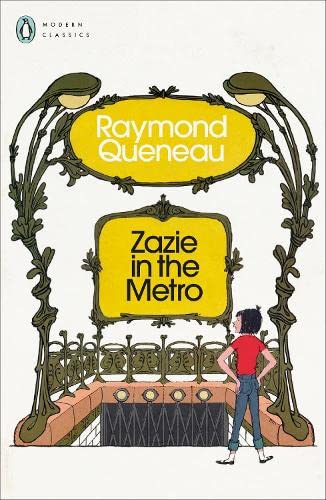
Start this bookNo. 24 on this list. Zazie in the Metro · Raymond Queneau · 1959
Zazie in the Metro appears on Le Monde's 100 Books of the Century (1999) and in the Open Syllabus Top 500 for literature, placing it firmly within the French literary canon. It is published by NYRB Classics, the most prestigious English-language imprint for foreign literary fiction. The novel is taught in French literature and postmodern fiction courses internationally, though it remains more of a cult text than a curriculum fixture outside France. Its canonical standing in France itself is considerably higher than its anglophone footprint suggests.
Moderate2.9 hours
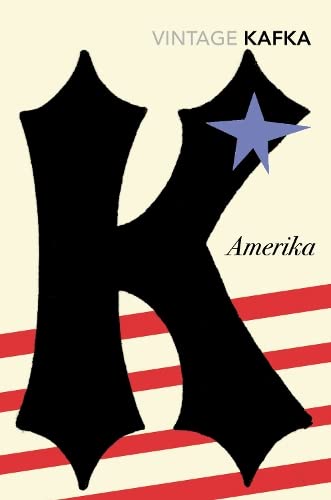
Start this bookNo. 25 on this list. Amerika · Franz Kafka · 1927
Amerika is the least studied of Kafka's three novels, taught on world literature and modernism syllabi but with far lower frequency than The Trial or The Metamorphosis. It lacks the Wikipedia language coverage and syllabus saturation of Kafka's canonical works, though it appears in most comprehensive surveys of the modernist novel.
Moderate6.5 hours
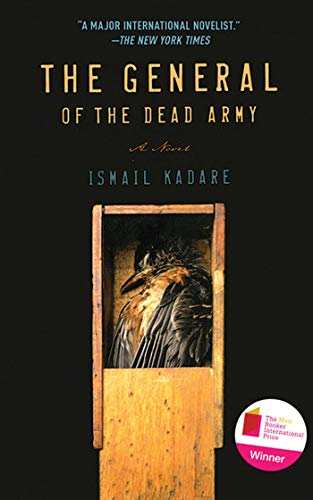
Start this bookNo. 26 on this list. The General of the Dead Army · Ismail Kadare · 1963
Listed in Le Monde's 100 Books of the Century and the work that introduced Kadare to Western readers after its 1970 French translation. It is studied in courses on Balkan and Eastern European literature.
Challenging6.9 hours
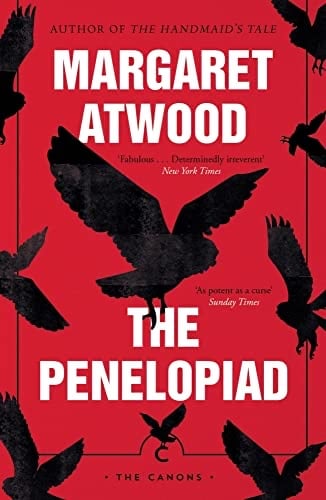
Start this bookNo. 27 on this list. Penelopiad · Margaret Atwood · 2005
The Penelopiad appears regularly on feminist literature syllabi, myth-retelling courses, and contemporary women's fiction reading lists, benefiting from its position in the Canongate Myths series and Atwood's towering reputation. It has not achieved the universal curricular penetration of Atwood's The Handmaid's Tale, placing it in established rather than major canon territory.
Challenging2.5 hours
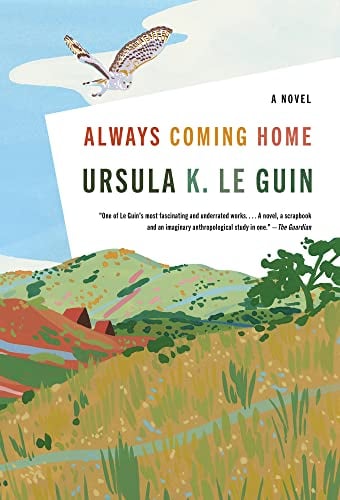
Start this bookNo. 28 on this list. Always Coming Home · Ursula K Le Guin · 1985
Always Coming Home appears on 72 university syllabi according to Open Syllabus Project data (46th percentile), primarily in science fiction, utopian literature, and feminist studies courses. Its Wikipedia article exists in only 4 languages — modest global reach for a book of this ambition. The book is well-known within Le Guin scholarship and SF studies but has not achieved the broad canonical presence of Le Guin's The Left Hand of Darkness or The Dispossessed. It was a National Book Award finalist in 1985 and is included in the Library of America's Le Guin edition, which confirms critical recognition without mass adoption.
Challenging14 hours
Start this bookNo. 29 on this list. Angle of Repose · Wallace Stegner · 1972
Angle of Repose is widely taught in courses on the American West, 20th-century American fiction, and historical novels. It appears regularly on university syllabi and literary retrospectives of the 1970s. The novel's canonical position is complicated by the plagiarism controversy regarding Stegner's use of Mary Hallock Foote's letters, which has sparked ongoing scholarly debate about biographical fiction and appropriation.
Moderate15 hours
Start this bookNo. 30 on this list. Circe · Madeline Miller · 2019
Ranked by literary regard among eligible works in the current catalogue. This position reflects the available catalogue evidence.
Moderate7.7 hours
Start this book
No. 31 on this list. The Mysteries of Udolpho
Ann Radcliffe · 1794
No. 32 on this list. The Monk
Matthew Gregory Lewis · 1796
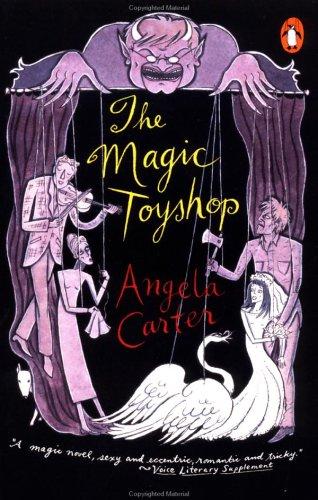
No. 33 on this list. The Magic Toyshop
Angela Carter · 1967
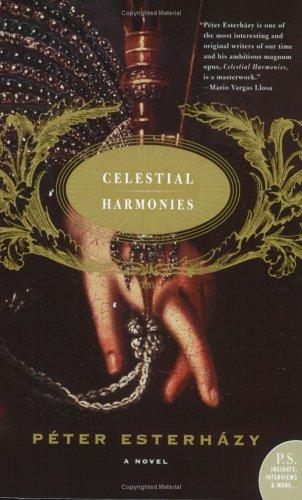
No. 34 on this list. Celestial Harmonies
Péter Esterházy · 2000
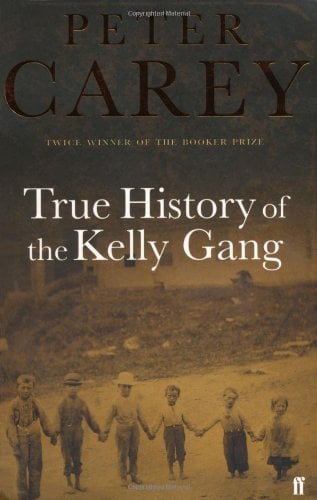
No. 35 on this list. True History of the Kelly Gang
Peter Carey · 2001
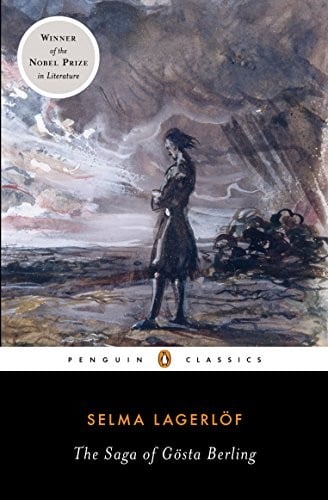
No. 36 on this list. The Saga of Gosta Berling
Selma Lagerlöf · 1891
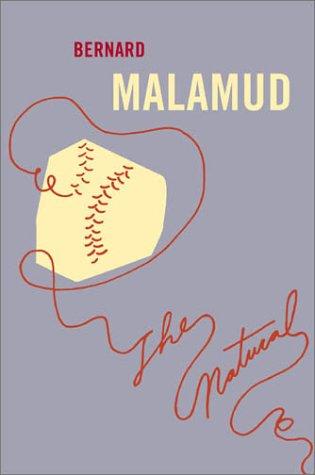
No. 37 on this list. The Natural
Bernard Malamud · 1952
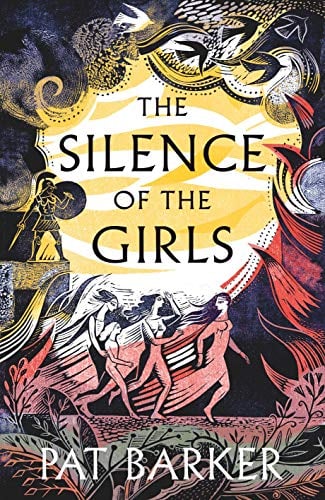
No. 38 on this list. The Silence of the Girls
Pat Barker · 2019
Taught in schools: Leaving Certificate English – NCCA / State Examinations Commission (Ireland)
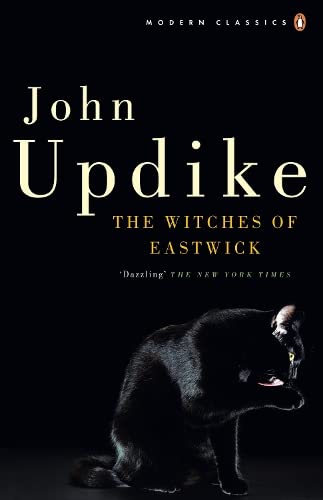
No. 39 on this list. The Witches of Eastwick
John Updike · 1984
No. 40 on this list. The Charles Men
Verner von Heidenstam · 1897

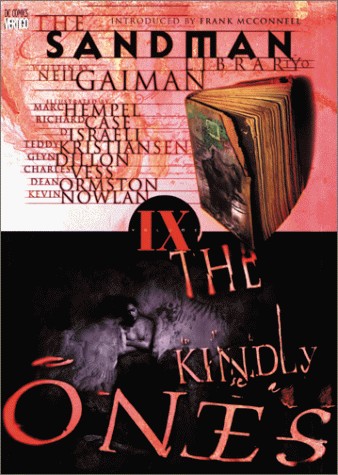
No. 41 on this list. The Sandman, Vol. 9: The Kindly Ones
Neil Gaiman · 1996
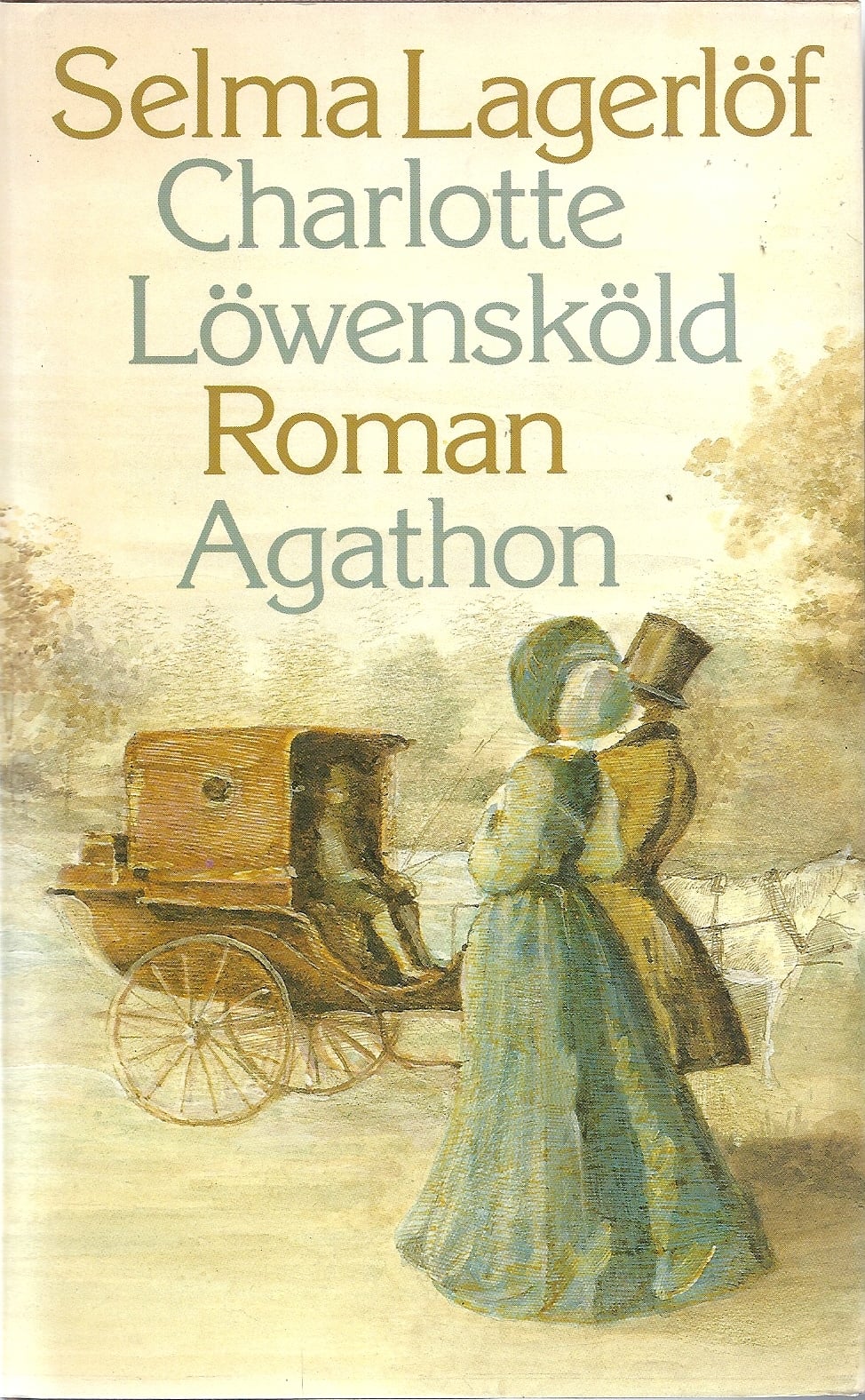
No. 42 on this list. Löwensköld Trilogy
Selma Lagerlöf · 1925
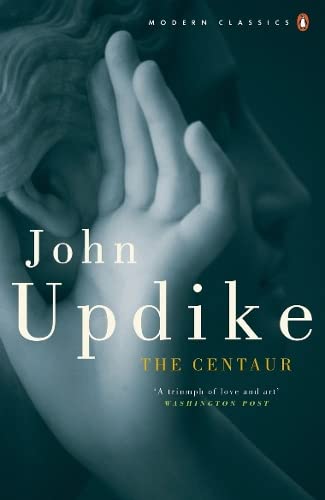
No. 43 on this list. The Centaur
John Updike · 1964
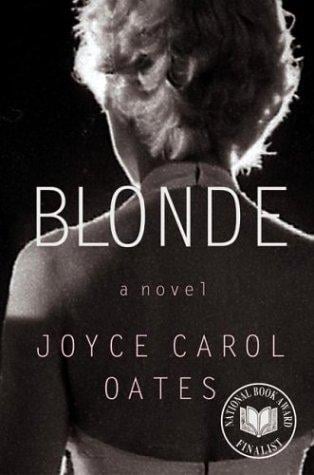
No. 44 on this list. Blonde
Joyce Carol Oates · 2000
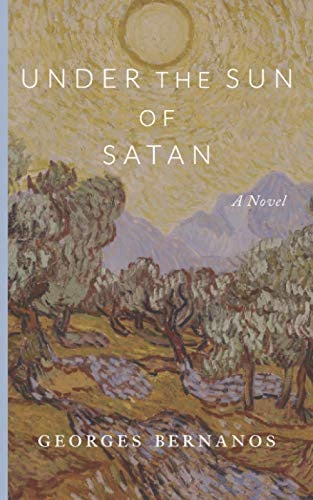
No. 45 on this list. Under the Sun of Satan
Georges Bernanos · 1926
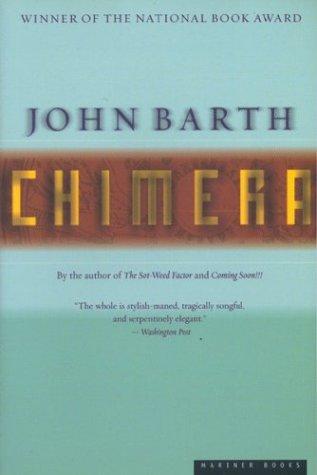
No. 46 on this list. Chimera
John Barth · 1973
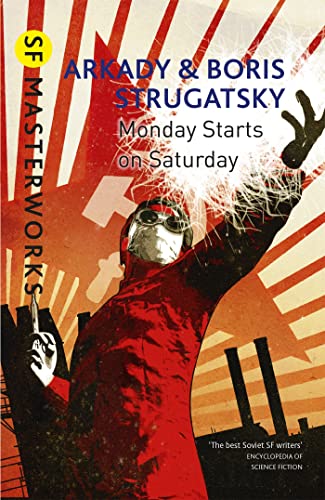
No. 47 on this list. Monday Begins on Saturday
Arkady and Boris Strugatsky · 1965
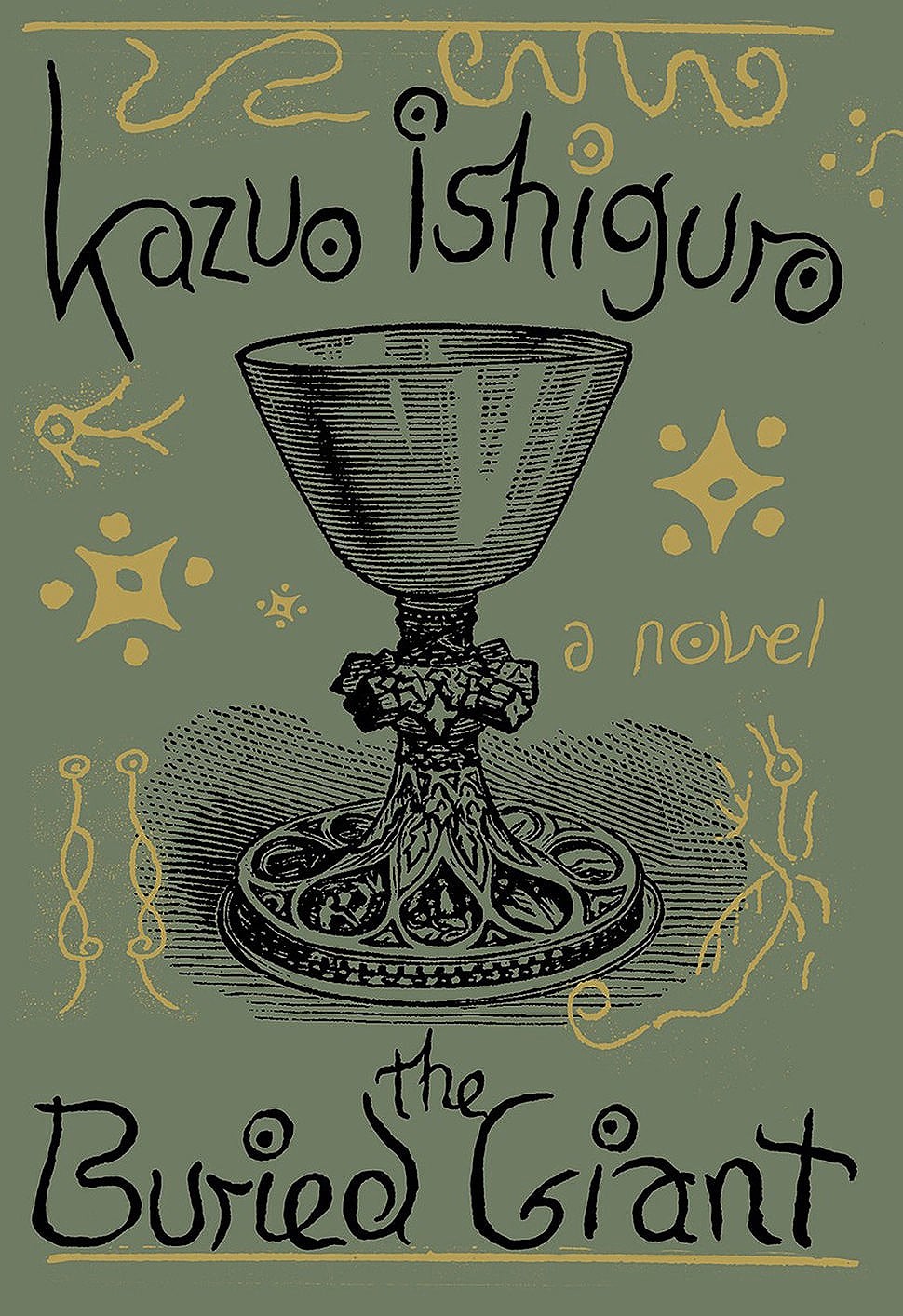
No. 48 on this list. The Buried Giant
Kazuo Ishiguro · 2015
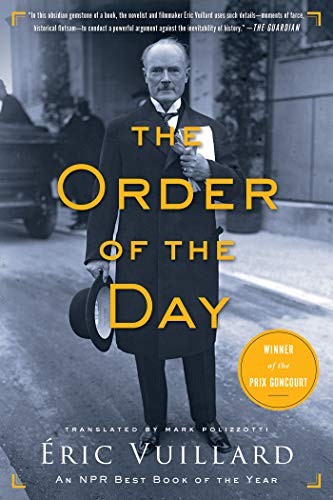
No. 49 on this list. The Order of the Day
Éric Vuillard · 2017
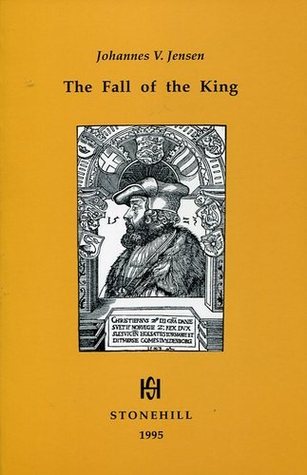
No. 50 on this list. The Fall of the King
Johannes V. Jensen · 1900
No. 51 on this list. Shadow Country
Peter Matthiessen · 2008
No. 52 on this list. Watership Down
Richard Adams · 1972
Taught in schools: CSEC English B – Caribbean Examinations Council
No. 53 on this list. World of Wonders
Robertson Davies · 1975
No. 54 on this list. The Tiger's Wife
Tea Obreht · 2011
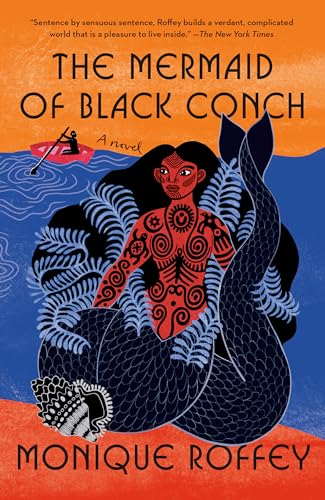
No. 55 on this list. The Mermaid of Black Conch
Monique Roffey · 2020
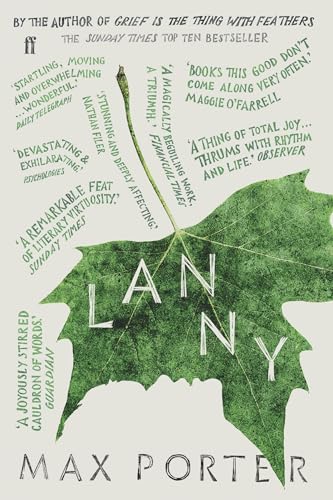
No. 56 on this list. Lanny
Max Porter · 2019
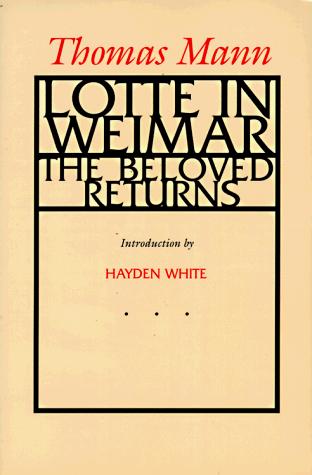
No. 57 on this list. Lotte in Weimar
Thomas Mann · 1939
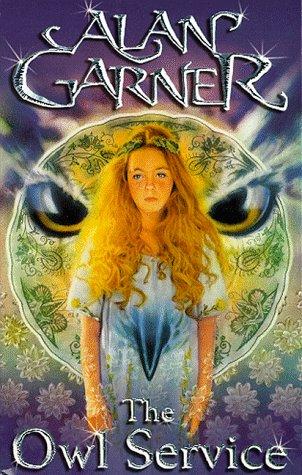
No. 58 on this list. The Owl Service
Alan Garner · 1967
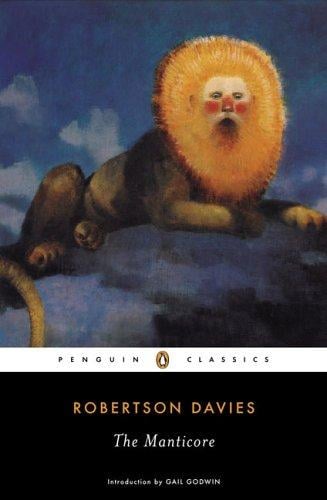
No. 59 on this list. The Manticore
Robertson Davies · 1972
No. 60 on this list. Olympian Spring
Carl Spitteler · 1927

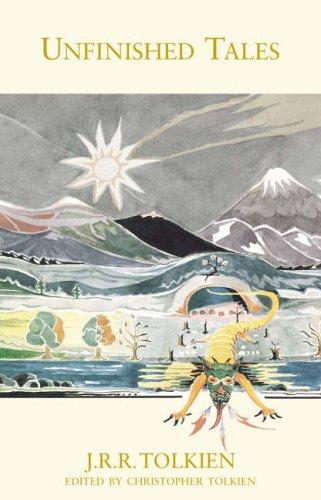
No. 61 on this list. Unfinished Tales
J.R.R. Tolkien · 1980
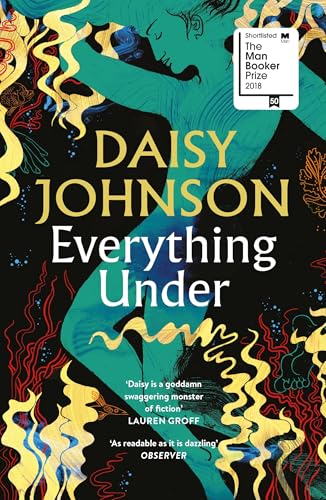
No. 62 on this list. Everything Under
Daisy Johnson · 2018
No. 63 on this list. The Fisherman
John Langan · 2016
No. 64 on this list. Frankissstein
Jeanette Winterson · 2019
No. 65 on this list. Solomon Gursky Was Here
Mordecai Richler · 1990
No. 66 on this list. Vathek
William Beckford · 1786
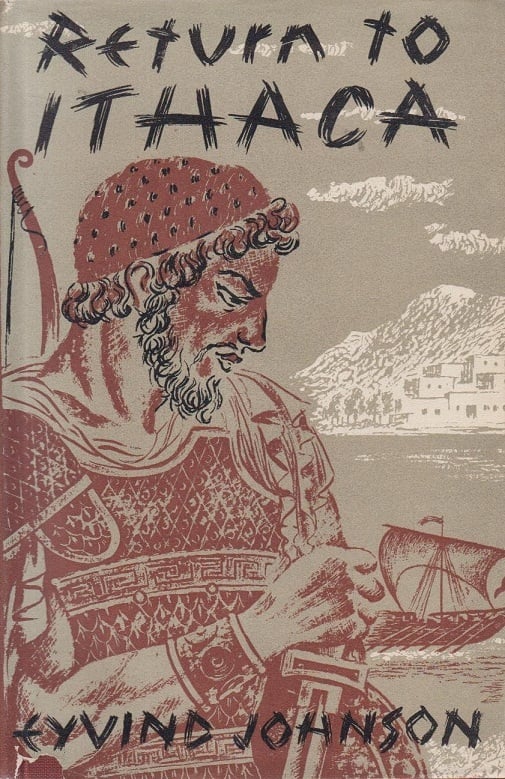
No. 67 on this list. Return to Ithaca
Eyvind Johnson · 1946
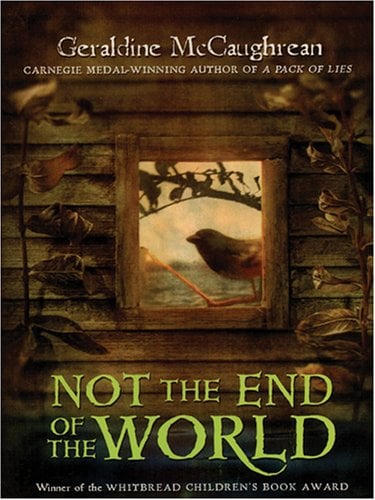
No. 68 on this list. Not the End of the World
Geraldine McCaughrean · 2004
No. 69 on this list. The Holy Sinner
Thomas Mann · 1951
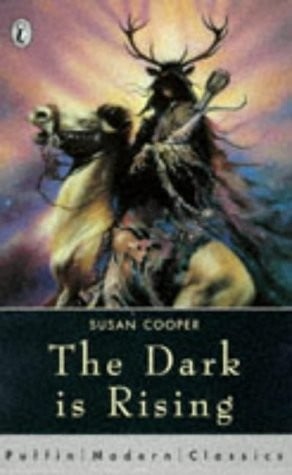
No. 70 on this list. The Dark Is Rising
Susan Cooper · 1973
Taught in schools: Common Core text exemplars (Appendix B) (US)
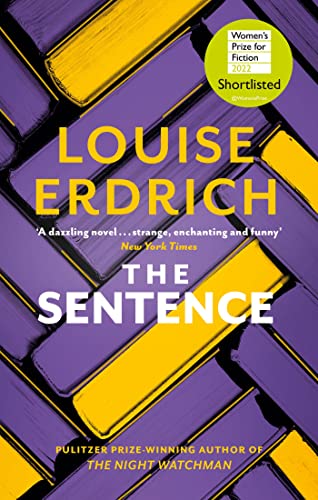
No. 71 on this list. The Sentence
Louise Erdrich · 2022
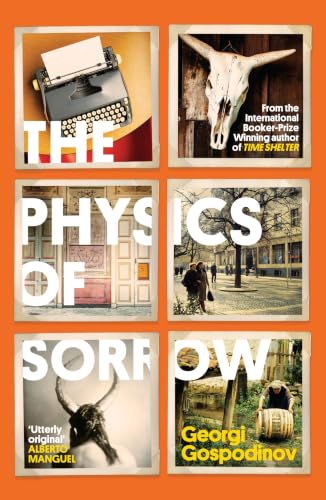
No. 72 on this list. The Physics of Sorrow
Georgi Gospodinov · 2021
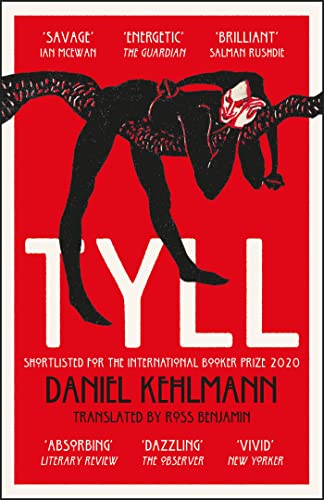
No. 73 on this list. Tyll
Daniel Kehlmann · 2020
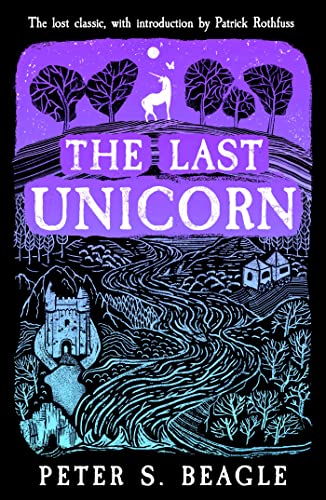
No. 74 on this list. The Last Unicorn
Peter S. Beagle · 1968
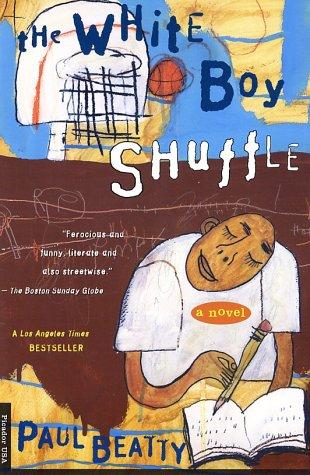
No. 75 on this list. The White Boy Shuffle
Paul Beatty · 1996
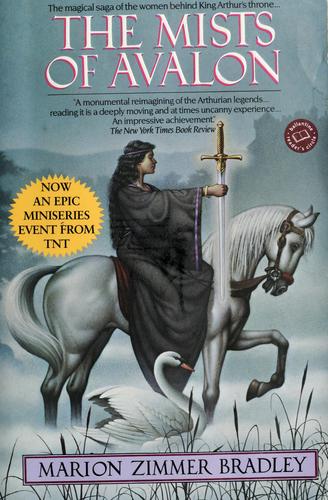
No. 76 on this list. The Mists of Avalon
Marion Zimmer Bradley · 1983
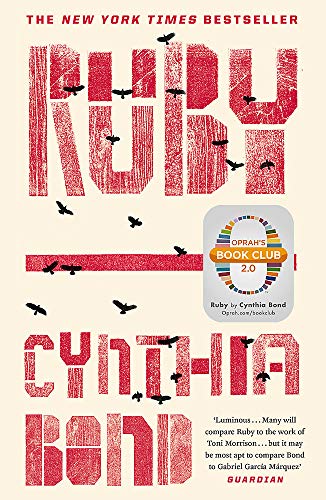
No. 77 on this list. Ruby
Cynthia Bond · 2016
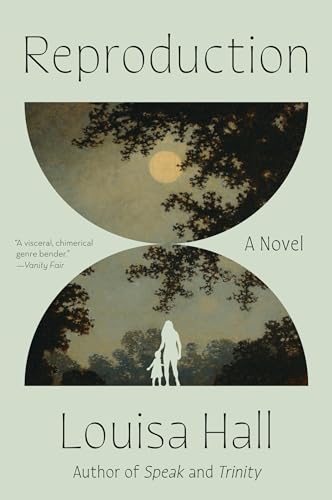
No. 78 on this list. Reproduction
Louisa Hall · 2022
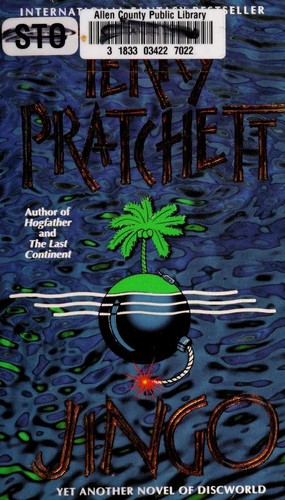
No. 79 on this list. Hogfather
Terry Pratchett · 1996
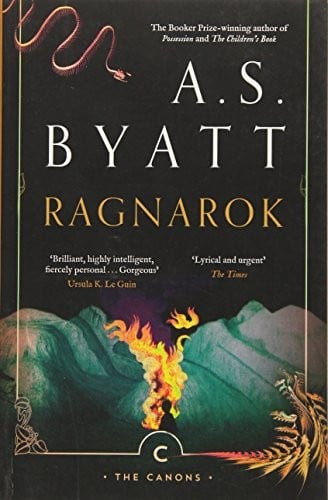
No. 80 on this list. Ragnarok
A.S. Byatt · 2011
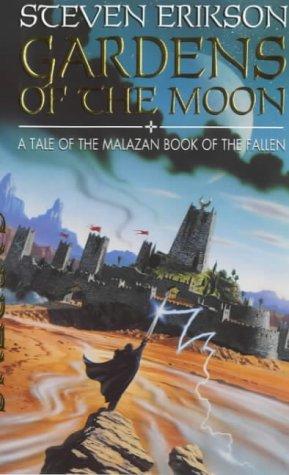
No. 81 on this list. Gardens of the Moon
Steven Erikson · 1999
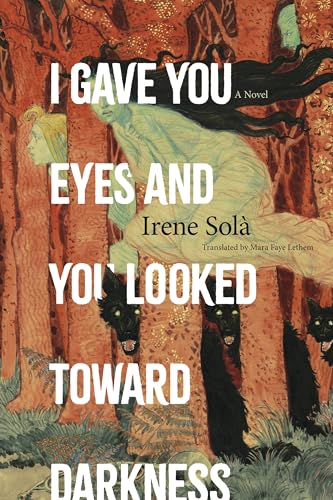
No. 82 on this list. I Give You Eyes and You Looked Toward Darkness
Irene Solà · 2025
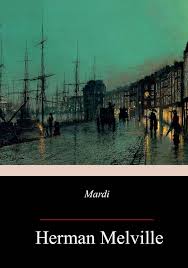
No. 83 on this list. Mardi
Herman Melville · 1849
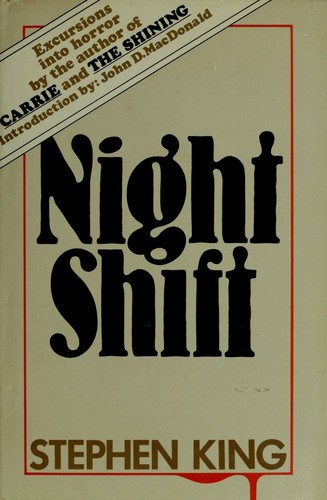
No. 84 on this list. Night Shift
Stephen King · 1978
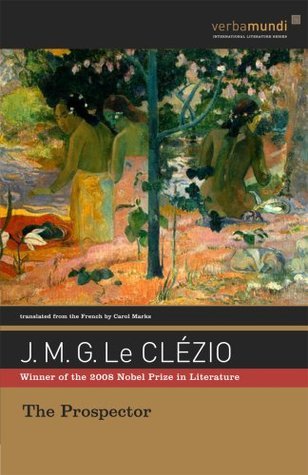
No. 85 on this list. The Prospector
J.M.G. Le Clézio · 1985
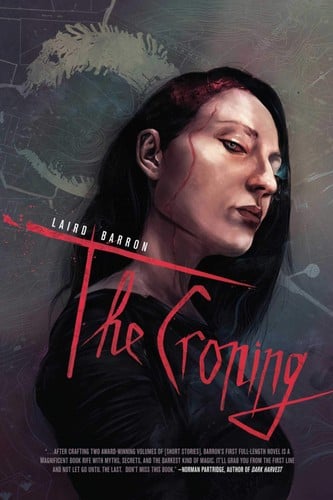
No. 86 on this list. The Croning
Laird Barron · 2012
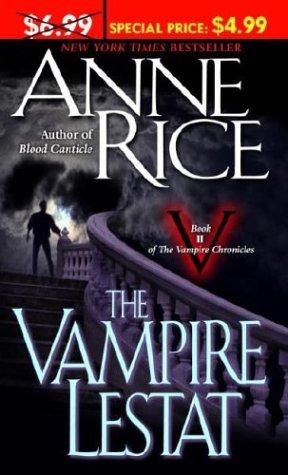
No. 87 on this list. The Vampire Lestat
Anne Rice · 1985
No. 88 on this list. The Emperor of Portugallia
Selma Lagerlöf · 1914
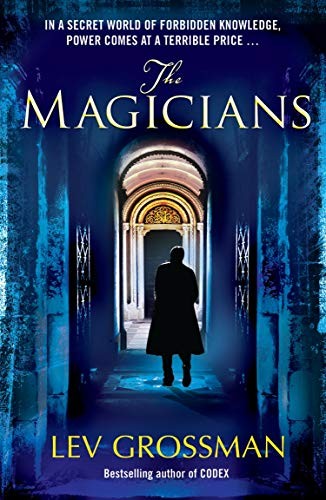
No. 89 on this list. The Magicians
Lev Grossman · 2009
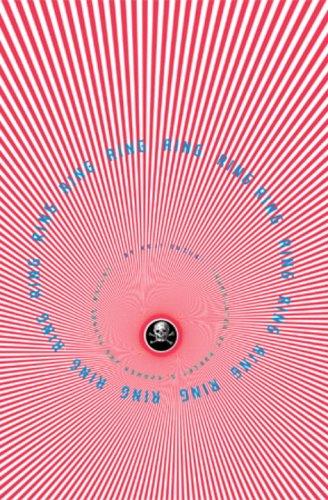
No. 90 on this list. Ring
Koji Suzuki · 1991

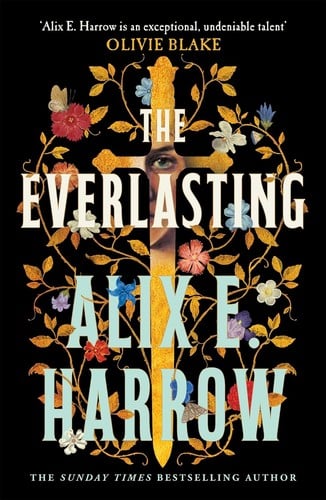
No. 91 on this list. The Everlasting
Alix E. Harrow · 2025
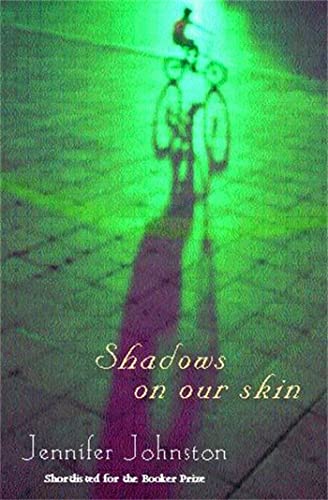
No. 92 on this list. Shadows on our Skin
Jennifer Johnston · 1977
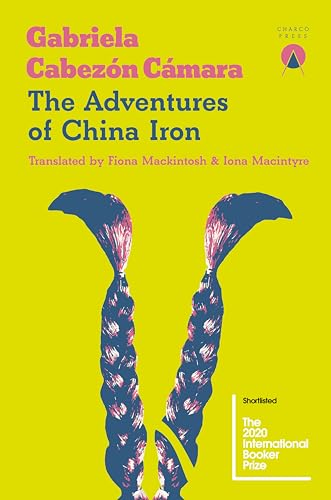
No. 93 on this list. The Adventures of China Iron
Gabriela Cabezón Cámara · 2020
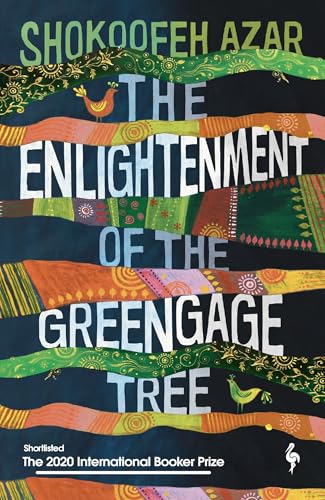
No. 94 on this list. The Enlightenment of the Greengage Tree
Shokoofeh Azar · 2020
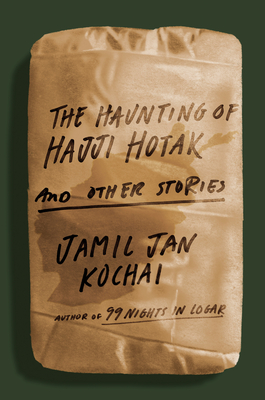
No. 95 on this list. The Haunting of Hajji Hotak
Jamil Jan Kochai · 2022
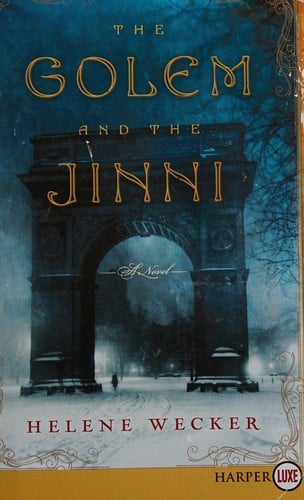
No. 96 on this list. The Golem and the Jinni
Helene Wecker · 2013
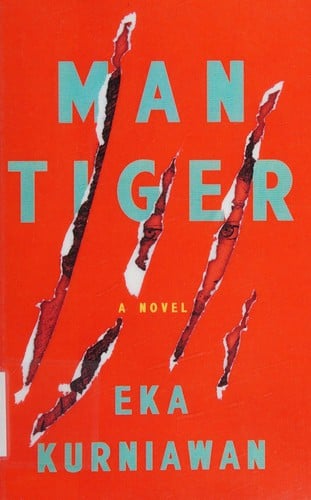
No. 97 on this list. Man Tiger
Eka Kurniawan · 2004
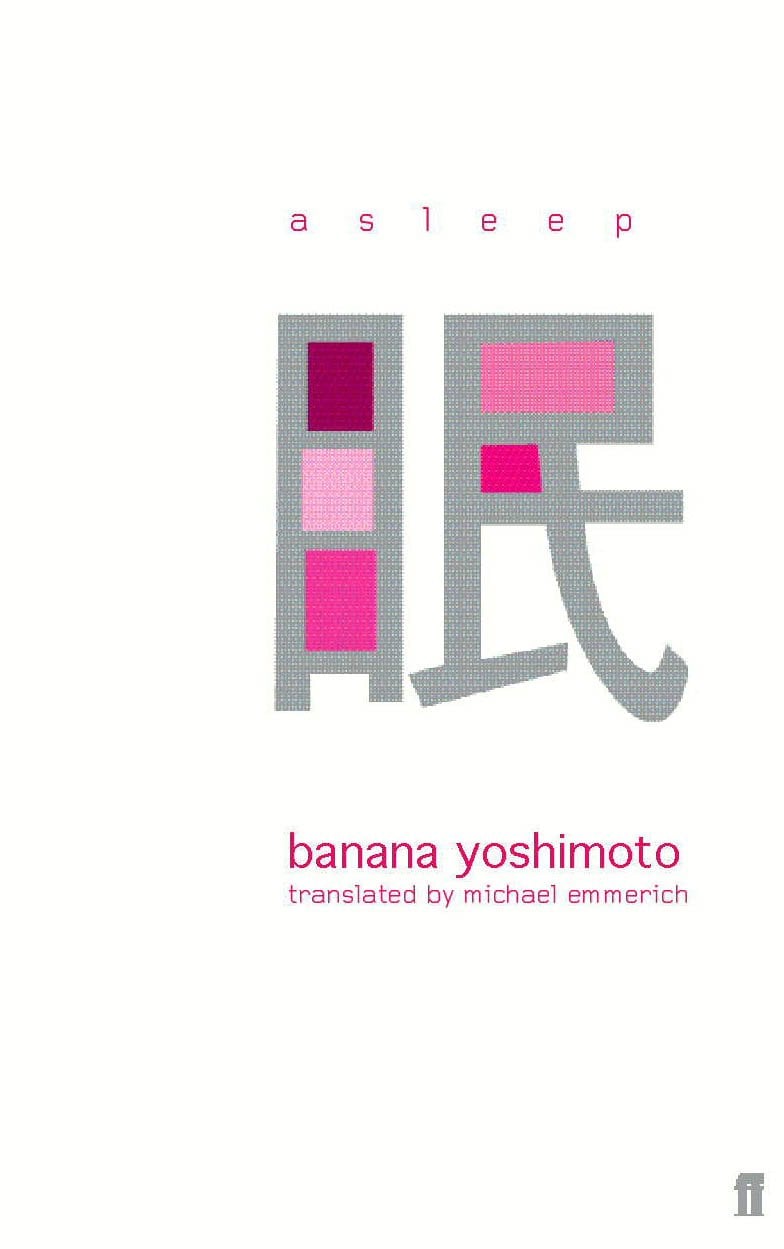
No. 98 on this list. Asleep
Banana Yoshimoto · 1989
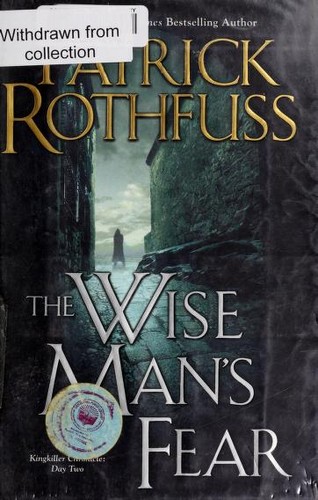
No. 99 on this list. The Wise Man's Fear
Patrick Rothfuss · 2011
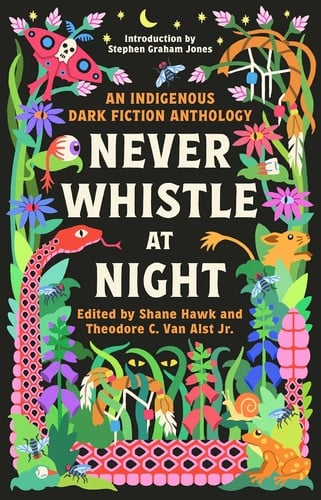
No. 100 on this list. Never Whistle at Night
Shane Hawk · 2023
About this list
These 100 books are the highest-scoring eligible moderately difficult books of myth and folklore currently in the catalogue. About 774 hours of reading in all. Difficulty runs from 51 to 61 out of 100 for the middle half of the list; the summit is Chimera at 64.
This list is ranked by literary regard, with a consistent order for equal scores. Membership follows authors and co-authors, not translators or editors. A book is here when ReadingRate files it under Myth & Folklore as one of its primary reading domains, at a confidence of 0.8 or more. Catalogue coverage and the historical canon both limit what this list can represent.
When we matched the Canons dataset to our catalogue in October 2026, our canonical-status scores rose with the number of school curricula, publisher series and lists in it that cite a work: the median score was 72 for books one such source cites, 84 at two, 88 at three, 92 at four and 93 at five or more. Prizes are left out of that count. Outside the state curricula, the dataset’s sources choose mostly from what has been translated into English or French, so it is a weaker check on other literatures. Source: Canons (Andrew Piper), CC BY 4.0
Questions people actually ask
- What are the best moderately difficult books of myth and folklore?
- By literary regard, which weighs canonical status, critical standing and influence: Journey to the West by Wu Cheng'en, Venus and Adonis by William Shakespeare, One Thousand and One Nights by Anonymous, The Bluest Eye by Toni Morrison and Gypsy Ballads by Federico García Lorca. ReadingRate ranks 100 such books, each with a difficulty score and a reading-time estimate.
- Which moderately difficult books of myth and folklore should I read first?
- Start from difficulty, not from rank. The most approachable books on this list that still carry top literary regard are The Lord of the Rings (The Lord of the Rings, #1-3) by J.R.R. Tolkien (about 34 hours), Journey to the West by Wu Cheng'en and Selected Poems of Marina Tsvetaeva by Marina Tsvetaeva.
- What are the shortest of the best moderately difficult books of myth and folklore?
- Among the top 25, the shortest are Mythistorima by Giorgos Seferis (about 10 min), Venus and Adonis by William Shakespeare (about 45 min) and Rubaiyat of Omar Khayyam by Omar Khayyam (about 46 min), at an average pace of 250 words a minute adjusted for each book's difficulty.
- Which of the best moderately difficult books of myth and folklore are the established classics?
- By canonical status, how firmly a book sits in curricula, anthologies and the canon: Journey to the West by Wu Cheng'en, One Thousand and One Nights by Anonymous, The Bluest Eye by Toni Morrison, Venus and Adonis by William Shakespeare and Gypsy Ballads by Federico García Lorca.
- Can I read any of these moderately difficult books of myth and folklore for free?
- 6 of the 100 open in ReadingRate's reader with a free account, from public-domain editions: Journey to the West, Venus and Adonis, Fasti, Rubaiyat of Omar Khayyam, Mardi and 1 more.
- How long would it take to read the top ten?
- About 74 hours, at an average pace of 250 words a minute adjusted for each book's difficulty: 38 days at two hours a day. Set your own pace on the page and the list's reading times change to it.
- How hard are moderately difficult books of myth and folklore to read?
- Most of this list sits between 51 and 61 on ReadingRate's 100-point difficulty scale, where 40 to 55 is moderate. The summit is Chimera at 64. Every entry carries its own score, so a reader can pick a great book at a difficulty they will finish.
- How is this list ranked?
- On literary-regard data: how canonically established a work is, its critical standing, and its influence on later writing. It is not a readers’ poll, which is why recent bestsellers rarely appear. Membership follows authors and co-authors, not translators or editors. Lists by country, author, period, theme or difficulty keep to literature (fiction, poetry, drama and philosophy), their novels, poems and plays first and their philosophy after them; a list of a kind of book, such as memoir or criticism, keeps every book of that kind. Every list holds at most three works by one author. A book is here when ReadingRate files it under Myth & Folklore as one of its primary reading domains, at a confidence of 0.8 or more.