Hours at an average pace
Showing 100 books
About 1,294 hours for 100 of 100 books with measured lengths. Estimates use 250 words a minute, adjusted for each book's difficulty. At 2 hours a day, about 647 days for those books.
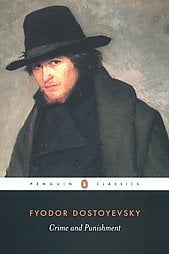
No. 1 on this list. Crime and Punishment
Fyodor Dostoevsky · 1866
Difficult24 hours
Taught in schools: Common Core text exemplars (Appendix B) (US), Lektury obowiązkowe – Polish national reading list (Poland), Lithuanian literature curriculum (lietuvių kalba ir literatūra)
Included in: Bokklubben World Library
Crime and Punishment is required reading in virtually every world literature curriculum and Russian literature course. It appears on 711 university syllabi (Open Syllabus) and is available in 82 Wikipedia languages, placing it among the most globally recognized novels ever written. It consistently appears on canonical 'greatest novels' lists, including TIME's All-TIME 100 Novels.
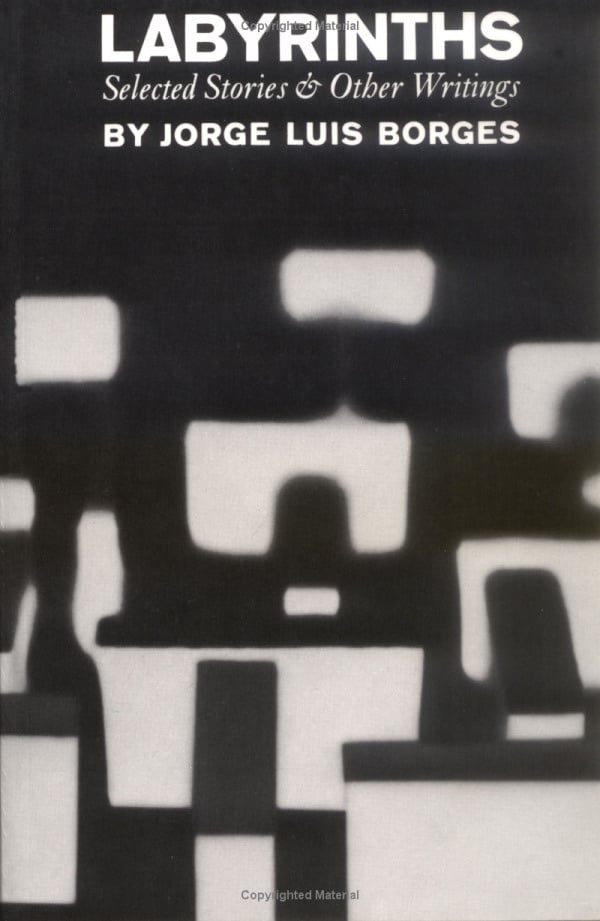
Labyrinths is the standard English-language anthology through which Borges enters world literature curricula, taught in virtually every major comparative literature, Latin American literature, and 20th-century fiction course at universities worldwide. Published by New Directions in 1962, it established the benchmark for how Borges is read in translation and has remained continuously in print for over six decades as an essential classroom and critical text.
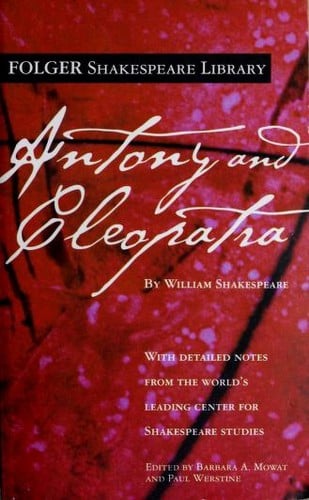
No. 3 on this list. Antony and Cleopatra
William Shakespeare · 1607
Challenging2.7 hours
Taught in schools: WJEC/Eduqas GCSE and A-level English Literature (UK)
Included in: Great Books of the Western World
Antony and Cleopatra appears on virtually every Shakespeare survey and major tragedy course in English-speaking universities. It is included in all complete works editions — Oxford, Arden, Folger, Norton — and features on most 'essential Shakespeare' reading lists. While taught less frequently than Hamlet or King Lear, it holds permanent status as one of the four or five major late tragedies.
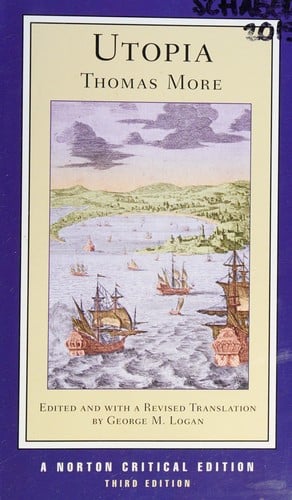
Utopia is a fixture in political philosophy, early modern history, and English literature curricula globally. The word 'utopia' entered every major European language, a feat achieved by fewer than a dozen literary works. It appears on thousands of university syllabi across disciplines — philosophy, political science, history, English, Renaissance studies — and is universally recognized as foundational reading.
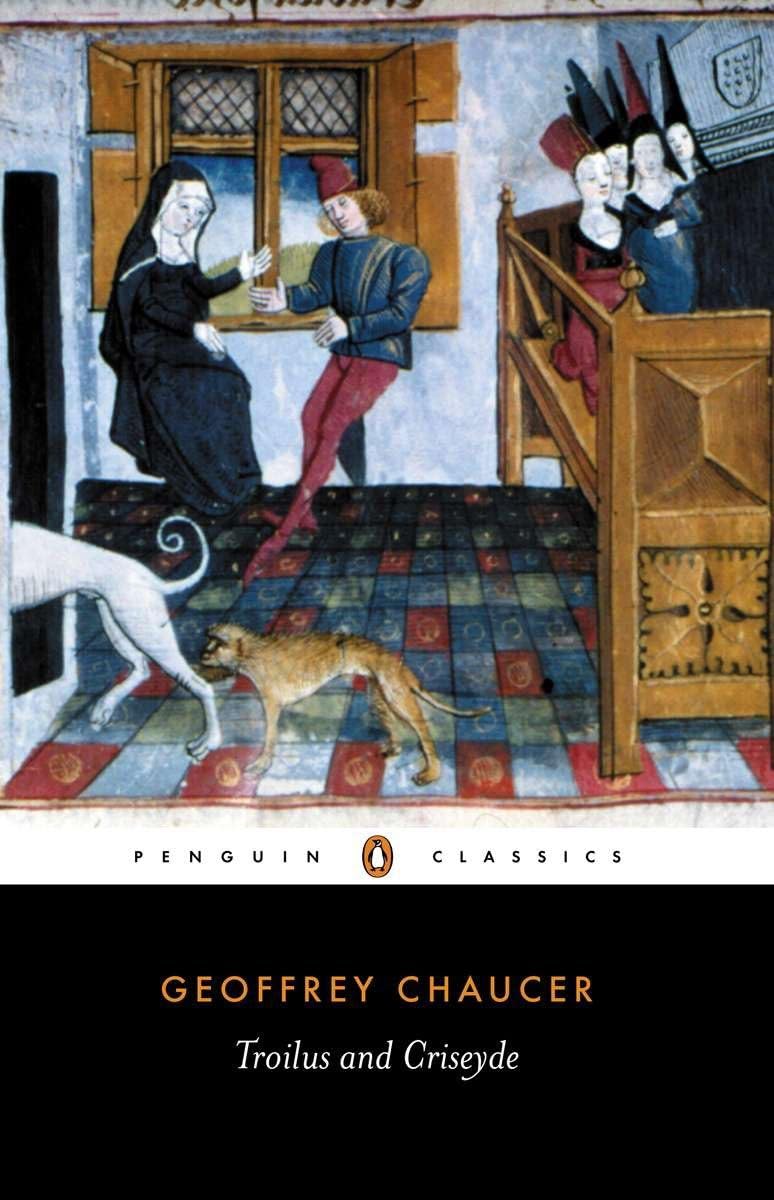
No. 5 on this list. Troilus and Criseyde
Geoffrey Chaucer · 1385
Difficult9.3 hours
Included in: Great Books of the Western World
Required reading in virtually every medieval English literature curriculum, taught across English, Comparative Literature, and Medieval Studies programs at universities worldwide. Though Open Syllabus data is unavailable here, Chaucer courses built around this text are standard at every major university with an English department. It holds a place among the most-studied long poems in the English language.
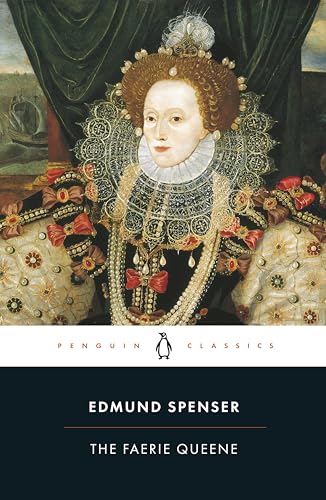
The Faerie Queene appears in virtually every English Renaissance literature syllabus globally and is one of the most taught long poems in university English departments worldwide. It anchors the canon between Chaucer and Milton and is central to every history of the English literary tradition. Absence from the Open Syllabus database reflects data gaps, not actual classroom presence.
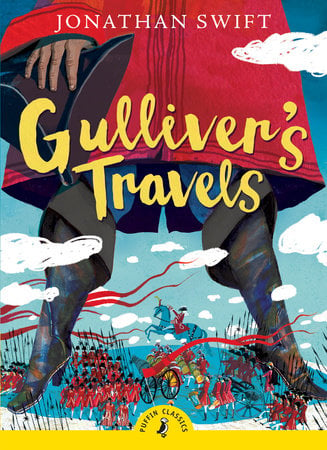
No. 7 on this list. Gulliver's Travels
Jonathan Swift · 1726
Challenging10 hours
Taught in schools: CSEC English B – Caribbean Examinations Council, Hungarian literature curriculum (magyar nyelv és irodalom) (Hungary)
Included in: Bokklubben World Library, Great Books of the Western World
Swift shrinks his protagonist to six inches in Lilliput, inflates him to a giant in Brobdingnag, then deposits him among rational horses who regard humans as vermin. No other satire in English has so thoroughly weaponized scale and perspective to indict politics, science, and the species itself.
Rayuela is one of the core novels of the Latin American Boom, taught in Spanish and world literature courses across the Americas and Europe. It appears on most lists of the great Spanish-language novels of the century.
Listed among Le Monde's 100 Books of the Century (1999) and the Open Syllabus Top 500 in Literature, with Wikipedia presence in 10 languages. The Theatre and Its Double is essential reading in theatre studies programs worldwide. Published by NYRB Classics. Every contemporary theatre practitioner and scholar encounters Artaud's theories in courses on performance studies, avant-garde theatre, modernism, and cultural theory.
No. 10 on this list. The Unnamable
Samuel Beckett · 1953
Difficult27 hours
Included in: Bokklubben World Library
The Unnamable is taught in advanced modernism, postmodernism, and philosophy-of-language courses at universities worldwide, though less universally than Waiting for Godot. It anchors the Beckett Trilogy, which is among the canonical texts of twentieth-century literature in English and French. The Wikipedia and syllabus data signals appear underreported for this work.
No. 11 on this list. Troilus and Cressida · William Shakespeare · 1609
Included in: Great Books of the Western World
Troilus, a young Trojan prince, has fallen in love with Cressida just as the war with Greece enters its seventh year. Her uncle Pandarus brokers their union; they spend a single night together before she is traded to the Greeks in a prisoner exchange. In the Greek camp, Diomedes moves in. Troilus follows and watches it happen, unable to reconcile what his eyes show him with what he believes about faith and love. Running alongside this is a war machine in paralysis. Achilles sulks in his tent while the Greek generals hold councils on hierarchy and strategy that change nothing. Hector debates whether to fight a war he knows is unjust, then fights it anyway. Thersites, a deformed Greek soldier, follows everyone around cataloguing their stupidity with inexhaustible venom — war and lechery, he announces repeatedly, is all there is. Shakespeare wrote this play around 1602, and it does not behave like his others. The love story ends in betrayal rather than union. The heroes are vain, the strategies fail, and the climax — Hector murdered unarmed by Achilles and a pack of Myrmidons — is a deliberate outrage against the conventions of heroic drama. Pandarus delivers the final speech, offering the audience his syphilis. The play refuses catharsis. Readers expecting Shakespeare to redeem his characters or their world will find nothing of the kind.
Difficult3.1 hours
Read nowNo. 12 on this list. Measure for Measure · William Shakespeare · 1604
Taught in schools: AQA GCSE and A-level English Literature (UK), WJEC/Eduqas GCSE and A-level English Literature (UK)
Included in: Great Books of the Western World
Measure for Measure appears on university syllabi across English literature, drama, law, and gender studies courses worldwide. It is one of Shakespeare's most-taught 'problem plays,' central to any serious study of his canon, with Wikipedia articles in dozens of languages. Less ubiquitous than Hamlet or Macbeth, but firmly within the core Shakespeare curriculum.
Difficult2.8 hours
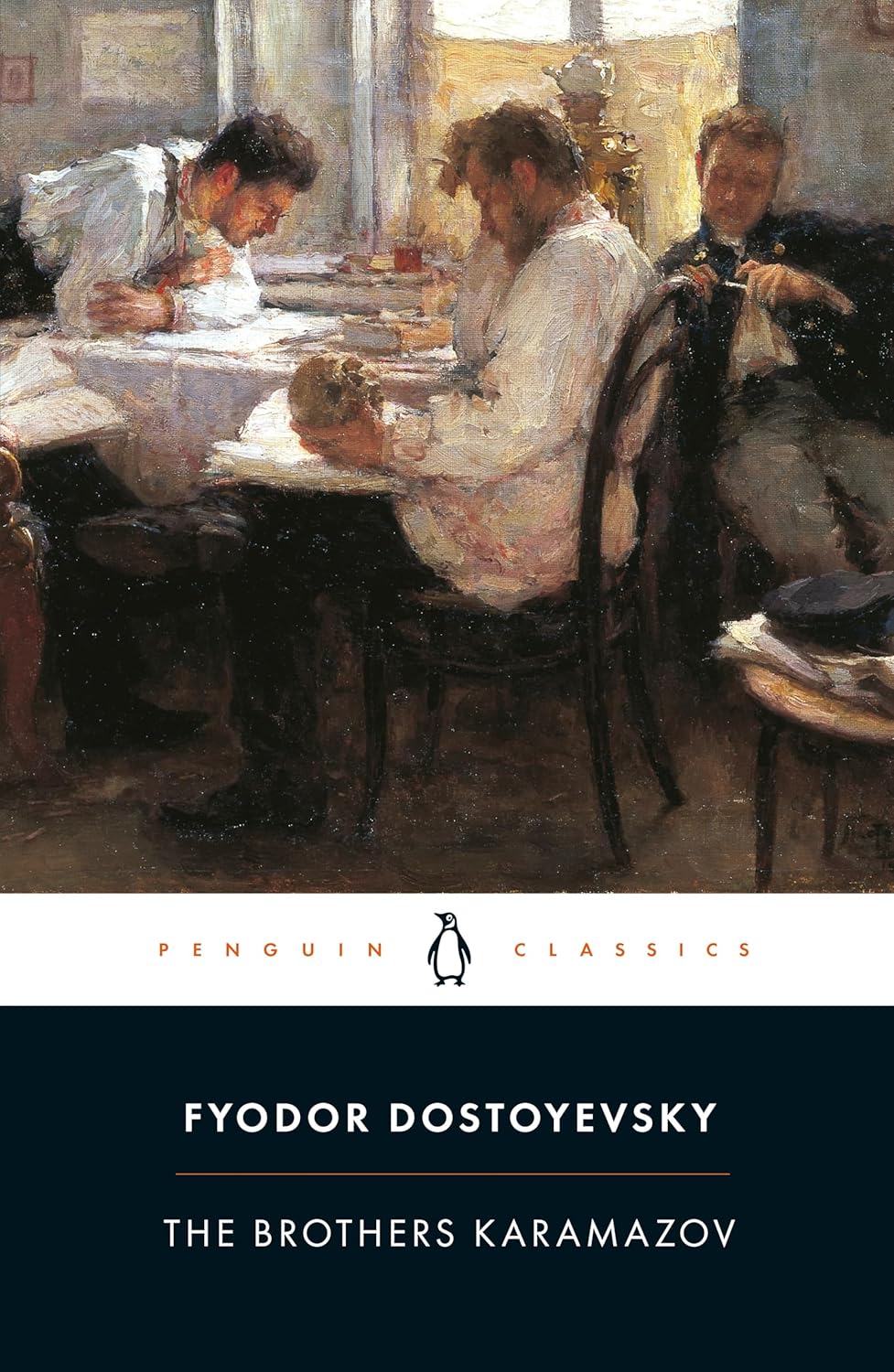
Read nowNo. 13 on this list. The Brothers Karamazov · Fyodor Dostoevsky · 1880
Included in: Bokklubben World Library, Great Books of the Western World
Dostoevsky staged the question of whether God's existence can be reconciled with the suffering of children as a family drama among four brothers, each embodying a different answer. The Grand Inquisitor chapter alone would secure its place; the rest of the novel makes it the most intellectually ambitious work of fiction ever completed.
Challenging35 hours
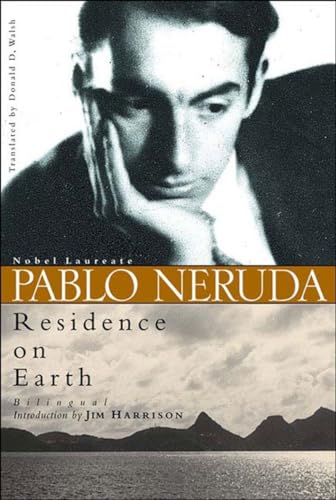
Read nowNo. 14 on this list. Residence on Earth · Pablo Neruda · 1933
Pablo Neruda wrote the poems of 'Residence on Earth' during his years as a Chilean consul in Burma, Ceylon, and Java — postings that left him profoundly isolated, surrounded by unfamiliar languages and dissolving heat. What came out was a poetry of radical disorientation: rain that rots wood, flesh that smells of brine, clocks that leak time like a wound. The opening poem, 'Galope Muerto,' begins mid-sensation: 'Like ashes, like oceans populating themselves, in the submerged slowness, in the shapeless.' There is no speaker announced, no situation established. The collection works entirely through image — blood, sea, bone, stone — stacked without logical mortar until the pressure of accumulated sensation becomes its own argument. 'Walking Around' describes a man so disgusted by modern life he wants to throw everything away, the umbrellas and the accountants and the stockings. 'Ode with a Lament' addresses an unnamed woman through images of shipwrecks and salt. The later sections shift toward political fury — odes to Madrid under bombardment, to Stalingrad, to Spain's dead — but even the political poems work through elemental image rather than rhetoric. This is poetry that does not explain itself. Readers who need a narrative thread or an argument will find none. Those willing to receive sensation as meaning will encounter one of the most physically intense bodies of verse written in the 20th century.
Difficult7 hours
Start this bookNo. 15 on this list. The Caucasian Chalk Circle · Bertolt Brecht · 1948
The Caucasian Chalk Circle is among the most-taught plays in university drama and literature curricula worldwide, standard on syllabi alongside Mother Courage and The Good Person of Szechwan. It appears in secondary school programs across Europe and is a fixture of Western dramatic canon, placing it well above mid-century works that lack similar educational penetration.
Difficult4.7 hours
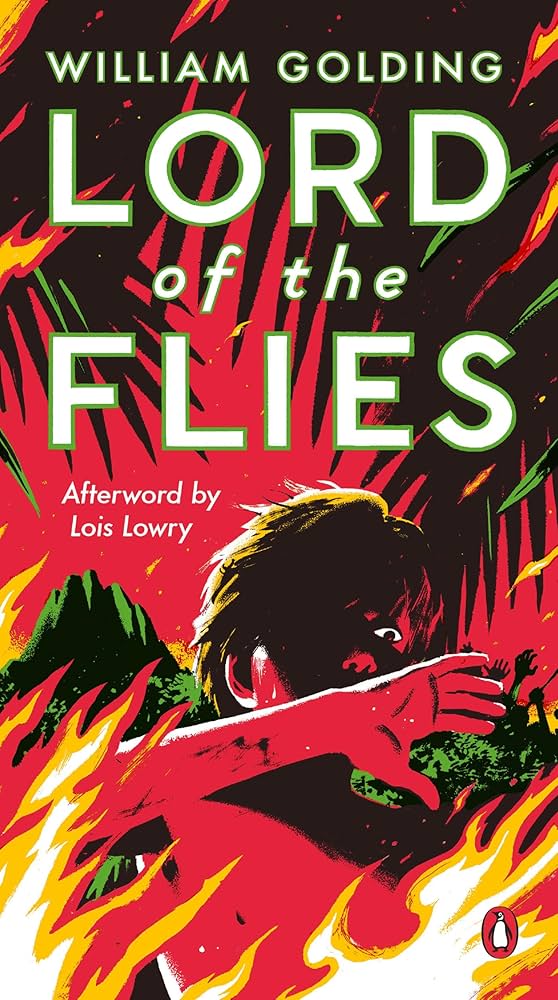
Start this bookNo. 16 on this list. Lord of the Flies · William Golding · 1954
Taught in schools: AQA GCSE and A-level English Literature (UK), Pacific Senior Secondary Certificate – English, Pearson Edexcel GCSE and A-level English Literature (UK)
Lord of the Flies appears on 546 university syllabi according to Open Syllabus (68th percentile), placing it among the most-taught novels in anglophone higher education. It ranks on the Modern Library 100 Best Novels (#41), TIME All-TIME 100 Novels, and BBC Big Read Top 100, and its Wikipedia article exists in 53 languages. Standard secondary-school reading in the UK, it has maintained curriculum presence for over six decades.
Challenging5.8 hours
Start this bookNo. 17 on this list. Voss · Patrick White · 1957
Voss is recognized as a cornerstone of Australian literature and a major work of postcolonial fiction. It consistently appears in scholarly discussions of antipodean identity, imperial mythology, and mid-century modernism. The novel has maintained critical attention since publication and is standard curriculum in Australian and Commonwealth literary studies.
Challenging16 hours
Start this bookNo. 18 on this list. The Picture of Dorian Gray · Oscar Wilde
Taught in schools: AQA GCSE and A-level English Literature (UK), Pearson Edexcel GCSE and A-level English Literature (UK)
Included in: Oxford World's Classics
The Picture of Dorian Gray is standard reading in Victorian literature and aesthetic movement curricula worldwide. Though the database shows only 16 syllabus appearances due to limited data collection, the novel appears on virtually every canonical survey of English literature and has been in continuous print since 1890. It anchors discussions of aestheticism, decadence, and Victorian moral philosophy in university courses across the globe.
Challenging8 hours
Start this bookNo. 19 on this list. The Burning Plain and Other Stories · Juan Rulfo · 1953
Taught in schools: UNAM Escuela Nacional Preparatoria – programas de Literatura (Mexico)
In seventeen stories set across the parched hills of Jalisco, Mexico, Rulfo's peasants carry their dead with them — sometimes literally. A man hauls his father's corpse on his back through the mountains. An old woman refuses to believe her son is a murderer. Soldiers and sharecroppers and abandoned wives speak in short, exact sentences, and the landscape answers with dust and silence. The dead narrate their own stories without announcing they are dead; readers piece it together from the wrong temperature of the prose. Rulfo strips everything from his fiction — backstory, explanation, transitions — until only the essential pressure remains. The Burning Plain was published in 1953, two years before Pedro Páramo, and it shares that novel's method: grief without sentimentality, violence without drama, the supernatural arriving with the matter-of-fact normalness of weather. Gabriel García Márquez said he memorized the entire book and recited it to friends. That is the correct response. These stories end before they explain themselves, in the way that real catastrophe does.
Challenging3.4 hours
Start this bookNo. 20 on this list. The Kreutzer Sonata · Leo Tolstoy · 1889
The Kreutzer Sonata holds a firm place in university curricula for Russian literature, world literature, and gender studies courses. While less taught than Anna Karenina or War and Peace, it appears consistently as required reading in Tolstoy surveys and 19th-century European fiction courses. Its inclusion in countless 'essential Tolstoy' and world literature reading lists reflects its canonical standing.
Difficult7.5 hours
Read now
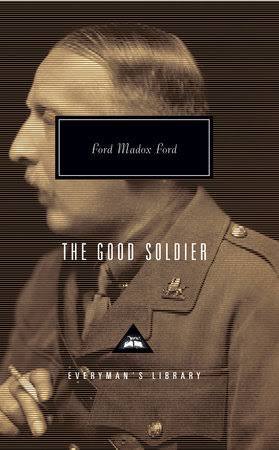
No. 21 on this list. The Good Soldier · Ford Madox Ford · 1915
Appears on 473 university syllabi (67th percentile in Open Syllabus), placing it firmly in the modernist teaching canon alongside Conrad and early Lawrence. Listed on the Modern Library 100 Best Novels. A standard text in courses on British modernism and narrative technique, though less universally assigned than Woolf or Joyce.
Challenging7 hours
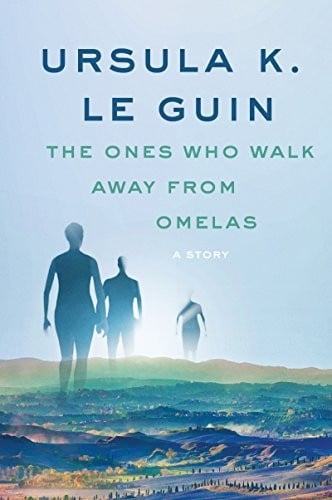
Read nowNo. 22 on this list. The Ones Who Walk Away from Omelas · Ursula K Le Guin · 1973
Widely taught in philosophy, ethics, and literature courses globally. Anthologized in hundreds of collections and featured on virtually every 'essential short fiction' list. Its presence in academic syllabi rivals Borges and Kafka in ethics curricula, where it functions as a standard thought-experiment text.
Challenging40 min
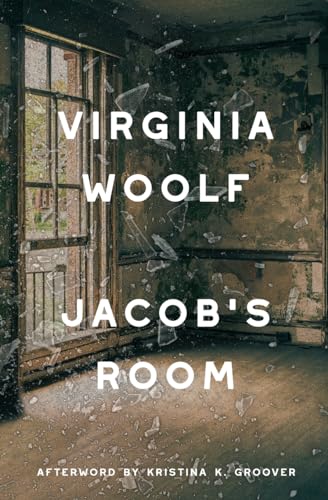
Start this bookNo. 23 on this list. Jacob's Room · Virginia Woolf · 1922
Jacob's Room appears on virtually every university syllabus covering modernist British literature, Woolf's work, or the literature of WWI. As Woolf's first fully experimental novel, it holds a foundational position in the modernist canon — taught alongside Mrs. Dalloway and To the Lighthouse in most Woolf courses. Its canonical status is somewhat lower than Woolf's later masterworks, which overshadow it in general survey courses.
Difficult6.8 hours
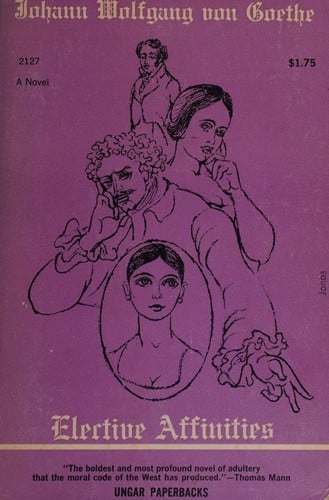
Read nowNo. 24 on this list. Elective Affinities · Johann Wolfgang von Goethe · 1809
A fixture in German literature curricula worldwide and central to comparative literature courses treating the European novel of ideas. Available in Penguin Classics, Oxford World's Classics, and numerous scholarly editions. Considered alongside Faust and The Sorrows of Young Werther as Goethe's essential prose fiction, though less taught at secondary level than those more accessible works.
Challenging9.2 hours
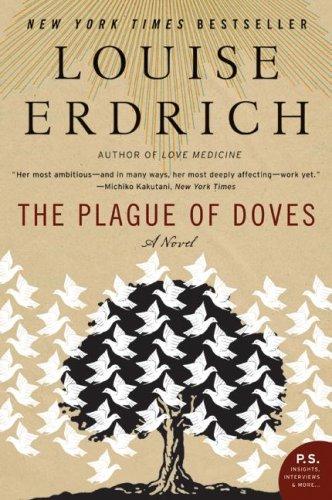
Start this bookNo. 25 on this list. The Plague of Doves · Louise Erdrich · 2008
Pulitzer Prize finalist (2009) and the first entry in a trilogy whose second volume, The Round House, won the National Book Award. Taught in university courses on contemporary American and Native American literature, with an established academic presence in postcolonial and ethnic studies. Widely regarded as one of Erdrich's most formally accomplished novels.
Difficult14 hours
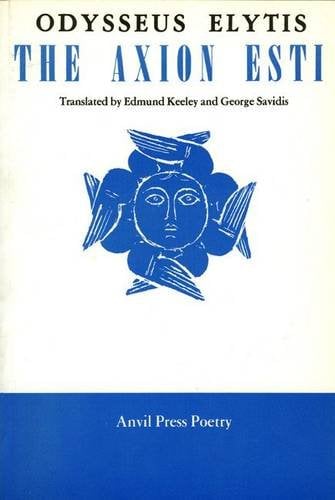
Start this bookNo. 26 on this list. The Axion Esti · Odysseas Elytis · 1959
The Axion Esti stands as the central work of modern Greek poetry and one of the most significant long poems of the 20th century. It holds canonical status in Greek literature comparable to The Waste Land in English, widely taught in Greek schools and universities. The work's international recognition increased substantially after Elytis received the Nobel Prize in Literature (1979), though it remains less widely read outside Greece than other Nobel-honored poetry.
Challenging38 min
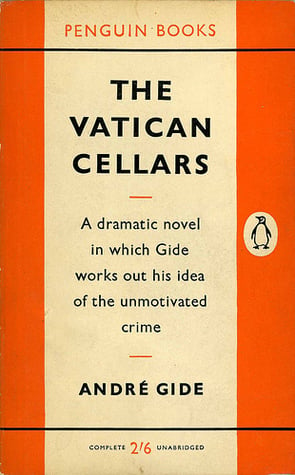
Start this bookNo. 27 on this list. The Vatican Cellars · André Gide · 1914
The Vatican Cellars opens in Rome in 1890 with Anthime Armand-Dubois, a freemason rationalist whose body trembles with spasms while his wife Véronique maintains quiet devotion. Anthime conducts vivisection experiments on animals to reduce behavior to simple tropisms, recruiting street orphan Beppo to procure his living test subjects. When Anthime smashes a Madonna statue in fury at his wife's prayers, he experiences a dream-vision of the Blessed Virgin that leaves him physically healed yet spiritually transformed. The novel then shifts to Julius de Baraglioul, a novelist and aristocrat whose father sends him to investigate the mysterious young Lafcadio Wluiki, a mysterious nineteen-year-old orphan of dubious origins. Julius discovers Lafcadio's private notebook, where the youth records not moral reflections but acts of self-harm, punishing himself with meticulous tallies for imagined transgressions. Gide weaves together these character strands with satirical precision, creating a darkly comic examination of belief, rebellion, and the peculiar violence that lurks beneath bourgeois respectability.
Challenging7.5 hours
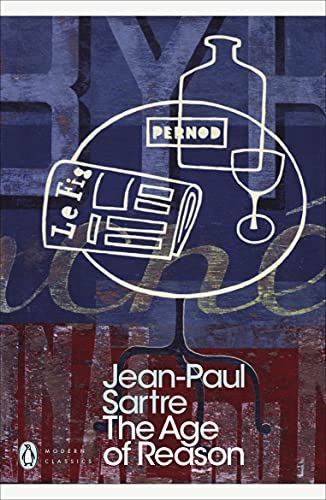
Start this bookNo. 28 on this list. The Age of Reason · Jean-Paul Sartre · 1945
Standard reading in French literature, European modernism, and existentialist philosophy courses worldwide. The Wikipedia article exists in 26 languages with a substantial dedicated Reception section, reflecting sustained international critical attention since the novel's 1945 publication. While not as universally required as Sartre's own Nausea or No Exit, The Age of Reason remains a fixed point of reference in 20th-century fiction curricula.
Challenging12 hours
Start this bookNo. 29 on this list. Thus Spoke Zarathustra · Friedrich Nietzsche · 1885
Major philosophical and literary text; influenced twentieth-century thought.
Challenging12 hours
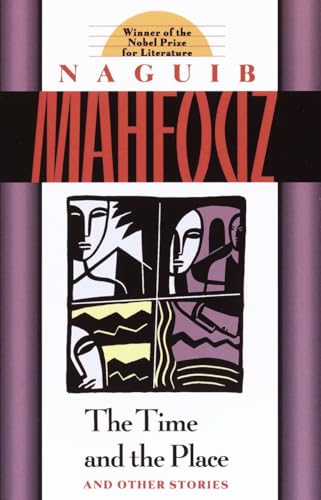
Start this bookNo. 30 on this list. Palace of Desire · Naguib Mahfouz · 1957
The Cairo Trilogy is Mahfouz's defining work, but individual volumes appear less frequently on syllabi than standalone classics. Palace of Desire appears on only 2 university syllabi in the Open Syllabus Project. The trilogy is a fixture in world literature and Arabic literature courses, though Western curricula tend to assign excerpts or the first volume rather than the full sequence.
Challenging16 hours
Start this book
No. 31 on this list. His Master's Voice
Stanisław Lem · 1968
No. 32 on this list. Arrow of God
Chinua Achebe · 1964
Taught in schools: CSEC English B – Caribbean Examinations Council
Included in: Heinemann African Writers Series
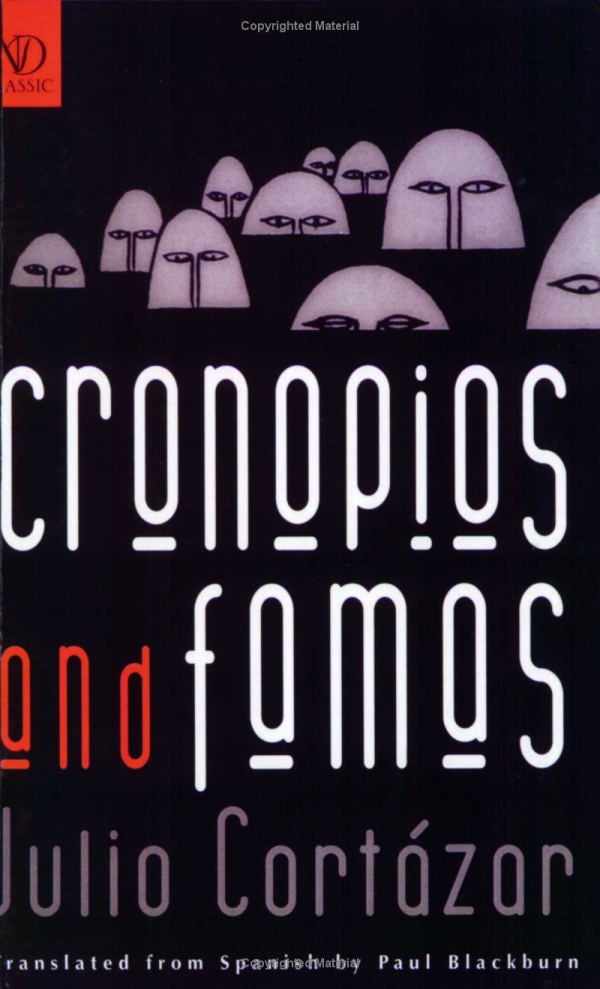
No. 33 on this list. Cronopios and Famas
Julio Cortázar · 1962
Taught in schools: Literatura, Diseño Curricular – Provincia de Buenos Aires (Argentina), UNAM Escuela Nacional Preparatoria – programas de Literatura (Mexico)
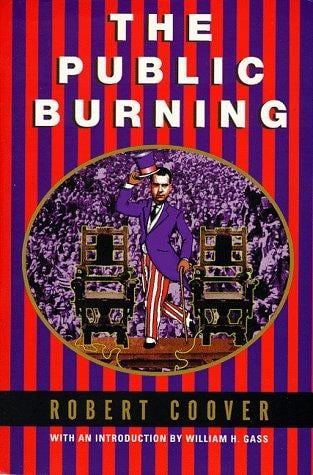
No. 34 on this list. The Public Burning
Robert Coover · 1977
No. 35 on this list. The Winding Stair
William Butler Yeats · 1933
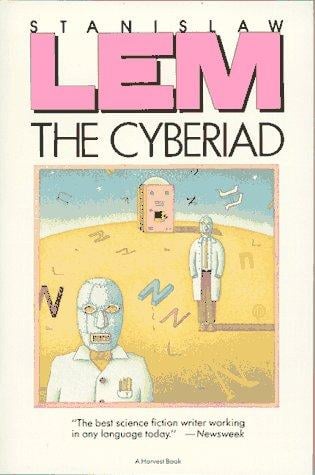
No. 36 on this list. The Cyberiad
Stanisław Lem · 1965
No. 37 on this list. The Secret Agent
Joseph Conrad · 1907
Taught in schools: WJEC/Eduqas GCSE and A-level English Literature (UK)
No. 38 on this list. 10:04
Ben Lerner · 2014
No. 39 on this list. The Year of the Death of Ricardo Reis
José Saramago · 1984
Taught in schools: Portuguese secondary literature (Portugal)
No. 40 on this list. The Man Without Qualities
Robert Musil · 1930
Included in: Bokklubben World Library
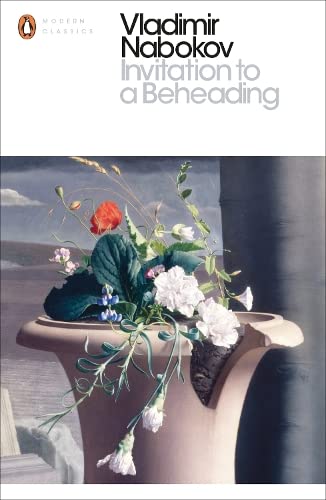
No. 41 on this list. Invitation to a Beheading
Vladimir Nabokov · 1936
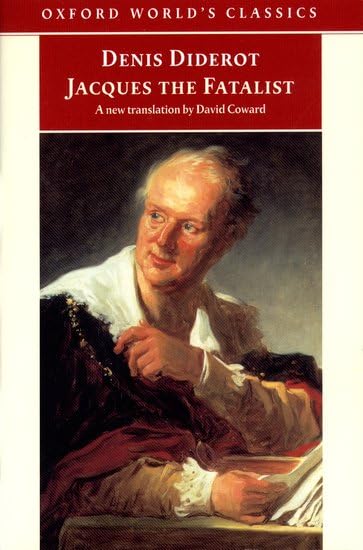
No. 42 on this list. Jacques the Fatalist and His Master
Denis Diderot · 1796
Included in: Bokklubben World Library
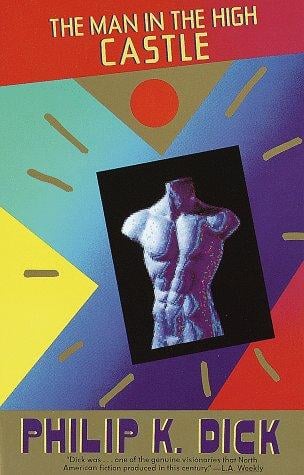
No. 43 on this list. The Man in the High Castle
Philip K. Dick · 1962
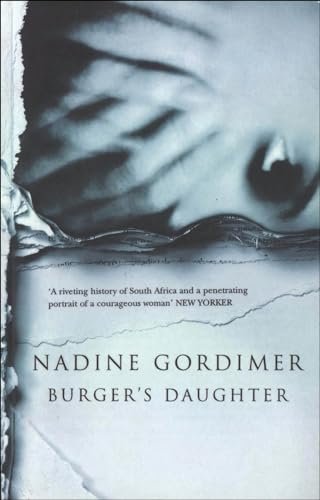
No. 44 on this list. Burger's Daughter
Nadine Gordimer · 1979
No. 45 on this list. Family Ties
Clarice Lispector · 1960
No. 46 on this list. The Complete Stories
No. 47 on this list. The Autumn of the Patriarch
Gabriel García Márquez · 1975
No. 48 on this list. Cancer Ward
Aleksandr Solzhenitsyn · 1968
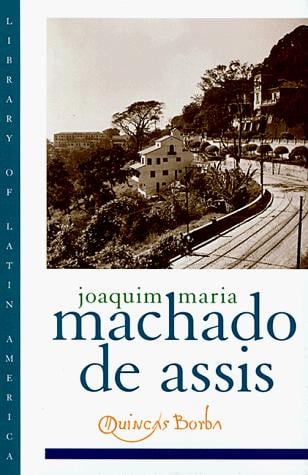
No. 49 on this list. Quincas Borba
Machado de Assis · 1891
Included in: Biblioteca Ayacucho, UNESCO Collection of Representative Works
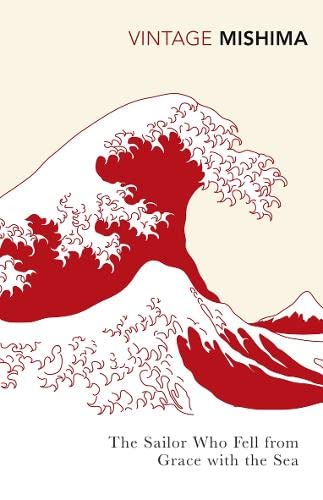
No. 50 on this list. The Sailor Who Fell from Grace with the Sea
Yukio Mishima · 1963
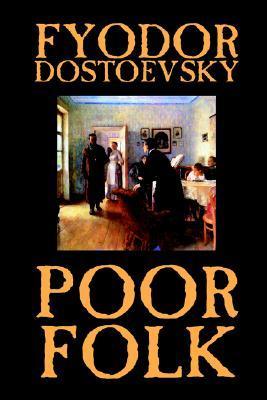
No. 51 on this list. Poor Folk
Fyodor Dostoevsky · 1846
Taught in schools: Kazakh literature curriculum (Kazakhstan)
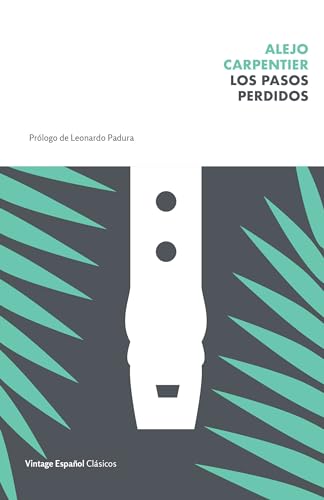
No. 52 on this list. The Lost Steps
Alejo Carpentier · 1953
No. 53 on this list. The Thief and the Dogs
Naguib Mahfouz · 1961
Taught in schools: Moroccan secondary Arabic literature (Morocco)
No. 54 on this list. A Number
Caryl Churchill · 2002
No. 55 on this list. The Counterfeiters
André Gide · 1925
No. 56 on this list. Stories of Your Life and Others
Ted Chiang · 2002
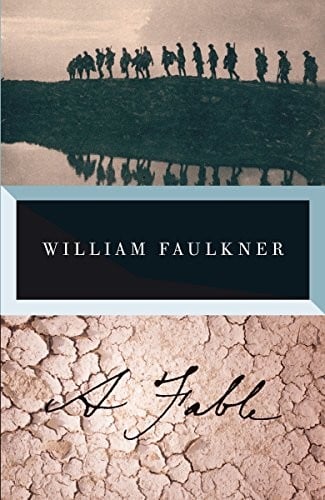
No. 57 on this list. A Fable
William Faulkner · 1955
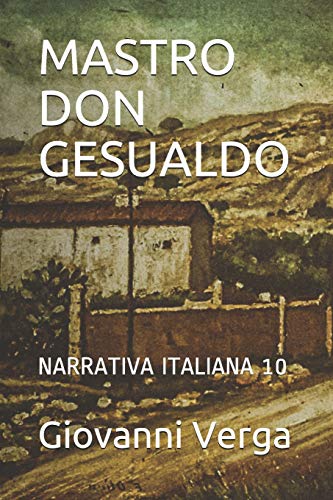
No. 58 on this list. Mastro-don Gesualdo
Giovanni Verga · 1889
Included in: UNESCO Collection of Representative Works
No. 59 on this list. The Sea, The Sea
Iris Murdoch · 1978
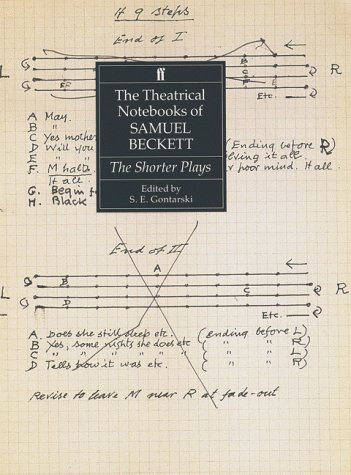
No. 60 on this list. Worstward Ho
Samuel Beckett · 1983

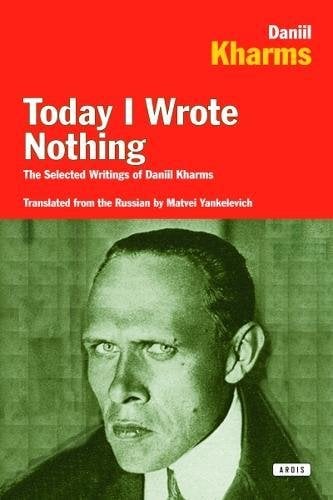
No. 61 on this list. Today I Wrote Nothing
No. 62 on this list. Bouvard and Pécuchet
Gustave Flaubert · 1881
No. 63 on this list. Human Acts
Han Kang · 2014
No. 64 on this list. The Guyana Quartet
Wilson Harris · 1985
No. 65 on this list. Palace of the Peacock
Wilson Harris · 1960
No. 66 on this list. Ninety-Three
Victor Hugo · 1874
No. 67 on this list. Jack
Marilynne Robinson · 2020
No. 68 on this list. The Universal Baseball Association, Inc., J. Henry Waugh, Prop.
Robert Coover · 1968
No. 69 on this list. The Book of the New Sun
Gene Wolfe · 1980
No. 70 on this list. The Mysterious Stranger
Mark Twain · 1916
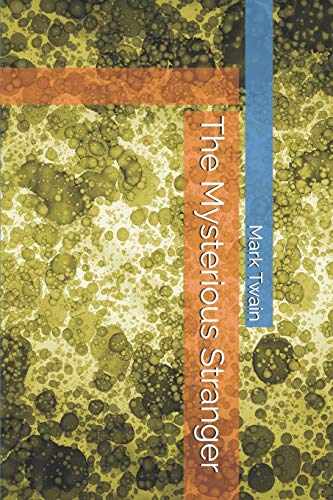
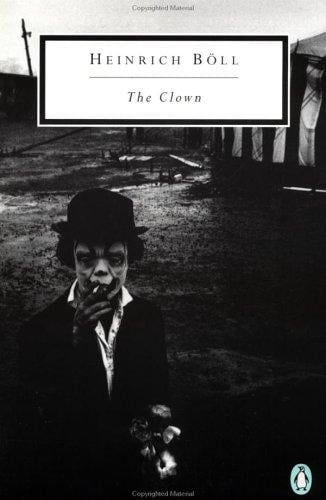
No. 71 on this list. The Clown
Heinrich Böll · 1963
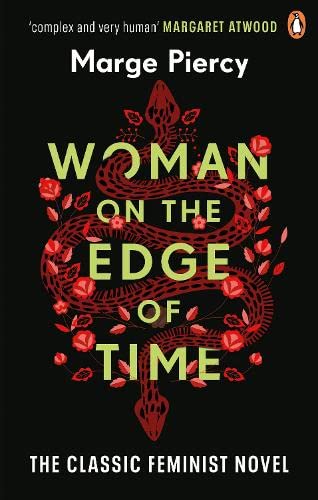
No. 72 on this list. Woman on the Edge of Time
Marge Piercy · 1976
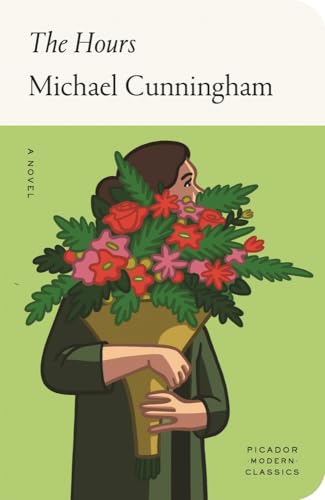
No. 73 on this list. The Hours
Michael Cunningham · 1999
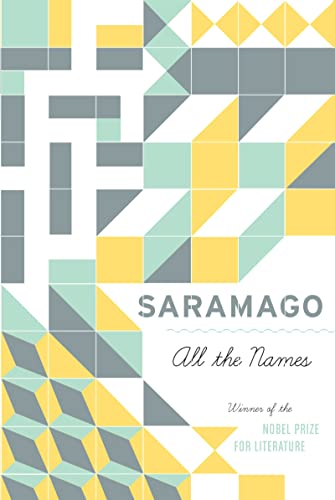
No. 74 on this list. All the Names
José Saramago · 1997
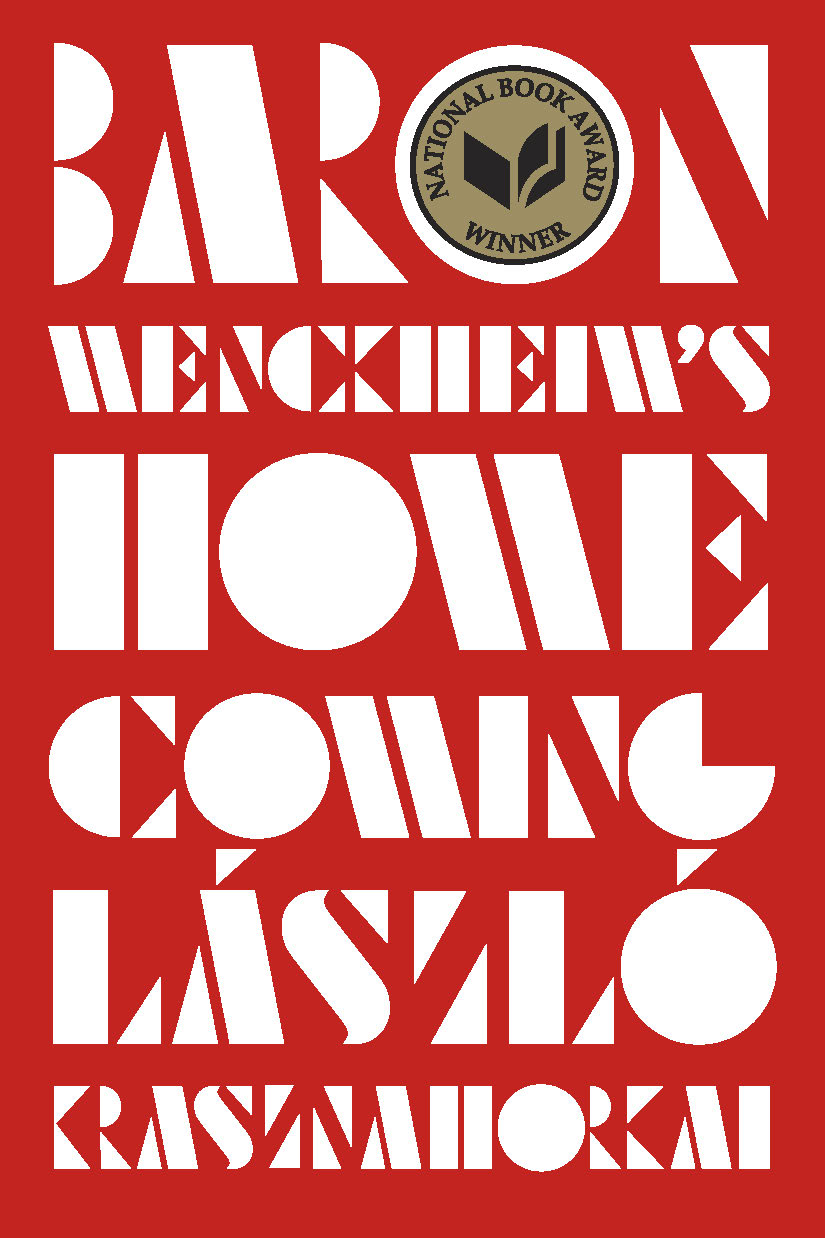
No. 75 on this list. Baron Wenckheim's Homecoming
László Krasznahorkai · 2016
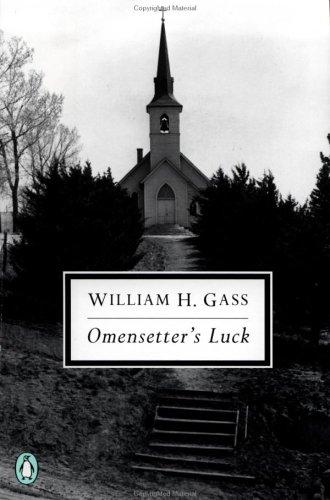
No. 76 on this list. Omensetter's Luck
William Gass · 1966
No. 77 on this list. The Trilogy
No. 78 on this list. The Demolished Man
Alfred Bester · 1953
No. 79 on this list. The Sheltering Sky
Paul Bowles · 1949
No. 80 on this list. Parade's End
Ford Madox Ford · 1928
No. 81 on this list. Girl with Curious Hair
David Foster Wallace · 1989
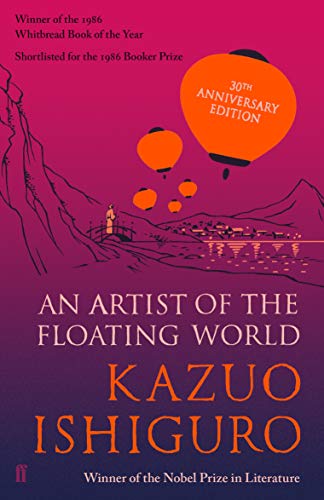
No. 82 on this list. An Artist of the Floating World
Kazuo Ishiguro · 1986
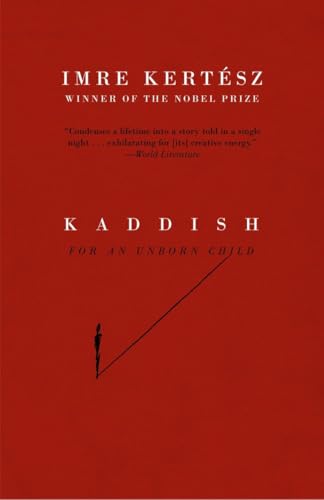
No. 83 on this list. Kaddish for an Unborn Child
Imre Kertész · 1990
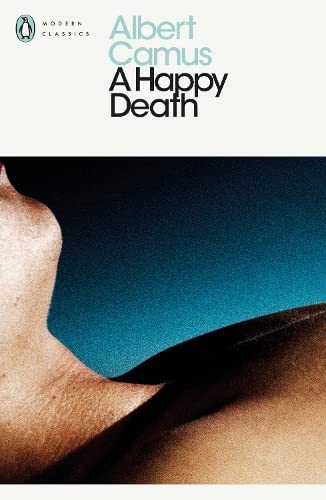
No. 84 on this list. A Happy Death
Albert Camus · 1971
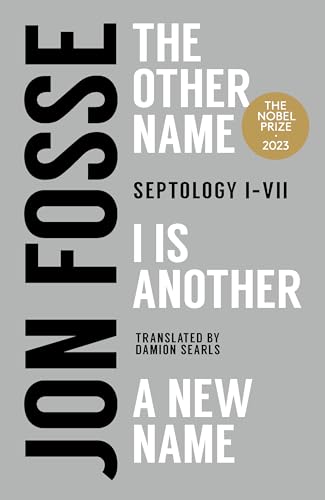
No. 85 on this list. Septology
Jon Fosse · 2019
No. 86 on this list. The Reprieve
Jean-Paul Sartre · 1945
No. 87 on this list. Poor Things
Alasdair Gray · 1992
No. 88 on this list. The World Goes On
László Krasznahorkai · 2018
No. 89 on this list. Regeneration
Pat Barker · 1991
Taught in schools: AQA GCSE and A-level English Literature (UK)
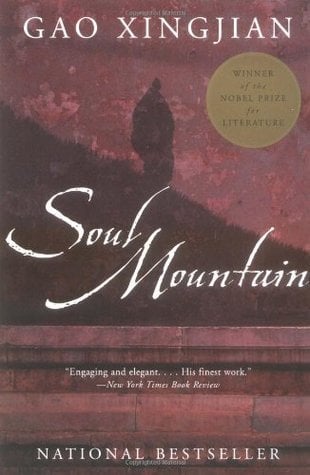
No. 90 on this list. Soul Mountain
Gao Xingjian · 1990
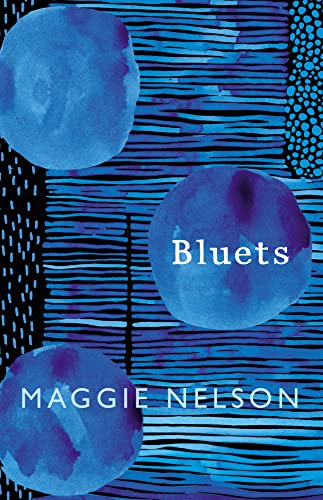
No. 91 on this list. Bluets
Maggie Nelson · 2009
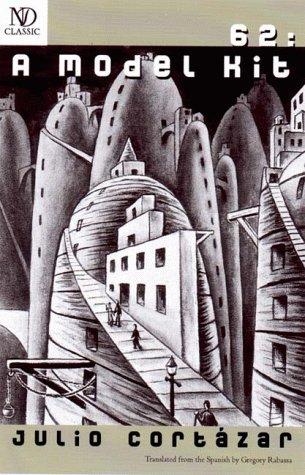
No. 92 on this list. 62: A Model Kit
Julio Cortázar · 1968
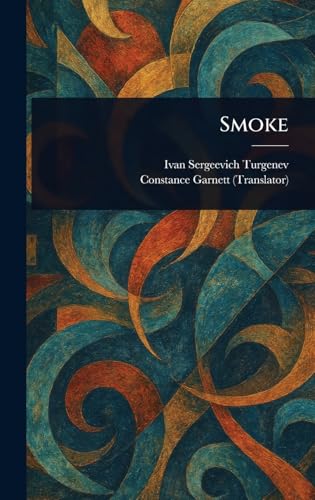
No. 93 on this list. Smoke
Ivan Turgenev · 1867
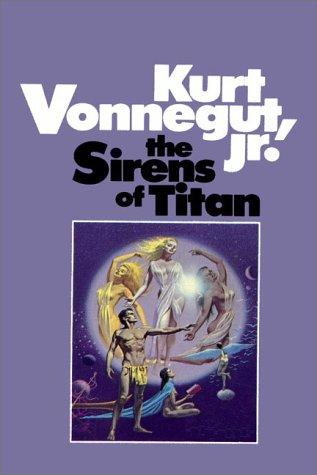
No. 94 on this list. The Sirens of Titan
Kurt Vonnegut · 1959
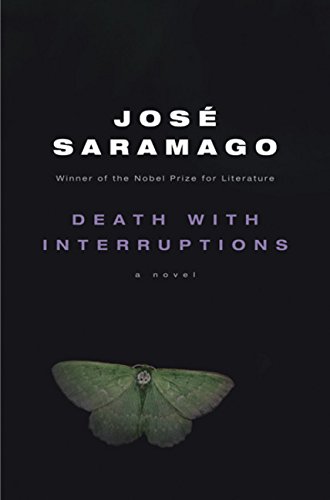
No. 95 on this list. Death with Interruptions
José Saramago · 2005
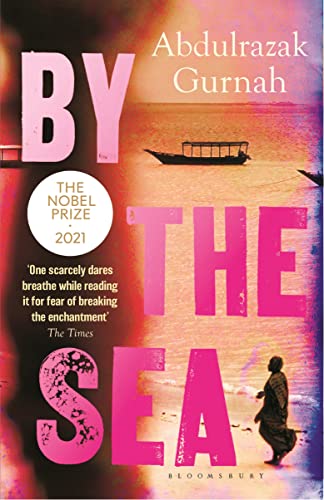
No. 96 on this list. By the Sea
Abdulrazak Gurnah · 2001
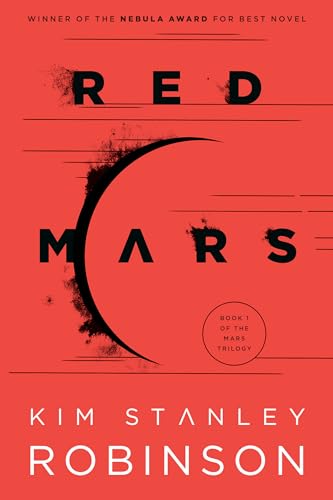
No. 97 on this list. Red Mars
Kim Stanley Robinson · 1993
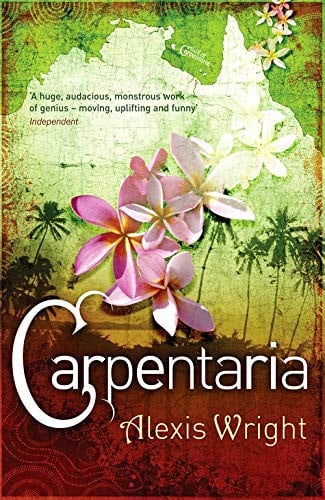
No. 98 on this list. Carpentaria
Alexis Wright · 2006
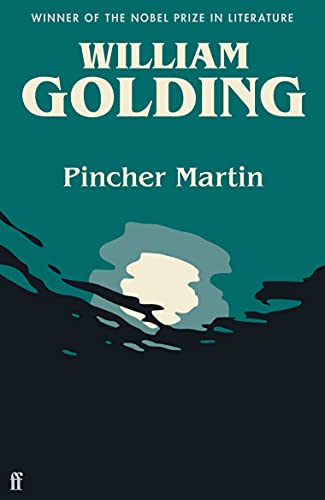
No. 99 on this list. Pincher Martin
William Golding · 1956
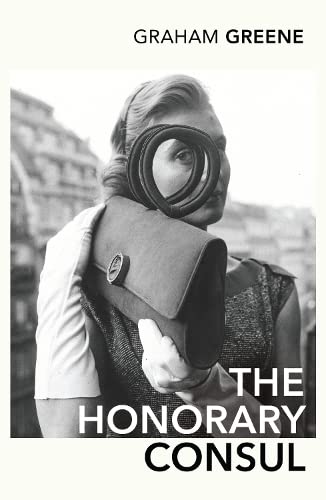
No. 100 on this list. The Honorary Consul
Graham Greene · 1973
About this list
These 100 books are the highest-scoring eligible challenging books about philosophy and ideas currently in the catalogue. About 1,294 hours of reading in all. Difficulty runs from 68 to 75 out of 100 for the middle half of the list; the summit is 62: A Model Kit at 87.
This list is ranked by literary regard, with a consistent order for equal scores. Membership follows authors and co-authors, not translators or editors. A book is here when ReadingRate files it under Philosophy & Ideas as one of its primary reading domains, at a confidence of 0.8 or more. Catalogue coverage and the historical canon both limit what this list can represent.
When we matched the Canons dataset to our catalogue in October 2026, our canonical-status scores rose with the number of school curricula, publisher series and lists in it that cite a work: the median score was 72 for books one such source cites, 84 at two, 88 at three, 92 at four and 93 at five or more. Prizes are left out of that count. Outside the state curricula, the dataset’s sources choose mostly from what has been translated into English or French, so it is a weaker check on other literatures. Source: Canons (Andrew Piper), CC BY 4.0
Questions people actually ask
- What are the best challenging books about philosophy and ideas?
- By literary regard, which weighs canonical status, critical standing and influence: Crime and Punishment by Fyodor Dostoevsky, Labyrinths by Jorge Luis Borges, Antony and Cleopatra by William Shakespeare, Utopia by Thomas More and Troilus and Criseyde by Geoffrey Chaucer. ReadingRate ranks 100 such books, each with a difficulty score and a reading-time estimate.
- Which challenging books about philosophy and ideas should I read first?
- Start from difficulty, not from rank. The most approachable books on this list that still carry top literary regard are The Good Soldier by Ford Madox Ford (about 7 hours), The Burning Plain and Other Stories by Juan Rulfo and Elective Affinities by Johann Wolfgang von Goethe.
- What are the shortest of the best challenging books about philosophy and ideas?
- Among the top 25, the shortest are The Ones Who Walk Away from Omelas by Ursula K Le Guin (about 40 min), Measure for Measure by William Shakespeare (about 2.8 hours) and Antony and Cleopatra by William Shakespeare (about 2.7 hours), at an average pace of 250 words a minute adjusted for each book's difficulty.
- Which of the best challenging books about philosophy and ideas are the established classics?
- By canonical status, how firmly a book sits in curricula, anthologies and the canon: The Brothers Karamazov by Fyodor Dostoevsky, Crime and Punishment by Fyodor Dostoevsky, Utopia by Thomas More, Antony and Cleopatra by William Shakespeare and Labyrinths by Jorge Luis Borges.
- Can I read any of these challenging books about philosophy and ideas for free?
- 16 of the 100 open in ReadingRate's reader with a free account, from public-domain editions: Crime and Punishment, Antony and Cleopatra, Troilus and Criseyde, Gulliver's Travels, Troilus and Cressida and 11 more.
- How long would it take to read the top ten?
- About 152 hours, at an average pace of 250 words a minute adjusted for each book's difficulty: 77 days at two hours a day. Set your own pace on the page and the list's reading times change to it.
- How hard are challenging books about philosophy and ideas to read?
- Most of this list sits between 68 and 75 on ReadingRate's 100-point difficulty scale, where 40 to 55 is moderate. The summit is 62: A Model Kit at 87. Every entry carries its own score, so a reader can pick a great book at a difficulty they will finish.
- How is this list ranked?
- On literary-regard data: how canonically established a work is, its critical standing, and its influence on later writing. It is not a readers’ poll, which is why recent bestsellers rarely appear. Membership follows authors and co-authors, not translators or editors. Lists by country, author, period, theme or difficulty keep to literature (fiction, poetry, drama and philosophy), their novels, poems and plays first and their philosophy after them; a list of a kind of book, such as memoir or criticism, keeps every book of that kind. Every list holds at most three works by one author. A book is here when ReadingRate files it under Philosophy & Ideas as one of its primary reading domains, at a confidence of 0.8 or more.