Hours at an average pace
Showing 100 books
About 972 hours for 100 of 100 books with measured lengths. Estimates use 250 words a minute, adjusted for each book's difficulty. At 2 hours a day, about 486 days for those books.
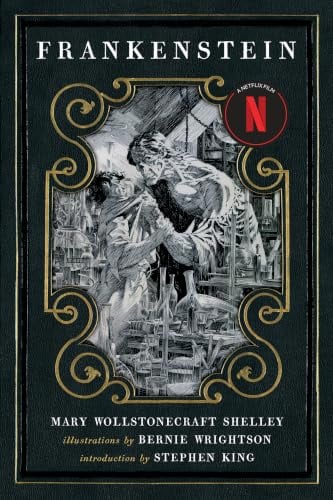
No. 1 on this list. Frankenstein
Mary Shelley · 1818
Challenging8.8 hours
Taught in schools: AQA GCSE and A-level English Literature (UK), CSEC English B – Caribbean Examinations Council, Pearson Edexcel GCSE and A-level English Literature (UK)
Included in: Bibliothèque de la Pléiade
Frankenstein appears on 6,955 university syllabi according to the Open Syllabus Project, placing it in the 96th percentile of all tracked works. Wikipedia articles exist in 74 languages, with a 79,000-character article carrying dedicated Reception and Adaptations sections. It is taught not only in literature courses but in philosophy, bioethics, and technology studies worldwide.
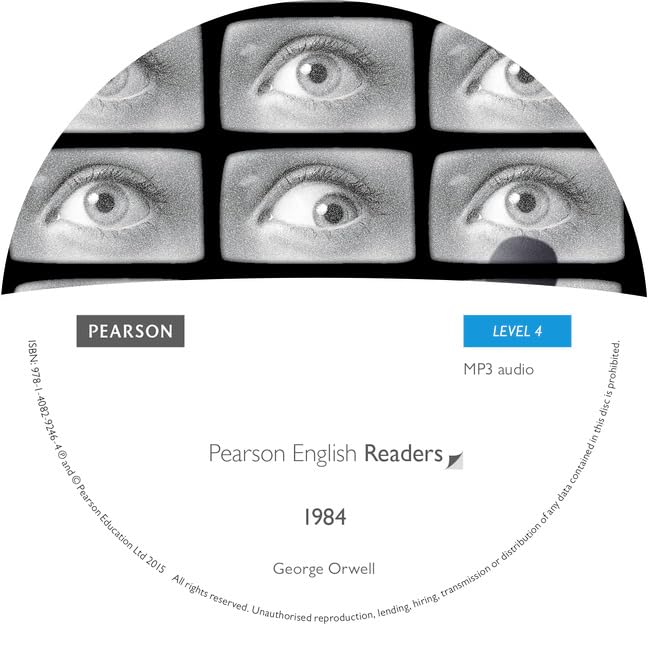
No. 2 on this list. 1984
George Orwell · 1949
Moderate6.5 hours
Taught in schools: Hungarian literature curriculum (magyar nyelv és irodalom) (Hungary), Lektury obowiązkowe – Polish national reading list (Poland), OCR GCSE and A-level English Literature (UK)
Included in: Bokklubben World Library
Appears on 1,763 university syllabi (Open Syllabus) and Wikipedia articles in 204 languages, placing it among the most globally distributed literary works. Listed on the Modern Library 100 Best Novels, TIME All-TIME 100, Le Monde's 100 Books of the Century, and BBC Big Read Top 100 — an almost unrivaled breadth of canonical recognition spanning five decades of list-making.
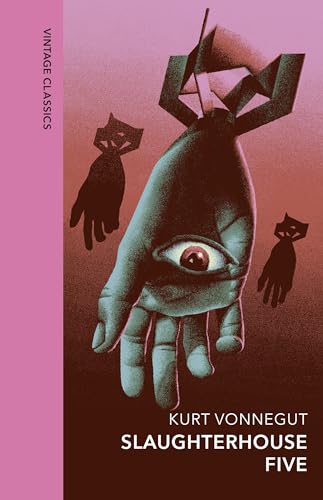
Vonnegut unstuck his protagonist from time and used the resulting shattered chronology to convey what no linear war novel could: the way trauma scrambles cause and effect until the firebombing of Dresden and a zoo on an alien planet occupy the same plane of reality. The deadpan sentence "So it goes" after every death became the definitive literary response to mass killing.
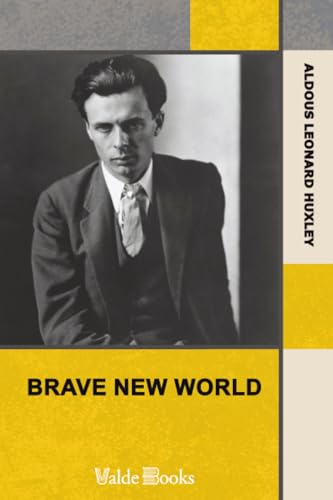
No. 4 on this list. Brave New World
Aldous Huxley · 1932
Moderate4.4 hours
Taught in schools: UNAM Escuela Nacional Preparatoria – programas de Literatura (Mexico)
Huxley imagined a world that controls its population not through pain but through pleasure — soma, engineered happiness, and the abolition of family — and thereby identified the dystopia that Orwell missed: the one people choose voluntarily. The novel's anxiety about technology as narcotic has only grown sharper with time.
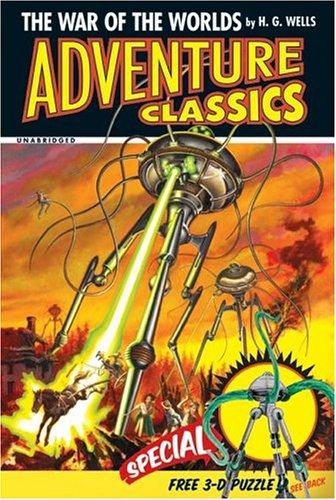
No. 5 on this list. The War of the Worlds
H.G. Wells · 1898
Moderate4.4 hours
Taught in schools: OCR GCSE and A-level English Literature (UK), Pearson Edexcel GCSE and A-level English Literature (UK), WJEC/Eduqas GCSE and A-level English Literature (UK)
The War of the Worlds is a cornerstone of science fiction, taught widely in literature and science fiction courses. While not as universally assigned as 1984 or Brave New World, it appears regularly in surveys of speculative fiction, Victorian literature, and science fiction history. The novel's influence on the genre ensures its continued academic presence.
The Glass Bead Game is widely recognized as Hesse's masterwork and a towering achievement of 20th-century German literature. It secures a place in the Western canon as a major modernist novel of ideas, regularly taught in universities and translated into dozens of languages. The novel's influence extends beyond literature into philosophy and cultural criticism, providing an enduring vocabulary ('the Glass Bead Game,' 'Castalia') for discussing intellectual culture.
The essential novel of violence, free will, and state control. Core text in courses on dystopian fiction and ethics. Nadsat, the invented slang, demonstrated how language shapes consciousness. Kubrick's 1971 film became inseparable from the novel.
Widely taught in university courses on science fiction and postcolonial literature. A central text of Afrofuturism.
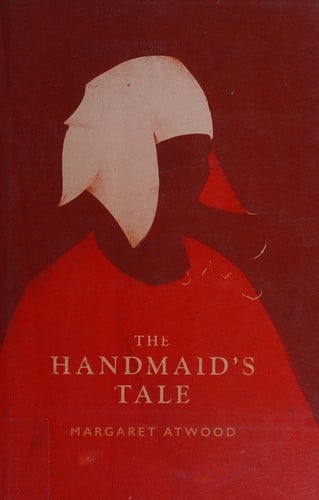
No. 9 on this list. The Handmaid's Tale
Margaret Atwood · 2017
Challenging7.7 hours
Taught in schools: AQA GCSE and A-level English Literature (UK), OCR GCSE and A-level English Literature (UK), Pearson Edexcel GCSE and A-level English Literature (UK)
The novel is a staple of high school and university courses on dystopia and feminist literature. It was shortlisted for the Booker Prize, appears on the 1001 Books list, and is published as a Penguin Modern Classic.
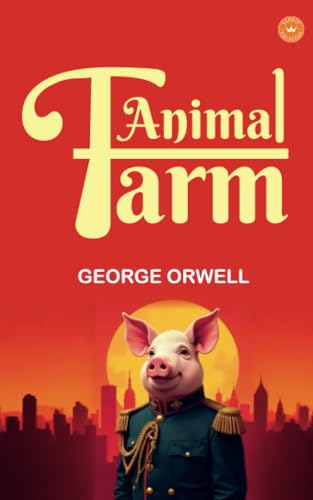
No. 10 on this list. Animal Farm
George Orwell · 1945
Challenging2.3 hours
Taught in schools: AQA GCSE and A-level English Literature (UK), CSEC English B – Caribbean Examinations Council, Lesotho literature in English
Included in: Great Books of the Western World
Appears on 591 university syllabi according to the Open Syllabus Project (69th percentile) and has Wikipedia articles in 95 languages. Listed on TIME's All-TIME 100 Novels, Modern Library's 100 Best Novels, the BBC Big Read Top 100, and 1001 Books You Must Read Before You Die — a breadth of recognition that places it among the most reliably canonical works of 20th-century fiction.
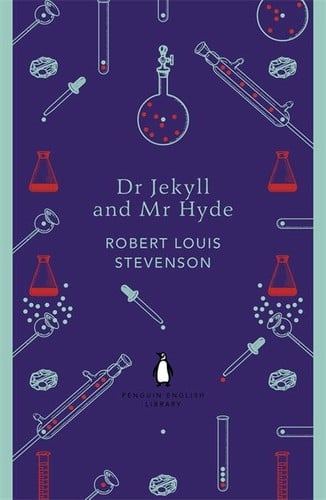
No. 11 on this list. The Strange Case of Dr Jekyll and Mr Hyde · Robert Louis Stevenson · 1886
Taught in schools: AQA GCSE and A-level English Literature (UK), OCR GCSE and A-level English Literature (UK)
One of the most widely taught Victorian texts in English literature curricula at every level, from secondary school to university. The phrase 'Jekyll and Hyde' has entered common English as a synonym for dual personality. The novella appears on virtually every list of essential 19th-century fiction and is a fixture in Gothic literature, Victorian studies, and psychology-and-literature courses worldwide.
Challenging1.9 hours
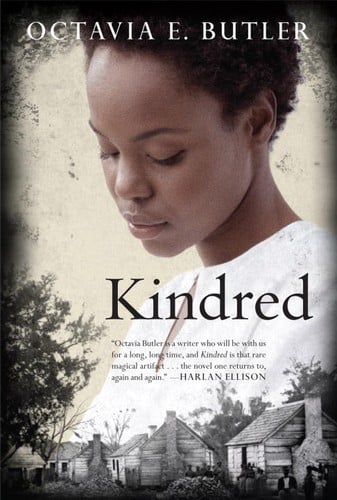
Read nowNo. 12 on this list. Kindred · Octavia E. Butler · 1979
Taught in schools: CSEC English B – Caribbean Examinations Council
Kindred is required reading in African American literature, American history, and science fiction courses at universities across the United States and internationally. It appears on the Modern Library's reader list of the 100 best novels and is frequently paired with primary sources on American slavery. Octavia Butler is the first science fiction writer to receive a MacArthur Fellowship, and Kindred is her most assigned work.
Challenging9.1 hours
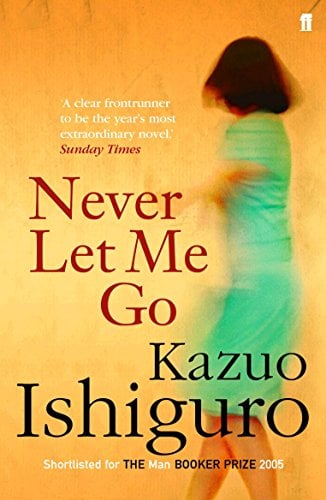
Start this bookNo. 13 on this list. Never Let Me Go · Kazuo Ishiguro · 2005
Taught in schools: AQA GCSE and A-level English Literature (UK), OCR GCSE and A-level English Literature (UK), Pearson Edexcel GCSE and A-level English Literature (UK)
Ishiguro's devastating meditation on mortality and purpose. Kathy H.'s narration of Hailsham and the donations revealed a dystopia through English understatement. Core text in contemporary fiction and bioethics courses. The 2010 film extended its reach.
Challenging7.2 hours
Start this bookNo. 14 on this list. The Left Hand of Darkness · Ursula K Le Guin · 1969
Genly Ai, a human envoy from a galactic coalition called the Ekumen, arrives on the planet Gethen to invite its people into interstellar fellowship. The planet is locked in an ice age, and its inhabitants possess a biology that would reshape how any visitor understands human nature: Gethenians have no fixed sex, spending most of each month in a neuter state before entering 'kemmer,' a brief fertile period during which they become randomly male or female. Genly must navigate the treacherous politics of two rival nations, Karhide and Orgoreyn, while struggling against his own deeply ingrained assumptions about gender. His most important relationship is with Estraven, a disgraced Karhidish politician whose motives Genly cannot read through the fog of his own gendered expectations. Their harrowing journey across an arctic ice sheet strips away politics, culture, and prejudice, forcing a communion between two beings who must learn to see each other without the categories that have shaped their perceptions. Le Guin constructs the novel as a mosaic of voices: Genly's diplomatic report, Estraven's spare journal, Gethenian myths and legends, and anthropological field notes, each offering a partial and unreliable perspective on a world that resists totalizing description. The prose is crystalline and unhurried, moving between political intrigue, philosophical reflection, and passages of extraordinary landscape writing as the two travelers cross the Gobrin Ice. The embedded myths refract the novel's central concerns with duality, betrayal, and the inseparability of light and darkness.
Challenging7.4 hours
Start this bookNo. 15 on this list. The Ones Who Walk Away from Omelas · Ursula K Le Guin · 1973
Widely taught in philosophy, ethics, and literature courses globally. Anthologized in hundreds of collections and featured on virtually every 'essential short fiction' list. Its presence in academic syllabi rivals Borges and Kafka in ethics curricula, where it functions as a standard thought-experiment text.
Challenging40 min
Start this bookNo. 16 on this list. The Fifth Season · N.K. Jemisin · 2015
The Fifth Season won the Hugo Award for Best Novel in 2016, the first book in what became an unprecedented trilogy of consecutive Hugo wins for Jemisin—a feat unmatched in the award's history. It appears on contemporary science fiction and fantasy syllabi and in critical discussions of the genre's formal and political possibilities. Its position in the canon is still consolidating, but its influence on subsequent speculative fiction is already evident.
Difficult18 hours
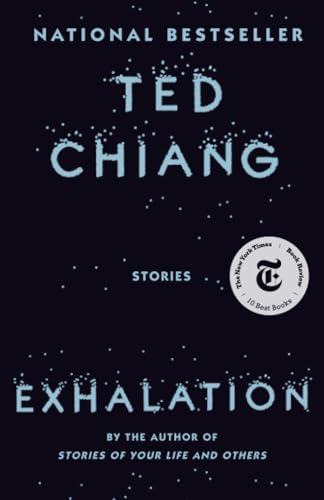
Start this bookNo. 17 on this list. Exhalation: Stories · Ted Chiang · 2019
Exhalation appears on 129 syllabi across university courses in science fiction, ethics, and philosophy of mind. With a Wikipedia presence across 24 languages and inclusion on Barack Obama's 2019 summer reading list, the collection has achieved broad recognition outside genre boundaries. It sits at the high end of contemporary short fiction without yet reaching the settled canonical status of Chiang's own Story of Your Life.
Challenging7.9 hours
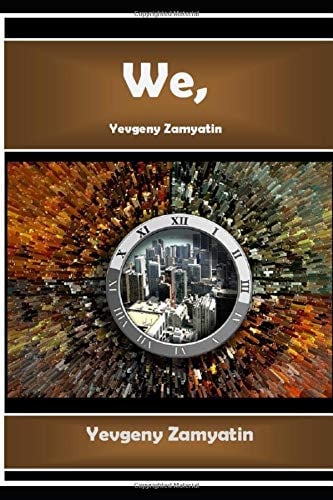
Start this bookNo. 18 on this list. We · Yevgeny Zamyatin · 1924
Taught in schools: Russian FGOS literature standard
We is recognized as the founding text of the dystopian novel genre, directly influencing Aldous Huxley's Brave New World and, through Orwell's own acknowledgment, 1984. It appears regularly in syllabi covering 20th-century fiction, dystopian literature, and Russian modernism. Despite suppression in the Soviet Union for decades, the novel has been widely republished in prestige editions and is considered essential reading in comparative literature courses.
Challenging6.2 hours
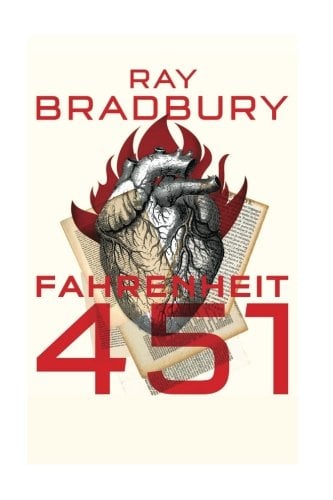
Start this bookNo. 19 on this list. Fahrenheit 451 · Ray Bradbury · 1953
Taught in schools: Common Core text exemplars (Appendix B) (US), Pacific Senior Secondary Certificate – English
Guy Montag burns books for a living. In Bradbury's 1953 novel, firemen don't put out fires — they start them, torching any house where books are found. Montag has done this for years without question, until a teenage neighbor named Clarisse asks him if he's happy. He realizes he isn't. The world Bradbury builds runs on distraction: giant wall-screen televisions, radio "seashells" plugged into ears at all hours, and the constant roar of speed. Nobody reads. Nobody thinks too long about anything. The firemen exist not because books are dangerous but because the majority found them uncomfortable, and discomfort is the one thing this society refuses to tolerate. Bradbury writes in a poetic, image-saturated style — sentences that flare and crackle the way the fires do. The abstraction is real: this is a novel about censorship, conformity, and the slow voluntary surrender of the mind, not just a plot about a man who changes his job. The phoenix appears as a recurring symbol; so does fire itself, destroyer and renewer at once. What Montag finds at the edge of the city — people who have memorized entire books, becoming the books themselves — is one of the more striking images in American science fiction.
Moderate3.6 hours
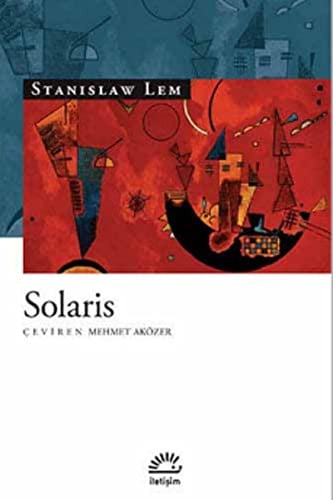
Start this bookNo. 20 on this list. Solaris · Stanisław Lem · 1961
Solaris is the most canonically recognized work of Eastern European science fiction, taught in SF studies, philosophy of science, and world literature courses at universities across Europe, North America, and East Asia. Its Wikipedia article exists in over 50 languages. The Tarkovsky film adaptation (1972) cemented its cultural standing. Within speculative fiction it holds a position equivalent to Ulysses in modernist literature — the work against which all philosophical SF is measured.
Challenging6.4 hours
Start this book
No. 21 on this list. The Time Machine · H.G. Wells · 1895
The Time Machine is firmly canonical as the founding text of the time-travel genre and a landmark in science fiction. It appears on virtually every essential science fiction reading list, is routinely taught in courses on Victorian literature, science fiction, and utopian/dystopian fiction, and has been continuously in print since 1895. It holds a secure place in the Western literary canon, though its canonical weight is somewhat lower than the great realist novels of its era.
Moderate2.4 hours
Read nowNo. 22 on this list. A Connecticut Yankee in King Arthur's Court · Mark Twain · 1889
It is a standard in American literature courses and part of Twain's core canon with Huckleberry Finn. It is taught less often than Gatsby but widely, as a founding time-travel satire.
Moderate6.6 hours
Read nowNo. 23 on this list. V for Vendetta · Alan Moore · 1989
One of the foundational texts of the graphic novel form. Widely taught, frequently cited in discussions of political fiction and dystopian literature.
Easy3.9 hours
Start this bookNo. 24 on this list. His Master's Voice · Stanisław Lem · 1968
His Master's Voice holds a firm canonical position within science fiction studies and Eastern European literature curricula, though it remains outside the mainstream Western literary canon. No syllabus data appears in the database, but the novel is consistently cited in SF critical histories as one of Lem's three or four most important works alongside Solaris and The Cyberiad. It appears in translations across at least 20 languages and features on 'essential SF' lists compiled by critics, not algorithms.
Difficult9.3 hours
Start this bookNo. 25 on this list. Do Androids Dream of Electric Sheep? · Philip K. Dick · 1968
The novel is a fixture in science fiction curricula and appears on virtually every list of essential SF reading, from the Library of America to university courses in literature and philosophy. Published in Penguin Modern Classics, it has maintained continuous print presence for over fifty years. Its status is firmly canonical within SF, though it falls short of the universal literary curriculum presence of Orwell or Huxley.
Difficult7 hours
Start this bookNo. 26 on this list. In the Penal Colony · Franz Kafka · 1919
A staple of Kafka syllabi in law-and-literature, modernism, and continental philosophy courses, though it sits a tier below The Metamorphosis and The Trial in classroom ubiquity. It regularly appears in Kafka anthologies and 'best short fiction of the 20th century' lists.
Challenging42 min
Start this bookNo. 27 on this list. Dune · Frank Herbert · 1965
Dune is the foundational text of modern science fiction world-building, widely included on SF literature syllabi and 'essential reading' lists across the genre. While the Open Syllabus data returned zero results — likely a metadata mismatch — Dune appears regularly in university SF literature courses and on canonical reading lists. It consistently ranks first or second on polls of the best science fiction novels ever written.
Challenging17 hours
Start this bookNo. 28 on this list. The Invisible Man · H.G. Wells · 1897
The Invisible Man occupies a firm place in the science fiction canon and appears on university syllabi worldwide, particularly in courses on early SF and Victorian literature. H.G. Wells's scientific romances are among the most consistently reprinted and anthologized works in the genre. While not at the level of Great Expectations or The Great Gatsby in general literary curricula, it is a standard text in SF and genre studies.
Moderate3.3 hours
Start this bookNo. 29 on this list. 20,000 Leagues Under the Sea · Jules Verne · 1870
20,000 Leagues Under the Sea appears on curricula worldwide and is a fixture of science fiction canon lists from Penguin Classics to the Modern Library. Wikipedia articles for the novel exist in over 60 languages, reflecting its global reach across more than 150 years. It is among the handful of 19th-century adventure novels still routinely assigned in schools and universities outside their country of origin.
Moderate6.7 hours
Read nowNo. 30 on this list. Nova · Samuel R. Delany · 1968
Nova holds a firm place in the SF literary canon, included in the SF Masterworks series and cited as a defining text of the New Wave movement. Its standing is strong within genre criticism but has not fully crossed into mainstream literary canonization.
Difficult9.9 hours
Start this book
No. 31 on this list. The Cyberiad
Stanisław Lem · 1965
No. 32 on this list. Cosmicomics
Italo Calvino · 1965
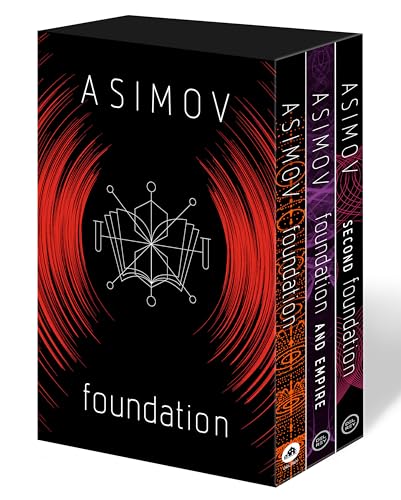
No. 33 on this list. Foundation and Empire
Isaac Asimov · 1952
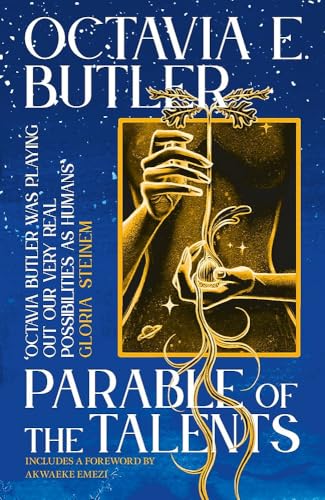
No. 34 on this list. Parable of the Talents
Octavia E. Butler · 1998
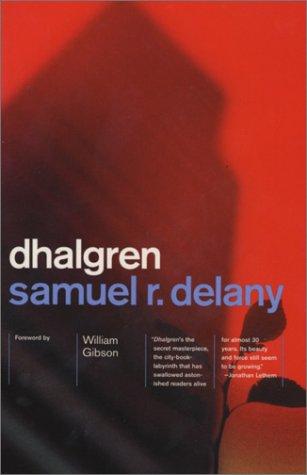
No. 35 on this list. Dhalgren
Samuel R. Delany · 1975
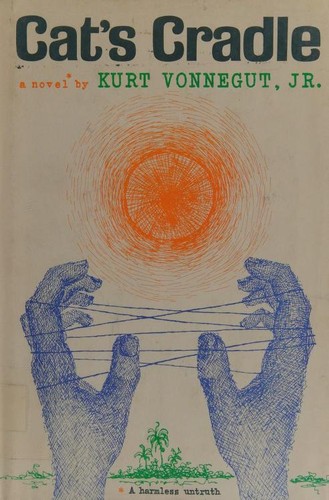
No. 36 on this list. Cat’s Cradle
Kurt Vonnegut · 1963
No. 37 on this list. Foundation
Isaac Asimov · 1951
No. 38 on this list. Cat's Cradle
Kurt Vonnegut · 1963
No. 39 on this list. Invitation to a Beheading
Vladimir Nabokov · 1936
No. 40 on this list. The Man in the High Castle
Philip K. Dick · 1962
No. 41 on this list. Watchmen #1: At Midnight, All The Agents…
Alan Moore · 1986
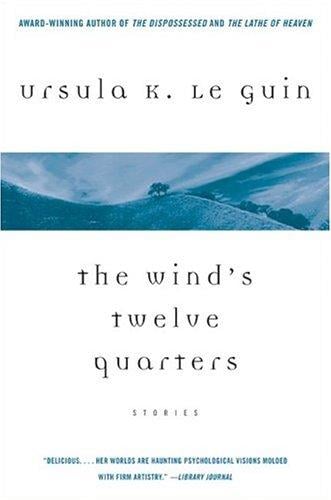
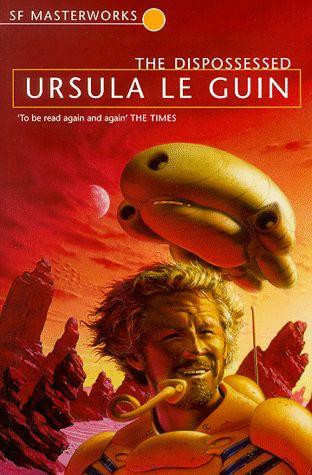
No. 42 on this list. The Dispossessed
Ursula K Le Guin · 1974
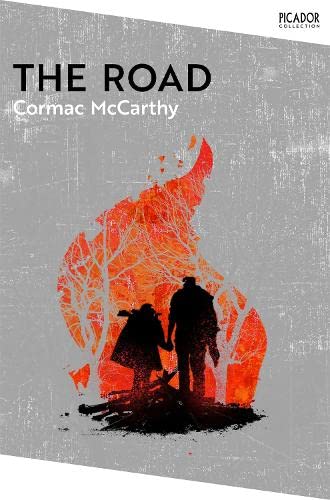
No. 43 on this list. The Road
Cormac McCarthy · 2007
No. 44 on this list. Lanark: A Life in Four Books
Alasdair Gray · 1981
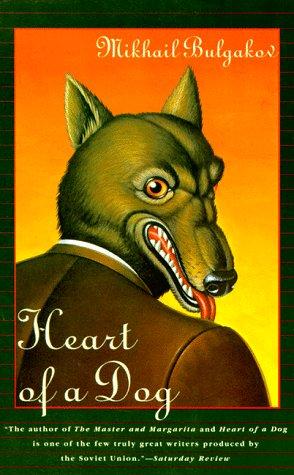
No. 45 on this list. Heart of a Dog
Mikhail Bulgakov · 1925
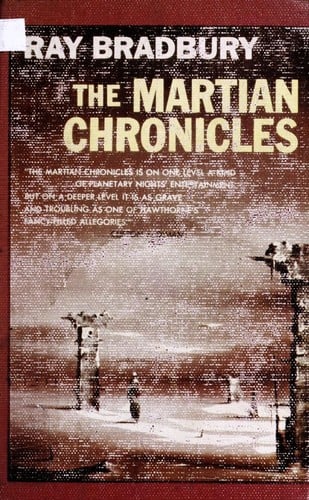
No. 46 on this list. The Martian Chronicles
Ray Bradbury · 1950
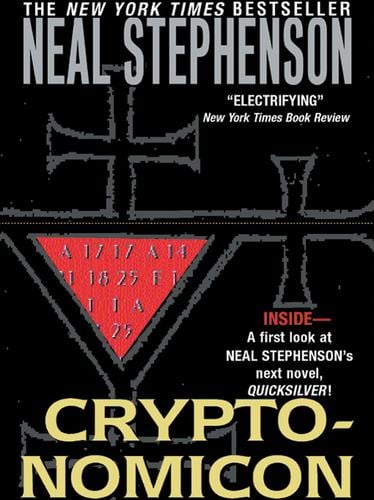
No. 47 on this list. Cryptonomicon
Neal Stephenson · 1999
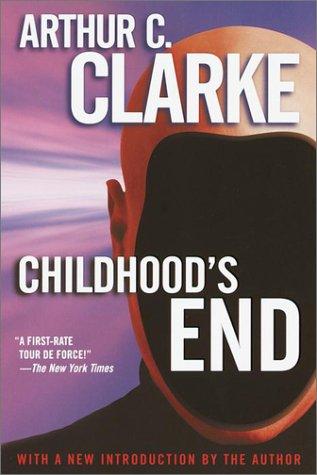
No. 48 on this list. Childhood's End
Arthur C. Clarke · 1953
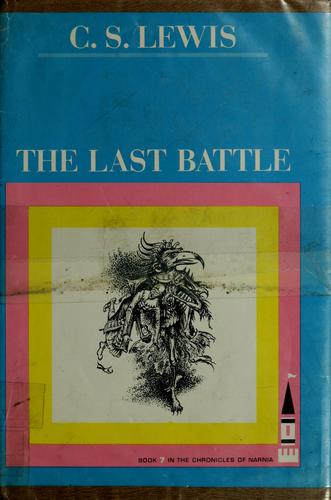
No. 49 on this list. The Last Battle
C.S. Lewis · 1956
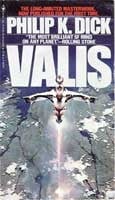
No. 50 on this list. VALIS
Philip K. Dick · 1981
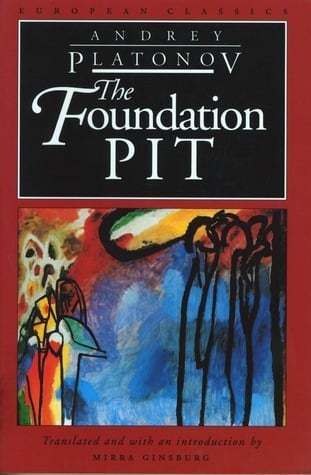
No. 51 on this list. The Foundation Pit
Andrei Platonov · 1973
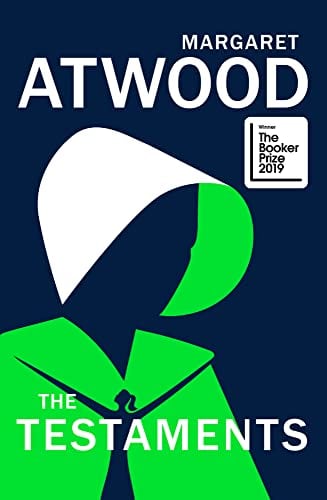
No. 52 on this list. The Testaments
Margaret Atwood · 2019
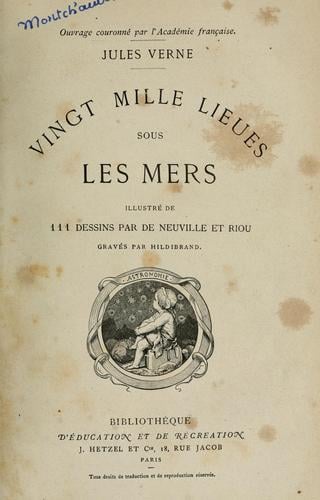
No. 53 on this list. Twenty Thousand Leagues Under the Sea
Jules Verne · 1870
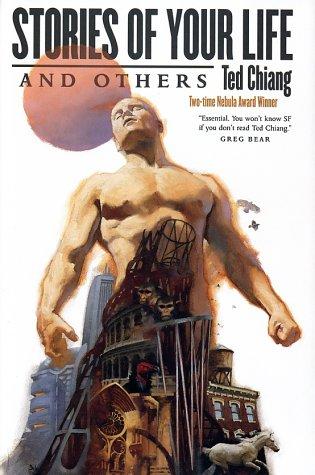
No. 54 on this list. Stories of Your Life and Others
Ted Chiang · 2002
No. 55 on this list. Crash
J.G. Ballard · 1973
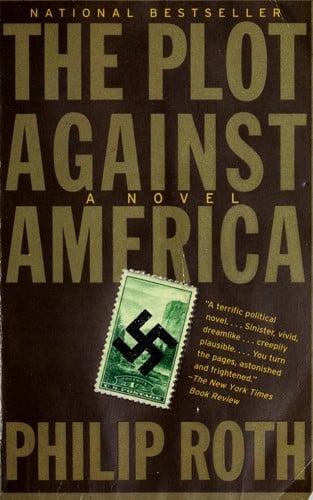
No. 56 on this list. The Plot Against America
Philip Roth · 2004
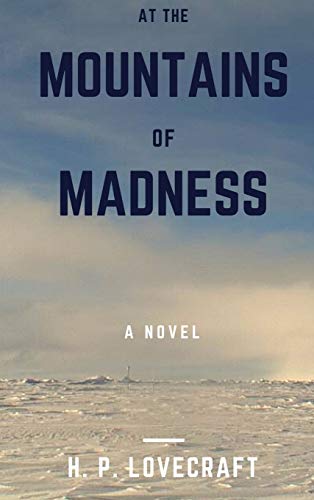
No. 57 on this list. At the Mountains of Madness
H.P. Lovecraft · 1936
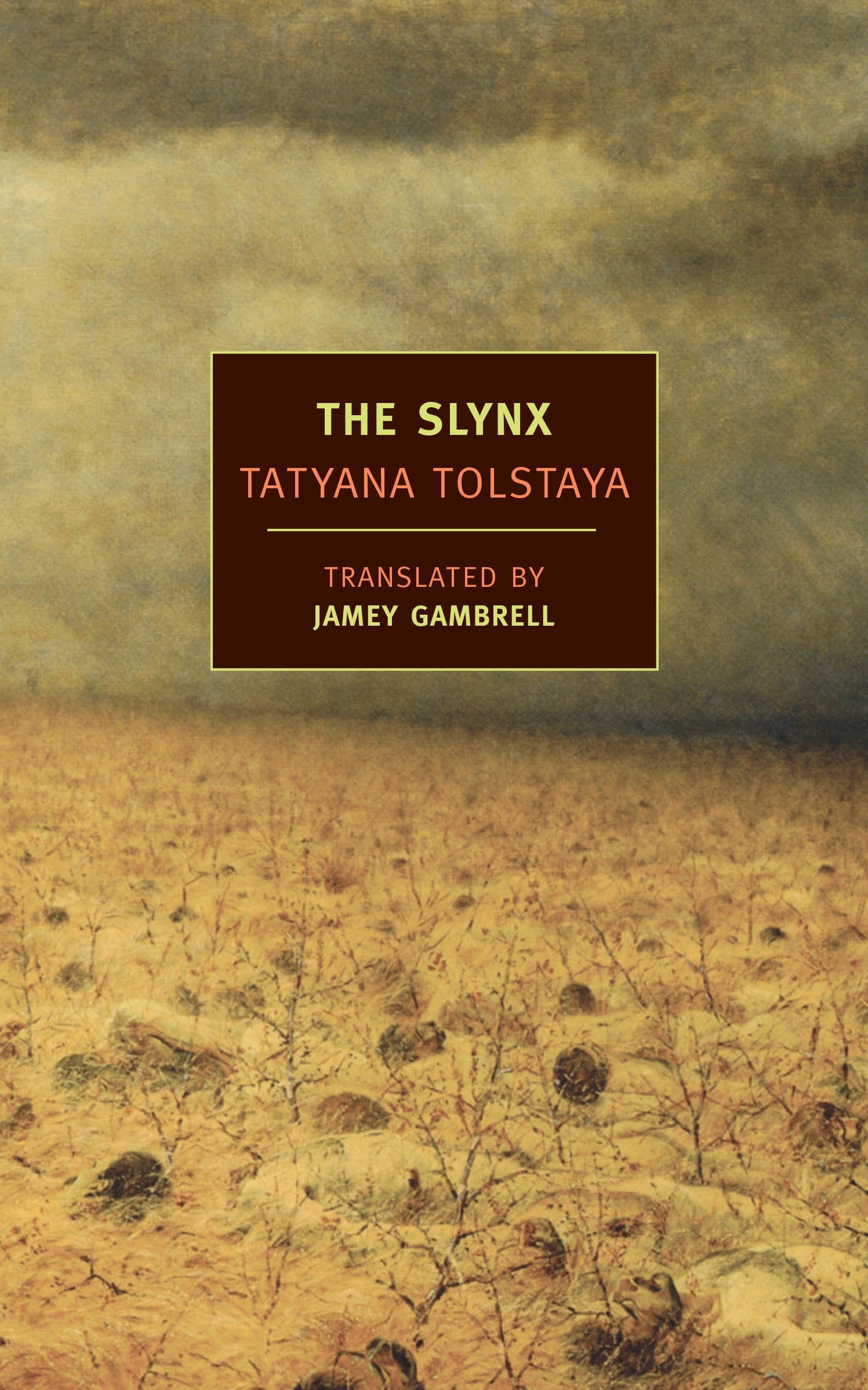
No. 58 on this list. The Slynx
Tatyana Tolstaya · 2000
No. 59 on this list. Journey to the Center of the Earth
Jules Verne · 1864
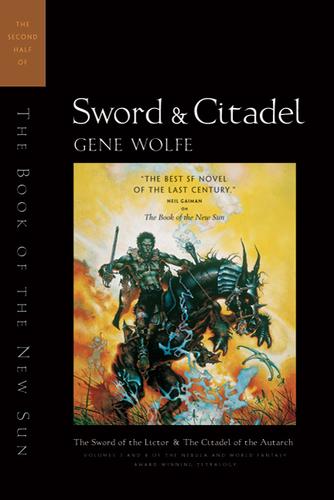
No. 60 on this list. Sword & Citadel
Gene Wolfe · 1994
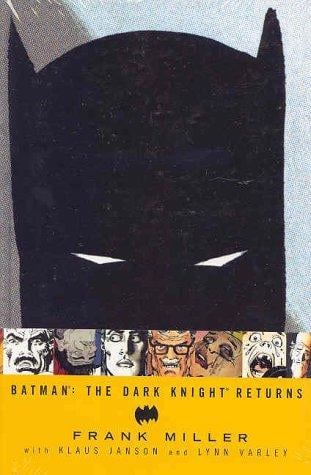
No. 61 on this list. Batman: The Dark Knight Returns
Frank Miller · 1986
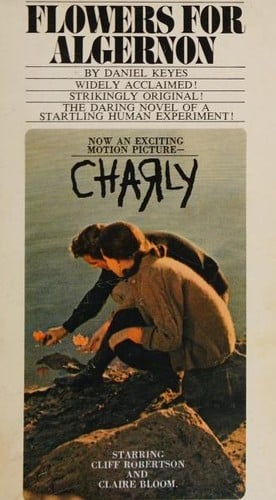
No. 62 on this list. Flowers for Algernon
Daniel Keyes · 1966
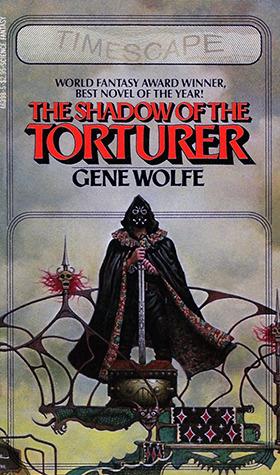
No. 63 on this list. The Shadow of the Torturer
Gene Wolfe · 1980
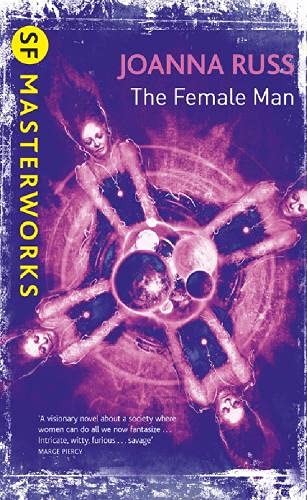
No. 64 on this list. The Female Man
Joanna Russ · 1975
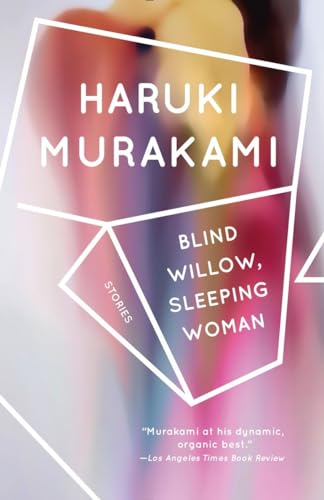
No. 65 on this list. Hard-Boiled Wonderland and the End of the World
Haruki Murakami · 1985
No. 66 on this list. 1Q84
Haruki Murakami · 2009
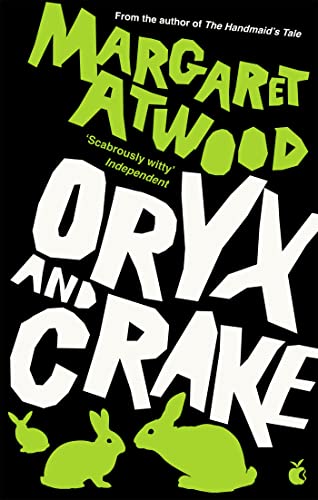
No. 67 on this list. Oryx and Crake
Margaret Atwood · 2003
No. 68 on this list. The Book of the New Sun
Gene Wolfe · 1980
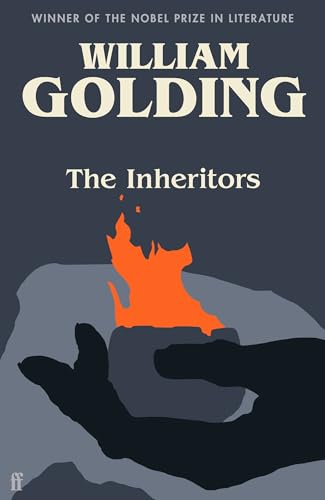
No. 69 on this list. The Inheritors
William Golding · 1955
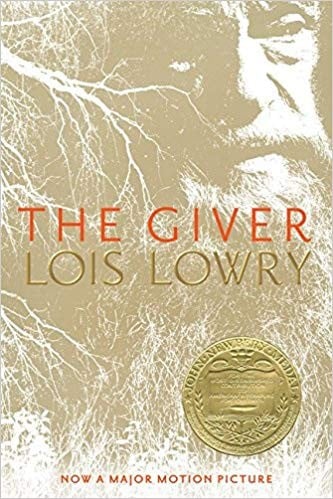
No. 70 on this list. The Giver
Lois Lowry · 1993
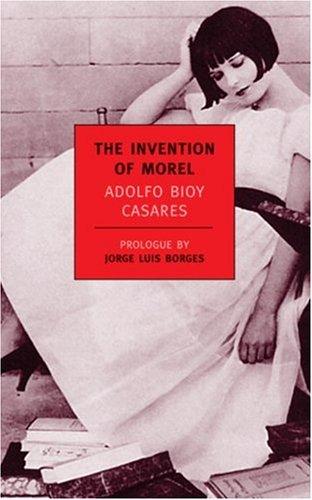
No. 71 on this list. The Invention of Morel
Adolfo Bioy Casares · 1940
Taught in schools: Literatura, Diseño Curricular – Provincia de Buenos Aires (Argentina)
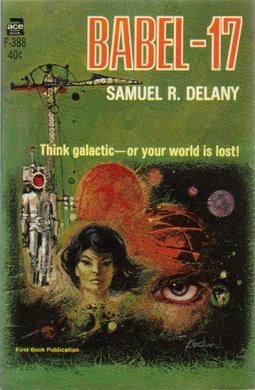
No. 72 on this list. Babel-17
Samuel R. Delany · 1966
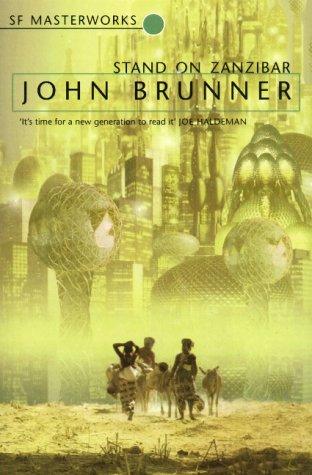
No. 73 on this list. Stand on Zanzibar
John Brunner · 1968
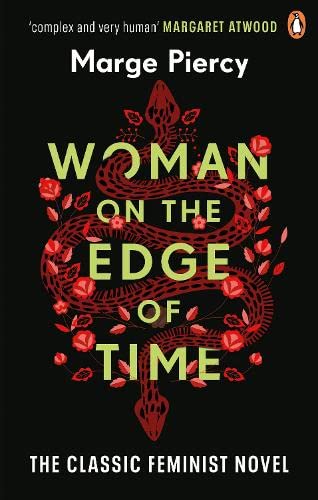
No. 74 on this list. Woman on the Edge of Time
Marge Piercy · 1976
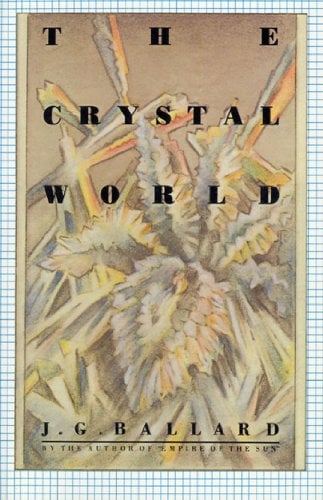
No. 75 on this list. The Crystal World
J.G. Ballard · 1966
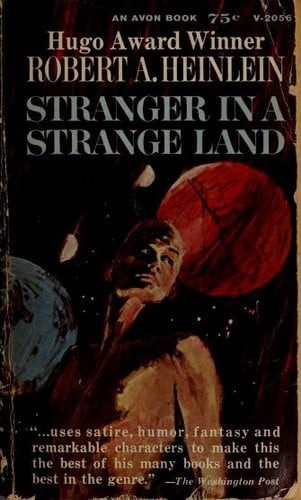
No. 76 on this list. Stranger in a Strange Land
Robert A. Heinlein · 1961
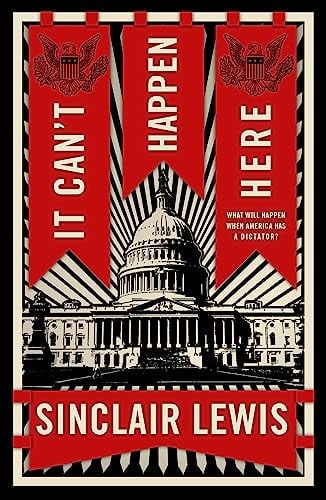
No. 77 on this list. It Can't Happen Here
Sinclair Lewis · 1935
No. 78 on this list. The Encyclopedia of the Dead
Danilo Kiš · 1983
No. 79 on this list. The Caves of Steel
Isaac Asimov · 1954
No. 80 on this list. The Demolished Man
Alfred Bester · 1953
No. 81 on this list. Cloud Atlas
David Mitchell · 2004
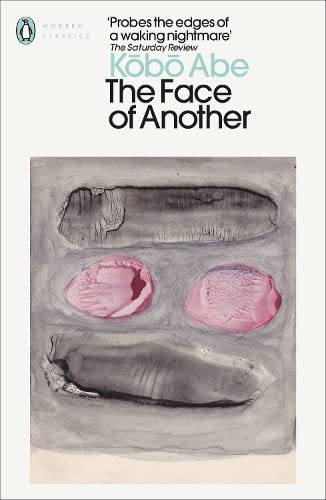
No. 82 on this list. The Face of Another
Kobo Abe · 1964
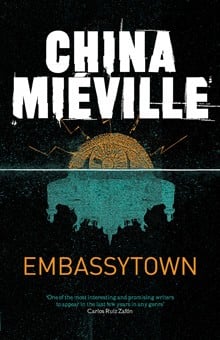
No. 83 on this list. Embassytown
China Miéville · 2011
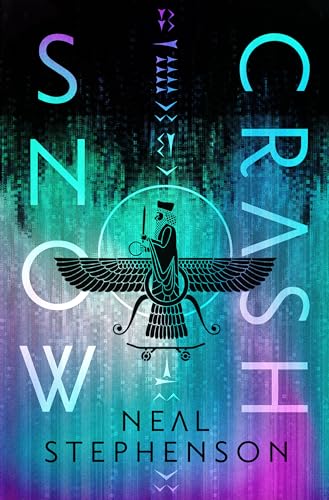
No. 84 on this list. Snow Crash
Neal Stephenson · 1992
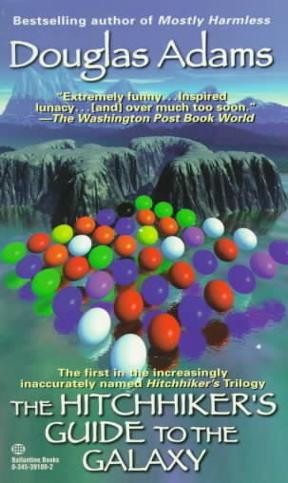
No. 85 on this list. The Hitchhiker's Guide to the Galaxy
Douglas Adams · 1979
Taught in schools: CSEC English B – Caribbean Examinations Council
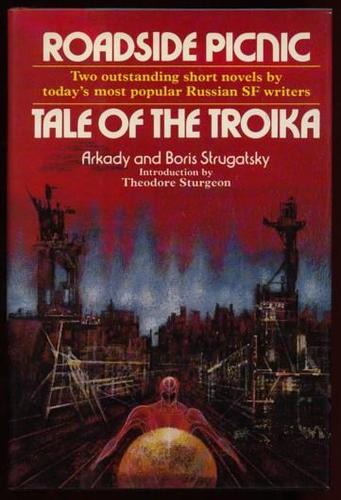
No. 86 on this list. Roadside Picnic
Arkady Strugatsky · 1972
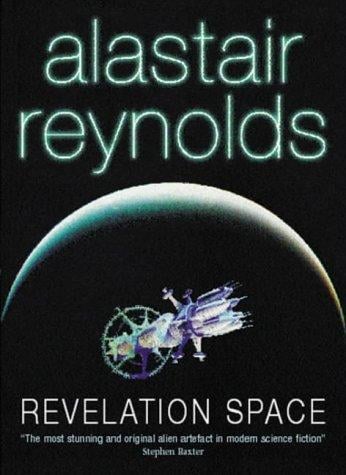
No. 87 on this list. Revelation Space
Alastair Reynolds · 2000
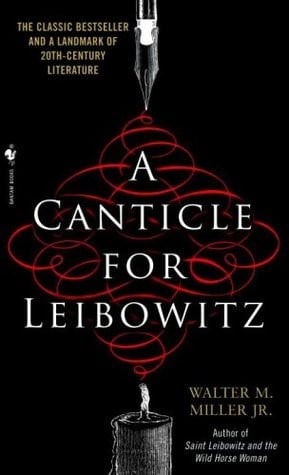
No. 88 on this list. A Canticle for Leibowitz
Walter M. Miller Jr. · 1960
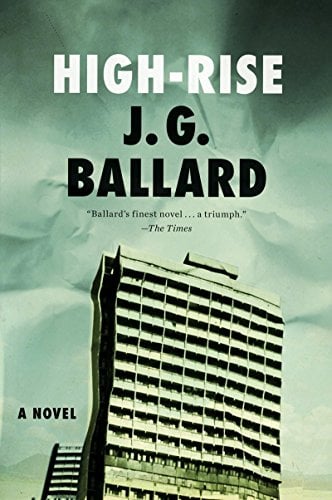
No. 89 on this list. High-Rise
J.G. Ballard · 1975
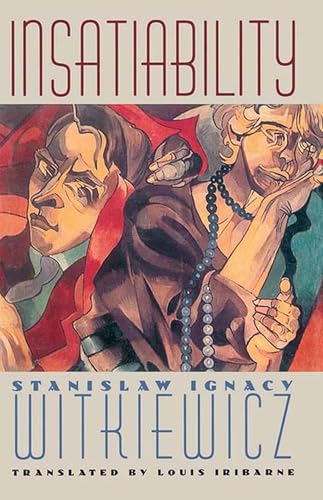
No. 90 on this list. Insatiability
Stanisław Ignacy Witkiewicz · 1930
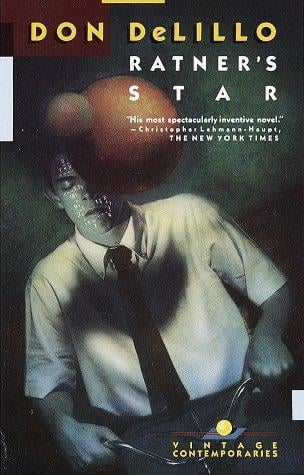
No. 91 on this list. Ratner's Star
Don DeLillo · 1976
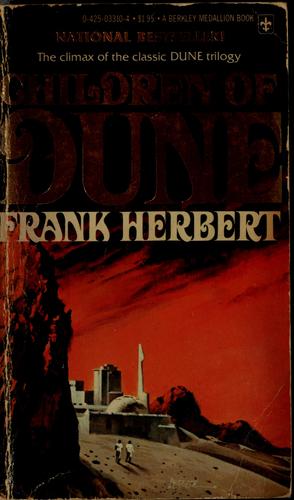
No. 92 on this list. Children of Dune
Frank Herbert · 1976
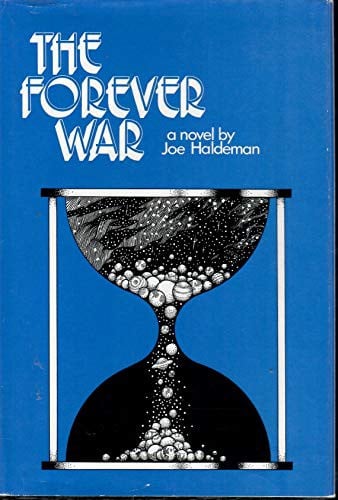
No. 93 on this list. The Forever War
Joe Haldeman · 1974
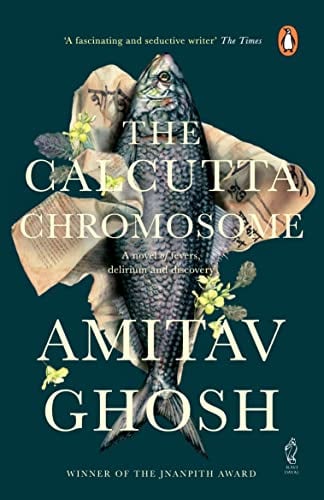
No. 94 on this list. The Calcutta Chromosome
Amitav Ghosh · 1995
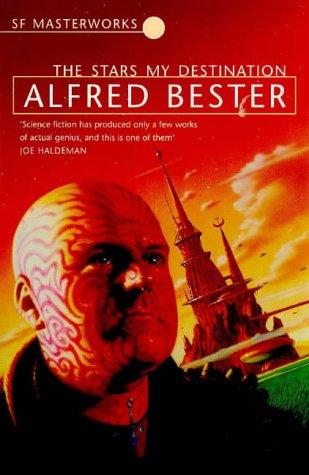
No. 95 on this list. The Stars My Destination
Alfred Bester · 1956
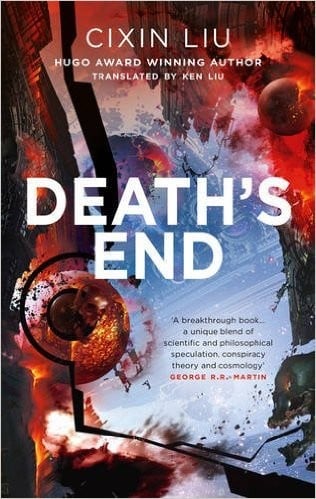
No. 96 on this list. Death's End
Liu Cixin · 2010
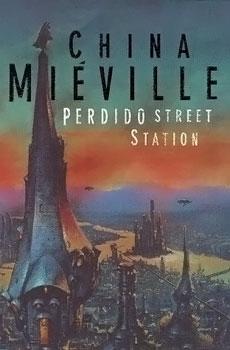
No. 97 on this list. Perdido Street Station
China Miéville · 2000
No. 98 on this list. Pastoralia
George Saunders · 2000
No. 99 on this list. Spin
Robert Charles Wilson · 2005
No. 100 on this list. Ringworld
Larry Niven · 1970
About this list
These 100 books are the highest-scoring eligible science fiction novels currently in the catalogue. By literary regard, it opens with Frankenstein, 1984 and Slaughterhouse-Five. About 972 hours of reading in all. Difficulty runs from 54 to 72 out of 100 for the middle half of the list; the summit is The Slynx at 85.
This list is ranked by literary regard, with a consistent order for equal scores. Membership follows authors and co-authors, not translators or editors. Catalogue coverage and the historical canon both limit what this list can represent, and genre labels are the catalogue’s own, gathered into broader kinds.
When we matched the Canons dataset to our catalogue in October 2026, our canonical-status scores rose with the number of school curricula, publisher series and lists in it that cite a work: the median score was 72 for books one such source cites, 84 at two, 88 at three, 92 at four and 93 at five or more. Prizes are left out of that count. Outside the state curricula, the dataset’s sources choose mostly from what has been translated into English or French, so it is a weaker check on other literatures. Source: Canons (Andrew Piper), CC BY 4.0
Questions people actually ask
- What are the best science fiction novels?
- By literary regard, which weighs canonical status, critical standing and influence, Frankenstein, 1984, Slaughterhouse-Five, Brave New World and The War of the Worlds lead. ReadingRate ranks 100 such books, each with a difficulty score and a reading-time estimate.
- Where should I start with science fiction novels?
- Start from difficulty, not from rank. The most approachable books on this list that still carry top literary regard are V for Vendetta by Alan Moore (about 3.9 hours), The War of the Worlds by H.G. Wells and 1984 by George Orwell.
- How hard are science fiction novels to read?
- Most of this list sits between 54 and 72 on ReadingRate's 100-point difficulty scale, where 40 to 55 is moderate. The summit is The Slynx at 85. Every entry carries its own score, so a reader can pick a great book at a difficulty they will finish.
- How is this list ranked?
- On literary-regard data: how canonically established a work is, its critical standing, and its influence on later writing. It is not a readers’ poll, which is why recent bestsellers rarely appear. Membership follows authors and co-authors, not translators or editors. A list that is not a genre list keeps to literature (fiction, poetry, drama and philosophy), with philosophy taking no more than one slot in five while there is literature left to rank; every list holds at most three works by one author.