Hours at an average pace
Showing 100 books
About 658 hours for 99 of 100 books with measured lengths. Estimates use 250 words a minute, adjusted for each book's difficulty. At 2 hours a day, about 330 days for those books.
Happy Days anchors modernist and postmodern drama syllabi internationally alongside Waiting for Godot and Endgame. It is taught in theatre, English literature, and philosophy programs across Europe and North America. Wikipedia covers it in over 40 languages. It is among the most-assigned Beckett plays and appears on virtually every postwar drama reading list.
Solzhenitsyn documented the Soviet forced-labor system with the evidentiary mass of a prosecutor and the moral witness of a survivor, compiling testimony from over two hundred prisoners into a work that made the word "gulag" part of every language. The book did more to delegitimize the Soviet state than any political movement of its era.
Recognized as one of the most important and innovative plays in Western drama. A foundational text of expressionism and the avant-garde theatre.
No. 4 on this list. A House for Mr. Biswas
V.S. Naipaul · 1961
Moderate13 hours
Taught in schools: CSEC English B – Caribbean Examinations Council
Naipaul tracked one man's forty-year struggle to own a house of his own in colonial Trinidad, and by treating that modest ambition with the gravity of epic, wrote the definitive novel about the immigrant's war between dignity and dispossession. Mr. Biswas's defeats are so granular and so cumulative that the house, when it finally comes, means more than any literary symbol has a right to.
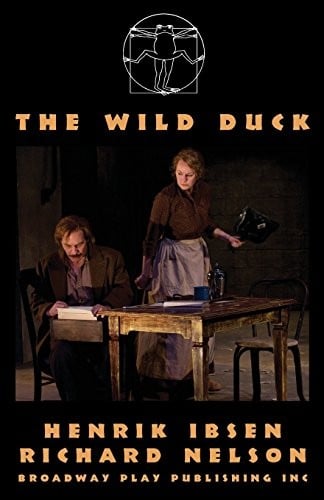
No. 5 on this list. The Wild Duck
Henrik Ibsen · 1884
Moderate2.2 hours
Taught in schools: Hungarian literature curriculum (magyar nyelv és irodalom) (Hungary)
Included in: Great Books of the Western World
The Wild Duck is a cornerstone of the Western dramatic canon, taught in virtually every university drama program and included in all standard collections of world theater. Though the database returns no syllabus count, Ibsen is the most taught non-English-language playwright in English-speaking universities, and this play—alongside Hedda Gabler and A Doll's House—appears on every major drama syllabus. It is consistently ranked among Ibsen's finest works and among the ten most important plays of the nineteenth century.
No. 6 on this list. Uncle Vanya
Anton Chekhov · 1899
Challenging1.8 hours
Taught in schools: Russian FGOS literature standard
Included in: Great Books of the Western World
One of the four major plays on which Chekhov's dramatic reputation rests, and a standard text in drama courses and the international repertory. It is revived constantly in new versions, by David Mamet, Brian Friel, Annie Baker and Conor McPherson among others.
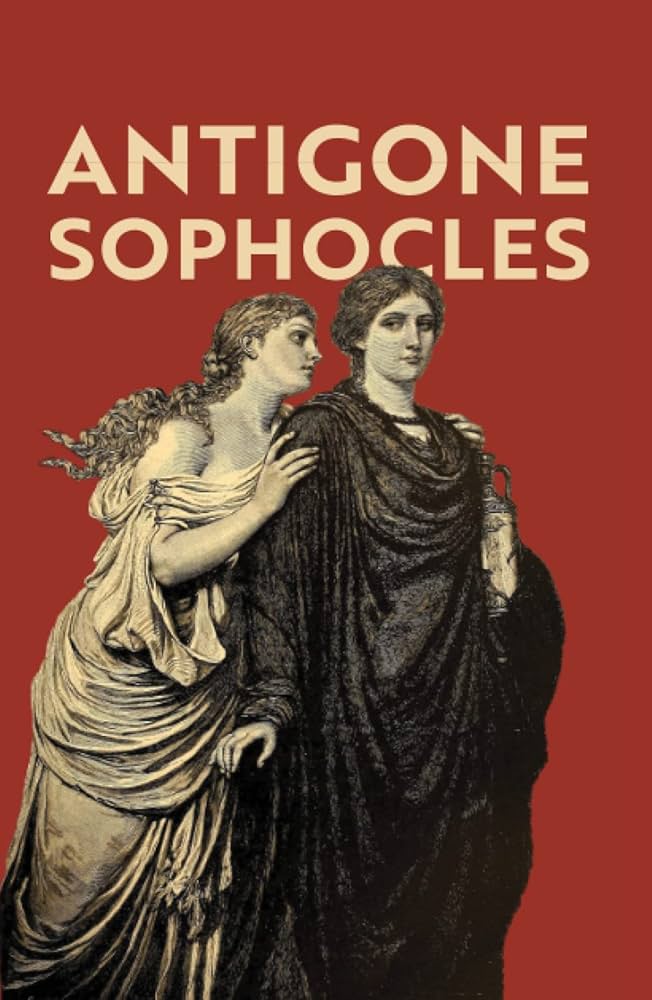
No. 7 on this list. Antigone
Sophocles · c. 441 BCE
Moderate2.6 hours
Taught in schools: Hungarian literature curriculum (magyar nyelv és irodalom) (Hungary), Lektury obowiązkowe – Polish national reading list (Poland), Montenegrin literature curriculum (crnogorski jezik i književnost) (Montenegro)
Included in: Great Books of the Western World
Sophocles gave a young woman one impossible choice — obey the state or bury her brother — and built from it the foundational argument about what happens when human law and moral law collide. Every subsequent debate about civil disobedience, from Thoreau to Martin Luther King, restates the question Antigone asked first.
In Our Time is widely taught in American literature survey courses as the foundational text of Hemingway's iceberg style. It appears on thousands of university syllabi and is the required starting point for understanding modernist short fiction in America. The Modern Library and most major American literature curricula treat it as essential.
One of the most widely taught American novels of the twentieth century, in high school and university courses on war literature and postmodern fiction. Its 1969 text is the standard for anti-war reading lists.
No. 10 on this list. Samson Agonistes
John Milton · 1671
Challenging1.1 hours
Included in: Great Books of the Western World
Samson Agonistes is required reading in virtually every English Renaissance and early modern literature course at the university level, paired with Paradise Lost and Paradise Regained as the triad of Milton's major late works. It appears on countless syllabi and is included in every major anthology of English literature. While less universally taught than Paradise Lost, it holds a firm place in the upper tier of the seventeenth-century canon.
No. 11 on this list. The Conference of the Birds · Attar of Nishapur · 1177
Recognized as one of the greatest works of Persian literature and a foundational text of Sufism. It ranks alongside the Quran and works by Rumi in Islamic intellectual tradition. Western literary canons increasingly recognize it as essential world literature.
Challenging2.8 hours
Start this bookNo. 12 on this list. Shakuntala · Kalidasa · 400
Supreme Sanskrit drama; first Indian text to reach European audience.
Moderate4.5 hours
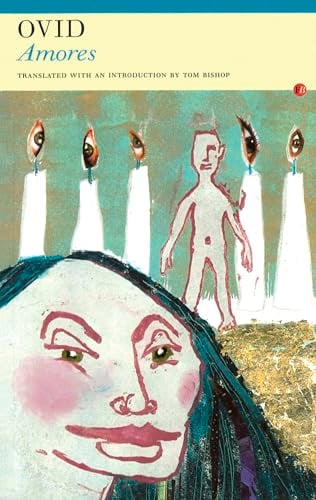
Start this bookNo. 13 on this list. Amores · Ovid · c. 16 BCE
Ovid is twenty years old and Corinna will not open her door. So begins the Amores — forty-nine love elegies written in the 20s BCE by a Roman poet who understood, from the first poem, that wit is more powerful than sincerity. Cupid, he explains in Elegy I, stole a foot from his heroic hexameter and turned his epic into love poetry against his will. This is Ovid's characteristic move: mock complaint that reveals total mastery. The Amores catalogues an affair with the unnamed mistress Corinna — bribing her doorkeeper, watching her comb her ruined hair, mourning her parrot with the same hyperbolic grief he'd spend on a person, catching her in adultery and immediately forgiving her because she denied it too beautifully. Each poem is a rhetorical performance: Ovid argues, apostrophizes, invokes mythology, reverses himself, and lands a final turn with the timing of a practised comedian. He invented the mode of the suffering lover who is too articulate to suffer. Reading the Amores is to watch the cleverest poet in Rome construct the template that Petrarch would use a millennium later, and that has governed love poetry ever since — which is to say, Ovid built the room everyone else still lives in.
Moderate2 hours
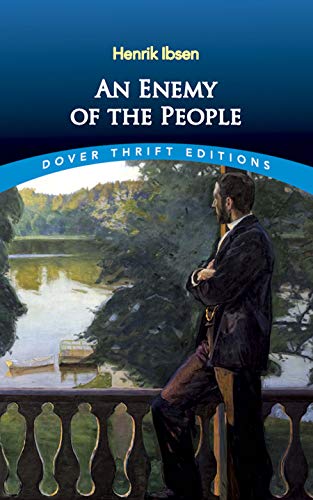
Read nowNo. 14 on this list. An Enemy of the People · Henrik Ibsen · 1882
An Enemy of the People is a standard text in university drama, literature, and political philosophy curricula worldwide, and is featured on virtually all lists of essential Western drama. Arthur Miller's celebrated 1950 adaptation attests to its enduring canonical status. While taught less broadly than Ibsen's A Doll's House or Hedda Gabler, it remains a fixture in theatre studies and social realist drama courses globally.
Challenging2.7 hours
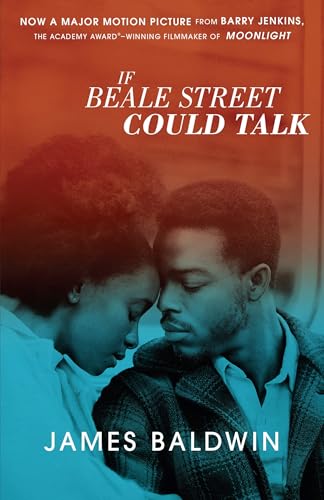
Start this bookNo. 15 on this list. If Beale Street Could Talk · James Baldwin · 1974
Firmly embedded in the American literary canon, the novel appears on major school and university syllabi, was adapted into an Academy Award-winning 2018 film, and is routinely included in retrospectives of 20th-century African American literature. Its status as one of Baldwin's essential works is uncontested.
Challenging4.2 hours
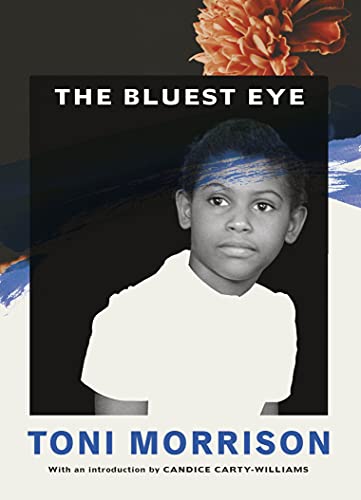
Start this bookNo. 16 on this list. The Bluest Eye · Toni Morrison · 1970
Taught in schools: Common Core text exemplars (Appendix B) (US)
While not as universally canonical as Beloved, The Bluest Eye is firmly established in the American literary canon, widely taught in universities, and recognized as a landmark debut that announced a major voice in American letters.
Challenging4.2 hours
Start this bookNo. 17 on this list. Paradise · Toni Morrison · 1999
As Morrison's seventh novel following her 1993 Nobel Prize, Paradise occupies secure canonical position. It completes Morrison's loose trilogy with Beloved and Jazz, cementing her exploration of African American historical trauma. The novel appears regularly on graduate syllabi and receives sustained scholarly attention. While perhaps less taught than Beloved or Song of Solomon, it represents mature-period Morrison at peak powers and contributes essential perspectives on black utopian communities, gender conflict, and religious violence.
Challenging10 hours
Start this bookNo. 18 on this list. Philoctetes · Sophocles · c. 409 BCE
Included in: Great Books of the Western World
Philoctetes is a fixture in university courses on Greek drama and classical literature worldwide, taught alongside the other surviving Sophoclean tragedies. While it receives less classroom attention than Oedipus Rex or Antigone, it is consistently included in surveys of ancient Greek theater and world literature curricula. Its place in the Western canon is secure, grounded in its 2,400-year history of continuous scholarly attention.
Challenging56 min
Read nowNo. 19 on this list. The Color Purple · Alice Walker · 1983
Taught in schools: AQA GCSE and A-level English Literature (UK), CSEC English B – Caribbean Examinations Council, Pearson Edexcel GCSE and A-level English Literature (UK)
Appears on 1,185 university syllabi according to Open Syllabus (76.8th percentile), making it a fixture of American literature, women's studies, and African American studies courses. Wikipedia articles in 22 languages reflect its global reach. Consistently listed in essential American fiction surveys, and the 1985 Spielberg film expanded its cultural footprint far beyond academic settings.
Moderate4.6 hours
Start this bookNo. 20 on this list. Life & Times of Michael K · J.M. Coetzee · 1983
Taught in schools: UNAM Escuela Nacional Preparatoria – programas de Literatura (Mexico)
Life and Times of Michael K won the Booker Prize in 1983 and stands as a foundational text in postcolonial literature. Its examination of apartheid South Africa, individual resistance, and the ethics of fiction has secured its place in literary canons alongside Coetzee's other major works. Frequently taught in universities and cited in critical literature.
Challenging5.2 hours
Start this book
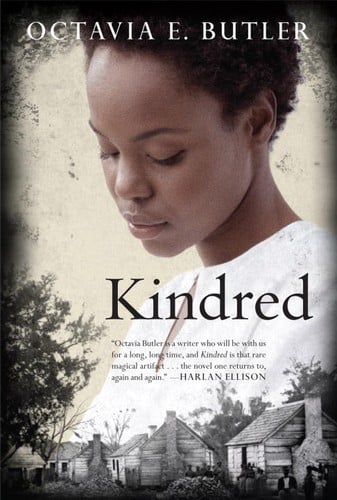
No. 21 on this list. Kindred · Octavia E. Butler · 1979
Taught in schools: CSEC English B – Caribbean Examinations Council
Kindred is required reading in African American literature, American history, and science fiction courses at universities across the United States and internationally. It appears on the Modern Library's reader list of the 100 best novels and is frequently paired with primary sources on American slavery. Octavia Butler is the first science fiction writer to receive a MacArthur Fellowship, and Kindred is her most assigned work.
Challenging9.1 hours
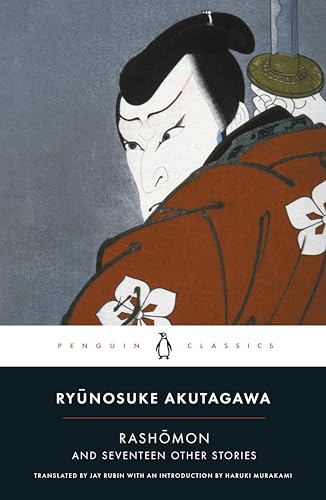
Start this bookNo. 22 on this list. Rashomon and Seventeen Other Stories · Ryūnosuke Akutagawa · 1915
Akutagawa is central to the Japanese literary canon and his stories are among the most widely read works of Japanese literature internationally, amplified by Kurosawa's adaptations.
Moderate4.2 hours
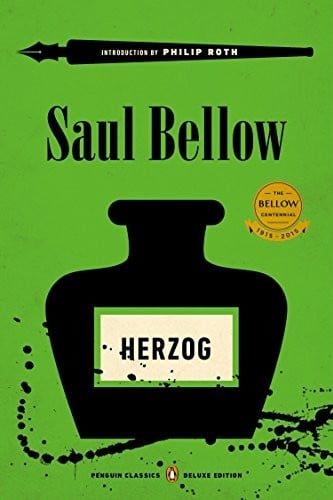
Start this bookNo. 23 on this list. Herzog · Saul Bellow · 1965
The great American novel of intellectual crisis. Moses Herzog's unsent letters, his failed marriages, his Jewish learning put to life's test—Bellow captured the American intellectual in extremis.
Challenging9.7 hours
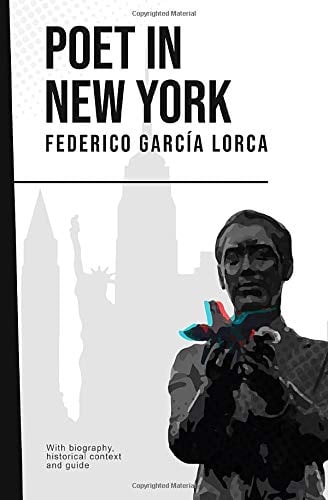
Start this bookNo. 24 on this list. Poet in New York · Federico García Lorca · 1940
One of the major poetry collections of the twentieth century and a landmark of Spanish-language surrealism.
Moderate58 min
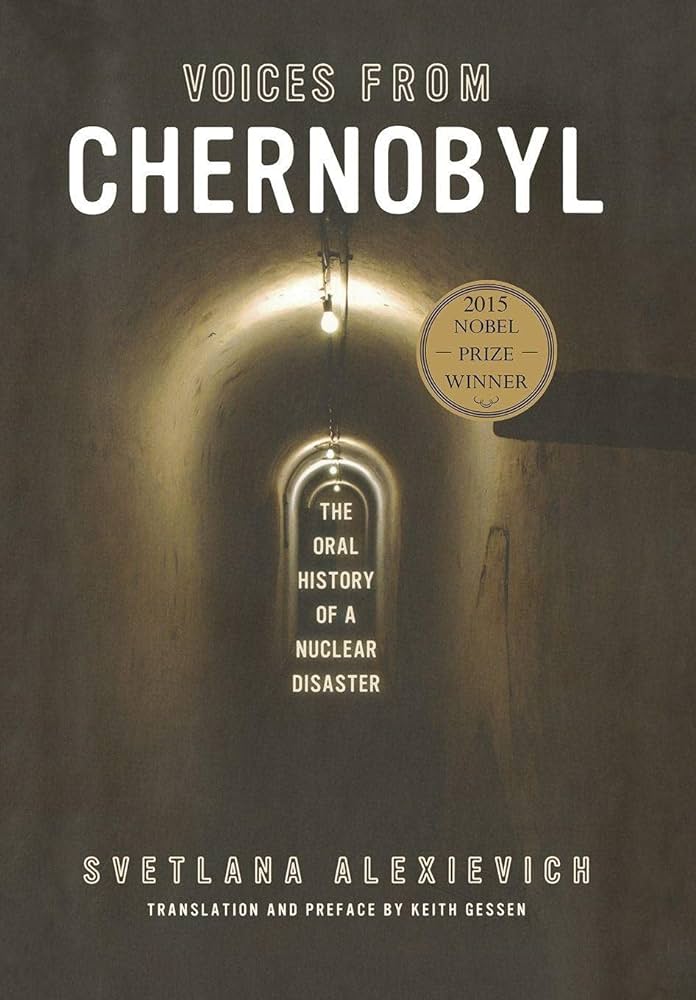
Start this bookNo. 25 on this list. Voices from Chernobyl · Svetlana Alexievich · 1997
Widely recognized as the definitive literary account of Chernobyl and a landmark of documentary literature. The 2015 Nobel Prize in Literature elevated its status, establishing Alexievich's polyphonic method as a major formal innovation. Required reading in post-Soviet studies and increasingly taught in world literature curricula. Its documentary approach has influenced contemporary non-fiction globally.
Challenging6.3 hours
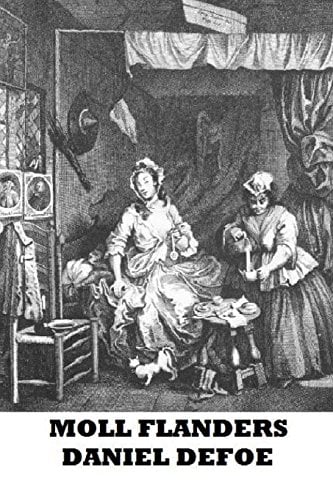
Start this bookNo. 26 on this list. Moll Flanders · Daniel Defoe · 1722
Moll Flanders is taught in virtually every 18th-century British literature and novel origins course, recognized as one of the first English novels alongside Robinson Crusoe. No syllabus data is available in the database, but Defoe's foundational status in the novel's history ensures widespread academic presence. Wikipedia articles exist in dozens of languages, reflecting its global canonical recognition.
Moderate9.1 hours
Start this bookNo. 27 on this list. A Grain of Wheat · Ngugi wa Thiong'o · 1967
Included in: Heinemann African Writers Series
Major postcolonial novel; widely taught in African and world literature.
Challenging6.5 hours
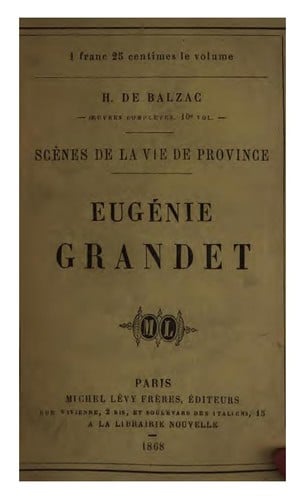
Start this bookNo. 28 on this list. Eugénie Grandet · Honoré de Balzac · 1833
Eugénie Grandet stands as a cornerstone of French literary realism and a key work in Balzac's vast Comédie humaine. It appears regularly in French literature curricula, realist novel courses, and 19th-century European literature surveys. The novel's dissection of provincial avarice and its portrait of female suffering under patriarchal capitalism have made it essential reading for understanding the realist tradition.
Moderate5 hours
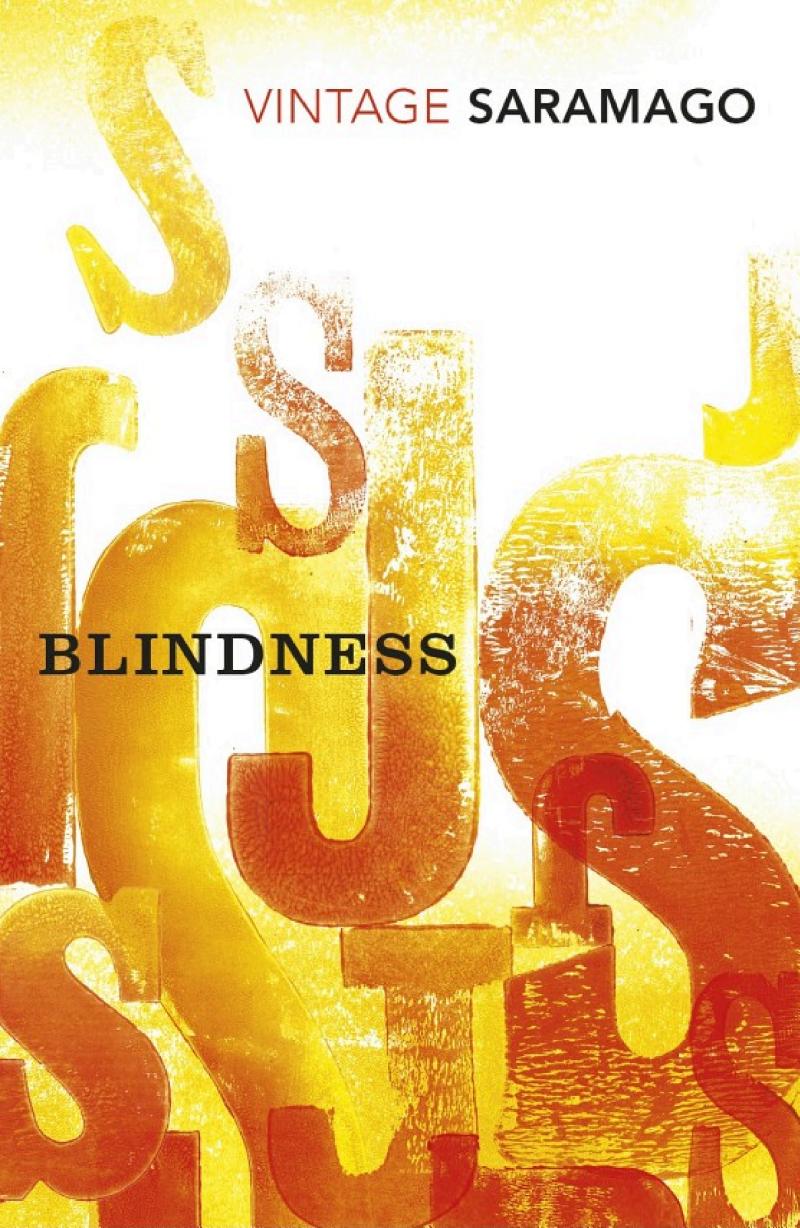
Read nowNo. 29 on this list. Blindness · José Saramago · 1995
Included in: Bokklubben World Library
Blindness is widely taught in world literature courses and appears on multiple international lists of essential contemporary fiction. It is the most recognized work of the only Portuguese-language Nobel laureate, and its Wikipedia article appears in over 50 languages. It occupies a position below the Anglo-American high canon (Beloved, Great Gatsby) but above cult-status works like Infinite Jest (78).
Challenging9.8 hours
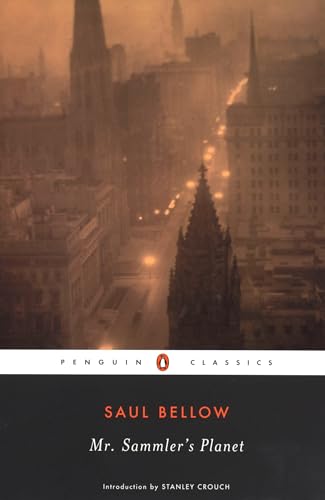
Start this bookNo. 30 on this list. Mr. Sammler's Planet · Saul Bellow · 1971
Winner of the 1971 National Book Award, the novel secured Bellow's position as America's preeminent intellectual novelist. It appears regularly on 20th-century American fiction syllabi and maintains strong presence in academic discourse on postwar Jewish-American literature. While not achieving the iconic status of 'Herzog' or 'Humboldt's Gift,' it remains central to Bellow's major-period reputation and discussions of Holocaust literature's second generation.
Challenging7.7 hours
Start this book
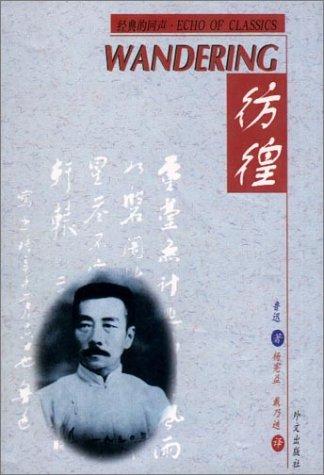
No. 31 on this list. Wandering
Lu Xun · 1926
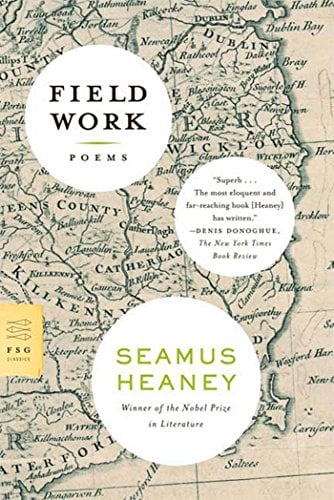
No. 32 on this list. Field Work
Seamus Heaney · 1979
Taught in schools: WJEC/Eduqas GCSE and A-level English Literature (UK)
No. 33 on this list. The Man Who Loved Children
Christina Stead · 1940
No. 34 on this list. Oedipus at Colonus
Sophocles · c. 401 BCE
Included in: Great Books of the Western World
No. 35 on this list. No One Writes to the Colonel
Gabriel García Márquez · 1961
No. 36 on this list. The First Circle
Aleksandr Solzhenitsyn · 1968
No. 37 on this list. The Notebooks of Malte Laurids Brigge
Rainer Maria Rilke · 1910
No. 38 on this list. Sophie's Choice
William Styron · 1980
No. 39 on this list. Tristia
Ovid · 12
No. 40 on this list. El Filibusterismo
José Rizal · 1891
Included in: UNESCO Collection of Representative Works
No. 41 on this list. The Fixer
Bernard Malamud · 1967
No. 42 on this list. Brand
Henrik Ibsen · 1866
No. 43 on this list. The House of Mirth
Edith Wharton · 1905
No. 44 on this list. Salvage the Bones
Jesmyn Ward · 2011
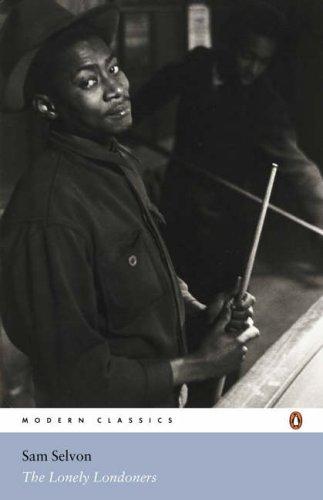
No. 45 on this list. The Lonely Londoners
Sam Selvon · 1956
Taught in schools: Pearson Edexcel GCSE and A-level English Literature (UK)
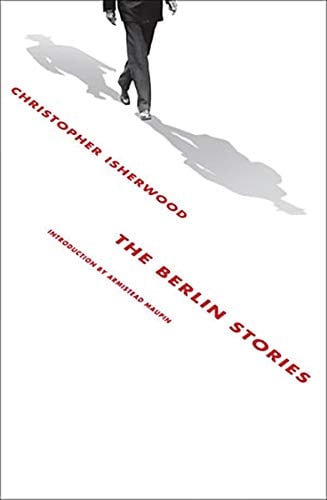
No. 46 on this list. The Berlin Stories
Christopher Isherwood · 1945
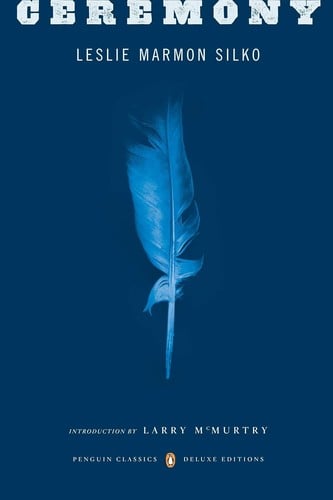
No. 47 on this list. Ceremony
Leslie Marmon Silko · 1977
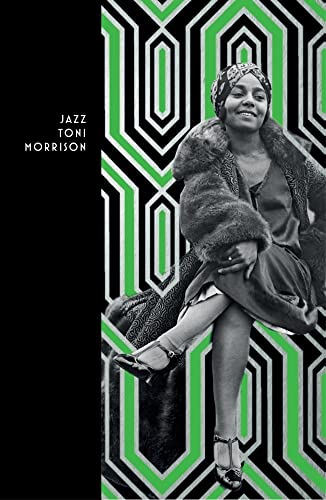
No. 48 on this list. Jazz
Toni Morrison · 1992
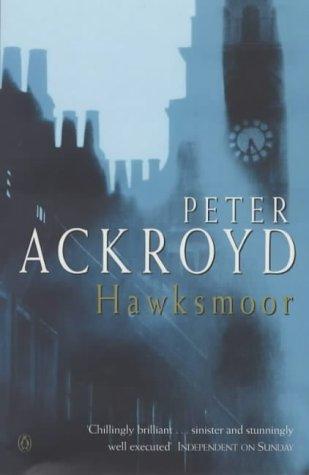
No. 49 on this list. Hawksmoor
Peter Ackroyd · 1985
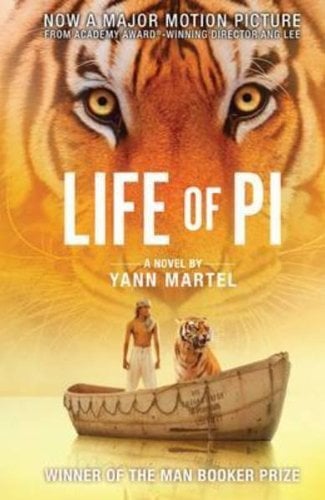
No. 50 on this list. Life of Pi
Yann Martel · 2002
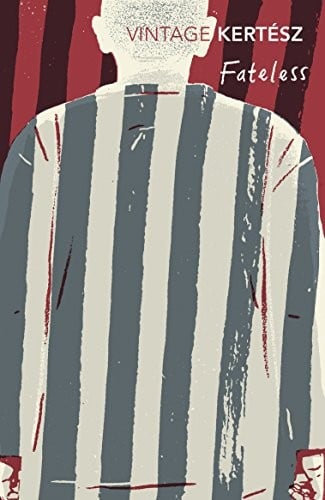
No. 51 on this list. Fatelessness
Imre Kertész · 1975
Taught in schools: Hungarian literature curriculum (magyar nyelv és irodalom) (Hungary)
No. 52 on this list. Iphigenia
Jean Racine · 1674
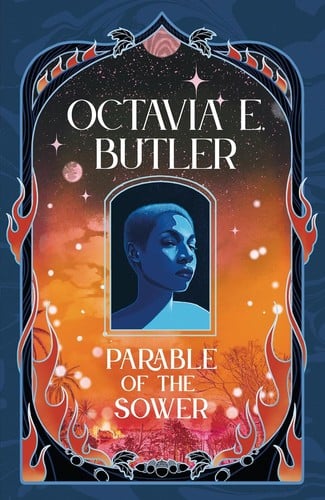
No. 53 on this list. Parable of the Sower
Octavia E. Butler · 1993
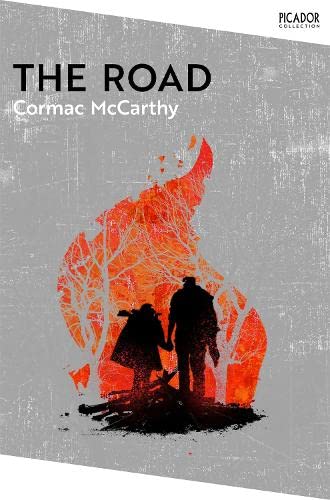
No. 54 on this list. The Road
Cormac McCarthy · 2007
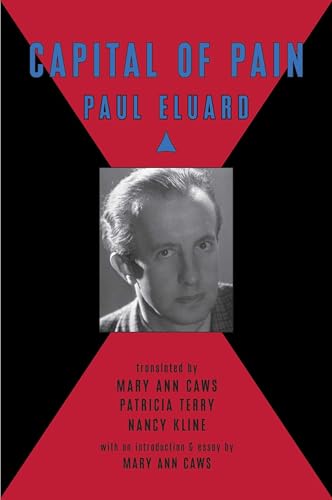
No. 55 on this list. Capital of Pain
Paul Éluard · 1926
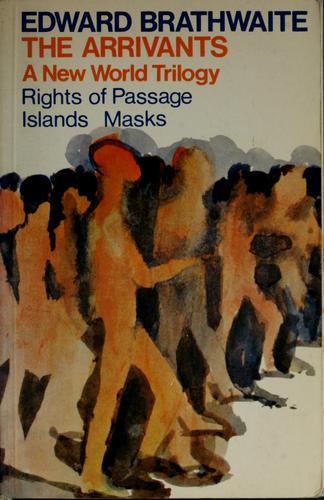
No. 56 on this list. The Arrivants
Kamau Brathwaite · 1973
Taught in schools: CSEC English B – Caribbean Examinations Council
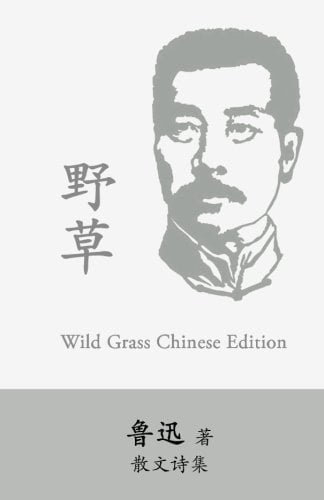
No. 57 on this list. Wild Grass
Lu Xun · 1927
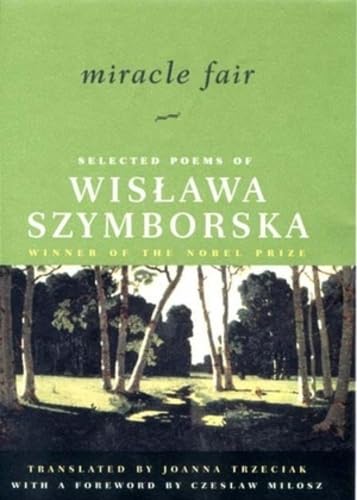
No. 58 on this list. Selected Poems of Wisława Szymborska
Wisława Szymborska · 1998
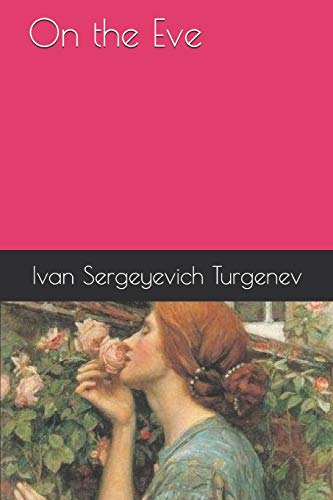
No. 59 on this list. On the Eve
Ivan Turgenev · 1860
Taught in schools: Russian FGOS literature standard
No. 60 on this list. VALIS
Philip K. Dick · 1981
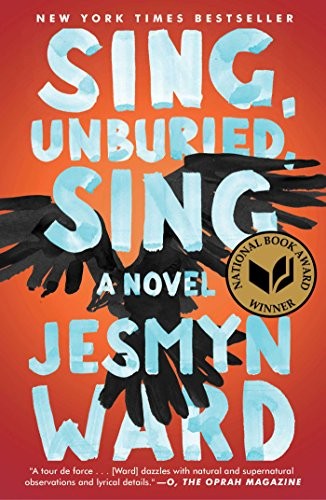
No. 61 on this list. Sing, Unburied, Sing
Jesmyn Ward · 2018
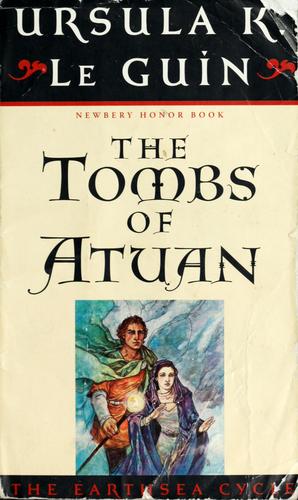
No. 62 on this list. The Tombs of Atuan
Ursula K Le Guin · 1971
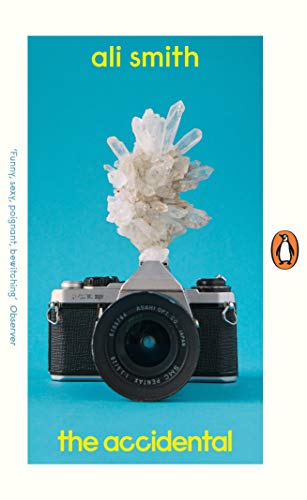
No. 63 on this list. The Accidental
Ali Smith · 2005
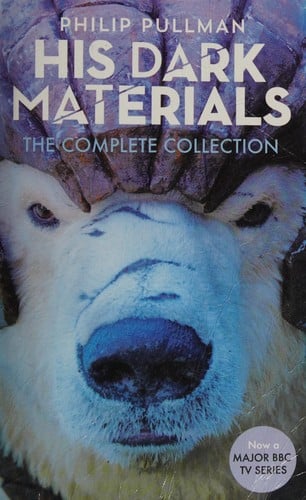
No. 64 on this list. His Dark Materials
Philip Pullman · 1995
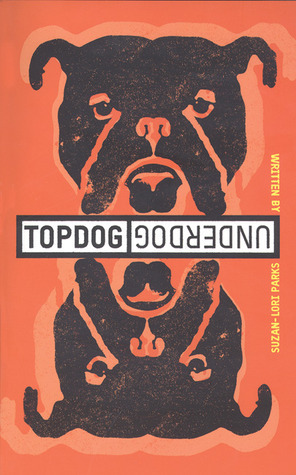
No. 65 on this list. Topdog/Underdog
Suzan-Lori Parks · 2001
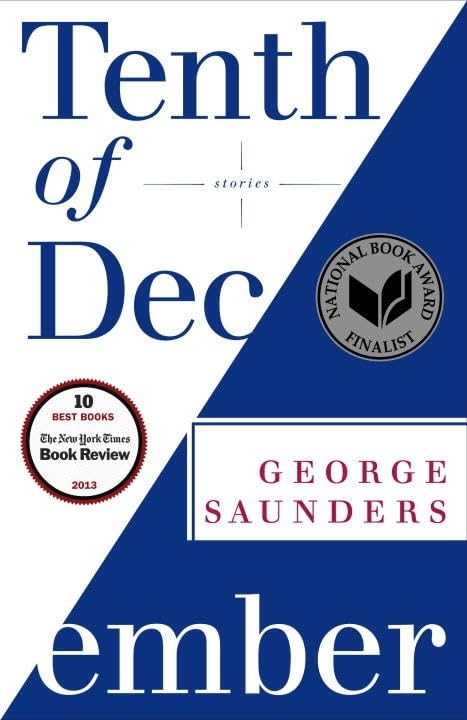
No. 66 on this list. Tenth of December
George Saunders · 2013
No. 67 on this list. Victory
Joseph Conrad · 1915
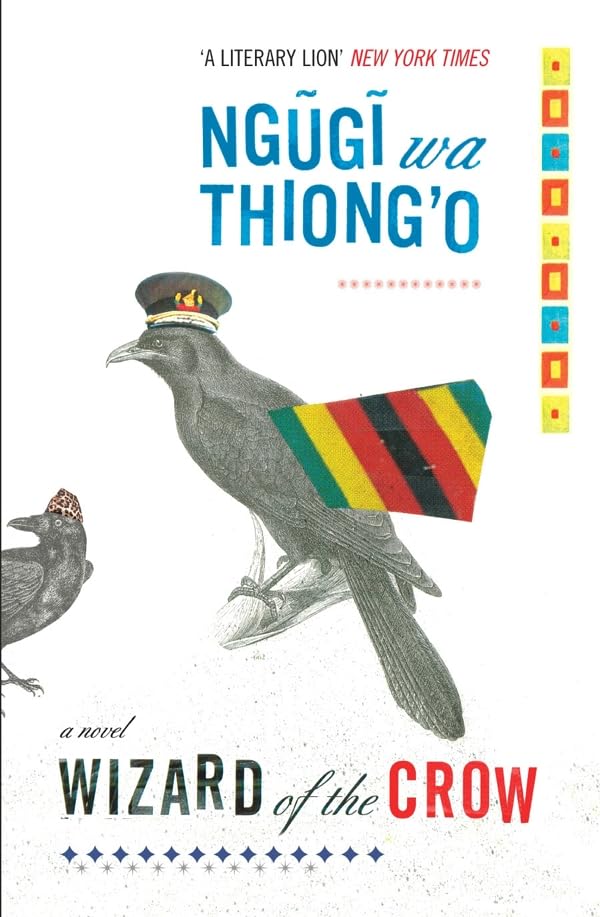
No. 68 on this list. The River Between
Ngugi wa Thiong'o · 1965
Taught in schools: CSEC English B – Caribbean Examinations Council
Included in: Heinemann African Writers Series
No. 69 on this list. The Assistant
Bernard Malamud · 1957
No. 70 on this list. The Satin Slipper
Paul Claudel · 1929
No. 71 on this list. Half a Lifelong Romance
Eileen Chang · 1948
No. 72 on this list. Barren Lives
Graciliano Ramos · 1938
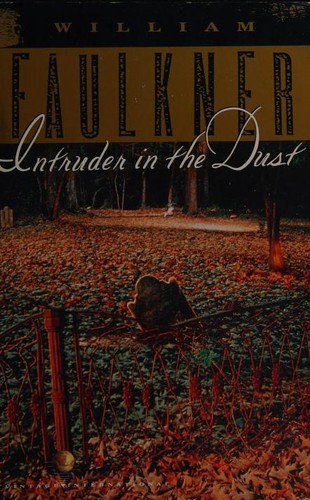
No. 73 on this list. Intruder in the Dust
William Faulkner · 1948
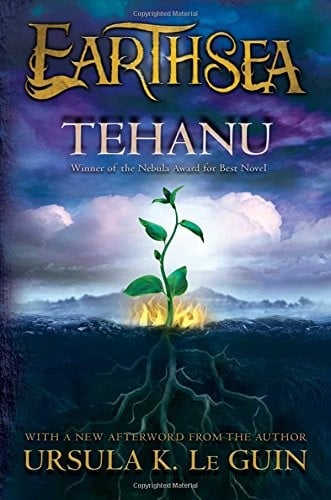
No. 74 on this list. Tehanu
Ursula K Le Guin · 1990
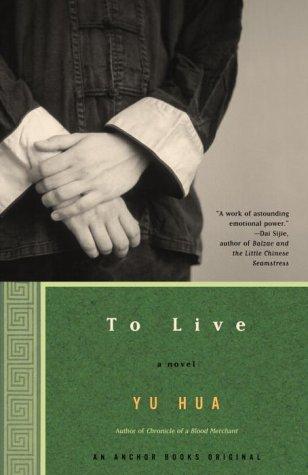
No. 75 on this list. To Live
Yu Hua · 1993
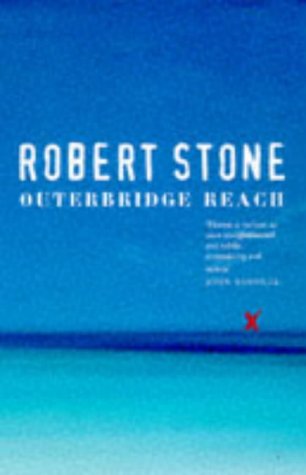
No. 76 on this list. Outerbridge Reach
Robert Stone · 1992
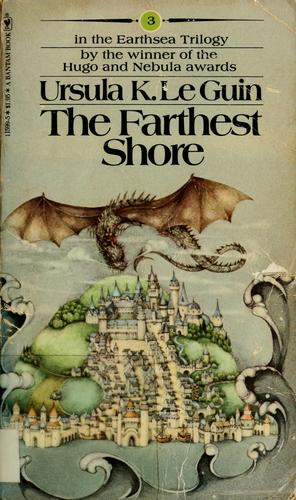
No. 77 on this list. The Farthest Shore
Ursula K Le Guin · 1972
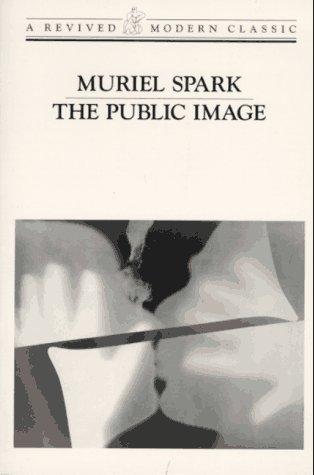
No. 78 on this list. The Public Image
Muriel Spark · 1969
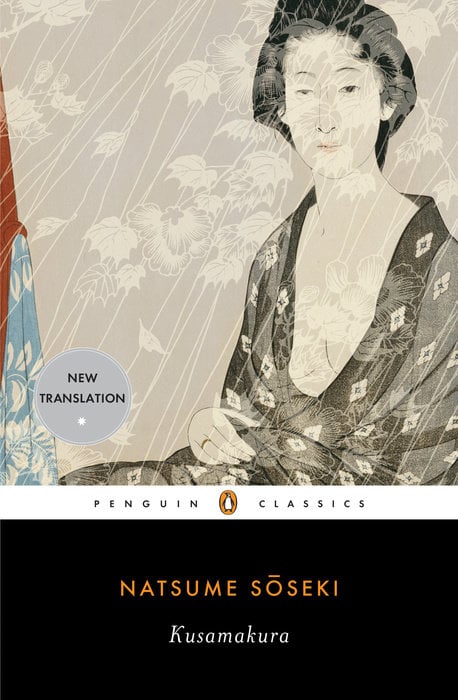
No. 79 on this list. Kusamakura
Natsume Sōseki · 1906
Included in: UNESCO Collection of Representative Works
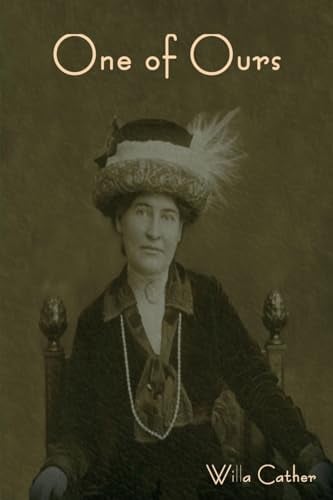
No. 80 on this list. One of Ours
Willa Cather · 1923
No. 81 on this list. We Are All Completely Beside Ourselves
Karen Joy Fowler · 2014
No. 82 on this list. The Price of Salt
Patricia Highsmith · 1952
No. 83 on this list. Wise Children
Angela Carter · 1991
Taught in schools: AQA GCSE and A-level English Literature (UK)
No. 84 on this list. The Round House
Louise Erdrich · 2012
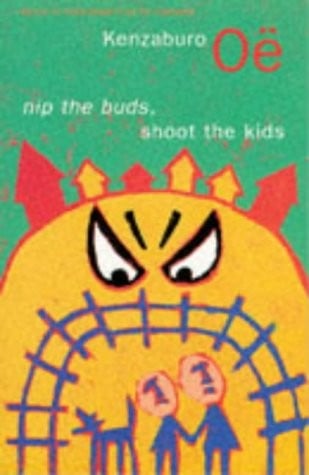
No. 85 on this list. Nip the Buds, Shoot the Kids
Kenzaburō Ōe · 1958
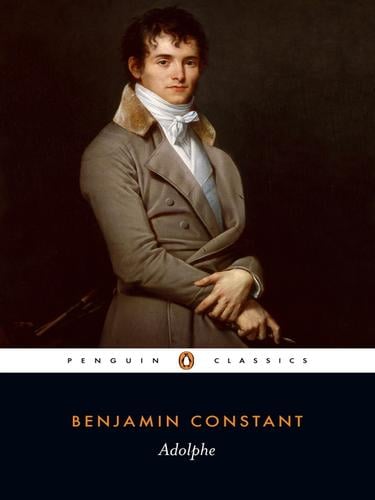
No. 86 on this list. Adolphe
Benjamin Constant · 1816
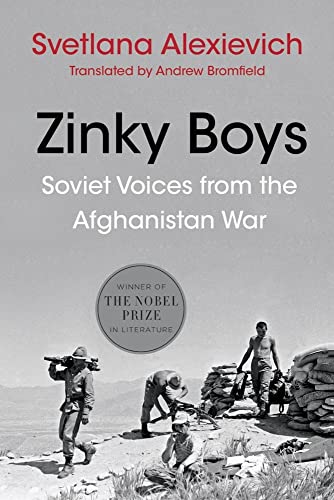
No. 87 on this list. Zinky Boys
Svetlana Alexievich · 1991
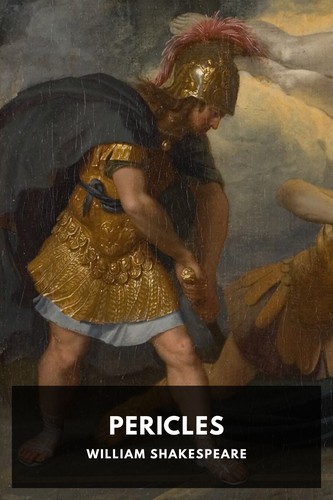
No. 88 on this list. Pericles, Prince of Tyre
William Shakespeare · 1609
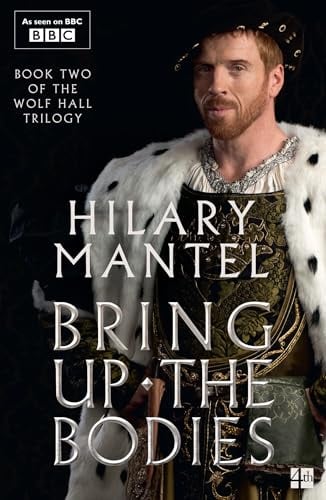
No. 89 on this list. Bring Up the Bodies
Hilary Mantel · 2012
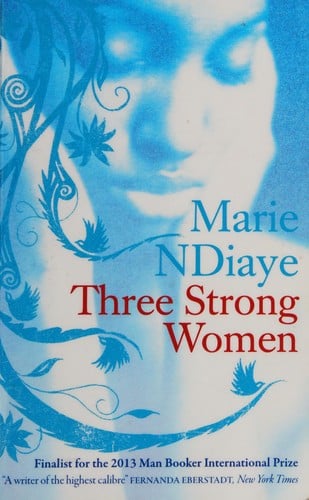
No. 90 on this list. Three Strong Women
Marie NDiaye · 2009
No. 91 on this list. Footsteps
Pramoedya Ananta Toer · 1985
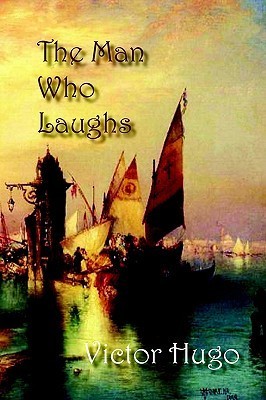
No. 92 on this list. The Man Who Laughs
Victor Hugo · 1869
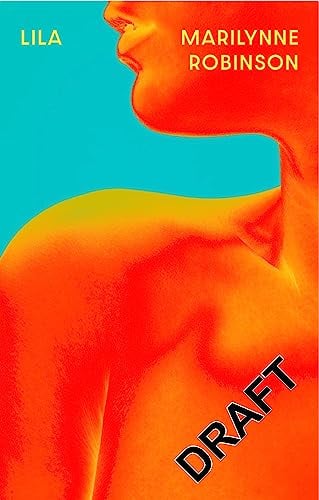
No. 93 on this list. Lila
Marilynne Robinson · 2015
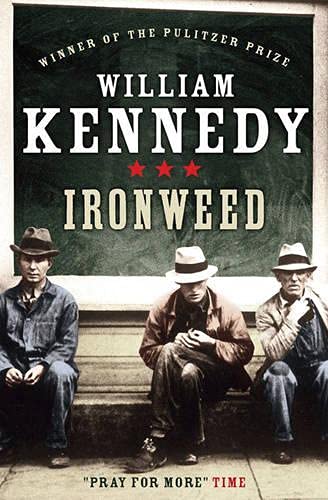
No. 94 on this list. Ironweed
William Kennedy · 1984
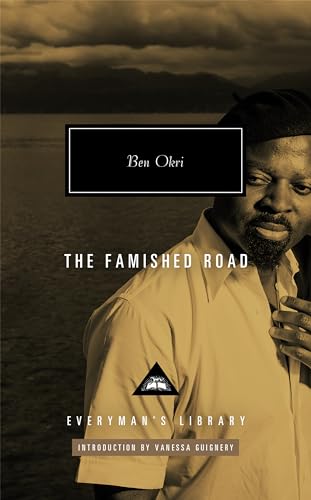
No. 95 on this list. The Famished Road
Ben Okri · 1991
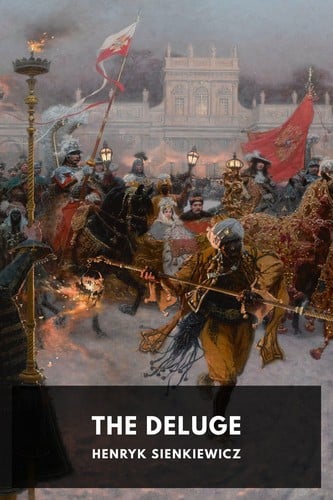
No. 96 on this list. The Deluge
Henryk Sienkiewicz · 1886
Taught in schools: Lektury obowiązkowe – Polish national reading list (Poland)
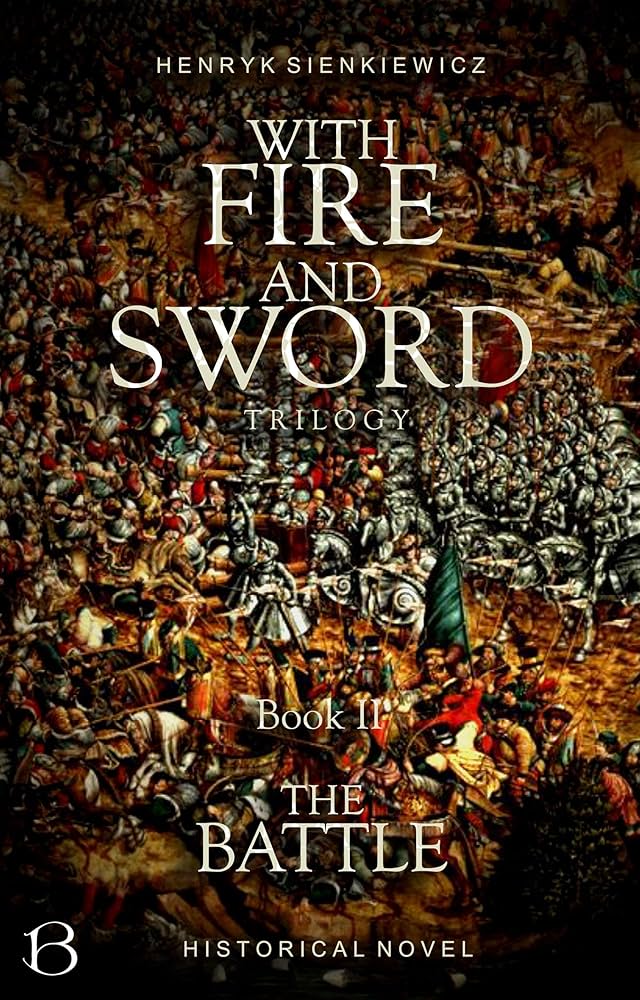
No. 97 on this list. With Fire and Sword
Henryk Sienkiewicz · 1884
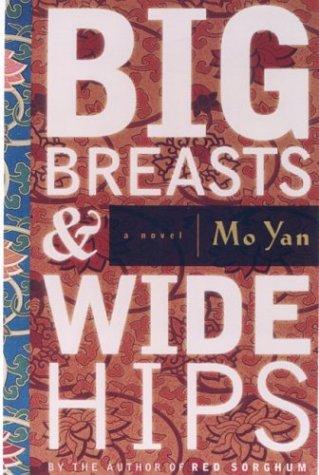
No. 98 on this list. Big Breasts and Wide Hips
Mo Yan · 1995
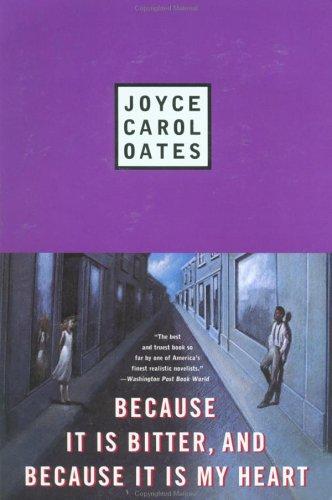
No. 99 on this list. Because It Is Bitter, and Because It Is My Heart
Joyce Carol Oates · 1990
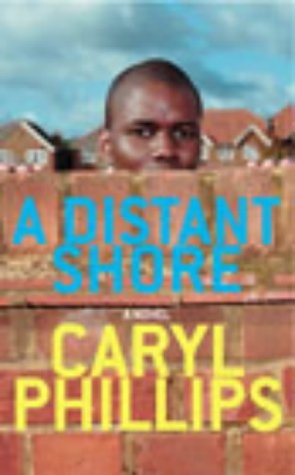
No. 100 on this list. A Distant Shore
Caryl Phillips · 2003
About this list
These 100 books are the highest-scoring eligible moderately difficult books about survival and endurance currently in the catalogue. About 658 hours of reading in all, for the 99 with measured lengths. Difficulty runs from 52 to 59 out of 100 for the middle half of the list; the summit is Paradise at 65.
This list is ranked by literary regard, with a consistent order for equal scores. Membership follows authors and co-authors, not translators or editors. A book is here when ReadingRate files it under Survival & Endurance as one of its primary reading domains, at a confidence of 0.8 or more. Catalogue coverage and the historical canon both limit what this list can represent.
When we matched the Canons dataset to our catalogue in October 2026, our canonical-status scores rose with the number of school curricula, publisher series and lists in it that cite a work: the median score was 72 for books one such source cites, 84 at two, 88 at three, 92 at four and 93 at five or more. Prizes are left out of that count. Outside the state curricula, the dataset’s sources choose mostly from what has been translated into English or French, so it is a weaker check on other literatures. Source: Canons (Andrew Piper), CC BY 4.0
Questions people actually ask
- What are the best moderately difficult books about survival and endurance?
- By literary regard, which weighs canonical status, critical standing and influence: Happy Days by Samuel Beckett, The Gulag Archipelago by Aleksandr Solzhenitsyn, A Dream Play by August Strindberg, A House for Mr. Biswas by V.S. Naipaul and The Wild Duck by Henrik Ibsen. ReadingRate ranks 100 such books, each with a difficulty score and a reading-time estimate.
- Which moderately difficult books about survival and endurance should I read first?
- Start from difficulty, not from rank. The most approachable books on this list that still carry top literary regard are Wandering by Lu Xun (about 2.6 hours), A House for Mr. Biswas by V.S. Naipaul and Amores by Ovid.
- What are the shortest of the best moderately difficult books about survival and endurance?
- Among the top 25, the shortest are In Our Time by Ernest Hemingway (about 17 min), Happy Days by Samuel Beckett (about 46 min) and Philoctetes by Sophocles (about 56 min), at an average pace of 250 words a minute adjusted for each book's difficulty.
- Which of the best moderately difficult books about survival and endurance are the established classics?
- By canonical status, how firmly a book sits in curricula, anthologies and the canon: Antigone by Sophocles, The Gulag Archipelago by Aleksandr Solzhenitsyn, The Bluest Eye by Toni Morrison, Happy Days by Samuel Beckett and A House for Mr. Biswas by V.S. Naipaul.
- Can I read any of these moderately difficult books about survival and endurance for free?
- 13 of the 100 open in ReadingRate's reader with a free account, from public-domain editions: Uncle Vanya, Antigone, Amores, Philoctetes, Eugénie Grandet and 8 more.
- How long would it take to read the top ten?
- About 27 hours for the 9 with measured lengths, at an average pace of 250 words a minute adjusted for each book's difficulty: 14 days at two hours a day. Set your own pace on the page and the list's reading times change to it.
- How hard are moderately difficult books about survival and endurance to read?
- Most of this list sits between 52 and 59 on ReadingRate's 100-point difficulty scale, where 40 to 55 is moderate. The summit is Paradise at 65. Every entry carries its own score, so a reader can pick a great book at a difficulty they will finish.
- How is this list ranked?
- On literary-regard data: how canonically established a work is, its critical standing, and its influence on later writing. It is not a readers’ poll, which is why recent bestsellers rarely appear. Membership follows authors and co-authors, not translators or editors. Lists by country, author, period, theme or difficulty keep to literature (fiction, poetry, drama and philosophy), their novels, poems and plays first and their philosophy after them; a list of a kind of book, such as memoir or criticism, keeps every book of that kind. Every list holds at most three works by one author. A book is here when ReadingRate files it under Survival & Endurance as one of its primary reading domains, at a confidence of 0.8 or more.