Hours at an average pace
Showing 100 books
About 768 hours for 98 of 100 books with measured lengths. Estimates use 250 words a minute, adjusted for each book's difficulty. At 2 hours a day, about 385 days for those books.
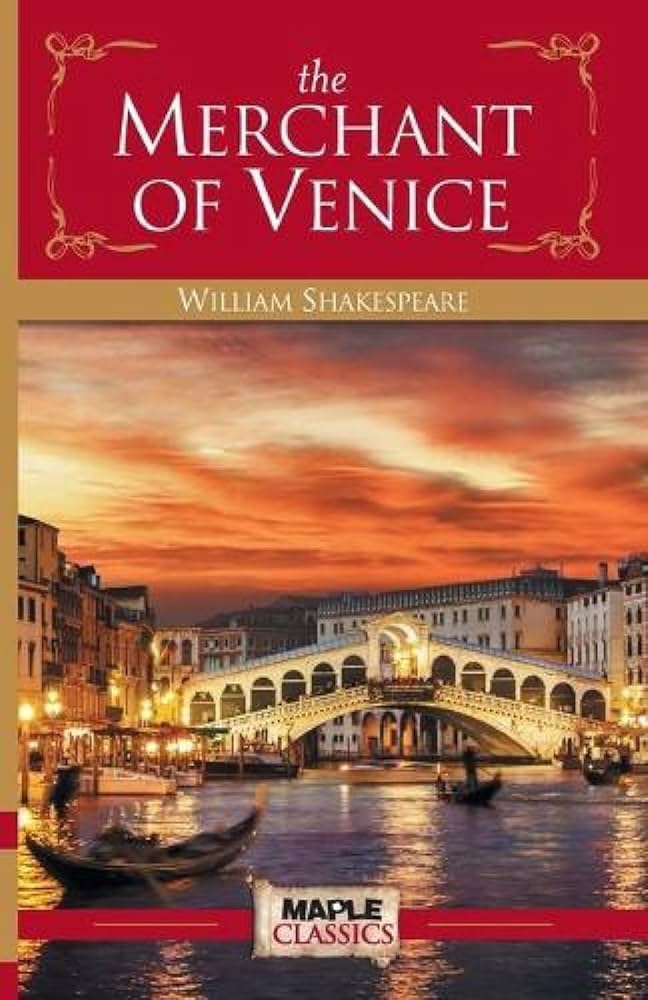
No. 1 on this list. The Merchant of Venice
William Shakespeare · 1600
Challenging3.9 hours
Taught in schools: Pacific Senior Secondary Certificate – English, Pearson Edexcel GCSE and A-level English Literature (UK)
Included in: Great Books of the Western World
The Merchant of Venice appears on university syllabi worldwide in courses on Shakespeare, Renaissance drama, and — increasingly — courses on race, religion, antisemitism, and law and literature. It is a permanent fixture in secondary school curricula across the English-speaking world. The figure of Shylock has made it one of the most discussed and ethically contested plays in the canon.
No. 2 on this list. Twelfth Night
William Shakespeare · 1602
Challenging1.8 hours
Taught in schools: AQA GCSE and A-level English Literature (UK), CAPE Literatures in English – Caribbean Examinations Council, Pearson Edexcel GCSE and A-level English Literature (UK)
Included in: Great Books of the Western World
Twelfth Night is among the most widely taught and performed Shakespeare comedies and a near-universal fixture in secondary school and university Shakespeare curricula. Its themes of disguise, gender ambiguity, and unrequited love have made it a central text in gender studies, queer theory, and Renaissance drama courses. It appears on more syllabi than any other Shakespeare comedy except perhaps A Midsummer Night's Dream.
Utopia is a fixture in political philosophy, early modern history, and English literature curricula globally. The word 'utopia' entered every major European language, a feat achieved by fewer than a dozen literary works. It appears on thousands of university syllabi across disciplines — philosophy, political science, history, English, Renaissance studies — and is universally recognized as foundational reading.
No. 4 on this list. As You Like It
William Shakespeare · 1600
Moderate1.6 hours
Taught in schools: CSEC English B – Caribbean Examinations Council, WBCHSE English and Alternative English syllabuses (India)
Included in: Great Books of the Western World
As You Like It appears on thousands of university syllabi worldwide and is regularly staged by major theater companies. Its central monologue — 'All the world's a stage' — is among the most quoted passages in English literature, cementing its place in the core Shakespeare canon alongside Hamlet and Midsummer Night's Dream.
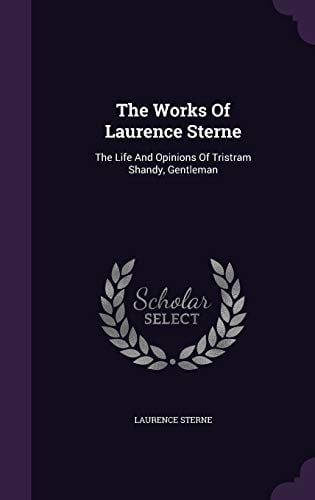
No. 5 on this list. The Life and Opinions of Tristram Shandy, Gentleman
Laurence Sterne · 1759
Difficult27 hours
Included in: Bokklubben World Library, Great Books of the Western World
Tristram Shandy is one of the most taught 18th-century English novels in university literature programs worldwide, appearing on virtually every course covering the development of the novel form, postmodernism avant la lettre, and experimental fiction. It consistently appears on lists of the greatest novels in the English language — Modern Library, Penguin Classics, academic consensus lists — and is the foundational text for any discussion of metafiction and narrative self-consciousness. Its canonical status is second only to Fielding's Tom Jones among 18th-century English prose fiction.
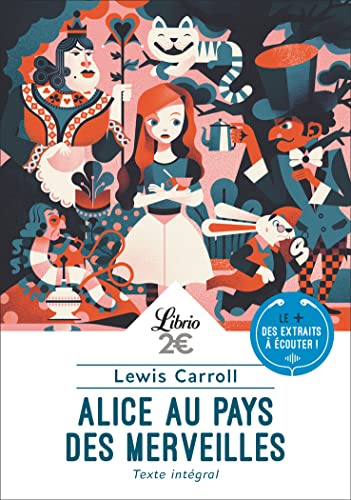
No. 6 on this list. Alice's Adventures in Wonderland and Through the Looking-Glass
Lewis Carroll · 1871
Moderate3.6 hours
No syllabus or Wikipedia-language data is recorded for this edition in our database, but Alice is a fixture of children's-literature, Victorian-studies, and philosophy-of-language courses worldwide. It remains one of the most translated books in history, with a reach comparable to Hamlet's or The Great Gatsby's syllabus ubiquity.
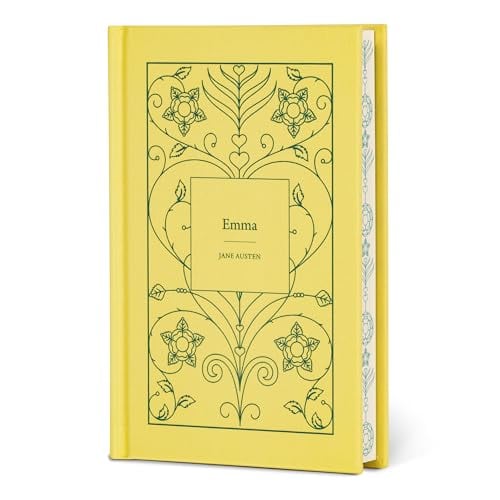
No. 7 on this list. Emma
Jane Austen · 1815
Challenging12 hours
Taught in schools: AQA GCSE and A-level English Literature (UK), CSEC English B – Caribbean Examinations Council
Included in: Great Books of the Western World, Oxford World's Classics
Emma is taught in virtually every survey of British literature and appears on most lists of essential novels. It is Austen's longest and most complex work, considered by some critics her masterpiece. The novel appears in high school AP courses, undergraduate surveys, and graduate seminars. It has been adapted countless times for film and television. Its status in the Western canon is unassailable, ranking just below Pride and Prejudice in popular awareness but equal or higher in critical estimation.
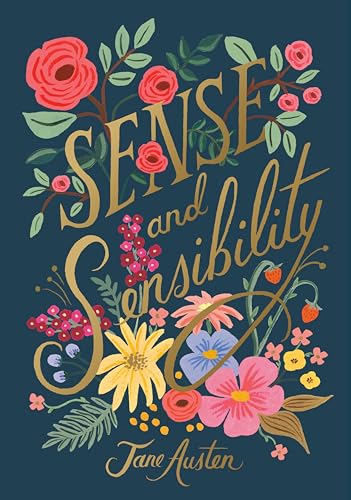
No. 8 on this list. Sense and Sensibility
Jane Austen · 1811
Moderate8.7 hours
Taught in schools: OCR GCSE and A-level English Literature (UK), WJEC/Eduqas GCSE and A-level English Literature (UK)
Austen first published novel. Less celebrated than Pride and Prejudice or Emma but firmly canonical.
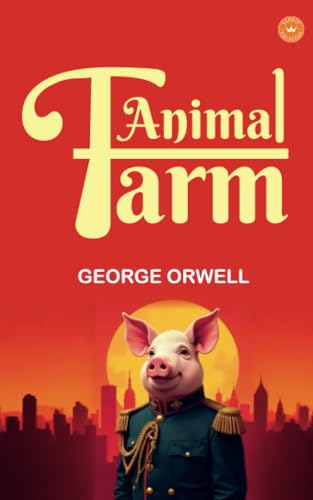
No. 9 on this list. Animal Farm
George Orwell · 1945
Challenging2.3 hours
Taught in schools: AQA GCSE and A-level English Literature (UK), CSEC English B – Caribbean Examinations Council, Lesotho literature in English
Included in: Great Books of the Western World
Appears on 591 university syllabi according to the Open Syllabus Project (69th percentile) and has Wikipedia articles in 95 languages. Listed on TIME's All-TIME 100 Novels, Modern Library's 100 Best Novels, the BBC Big Read Top 100, and 1001 Books You Must Read Before You Die — a breadth of recognition that places it among the most reliably canonical works of 20th-century fiction.
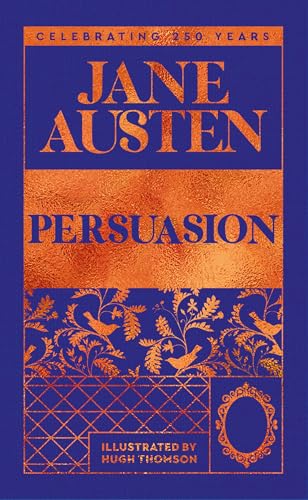
No. 10 on this list. Persuasion
Jane Austen · 1817
Moderate6.6 hours
Taught in schools: AQA GCSE and A-level English Literature (UK)
Persuasion holds secure canonical status as Austen's final completed novel, taught universally in Austen studies and Regency literature courses. Its mature emotional register and autumnal tone distinguish it within Austen's oeuvre and ensure its place in discussions of English literary history.
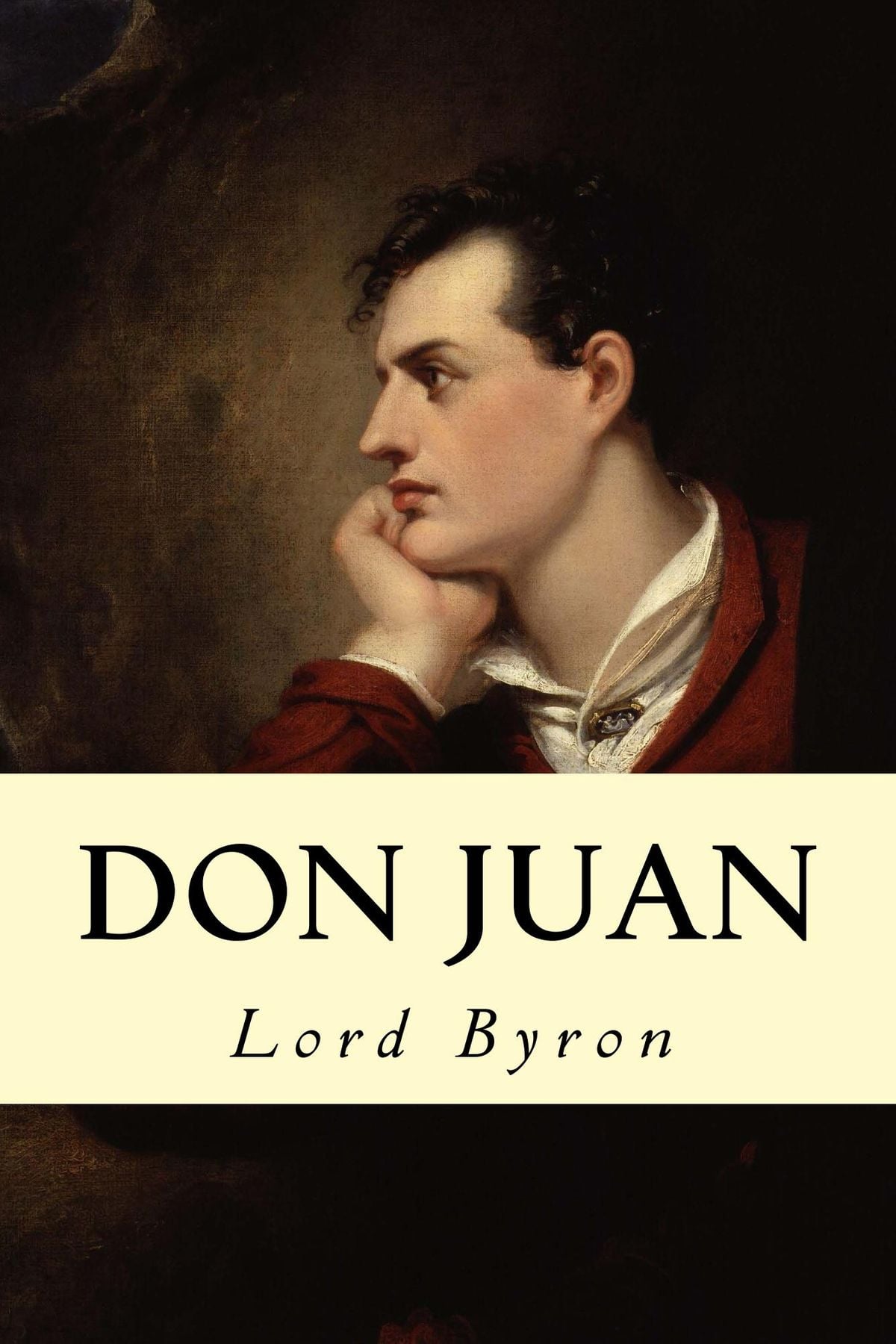
No. 11 on this list. Don Juan · Lord Byron · 1824
Byron's sixteen-thousand-line ottava rima epic turns the legendary seducer into a passive, charming boy buffeted across Europe by women, wars, and shipwrecks. The digressions—on English hypocrisy, the nature of fame, the stupidity of war—are the point, making it the first great poem that reads like a novel.
Challenging11 hours
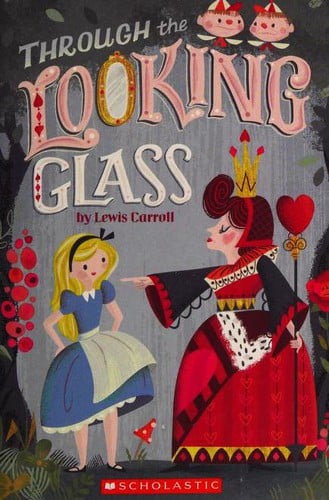
Read nowNo. 12 on this list. Through the Looking-Glass and What Alice Found There · Lewis Carroll
It is a core text of Victorian and children's literature, taught in courses on nonsense, fantasy and Victorian studies and constantly adapted. It trails only a little behind the first Alice book in curricula.
Moderate4.1 hours
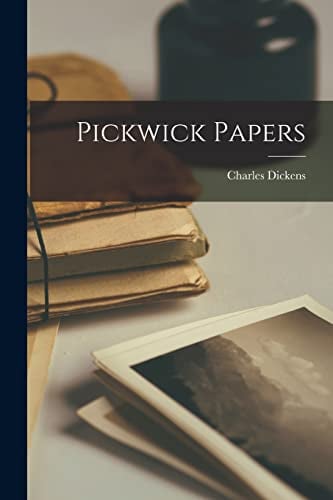
Start this bookNo. 13 on this list. The Pickwick Papers · Charles Dickens · 1837
A standard fixture in Victorian literature surveys and 19th-century English literature courses, though overshadowed in syllabi by Dickens's later works such as Great Expectations and A Tale of Two Cities. Its status as Dickens's first novel and as the text that established serialized fiction as a mass-market form gives it a firm place in the canon, even if it is read less frequently than his mature novels.
Moderate19 hours
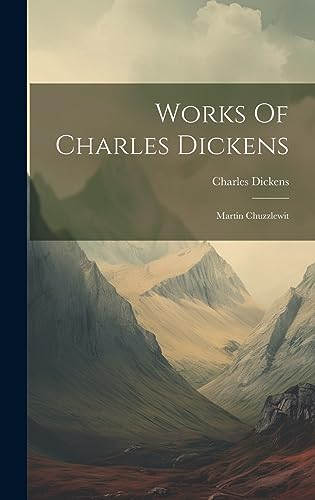
Read nowNo. 14 on this list. Martin Chuzzlewit · Charles Dickens · 1844
Martin Chuzzlewit holds a secure but second-tier position in the Dickens canon, taught regularly in Victorian literature courses and included on most serious Dickens reading lists, though it receives less classroom attention than Bleak House, Great Expectations, or David Copperfield. Dickens himself considered it his best work up to that point. The novel is available in numerous editions including Penguin Classics and Oxford World's Classics, and its key characters—Pecksniff, Sairey Gamp—remain cultural reference points.
Challenging24 hours
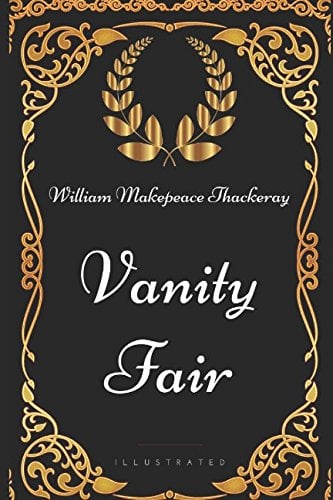
Read nowNo. 15 on this list. Vanity Fair · William Makepeace Thackeray · 1848
Taught in schools: AQA GCSE and A-level English Literature (UK)
Vanity Fair is a cornerstone of Victorian literature curricula worldwide, appearing on roughly 2,000–3,000 university syllabi across English literature, European novel, and 19th-century studies courses. It sits on the Modern Library's 100 Best Novels list and appears in every major survey of the Victorian novel. Wikipedia articles exist in over 70 languages, and the title itself has passed into common usage as a byword for social ambition and display.
Difficult41 hours
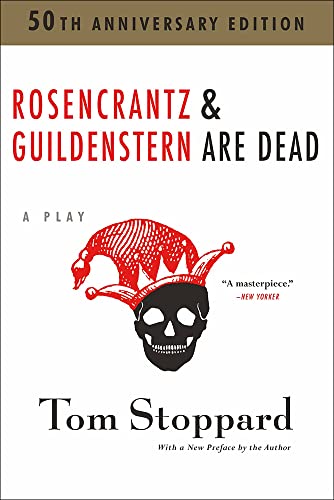
Start this bookNo. 16 on this list. Rosencrantz and Guildenstern Are Dead · Tom Stoppard · 1966
Rosencrantz and Guildenstern Are Dead is a fixture of university theater and English literature curricula, appearing consistently on drama syllabi across English-speaking universities. It is widely taught alongside Waiting for Godot as a key postmodern, absurdist text. Its Wikipedia article exists in dozens of languages and includes dedicated reception and adaptations sections, and a 1990 film adaptation by Stoppard himself extended its cultural reach.
Difficult3 hours
Start this bookNo. 17 on this list. Our Mutual Friend · Charles Dickens · 1865
Our Mutual Friend is a fixture of Victorian literature courses at universities worldwide, typically assigned alongside Great Expectations and Bleak House in advanced English studies. Wikipedia articles for the novel exist in dozens of languages, reflecting its global canonical standing. It consistently appears on critics' lists of Dickens's greatest works and in syllabi covering 19th-century social fiction.
Difficult35 hours
Read nowNo. 18 on this list. Moll Flanders · Daniel Defoe · 1722
Moll Flanders is taught in virtually every 18th-century British literature and novel origins course, recognized as one of the first English novels alongside Robinson Crusoe. No syllabus data is available in the database, but Defoe's foundational status in the novel's history ensures widespread academic presence. Wikipedia articles exist in dozens of languages, reflecting its global canonical recognition.
Moderate9.1 hours
Start this bookNo. 19 on this list. Tom Jones · Henry Fielding · 1749
Included in: Great Books of the Western World
Tom Jones is a foundling, discovered as an infant in the bed of the wealthy Somerset squire Allworthy, who raises him alongside the scheming Blifil. Tom grows up handsome, generous, impulsive, and entirely unsuited to the careful management of reputation—which in 18th-century England is fatal. He loves Sophia Western, the spirited daughter of his neighbor, but his illegitimate birth and his talent for getting into trouble conspire against him. Expelled from Allworthy's estate, he sets out across England, stumbling through inns and battlefields and drawing rooms, pursued by Sophia, who is fleeing her own forced marriage. Fielding narrates all of this with a wit that never lets you forget he's in the room. Each book opens with a chapter of authorial commentary—on writing, morality, criticism, the reader's expectations—before he returns to the story. The effect is of a novelist who has invented the form and wants you to watch him think about it. Beneath the comedy, the novel asks a serious question: whether goodness of heart can survive a world that rewards calculation. Tom's answer, delivered across 900 pages of mishap and delight, is stubbornly, improbably yes.
Moderate23 hours
Start this bookNo. 20 on this list. A Room with a View · E.M. Forster · 1908
Taught in schools: AQA GCSE and A-level English Literature (UK), WJEC/Eduqas GCSE and A-level English Literature (UK)
Firmly established in the Edwardian literary canon, widely taught in university courses on early twentieth-century British fiction, and recognized as a definitive work of pre-war social comedy. The 1985 Merchant Ivory film adaptation cemented its cultural presence. While not as towering as Forster's later 'A Passage to India,' it remains an enduring classic of the comedy of manners tradition, valued for its wit, social observation, and humane liberalism.
Moderate4.4 hours
Read now
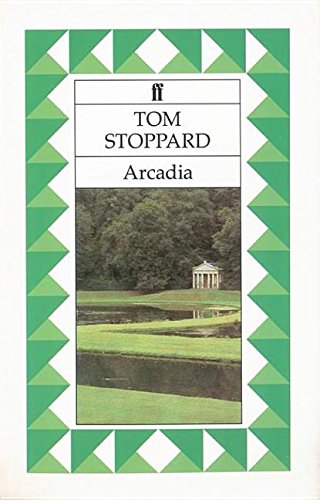
No. 21 on this list. Arcadia · Tom Stoppard · 1993
Arcadia is widely regarded as one of the finest English-language plays of the twentieth century and appears on drama syllabi at most anglophone universities. The play lacks the database signals (no syllabus count, no Wikipedia data retrieved), but from general knowledge it is a fixture of British drama courses and has been continuously staged in London and New York since its 1993 premiere. It ranks below Hamlet or Waiting for Godot in canonical weight but above most contemporary drama.
Difficult5.7 hours
Start this bookNo. 22 on this list. Mac Flecknoe · John Dryden · 1682
A fixture of Restoration and eighteenth-century literature surveys and anthologized in the Norton Anthology of English Literature, but it circulates mostly within period courses rather than general-education curricula the way Hamlet or Gatsby does.
Moderate8 min
Start this bookNo. 23 on this list. The Dunciad · Alexander Pope · 1728
Included in: Oxford World's Classics
The Dunciad is anthologized in every major survey of English literature and is a fixture of Augustan/Restoration satire courses, though it is taught far less broadly than Pope's more accessible The Rape of the Lock or Gulliver's Travels — no syllabus or Wikipedia data was returned for this record, so this score rests on established literary history.
Challenging1.7 hours
Start this bookNo. 24 on this list. The Way We Live Now · Anthony Trollope · 1875
Widely taught in Victorian literature courses at universities worldwide and consistently included in lists of the greatest 19th-century English novels. Routinely called Trollope's masterpiece and the finest Victorian satire of money and society. While no formal database entry is available here, the novel's presence on undergraduate syllabi is extensive, placing it solidly in the upper tier of Victorian canonical texts, though below the very highest (Dickens, George Eliot, Hardy).
Moderate23 hours
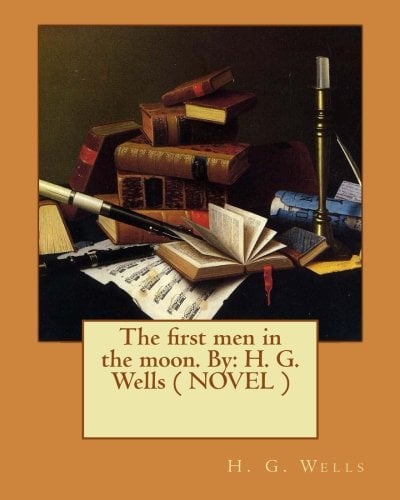
Start this bookNo. 25 on this list. The First Men in the Moon · H.G. Wells · 1901
The First Men in the Moon appears regularly on science fiction studies syllabi and is standard reading in courses on Victorian literature and early genre fiction. It lacks the crossover canonical presence of Wells's The Time Machine or The War of the Worlds, but is consistently included in histories of science fiction and Edwardian literature.
Moderate4.2 hours
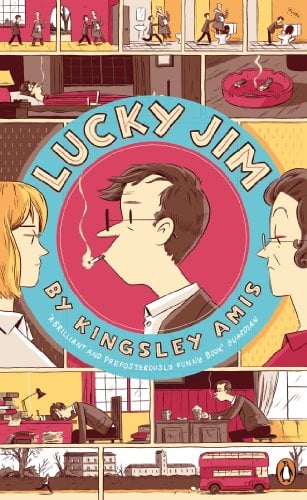
Start this bookNo. 26 on this list. Lucky Jim · Kingsley Amis · 1954
Taught in schools: CSEC English B – Caribbean Examinations Council
On TIME's All-TIME 100 Novels, in Penguin Modern Classics, and on 246 university syllabi (60th percentile). It is the standard text for the campus novel and a regular in courses on postwar British fiction.
Moderate6.1 hours
Start this bookNo. 27 on this list. Volpone · Ben Jonson · 1606
Volpone is a fixture of Renaissance drama anthologies and early modern survey courses, though no syllabus or Wikipedia data was returned for this work in our dataset. It remains one of the two or three Jonson plays routinely taught alongside The Alchemist, sitting below Beloved's Nobel-author canonicity (85) and above genre-studies-only works.
Moderate1.8 hours
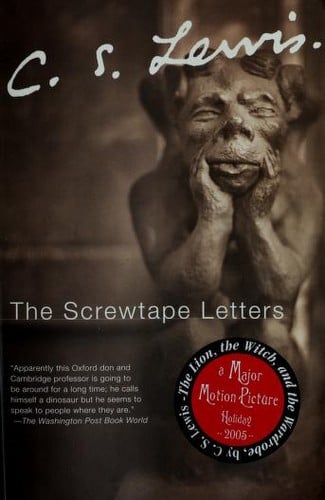
Start this bookNo. 28 on this list. The Screwtape Letters · C.S. Lewis · 1942
One of the most widely read works of Christian literature in the twentieth century. A staple of church reading groups and university courses on Lewis.
Moderate2.2 hours
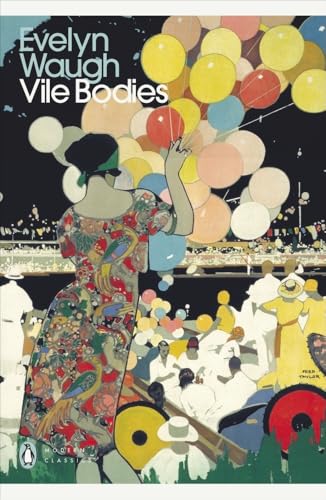
Start this bookNo. 29 on this list. Vile Bodies · Evelyn Waugh · 1930
Vile Bodies is one of Waugh's most celebrated early novels and appears regularly on British literature syllabi and 'best of 20th century' lists. It lacks the mass-taught status of Brideshead Revisited but is considered essential reading for interwar British fiction. The Modern Library includes Waugh among major 20th-century novelists, and the novel appears in numerous canonical surveys of satirical fiction.
Moderate4.3 hours
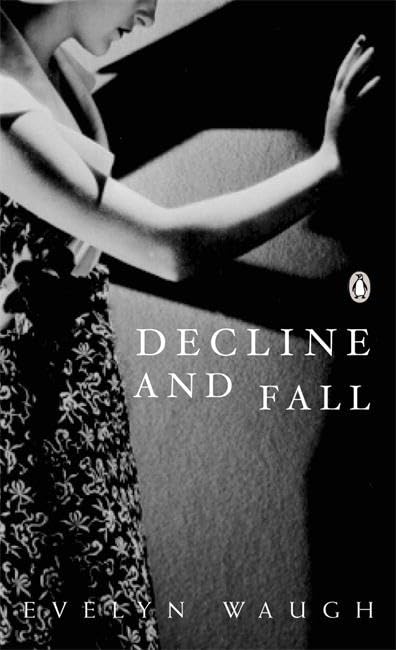
Start this bookNo. 30 on this list. Decline and Fall · Evelyn Waugh · 1928
Waugh's debut is firmly lodged in the British literary canon — widely taught in universities, included in 'best of the 20th century' lists, and regarded as the opening salvo of a major career. Its status as a foundational satirical novel of interwar England is undisputed, though it is slightly overshadowed by the more celebrated Brideshead Revisited and Vile Bodies in popular recognition.
Challenging4.4 hours
Start this book
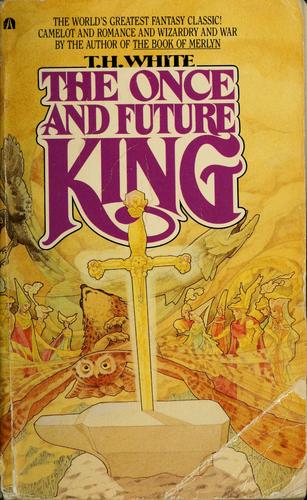
No. 31 on this list. The Once and Future King (The Once and Future King, #1–5)
T.H. White · 1987
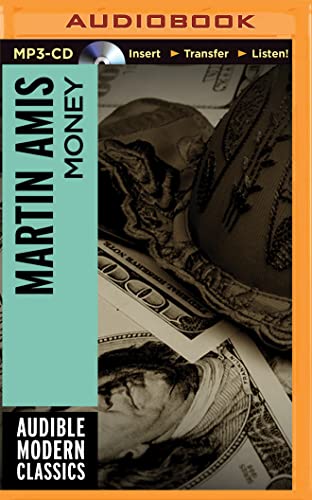
No. 32 on this list. Money: A Suicide Note
Martin Amis · 1984
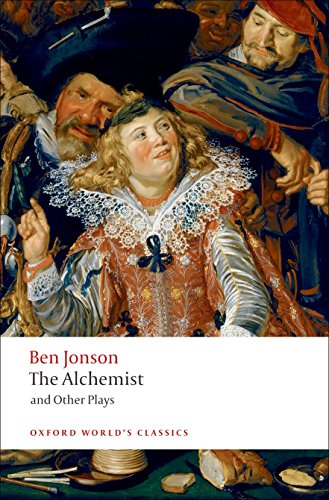
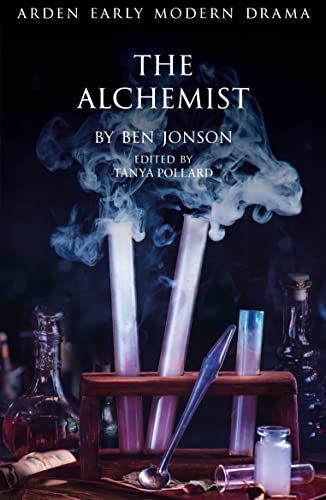
No. 33 on this list. The Alchemist
Ben Jonson · 1610
No. 34 on this list. The Girls of Slender Means
Muriel Spark · 1963
No. 35 on this list. The Way of All Flesh
Samuel Butler · 1903
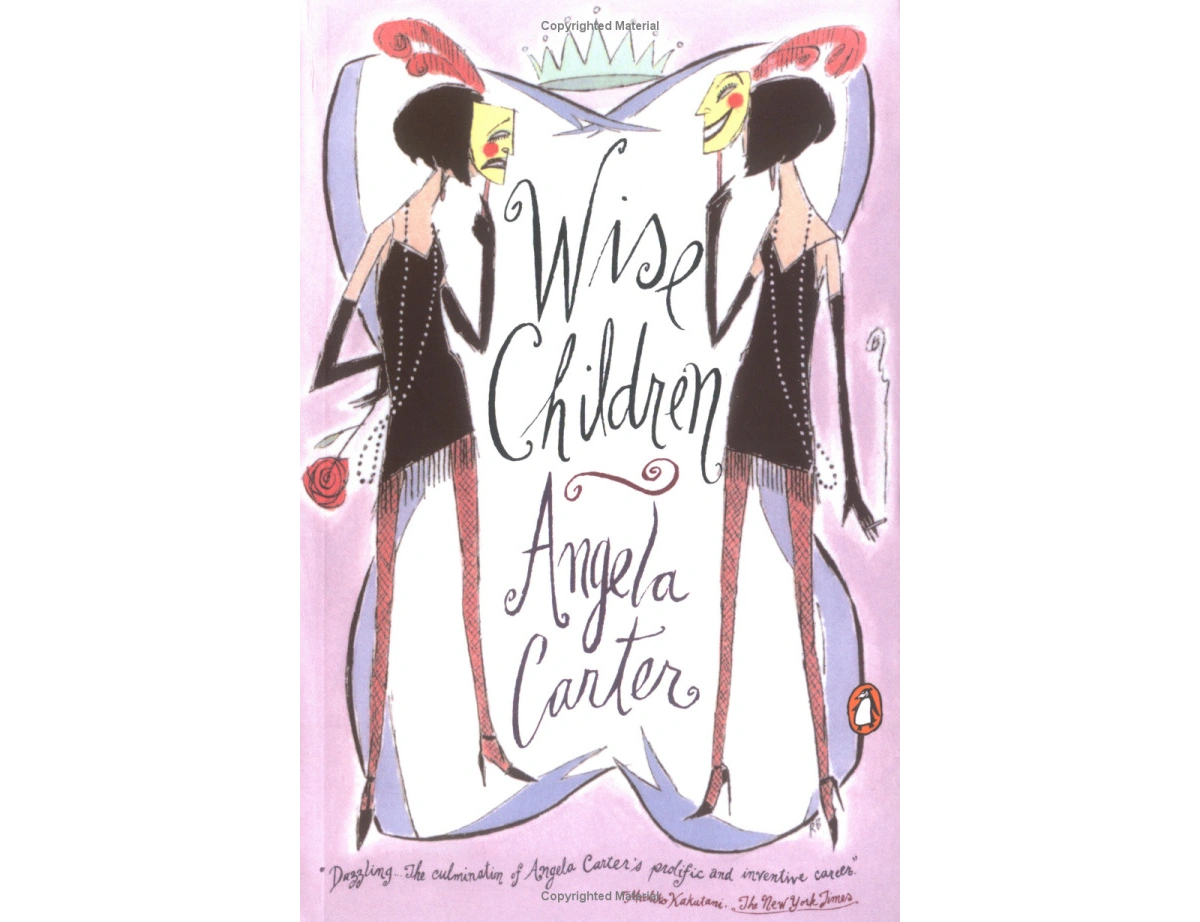
No. 36 on this list. Wise Children
Angela Carter · 1991
Taught in schools: AQA GCSE and A-level English Literature (UK)
No. 37 on this list. Memento Mori
Muriel Spark · 1959
No. 38 on this list. A Handful of Dust
Evelyn Waugh · 1934
Taught in schools: CSEC English B – Caribbean Examinations Council
No. 39 on this list. Nights at the Circus
Angela Carter · 1984
No. 40 on this list. London Fields
Martin Amis · 1989
No. 41 on this list. The Beggar's Opera
John Gay · 1728
No. 42 on this list. Antic Hay
Aldous Huxley · 1923
No. 43 on this list. Caledonian Road
Andrew O'Hagan · 2024
No. 44 on this list. The Parliament of Fowls
Geoffrey Chaucer · 1382
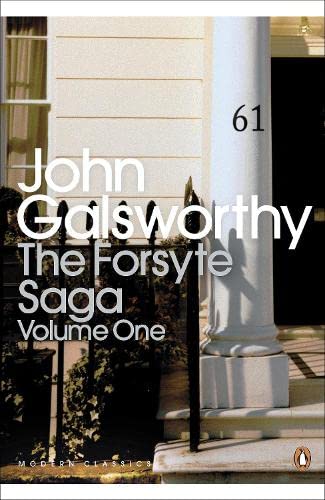
No. 45 on this list. The Forsyte Saga
John Galsworthy · 1922
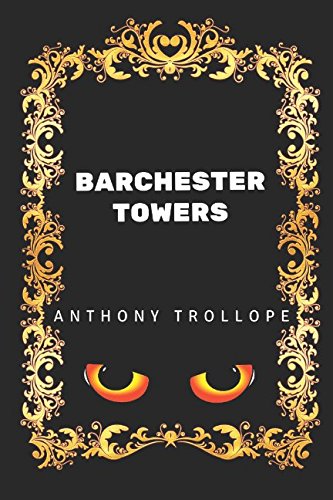
No. 46 on this list. Barchester Towers
Anthony Trollope · 1857
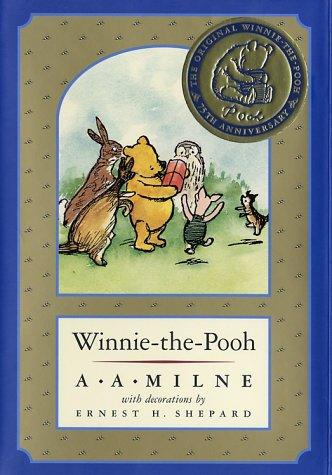
No. 47 on this list. Winnie-the-Pooh
A.A. Milne · 1926
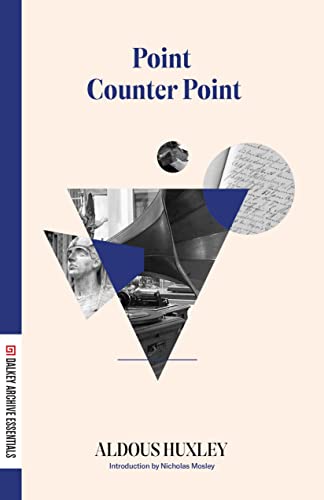
No. 48 on this list. Point Counter Point
Aldous Huxley · 1928
No. 49 on this list. The House of Fame
Geoffrey Chaucer · 1379
No. 50 on this list. Excellent Women
Barbara Pym · 1952
No. 51 on this list. A History of the World in 10½ Chapters
Julian Barnes · 1989
No. 52 on this list. Flatland
Edwin A. Abbott · 1884
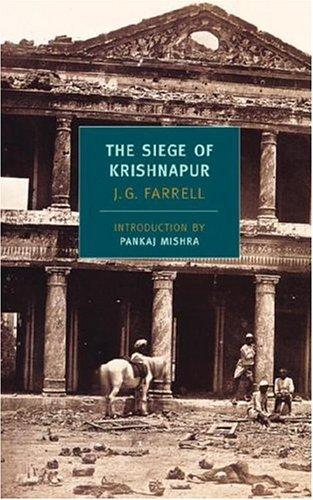
No. 53 on this list. The Siege of Krishnapur
J.G. Farrell · 1973
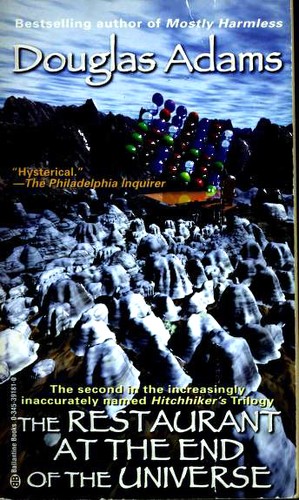
No. 54 on this list. The Restaurant at the End of the Universe
Douglas Adams · 1980
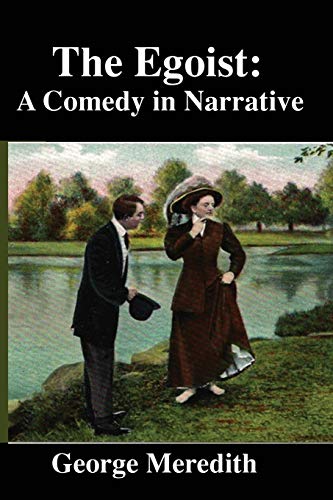
No. 55 on this list. The Egoist
George Meredith · 1879
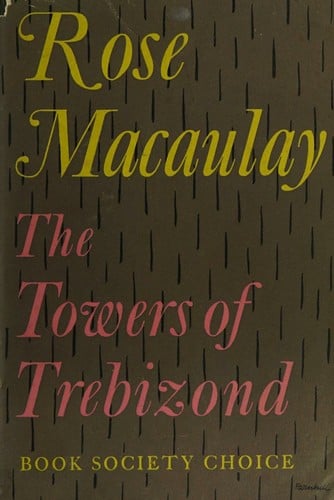
No. 56 on this list. The Towers of Trebizond
Rose Macaulay · 1956
No. 57 on this list. How Far Can You Go?
David Lodge · 1980
No. 58 on this list. A Short History of Tractors in Ukrainian
Marina Lewycka · 2005
No. 59 on this list. Ending Up
Kingsley Amis · 1974
No. 60 on this list. Loitering with Intent
Muriel Spark · 1981
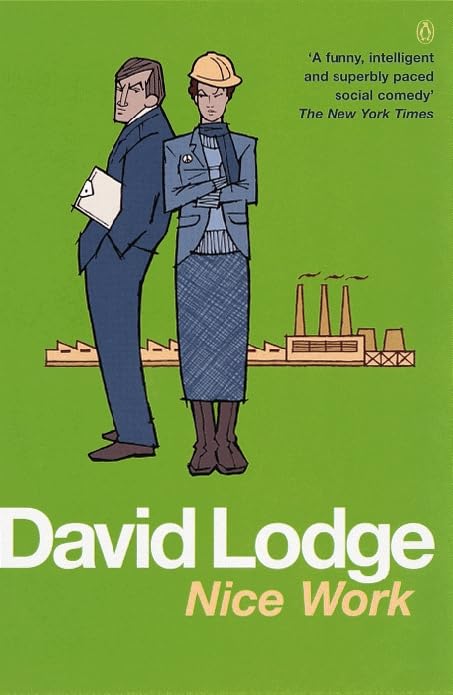
No. 61 on this list. Nice Work
David Lodge · 1988
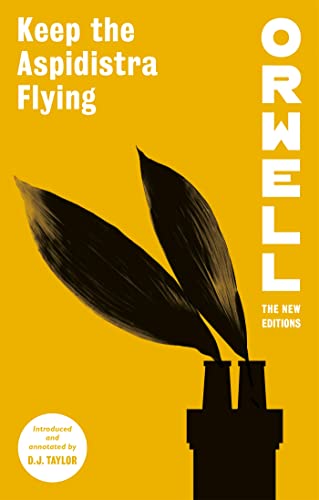
No. 62 on this list. Keep the Aspidistra Flying
George Orwell · 1936
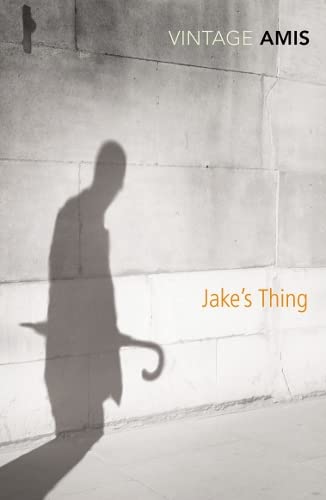
No. 63 on this list. Jake's Thing
Kingsley Amis · 1978
No. 64 on this list. Party Going
Henry Green · 1939
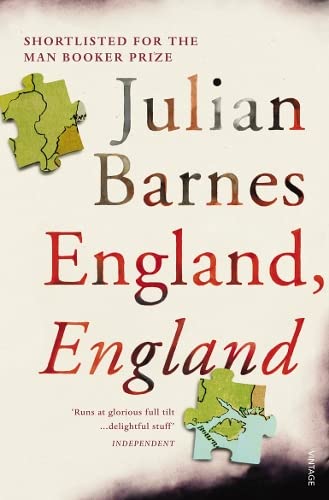
No. 65 on this list. England, England
Julian Barnes · 1998
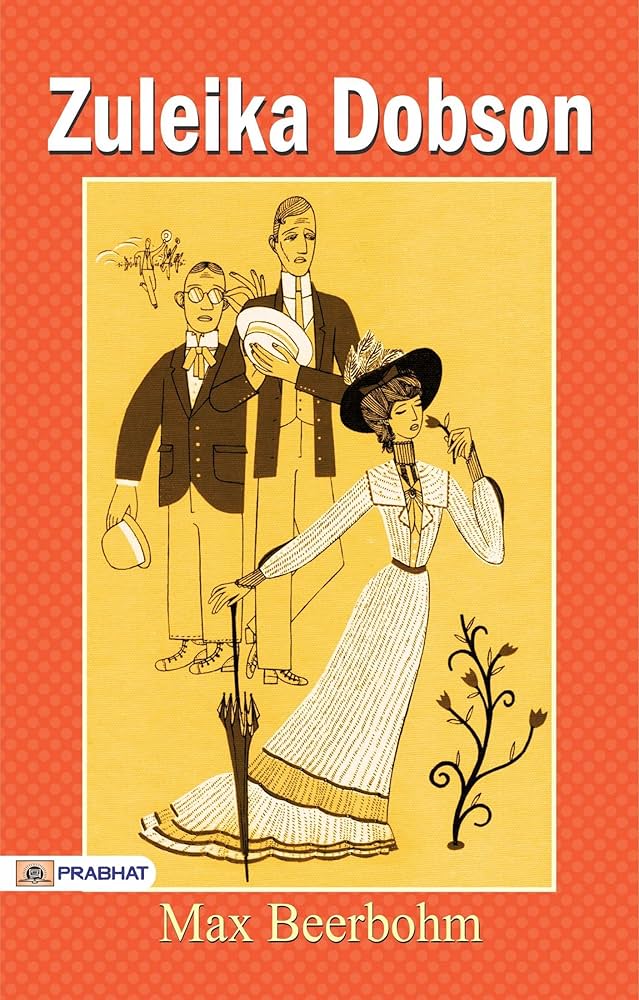
No. 66 on this list. Zuleika Dobson
Max Beerbohm · 1911
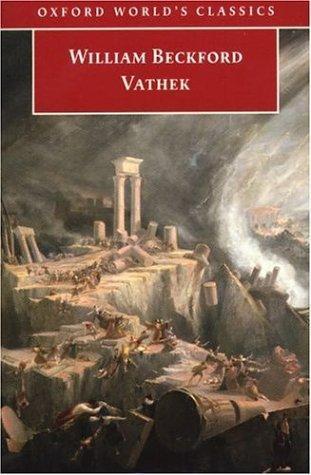
No. 67 on this list. Vathek
William Beckford · 1786
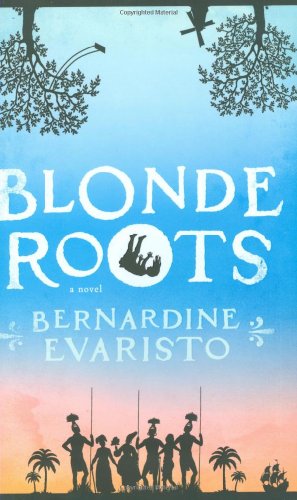
No. 68 on this list. Blonde Roots
Bernardine Evaristo · 2011
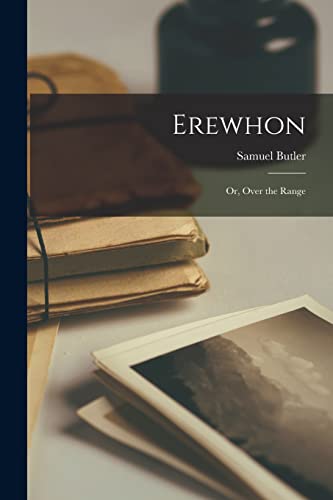
No. 69 on this list. Erewhon
Samuel Butler · 1872
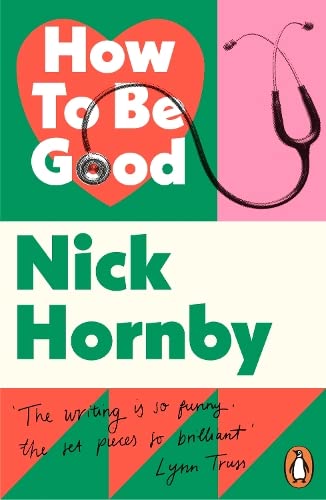
No. 70 on this list. How to Be Good
Nick Hornby · 2001
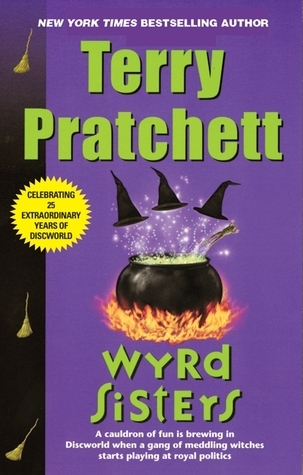
No. 71 on this list. Wyrd Sisters
Terry Pratchett · 1988
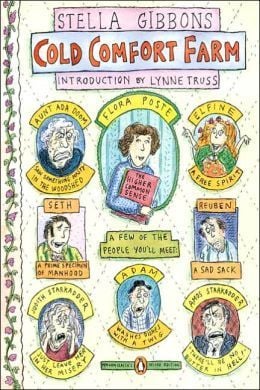
No. 72 on this list. Cold Comfort Farm
Stella Gibbons · 1932
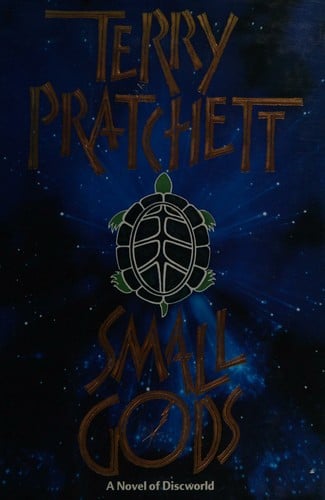
No. 73 on this list. Small Gods
Terry Pratchett · 1992
No. 74 on this list. A Glass of Blessings
Barbara Pym · 1958
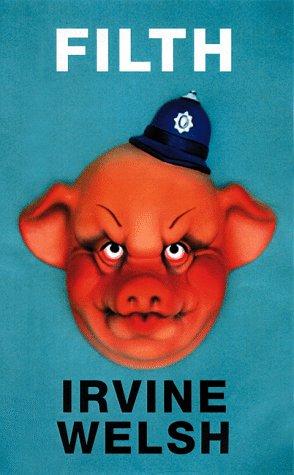
No. 75 on this list. Filth
Irvine Welsh · 1998
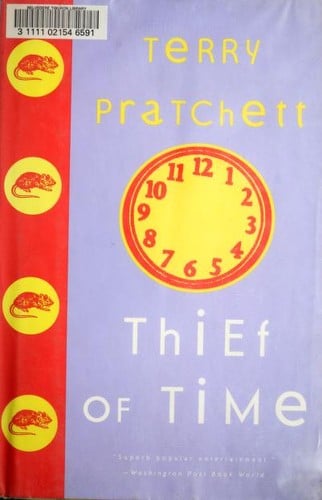
No. 76 on this list. Thief of Time
Terry Pratchett · 2001
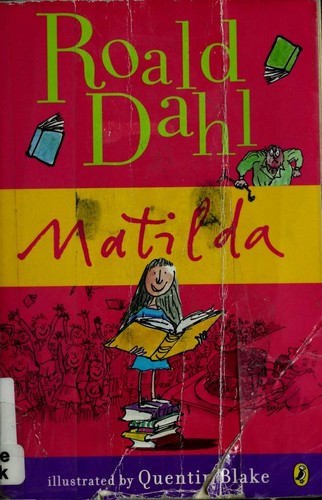
No. 77 on this list. Matilda
Roald Dahl · 1988
Taught in schools: CSEC English B – Caribbean Examinations Council
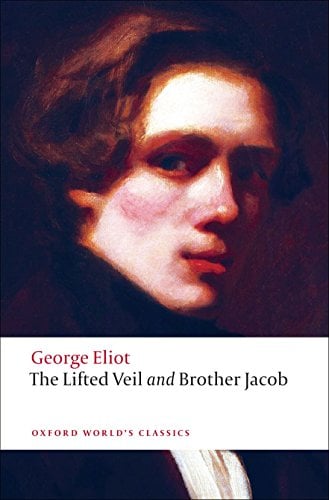
No. 78 on this list. The Lifted Veil and Brother Jacob
George Eliot · 1864
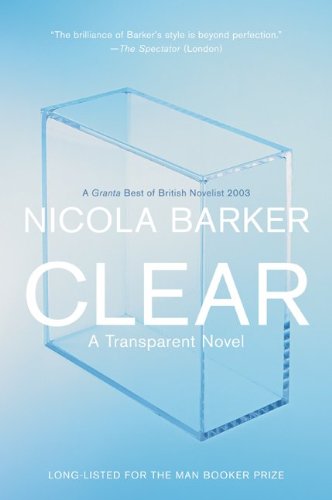
No. 79 on this list. Clear: A Transparent Novel
Nicola Barker · 2004
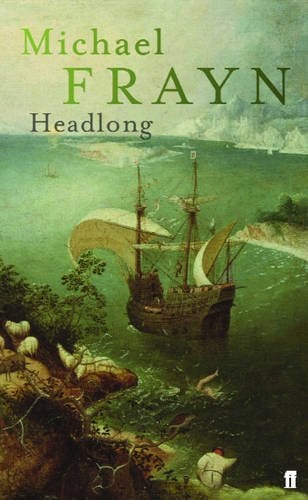
No. 80 on this list. Headlong
Michael Frayn · 1999
No. 81 on this list. The Wanting Seed
Anthony Burgess · 1996
No. 82 on this list. Skin and Other Stories
Roald Dahl · 2002
No. 83 on this list. Crome Yellow
Aldous Huxley · 1921
No. 84 on this list. The Trumpet-Major
No. 85 on this list. The Spell
Alan Hollinghurst · 1998
No. 86 on this list. Amsterdam
Ian McEwan · 1998
No. 87 on this list. Bridget Jones's Diary
Helen Fielding · 1996
No. 88 on this list. A Week in December
Sebastian Faulks · 2009
No. 89 on this list. Black Bag
Luke Kennard · 2026
No. 90 on this list. Flush: A Biography
Virginia Woolf · 1933
No. 91 on this list. Anansi Boys
Neil Gaiman · 2005
No. 92 on this list. Buried Alive
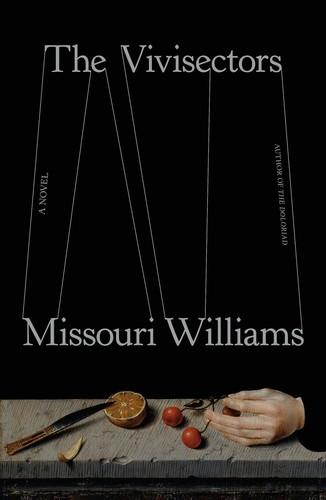
No. 93 on this list. The Vivisectors
Missouri Williams · 2026
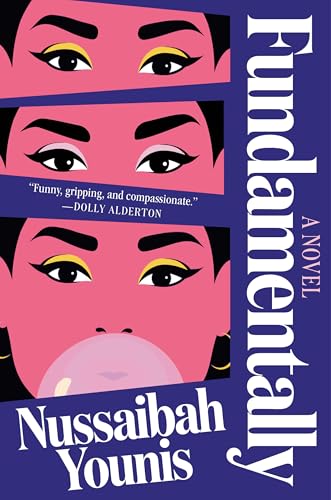
No. 94 on this list. Fundamentally
Nussaibah Younis · 2025
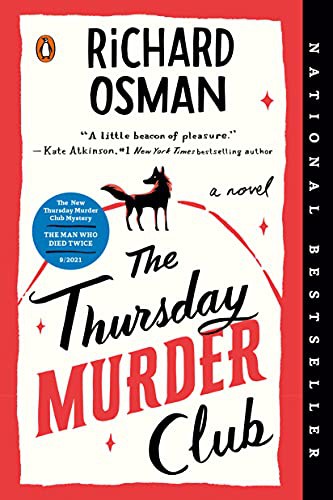
No. 95 on this list. The Thursday Murder Club
Richard Osman · 2020
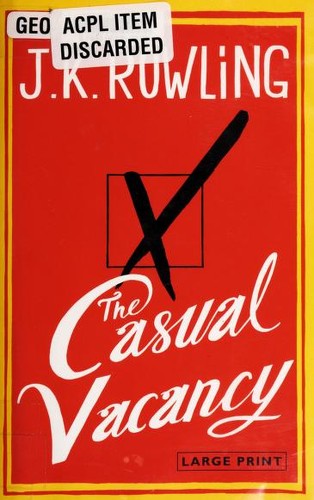
No. 96 on this list. The Casual Vacancy
J.K. Rowling · 2012
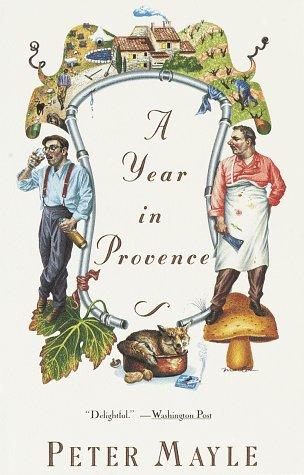
No. 97 on this list. A Year in Provence
Peter Mayle · 1989
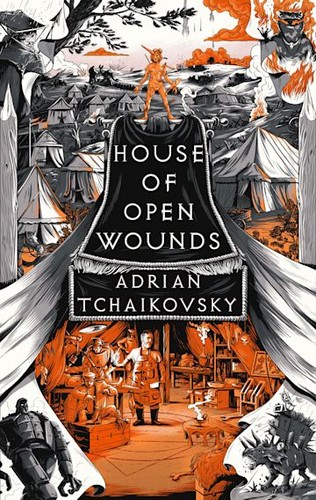
No. 98 on this list. House of Open Wounds
Adrian Tchaikovsky · 2023
No. 99 on this list. What Am I, A Deer?
Polly Barton · 2026
No. 100 on this list. Really Good, Actually
Monica Heisey · 2023
About this list
These 100 books are the highest-scoring eligible satires and comic novels from Britain currently in the catalogue. By literary regard, it opens with The Merchant of Venice, Twelfth Night and Utopia. About 768 hours of reading in all, for the 98 with measured lengths. Difficulty runs from 46 to 61 out of 100 for the middle half of the list; the summit is The Life and Opinions of Tristram Shandy, Gentleman at 82.
This list is ranked by literary regard, with a consistent order for equal scores. Membership follows authors and co-authors, not translators or editors. Catalogue coverage and the historical canon both limit what this list can represent, and genre labels are the catalogue’s own, gathered into broader kinds.
When we matched the Canons dataset to our catalogue in October 2026, our canonical-status scores rose with the number of school curricula, publisher series and lists in it that cite a work: the median score was 72 for books one such source cites, 84 at two, 88 at three, 92 at four and 93 at five or more. Prizes are left out of that count. Outside the state curricula, the dataset’s sources choose mostly from what has been translated into English or French, so it is a weaker check on other literatures. Source: Canons (Andrew Piper), CC BY 4.0
Questions people actually ask
- What are the best satires and comic novels from Britain?
- By literary regard, which weighs canonical status, critical standing and influence, The Merchant of Venice, Twelfth Night, Utopia, As You Like It and The Life and Opinions of Tristram Shandy, Gentleman lead. ReadingRate ranks 100 such books, each with a difficulty score and a reading-time estimate.
- Where should I start with satires and comic novels from Britain?
- Start from difficulty, not from rank. The most approachable books on this list that still carry top literary regard are Alice's Adventures in Wonderland and Through the Looking-Glass by Lewis Carroll (about 3.6 hours), Through the Looking-Glass and What Alice Found There by Lewis Carroll and The Pickwick Papers by Charles Dickens.
- How hard are satires and comic novels from Britain to read?
- Most of this list sits between 46 and 61 on ReadingRate's 100-point difficulty scale, where 40 to 55 is moderate. The summit is The Life and Opinions of Tristram Shandy, Gentleman at 82. Every entry carries its own score, so a reader can pick a great book at a difficulty they will finish.
- How is this list ranked?
- On literary-regard data: how canonically established a work is, its critical standing, and its influence on later writing. It is not a readers’ poll, which is why recent bestsellers rarely appear. Membership follows authors and co-authors, not translators or editors. A list that is not a genre list keeps to literature (fiction, poetry, drama and philosophy), with philosophy taking no more than one slot in five while there is literature left to rank; every list holds at most three works by one author.