Hours at an average pace
Showing 100 books
About 1,452 hours for 100 of 100 books with measured lengths. Estimates use 250 words a minute, adjusted for each book's difficulty. At 2 hours a day, about 726 days for those books.
No. 1 on this list. The Waste Land
T. S. Eliot · 1922
Very Difficult34 min
Taught in schools: Pacific Senior Secondary Certificate – English
Included in: Great Books of the Western World
It is in Great Books of the Western World and a recommended text in Pacific senior school English. The Wikipedia article exists in 35 languages. It is the defining modernist poem, taught in nearly every 20th-century literature course.
No. 2 on this list. Moby-Dick
Herman Melville · 1851
Difficult26 hours
Included in: Bokklubben World Library, Great Books of the Western World
Melville poured cetology, Shakespearean soliloquy, sermon, sea shanty, and metaphysical dread into one whaling voyage, creating a book that operates simultaneously as adventure novel, encyclopedia, and prose poem about obsession. Nothing in American literature before or since has this range of register in a single work.
No. 3 on this list. The Sound and the Fury
William Faulkner · 1929
Difficult15 hours
Taught in schools: Turkish edebiyat curriculum (Turkey)
Included in: Bokklubben World Library
Listed on Modern Library 100 Best Novels, TIME All-TIME 100 Novels, Le Monde's 100 Books of the Century, and Open Syllabus Top 500 Literature. Wikipedia article exists in 35 languages with dedicated Reception and Adaptations sections and 57,976 characters of editorial content. A fixture of American literature courses and universally regarded as one of the defining works of American modernism — canonical weight comparable to or exceeding The Great Gatsby.
Moby-Dick is a cornerstone of American literature courses and is regularly called the Great American Novel. It is taught in high schools, colleges and graduate seminars.
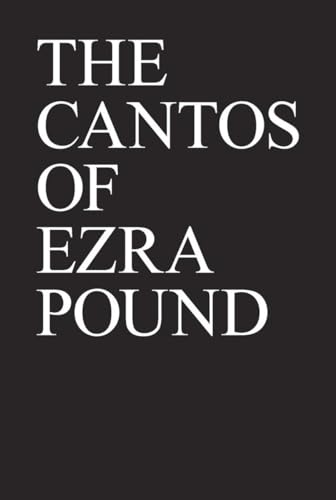
The Cantos appear on virtually every graduate-level modernist poetry syllabus and are the unavoidable centerpiece of Pound studies worldwide. The Pisan Cantos alone are canonical across multiple national literary traditions. While shorter Pound poems are more widely assigned at the undergraduate level, the full poem is central to any serious study of 20th-century Anglo-American poetry.
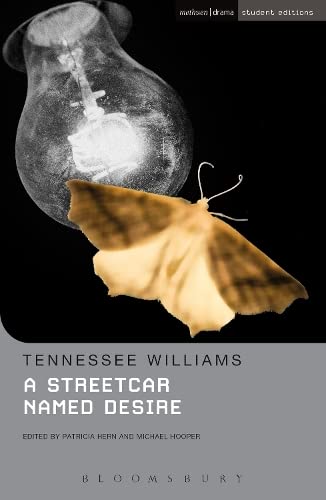
No. 6 on this list. A Streetcar Named Desire
Tennessee Williams · 1947
Challenging2.3 hours
Taught in schools: AQA GCSE and A-level English Literature (UK), Cambridge IGCSE Literature in English (0475), UNAM Escuela Nacional Preparatoria – programas de Literatura (Mexico)
Required reading in virtually every American literature curriculum, from high school through university, and among the most-produced plays in the American theater canon. It appears on nearly every 'great American plays' list alongside Death of a Salesman, and has been continuously performed since its 1947 Broadway premiere.
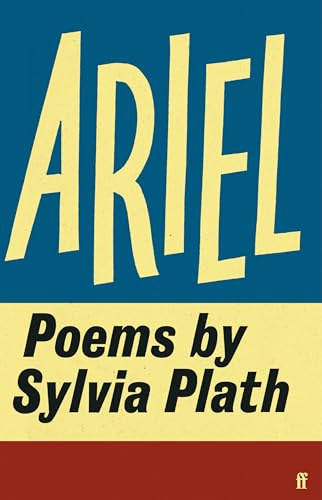
No. 7 on this list. Ariel
Sylvia Plath · 1965
Difficult2.4 hours
Taught in schools: AQA GCSE and A-level English Literature (UK)
Ariel is standard reading across American and British university literature and women's studies curricula, appearing on thousands of syllabi. The collection is included on virtually every 'essential 20th century poetry' list and occupies a permanent position in the confessional poetry canon. Its Wikipedia article exists in over 30 languages, and it has been continuously in print since its 1965 publication.
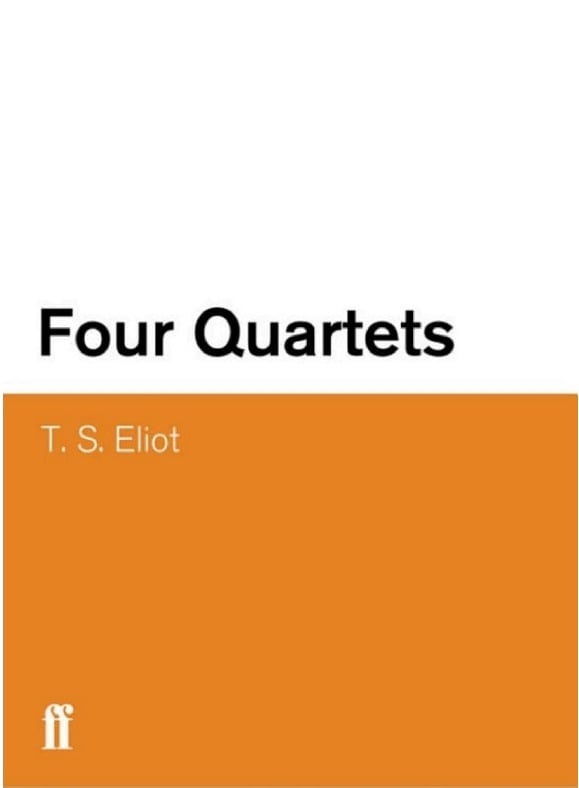
Eliot fused the rhythms of Anglican liturgy, the imagery of the English countryside, and the philosophy of time into four linked meditations on what it means to arrive where you started and know the place for the first time. The poems represent the summit of his craft — the point where his erudition finally dissolved entirely into music.
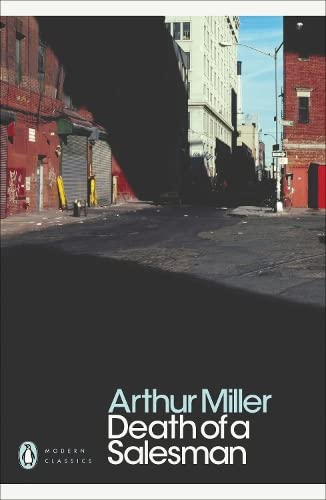
No. 9 on this list. Death of a Salesman
Arthur Miller · 1949
Challenging3.9 hours
Taught in schools: AQA GCSE and A-level English Literature (UK), Common Core text exemplars (Appendix B) (US), CSEC English B – Caribbean Examinations Council
Required reading in virtually every American high school and most university American Drama and Literature courses. The play appears on thousands of university syllabi globally and consistently ranks among the defining works of American theater on 'essential reading' lists. It has been in continuous production since its 1949 premiere.
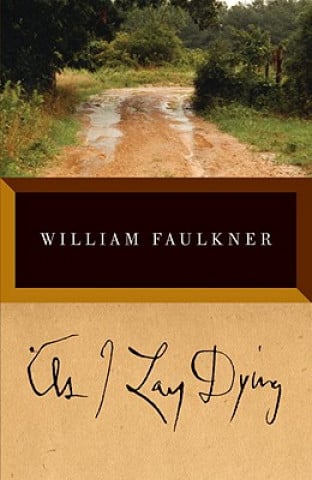
No. 10 on this list. As I Lay Dying
William Faulkner · 1930
Challenging6 hours
Taught in schools: Common Core text exemplars (Appendix B) (US)
As I Lay Dying appears on 1,422 university syllabi (78.8th percentile) and is listed on the Modern Library 100 Best Novels and the Open Syllabus Top 500 Literature list. Wikipedia articles exist in 24 languages and the entry notes an adaptations section indicating cultural reach. A fixture of American modernism courses, though less universally assigned than The Great Gatsby (95) or To Kill a Mockingbird (92).
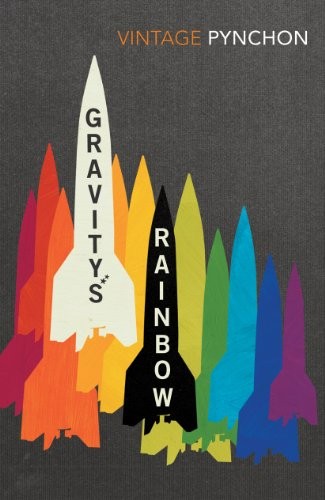
No. 11 on this list. Gravity's Rainbow · Thomas Pynchon · 1973
Thomas Pynchon constructs an encyclopedic paranoid masterwork spanning 760 pages of rocket science, Pavlovian conditioning, corporate conspiracy, and encyclopedic digression. Tyrone Slothrop, American lieutenant in wartime London, discovers his sexual conquests map perfectly onto V-2 rocket strike locations—but the erections precede the impacts. Was he conditioned as an infant by sinister behaviorist Laszlo Jamf? Does a corporate-military cartel control history itself? Pynchon provides evidence for every paranoid connection while confirming none. The novel sprawls across 1944-45 Europe, from London under rocket attack to occupied Germany's anarchic Zone, accumulating hundreds of characters, corporate entities, chemical formulas, and historical conspiracies. Pynchon's prose shifts registers violently: technical manuals on rocket engineering dissolve into vaudeville routines, then into lyrical meditations on death and entropy. The vocabulary demands encyclopedic knowledge—thermodynamics, organic chemistry, Tarot, Rilke, film history, brand names. Readers navigate specialized jargon without glossaries, track characters who appear once and vanish, decode references to real and imaginary corporations. The difficulty is purposeful: Pynchon creates textual experience of paranoid information overload. His central symbol, the V-2 rocket, carries impossible symbolic weight: phallic death-bringer, technological sublime, gravity's rainbow parabola from launch to silent impact. The rocket arrives before its sound—death you cannot hear coming. Pynchon explores how technology transforms human consciousness, how corporations and states use Pavlovian conditioning for control, how empire produces extinction (the dodo, the Herero genocide). Concrete plot events—Slothrop's investigation, Roger and Jessica's doomed love, Blicero's ritual rocket launch—carry enormous abstract weight about history, causation, and freedom. The novel asks whether patterns are real or paranoid projection: does Slothrop's conditioning prove control, or is it coincidence interpreted as conspiracy? Pynchon withholds answers. The structure mirrors paranoid thinking—everything potentially connects, secret cartels manipulate history, individual agency vanishes into systems. Slothrop himself fragments as the novel progresses, appearing less frequently, dissolving into scattered references, finally disappearing entirely. The dissolution is structural: as Slothrop loses coherence, so does the narrative. Subplots proliferate, the center fails to hold, entropy increases. The ending places readers in a movie theater in Los Angeles, present tense, as the 00000 rocket descends toward them. The novel freeze-frames before impact, leaving readers perpetually awaiting the explosion. No resolution occurs—narrative, thematic, or moral. Gravity's Rainbow withholds the satisfactions of conventional fiction while demanding enormous interpretive labor. Its encyclopedic scope, technical difficulty, and paranoid plotting make it among English literature's most challenging novels. Pynchon proved unreadability and importance could coexist, that difficulty itself could be the point. The novel's influence on postmodern fiction is incalculable—it established new possibilities for combining history, science, and popular culture in maximalist form. Reading it requires surrender to accumulation, pattern-seeking without resolution, immersion in encyclopedic detail that may or may not signify. The reward is experiencing consciousness under late capitalism: paranoid, fragmented, overwhelmed by information, seeking patterns in noise, awaiting the rocket's silent arrival.
Difficult52 hours
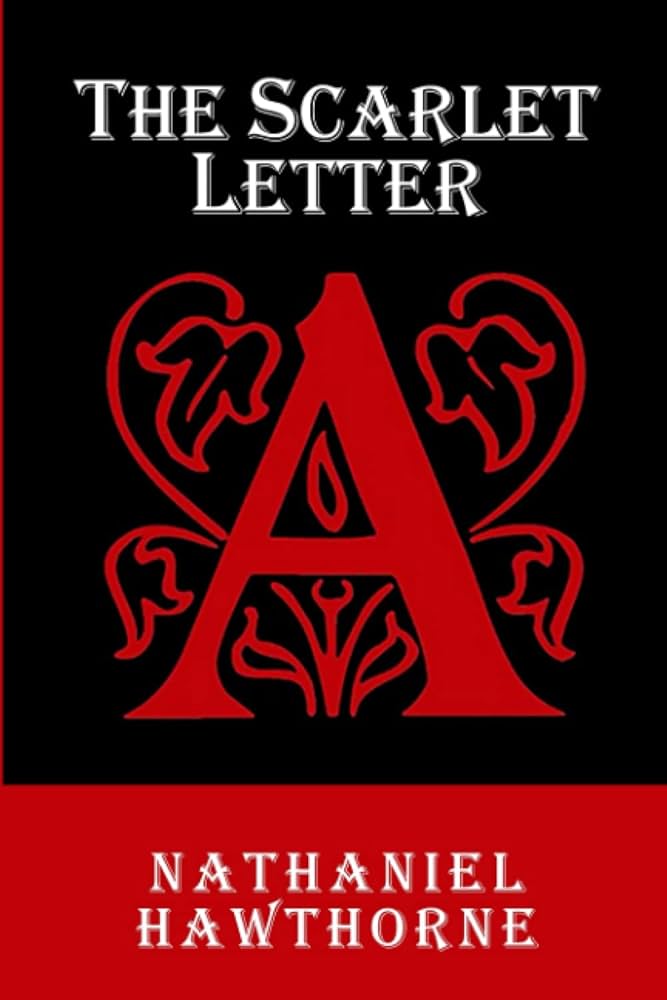
Start this bookNo. 12 on this list. The Scarlet Letter · Nathaniel Hawthorne · 1850
Taught in schools: Common Core text exemplars (Appendix B) (US), CSEC English B – Caribbean Examinations Council
Appears on 1,893 university syllabi (Open Syllabus, 81.9th percentile), a fixture of American literature courses and AP high school curricula across the United States. Wikipedia articles exist in 38 languages, and the work has continuous presence in American literary education since its 1850 publication.
Difficult9.4 hours
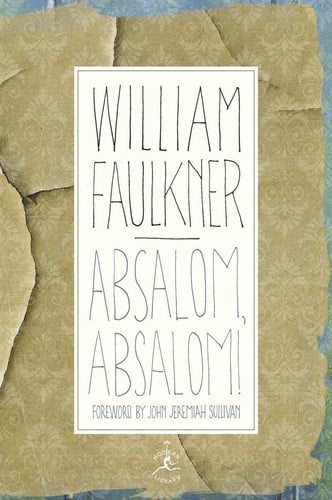
Read nowNo. 13 on this list. Absalom, Absalom! · William Faulkner · 1936
Included in: Bokklubben World Library
Faulkner retold the story of the South's racial catastrophe through sentences that coil and branch like kudzu, with four narrators across a century reconstructing a plantation patriarch's crime and its consequences. The novel is the most structurally ambitious work in American fiction — a detective story about history itself, in which the clues are voices and the evidence is contradictory.
Difficult18 hours
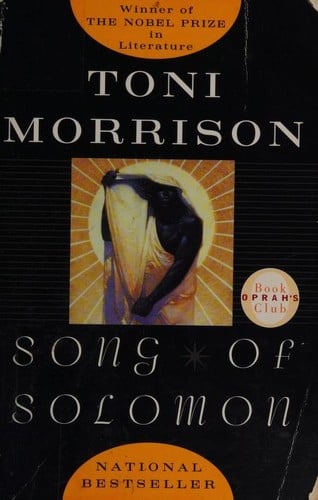
Start this bookNo. 14 on this list. Song of Solomon · Toni Morrison · 1977
Morrison sent a young Black man on a mythic quest through four generations of his family's buried history, fusing African-American folklore, biblical allusion, and the cadences of blues and gospel into a narrative structure no American novel had attempted before. The novel proved that flight — literal and metaphorical — could carry the full weight of Black American experience from slavery to self-knowledge.
Challenging12 hours
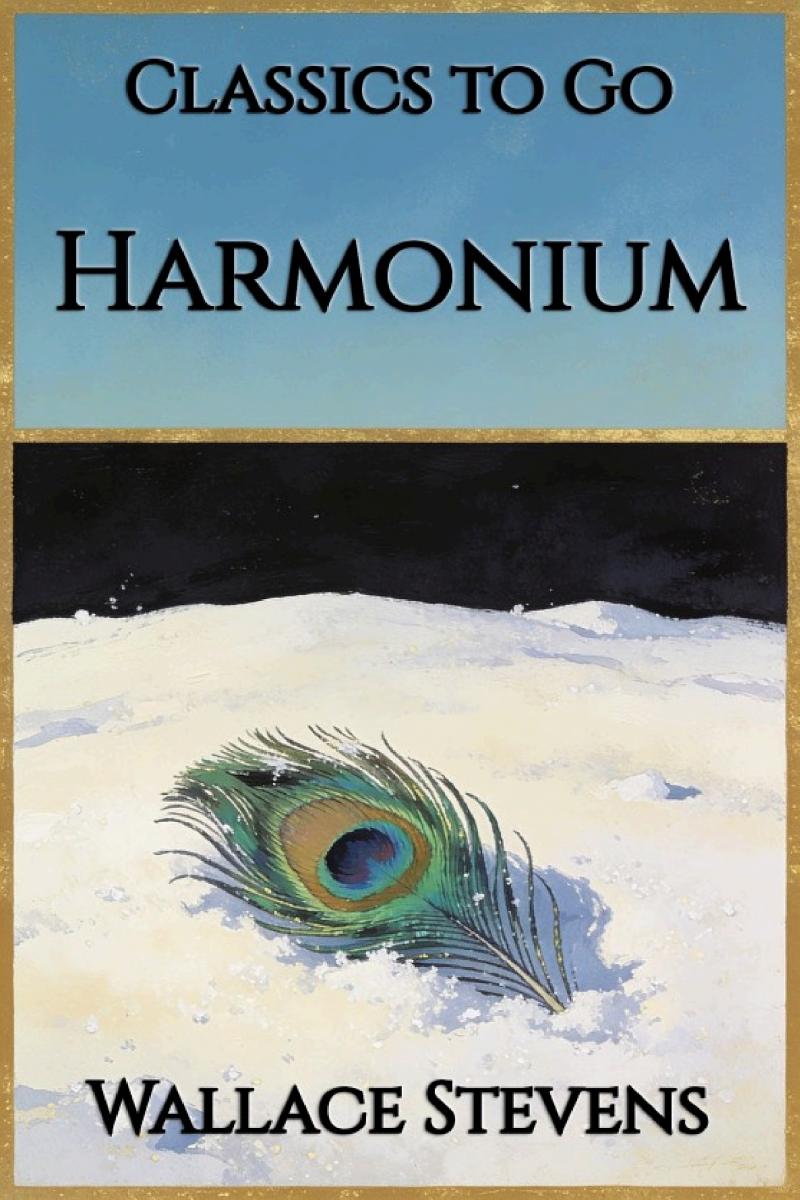
Start this bookNo. 15 on this list. Harmonium · Wallace Stevens · 1923
Harmonium appears on thousands of university poetry syllabi and is a fixture of American modernism courses. It is regularly listed among the foundational texts of American poetry, alongside Whitman's Leaves of Grass and Eliot's Prufrock — despite the database showing no captured syllabus appearances, Stevens's place in the academic canon is among the most secure of any twentieth-century American poet.
Difficult2.1 hours
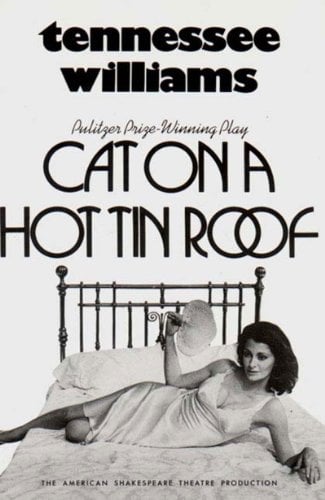
Start this bookNo. 16 on this list. Cat on a Hot Tin Roof · Tennessee Williams · 1955
Taught in schools: AQA GCSE and A-level English Literature (UK)
Cat on a Hot Tin Roof won the 1955 Pulitzer Prize for Drama and is taught in American literature and theater courses across the country, standing alongside A Streetcar Named Desire as the twin peaks of Williams's canon. The 1958 film adaptation with Paul Newman and Elizabeth Taylor brought it to global audiences, cementing its place in the broader cultural record. It appears on virtually every syllabus covering American drama.
Challenging5.5 hours
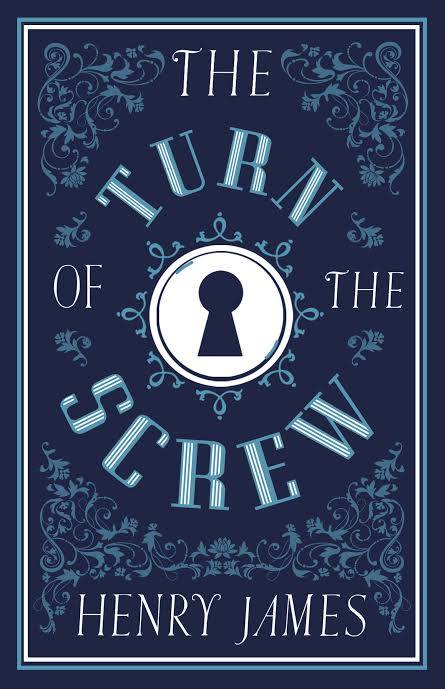
Start this bookNo. 17 on this list. The Turn of the Screw · Henry James · 1898
Taught in schools: CSEC English B – Caribbean Examinations Council
Essential Gothic literature and James studies text; widely taught in ghost story, Victorian, and modernist courses; definitive example of narrative ambiguity and unreliable narration.
Difficult5.5 hours
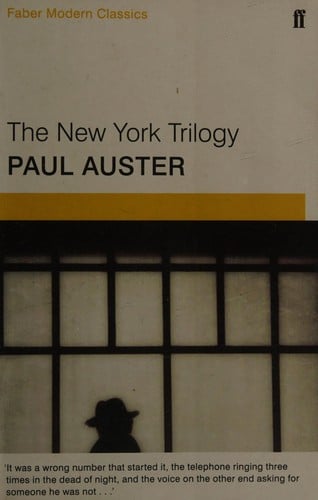
Read nowNo. 18 on this list. The New York Trilogy · Paul Auster · 1987
The New York Trilogy stands as the defining work of American postmodern noir and one of the most influential experimental novels of the 1980s. It appears consistently on syllabi for postmodern fiction, metafiction, and American literature courses, and is cited as a foundational text in discussions of the detective genre's literary transformation. Published in the US by Penguin Books (1987 combined edition), it has remained continuously in print for four decades. It appears on numerous "greatest novels" lists and is central to critical discourse on identity, authorship, and the limitations of language in contemporary fiction.
Very Difficult19 hours
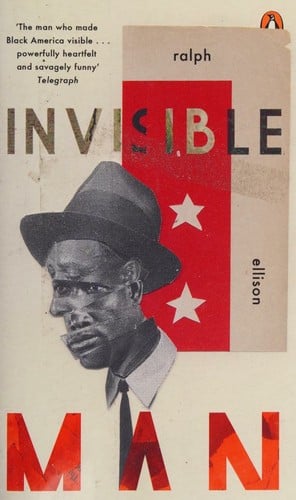
Start this bookNo. 19 on this list. Invisible Man · Ralph Ellison · 1953
Included in: Bokklubben World Library
Appears on 2,200 university syllabi (83rd percentile among all tracked works), making it one of the most-taught American novels in higher education. Included on the Modern Library 100 Best Novels, TIME's All-TIME 100 Novels, and 1001 Books You Must Read Before You Die. Its Wikipedia article spans 17 languages, reflecting steady global reach.
Difficult22 hours
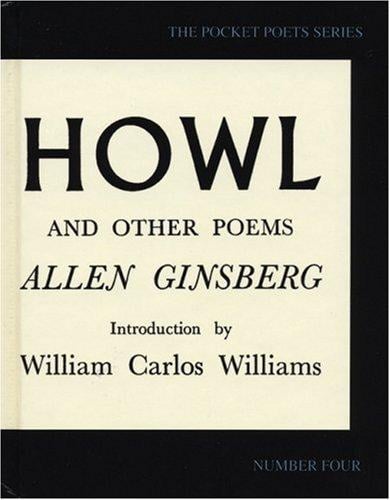
Start this bookNo. 20 on this list. Howl and Other Poems · Allen Ginsberg · 1956
"Howl" appears on syllabi across American literature, Beat literature, 20th-century poetry, and cultural studies courses at universities worldwide. It is included in virtually every major American poetry anthology and is among the handful of postwar poems recognizable by name to a general educated audience. The 1957 obscenity trial cemented its cultural position as a defining document of the era.
Challenging43 min
Start this book
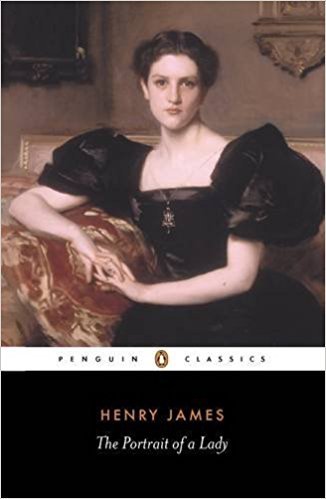
No. 21 on this list. The Portrait of a Lady · Henry James · 1881
Appears on 26 university syllabi per Open Syllabus (35th percentile), placing it as a canonical text in American and Victorian literature courses rather than a universally assigned one. With Wikipedia coverage in 22 languages and an adaptations section, the novel holds a recognized place in global literary culture. It anchors most serious treatments of the nineteenth-century psychological novel.
Difficult25 hours
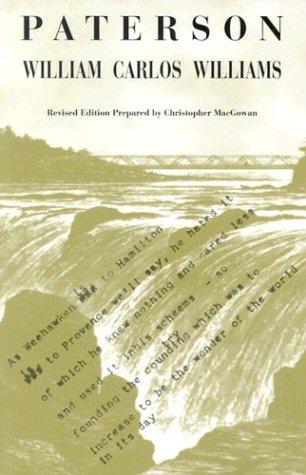
Read nowNo. 22 on this list. Paterson · William Carlos Williams · 1963
Paterson is anthologized in every major American poetry collection (Norton, Heath, Library of America) and taught in American modernism, long poem, and 20th-century poetry courses at virtually every research university. It is one of the defining long poems of the American century, alongside The Waste Land, The Cantos, and Four Quartets. While less widely taught than Shakespeare or Fitzgerald, it occupies a canonical position in American literary studies comparable to Beloved (85).
Difficult10 hours
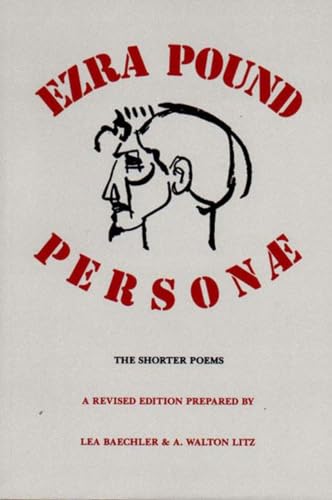
Start this bookNo. 23 on this list. Personae · Ezra Pound · 1926
Personae is a standard text in modernist poetry curricula worldwide and appears in virtually every major anthology of 20th-century poetry. Though no database syllabus data was returned, Pound's first collection is foundational to understanding Imagism and the troubadour influence on Anglo-American modernism. It is overshadowed in syllabi by the later Cantos and by Eliot, but remains required reading in modernist poetry courses.
Difficult1.1 hours
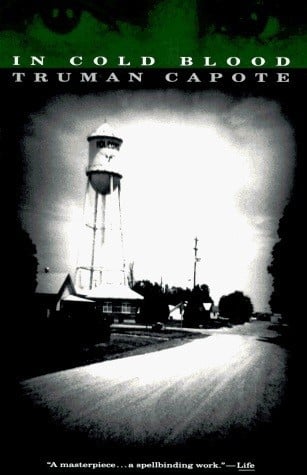
Start this bookNo. 24 on this list. In Cold Blood · Truman Capote · 1966
Required reading in virtually every American journalism school and most creative nonfiction courses. Appears on Modern Library and Time's All-Time 100 Novels lists. The book that established 'literary journalism' and 'the nonfiction novel' as serious forms. No significant discussion of 20th-century American nonfiction omits it.
Challenging11 hours
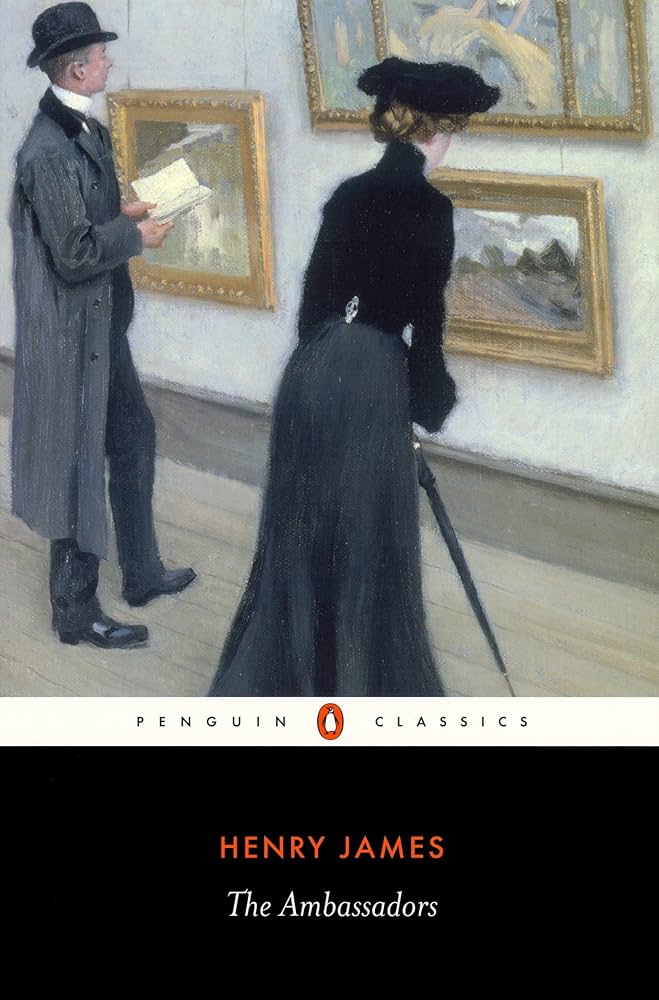
Start this bookNo. 25 on this list. The Ambassadors · Henry James · 1903
James's own favorite among his novels. Taught as the exemplar of point-of-view technique and psychological realism. Central to any study of the novel's formal possibilities.
Challenging16 hours
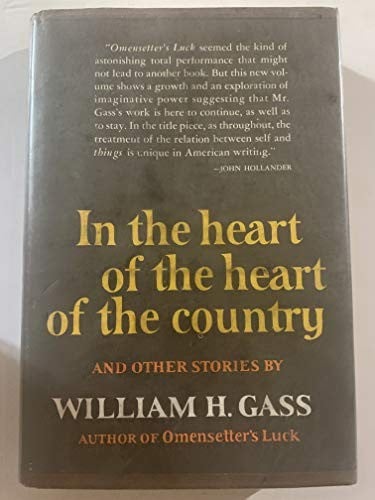
Read nowNo. 26 on this list. In the Heart of the Heart of the Country · William Gass · 1968
In the Heart of the Heart of the Country was first published in 1968 and immediately positioned Gass — alongside Barth, Pynchon, and Coover — as a founding figure of American postmodern fiction. The NYRB Classics reprint with an introduction by Joanna Scott confirms its place in the American literary canon. It is taught in graduate programs in literary fiction and cited in essays on American experimental prose. Its canonical position is more secure in academic contexts than in general readership, placing it below Invisible Man or Blood Meridian but above most of its experimental contemporaries.
Very Difficult13 hours
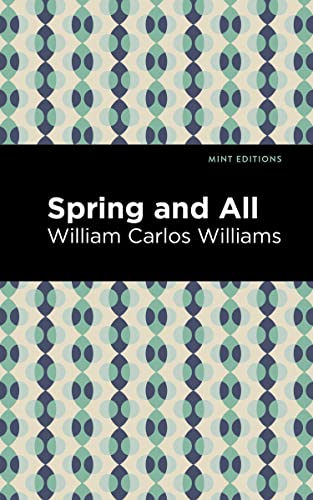
Start this bookNo. 27 on this list. Spring and All · William Carlos Williams · 1923
The database shows no syllabus appearances or Wikipedia data for this entry, but Spring and All is a well-known fixture in American modernist poetry courses and anthologies. It is regularly taught alongside Eliot's The Waste Land as the opposing American response to European modernism. The book's canonical poem so much depends upon a red wheel barrow is one of the most anthologized passages in twentieth-century American poetry.
Difficult13 hours
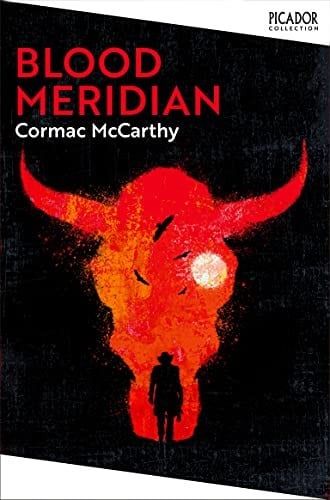
Start this bookNo. 28 on this list. Blood Meridian · Cormac McCarthy · 1985
Appears on 372 university syllabi (64th percentile, Open Syllabus Project) and is listed in TIME's All-TIME 100 Novels (2005) and 1001 Books You Must Read Before You Die. Published in Library of America, Everyman's Library, and Penguin Classics editions — the institutional markers of canonical status. Wikipedia articles exist in 15 languages with dedicated reception and adaptations sections.
Difficult13 hours
Start this bookNo. 29 on this list. Angels in America: Perestroika · Tony Kushner · 1992
Angels in America is taught in American theater, drama, and queer studies programs at universities across the country and is consistently listed among the essential works of 20th-century American literature. Both parts of the play appear regularly on syllabi in literature, political science, and history courses. Its status as a defining document of the AIDS crisis and Reagan-era America makes it required context for anyone studying the period.
Difficult6.8 hours
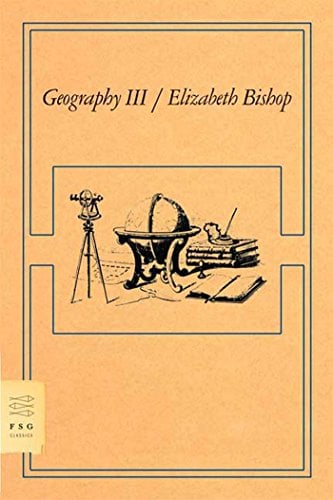
Start this bookNo. 30 on this list. Geography III · Elizabeth Bishop · 1976
Geography III is among the most taught American poetry collections of the postwar era, with poems like 'One Art' and 'In the Waiting Room' appearing on countless university syllabi. Though the database shows no syllabus entries — likely a data gap — the collection is a fixture in American poetry surveys and is included on numerous 'essential American poetry' reading lists. It won the 1976 National Book Critics Circle Award, one of American letters' most respected honors.
Difficult37 min
Start this book
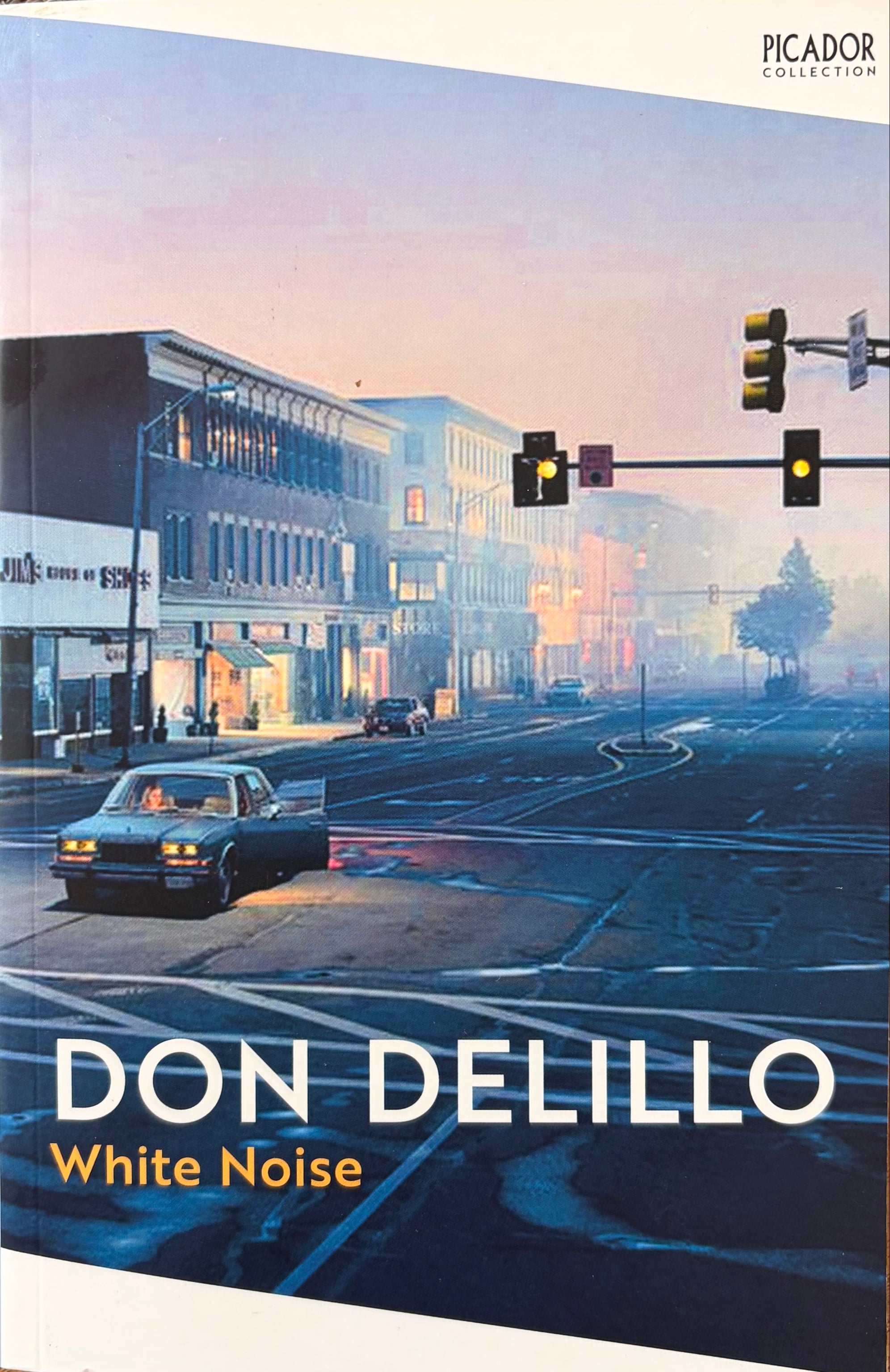
No. 31 on this list. White Noise
Don DeLillo · 1985
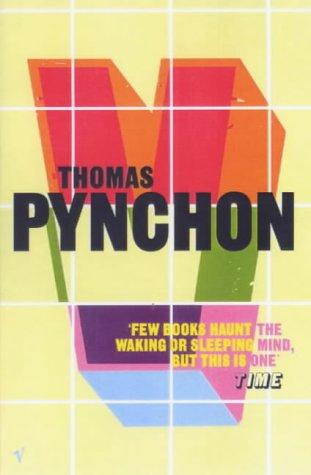
No. 32 on this list. V.
Thomas Pynchon · 1963
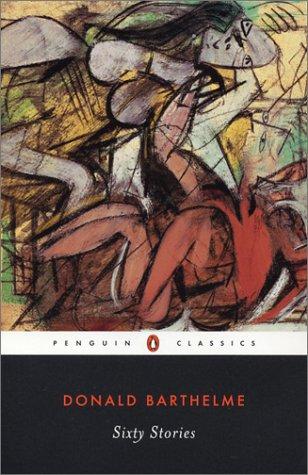
No. 33 on this list. Sixty Stories
Donald Barthelme · 1981
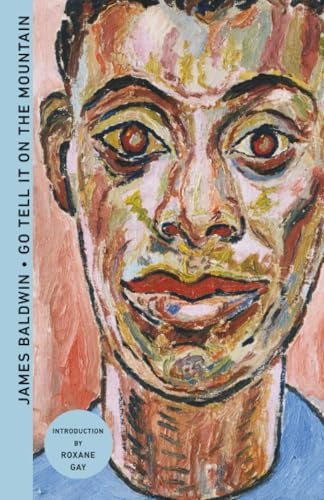
No. 34 on this list. Go Tell It on the Mountain
James Baldwin · 1953
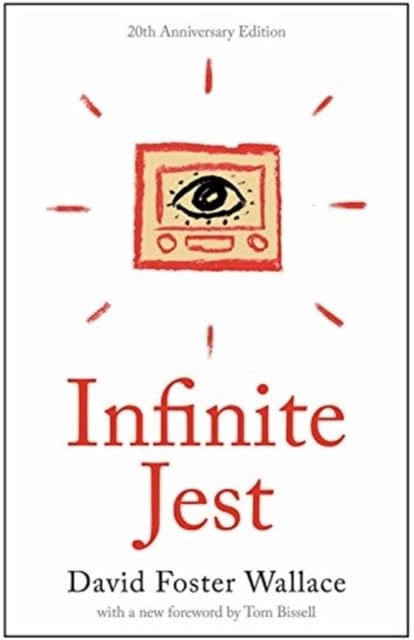
No. 35 on this list. Infinite Jest
David Foster Wallace · 1996
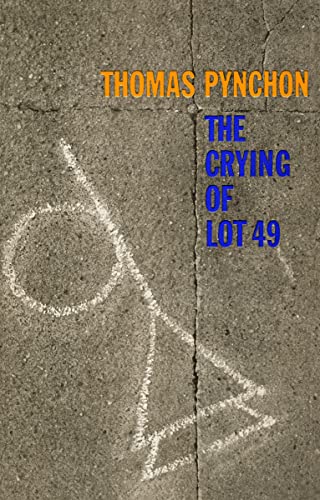
No. 36 on this list. The Crying of Lot 49
Thomas Pynchon · 1966
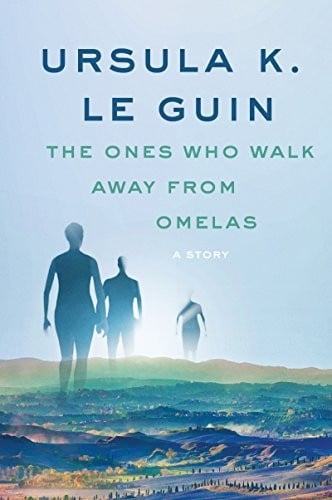
No. 37 on this list. The Ones Who Walk Away from Omelas
Ursula K Le Guin · 1973
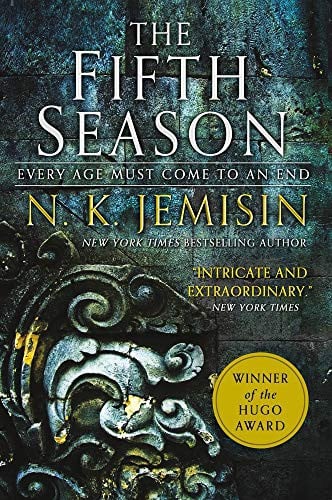
No. 38 on this list. The Fifth Season
N.K. Jemisin · 2015
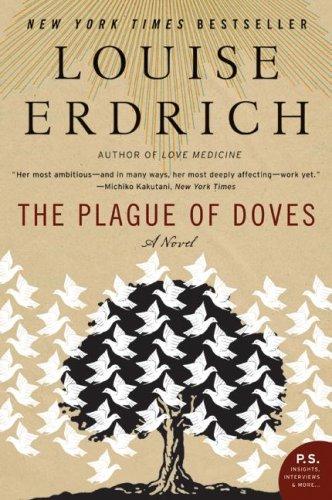
No. 39 on this list. The Plague of Doves
Louise Erdrich · 2008
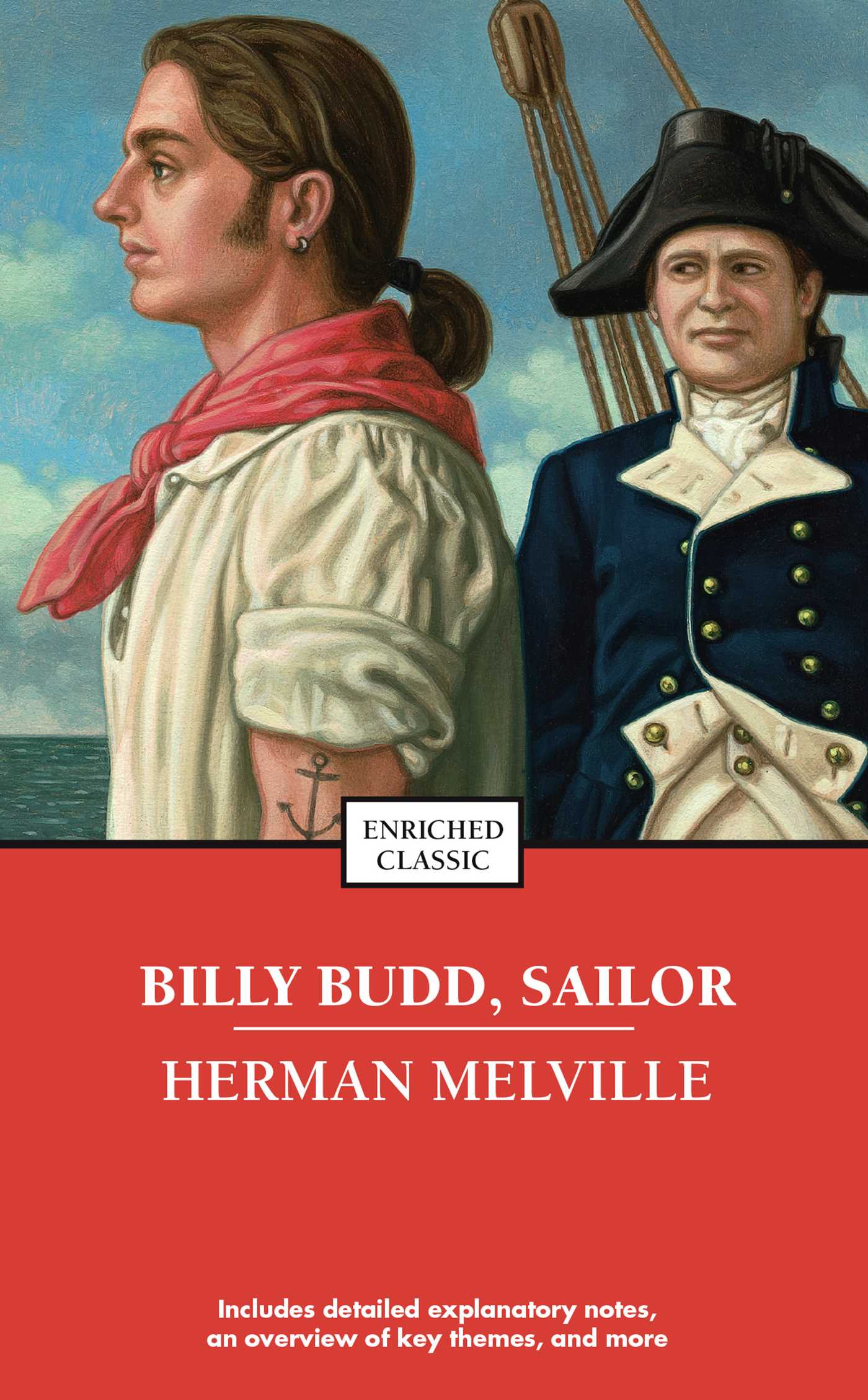
No. 40 on this list. Billy Budd, Sailor
Taught in schools: Common Core text exemplars (Appendix B) (US)
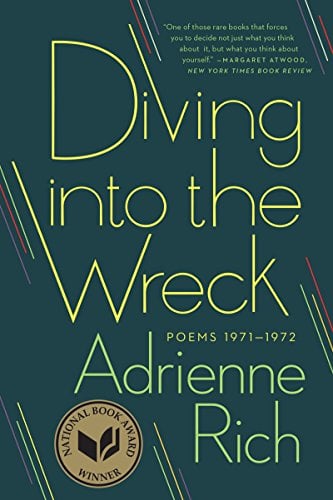
No. 41 on this list. Diving into the Wreck
Adrienne Rich · 1973
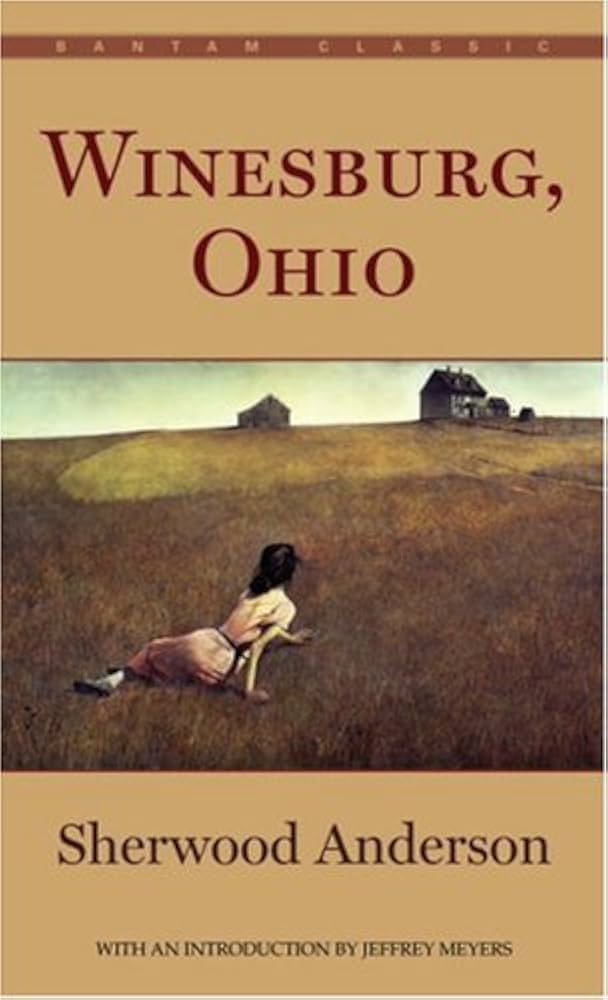
No. 42 on this list. Winesburg, Ohio
Sherwood Anderson · 1919
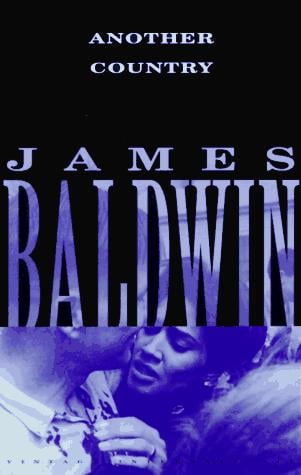
No. 43 on this list. Another Country
James Baldwin · 1962
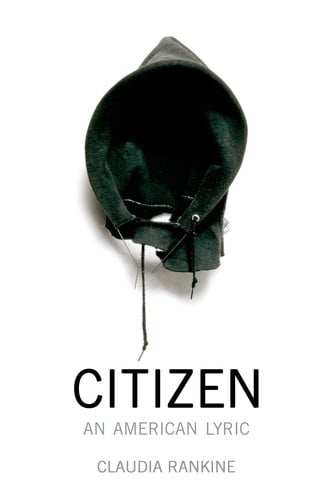
No. 44 on this list. Citizen: An American Lyric
Claudia Rankine · 2014
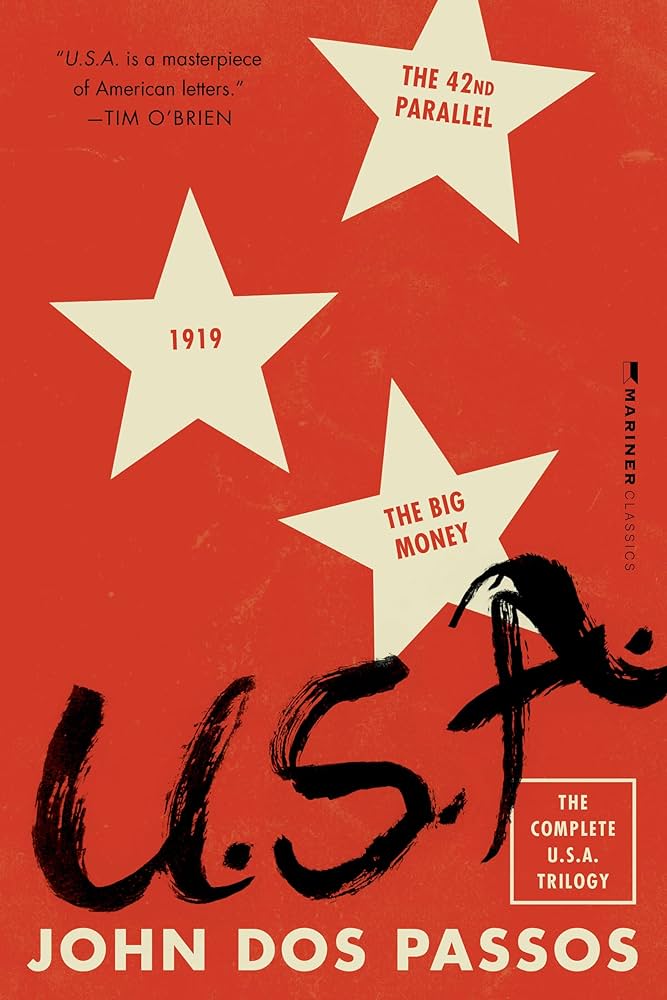
No. 45 on this list. U.S.A.
John Dos Passos · 1938
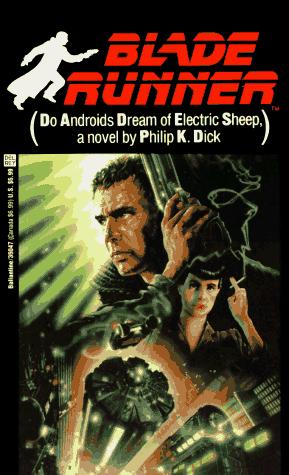
No. 46 on this list. Do Androids Dream of Electric Sheep?
Philip K. Dick · 1968
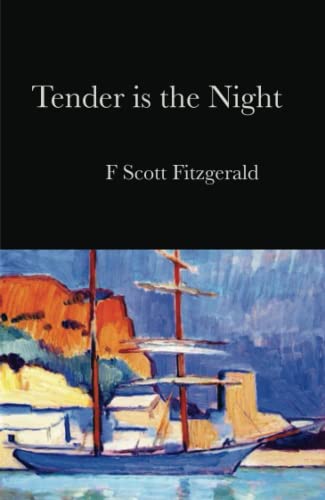
No. 47 on this list. Tender Is the Night
F. Scott Fitzgerald · 1934
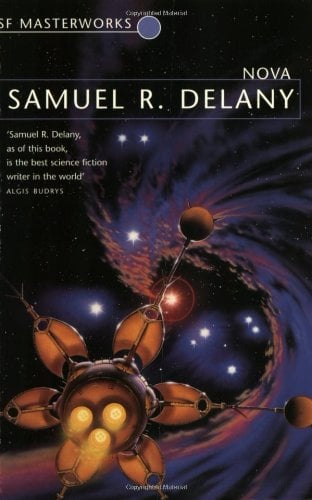
No. 48 on this list. Nova
Samuel R. Delany · 1968
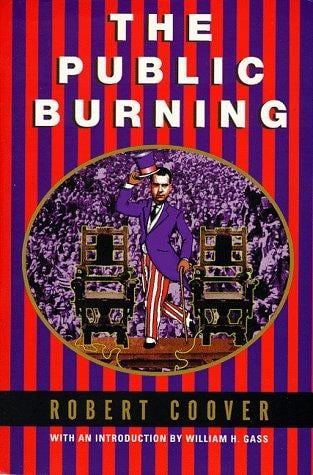
No. 49 on this list. The Public Burning
Robert Coover · 1977
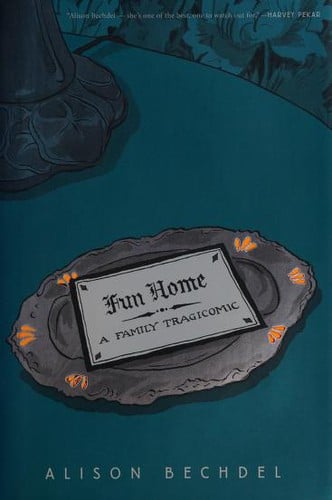
No. 50 on this list. Fun Home
Alison Bechdel · 2006
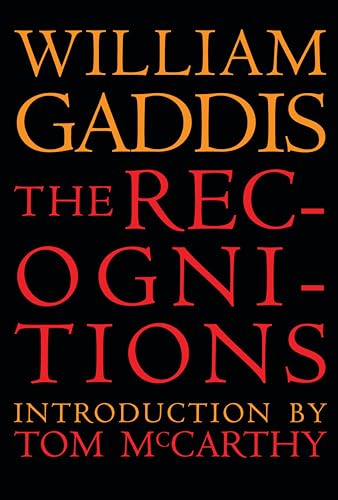
No. 51 on this list. The Recognitions
William Gaddis · 1955
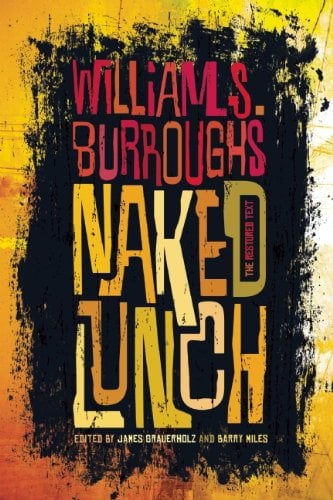
No. 52 on this list. Naked Lunch
William S. Burroughs · 1959
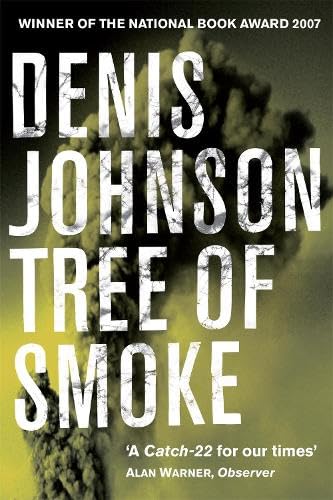
No. 53 on this list. Tree of Smoke
Denis Johnson · 2007
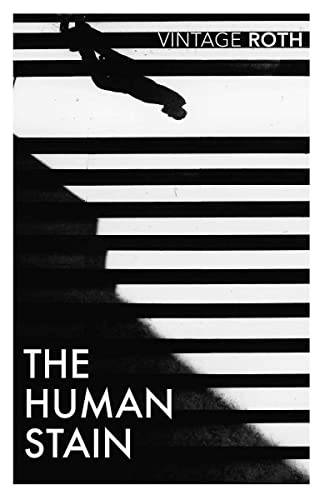
No. 54 on this list. The Human Stain
Philip Roth · 2001
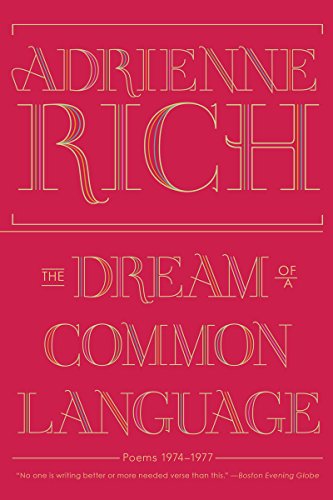
No. 55 on this list. The Dream of a Common Language
Adrienne Rich · 1978
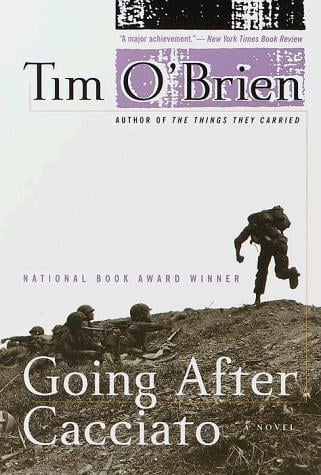
No. 56 on this list. Going After Cacciato
Tim O'Brien · 1979
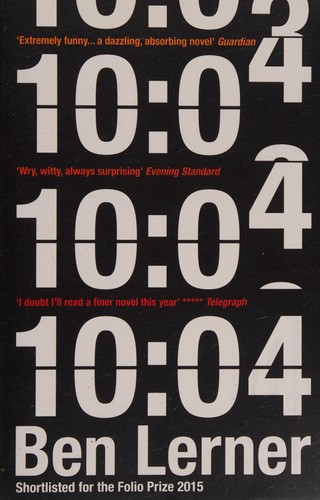
No. 57 on this list. 10:04
Ben Lerner · 2014
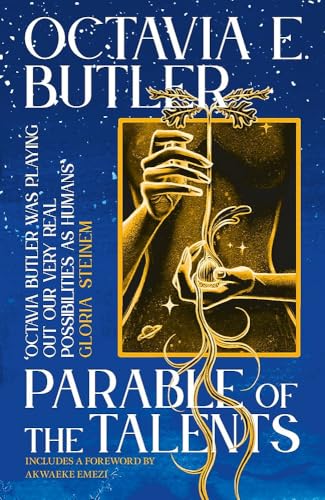
No. 58 on this list. Parable of the Talents
Octavia E. Butler · 1998
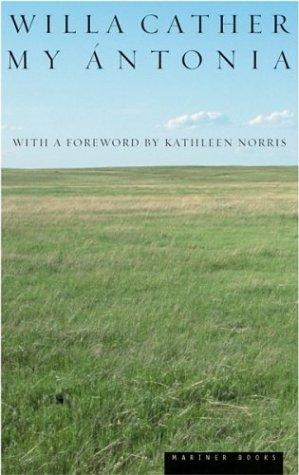
No. 59 on this list. My Antonia
Willa Cather · 1918
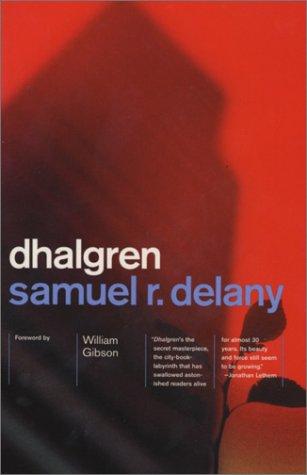
No. 60 on this list. Dhalgren
Samuel R. Delany · 1975
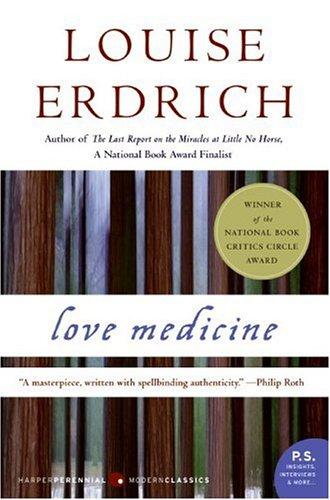
No. 61 on this list. Love Medicine
Louise Erdrich · 1984
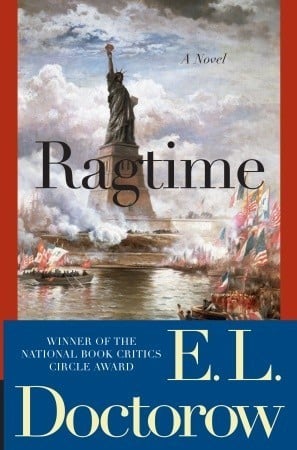
No. 62 on this list. Ragtime
E.L. Doctorow · 1975
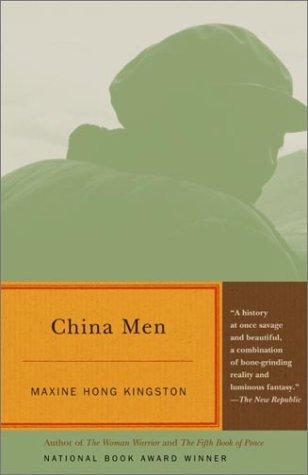
No. 63 on this list. China Men
Maxine Hong Kingston · 1980
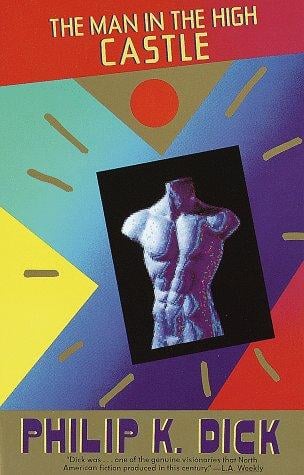
No. 64 on this list. The Man in the High Castle
Philip K. Dick · 1962
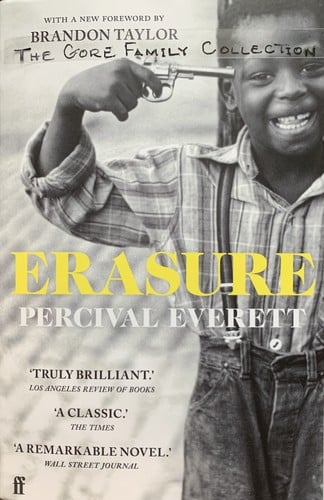
No. 65 on this list. Erasure
Percival Everett · 2001
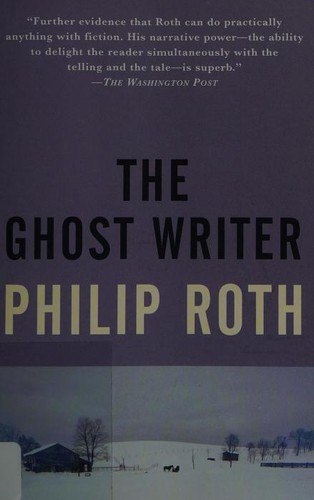
No. 66 on this list. The Ghost Writer
Philip Roth · 1979
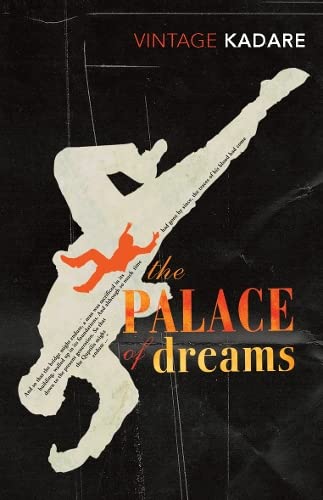
No. 67 on this list. The Palace of Dreams
Ismail Kadare · 1981
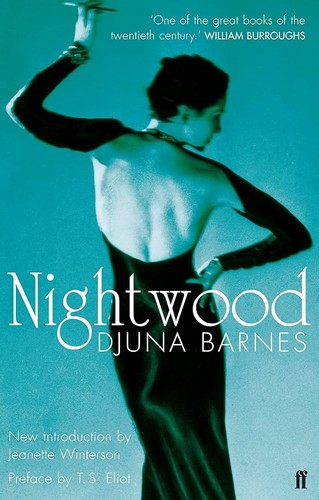
No. 68 on this list. Nightwood
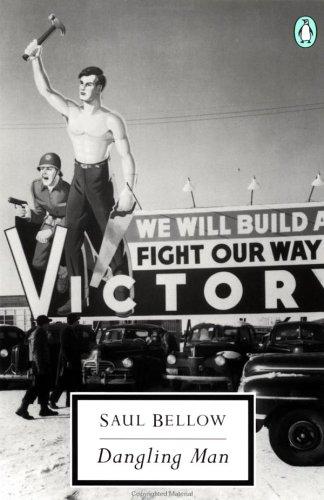
No. 69 on this list. Dangling Man
Saul Bellow · 1944
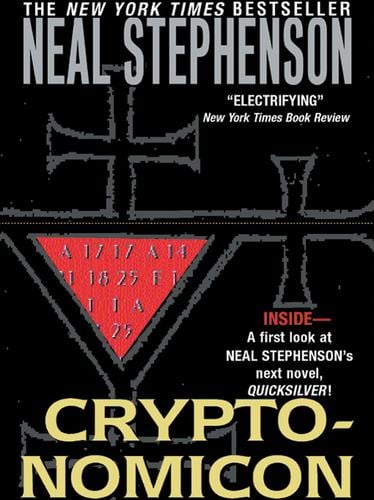
No. 70 on this list. Cryptonomicon
Neal Stephenson · 1999
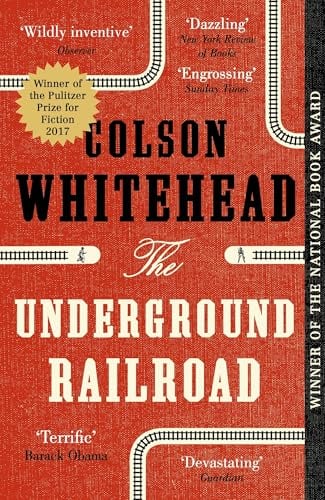
No. 71 on this list. The Underground Railroad
Colson Whitehead · 2016
Taught in schools: Leaving Certificate English – NCCA / State Examinations Commission (Ireland)
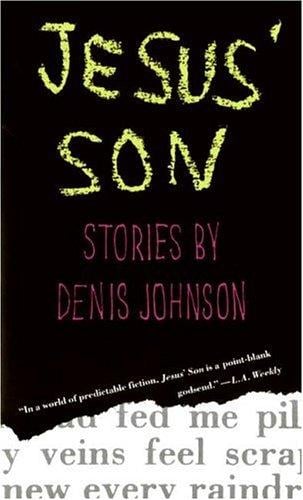
No. 72 on this list. Jesus' Son
Denis Johnson · 1992
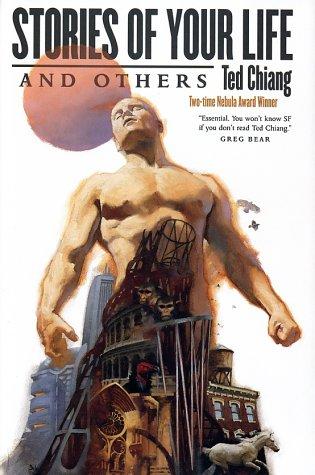
No. 73 on this list. Stories of Your Life and Others
Ted Chiang · 2002
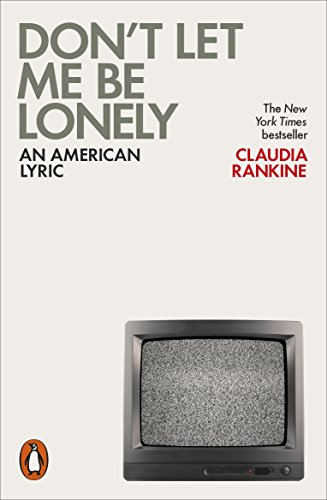
No. 74 on this list. Don't Let Me Be Lonely
Claudia Rankine · 2004
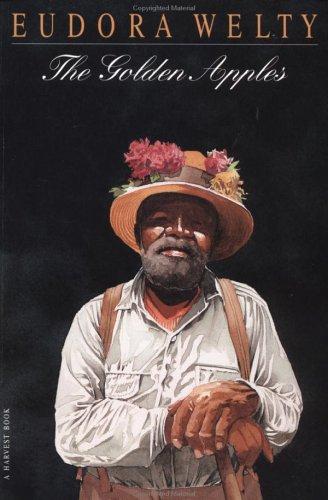
No. 75 on this list. The Golden Apples
Eudora Welty · 1949
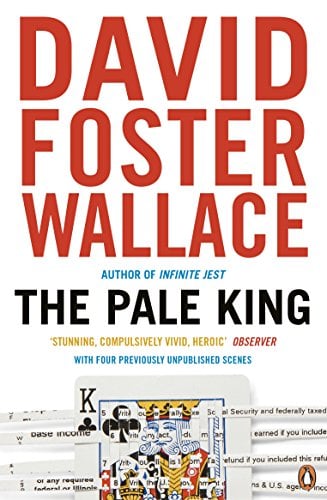
No. 76 on this list. The Pale King
David Foster Wallace · 2012
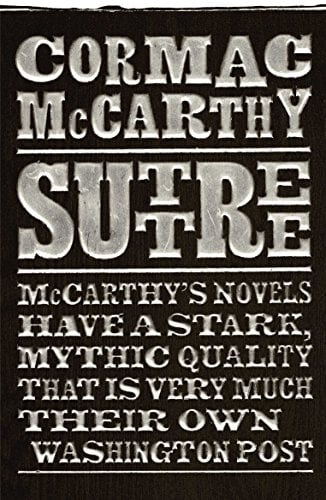
No. 77 on this list. Suttree
Cormac McCarthy · 1979
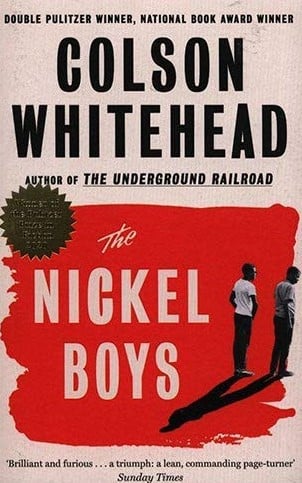
No. 78 on this list. The Nickel Boys
Colson Whitehead · 2019
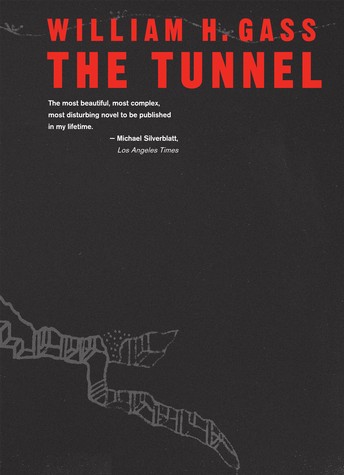
No. 79 on this list. The Tunnel
William Gass · 1995
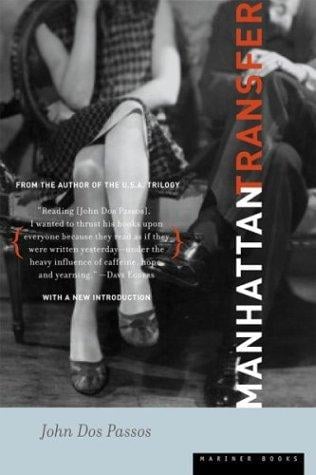
No. 80 on this list. Manhattan Transfer
John Dos Passos · 1925
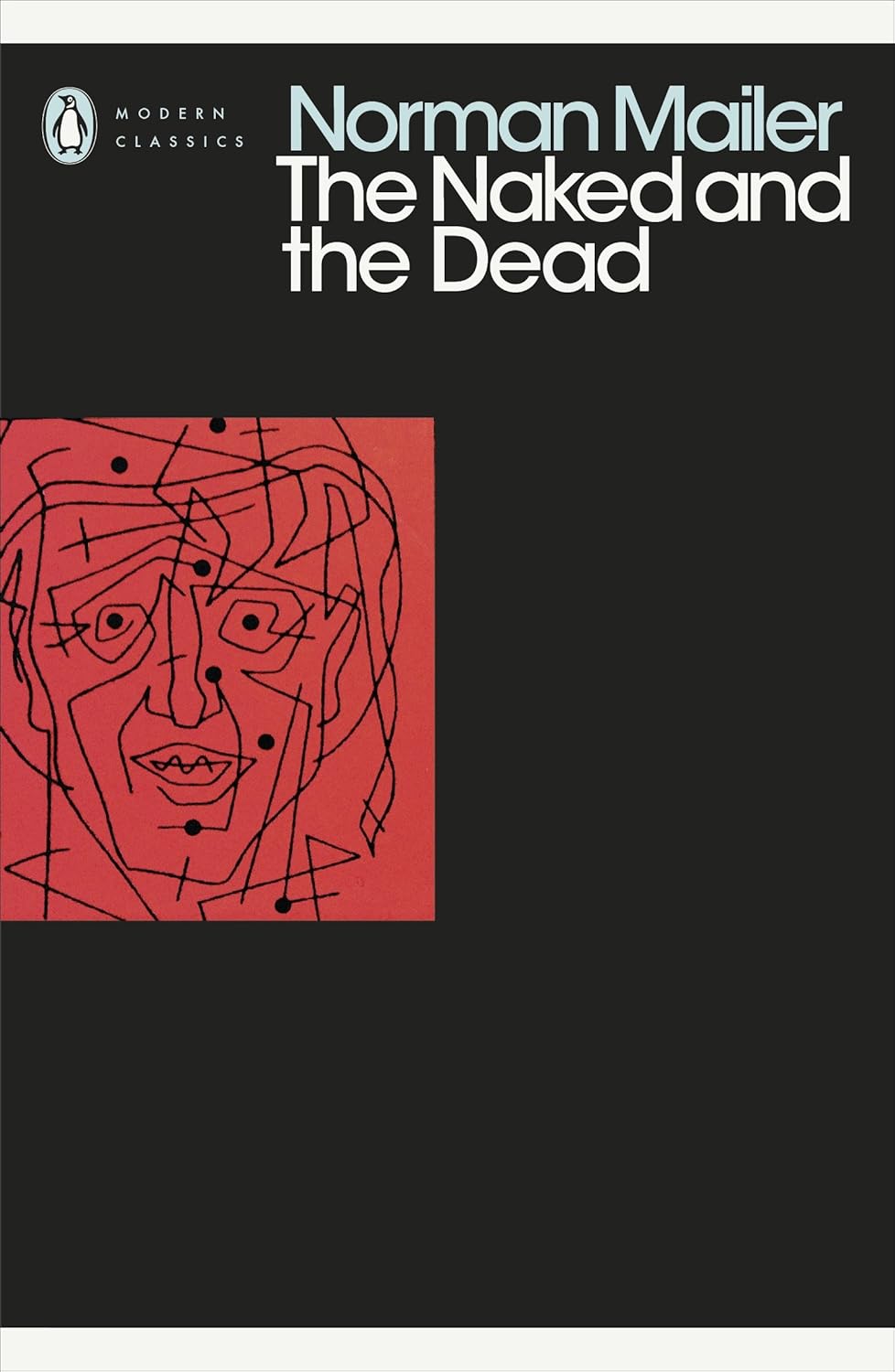
No. 81 on this list. The Naked and the Dead
Norman Mailer · 1948
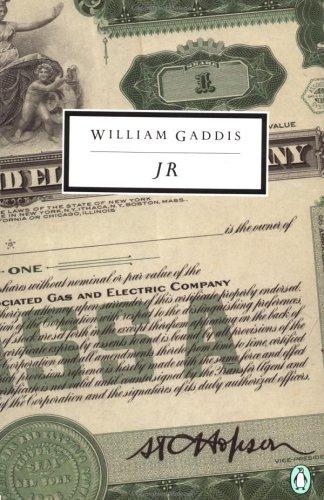
No. 82 on this list. J R
William Gaddis · 1993
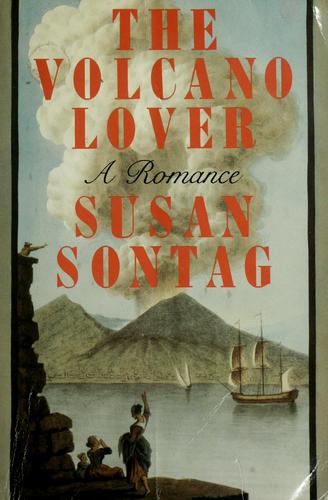
No. 83 on this list. The Volcano Lover: A Romance
Susan Sontag · 1992
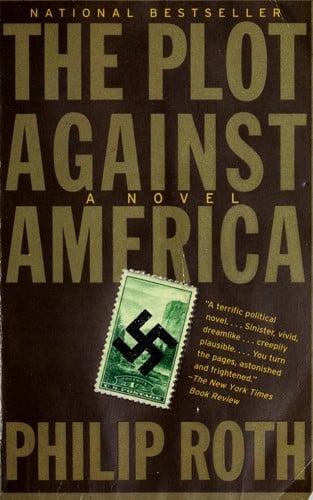
No. 84 on this list. The Plot Against America
Philip Roth · 2004
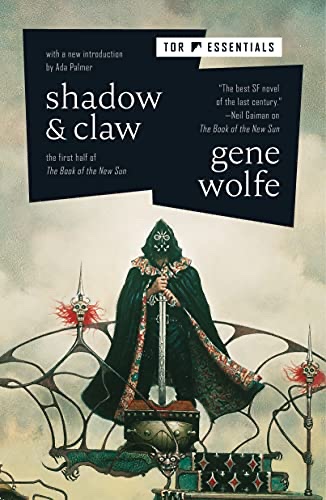
No. 85 on this list. Shadow & Claw
Gene Wolfe · 1983
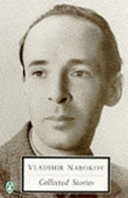
No. 86 on this list. The Stories of Vladimir Nabokov
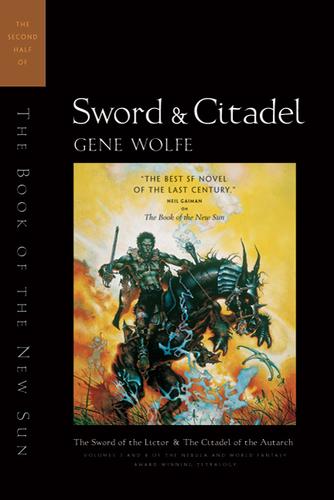
No. 87 on this list. Sword & Citadel
Gene Wolfe · 1994
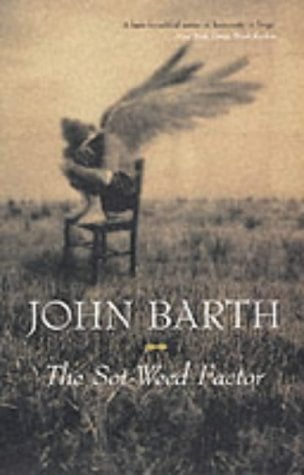
No. 88 on this list. The Sot-Weed Factor
John Barth · 1960
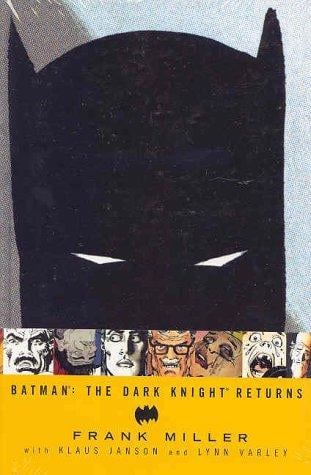
No. 89 on this list. Batman: The Dark Knight Returns
Frank Miller · 1986
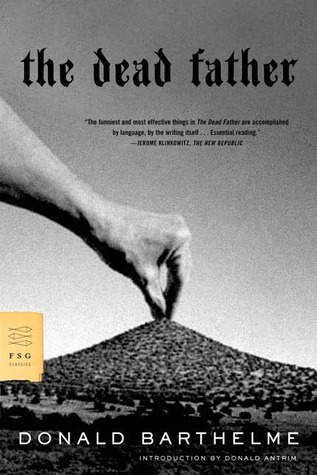
No. 90 on this list. The Dead Father
Donald Barthelme · 1975
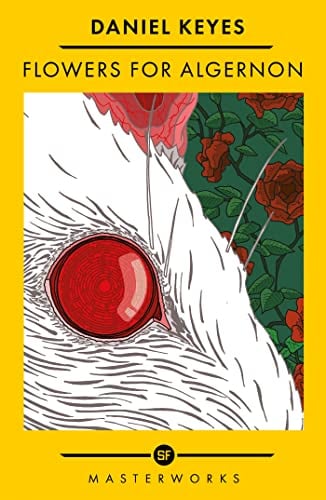
No. 91 on this list. Flowers for Algernon
Daniel Keyes · 1966
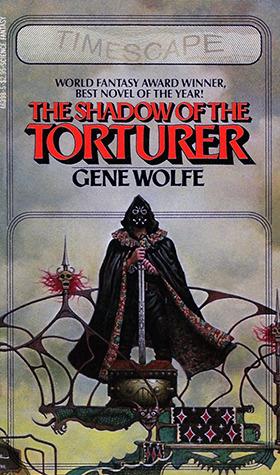
No. 92 on this list. The Shadow of the Torturer
Gene Wolfe · 1980
No. 93 on this list. A Single Man
Christopher Isherwood · 1964
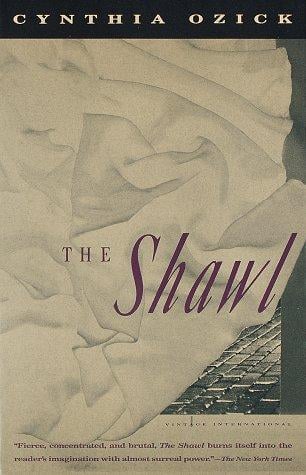
No. 94 on this list. The Shawl
Cynthia Ozick · 1989
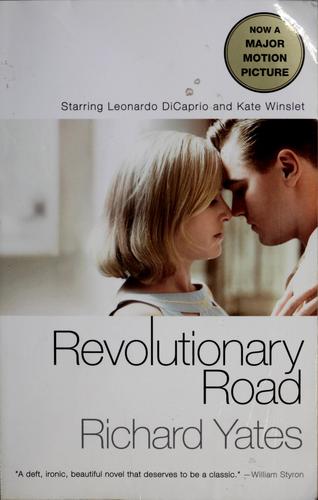
No. 95 on this list. Revolutionary Road
Richard Yates · 1961
Taught in schools: AQA GCSE and A-level English Literature (UK)
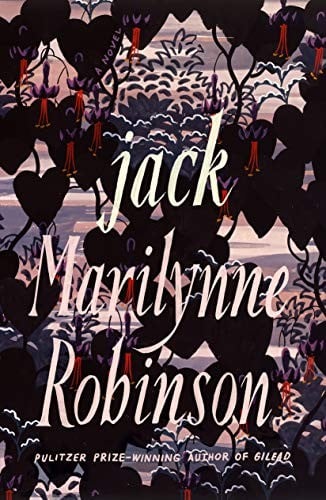
No. 96 on this list. Jack
Marilynne Robinson · 2020
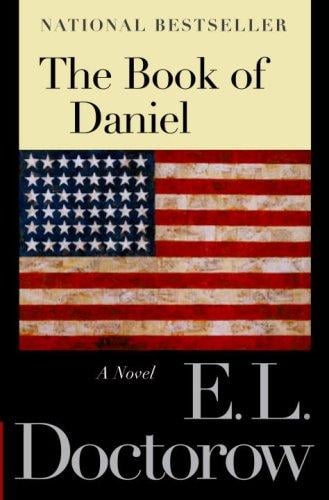
No. 97 on this list. The Book of Daniel
E.L. Doctorow · 1971
No. 98 on this list. The Universal Baseball Association, Inc., J. Henry Waugh, Prop.
Robert Coover · 1968
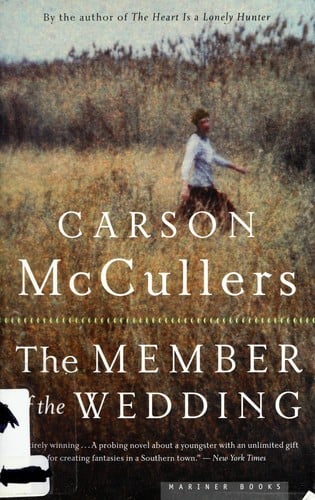
No. 99 on this list. The Member of the Wedding
Carson McCullers · 1946
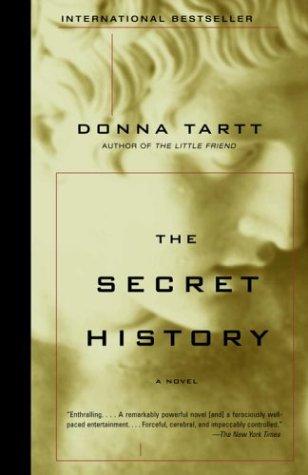
No. 100 on this list. The Secret History
Donna Tartt · 1992

About this list
These 100 books are the highest-scoring eligible challenging books from the United States currently in the catalogue. About 1,452 hours of reading in all. Difficulty runs from 68 to 78 out of 100 for the middle half of the list; the summit is The Waste Land at 91.
This list is ranked by literary regard, with a consistent order for equal scores. Membership follows authors and co-authors, not translators or editors. Catalogue coverage and the historical canon both limit what this list can represent.
When we matched the Canons dataset to our catalogue in October 2026, our canonical-status scores rose with the number of school curricula, publisher series and lists in it that cite a work: the median score was 72 for books one such source cites, 84 at two, 88 at three, 92 at four and 93 at five or more. Prizes are left out of that count. Outside the state curricula, the dataset’s sources choose mostly from what has been translated into English or French, so it is a weaker check on other literatures. Source: Canons (Andrew Piper), CC BY 4.0
Questions people actually ask
- What are the best challenging books from the United States?
- By literary regard, which weighs canonical status, critical standing and influence: The Waste Land by T. S. Eliot, Moby-Dick by Herman Melville, The Sound and the Fury by William Faulkner, Moby-Dick or, The Whale by Herman Melville and The Cantos by Ezra Pound. ReadingRate ranks 100 such books, each with a difficulty score and a reading-time estimate.
- Which challenging books from the United States should I read first?
- Start from difficulty, not from rank. The most approachable books on this list that still carry top literary regard are Tender Is the Night by F. Scott Fitzgerald (about 10 hours), Sixty Stories by Donald Barthelme and Death of a Salesman by Arthur Miller.
- What are the shortest of the best challenging books from the United States?
- Among the top 25, the shortest are The Waste Land by T. S. Eliot (about 34 min), Four Quartets by T. S. Eliot (about 51 min) and Howl and Other Poems by Allen Ginsberg (about 43 min), at an average pace of 250 words a minute adjusted for each book's difficulty.
- Which of the best challenging books from the United States are the established classics?
- By canonical status, how firmly a book sits in curricula, anthologies and the canon: Moby-Dick by Herman Melville, The Waste Land by T. S. Eliot, The Sound and the Fury by William Faulkner, Moby-Dick or, The Whale by Herman Melville and A Streetcar Named Desire by Tennessee Williams.
- Can I read any of these challenging books from the United States for free?
- 10 of the 100 open in ReadingRate's reader with a free account, from public-domain editions: The Waste Land, Moby-Dick, The Scarlet Letter, The Turn of the Screw, The Portrait of a Lady and 5 more.
- How long would it take to read the top ten?
- About 101 hours, at an average pace of 250 words a minute adjusted for each book's difficulty: 51 days at two hours a day. Set your own pace on the page and the list's reading times change to it.
- How hard are challenging books from the United States to read?
- Most of this list sits between 68 and 78 on ReadingRate's 100-point difficulty scale, where 40 to 55 is moderate. The summit is The Waste Land at 91. Every entry carries its own score, so a reader can pick a great book at a difficulty they will finish.
- How is this list ranked?
- On literary-regard data: how canonically established a work is, its critical standing, and its influence on later writing. It is not a readers’ poll, which is why recent bestsellers rarely appear. Membership follows authors and co-authors, not translators or editors. Lists by country, author, period, theme or difficulty keep to literature: fiction, poetry and drama, with no philosophy, criticism or theory. A list of a kind of book, such as philosophy, memoir or criticism, keeps every book of that kind. Every list holds at most three works by one author.