Hours at an average pace
Showing 100 books
About 920 hours for 100 of 100 books with measured lengths. Estimates use 250 words a minute, adjusted for each book's difficulty. At 2 hours a day, about 461 days for those books.
The most influential book of literary criticism in English in the twentieth century. 'Tradition and the Individual Talent' is the single most-taught critical essay.
The foundational text of American constitutional theory, cited by the Supreme Court.
Walden is a fixture of American literature courses and a foundational text of nature writing and American transcendentalism. It is taught at high school and university level worldwide, with a place beside Emerson and Whitman.
Self-Reliance is required reading in virtually every American high school and university American literature course; 'Self-Reliance' alone is one of the most-taught essays in the American educational canon. The collection appears on 'great American nonfiction' lists consistently and defines the Transcendentalist movement in survey curricula. No formal database signals were returned, but broad educational and cultural consensus places it among the highest-canonical American texts.
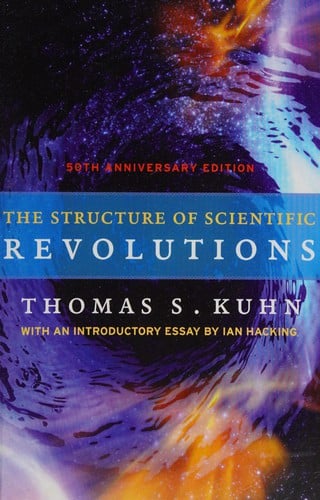
No. 5 on this list. The Structure of Scientific Revolutions
Thomas S. Kuhn · 1962
Challenging5.6 hours
Standard reading across philosophy and history of science, sociology and science and technology studies, and one of the most assigned academic books of the twentieth century. The phrase 'paradigm shift' entered everyday language from it.
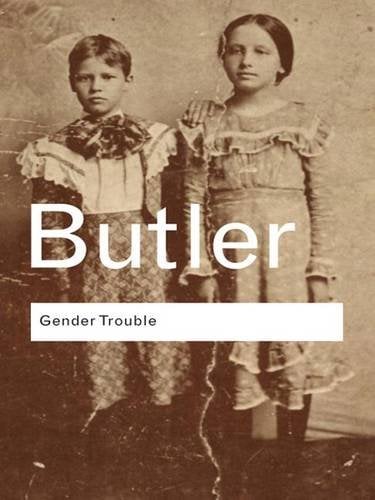
No. 6 on this list. Gender Trouble: Feminism and the Subversion of Identity
Judith Butler · 1990
Difficult9.7 hours
Gender Trouble is taught on virtually every gender studies, feminist theory, and queer theory syllabus globally, appearing widely in sociology, philosophy, cultural studies, and political science courses. Butler's text has been described by scholars as one of the most influential academic books of the 20th century and is as close to canonical as any work in the humanities published after 1980. Its position on university reading lists across North America, Europe, and beyond is unambiguous — a status granted to very few academic monographs.
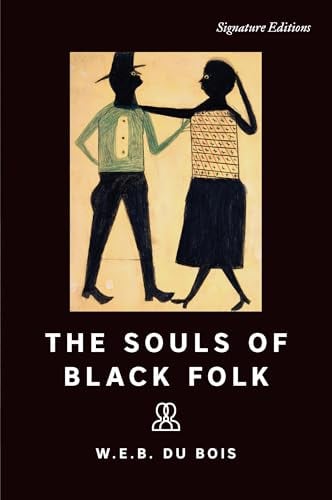
Required reading in American universities across sociology, African American studies, history, and literature departments, appearing on more syllabi than almost any other work of American nonfiction. Continuously in print since 1903, it appears on virtually every list of essential American books and is considered foundational to American intellectual history.
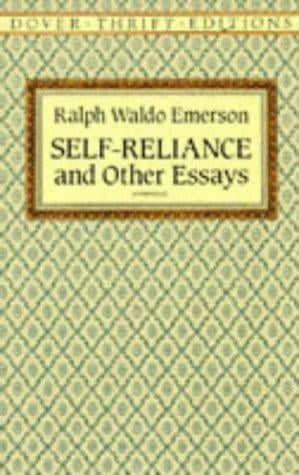
No. 8 on this list. Self-Reliance and Other Essays (Dover Thrift Editions: Philosophy)
Challenging11 hours
Emerson's essays, especially 'Self-Reliance', are staples of American literature and philosophy courses and Dover Thrift editions are widely assigned. 'History', 'Compensation' and 'The Over-Soul' anchor study of Transcendentalism.
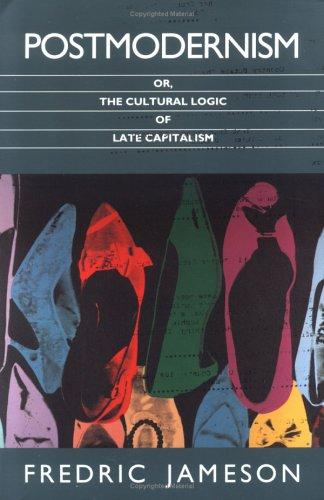
No. 9 on this list. Postmodernism, or, The Cultural Logic of Late Capitalism
Fredric Jameson · 1991
Difficult27 hours
Postmodernism is required reading in virtually every cultural studies and literary theory graduate program in the English-speaking world. The 1984 New Left Review essay version from which the book grew is one of the most-assigned academic articles in humanities graduate education. The book has remained in continuous use since its 1991 publication and has been translated into dozens of languages.
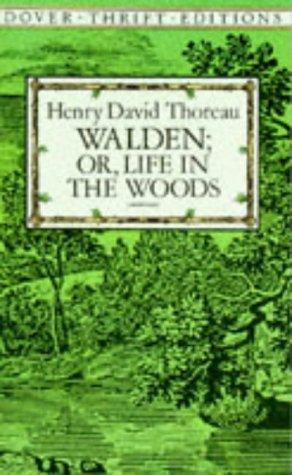
No. 10 on this list. Walden; Or, Life in the Woods Publisher: Dover Publications; Unabridged edition
Moderate6.7 hours
Walden is a cornerstone of American literature courses and of environmental and Transcendentalist studies, assigned in high school and university alike. It sits just below the most universal fixtures such as The Great Gatsby.
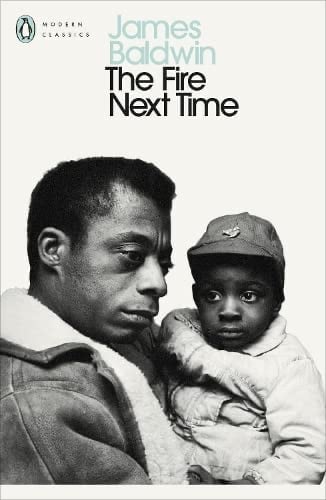
No. 11 on this list. The Fire Next Time · James Baldwin · 1963
The Fire Next Time appears on hundreds of university syllabi across African American literature, American literature, and cultural studies courses. It is included on the Modern Library's 100 Best Nonfiction list and Time magazine's 100 Best Non-Fiction Books, and has been in near-continuous use as required reading since its 1963 publication.
Moderate1.7 hours
Start this bookNo. 12 on this list. Walden · Henry David Thoreau · 1854
Thoreau moved to a cabin on a pond for two years and wrote a book that made solitude, bean-counting, and the observation of thawing mud into acts of radical philosophy. Walden supplied the intellectual template for civil disobedience, environmentalism, and voluntary simplicity — three movements that still run on its sentences.
Moderate7.8 hours
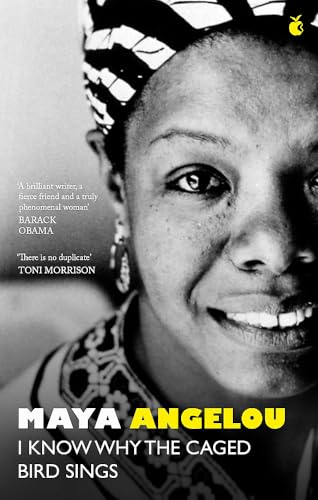
Read nowNo. 13 on this list. I Know Why the Caged Bird Sings · Maya Angelou · 1969
Taught in schools: CSEC English B – Caribbean Examinations Council, Pacific Senior Secondary Certificate – English, WBCHSE English and Alternative English syllabuses (India)
Taught in virtually every American high school and across university courses in African American literature, women's studies, and autobiography. One of the American Library Association's most frequently challenged books — a perverse testament to its ubiquity — and named among the most important American autobiographies of the 20th century on lists from the Modern Library and TIME.
Challenging8.1 hours
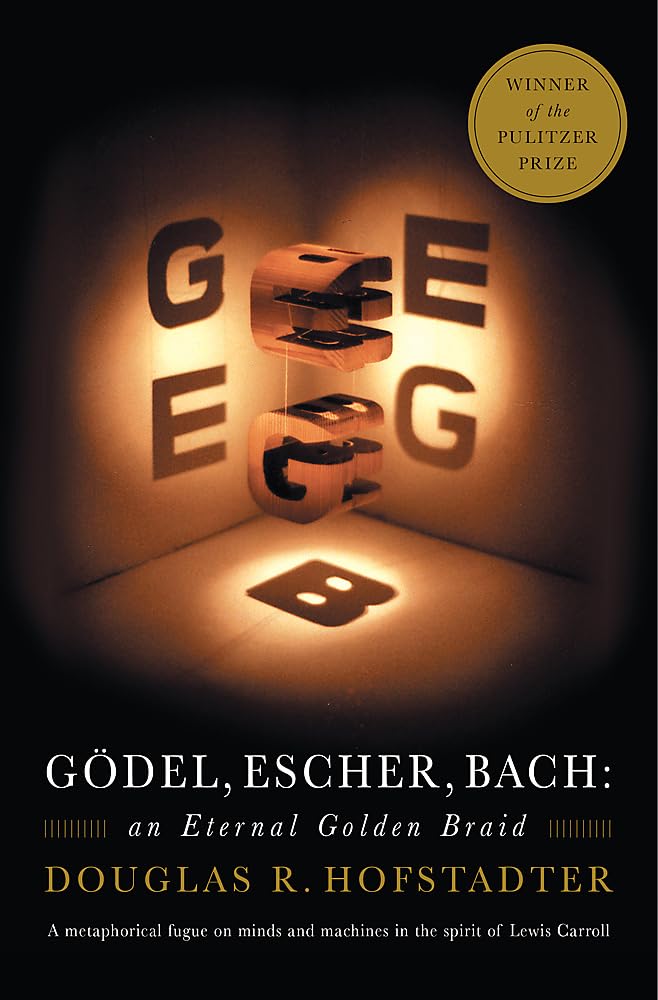
Start this bookNo. 14 on this list. Gödel, Escher, Bach: An Eternal Golden Braid · Douglas R. Hofstadter · 1979
GEB won the Pulitzer Prize for General Nonfiction in 1980 and the National Book Award in the same year, immediately entering the canon of science writing. It appears on virtually every 'essential AI and cognitive science' reading list and is routinely assigned in courses on philosophy of mind, computer science, and interdisciplinary studies across hundreds of universities. Its Wikipedia article exists in dozens of languages, reflecting global reach; few popular-science books from 1979 remain this continuously in print and actively taught.
Difficult37 hours
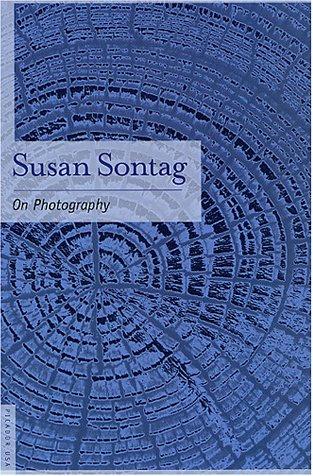
Start this bookNo. 15 on this list. On Photography · Susan Sontag · 1977
On Photography (1977) is standard reading in courses on photography, visual culture, media theory and art history. It is one of the most assigned works of modern criticism in English.
Challenging4.6 hours
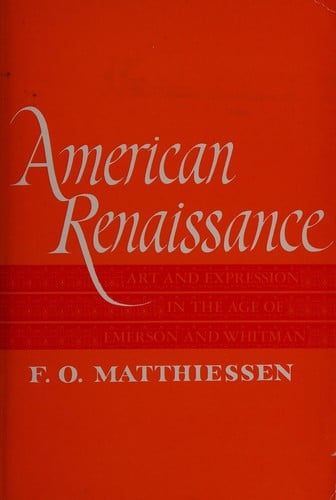
Start this bookNo. 16 on this list. The American Renaissance: Art and Expression in the Age of Emerson and Whitman · F.O. Matthiessen · 1941
American Renaissance is credited with naming and founding the field — the 1850-55 period is still called 'the American Renaissance' because of this book, and it remains standard graduate reading in American literature and American Studies programs. It sits alongside Edmund Wilson's Patriotic Gore as one of the two or three books that created the discipline it now anchors.
Challenging21 hours
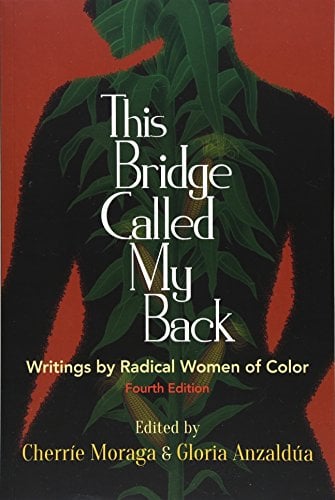
Start this bookNo. 17 on this list. This Bridge Called My Back · Cherrie Moraga · 1981
This Bridge Called My Back is required reading in women's studies, ethnic studies, and American literature courses across the United States and beyond. Since its 1981 publication it has appeared on thousands of university syllabi, ranking among the most-taught feminist texts in higher education, comparable in academic penetration to Beloved within its fields. It is listed on essential reading guides across multiple disciplines and remains continuously in print.
Challenging5.8 hours
Start this bookNo. 18 on this list. Notes of a Native Son · James Baldwin · 1955
Appears on virtually every American literature, African American literature, and essay-writing syllabus at the university level. The collection is considered one of the defining works of 20th-century American nonfiction, with the title essay among the most anthologized pieces in American letters. Its presence in curricula from high school through graduate study places it in the upper tier of canonical texts.
Moderate3.5 hours
Start this bookNo. 19 on this list. Bodies That Matter · Judith Butler · 1993
Bodies That Matter is a foundational text of queer theory and gender studies, assigned in virtually every graduate curriculum in those fields worldwide alongside Gender Trouble. It is one of the defining theoretical works of the 1990s in the humanities and remains a live reference in current scholarship.
Difficult13 hours
Start this bookNo. 20 on this list. The Poetry of Du Fu · Stephen Owen · 2016
Immediately recognized as the definitive English critical edition of the most important Chinese poet; a generational scholarly achievement.
Easy54 hours
Start this book
No. 21 on this list. The Presentation of Self in Everyday Life · Erving Goffman · 1956
Appears on thousands of sociology, communication studies, and social psychology syllabi worldwide and is the foundational text for dramaturgical theory in social science. No comparable introduction to microsociology is as widely assigned across disciplines — sociology, anthropology, communication, performance studies, and cultural theory all treat it as required reading.
Moderate5.8 hours
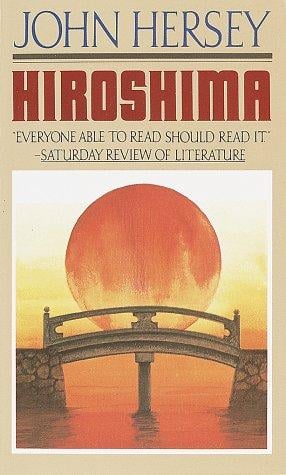
Start this bookNo. 22 on this list. Hiroshima · John Hersey · 1946
Hiroshima is required reading in American journalism schools and widely taught in history, ethics, and literature courses across the country. NYU's journalism faculty voted it the finest piece of American journalism of the 20th century. The book has remained continuously in print since 1946 and appears on virtually every list of essential American nonfiction.
Easy2.6 hours
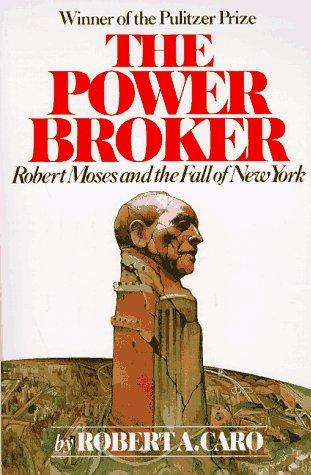
Start this bookNo. 23 on this list. The Power Broker · Robert A. Caro · 1974
The standard account of Robert Moses and of how power works in American cities, assigned in urban planning, political science and journalism programmes. It appears on nearly every list of the best American nonfiction of the twentieth century.
Moderate40 hours
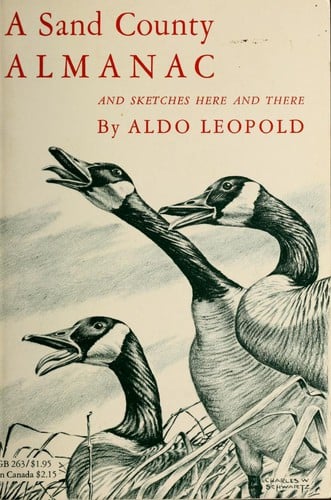
Start this bookNo. 24 on this list. Sand County Almanac · Aldo Leopold · 1949
Taught in virtually every environmental studies, ecology, and environmental humanities program in the United States. The land ethic essay is one of the most reprinted texts in conservation history, and the book appears on every major 'essential nature writing' and 'books that shaped American environmental thought' list.
Moderate3.7 hours
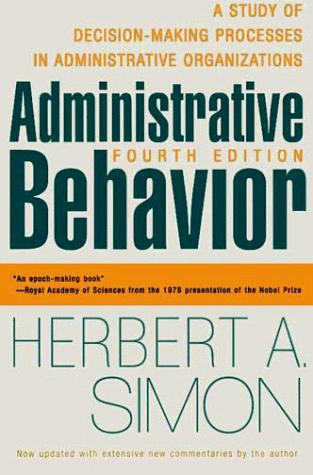
Start this bookNo. 25 on this list. Administrative behavior · Herbert Alexander Simon · 1947
Administrative Behavior is foundational in organizational theory and public administration curricula worldwide. It is assigned in business schools, public policy programs, and political science departments as a standard text. Simon received the Nobel Prize in Economics in 1978 partly on the basis of the theory of bounded rationality developed here, cementing the book's place in the canonical literature of multiple disciplines.
Challenging10 hours
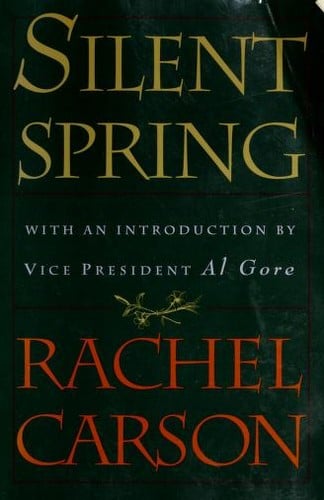
Start this bookNo. 26 on this list. Silent Spring · Rachel Carson · 1962
Required reading in environmental science, ecology, American history, and science writing courses worldwide. Regularly listed among the most important books of the 20th century by Le Monde, Modern Library, and TIME. Its influence extends far beyond literary circles into science, law, and public policy.
Moderate6 hours
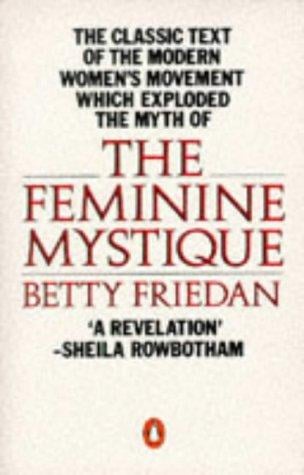
Start this bookNo. 27 on this list. The Feminine Mystique · Betty Friedan · 1963
The Feminine Mystique appears on hundreds of women's studies, American history, and sociology syllabi across the United States and internationally. Time magazine named it one of the 100 most important nonfiction books of the 20th century, and it features on Modern Library and similar 'essential nonfiction' lists. Its Wikipedia article exists in dozens of languages with substantial coverage of its reception and cultural impact.
Moderate9.9 hours
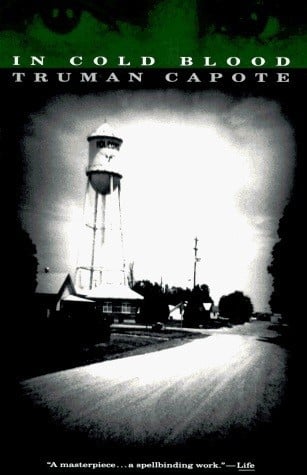
Start this bookNo. 28 on this list. In Cold Blood · Truman Capote · 1966
Required reading in virtually every American journalism school and most creative nonfiction courses. Appears on Modern Library and Time's All-Time 100 Novels lists. The book that established 'literary journalism' and 'the nonfiction novel' as serious forms. No significant discussion of 20th-century American nonfiction omits it.
Challenging11 hours
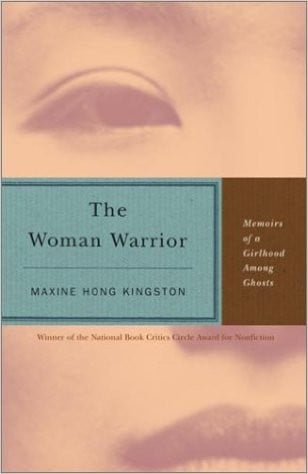
Start this bookNo. 29 on this list. The Woman Warrior: Memoirs of a Girlhood Among Ghosts · Maxine Hong Kingston · 1976
The Woman Warrior is one of the most-taught memoirs in American university curricula, appearing on syllabi for American literature, Asian-American studies, women's studies, creative nonfiction, and multicultural education courses. It has been continuously in print since 1976 and appears on virtually every list of essential Asian-American literature. The Open Syllabus Project ranks it among the most frequently assigned texts in the humanities.
Moderate4.6 hours
Start this bookNo. 30 on this list. The Autobiography of Benjamin Franklin · Benjamin Franklin · 1791
The Autobiography is among the most assigned texts in American literature and history courses at both high school and university level, serving as the foundational document of the American self-made-man tradition. No awards data is available in the database, but the work appears on virtually every syllabus of early American literature and is regularly included in surveys of American nonfiction. It is universally treated as essential reading for understanding American culture and civic ideology.
Moderate4.1 hours
Read now
No. 31 on this list. Letter from Birmingham Jail
Martin Luther King Jr. · 1963
No. 32 on this list. A Theory of Justice
John Rawls · 1971
No. 33 on this list. James Joyce
Richard Ellmann · 1959
No. 34 on this list. The Civil War: A Narrative, Volume 1
Shelby Foote · 1958
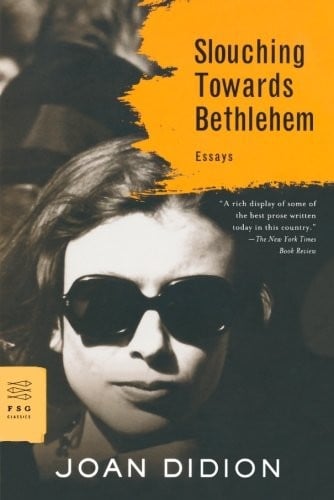
No. 35 on this list. Slouching Towards Bethlehem
Joan Didion · 1968
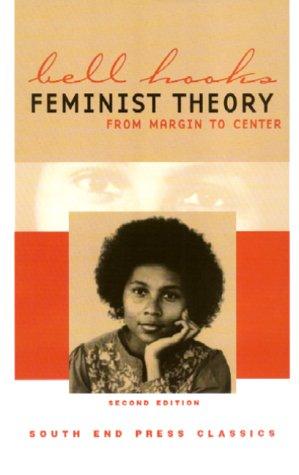
No. 36 on this list. Feminist Theory: From Margin to Center
bell hooks · 1984
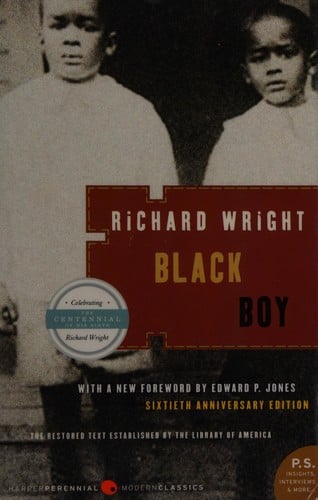
No. 37 on this list. Black Boy
Richard Wright · 1945
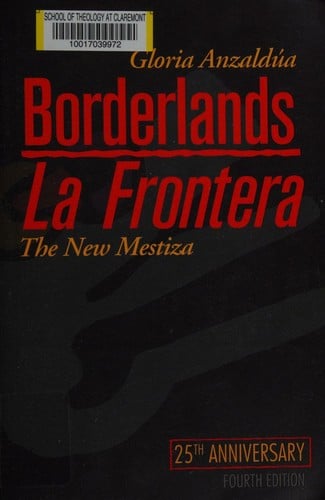
No. 38 on this list. Borderlands/La Frontera: The New Mestiza
Gloria Anzaldua · 1987
No. 39 on this list. The Hero with a Thousand Faces
Joseph Campbell · 1949
No. 40 on this list. Black Reconstruction in America
W. E. B. Du Bois · 1935
No. 41 on this list. Darkwater
W. E. B. Du Bois · 1920
No. 42 on this list. The Armies of the Night
Norman Mailer · 1968
No. 43 on this list. THE HOLY BIBLE: SIGNED Pennyroyal Caxton Bible BARRY MOSER Illustrator
Barry Moser · 1999
No. 44 on this list. The Death and Life of Great American Cities
Jane Jacobs · 1961
No. 45 on this list. Ain't I a Woman
bell hooks · 1981
No. 46 on this list. Sister Outsider
Audre Lorde · 1984
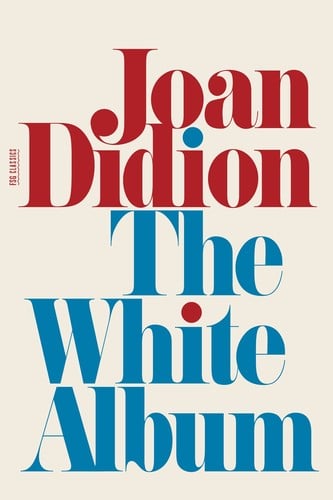
No. 47 on this list. The White Album
Joan Didion · 1979
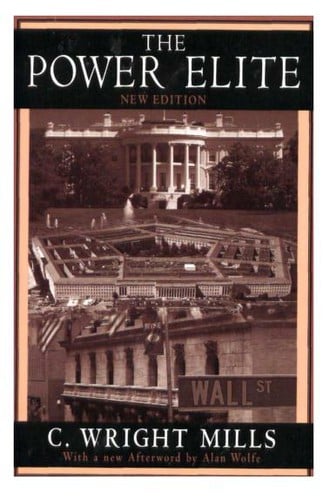
No. 48 on this list. The Power Elite
C. Wright Mills · 1956
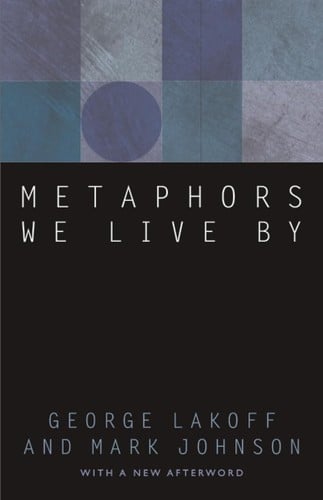
No. 49 on this list. Metaphors We Live by
Mark Johnson · 1980
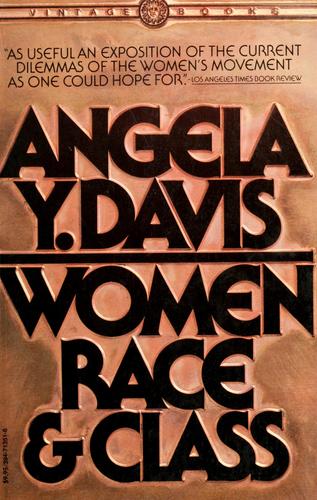
No. 50 on this list. Women, Race & Class
Angela Davis · 1981
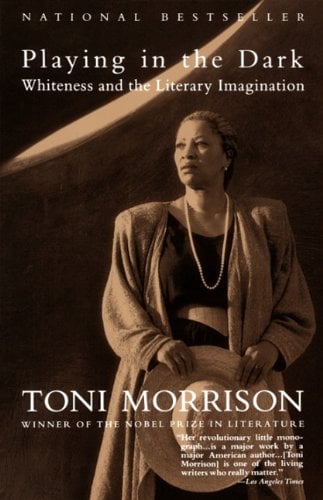
No. 51 on this list. Playing in the Dark: Whiteness and the Literary Imagination
Toni Morrison · 1992
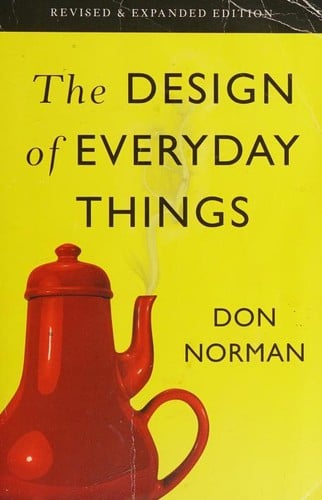
No. 52 on this list. The Design of Everyday Things
Don Norman · 1988
No. 53 on this list. The Great Age of Chinese Poetry: The High T'ang
Stephen Owen · 1981
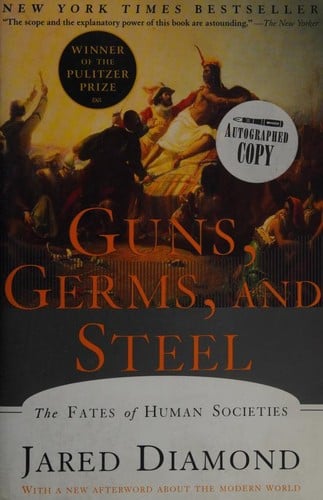
No. 54 on this list. Guns, Germs, and Steel
Jared Diamond · 1997
No. 55 on this list. Regarding the Pain of Others
Susan Sontag · 2003
No. 56 on this list. Narrative of the Life of Frederick Douglass
Frederick Douglass · 1845
No. 57 on this list. The Journalist and the Murderer
Janet Malcolm · 1990
No. 58 on this list. The Authentic I Ching
Andrew H. Plaks · 1980
No. 59 on this list. The Sacred and the Profane
Mircea Eliade · 1957
No. 60 on this list. Embracing Defeat
John W. Dower · 1999
No. 61 on this list. The Guns of August
Barbara W. Tuchman · 1962
No. 62 on this list. Between the World and Me
Ta-Nehisi Coates · 2015
No. 63 on this list. The Right Stuff
Tom Wolfe · 1979
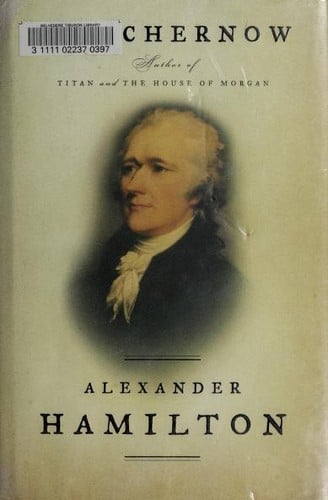
No. 64 on this list. Alexander Hamilton
Ron Chernow · 2004
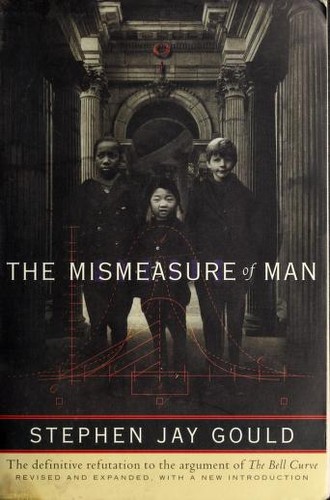
No. 65 on this list. The Mismeasure of Man
Stephen Jay Gould · 1981
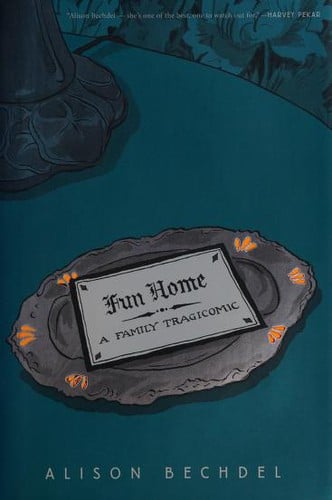
No. 66 on this list. Fun Home
Alison Bechdel · 2006
No. 67 on this list. On the Plurality of Worlds
David Kellogg Lewis · 1986
No. 68 on this list. The Verbal Icon
W.K. Wimsatt · 1954
No. 69 on this list. Coming of Age in Samoa: A Psychological Study of Primitive Youth for Western Civilisation
Margaret Mead · 2001
No. 70 on this list. South Korea's 1987 Democracy Movement: A Literary Companion
David R. McCann · 2004
No. 71 on this list. No Name in the Street
James Baldwin · 1972
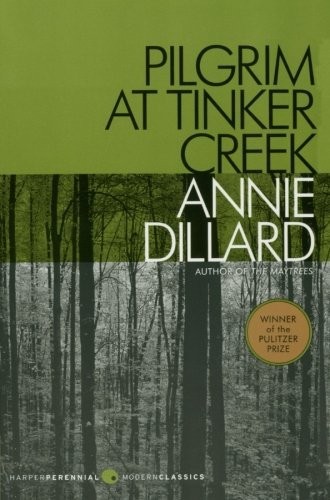
No. 72 on this list. Pilgrim at Tinker Creek
Annie Dillard · 1974
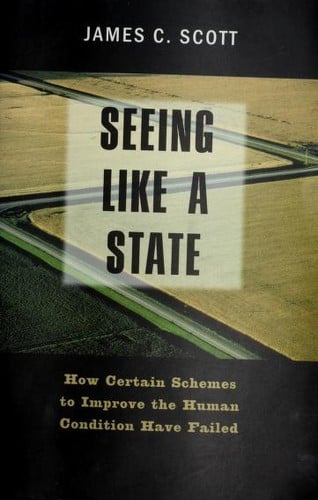
No. 73 on this list. Seeing Like a State
James C. Scott · 1998
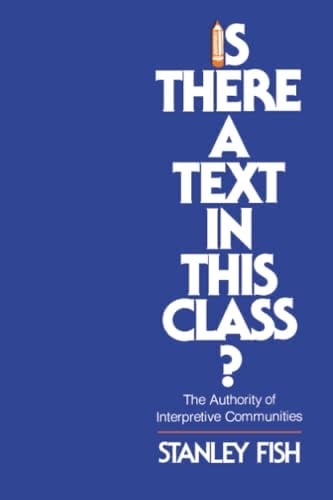
No. 74 on this list. Is There a Text in This Class? The Authority of Interpretive Communities
Stanley Fish · 1980
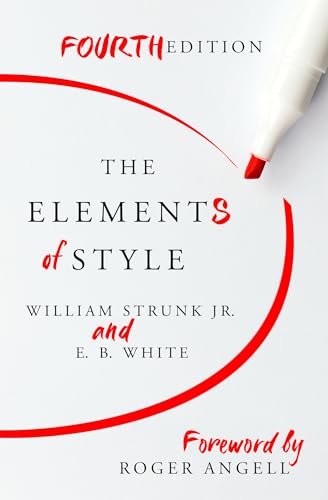
No. 75 on this list. The Elements of Style
William Strunk Jr. · 1959
No. 76 on this list. Errand into the Wilderness
Perry Miller · 1956
No. 77 on this list. Basin and Range
John McPhee · 1981
No. 78 on this list. Precarious Life
Judith Butler · 2004
No. 79 on this list. Understanding Comics
Scott McCloud · 1993
No. 80 on this list. The Electric Kool-Aid Acid Test
Tom Wolfe · 1968
No. 81 on this list. Cosmos
Carl Sagan · 1980
No. 82 on this list. Annals of the Former World
John McPhee · 1998
No. 83 on this list. The Chrysanthemum and the Sword
Ruth Benedict · 1946
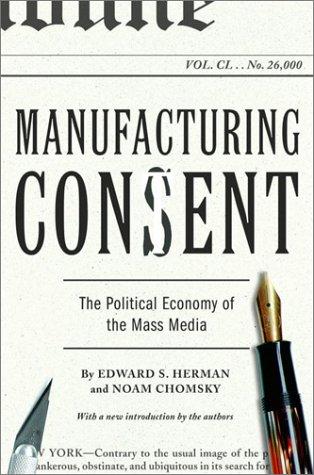
No. 84 on this list. Manufacturing Consent
Noam Chomsky · 1988
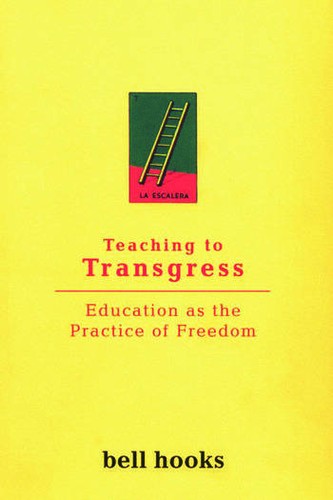
No. 85 on this list. Teaching to Transgress
bell hooks · 1994
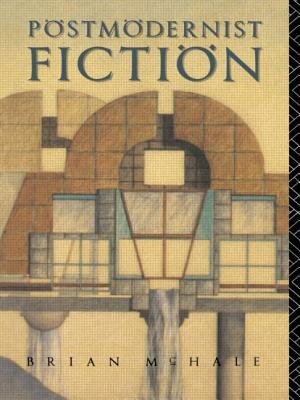
No. 86 on this list. Postmodernist Fiction
Brian McHale · 1987
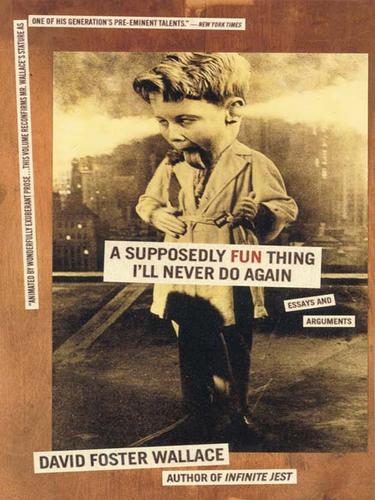
No. 87 on this list. A Supposedly Fun Thing I'll Never Do Again
David Foster Wallace · 1997
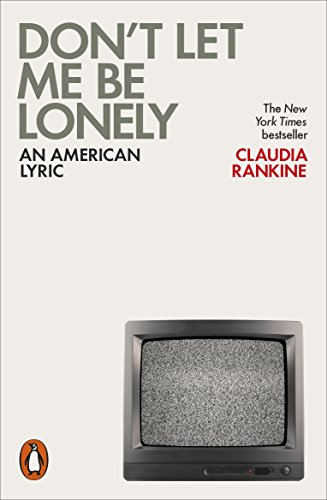
No. 88 on this list. Don't Let Me Be Lonely
Claudia Rankine · 2004
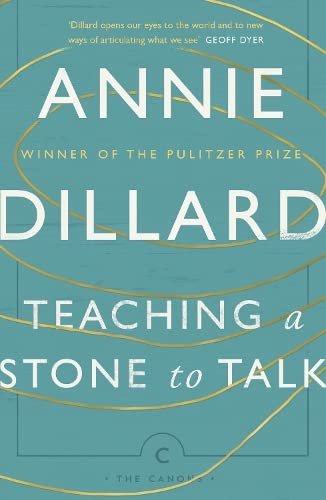
No. 89 on this list. Teaching a Stone to Talk
Annie Dillard · 1982
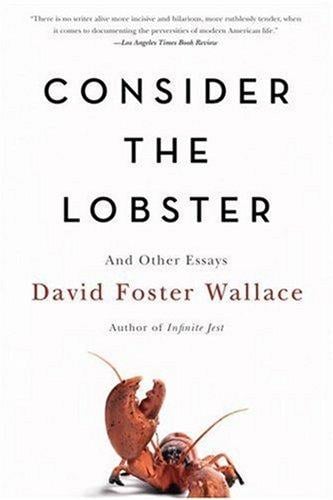
No. 90 on this list. Consider the Lobster
David Foster Wallace · 2005
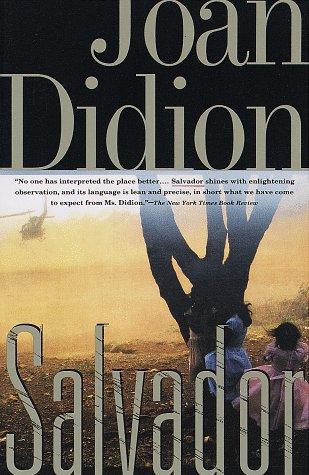
No. 91 on this list. Salvador
Joan Didion · 1983
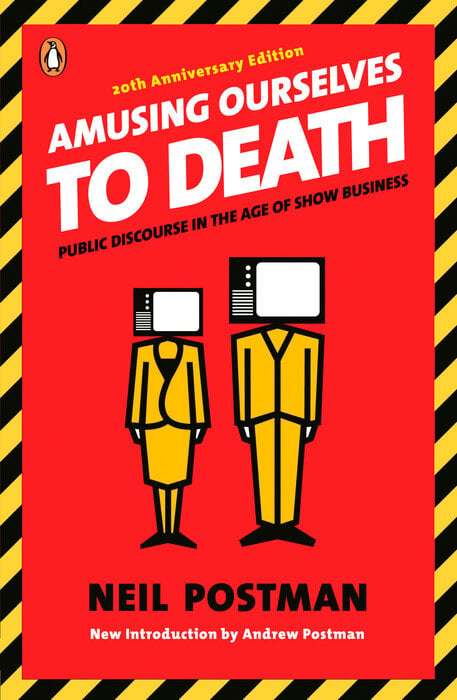
No. 92 on this list. Amusing Ourselves to Death
Neil Postman · 1985
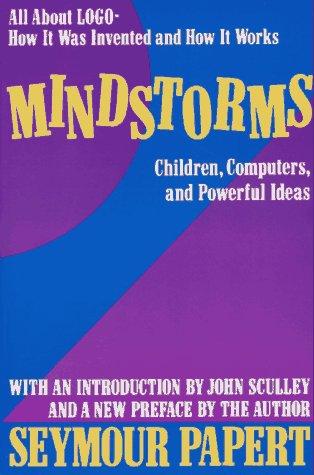
No. 93 on this list. Mindstorms
Seymour Papert · 1980
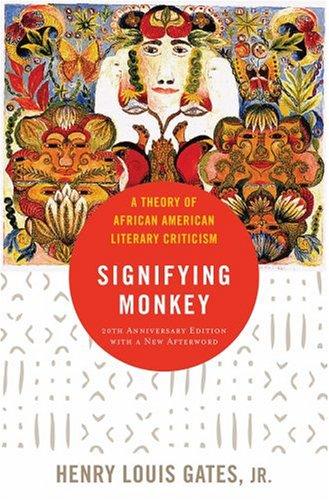
No. 94 on this list. The Signifying Monkey: A Theory of African-American Literary Criticism
Henry Louis Gates Jr. · 1988
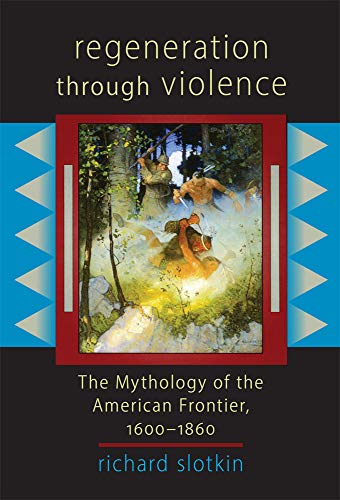
No. 95 on this list. Regeneration Through Violence: The Mythology of the American Frontier, 1600–1860
Richard Slotkin · 1973
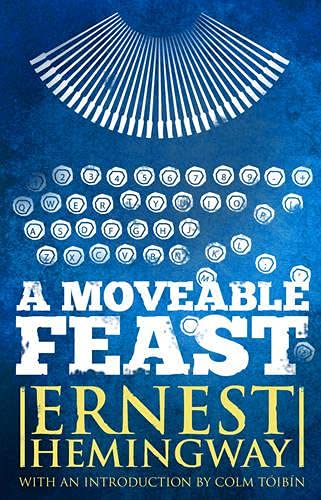
No. 96 on this list. A Moveable Feast
Ernest Hemingway · 1964
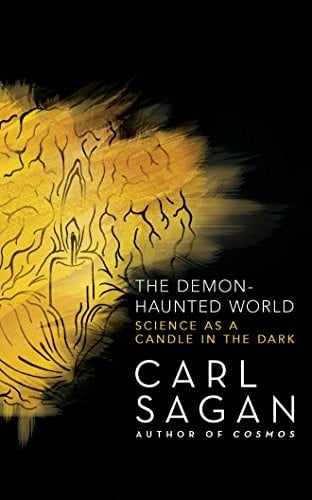
No. 97 on this list. The Demon-Haunted World
Carl Sagan · 1995
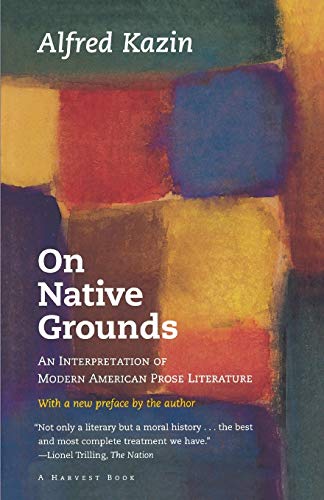
No. 98 on this list. On Native Grounds: An Interpretation of Modern American Prose Literature
Alfred Kazin · 1942
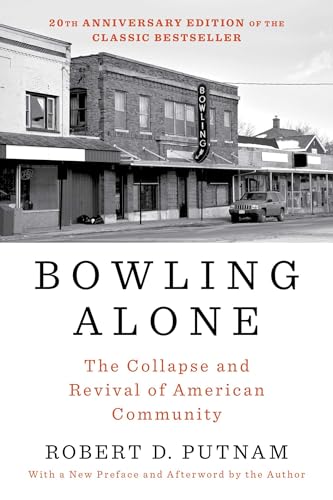
No. 99 on this list. Bowling Alone
Robert D. Putnam · 2000
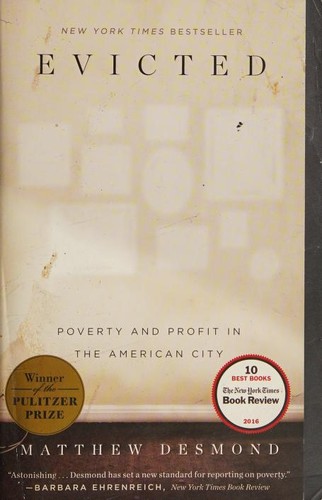
No. 100 on this list. Evicted
Matthew Desmond · 2016
About this list
These 100 books are the highest-scoring eligible nonfiction books from the United States currently in the catalogue. About 920 hours of reading in all. Difficulty runs from 43 to 57 out of 100 for the middle half of the list; the summit is Postmodernism, or, The Cultural Logic of Late Capitalism at 84.
This list is ranked by literary regard, with a consistent order for equal scores. Membership follows authors and co-authors, not translators or editors. Catalogue coverage and the historical canon both limit what this list can represent, and genre labels are the catalogue’s own, gathered into broader kinds.
When we matched the Canons dataset to our catalogue in October 2026, our canonical-status scores rose with the number of school curricula, publisher series and lists in it that cite a work: the median score was 72 for books one such source cites, 84 at two, 88 at three, 92 at four and 93 at five or more. Prizes are left out of that count. Outside the state curricula, the dataset’s sources choose mostly from what has been translated into English or French, so it is a weaker check on other literatures. Source: Canons (Andrew Piper), CC BY 4.0
Questions people actually ask
- What are the best nonfiction books from the United States?
- By literary regard, which weighs canonical status, critical standing and influence: The Sacred Wood by T. S. Eliot, The Federalist Papers by Alexander Hamilton, Walden or, Life in the Woods by Henry David Thoreau, Self-Reliance and Other Essays by Ralph Waldo Emerson and The Structure of Scientific Revolutions by Thomas S. Kuhn. ReadingRate ranks 100 such books, each with a difficulty score and a reading-time estimate.
- Which nonfiction books from the United States should I read first?
- Start from difficulty, not from rank. The most approachable books on this list that still carry top literary regard are Narrative of the Life of Frederick Douglass by Frederick Douglass (about 2 hours), The Journalist and the Murderer by Janet Malcolm and Ain't I a Woman by bell hooks.
- What are the shortest of the best nonfiction books from the United States?
- Among the top 25, the shortest are The Fire Next Time by James Baldwin (about 1.7 hours), The Sacred Wood by T. S. Eliot (about 3.9 hours) and Hiroshima by John Hersey (about 2.6 hours), at an average pace of 250 words a minute adjusted for each book's difficulty.
- Which of the best nonfiction books from the United States are the established classics?
- By canonical status, how firmly a book sits in curricula, anthologies and the canon: The Federalist Papers by Alexander Hamilton, Walden by Henry David Thoreau, The Sacred Wood by T. S. Eliot, Walden or, Life in the Woods by Henry David Thoreau and Gender Trouble: Feminism and the Subversion of Identity by Judith Butler.
- Can I read any of these nonfiction books from the United States for free?
- 5 of the 100 open in ReadingRate's reader with a free account, from public-domain editions: The Souls of Black Folk, Walden, The Autobiography of Benjamin Franklin, Darkwater and Narrative of the Life of Frederick Douglass.
- How long would it take to read the top ten?
- About 98 hours, at an average pace of 250 words a minute adjusted for each book's difficulty: 50 days at two hours a day. Set your own pace on the page and the list's reading times change to it.
- How hard are nonfiction books from the United States to read?
- Most of this list sits between 43 and 57 on ReadingRate's 100-point difficulty scale, where 40 to 55 is moderate. The summit is Postmodernism, or, The Cultural Logic of Late Capitalism at 84. Every entry carries its own score, so a reader can pick a great book at a difficulty they will finish.
- How is this list ranked?
- On literary-regard data: how canonically established a work is, its critical standing, and its influence on later writing. It is not a readers’ poll, which is why recent bestsellers rarely appear. Membership follows authors and co-authors, not translators or editors. Lists by country, author, period, theme or difficulty keep to literature: fiction, poetry and drama, with no philosophy, criticism or theory. A list of a kind of book, such as philosophy, memoir or criticism, keeps every book of that kind. Every list holds at most three works by one author.