Hours at an average pace
Showing 100 books
About 642 hours for 99 of 100 books with measured lengths. Estimates use 250 words a minute, adjusted for each book's difficulty. At 2 hours a day, about 321 days for those books.
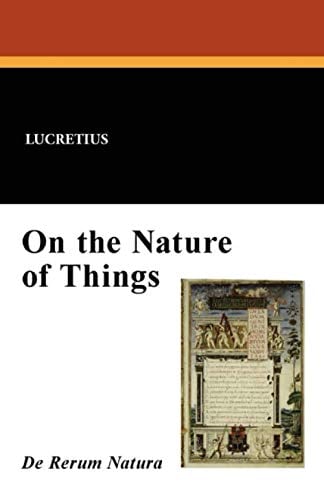
No. 1 on this list. On the Nature of Things
Lucretius · c. 55 BCE
Moderate5.5 hours
Included in: Great Books of the Western World
De Rerum Natura is one of the most significant surviving texts from antiquity, taught in classics, philosophy, and history of science programs at universities worldwide. It represents the fullest extant exposition of Epicurean atomism in any language and appears on virtually every list of essential classical works. Its rediscovery by Poggio Bracciolini in 1417 is credited with catalyzing Renaissance intellectual culture.
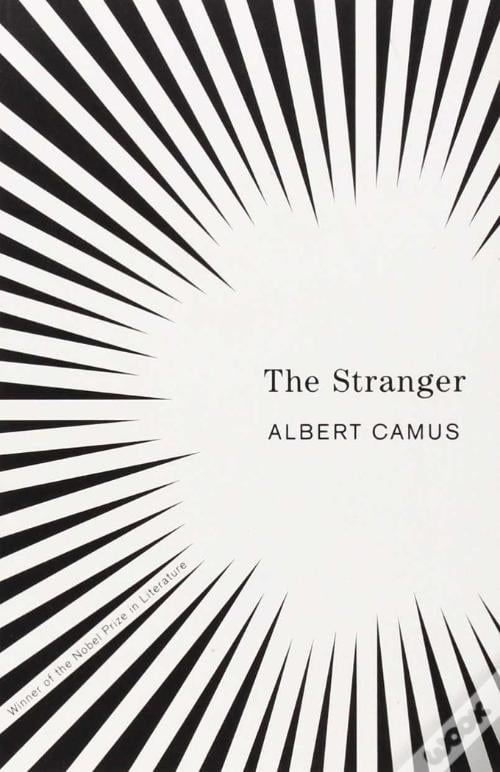
No. 2 on this list. The Stranger
Albert Camus · 1942
Challenging3 hours
Included in: Bokklubben World Library
The Stranger appears on Le Monde's 100 Books of the Century, the Open Syllabus Top 500 Literature list, and 1001 Books You Must Read Before You Die. Published in prestige editions by both NYRB Classics and Penguin Modern Classics, it is one of the most assigned existentialist texts in university world literature courses across Europe, North America, and beyond.
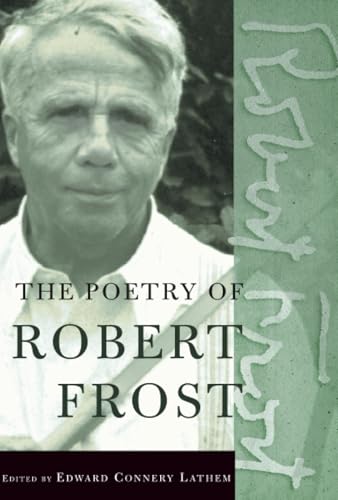
Frost appears on virtually every American high school and university English curriculum. 'The Road Not Taken,' 'Mending Wall,' and 'Stopping by Woods on a Snowy Evening' are among the most-taught poems in the English language, and the Collected Poems is the standard edition used in academic settings. His work is a fixture of the canon in a way shared by almost no other 20th-century American poet.
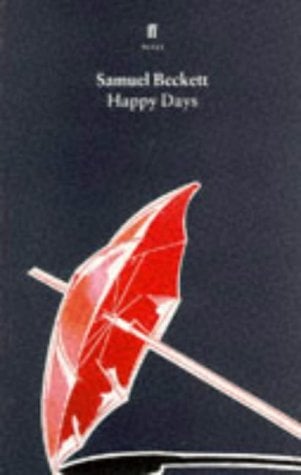
Happy Days anchors modernist and postmodern drama syllabi internationally alongside Waiting for Godot and Endgame. It is taught in theatre, English literature, and philosophy programs across Europe and North America. Wikipedia covers it in over 40 languages. It is among the most-assigned Beckett plays and appears on virtually every postwar drama reading list.
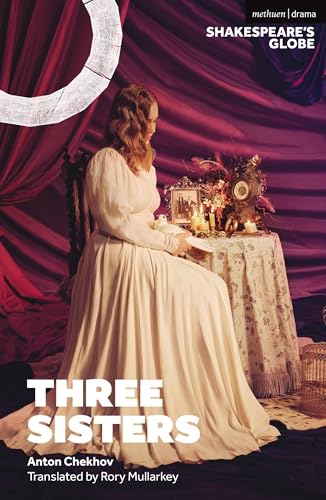
No. 5 on this list. Three Sisters
Anton Chekhov · 1901
Challenging2.4 hours
Taught in schools: Hungarian literature curriculum (magyar nyelv és irodalom) (Hungary), Russian FGOS literature standard
Taught in every course on modern drama and staged continuously by major companies since its 1901 Moscow Art Theatre premiere. The sisters' longing for Moscow is one of the best-known situations in world theatre.
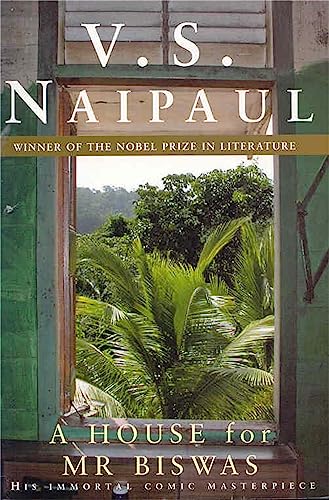
No. 6 on this list. A House for Mr. Biswas
V.S. Naipaul · 1961
Moderate13 hours
Taught in schools: CSEC English B – Caribbean Examinations Council
Naipaul tracked one man's forty-year struggle to own a house of his own in colonial Trinidad, and by treating that modest ambition with the gravity of epic, wrote the definitive novel about the immigrant's war between dignity and dispossession. Mr. Biswas's defeats are so granular and so cumulative that the house, when it finally comes, means more than any literary symbol has a right to.
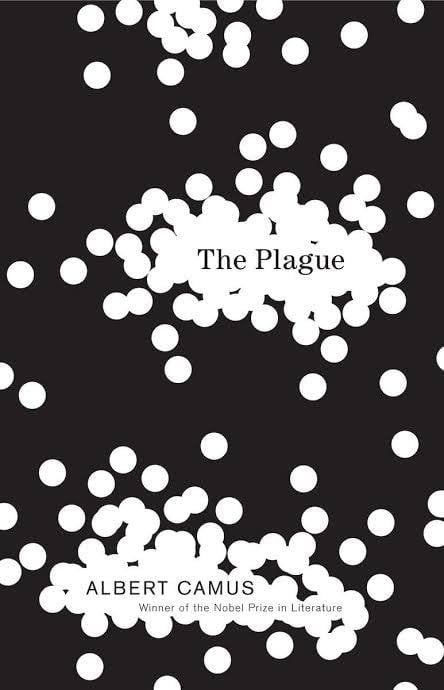
No. 7 on this list. The Plague
Albert Camus · 1947
Moderate6.7 hours
Taught in schools: Lektury obowiązkowe – Polish national reading list (Poland)
Included in: UNESCO Collection of Representative Works
The Plague is taught across Europe, the Americas, and Asia in existentialism, 20th-century literature, and French literature courses. Its Wikipedia article exists in 124 languages — comparable to the reach of Kafka's The Trial and well above most postwar novels. Listed in 1001 Books You Must Read Before You Die and enshrined as a Penguin Modern Classic.
Appears on 470 university syllabi (66.8th percentile by Open Syllabus Project), taught across philosophy, French literature, and drama departments worldwide. Wikipedia coverage spans 22 languages with both a reception section and an adaptations section, indicating sustained global engagement. Below Beloved's threshold (~1,000 syllabi) but well above cult status.
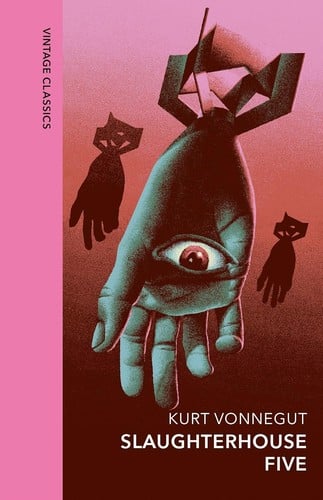
One of the most widely taught American novels of the twentieth century, in high school and university courses on war literature and postmodern fiction. Its 1969 text is the standard for anti-war reading lists.
No. 10 on this list. Samson Agonistes
John Milton · 1671
Challenging1.1 hours
Included in: Great Books of the Western World
Samson Agonistes is required reading in virtually every English Renaissance and early modern literature course at the university level, paired with Paradise Lost and Paradise Regained as the triad of Milton's major late works. It appears on countless syllabi and is included in every major anthology of English literature. While less universally taught than Paradise Lost, it holds a firm place in the upper tier of the seventeenth-century canon.
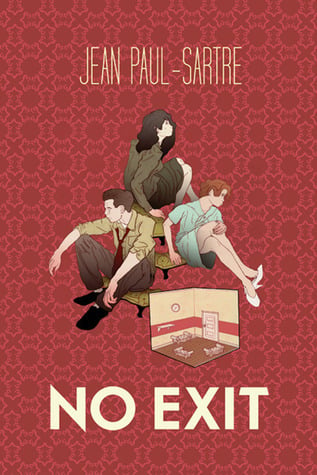
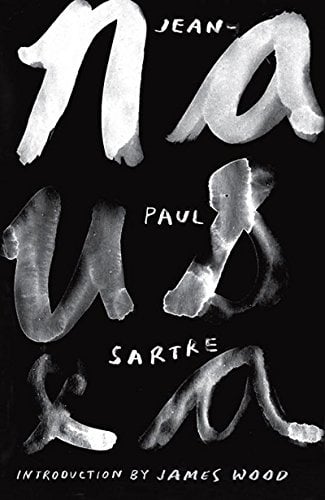
No. 11 on this list. Nausea · Jean-Paul Sartre · 1938
Nausea is universally taught in existentialism courses, philosophy of literature seminars, and twentieth-century European fiction surveys. It introduced French existentialism to literature and remains essential reading for understanding modernism's relationship to philosophy. It appears on virtually every list of the century's most important novels.
Challenging6.7 hours
Start this bookNo. 12 on this list. Notes from Underground · Fyodor Dostoevsky · 1864
Taught in schools: Russian FGOS literature standard
A nameless narrator speaks from his "underground"—a state of consciousness defined by spite, self-contradiction, and rejection of rational self-interest. In the first part, he attacks the progressive utopianism of his age, arguing that humans will always choose suffering and irrationality over happiness if it preserves their freedom. In the second, he recalls humiliating episodes from his youth that demonstrate his theories in action. The Underground Man is vain, cruel, paralyzed by self-awareness, yet somehow sympathetic in his honesty about what he calls the "dark cellar" of human consciousness. Written before Dostoevsky's great novels, this novella established the themes and voice he would develop: the critique of rationalism, the psychology of perversity, the search for authentic existence in a world of ideologies.
Challenging3.2 hours
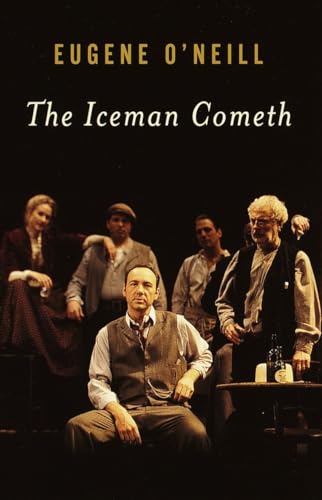
Read nowNo. 13 on this list. The Iceman Cometh · Eugene O'Neill · 1946
The Iceman Cometh appears in the Open Syllabus Top 500 Literature list and holds Library of America and NYRB Classics editions — markers of canonical permanence in American letters. It is taught in virtually every American drama survey and appears on most 'great American plays' lists alongside Long Day's Journey into Night. Wikipedia carries the play in only 5 languages, reflecting the global reach of drama (versus fiction) rather than lesser standing; within American literary culture, The Iceman Cometh is firmly canonical.
Challenging5.5 hours
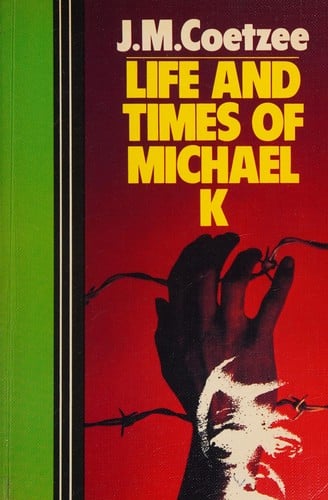
Start this bookNo. 14 on this list. Life & Times of Michael K · J.M. Coetzee · 1983
Taught in schools: UNAM Escuela Nacional Preparatoria – programas de Literatura (Mexico)
Life and Times of Michael K won the Booker Prize in 1983 and stands as a foundational text in postcolonial literature. Its examination of apartheid South Africa, individual resistance, and the ethics of fiction has secured its place in literary canons alongside Coetzee's other major works. Frequently taught in universities and cited in critical literature.
Challenging5.2 hours
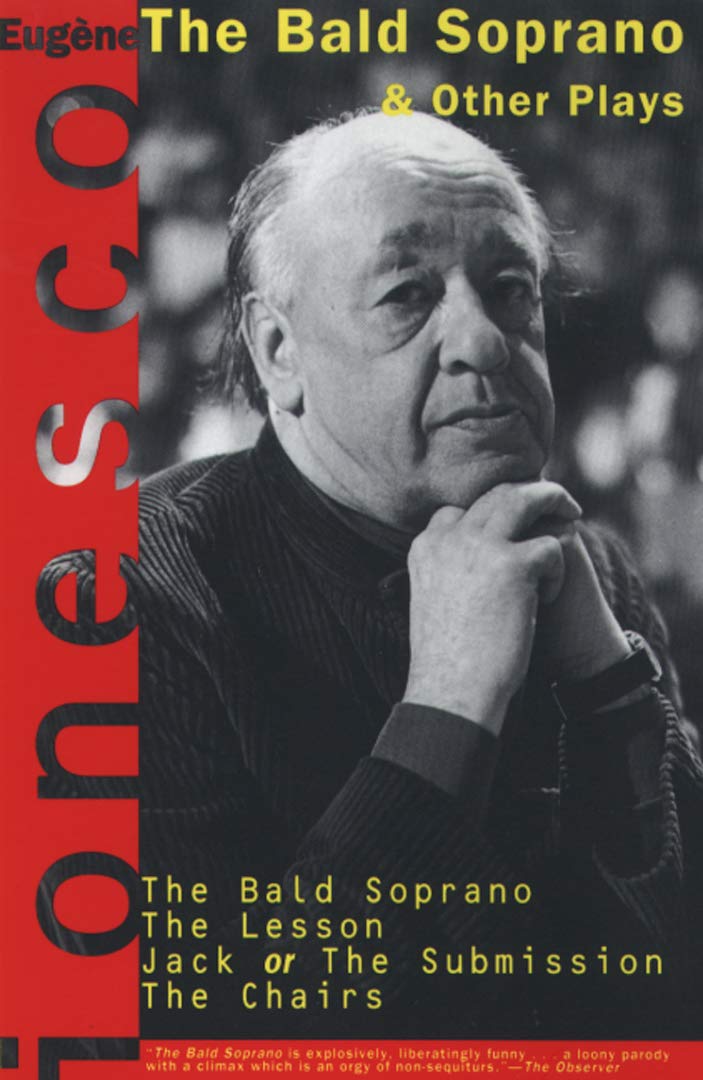
Start this bookNo. 15 on this list. The Bald Soprano · Eugène Ionesco · 1950
The Bald Soprano appears in Le Monde's 100 Books of the Century (1999) and the Open Syllabus Top 500 Literature list, with a Wikipedia presence in 27 languages. It is standard coursework in theater history, comparative literature, and 20th-century drama programs globally — a fixed point on any survey of modern theater. Less universally assigned than Shakespeare or Beckett's Waiting for Godot, but firmly in the canon of world drama with no serious dispute about its place there.
Moderate3.8 hours
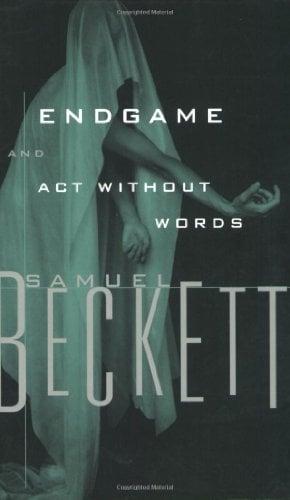
Start this bookNo. 16 on this list. Endgame · Samuel Beckett · 1957
Trying to understand Endgame / Theodor W. Adorno -- Life in the box / Hugh Kenn er -- Hamm, Clov, and the dramatic method in Endgame / Anthony Easthope -- Endi ng the waiting game / Stanley Cavell -- Beckett / Richard Gilman Symbolic struc ture and creative obligation in Endgame / Paul Lawley -- The play that was rewr itten / Ruby Cohn -- Endgame / Sidney Homan.
Challenging54 min
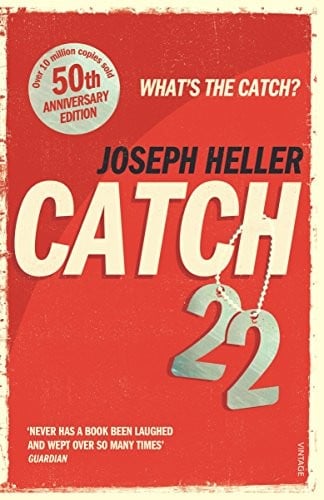
Start this bookNo. 17 on this list. Catch-22 · Joseph Heller · 1961
Yossarian wants to be grounded from combat missions, but anyone who asks to be grounded is sane enough to fly—that's the catch. Heller's circular logic gave the English language a new word and gave war fiction its most sustained assault on bureaucratic absurdity since Jaroslav Hašek's Good Soldier Švejk.
Challenging15 hours
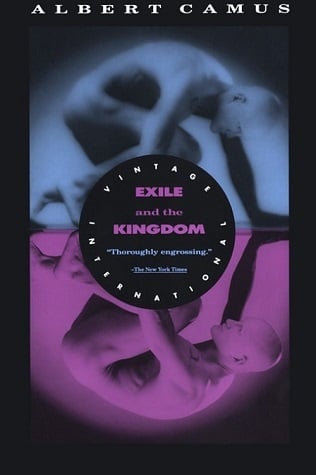
Start this bookNo. 18 on this list. Exile and the Kingdom · Albert Camus · 1957
While less central to Camus's legacy than 'The Stranger' or 'The Plague,' the collection maintains secure canonical status as his final fiction published during his lifetime. It appears regularly in world literature curricula and critical studies of existentialism, though its story format and thematic subtlety place it slightly below his more famous novels.
Challenging3.8 hours
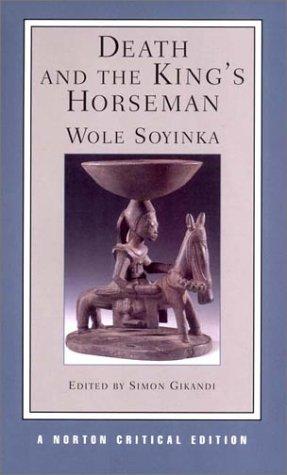
Start this bookNo. 19 on this list. Death and the King's Horseman · Wole Soyinka · 1975
Taught in schools: Common Core text exemplars (Appendix B) (US)
Elesin Oba, the King's Horseman, stands at the threshold between worlds. Yoruba custom demands his ritual death to accompany the deceased king to the ancestral realm. The women of the market drape him in ceremonial cloth and sing him toward eternity, their voices a pulse beneath the drumming that orders his final hours. District Officer Pilkings, armed with Victorian certainty and Christian duty, arrests Elesin to prevent the suicide, confident that imprisonment saves a life. But the white man's intervention shatters something irreplaceable. Elesin's will fractures. The son, Olunde, returns from medical school in England having crossed an ocean to bury his father, only to discover his father imprisoned and the cosmic order inverted. When the body of the son is revealed as the final courier to the king, wrapped in cloth and carried by women, Elesin strangles himself with his chains. Soyinka orchestrates collision between cultures through idiom, rhythm, and the unstoppable momentum of ritual toward its terrible completion. The play's power resides not in resolving this clash but in exposing how each party acts from unshakeable conviction while remaining deaf to the other's fundamental logic.
Moderate1.1 hours
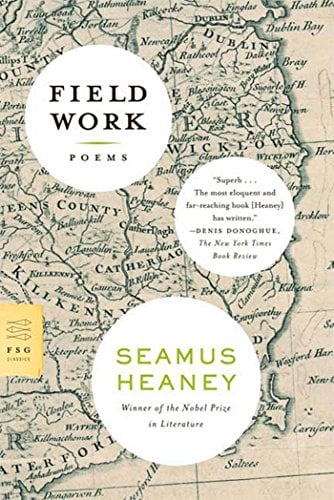
Start this bookNo. 20 on this list. Field Work · Seamus Heaney · 1979
Taught in schools: WJEC/Eduqas GCSE and A-level English Literature (UK)
Field Work collects poems of witness and memory, written as Seamus Heaney departed Belfast in the aftermath of Bloody Sunday and the deepening sectarian violence of the 1970s. The collection balances personal intimacy—love sonnets, marital devotion, erotic encounters—with public witness to the Irish political catastrophe. Heaney's language mines the geological and agricultural substrata of his native landscape, excavating historical trauma and linguistic inheritance alongside sensory particularity. The Glanmore Sonnets sequence establishes a hedge school of poetic craft, where archival recovery meets immediate experience. Elegies for murdered relatives and Irish poets transform local violence into formal meditation. The title itself suggests fieldwork as both scholarly research and embodied labor, the poet crouched in documentation of grief and desire. Notably, Heaney engages Dante's Inferno to frame contemporary sectarian killing within epic moral architecture, a move that establishes poetry's capacity to contain historical atrocity within aesthetic shape. The collection demonstrates mastery of traditional forms while maintaining accessibility, its verbal music derived from close observation rather than ornamental virtuosity. Throughout, Heaney positions the poet as cultural custodian, extracting meaning from ordinary materials—harvest bows, water buckets, badger-haunted gardens—to vindicate endangered ways of speaking and knowing.
Moderate30 min
Start this book
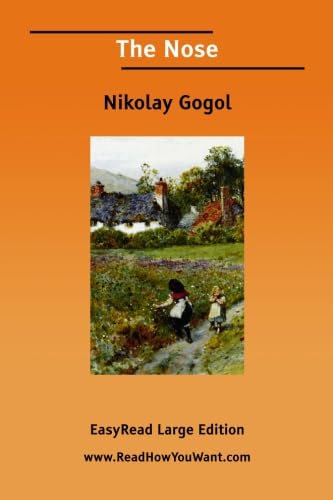
No. 21 on this list. The Nose · Nikolai Gogol · 1836
Taught in schools: Hungarian literature curriculum (magyar nyelv és irodalom) (Hungary)
On the morning of 25 March, St. Petersburg barber Ivan Yakovlevitch slices open a breakfast roll and finds a human nose inside. The nose belongs to Collegiate Assessor Kovalev, who wakes that same morning to find his face blank where his nose used to be. The nose, meanwhile, has assumed the uniform of a State Councillor — outranking Kovalev — and moves through the city's social machinery with perfect bureaucratic confidence. Gogol tells all of this with the flat voice of a Petersburg gazette. The supernatural premise arrives without ceremony and departs the same way. Kovalev does not go mad; he files paperwork. His distress is social, not existential: without a nose, he cannot visit the Chequer's Marchioness on Fontanka Street, pursue a marriage prospect, or hold his head at the right angle. The nose simply has better rank. At thirty pages, this is one of Russian literature's most precisely calibrated jokes about status, bureaucracy, and the fragility of identity in a hierarchical society. Gogol ends by confessing that the whole story makes no sense, then publishes it anyway. That meta-fictional shrug is part of the argument. Kafka read Gogol. It shows.
Challenging51 min
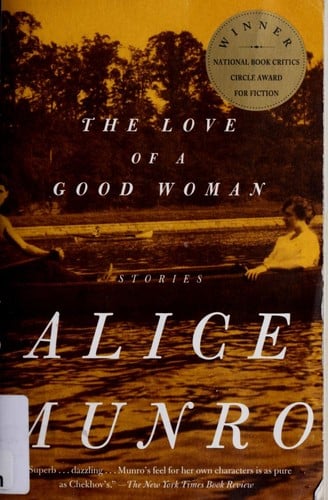
Start this bookNo. 22 on this list. The Love of a Good Woman · Alice Munro · 1998
One of Munro's most celebrated collections, winner of the Giller Prize and the National Book Critics Circle Award. The title story is often cited as her finest single work.
Moderate5.9 hours
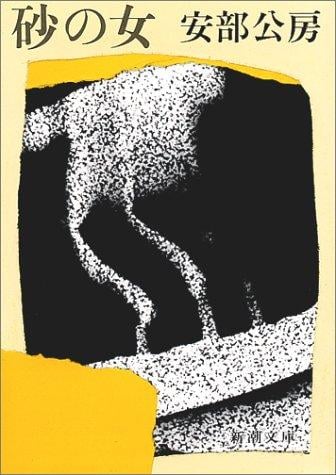
Start this bookNo. 23 on this list. The Woman in the Dunes · Kobo Abe · 1962
Included in: UNESCO Collection of Representative Works
Regularly taught in world literature, Japanese literature, and existentialist fiction courses at the university level. Appears on major 'greatest novels' lists including Time's All-TIME 100 and Modern Library recommendations. Considered the defining work of postwar Japanese existentialist fiction and one of the premier Japanese novels of the twentieth century. Its canonical status outside Japan is particularly strong given the acclaimed 1964 Teshigahara film adaptation.
Challenging5.1 hours
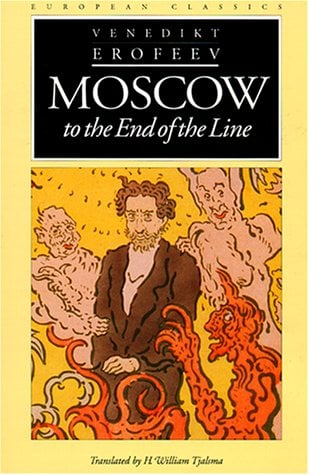
Start this bookNo. 24 on this list. Moscow to the End of the Line · Venedikt Erofeev · 1973
One of the most important works of late Soviet literature, widely taught in Russian literature courses and recognized as a classic of samizdat culture.
Moderate2.3 hours
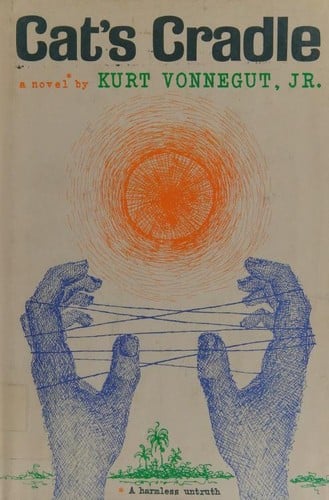
Start this bookNo. 25 on this list. Cat's Cradle · Kurt Vonnegut · 1963
John/Jonah sets out to write a book about what important Americans did on the day Hiroshima burned. What he finds instead is Felix Hoenikker—father of the atom bomb, absent parent, and tinkerer who, on the day he died, had been playing in his kitchen with a substance called ice-nine: a form of water that freezes at room temperature and turns anything it touches to solid crystal. His three stunted children—Angela the clarinet player, Newt the midget painter, Frank the model-railroad obsessive—each pocketed a chip of it when they divided up the old man's estate. The story follows Jonah to the Republic of San Lorenzo, a sun-hammered Caribbean island so poor that its total national income divided equally among the population once came to seven dollars per person. There, he encounters Bokononism—an outlawed religion whose founder cheerfully admits that every word of it is lies, and whose adherents press the soles of their feet together to commune. Vonnegut writes in chapters so short they read like punchlines, building a comic architecture around one unsparing question: what is humanity, exactly, once you've removed the consolations? The answer arrives in the last pages, in an image both hilarious and desolate.
Challenging4 hours
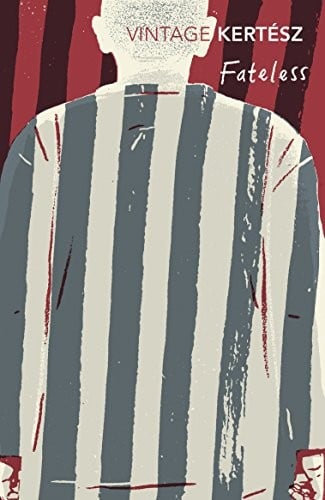
Start this bookNo. 26 on this list. Fatelessness · Imre Kertész · 1975
Taught in schools: Hungarian literature curriculum (magyar nyelv és irodalom) (Hungary)
Fatelessness holds significant canonical status within Holocaust literature and Central European fiction, frequently taught in university courses on trauma literature and twentieth-century European novels. While not as universally assigned as Wiesel or Levi, it represents a crucial counter-narrative in Holocaust literature, challenging redemptive and metaphysical interpretations of the camps.
Challenging4.6 hours
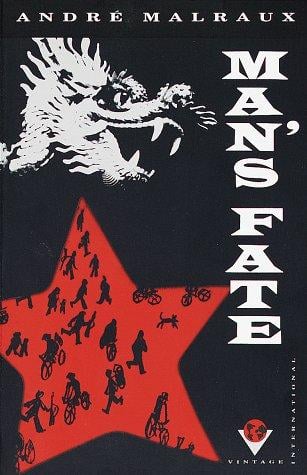
Start this bookNo. 27 on this list. Man's Fate · André Malraux · 1933
Taught in world literature surveys and 20th-century fiction courses; Goncourt Prize winner and defining novel of revolutionary fiction. Established canon presence though less universally required than Ulysses or Gatsby; regular inclusion in postcolonial and modern literature curricula.
Challenging7.5 hours
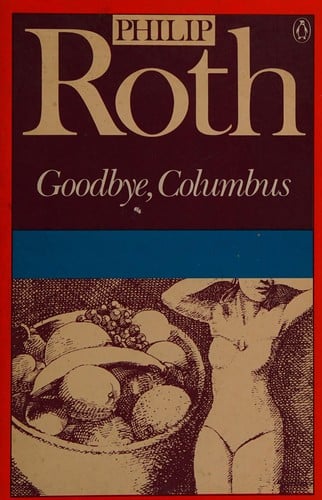
Start this bookNo. 28 on this list. Goodbye, Columbus · Philip Roth · 1960
Appears on 225 university syllabi (59th percentile), and the title novella and stories such as 'The Conversion of the Jews' and 'Defender of the Faith' are anthology standards. The Library of America includes it in its Roth edition.
Challenging5.8 hours
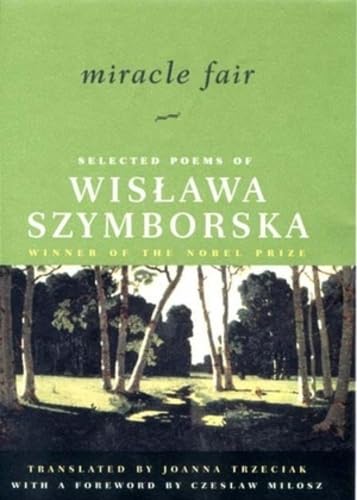
Start this bookNo. 29 on this list. Selected Poems of Wisława Szymborska · Wisława Szymborska · 1998
Szymborska is a staple of world poetry courses and a Nobel laureate, and this collection is the standard English edition of her work. Its place is secure, though below Hamlet or Gatsby in universal syllabus presence.
Moderate2.4 hours
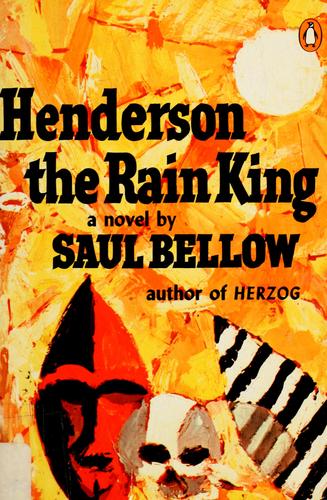
Start this bookNo. 30 on this list. Henderson the Rain King · Saul Bellow · 1959
Ranked 21st on the Modern Library 100 Best Novels and included in 1001 Books You Must Read Before You Die. It is taught less often than Herzog or Seize the Day.
Challenging11 hours
Start this book
No. 31 on this list. The Sandman
Neil Gaiman · 1989
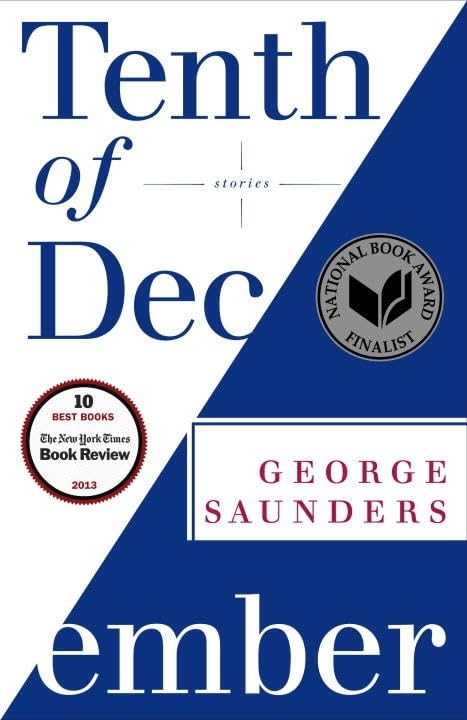
No. 32 on this list. Tenth of December
George Saunders · 2013
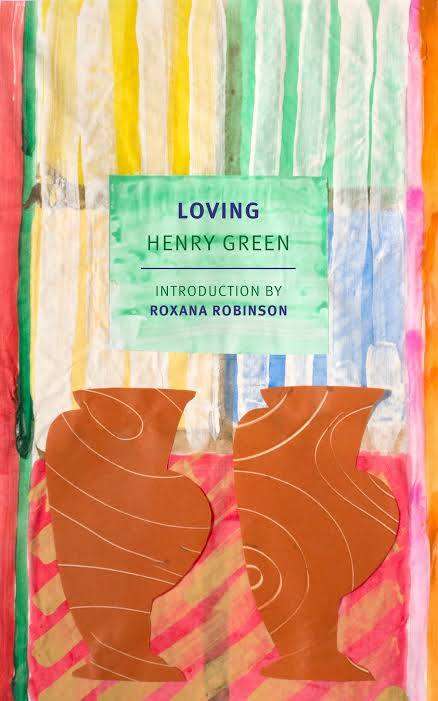
No. 33 on this list. Loving
Henry Green · 1945
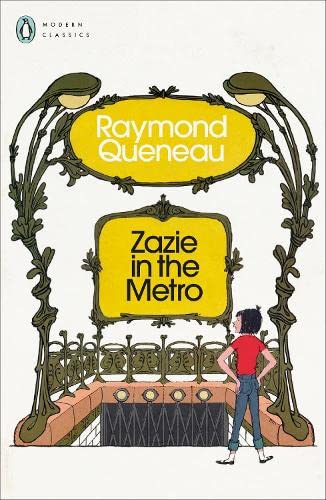
No. 34 on this list. Zazie in the Metro
Raymond Queneau · 1959
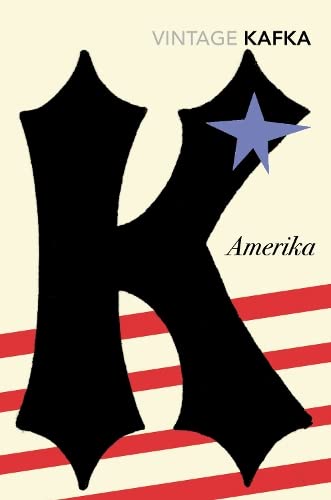
No. 35 on this list. Amerika
Franz Kafka · 1927
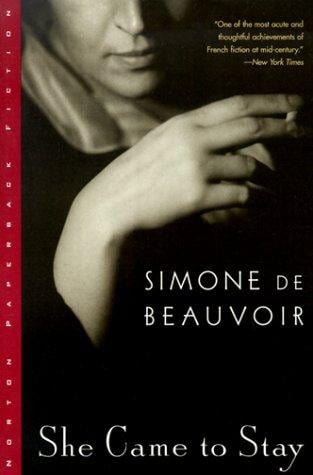
No. 36 on this list. She Came to Stay
Simone de Beauvoir · 1943
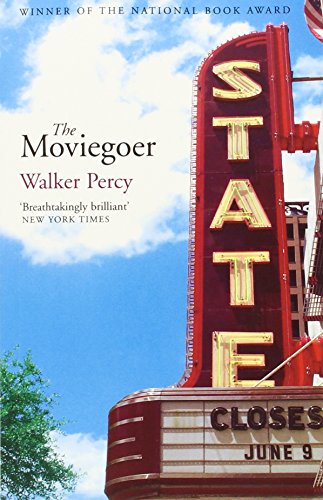
No. 37 on this list. The Moviegoer
Walker Percy · 1962
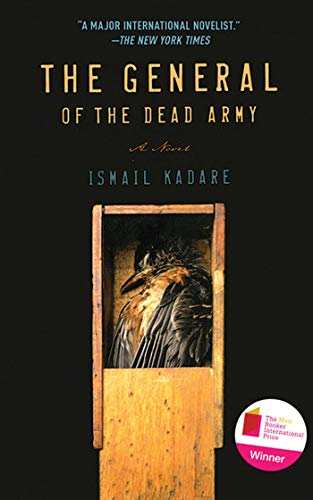
No. 38 on this list. The General of the Dead Army
Ismail Kadare · 1963
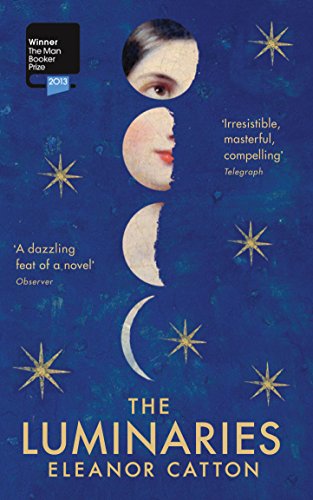
No. 39 on this list. The Luminaries
Eleanor Catton · 2013
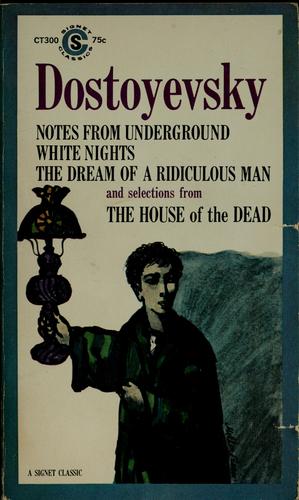
No. 40 on this list. The Dream of a Ridiculous Man
Fyodor Dostoevsky · 1877
No. 41 on this list. The Late Mattia Pascal
Luigi Pirandello · 1904
No. 42 on this list. The Tartar Steppe
Dino Buzzati · 1940
No. 43 on this list. The Killer Angels
Michael Shaara · 1975
Taught in schools: Common Core text exemplars (Appendix B) (US)
No. 44 on this list. Murphy
Samuel Beckett · 1938
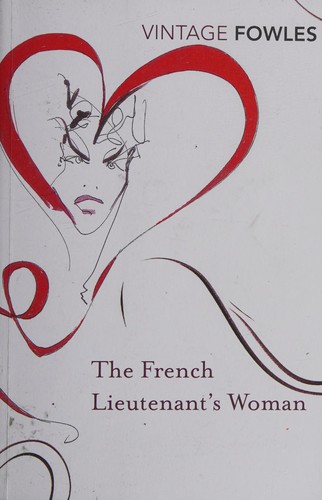
No. 45 on this list. The French Lieutenant's Woman
John Fowles · 1969
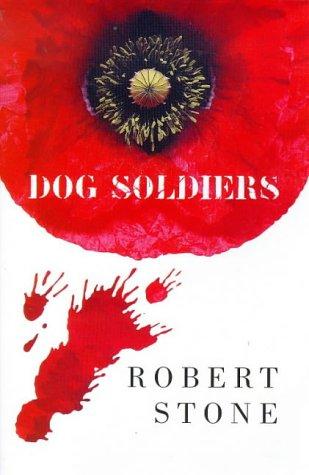
No. 46 on this list. Dog Soldiers
Robert Stone · 1975
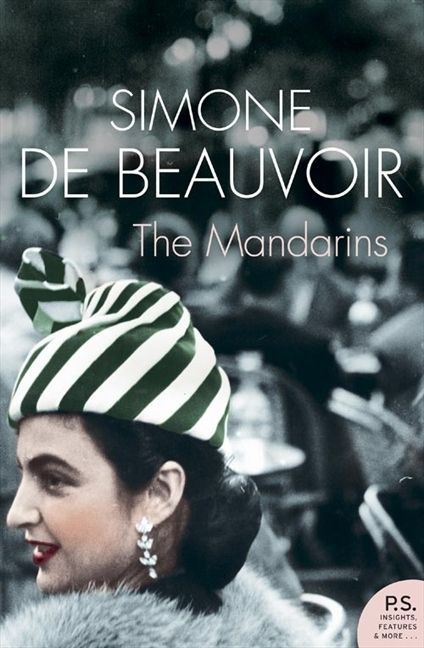
No. 47 on this list. The Mandarins
Simone de Beauvoir · 1954
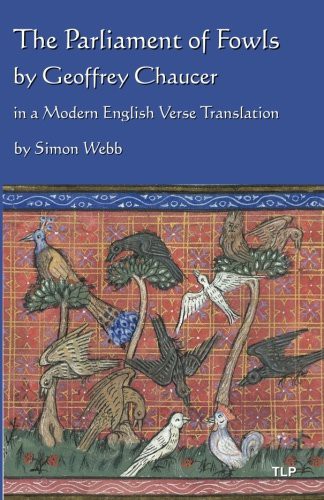
No. 48 on this list. The Parliament of Fowls
Geoffrey Chaucer · 1382
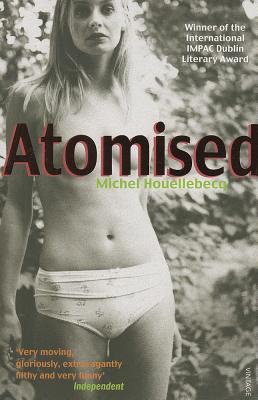
No. 49 on this list. Atomised
Michel Houellebecq · 2002
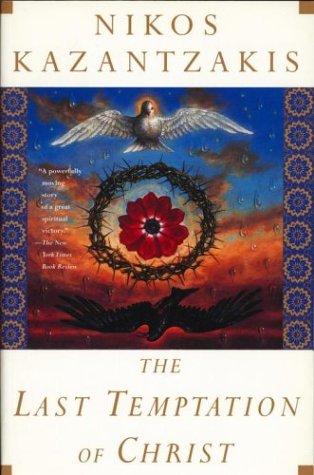
No. 50 on this list. The Last Temptation of Christ
Nikos Kazantzakis · 1955
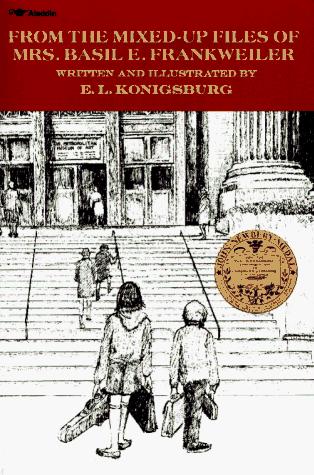
No. 51 on this list. From the Mixed-Up Files of Mrs. Basil E. Frankweiler
E.L. Konigsburg · 1967
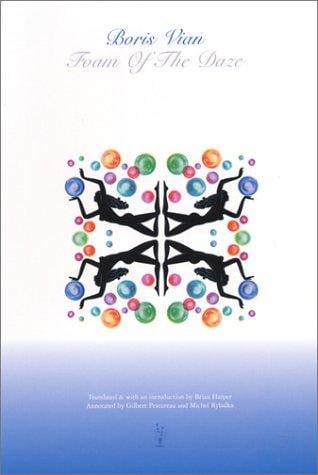
No. 52 on this list. Froth on the Daydream
Boris Vian · 1947
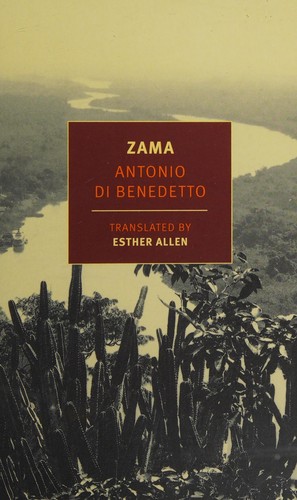
No. 53 on this list. Zama
Antonio di Benedetto · 1956
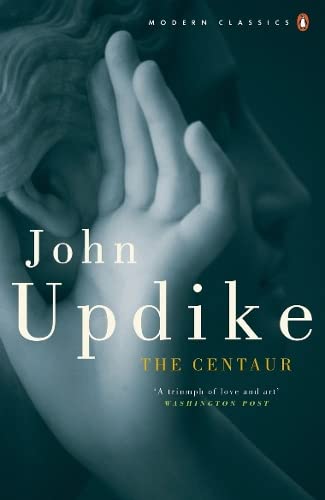
No. 54 on this list. The Centaur
John Updike · 1964
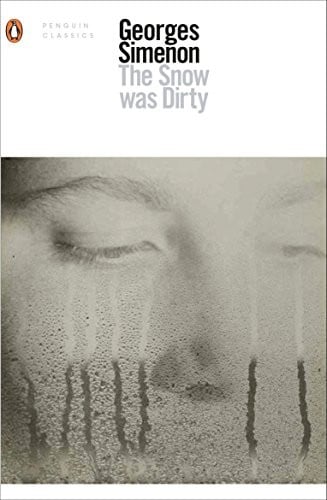
No. 55 on this list. Dirty Snow
Georges Simenon · 1948
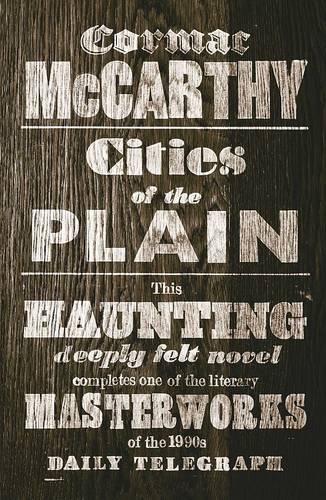
No. 56 on this list. Cities of the Plain
Cormac McCarthy · 1998
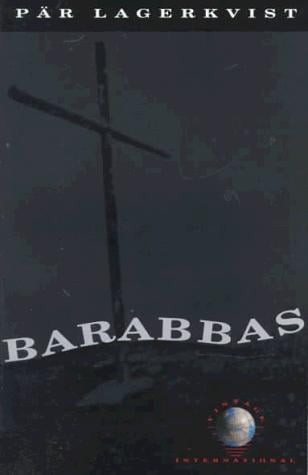
No. 57 on this list. Barabbas
Pär Lagerkvist · 1950
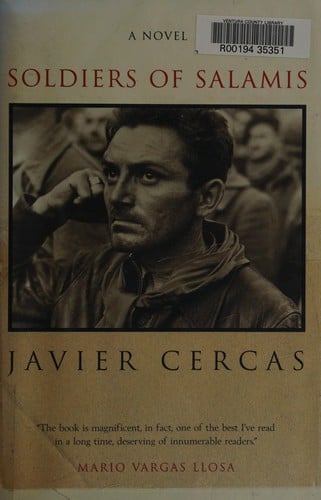
No. 58 on this list. Soldiers of Salamis
Javier Cercas · 2001
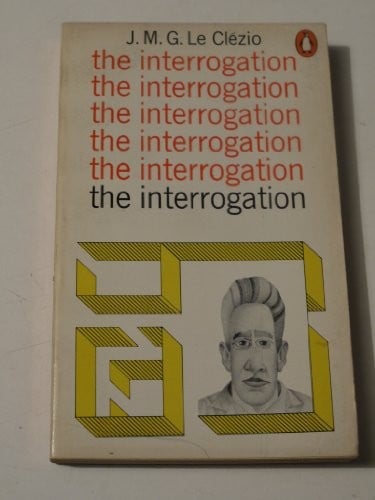
No. 59 on this list. The Interrogation
J.M.G. Le Clézio · 1963
No. 60 on this list. Troubled Sleep
Jean-Paul Sartre · 1949
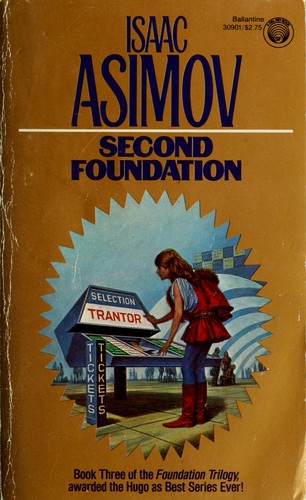
No. 61 on this list. Second Foundation
Isaac Asimov · 1953
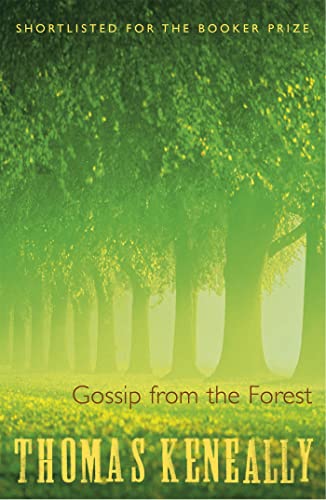
No. 62 on this list. Gossip from the Forest
Thomas Keneally · 1975
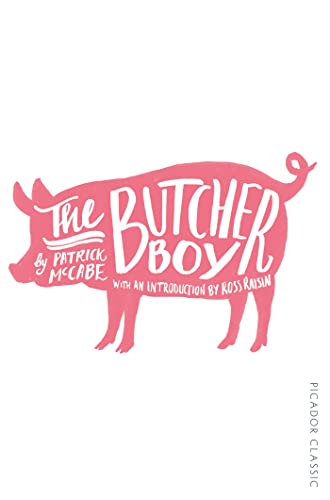
No. 63 on this list. The Butcher Boy
Patrick McCabe · 1992
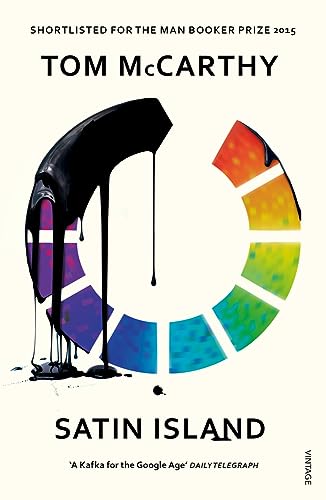
No. 64 on this list. Satin Island
Tom McCarthy · 2015
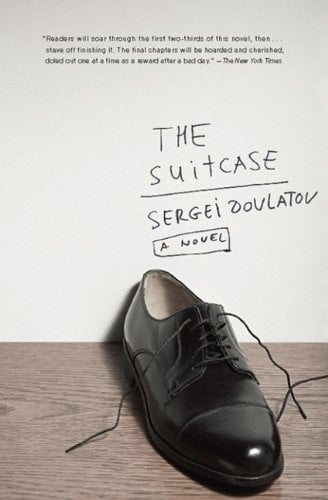
No. 65 on this list. The Suitcase
Sergei Dovlatov · 1986
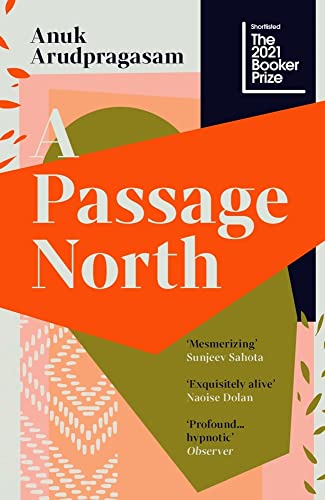
No. 66 on this list. A Passage North
Anuk Arudpragasam · 2021
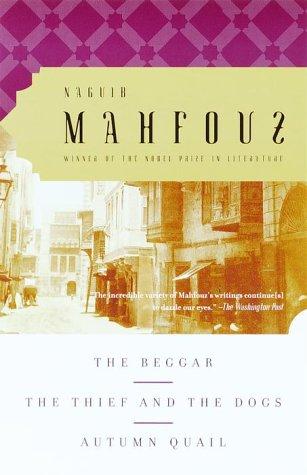
No. 67 on this list. The Beggar
Naguib Mahfouz · 1965
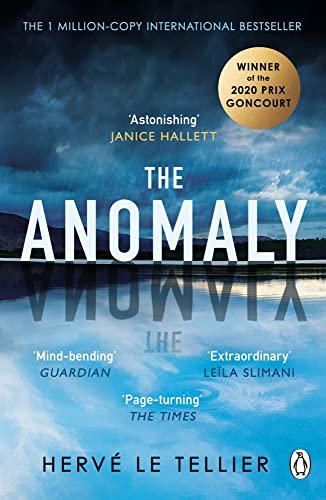
No. 68 on this list. The Anomaly
Hervé Le Tellier · 2020
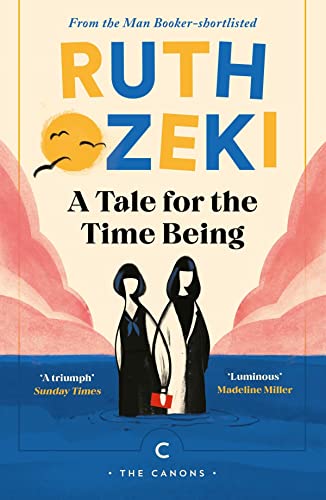
No. 69 on this list. A Tale for the Time Being
Ruth Ozeki · 2013
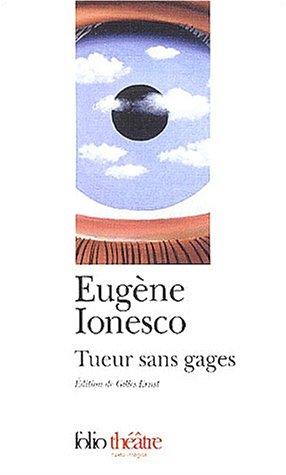
No. 70 on this list. The Killer
Eugène Ionesco · 1958
No. 71 on this list. The Train Was on Time
Heinrich Böll · 1949
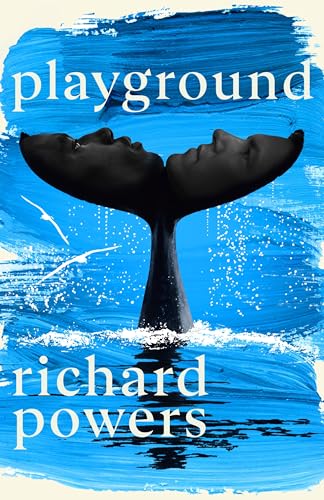
No. 72 on this list. Playground
Richard Powers · 2024
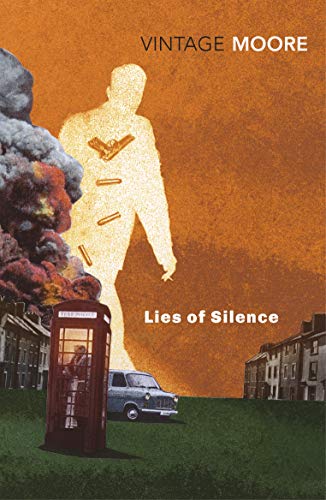
No. 73 on this list. Lies of Silence
Brian Moore · 1990
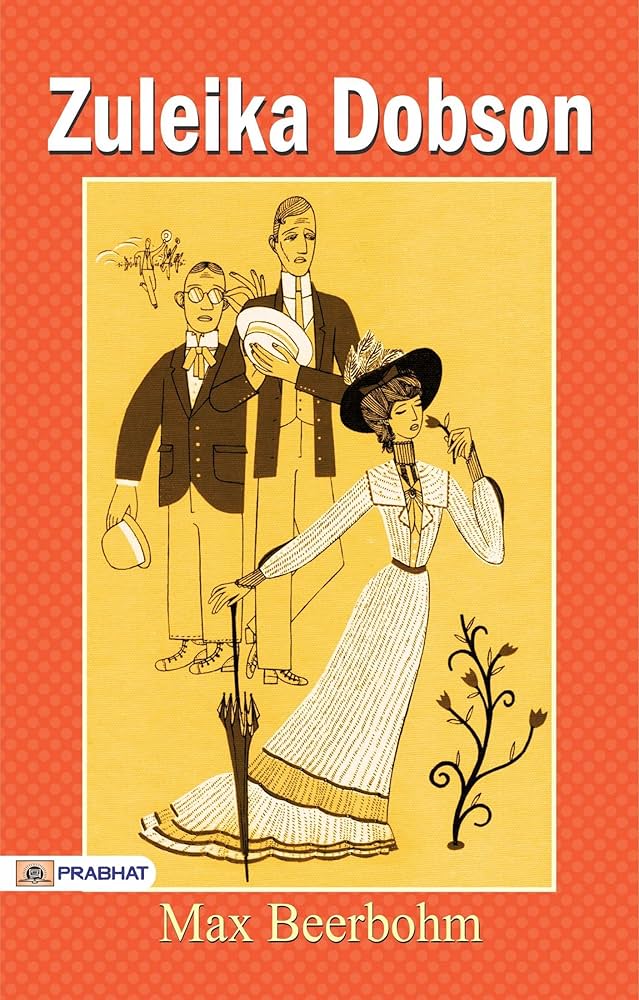
No. 74 on this list. Zuleika Dobson
Max Beerbohm · 1911
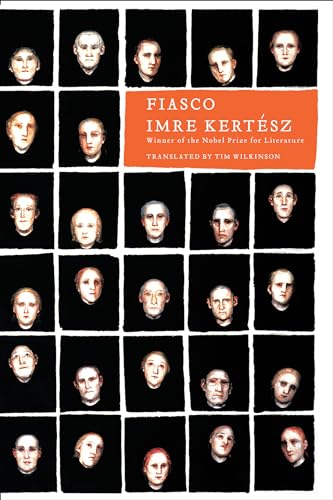
No. 75 on this list. Fiasco
Imre Kertész · 1988
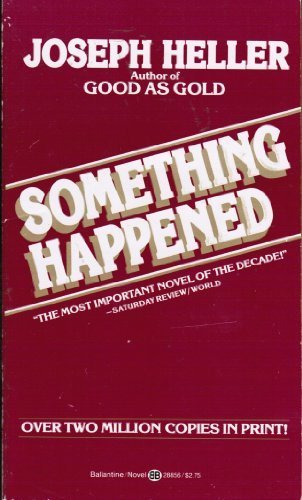
No. 76 on this list. Something Happened
Joseph Heller · 1974
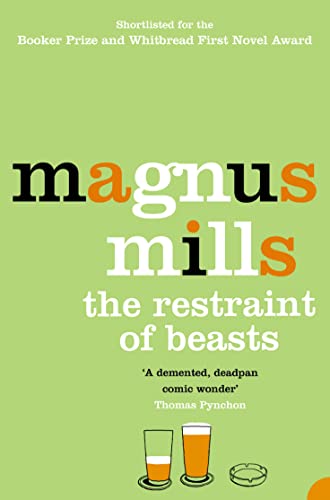
No. 77 on this list. The Restraint of Beasts
Magnus Mills · 1998
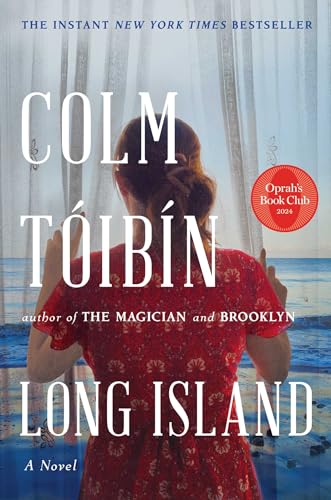
No. 78 on this list. Long Island
Colm Tóibín · 2024
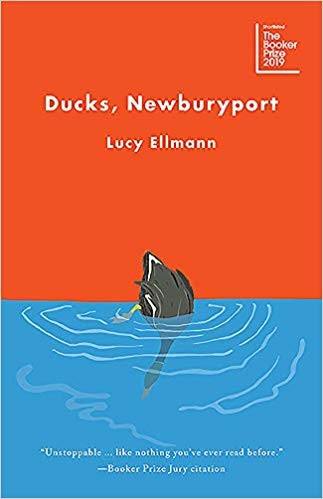
No. 79 on this list. Ducks, Newburyport
Lucy Ellmann · 2019
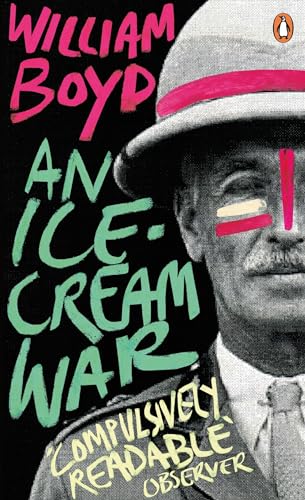
No. 80 on this list. An Ice-Cream War
William Boyd · 1982
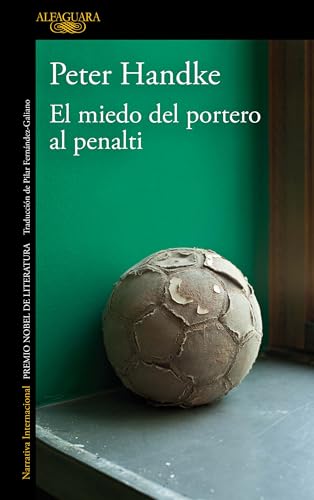
No. 81 on this list. The Goalie's Anxiety at the Penalty Kick
Peter Handke · 1970
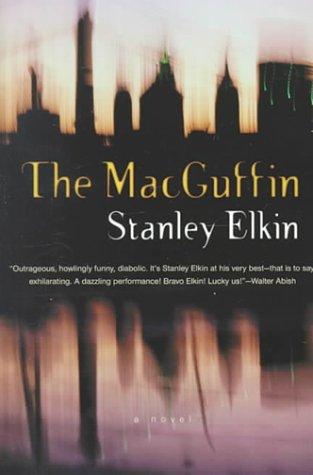
No. 82 on this list. The MacGuffin
Stanley Elkin · 1991
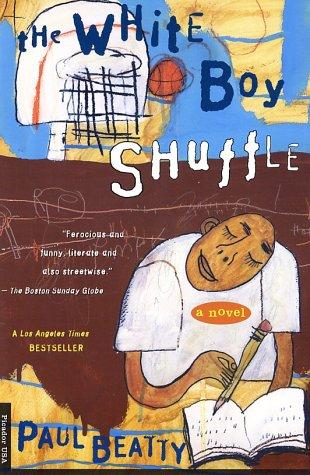
No. 83 on this list. The White Boy Shuffle
Paul Beatty · 1996
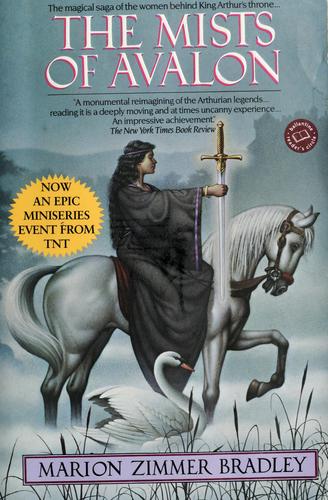
No. 84 on this list. The Mists of Avalon
Marion Zimmer Bradley · 1983
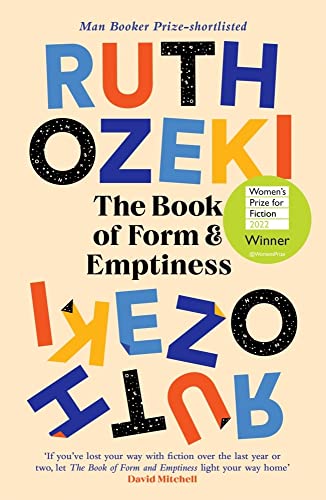
No. 85 on this list. The Book of Form and Emptiness
Ruth Ozeki · 2022
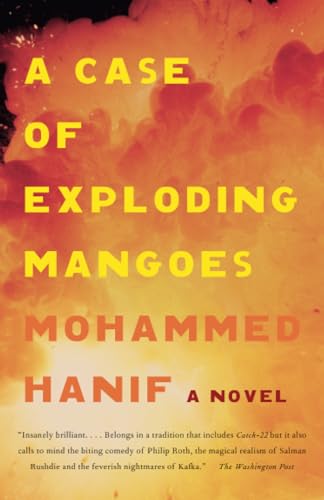
No. 86 on this list. A Case of Exploding Mangoes
Mohammed Hanif · 2008
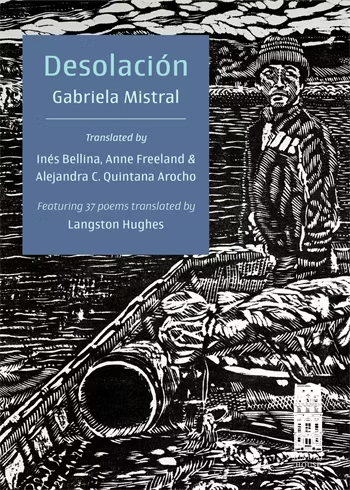
No. 87 on this list. Desolation
Gabriela Mistral · 1936
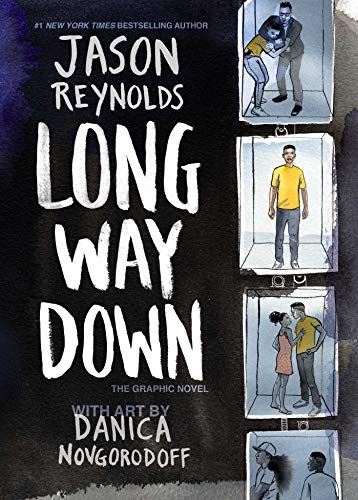
No. 88 on this list. Long Way Down
Jason Reynolds · 2017
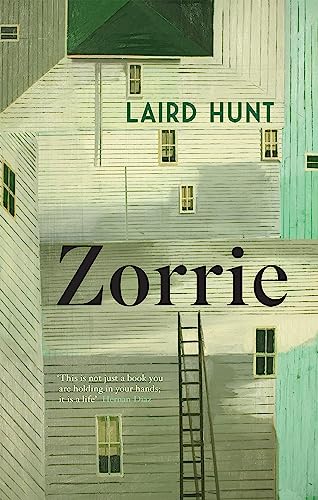
No. 89 on this list. Zorrie
Laird Hunt · 2021
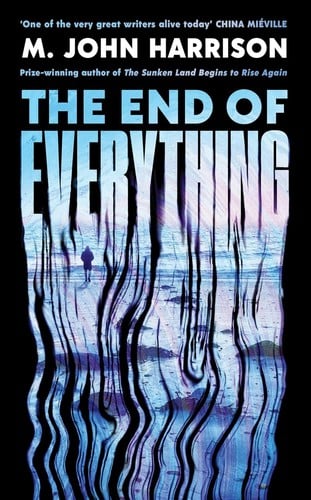
No. 90 on this list. The End of Everything
M. John Harrison · 2026
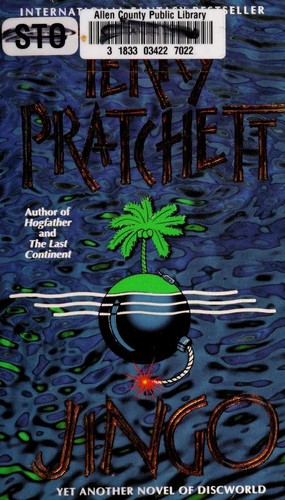
No. 91 on this list. Hogfather
Terry Pratchett · 1996
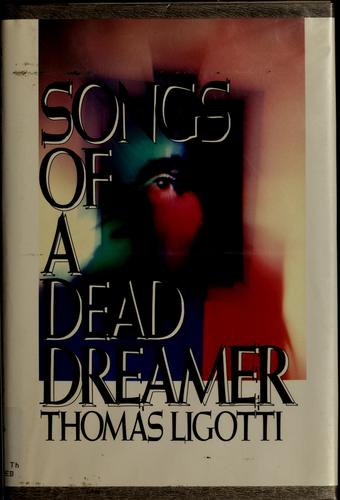
No. 92 on this list. Songs of a Dead Dreamer
Thomas Ligotti · 1986
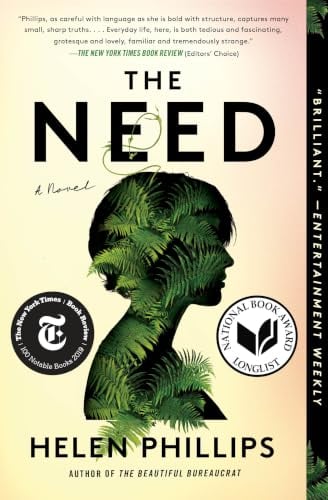
No. 93 on this list. The Need
Helen Phillips · 2019
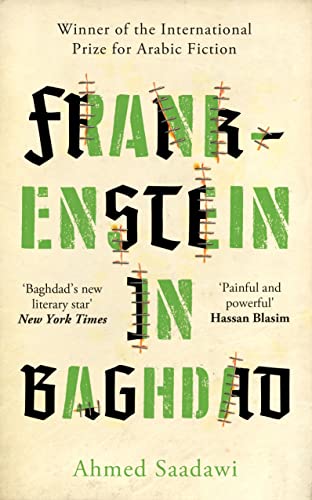
No. 94 on this list. Frankenstein in Baghdad
Ahmed Saadawi · 2018
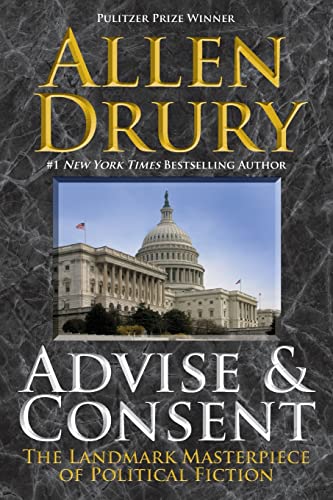
No. 95 on this list. Advise and Consent
Allen Drury · 1960
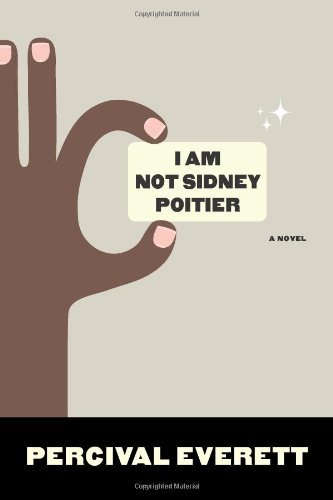
No. 96 on this list. I Am Not Sidney Poitier
Percival Everett · 2009
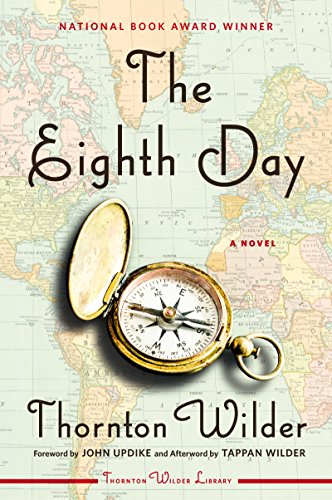
No. 97 on this list. The Eighth Day
Thornton Wilder · 1968
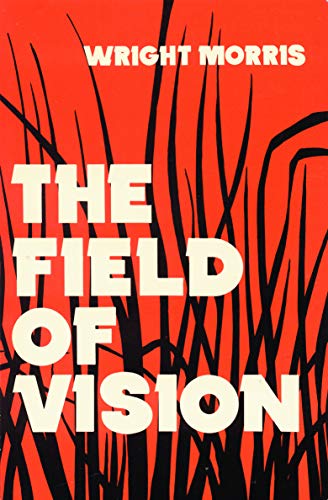
No. 98 on this list. The Field of Vision
Wright Morris · 1957
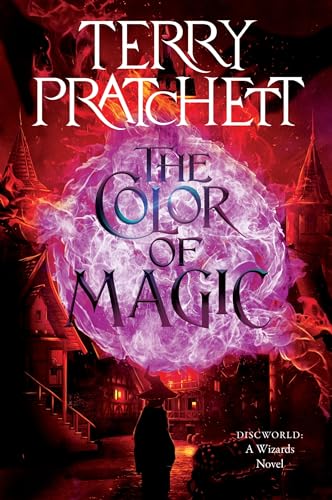
No. 99 on this list. The Colour of Magic
Terry Pratchett · 1983
No. 100 on this list. The Bridal March
Bjørnstjerne Bjørnson · 1873
About this list
These 100 books are the highest-scoring eligible moderately difficult absurdist and existentialist books currently in the catalogue. About 642 hours of reading in all, for the 99 with measured lengths. Difficulty runs from 51 to 60 out of 100 for the middle half of the list; the summit is Satin Island at 65.
This list is ranked by literary regard, with a consistent order for equal scores. Membership follows authors and co-authors, not translators or editors. A book is here when ReadingRate files it under Absurdism & Existentialism as one of its primary reading domains, at a confidence of 0.8 or more. Catalogue coverage and the historical canon both limit what this list can represent.
When we matched the Canons dataset to our catalogue in October 2026, our canonical-status scores rose with the number of school curricula, publisher series and lists in it that cite a work: the median score was 72 for books one such source cites, 84 at two, 88 at three, 92 at four and 93 at five or more. Prizes are left out of that count. Outside the state curricula, the dataset’s sources choose mostly from what has been translated into English or French, so it is a weaker check on other literatures. Source: Canons (Andrew Piper), CC BY 4.0
Questions people actually ask
- What are the best moderately difficult absurdist and existentialist books?
- By literary regard, which weighs canonical status, critical standing and influence: On the Nature of Things by Lucretius, The Stranger by Albert Camus, Collected Poems by Robert Frost, Happy Days by Samuel Beckett and Three Sisters by Anton Chekhov. ReadingRate ranks 100 such books, each with a difficulty score and a reading-time estimate.
- Which moderately difficult absurdist and existentialist books should I read first?
- Start from difficulty, not from rank. The most approachable books on this list that still carry top literary regard are A House for Mr. Biswas by V.S. Naipaul (about 13 hours), The Love of a Good Woman by Alice Munro and Happy Days by Samuel Beckett.
- What are the shortest of the best moderately difficult absurdist and existentialist books?
- Among the top 25, the shortest are Field Work by Seamus Heaney (about 30 min), The Nose by Nikolai Gogol (about 51 min) and Endgame by Samuel Beckett (about 54 min), at an average pace of 250 words a minute adjusted for each book's difficulty.
- Which of the best moderately difficult absurdist and existentialist books are the established classics?
- By canonical status, how firmly a book sits in curricula, anthologies and the canon: The Stranger by Albert Camus, On the Nature of Things by Lucretius, Collected Poems by Robert Frost, Nausea by Jean-Paul Sartre and Three Sisters by Anton Chekhov.
- Can I read any of these moderately difficult absurdist and existentialist books for free?
- 4 of the 100 open in ReadingRate's reader with a free account, from public-domain editions: Three Sisters, Notes from Underground, Zuleika Dobson and The Bridal March.
- How long would it take to read the top ten?
- About 47 hours, at an average pace of 250 words a minute adjusted for each book's difficulty: 24 days at two hours a day. Set your own pace on the page and the list's reading times change to it.
- How hard are moderately difficult absurdist and existentialist books to read?
- Most of this list sits between 51 and 60 on ReadingRate's 100-point difficulty scale, where 40 to 55 is moderate. The summit is Satin Island at 65. Every entry carries its own score, so a reader can pick a great book at a difficulty they will finish.
- How is this list ranked?
- On literary-regard data: how canonically established a work is, its critical standing, and its influence on later writing. It is not a readers’ poll, which is why recent bestsellers rarely appear. Membership follows authors and co-authors, not translators or editors. Lists by country, author, period, theme or difficulty keep to literature (fiction, poetry, drama and philosophy), their novels, poems and plays first and their philosophy after them; a list of a kind of book, such as memoir or criticism, keeps every book of that kind. Every list holds at most three works by one author. A book is here when ReadingRate files it under Absurdism & Existentialism as one of its primary reading domains, at a confidence of 0.8 or more.