Hours at an average pace
Showing 100 books
About 1,284 hours for 100 of 100 books with measured lengths. Estimates use 250 words a minute, adjusted for each book's difficulty. At 2 hours a day, about 642 days for those books.
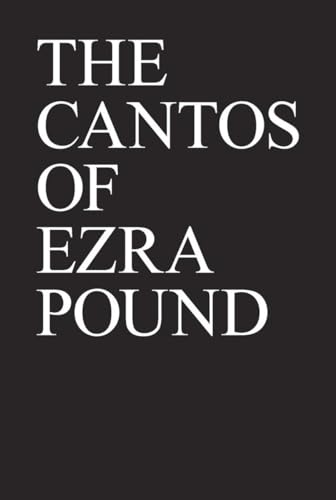
The Cantos appear on virtually every graduate-level modernist poetry syllabus and are the unavoidable centerpiece of Pound studies worldwide. The Pisan Cantos alone are canonical across multiple national literary traditions. While shorter Pound poems are more widely assigned at the undergraduate level, the full poem is central to any serious study of 20th-century Anglo-American poetry.
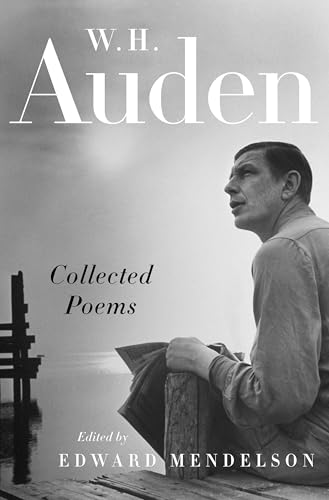
One of the most important English-language poets of the twentieth century, central to the modern canon alongside Yeats and Eliot.
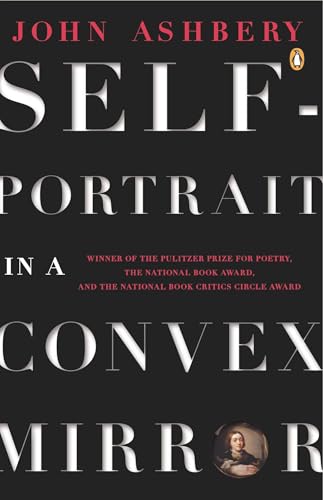
Won the Pulitzer Prize, National Book Award, and National Book Critics Circle Award — the only book to win all three. Central to the American poetry canon.
TIME magazine named Watchmen one of the 100 greatest English-language novels published since 1923, the only graphic novel on the list. It appears in university literature courses worldwide and is credited with establishing the graphic novel as a legitimate literary form. The work defines the mature possibilities of comics storytelling.
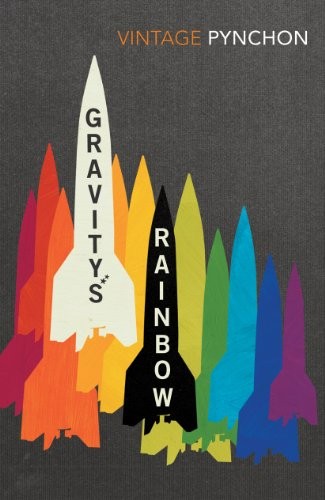
Thomas Pynchon constructs an encyclopedic paranoid masterwork spanning 760 pages of rocket science, Pavlovian conditioning, corporate conspiracy, and encyclopedic digression. Tyrone Slothrop, American lieutenant in wartime London, discovers his sexual conquests map perfectly onto V-2 rocket strike locations—but the erections precede the impacts. Was he conditioned as an infant by sinister behaviorist Laszlo Jamf? Does a corporate-military cartel control history itself? Pynchon provides evidence for every paranoid connection while confirming none. The novel sprawls across 1944-45 Europe, from London under rocket attack to occupied Germany's anarchic Zone, accumulating hundreds of characters, corporate entities, chemical formulas, and historical conspiracies. Pynchon's prose shifts registers violently: technical manuals on rocket engineering dissolve into vaudeville routines, then into lyrical meditations on death and entropy. The vocabulary demands encyclopedic knowledge—thermodynamics, organic chemistry, Tarot, Rilke, film history, brand names. Readers navigate specialized jargon without glossaries, track characters who appear once and vanish, decode references to real and imaginary corporations. The difficulty is purposeful: Pynchon creates textual experience of paranoid information overload. His central symbol, the V-2 rocket, carries impossible symbolic weight: phallic death-bringer, technological sublime, gravity's rainbow parabola from launch to silent impact. The rocket arrives before its sound—death you cannot hear coming. Pynchon explores how technology transforms human consciousness, how corporations and states use Pavlovian conditioning for control, how empire produces extinction (the dodo, the Herero genocide). Concrete plot events—Slothrop's investigation, Roger and Jessica's doomed love, Blicero's ritual rocket launch—carry enormous abstract weight about history, causation, and freedom. The novel asks whether patterns are real or paranoid projection: does Slothrop's conditioning prove control, or is it coincidence interpreted as conspiracy? Pynchon withholds answers. The structure mirrors paranoid thinking—everything potentially connects, secret cartels manipulate history, individual agency vanishes into systems. Slothrop himself fragments as the novel progresses, appearing less frequently, dissolving into scattered references, finally disappearing entirely. The dissolution is structural: as Slothrop loses coherence, so does the narrative. Subplots proliferate, the center fails to hold, entropy increases. The ending places readers in a movie theater in Los Angeles, present tense, as the 00000 rocket descends toward them. The novel freeze-frames before impact, leaving readers perpetually awaiting the explosion. No resolution occurs—narrative, thematic, or moral. Gravity's Rainbow withholds the satisfactions of conventional fiction while demanding enormous interpretive labor. Its encyclopedic scope, technical difficulty, and paranoid plotting make it among English literature's most challenging novels. Pynchon proved unreadability and importance could coexist, that difficulty itself could be the point. The novel's influence on postmodern fiction is incalculable—it established new possibilities for combining history, science, and popular culture in maximalist form. Reading it requires surrender to accumulation, pattern-seeking without resolution, immersion in encyclopedic detail that may or may not signify. The reward is experiencing consciousness under late capitalism: paranoid, fragmented, overwhelmed by information, seeking patterns in noise, awaiting the rocket's silent arrival.
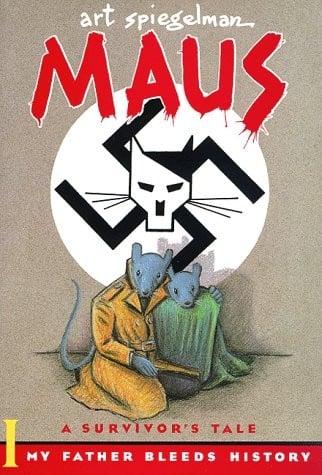
No. 6 on this list. Maus I: A Survivor's Tale: My Father Bleeds History
Art Spiegelman · 1991
Easy2.2 hours
Maus is widely taught in schools and universities as a central Holocaust text and as the key work of the graphic novel, and it won a Pulitzer Prize special award in 1992 for the combined work. It is now standard in comics studies and memory studies.
Marco Polo sits before Kublai Khan and describes cities he has visited — or perhaps invented. Despina can be approached by land or by sea, and looks entirely different depending on which direction you come from. Valdrada was built above a lake so that every action of its inhabitants would be doubled in the water below; the city and its mirror have learned to hate each other. Zobeide was constructed by men who all dreamed the same woman and built a city to trap her, but the woman never appeared. Calvino arranges 55 such cities across 11 categories — Cities & Memory, Cities & Desire, Thin Cities — in a mathematical grid that wears the clothing of fiction. The cities are not places. They are states of mind, arguments about time and loss, meditations on the difference between a map and the territory it claims to represent. Between the vignettes, Marco Polo and the Khan conduct dialogues about language, empire, and whether it is possible to describe anything that exists. The prose is precise and dreaming at once — a short paragraph can hold more compressed thought than a chapter of conventional fiction. This is a book that accumulates rather than progresses, and what it accumulates is a complete philosophy of how cities, and perhaps consciousness itself, work.
The New York Trilogy stands as the defining work of American postmodern noir and one of the most influential experimental novels of the 1980s. It appears consistently on syllabi for postmodern fiction, metafiction, and American literature courses, and is cited as a foundational text in discussions of the detective genre's literary transformation. Published in the US by Penguin Books (1987 combined edition), it has remained continuously in print for four decades. It appears on numerous "greatest novels" lists and is central to critical discourse on identity, authorship, and the limitations of language in contemporary fiction.
Age of Iron occupies a secure place in the Coetzee canon alongside Disgrace and Waiting for the Barbarians, and is regularly included in postcolonial and South African literature curricula worldwide. Its apartheid-era historical weight gives it documentary as well as aesthetic canonical status.
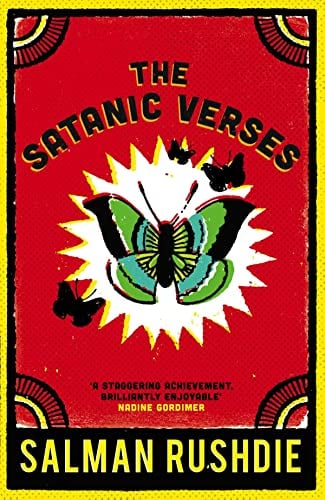
The Satanic Verses occupies singular position in late-twentieth-century literature due to the fatwa issued by Ayatollah Khomeini, making it perhaps the most internationally controversial novel of its era. Beyond the political firestorm, it stands as landmark postcolonial fiction and exemplar of British multicultural literature. The novel appears on standard lists of essential postmodern works and remains central to discussions of migration, identity, and religion in global fiction. Its notoriety ensures permanent place in literary and political history.

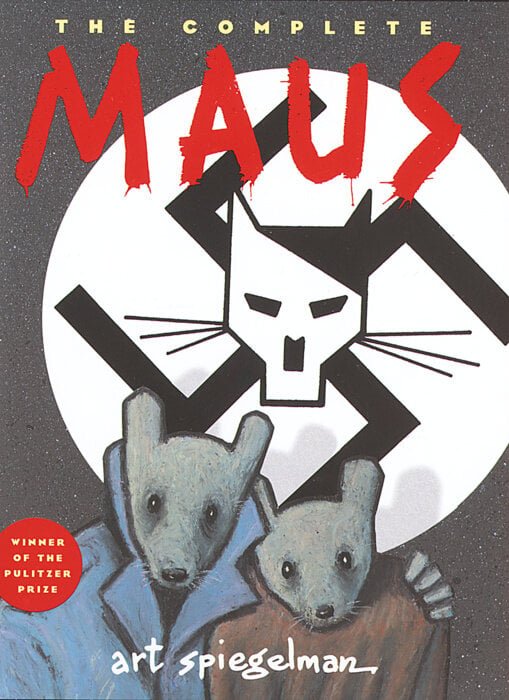
No. 11 on this list. The Complete Maus · Art Spiegelman · 2003
Widely taught in universities and high schools as the defining Holocaust graphic memoir, Maus appears on hundreds of literature and history syllabi worldwide. It is listed on virtually every major 'essential reading' and 'greatest books' compilation that includes graphic literature, from the Modern Library to Time's All-TIME 100 Novels. While not on syllabi at the scale of Fitzgerald or Austen, it holds unique canonical status as the book that forced academia to take comics seriously.
Challenging2.8 hours
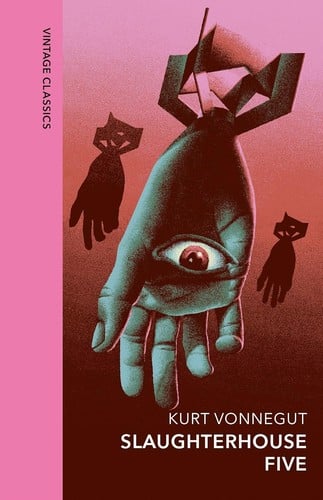
Start this bookNo. 12 on this list. Slaughterhouse-Five · Kurt Vonnegut · 1999
One of the most widely taught American novels of the twentieth century, in high school and university courses on war literature and postmodern fiction. Its 1969 text is the standard for anti-war reading lists.
Moderate3.5 hours
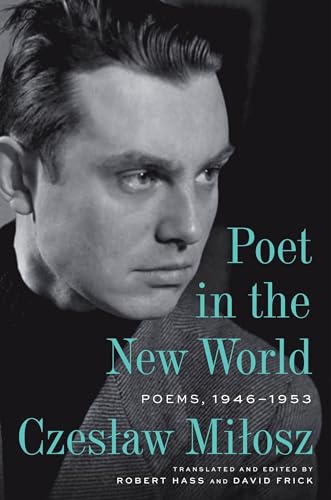
Start this bookNo. 13 on this list. Selected Poems of Czesław Miłosz · Czesław Miłosz · 1988
Nobel laureate and one of the most important poets of the twentieth century. Central to Polish literature and increasingly recognized in world poetry.
Moderate1.9 hours
Start this bookNo. 14 on this list. Collected Poems of Derek Walcott · Derek Walcott · 1986
Nobel laureate and the defining poet of the Anglophone Caribbean. Central to postcolonial literature and increasingly recognized in the broader English-language canon.
Moderate6.2 hours
Start this bookNo. 15 on this list. If Beale Street Could Talk · James Baldwin · 1974
Firmly embedded in the American literary canon, the novel appears on major school and university syllabi, was adapted into an Academy Award-winning 2018 film, and is routinely included in retrospectives of 20th-century African American literature. Its status as one of Baldwin's essential works is uncontested.
Challenging4.2 hours
Start this bookNo. 16 on this list. The Unconsoled · Kazuo Ishiguro · 1995
A central text in Ishiguro's oeuvre and in post-1990 British literary fiction, widely taught at graduate level and consistently included in critical assessments of late-twentieth-century psychological realism. Its reputation was initially polarised but has grown substantially since Ishiguro's Nobel Prize.
Difficult29 hours
Start this bookNo. 17 on this list. Underworld · Don DeLillo · 1997
Underworld is widely listed among the greatest American novels of the 20th century — it appears in Time magazine's 100 Best English-Language Novels (2005), Modern Library discussions, and on numerous 'essential postwar fiction' lists. Its Wikipedia presence in 51 languages indicates substantial global reach. The book is taught in American literature, postmodern fiction, and Cold War cultural studies courses at university level, though it has not achieved the high-school curriculum penetration of Gatsby or To Kill a Mockingbird. National Book Award finalist recognition (1997) confirms its immediate critical standing on publication.
Challenging25 hours
Start this bookNo. 18 on this list. Blood Meridian · Cormac McCarthy · 1985
Appears on 372 university syllabi (64th percentile, Open Syllabus Project) and is listed in TIME's All-TIME 100 Novels (2005) and 1001 Books You Must Read Before You Die. Published in Library of America, Everyman's Library, and Penguin Classics editions — the institutional markers of canonical status. Wikipedia articles exist in 15 languages with dedicated reception and adaptations sections.
Difficult13 hours
Start this bookNo. 19 on this list. Angels in America: Perestroika · Tony Kushner · 1992
Angels in America is taught in American theater, drama, and queer studies programs at universities across the country and is consistently listed among the essential works of 20th-century American literature. Both parts of the play appear regularly on syllabi in literature, political science, and history courses. Its status as a defining document of the AIDS crisis and Reagan-era America makes it required context for anyone studying the period.
Difficult6.8 hours
Start this bookNo. 20 on this list. White Noise · Don DeLillo · 1985
The definitive novel of American postmodern anxiety. The Airborne Toxic Event, the supermarket as cathedral, the fear of death—DeLillo captured how Americans live among systems they cannot understand.
Challenging9.4 hours
Start this book
No. 21 on this list. Cathedral · Raymond Carver · 1983
Cathedral is a fixture in American university literature and creative writing courses, anchoring syllabi alongside Hemingway and Chekhov as a defining example of minimalist short fiction. The title story is one of the most anthologized American short stories of the twentieth century, and the collection appears on virtually every 'essential American short fiction' reading list. No syllabus data is available from the database, but Carver's pedagogical presence is well-documented across MFA programs.
Challenging5 hours
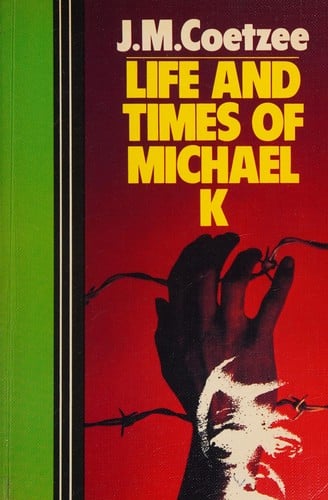
Start this bookNo. 22 on this list. Life & Times of Michael K · J.M. Coetzee · 1983
Taught in schools: UNAM Escuela Nacional Preparatoria – programas de Literatura (Mexico)
Life and Times of Michael K won the Booker Prize in 1983 and stands as a foundational text in postcolonial literature. Its examination of apartheid South Africa, individual resistance, and the ethics of fiction has secured its place in literary canons alongside Coetzee's other major works. Frequently taught in universities and cited in critical literature.
Challenging5.2 hours
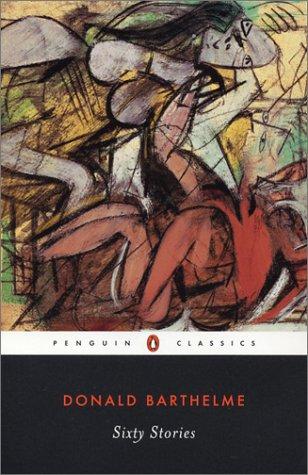
Start this bookNo. 23 on this list. Sixty Stories · Donald Barthelme · 1981
The essential Barthelme collection and one of the most important story collections in American literature. A standard text in creative writing and contemporary literature courses.
Challenging12 hours
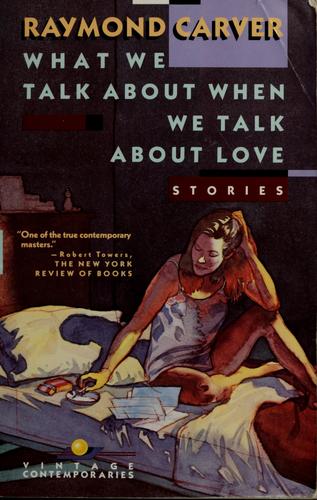
Start this bookNo. 24 on this list. What We Talk About When We Talk About Love · Raymond Carver · 1981
What We Talk About When We Talk About Love is a fixture of creative writing programs and American literature syllabi worldwide. It is the single most-cited example of literary minimalism and appears on virtually every 'essential short story collections' list. The title story alone is anthologized so frequently it functions as a standalone canonical text.
Moderate2.4 hours
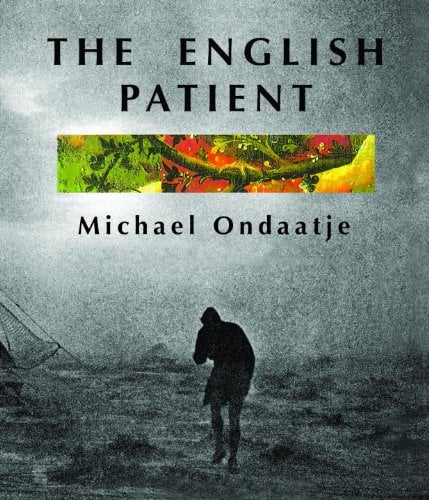
Start this bookNo. 25 on this list. The English Patient · Michael Ondaatje · 1992
Winner of the Booker Prize in 1992; widely anthologized in university curricula worldwide. Adapted into a major 1996 film directed by Anthony Minghella, broadening its cultural footprint. Literary canon inclusion remains secure with significant critical examination in scholarship on postmodern war fiction.
Challenging7.2 hours
Start this bookNo. 26 on this list. Love in the Time of Cholera · Gabriel García Márquez · 1985
Included in: Bokklubben World Library
Widely taught in world literature and Latin American literature courses, second only to One Hundred Years of Solitude among Garcia Marquez's works. Regularly appears on 'greatest novels' lists and has become a touchstone for discussions of love in literature.
Challenging11 hours
Start this bookNo. 27 on this list. If on a Winter’s Night a Traveler · Italo Calvino · 1982
A staple of university courses in postmodern literature, metafiction, narrative theory, and Italian studies worldwide. Appears on virtually every major list of postmodern masterworks, including the Modern Library and multiple "best novels" compilations. Not as universally assigned as Gatsby or 1984, but firmly established in the literary canon across multiple national traditions and academic disciplines.
Difficult10 hours
Start this bookNo. 28 on this list. Waiting for the Barbarians · J.M. Coetzee · 1980
A magistrate in a frontier town befriends a barbarian prisoner, his compassion leading to his downfall. Coetzee's allegorical novel explores complicity, torture, and the ethics of empire.
Challenging6 hours
Start this bookNo. 29 on this list. Infinite Jest · David Foster Wallace · 1996
A gargantuan, mind-altering comedy about the Pursuit of Happiness in America Set in an addicts' halfway house and a tennis academy, and featuring the most endearingly screwed-up family to come along in recent fiction, Infinite Jest explores essential questions about what entertainment is and why it has come to so dominate our lives; about how our desire for entertainment affects our need to connect with other people; and about what the pleasures we choose say about who we are. Equal parts philosophical quest and screwball comedy, Infinite Jest bends every rule of fiction without sacrificing for a moment its own entertainment value. It is an exuberant, uniquely American exploration of the passions that make us human - and one of those rare books that renew the idea of what a novel can do.
Difficult70 hours
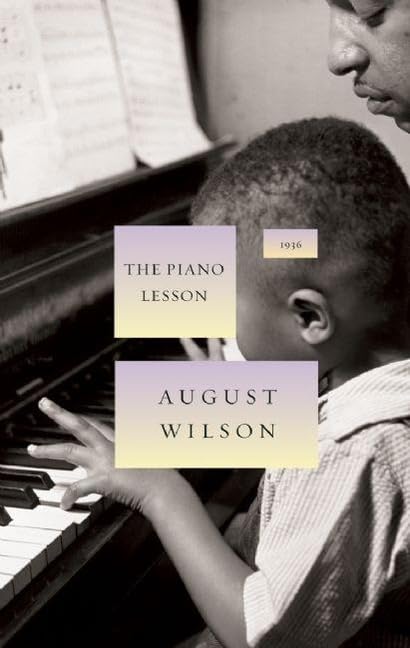
Start this bookNo. 30 on this list. The Piano Lesson · August Wilson · 1987
The Piano Lesson is a fixture in American drama and literature courses, taught alongside O'Neill, Miller, and Williams as a canonical American play. It is the centerpiece of August Wilson's ten-play Pittsburgh Cycle, a sequence now treated as essential reading in university drama programs. Its Pulitzer Prize win and sustained presence in curricula place it well above mid-tier literary works.
Challenging2.9 hours
Start this book
No. 31 on this list. Fences
August Wilson · 1985
No. 32 on this list. The Shadow Lines
Amitav Ghosh · 1988
No. 33 on this list. Omeros
Derek Walcott · 1990
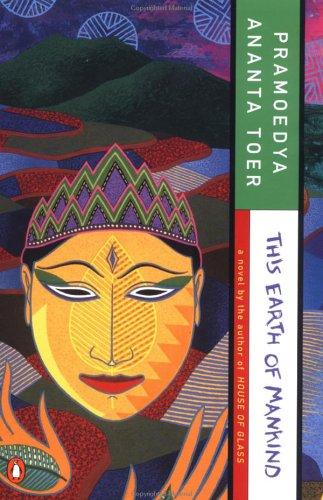
No. 34 on this list. This Earth of Mankind
Pramoedya Ananta Toer · 1980
Taught in schools: Indonesian sastra curriculum
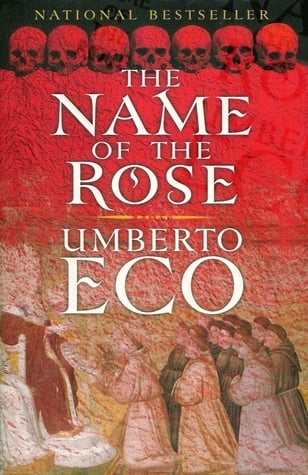
No. 35 on this list. The Name of the Rose
Umberto Eco · 1980
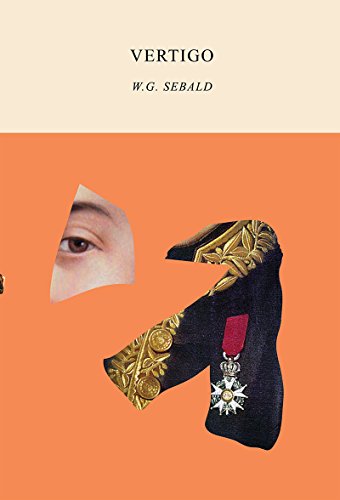
No. 36 on this list. Vertigo
W.G. Sebald · 1990
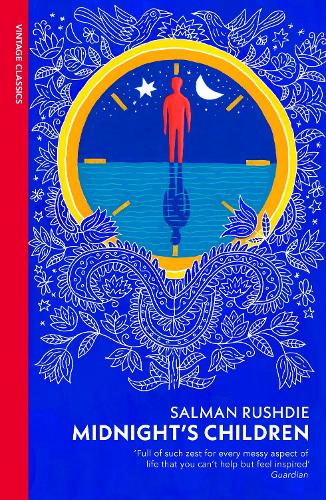
No. 37 on this list. Midnight's Children
Salman Rushdie · 1981
Included in: Bokklubben World Library
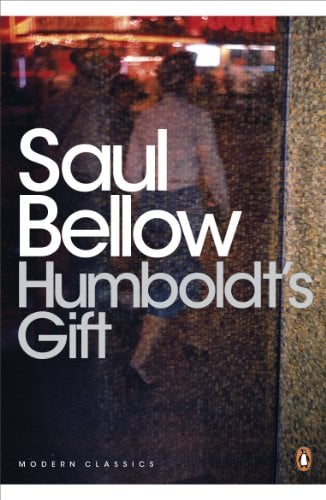
No. 38 on this list. Humboldt's Gift
Saul Bellow · 1976
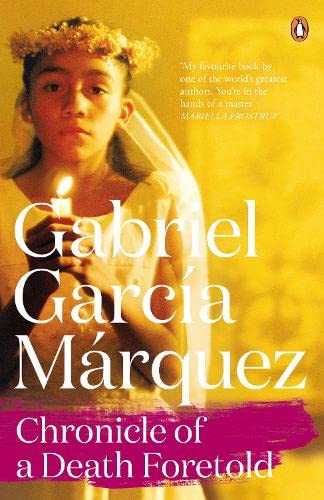
No. 39 on this list. Chronicle of a Death Foretold
Gabriel García Márquez · 1981
Taught in schools: Montenegrin literature curriculum (crnogorski jezik i književnost) (Montenegro)
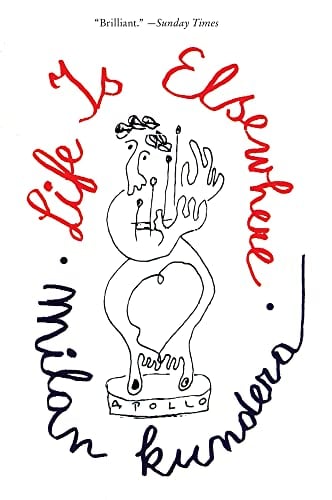
No. 40 on this list. Life Is Elsewhere
Milan Kundera · 1973
No. 41 on this list. The Stories of John Cheever
John Cheever · 1979
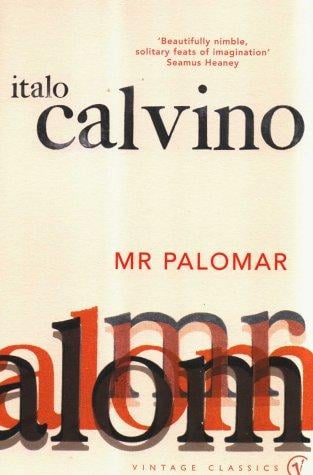
No. 42 on this list. Mr. Palomar
Italo Calvino · 1983
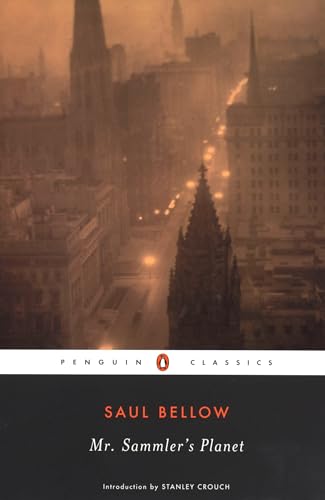
No. 43 on this list. Mr. Sammler's Planet
Saul Bellow · 1971
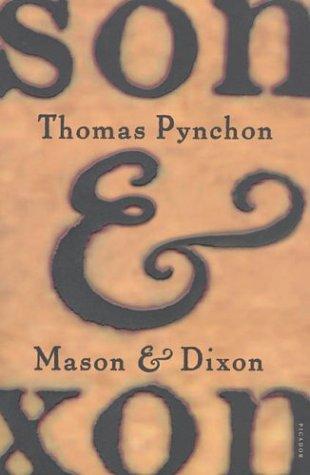
No. 44 on this list. Mason & Dixon
Thomas Pynchon · 1997
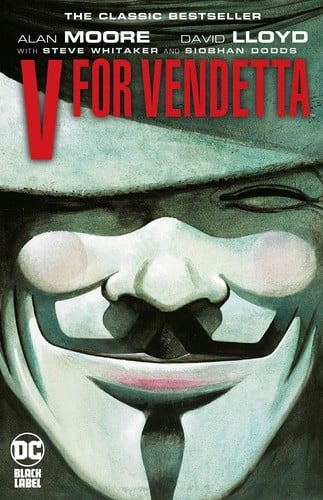
No. 45 on this list. V for Vendetta
Alan Moore · 1989
No. 46 on this list. Satantango
László Krasznahorkai · 1985
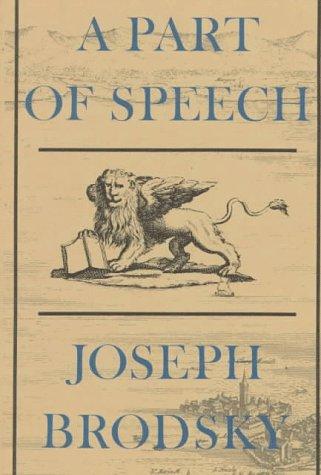
No. 47 on this list. A Part of Speech
Joseph Brodsky · 1977
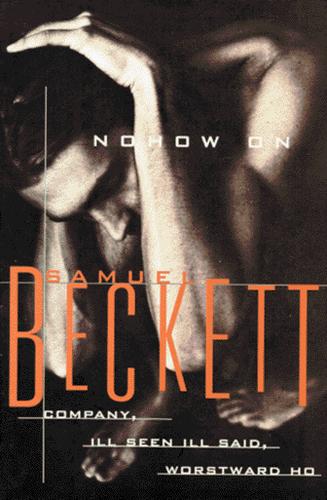
No. 48 on this list. Ill Seen Ill Said
Samuel Beckett · 1981
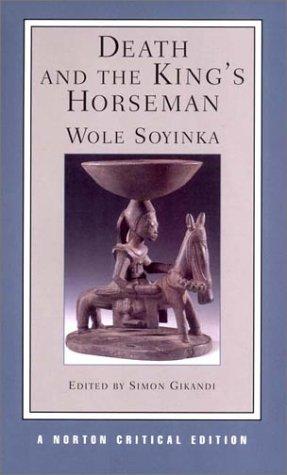
No. 49 on this list. Death and the King's Horseman
Wole Soyinka · 1975
Taught in schools: Common Core text exemplars (Appendix B) (US)
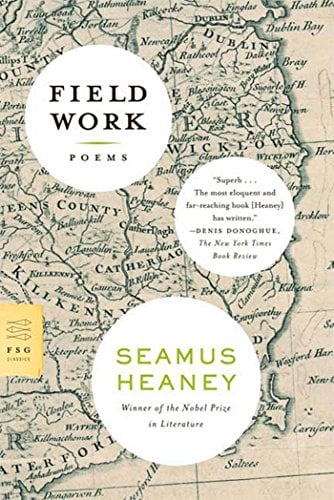
No. 50 on this list. Field Work
Seamus Heaney · 1979
Taught in schools: WJEC/Eduqas GCSE and A-level English Literature (UK)
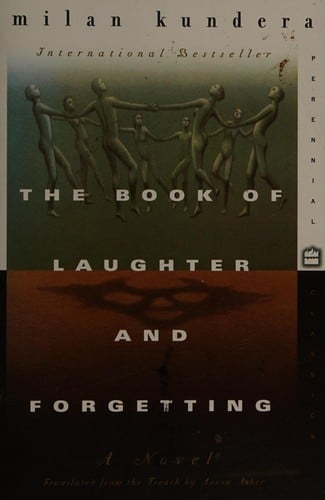
No. 51 on this list. The Book of Laughter and Forgetting
Milan Kundera · 1979
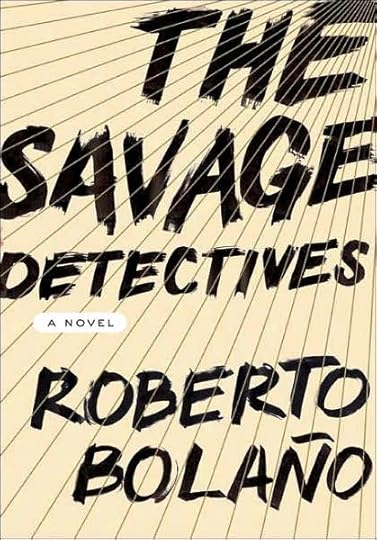
No. 52 on this list. The Savage Detectives
Roberto Bolaño · 1998
Taught in schools: UNAM Escuela Nacional Preparatoria – programas de Literatura (Mexico)
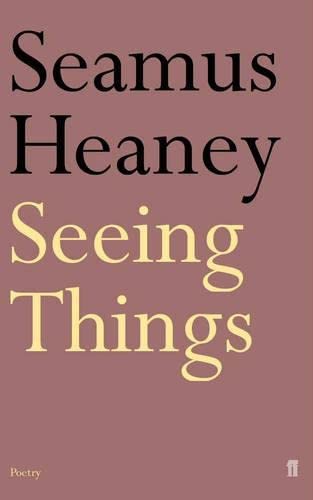
No. 53 on this list. Seeing Things
Seamus Heaney · 1991
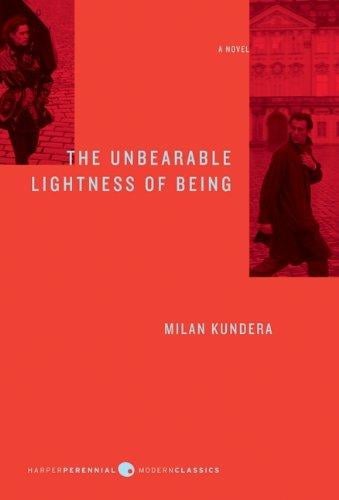
No. 54 on this list. The Unbearable Lightness of Being
Milan Kundera · 1984
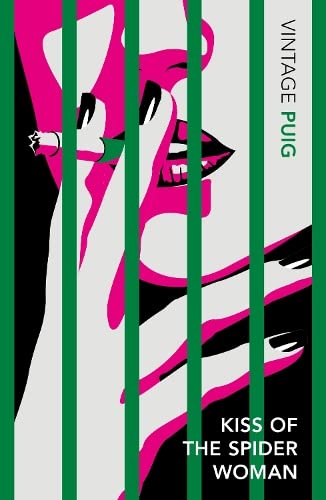
No. 55 on this list. Kiss of the Spider Woman
Manuel Puig · 1976
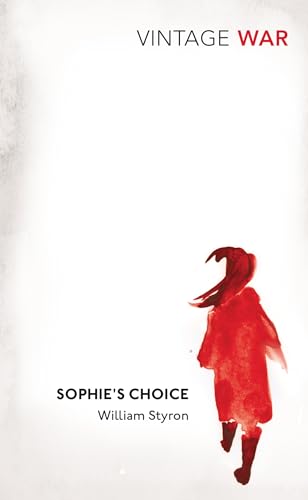
No. 56 on this list. Sophie's Choice
William Styron · 1980
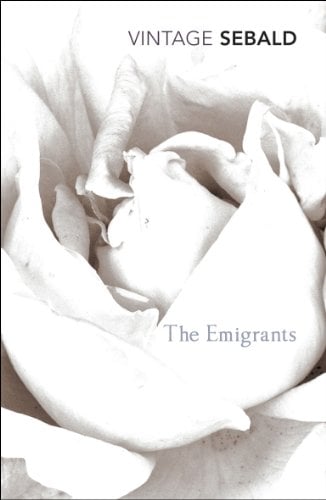
No. 57 on this list. The Emigrants
W.G. Sebald · 1992
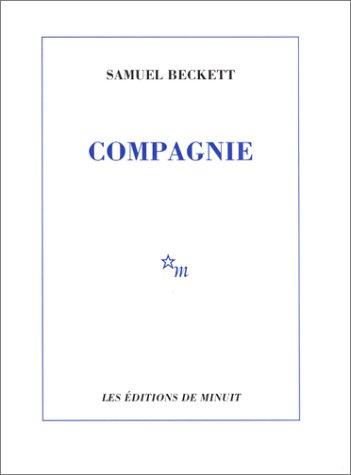
No. 58 on this list. Company
Samuel Beckett · 1980
No. 59 on this list. Rabbit Redux
John Updike · 1971
No. 60 on this list. Fifth Business
Robertson Davies · 1970
No. 61 on this list. American Pastoral
Philip Roth · 1998
No. 62 on this list. Dune
Frank Herbert · 1965
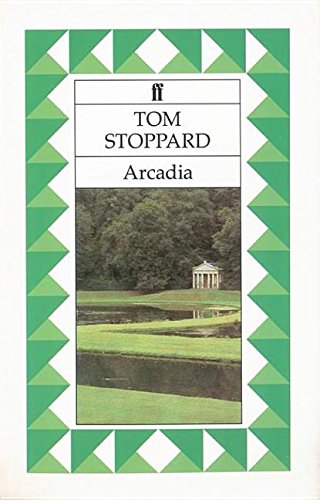
No. 63 on this list. Arcadia
Tom Stoppard · 1993
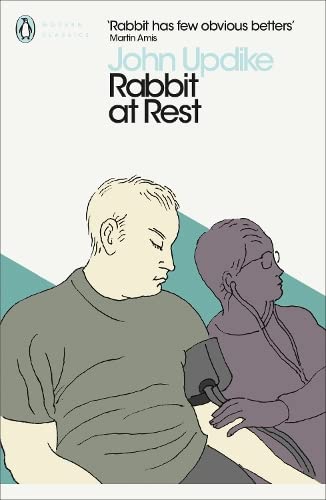
No. 64 on this list. Rabbit at Rest
John Updike · 1991
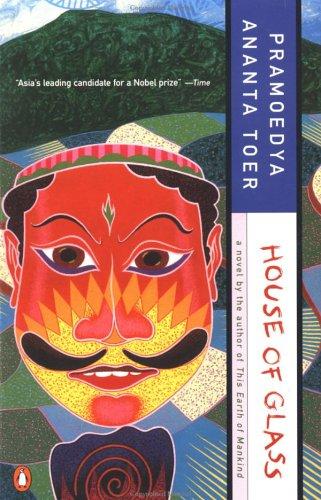
No. 65 on this list. House of Glass
Pramoedya Ananta Toer · 1988
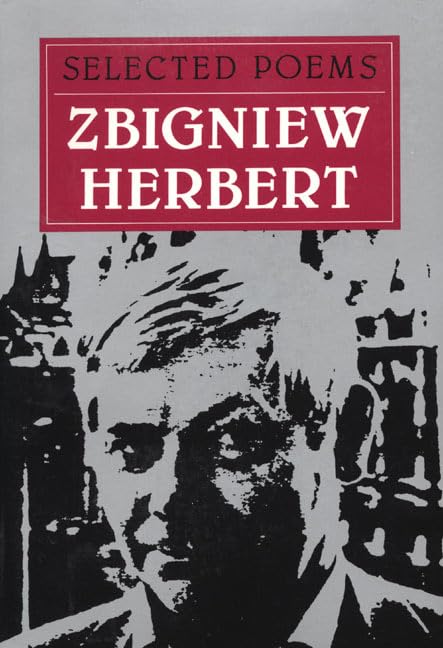
No. 66 on this list. Selected Poems of Zbigniew Herbert
Zbigniew Herbert · 1977
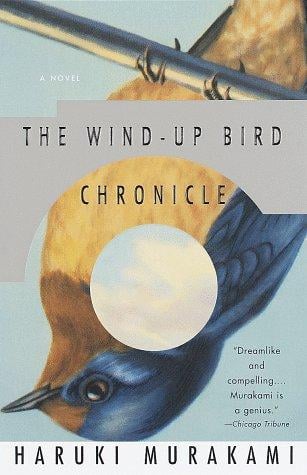
No. 67 on this list. The Wind-Up Bird Chronicle
Haruki Murakami · 1994
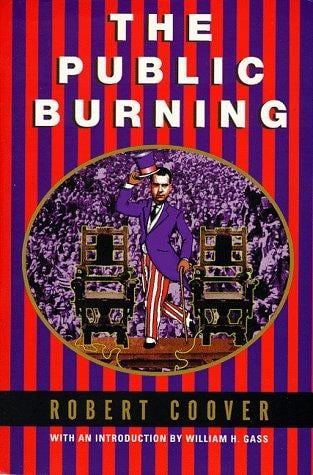
No. 68 on this list. The Public Burning
Robert Coover · 1977
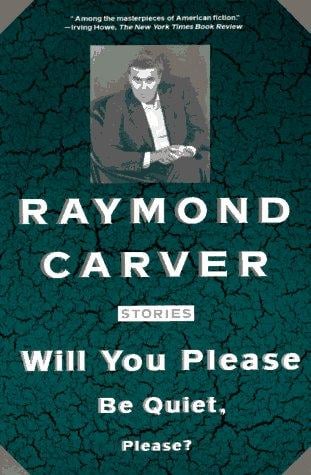
No. 69 on this list. Will You Please Be Quiet, Please?
Raymond Carver · 1976
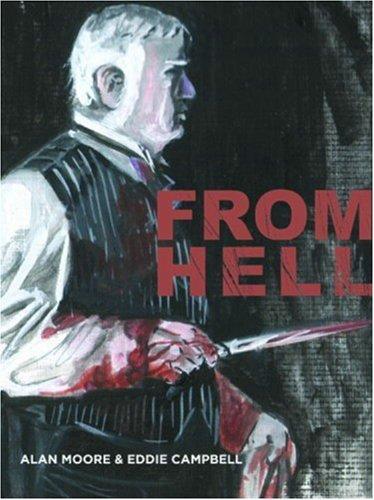
No. 70 on this list. From Hell
Alan Moore · 1999
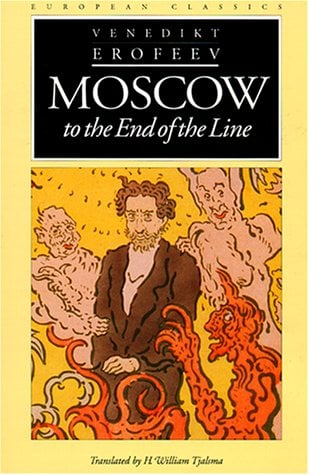
No. 71 on this list. Moscow to the End of the Line
Venedikt Erofeev · 1973
No. 72 on this list. Sizwe Bansi Is Dead
Athol Fugard · 1972
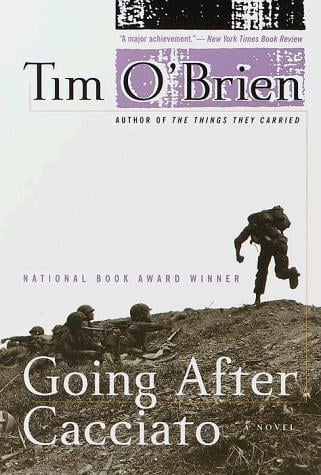
No. 73 on this list. Going After Cacciato
Tim O'Brien · 1979
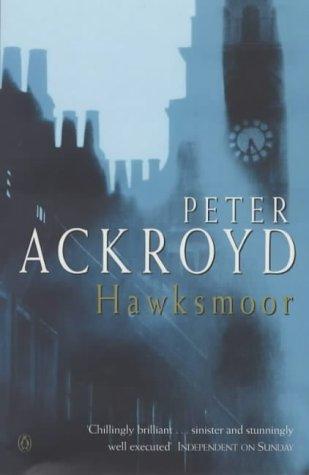
No. 74 on this list. Hawksmoor
Peter Ackroyd · 1985
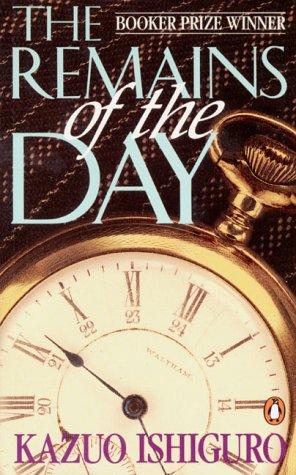
No. 75 on this list. The Remains of the Day
Kazuo Ishiguro · 1989
Taught in schools: AQA GCSE and A-level English Literature (UK), WJEC/Eduqas GCSE and A-level English Literature (UK)
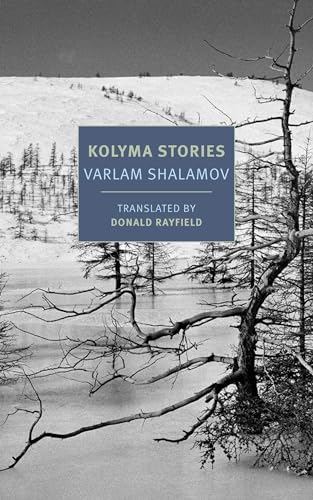
No. 76 on this list. Kolyma Tales
Varlam Shalamov · 1978
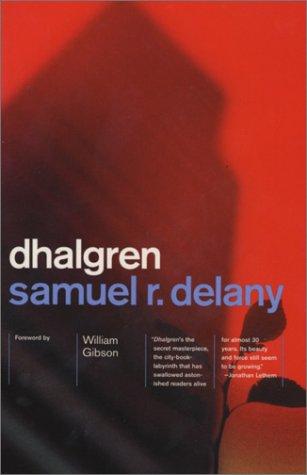
No. 77 on this list. Dhalgren
Samuel R. Delany · 1975
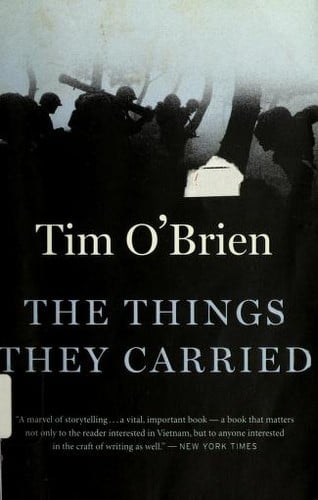
No. 78 on this list. The Things They Carried
Tim O'Brien · 1990
No. 79 on this list. Cat’s Cradle
Kurt Vonnegut · 1963
No. 80 on this list. Schindler's Ark
Thomas Keneally · 1982
No. 81 on this list. Ragtime
E.L. Doctorow · 1975
No. 82 on this list. Terra Nostra
Carlos Fuentes · 1975
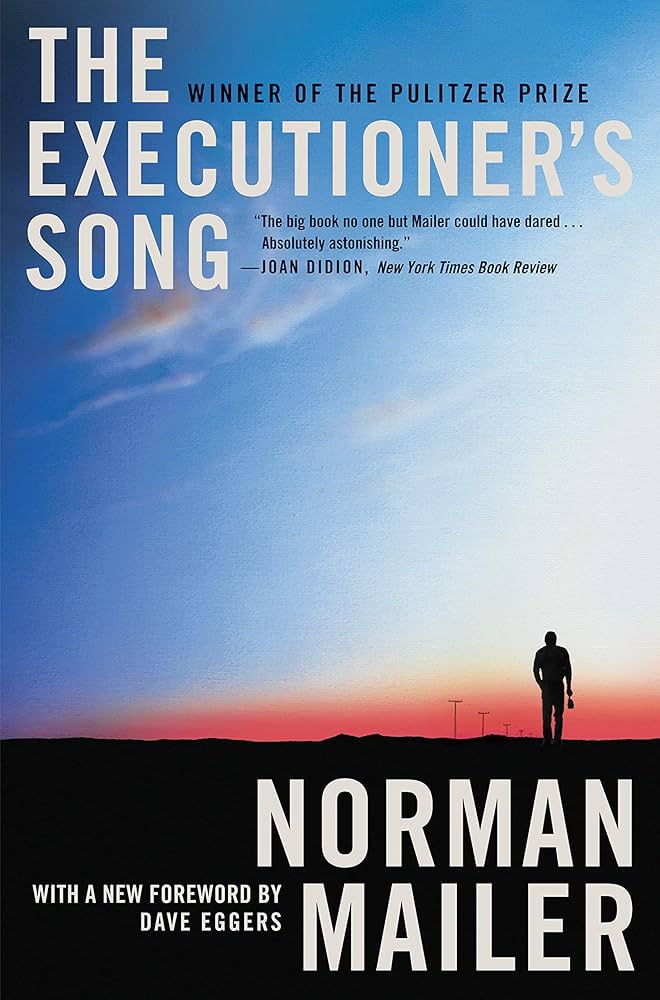
No. 83 on this list. The Executioner's Song
Norman Mailer · 1980
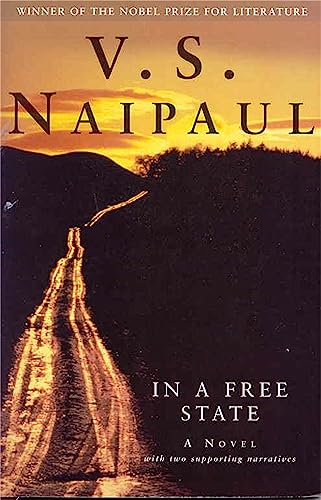
No. 84 on this list. In a Free State
V.S. Naipaul · 1971
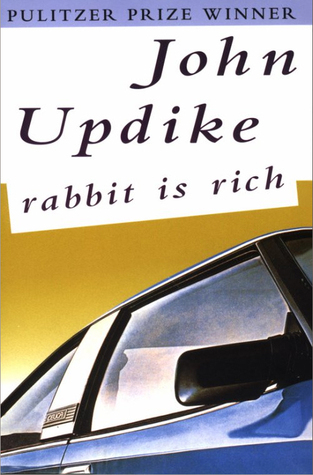
No. 85 on this list. Rabbit Is Rich
John Updike · 1982
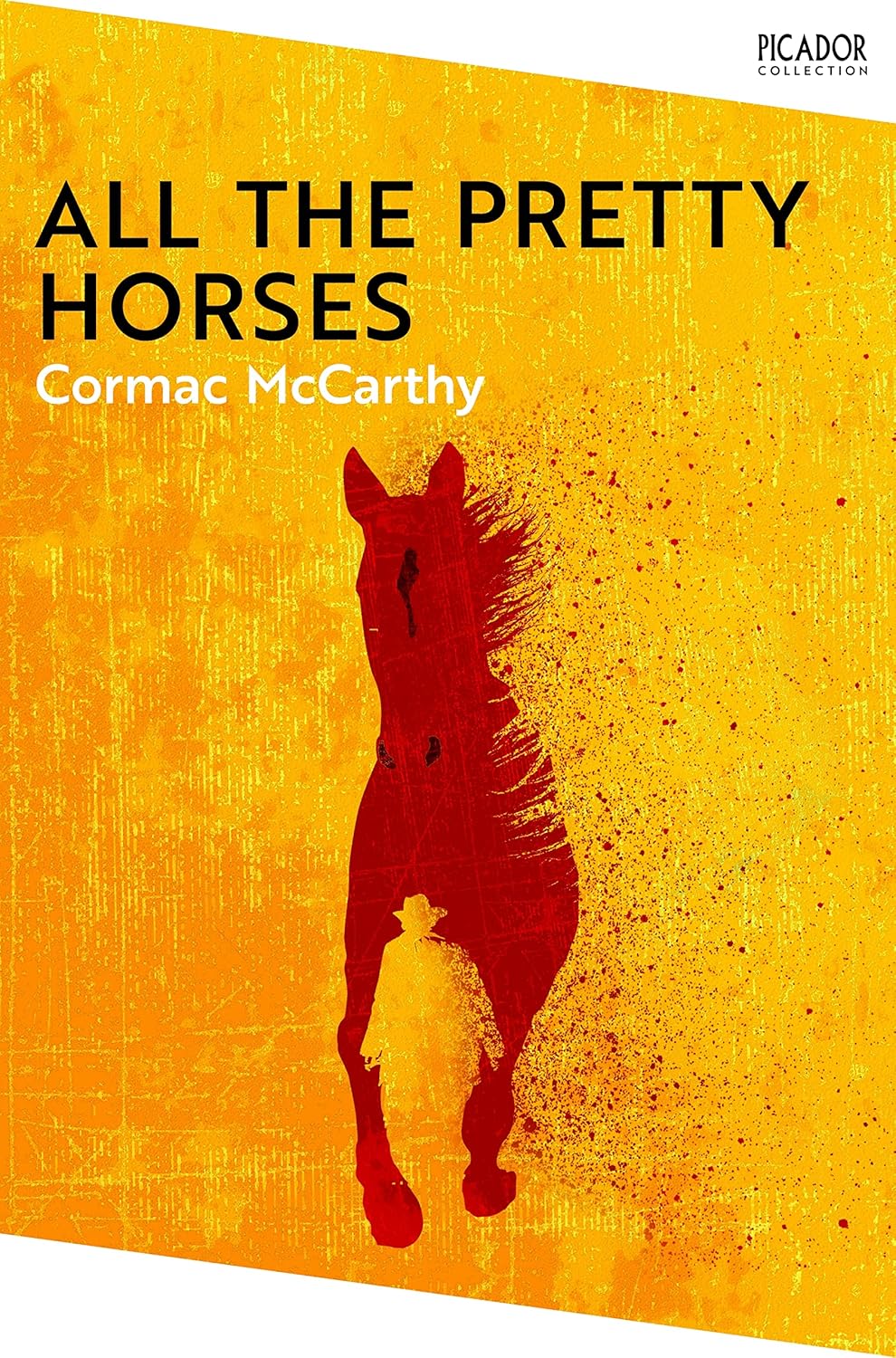
No. 86 on this list. All the Pretty Horses
Cormac McCarthy · 1992
No. 87 on this list. The Autumn of the Patriarch
Gabriel García Márquez · 1975
No. 88 on this list. The Ghost Writer
Philip Roth · 1979
No. 89 on this list. Lanark: A Life in Four Books
Alasdair Gray · 1981
No. 90 on this list. A Book of Memories
László Nádas · 1986
No. 91 on this list. Petals of Blood
Ngugi wa Thiong'o · 1977
Included in: Heinemann African Writers Series
No. 92 on this list. The Palace of Dreams
Ismail Kadare · 1981
No. 93 on this list. A Bend in the River
V.S. Naipaul · 1979
No. 94 on this list. The Arrivants
Kamau Brathwaite · 1973
Taught in schools: CSEC English B – Caribbean Examinations Council
No. 95 on this list. The Silmarillion
J. R. R. Tolkien · 1977
No. 96 on this list. Shame
Salman Rushdie · 1983
No. 97 on this list. The Swimming-Pool Library
Alan Hollinghurst · 1988
No. 98 on this list. A Tomb for Boris Davidovich
Danilo Kiš · 1976
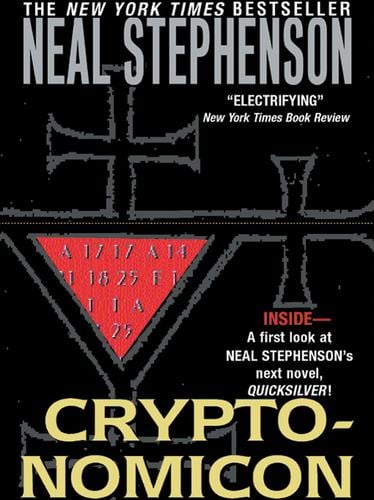
No. 99 on this list. Cryptonomicon
Neal Stephenson · 1999
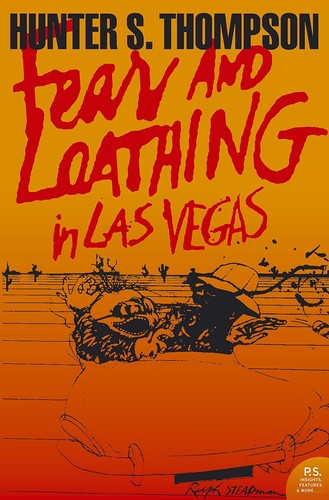
No. 100 on this list. Fear and Loathing in Las Vegas: A Savage Journey to the Heart of the American Dream
Hunter S. Thompson · 1998
About this list
These 100 books are the highest-scoring eligible books of the late 20th century by men currently in the catalogue. About 1,284 hours of reading in all. Difficulty runs from 54 to 72 out of 100 for the middle half of the list; the summit is The Cantos at 87.
This list is ranked by literary regard, with a consistent order for equal scores. Membership follows authors and co-authors, not translators or editors. A book is here when ReadingRate files it under Late 20th Century Literature as one of its primary reading domains, and only when its author’s lifetime places it in the period. Catalogue coverage and the historical canon both limit what this list can represent.
When we matched the Canons dataset to our catalogue in October 2026, our canonical-status scores rose with the number of school curricula, publisher series and lists in it that cite a work: the median score was 72 for books one such source cites, 84 at two, 88 at three, 92 at four and 93 at five or more. Prizes are left out of that count. Outside the state curricula, the dataset’s sources choose mostly from what has been translated into English or French, so it is a weaker check on other literatures. Source: Canons (Andrew Piper), CC BY 4.0
Questions people actually ask
- What are the best books of the late 20th century by men?
- By literary regard, which weighs canonical status, critical standing and influence: The Cantos by Ezra Pound, Collected Poems of W.H. Auden by W.H. Auden, Self-Portrait in a Convex Mirror by John Ashbery, Watchmen by Alan Moore and Gravity's Rainbow by Thomas Pynchon. ReadingRate ranks 100 such books, each with a difficulty score and a reading-time estimate.
- Which books of the late 20th century by men should I read first?
- Start from difficulty, not from rank. The most approachable books on this list that still carry top literary regard are Maus I: A Survivor's Tale: My Father Bleeds History by Art Spiegelman (about 2.2 hours), This Earth of Mankind by Pramoedya Ananta Toer and The Wind-Up Bird Chronicle by Haruki Murakami.
- What are the shortest of the best books of the late 20th century by men?
- Among the top 25, the shortest are Self-Portrait in a Convex Mirror by John Ashbery (about 1.3 hours), Invisible Cities by Italo Calvino (about 2.2 hours) and Selected Poems of Czesław Miłosz by Czesław Miłosz (about 1.9 hours), at an average pace of 250 words a minute adjusted for each book's difficulty.
- Which of the best books of the late 20th century by men are the established classics?
- By canonical status, how firmly a book sits in curricula, anthologies and the canon: Watchmen by Alan Moore, The Satanic Verses by Salman Rushdie, The Cantos by Ezra Pound, Collected Poems of W.H. Auden by W.H. Auden and Self-Portrait in a Convex Mirror by John Ashbery.
- How long would it take to read the top ten?
- About 149 hours, at an average pace of 250 words a minute adjusted for each book's difficulty: 75 days at two hours a day. Set your own pace on the page and the list's reading times change to it.
- How hard are books of the late 20th century by men to read?
- Most of this list sits between 54 and 72 on ReadingRate's 100-point difficulty scale, where 40 to 55 is moderate. The summit is The Cantos at 87. Every entry carries its own score, so a reader can pick a great book at a difficulty they will finish.
- How is this list ranked?
- On literary-regard data: how canonically established a work is, its critical standing, and its influence on later writing. It is not a readers’ poll, which is why recent bestsellers rarely appear. Membership follows authors and co-authors, not translators or editors. Lists by country, author, period, theme or difficulty keep to literature (fiction, poetry, drama and philosophy), their novels, poems and plays first and their philosophy after them; a list of a kind of book, such as memoir or criticism, keeps every book of that kind. Every list holds at most three works by one author. A book is here when ReadingRate files it under Late 20th Century Literature as one of its primary reading domains, and only when its author’s lifetime places it in the period.