Hours at an average pace
Showing 100 books
About 796 hours for 100 of 100 books with measured lengths. Estimates use 250 words a minute, adjusted for each book's difficulty. At 2 hours a day, about 399 days for those books.
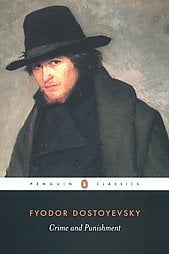
No. 1 on this list. Crime and Punishment
Fyodor Dostoevsky · 1866
Difficult24 hours
Taught in schools: Common Core text exemplars (Appendix B) (US), Lektury obowiązkowe – Polish national reading list (Poland), Lithuanian literature curriculum (lietuvių kalba ir literatūra)
Included in: Bokklubben World Library
Crime and Punishment is required reading in virtually every world literature curriculum and Russian literature course. It appears on 711 university syllabi (Open Syllabus) and is available in 82 Wikipedia languages, placing it among the most globally recognized novels ever written. It consistently appears on canonical 'greatest novels' lists, including TIME's All-TIME 100 Novels.
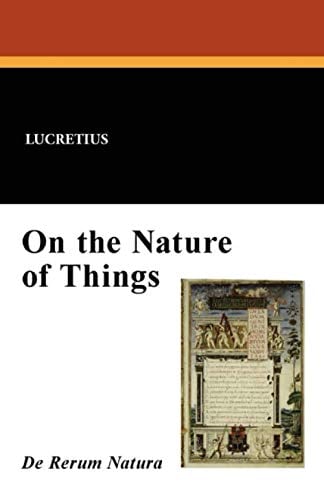
No. 2 on this list. On the Nature of Things
Lucretius · c. 55 BCE
Moderate5.5 hours
Included in: Great Books of the Western World
De Rerum Natura is one of the most significant surviving texts from antiquity, taught in classics, philosophy, and history of science programs at universities worldwide. It represents the fullest extant exposition of Epicurean atomism in any language and appears on virtually every list of essential classical works. Its rediscovery by Poggio Bracciolini in 1417 is credited with catalyzing Renaissance intellectual culture.
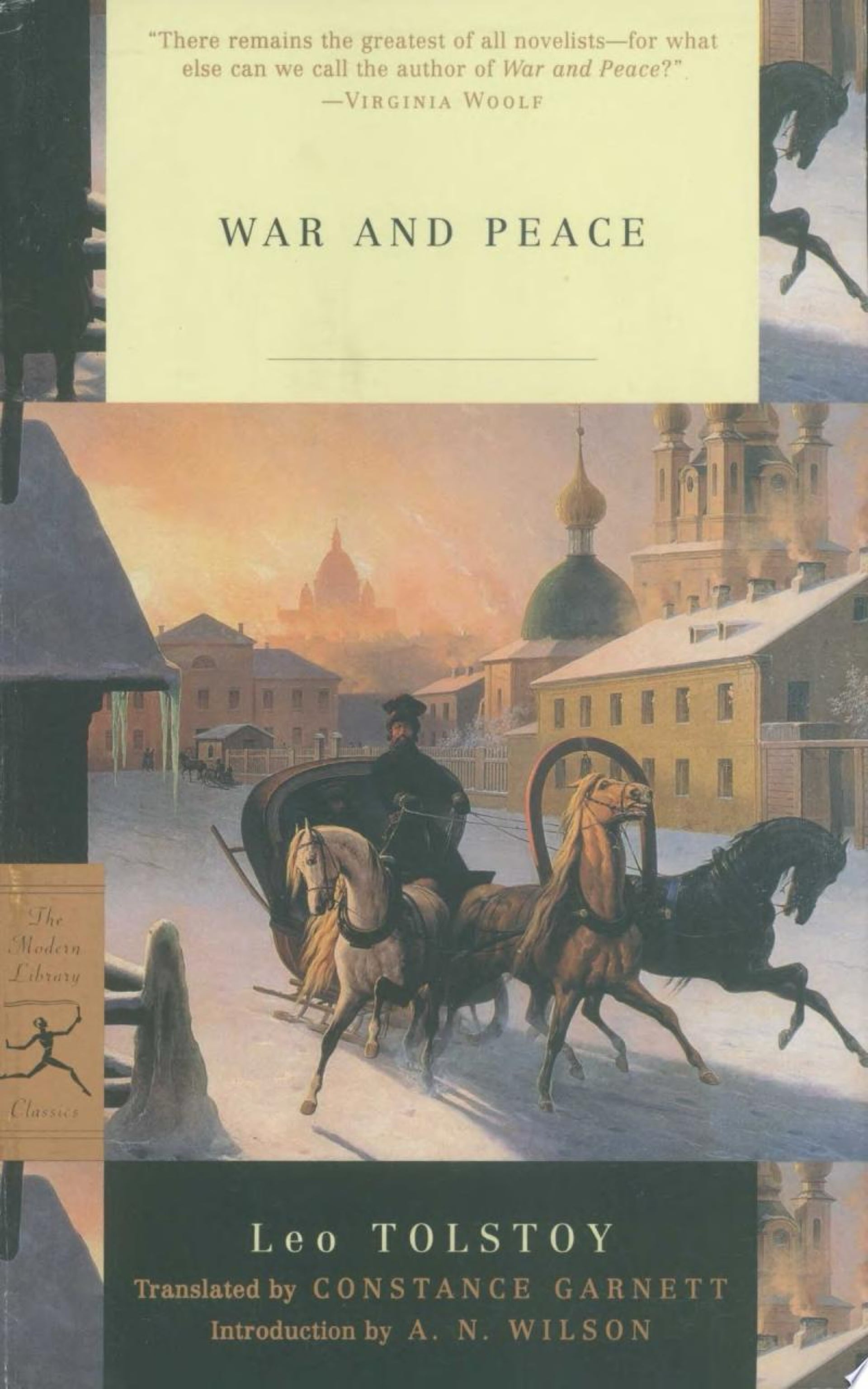
No. 3 on this list. War and Peace
Leo Tolstoy · 1869
Moderate39 hours
Taught in schools: Russian FGOS literature standard, Turkish edebiyat curriculum (Turkey)
Included in: Bibliothèque de la Pléiade, Bokklubben World Library, Great Books of the Western World
War and Peace appears on 120 university syllabi (Open Syllabus) and has Wikipedia articles in 80 languages, placing it among the most globally recognized novels ever written. It features on the BBC Big Read Top 100, the 1001 Books You Must Read Before You Die list, and the Open Syllabus Top 500 Literature canon, with a prestige NYRB Classics edition. The book is referenced universally as the archetype of the sweeping Russian novel.
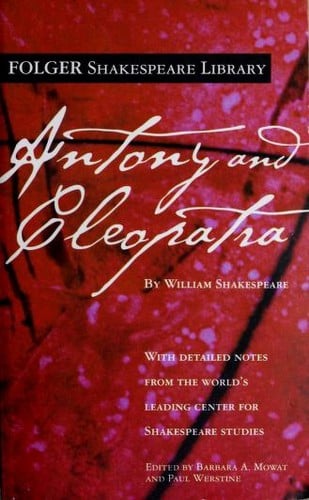
No. 4 on this list. Antony and Cleopatra
William Shakespeare · 1607
Challenging2.7 hours
Taught in schools: WJEC/Eduqas GCSE and A-level English Literature (UK)
Included in: Great Books of the Western World
Antony and Cleopatra appears on virtually every Shakespeare survey and major tragedy course in English-speaking universities. It is included in all complete works editions — Oxford, Arden, Folger, Norton — and features on most 'essential Shakespeare' reading lists. While taught less frequently than Hamlet or King Lear, it holds permanent status as one of the four or five major late tragedies.
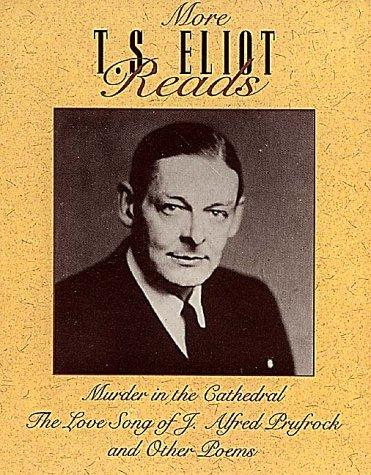
No. 5 on this list. The Love Song of J. Alfred Prufrock
T. S. Eliot · 1915
Challenging14 min
Taught in schools: Common Core text exemplars (Appendix B) (US)
One of the most taught poems in English, standard in introductory poetry courses, modernism surveys and the major anthologies. First printed in Poetry magazine in 1915 at Ezra Pound's urging, it is usually treated as the start of modernist verse in English.
Utopia is a fixture in political philosophy, early modern history, and English literature curricula globally. The word 'utopia' entered every major European language, a feat achieved by fewer than a dozen literary works. It appears on thousands of university syllabi across disciplines — philosophy, political science, history, English, Renaissance studies — and is universally recognized as foundational reading.
No. 7 on this list. Demons
Fyodor Dostoevsky · 1872
Challenging22 hours
Included in: Bokklubben World Library
A revolutionary cell takes hold of a provincial Russian town, manipulating liberal reformers and committing murder in the name of progress. Based partly on the Nechaev affair—a real case where a revolutionary leader murdered a skeptical member of his group—Dostoevsky creates a portrait of ideological possession that proved prophetic. Nikolai Stavrogin, beautiful and morally empty, inspires devotion he cannot reciprocate. Pyotr Verkhovensky, cunning and nihilistic, orchestrates chaos he believes will bring utopia. Around them swirl liberals, revolutionaries, idealists, and cynics whose ideas have disconnected from reality. The novel is Dostoevsky's darkest political vision: a society where borrowed Western ideas have corrupted Russian souls, where the best lack all conviction and the worst are full of passionate intensity. Also published as The Possessed or The Devils.
No. 8 on this list. Works and Days
Hesiod · c. 700 BCE
Moderate1.6 hours
Taught in schools: Hungarian literature curriculum (magyar nyelv és irodalom) (Hungary)
Hesiod addresses his brother Perses, who has squandered his inheritance and bribed corrupt judges to get more. The occasion is petty and local — a sibling dispute in the village of Askra, a bad place at the foot of Mount Helikon. From this nugget of irritation, Hesiod builds outward into cosmology, myth, ethics, and practical instruction. He tells how Zeus hid prosperity from men after Prometheus stole fire, how Pandora released suffering from a jar, and how mankind has declined through five ages from gold to iron. Then he turns practical: when to plough (when the Pleiades rise), what timber to use for a plough-tree (holm oak), how to dress against the winter north wind, how to harvest grapes. A.E. Stallings' translation renders all this in rhyming iambic couplets — plain-spoken, aphoristic, occasionally wry. The poem ends with sixty lines on lucky and unlucky days, which days to geld livestock, which to open a storage jar, which to be born. What makes Works and Days strange and durable is this combination: the most practical agricultural manual in Greek literature, framed by the oldest surviving account of why human life is hard and what a person can do about it.
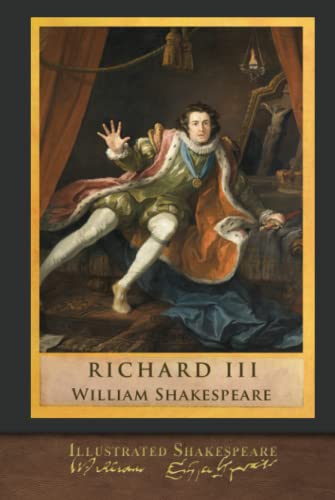
No. 9 on this list. Richard III
William Shakespeare · 1597
Challenging2.8 hours
Taught in schools: CAPE Literatures in English – Caribbean Examinations Council
Included in: Great Books of the Western World
Richard III is among the most frequently performed Shakespeare plays and a staple of secondary school and university curricula worldwide. Its opening monologue — 'Now is the winter of our discontent' — is among the most memorized passages in English literature. The play appears on virtually every Shakespeare survey and features in courses on history plays, villainy, and political drama.
One of the most important English-language poets of the twentieth century, central to the modern canon alongside Yeats and Eliot.
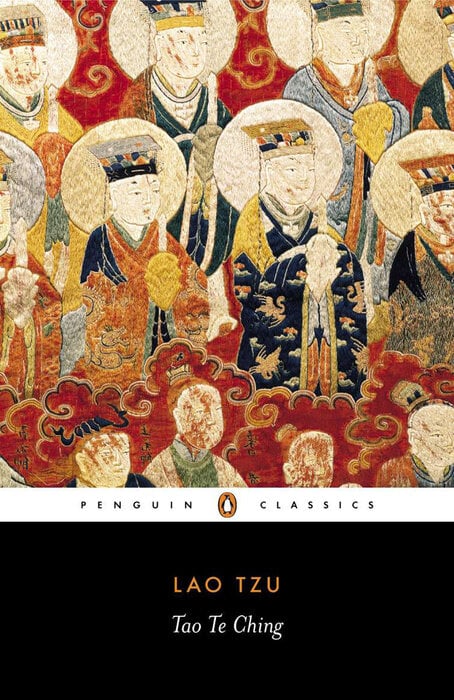
No. 11 on this list. Tao Te Ching · Laozi
The Tao Te Ching is one of the most translated texts in human history — second only to the Bible in total translations, with over 250 English versions alone. It anchors courses in world philosophy, comparative religion, East Asian studies, and literature at virtually every major university. Its Wikipedia article exists in over 80 languages.
Challenging4.1 hours
Read nowNo. 12 on this list. Ajax · Sophocles · c. 450 BCE
Included in: Great Books of the Western World
Ajax is required reading in classical studies and Greek tragedy courses worldwide, representing one of only seven surviving plays by Sophocles. As part of the canonical triumvirate of Greek tragedians alongside Aeschylus and Euripides, Sophocles's works — including Ajax — appear on syllabi in classics, comparative literature, and world literature programs across every major university. The play has been in continuous circulation for over 2,400 years.
Challenging56 min
Read nowNo. 13 on this list. The Bourgeois Gentleman · Molière · 1670
Included in: Great Books of the Western World
Le Bourgeois Gentilhomme is required reading in French literature courses worldwide and appears in virtually every major world drama anthology. Commissioned by Louis XIV for the royal court in 1670, it has remained one of Molière's most performed plays for over three and a half centuries, cementing its place among the indispensable works of European theater.
Moderate1.2 hours
Start this bookNo. 14 on this list. Electra · Sophocles · c. 410 BCE
Included in: Great Books of the Western World
Electra is required reading in virtually every university classics and comparative literature program. All seven of Sophocles' surviving plays form the backbone of Western classical studies, and Electra — alongside Oedipus Rex and Antigone — is among the most taught. It appears on syllabi across departments from literature to philosophy to theater.
Moderate50 min
Read nowNo. 15 on this list. Troilus and Criseyde · Geoffrey Chaucer · 1385
Included in: Great Books of the Western World
Required reading in virtually every medieval English literature curriculum, taught across English, Comparative Literature, and Medieval Studies programs at universities worldwide. Though Open Syllabus data is unavailable here, Chaucer courses built around this text are standard at every major university with an English department. It holds a place among the most-studied long poems in the English language.
Difficult9.3 hours
Read nowNo. 16 on this list. Happy Days · Samuel Beckett · 1961
Happy Days anchors modernist and postmodern drama syllabi internationally alongside Waiting for Godot and Endgame. It is taught in theatre, English literature, and philosophy programs across Europe and North America. Wikipedia covers it in over 40 languages. It is among the most-assigned Beckett plays and appears on virtually every postwar drama reading list.
Moderate46 min
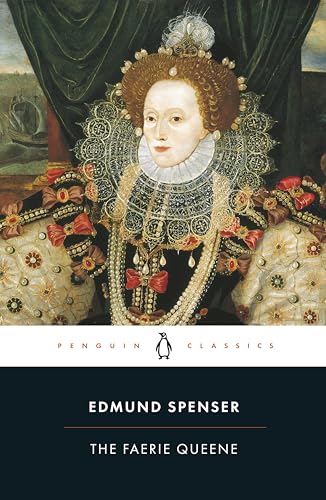
Start this bookNo. 17 on this list. The Faerie Queene · Edmund Spenser · 1590
The Faerie Queene appears in virtually every English Renaissance literature syllabus globally and is one of the most taught long poems in university English departments worldwide. It anchors the canon between Chaucer and Milton and is central to every history of the English literary tradition. Absence from the Open Syllabus database reflects data gaps, not actual classroom presence.
Difficult30 hours
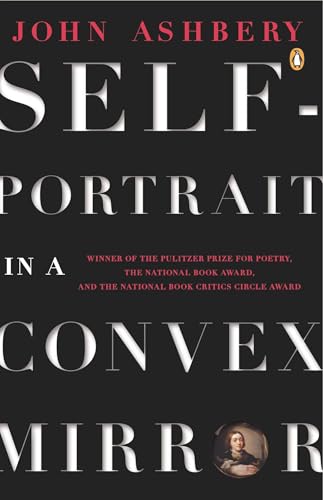
Start this bookNo. 18 on this list. Self-Portrait in a Convex Mirror · John Ashbery · 1975
Won the Pulitzer Prize, National Book Award, and National Book Critics Circle Award — the only book to win all three. Central to the American poetry canon.
Challenging1.3 hours
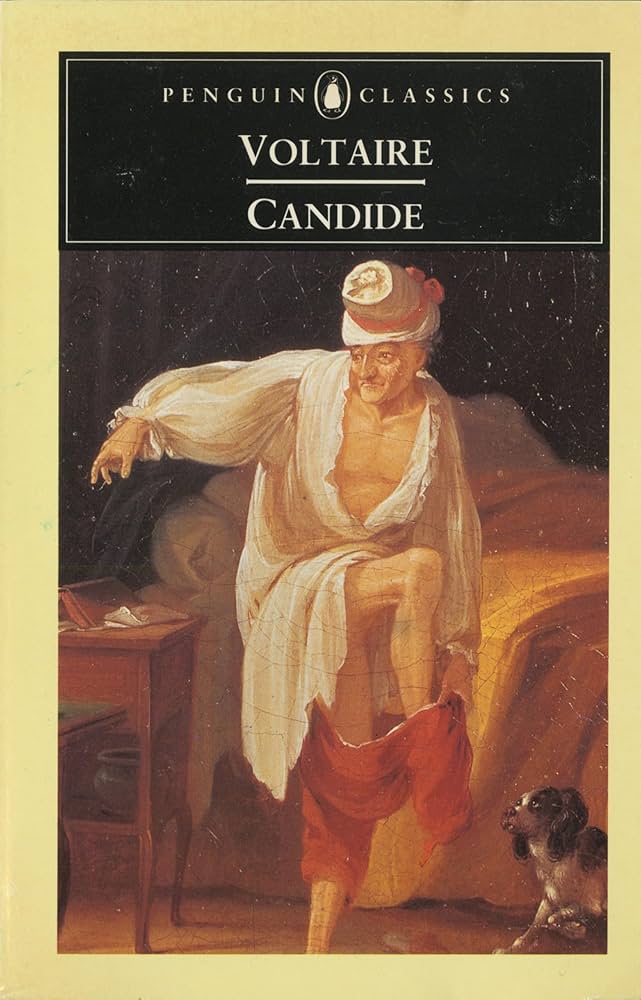
Start this bookNo. 19 on this list. Candide · Voltaire · 1759
Taught in schools: Hungarian literature curriculum (magyar nyelv és irodalom) (Hungary)
Included in: Great Books of the Western World
Voltaire's Candide gets flogged, shipwrecked, and nearly auto-da-féd across three continents, each catastrophe demolishing Pangloss's insistence that this is the best of all possible worlds. The final line—"we must cultivate our garden"—became the Enlightenment's most quoted rebuke to metaphysical optimism.
Challenging3 hours
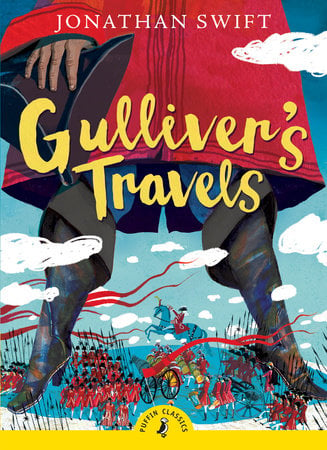
Read nowNo. 20 on this list. Gulliver's Travels · Jonathan Swift · 1726
Taught in schools: CSEC English B – Caribbean Examinations Council, Hungarian literature curriculum (magyar nyelv és irodalom) (Hungary)
Included in: Bokklubben World Library, Great Books of the Western World
Swift shrinks his protagonist to six inches in Lilliput, inflates him to a giant in Brobdingnag, then deposits him among rational horses who regard humans as vermin. No other satire in English has so thoroughly weaponized scale and perspective to indict politics, science, and the species itself.
Challenging10 hours
Read now
No. 21 on this list. Bérénice · Jean Racine · 1670
Included in: Great Books of the Western World
Bérénice is a cornerstone of French classical literature, taught in virtually every French lycée and featured in world literature and drama curricula internationally. Alongside Phèdre and Andromaque, it is one of the three works most associated with Racine's genius and is considered essential reading for anyone studying French neoclassical theatre.
Moderate50 min
Start this bookNo. 22 on this list. A House for Mr. Biswas · V.S. Naipaul · 1961
Taught in schools: CSEC English B – Caribbean Examinations Council
Naipaul tracked one man's forty-year struggle to own a house of his own in colonial Trinidad, and by treating that modest ambition with the gravity of epic, wrote the definitive novel about the immigrant's war between dignity and dispossession. Mr. Biswas's defeats are so granular and so cumulative that the house, when it finally comes, means more than any literary symbol has a right to.
Moderate13 hours
Start this bookNo. 23 on this list. The Bhagavad Gita · Vyasa · c. 200 BCE
The Gita—a 700-verse dialogue between the warrior prince Arjuna and his charioteer Krishna, who is an avatar of God—is embedded within the Mahabharata but has been read as a standalone scripture for centuries. On the eve of a catastrophic battle, Arjuna sees his kinsmen arrayed on both sides and refuses to fight. Krishna's response unfolds the central teachings of Hindu philosophy: karma yoga (the path of selfless action), bhakti yoga (the path of devotion), and jnana yoga (the path of knowledge). Krishna argues that Arjuna must act—not because the outcome matters but because action without attachment to results is the nature of dharma. The Gita's synthesis of duty and detachment, action and renunciation, has made it the most widely read scripture in Hinduism and one of the most influential philosophical texts in world literature. Gandhi called it his 'eternal mother'; Oppenheimer quoted it upon witnessing the first nuclear explosion. Its teachings on duty, selflessness, and the nature of consciousness continue to resonate across cultures and centuries.
Easy1.4 hours
Start this bookNo. 24 on this list. The Glass Bead Game · Hermann Hesse · 1943
The Glass Bead Game is widely recognized as Hesse's masterwork and a towering achievement of 20th-century German literature. It secures a place in the Western canon as a major modernist novel of ideas, regularly taught in universities and translated into dozens of languages. The novel's influence extends beyond literature into philosophy and cultural criticism, providing an enduring vocabulary ('the Glass Bead Game,' 'Castalia') for discussing intellectual culture.
Challenging18 hours
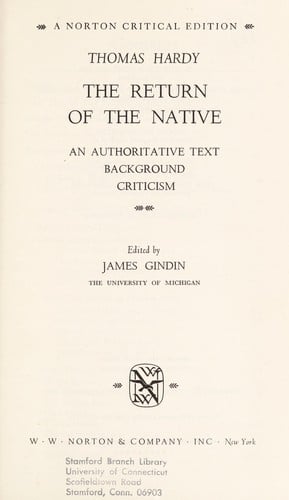
Start this bookNo. 25 on this list. The Return of the Native · Thomas Hardy · 1878
The Return of the Native stands as one of Hardy's major tragic novels and a cornerstone of Victorian fiction. Egdon Heath's status as literary landscape rivals any in English literature, and the novel appears consistently in academic curricula and critical studies of the Victorian novel.
Challenging11 hours
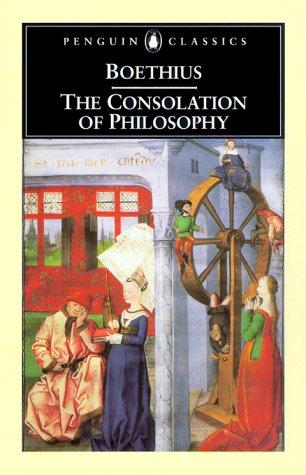
Read nowNo. 26 on this list. The Consolation of Philosophy · Boethius · 524
The Consolation of Philosophy was a cornerstone text of medieval European education, read and copied across centuries in monasteries and universities. It remains standard reading in philosophy, classics, and medieval studies courses worldwide, with Wikipedia articles in over 50 languages attesting to its global reach. Few works written before the print era hold such sustained pedagogical standing.
Moderate2.8 hours
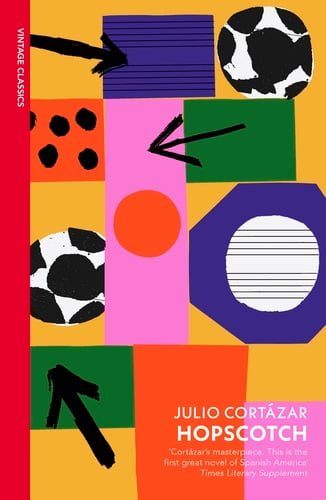
Read nowNo. 27 on this list. Hopscotch · Julio Cortázar · 1963
Rayuela is one of the core novels of the Latin American Boom, taught in Spanish and world literature courses across the Americas and Europe. It appears on most lists of the great Spanish-language novels of the century.
Difficult20 hours
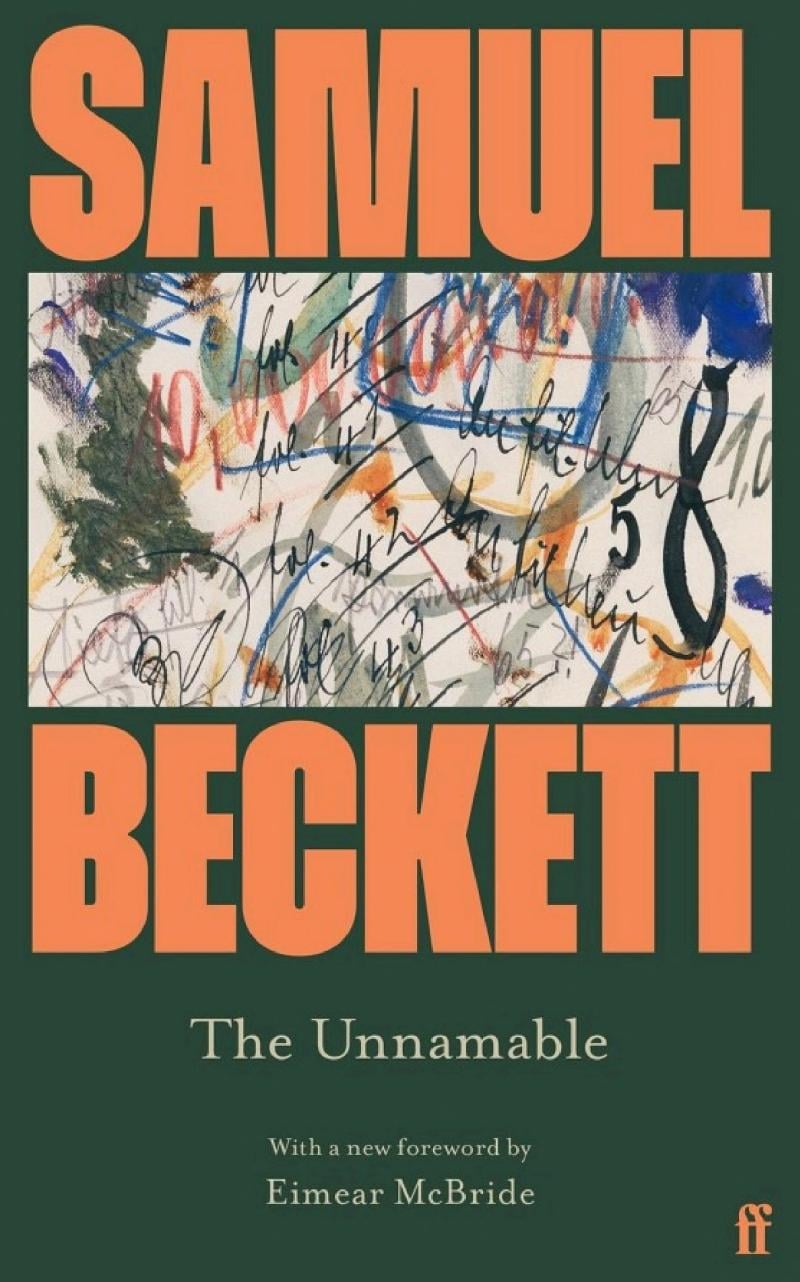
Start this bookNo. 28 on this list. The Unnamable · Samuel Beckett · 1953
Included in: Bokklubben World Library
The Unnamable is taught in advanced modernism, postmodernism, and philosophy-of-language courses at universities worldwide, though less universally than Waiting for Godot. It anchors the Beckett Trilogy, which is among the canonical texts of twentieth-century literature in English and French. The Wikipedia and syllabus data signals appear underreported for this work.
Difficult27 hours
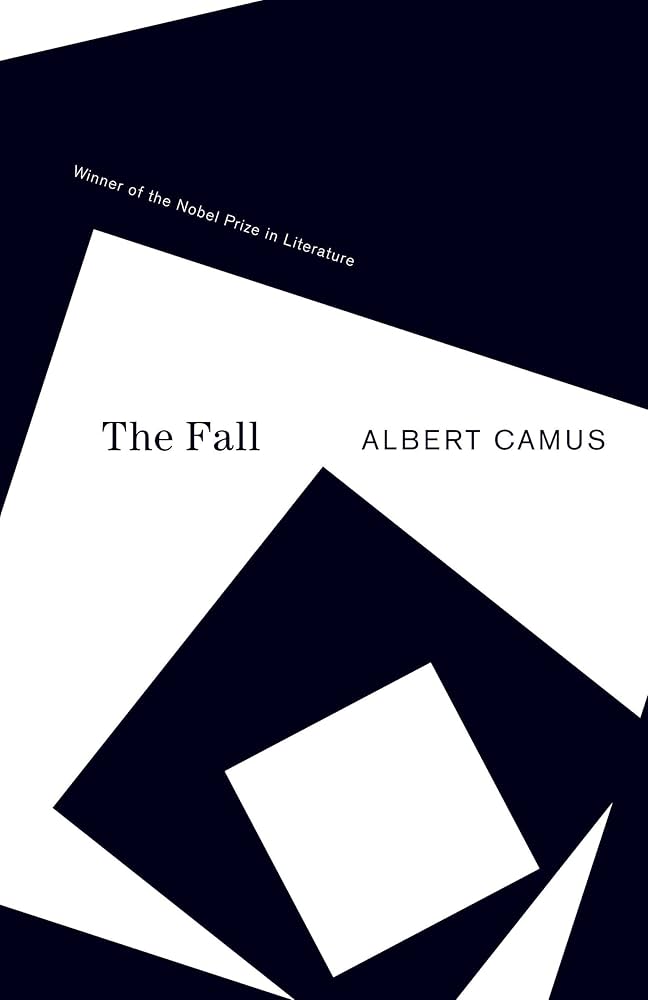
Start this bookNo. 29 on this list. The Fall · Albert Camus · 1956
Published 1956, The Fall holds secure position in the twentieth-century canon as Camus's most formally accomplished and philosophically complex fiction. Widely taught in philosophy and literature courses as paradigmatic existentialist text, it appears on major 'best of century' lists and maintains continuous scholarly attention. Its status benefits from Camus's Nobel Prize (1957) and from representing the mature synthesis of his philosophical fiction after The Stranger and The Plague.
Challenging2.6 hours
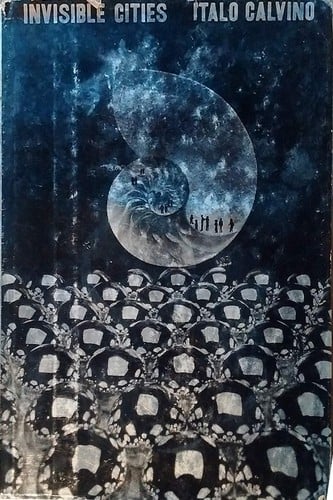
Start this bookNo. 30 on this list. Invisible Cities · Italo Calvino · 1972
Marco Polo sits before Kublai Khan and describes cities he has visited — or perhaps invented. Despina can be approached by land or by sea, and looks entirely different depending on which direction you come from. Valdrada was built above a lake so that every action of its inhabitants would be doubled in the water below; the city and its mirror have learned to hate each other. Zobeide was constructed by men who all dreamed the same woman and built a city to trap her, but the woman never appeared. Calvino arranges 55 such cities across 11 categories — Cities & Memory, Cities & Desire, Thin Cities — in a mathematical grid that wears the clothing of fiction. The cities are not places. They are states of mind, arguments about time and loss, meditations on the difference between a map and the territory it claims to represent. Between the vignettes, Marco Polo and the Khan conduct dialogues about language, empire, and whether it is possible to describe anything that exists. The prose is precise and dreaming at once — a short paragraph can hold more compressed thought than a chapter of conventional fiction. This is a book that accumulates rather than progresses, and what it accumulates is a complete philosophy of how cities, and perhaps consciousness itself, work.
Challenging2.2 hours
Start this book
No. 31 on this list. Troilus and Cressida
William Shakespeare · 1609
Included in: Great Books of the Western World
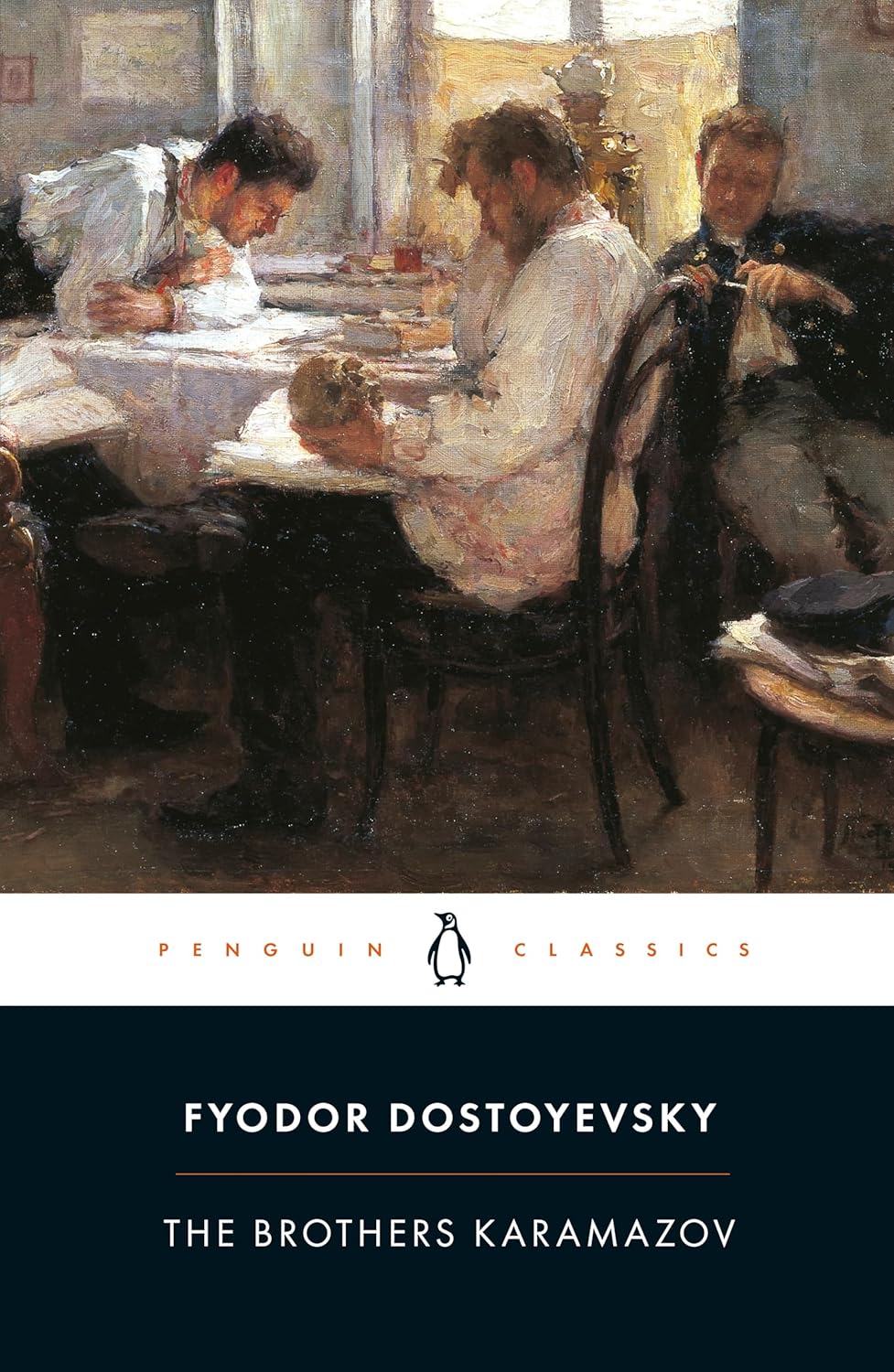
No. 32 on this list. The Brothers Karamazov
Fyodor Dostoevsky · 1880
Included in: Bokklubben World Library, Great Books of the Western World
No. 33 on this list. Antigone
Sophocles · c. 441 BCE
Taught in schools: Hungarian literature curriculum (magyar nyelv és irodalom) (Hungary), Lektury obowiązkowe – Polish national reading list (Poland), Montenegrin literature curriculum (crnogorski jezik i književnost) (Montenegro)
Included in: Great Books of the Western World
No. 34 on this list. Residence on Earth
Pablo Neruda · 1933
No. 35 on this list. Andromaque
Jean Racine · 1667
No. 36 on this list. Samson Agonistes
John Milton · 1671
Included in: Great Books of the Western World
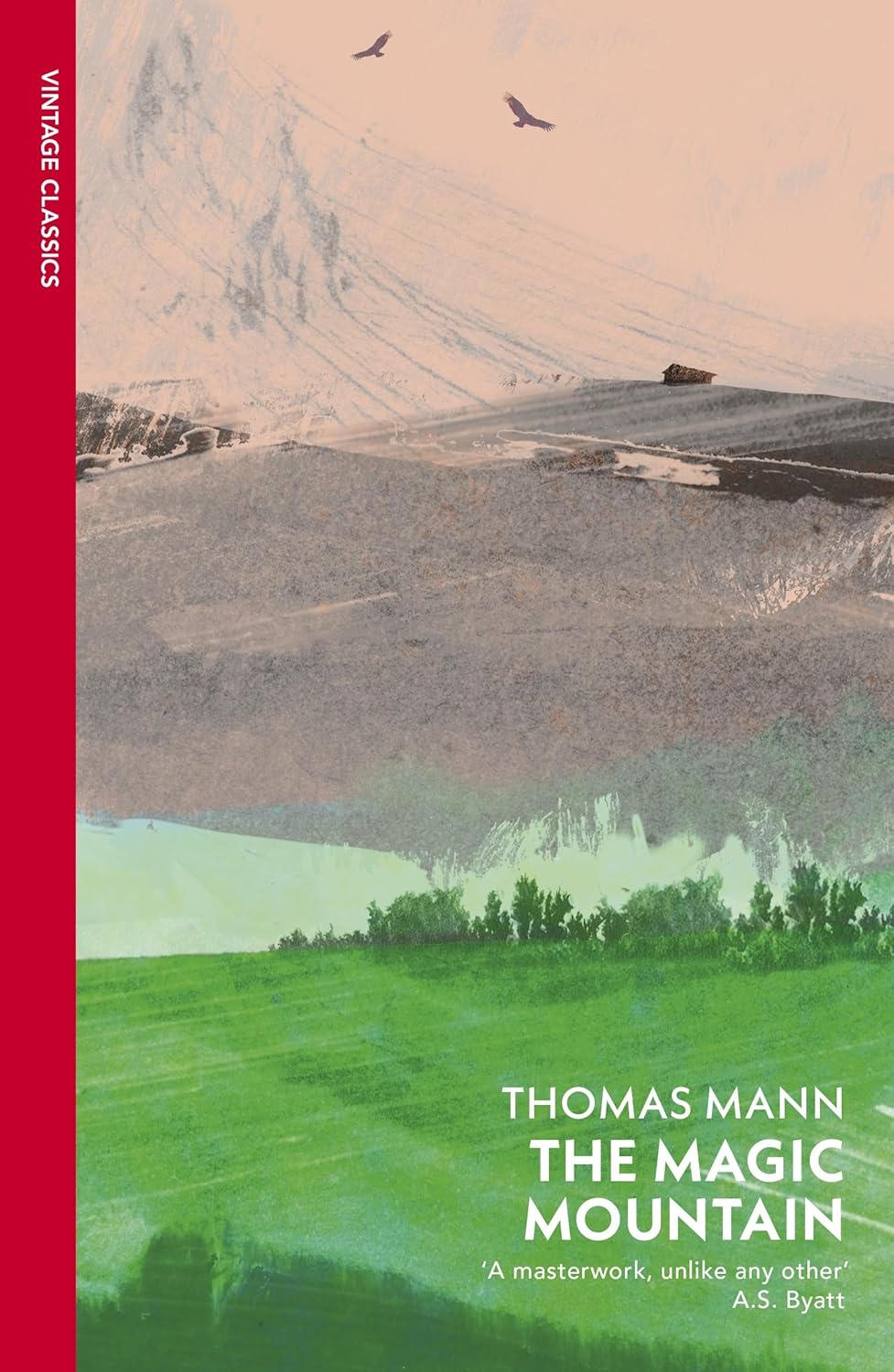
No. 37 on this list. The Magic Mountain
Thomas Mann · 1924
Included in: Bokklubben World Library
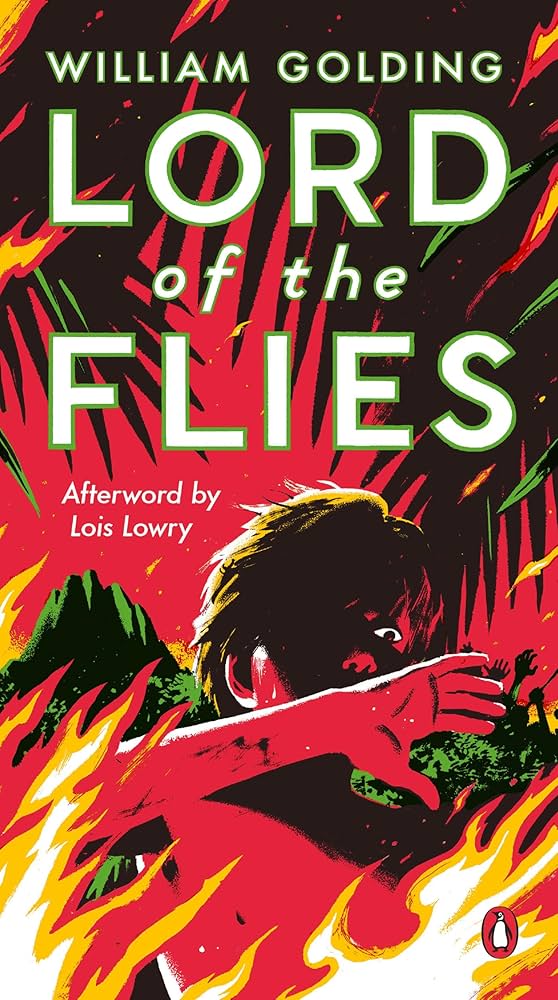
No. 38 on this list. Lord of the Flies
William Golding · 1954
Taught in schools: AQA GCSE and A-level English Literature (UK), Pacific Senior Secondary Certificate – English, Pearson Edexcel GCSE and A-level English Literature (UK)
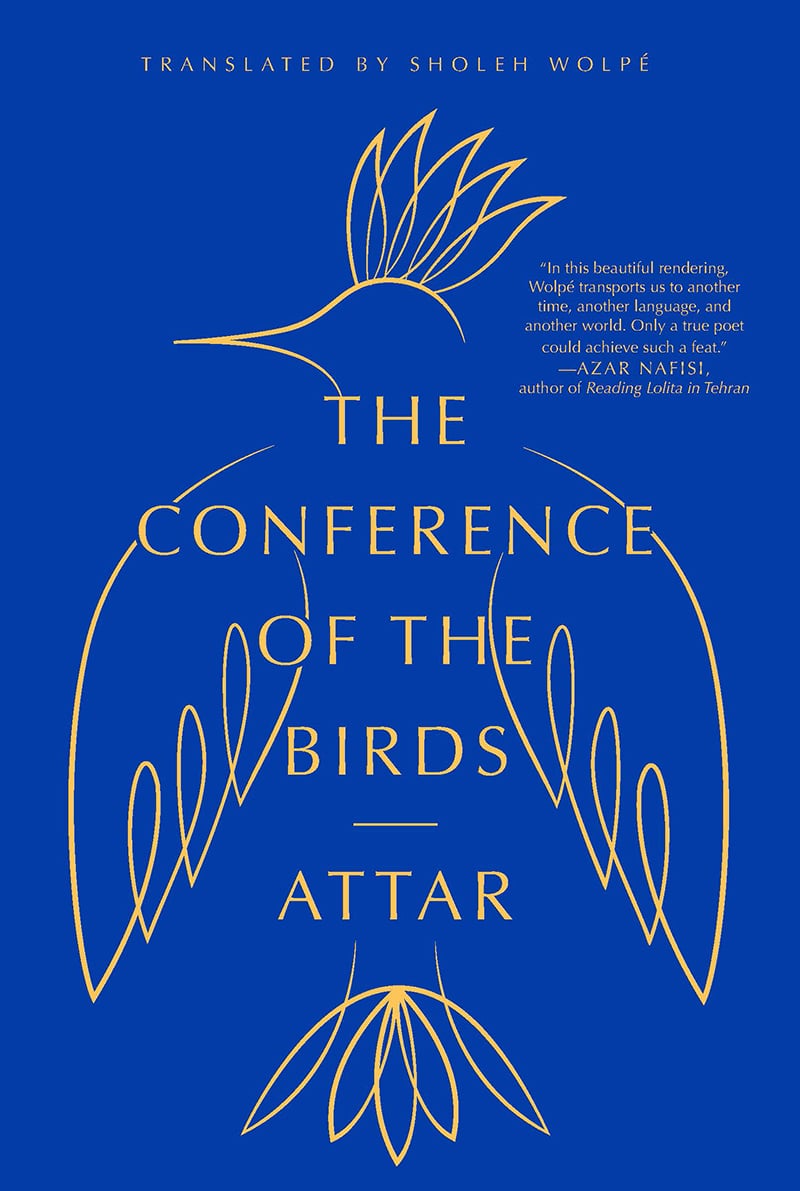
No. 39 on this list. The Conference of the Birds
Attar of Nishapur · 1177
No. 40 on this list. Shakuntala
Kalidasa · 400
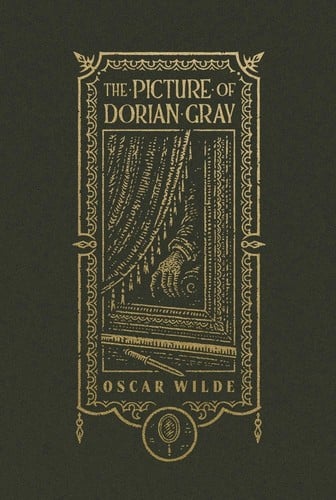
No. 41 on this list. The Picture of Dorian Gray
Taught in schools: AQA GCSE and A-level English Literature (UK), Pearson Edexcel GCSE and A-level English Literature (UK)
Included in: Oxford World's Classics
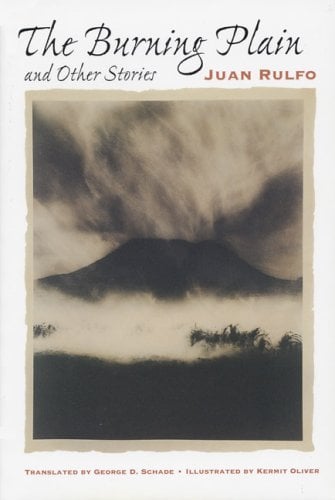
No. 42 on this list. The Burning Plain and Other Stories
Juan Rulfo · 1953
Taught in schools: UNAM Escuela Nacional Preparatoria – programas de Literatura (Mexico)
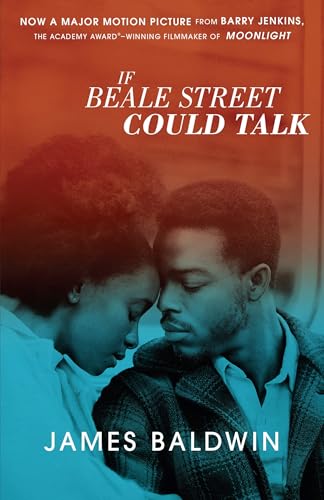
No. 43 on this list. If Beale Street Could Talk
James Baldwin · 1974
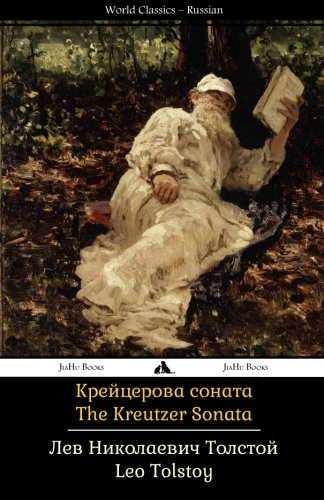
No. 44 on this list. The Kreutzer Sonata
Leo Tolstoy · 1889
No. 45 on this list. Go Down, Moses
William Faulkner · 1942
No. 46 on this list. L'Assommoir
Émile Zola · 1877
No. 47 on this list. The Iceman Cometh
Eugene O'Neill · 1946
No. 48 on this list. Life & Times of Michael K
J.M. Coetzee · 1983
Taught in schools: UNAM Escuela Nacional Preparatoria – programas de Literatura (Mexico)
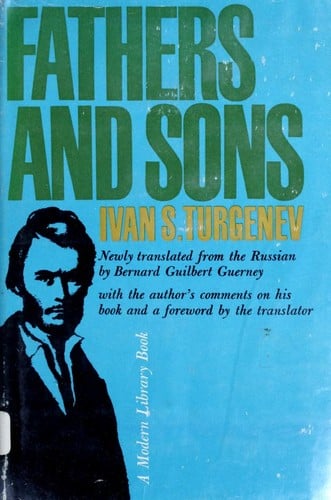
No. 49 on this list. Fathers and Sons
Ivan Turgenev · 1862
Taught in schools: Common Core text exemplars (Appendix B) (US), Russian FGOS literature standard, Turkish edebiyat curriculum (Turkey)
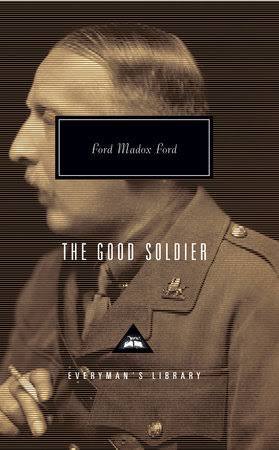
No. 50 on this list. The Good Soldier
Ford Madox Ford · 1915
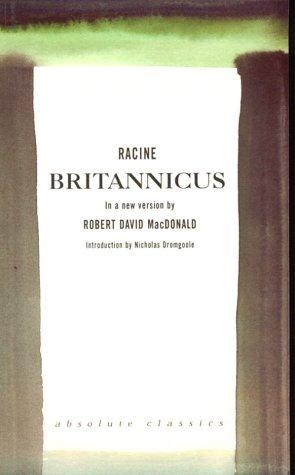
No. 51 on this list. Britannicus
Jean Racine · 1669
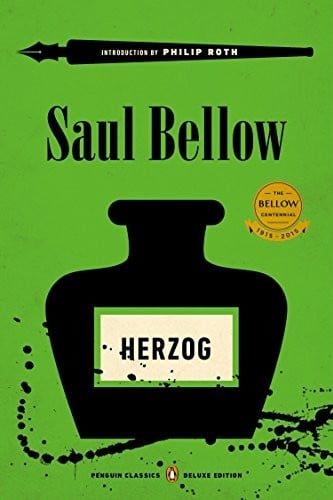
No. 52 on this list. Herzog
Saul Bellow · 1965
No. 53 on this list. The Great Enigma: New Collected Poems
Tomas Tranströmer · 2006
No. 54 on this list. Buddenbrooks
Thomas Mann · 1901
Included in: Bokklubben World Library
No. 55 on this list. The Mystery of Edwin Drood
Charles Dickens · 1870
No. 56 on this list. Elective Affinities
Johann Wolfgang von Goethe · 1809
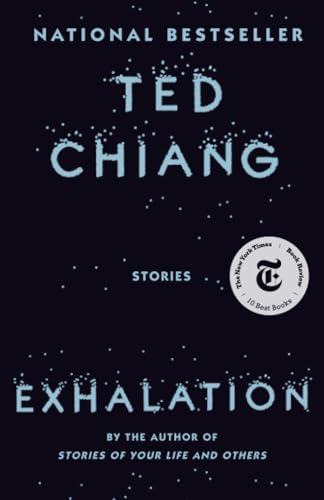
No. 57 on this list. Exhalation: Stories
Ted Chiang · 2019
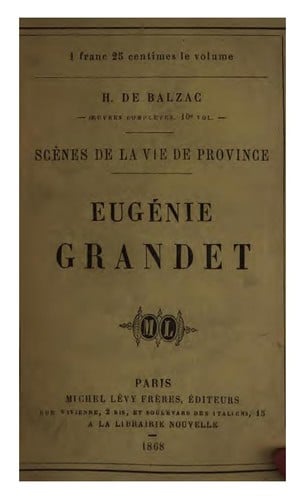
No. 58 on this list. Eugénie Grandet
Honoré de Balzac · 1833
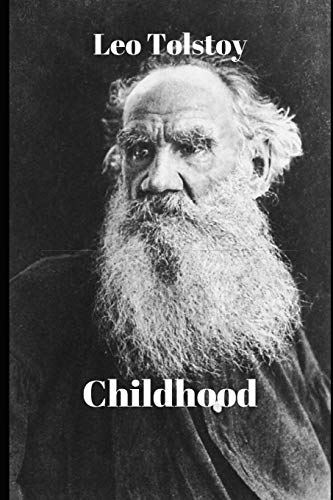
No. 59 on this list. Childhood
Leo Tolstoy · 1852
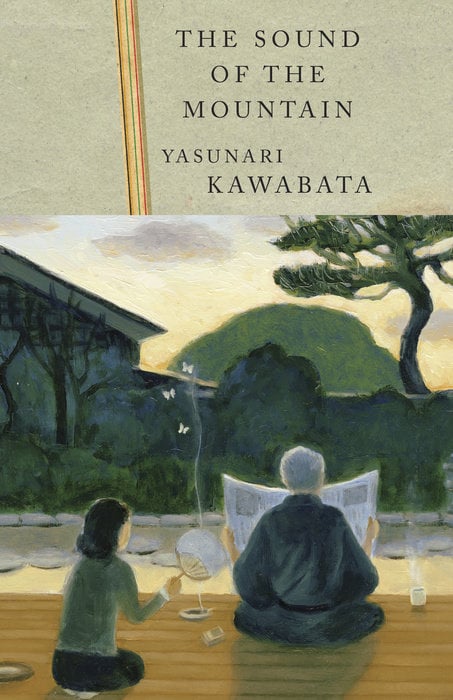
No. 60 on this list. The Sound of the Mountain
Yasunari Kawabata · 1949
Included in: Bokklubben World Library, UNESCO Collection of Representative Works
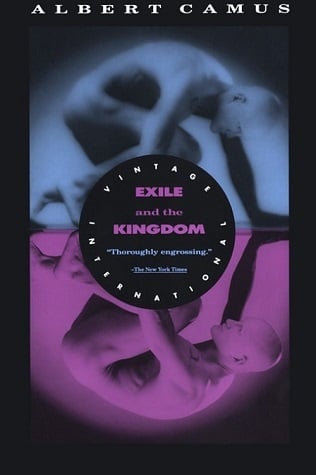
No. 61 on this list. Exile and the Kingdom
Albert Camus · 1957
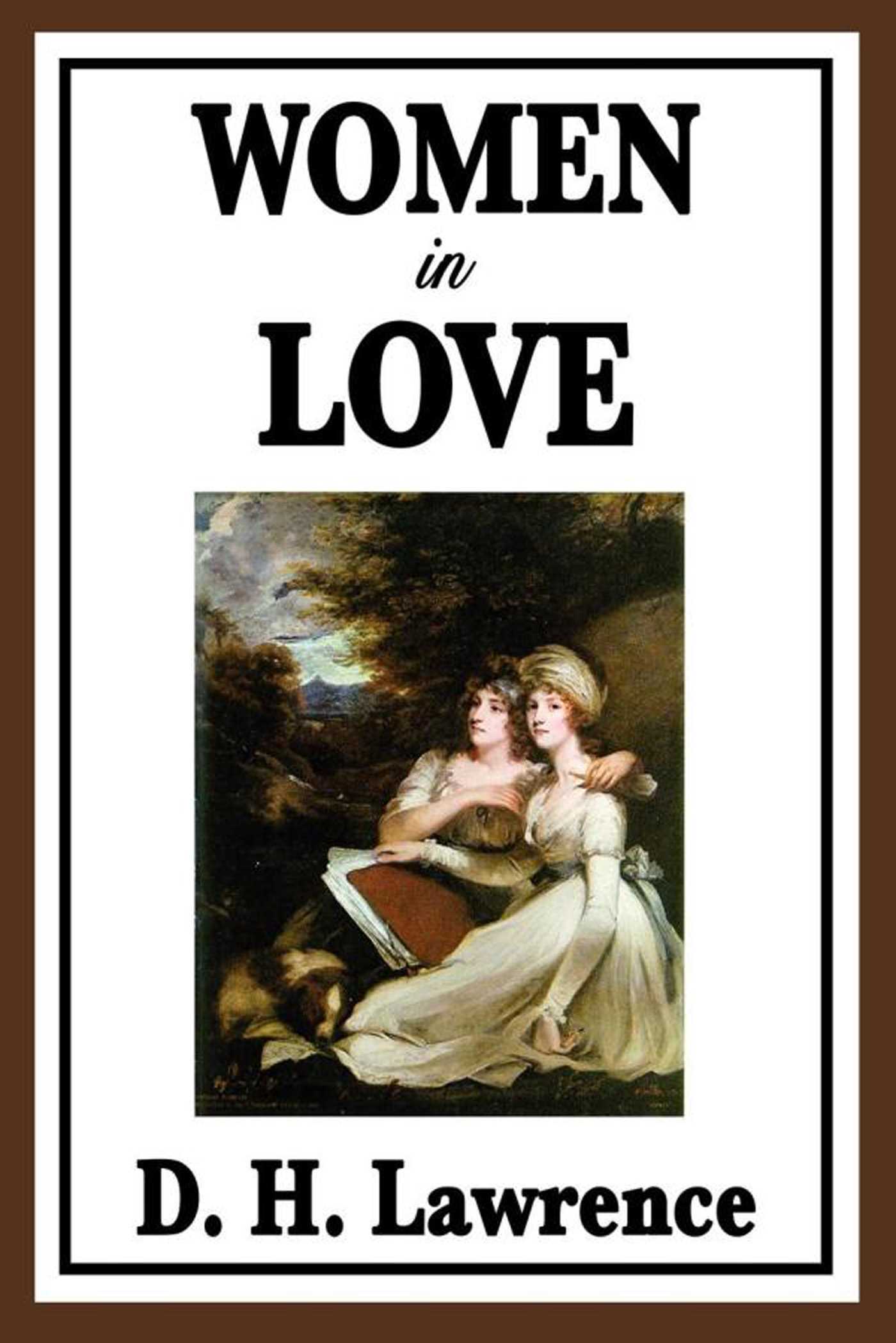
No. 62 on this list. Women in Love
D.H. Lawrence · 1920
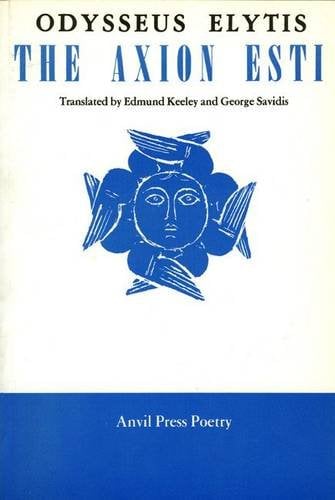
No. 63 on this list. The Axion Esti
Odysseas Elytis · 1959
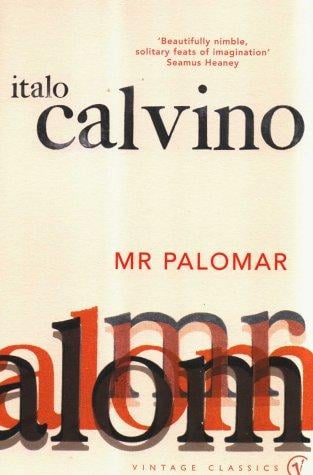
No. 64 on this list. Mr. Palomar
Italo Calvino · 1983
No. 65 on this list. Mr. Sammler's Planet
Saul Bellow · 1971
No. 66 on this list. Death and the King's Horseman
Wole Soyinka · 1975
Taught in schools: Common Core text exemplars (Appendix B) (US)
No. 67 on this list. Thus Spoke Zarathustra
Friedrich Nietzsche · 1885
No. 68 on this list. The Day of the Locust
Nathanael West · 1939
No. 69 on this list. Seeing Things
Seamus Heaney · 1991
No. 70 on this list. The Unbearable Lightness of Being
Milan Kundera · 1984
No. 71 on this list. Ward No. 6
Anton Chekhov · 1892
No. 72 on this list. Zorba the Greek
Nikos Kazantzakis · 1946
Included in: Bokklubben World Library
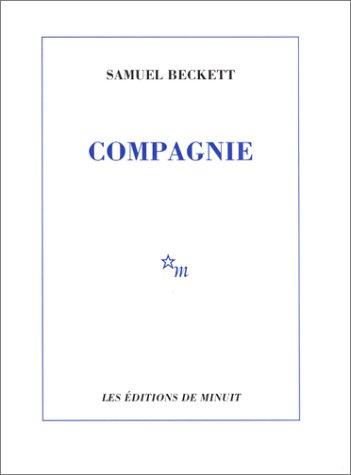
No. 73 on this list. Company
Samuel Beckett · 1980
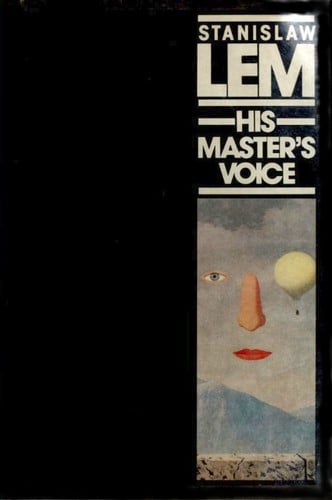
No. 74 on this list. His Master's Voice
Stanisław Lem · 1968
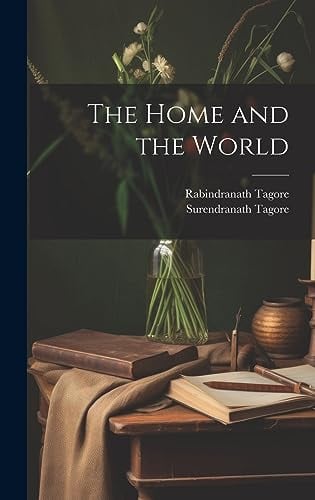
No. 75 on this list. The Home and the World
Rabindranath Tagore · 1916
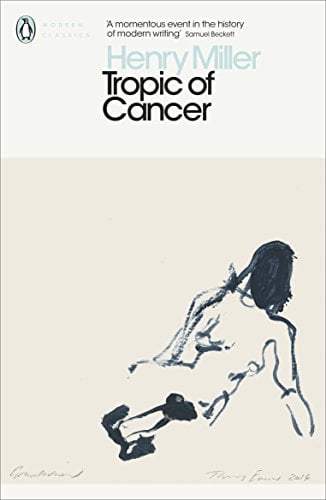
No. 76 on this list. Tropic of Cancer
Henry Miller · 1934
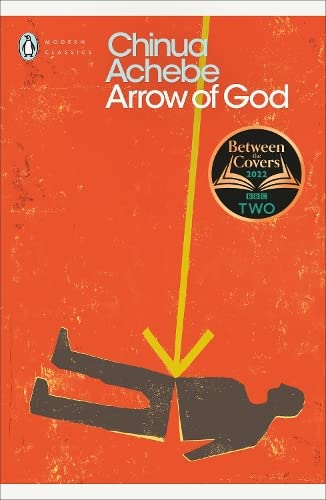
No. 77 on this list. Arrow of God
Chinua Achebe · 1964
Taught in schools: CSEC English B – Caribbean Examinations Council
Included in: Heinemann African Writers Series
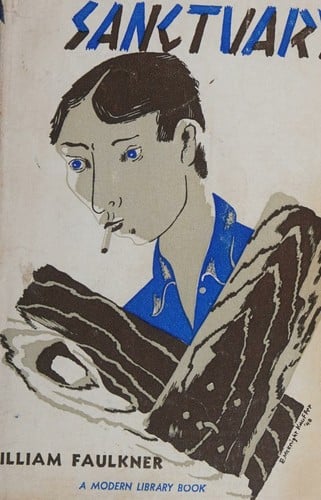
No. 78 on this list. Sanctuary
William Faulkner · 1931
Taught in schools: CSEC English B – Caribbean Examinations Council
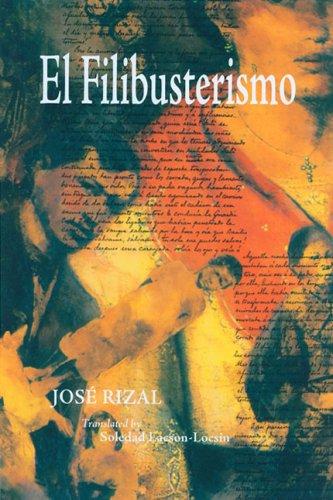
No. 79 on this list. El Filibusterismo
José Rizal · 1891
Included in: UNESCO Collection of Representative Works
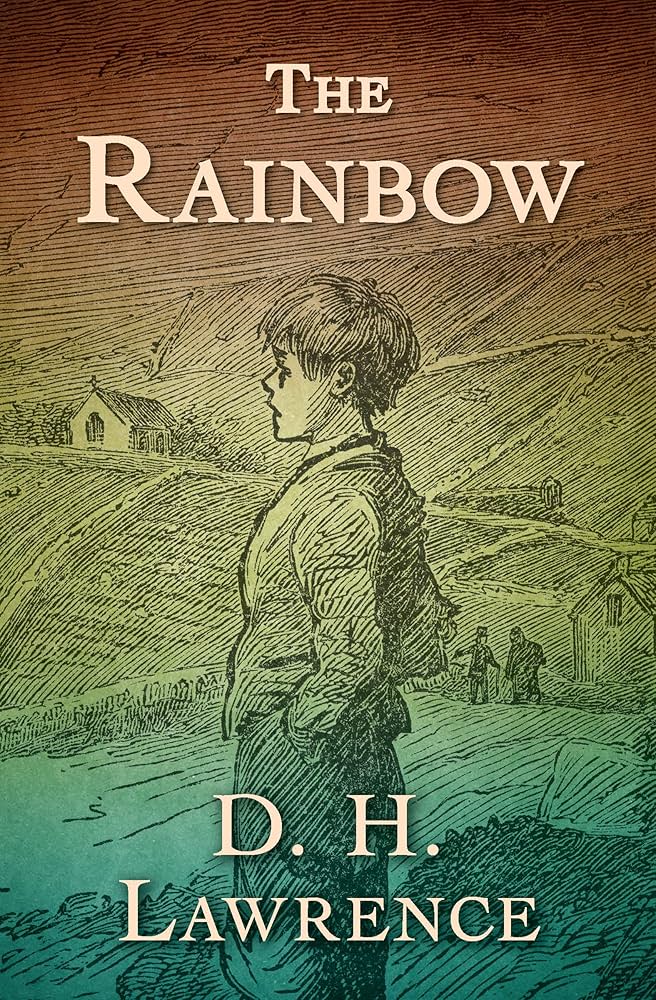
No. 80 on this list. The Rainbow
D.H. Lawrence · 1915
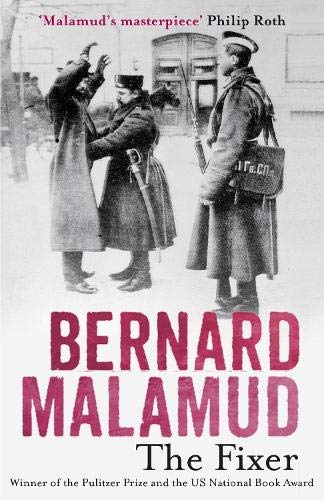
No. 81 on this list. The Fixer
Bernard Malamud · 1967
No. 82 on this list. Hard Times
Charles Dickens · 1854
Taught in schools: AQA GCSE and A-level English Literature (UK), Pearson Edexcel GCSE and A-level English Literature (UK)
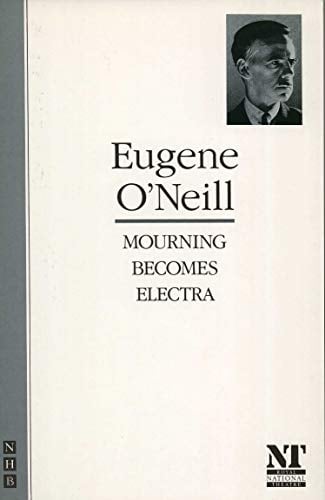
No. 83 on this list. Mourning Becomes Electra
Eugene O'Neill · 1931
Included in: Great Books of the Western World
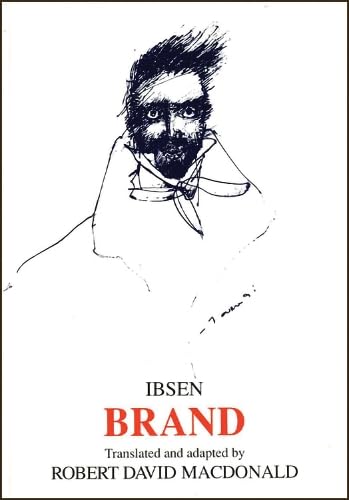
No. 84 on this list. Brand
Henrik Ibsen · 1866
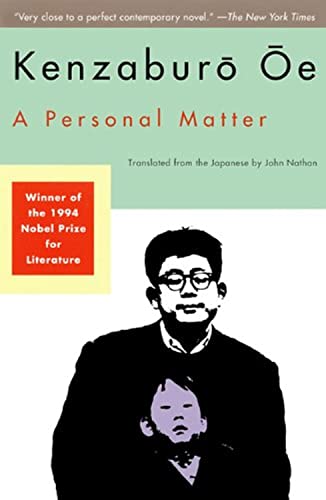
No. 85 on this list. A Personal Matter
Kenzaburō Ōe · 1964
No. 86 on this list. Rabbit, Run
John Updike · 1960
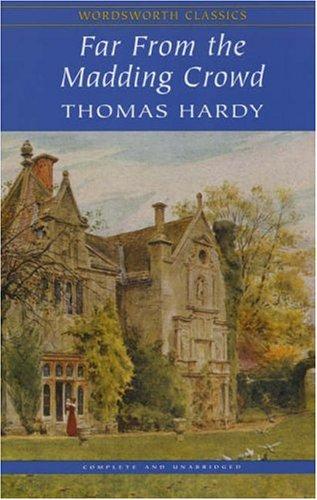
No. 87 on this list. Far from the Madding Crowd
Thomas Hardy · 1874
Taught in schools: CSEC English B – Caribbean Examinations Council
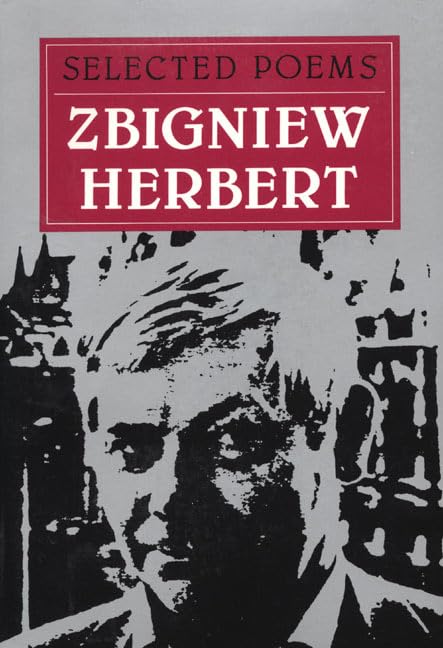
No. 88 on this list. Selected Poems of Zbigniew Herbert
Zbigniew Herbert · 1977
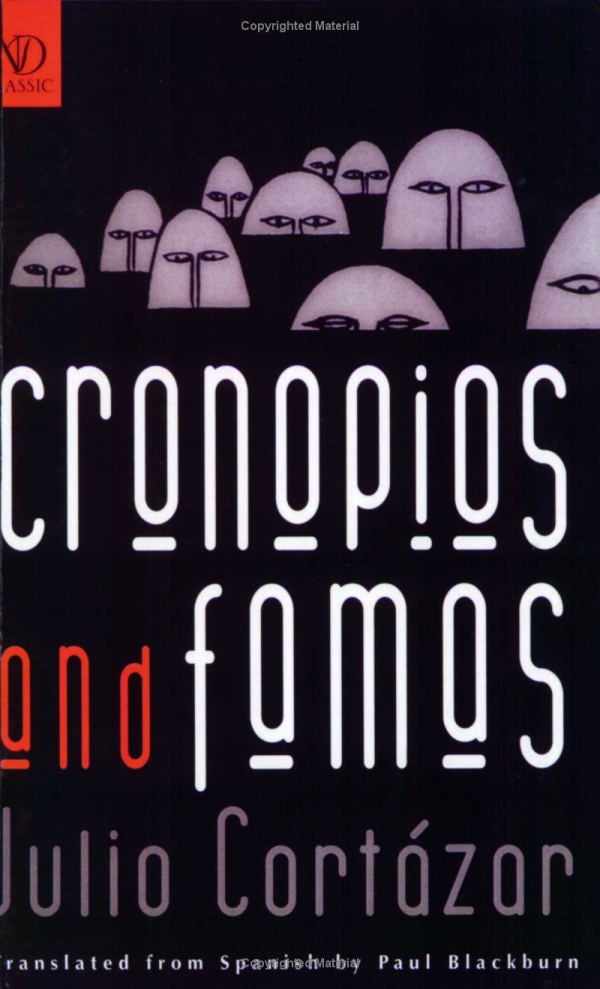
No. 89 on this list. Cronopios and Famas
Julio Cortázar · 1962
Taught in schools: Literatura, Diseño Curricular – Provincia de Buenos Aires (Argentina), UNAM Escuela Nacional Preparatoria – programas de Literatura (Mexico)
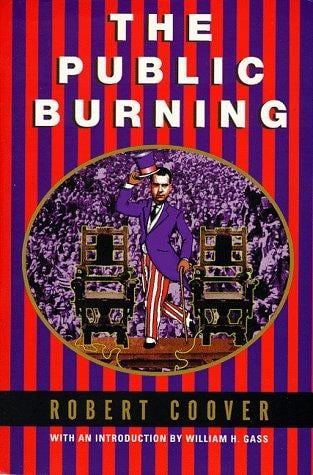
No. 90 on this list. The Public Burning
Robert Coover · 1977
No. 91 on this list. The Winding Stair
William Butler Yeats · 1933
No. 92 on this list. The Cyberiad
Stanisław Lem · 1965
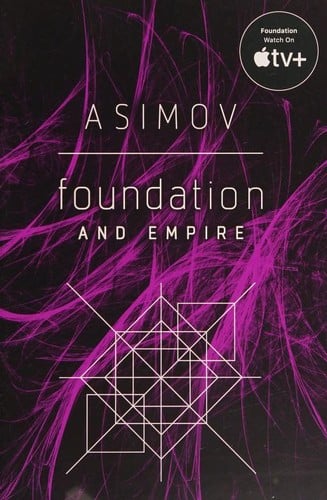
No. 93 on this list. Foundation and Empire
Isaac Asimov · 1952
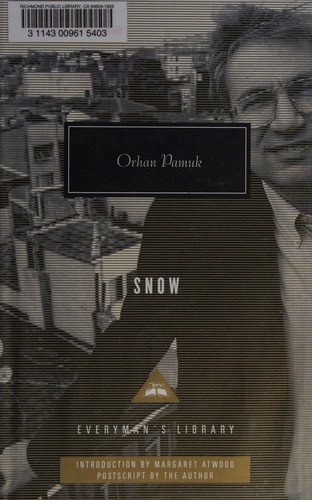
No. 94 on this list. Snow
Orhan Pamuk · 2002
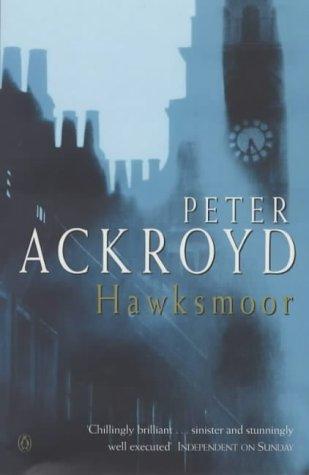
No. 95 on this list. Hawksmoor
Peter Ackroyd · 1985
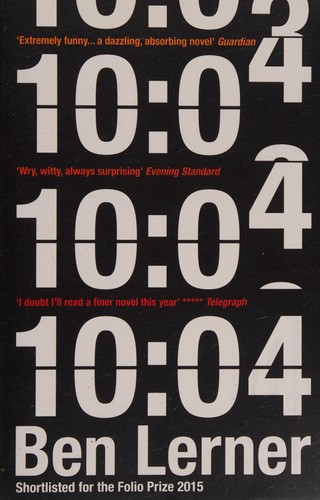
No. 96 on this list. 10:04
Ben Lerner · 2014
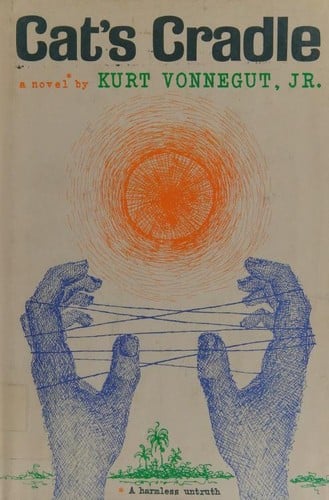
No. 97 on this list. Cat's Cradle
Kurt Vonnegut · 1963
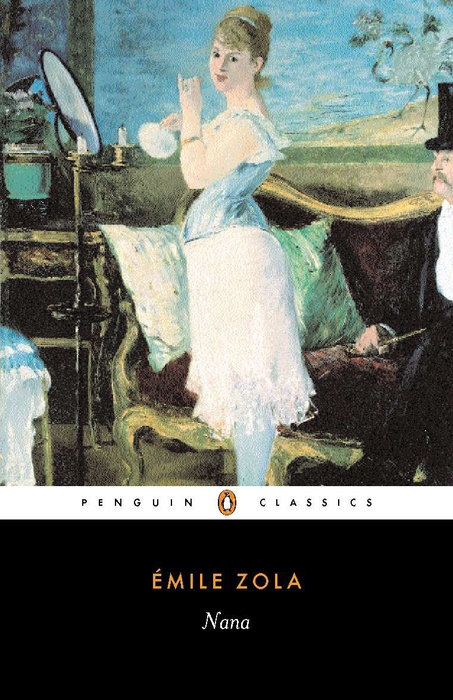
No. 98 on this list. Nana
Émile Zola · 1880
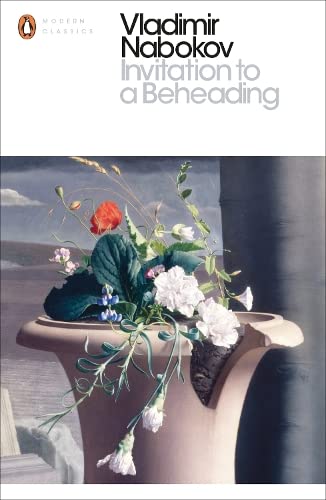
No. 99 on this list. Invitation to a Beheading
Vladimir Nabokov · 1936
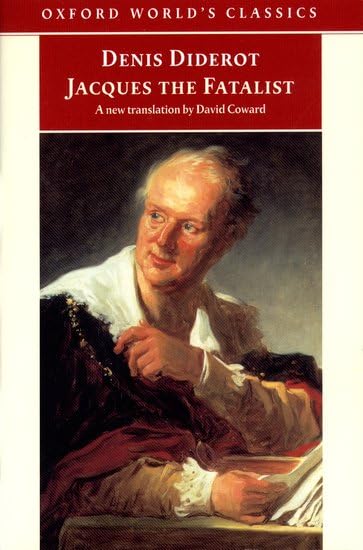
No. 100 on this list. Jacques the Fatalist and His Master
Denis Diderot · 1796
Included in: Bokklubben World Library
About this list
These 100 books are the highest-scoring eligible books about philosophy and ideas by men currently in the catalogue. About 796 hours of reading in all. Difficulty runs from 54 to 66 out of 100 for the middle half of the list; the summit is The Public Burning at 86.
This list is ranked by literary regard, with a consistent order for equal scores. Membership follows authors and co-authors, not translators or editors. A book is here when ReadingRate files it under Philosophy & Ideas as one of its primary reading domains, at a confidence of 0.8 or more. Catalogue coverage and the historical canon both limit what this list can represent.
When we matched the Canons dataset to our catalogue in October 2026, our canonical-status scores rose with the number of school curricula, publisher series and lists in it that cite a work: the median score was 72 for books one such source cites, 84 at two, 88 at three, 92 at four and 93 at five or more. Prizes are left out of that count. Outside the state curricula, the dataset’s sources choose mostly from what has been translated into English or French, so it is a weaker check on other literatures. Source: Canons (Andrew Piper), CC BY 4.0
Questions people actually ask
- What are the best books about philosophy and ideas by men?
- By literary regard, which weighs canonical status, critical standing and influence: Crime and Punishment by Fyodor Dostoevsky, On the Nature of Things by Lucretius, War and Peace by Leo Tolstoy, Antony and Cleopatra by William Shakespeare and The Love Song of J. Alfred Prufrock by T. S. Eliot. ReadingRate ranks 100 such books, each with a difficulty score and a reading-time estimate.
- Which books about philosophy and ideas by men should I read first?
- Start from difficulty, not from rank. The most approachable books on this list that still carry top literary regard are The Bhagavad Gita by Vyasa (about 1.4 hours), Seeing Things by Seamus Heaney and The Great Enigma: New Collected Poems by Tomas Tranströmer.
- What are the shortest of the best books about philosophy and ideas by men?
- Among the top 25, the shortest are The Love Song of J. Alfred Prufrock by T. S. Eliot (about 14 min), Happy Days by Samuel Beckett (about 46 min) and Ajax by Sophocles (about 56 min), at an average pace of 250 words a minute adjusted for each book's difficulty.
- Which of the best books about philosophy and ideas by men are the established classics?
- By canonical status, how firmly a book sits in curricula, anthologies and the canon: The Love Song of J. Alfred Prufrock by T. S. Eliot, Tao Te Ching by Laozi, The Brothers Karamazov by Fyodor Dostoevsky, Crime and Punishment by Fyodor Dostoevsky and War and Peace by Leo Tolstoy.
- Can I read any of these books about philosophy and ideas by men for free?
- 31 of the 100 open in ReadingRate's reader with a free account, from public-domain editions: Crime and Punishment, War and Peace, Antony and Cleopatra, Demons, Richard III and 26 more.
- How long would it take to read the top ten?
- About 104 hours, at an average pace of 250 words a minute adjusted for each book's difficulty: 52 days at two hours a day. Set your own pace on the page and the list's reading times change to it.
- How hard are books about philosophy and ideas by men to read?
- Most of this list sits between 54 and 66 on ReadingRate's 100-point difficulty scale, where 40 to 55 is moderate. The summit is The Public Burning at 86. Every entry carries its own score, so a reader can pick a great book at a difficulty they will finish.
- How is this list ranked?
- On literary-regard data: how canonically established a work is, its critical standing, and its influence on later writing. It is not a readers’ poll, which is why recent bestsellers rarely appear. Membership follows authors and co-authors, not translators or editors. Lists by country, author, period, theme or difficulty keep to literature (fiction, poetry, drama and philosophy), their novels, poems and plays first and their philosophy after them; a list of a kind of book, such as memoir or criticism, keeps every book of that kind. Every list holds at most three works by one author. A book is here when ReadingRate files it under Philosophy & Ideas as one of its primary reading domains, at a confidence of 0.8 or more.