Hours at an average pace
Showing 100 books
About 1,009 hours for 100 of 100 books with measured lengths. Estimates use 250 words a minute, adjusted for each book's difficulty. At 2 hours a day, about 505 days for those books.
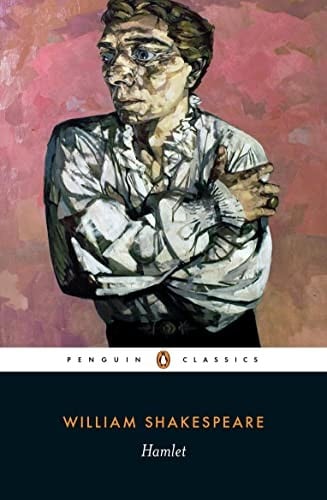
No. 1 on this list. Hamlet
William Shakespeare · 1601
Challenging3.1 hours
Taught in schools: Uzbek adabiyot curriculum (Uzbekistan)
Included in: Bokklubben World Library, Great Books of the Western World, UNESCO Collection of Representative Works
Shakespeare invented the modern soliloquy here: a mind watching itself think, stalling, doubting, performing. Every fictional character who hesitates before acting is Hamlet's descendant.
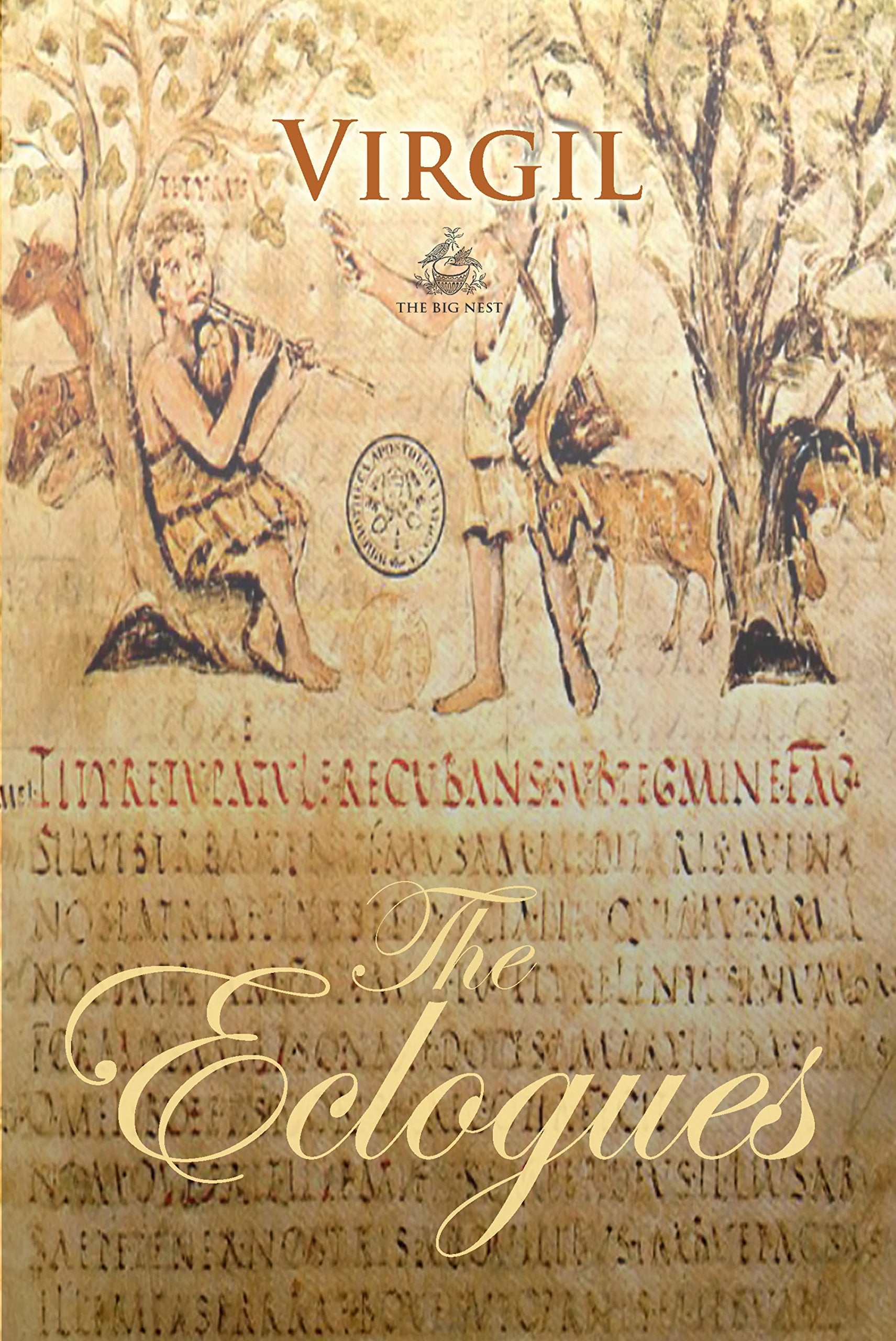
No. 2 on this list. Eclogues
Virgil · c. 37 BCE
Challenging58 min
Included in: Great Books of the Western World
The Eclogues are required reading in classical studies curricula worldwide, appearing on thousands of university syllabi in Latin, comparative literature, and humanities courses. They are among the most translated and discussed poems from antiquity, with Wikipedia articles in over 50 languages and continuous scholarly attention spanning two millennia. Eclogue IV alone has generated centuries of theological and literary debate.
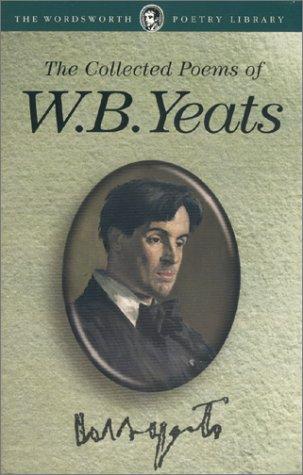
Yeats is on virtually every Anglophone university literature syllabus. 'The Second Coming,' 'Easter 1916,' 'Sailing to Byzantium,' and 'The Lake Isle of Innisfree' are among the most widely anthologized and taught poems in the English language. The Collected Poems is treated as an essential text in Irish, British, and American literary curricula alike, with sustained presence in over a century of anthologies.
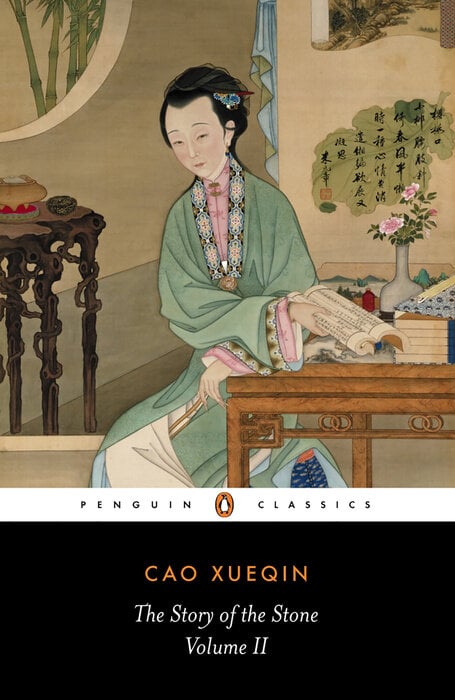
No. 4 on this list. Dream of the Red Chamber
Cao Xueqin · 1791
Difficult97 hours
Included in: UNESCO Collection of Representative Works
Cao Xueqin chronicled the decline of an aristocratic Chinese clan through the consciousness of over four hundred distinct characters, weaving Buddhist philosophy, classical poetry, and granular domestic life into a novel of a scope that European fiction would not attempt for another century. It remains the central work of Chinese narrative art.
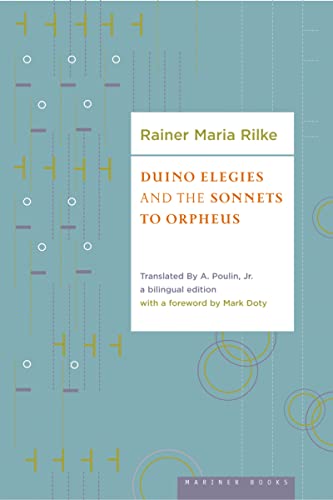
The Duino Elegies appear on virtually every 20th-century world poetry and comparative literature syllabus internationally. Rilke is the central figure in German-language modernist poetry and the Elegies are his culminating work, regularly paired with The Waste Land and Four Quartets as the defining lyric sequences of the modernist era. The sequence has been translated into every major European language and dozens beyond.
No. 6 on this list. Dubliners
James Joyce · 1914
Difficult8.1 hours
Taught in schools: CSEC English B – Caribbean Examinations Council
Dubliners appears on 1,771 university syllabi according to the Open Syllabus Project (81st percentile), making it a fixture in modernist literature and short fiction courses worldwide. Its Wikipedia article spans 43 languages, and prestige editions from Penguin Classics and NYRB Classics attest to its sustained standing as essential reading. Every serious curriculum in Irish, British, or modernist literature includes it.
No. 7 on this list. Ariel
Sylvia Plath · 1965
Difficult2.4 hours
Taught in schools: AQA GCSE and A-level English Literature (UK)
Ariel is standard reading across American and British university literature and women's studies curricula, appearing on thousands of syllabi. The collection is included on virtually every 'essential 20th century poetry' list and occupies a permanent position in the confessional poetry canon. Its Wikipedia article exists in over 30 languages, and it has been continuously in print since its 1965 publication.
Kafka's short fiction is taught in university literature courses worldwide, and 'A Hunger Artist' is among his most frequently anthologized works. It appears in virtually every Kafka collection and features in major short story anthologies. The work has sustained academic and pedagogical attention since its posthumous publication in 1922.
No. 9 on this list. The Sorrows of Young Werther
Johann Wolfgang von Goethe · 1774
Challenging4.4 hours
Standard curriculum in German literature and comparative literature courses worldwide. The novel launched the Sturm und Drang movement and anchored the European Romantic turn. No syllabus data is available in the database, but its presence in university world literature courses is pervasive and long-established.
No. 10 on this list. As I Lay Dying
William Faulkner · 1930
Challenging6 hours
Taught in schools: Common Core text exemplars (Appendix B) (US)
As I Lay Dying appears on 1,422 university syllabi (78.8th percentile) and is listed on the Modern Library 100 Best Novels and the Open Syllabus Top 500 Literature list. Wikipedia articles exist in 24 languages and the entry notes an adaptations section indicating cultural reach. A fixture of American modernism courses, though less universally assigned than The Great Gatsby (95) or To Kill a Mockingbird (92).
No. 11 on this list. Troilus and Criseyde · Geoffrey Chaucer · 1385
Included in: Great Books of the Western World
Required reading in virtually every medieval English literature curriculum, taught across English, Comparative Literature, and Medieval Studies programs at universities worldwide. Though Open Syllabus data is unavailable here, Chaucer courses built around this text are standard at every major university with an English department. It holds a place among the most-studied long poems in the English language.
Difficult9.3 hours
Read nowNo. 12 on this list. To the Lighthouse · Virginia Woolf · 1927
Included in: Bokklubben World Library, Great Books of the Western World
To the Lighthouse appears on 2,429 university syllabi according to Open Syllabus (84.6th percentile), placing it in the same tier as Beloved (85th). It holds places on the Modern Library 100 Best Novels (1998), TIME's All-TIME 100 Novels (2005), 1001 Books You Must Read Before You Die (2006), and is published by both Everyman's Library and Penguin Modern Classics. Wikipedia articles exist in 35 languages.
Difficult7.4 hours
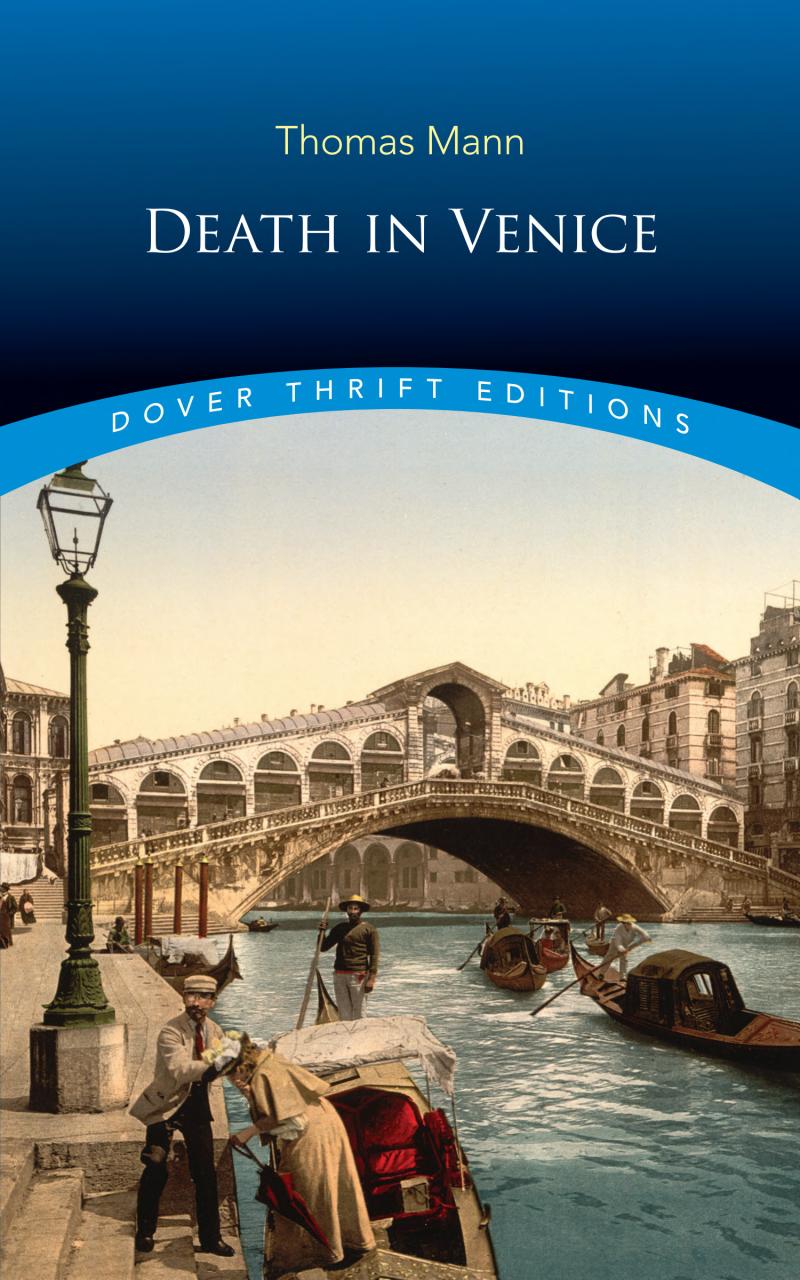
Read nowNo. 13 on this list. Death in Venice · Thomas Mann · 1912
Included in: Great Books of the Western World
Death in Venice appears on virtually every German literature, European modernism, and queer theory university syllabus taught in the English-speaking world. It is a standard text in comparative literature programs alongside Kafka's Metamorphosis and Rilke's Duino Elegies. Wikipedia maintains articles on the novella in over 50 languages, and it features on most 'essential modern literature' lists.
Challenging11 hours
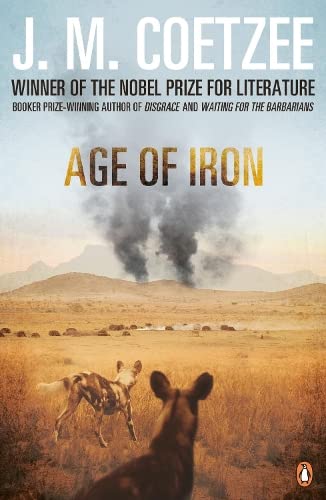
Read nowNo. 14 on this list. Age of Iron · J.M. Coetzee · 1990
Age of Iron occupies a secure place in the Coetzee canon alongside Disgrace and Waiting for the Barbarians, and is regularly included in postcolonial and South African literature curricula worldwide. Its apartheid-era historical weight gives it documentary as well as aesthetic canonical status.
Difficult7.5 hours
Start this bookNo. 15 on this list. Pedro Páramo · Juan Rulfo · 1955
Taught in schools: Literatura, Diseño Curricular – Provincia de Buenos Aires (Argentina), UNAM Escuela Nacional Preparatoria – programas de Literatura (Mexico)
Included in: Bokklubben World Library
Pedro Páramo is the foundational text of Latin American modernism, present in nearly every world literature curriculum globally. Its Wikipedia article spans 26 languages. García Márquez credited it with teaching him how to write One Hundred Years of Solitude — a direct line of influence that alone ensures canonical permanence. Penguin Modern Classics published it in 1961.
Difficult3.6 hours
Start this bookNo. 16 on this list. Sir Gawain and the Green Knight · The Pearl Poet · 1375
Required reading in virtually every medieval and Middle English literature course at anglophone universities. The poem appears on thousands of syllabi and features in Great Books curricula worldwide. Tolkien and E.V. Gordon's 1925 scholarly edition set the standard text; Simon Armitage's 2007 translation reached mainstream audiences. The poem occupies the same canonical tier as Chaucer's Canterbury Tales for the period it represents.
Challenging2.1 hours
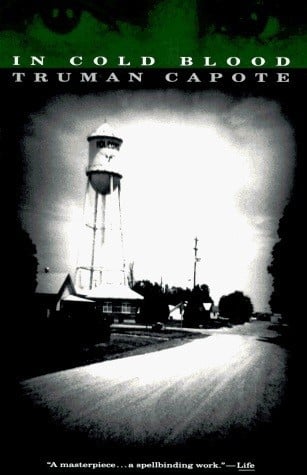
Start this bookNo. 17 on this list. In Cold Blood · Truman Capote · 1966
Required reading in virtually every American journalism school and most creative nonfiction courses. Appears on Modern Library and Time's All-Time 100 Novels lists. The book that established 'literary journalism' and 'the nonfiction novel' as serious forms. No significant discussion of 20th-century American nonfiction omits it.
Challenging11 hours
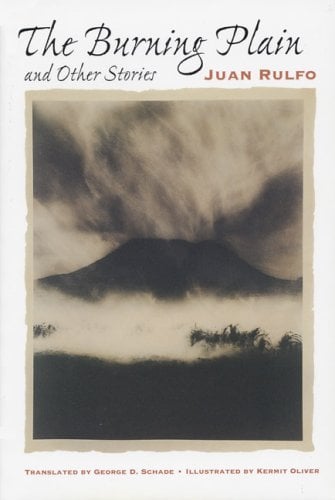
Start this bookNo. 18 on this list. The Burning Plain and Other Stories · Juan Rulfo · 1953
Taught in schools: UNAM Escuela Nacional Preparatoria – programas de Literatura (Mexico)
In seventeen stories set across the parched hills of Jalisco, Mexico, Rulfo's peasants carry their dead with them — sometimes literally. A man hauls his father's corpse on his back through the mountains. An old woman refuses to believe her son is a murderer. Soldiers and sharecroppers and abandoned wives speak in short, exact sentences, and the landscape answers with dust and silence. The dead narrate their own stories without announcing they are dead; readers piece it together from the wrong temperature of the prose. Rulfo strips everything from his fiction — backstory, explanation, transitions — until only the essential pressure remains. The Burning Plain was published in 1953, two years before Pedro Páramo, and it shares that novel's method: grief without sentimentality, violence without drama, the supernatural arriving with the matter-of-fact normalness of weather. Gabriel García Márquez said he memorized the entire book and recited it to friends. That is the correct response. These stories end before they explain themselves, in the way that real catastrophe does.
Challenging3.4 hours
Start this bookNo. 19 on this list. Malone Dies · Samuel Beckett · 1951
Included in: Bokklubben World Library
A dying man named Malone lies in bed in a bare room, passing his final days by writing stories in an exercise-book. He announces a plan: to tell himself stories (about a man, a woman, an animal, a thing) and then compile an inventory of his possessions before death arrives. But the stories refuse to cohere. The boy Sapo, plump and plodding, drifts through tedious family scenes and visits to the Lambert farm, where Big Lambert buries his beloved mule and Mrs. Lambert despairs over lentils. Sapo inexplicably becomes Macmann, a vagrant later confined to the asylum of Saint John of God, where he conducts a grotesque romance with his nurse Moll. Between these fragmentary fictions, Malone interrupts constantly to comment on his own dissolution, his soup and chamber-pot, the mysterious hand that feeds him, the exercise-book he salvaged, the pencil with five faces. The stories and the frame narrative bleed together as Malone suspects he's describing himself again, that all his characters are masks for the voice that continues speaking even as narrative collapses. The promised inventory never arrives. Instead, the novel enacts a slow-motion death of story-telling itself, performed with extraordinary comic precision and metaphysical vertigo. Malone circles his own ending in spirals of increasing tightness, neither quite dying nor quite alive, waiting in the dark.
Challenging5.7 hours
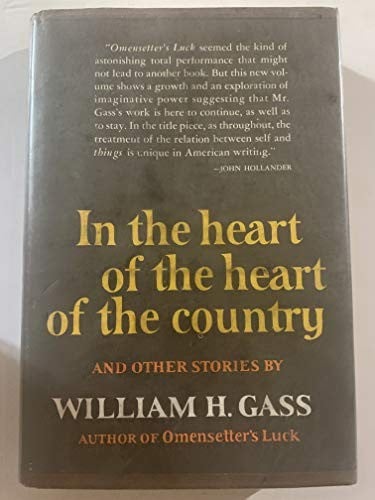
Start this bookNo. 20 on this list. In the Heart of the Heart of the Country · William Gass · 1968
In the Heart of the Heart of the Country was first published in 1968 and immediately positioned Gass — alongside Barth, Pynchon, and Coover — as a founding figure of American postmodern fiction. The NYRB Classics reprint with an introduction by Joanna Scott confirms its place in the American literary canon. It is taught in graduate programs in literary fiction and cited in essays on American experimental prose. Its canonical position is more secure in academic contexts than in general readership, placing it below Invisible Man or Blood Meridian but above most of its experimental contemporaries.
Very Difficult13 hours
Start this book
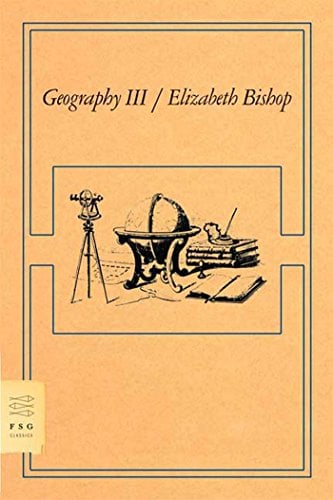
No. 21 on this list. Geography III · Elizabeth Bishop · 1976
Geography III is among the most taught American poetry collections of the postwar era, with poems like 'One Art' and 'In the Waiting Room' appearing on countless university syllabi. Though the database shows no syllabus entries — likely a data gap — the collection is a fixture in American poetry surveys and is included on numerous 'essential American poetry' reading lists. It won the 1976 National Book Critics Circle Award, one of American letters' most respected honors.
Difficult37 min
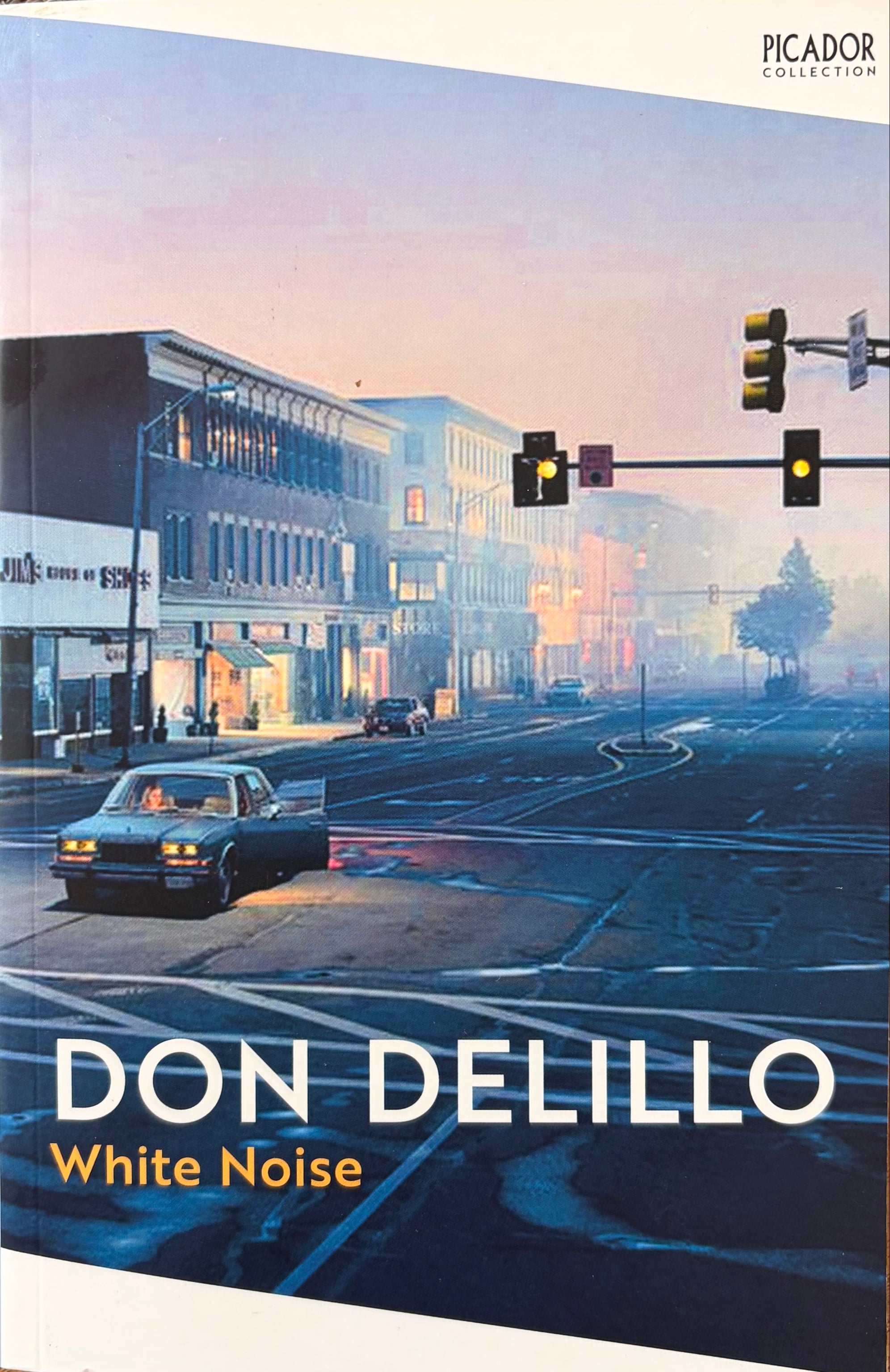
Start this bookNo. 22 on this list. White Noise · Don DeLillo · 1985
The definitive novel of American postmodern anxiety. The Airborne Toxic Event, the supermarket as cathedral, the fear of death—DeLillo captured how Americans live among systems they cannot understand.
Challenging9.4 hours
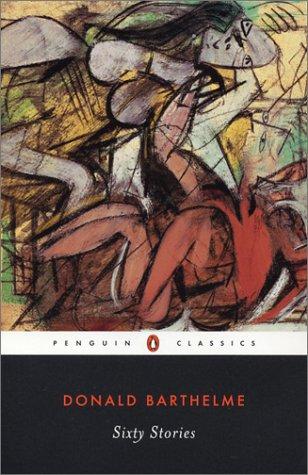
Start this bookNo. 23 on this list. Sixty Stories · Donald Barthelme · 1981
The essential Barthelme collection and one of the most important story collections in American literature. A standard text in creative writing and contemporary literature courses.
Challenging12 hours
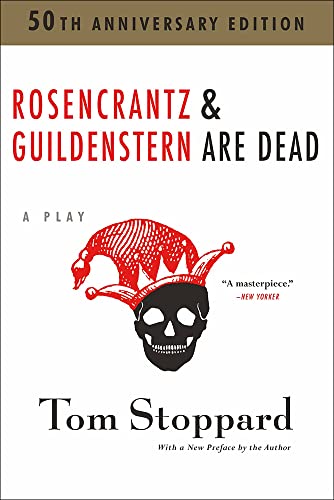
Start this bookNo. 24 on this list. Rosencrantz and Guildenstern Are Dead · Tom Stoppard · 1966
Rosencrantz and Guildenstern Are Dead is a fixture of university theater and English literature curricula, appearing consistently on drama syllabi across English-speaking universities. It is widely taught alongside Waiting for Godot as a key postmodern, absurdist text. Its Wikipedia article exists in dozens of languages and includes dedicated reception and adaptations sections, and a 1990 film adaptation by Stoppard himself extended its cultural reach.
Difficult3 hours
Start this bookNo. 25 on this list. The Sonnets to Orpheus · Rainer Maria Rilke · 1923
In February 1922, Rainer Maria Rilke retreated to Chateau de Muzot in Switzerland and composed fifty-five sonnets in three weeks. He addressed them to Orpheus — the Greek poet-god who descended into death to reclaim Eurydice and was torn apart by the Maenads for refusing them. The occasion was the recent death of Vera Knoop, a nineteen-year-old dancer Rilke barely knew; her death opened something. A tree ascends in the first line. Animals cluster around it in silence, listening. What Rilke is after is the premise that true song is not desire or communication but reality — breath as invisible poem, the moment when inner and outer stop being distinct. Orpheus moves through the cycle not as a character but as a principle: he is already dead, he already belongs to both realms, and because of this he can praise everything, including loss. The Sonnets instruct readers to will transformation, to be ahead of all parting, to whisper 'I am flowing' to the earth. They do not resolve their questions about death and being; they teach acceptance of irresolution as the condition of consciousness. Reading them asks for slow, repeated attention — each poem is compact and dense, and the cycle's meaning accumulates across all fifty-five. This is poetry as philosophical practice, the lyric at maximum pressure.
Difficult2.8 hours
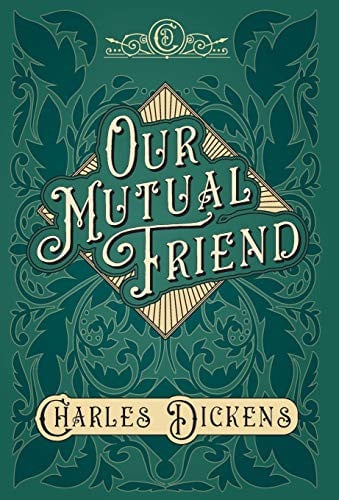
Start this bookNo. 26 on this list. Our Mutual Friend · Charles Dickens · 1865
Our Mutual Friend is a fixture of Victorian literature courses at universities worldwide, typically assigned alongside Great Expectations and Bleak House in advanced English studies. Wikipedia articles for the novel exist in dozens of languages, reflecting its global canonical standing. It consistently appears on critics' lists of Dickens's greatest works and in syllabi covering 19th-century social fiction.
Difficult35 hours
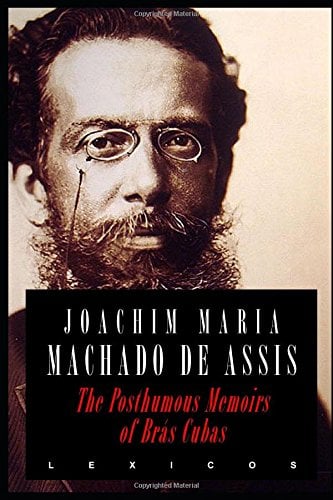
Read nowNo. 27 on this list. The Posthumous Memoirs of Brás Cubas · Machado de Assis · 1881
Widely taught in Latin American literature courses at universities across the Americas and Europe, Memórias Póstumas is the foundational text of Brazilian literary realism and a required landmark in any serious survey of world fiction. Although its Wikipedia presence is strong across dozens of languages, it remains less universally assigned than García Márquez or Borges in Anglophone syllabi, placing it below the 85-percentile canonical tier while well above the midpoint.
Difficult8.5 hours
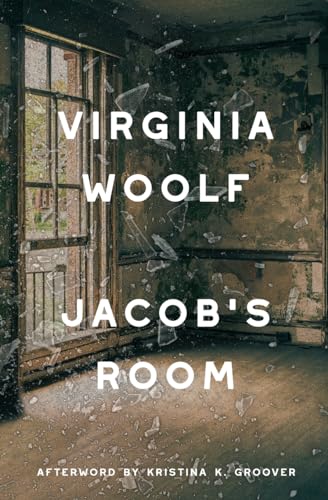
Start this bookNo. 28 on this list. Jacob's Room · Virginia Woolf · 1922
Jacob's Room appears on virtually every university syllabus covering modernist British literature, Woolf's work, or the literature of WWI. As Woolf's first fully experimental novel, it holds a foundational position in the modernist canon — taught alongside Mrs. Dalloway and To the Lighthouse in most Woolf courses. Its canonical status is somewhat lower than Woolf's later masterworks, which overshadow it in general survey courses.
Difficult6.8 hours
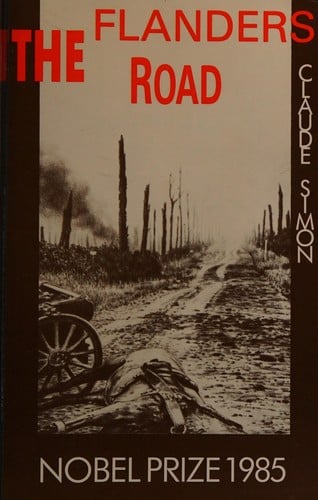
Read nowNo. 29 on this list. The Flanders Road · Claude Simon · 1960
Nobel laureate's masterpiece. Essential in nouveau roman studies.
Challenging8.1 hours
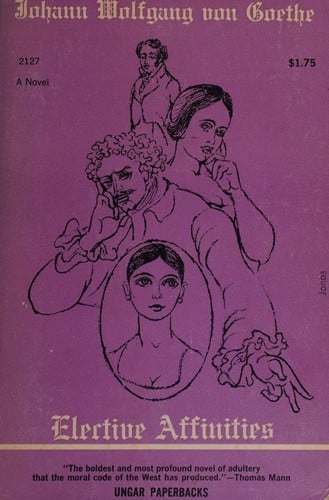
Start this bookNo. 30 on this list. Elective Affinities · Johann Wolfgang von Goethe · 1809
A fixture in German literature curricula worldwide and central to comparative literature courses treating the European novel of ideas. Available in Penguin Classics, Oxford World's Classics, and numerous scholarly editions. Considered alongside Faust and The Sorrows of Young Werther as Goethe's essential prose fiction, though less taught at secondary level than those more accessible works.
Challenging9.2 hours
Start this book
No. 31 on this list. A Void
Georges Perec · 1969
No. 32 on this list. Life A User's Manual
Georges Perec · 1978
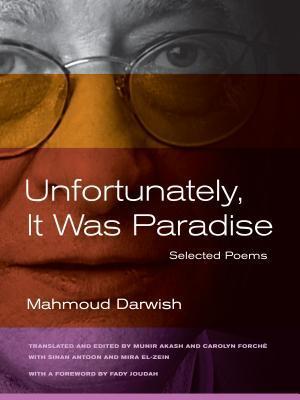
No. 33 on this list. Unfortunately, It Was Paradise
Mahmoud Darwish · 2003
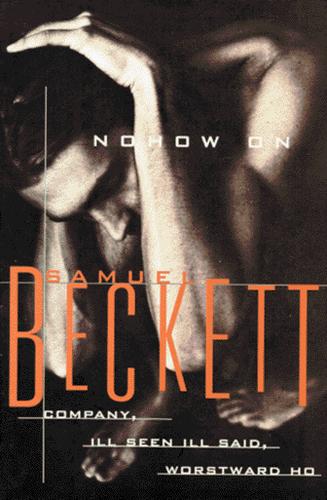
No. 34 on this list. Ill Seen Ill Said
Samuel Beckett · 1981
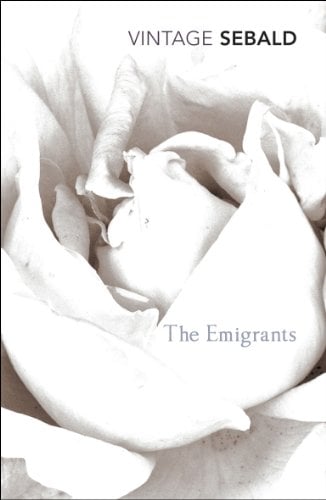
No. 35 on this list. The Emigrants
W.G. Sebald · 1992
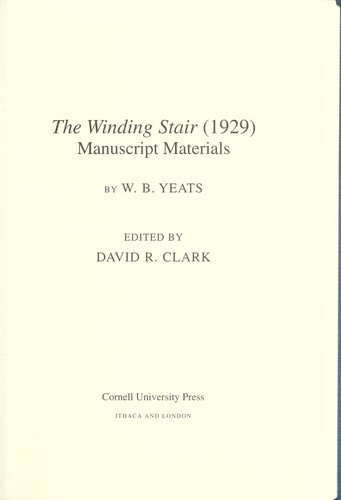
No. 36 on this list. The Winding Stair
William Butler Yeats · 1933
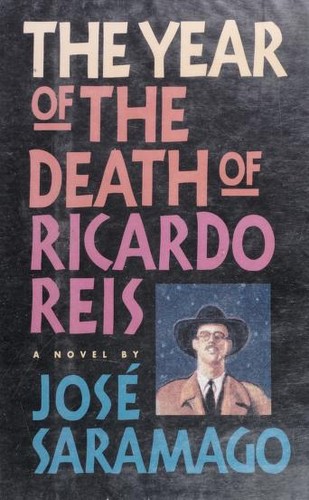
No. 37 on this list. The Year of the Death of Ricardo Reis
José Saramago · 1984
Taught in schools: Portuguese secondary literature (Portugal)
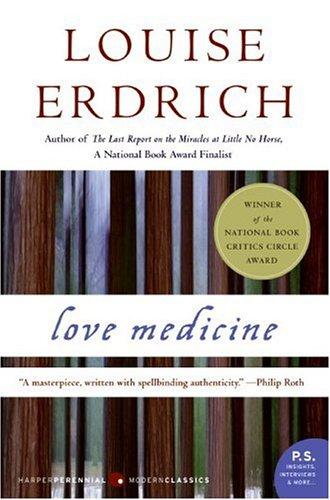
No. 38 on this list. Love Medicine
Louise Erdrich · 1984
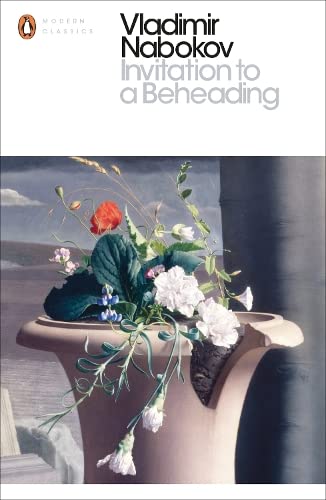
No. 39 on this list. Invitation to a Beheading
Vladimir Nabokov · 1936
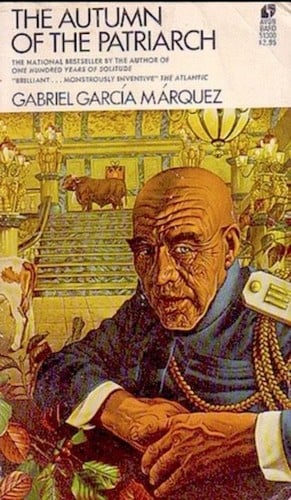
No. 40 on this list. The Autumn of the Patriarch
Gabriel García Márquez · 1975
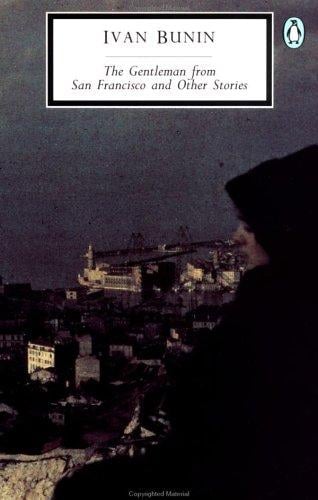
No. 41 on this list. The Gentleman from San Francisco
Ivan Bunin · 1915
Taught in schools: Russian FGOS literature standard
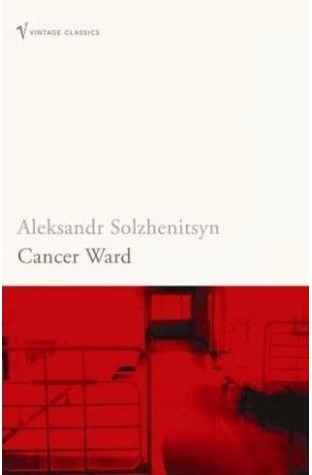
No. 42 on this list. Cancer Ward
Aleksandr Solzhenitsyn · 1968
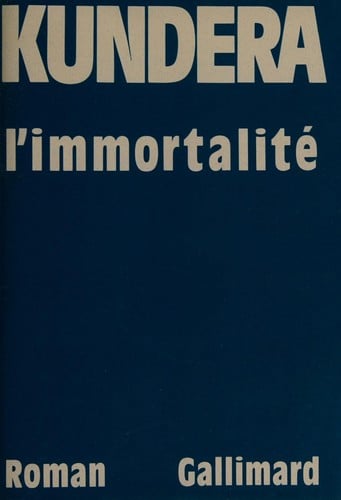
No. 43 on this list. Immortality
Milan Kundera · 1990
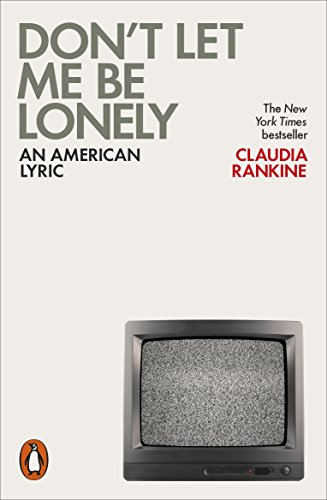
No. 44 on this list. Don't Let Me Be Lonely
Claudia Rankine · 2004
No. 45 on this list. The Voyage Out
Virginia Woolf · 1915
No. 46 on this list. Mastro-don Gesualdo
Giovanni Verga · 1889
Included in: UNESCO Collection of Representative Works
No. 47 on this list. How Late It Was, How Late
James Kelman · 1994
No. 48 on this list. The Dead Father
Donald Barthelme · 1975
No. 49 on this list. Today I Wrote Nothing
No. 50 on this list. A Single Man
Christopher Isherwood · 1964

No. 51 on this list. The Shawl
Cynthia Ozick · 1989
No. 52 on this list. The Guyana Quartet
Wilson Harris · 1985
No. 53 on this list. Palace of the Peacock
Wilson Harris · 1960
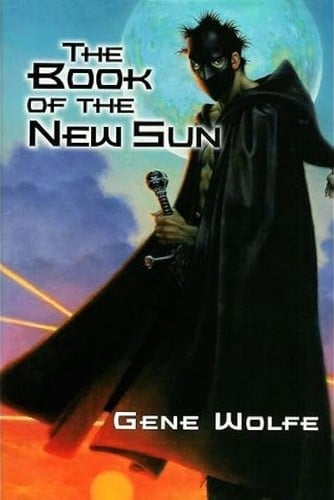
No. 54 on this list. The Book of the New Sun
Gene Wolfe · 1980
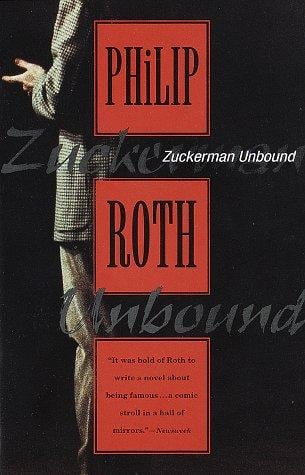
No. 55 on this list. Zuckerman Unbound
Philip Roth · 1981
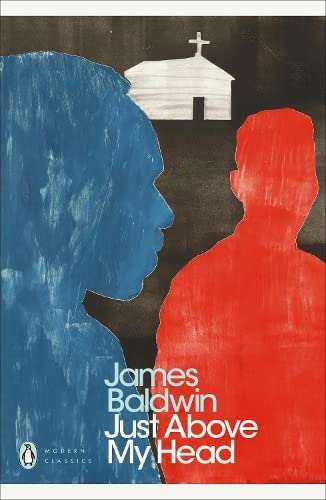
No. 56 on this list. Just Above My Head
James Baldwin · 1979
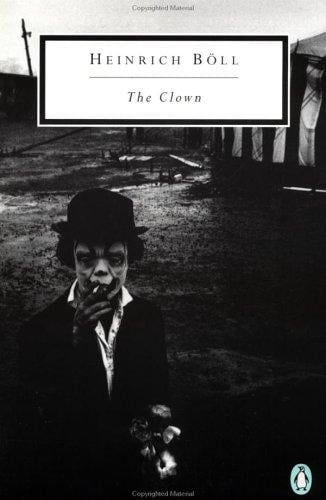
No. 57 on this list. The Clown
Heinrich Böll · 1963
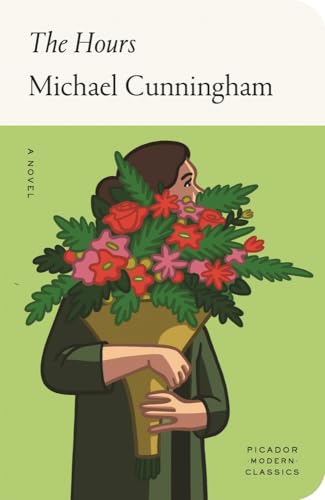
No. 58 on this list. The Hours
Michael Cunningham · 1999
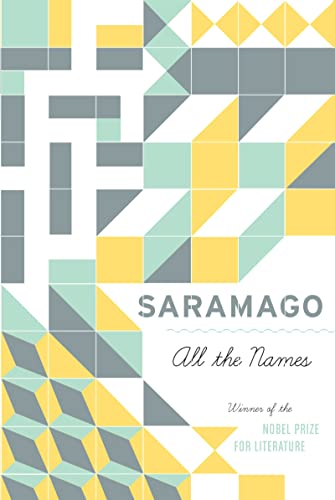
No. 59 on this list. All the Names
José Saramago · 1997
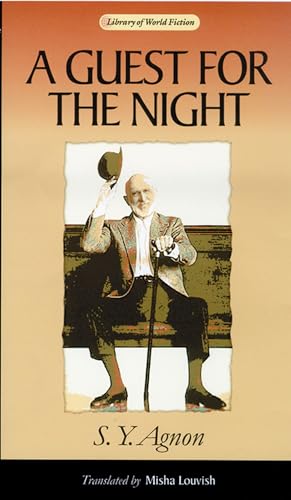
No. 60 on this list. A Guest for the Night
Shmuel Yosef Agnon · 1939
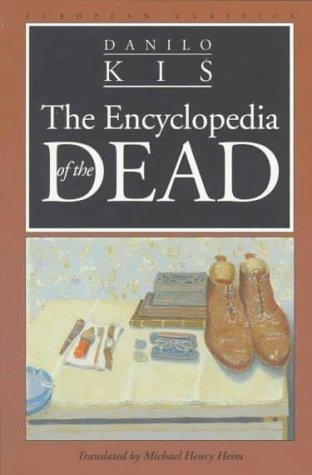
No. 61 on this list. The Encyclopedia of the Dead
Danilo Kiš · 1983
No. 62 on this list. The Sheltering Sky
Paul Bowles · 1949
No. 63 on this list. Heartbreak Tango
Manuel Puig · 1969
No. 64 on this list. Falling Man
Don DeLillo · 2007
No. 65 on this list. Under the Volcano
Malcolm Lowry · 1947
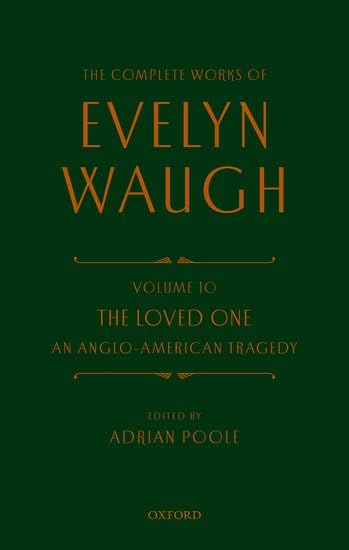
No. 66 on this list. The Loved One
Evelyn Waugh · 1948
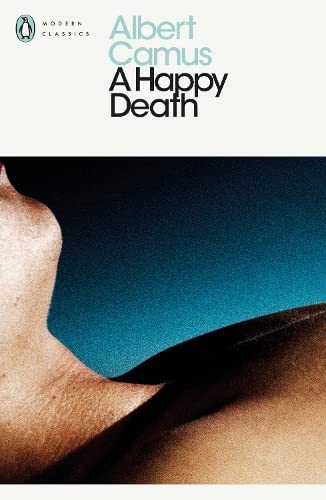
No. 67 on this list. A Happy Death
Albert Camus · 1971
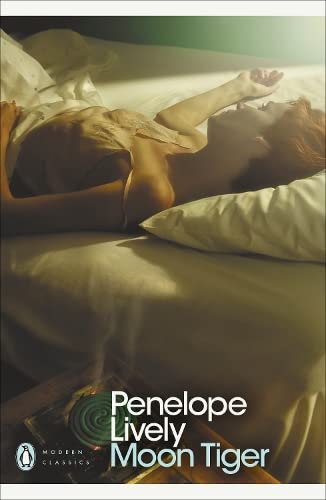
No. 68 on this list. Moon Tiger
Penelope Lively · 1987
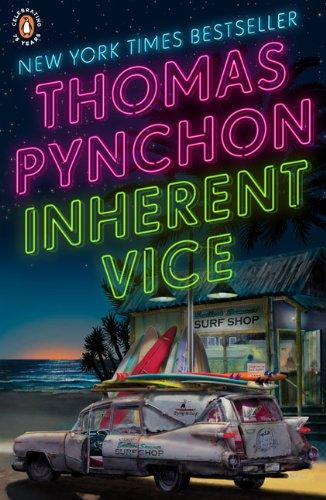
No. 69 on this list. Inherent Vice
Thomas Pynchon · 2009
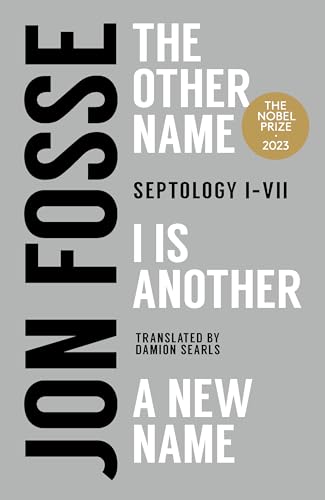
No. 70 on this list. Septology
Jon Fosse · 2019
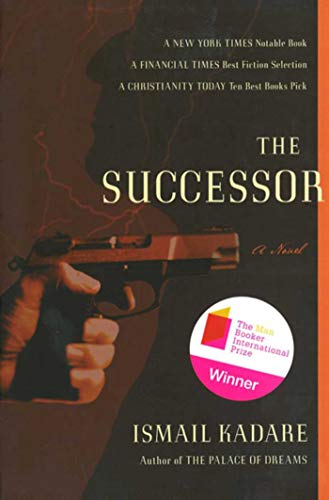
No. 71 on this list. The Successor
Ismail Kadare · 2003
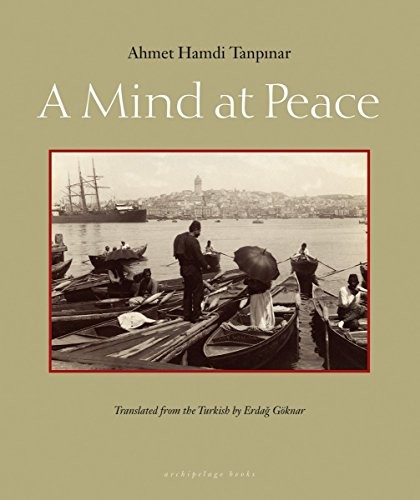
No. 72 on this list. A Mind at Peace
Ahmet Hamdi Tanpinar · 1949
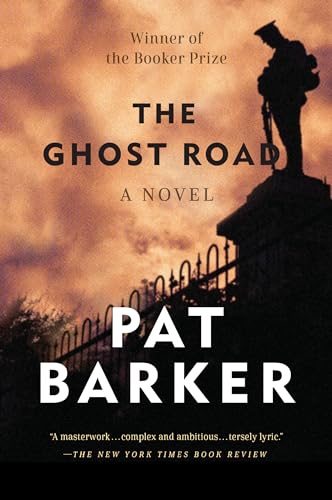
No. 73 on this list. The Ghost Road
Pat Barker · 1995
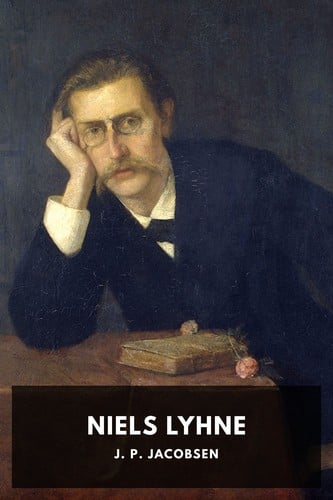
No. 74 on this list. Niels Lyhne
Jens Peter Jacobsen · 1880
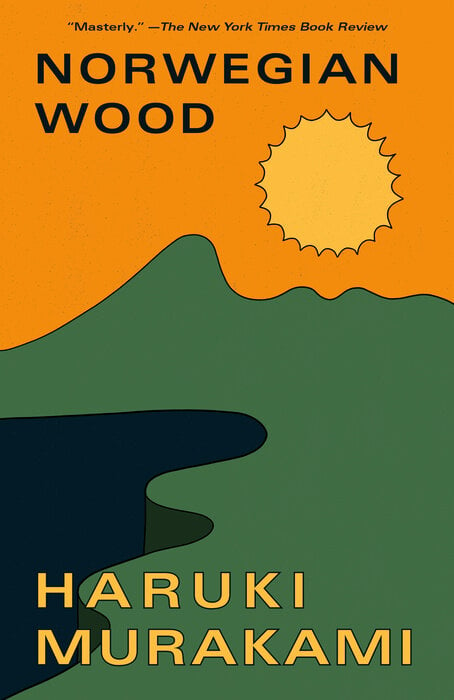
No. 75 on this list. Norwegian Wood
Haruki Murakami · 1987
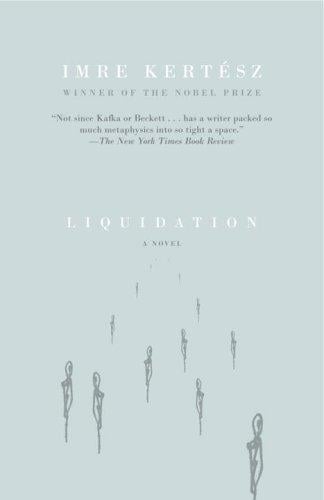
No. 76 on this list. Liquidation
Imre Kertész · 2003
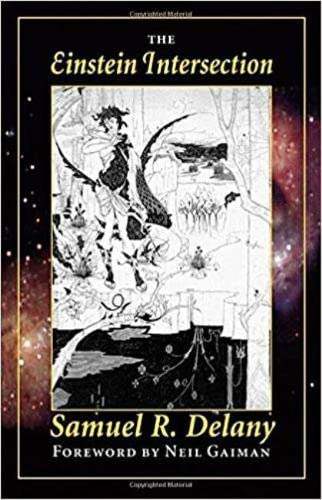
No. 77 on this list. The Einstein Intersection
Samuel R. Delany · 1967
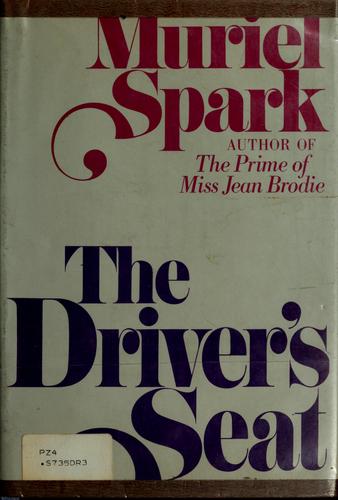
No. 78 on this list. The Driver's Seat
Muriel Spark · 1970
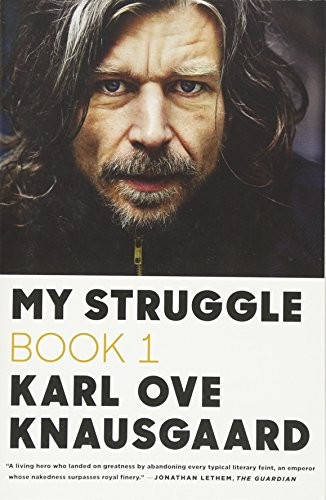
No. 79 on this list. My Struggle: Book 1
Karl Ove Knausgaard · 2009
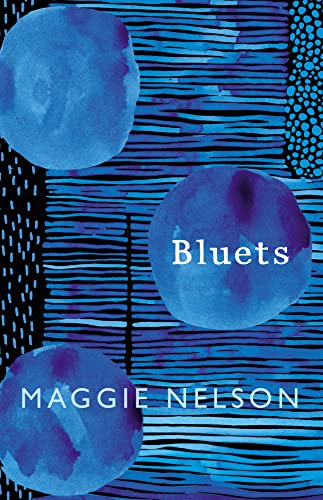
No. 80 on this list. Bluets
Maggie Nelson · 2009
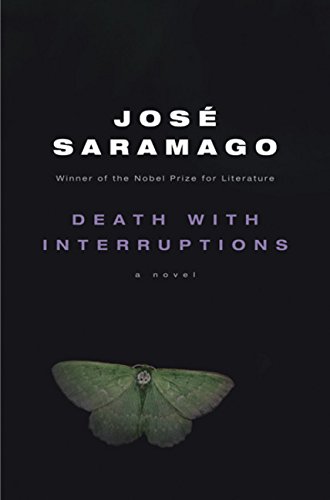
No. 81 on this list. Death with Interruptions
José Saramago · 2005
No. 82 on this list. Zero K
Don DeLillo · 2016
No. 83 on this list. The Seven Moons of Maali Almeida
Shehan Karunatilaka · 2022
No. 84 on this list. Coming Through Slaughter
Michael Ondaatje · 1976
No. 85 on this list. A Question of Power
Bessie Head · 1974
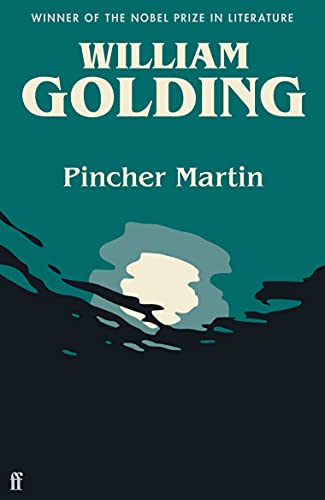
No. 86 on this list. Pincher Martin
William Golding · 1956
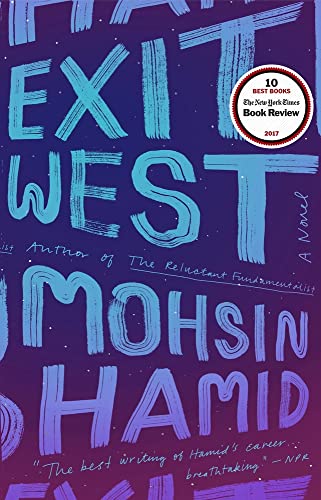
No. 87 on this list. Exit West
Mohsin Hamid · 2017
No. 88 on this list. Funeral Rites
Jean Genet · 1947
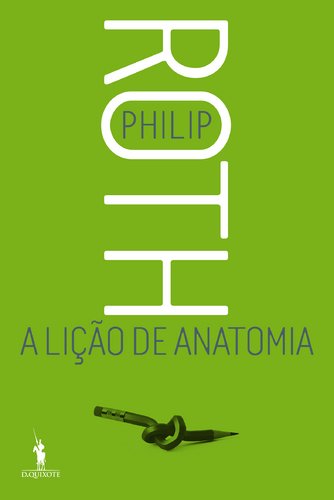
No. 89 on this list. The Anatomy Lesson
Philip Roth · 1983
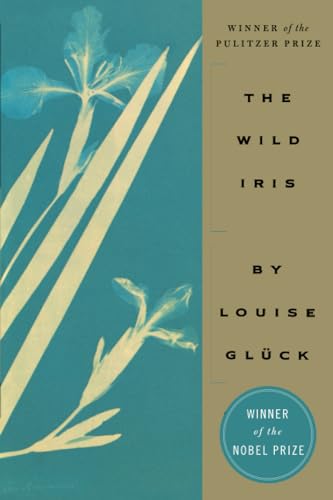
No. 90 on this list. The Wild Iris
Louise Glück · 1992
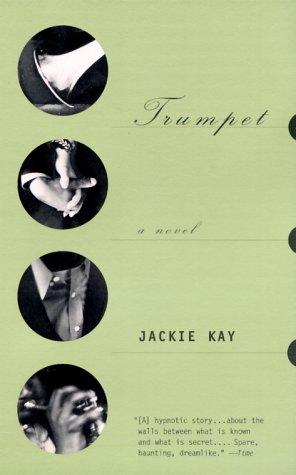
No. 91 on this list. Trumpet
Jackie Kay · 1998
No. 92 on this list. Economy of the Unlost
Anne Carson · 1999
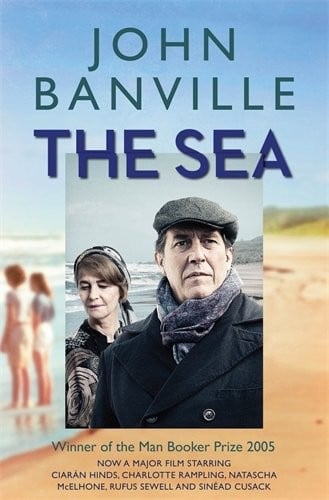
No. 93 on this list. The Sea
John Banville · 2005
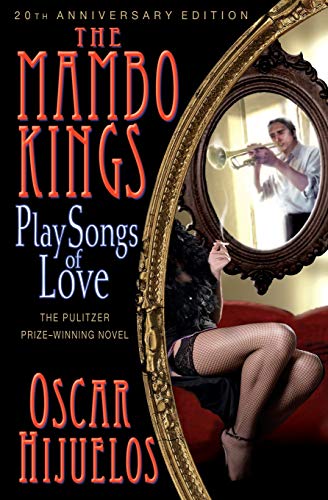
No. 94 on this list. The Mambo Kings Play Songs of Love
Oscar Hijuelos · 1990
No. 95 on this list. Jerusalem
Selma Lagerlöf · 1901
No. 96 on this list. Umbrella
Will Self · 2012
No. 97 on this list. How to Be Both
Ali Smith · 2014
No. 98 on this list. Last Orders
Graham Swift · 1996
No. 99 on this list. The Floating Opera
John Barth · 1956
No. 100 on this list. The Last Man
Mary Shelley · 1826
About this list
These 100 books are the highest-scoring eligible challenging books about death and mortality currently in the catalogue. About 1,009 hours of reading in all. Difficulty runs from 68 to 75 out of 100 for the middle half of the list; the summit is In the Heart of the Heart of the Country at 87.
This list is ranked by literary regard, with a consistent order for equal scores. Membership follows authors and co-authors, not translators or editors. A book is here when ReadingRate files it under Death & Mortality as one of its primary reading domains, at a confidence of 0.8 or more. Catalogue coverage and the historical canon both limit what this list can represent.
When we matched the Canons dataset to our catalogue in October 2026, our canonical-status scores rose with the number of school curricula, publisher series and lists in it that cite a work: the median score was 72 for books one such source cites, 84 at two, 88 at three, 92 at four and 93 at five or more. Prizes are left out of that count. Outside the state curricula, the dataset’s sources choose mostly from what has been translated into English or French, so it is a weaker check on other literatures. Source: Canons (Andrew Piper), CC BY 4.0
Questions people actually ask
- What are the best challenging books about death and mortality?
- By literary regard, which weighs canonical status, critical standing and influence: Hamlet by William Shakespeare, Eclogues by Virgil, Collected Poems of W.B. Yeats by William Butler Yeats, Dream of the Red Chamber by Cao Xueqin and Duino Elegies by Rainer Maria Rilke. ReadingRate ranks 100 such books, each with a difficulty score and a reading-time estimate.
- Which challenging books about death and mortality should I read first?
- Start from difficulty, not from rank. The most approachable books on this list that still carry top literary regard are The Burning Plain and Other Stories by Juan Rulfo (about 3.4 hours), Elective Affinities by Johann Wolfgang von Goethe and Malone Dies by Samuel Beckett.
- What are the shortest of the best challenging books about death and mortality?
- Among the top 25, the shortest are Geography III by Elizabeth Bishop (about 37 min), Eclogues by Virgil (about 58 min) and Ariel by Sylvia Plath (about 2.4 hours), at an average pace of 250 words a minute adjusted for each book's difficulty.
- Which of the best challenging books about death and mortality are the established classics?
- By canonical status, how firmly a book sits in curricula, anthologies and the canon: Hamlet by William Shakespeare, Dream of the Red Chamber by Cao Xueqin, Eclogues by Virgil, Collected Poems of W.B. Yeats by William Butler Yeats and Duino Elegies by Rainer Maria Rilke.
- Can I read any of these challenging books about death and mortality for free?
- 13 of the 100 open in ReadingRate's reader with a free account, from public-domain editions: Hamlet, Eclogues, Dream of the Red Chamber, Dubliners, The Sorrows of Young Werther and 8 more.
- How long would it take to read the top ten?
- About 147 hours, at an average pace of 250 words a minute adjusted for each book's difficulty: 74 days at two hours a day. Set your own pace on the page and the list's reading times change to it.
- How hard are challenging books about death and mortality to read?
- Most of this list sits between 68 and 75 on ReadingRate's 100-point difficulty scale, where 40 to 55 is moderate. The summit is In the Heart of the Heart of the Country at 87. Every entry carries its own score, so a reader can pick a great book at a difficulty they will finish.
- How is this list ranked?
- On literary-regard data: how canonically established a work is, its critical standing, and its influence on later writing. It is not a readers’ poll, which is why recent bestsellers rarely appear. Membership follows authors and co-authors, not translators or editors. Lists by country, author, period, theme or difficulty keep to literature (fiction, poetry, drama and philosophy), their novels, poems and plays first and their philosophy after them; a list of a kind of book, such as memoir or criticism, keeps every book of that kind. Every list holds at most three works by one author. A book is here when ReadingRate files it under Death & Mortality as one of its primary reading domains, at a confidence of 0.8 or more.