Hours at an average pace
Showing 100 books
About 1,303 hours for 100 of 100 books with measured lengths. Estimates use 250 words a minute, adjusted for each book's difficulty. At 2 hours a day, about 652 days for those books.
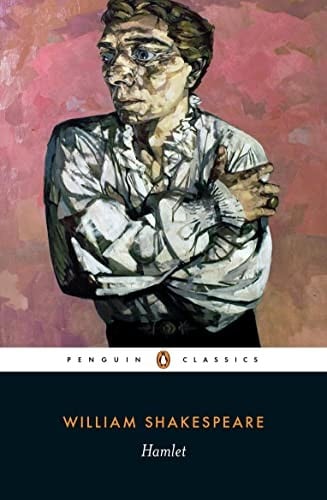
No. 1 on this list. Hamlet
William Shakespeare · 1601
Challenging3.1 hours
Taught in schools: Uzbek adabiyot curriculum (Uzbekistan)
Included in: Bokklubben World Library, Great Books of the Western World, UNESCO Collection of Representative Works
Shakespeare invented the modern soliloquy here: a mind watching itself think, stalling, doubting, performing. Every fictional character who hesitates before acting is Hamlet's descendant.
No. 2 on this list. Lolita
Vladimir Nabokov · 1955
Challenging11 hours
Included in: Bokklubben World Library
Nabokov gave a monster the most beautiful prose in the English language and dared the reader to be seduced by it, producing the most disturbing test case for the relationship between aesthetic pleasure and moral judgment. Humbert Humbert's sentences are so exquisite that noticing your own enchantment becomes the novel's real subject.
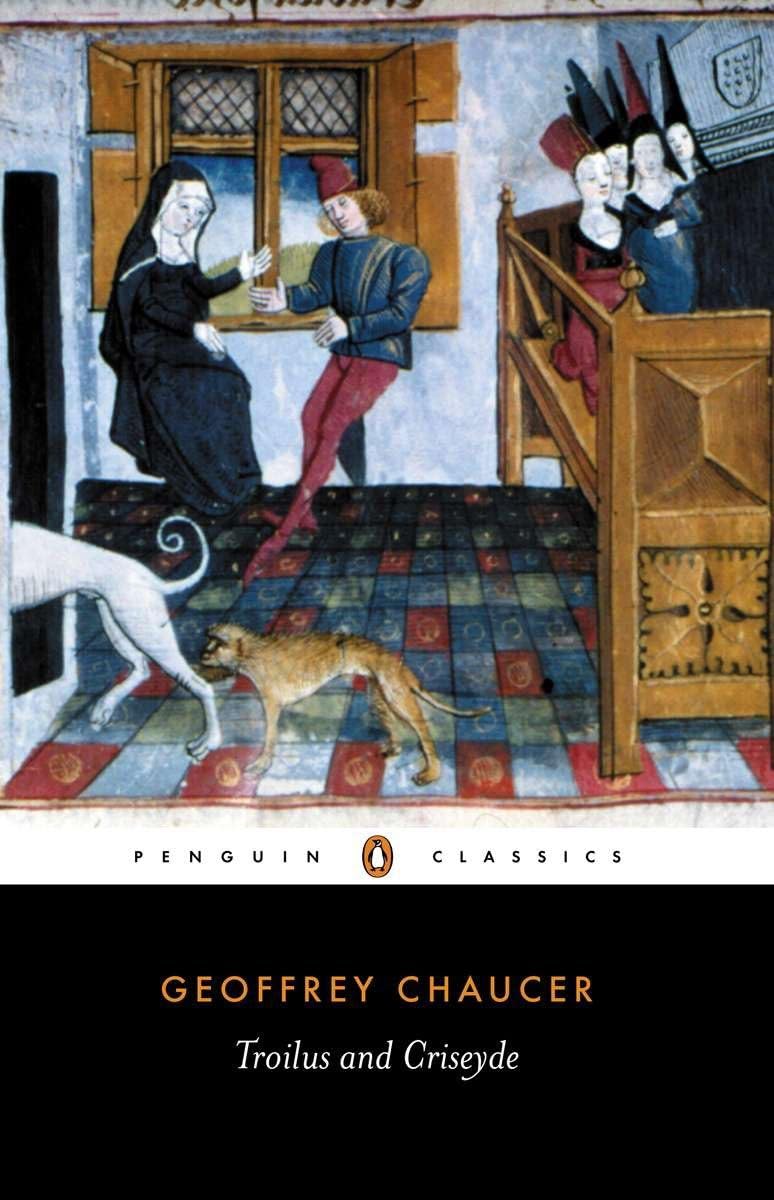
No. 3 on this list. Troilus and Criseyde
Geoffrey Chaucer · 1385
Difficult9.3 hours
Included in: Great Books of the Western World
Required reading in virtually every medieval English literature curriculum, taught across English, Comparative Literature, and Medieval Studies programs at universities worldwide. Though Open Syllabus data is unavailable here, Chaucer courses built around this text are standard at every major university with an English department. It holds a place among the most-studied long poems in the English language.
No. 4 on this list. The Scarlet Letter
Nathaniel Hawthorne · 1850
Difficult9.4 hours
Taught in schools: Common Core text exemplars (Appendix B) (US), CSEC English B – Caribbean Examinations Council
Appears on 1,893 university syllabi (Open Syllabus, 81.9th percentile), a fixture of American literature courses and AP high school curricula across the United States. Wikipedia articles exist in 38 languages, and the work has continuous presence in American literary education since its 1850 publication.
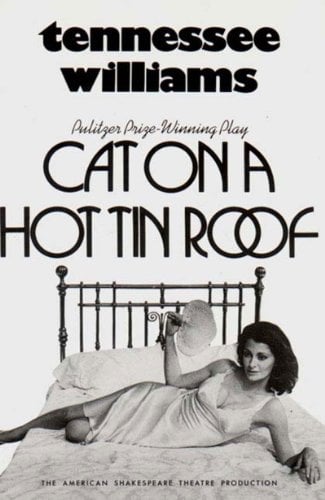
No. 5 on this list. Cat on a Hot Tin Roof
Tennessee Williams · 1955
Challenging5.5 hours
Taught in schools: AQA GCSE and A-level English Literature (UK)
Cat on a Hot Tin Roof won the 1955 Pulitzer Prize for Drama and is taught in American literature and theater courses across the country, standing alongside A Streetcar Named Desire as the twin peaks of Williams's canon. The 1958 film adaptation with Paul Newman and Elizabeth Taylor brought it to global audiences, cementing its place in the broader cultural record. It appears on virtually every syllabus covering American drama.
No. 6 on this list. Troilus and Cressida
William Shakespeare · 1609
Difficult3.1 hours
Included in: Great Books of the Western World
Troilus, a young Trojan prince, has fallen in love with Cressida just as the war with Greece enters its seventh year. Her uncle Pandarus brokers their union; they spend a single night together before she is traded to the Greeks in a prisoner exchange. In the Greek camp, Diomedes moves in. Troilus follows and watches it happen, unable to reconcile what his eyes show him with what he believes about faith and love. Running alongside this is a war machine in paralysis. Achilles sulks in his tent while the Greek generals hold councils on hierarchy and strategy that change nothing. Hector debates whether to fight a war he knows is unjust, then fights it anyway. Thersites, a deformed Greek soldier, follows everyone around cataloguing their stupidity with inexhaustible venom — war and lechery, he announces repeatedly, is all there is. Shakespeare wrote this play around 1602, and it does not behave like his others. The love story ends in betrayal rather than union. The heroes are vain, the strategies fail, and the climax — Hector murdered unarmed by Achilles and a pack of Myrmidons — is a deliberate outrage against the conventions of heroic drama. Pandarus delivers the final speech, offering the audience his syphilis. The play refuses catharsis. Readers expecting Shakespeare to redeem his characters or their world will find nothing of the kind.
No. 7 on this list. Measure for Measure
William Shakespeare · 1604
Difficult2.8 hours
Taught in schools: AQA GCSE and A-level English Literature (UK), WJEC/Eduqas GCSE and A-level English Literature (UK)
Included in: Great Books of the Western World
Measure for Measure appears on university syllabi across English literature, drama, law, and gender studies courses worldwide. It is one of Shakespeare's most-taught 'problem plays,' central to any serious study of his canon, with Wikipedia articles in dozens of languages. Less ubiquitous than Hamlet or Macbeth, but firmly within the core Shakespeare curriculum.
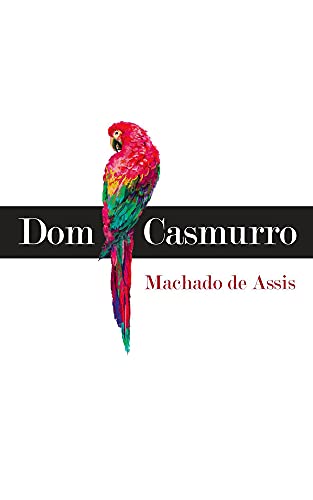
No. 8 on this list. Dom Casmurro
Machado de Assis · 1899
Difficult9.5 hours
Taught in schools: FUVEST leituras obrigatórias (USP vestibular) (Brazil)
Bentinho grows up next door to Capitu in 1850s Rio de Janeiro, separated from her only by a wall and his mother's vow to make him a priest. He becomes Dom Casmurro — the stubborn recluse — and narrates his life from old age: the childhood infatuation, the years at seminary, the marriage, the friendship with Escobar, and the suspicion that eventually destroys everything. Capitu's eyes — described early on as 'the eyes of the undertow,' oblique and restless — fix themselves in the reader's mind and never quite let go. Machado de Assis structures the entire novel around what the narrator refuses to see clearly: Bento's account of his wife's betrayal reads equally as the self-portrait of a man who destroyed his marriage through jealousy. The 148 short chapters move fast, packed with digressions about opera, Roman history, and Shakespeare — the narrator is endlessly distracting himself from what he cannot face. Whether Capitu was guilty is the wrong question; the right one is why Bento needs her to be. Published in 1899, this is one of the first and still one of the finest unreliable narrator novels in any language, and the question it refuses to answer has occupied Brazilian readers for over a century.
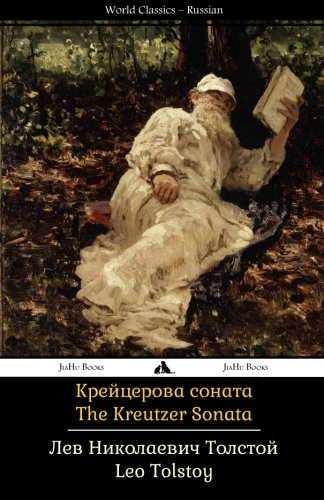
The Kreutzer Sonata holds a firm place in university curricula for Russian literature, world literature, and gender studies courses. While less taught than Anna Karenina or War and Peace, it appears consistently as required reading in Tolstoy surveys and 19th-century European fiction courses. Its inclusion in countless 'essential Tolstoy' and world literature reading lists reflects its canonical standing.
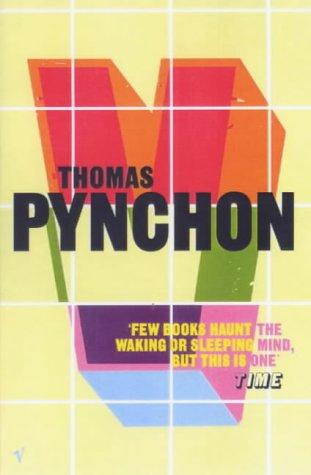
V. appears on hundreds of university syllabi in American literature, postmodernism, and world fiction courses, and is consistently ranked among the essential American novels of the twentieth century by critics and scholars. It appears on the Modern Library 100 Best Novels list and Time magazine's All-TIME 100 Novels. Less universally assigned than Pynchon's Gravity's Rainbow in terms of academic prestige, but the more frequently taught first novel in postmodern American fiction sequences.
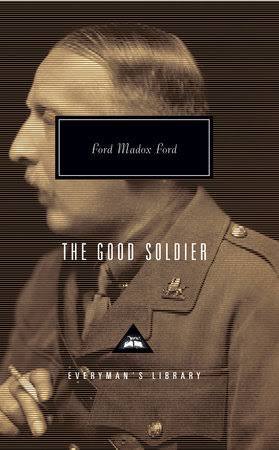
No. 11 on this list. The Good Soldier · Ford Madox Ford · 1915
Appears on 473 university syllabi (67th percentile in Open Syllabus), placing it firmly in the modernist teaching canon alongside Conrad and early Lawrence. Listed on the Modern Library 100 Best Novels. A standard text in courses on British modernism and narrative technique, though less universally assigned than Woolf or Joyce.
Challenging7 hours
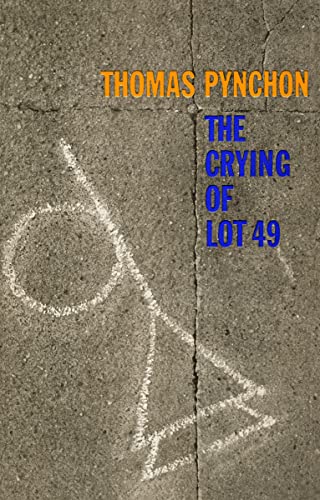
Read nowNo. 12 on this list. The Crying of Lot 49 · Thomas Pynchon · 1966
Oedipa Maas learns she has been named executor of Pierce Inverarity's estate, a California real estate mogul and former lover whose tangled holdings require investigation. Traveling to the fictional San Narciso with co-executor Metzger, a lawyer, she begins noticing a mysterious symbol—a muted post horn—appearing in unexpected places. Her research into a Jacobean revenge play performed locally reveals references to Tristero, an underground postal system that may have operated in opposition to official mail services for centuries. As Oedipa pursues leads through bizarre informants—Mike Fallopian explaining the Peter Pinguid Society, John Nefastis demonstrating his entropy-reversing machine, professor Emory Bortz debating theatrical textual variants—she cannot determine whether she has discovered a genuine conspiracy or descended into paranoia. Her husband Mucho suffers breakdowns at his disk jockey job while Metzger abandons both the investigation and their affair. Characters appear with improbable names and suspect motives, stamps contain hidden messages, and evidence proliferates without resolving into coherent truth. The novel concludes with Oedipa attending an auction where a mysterious bidder may reveal the conspiracy's reality, but the narrative ends the moment before revelation, suspending her permanently between competing interpretations of American communication, meaning, and madness.
Challenging4.7 hours
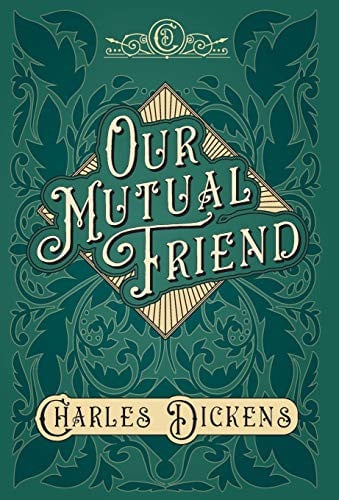
Start this bookNo. 13 on this list. Our Mutual Friend · Charles Dickens · 1865
Our Mutual Friend is a fixture of Victorian literature courses at universities worldwide, typically assigned alongside Great Expectations and Bleak House in advanced English studies. Wikipedia articles for the novel exist in dozens of languages, reflecting its global canonical standing. It consistently appears on critics' lists of Dickens's greatest works and in syllabi covering 19th-century social fiction.
Difficult35 hours
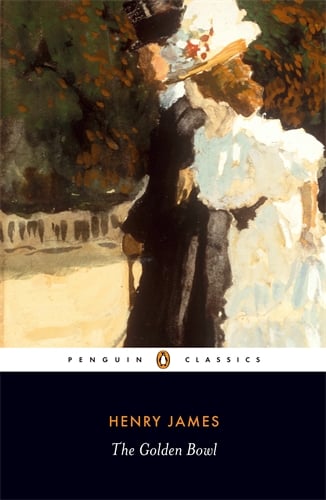
Read nowNo. 14 on this list. The Golden Bowl · Henry James · 1904
The Golden Bowl represents Henry James's late style at its apex and appears regularly in twentieth-century literary histories as a major American novel. While less frequently taught than The Portrait of a Lady or The Ambassadors, it commands serious critical attention and appears on major 'best novels' lists. Its difficulty ensures a smaller readership than James's earlier works, but it remains essential for understanding literary modernism's development.
Difficult25 hours
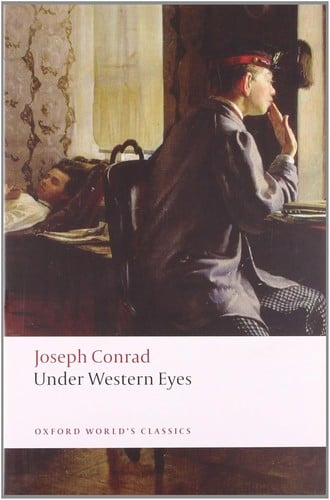
Read nowNo. 15 on this list. Under Western Eyes · Joseph Conrad · 1911
Under Western Eyes holds a secure place in the Conrad canon — studied in university courses alongside Nostromo, The Secret Agent, and Lord Jim, and consistently discussed in critical accounts of Conrad's major work. Leavis included Conrad among the great tradition of English novelists, and the novel's treatment of guilt, betrayal, and political despotism has kept it on syllabi across literature and political thought programmes. Its standing is below Heart of Darkness and Lord Jim in frequency of assignment but firmly canonical within the Conrad corpus.
Difficult15 hours
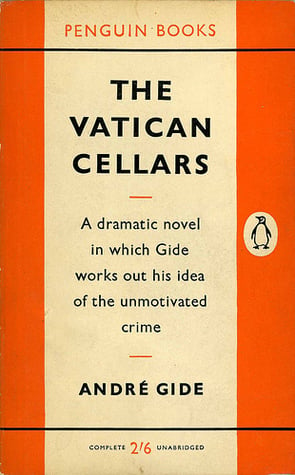
Start this bookNo. 16 on this list. The Vatican Cellars · André Gide · 1914
The Vatican Cellars opens in Rome in 1890 with Anthime Armand-Dubois, a freemason rationalist whose body trembles with spasms while his wife Véronique maintains quiet devotion. Anthime conducts vivisection experiments on animals to reduce behavior to simple tropisms, recruiting street orphan Beppo to procure his living test subjects. When Anthime smashes a Madonna statue in fury at his wife's prayers, he experiences a dream-vision of the Blessed Virgin that leaves him physically healed yet spiritually transformed. The novel then shifts to Julius de Baraglioul, a novelist and aristocrat whose father sends him to investigate the mysterious young Lafcadio Wluiki, a mysterious nineteen-year-old orphan of dubious origins. Julius discovers Lafcadio's private notebook, where the youth records not moral reflections but acts of self-harm, punishing himself with meticulous tallies for imagined transgressions. Gide weaves together these character strands with satirical precision, creating a darkly comic examination of belief, rebellion, and the peculiar violence that lurks beneath bourgeois respectability.
Challenging7.5 hours
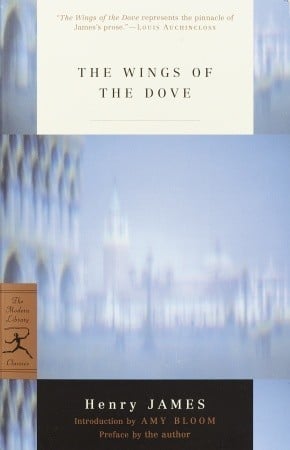
Start this bookNo. 17 on this list. The Wings of the Dove · Henry James · 1902
Appears on the Modern Library 100 Best Novels list and on university syllabi in courses on American literature, the novel, and Henry James. With only 5 syllabus appearances in the Open Syllabus data and Wikipedia articles in 7 languages, it ranks below James's most-taught works (Portrait of a Lady, The Turn of the Screw) but remains a fixture of the late-James critical canon.
Difficult22 hours
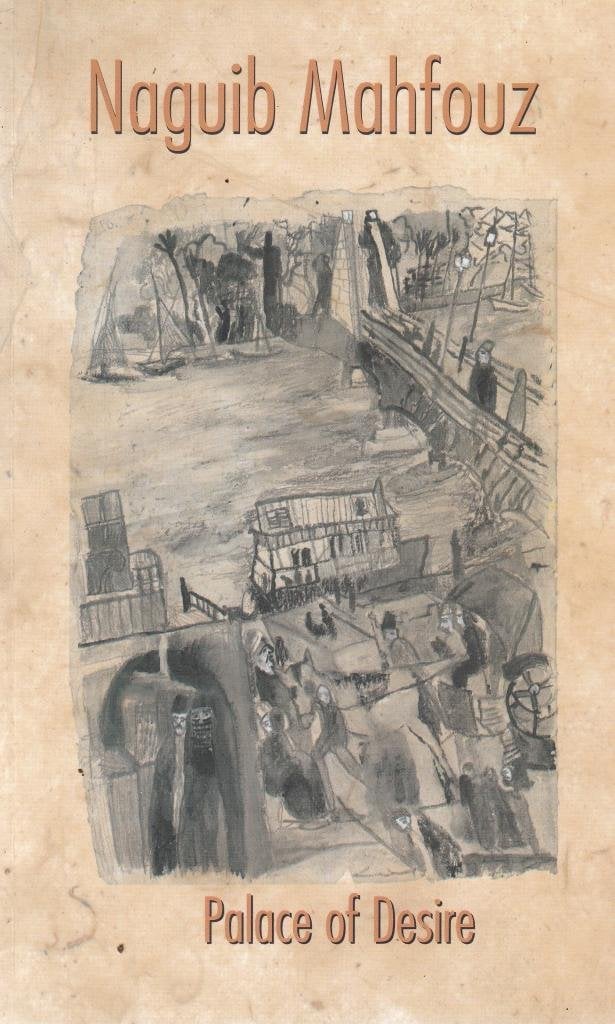
Read nowNo. 18 on this list. Palace of Desire · Naguib Mahfouz · 1957
The Cairo Trilogy is Mahfouz's defining work, but individual volumes appear less frequently on syllabi than standalone classics. Palace of Desire appears on only 2 university syllabi in the Open Syllabus Project. The trilogy is a fixture in world literature and Arabic literature courses, though Western curricula tend to assign excerpts or the first volume rather than the full sequence.
Challenging16 hours
Start this bookNo. 19 on this list. The Moonstone · Wilkie Collins · 1868
Taught in schools: AQA GCSE and A-level English Literature (UK), Pearson Edexcel GCSE and A-level English Literature (UK)
T.S. Eliot called it 'the first, the longest, and the best of modern English detective novels,' and it has anchored Victorian literature courses at universities worldwide for over a century. The Moonstone appears routinely on syllabi covering sensation fiction, the origins of detective fiction, and 19th-century narrative experiment. Its Wikipedia article spans more than 50 language editions, reflecting its standing as a genuine cornerstone of English literary history.
Challenging18 hours
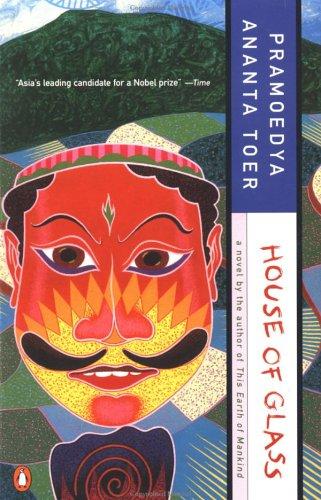
Read nowNo. 20 on this list. House of Glass · Pramoedya Ananta Toer · 1988
House of Glass is the concluding volume of the Buru Quartet, which is universally regarded as the most important work of Indonesian literature and one of the defining anticolonial novels of the twentieth century. It appears on numerous world literature reading lists and is taught at universities across Southeast Asia, Europe, and North America, though its presence in Western canons is less robust than its literary standing merits.
Difficult20 hours
Start this book
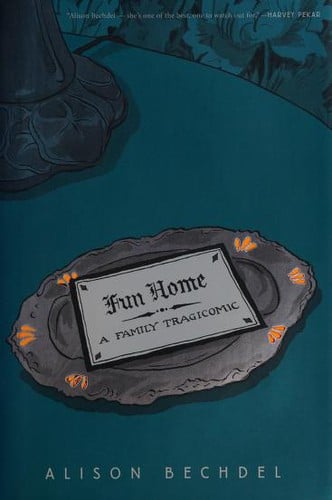
No. 21 on this list. Fun Home · Alison Bechdel · 2006
Fun Home is foundational in graphic novel studies, queer memoir, and contemporary comics curricula at the university level. It appears on syllabi in English, gender studies, and art courses across North America, though it does not yet occupy the traditional Western canon. Its inclusion in Time's All-TIME 100 Graphic Novels list marks it as essential reading within its form.
Challenging5.3 hours
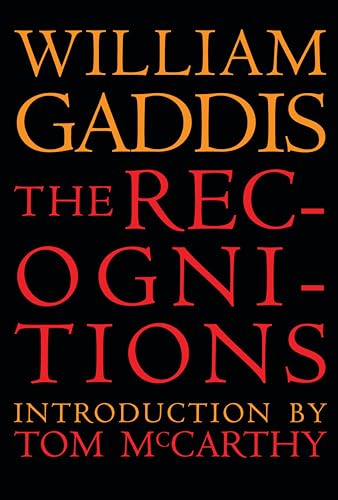
Start this bookNo. 22 on this list. The Recognitions · William Gaddis · 1955
Listed on TIME's All-TIME 100 Novels (2005) and published in prestige editions by Library of America and Everyman's Library. Despite this critical validation, syllabus data shows only 10 university appearances at the 25th percentile, and Wikipedia covers it in only one language — confirming its status as a canonical text for specialists rather than a curriculum fixture.
Very Difficult70 hours
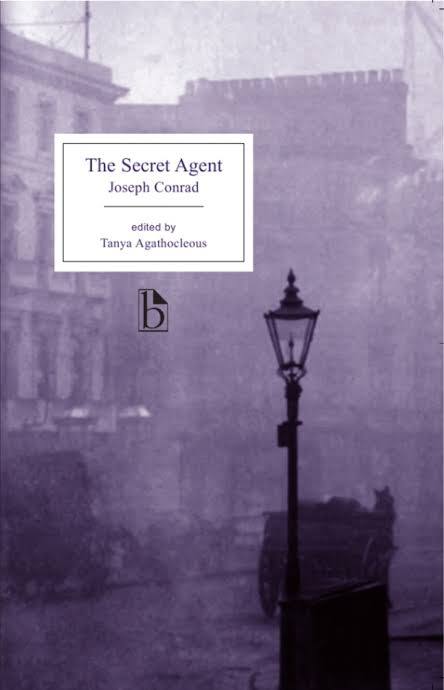
Start this bookNo. 23 on this list. The Secret Agent · Joseph Conrad · 1907
Taught in schools: WJEC/Eduqas GCSE and A-level English Literature (UK)
The Secret Agent appears on the Modern Library 100 Best Novels list (1998) and has a Wikipedia article available in 17 languages with a dedicated reception section, indicating sustained critical discourse. It is regularly taught in university courses on modernism, political fiction, and the novel of ideas, though it occupies a secondary position in Conrad's own canon behind Heart of Darkness.
Difficult11 hours
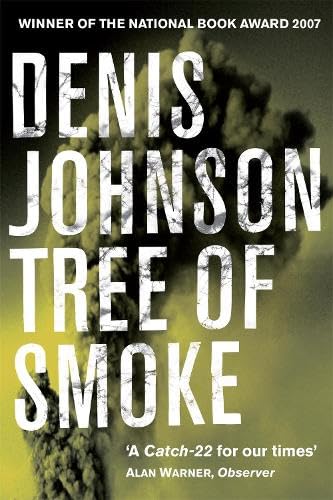
Read nowNo. 24 on this list. Tree of Smoke · Denis Johnson · 2007
Tree of Smoke appears on 12 course syllabi, placing it in the 27th percentile of syllabus appearances — solid but not dominant. Its canonical footprint is real: it is reliably taught in American literature survey courses covering the Vietnam War alongside O'Brien's The Things They Carried, and appears on graduate reading lists in contemporary fiction. Its 2007 National Book Award win cements its status as a significant contemporary novel, but it has not yet achieved the widespread undergraduate course presence of Johnson's Jesus' Son or of the Vietnam War's more established literary canon.
Difficult28 hours
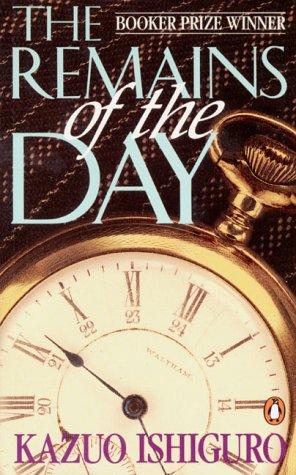
Start this bookNo. 25 on this list. The Remains of the Day · Kazuo Ishiguro · 1989
Taught in schools: AQA GCSE and A-level English Literature (UK), WJEC/Eduqas GCSE and A-level English Literature (UK)
The Remains of the Day appears on 622 university syllabi according to the Open Syllabus Project, placing it among the most-taught contemporary novels in the English-speaking world. It is listed on TIME's All-TIME 100 Novels, published in both Penguin Modern Classics and Everyman's Library editions—two of the most selective prestige reprint series—and appears on the 1001 Books You Must Read Before You Die list.
Difficult9.2 hours
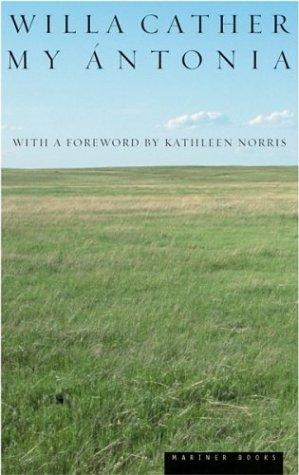
Start this bookNo. 26 on this list. My Antonia · Willa Cather · 1918
My Antonia appears on thousands of university syllabi across American literature, women's literature, and immigrant experience courses. It is included on the Modern Library's 100 Best Novels list and is a fixture in American high school and university curricula, representing the prairie immigrant experience as few other novels do.
Challenging8.4 hours
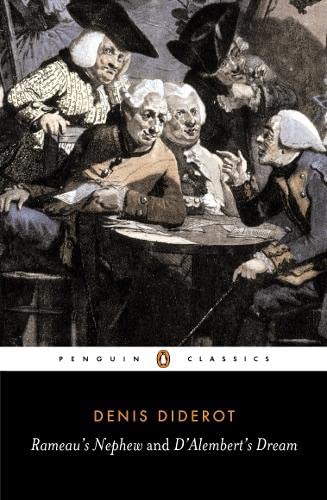
Read nowNo. 27 on this list. Rameau's Nephew · Denis Diderot · 1805
Included in: Great Books of the Western World
Rameau's Nephew is a fixture in 18th-century French literature and philosophy courses at the university level, though it occupies a more specialist niche than Diderot's Encyclopédie work. It appears on syllabi in French literature, Enlightenment studies, and courses on the dialogue form. Goethe's German translation (1805) was the work's first publication and secured its European reputation; Wikipedia articles exist in around 30 languages.
Difficult6 hours
Start this bookNo. 28 on this list. The Father · August Strindberg · 1887
No syllabus or Wikipedia data was returned by automated signals, but 'The Father' is widely anthologized in world drama collections and taught in comparative literature and theatre history courses alongside Ibsen. It is one of Strindberg's two most canonical plays, a fixture of naturalist drama curricula internationally.
Challenging4.1 hours
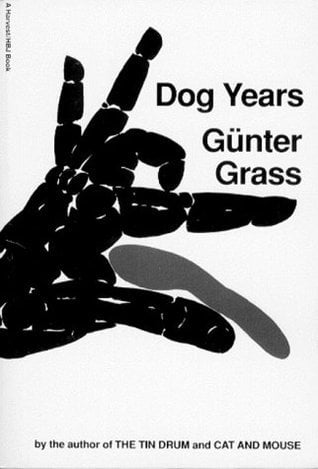
Start this bookNo. 29 on this list. Dog Years · Günter Grass · 1963
Dog Years is the third volume of the Danzig Trilogy and less widely taught than The Tin Drum, which dominates university syllabi. The Wikipedia article is notably short (967 characters), reflecting thinner digital documentation than its companion novels. It remains central to German postwar literature courses and appears on reading lists for Nobel Prize study, but lacks the standalone canonical presence of Grass's earlier work.
Difficult28 hours
Start this bookNo. 30 on this list. Alias Grace · Margaret Atwood · 1996
Appears on 292 university syllabi (61.6th percentile), making it a regular fixture in Canadian literature, postmodern historical fiction, and feminist literary studies courses. Wikipedia coverage in 8 languages reflects strong domestic reputation and moderate international reach. The 2017 Netflix adaptation renewed its teaching presence in contemporary courses on adaptation and narrative.
Challenging16 hours
Start this book
No. 31 on this list. Divan of Hafez
Hafez · 1390
No. 32 on this list. Quincas Borba
Machado de Assis · 1891
Included in: Biblioteca Ayacucho, UNESCO Collection of Representative Works
No. 33 on this list. Poor Folk
Fyodor Dostoevsky · 1846
Taught in schools: Kazakh literature curriculum (Kazakhstan)
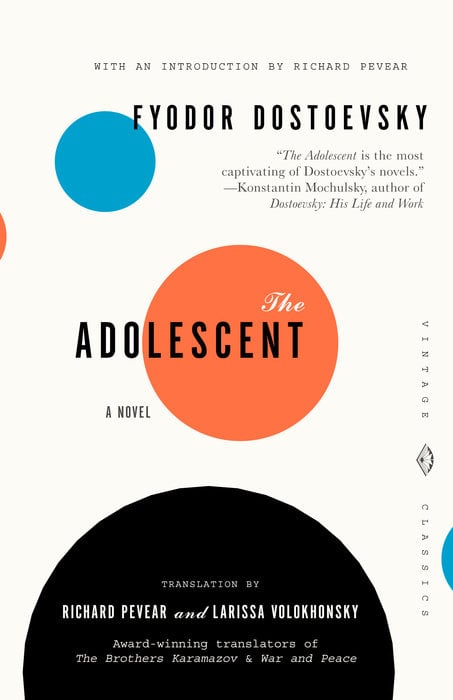
No. 34 on this list. The Adolescent
Fyodor Dostoevsky · 1875
Taught in schools: Russian FGOS literature standard
No. 35 on this list. A Tomb for Boris Davidovich
Danilo Kiš · 1976
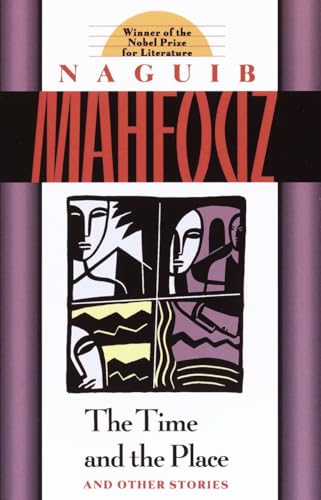
No. 36 on this list. The Thief and the Dogs
Naguib Mahfouz · 1961
Taught in schools: Moroccan secondary Arabic literature (Morocco)
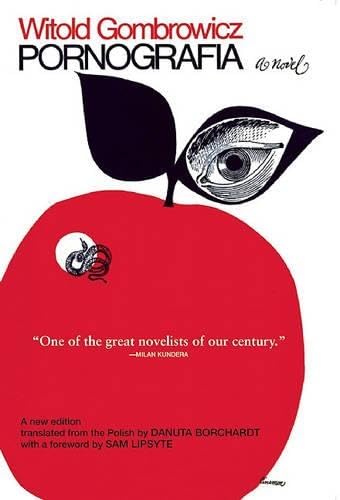
No. 37 on this list. Pornografia
Witold Gombrowicz · 1960
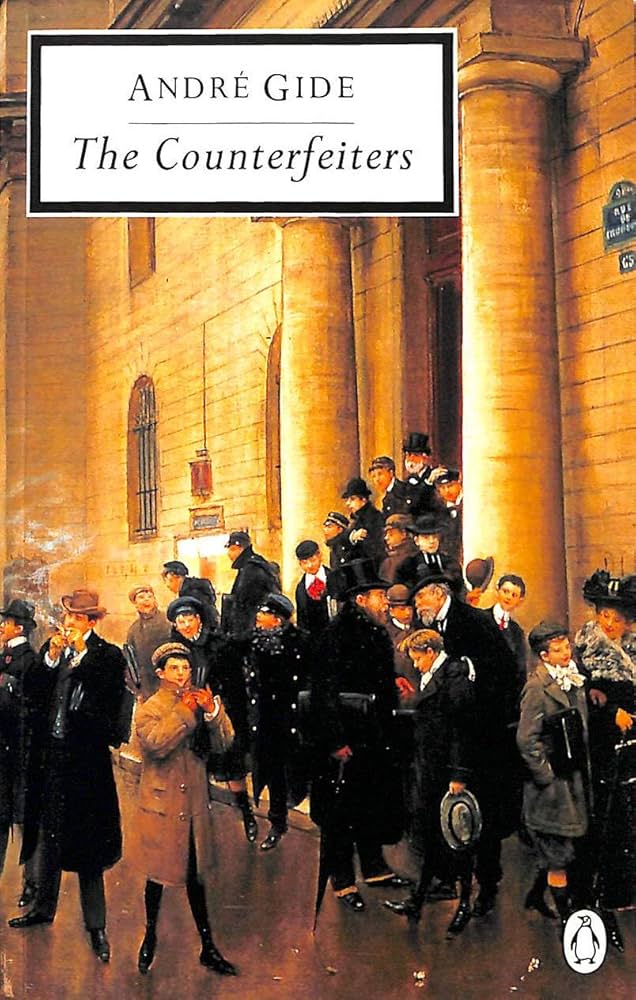
No. 38 on this list. The Counterfeiters
André Gide · 1925
No. 39 on this list. The Sea, The Sea
Iris Murdoch · 1978
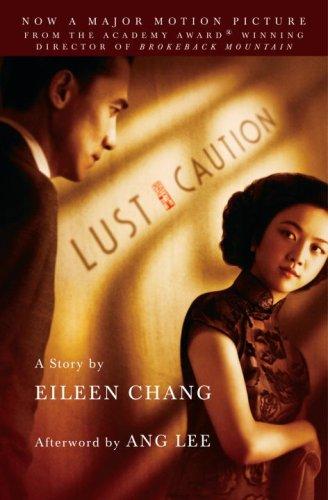
No. 40 on this list. Lust, Caution
Eileen Chang · 1979

No. 41 on this list. Darkness at Noon
Arthur Koestler · 1940
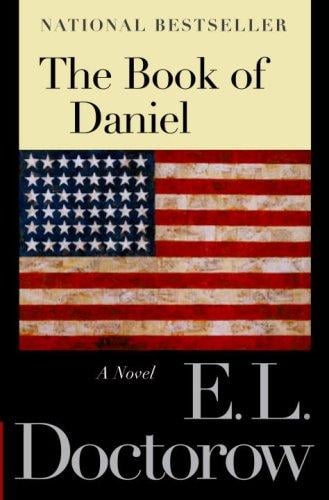
No. 42 on this list. The Book of Daniel
E.L. Doctorow · 1971
No. 43 on this list. The Blind Assassin
Margaret Atwood · 2000
No. 44 on this list. Oryx and Crake
Margaret Atwood · 2003
No. 45 on this list. The Book of the New Sun
Gene Wolfe · 1980
No. 46 on this list. The Secret History
Donna Tartt · 1992
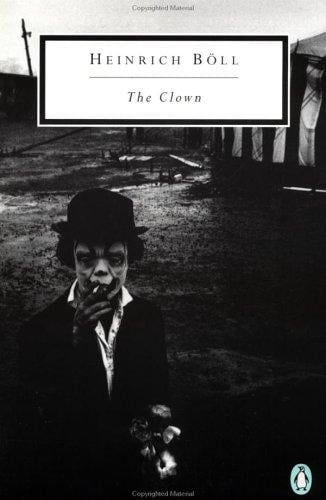
No. 47 on this list. The Clown
Heinrich Böll · 1963
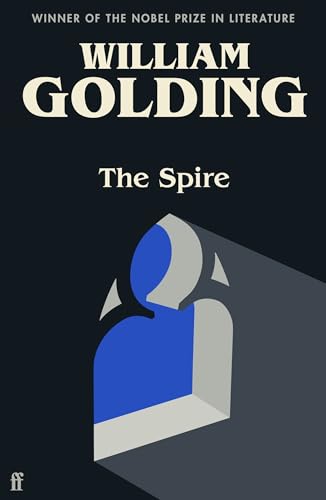
No. 48 on this list. The Spire
William Golding · 1964
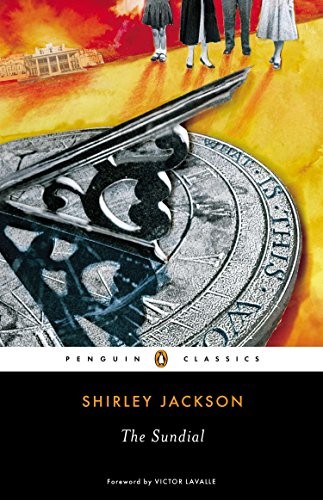
No. 49 on this list. The Sundial
Shirley Jackson · 1958
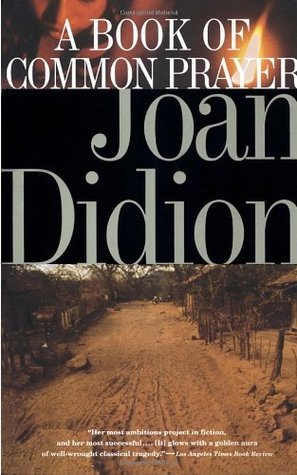
No. 50 on this list. A Book of Common Prayer
Joan Didion · 1977
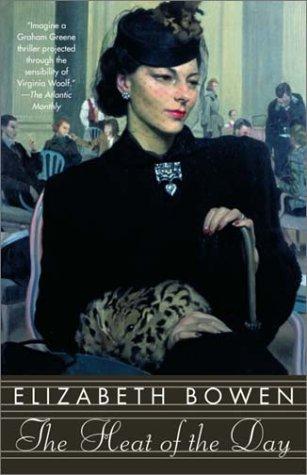
No. 51 on this list. The Heat of the Day
Elizabeth Bowen · 1948
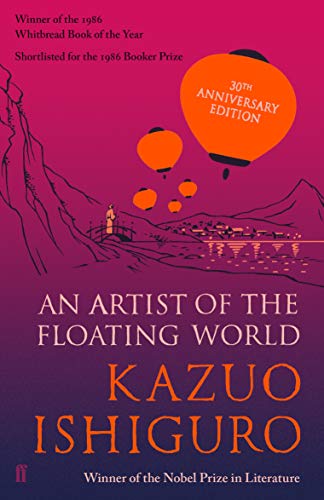
No. 52 on this list. An Artist of the Floating World
Kazuo Ishiguro · 1986
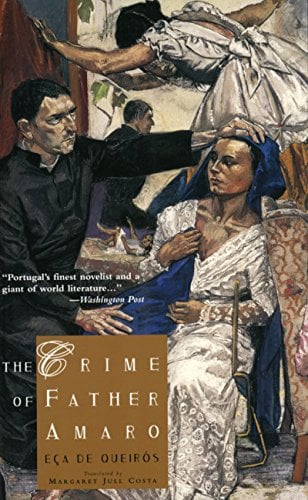
No. 53 on this list. The Crime of Father Amaro
José Maria de Eça de Queirós · 1875
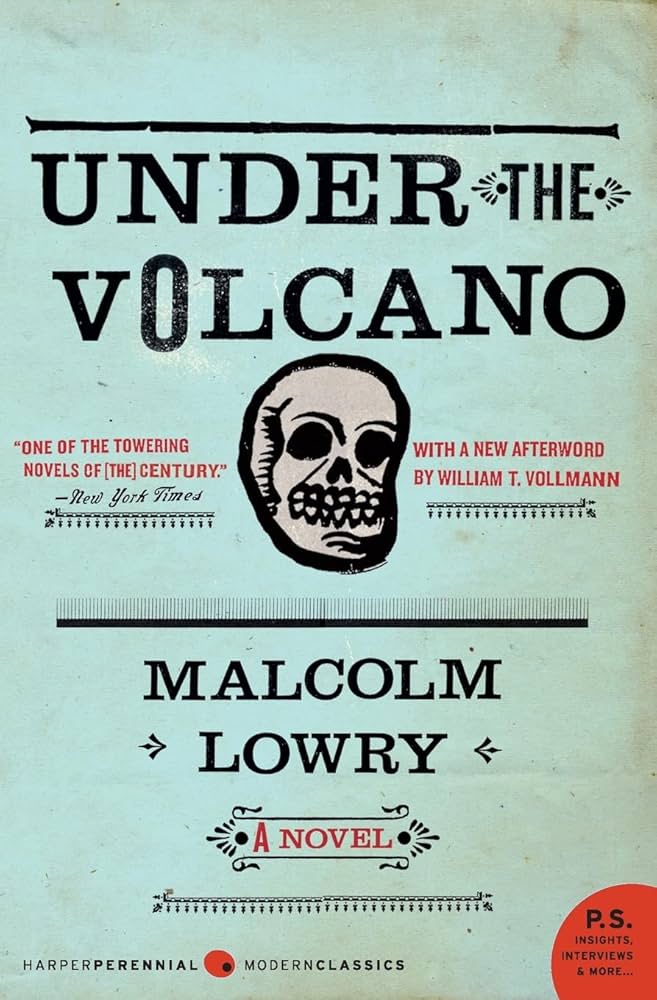
No. 54 on this list. Under the Volcano
Malcolm Lowry · 1947
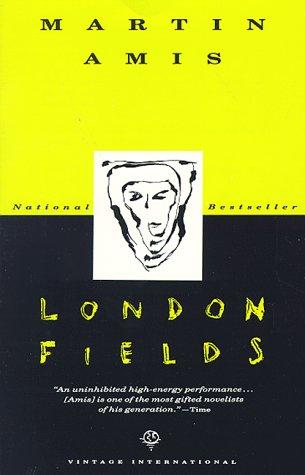
No. 55 on this list. London Fields
Martin Amis · 1989
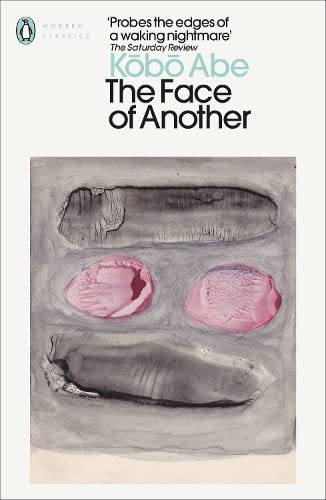
No. 56 on this list. The Face of Another
Kobo Abe · 1964
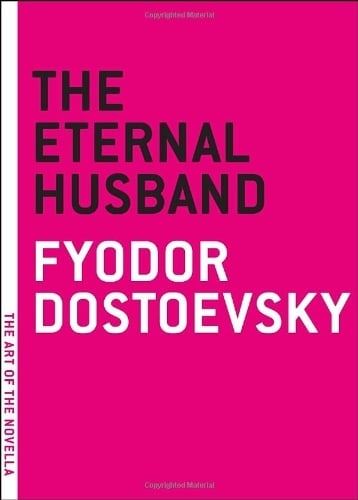
No. 57 on this list. The Eternal Husband
Fyodor Dostoevsky · 1870
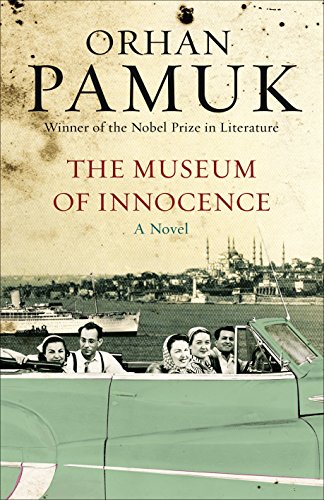
No. 58 on this list. The Museum of Innocence
Orhan Pamuk · 2008
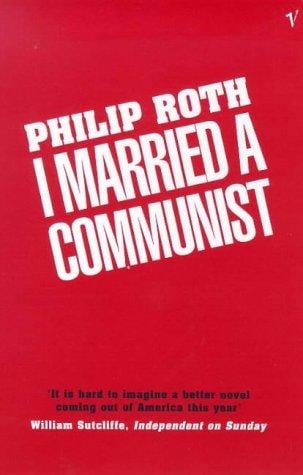
No. 59 on this list. I Married a Communist
Philip Roth · 1998
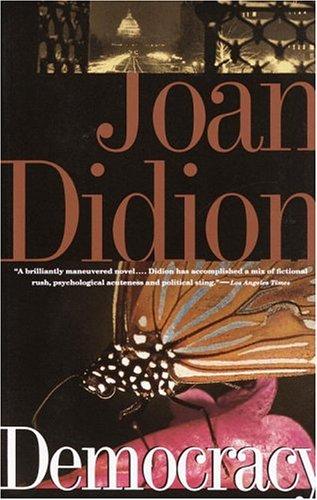
No. 60 on this list. Democracy
Joan Didion · 1984
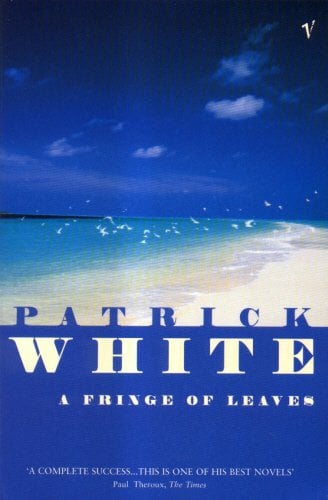
No. 61 on this list. A Fringe of Leaves
Patrick White · 1976
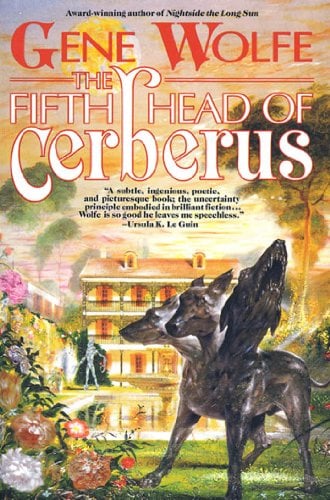
No. 62 on this list. The Fifth Head of Cerberus
Gene Wolfe · 1972
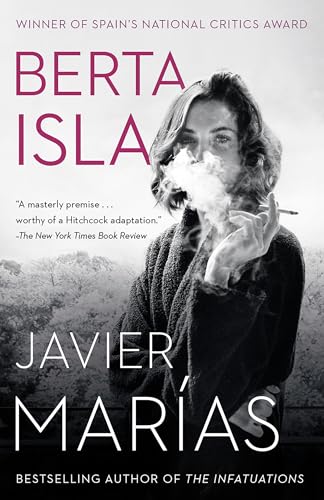
No. 63 on this list. Berta Isla
Javier Marías · 2018
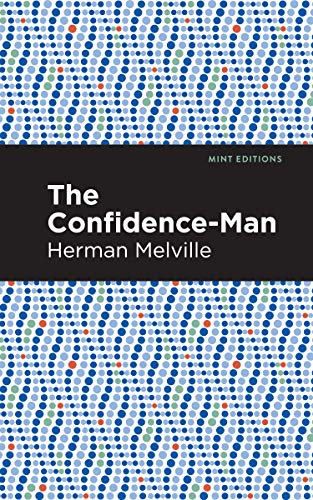
No. 64 on this list. The Confidence-Man
Herman Melville · 1857
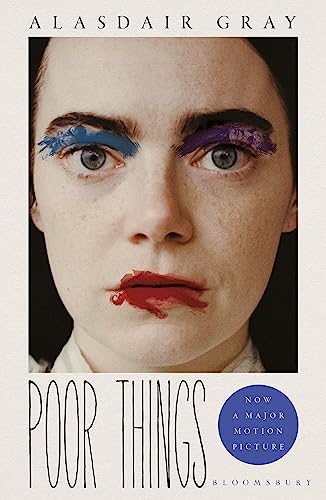
No. 65 on this list. Poor Things
Alasdair Gray · 1992
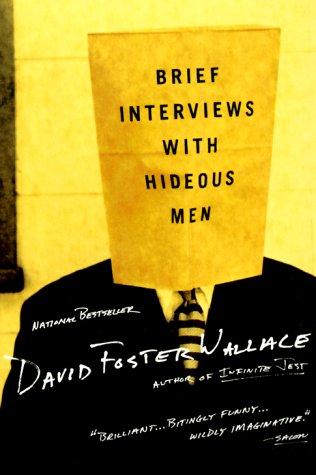
No. 66 on this list. Brief Interviews with Hideous Men
David Foster Wallace · 1999
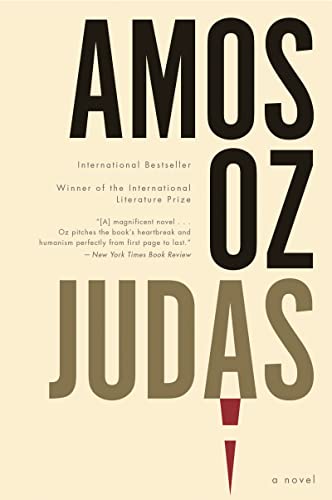
No. 67 on this list. Judas
Amos Oz · 2017
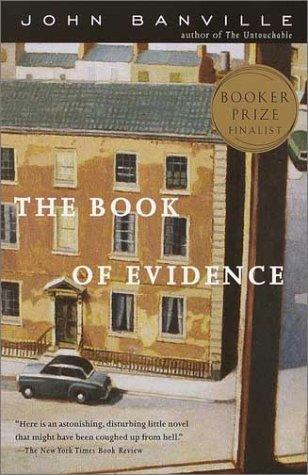
No. 68 on this list. The Book of Evidence
John Banville · 1989
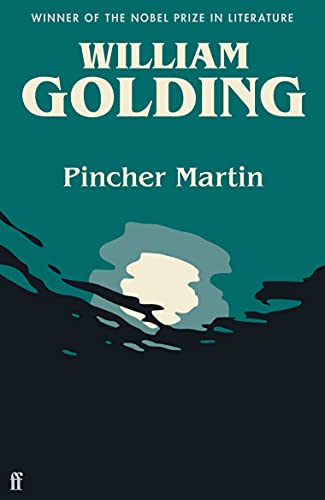
No. 69 on this list. Pincher Martin
William Golding · 1956
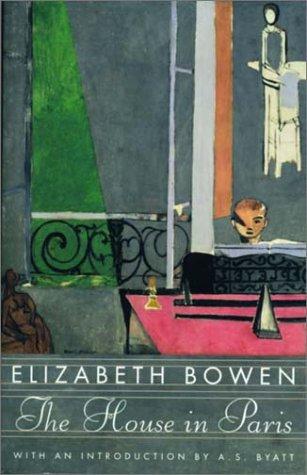
No. 70 on this list. The House in Paris
Elizabeth Bowen · 1935
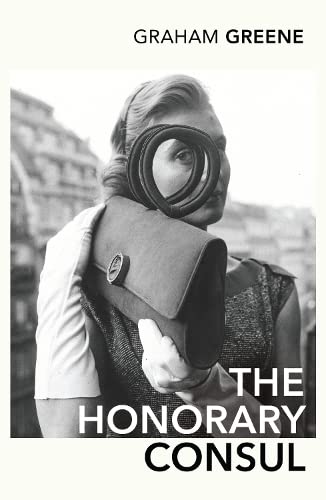
No. 71 on this list. The Honorary Consul
Graham Greene · 1973
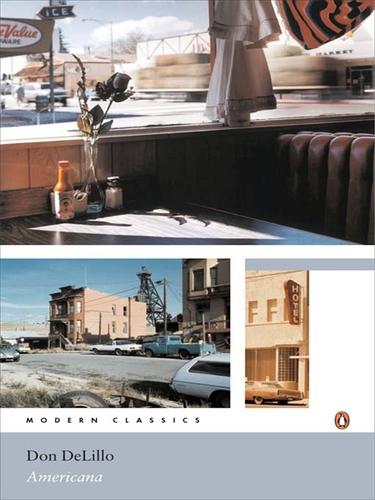
No. 72 on this list. Americana
Don DeLillo · 1971
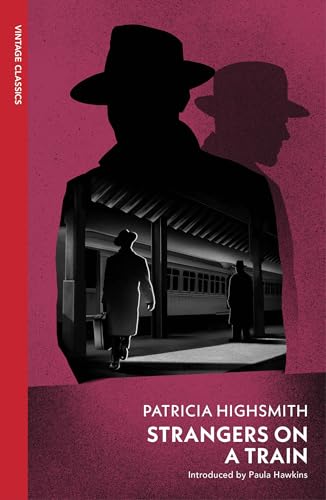
No. 73 on this list. Strangers on a Train
Patricia Highsmith · 1950
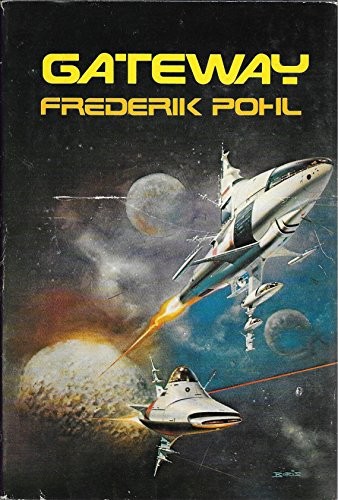
No. 74 on this list. Gateway
Frederik Pohl · 1977
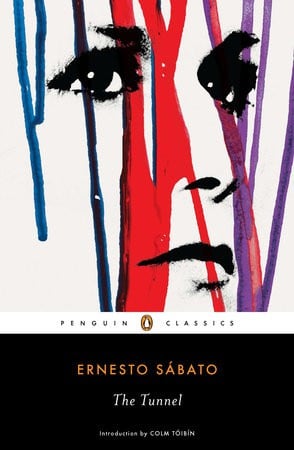
No. 75 on this list. The Tunnel
Ernesto Sabato · 1948
Taught in schools: UNAM Escuela Nacional Preparatoria – programas de Literatura (Mexico)
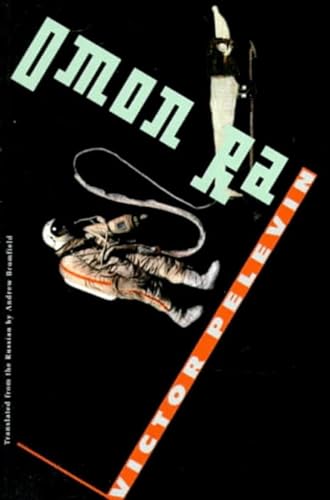
No. 76 on this list. Omon Ra
Viktor Pelevin · 1992
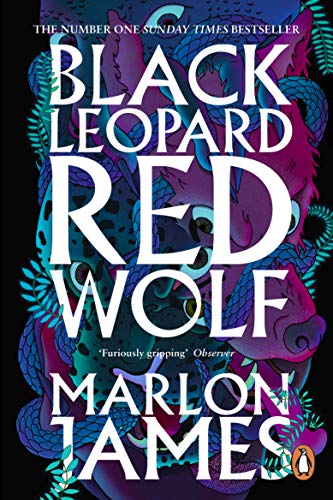
No. 77 on this list. Black Leopard, Red Wolf
Marlon James · 2019
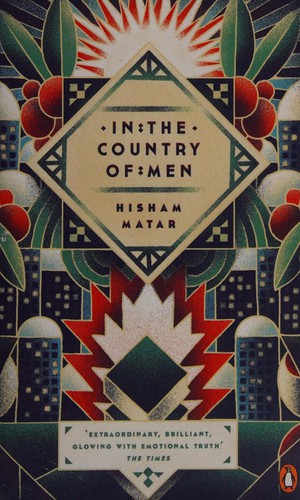
No. 78 on this list. In the Country of Men
Hisham Matar · 2006
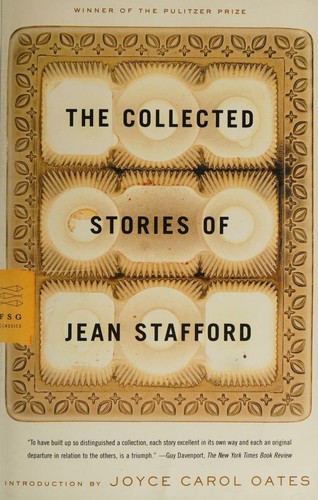
No. 79 on this list. The Collected Stories of Jean Stafford
Jean Stafford · 1970
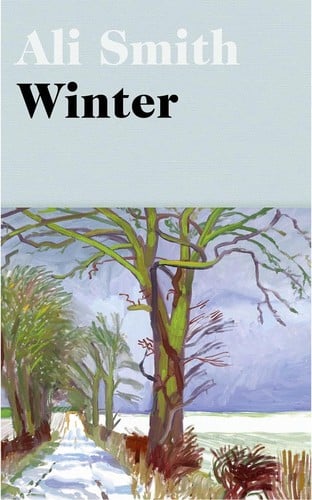
No. 80 on this list. Winter
Ali Smith · 2017
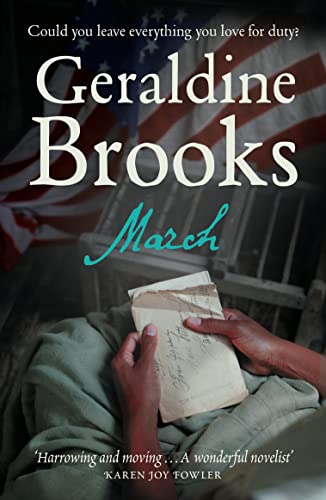
No. 81 on this list. March
Geraldine Brooks · 2006
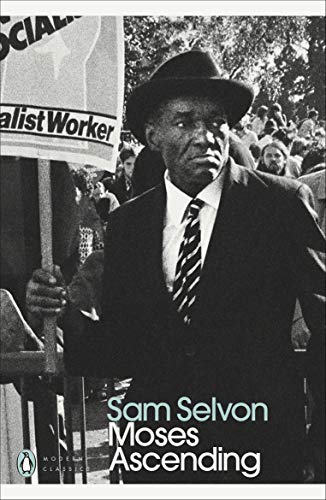
No. 82 on this list. Moses Ascending
Sam Selvon · 1975
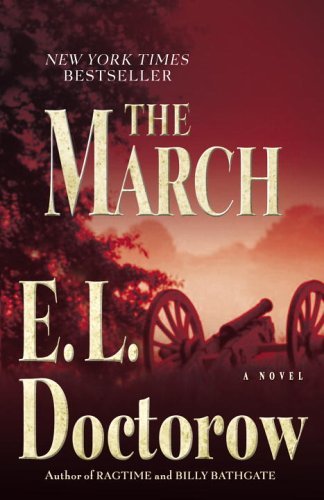
No. 83 on this list. The March
E.L. Doctorow · 2006
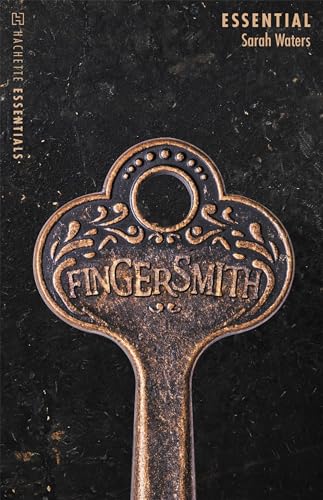
No. 84 on this list. Fingersmith
Sarah Waters · 2002
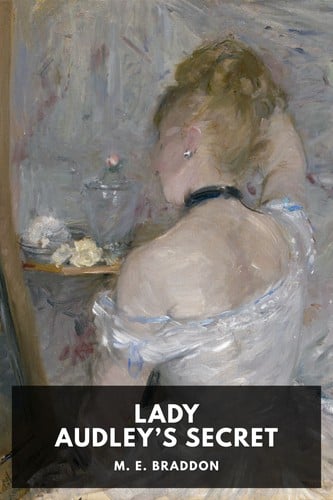
No. 85 on this list. Lady Audley's Secret
Mary Elizabeth Braddon · 1862
Taught in schools: Pearson Edexcel GCSE and A-level English Literature (UK)
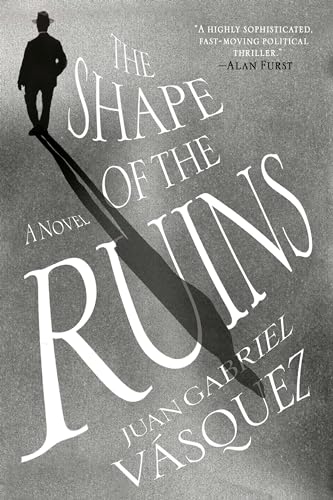
No. 86 on this list. The Shape of the Ruins
Juan Gabriel Vásquez · 2019
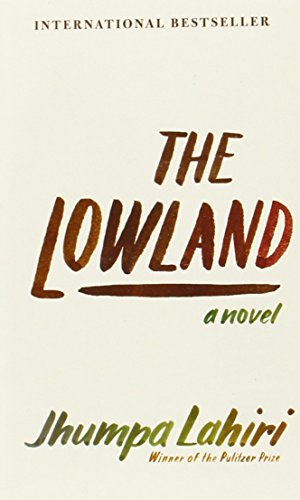
No. 87 on this list. The Lowland
Jhumpa Lahiri · 2013
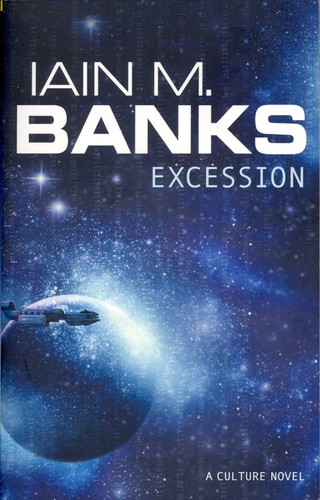
No. 88 on this list. Excession
Iain M. Banks · 1996
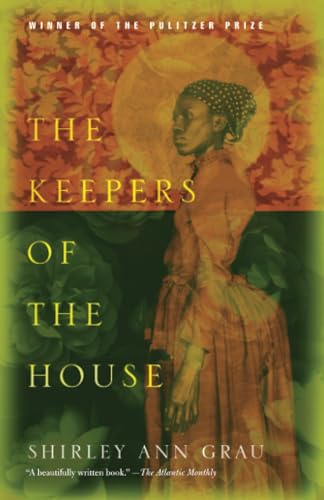
No. 89 on this list. The Keepers of the House
Shirley Ann Grau · 1965
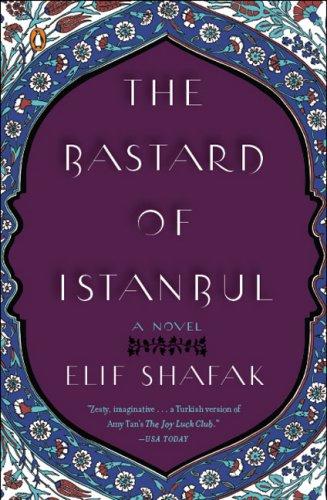
No. 90 on this list. The Bastard of Istanbul
Elif Shafak · 2006
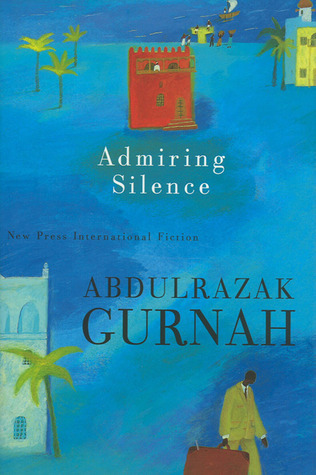
No. 91 on this list. Admiring Silence
Abdulrazak Gurnah · 1996
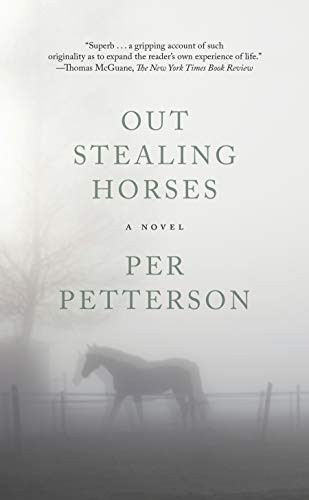
No. 92 on this list. Out Stealing Horses
Per Petterson · 2007
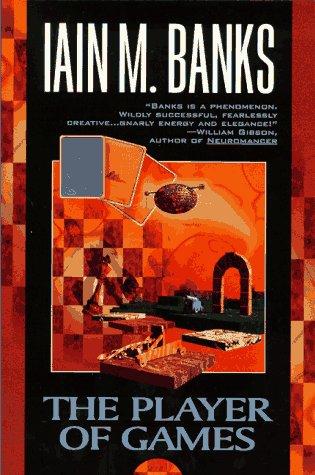
No. 93 on this list. The Player of Games
Iain M. Banks · 1988
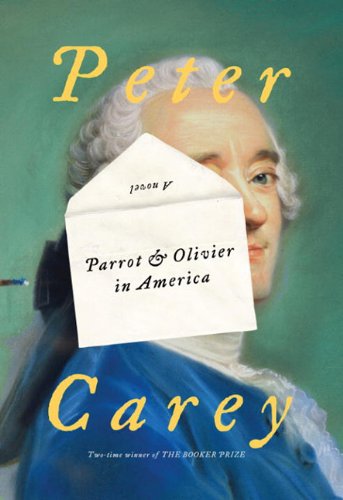
No. 94 on this list. Parrot and Olivier in America
Peter Carey · 2010
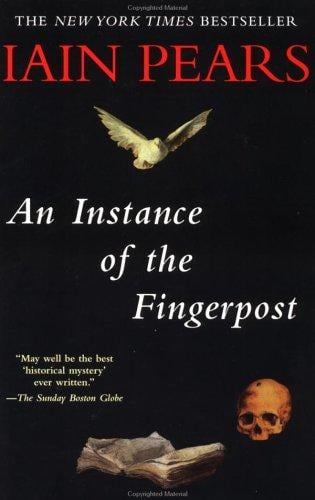
No. 95 on this list. An Instance of the Fingerpost
Iain Pears · 1997
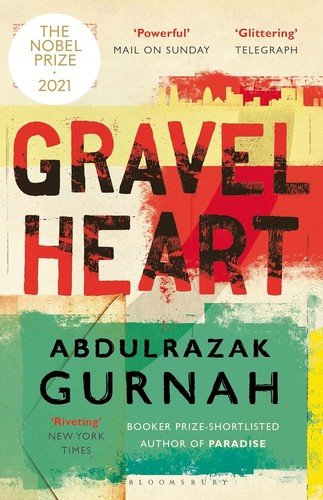
No. 96 on this list. Gravel Heart
Abdulrazak Gurnah · 2017
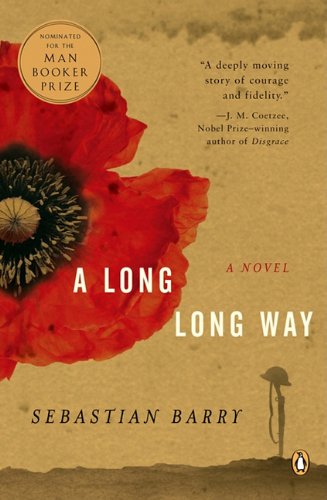
No. 97 on this list. A Long Long Way
Sebastian Barry · 2005
Taught in schools: AQA GCSE and A-level English Literature (UK)
No. 98 on this list. The Big Green Tent
Ludmila Ulitskaya · 2010
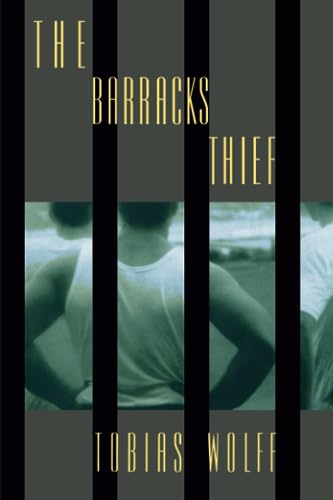
No. 99 on this list. The Barracks Thief
Tobias Wolff · 1985
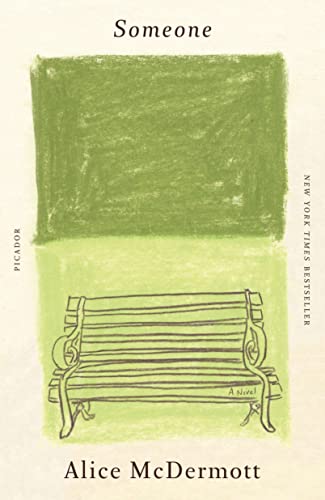
No. 100 on this list. Someone
Alice McDermott · 2013
About this list
These 100 books are the highest-scoring eligible challenging books about deception and secrets currently in the catalogue. About 1,303 hours of reading in all. Difficulty runs from 68 to 74 out of 100 for the middle half of the list; the summit is The Recognitions at 85.
This list is ranked by literary regard, with a consistent order for equal scores. Membership follows authors and co-authors, not translators or editors. A book is here when ReadingRate files it under Deception & Secrets as one of its primary reading domains, at a confidence of 0.8 or more. Catalogue coverage and the historical canon both limit what this list can represent.
When we matched the Canons dataset to our catalogue in October 2026, our canonical-status scores rose with the number of school curricula, publisher series and lists in it that cite a work: the median score was 72 for books one such source cites, 84 at two, 88 at three, 92 at four and 93 at five or more. Prizes are left out of that count. Outside the state curricula, the dataset’s sources choose mostly from what has been translated into English or French, so it is a weaker check on other literatures. Source: Canons (Andrew Piper), CC BY 4.0
Questions people actually ask
- What are the best challenging books about deception and secrets?
- By literary regard, which weighs canonical status, critical standing and influence: Hamlet by William Shakespeare, Lolita by Vladimir Nabokov, Troilus and Criseyde by Geoffrey Chaucer, The Scarlet Letter by Nathaniel Hawthorne and Cat on a Hot Tin Roof by Tennessee Williams. ReadingRate ranks 100 such books, each with a difficulty score and a reading-time estimate.
- Which challenging books about deception and secrets should I read first?
- Start from difficulty, not from rank. The most approachable books on this list that still carry top literary regard are The Good Soldier by Ford Madox Ford (about 7 hours), The Moonstone by Wilkie Collins and Cat on a Hot Tin Roof by Tennessee Williams.
- What are the shortest of the best challenging books about deception and secrets?
- Among the top 25, the shortest are Measure for Measure by William Shakespeare (about 2.8 hours), Troilus and Cressida by William Shakespeare (about 3.1 hours) and Hamlet by William Shakespeare (about 3.1 hours), at an average pace of 250 words a minute adjusted for each book's difficulty.
- Which of the best challenging books about deception and secrets are the established classics?
- By canonical status, how firmly a book sits in curricula, anthologies and the canon: Hamlet by William Shakespeare, Lolita by Vladimir Nabokov, Troilus and Criseyde by Geoffrey Chaucer, The Scarlet Letter by Nathaniel Hawthorne and Cat on a Hot Tin Roof by Tennessee Williams.
- Can I read any of these challenging books about deception and secrets for free?
- 16 of the 100 open in ReadingRate's reader with a free account, from public-domain editions: Hamlet, Troilus and Criseyde, The Scarlet Letter, Troilus and Cressida, Measure for Measure and 11 more.
- How long would it take to read the top ten?
- About 86 hours, at an average pace of 250 words a minute adjusted for each book's difficulty: 44 days at two hours a day. Set your own pace on the page and the list's reading times change to it.
- How hard are challenging books about deception and secrets to read?
- Most of this list sits between 68 and 74 on ReadingRate's 100-point difficulty scale, where 40 to 55 is moderate. The summit is The Recognitions at 85. Every entry carries its own score, so a reader can pick a great book at a difficulty they will finish.
- How is this list ranked?
- On literary-regard data: how canonically established a work is, its critical standing, and its influence on later writing. It is not a readers’ poll, which is why recent bestsellers rarely appear. Membership follows authors and co-authors, not translators or editors. Lists by country, author, period, theme or difficulty keep to literature (fiction, poetry, drama and philosophy), their novels, poems and plays first and their philosophy after them; a list of a kind of book, such as memoir or criticism, keeps every book of that kind. Every list holds at most three works by one author. A book is here when ReadingRate files it under Deception & Secrets as one of its primary reading domains, at a confidence of 0.8 or more.