Hours at an average pace
Showing 100 books
About 1,273 hours for 100 of 100 books with measured lengths. Estimates use 250 words a minute, adjusted for each book's difficulty. At 2 hours a day, about 637 days for those books.
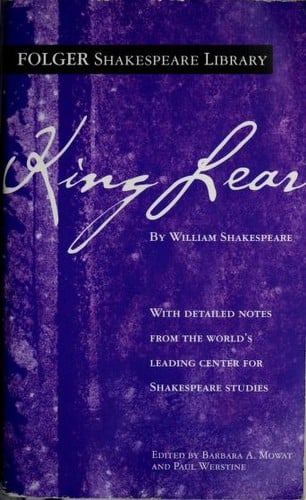
No. 1 on this list. King Lear
William Shakespeare · 1606
Difficult12 hours
Taught in schools: AQA GCSE and A-level English Literature (UK), WJEC/Eduqas GCSE and A-level English Literature (UK)
Included in: Bokklubben World Library, Great Books of the Western World, UNESCO Collection of Representative Works
King Lear appears on 2,254 university syllabi per Open Syllabus — placing it in the 84th percentile of all works — and has Wikipedia articles in 71 languages. It appears in virtually every anthology of English literature and every Shakespeare course worldwide. Most critics rank it alongside Hamlet as Shakespeare's greatest achievement; Harold Bloom called it the summit of the Western literary canon.
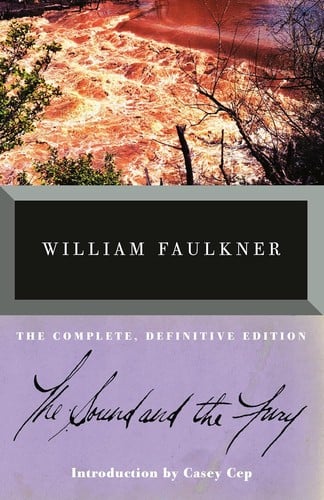
No. 2 on this list. The Sound and the Fury
William Faulkner · 1929
Difficult15 hours
Taught in schools: Turkish edebiyat curriculum (Turkey)
Included in: Bokklubben World Library
Listed on Modern Library 100 Best Novels, TIME All-TIME 100 Novels, Le Monde's 100 Books of the Century, and Open Syllabus Top 500 Literature. Wikipedia article exists in 35 languages with dedicated Reception and Adaptations sections and 57,976 characters of editorial content. A fixture of American literature courses and universally regarded as one of the defining works of American modernism — canonical weight comparable to or exceeding The Great Gatsby.
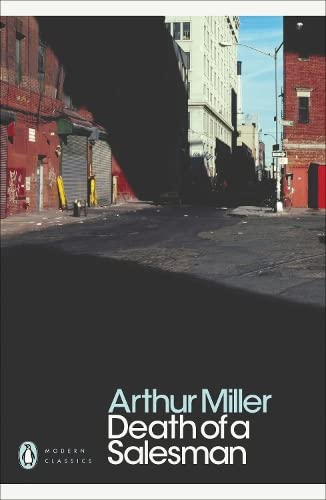
No. 3 on this list. Death of a Salesman
Arthur Miller · 1949
Challenging3.9 hours
Taught in schools: AQA GCSE and A-level English Literature (UK), Common Core text exemplars (Appendix B) (US), CSEC English B – Caribbean Examinations Council
Required reading in virtually every American high school and most university American Drama and Literature courses. The play appears on thousands of university syllabi globally and consistently ranks among the defining works of American theater on 'essential reading' lists. It has been in continuous production since its 1949 premiere.
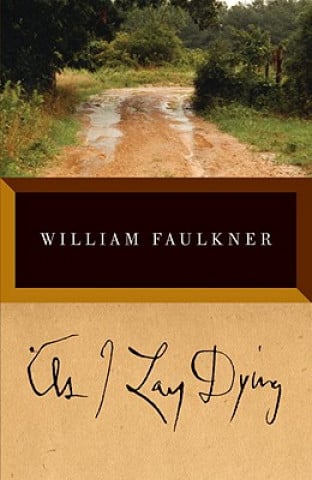
No. 4 on this list. As I Lay Dying
William Faulkner · 1930
Challenging6 hours
Taught in schools: Common Core text exemplars (Appendix B) (US)
As I Lay Dying appears on 1,422 university syllabi (78.8th percentile) and is listed on the Modern Library 100 Best Novels and the Open Syllabus Top 500 Literature list. Wikipedia articles exist in 24 languages and the entry notes an adaptations section indicating cultural reach. A fixture of American modernism courses, though less universally assigned than The Great Gatsby (95) or To Kill a Mockingbird (92).
No. 5 on this list. Henry IV, Part 1
William Shakespeare · 1598
Difficult3.1 hours
Taught in schools: WJEC/Eduqas GCSE and A-level English Literature (UK)
Included in: Great Books of the Western World
Henry IV, Part 1 appears on 48 university syllabi in the Open Syllabus Project and has a Wikipedia article available in 30 languages, reflecting its status as a standard text in Shakespeare courses and English history play curricula worldwide. While not the first Shakespeare play assigned — that tends to be Hamlet, Macbeth, or Romeo and Juliet — it is taught in virtually every dedicated Shakespeare module and appears on most lists of essential history plays.
No. 6 on this list. Absalom, Absalom!
William Faulkner · 1936
Difficult18 hours
Included in: Bokklubben World Library
Faulkner retold the story of the South's racial catastrophe through sentences that coil and branch like kudzu, with four narrators across a century reconstructing a plantation patriarch's crime and its consequences. The novel is the most structurally ambitious work in American fiction — a detective story about history itself, in which the clues are voices and the evidence is contradictory.
Morrison sent a young Black man on a mythic quest through four generations of his family's buried history, fusing African-American folklore, biblical allusion, and the cadences of blues and gospel into a narrative structure no American novel had attempted before. The novel proved that flight — literal and metaphorical — could carry the full weight of Black American experience from slavery to self-knowledge.
No. 8 on this list. Cat on a Hot Tin Roof
Tennessee Williams · 1955
Challenging5.5 hours
Taught in schools: AQA GCSE and A-level English Literature (UK)
Cat on a Hot Tin Roof won the 1955 Pulitzer Prize for Drama and is taught in American literature and theater courses across the country, standing alongside A Streetcar Named Desire as the twin peaks of Williams's canon. The 1958 film adaptation with Paul Newman and Elizabeth Taylor brought it to global audiences, cementing its place in the broader cultural record. It appears on virtually every syllabus covering American drama.
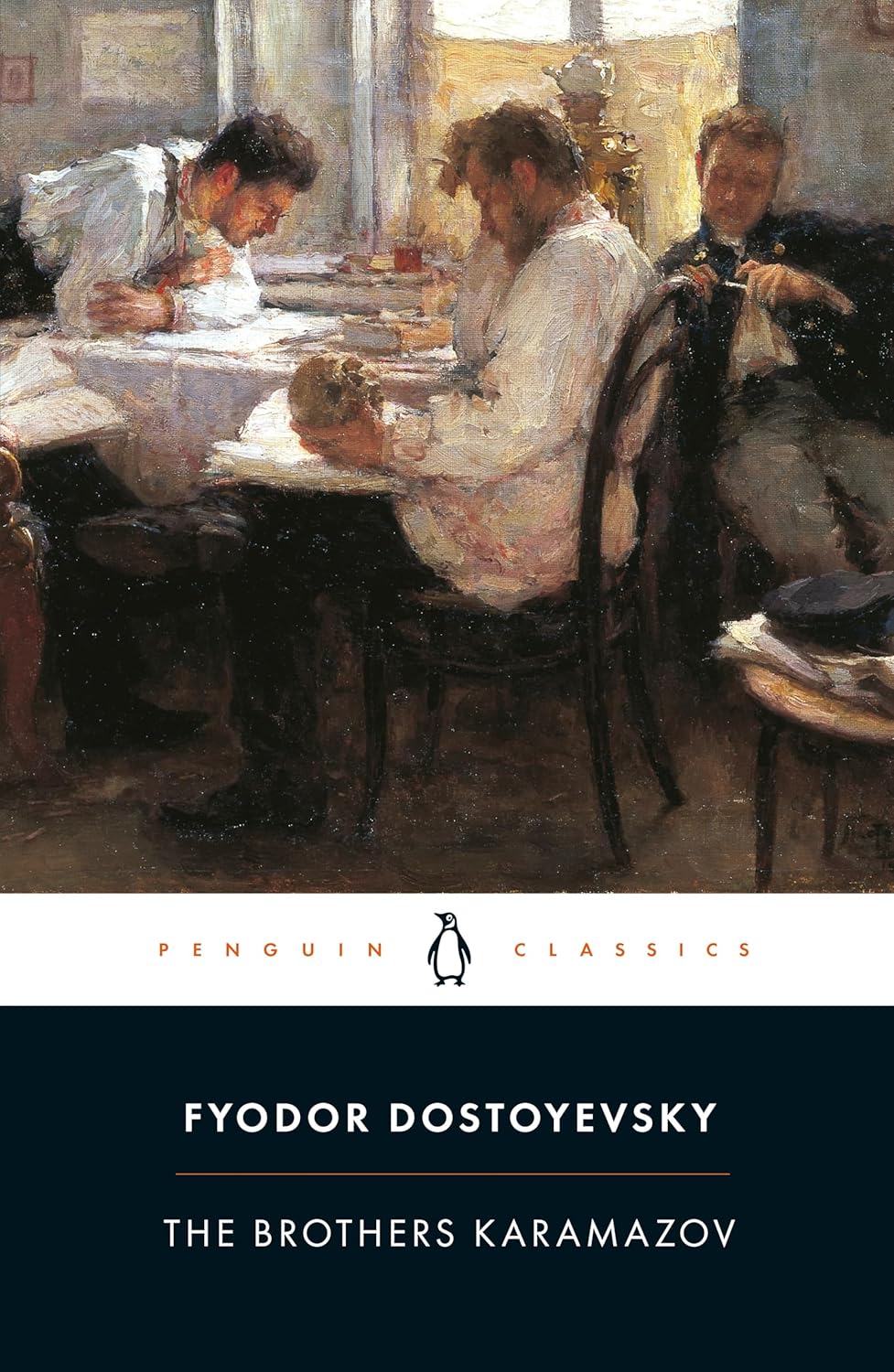
No. 9 on this list. The Brothers Karamazov
Fyodor Dostoevsky · 1880
Challenging35 hours
Included in: Bokklubben World Library, Great Books of the Western World
Dostoevsky staged the question of whether God's existence can be reconciled with the suffering of children as a family drama among four brothers, each embodying a different answer. The Grand Inquisitor chapter alone would secure its place; the rest of the novel makes it the most intellectually ambitious work of fiction ever completed.
The Caucasian Chalk Circle is among the most-taught plays in university drama and literature curricula worldwide, standard on syllabi alongside Mother Courage and The Good Person of Szechwan. It appears in secondary school programs across Europe and is a fixture of Western dramatic canon, placing it well above mid-century works that lack similar educational penetration.
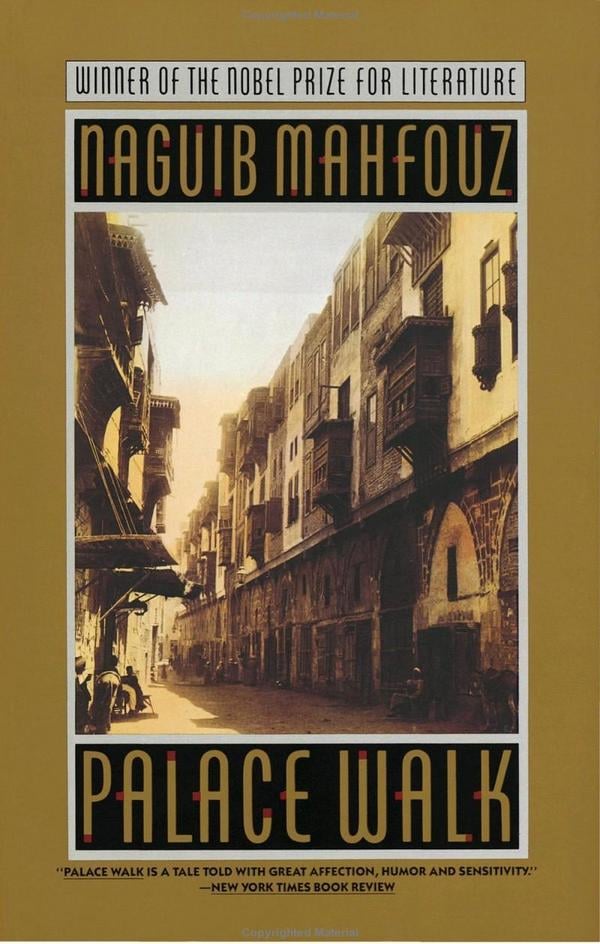
No. 11 on this list. Palace Walk · Naguib Mahfouz · 1956
Appears on 56 university syllabi according to Open Syllabus, placing it in the 44th percentile — respectable but reflecting the underrepresentation of Arabic literature in Western curricula. As the opening volume of Mahfouz's Cairo Trilogy, it anchors world literature and postcolonial studies courses that cover the modern Arabic novel.
Challenging19 hours
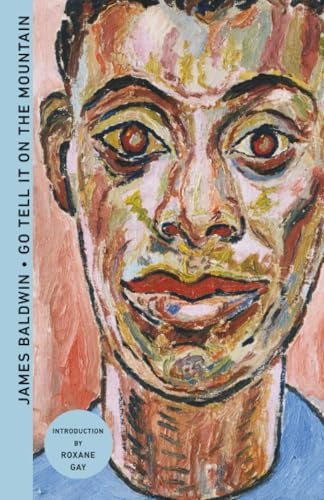
Start this bookNo. 12 on this list. Go Tell It on the Mountain · James Baldwin · 1953
Listed on both the Modern Library 100 Best Novels (1998) and TIME All-TIME 100 Novels (2005), and appears on 414 university syllabi (65th percentile by Open Syllabus data). Baldwin's debut is a fixture in American literature and African-American literature courses.
Difficult10 hours
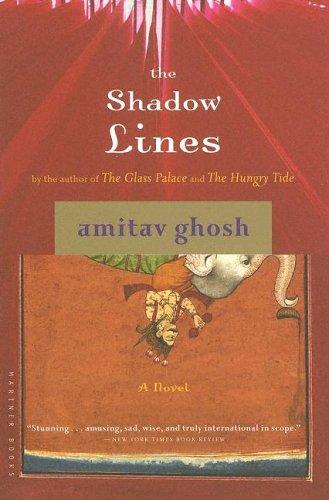
Start this bookNo. 13 on this list. The Shadow Lines · Amitav Ghosh · 1988
The Shadow Lines won the Sahitya Akademi Award and is standard on postcolonial fiction syllabuses globally. It is consistently ranked among the defining novels of South Asian Anglophone literature alongside Midnight's Children. Its treatment of Partition and communal violence has made it a touchstone for academic and general literary discourse about South Asia.
Difficult14 hours
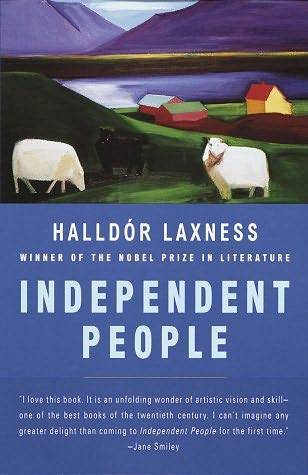
Start this bookNo. 14 on this list. Independent People · Halldór Laxness · 1934
Included in: Bokklubben World Library
Wikipedia presence in only 9 languages and no Open Syllabus appearances indicate it is not widely taught outside Scandinavia. However, Independent People appears regularly on canonical world literature lists, including Time magazine's All-TIME 100 Novels, and is considered Laxness's defining work — the novel most associated with his 1955 Nobel Prize.
Difficult24 hours
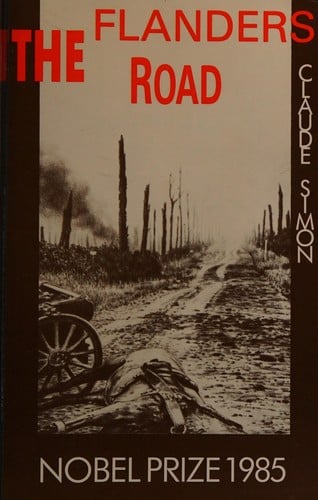
Start this bookNo. 15 on this list. The Flanders Road · Claude Simon · 1960
Nobel laureate's masterpiece. Essential in nouveau roman studies.
Challenging8.1 hours
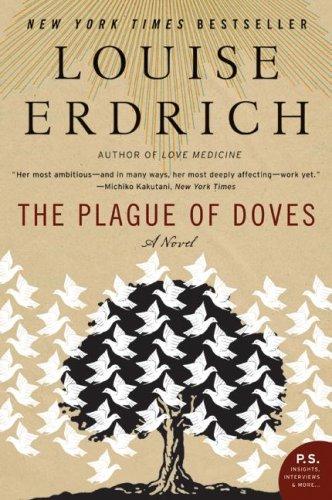
Start this bookNo. 16 on this list. The Plague of Doves · Louise Erdrich · 2008
Pulitzer Prize finalist (2009) and the first entry in a trilogy whose second volume, The Round House, won the National Book Award. Taught in university courses on contemporary American and Native American literature, with an established academic presence in postcolonial and ethnic studies. Widely regarded as one of Erdrich's most formally accomplished novels.
Difficult14 hours
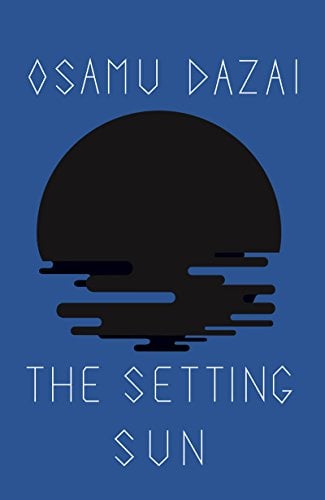
Start this bookNo. 17 on this list. The Setting Sun · Osamu Dazai · 1947
A cornerstone of postwar Japanese literature, widely taught in Japanese and world literature courses internationally. The word 'shayozoku' ('people of the setting sun') entered the Japanese language from this novel's publication in 1947, marking its immediate cultural impact. Donald Keene's 1956 English translation established it as essential reading in Western Japanese literature curricula.
Difficult4.7 hours
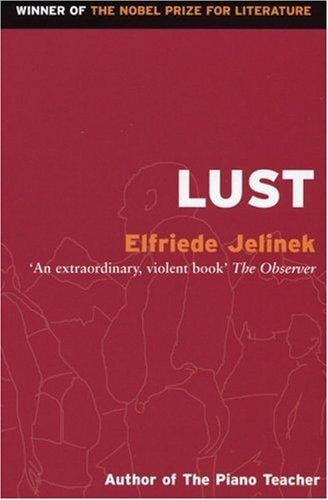
Start this bookNo. 18 on this list. Lust · Elfriede Jelinek · 1989
Jelinek is a Nobel Prize winner (2004), and Lust is among her most-discussed novels, central to courses in feminist literature, Austrian literature, and avant-garde fiction. The Wikipedia article on Lust exists in 58 languages, indicating significant global recognition. However, the novel is not a fixture of general literary survey courses in the way that Jelinek's work as a whole is taught — it is a specialist text, assigned where Jelinek is the focus or feminist radical fiction is the subject. Its explicit content limits its classroom reach. Canonical within feminist literary studies; less so in general world literature curricula.
Difficult9.3 hours
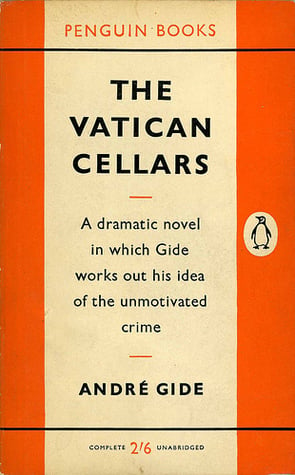
Start this bookNo. 19 on this list. The Vatican Cellars · André Gide · 1914
The Vatican Cellars opens in Rome in 1890 with Anthime Armand-Dubois, a freemason rationalist whose body trembles with spasms while his wife Véronique maintains quiet devotion. Anthime conducts vivisection experiments on animals to reduce behavior to simple tropisms, recruiting street orphan Beppo to procure his living test subjects. When Anthime smashes a Madonna statue in fury at his wife's prayers, he experiences a dream-vision of the Blessed Virgin that leaves him physically healed yet spiritually transformed. The novel then shifts to Julius de Baraglioul, a novelist and aristocrat whose father sends him to investigate the mysterious young Lafcadio Wluiki, a mysterious nineteen-year-old orphan of dubious origins. Julius discovers Lafcadio's private notebook, where the youth records not moral reflections but acts of self-harm, punishing himself with meticulous tallies for imagined transgressions. Gide weaves together these character strands with satirical precision, creating a darkly comic examination of belief, rebellion, and the peculiar violence that lurks beneath bourgeois respectability.
Challenging7.5 hours
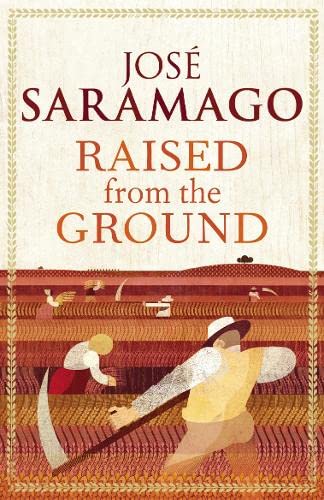
Start this bookNo. 20 on this list. Raised from the Ground · José Saramago · 1980
Frequently taught in world literature and Iberian studies courses as the foundational Portuguese novel of the 20th century. It appears consistently in comparative literature syllabi focused on Latin American and European magical realism, and is cited in virtually every critical treatment of Saramago's oeuvre. Less globally ubiquitous than One Hundred Years of Solitude but central to any serious study of European literary modernism.
Challenging13 hours
Start this book
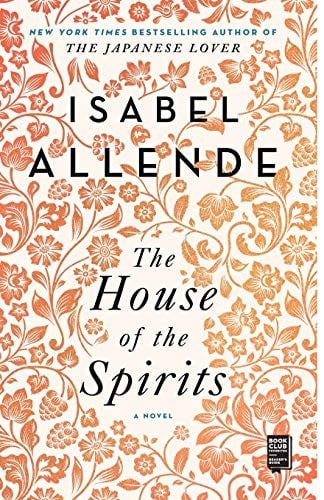
No. 21 on this list. The House of the Spirits · Isabel Allende · 1982
Taught in schools: Literatura, Diseño Curricular – Provincia de Buenos Aires (Argentina), UNAM Escuela Nacional Preparatoria – programas de Literatura (Mexico)
The House of the Spirits appears on a substantial number of university syllabi in Latin American literature, world literature, and postcolonial studies courses across the US and Europe. It features on several '100 best novels' lists and is considered essential reading in its genre. While not as universally assigned as canonical Anglo-American works, it holds a firm place in the world literature curriculum, particularly in Spanish-language departments and courses on magical realism.
Challenging19 hours
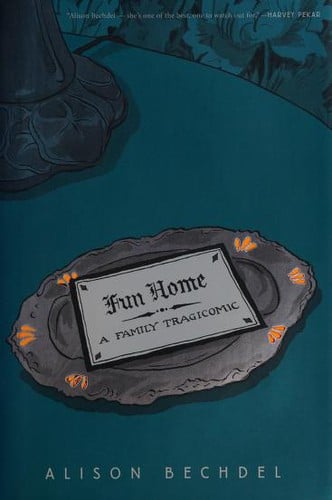
Start this bookNo. 22 on this list. Fun Home · Alison Bechdel · 2006
Fun Home is foundational in graphic novel studies, queer memoir, and contemporary comics curricula at the university level. It appears on syllabi in English, gender studies, and art courses across North America, though it does not yet occupy the traditional Western canon. Its inclusion in Time's All-TIME 100 Graphic Novels list marks it as essential reading within its form.
Challenging5.3 hours
Start this bookNo. 23 on this list. Arturo's Island · Elsa Morante · 1957
Winner of the Premio Strega in 1957, Italy's most prestigious literary prize, Arturo's Island is firmly established in the Italian literary canon and taught extensively in Italian schools and universities. It appears regularly on international world-literature lists and is considered one of the defining Italian novels of the twentieth century, alongside works by Pavese and Calvino.
Difficult14 hours
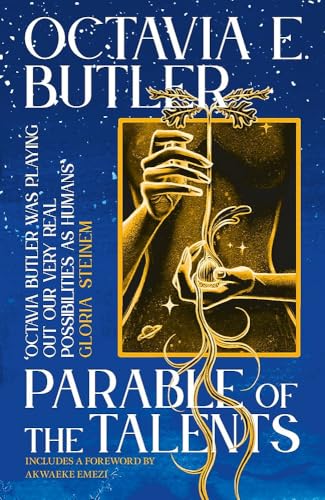
Start this bookNo. 24 on this list. Parable of the Talents · Octavia E. Butler · 1998
Winner of the Nebula Award for Best Novel (1999). Widely taught in speculative fiction, Afrofuturism, and American dystopia courses. The Parable duology is among the most assigned works in contemporary SF syllabi and is firmly canonical within the genre; its canonical standing in broader American literary culture continues to grow.
Challenging13 hours
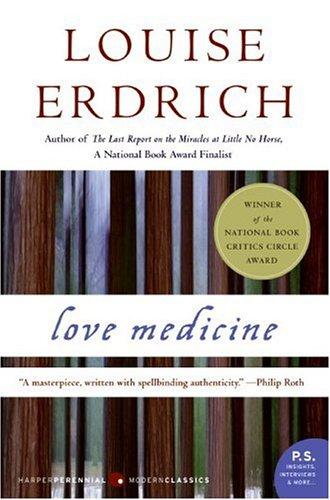
Start this bookNo. 25 on this list. Love Medicine · Louise Erdrich · 1984
Love Medicine appears on hundreds of university syllabi in American literature, Native American literature, and multicultural fiction courses, making it one of the most-taught works of Indigenous American fiction. It is frequently included in survey courses covering post-1960s American literature, and Erdrich's debut has maintained continuous academic attention for four decades. Its canonical standing falls below that of Morrison's Beloved but well above cult literary works.
Difficult10 hours
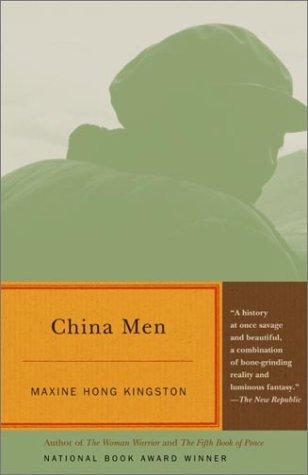
Start this bookNo. 26 on this list. China Men · Maxine Hong Kingston · 1980
China Men appears regularly on syllabi in Asian-American literature, women's literature, and American studies courses. It is one of the two books — alongside The Woman Warrior — that established Kingston as the field's foundational figure. The book lacks the universal high school assignment status of Beloved or To Kill a Mockingbird but is a standard text in its academic subfields.
Challenging11 hours
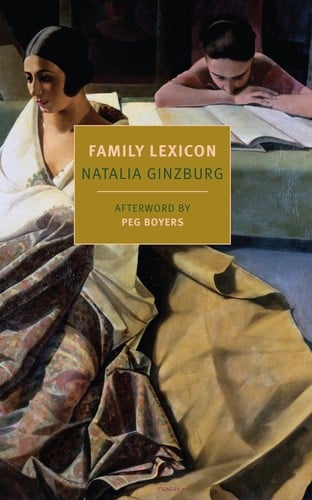
Start this bookNo. 27 on this list. Family Lexicon · Natalia Ginzburg · 1963
Family Lexicon won the Premio Strega in 1963, Italy's most prestigious literary prize, and is consistently listed among the essential works of twentieth-century Italian literature. It appears regularly on university syllabi in Italian Studies and European literature courses, though its international syllabus presence is smaller than that of Ginzburg's more widely translated contemporaries like Calvino or Pavese.
Challenging6.5 hours
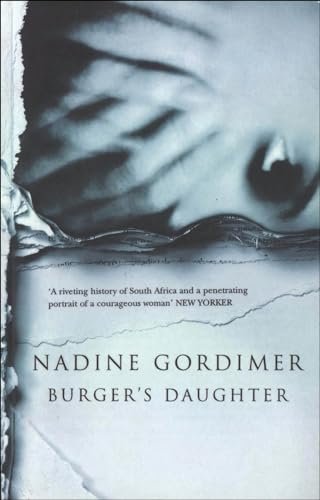
Start this bookNo. 28 on this list. Burger's Daughter · Nadine Gordimer · 1979
Burger's Daughter appears on 68 university syllabi (Open Syllabus Project, 45.8th percentile), placing it firmly in postcolonial and African literature courses though not in the top tier of globally canonical texts. Wikipedia articles exist in 7 languages — modest compared to landmark novels — but the article runs to over 61,000 characters and includes a dedicated reception section, indicating sustained critical discourse.
Challenging13 hours
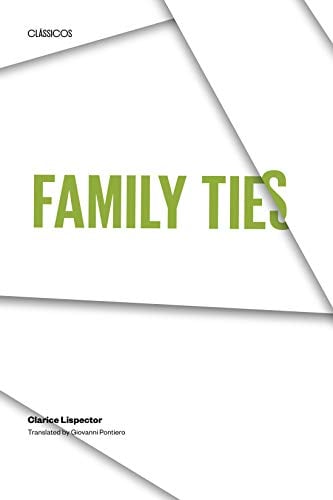
Start this bookNo. 29 on this list. Family Ties · Clarice Lispector · 1960
Family Ties appears regularly on comparative literature and Latin American literature syllabi worldwide, and Lispector is among the most studied Lusophone writers in university world literature courses. No syllabus count was captured in the database, but her work has sustained continuous academic inclusion since the 1960s. Hélène Cixous's book-length critical study of Lispector (The Stream Running Nowhere) cemented the collection's place in the Western literary canon.
Difficult3.6 hours
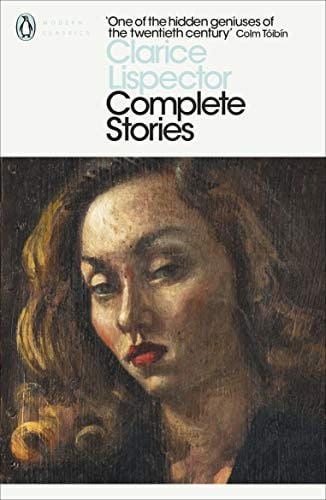
Start this bookNo. 30 on this list. The Complete Stories · Clarice Lispector
Lispector holds a firm place in comparative literature and Latin American literature syllabi globally, and her work appears in women's writing and world literature courses at major universities. No Open Syllabus data is available for this specific collection, but Lispector as an author is consistently included in world literature canons alongside Borges and García Márquez. The 2015 New Directions translation by Katrina Dodson dramatically expanded her anglophone reach and prestige.
Difficult22 hours
Start this book
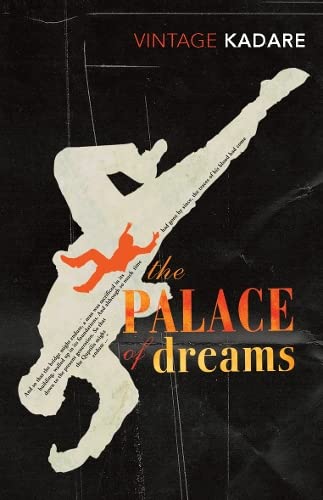
No. 31 on this list. The Palace of Dreams
Ismail Kadare · 1981
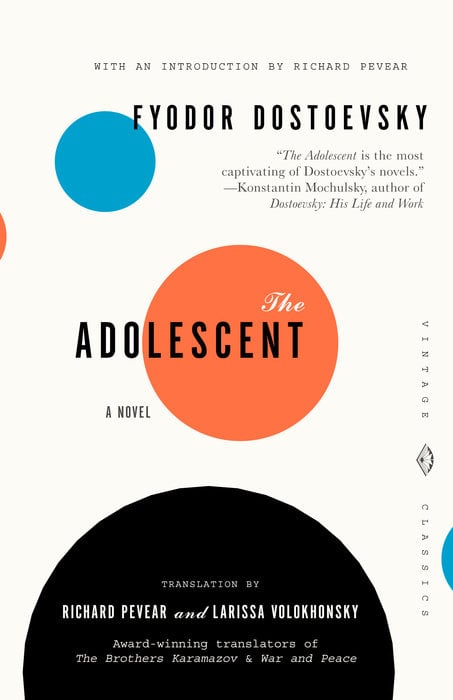
No. 32 on this list. The Adolescent
Fyodor Dostoevsky · 1875
Taught in schools: Russian FGOS literature standard
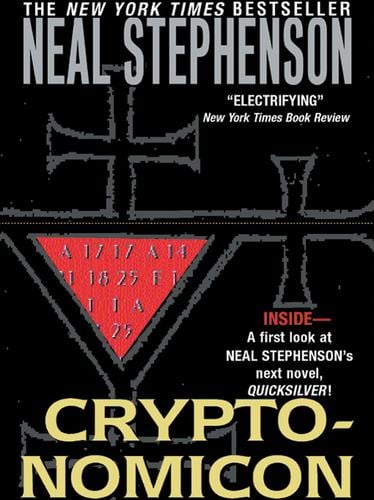
No. 33 on this list. Cryptonomicon
Neal Stephenson · 1999
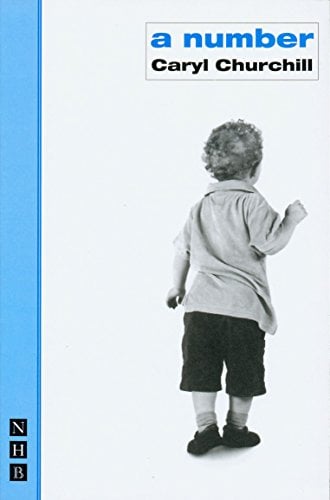
No. 34 on this list. A Number
Caryl Churchill · 2002
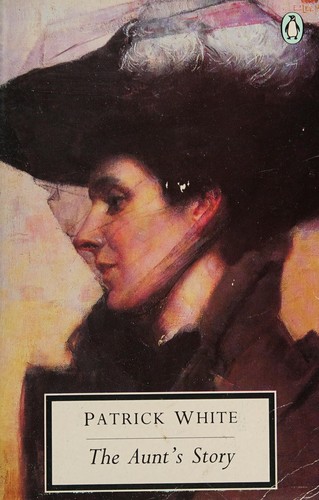
No. 35 on this list. The Aunt's Story
Patrick White · 1948
Taught in schools: CSEC English B – Caribbean Examinations Council
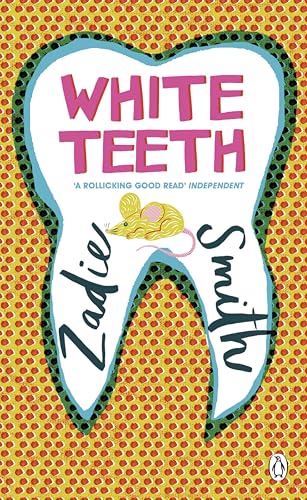
No. 36 on this list. White Teeth
Zadie Smith · 2002
No. 37 on this list. Henry VI, Part 3
William Shakespeare · 1595
Included in: Great Books of the Western World
No. 38 on this list. The Dead Father
Donald Barthelme · 1975
No. 39 on this list. The Shawl
Cynthia Ozick · 1989
No. 40 on this list. Jack
Marilynne Robinson · 2020
No. 41 on this list. The Georgics
Claude Simon · 1981
No. 42 on this list. The Book of Daniel
E.L. Doctorow · 1971
No. 43 on this list. The Blind Assassin
Margaret Atwood · 2000
No. 44 on this list. Against the Day
Thomas Pynchon · 2006
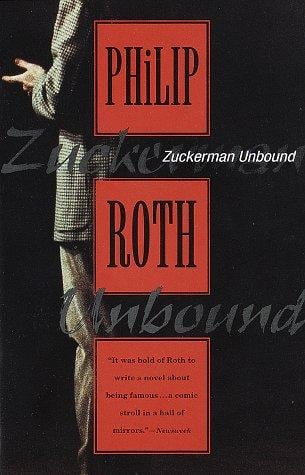
No. 45 on this list. Zuckerman Unbound
Philip Roth · 1981
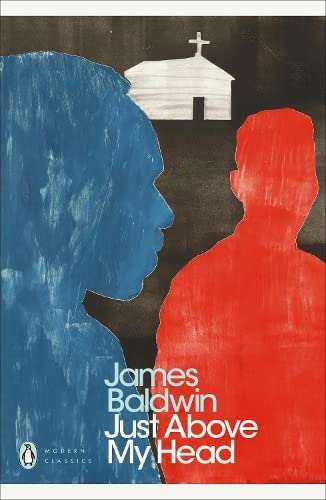
No. 46 on this list. Just Above My Head
James Baldwin · 1979
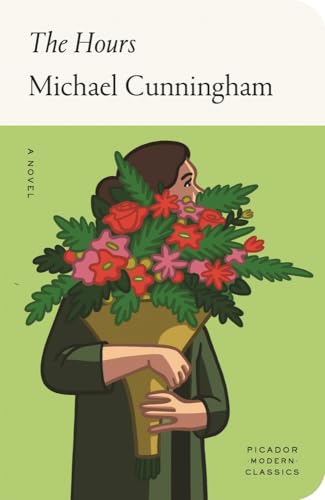
No. 47 on this list. The Hours
Michael Cunningham · 1999
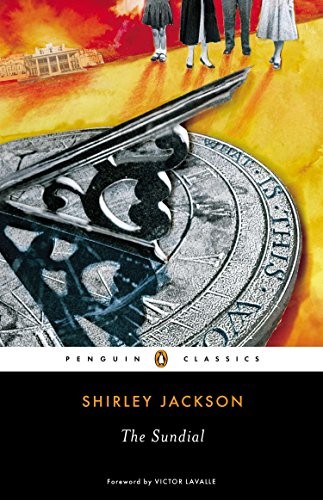
No. 48 on this list. The Sundial
Shirley Jackson · 1958
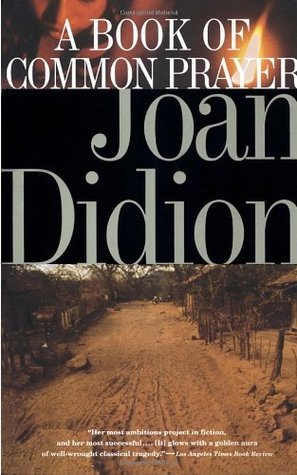
No. 49 on this list. A Book of Common Prayer
Joan Didion · 1977
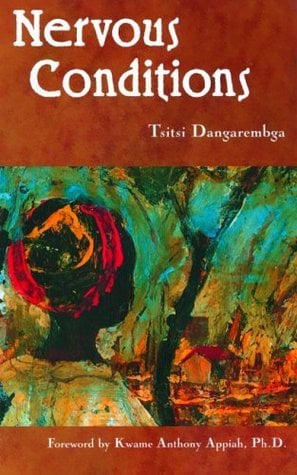
No. 50 on this list. Nervous Conditions
Tsitsi Dangarembga · 1988
Taught in schools: Lesotho literature in English
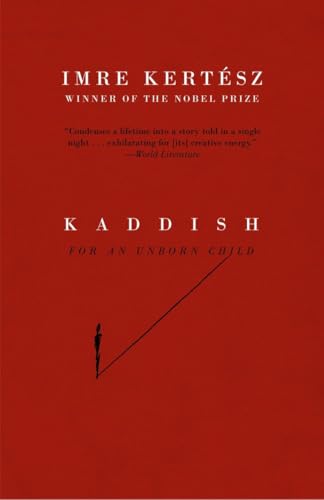
No. 51 on this list. Kaddish for an Unborn Child
Imre Kertész · 1990
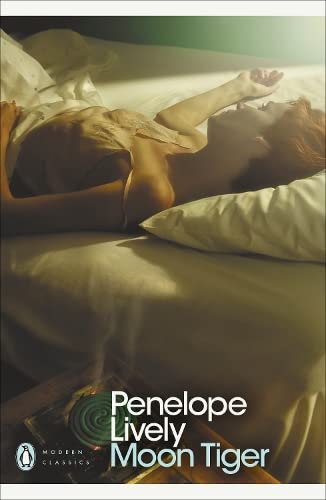
No. 52 on this list. Moon Tiger
Penelope Lively · 1987
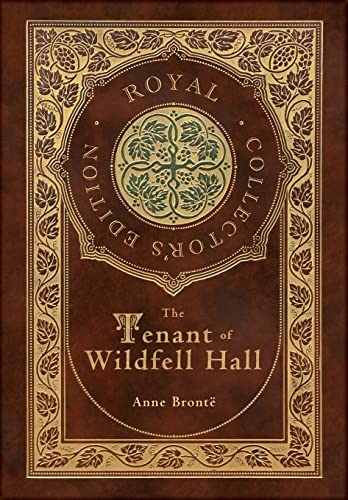
No. 53 on this list. The Tenant of Wildfell Hall
Anne Brontë · 1848
Taught in schools: AQA GCSE and A-level English Literature (UK), Leaving Certificate English – NCCA / State Examinations Commission (Ireland)
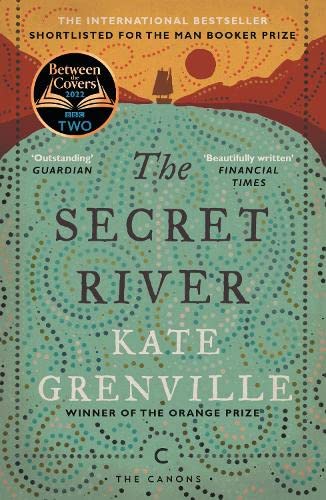
No. 54 on this list. The Secret River
Kate Grenville · 2006
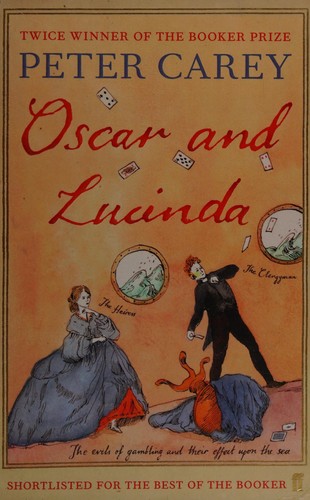
No. 55 on this list. Oscar and Lucinda
Peter Carey · 1988
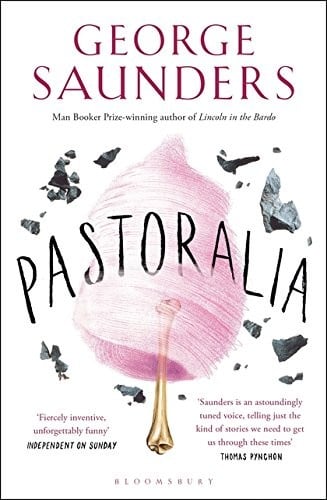
No. 56 on this list. Pastoralia
George Saunders · 2000
No. 57 on this list. The Acacia
Claude Simon · 1989
No. 58 on this list. More Die of Heartbreak
Saul Bellow · 1987
No. 59 on this list. The Einstein Intersection
Samuel R. Delany · 1967
No. 60 on this list. My Struggle: Book 1
Karl Ove Knausgaard · 2009
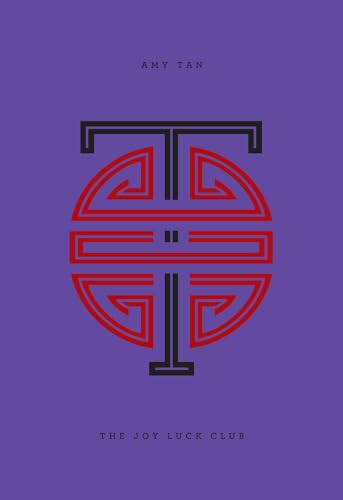
No. 61 on this list. The Joy Luck Club
Amy Tan · 1989
Taught in schools: Common Core text exemplars (Appendix B) (US)
No. 62 on this list. The Inquisitors' Manual
Antonio Lobo Antunes · 1996
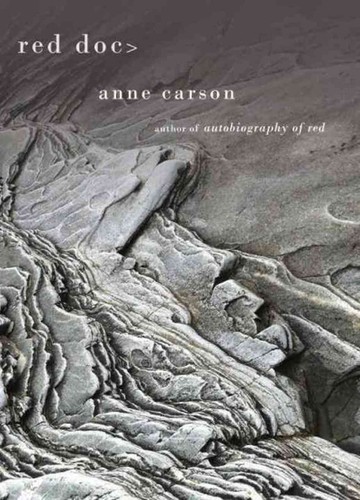
No. 63 on this list. Red Doc>
Anne Carson · 2013
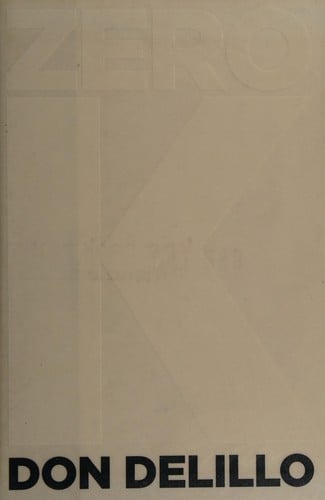
No. 64 on this list. Zero K
Don DeLillo · 2016
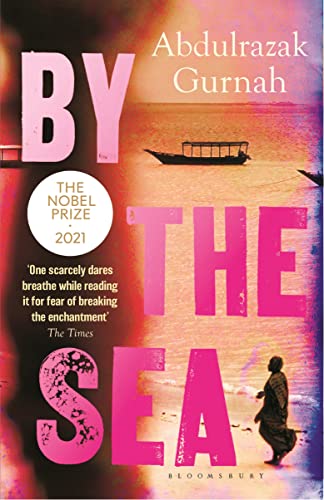
No. 65 on this list. By the Sea
Abdulrazak Gurnah · 2001
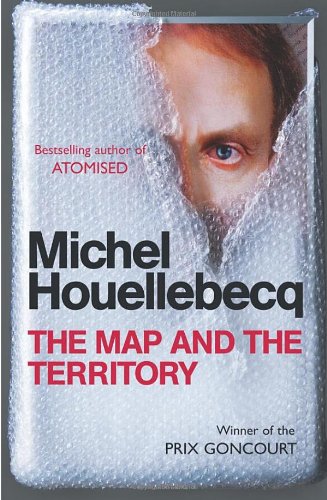
No. 66 on this list. The Map and the Territory
Michel Houellebecq · 2010
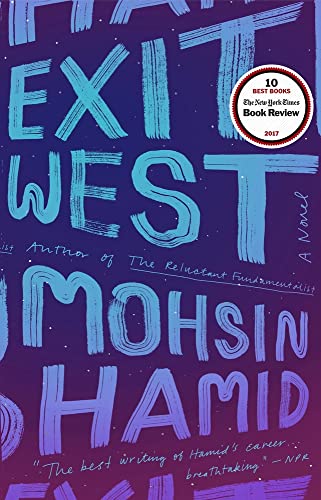
No. 67 on this list. Exit West
Mohsin Hamid · 2017
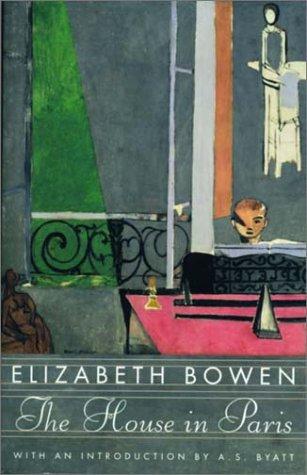
No. 68 on this list. The House in Paris
Elizabeth Bowen · 1935
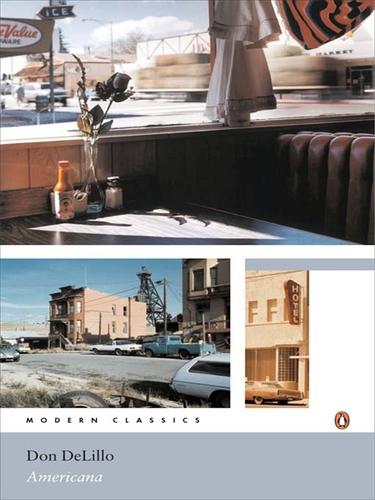
No. 69 on this list. Americana
Don DeLillo · 1971
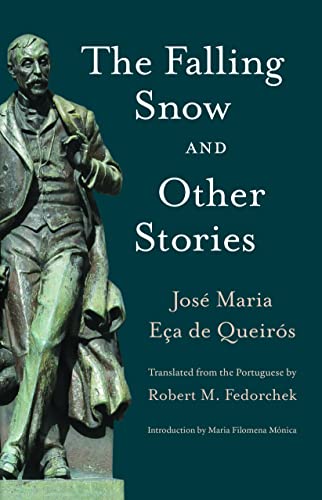
No. 70 on this list. The Maias
José Maria de Eça de Queirós · 1888
Included in: UNESCO Collection of Representative Works
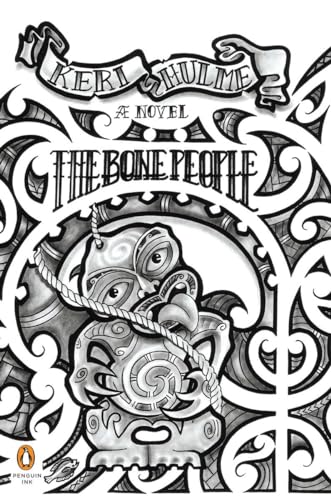
No. 71 on this list. The Bone People
Keri Hulme · 1985
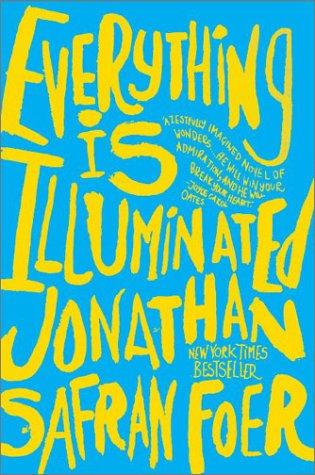
No. 72 on this list. Everything Is Illuminated
Jonathan Safran Foer · 2002
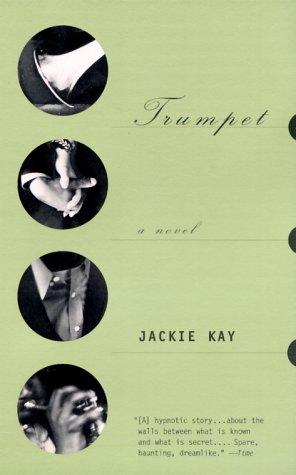
No. 73 on this list. Trumpet
Jackie Kay · 1998
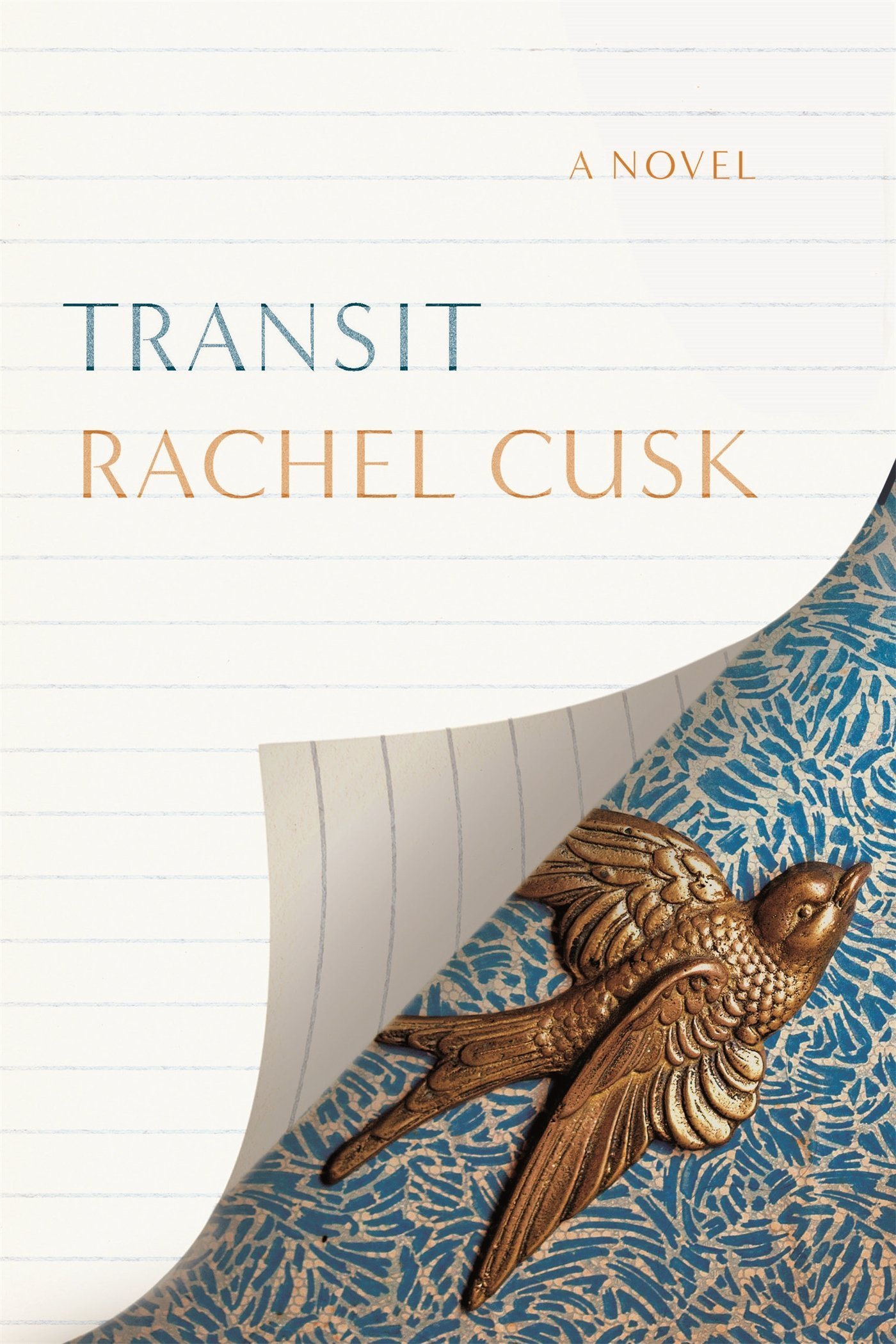
No. 74 on this list. Transit
Rachel Cusk · 2017
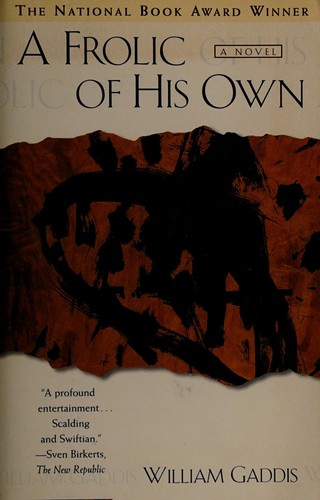
No. 75 on this list. A Frolic of His Own
William Gaddis · 1994
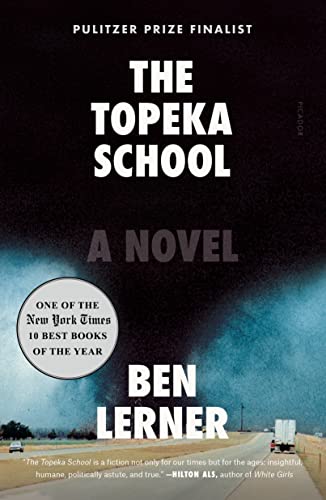
No. 76 on this list. The Topeka School
Ben Lerner · 2019
No. 77 on this list. Jerusalem
Selma Lagerlöf · 1901
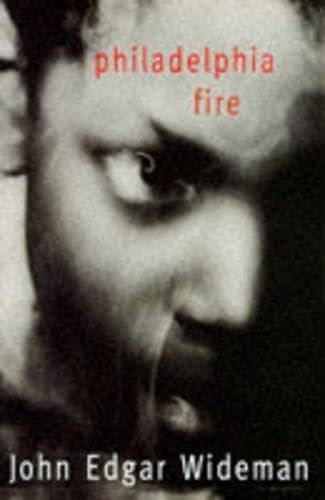
No. 78 on this list. Philadelphia Fire
John Edgar Wideman · 1991
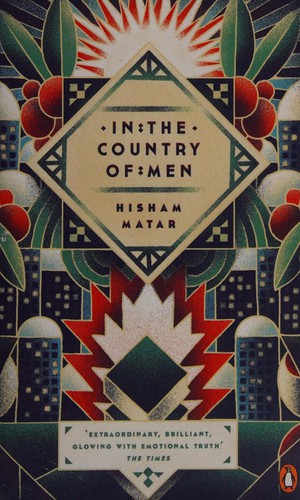
No. 79 on this list. In the Country of Men
Hisham Matar · 2006
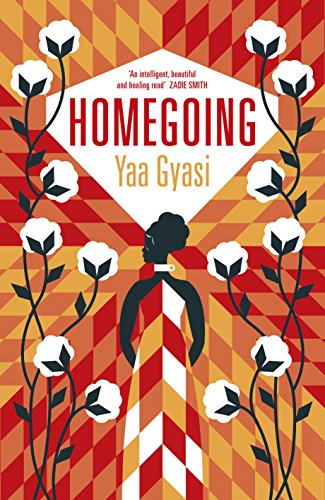
No. 80 on this list. Homegoing
Yaa Gyasi · 2016
No. 81 on this list. Pierre
Herman Melville · 1852
No. 82 on this list. Winter
Ali Smith · 2017
No. 83 on this list. The Poisonwood Bible
Barbara Kingsolver · 1999
No. 84 on this list. Fasting, Feasting
Anita Desai · 1999
No. 85 on this list. Last Orders
Graham Swift · 1996
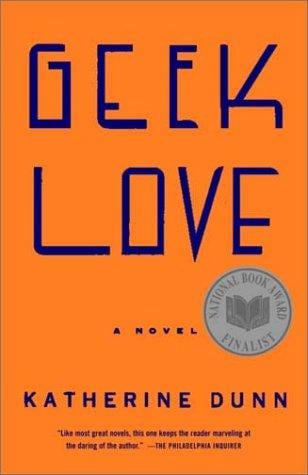
No. 86 on this list. Geek Love
Katherine Dunn · 1989
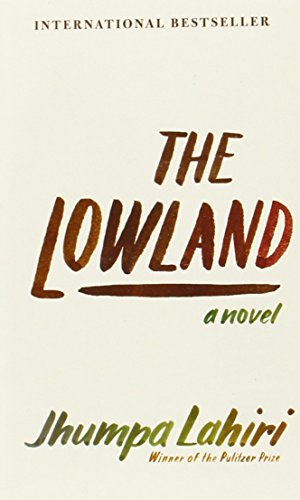
No. 87 on this list. The Lowland
Jhumpa Lahiri · 2013
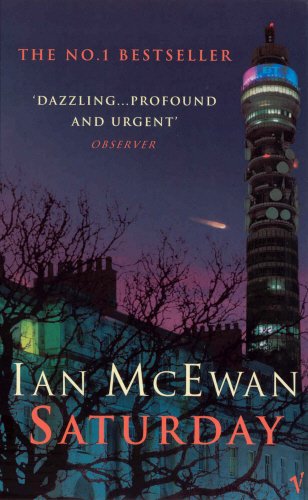
No. 88 on this list. Saturday
Ian McEwan · 2005
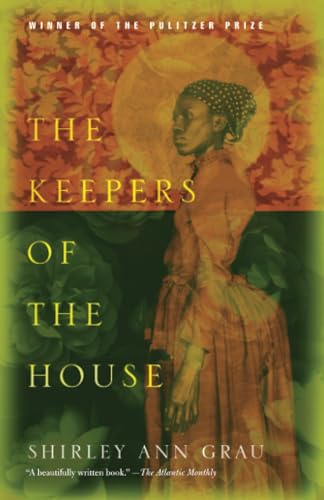
No. 89 on this list. The Keepers of the House
Shirley Ann Grau · 1965
No. 90 on this list. The Bastard of Istanbul
Elif Shafak · 2006
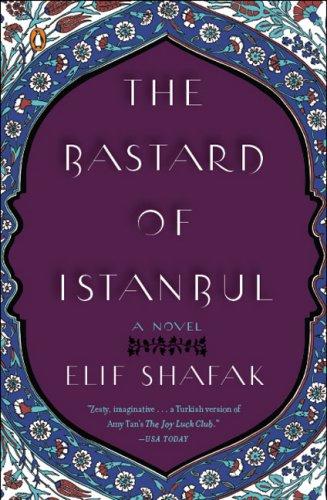
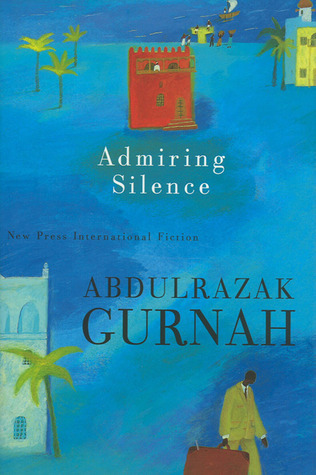
No. 91 on this list. Admiring Silence
Abdulrazak Gurnah · 1996
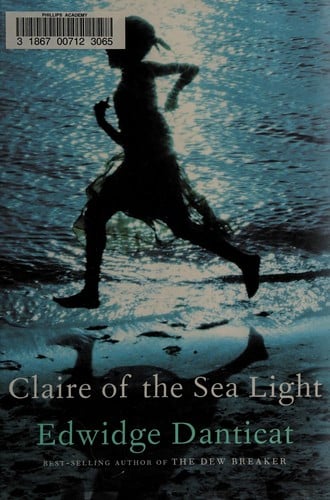
No. 92 on this list. Claire of the Sea Light
Edwidge Danticat · 2013
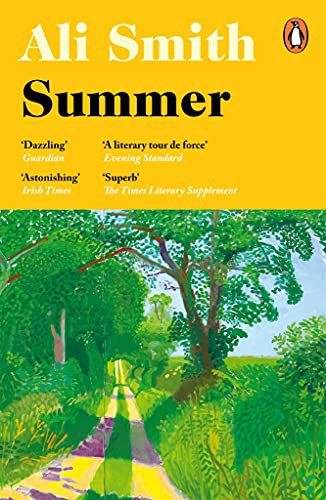
No. 93 on this list. Summer
Ali Smith · 2020
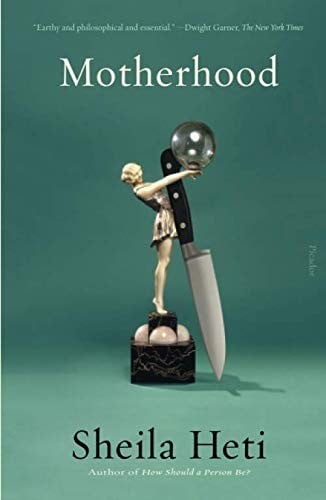
No. 94 on this list. Motherhood
Sheila Heti · 2018
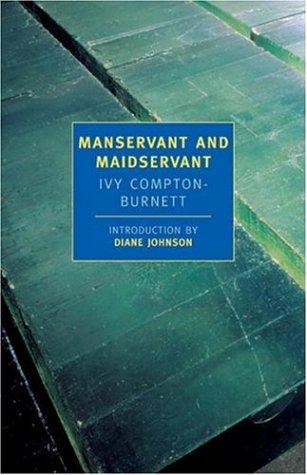
No. 95 on this list. Manservant and Maidservant
Ivy Compton-Burnett · 1947
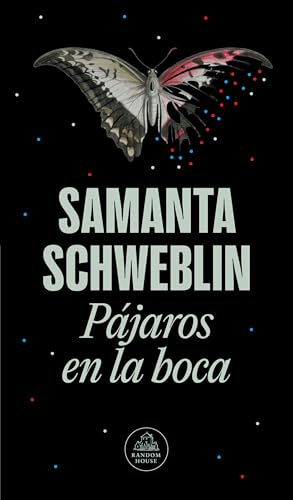
No. 96 on this list. Mouthful of Birds
Samanta Schweblin · 2009
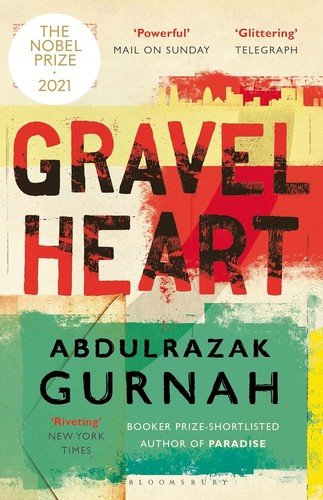
No. 97 on this list. Gravel Heart
Abdulrazak Gurnah · 2017
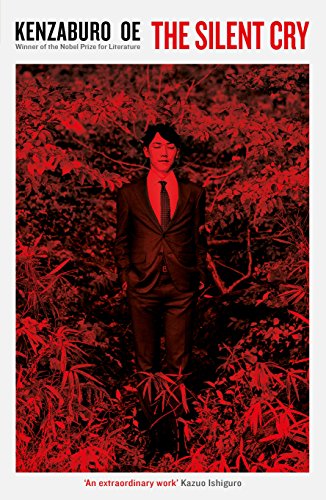
No. 98 on this list. The Silent Cry
Kenzaburō Ōe · 1967
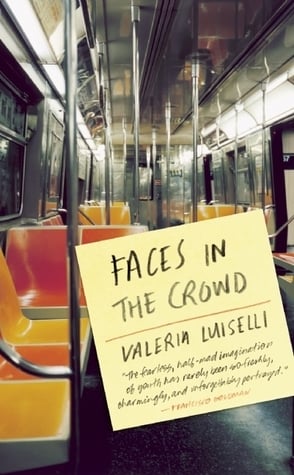
No. 99 on this list. Faces in the Crowd
Valeria Luiselli · 2011
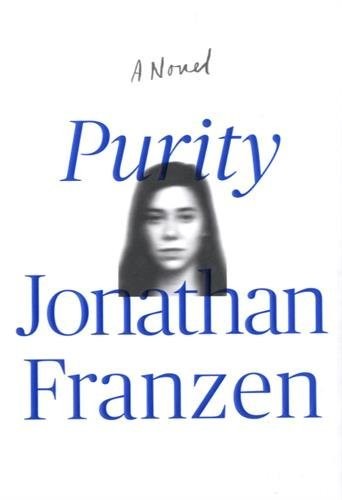
No. 100 on this list. Purity
Jonathan Franzen · 2015
About this list
These 100 books are the highest-scoring eligible challenging books about family and generations currently in the catalogue. About 1,273 hours of reading in all. Difficulty runs from 67 to 74 out of 100 for the middle half of the list; the summit is Against the Day at 83.
This list is ranked by literary regard, with a consistent order for equal scores. Membership follows authors and co-authors, not translators or editors. A book is here when ReadingRate files it under Family & Generations as one of its primary reading domains, at a confidence of 0.8 or more. Catalogue coverage and the historical canon both limit what this list can represent.
When we matched the Canons dataset to our catalogue in October 2026, our canonical-status scores rose with the number of school curricula, publisher series and lists in it that cite a work: the median score was 72 for books one such source cites, 84 at two, 88 at three, 92 at four and 93 at five or more. Prizes are left out of that count. Outside the state curricula, the dataset’s sources choose mostly from what has been translated into English or French, so it is a weaker check on other literatures. Source: Canons (Andrew Piper), CC BY 4.0
Questions people actually ask
- What are the best challenging books about family and generations?
- By literary regard, which weighs canonical status, critical standing and influence: King Lear by William Shakespeare, The Sound and the Fury by William Faulkner, Death of a Salesman by Arthur Miller, As I Lay Dying by William Faulkner and Henry IV, Part 1 by William Shakespeare. ReadingRate ranks 100 such books, each with a difficulty score and a reading-time estimate.
- Which challenging books about family and generations should I read first?
- Start from difficulty, not from rank. The most approachable books on this list that still carry top literary regard are Death of a Salesman by Arthur Miller (about 3.9 hours), Cat on a Hot Tin Roof by Tennessee Williams and As I Lay Dying by William Faulkner.
- What are the shortest of the best challenging books about family and generations?
- Among the top 25, the shortest are Henry IV, Part 1 by William Shakespeare (about 3.1 hours), The Setting Sun by Osamu Dazai (about 4.7 hours) and Death of a Salesman by Arthur Miller (about 3.9 hours), at an average pace of 250 words a minute adjusted for each book's difficulty.
- Which of the best challenging books about family and generations are the established classics?
- By canonical status, how firmly a book sits in curricula, anthologies and the canon: King Lear by William Shakespeare, The Sound and the Fury by William Faulkner, The Brothers Karamazov by Fyodor Dostoevsky, Death of a Salesman by Arthur Miller and As I Lay Dying by William Faulkner.
- Can I read any of these challenging books about family and generations for free?
- 5 of the 100 open in ReadingRate's reader with a free account, from public-domain editions: King Lear, Henry IV, Part 1, The Brothers Karamazov, Henry VI, Part 3 and Jerusalem.
- How long would it take to read the top ten?
- About 115 hours, at an average pace of 250 words a minute adjusted for each book's difficulty: 58 days at two hours a day. Set your own pace on the page and the list's reading times change to it.
- How hard are challenging books about family and generations to read?
- Most of this list sits between 67 and 74 on ReadingRate's 100-point difficulty scale, where 40 to 55 is moderate. The summit is Against the Day at 83. Every entry carries its own score, so a reader can pick a great book at a difficulty they will finish.
- How is this list ranked?
- On literary-regard data: how canonically established a work is, its critical standing, and its influence on later writing. It is not a readers’ poll, which is why recent bestsellers rarely appear. Membership follows authors and co-authors, not translators or editors. Lists by country, author, period, theme or difficulty keep to literature (fiction, poetry, drama and philosophy), their novels, poems and plays first and their philosophy after them; a list of a kind of book, such as memoir or criticism, keeps every book of that kind. Every list holds at most three works by one author. A book is here when ReadingRate files it under Family & Generations as one of its primary reading domains, at a confidence of 0.8 or more.