Hours at an average pace
Showing 100 books
About 1,360 hours for 100 of 100 books with measured lengths. Estimates use 250 words a minute, adjusted for each book's difficulty. At 2 hours a day, about 680 days for those books.
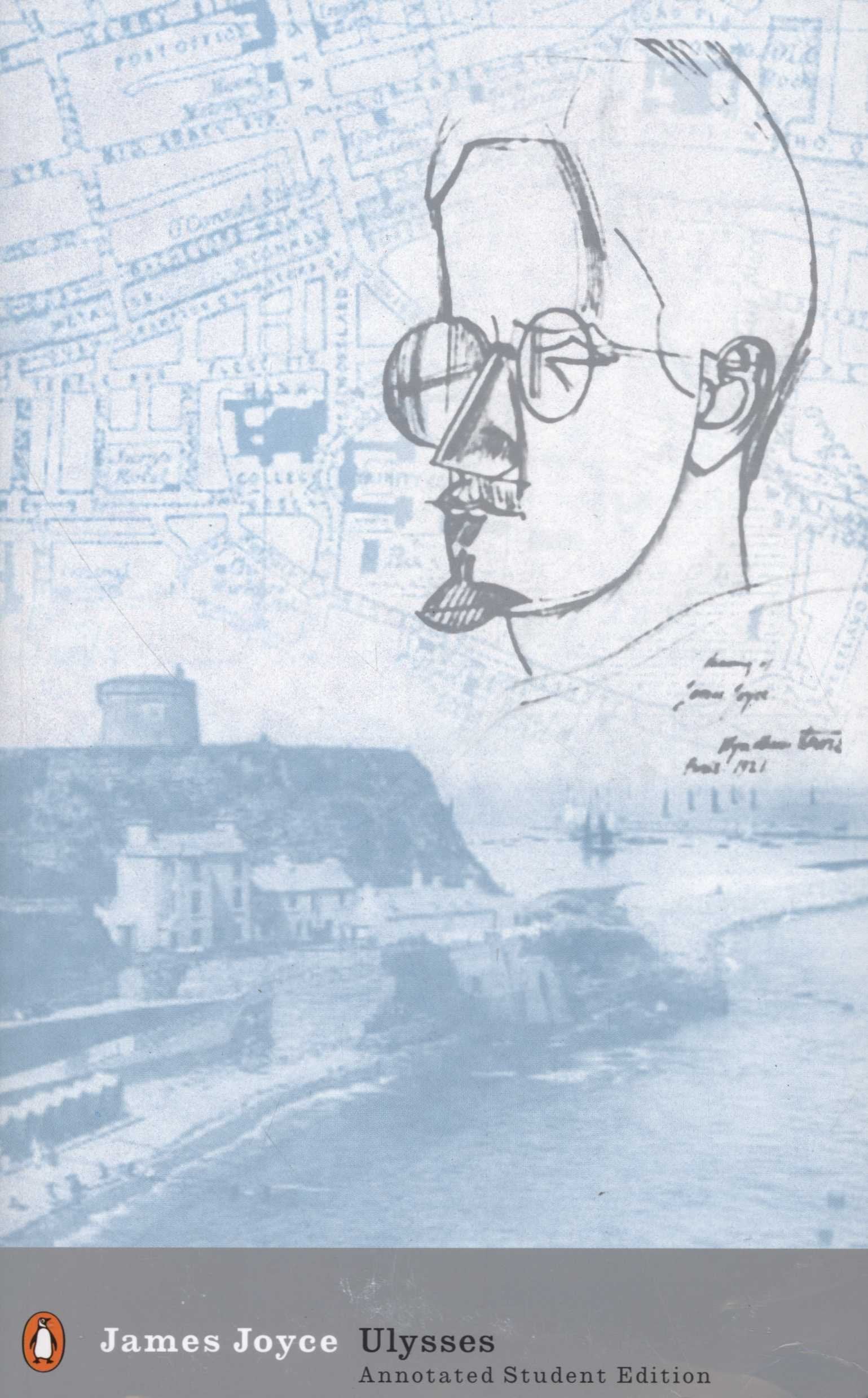
No. 1 on this list. Ulysses
James Joyce · 1922
Very Difficult47 hours
Included in: Bokklubben World Library
Ulysses appears on 1,017 university syllabi (75th percentile, Open Syllabus Project) and features on the Modern Library's #1 Best Novels list, Le Monde's 100 Books of the Century, TIME's All-TIME 100 Novels, and the BBC Big Read. Wikipedia covers it in 36 languages. Published in Everyman's Library and Penguin Classics, it has maintained continuous academic circulation since its 1934 US publication.
Kafka's short fiction is taught in university literature courses worldwide, and 'A Hunger Artist' is among his most frequently anthologized works. It appears in virtually every Kafka collection and features in major short story anthologies. The work has sustained academic and pedagogical attention since its posthumous publication in 1922.
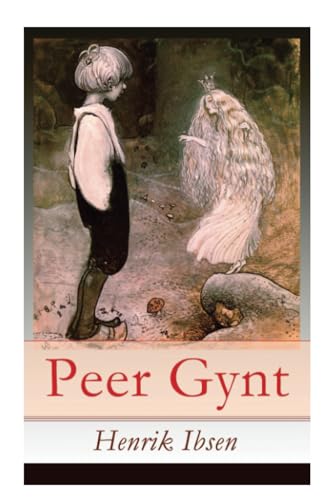
Peer Gynt is a cornerstone of the Scandinavian theatrical canon and is regularly staged worldwide, from the National Theatre to major European opera houses. Edvard Grieg's 1876 incidental music gave the work cultural reach extending far beyond theatre audiences. It appears on world drama syllabi internationally and is central to any survey of 19th-century European literature.
Morrison sent a young Black man on a mythic quest through four generations of his family's buried history, fusing African-American folklore, biblical allusion, and the cadences of blues and gospel into a narrative structure no American novel had attempted before. The novel proved that flight — literal and metaphorical — could carry the full weight of Black American experience from slavery to self-knowledge.
No. 5 on this list. Coriolanus
William Shakespeare · 1608
Challenging2.9 hours
Included in: Great Books of the Western World
Coriolanus is a standard text in Shakespeare curricula and appears on university syllabi in courses on Renaissance drama, political philosophy, and history plays. While taught less frequently than Hamlet, Macbeth, or King Lear, it is required reading in most advanced Shakespeare courses and political drama studies. Its engagement with popular sovereignty and class politics has made it a recurring subject of academic attention.
No. 6 on this list. The Unnamable
Samuel Beckett · 1953
Difficult27 hours
Included in: Bokklubben World Library
The Unnamable is taught in advanced modernism, postmodernism, and philosophy-of-language courses at universities worldwide, though less universally than Waiting for Godot. It anchors the Beckett Trilogy, which is among the canonical texts of twentieth-century literature in English and French. The Wikipedia and syllabus data signals appear underreported for this work.
No. 7 on this list. Troilus and Cressida
William Shakespeare · 1609
Difficult3.1 hours
Included in: Great Books of the Western World
Troilus, a young Trojan prince, has fallen in love with Cressida just as the war with Greece enters its seventh year. Her uncle Pandarus brokers their union; they spend a single night together before she is traded to the Greeks in a prisoner exchange. In the Greek camp, Diomedes moves in. Troilus follows and watches it happen, unable to reconcile what his eyes show him with what he believes about faith and love. Running alongside this is a war machine in paralysis. Achilles sulks in his tent while the Greek generals hold councils on hierarchy and strategy that change nothing. Hector debates whether to fight a war he knows is unjust, then fights it anyway. Thersites, a deformed Greek soldier, follows everyone around cataloguing their stupidity with inexhaustible venom — war and lechery, he announces repeatedly, is all there is. Shakespeare wrote this play around 1602, and it does not behave like his others. The love story ends in betrayal rather than union. The heroes are vain, the strategies fail, and the climax — Hector murdered unarmed by Achilles and a pack of Myrmidons — is a deliberate outrage against the conventions of heroic drama. Pandarus delivers the final speech, offering the audience his syphilis. The play refuses catharsis. Readers expecting Shakespeare to redeem his characters or their world will find nothing of the kind.
The New York Trilogy stands as the defining work of American postmodern noir and one of the most influential experimental novels of the 1980s. It appears consistently on syllabi for postmodern fiction, metafiction, and American literature courses, and is cited as a foundational text in discussions of the detective genre's literary transformation. Published in the US by Penguin Books (1987 combined edition), it has remained continuously in print for four decades. It appears on numerous "greatest novels" lists and is central to critical discourse on identity, authorship, and the limitations of language in contemporary fiction.
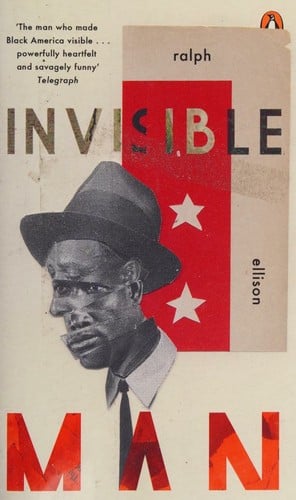
No. 9 on this list. Invisible Man
Ralph Ellison · 1953
Difficult22 hours
Included in: Bokklubben World Library
Appears on 2,200 university syllabi (83rd percentile among all tracked works), making it one of the most-taught American novels in higher education. Included on the Modern Library 100 Best Novels, TIME's All-TIME 100 Novels, and 1001 Books You Must Read Before You Die. Its Wikipedia article spans 17 languages, reflecting steady global reach.
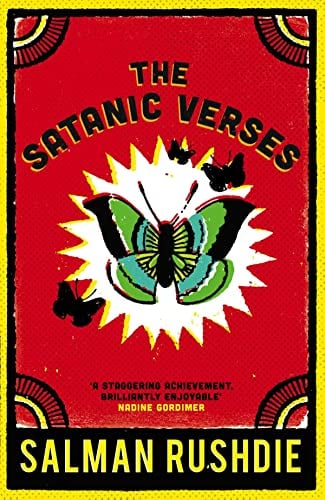
The Satanic Verses occupies singular position in late-twentieth-century literature due to the fatwa issued by Ayatollah Khomeini, making it perhaps the most internationally controversial novel of its era. Beyond the political firestorm, it stands as landmark postcolonial fiction and exemplar of British multicultural literature. The novel appears on standard lists of essential postmodern works and remains central to discussions of migration, identity, and religion in global fiction. Its notoriety ensures permanent place in literary and political history.
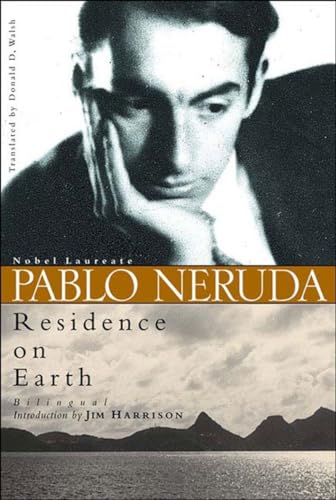
No. 11 on this list. Residence on Earth · Pablo Neruda · 1933
Pablo Neruda wrote the poems of 'Residence on Earth' during his years as a Chilean consul in Burma, Ceylon, and Java — postings that left him profoundly isolated, surrounded by unfamiliar languages and dissolving heat. What came out was a poetry of radical disorientation: rain that rots wood, flesh that smells of brine, clocks that leak time like a wound. The opening poem, 'Galope Muerto,' begins mid-sensation: 'Like ashes, like oceans populating themselves, in the submerged slowness, in the shapeless.' There is no speaker announced, no situation established. The collection works entirely through image — blood, sea, bone, stone — stacked without logical mortar until the pressure of accumulated sensation becomes its own argument. 'Walking Around' describes a man so disgusted by modern life he wants to throw everything away, the umbrellas and the accountants and the stockings. 'Ode with a Lament' addresses an unnamed woman through images of shipwrecks and salt. The later sections shift toward political fury — odes to Madrid under bombardment, to Stalingrad, to Spain's dead — but even the political poems work through elemental image rather than rhetoric. This is poetry that does not explain itself. Readers who need a narrative thread or an argument will find none. Those willing to receive sensation as meaning will encounter one of the most physically intense bodies of verse written in the 20th century.
Difficult7 hours
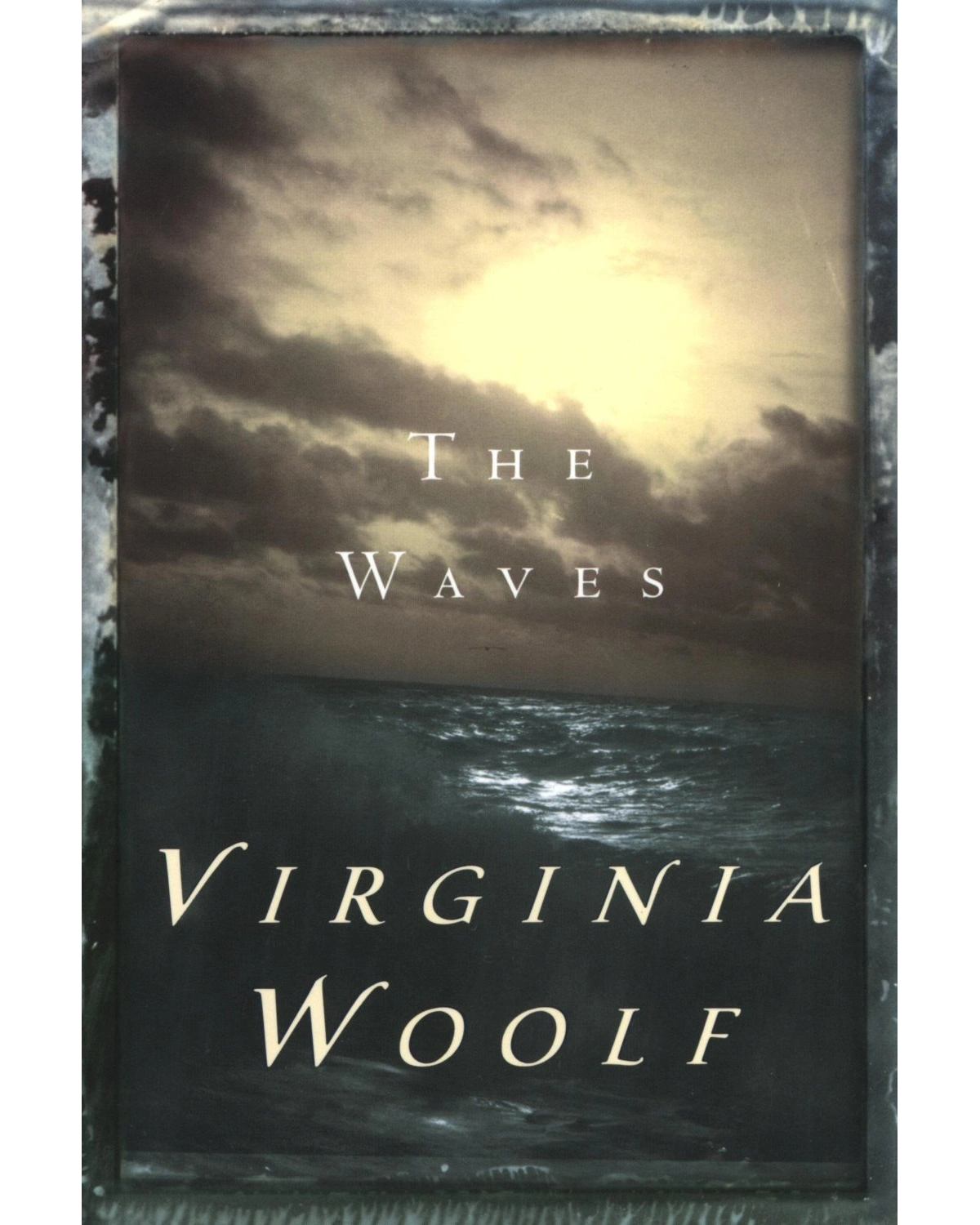
Start this bookNo. 12 on this list. The Waves · Virginia Woolf · 1931
Recognized as Woolf's most ambitious experiment. Central to modernist studies.
Difficult9.5 hours
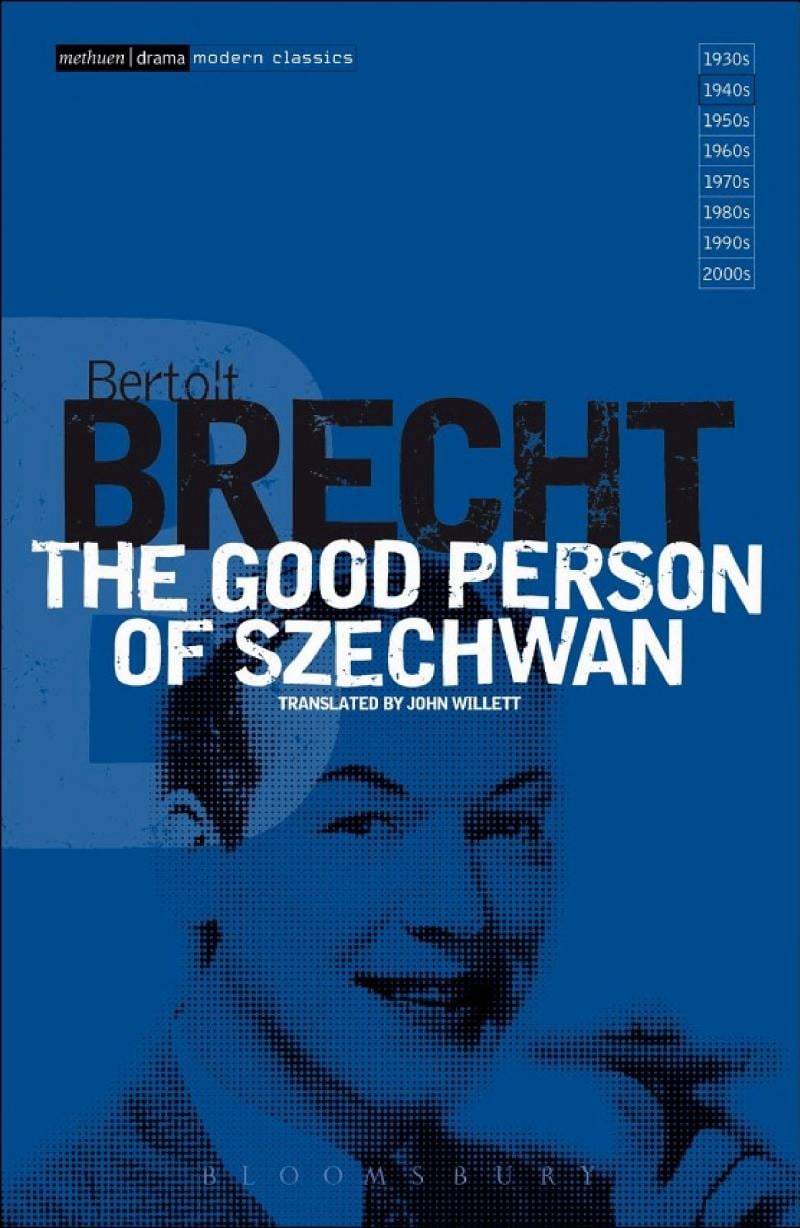
Start this bookNo. 13 on this list. The Good Person of Szechwan · Bertolt Brecht · 1943
The Good Person of Szechwan is Brecht's third most frequently taught and produced major work after Mother Courage and The Caucasian Chalk Circle. It appears in virtually every university theatre and modern drama curriculum. The first professional productions starred Peggy Ashcroft (Royal Court, 1956) and Uta Hagen (Phoenix Theatre, New York, 1956). Giorgio Strehler's 1981 Milan production became a landmark of European theatre. It is canonical in both German studies and world theatre programs.
Challenging14 hours
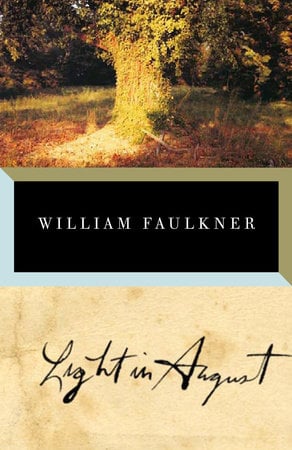
Start this bookNo. 14 on this list. Light in August · William Faulkner · 1932
Faulkner's most accessible major novel. Joe Christmas's search for identity became the definitive portrait of American racial tragedy. Core text in Southern literature and American studies.
Challenging14 hours
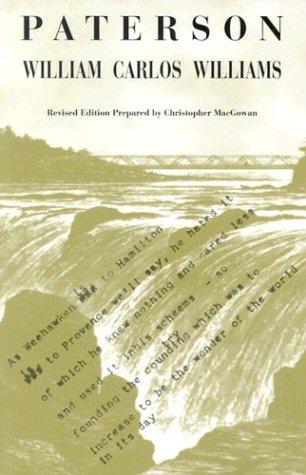
Start this bookNo. 15 on this list. Paterson · William Carlos Williams · 1963
Paterson is anthologized in every major American poetry collection (Norton, Heath, Library of America) and taught in American modernism, long poem, and 20th-century poetry courses at virtually every research university. It is one of the defining long poems of the American century, alongside The Waste Land, The Cantos, and Four Quartets. While less widely taught than Shakespeare or Fitzgerald, it occupies a canonical position in American literary studies comparable to Beloved (85).
Difficult10 hours
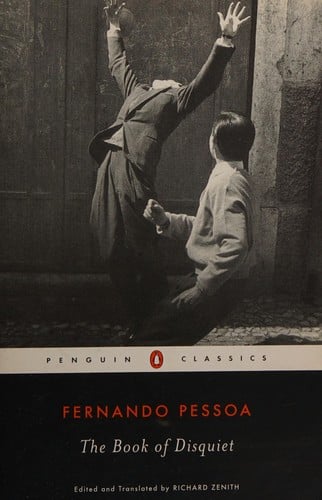
Start this bookNo. 16 on this list. The Book of Disquiet · Fernando Pessoa
Included in: Bokklubben World Library
The Book of Disquiet appears regularly on comparative literature and world literature syllabi and figures on most major 'greatest books of the 20th century' lists (Le Monde, Time, Modern Library). The Richard Zenith translation brought it to global attention and Wikipedia articles exist in 40+ languages, indicating wide international recognition. Not as universally taught as Crime and Punishment due to its difficulty and Portuguese-language origin, but firmly established in the major canon.
Difficult24 hours
Start this bookNo. 17 on this list. The Kreutzer Sonata · Leo Tolstoy · 1889
The Kreutzer Sonata holds a firm place in university curricula for Russian literature, world literature, and gender studies courses. While less taught than Anna Karenina or War and Peace, it appears consistently as required reading in Tolstoy surveys and 19th-century European fiction courses. Its inclusion in countless 'essential Tolstoy' and world literature reading lists reflects its canonical standing.
Difficult7.5 hours
Read nowNo. 18 on this list. Malone Dies · Samuel Beckett · 1951
Included in: Bokklubben World Library
A dying man named Malone lies in bed in a bare room, passing his final days by writing stories in an exercise-book. He announces a plan: to tell himself stories (about a man, a woman, an animal, a thing) and then compile an inventory of his possessions before death arrives. But the stories refuse to cohere. The boy Sapo, plump and plodding, drifts through tedious family scenes and visits to the Lambert farm, where Big Lambert buries his beloved mule and Mrs. Lambert despairs over lentils. Sapo inexplicably becomes Macmann, a vagrant later confined to the asylum of Saint John of God, where he conducts a grotesque romance with his nurse Moll. Between these fragmentary fictions, Malone interrupts constantly to comment on his own dissolution, his soup and chamber-pot, the mysterious hand that feeds him, the exercise-book he salvaged, the pencil with five faces. The stories and the frame narrative bleed together as Malone suspects he's describing himself again, that all his characters are masks for the voice that continues speaking even as narrative collapses. The promised inventory never arrives. Instead, the novel enacts a slow-motion death of story-telling itself, performed with extraordinary comic precision and metaphysical vertigo. Malone circles his own ending in spirals of increasing tightness, neither quite dying nor quite alive, waiting in the dark.
Challenging5.7 hours
Start this bookNo. 19 on this list. The Ambassadors · Henry James · 1903
James's own favorite among his novels. Taught as the exemplar of point-of-view technique and psychological realism. Central to any study of the novel's formal possibilities.
Challenging16 hours
Read nowNo. 20 on this list. Joseph and His Brothers · Thomas Mann · 1943
Joseph and His Brothers appears regularly on European and world literature curricula, particularly in German literature courses and modernism seminars. It features on multiple 'greatest novels' lists including Le Monde's 100 Books of the Century. The tetralogy is less frequently taught than Mann's shorter works (Death in Venice, The Magic Mountain) owing to its length, but its canonical standing within the Mann oeuvre and 20th-century literature broadly is secure. The database shows no syllabus or Wikipedia data, but scholarly consensus places this among the defining works of European modernism.
Challenging68 hours
Start this book
No. 21 on this list. Molloy · Samuel Beckett · 1951
Included in: Bokklubben World Library
Molloy, an old man, lies in his mother's bed and tries to tell his story. Then Moran, a detective, is sent to find Molloy. Beckett's first novel in his trilogy is a darkly comic masterpiece of disintegration, as narrative and identity dissolve into uncertainty.
Challenging19 hours
Start this bookNo. 22 on this list. V. · Thomas Pynchon · 1963
V. appears on hundreds of university syllabi in American literature, postmodernism, and world fiction courses, and is consistently ranked among the essential American novels of the twentieth century by critics and scholars. It appears on the Modern Library 100 Best Novels list and Time magazine's All-TIME 100 Novels. Less universally assigned than Pynchon's Gravity's Rainbow in terms of academic prestige, but the more frequently taught first novel in postmodern American fiction sequences.
Difficult25 hours
Start this bookNo. 23 on this list. The Good Soldier · Ford Madox Ford · 1915
Appears on 473 university syllabi (67th percentile in Open Syllabus), placing it firmly in the modernist teaching canon alongside Conrad and early Lawrence. Listed on the Modern Library 100 Best Novels. A standard text in courses on British modernism and narrative technique, though less universally assigned than Woolf or Joyce.
Challenging7 hours
Read nowNo. 24 on this list. The Sonnets to Orpheus · Rainer Maria Rilke · 1923
In February 1922, Rainer Maria Rilke retreated to Chateau de Muzot in Switzerland and composed fifty-five sonnets in three weeks. He addressed them to Orpheus — the Greek poet-god who descended into death to reclaim Eurydice and was torn apart by the Maenads for refusing them. The occasion was the recent death of Vera Knoop, a nineteen-year-old dancer Rilke barely knew; her death opened something. A tree ascends in the first line. Animals cluster around it in silence, listening. What Rilke is after is the premise that true song is not desire or communication but reality — breath as invisible poem, the moment when inner and outer stop being distinct. Orpheus moves through the cycle not as a character but as a principle: he is already dead, he already belongs to both realms, and because of this he can praise everything, including loss. The Sonnets instruct readers to will transformation, to be ahead of all parting, to whisper 'I am flowing' to the earth. They do not resolve their questions about death and being; they teach acceptance of irresolution as the condition of consciousness. Reading them asks for slow, repeated attention — each poem is compact and dense, and the cycle's meaning accumulates across all fifty-five. This is poetry as philosophical practice, the lyric at maximum pressure.
Difficult2.8 hours
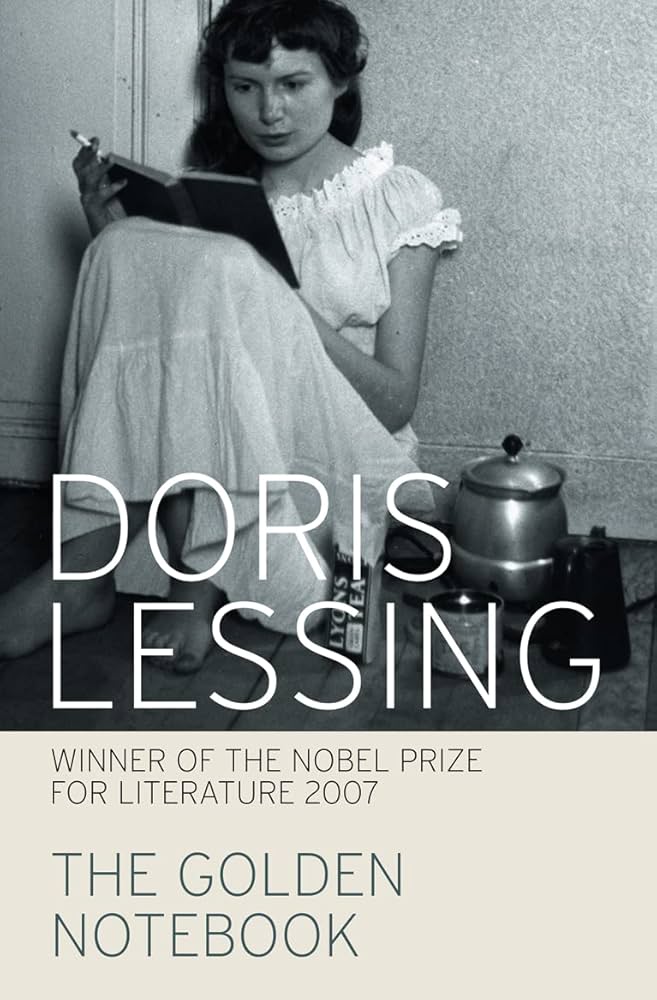
Start this bookNo. 25 on this list. The Golden Notebook · Doris Lessing · 1962
Included in: Bokklubben World Library
The Golden Notebook appears on 139 university syllabi according to the Open Syllabus Project (53rd percentile) and is listed in Open Syllabus's Top 500 Literature titles. It appears on TIME's All-TIME 100 Novels list (2005) and holds Wikipedia articles in 20 languages. It is a standard text in women's literature, postcolonial literature, and 20th-century British fiction courses, though not at the frequency of The Great Gatsby or To Kill a Mockingbird.
Difficult28 hours
Start this bookNo. 26 on this list. Season of Migration to the North · Tayeb Salih · 1966
Included in: Bokklubben World Library, Heinemann African Writers Series
Most widely studied Arabic novel in translation; taught alongside Conrad.
Challenging4.8 hours
Start this bookNo. 27 on this list. Our Mutual Friend · Charles Dickens · 1865
Our Mutual Friend is a fixture of Victorian literature courses at universities worldwide, typically assigned alongside Great Expectations and Bleak House in advanced English studies. Wikipedia articles for the novel exist in dozens of languages, reflecting its global canonical standing. It consistently appears on critics' lists of Dickens's greatest works and in syllabi covering 19th-century social fiction.
Difficult35 hours
Read nowNo. 28 on this list. Miss Julie · August Strindberg · 1888
Miss Julie is required reading in virtually every drama curriculum globally and taught widely in comparative literature and theatre history courses. It is one of a handful of nineteenth-century plays — alongside works by Ibsen and Chekhov — that appear on nearly every list of essential modern drama. No syllabus data was available in the database, but its presence in world theatre canons is unambiguous.
Challenging2 hours
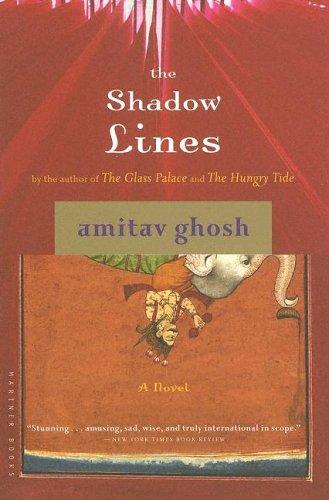
Start this bookNo. 29 on this list. The Shadow Lines · Amitav Ghosh · 1988
The Shadow Lines won the Sahitya Akademi Award and is standard on postcolonial fiction syllabuses globally. It is consistently ranked among the defining novels of South Asian Anglophone literature alongside Midnight's Children. Its treatment of Partition and communal violence has made it a touchstone for academic and general literary discourse about South Asia.
Difficult14 hours
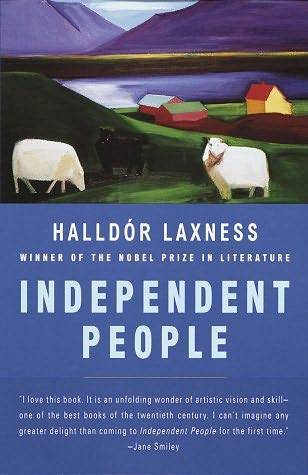
Start this bookNo. 30 on this list. Independent People · Halldór Laxness · 1934
Included in: Bokklubben World Library
Wikipedia presence in only 9 languages and no Open Syllabus appearances indicate it is not widely taught outside Scandinavia. However, Independent People appears regularly on canonical world literature lists, including Time magazine's All-TIME 100 Novels, and is considered Laxness's defining work — the novel most associated with his 1955 Nobel Prize.
Difficult24 hours
Start this book
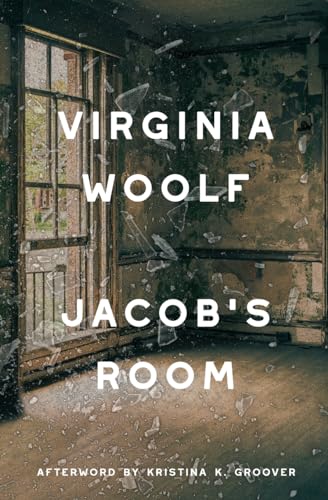
No. 31 on this list. Jacob's Room
Virginia Woolf · 1922
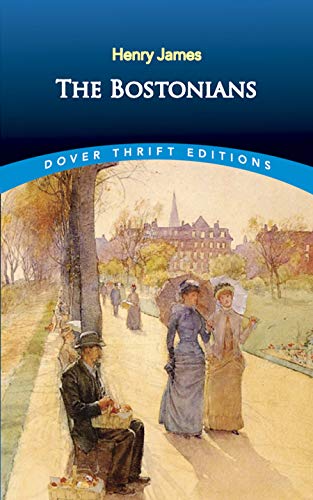
No. 32 on this list. The Bostonians
Henry James · 1886
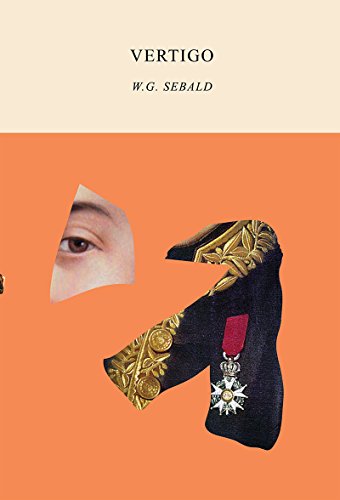
No. 33 on this list. Vertigo
W.G. Sebald · 1990
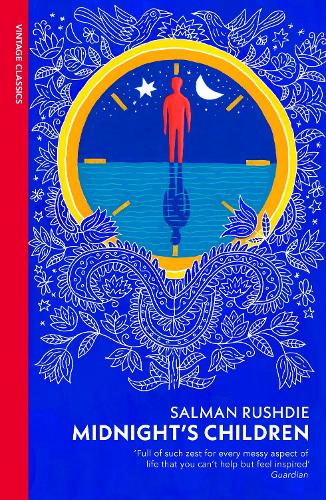
No. 34 on this list. Midnight's Children
Salman Rushdie · 1981
Included in: Bokklubben World Library
No. 35 on this list. A Void
Georges Perec · 1969
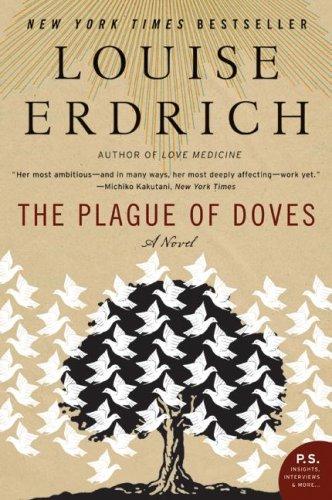
No. 36 on this list. The Plague of Doves
Louise Erdrich · 2008
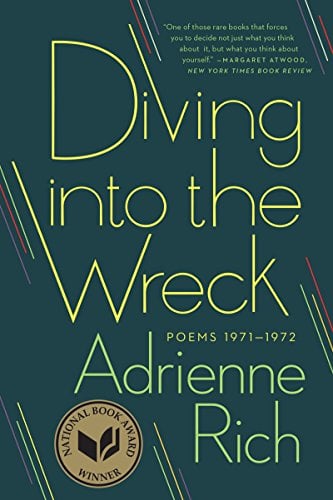
No. 37 on this list. Diving into the Wreck
Adrienne Rich · 1973
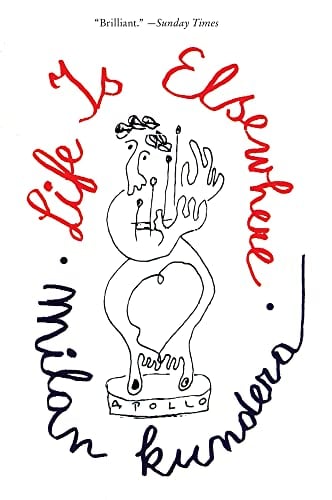
No. 38 on this list. Life Is Elsewhere
Milan Kundera · 1973
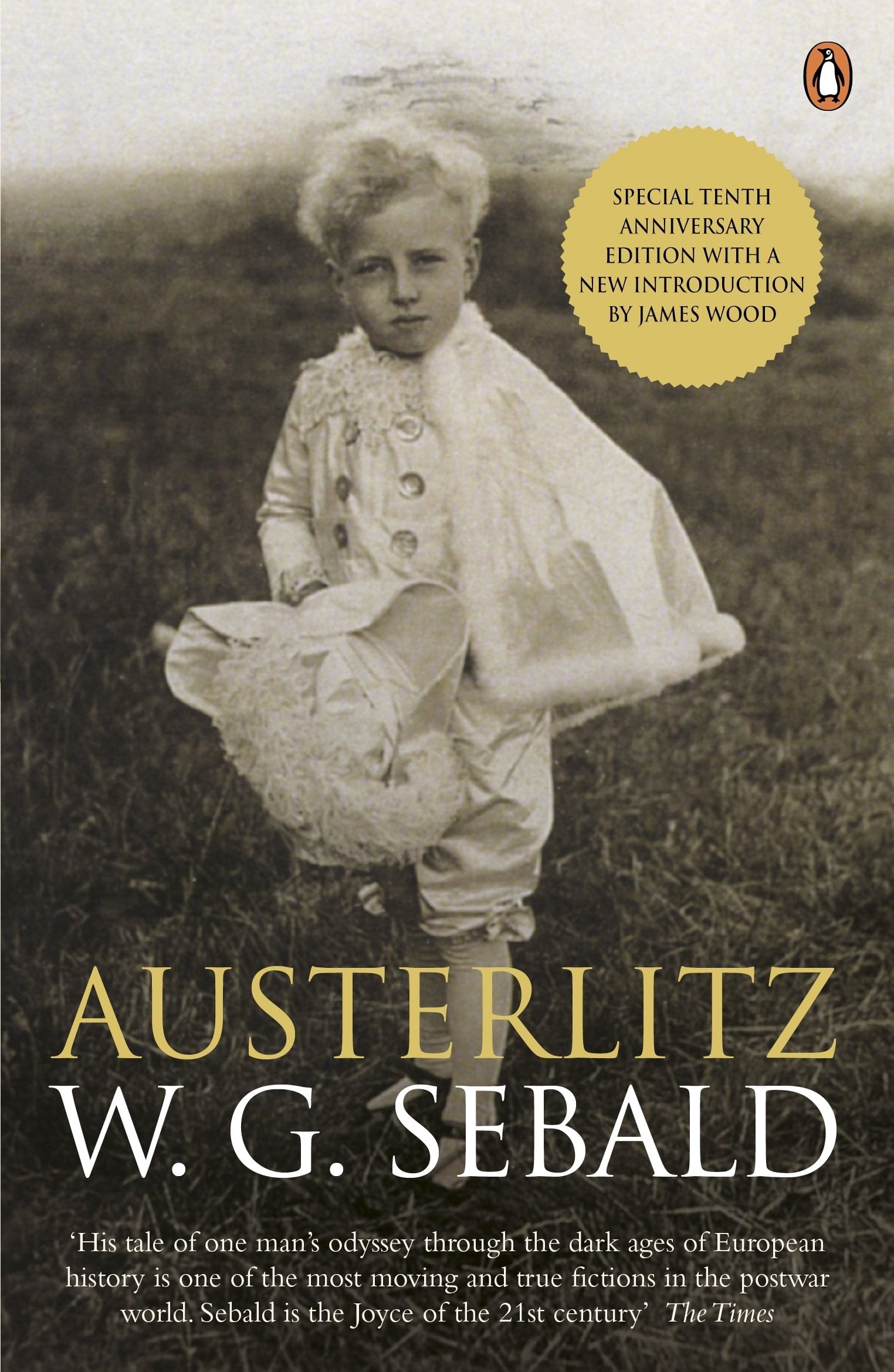
No. 39 on this list. Austerlitz
W.G. Sebald · 2001
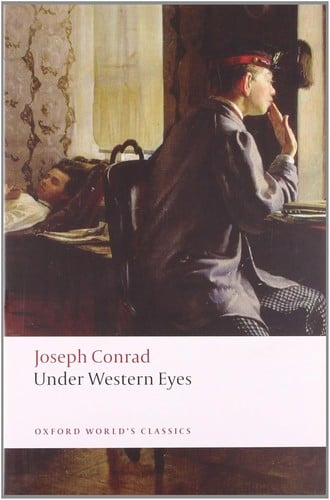
No. 40 on this list. Under Western Eyes
Joseph Conrad · 1911
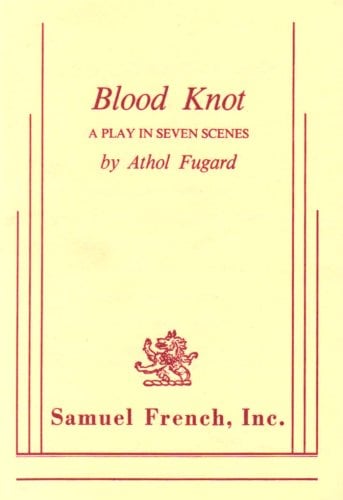
No. 41 on this list. Blood Knot
Athol Fugard · 1961
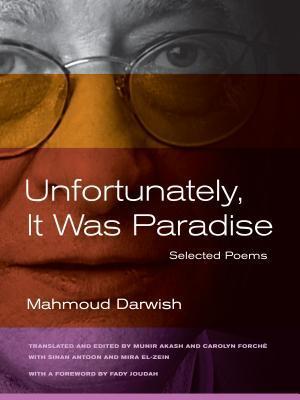
No. 42 on this list. Unfortunately, It Was Paradise
Mahmoud Darwish · 2003
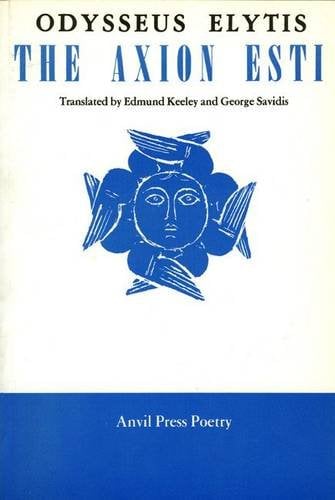
No. 43 on this list. The Axion Esti
Odysseas Elytis · 1959
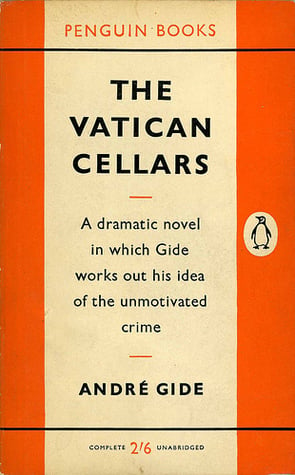
No. 44 on this list. The Vatican Cellars
André Gide · 1914
No. 45 on this list. Marks of Identity
Juan Goytisolo · 1966
No. 46 on this list. Palace of Desire
Naguib Mahfouz · 1957
No. 47 on this list. Cymbeline
William Shakespeare · 1611
Included in: Great Books of the Western World
No. 48 on this list. The Emigrants
W.G. Sebald · 1992
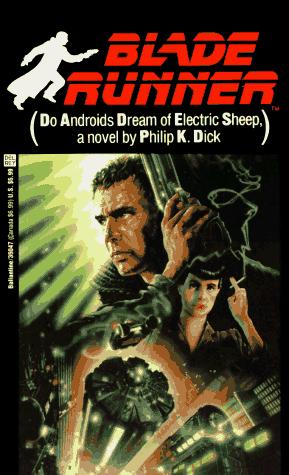
No. 49 on this list. Do Androids Dream of Electric Sheep?
Philip K. Dick · 1968
No. 50 on this list. Red Cavalry
Isaac Babel · 1926
No. 51 on this list. The Passion According to G.H.
Clarice Lispector · 1964
Taught in schools: FUVEST leituras obrigatórias (USP vestibular) (Brazil)
No. 52 on this list. Aura
Carlos Fuentes · 1962
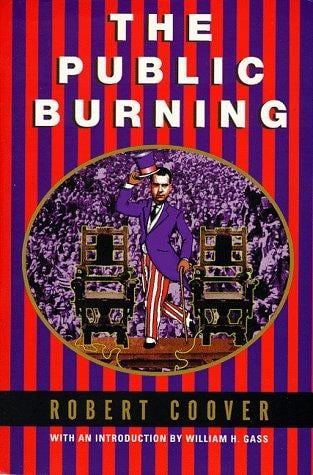
No. 53 on this list. The Public Burning
Robert Coover · 1977
No. 54 on this list. The Winding Stair
William Butler Yeats · 1933
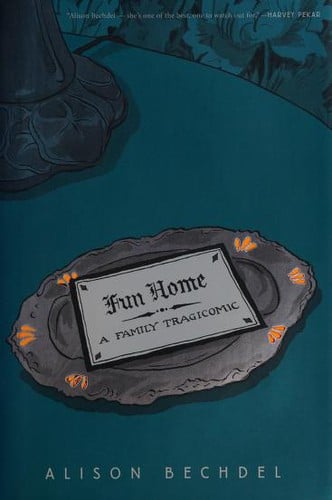
No. 55 on this list. Fun Home
Alison Bechdel · 2006
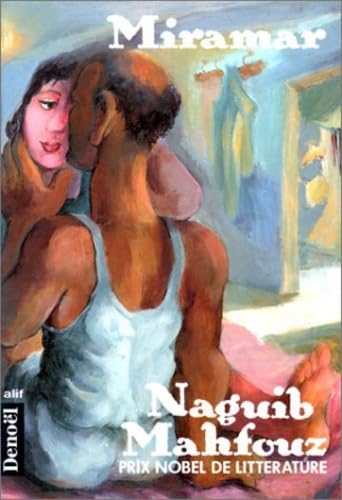
No. 56 on this list. Miramar
Naguib Mahfouz · 1967
No. 57 on this list. The Human Stain
Philip Roth · 2001
No. 58 on this list. The Dream of a Common Language
Adrienne Rich · 1978
No. 59 on this list. 10:04
Ben Lerner · 2014
No. 60 on this list. My Antonia
Willa Cather · 1918
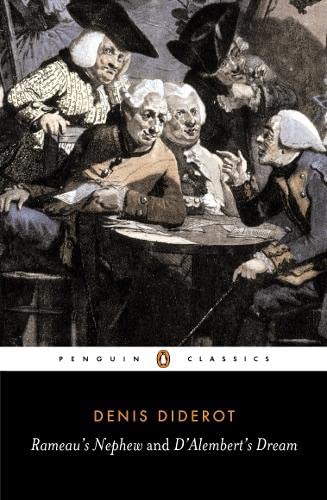
No. 61 on this list. Rameau's Nephew
Denis Diderot · 1805
Included in: Great Books of the Western World
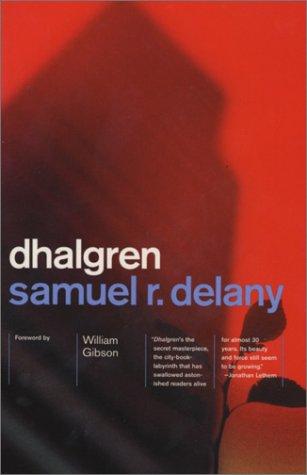
No. 62 on this list. Dhalgren
Samuel R. Delany · 1975
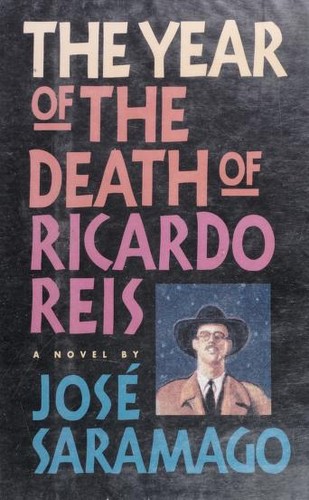
No. 63 on this list. The Year of the Death of Ricardo Reis
José Saramago · 1984
Taught in schools: Portuguese secondary literature (Portugal)
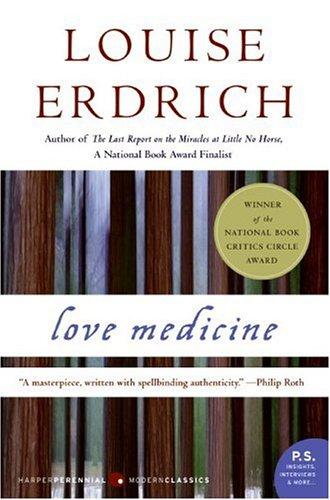
No. 64 on this list. Love Medicine
Louise Erdrich · 1984
No. 65 on this list. The Father
August Strindberg · 1887
No. 66 on this list. Terra Nostra
Carlos Fuentes · 1975
No. 67 on this list. China Men
Maxine Hong Kingston · 1980
No. 68 on this list. The Man in the High Castle
Philip K. Dick · 1962
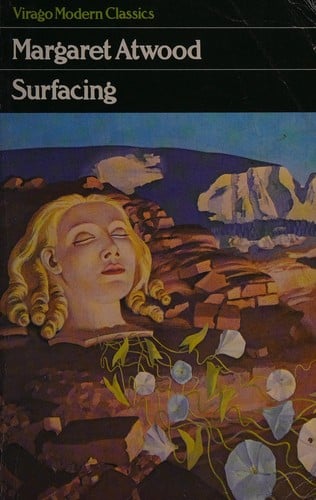
No. 69 on this list. Surfacing
Margaret Atwood · 1972
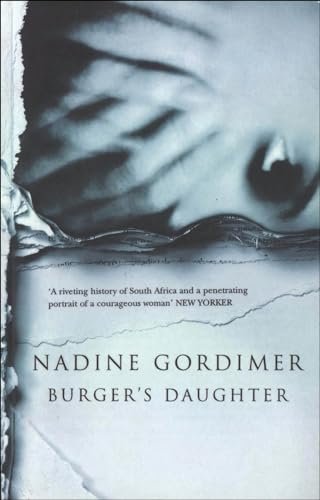
No. 70 on this list. Burger's Daughter
Nadine Gordimer · 1979
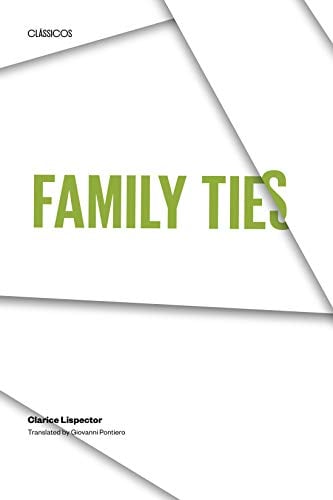
No. 71 on this list. Family Ties
Clarice Lispector · 1960
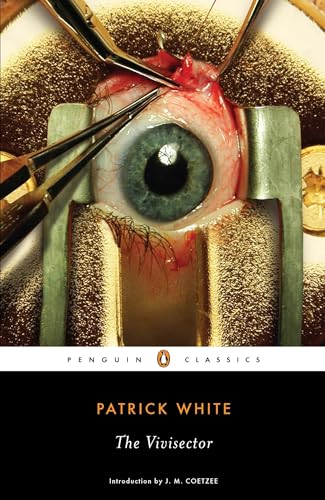
No. 72 on this list. The Vivisector
Patrick White · 1970
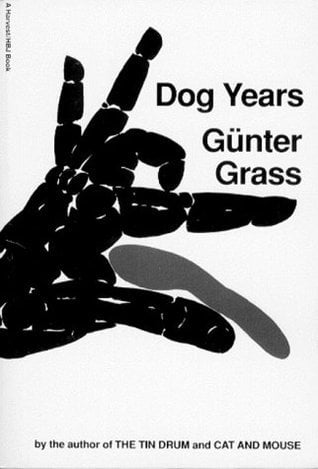
No. 73 on this list. Dog Years
Günter Grass · 1963
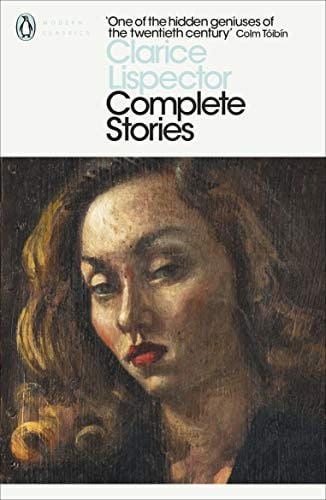
No. 74 on this list. The Complete Stories
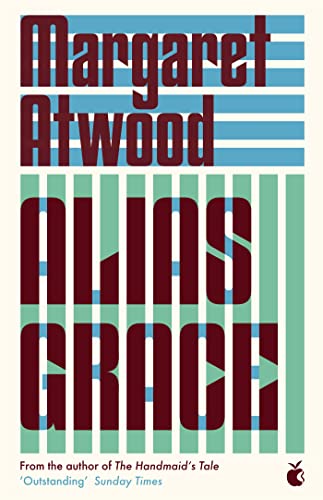
No. 75 on this list. Alias Grace
Margaret Atwood · 1996
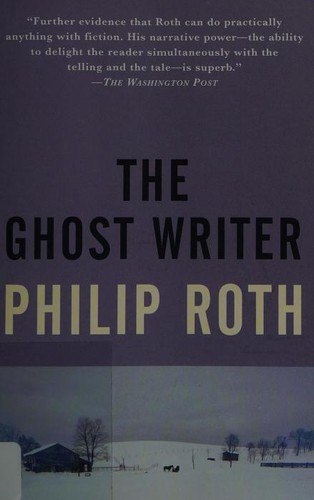
No. 76 on this list. The Ghost Writer
Philip Roth · 1979
No. 77 on this list. Lanark: A Life in Four Books
Alasdair Gray · 1981
No. 78 on this list. No Longer Human
Osamu Dazai · 1948
No. 79 on this list. A Book of Memories
László Nádas · 1986
No. 80 on this list. Confessions of a Mask
Yukio Mishima · 1949
No. 81 on this list. Dangling Man
Saul Bellow · 1944
No. 82 on this list. Heart of a Dog
Mikhail Bulgakov · 1925
No. 83 on this list. The Sailor Who Fell from Grace with the Sea
Yukio Mishima · 1963
No. 84 on this list. Piranesi
Susanna Clarke · 2021
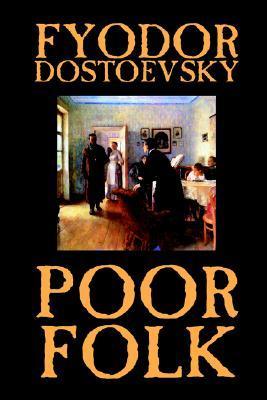
No. 85 on this list. Poor Folk
Fyodor Dostoevsky · 1846
Taught in schools: Kazakh literature curriculum (Kazakhstan)
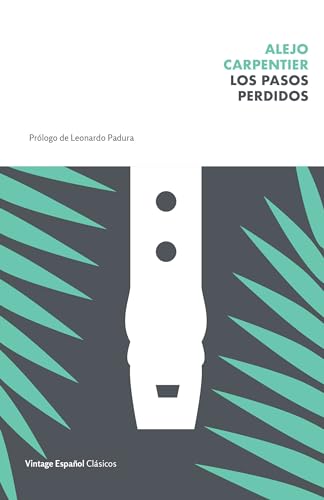
No. 86 on this list. The Lost Steps
Alejo Carpentier · 1953
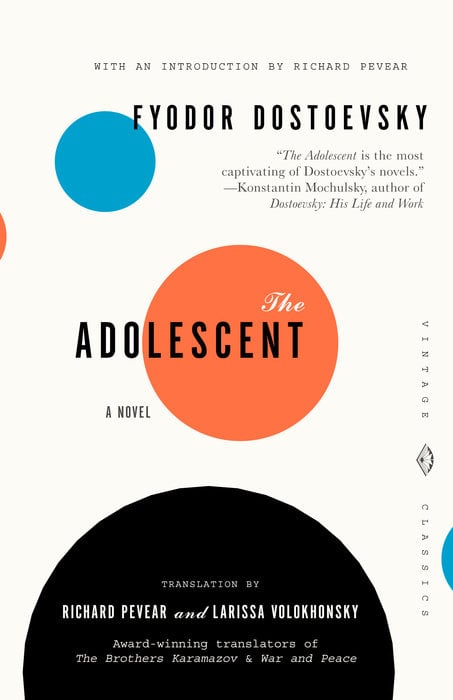
No. 87 on this list. The Adolescent
Fyodor Dostoevsky · 1875
Taught in schools: Russian FGOS literature standard
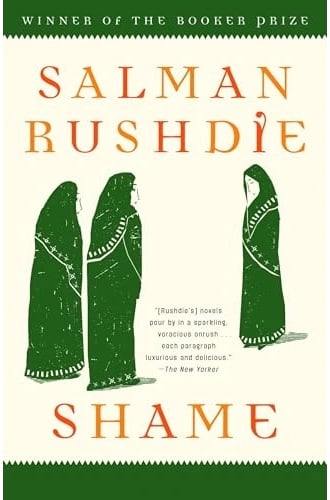
No. 88 on this list. Shame
Salman Rushdie · 1983
No. 89 on this list. A Tomb for Boris Davidovich
Danilo Kiš · 1976
No. 90 on this list. The Thief and the Dogs
Naguib Mahfouz · 1961
Taught in schools: Moroccan secondary Arabic literature (Morocco)
No. 91 on this list. A Number
Caryl Churchill · 2002
No. 92 on this list. Ferdydurke
Witold Gombrowicz · 1937
Taught in schools: Lektury obowiązkowe – Polish national reading list (Poland)
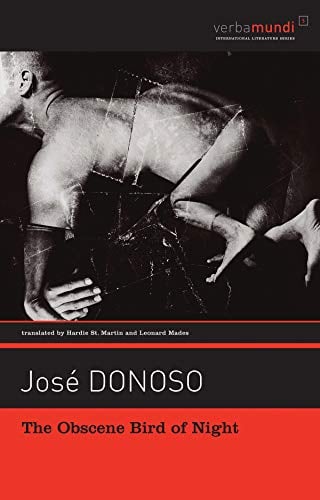
No. 93 on this list. The Obscene Bird of Night
José Donoso · 1970
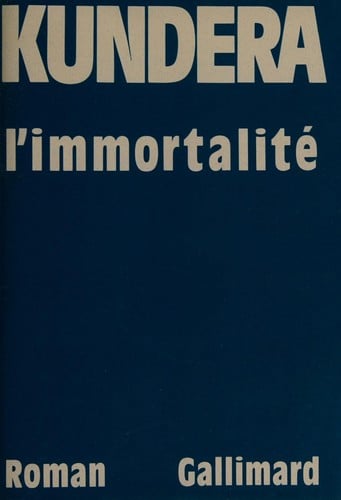
No. 94 on this list. Immortality
Milan Kundera · 1990
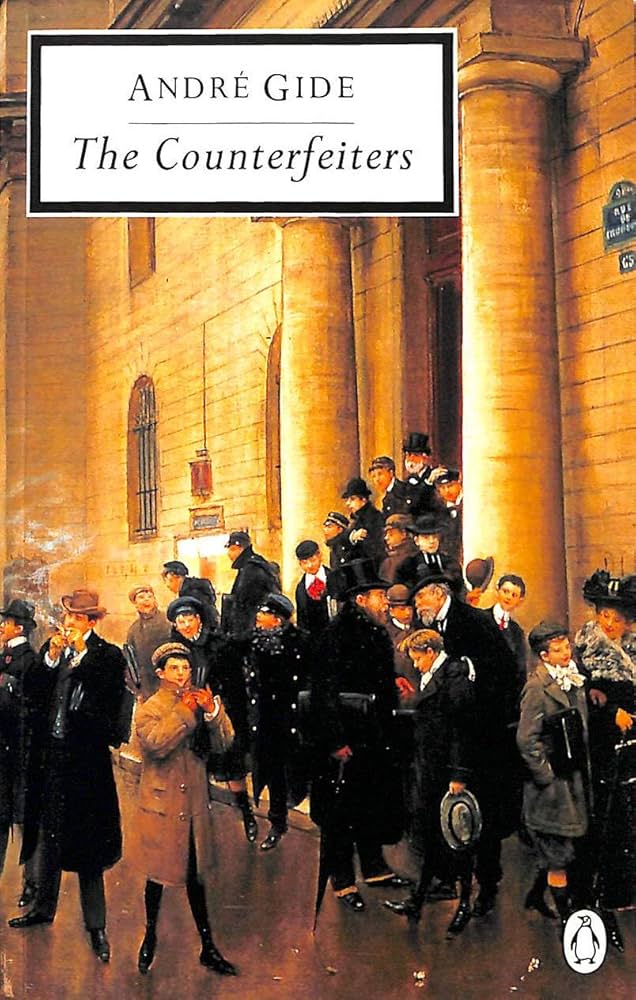
No. 95 on this list. The Counterfeiters
André Gide · 1925
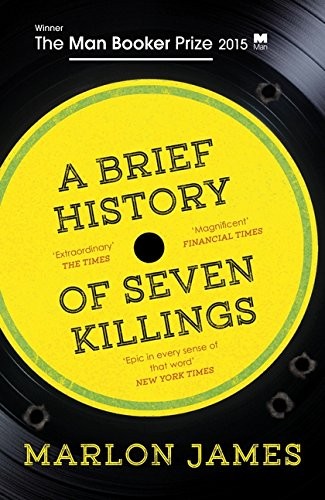
No. 96 on this list. A Brief History of Seven Killings
Marlon James · 2015
No. 97 on this list. The Confessions of Felix Krull
Thomas Mann · 1954
No. 98 on this list. Stories of Your Life and Others
Ted Chiang · 2002
No. 99 on this list. The Aunt's Story
Patrick White · 1948
Taught in schools: CSEC English B – Caribbean Examinations Council
No. 100 on this list. Don't Let Me Be Lonely
Claudia Rankine · 2004
About this list
These 100 books are the highest-scoring eligible challenging books about identity and the self currently in the catalogue. About 1,360 hours of reading in all. Difficulty runs from 68 to 76 out of 100 for the middle half of the list; the summit is Ulysses at 89.
This list is ranked by literary regard, with a consistent order for equal scores. Membership follows authors and co-authors, not translators or editors. A book is here when ReadingRate files it under Identity & Self as one of its primary reading domains, at a confidence of 0.8 or more. Catalogue coverage and the historical canon both limit what this list can represent.
When we matched the Canons dataset to our catalogue in October 2026, our canonical-status scores rose with the number of school curricula, publisher series and lists in it that cite a work: the median score was 72 for books one such source cites, 84 at two, 88 at three, 92 at four and 93 at five or more. Prizes are left out of that count. Outside the state curricula, the dataset’s sources choose mostly from what has been translated into English or French, so it is a weaker check on other literatures. Source: Canons (Andrew Piper), CC BY 4.0
Questions people actually ask
- What are the best challenging books about identity and the self?
- By literary regard, which weighs canonical status, critical standing and influence: Ulysses by James Joyce, A Hunger Artist by Franz Kafka, Peer Gynt by Henrik Ibsen, Song of Solomon by Toni Morrison and Coriolanus by William Shakespeare. ReadingRate ranks 100 such books, each with a difficulty score and a reading-time estimate.
- Which challenging books about identity and the self should I read first?
- Start from difficulty, not from rank. The most approachable books on this list that still carry top literary regard are The Good Soldier by Ford Madox Ford (about 7 hours), Miss Julie by August Strindberg and Season of Migration to the North by Tayeb Salih.
- What are the shortest of the best challenging books about identity and the self?
- Among the top 25, the shortest are The Sonnets to Orpheus by Rainer Maria Rilke (about 2.8 hours), Troilus and Cressida by William Shakespeare (about 3.1 hours) and Coriolanus by William Shakespeare (about 2.9 hours), at an average pace of 250 words a minute adjusted for each book's difficulty.
- Which of the best challenging books about identity and the self are the established classics?
- By canonical status, how firmly a book sits in curricula, anthologies and the canon: Ulysses by James Joyce, The Satanic Verses by Salman Rushdie, The New York Trilogy by Paul Auster, A Hunger Artist by Franz Kafka and Peer Gynt by Henrik Ibsen.
- Can I read any of these challenging books about identity and the self for free?
- 12 of the 100 open in ReadingRate's reader with a free account, from public-domain editions: Ulysses, Coriolanus, Troilus and Cressida, The Kreutzer Sonata, The Ambassadors and 7 more.
- How long would it take to read the top ten?
- About 176 hours, at an average pace of 250 words a minute adjusted for each book's difficulty: 88 days at two hours a day. Set your own pace on the page and the list's reading times change to it.
- How hard are challenging books about identity and the self to read?
- Most of this list sits between 68 and 76 on ReadingRate's 100-point difficulty scale, where 40 to 55 is moderate. The summit is Ulysses at 89. Every entry carries its own score, so a reader can pick a great book at a difficulty they will finish.
- How is this list ranked?
- On literary-regard data: how canonically established a work is, its critical standing, and its influence on later writing. It is not a readers’ poll, which is why recent bestsellers rarely appear. Membership follows authors and co-authors, not translators or editors. Lists by country, author, period, theme or difficulty keep to literature (fiction, poetry, drama and philosophy), their novels, poems and plays first and their philosophy after them; a list of a kind of book, such as memoir or criticism, keeps every book of that kind. Every list holds at most three works by one author. A book is here when ReadingRate files it under Identity & Self as one of its primary reading domains, at a confidence of 0.8 or more.