Hours at an average pace
Showing 100 books
About 621 hours for 97 of 100 books with measured lengths. Estimates use 250 words a minute, adjusted for each book's difficulty. At 2 hours a day, about 311 days for those books.
The single most important sonnet sequence in English and among the most celebrated poems ever written.
No. 2 on this list. Beloved
Toni Morrison · 1988
Challenging7.4 hours
Taught in schools: Pearson Edexcel GCSE and A-level English Literature (UK)
Included in: Bokklubben World Library
Morrison made the ghost of a murdered child literal — she moves into the house, eats all the food, demands everything — and in doing so found the only form adequate to represent what slavery did to the interior lives of the people who survived it. The novel forced American fiction to reckon with a history it had aestheticized or avoided.
No. 3 on this list. The Love Song of J. Alfred Prufrock
T. S. Eliot · 1915
Challenging14 min
Taught in schools: Common Core text exemplars (Appendix B) (US)
One of the most taught poems in English, standard in introductory poetry courses, modernism surveys and the major anthologies. First printed in Poetry magazine in 1915 at Ezra Pound's urging, it is usually treated as the start of modernist verse in English.
No. 4 on this list. David Copperfield
Charles Dickens · 1850
Moderate24 hours
Taught in schools: WJEC/Eduqas GCSE and A-level English Literature (UK)
David Copperfield is firmly established in the Western literary canon as one of Dickens's supreme achievements and a defining example of the Victorian Bildungsroman. It remains widely taught, studied, and adapted across cultures.
No. 5 on this list. The Cherry Orchard
Anton Chekhov · 1904
Moderate1.2 hours
Taught in schools: Armenian secondary literature, CSEC English B – Caribbean Examinations Council, Russian FGOS literature standard
Universally included in world literature syllabi alongside Shakespeare and Greek drama. No major course omits it; it defines modern theater. Russian literature curricula make it mandatory; Western universities teach it in drama, European lit, and modernism courses equally. Unquestioned canonical necessity.
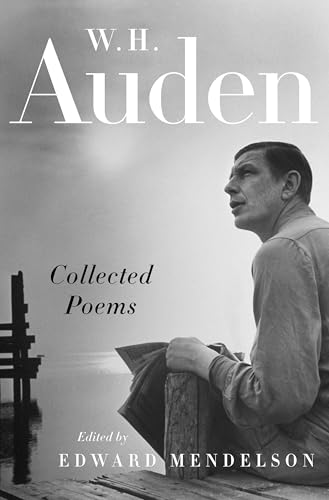
One of the most important English-language poets of the twentieth century, central to the modern canon alongside Yeats and Eliot.
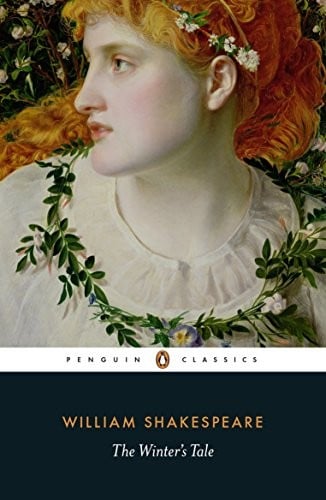
No. 7 on this list. The Winter's Tale
William Shakespeare · 1611
Challenging1.9 hours
Included in: Great Books of the Western World
A standard text in university Shakespeare courses worldwide, The Winter's Tale is taught as part of the late romances alongside The Tempest and Pericles. While it ranks below the major tragedies in curriculum frequency, it is required reading in virtually all advanced Shakespeare courses and appears regularly in comparative drama syllabi globally.
Sappho is a foundation of Greek lyric poetry and of Western poetry courses, ranked among the Nine Lyric Poets of antiquity. She is taught widely in classics, women's studies, and world literature classes. Ancient critics called her the Poetess, just as Homer was the Poet.
Nausea is a core text of existentialism, taught in philosophy and French and world literature courses; this Penguin Modern Classics edition carries an Afterword by James Wood. It stands with Notes from Underground as a staple of existentialist reading.
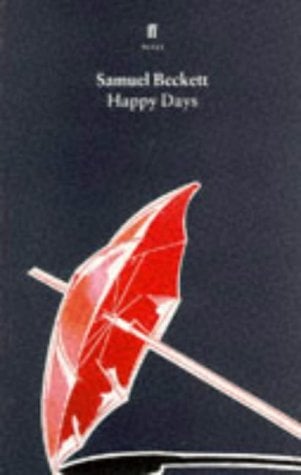
Happy Days anchors modernist and postmodern drama syllabi internationally alongside Waiting for Godot and Endgame. It is taught in theatre, English literature, and philosophy programs across Europe and North America. Wikipedia covers it in over 40 languages. It is among the most-assigned Beckett plays and appears on virtually every postwar drama reading list.

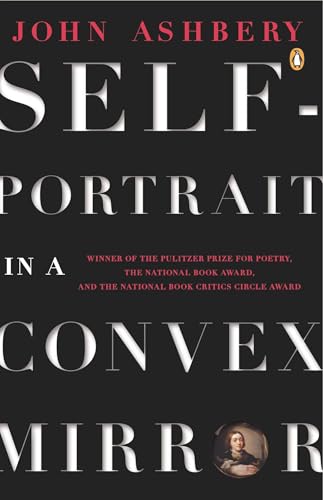
No. 11 on this list. Self-Portrait in a Convex Mirror · John Ashbery · 1975
Won the Pulitzer Prize, National Book Award, and National Book Critics Circle Award — the only book to win all three. Central to the American poetry canon.
Challenging1.3 hours
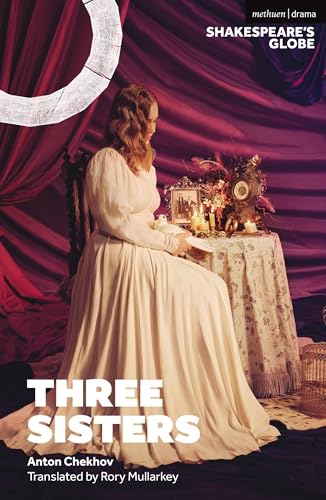
Start this bookNo. 12 on this list. Three Sisters · Anton Chekhov · 1901
Taught in schools: Hungarian literature curriculum (magyar nyelv és irodalom) (Hungary), Russian FGOS literature standard
Taught in every course on modern drama and staged continuously by major companies since its 1901 Moscow Art Theatre premiere. The sisters' longing for Moscow is one of the best-known situations in world theatre.
Challenging2.4 hours
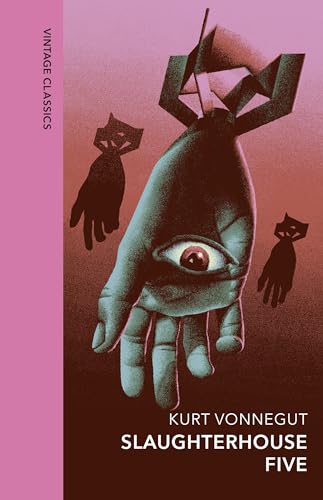
Read nowNo. 13 on this list. Slaughterhouse-Five · Kurt Vonnegut · 1969
Vonnegut unstuck his protagonist from time and used the resulting shattered chronology to convey what no linear war novel could: the way trauma scrambles cause and effect until the firebombing of Dresden and a zoo on an alien planet occupy the same plane of reality. The deadpan sentence "So it goes" after every death became the definitive literary response to mass killing.
Challenging4.3 hours
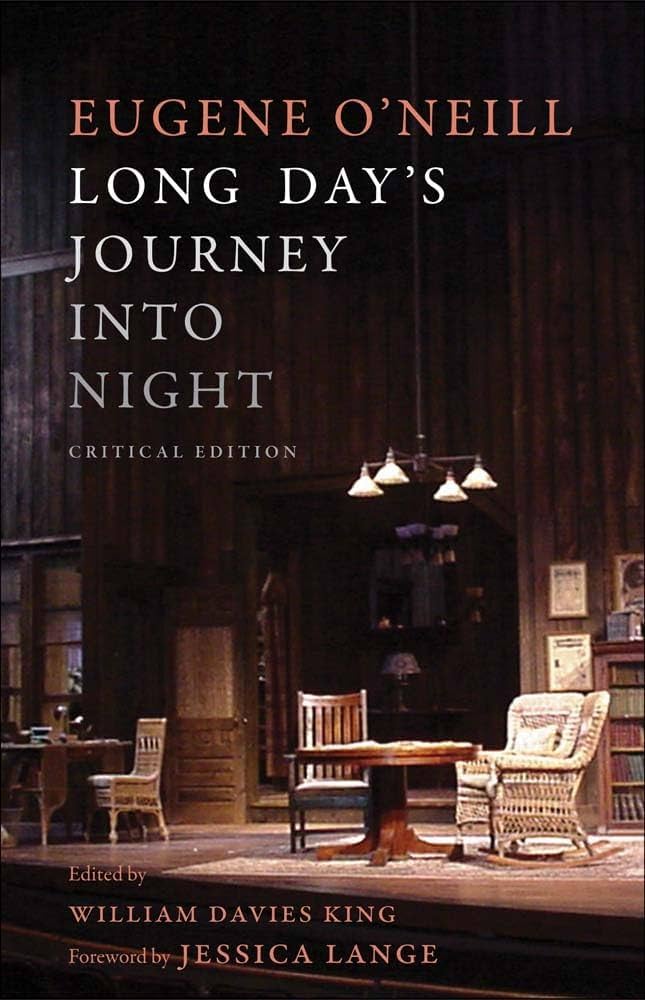
Start this bookNo. 14 on this list. Long Day's Journey into Night · Eugene O'Neill · 1956
O'Neill dramatized his own family — the morphine-addicted mother, the alcoholic father, the doomed brother — with such lacerating honesty that he ordered the play sealed until twenty-five years after his death. The result is the most autobiographically raw masterpiece in American theater, a four-act cycle of blame and forgiveness that never grants its characters the relief of a resolution.
Moderate4.6 hours
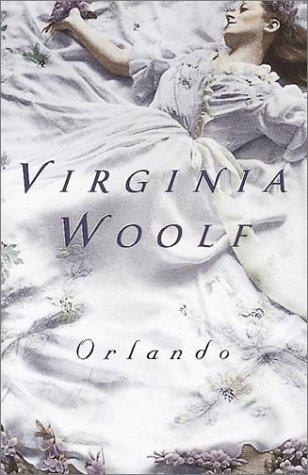
Start this bookNo. 15 on this list. Orlando · Virginia Woolf · 1928
Taught in schools: UNAM Escuela Nacional Preparatoria – programas de Literatura (Mexico)
Orlando appears on university syllabi worldwide in modernist literature, gender studies, feminist theory, and LGBTQ+ studies courses — one of the few novels to anchor multiple disciplines simultaneously. It features on Modern Library's 100 Best Novels list and is discussed in virtually every survey of 20th-century British fiction. Woolf's stature guarantees its place in the canon regardless of pedagogical fashion.
Moderate5.2 hours
Start this bookNo. 16 on this list. Buddenbrooks: The Decline of a Family · Thomas Mann
A Nobel-winning author's first novel, taught widely in German and world literature courses as the model family chronicle.
Moderate15 hours
Start this bookNo. 17 on this list. The major works · William Wordsworth
Wordsworth anchors every survey of Romantic poetry, and the Lyrical Ballads and The Prelude are standard in English literature courses. Oxford World's Classics, with Gill's edition described by reviewers as a landmark, is a standard teaching text.
Moderate
Start this bookNo. 18 on this list. The Glass Menagerie · Tennessee Williams · 1944
Taught in schools: Common Core text exemplars (Appendix B) (US), CSEC English B – Caribbean Examinations Council
The Glass Menagerie is taught in virtually every American high school and in university courses on 20th-century drama, American literature, and modern theater across the globe. It appears on thousands of syllabi and is considered alongside Death of a Salesman as a cornerstone of the American stage canon. No data signals were returned, but its syllabus presence is among the highest for any American play.
Challenging1.9 hours
Start this bookNo. 19 on this list. Mrs. Dalloway · Virginia Woolf · 1925
Taught in schools: OCR GCSE and A-level English Literature (UK), Pearson Edexcel GCSE and A-level English Literature (UK)
Included in: Bokklubben World Library
Appears on 4,254 university syllabi according to the Open Syllabus Project, placing it at the 90.7th percentile of all taught texts — above Beloved's range and approaching The Great Gatsby's 3,500+ appearances. Listed on TIME's All-TIME 100 Novels (2005) and in 1001 Books You Must Read Before You Die. Wikipedia articles in 35 languages with an adaptations section confirm broad global reach.
Challenging5 hours
Read nowNo. 20 on this list. Invisible Cities · Italo Calvino · 1972
Marco Polo sits before Kublai Khan and describes cities he has visited — or perhaps invented. Despina can be approached by land or by sea, and looks entirely different depending on which direction you come from. Valdrada was built above a lake so that every action of its inhabitants would be doubled in the water below; the city and its mirror have learned to hate each other. Zobeide was constructed by men who all dreamed the same woman and built a city to trap her, but the woman never appeared. Calvino arranges 55 such cities across 11 categories — Cities & Memory, Cities & Desire, Thin Cities — in a mathematical grid that wears the clothing of fiction. The cities are not places. They are states of mind, arguments about time and loss, meditations on the difference between a map and the territory it claims to represent. Between the vignettes, Marco Polo and the Khan conduct dialogues about language, empire, and whether it is possible to describe anything that exists. The prose is precise and dreaming at once — a short paragraph can hold more compressed thought than a chapter of conventional fiction. This is a book that accumulates rather than progresses, and what it accumulates is a complete philosophy of how cities, and perhaps consciousness itself, work.
Challenging2.2 hours
Start this book


No. 21 on this list. Collected Stories · William Faulkner · 1951
Collected Stories won the National Book Award in 1951 and remains central to American short fiction canon. These stories appear regularly in anthologies and academic syllabi. While perhaps overshadowed by Faulkner's novels, the collection represents an essential component of his Yoknapatawpha saga and demonstrates his mastery across forms.
Challenging22 hours
Start this bookNo. 22 on this list. The Prelude · William Wordsworth · 1850
A fixture of every survey of English Romanticism and nearly every anthology of British poetry, though as a single long poem it draws less raw syllabus volume than assigned novels—closer to Beloved's discipline-specific canonicity than a mass-market fixture like Gatsby.
Challenging4.6 hours
Start this bookNo. 23 on this list. Collected Poems of Constantine Cavafy · Constantine P. Cavafy · 1935
One of the most important poets of the twentieth century, canonical in modern Greek literature and widely translated and admired internationally.
Moderate59 min
Start this bookNo. 24 on this list. Slaughterhouse-Five · Kurt Vonnegut · 1999
One of the most widely taught American novels of the twentieth century, in high school and university courses on war literature and postmodern fiction. Its 1969 text is the standard for anti-war reading lists.
Moderate3.5 hours
Start this bookNo. 25 on this list. The major works · John Keats
Keats is a fixture of Romantic poetry courses, and the Odes appear in anthologies worldwide. This Oxford World's Classics edition is a standard teaching text. Individual syllabus counts are not available, but his place in the canon is firm.
Challenging
Start this bookNo. 26 on this list. The Magic Mountain · Thomas Mann · 1924
Included in: Bokklubben World Library
Appears on 228 university syllabi (58.9th percentile, Open Syllabus Project) and Wikipedia articles exist in 41 languages. Listed on Le Monde's 100 Books of the Century and Open Syllabus Top 500 Literature. The Nobel Prize author and the novel's treatment of pre-war European culture have kept it in world literature curricula for a century.
Challenging30 hours
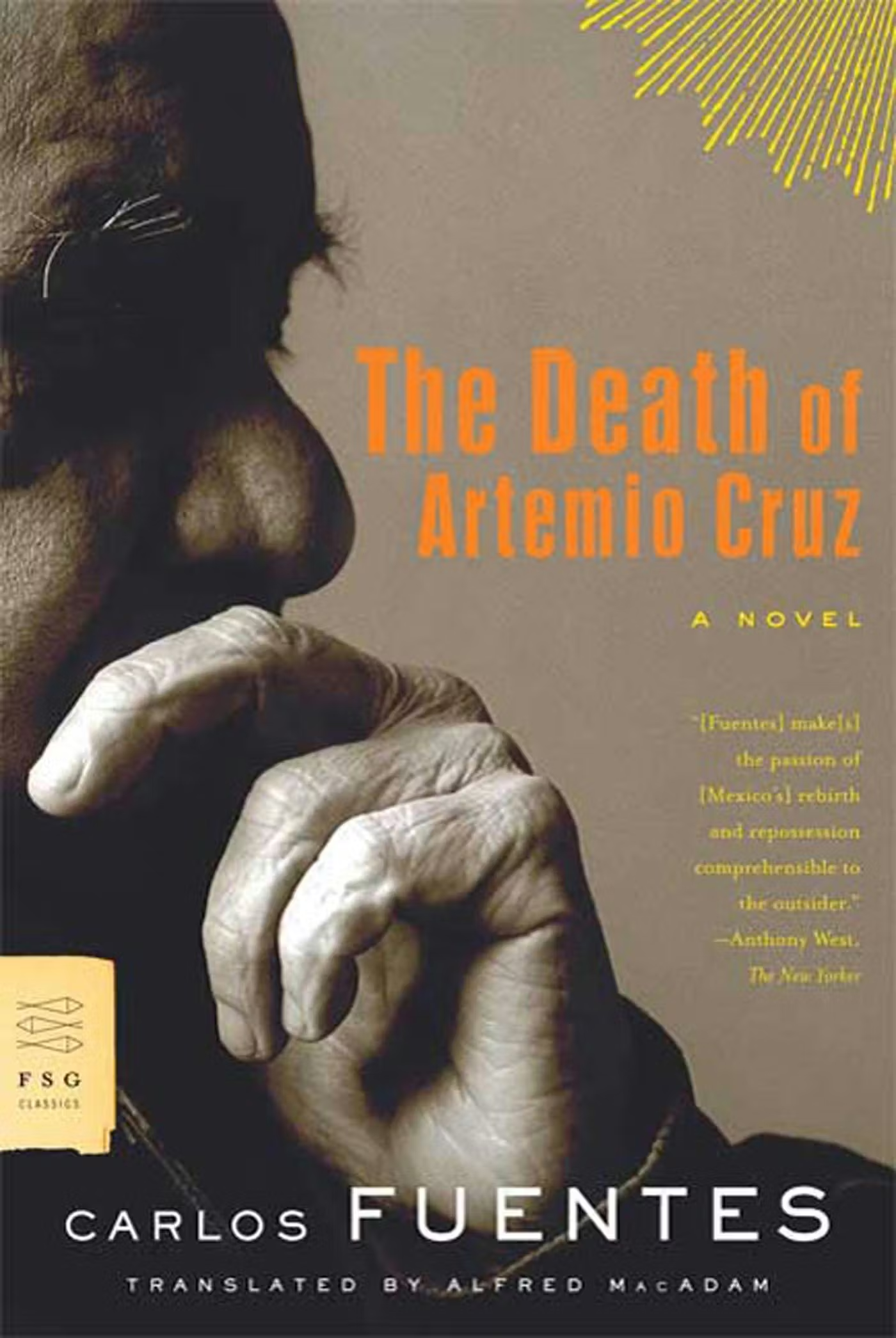
Read nowNo. 27 on this list. The Death of Artemio Cruz · Carlos Fuentes · 1962
The Death of Artemio Cruz occupies a central position in the Latin American Boom canon and appears regularly in world literature curricula alongside works by García Márquez, Vargas Llosa, and Cortázar. It is widely considered Fuentes's masterpiece and a defining text of mid-20th-century experimental fiction. The novel remains in continuous print in multiple languages and features prominently in scholarly studies of modernist narrative technique.
Challenging9.3 hours
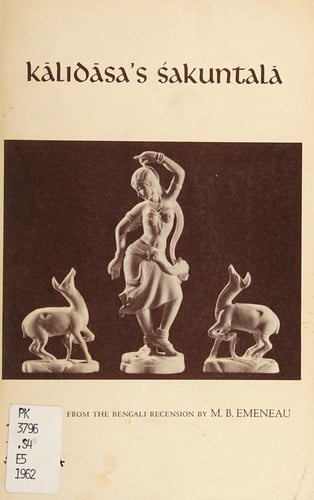
Start this bookNo. 28 on this list. Shakuntala · Kalidasa · 400
Supreme Sanskrit drama; first Indian text to reach European audience.
Moderate3.2 hours
Start this bookNo. 29 on this list. Life Studies · Robert Lowell · 1959
Life Studies is a core text in postwar American poetry courses and the standard starting point for confessional poetry. Its Wikipedia article exists in 2 languages, a modest count for its status, but it is anthologized and taught widely.
Moderate1.6 hours
Start this bookNo. 30 on this list. Go Down, Moses · William Faulkner · 1942
Go Down, Moses is recognized as central to American modernism and Southern gothic literature. It appears consistently in university curricula and major literary anthologies. While not achieving the absolute canonical singularity of Faulkner's The Sound and the Fury or Absalom, Absalom!, it commands secure canonical standing within American letters.
Challenging9.1 hours
Start this book

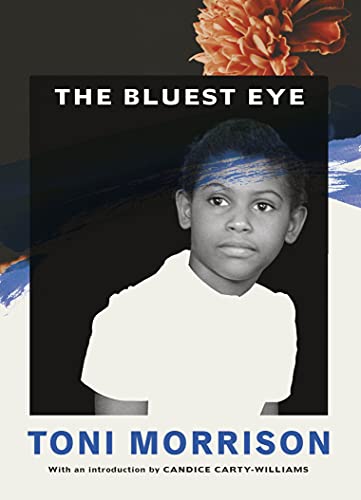
No. 31 on this list. The Bluest Eye
Toni Morrison · 1970
Taught in schools: Common Core text exemplars (Appendix B) (US)
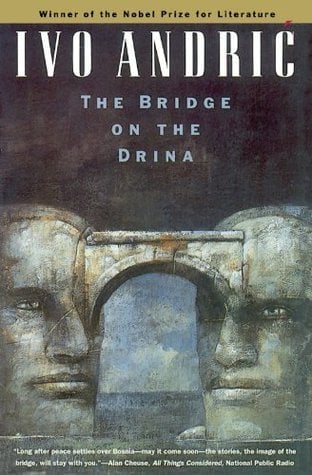
No. 32 on this list. The Bridge on the Drina
Ivo Andrić · 1945
Taught in schools: Turkish edebiyat curriculum (Turkey)
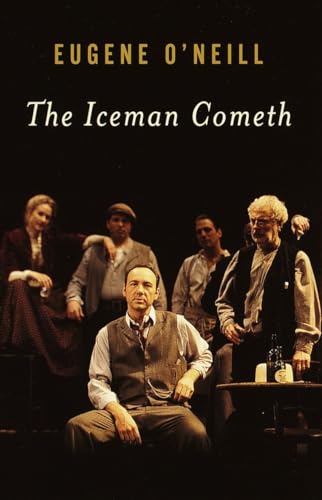
No. 33 on this list. The Iceman Cometh
Eugene O'Neill · 1946
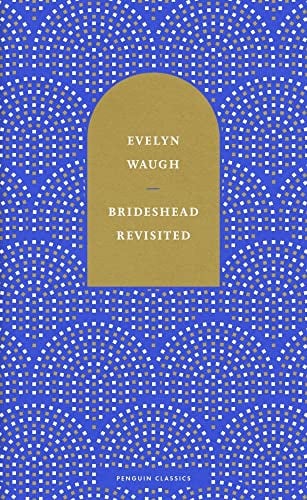
No. 34 on this list. Brideshead Revisited
Evelyn Waugh · 1945
No. 35 on this list. Between the Acts
Virginia Woolf · 1941
No. 36 on this list. Underworld
Don DeLillo · 1997
No. 37 on this list. The Mirror and the Light
Hilary Mantel · 2020
No. 38 on this list. Fields of Castile
Antonio Machado · 1912
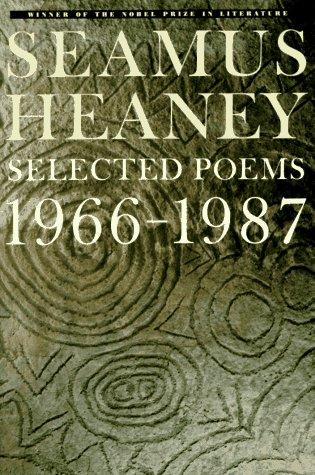
No. 39 on this list. Selected Poems, 1966-1987
Seamus Heaney · 1990
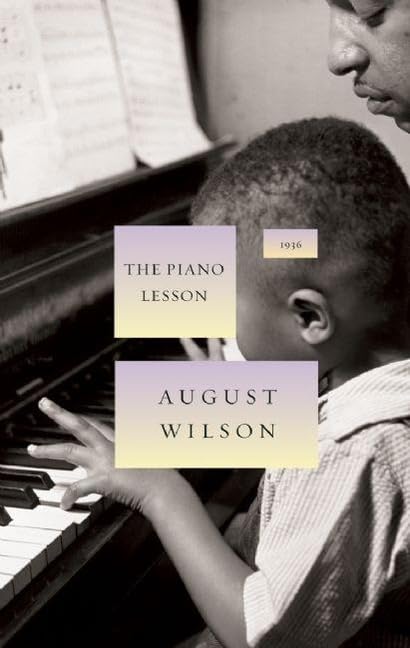
No. 40 on this list. The Piano Lesson
August Wilson · 1987
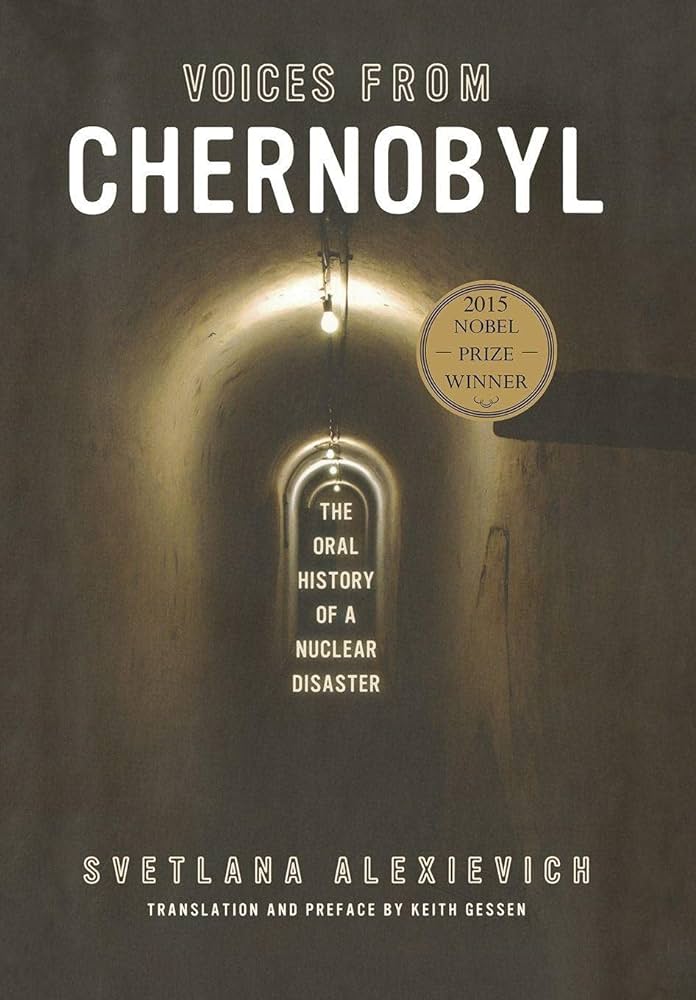
No. 41 on this list. Voices from Chernobyl
Svetlana Alexievich · 1997
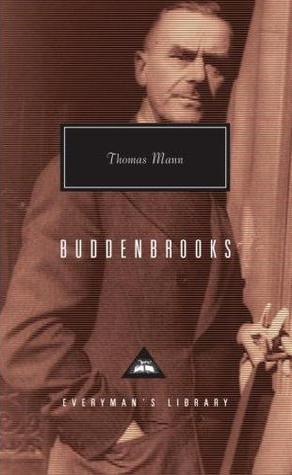
No. 42 on this list. Buddenbrooks
Thomas Mann · 1901
Included in: Bokklubben World Library
No. 43 on this list. The Auroras of Autumn
Wallace Stevens · 1950
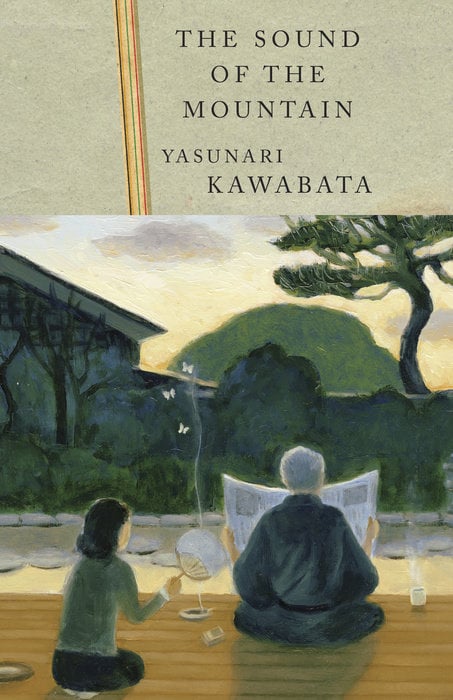
No. 44 on this list. The Sound of the Mountain
Yasunari Kawabata · 1949
Included in: Bokklubben World Library, UNESCO Collection of Representative Works
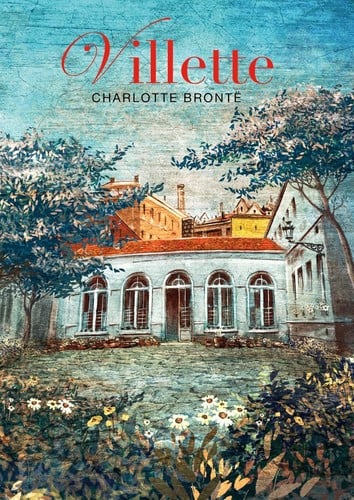
No. 45 on this list. Villette
Charlotte Brontë · 1853
No. 46 on this list. Krapp's Last Tape
Samuel Beckett · 1958
No. 47 on this list. Collected Poems
Dylan Thomas · 1971
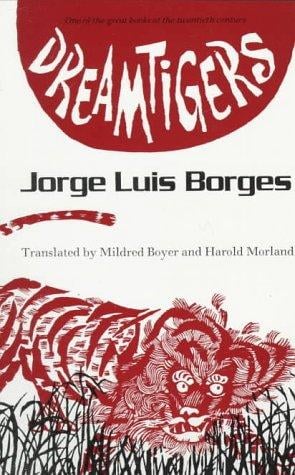
No. 48 on this list. Dreamtigers
Jorge Luis Borges · 1960
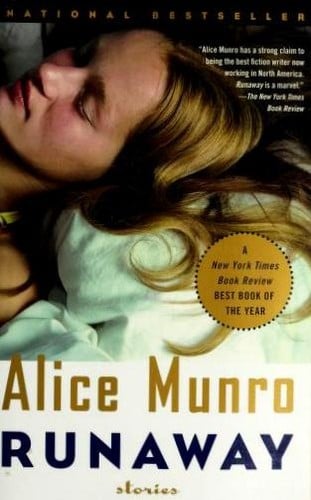
No. 49 on this list. Runaway
Alice Munro · 2004
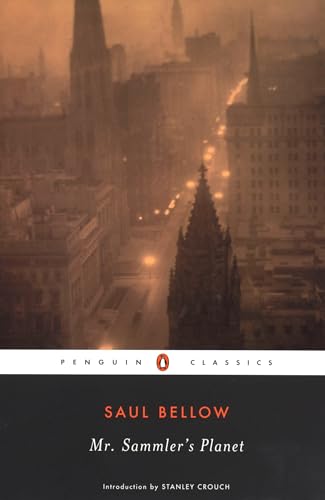
No. 50 on this list. Mr. Sammler's Planet
Saul Bellow · 1971

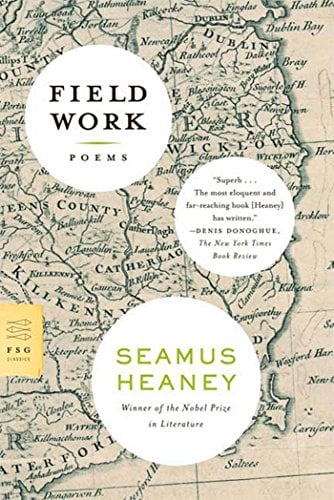
No. 51 on this list. Field Work
Seamus Heaney · 1979
Taught in schools: WJEC/Eduqas GCSE and A-level English Literature (UK)
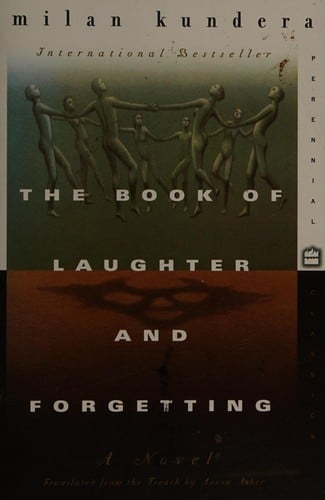
No. 52 on this list. The Book of Laughter and Forgetting
Milan Kundera · 1979
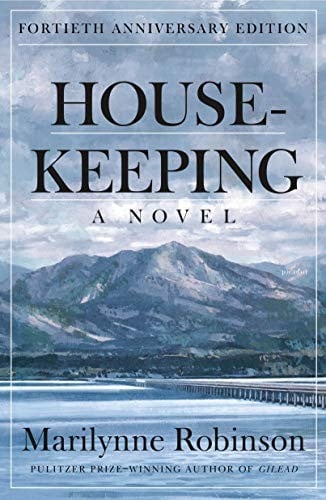
No. 53 on this list. Housekeeping
Marilynne Robinson · 1980
No. 54 on this list. Robert Browning's Poetry
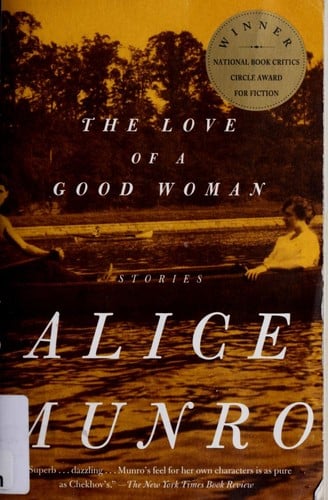
No. 55 on this list. The Love of a Good Woman
Alice Munro · 1998
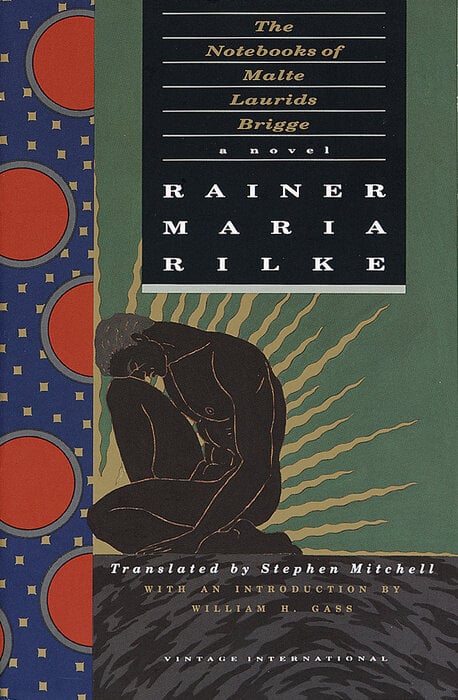
No. 56 on this list. The Notebooks of Malte Laurids Brigge
Rainer Maria Rilke · 1910
No. 57 on this list. Company
Samuel Beckett · 1980
No. 58 on this list. Fasti
Ovid · 8
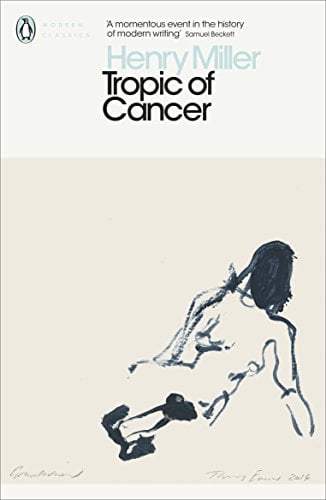
No. 59 on this list. Tropic of Cancer
Henry Miller · 1934
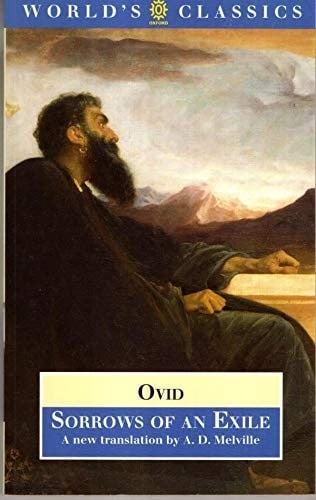
No. 60 on this list. Tristia
Ovid · 12

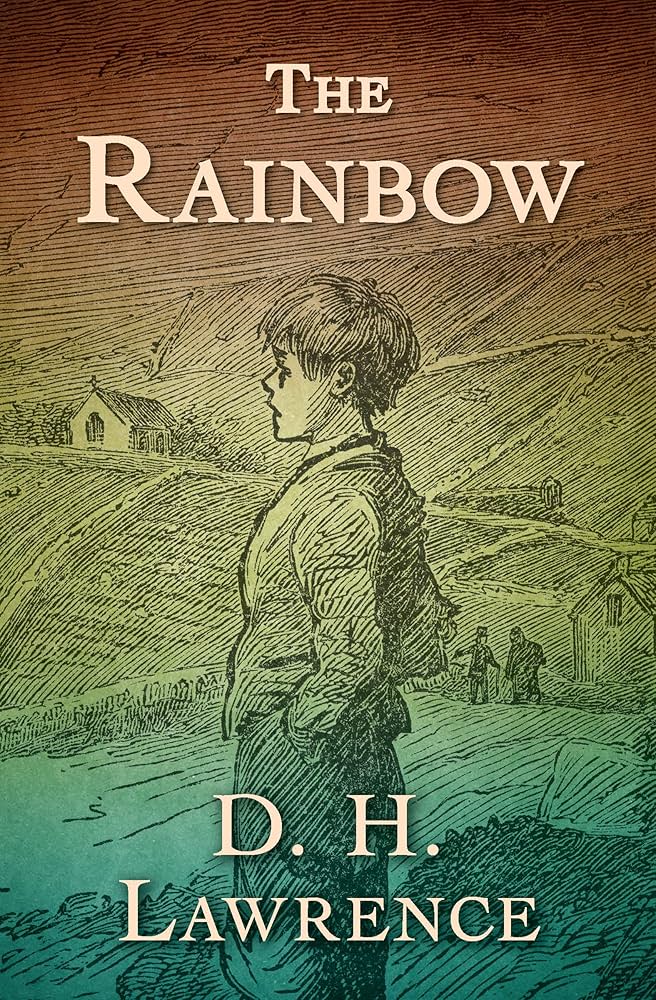
No. 61 on this list. The Rainbow
D.H. Lawrence · 1915
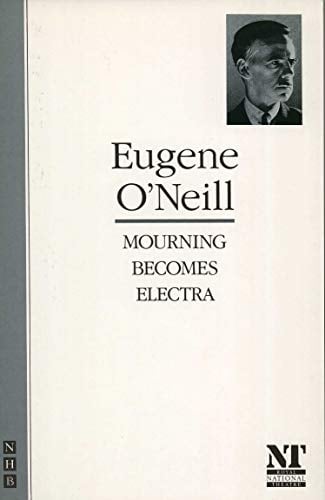
No. 62 on this list. Mourning Becomes Electra
Eugene O'Neill · 1931
Included in: Great Books of the Western World
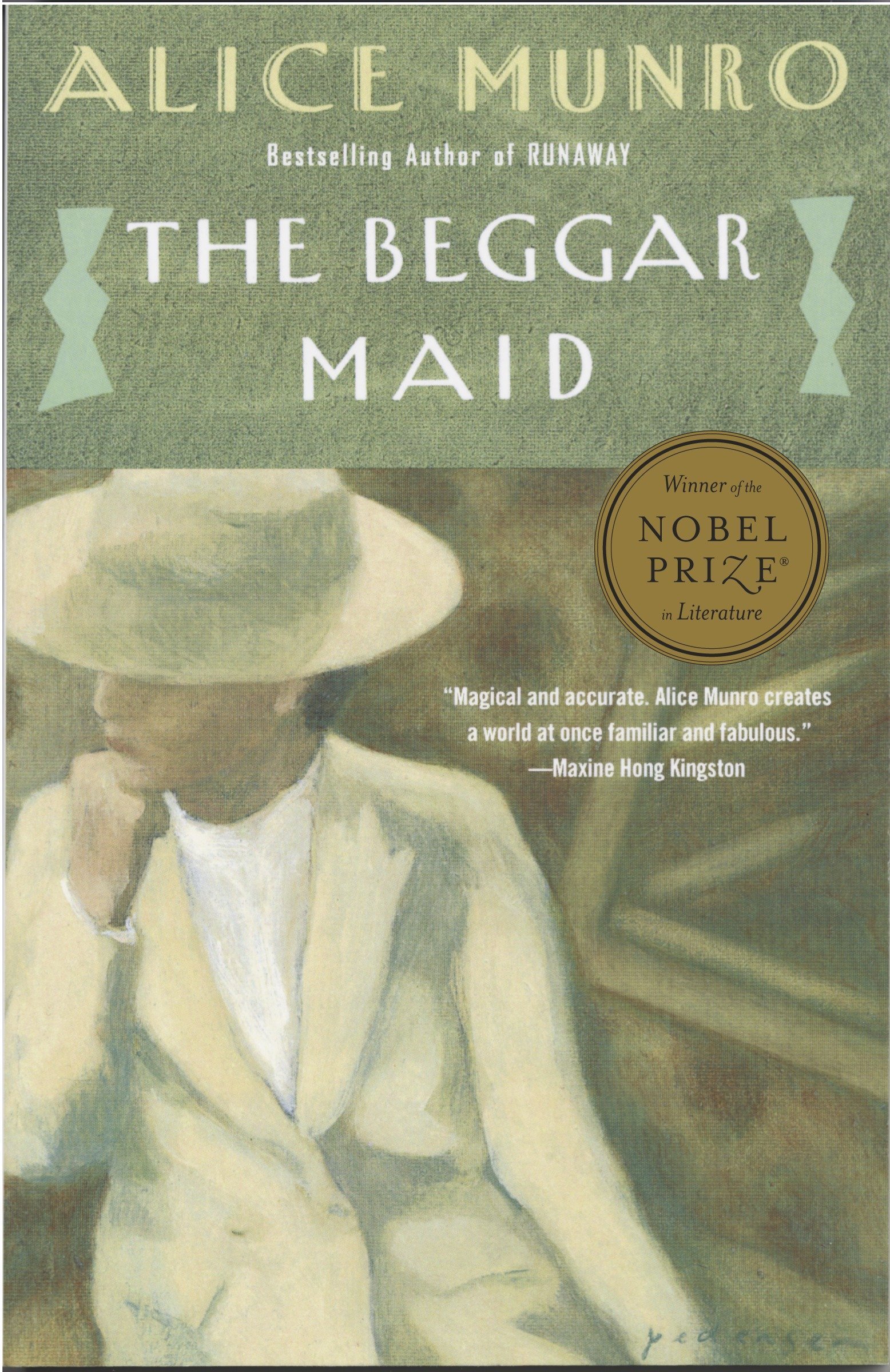
No. 63 on this list. The Beggar Maid
Alice Munro · 1980
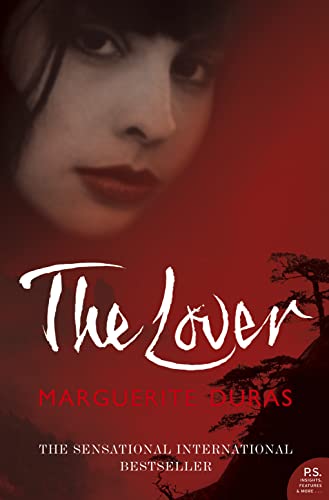
No. 64 on this list. The Lover
Marguerite Duras · 1984
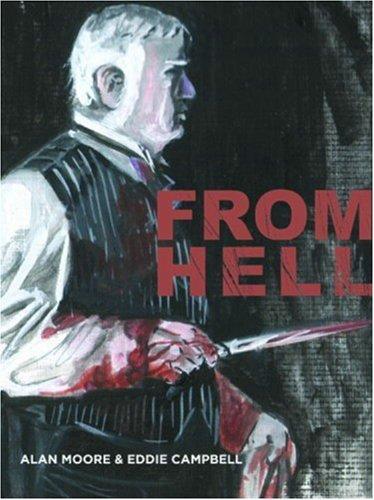
No. 65 on this list. From Hell
Alan Moore · 1999
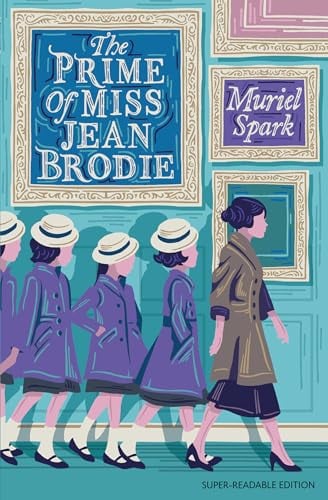
No. 66 on this list. The Prime of Miss Jean Brodie
Muriel Spark · 1961
Taught in schools: CSEC English B – Caribbean Examinations Council
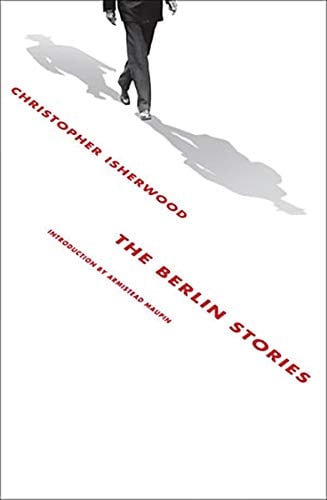
No. 67 on this list. The Berlin Stories
Christopher Isherwood · 1945
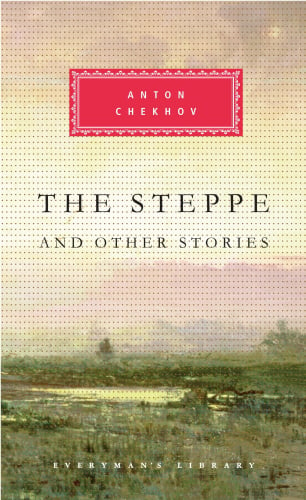
No. 68 on this list. The Steppe
Anton Chekhov · 1888
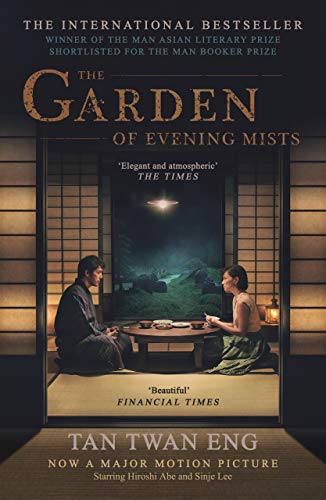
No. 69 on this list. The Garden of Evening Mists
Tan Twan Eng · 2013
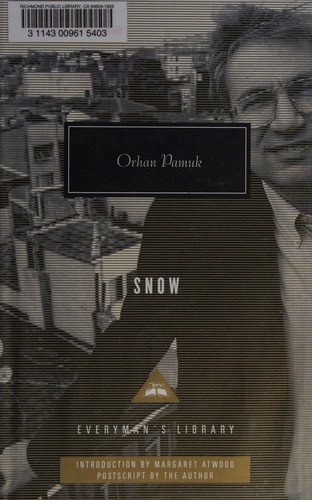
No. 70 on this list. Snow
Orhan Pamuk · 2002
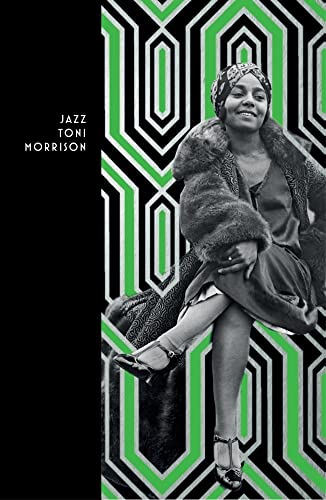
No. 71 on this list. Jazz
Toni Morrison · 1992
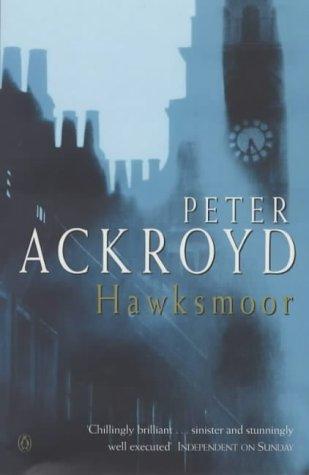
No. 72 on this list. Hawksmoor
Peter Ackroyd · 1985
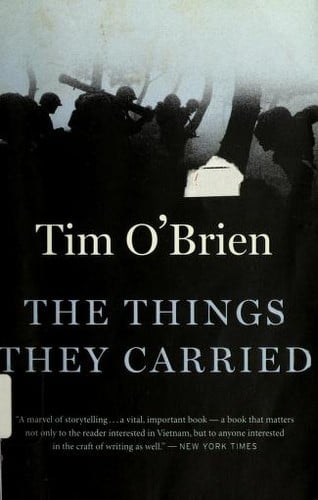
No. 73 on this list. The Things They Carried
Tim O'Brien · 1990
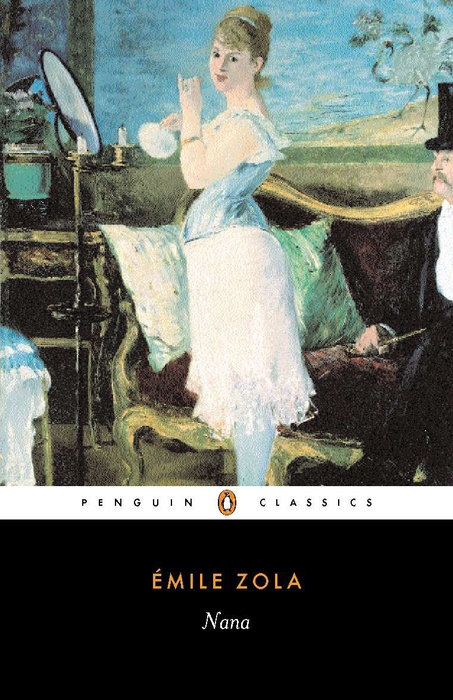
No. 74 on this list. Nana
Émile Zola · 1880
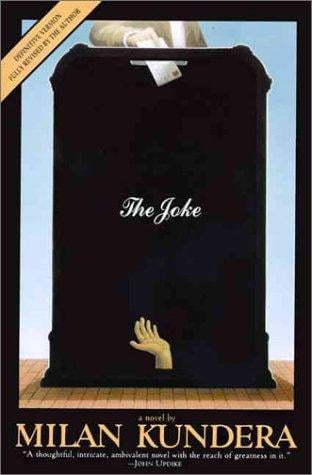
No. 75 on this list. The Joke
Milan Kundera · 1967
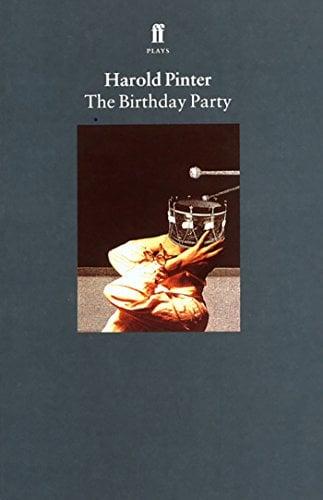
No. 76 on this list. The Birthday Party
Harold Pinter · 1957
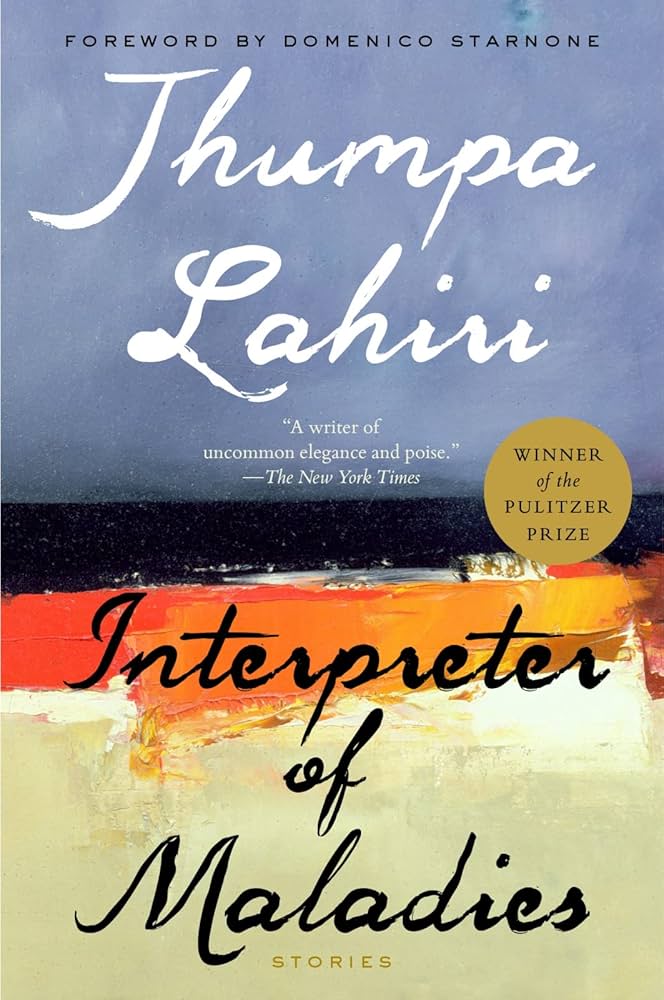
No. 77 on this list. Interpreter of Maladies
Jhumpa Lahiri · 2000
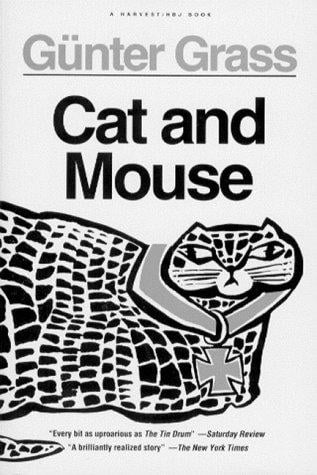
No. 78 on this list. Cat and Mouse
Günter Grass · 1961
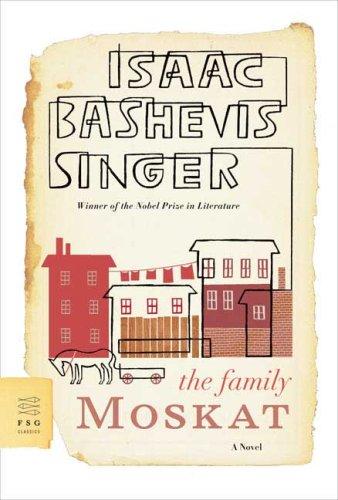
No. 79 on this list. The Family Moskat
Isaac Bashevis Singer · 1950
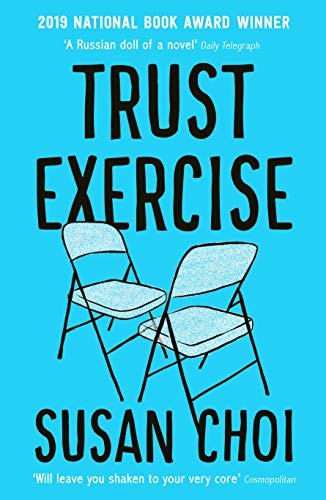
No. 80 on this list. Trust Exercise
Susan Choi · 2019
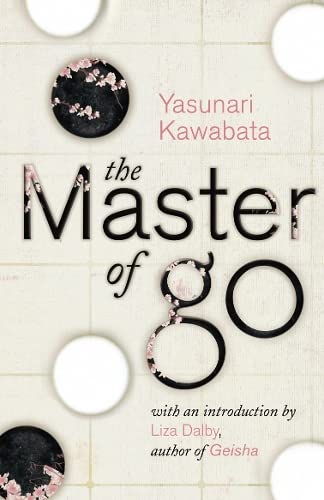
No. 81 on this list. The Master of Go
Yasunari Kawabata · 1954
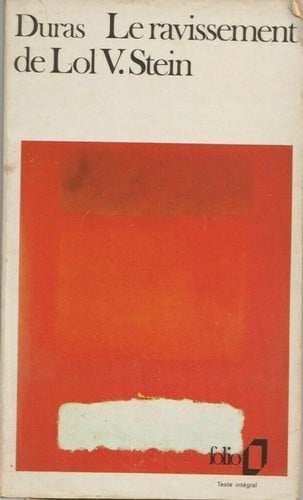
No. 82 on this list. The Ravishing of Lol Stein
Marguerite Duras · 1964
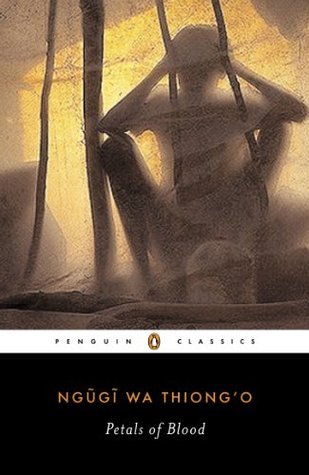
No. 83 on this list. Petals of Blood
Ngugi wa Thiong'o · 1977
Included in: Heinemann African Writers Series
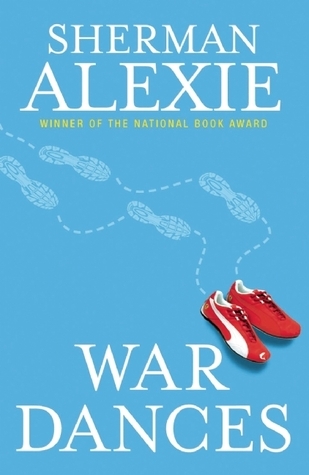
No. 84 on this list. War Dances
Sherman Alexie · 2010
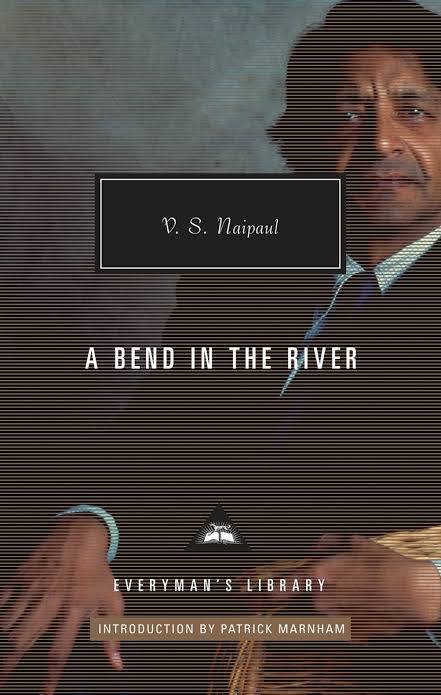
No. 85 on this list. A Bend in the River
V.S. Naipaul · 1979
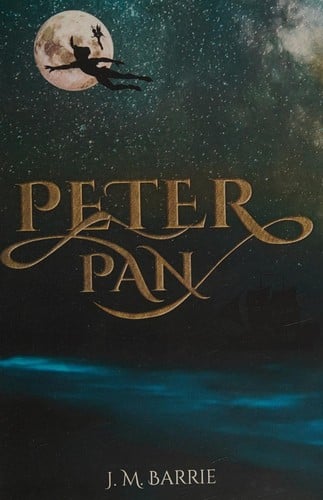
No. 86 on this list. Peter Pan
J.M. Barrie · 1911
No. 87 on this list. The Arrivants
Kamau Brathwaite · 1973
Taught in schools: CSEC English B – Caribbean Examinations Council
No. 88 on this list. The Years
Annie Ernaux · 2019
No. 89 on this list. A Thousand Acres
Jane Smiley · 1992
No. 90 on this list. Selected Poems of Wisława Szymborska
Wisława Szymborska · 1998
No. 91 on this list. A Visit from the Goon Squad
Jennifer Egan · 2011
No. 92 on this list. Mythistorima
Giorgos Seferis · 1935
No. 93 on this list. The Opposing Shore
Julien Gracq · 1951
No. 94 on this list. The Radetzky March
No. 95 on this list. The Optimist's Daughter
Eudora Welty · 1973
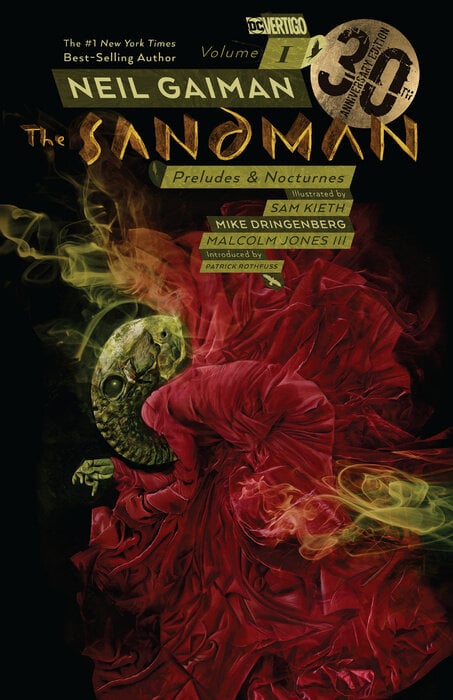
No. 96 on this list. The Sandman
Neil Gaiman · 1989
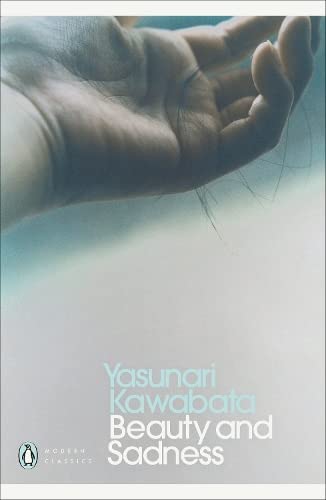
No. 97 on this list. Beauty and Sadness
Yasunari Kawabata · 1965
No. 98 on this list. Distant Star
Roberto Bolaño · 1996
Taught in schools: UNAM Escuela Nacional Preparatoria – programas de Literatura (Mexico)
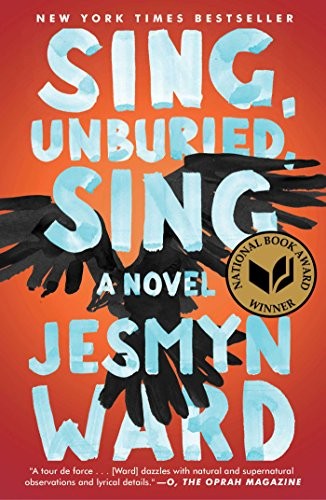
No. 99 on this list. Sing, Unburied, Sing
Jesmyn Ward · 2018
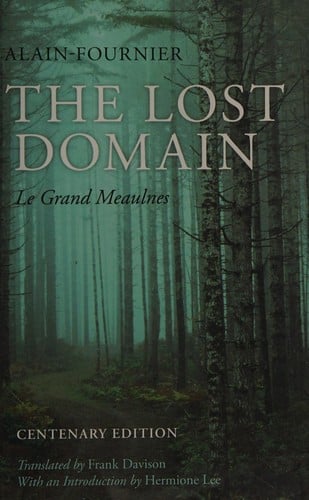
No. 100 on this list. Le Grand Meaulnes
Alain-Fournier · 1913
About this list
These 100 books are the highest-scoring eligible moderately difficult books about memory and time currently in the catalogue. About 621 hours of reading in all, for the 97 with measured lengths. Difficulty runs from 52 to 60 out of 100 for the middle half of the list; the summit is Hawksmoor at 64.
This list is ranked by literary regard, with a consistent order for equal scores. Membership follows authors and co-authors, not translators or editors. A book is here when ReadingRate files it under Memory & Time as one of its primary reading domains, at a confidence of 0.8 or more. Catalogue coverage and the historical canon both limit what this list can represent.
When we matched the Canons dataset to our catalogue in October 2026, our canonical-status scores rose with the number of school curricula, publisher series and lists in it that cite a work: the median score was 72 for books one such source cites, 84 at two, 88 at three, 92 at four and 93 at five or more. Prizes are left out of that count. Outside the state curricula, the dataset’s sources choose mostly from what has been translated into English or French, so it is a weaker check on other literatures. Source: Canons (Andrew Piper), CC BY 4.0
Questions people actually ask
- What are the best moderately difficult books about memory and time?
- By literary regard, which weighs canonical status, critical standing and influence: Sonnets by William Shakespeare, Beloved by Toni Morrison, The Love Song of J. Alfred Prufrock by T. S. Eliot, David Copperfield by Charles Dickens and The Cherry Orchard by Anton Chekhov. ReadingRate ranks 100 such books, each with a difficulty score and a reading-time estimate.
- Which moderately difficult books about memory and time should I read first?
- Start from difficulty, not from rank. The most approachable books on this list that still carry top literary regard are Fields of Castile by Antonio Machado (about 1 hours), Orlando by Virginia Woolf and Runaway by Alice Munro.
- What are the shortest of the best moderately difficult books about memory and time?
- Among the top 25, the shortest are The Love Song of J. Alfred Prufrock by T. S. Eliot (about 14 min), Happy Days by Samuel Beckett (about 46 min) and The Poems of Sappho by Sappho (about 49 min), at an average pace of 250 words a minute adjusted for each book's difficulty.
- Which of the best moderately difficult books about memory and time are the established classics?
- By canonical status, how firmly a book sits in curricula, anthologies and the canon: Sonnets by William Shakespeare, Beloved by Toni Morrison, The Love Song of J. Alfred Prufrock by T. S. Eliot, The Cherry Orchard by Anton Chekhov and Long Day's Journey into Night by Eugene O'Neill.
- Can I read any of these moderately difficult books about memory and time for free?
- 13 of the 100 open in ReadingRate's reader with a free account, from public-domain editions: Sonnets, David Copperfield, The Cherry Orchard, The Winter's Tale, Three Sisters and 8 more.
- How long would it take to read the top ten?
- About 47 hours, at an average pace of 250 words a minute adjusted for each book's difficulty: 24 days at two hours a day. Set your own pace on the page and the list's reading times change to it.
- How hard are moderately difficult books about memory and time to read?
- Most of this list sits between 52 and 60 on ReadingRate's 100-point difficulty scale, where 40 to 55 is moderate. The summit is Hawksmoor at 64. Every entry carries its own score, so a reader can pick a great book at a difficulty they will finish.
- How is this list ranked?
- On literary-regard data: how canonically established a work is, its critical standing, and its influence on later writing. It is not a readers’ poll, which is why recent bestsellers rarely appear. Membership follows authors and co-authors, not translators or editors. Lists by country, author, period, theme or difficulty keep to literature (fiction, poetry, drama and philosophy), their novels, poems and plays first and their philosophy after them; a list of a kind of book, such as memoir or criticism, keeps every book of that kind. Every list holds at most three works by one author. A book is here when ReadingRate files it under Memory & Time as one of its primary reading domains, at a confidence of 0.8 or more.