Hours at an average pace
Showing 86 books
About 1,152 hours for 86 of 86 books with measured lengths. Estimates use 250 words a minute, adjusted for each book's difficulty. At 2 hours a day, about 576 days for those books.
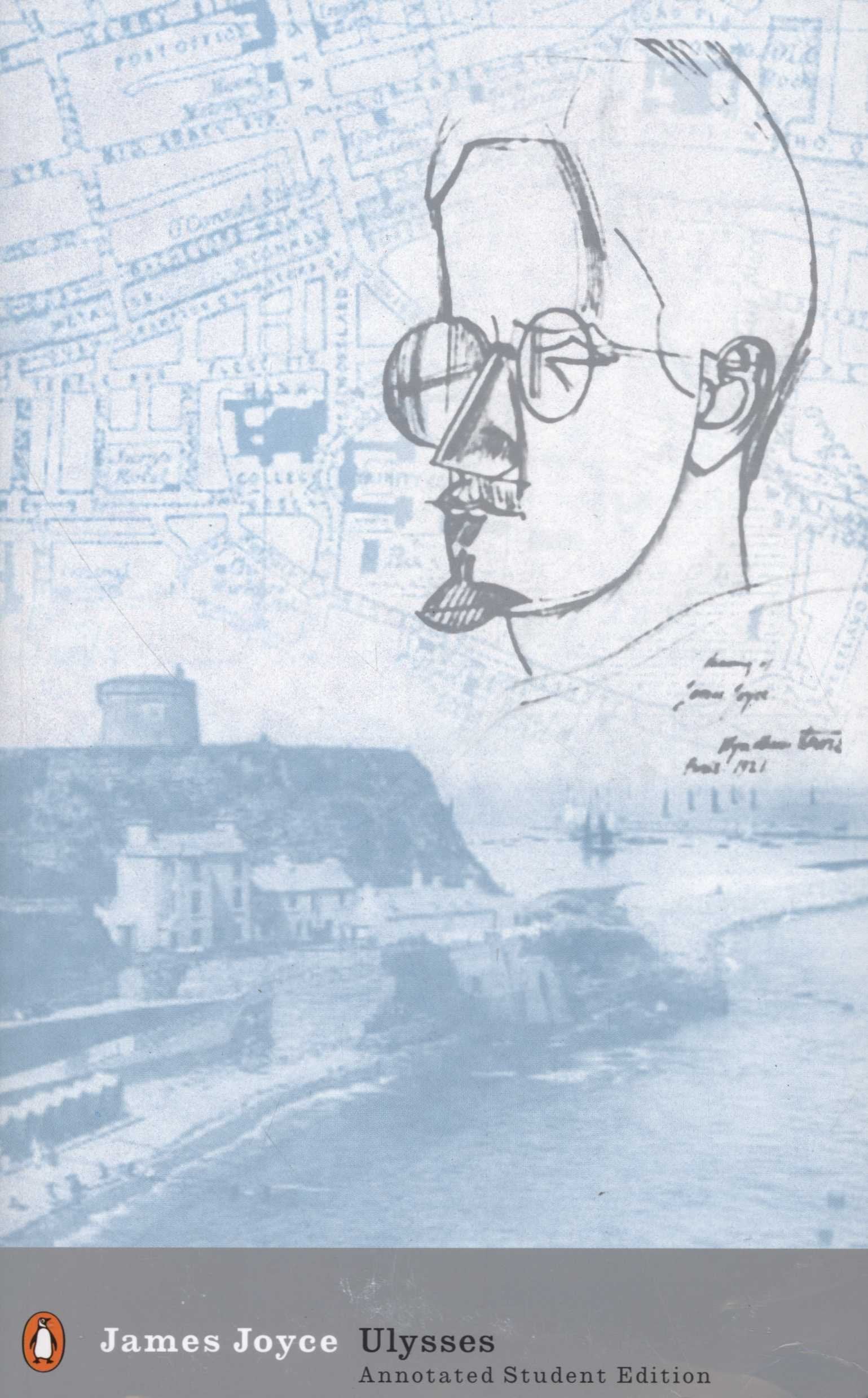
No. 1 on this list. Ulysses
James Joyce · 1922
Very Difficult47 hours
Included in: Bokklubben World Library
Ulysses appears on 1,017 university syllabi (75th percentile, Open Syllabus Project) and features on the Modern Library's #1 Best Novels list, Le Monde's 100 Books of the Century, TIME's All-TIME 100 Novels, and the BBC Big Read. Wikipedia covers it in 36 languages. Published in Everyman's Library and Penguin Classics, it has maintained continuous academic circulation since its 1934 US publication.
No. 2 on this list. In Search of Lost Time
Marcel Proust · 1913
Difficult25 hours
Included in: Bokklubben World Library, Great Books of the Western World
In Search of Lost Time appears on 223 university syllabi and registers at the 58.7th percentile in the Open Syllabus Project — a significant presence for a seven-volume novel typically taught in translation and only in specialized courses. It appears on virtually every 'greatest novels' list (Modern Library, Le Monde, Time), and is treated as the central work of French modernism in comparative literature programs worldwide.
Yeats is on virtually every Anglophone university literature syllabus. 'The Second Coming,' 'Easter 1916,' 'Sailing to Byzantium,' and 'The Lake Isle of Innisfree' are among the most widely anthologized and taught poems in the English language. The Collected Poems is treated as an essential text in Irish, British, and American literary curricula alike, with sustained presence in over a century of anthologies.
No. 4 on this list. The Waste Land
T. S. Eliot · 1922
Very Difficult1.4 hours
Taught in schools: Pacific Senior Secondary Certificate – English
Included in: Great Books of the Western World
Eliot shattered the conventions of English-language poetry by splicing together fragments of six languages, Grail legend, and London pub talk into a single 434-line collage that made modernism unavoidable. No poem before it had turned cultural disintegration itself into a formal principle.
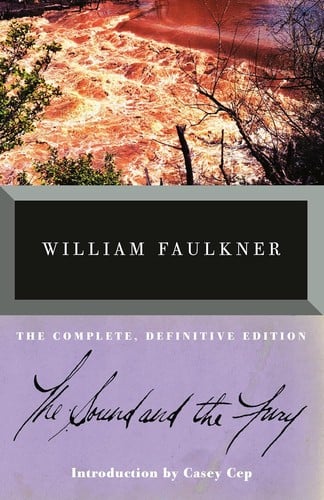
No. 5 on this list. The Sound and the Fury
William Faulkner · 1929
Difficult15 hours
Taught in schools: Turkish edebiyat curriculum (Turkey)
Included in: Bokklubben World Library
Listed on Modern Library 100 Best Novels, TIME All-TIME 100 Novels, Le Monde's 100 Books of the Century, and Open Syllabus Top 500 Literature. Wikipedia article exists in 35 languages with dedicated Reception and Adaptations sections and 57,976 characters of editorial content. A fixture of American literature courses and universally regarded as one of the defining works of American modernism — canonical weight comparable to or exceeding The Great Gatsby.
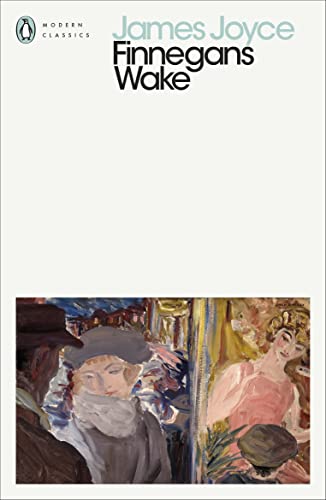
Finnegans Wake appears on 108 university syllabi (Open Syllabus, 50th percentile) and holds a Wikipedia article in 39 languages. It is listed on the Modern Library 100 Best Novels and published by NYRB Classics. Syllabus presence is lower than Ulysses because the book is taught almost exclusively in graduate Joyce seminars and advanced modernism courses — its difficulty makes undergraduate adoption rare.
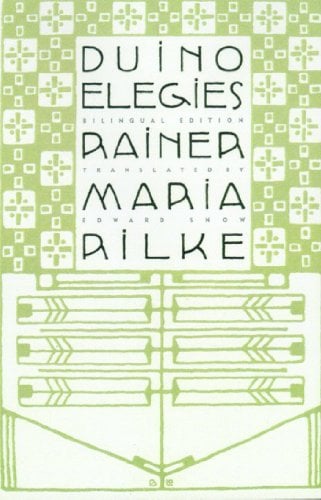
The Duino Elegies appear on virtually every 20th-century world poetry and comparative literature syllabus internationally. Rilke is the central figure in German-language modernist poetry and the Elegies are his culminating work, regularly paired with The Waste Land and Four Quartets as the defining lyric sequences of the modernist era. The sequence has been translated into every major European language and dozens beyond.
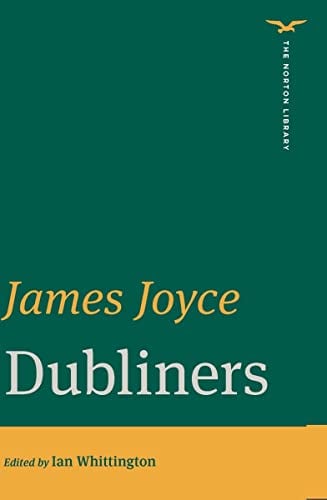
No. 8 on this list. Dubliners
James Joyce · 1914
Difficult8.1 hours
Taught in schools: CSEC English B – Caribbean Examinations Council
Dubliners appears on 1,771 university syllabi according to the Open Syllabus Project (81st percentile), making it a fixture in modernist literature and short fiction courses worldwide. Its Wikipedia article spans 43 languages, and prestige editions from Penguin Classics and NYRB Classics attest to its sustained standing as essential reading. Every serious curriculum in Irish, British, or modernist literature includes it.
Eliot fused the rhythms of Anglican liturgy, the imagery of the English countryside, and the philosophy of time into four linked meditations on what it means to arrive where you started and know the place for the first time. The poems represent the summit of his craft — the point where his erudition finally dissolved entirely into music.
Kafka's short fiction is taught in university literature courses worldwide, and 'A Hunger Artist' is among his most frequently anthologized works. It appears in virtually every Kafka collection and features in major short story anthologies. The work has sustained academic and pedagogical attention since its posthumous publication in 1922.
No. 11 on this list. As I Lay Dying · William Faulkner · 1930
Taught in schools: Common Core text exemplars (Appendix B) (US)
As I Lay Dying appears on 1,422 university syllabi (78.8th percentile) and is listed on the Modern Library 100 Best Novels and the Open Syllabus Top 500 Literature list. Wikipedia articles exist in 24 languages and the entry notes an adaptations section indicating cultural reach. A fixture of American modernism courses, though less universally assigned than The Great Gatsby (95) or To Kill a Mockingbird (92).
Challenging6 hours
Start this bookNo. 12 on this list. The Trial · Franz Kafka · 1925
Taught in schools: Lektury obowiązkowe – Polish national reading list (Poland)
Included in: Bokklubben World Library
Appears on Le Monde's 100 Books of the Century, the Open Syllabus Top 500 Literature list, and 1001 Books You Must Read Before You Die, with Wikipedia articles in 59 languages. Taught globally in comparative literature, philosophy, and political theory courses. The word 'Kafkaesque' entering the dictionary signals how completely the novel has entered Western cultural bedrock.
Difficult9.2 hours
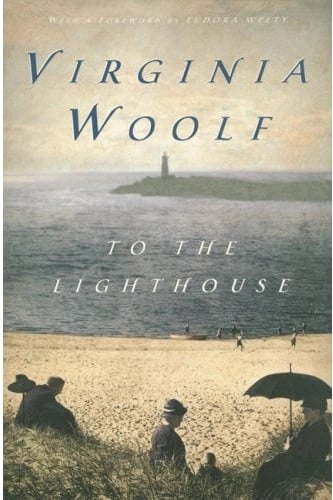
Read nowNo. 13 on this list. To the Lighthouse · Virginia Woolf · 1927
Included in: Bokklubben World Library, Great Books of the Western World
To the Lighthouse appears on 2,429 university syllabi according to Open Syllabus (84.6th percentile), placing it in the same tier as Beloved (85th). It holds places on the Modern Library 100 Best Novels (1998), TIME's All-TIME 100 Novels (2005), 1001 Books You Must Read Before You Die (2006), and is published by both Everyman's Library and Penguin Modern Classics. Wikipedia articles exist in 35 languages.
Difficult7.4 hours
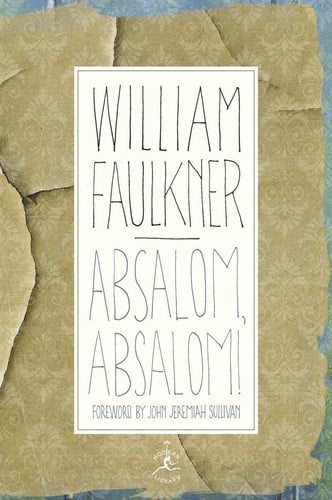
Read nowNo. 14 on this list. Absalom, Absalom! · William Faulkner · 1936
Included in: Bokklubben World Library
Faulkner retold the story of the South's racial catastrophe through sentences that coil and branch like kudzu, with four narrators across a century reconstructing a plantation patriarch's crime and its consequences. The novel is the most structurally ambitious work in American fiction — a detective story about history itself, in which the clues are voices and the evidence is contradictory.
Difficult18 hours
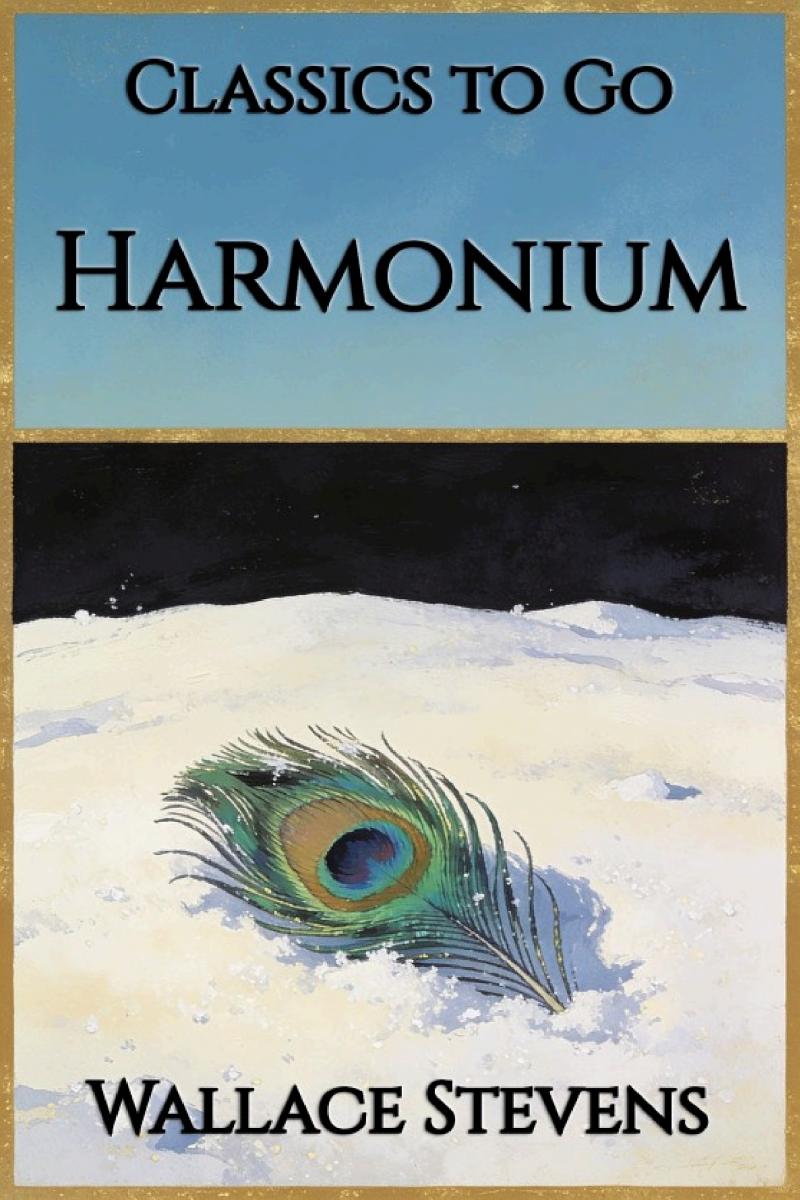
Start this bookNo. 15 on this list. Harmonium · Wallace Stevens · 1923
Harmonium appears on thousands of university poetry syllabi and is a fixture of American modernism courses. It is regularly listed among the foundational texts of American poetry, alongside Whitman's Leaves of Grass and Eliot's Prufrock — despite the database showing no captured syllabus appearances, Stevens's place in the academic canon is among the most secure of any twentieth-century American poet.
Difficult2.1 hours
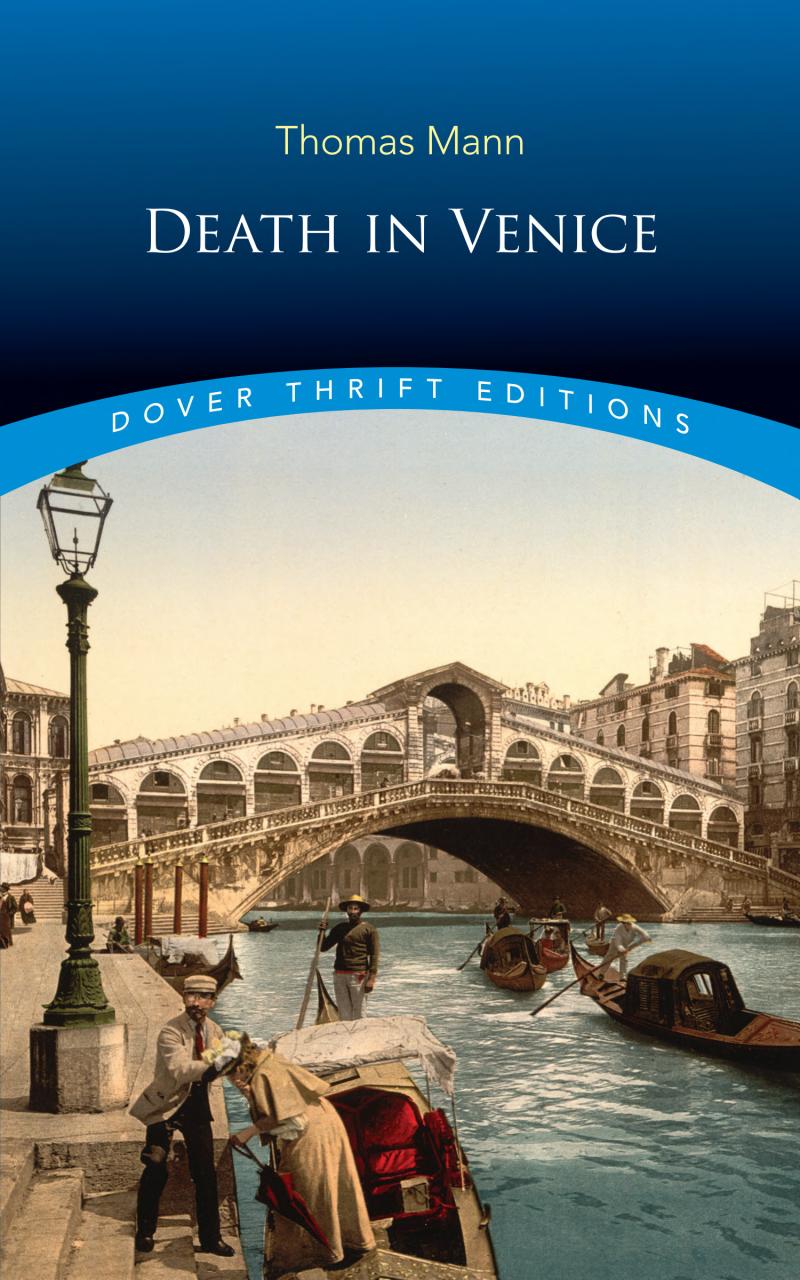
Start this bookNo. 16 on this list. Death in Venice · Thomas Mann · 1912
Included in: Great Books of the Western World
Death in Venice appears on virtually every German literature, European modernism, and queer theory university syllabus taught in the English-speaking world. It is a standard text in comparative literature programs alongside Kafka's Metamorphosis and Rilke's Duino Elegies. Wikipedia maintains articles on the novella in over 50 languages, and it features on most 'essential modern literature' lists.
Challenging11 hours
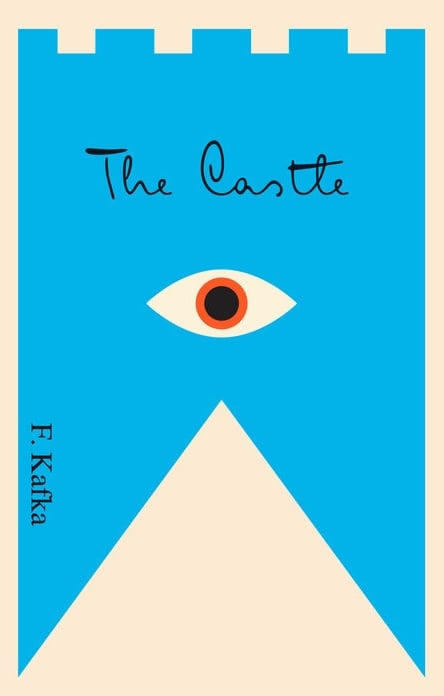
Read nowNo. 17 on this list. The Castle · Franz Kafka · 1926
Included in: Bokklubben World Library
Data signals show only 3 Wikipedia language editions and no recorded syllabus appearances, but these undercount The Castle's actual standing. The novel appears on virtually every major 20th-century fiction list — Modern Library 100, Le Monde's 100 Books of the Century, Harold Bloom's Western Canon — and is taught in comparative literature, philosophy, and legal theory courses worldwide.
Difficult14 hours
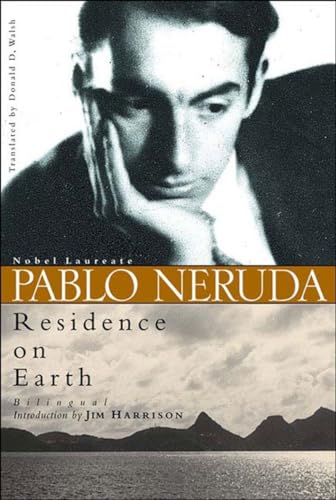
Read nowNo. 18 on this list. Residence on Earth · Pablo Neruda · 1933
Pablo Neruda wrote the poems of 'Residence on Earth' during his years as a Chilean consul in Burma, Ceylon, and Java — postings that left him profoundly isolated, surrounded by unfamiliar languages and dissolving heat. What came out was a poetry of radical disorientation: rain that rots wood, flesh that smells of brine, clocks that leak time like a wound. The opening poem, 'Galope Muerto,' begins mid-sensation: 'Like ashes, like oceans populating themselves, in the submerged slowness, in the shapeless.' There is no speaker announced, no situation established. The collection works entirely through image — blood, sea, bone, stone — stacked without logical mortar until the pressure of accumulated sensation becomes its own argument. 'Walking Around' describes a man so disgusted by modern life he wants to throw everything away, the umbrellas and the accountants and the stockings. 'Ode with a Lament' addresses an unnamed woman through images of shipwrecks and salt. The later sections shift toward political fury — odes to Madrid under bombardment, to Stalingrad, to Spain's dead — but even the political poems work through elemental image rather than rhetoric. This is poetry that does not explain itself. Readers who need a narrative thread or an argument will find none. Those willing to receive sensation as meaning will encounter one of the most physically intense bodies of verse written in the 20th century.
Difficult7 hours
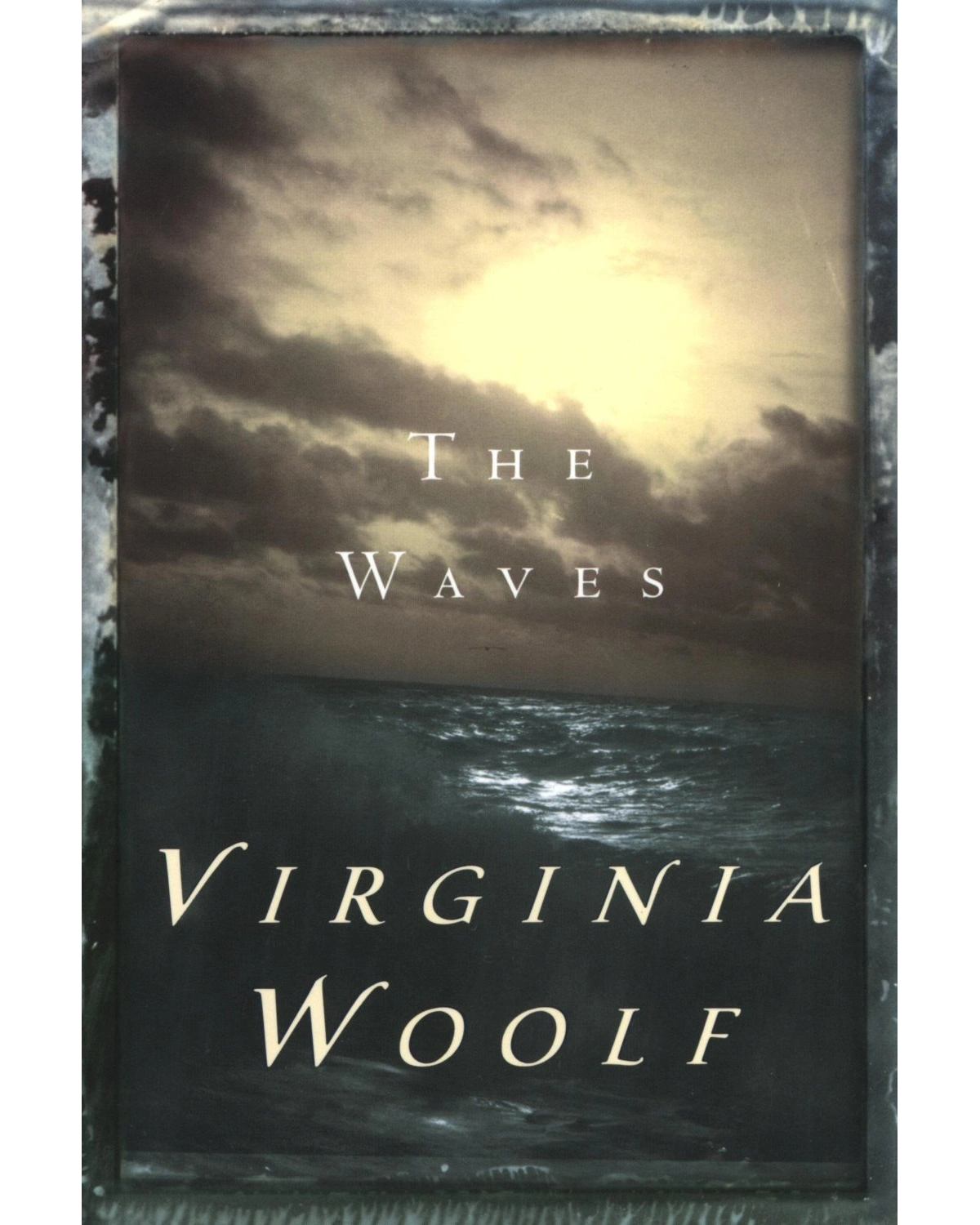
Start this bookNo. 19 on this list. The Waves · Virginia Woolf · 1931
Recognized as Woolf's most ambitious experiment. Central to modernist studies.
Difficult9.5 hours
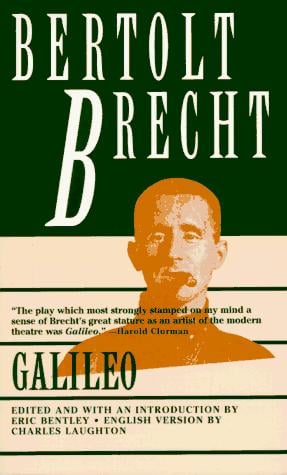
Start this bookNo. 20 on this list. Life of Galileo · Bertolt Brecht · 1943
Life of Galileo is a cornerstone of the Brechtian canon and a fixture on university syllabi worldwide — taught in drama programs, literature departments, and philosophy of science courses alike. Brecht's five-scene structure and the figure of Galileo recanting before the Inquisition appear in virtually every survey of modern drama, placing this work well above mid-tier literary status.
Challenging15 hours
Start this book
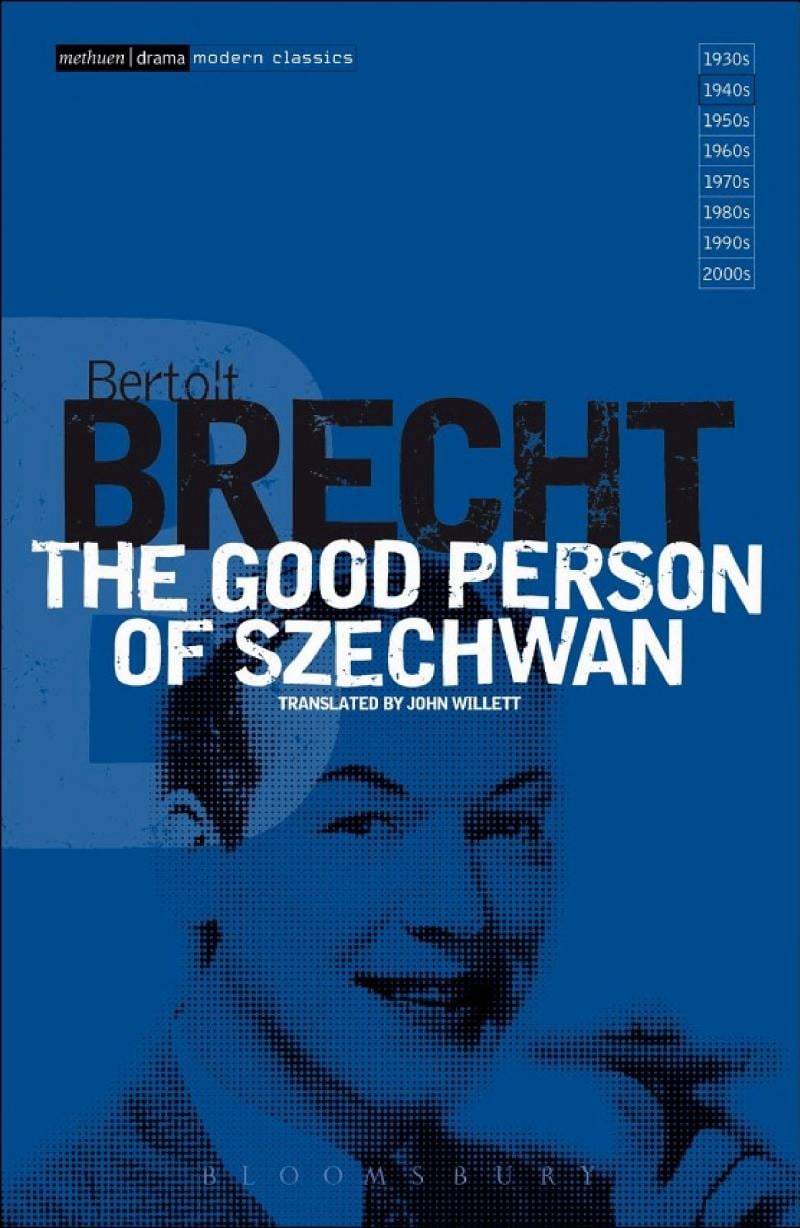
No. 21 on this list. The Good Person of Szechwan · Bertolt Brecht · 1943
The Good Person of Szechwan is Brecht's third most frequently taught and produced major work after Mother Courage and The Caucasian Chalk Circle. It appears in virtually every university theatre and modern drama curriculum. The first professional productions starred Peggy Ashcroft (Royal Court, 1956) and Uta Hagen (Phoenix Theatre, New York, 1956). Giorgio Strehler's 1981 Milan production became a landmark of European theatre. It is canonical in both German studies and world theatre programs.
Challenging14 hours
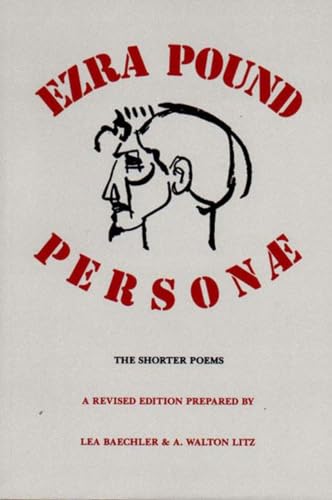
Start this bookNo. 22 on this list. Personae · Ezra Pound · 1926
Personae is a standard text in modernist poetry curricula worldwide and appears in virtually every major anthology of 20th-century poetry. Though no database syllabus data was returned, Pound's first collection is foundational to understanding Imagism and the troubadour influence on Anglo-American modernism. It is overshadowed in syllabi by the later Cantos and by Eliot, but remains required reading in modernist poetry courses.
Difficult1.1 hours
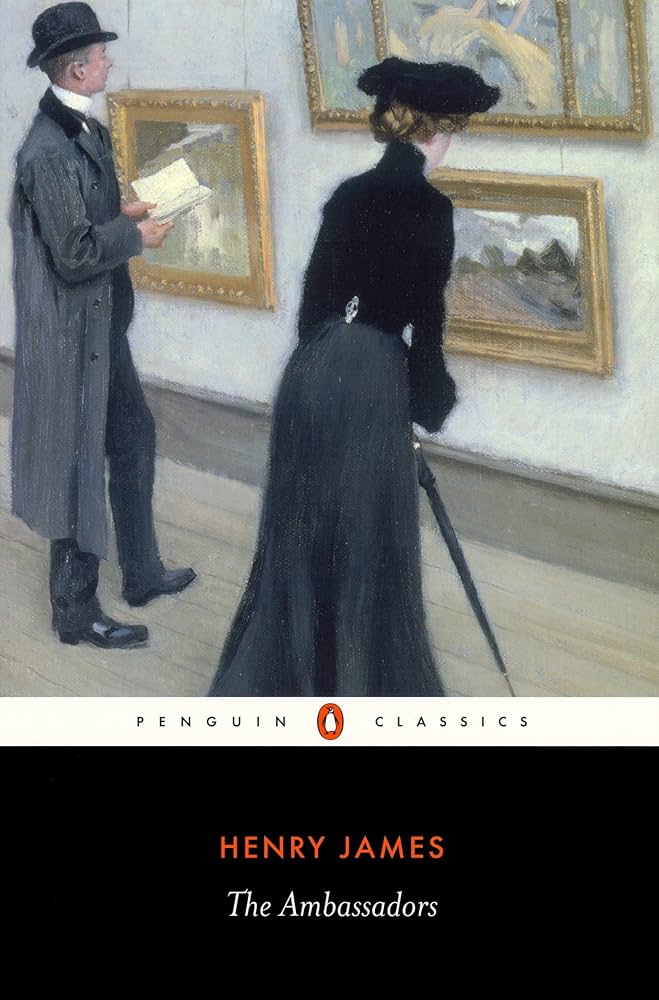
Start this bookNo. 23 on this list. The Ambassadors · Henry James · 1903
James's own favorite among his novels. Taught as the exemplar of point-of-view technique and psychological realism. Central to any study of the novel's formal possibilities.
Challenging16 hours
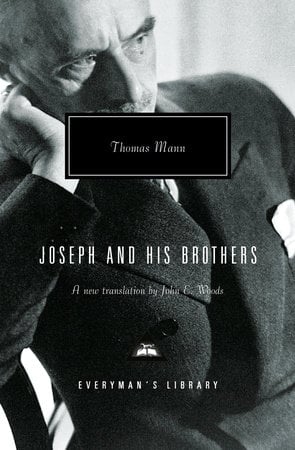
Read nowNo. 24 on this list. Joseph and His Brothers · Thomas Mann · 1943
Joseph and His Brothers appears regularly on European and world literature curricula, particularly in German literature courses and modernism seminars. It features on multiple 'greatest novels' lists including Le Monde's 100 Books of the Century. The tetralogy is less frequently taught than Mann's shorter works (Death in Venice, The Magic Mountain) owing to its length, but its canonical standing within the Mann oeuvre and 20th-century literature broadly is secure. The database shows no syllabus or Wikipedia data, but scholarly consensus places this among the defining works of European modernism.
Challenging68 hours
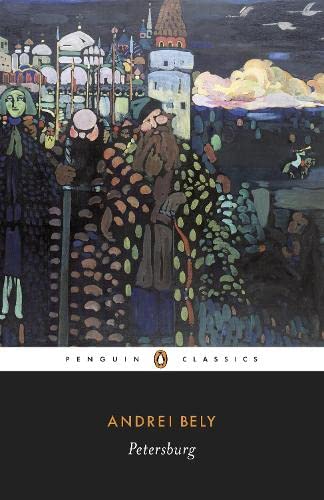
Start this bookNo. 25 on this list. Petersburg · Andrei Bely · 1913
Vladimir Nabokov named Petersburg one of the four greatest novels of the twentieth century, alongside Ulysses, Kafka's The Metamorphosis, and In Search of Lost Time. It is foundational to university syllabi in Slavic studies and comparative modernism globally, and appears on major world literature lists. Its canonical standing is high within literary circles and academia, though it reaches fewer general curricula than English-language modernist counterparts.
Very Difficult31 hours
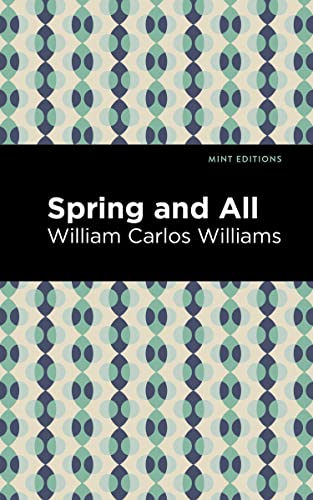
Start this bookNo. 26 on this list. Spring and All · William Carlos Williams · 1923
The database shows no syllabus appearances or Wikipedia data for this entry, but Spring and All is a well-known fixture in American modernist poetry courses and anthologies. It is regularly taught alongside Eliot's The Waste Land as the opposing American response to European modernism. The book's canonical poem so much depends upon a red wheel barrow is one of the most anthologized passages in twentieth-century American poetry.
Difficult13 hours
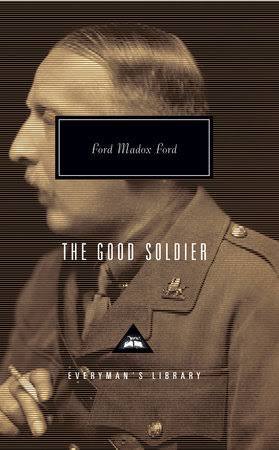
Start this bookNo. 27 on this list. The Good Soldier · Ford Madox Ford · 1915
Appears on 473 university syllabi (67th percentile in Open Syllabus), placing it firmly in the modernist teaching canon alongside Conrad and early Lawrence. Listed on the Modern Library 100 Best Novels. A standard text in courses on British modernism and narrative technique, though less universally assigned than Woolf or Joyce.
Challenging7 hours
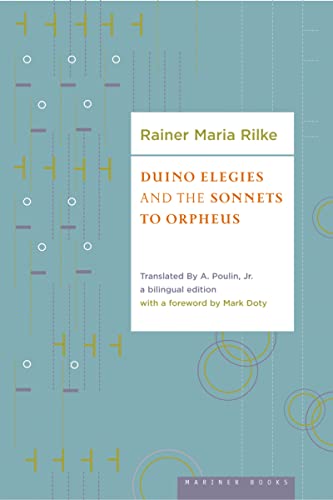
Read nowNo. 28 on this list. The Sonnets to Orpheus · Rainer Maria Rilke · 1923
In February 1922, Rainer Maria Rilke retreated to Chateau de Muzot in Switzerland and composed fifty-five sonnets in three weeks. He addressed them to Orpheus — the Greek poet-god who descended into death to reclaim Eurydice and was torn apart by the Maenads for refusing them. The occasion was the recent death of Vera Knoop, a nineteen-year-old dancer Rilke barely knew; her death opened something. A tree ascends in the first line. Animals cluster around it in silence, listening. What Rilke is after is the premise that true song is not desire or communication but reality — breath as invisible poem, the moment when inner and outer stop being distinct. Orpheus moves through the cycle not as a character but as a principle: he is already dead, he already belongs to both realms, and because of this he can praise everything, including loss. The Sonnets instruct readers to will transformation, to be ahead of all parting, to whisper 'I am flowing' to the earth. They do not resolve their questions about death and being; they teach acceptance of irresolution as the condition of consciousness. Reading them asks for slow, repeated attention — each poem is compact and dense, and the cycle's meaning accumulates across all fifty-five. This is poetry as philosophical practice, the lyric at maximum pressure.
Difficult2.8 hours
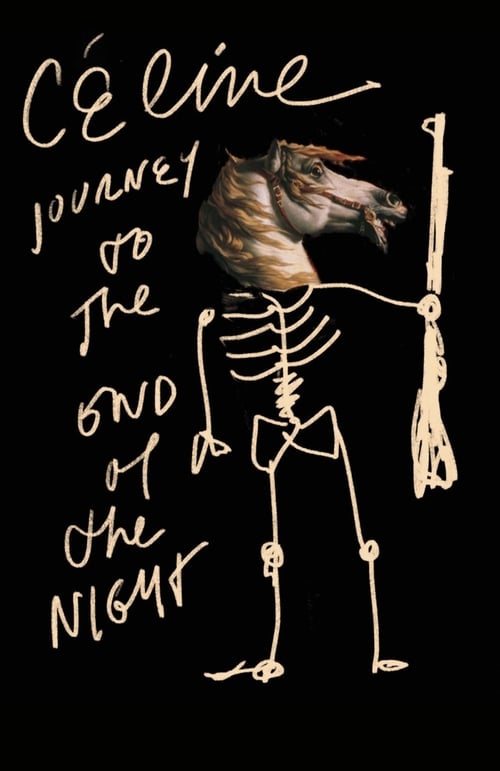
Start this bookNo. 29 on this list. Journey to the End of the Night · Louis-Ferdinand Céline · 1932
Included in: Bokklubben World Library
Named to Le Monde's 100 Books of the Century and listed in the Open Syllabus Top 500 for Literature, the novel holds an established place in French and comparative literature curricula. Its Wikipedia article spans 37 languages with a dedicated Reception section, reflecting sustained international recognition. It is taught in world literature and modernist fiction courses but falls short of the blanket curriculum presence of Kafka, Camus, or Proust.
Challenging19 hours
Start this bookNo. 30 on this list. The Beast In The Jungle · Henry James · 1903
Included in: Great Books of the Western World
Ranked by literary regard among eligible works in the current catalogue. This position reflects the available catalogue evidence.
Challenging1.3 hours
Start this book
No. 31 on this list. The Golden Bowl
Henry James · 1904
No. 32 on this list. Independent People
Halldór Laxness · 1934
Included in: Bokklubben World Library
No. 33 on this list. Jacob's Room
Virginia Woolf · 1922
No. 34 on this list. We
Yevgeny Zamyatin · 1924
Taught in schools: Russian FGOS literature standard
No. 35 on this list. Billy Budd, Sailor
Taught in schools: Common Core text exemplars (Appendix B) (US)
No. 36 on this list. Under Western Eyes
Joseph Conrad · 1911
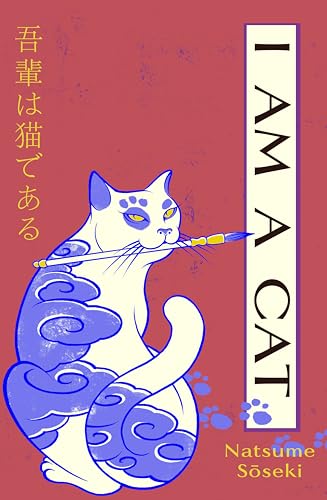
No. 37 on this list. I Am a Cat
Natsume Sōseki · 1905
Included in: UNESCO Collection of Representative Works
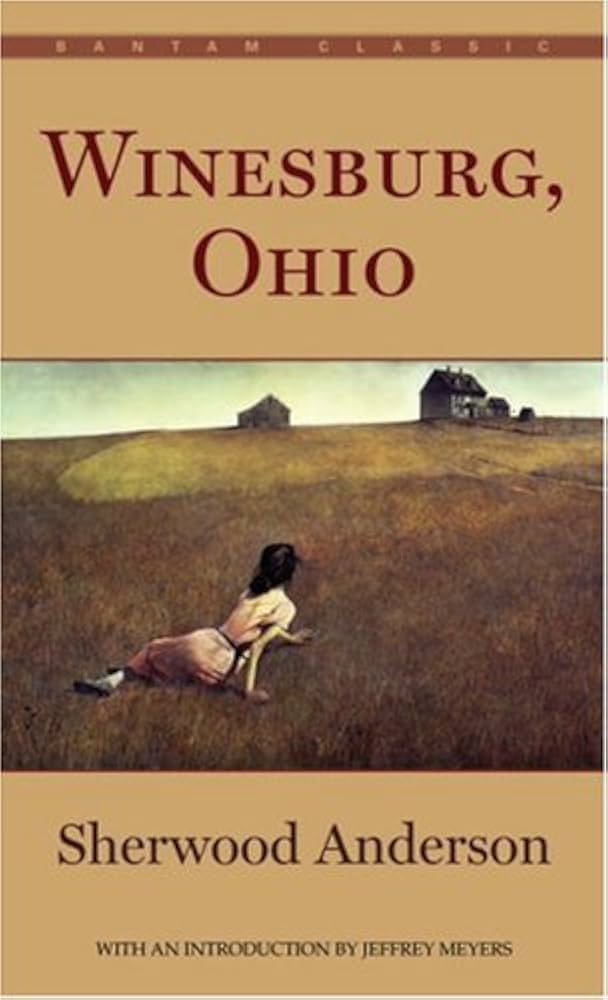
No. 38 on this list. Winesburg, Ohio
Sherwood Anderson · 1919
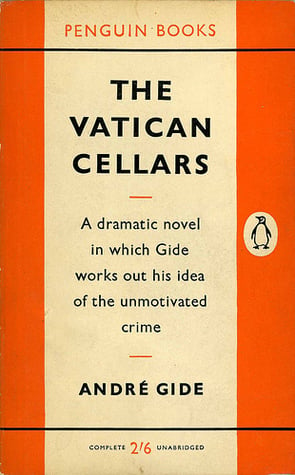
No. 39 on this list. The Vatican Cellars
André Gide · 1914
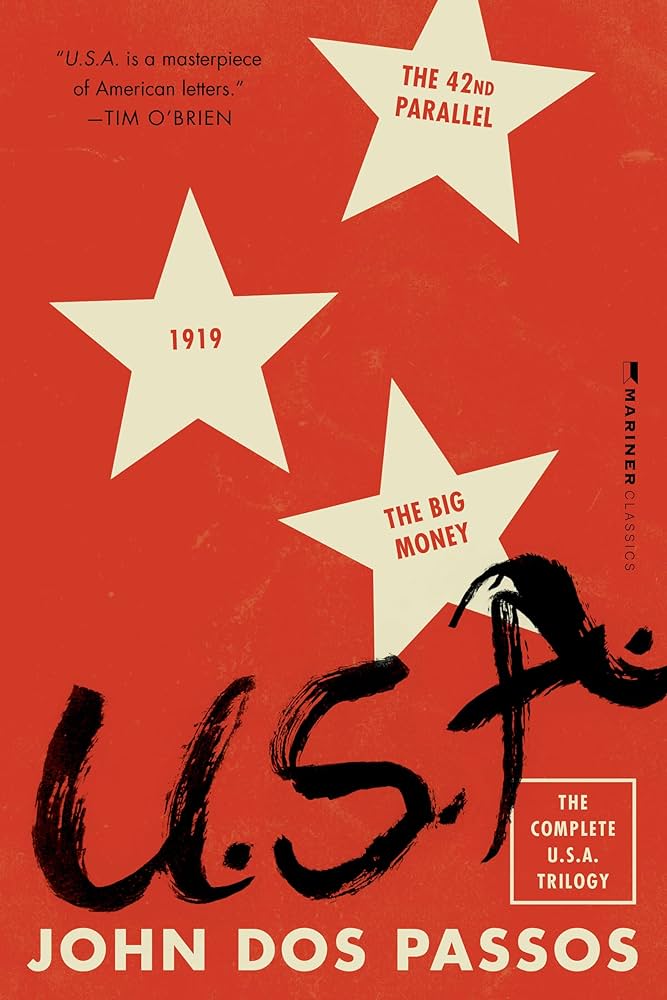
No. 40 on this list. U.S.A.
John Dos Passos · 1938
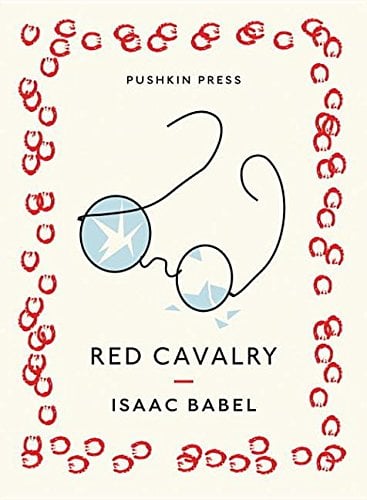
No. 41 on this list. Red Cavalry
Isaac Babel · 1926
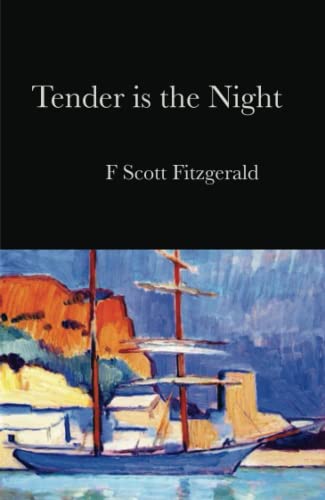
No. 42 on this list. Tender Is the Night
F. Scott Fitzgerald · 1934
No. 43 on this list. The Winding Stair
William Butler Yeats · 1933
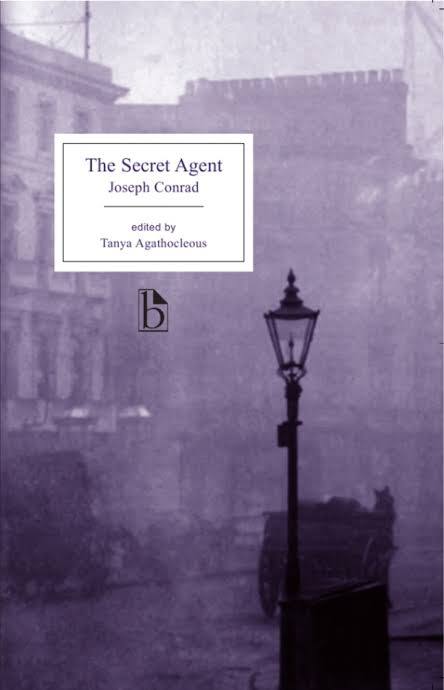
No. 44 on this list. The Secret Agent
Joseph Conrad · 1907
Taught in schools: WJEC/Eduqas GCSE and A-level English Literature (UK)
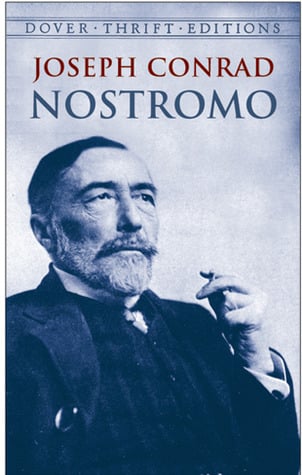
No. 45 on this list. Nostromo
Joseph Conrad · 1904
Included in: Bokklubben World Library
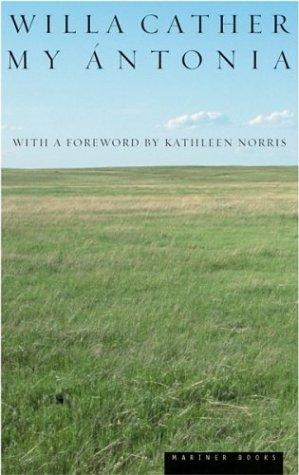
No. 46 on this list. My Antonia
Willa Cather · 1918
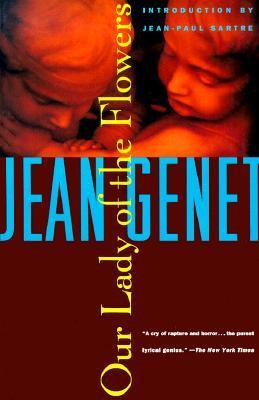
No. 47 on this list. Our Lady of the Flowers
Jean Genet · 1943
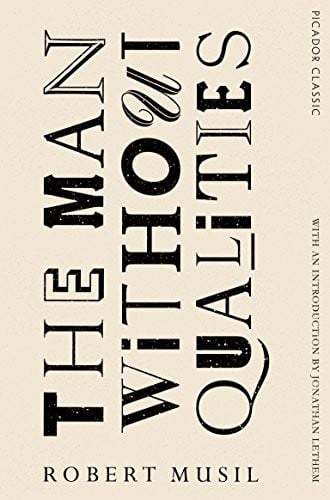
No. 48 on this list. The Man Without Qualities
Robert Musil · 1930
Included in: Bokklubben World Library
No. 49 on this list. Invitation to a Beheading
Vladimir Nabokov · 1936
No. 50 on this list. Near to the Wild Heart
Clarice Lispector · 1943
No. 51 on this list. Naomi
Jun'ichirō Tanizaki · 1924
No. 52 on this list. The Gentleman from San Francisco
Ivan Bunin · 1915
Taught in schools: Russian FGOS literature standard
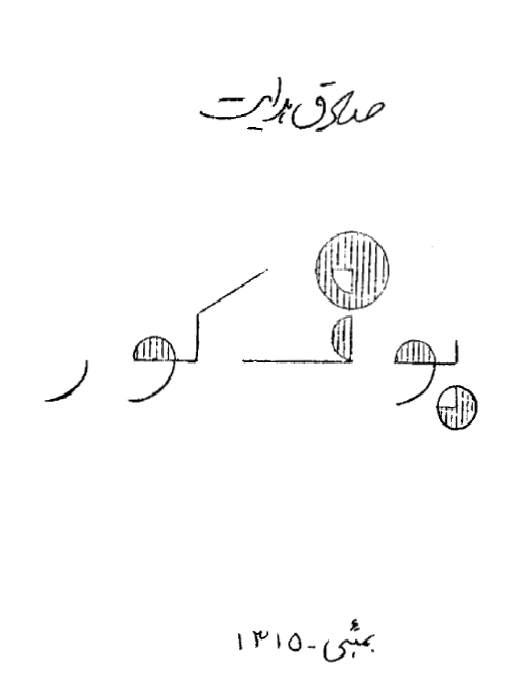
No. 53 on this list. The Blind Owl
Sadegh Hedayat · 1937
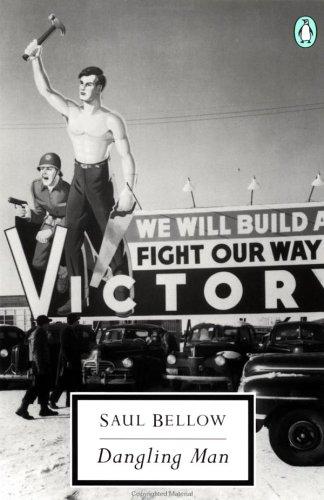
No. 54 on this list. Dangling Man
Saul Bellow · 1944
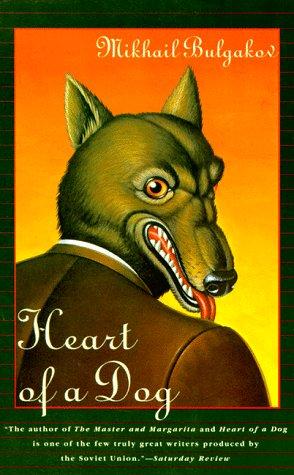
No. 55 on this list. Heart of a Dog
Mikhail Bulgakov · 1925
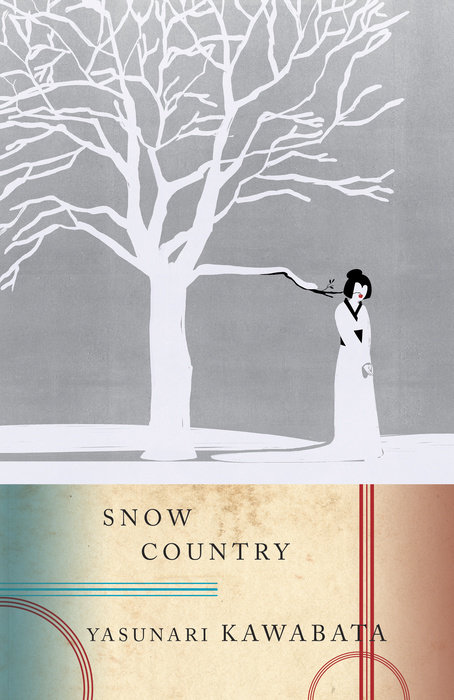
No. 56 on this list. Snow Country
Yasunari Kawabata · 1935
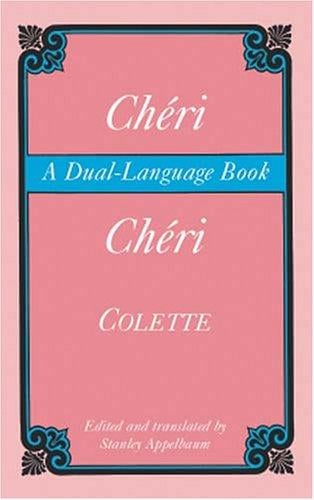
No. 57 on this list. Chéri
Colette · 1920
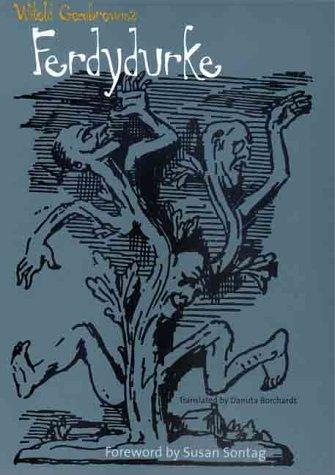
No. 58 on this list. Ferdydurke
Witold Gombrowicz · 1937
Taught in schools: Lektury obowiązkowe – Polish national reading list (Poland)
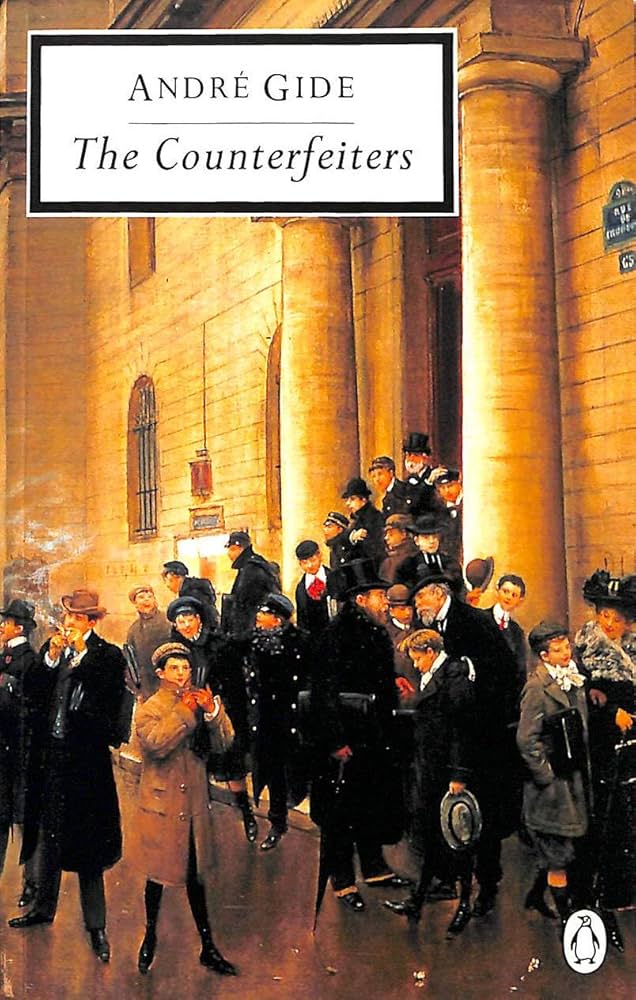
No. 59 on this list. The Counterfeiters
André Gide · 1925
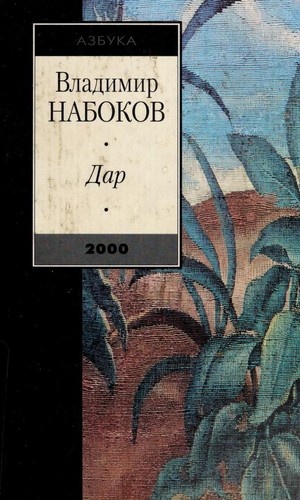
No. 60 on this list. Дар
Vladimir Nabokov · 1938
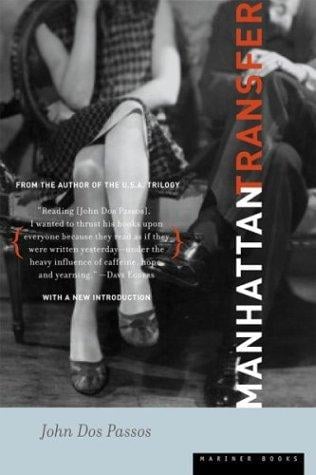
No. 61 on this list. Manhattan Transfer
John Dos Passos · 1925
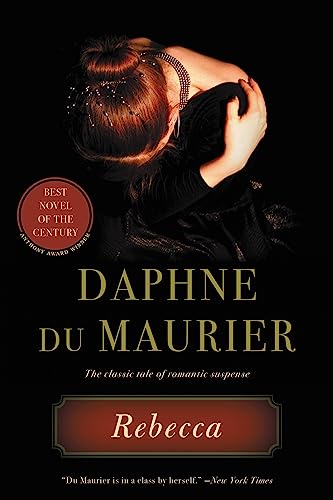
No. 62 on this list. Rebecca
Daphne du Maurier · 1938
Taught in schools: AQA GCSE and A-level English Literature (UK)
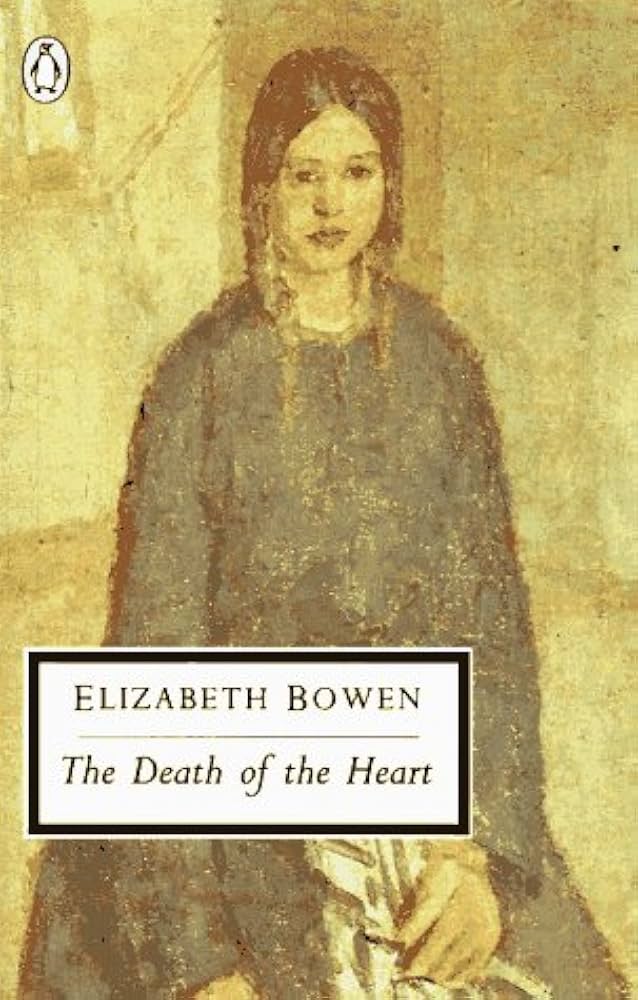
No. 63 on this list. The Death of the Heart
Elizabeth Bowen · 1938
No. 64 on this list. Darkness at Noon
Arthur Koestler · 1940
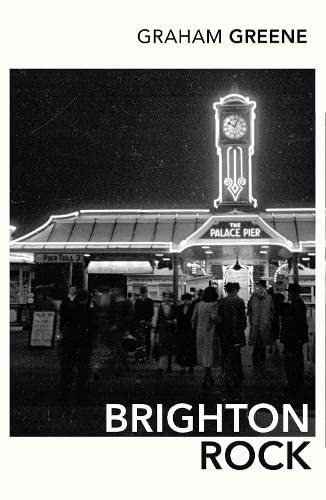
No. 65 on this list. Brighton Rock
Graham Greene · 1938
Taught in schools: AQA GCSE and A-level English Literature (UK)
No. 66 on this list. Miss Lonelyhearts
Nathanael West · 1933
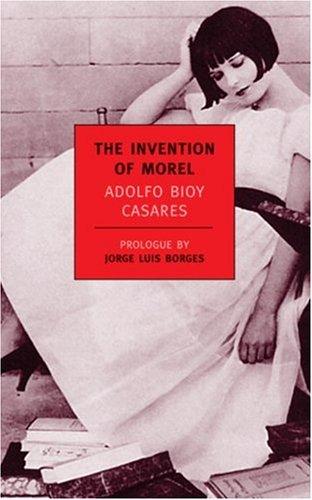
No. 67 on this list. The Invention of Morel
Adolfo Bioy Casares · 1940
Taught in schools: Literatura, Diseño Curricular – Provincia de Buenos Aires (Argentina)
No. 68 on this list. The Mysterious Stranger
Mark Twain · 1916
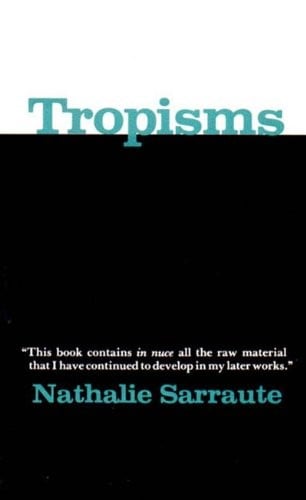
No. 69 on this list. Tropisms
Nathalie Sarraute · 1939
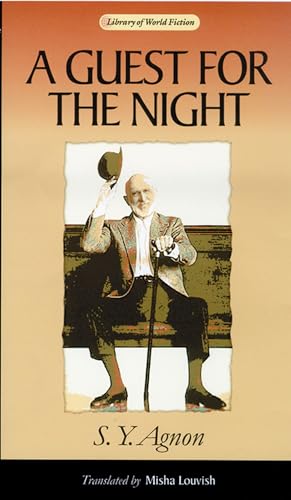
No. 70 on this list. A Guest for the Night
Shmuel Yosef Agnon · 1939
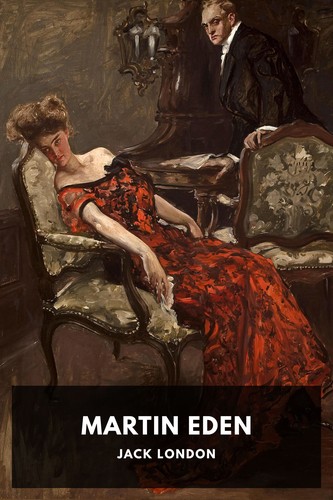
No. 71 on this list. Martin Eden
Jack London · 1909
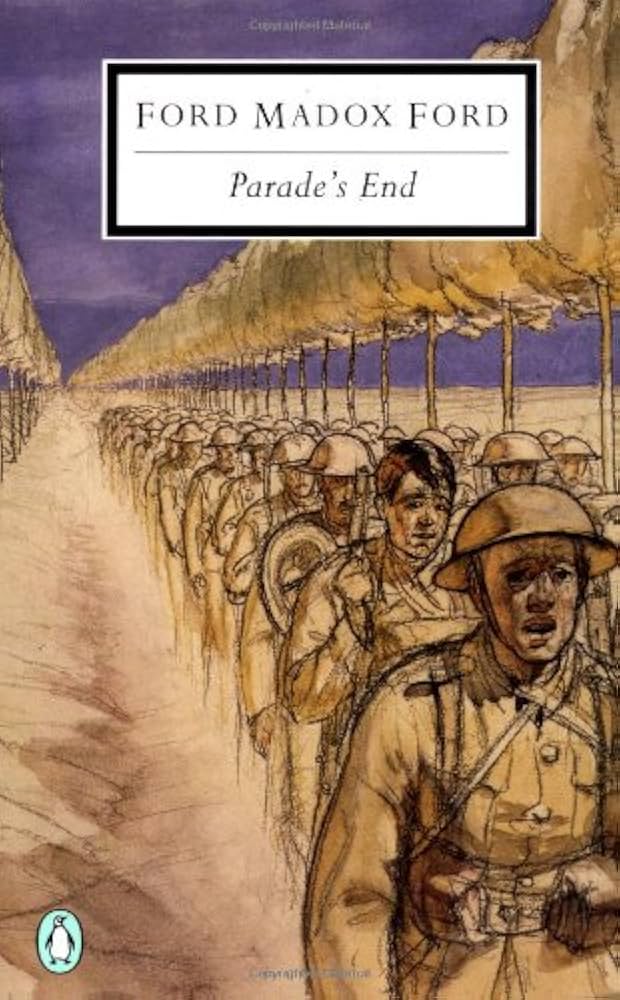
No. 72 on this list. Parade's End
Ford Madox Ford · 1928
No. 73 on this list. The Call of Cthulhu and Other Stories
H.P. Lovecraft · 1928
No. 74 on this list. Antic Hay
Aldous Huxley · 1923
No. 75 on this list. World Light
Halldór Laxness · 1937
Included in: UNESCO Collection of Representative Works
No. 76 on this list. Living
Henry Green · 1929
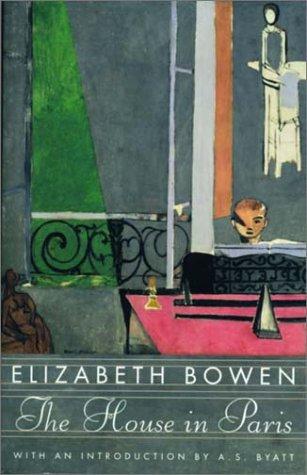
No. 77 on this list. The House in Paris
Elizabeth Bowen · 1935
No. 78 on this list. Morphine
Mikhail Bulgakov · 1927
No. 79 on this list. Jerusalem
Selma Lagerlöf · 1901
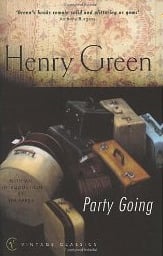
No. 80 on this list. Party Going
Henry Green · 1939
No. 81 on this list. Put Out More Flags
Evelyn Waugh · 1942
No. 82 on this list. The House on the Borderland
William Hope Hodgson · 1908
No. 83 on this list. The Dynasts
Thomas Hardy · 1908
No. 84 on this list. In This Our Life
Ellen Glasgow · 1942
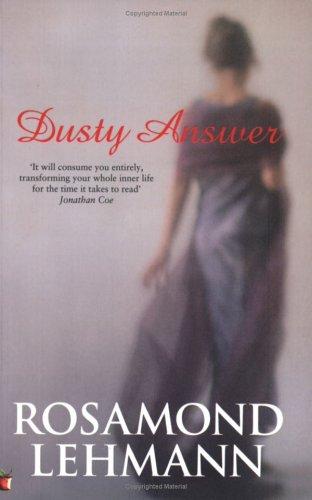
No. 85 on this list. Dusty Answer
Rosamond Lehmann · 1927
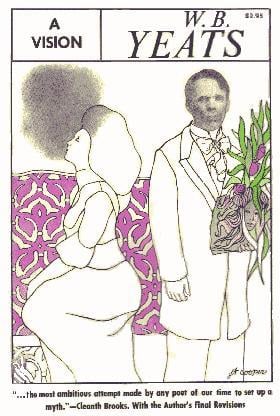
No. 86 on this list. A Vision
William Butler Yeats · 1925
About this list
These 86 books are the highest-scoring eligible challenging modernist books currently in the catalogue. About 1,152 hours of reading in all. Difficulty runs from 68 to 75 out of 100 for the middle half of the list; the summit is Finnegans Wake at 94.
This list is ranked by literary regard, with a consistent order for equal scores. Membership follows authors and co-authors, not translators or editors. A book is here when ReadingRate files it under Modernist Literature as one of its primary reading domains, and only when its author’s lifetime places it in the period. Catalogue coverage and the historical canon both limit what this list can represent.
When we matched the Canons dataset to our catalogue in October 2026, our canonical-status scores rose with the number of school curricula, publisher series and lists in it that cite a work: the median score was 72 for books one such source cites, 84 at two, 88 at three, 92 at four and 93 at five or more. Prizes are left out of that count. Outside the state curricula, the dataset’s sources choose mostly from what has been translated into English or French, so it is a weaker check on other literatures. Source: Canons (Andrew Piper), CC BY 4.0
Questions people actually ask
- What are the best challenging modernist books?
- By literary regard, which weighs canonical status, critical standing and influence: Ulysses by James Joyce, In Search of Lost Time by Marcel Proust, Collected Poems of W.B. Yeats by William Butler Yeats, The Waste Land by T. S. Eliot and The Sound and the Fury by William Faulkner. ReadingRate ranks 86 such books, each with a difficulty score and a reading-time estimate.
- Which challenging modernist books should I read first?
- Start from difficulty, not from rank. The most approachable books on this list that still carry top literary regard are The Good Soldier by Ford Madox Ford (about 7 hours), The Good Person of Szechwan by Bertolt Brecht and Tender Is the Night by F. Scott Fitzgerald.
- What are the shortest of the best challenging modernist books?
- Among the top 25, the shortest are Four Quartets by T. S. Eliot (about 51 min), The Waste Land by T. S. Eliot (about 1.4 hours) and Personae by Ezra Pound (about 1.1 hours), at an average pace of 250 words a minute adjusted for each book's difficulty.
- Which of the best challenging modernist books are the established classics?
- By canonical status, how firmly a book sits in curricula, anthologies and the canon: Ulysses by James Joyce, Collected Poems of W.B. Yeats by William Butler Yeats, The Sound and the Fury by William Faulkner, The Waste Land by T. S. Eliot and In Search of Lost Time by Marcel Proust.
- Can I read any of these challenging modernist books for free?
- 22 of the 86 open in ReadingRate's reader with a free account, from public-domain editions: Ulysses, In Search of Lost Time, The Waste Land, Dubliners, The Trial and 17 more.
- How long would it take to read the top ten?
- About 167 hours, at an average pace of 250 words a minute adjusted for each book's difficulty: 84 days at two hours a day. Set your own pace on the page and the list's reading times change to it.
- How hard are challenging modernist books to read?
- Most of this list sits between 68 and 75 on ReadingRate's 100-point difficulty scale, where 40 to 55 is moderate. The summit is Finnegans Wake at 94. Every entry carries its own score, so a reader can pick a great book at a difficulty they will finish.
- How is this list ranked?
- On literary-regard data: how canonically established a work is, its critical standing, and its influence on later writing. It is not a readers’ poll, which is why recent bestsellers rarely appear. Membership follows authors and co-authors, not translators or editors. Lists by country, author, period, theme or difficulty keep to literature (fiction, poetry, drama and philosophy), their novels, poems and plays first and their philosophy after them; a list of a kind of book, such as memoir or criticism, keeps every book of that kind. Every list holds at most three works by one author. A book is here when ReadingRate files it under Modernist Literature as one of its primary reading domains, and only when its author’s lifetime places it in the period.