Hours at an average pace
Showing 100 books
About 558 hours for 100 of 100 books with measured lengths. Estimates use 250 words a minute, adjusted for each book's difficulty. At 2 hours a day, about 280 days for those books.
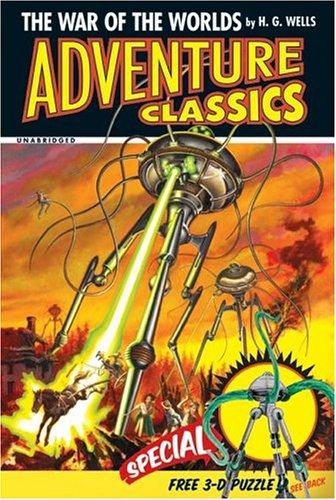
No. 1 on this list. The War of the Worlds
H.G. Wells · 1898
Moderate4.4 hours
Taught in schools: OCR GCSE and A-level English Literature (UK), Pearson Edexcel GCSE and A-level English Literature (UK), WJEC/Eduqas GCSE and A-level English Literature (UK)
The War of the Worlds is a cornerstone of science fiction, taught widely in literature and science fiction courses. While not as universally assigned as 1984 or Brave New World, it appears regularly in surveys of speculative fiction, Victorian literature, and science fiction history. The novel's influence on the genre ensures its continued academic presence.
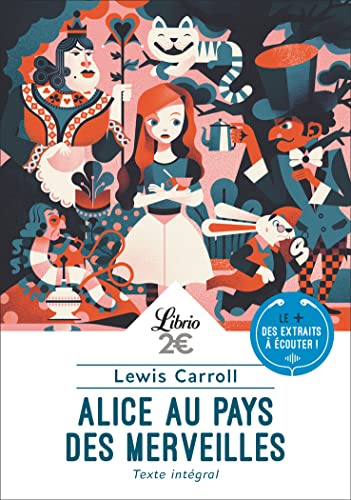
No. 2 on this list. Alice's Adventures in Wonderland and Through the Looking-Glass
Lewis Carroll · 1871
Moderate3.6 hours
No syllabus or Wikipedia-language data is recorded for this edition in our database, but Alice is a fixture of children's-literature, Victorian-studies, and philosophy-of-language courses worldwide. It remains one of the most translated books in history, with a reach comparable to Hamlet's or The Great Gatsby's syllabus ubiquity.
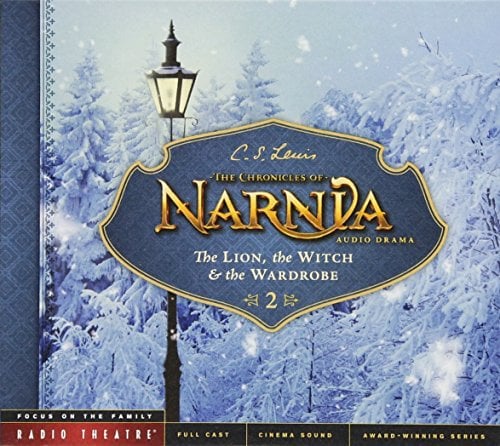
The Lion, the Witch and the Wardrobe is taught in elementary and middle schools worldwide and is considered essential children's literature. It appears on countless reading lists and is often children's introduction to fantasy literature. The Narnia series is foundational to understanding modern fantasy and children's fiction.
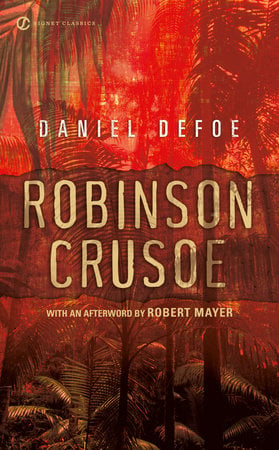
No. 4 on this list. Robinson Crusoe
Daniel Defoe · 1719
Easy7.1 hours
Taught in schools: Turkish edebiyat curriculum (Turkey)
Defoe dropped a castaway on an island with a wrecked ship's supplies and invented the novel as we know it: plain prose, daily particulars, one man's consciousness stretched across twenty-eight years of solitude. Every survival narrative and desert-island story descends from Crusoe's footprint in the sand.
No. 5 on this list. A Christmas Carol
Charles Dickens · 1843
Easy1.7 hours
Taught in schools: AQA GCSE and A-level English Literature (UK), CSEC English B – Caribbean Examinations Council, OCR GCSE and A-level English Literature (UK)
A Christmas Carol is among the most widely taught Victorian texts in the English-speaking world, a fixture on secondary and university literature curricula in the UK, US, and Commonwealth nations. Its Wikipedia article exists in over 60 languages, and it appears on virtually every canonical list of Victorian prose. No other work of comparable length has achieved the same degree of curricular permanence.
Pamela Andrews is fifteen years old and in service when her mistress dies and the mistress's son, Mr. B, begins a campaign to seduce her. She refuses. He escalates — intercepting her letters, relocating her to a remote estate, locking her in — and she keeps writing, to her parents and in a secret journal she hides in her clothing. What makes the novel strange is that we only have Pamela's account: earnest, relentlessly self-observing, written in the knowledge that Mr. B may one day read every word she has set down. Published in 1740, Pamela invented something — not just the epistolary novel, but the novel's peculiar project of making a single consciousness the center of a world. Richardson called his method 'writing to the moment': the heroine records events as they happen, before she knows how they will turn out. Readers have been arguing about Pamela's sincerity ever since. Henry Fielding published Shamela the following year, certain the whole performance was calculation dressed as virtue. That argument — is Pamela genuinely good, or is goodness here just the strategy that worked? — has never been settled. The novel is slow by design: captivity is repetitive, and Richardson wants you to feel it. But the compression of one young woman's inner life, the surveillance she endures and returns in kind, and the original sin of a marriage that rewards persistence over refusal make Pamela one of the most uncomfortable triumphs in English fiction.
No. 7 on this list. The Comedy of Errors
William Shakespeare · 1594
Moderate1 hours
Included in: Great Books of the Western World
The Comedy of Errors appears on English literature syllabi worldwide as a fixture in Shakespeare survey courses. Among Shakespeare's 37 plays it ranks below the major tragedies in teaching frequency, but as the shortest play in the canon and the foundational English stage farce it maintains consistent academic presence across drama and literature programmes.
No. 8 on this list. Areopagitica
John Milton · 1644
Moderate1.3 hours
Included in: Great Books of the Western World
The foundational text of free speech philosophy. Required reading in political philosophy, law, and media studies worldwide.
Holmes is a staple of English-language literature, taught widely in detective fiction and Victorian literature courses, and the stories are among the most-translated in the world. They are taught less as high literature than The Great Gatsby but are universally recognized.
No. 10 on this list. Titus Andronicus
William Shakespeare · 1594
Easy1.3 hours
Included in: Great Books of the Western World
Titus Andronicus appears on Shakespeare survey syllabi at major universities worldwide. It is a standard entry in collected Shakespeare editions and is routinely taught alongside the major tragedies in courses covering Elizabethan revenge tragedy. While less central than Hamlet or King Lear, it holds canonical status as Shakespeare's earliest surviving tragedy and a foundational text in the revenge tragedy genre.
No. 11 on this list. King John · William Shakespeare · 1596
Included in: Great Books of the Western World
Philip Faulconbridge knows exactly who he is: the illegitimate son of Richard Coeur-de-lion, raised as a Faulconbridge, legitimized by his own choice. King John knows what he wants: the English throne his brother's son Arthur has the better legal claim to. What neither man can control is the play's central force — commodity, Shakespeare's word for self-interest dressed as principle. Around them, King Philip of France swears sacred oaths and breaks them within an act. Cardinal Pandulph maneuvers the papacy's interests through excommunication and alliance. Constance, Arthur's mother, rails at every betrayal with an intensity that makes her grief both righteous and inconvenient. The play traces the political machinery of the Plantagenet world with cold precision: marriage negotiations dissolve wars, papal legates redirect armies, and a child's claim to a throne becomes a reason to have the child killed. Shakespeare sets the Bastard at the center not as hero but as observer — his asides running alongside the action like a mordant commentary on how kings behave when they think no one is watching. The verse shifts register constantly, from formal diplomatic address to earthy soliloquy to Constance's raw lament. King John is among the least-produced of Shakespeare's histories, which has left it free of the interpretive weight that settles on Hamlet or Richard II. Reading it now, the question of who has the right to rule — by birth, by force, by divine sanction, by popular consent — has not become less urgent.
Easy6.4 hours
Read nowNo. 12 on this list. The Hound of the Baskervilles · Arthur Conan Doyle · 1902
Taught in schools: CSEC English B – Caribbean Examinations Council
Sir Charles Baskerville dies on the Dartmoor moors, terror on his face, a giant hound's footprints nearby. A family curse tells of a spectral hound hunting the Baskervilles since the seventeenth century. Dr. Watson investigates while Holmes stays in London—or so it seems. The moor is fog-bound, treacherous, Gothic; the solution is pure Holmesian reason. Doyle killed Holmes at Reichenbach Falls in 1893 and resisted resurrection. This novel, serialized in 1901-02, is set before the death and doesn't quite bring Holmes back. But the public devoured it, and Holmes returned in full the following year. The Hound works both as mystery and Gothic atmosphere—the moor becomes a character, the hound hovers between supernatural and rational explanation until the last act. This is Doyle's most novelistic Holmes story, and many readers consider it the best.
Easy3.5 hours
Read nowNo. 13 on this list. Ivanhoe · Walter Scott · 1819
Ivanhoe is a fixture of British Romantic literature curricula and appears on virtually every survey of the historical novel as the genre's foundational text in English. While syllabus data was not captured in the database, the novel's Wikipedia article spans well over 50 languages and it remains one of the most recognized works of 19th-century British fiction. It gave the English language the cultural template for medieval chivalry — the Crusades, Normans vs. Saxons, Robin Hood — that persists in popular imagination today.
Easy11 hours
Start this bookNo. 14 on this list. V for Vendetta · Alan Moore · 1989
One of the foundational texts of the graphic novel form. Widely taught, frequently cited in discussions of political fiction and dystopian literature.
Easy3.9 hours
Start this bookNo. 15 on this list. The Hobbit, or There and Back Again · J.R.R. Tolkien · 2002
Taught in schools: CSEC English B – Caribbean Examinations Council, Kazakh literature curriculum (Kazakhstan)
One of the most-read fantasy books in English, widely taught in schools and in studies of fantasy, though it sits below the central literary canon and ahead of commercial fantasy.
Easy5 hours
Start this bookNo. 16 on this list. A Christmas Carol / The Chimes / The Cricket on the Hearth · Charles Dickens
A Christmas Carol is a staple of school reading and holiday tradition, and its retellings are everywhere. The companion tales are less taught, which pulls the collection below the major-canon fixtures.
Easy4.7 hours
Start this bookNo. 17 on this list. Treasure Island · Robert Louis Stevenson · 1883
Taught in schools: Pacific Senior Secondary Certificate – English
Treasure Island is the defining pirate novel in English literature, anthologized and taught to children across the globe since its 1883 publication. Adapted for film, stage, and television dozens of times, it occupies a foundational position in English-language adventure fiction. Though the data signals returned empty, its cultural ubiquity—Black Spot, treasure maps, parrots, Long John Silver—places it firmly in the literary canon.
Easy4 hours
Read nowNo. 18 on this list. Two Treatises of Government · John Locke · 1689
Two Treatises of Government appears in virtually every Western political philosophy, political theory, and intellectual history curriculum from undergraduate survey to doctoral seminar. It is standard reading in philosophy, political science, history, law, and economics departments globally. The text is available in Wikipedia editions across 70+ languages and has been continuously in print since 1690. Its canonical standing in the history of political ideas rivals Shakespeare's standing in literary history.
Moderate6.7 hours
Read nowNo. 19 on this list. The Doors of Perception · Aldous Huxley · 1954
One morning in May 1953, Aldous Huxley swallowed four-tenths of a gram of mescalin dissolved in water and sat down to wait. What followed was not the colored geometries and visionary architectures he had expected. Instead, three flowers in a small vase — a rose, a carnation, an iris — began to shine with what he could only call their own inner light. Chair legs revealed themselves as something a Van Gogh would have painted with adoring terror. The folds in his gray flannel trousers disclosed an inexhaustible significance. Huxley's account of this eight-hour experiment is also a meditation on consciousness, perception, art, and the universal human need to escape selfhood. He draws on Vedantic philosophy, Zen Buddhism, Western art history — Vermeer, Botticelli, El Greco, Blake — and the pharmacology of adrenochrome to argue that mescalin temporarily disables the brain's reducing valve, admitting a flood of what he calls Mind at Large. The experience illuminates why the great mystics saw what they saw, why artists return obsessively to drapery, and why every culture throughout history has reached for chemical self-transcendence. The essay ends not in mystical surrender but in a pragmatic proposal: humanity needs better drugs, less toxic than alcohol, that produce changes in consciousness more genuinely valuable than mere sedation. Short enough to read in an afternoon, dense enough to reread for years.
Easy58 min
Start this bookNo. 20 on this list. Mere Christianity · C.S. Lewis · 1952
While not a staple of English literature syllabi, Mere Christianity is a fixture in philosophy, theology, and religious studies courses at universities worldwide. It ranks among the most assigned texts in Christian higher education and appears on virtually every list of essential 20th-century nonfiction. Wikipedia covers it in dozens of languages, reflecting global reach far beyond the Anglosphere.
Easy3.9 hours
Start this book
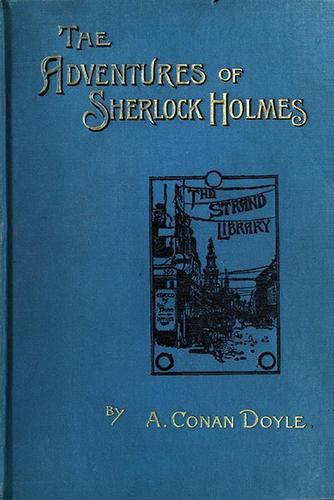
No. 21 on this list. The Adventures of Sherlock Holmes · Arthur Conan Doyle · 1892
The Adventures of Sherlock Holmes is one of the most widely read and recognized works of detective fiction in any language. Holmes is arguably the most famous fictional character after Hamlet. The stories appear in English literature surveys, genre studies, and Victorian literature courses. While not taught with the same frequency as canonical literary novels, the collection's cultural ubiquity and historical importance to the detective genre give it strong canonical standing. Wikipedia articles exist in dozens of languages, and the stories remain continuously in print worldwide.
Easy5.4 hours
Read nowNo. 22 on this list. Blasted · Sarah Kane · 1995
Now recognized as one of the most important British plays of the late twentieth century. A landmark of in-yer-face theater and a standard text in contemporary drama courses.
Moderate46 min
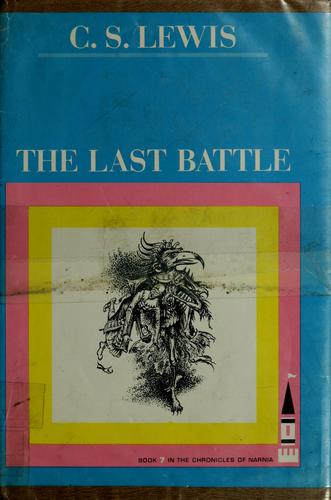
Start this bookNo. 23 on this list. The Last Battle · C.S. Lewis · 1956
No syllabus or Wikipedia figures are logged for this title specifically, but The Last Battle is a fixture of English-language children's literature, taught widely as the capstone of the Chronicles of Narnia and frequently anthologized in discussions of allegory and religious fiction. It is assigned on its own far less often than The Lion, the Witch and the Wardrobe, which anchors most classroom units on the series.
Easy2.9 hours
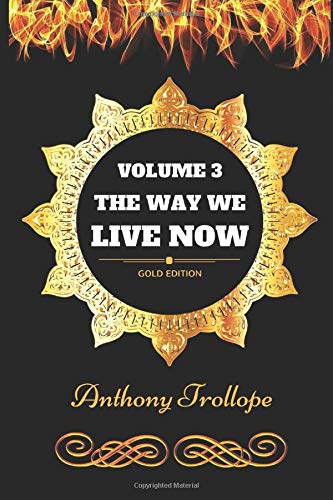
Start this bookNo. 24 on this list. The Way We Live Now · Anthony Trollope · 1875
Widely taught in Victorian literature courses at universities worldwide and consistently included in lists of the greatest 19th-century English novels. Routinely called Trollope's masterpiece and the finest Victorian satire of money and society. While no formal database entry is available here, the novel's presence on undergraduate syllabi is extensive, placing it solidly in the upper tier of Victorian canonical texts, though below the very highest (Dickens, George Eliot, Hardy).
Moderate23 hours
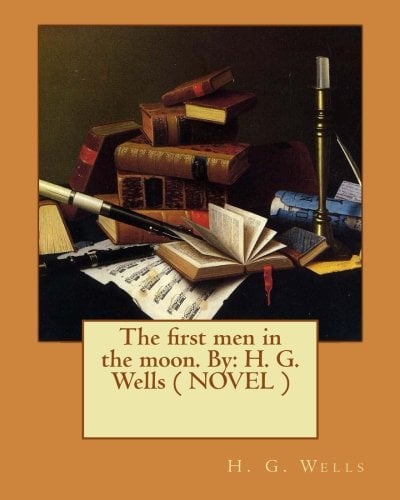
Start this bookNo. 25 on this list. The First Men in the Moon · H.G. Wells · 1901
The First Men in the Moon appears regularly on science fiction studies syllabi and is standard reading in courses on Victorian literature and early genre fiction. It lacks the crossover canonical presence of Wells's The Time Machine or The War of the Worlds, but is consistently included in histories of science fiction and Edwardian literature.
Moderate4.2 hours
Start this bookNo. 26 on this list. Adam Bede · George Eliot · 1859
Adam Bede appears regularly on Victorian literature and 19th-century British fiction syllabi at universities worldwide, and is the standard entry point to George Eliot's work in courses that cannot assign the longer Middlemarch. It is included in most survey courses of the Victorian novel. Its canonical status within the Eliot corpus is secondary only to Middlemarch and The Mill on the Floss, but within the broader Victorian canon it holds a secure if not dominant position — consistently anthologized, consistently in print, and consistently cited as a foundational work of Victorian realism.
Moderate13 hours
Read nowNo. 27 on this list. Waverley · Walter Scott · 1814
Waverley is taught in virtually every British Romantic and Victorian literature survey course as the founding text of the historical novel genre. While not as universally assigned as Shakespeare or Dickens, it appears regularly on syllabi in British literature, Scottish studies, and 19th-century fiction courses worldwide. The novel's foundational status in literary history ensures its continuous presence in academic curricula, though its classroom reach has narrowed from its 19th-century peak.
Moderate12 hours
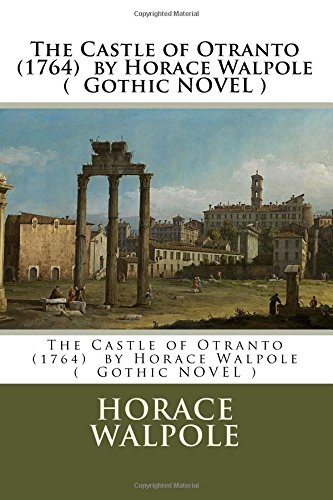
Start this bookNo. 28 on this list. The Castle of Otranto · Horace Walpole · 1764
The Castle of Otranto appears regularly on syllabi for 18th-century literature, Romanticism, and Gothic studies courses at universities worldwide. It is the mandatory founding text for any serious study of the Gothic genre. Its canonical presence is disciplinary rather than universal — standard in literary history surveys but not assigned with the frequency of Austen or Defoe.
Easy2.1 hours
Start this bookNo. 29 on this list. And Then There Were None · Agatha Christie · 1939
Taught in schools: Hungarian literature curriculum (magyar nyelv és irodalom) (Hungary)
Christie's most celebrated novel holds a dominant place in the mystery canon and is widely recognized as the best-selling mystery of all time. It appears on virtually every 'greatest mysteries ever written' list — TIME's All-TIME 100 Novels, the BBC's Big Read — and is frequently taught in genre fiction courses. Its canonical standing within popular fiction far exceeds that of typical genre works, though it sits below the academic canonicity of literary fiction anchors like Gatsby or Beloved.
Easy2.8 hours
Start this bookNo. 30 on this list. The Second World War · John Keegan · 1989
Keegan's single-volume survey is widely considered one of the best introductions to the Second World War and appears on numerous military history reading lists. It has not, however, attained the canonical weight of Churchill's memoirs or the academic centrality of Gerhard Weinberg's scholarship, positioning it as a highly respected popular history rather than a foundational scholarly text.
Easy14 hours
Start this book
No. 31 on this list. The Sandman, Vol. 1: Preludes & Nocturnes
Neil Gaiman · 1998
No. 32 on this list. The Old Curiosity Shop
Charles Dickens · 1841
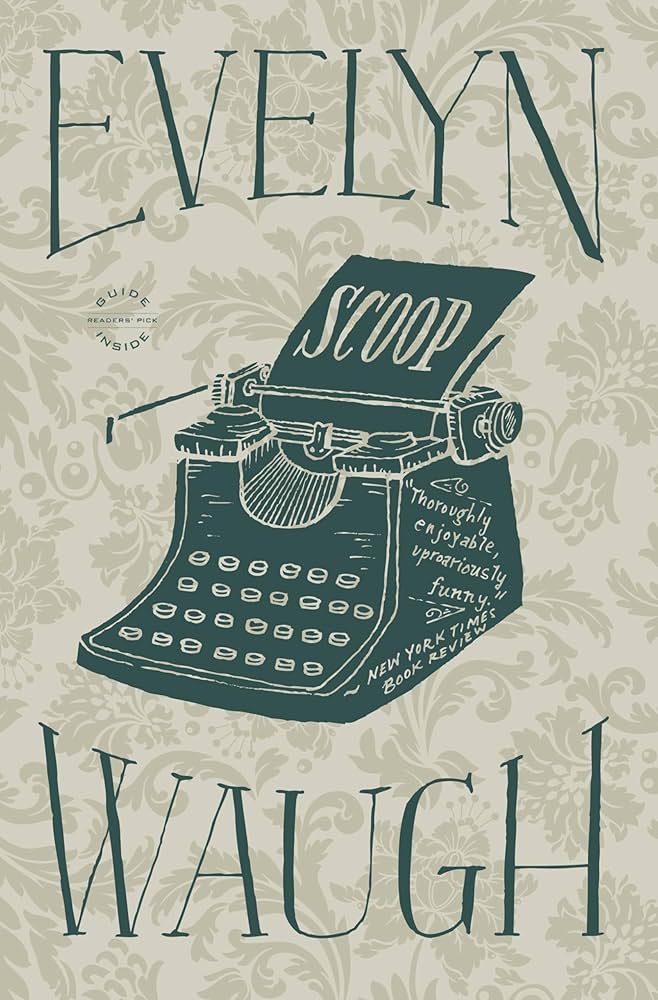
No. 33 on this list. Scoop
Evelyn Waugh · 1938
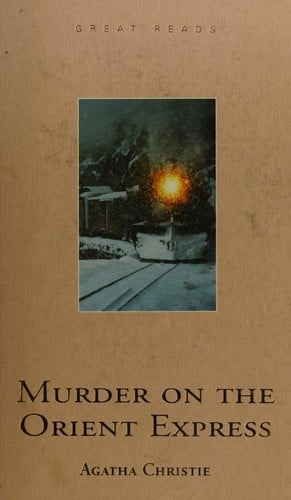
No. 34 on this list. Murder on the Orient Express
Agatha Christie · 1934
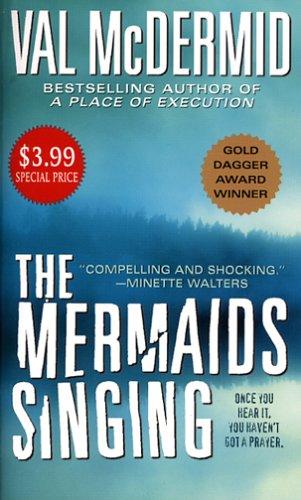
No. 35 on this list. The Mermaids Singing
Val McDermid · 1995
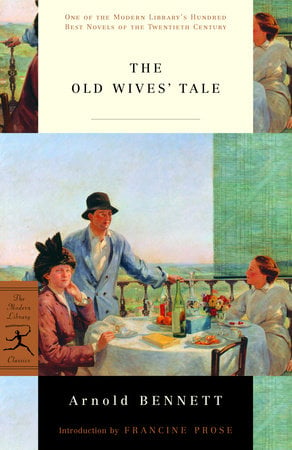
No. 36 on this list. The Old Wives' Tale
Arnold Bennett · 1908
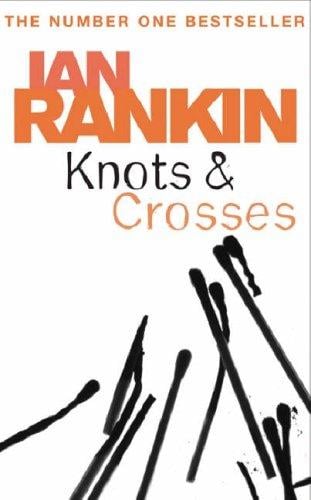
No. 37 on this list. Knots and Crosses
Ian Rankin · 1987
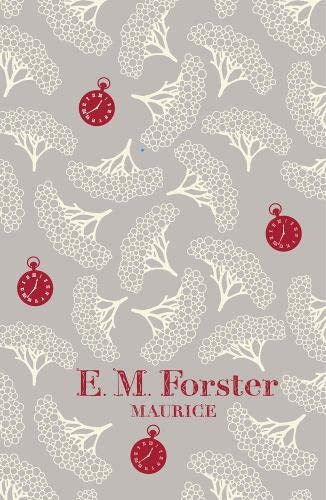
No. 38 on this list. Maurice
E.M. Forster · 1971
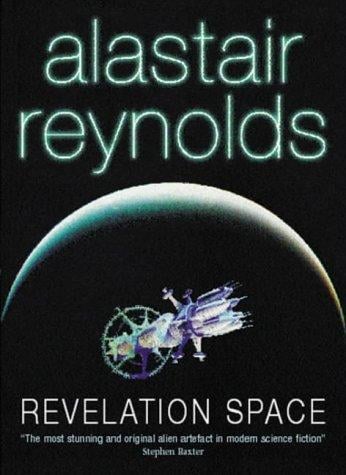
No. 39 on this list. Revelation Space
Alastair Reynolds · 2000
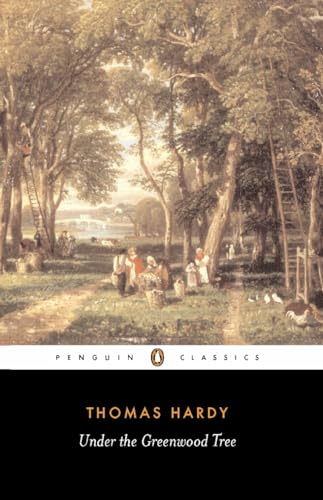
No. 40 on this list. Under the Greenwood Tree
Thomas Hardy · 1872
No. 41 on this list. Barchester Towers
Anthony Trollope · 1857
No. 42 on this list. Winnie-the-Pooh
A.A. Milne · 1926
No. 43 on this list. Harry Potter and the Half-Blood Prince
J.K. Rowling · 2005
No. 44 on this list. The BFG
Roald Dahl · 1982
No. 45 on this list. Caleb Williams
William Godwin · 1794
No. 46 on this list. Cranford
Elizabeth Gaskell · 1853
No. 47 on this list. Mary Barton
Elizabeth Gaskell · 1848
No. 48 on this list. Grace Abounding
John Bunyan · 1666
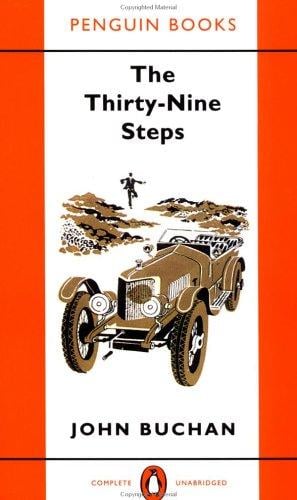
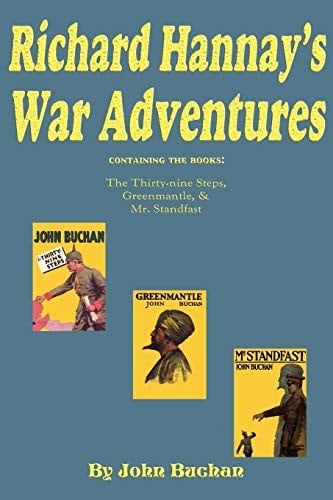
No. 49 on this list. The Thirty-Nine Steps
John Buchan · 1915
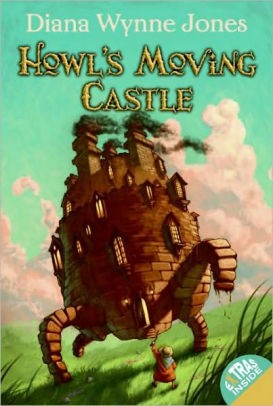
No. 50 on this list. Howl's Moving Castle
Diana Wynne Jones · 1986
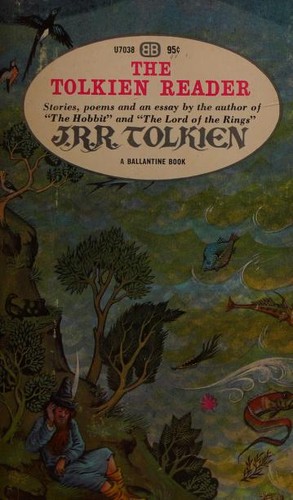
No. 51 on this list. The Tolkien Reader
J.R.R. Tolkien · 1966
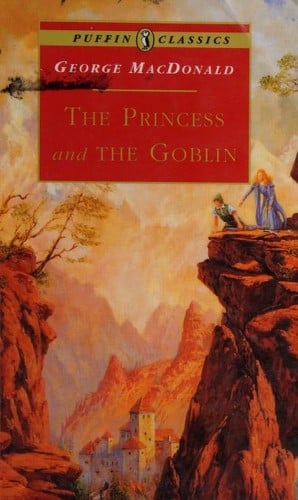
No. 52 on this list. The Princess and the Goblin
George MacDonald · 1872
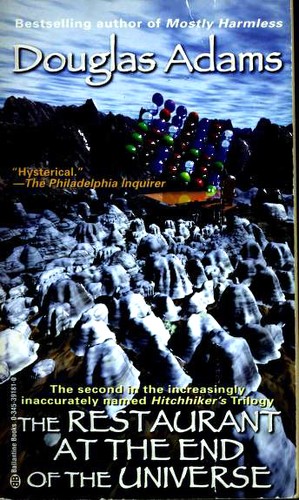
No. 53 on this list. The Restaurant at the End of the Universe
Douglas Adams · 1980
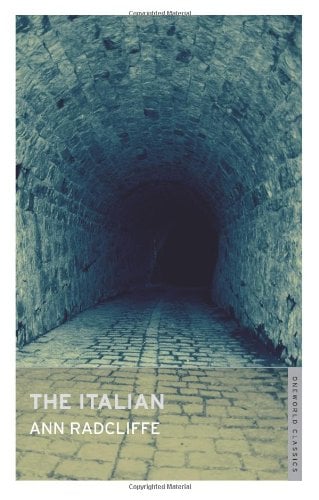
No. 54 on this list. The Italian
Ann Radcliffe · 1796
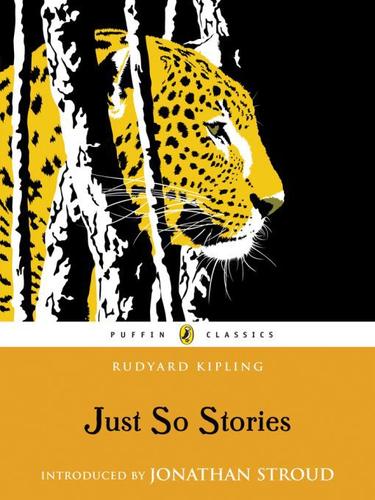
No. 55 on this list. Just So Stories
Rudyard Kipling · 1902
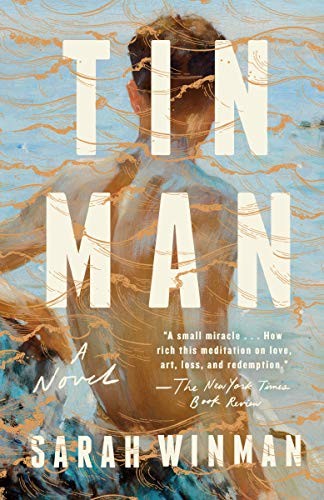
No. 56 on this list. Tin Man
Sarah Winman · 2017
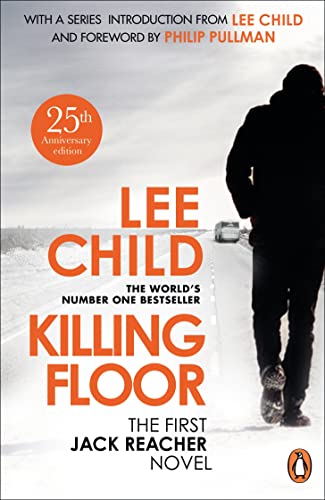
No. 57 on this list. Killing Floor
Lee Child · 1997
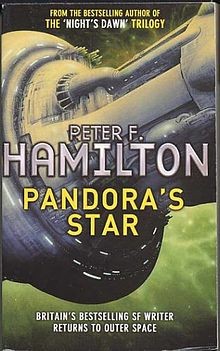
No. 58 on this list. Pandora's Star
Peter F. Hamilton · 2004
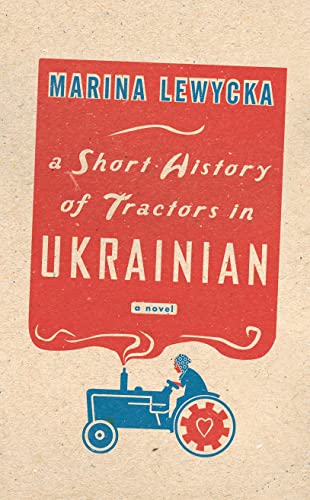
No. 59 on this list. A Short History of Tractors in Ukrainian
Marina Lewycka · 2005
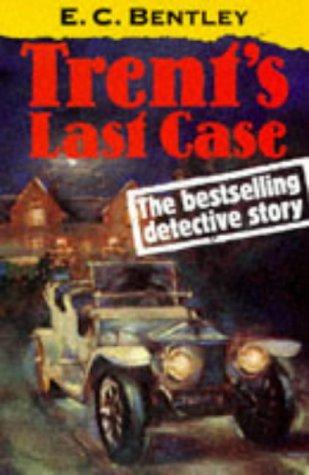
No. 60 on this list. Trent's Last Case
E.C. Bentley · 1913
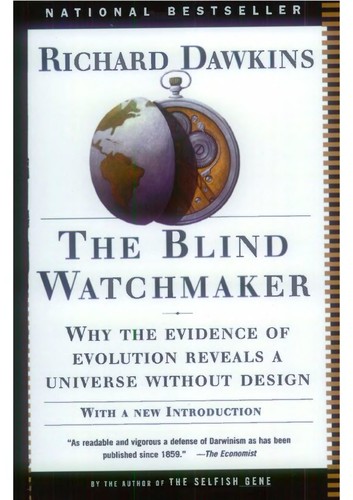
No. 61 on this list. The Blind Watchmaker
Richard Dawkins · 1986
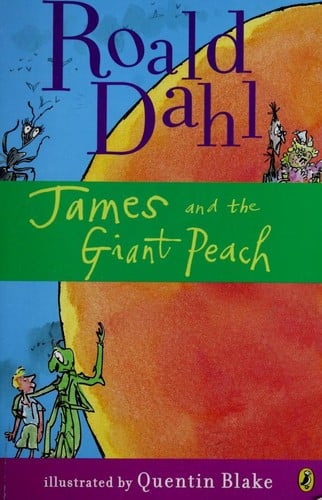
No. 62 on this list. James and the Giant Peach
Roald Dahl · 1961
No. 63 on this list. Black Beauty
Anna Sewell · 2003
Taught in schools: CSEC English B – Caribbean Examinations Council
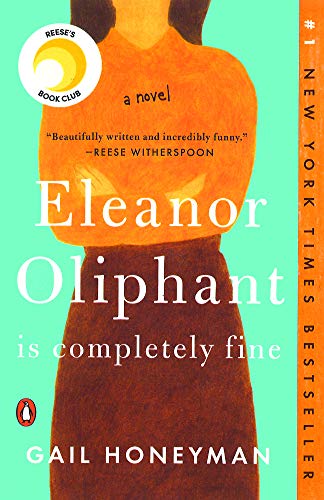
No. 64 on this list. Eleanor Oliphant Is Completely Fine
Gail Honeyman · 2018
No. 65 on this list. The 39 Steps
John Buchan · 1915
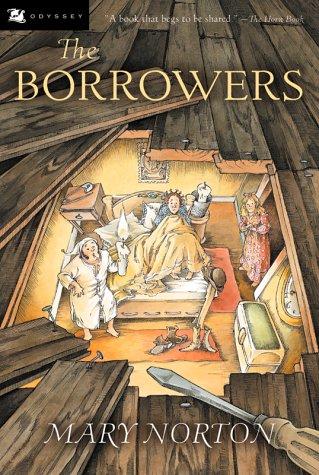
No. 66 on this list. The Borrowers
Mary Norton · 1952
Taught in schools: CSEC English B – Caribbean Examinations Council
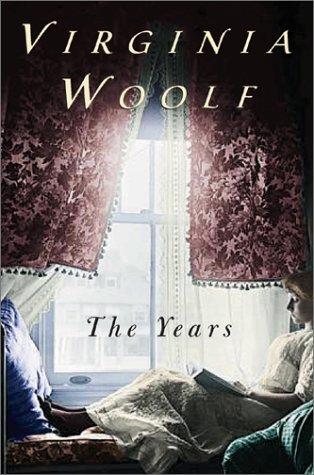
No. 67 on this list. The Years
Virginia Woolf · 1937
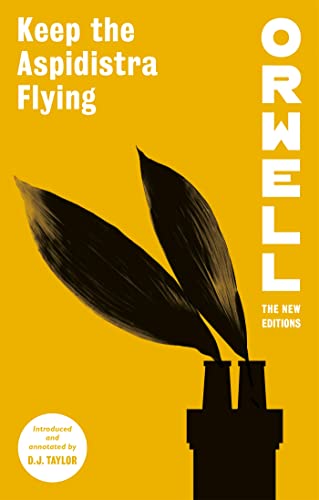
No. 68 on this list. Keep the Aspidistra Flying
George Orwell · 1936
No. 69 on this list. Romola
George Eliot · 1863
No. 70 on this list. The Daughter of Time
Josephine Tey · 1951
No. 71 on this list. Agnes Grey
Anne Brontë · 1847
No. 72 on this list. Casino Royale
Ian Fleming · 1953
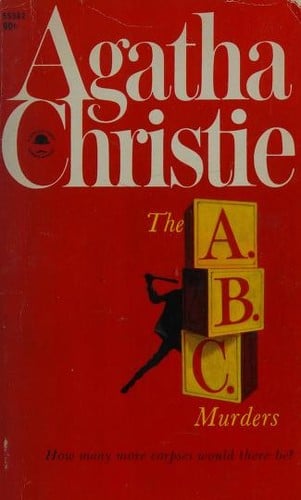
No. 73 on this list. The ABC Murders
Agatha Christie · 1936
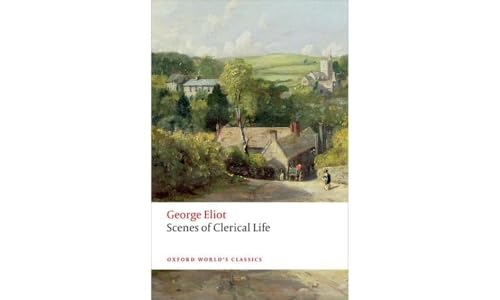
No. 74 on this list. Scenes of Clerical Life
George Eliot · 1858
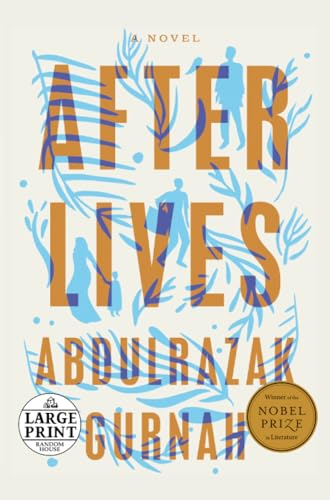
No. 75 on this list. Afterlives
Abdulrazak Gurnah · 2020
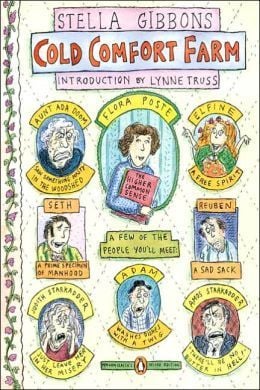
No. 76 on this list. Cold Comfort Farm
Stella Gibbons · 1932
No. 77 on this list. Coming Up for Air
George Orwell · 1939
No. 78 on this list. A Mathematician's Apology
G.H. Hardy · 1940
No. 79 on this list. Lady Susan
No. 80 on this list. The Ministry of Fear
Graham Greene · 1943
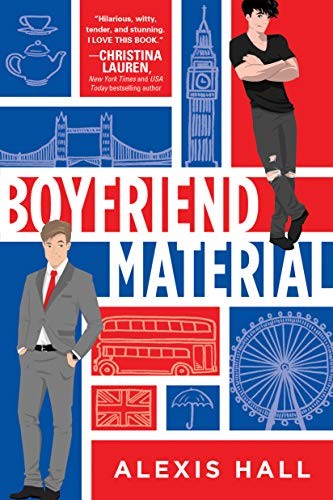
No. 81 on this list. Boyfriend Material
Alexis Hall · 2020
No. 82 on this list. A Glass of Blessings
Barbara Pym · 1958
No. 83 on this list. Real Estate
Deborah Levy · 2021
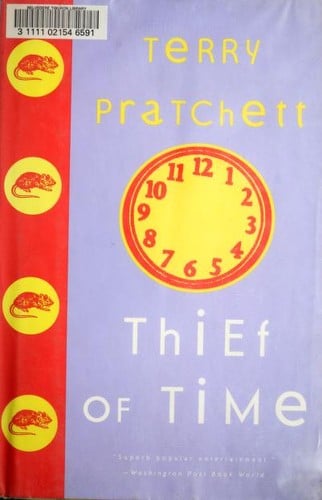
No. 84 on this list. Thief of Time
Terry Pratchett · 2001
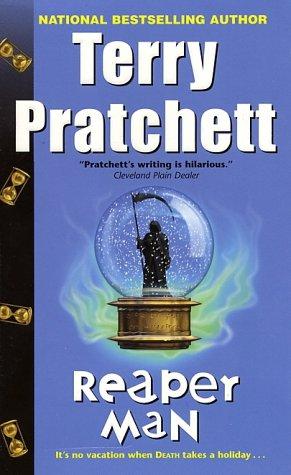
No. 85 on this list. Reaper Man
Terry Pratchett · 1991
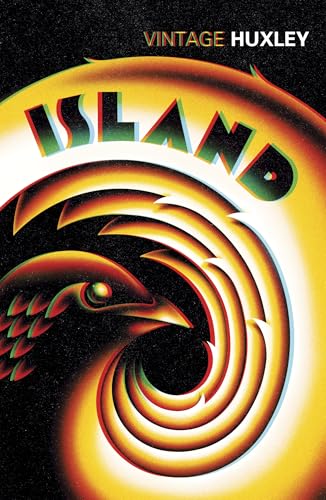
No. 86 on this list. Island
Aldous Huxley · 1962
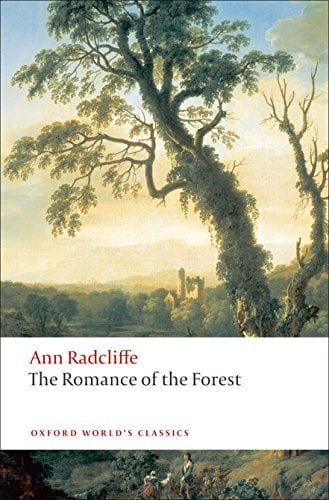
No. 87 on this list. The Romance of the Forest
Ann Radcliffe · 1791
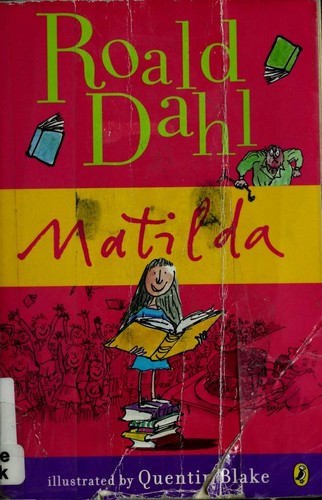
No. 88 on this list. Matilda
Roald Dahl · 1988
Taught in schools: CSEC English B – Caribbean Examinations Council
No. 89 on this list. Small Is Beautiful
E.F. Schumacher · 1973
No. 90 on this list. Night and Day
Virginia Woolf · 1919
No. 91 on this list. A Judgement in Stone
Ruth Rendell · 1977
No. 92 on this list. The Icarus Girl
Helen Oyeyemi · 2005
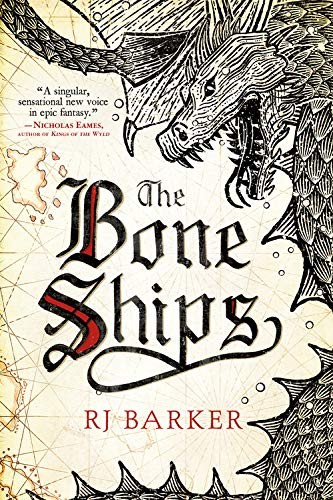
No. 93 on this list. The Bone Ships
R. J. Barker · 2019
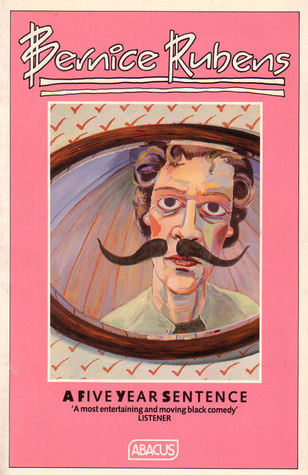
No. 94 on this list. A Five-Year Sentence
Bernice Rubens · 1978
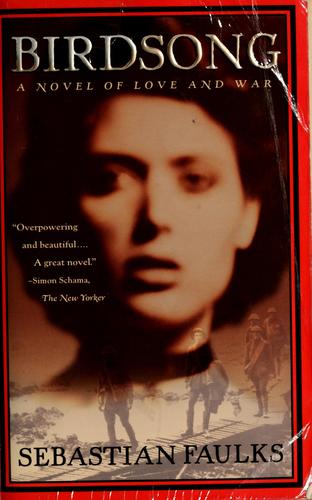
No. 95 on this list. Birdsong
Sebastian Faulks · 1997
Taught in schools: AQA GCSE and A-level English Literature (UK)
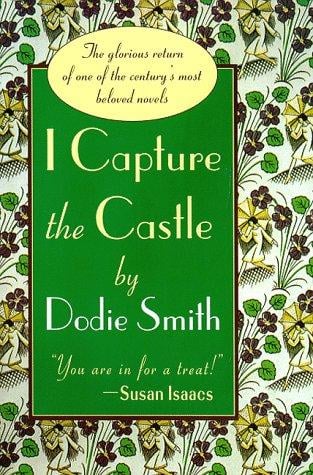
No. 96 on this list. I Capture the Castle
Dodie Smith · 1948
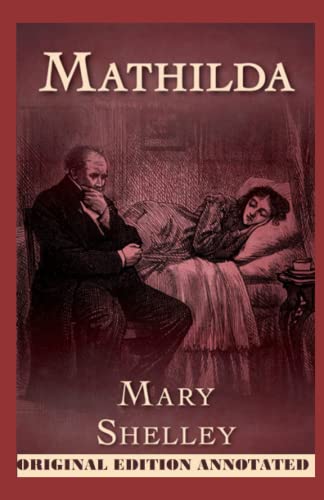
No. 97 on this list. Mathilda
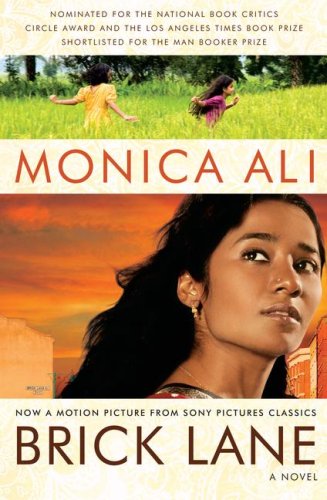
No. 98 on this list. Brick Lane
Monica Ali · 2003
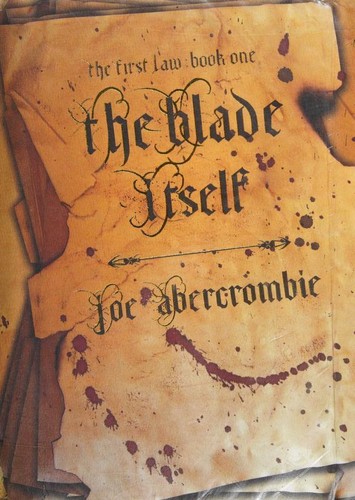
No. 99 on this list. The Blade Itself
Joe Abercrombie · 2006
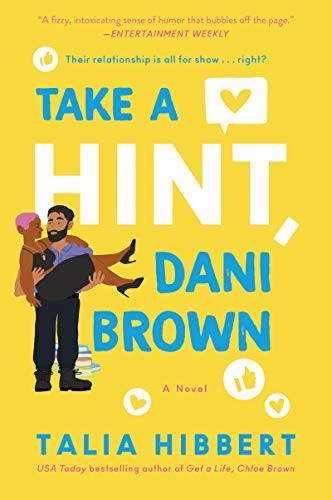
No. 100 on this list. Take a Hint, Dani Brown
Talia Hibbert · 2020
About this list
These 100 books are the highest-scoring eligible easy books from Britain currently in the catalogue. By literary regard, it opens with The War of the Worlds, Alice's Adventures in Wonderland and Through the Looking-Glass and The Lion, the Witch and the Wardrobe. About 558 hours of reading in all. Difficulty runs from 34 to 41 out of 100 for the middle half of the list; the summit is Areopagitica at 45.
This list is ranked by literary regard, with a consistent order for equal scores. Membership follows authors and co-authors, not translators or editors. Catalogue coverage and the historical canon both limit what this list can represent.
When we matched the Canons dataset to our catalogue in October 2026, our canonical-status scores rose with the number of school curricula, publisher series and lists in it that cite a work: the median score was 72 for books one such source cites, 84 at two, 88 at three, 92 at four and 93 at five or more. Prizes are left out of that count. Outside the state curricula, the dataset’s sources choose mostly from what has been translated into English or French, so it is a weaker check on other literatures. Source: Canons (Andrew Piper), CC BY 4.0
Questions people actually ask
- What are the best easy books from Britain?
- By literary regard, which weighs canonical status, critical standing and influence, The War of the Worlds, Alice's Adventures in Wonderland and Through the Looking-Glass, The Lion, the Witch and the Wardrobe, Robinson Crusoe and A Christmas Carol lead. ReadingRate ranks 100 such books, each with a difficulty score and a reading-time estimate.
- Where should I start with easy books from Britain?
- Start from difficulty, not from rank. The most approachable books on this list that still carry top literary regard are The Hobbit, or There and Back Again by J.R.R. Tolkien (about 5 hours), The Complete Sherlock Holmes by Arthur Conan Doyle and The Lion, the Witch and the Wardrobe by C.S. Lewis.
- How hard are easy books from Britain to read?
- Most of this list sits between 34 and 41 on ReadingRate's 100-point difficulty scale, where 40 to 55 is moderate. The summit is Areopagitica at 45. Every entry carries its own score, so a reader can pick a great book at a difficulty they will finish.
- How is this list ranked?
- On literary-regard data: how canonically established a work is, its critical standing, and its influence on later writing. It is not a readers’ poll, which is why recent bestsellers rarely appear. Membership follows authors and co-authors, not translators or editors. A list that is not a genre list keeps to literature (fiction, poetry, drama and philosophy), with philosophy taking no more than one slot in five while there is literature left to rank; every list holds at most three works by one author.