Hours at an average pace
Showing 100 books
About 1,203 hours for 100 of 100 books with measured lengths. Estimates use 250 words a minute, adjusted for each book's difficulty. At 2 hours a day, about 602 days for those books.
No. 1 on this list. Henry V
William Shakespeare · 1600
Difficult3 hours
Included in: Great Books of the Western World
Henry V sits at the core of the Shakespeare canon, taught in secondary schools and universities worldwide and a fixture in RSC and major repertory seasons. While not the first play assigned on Shakespeare surveys — that distinction goes to Hamlet or Macbeth — it appears on virtually every history plays syllabus and features prominently in collections of essential dramatic literature.
At roughly 1.8 million words, the Mahabharata is the longest poem ever composed, and it earns its length: a dynastic war becomes the scaffold for a complete philosophy of duty, cosmic law, and the impossibility of righteous action in a fallen world. The Bhagavad Gita is embedded within it as a single episode, which gives some measure of its ambition.
No. 3 on this list. Coriolanus
William Shakespeare · 1608
Challenging2.9 hours
Included in: Great Books of the Western World
Coriolanus is a standard text in Shakespeare curricula and appears on university syllabi in courses on Renaissance drama, political philosophy, and history plays. While taught less frequently than Hamlet, Macbeth, or King Lear, it is required reading in most advanced Shakespeare courses and political drama studies. Its engagement with popular sovereignty and class politics has made it a recurring subject of academic attention.
A firm fixture in the OuLiPo canon and in broader European literary canons. Regularly taught in comparative literature, Holocaust literature, and postmodern fiction courses internationally. Less widely read than some contemporaries but deeply influential among serious readers and writers.
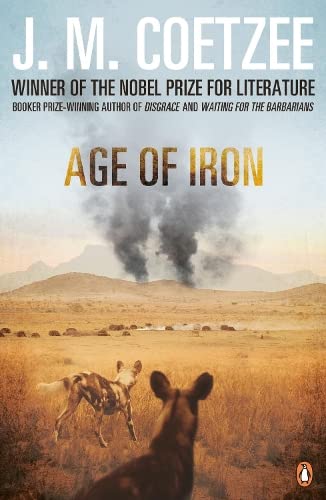
Age of Iron occupies a secure place in the Coetzee canon alongside Disgrace and Waiting for the Barbarians, and is regularly included in postcolonial and South African literature curricula worldwide. Its apartheid-era historical weight gives it documentary as well as aesthetic canonical status.
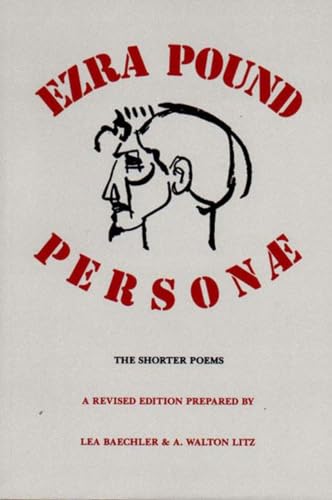
Personae is a standard text in modernist poetry curricula worldwide and appears in virtually every major anthology of 20th-century poetry. Though no database syllabus data was returned, Pound's first collection is foundational to understanding Imagism and the troubadour influence on Anglo-American modernism. It is overshadowed in syllabi by the later Cantos and by Eliot, but remains required reading in modernist poetry courses.
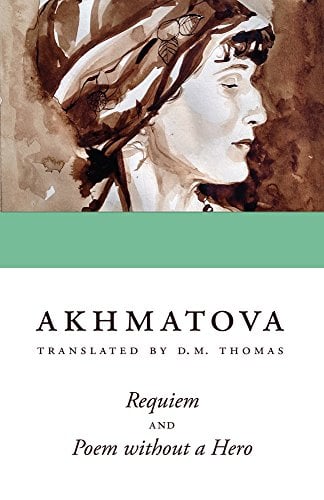
Requiem and Poem Without a Hero are canonical texts of 20th-century Russian literature and essential documents of Stalinist-era witness poetry — required reading in Russian literature courses worldwide. No database records appear for this English translation's syllabus presence, but the works are universally taught in courses on Soviet literature, women's writing, and poetry of witness. The Wikipedia absence in this database likely reflects a data gap rather than actual obscurity: Akhmatova's works are foundational to Russian studies curricula.
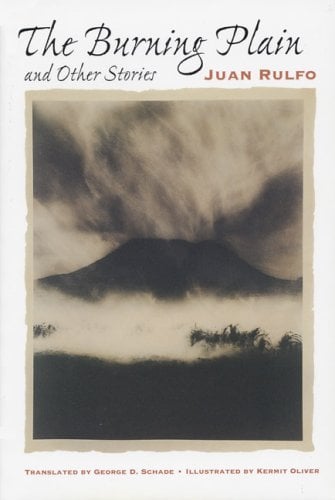
No. 8 on this list. The Burning Plain and Other Stories
Juan Rulfo · 1953
Challenging3.4 hours
Taught in schools: UNAM Escuela Nacional Preparatoria – programas de Literatura (Mexico)
In seventeen stories set across the parched hills of Jalisco, Mexico, Rulfo's peasants carry their dead with them — sometimes literally. A man hauls his father's corpse on his back through the mountains. An old woman refuses to believe her son is a murderer. Soldiers and sharecroppers and abandoned wives speak in short, exact sentences, and the landscape answers with dust and silence. The dead narrate their own stories without announcing they are dead; readers piece it together from the wrong temperature of the prose. Rulfo strips everything from his fiction — backstory, explanation, transitions — until only the essential pressure remains. The Burning Plain was published in 1953, two years before Pedro Páramo, and it shares that novel's method: grief without sentimentality, violence without drama, the supernatural arriving with the matter-of-fact normalness of weather. Gabriel García Márquez said he memorized the entire book and recited it to friends. That is the correct response. These stories end before they explain themselves, in the way that real catastrophe does.
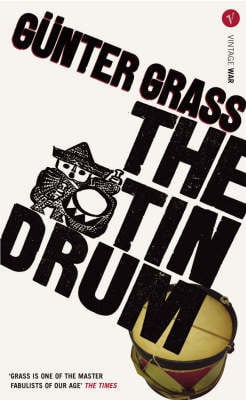
No. 9 on this list. The Tin Drum
Günter Grass · 1959
Difficult27 hours
Included in: Bokklubben World Library
The Tin Drum appears on approximately 200 university syllabi according to Open Syllabus Project data (57th percentile), placing it firmly in world literature and 20th-century European fiction curricula. Wikipedia coverage spans 35 languages with dedicated Reception and Adaptations sections, indicating sustained international engagement. The novel is widely regarded as the defining work of postwar German literature, though its syllabus presence falls short of canonical American fixtures like The Great Gatsby.
Appears on 372 university syllabi (64th percentile, Open Syllabus Project) and is listed in TIME's All-TIME 100 Novels (2005) and 1001 Books You Must Read Before You Die. Published in Library of America, Everyman's Library, and Penguin Classics editions — the institutional markers of canonical status. Wikipedia articles exist in 15 languages with dedicated reception and adaptations sections.
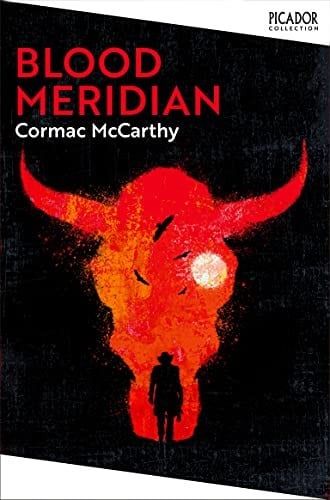
No. 11 on this list. Journey to the End of the Night · Louis-Ferdinand Céline · 1932
Included in: Bokklubben World Library
Named to Le Monde's 100 Books of the Century and listed in the Open Syllabus Top 500 for Literature, the novel holds an established place in French and comparative literature curricula. Its Wikipedia article spans 37 languages with a dedicated Reception section, reflecting sustained international recognition. It is taught in world literature and modernist fiction courses but falls short of the blanket curriculum presence of Kafka, Camus, or Proust.
Challenging19 hours
Start this bookNo. 12 on this list. The Shadow Lines · Amitav Ghosh · 1988
The Shadow Lines won the Sahitya Akademi Award and is standard on postcolonial fiction syllabuses globally. It is consistently ranked among the defining novels of South Asian Anglophone literature alongside Midnight's Children. Its treatment of Partition and communal violence has made it a touchstone for academic and general literary discourse about South Asia.
Difficult14 hours
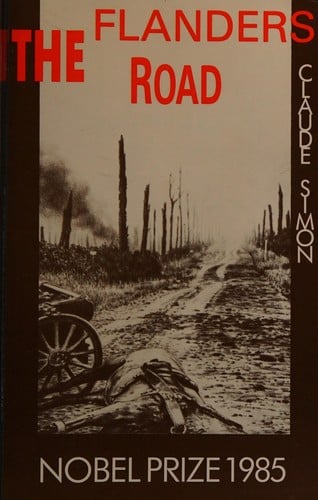
Start this bookNo. 13 on this list. The Flanders Road · Claude Simon · 1960
Nobel laureate's masterpiece. Essential in nouveau roman studies.
Challenging8.1 hours
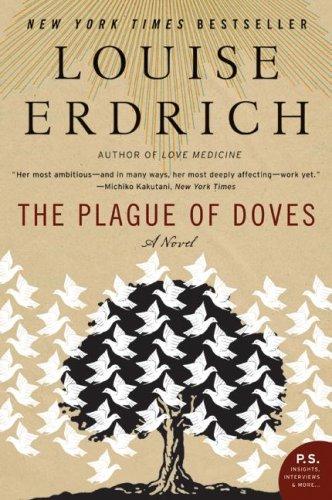
Start this bookNo. 14 on this list. The Plague of Doves · Louise Erdrich · 2008
Pulitzer Prize finalist (2009) and the first entry in a trilogy whose second volume, The Round House, won the National Book Award. Taught in university courses on contemporary American and Native American literature, with an established academic presence in postcolonial and ethnic studies. Widely regarded as one of Erdrich's most formally accomplished novels.
Difficult14 hours
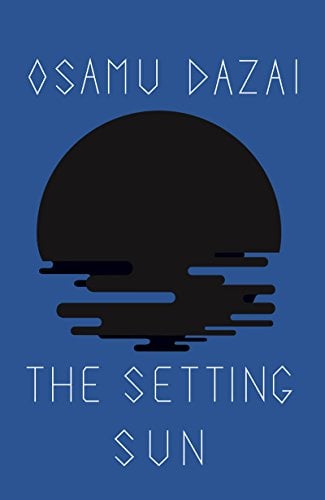
Start this bookNo. 15 on this list. The Setting Sun · Osamu Dazai · 1947
A cornerstone of postwar Japanese literature, widely taught in Japanese and world literature courses internationally. The word 'shayozoku' ('people of the setting sun') entered the Japanese language from this novel's publication in 1947, marking its immediate cultural impact. Donald Keene's 1956 English translation established it as essential reading in Western Japanese literature curricula.
Difficult4.7 hours
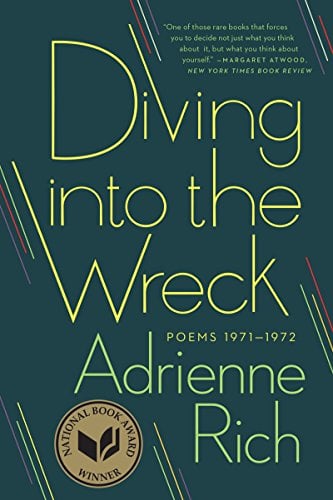
Start this bookNo. 16 on this list. Diving into the Wreck · Adrienne Rich · 1973
The title poem appears in virtually every major American poetry anthology and is standard reading in feminist literature, American poetry, and contemporary poetry courses. The collection sits firmly in the literary canon, comparable to Beloved (85) in academic reach if not in the broadest syllabi. No database data was returned, but Rich's place in American poetry curricula is well established.
Difficult47 min
Start this bookNo. 17 on this list. Under Western Eyes · Joseph Conrad · 1911
Under Western Eyes holds a secure place in the Conrad canon — studied in university courses alongside Nostromo, The Secret Agent, and Lord Jim, and consistently discussed in critical accounts of Conrad's major work. Leavis included Conrad among the great tradition of English novelists, and the novel's treatment of guilt, betrayal, and political despotism has kept it on syllabi across literature and political thought programmes. Its standing is below Heart of Darkness and Lord Jim in frequency of assignment but firmly canonical within the Conrad corpus.
Difficult15 hours
Start this bookNo. 18 on this list. Lust · Elfriede Jelinek · 1989
Jelinek is a Nobel Prize winner (2004), and Lust is among her most-discussed novels, central to courses in feminist literature, Austrian literature, and avant-garde fiction. The Wikipedia article on Lust exists in 58 languages, indicating significant global recognition. However, the novel is not a fixture of general literary survey courses in the way that Jelinek's work as a whole is taught — it is a specialist text, assigned where Jelinek is the focus or feminist radical fiction is the subject. Its explicit content limits its classroom reach. Canonical within feminist literary studies; less so in general world literature curricula.
Difficult9.3 hours
Start this bookNo. 19 on this list. The Hive · Camilo José Cela · 1951
Taught in schools: Literatura, Diseño Curricular – Provincia de Buenos Aires (Argentina)
The Hive is a cornerstone of 20th-century Spanish literature, taught in Spanish and comparative literature programs across Spain and Latin America. Its reach outside Spanish-language academia is narrower than global canonical works — it lacks the massive syllabus presence of authors like García Márquez — but within its tradition it is considered essential reading. The Wikipedia article has an adaptations section, indicating some cultural footprint beyond the page.
Difficult11 hours
Start this bookNo. 20 on this list. Palace of Desire · Naguib Mahfouz · 1957
The Cairo Trilogy is Mahfouz's defining work, but individual volumes appear less frequently on syllabi than standalone classics. Palace of Desire appears on only 2 university syllabi in the Open Syllabus Project. The trilogy is a fixture in world literature and Arabic literature courses, though Western curricula tend to assign excerpts or the first volume rather than the full sequence.
Challenging16 hours
Start this book
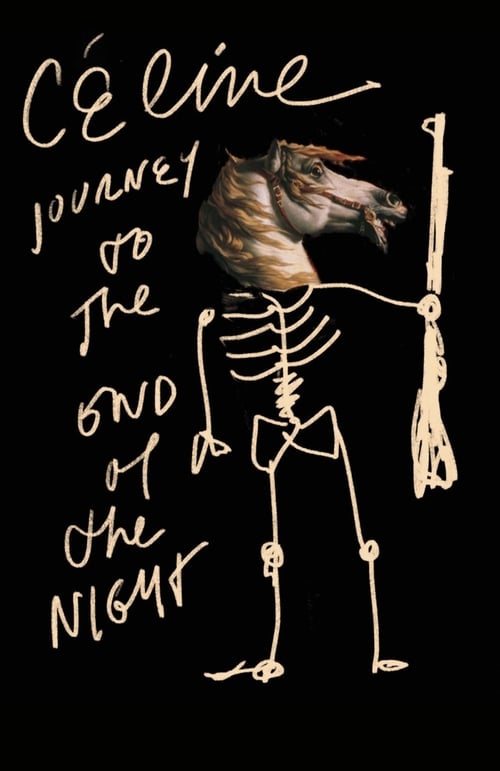
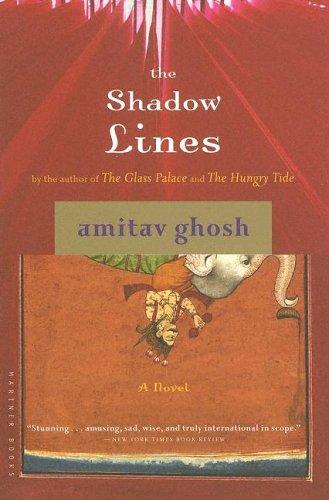
No. 21 on this list. Red Cavalry · Isaac Babel · 1926
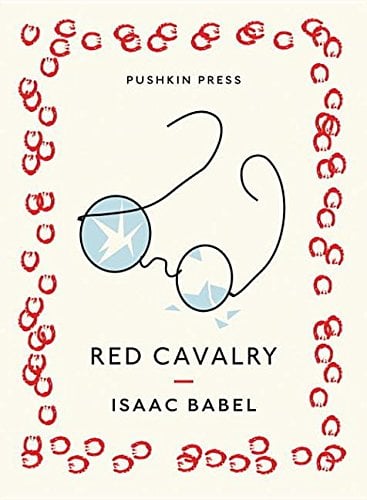
Isaac Babel spent six weeks riding with Budyonny's First Cavalry Army during the 1920 Polish-Soviet War and came back with thirty-five stories that read like dispatches from a world being destroyed while it still believes itself alive. The narrator, Lyutov — a bespectacled Jewish intellectual from Odessa — rides with Cossacks who slaughter without hesitation and then sleep soundly, and he watches them with a hunger he never admits and a horror he never names. In 'My First Goose,' Lyutov kills a goose to prove himself worthy of his billet; the act costs him something the story refuses to specify. In 'The Rabbi's Son,' a young Hasidic revolutionary dies clutching manuscripts of Hebrew poetry alongside Communist pamphlets. Babel writes in sentences so compressed they feel pressurized — the lyrical and the brutal occupy the same clause without canceling each other out. A dying horse, a looted synagogue, a father shot by his son: each image arrives exact and then Babel moves on, leaving the weight for the reader to carry. The collection refuses to resolve whether the revolution justified its violence, whether Lyutov ever earned his place among the Cossacks, or whether the Jewish civilization being trampled deserved to survive. Babel was arrested in 1939 and shot in 1940. These stories are what he left.
Challenging4.2 hours
Start this bookNo. 22 on this list. The Piano Teacher · Elfriede Jelinek · 1983
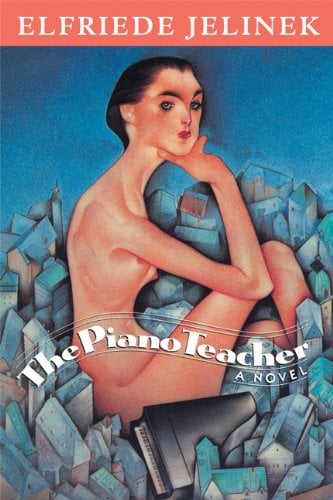
The Piano Teacher is widely taught in European universities — particularly in German-language literature, feminist literary criticism, and comparative literature courses — though this database captures 0 syllabus appearances and only a stub Wikipedia article. The novel's canonical standing in German-language and feminist literary studies is well established; its international profile is significant but narrower than Anglophone canonical texts at the same level of critical regard.
Difficult11 hours
Start this bookNo. 23 on this list. The Public Burning · Robert Coover · 1977
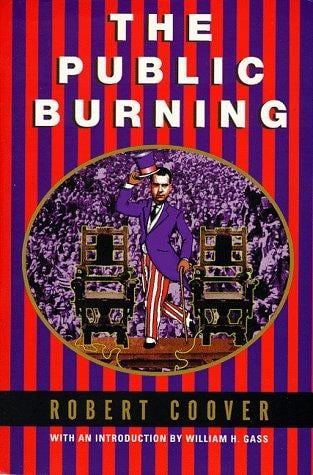
The Public Burning is Robert Coover's most ambitious and controversial novel — refused by seventeen publishers before Viking accepted it, then immediately pulled from paperback after a Nixon lawsuit threat. It appears in every major survey of American postmodern fiction (Hassan, Waugh, McHale), is taught widely in graduate seminars on metafiction, and is cited alongside Gravity's Rainbow and Giles Goat-Boy as the defining novels of the postmodern satirical-historical mode. Its canonical status exceeds its readership by a large margin.
Very Difficult37 hours
Start this bookNo. 24 on this list. Tree of Smoke · Denis Johnson · 2007
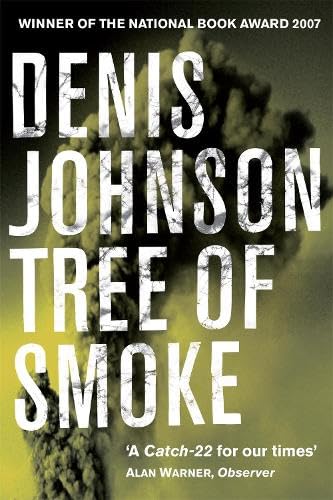
Tree of Smoke appears on 12 course syllabi, placing it in the 27th percentile of syllabus appearances — solid but not dominant. Its canonical footprint is real: it is reliably taught in American literature survey courses covering the Vietnam War alongside O'Brien's The Things They Carried, and appears on graduate reading lists in contemporary fiction. Its 2007 National Book Award win cements its status as a significant contemporary novel, but it has not yet achieved the widespread undergraduate course presence of Johnson's Jesus' Son or of the Vietnam War's more established literary canon.
Difficult28 hours
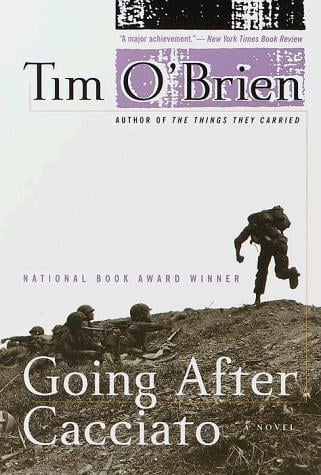
Start this bookNo. 25 on this list. Going After Cacciato · Tim O'Brien · 1979
Appears on 144 university syllabi according to Open Syllabus (53rd percentile), placing it solidly in the taught canon of Vietnam War literature and American postmodern fiction, though well below curriculum fixtures like Gatsby or Beloved. Inclusion in the Library of America — the highest American literary imprimatur — confirms its place among the recognized classics of the form.
Challenging8.7 hours
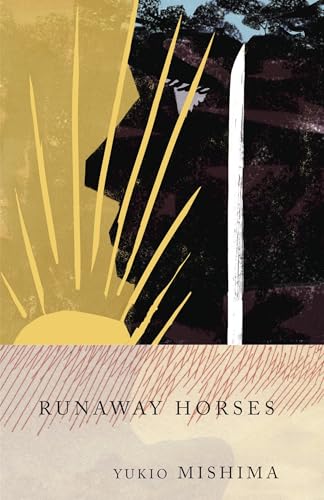
Start this bookNo. 26 on this list. Runaway Horses · Yukio Mishima · 1969
Kiyoaki Matsugae died in 1914 with a dying prophecy — 'I will see you again. I know it. Beneath the falls.' Eighteen years later, Honda Shigekuni, now a judge, watches a young kendo prodigy named Isao perform at a tournament and recognizes three moles on the young man's ribs in exactly the configuration Kiyoaki bore. Honda becomes convinced that his dead friend has been reborn. Isao is nothing like the dreamy, tragic Kiyoaki. He is fierce, ascetic, burning with devotion to the Emperor and contempt for the financiers he believes have corrupted Japan's soul. He and a small band of young men have drawn up a list of names — industrialists who must die — and a plan for purification through violence, modeled on the samurai of the Shinpuren Rebellion of 1876, who charged rifles with swords and lost everything. Runaway Horses is the second volume of Mishima's four-part tetralogy The Sea of Fertility, completed the morning he died. The novel runs two tracks simultaneously: Honda's philosophically unsettling quest to confirm transmigration of souls, and Isao's intensifying martyrdom complex, told through Mishima's dense, formal prose and an embedded historical chronicle of the Shinpuren Rebellion that reads like sacred text. What accumulates is a portrait of the Japanese 1930s as a moment of fatal intoxication — young men drunk on purity, on sacrifice, on the beauty of a clean death.
Difficult20 hours
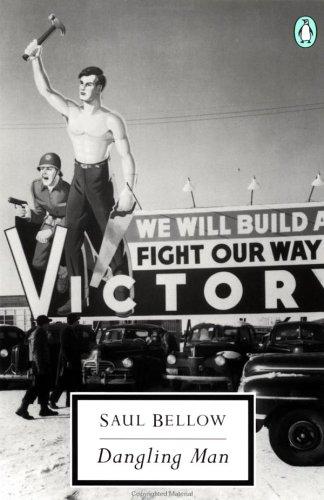
Start this bookNo. 27 on this list. Dangling Man · Saul Bellow · 1944
Dangling Man is taught in Bellow courses and American literature surveys as the novel that launched one of the 20th century's most significant literary careers. It appears regularly in discussions of postwar American fiction and the confessional-intellectual novel. Not as canonical as Herzog or Humboldt's Gift, but securely within the serious literary curriculum as a Bellow debut of historical importance.
Challenging5.5 hours
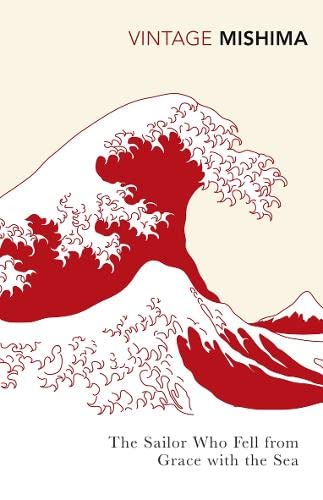
Start this bookNo. 28 on this list. The Sailor Who Fell from Grace with the Sea · Yukio Mishima · 1963
Taught regularly in university world literature and Japanese literature courses globally. Appears on syllabi alongside Kawabata and Abe as an entry point to postwar Japanese fiction. Not in the ubiquitous tier of Kafka or Fitzgerald, but firmly established in academic curricula across Europe, North America, and East Asia.
Challenging3.8 hours
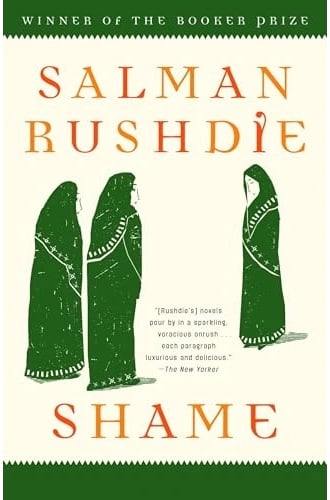
Start this bookNo. 29 on this list. Shame · Salman Rushdie · 1983
Shame appears on 244 university syllabi — the 59.7th percentile — placing it in solid but not dominant canonical territory. It is taught in postcolonial literature, South Asian fiction, and magic realism courses internationally, and its Wikipedia article spans 71 language editions, confirming global cultural reach. Midnight's Children commands far greater curriculum presence; Shame benefits from being Rushdie's second major novel.
Difficult11 hours
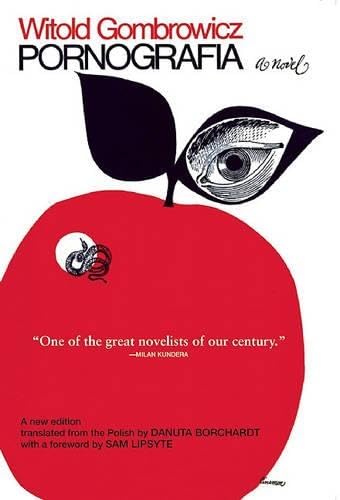
Start this bookNo. 30 on this list. Pornografia · Witold Gombrowicz · 1960
Pornografia is widely taught in European and Latin American literature courses and appears on world literature syllabi, though its presence in English-language curricula is more limited than Gombrowicz's Ferdydurke. No syllabus data was available in the database, and no Wikipedia article was indexed, but the novel is broadly recognized as a major work of 20th-century European fiction and appears on multiple 'greatest novels' lists.
Difficult6.2 hours
Start this book
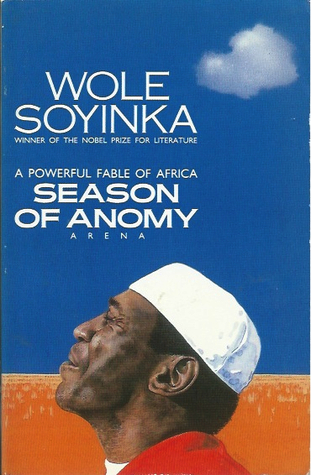
No. 31 on this list. Season of Anomy
Wole Soyinka · 1973
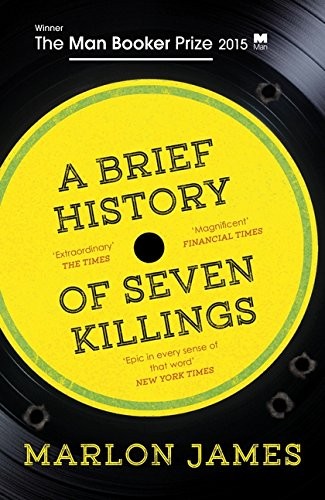
No. 32 on this list. A Brief History of Seven Killings
Marlon James · 2015
No. 33 on this list. A Fable
William Faulkner · 1955
No. 34 on this list. The Naked and the Dead
Norman Mailer · 1948
No. 35 on this list. Lust, Caution
Eileen Chang · 1979
No. 36 on this list. How Late It Was, How Late
James Kelman · 1994
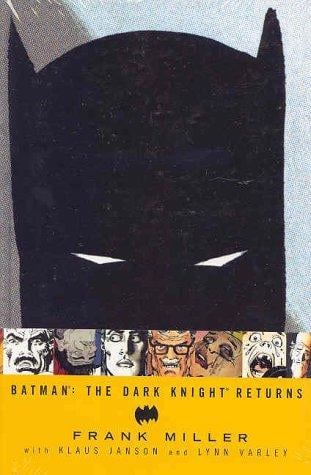
No. 37 on this list. Batman: The Dark Knight Returns
Frank Miller · 1986
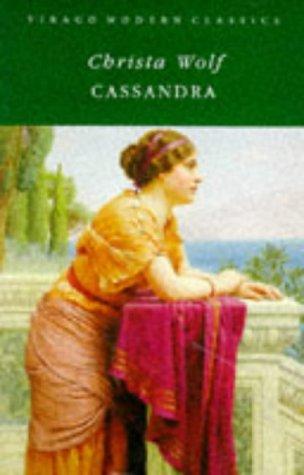
No. 38 on this list. Cassandra
Christa Wolf · 1983
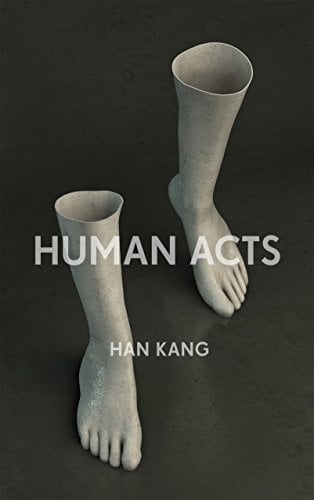
No. 39 on this list. Human Acts
Han Kang · 2014
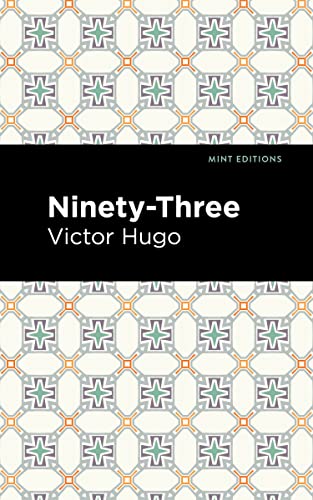
No. 40 on this list. Ninety-Three
Victor Hugo · 1874
No. 41 on this list. The Georgics
Claude Simon · 1981
No. 42 on this list. The Book of Daniel
E.L. Doctorow · 1971
No. 43 on this list. Nazi Literature in the Americas
Roberto Bolaño · 1996
No. 44 on this list. Against the Day
Thomas Pynchon · 2006
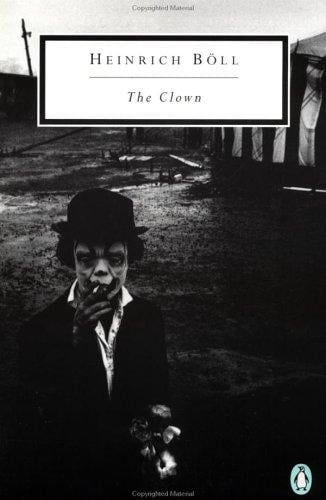
No. 45 on this list. The Clown
Heinrich Böll · 1963
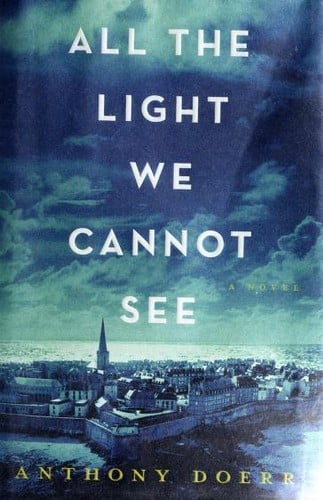
No. 46 on this list. All the Light We Cannot See
Anthony Doerr · 2014
Taught in schools: Singapore-Cambridge GCE O-Level Literature in English (2065)
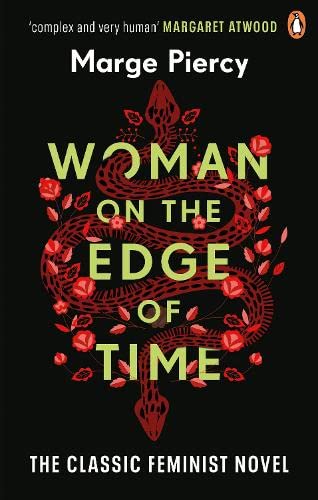
No. 47 on this list. Woman on the Edge of Time
Marge Piercy · 1976
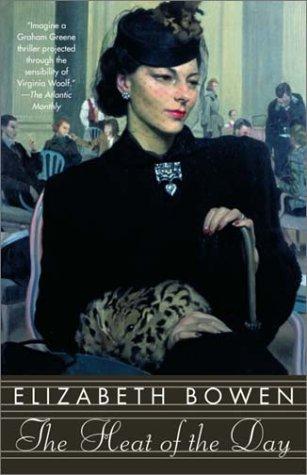
No. 48 on this list. The Heat of the Day
Elizabeth Bowen · 1948
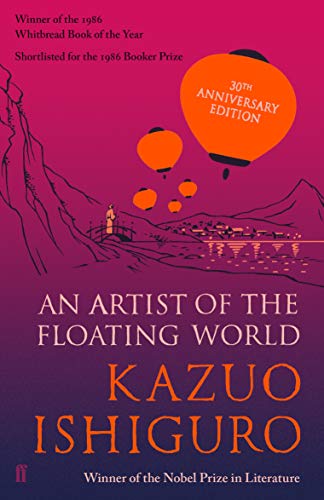
No. 49 on this list. An Artist of the Floating World
Kazuo Ishiguro · 1986
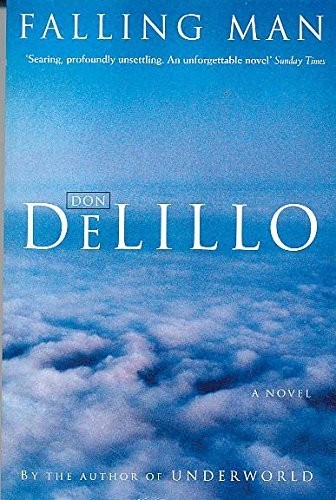
No. 50 on this list. Falling Man
Don DeLillo · 2007
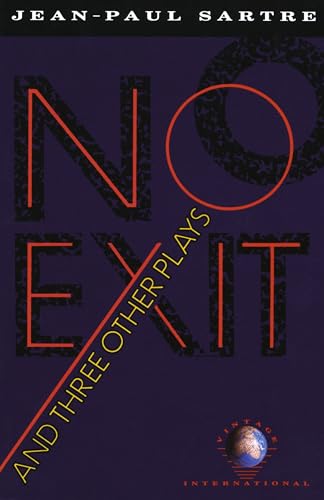
No. 51 on this list. The Reprieve
Jean-Paul Sartre · 1945
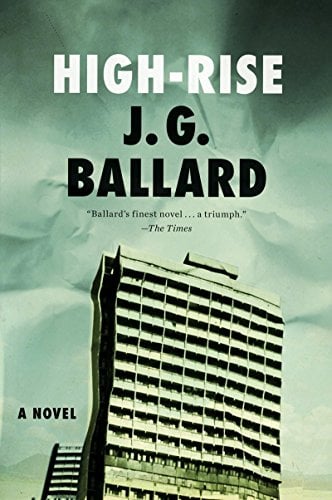
No. 52 on this list. High-Rise
J.G. Ballard · 1975
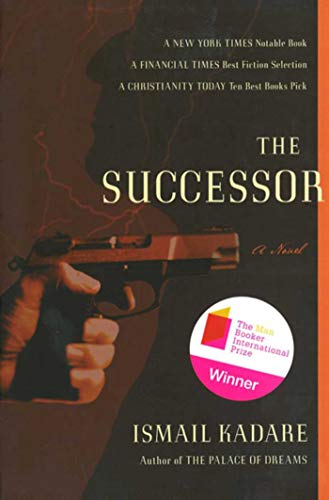
No. 53 on this list. The Successor
Ismail Kadare · 2003
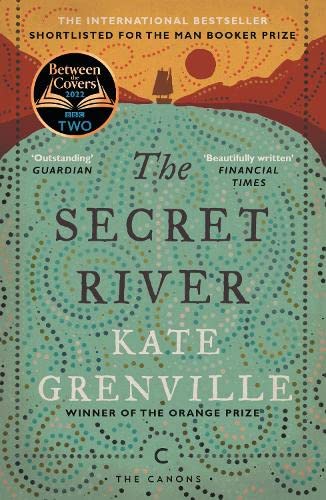
No. 54 on this list. The Secret River
Kate Grenville · 2006
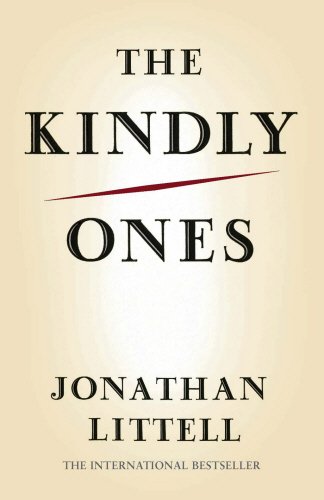
No. 55 on this list. The Kindly Ones
Jonathan Littell · 2006
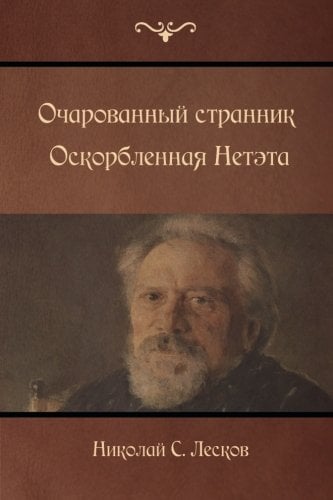
No. 56 on this list. The Enchanted Wanderer
Nikolai Leskov · 1873
Taught in schools: Russian FGOS literature standard
No. 57 on this list. The Acacia
Claude Simon · 1989
No. 58 on this list. Regeneration
Pat Barker · 1991
Taught in schools: AQA GCSE and A-level English Literature (UK)
No. 59 on this list. NW
Zadie Smith · 2013
No. 60 on this list. The Dew Breaker
Edwidge Danticat · 2004
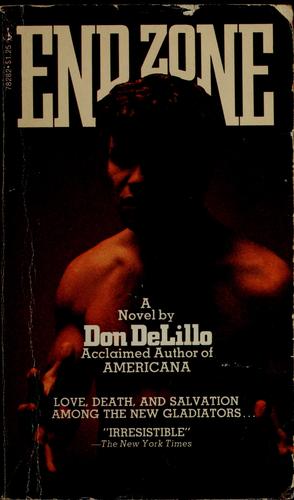
No. 61 on this list. End Zone
Don DeLillo · 1972
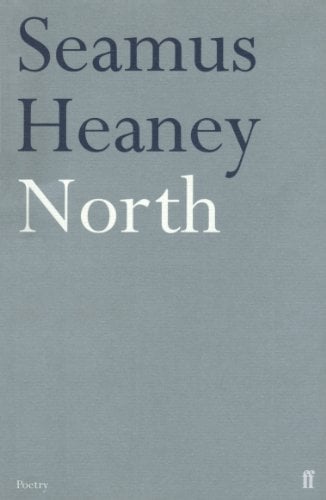
No. 62 on this list. North
Seamus Heaney · 1975
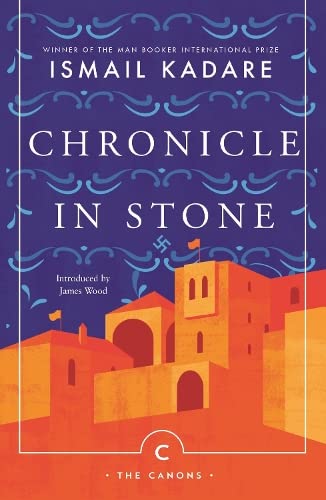
No. 63 on this list. Chronicle in Stone
Ismail Kadare · 1971
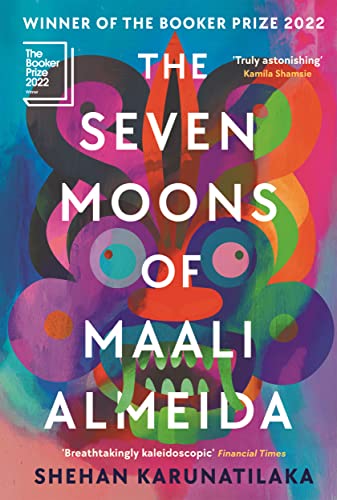
No. 64 on this list. The Seven Moons of Maali Almeida
Shehan Karunatilaka · 2022
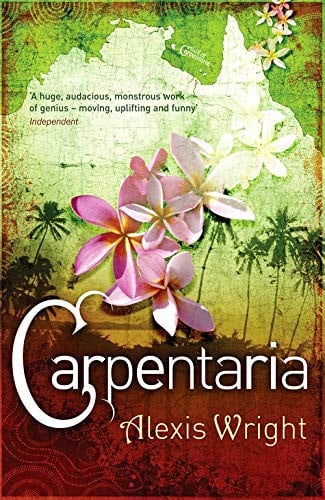
No. 65 on this list. Carpentaria
Alexis Wright · 2006
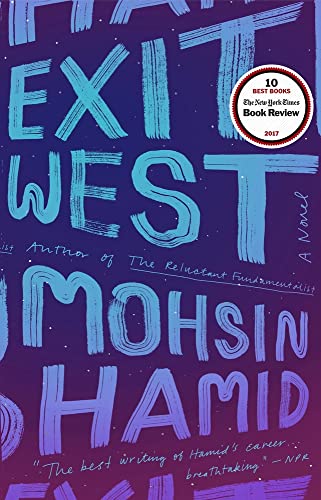
No. 66 on this list. Exit West
Mohsin Hamid · 2017
No. 67 on this list. The House on the Hill
Cesare Pavese · 1948
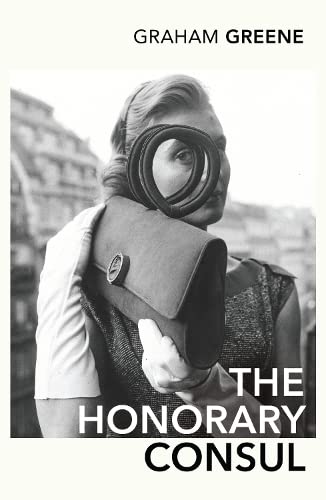
No. 68 on this list. The Honorary Consul
Graham Greene · 1973
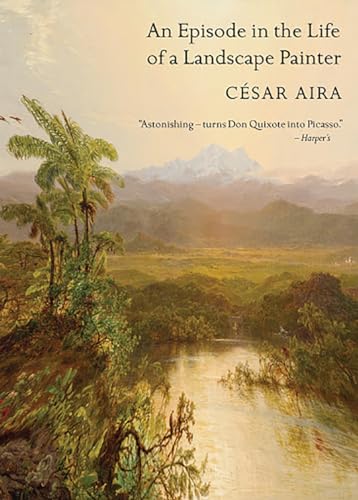
No. 69 on this list. An Episode in the Life of a Landscape Painter
César Aira · 2000
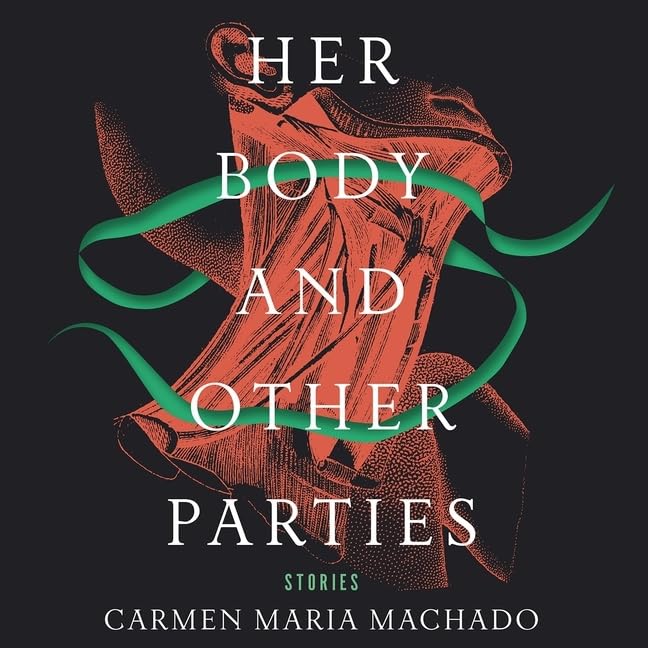
No. 70 on this list. Her Body and Other Parties
Carmen Maria Machado · 2017
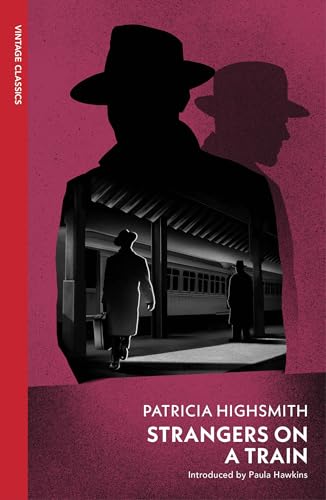
No. 71 on this list. Strangers on a Train
Patricia Highsmith · 1950
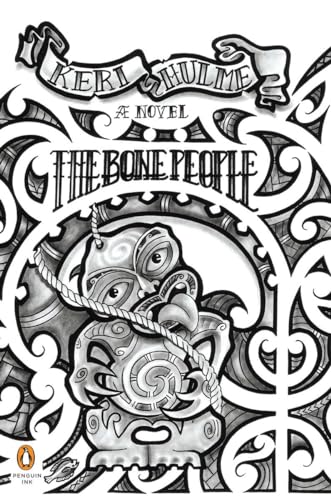
No. 72 on this list. The Bone People
Keri Hulme · 1985
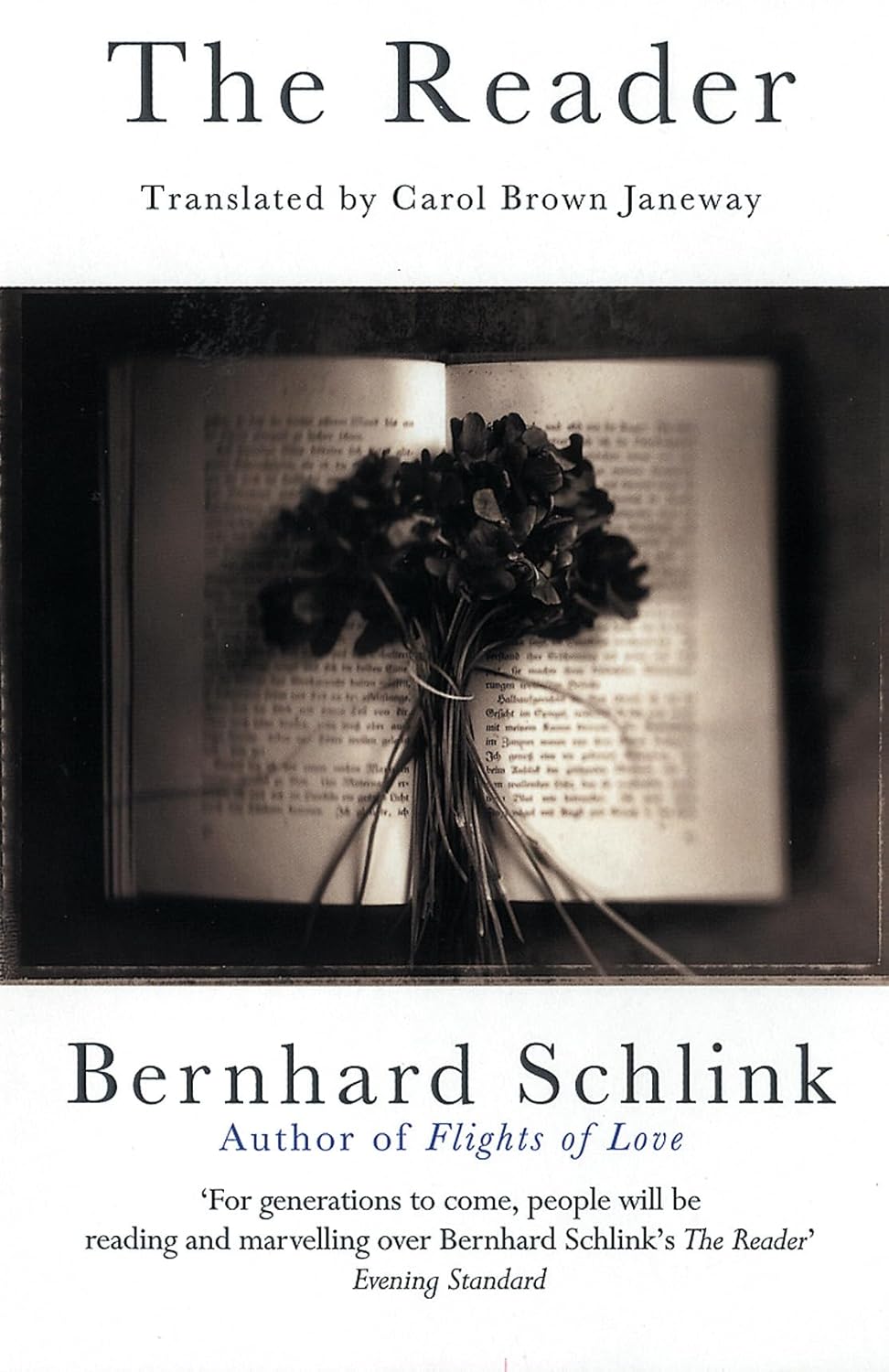
No. 73 on this list. The Reader
Bernhard Schlink · 1995
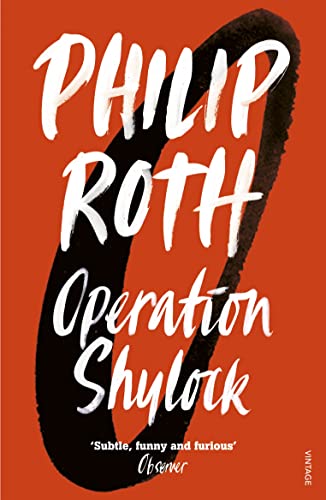
No. 74 on this list. Operation Shylock
Philip Roth · 1994
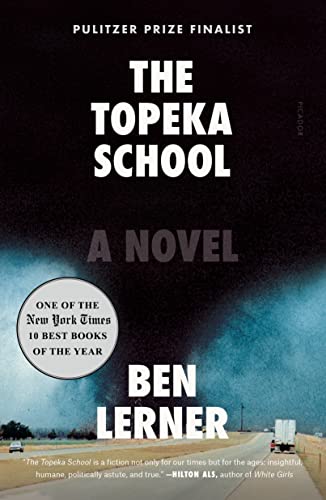
No. 75 on this list. The Topeka School
Ben Lerner · 2019
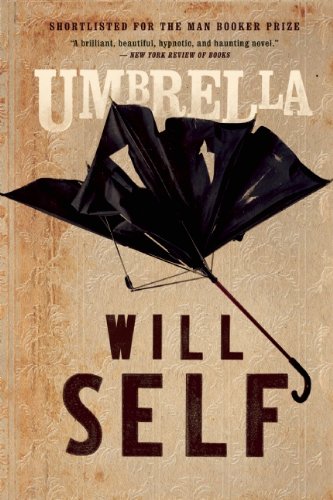
No. 76 on this list. Umbrella
Will Self · 2012
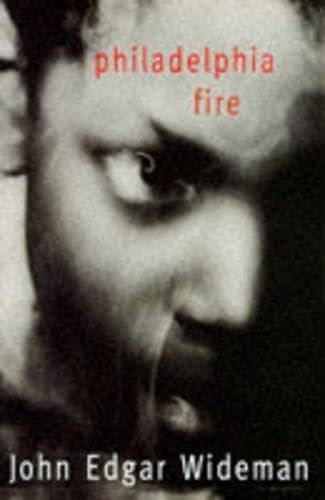
No. 77 on this list. Philadelphia Fire
John Edgar Wideman · 1991
No. 78 on this list. Amulet
Roberto Bolaño · 1999
No. 79 on this list. Winter
Ali Smith · 2017
No. 80 on this list. We Need to Talk About Kevin
Lionel Shriver · 2005
No. 81 on this list. Last Orders
Graham Swift · 1996
No. 82 on this list. The March
E.L. Doctorow · 2006
No. 83 on this list. When We Cease to Understand the World
Benjamin Labatut · 2021
No. 84 on this list. Europe Central
William T. Vollmann · 2005
No. 85 on this list. Saturday
Ian McEwan · 2005
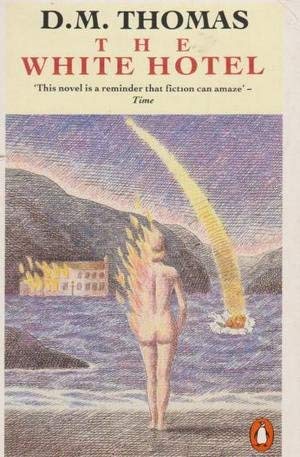
No. 86 on this list. The White Hotel
D.M. Thomas · 1981
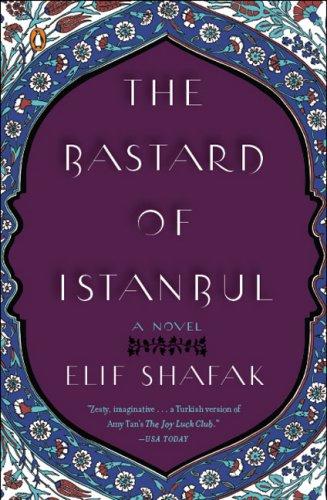
No. 87 on this list. The Bastard of Istanbul
Elif Shafak · 2006
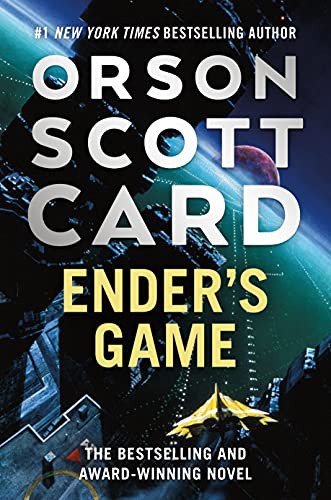
No. 88 on this list. Ender's Game
Orson Scott Card · 1985
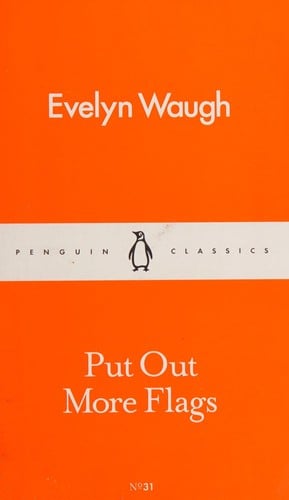
No. 89 on this list. Put Out More Flags
Evelyn Waugh · 1942
No. 90 on this list. Point Omega
Don DeLillo · 2010
No. 91 on this list. The Chant of Jimmie Blacksmith
Thomas Keneally · 1972
No. 92 on this list. Communion Town
No. 93 on this list. Utz
Bruce Chatwin · 1988
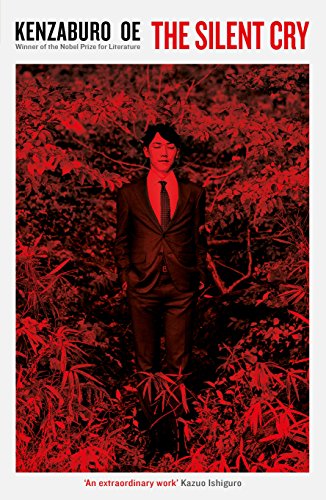
No. 94 on this list. The Silent Cry
Kenzaburō Ōe · 1967
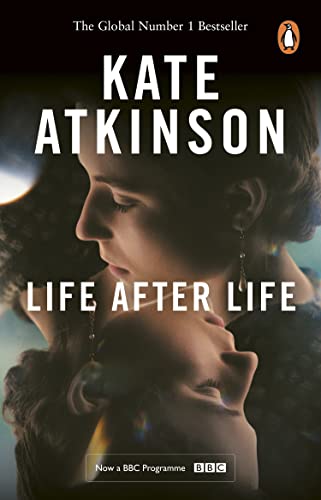
No. 95 on this list. Life After Life
Kate Atkinson · 2013
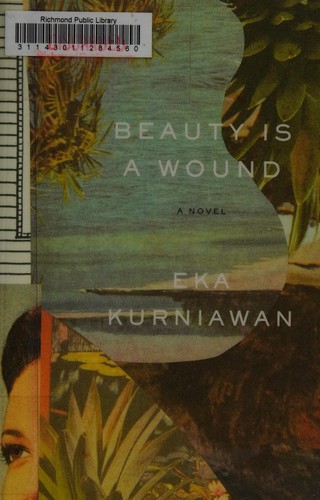
No. 96 on this list. Beauty Is a Wound
Eka Kurniawan · 2002
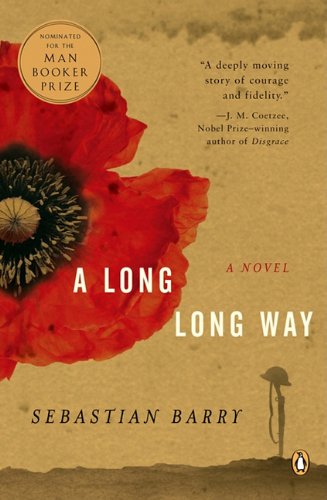
No. 97 on this list. A Long Long Way
Sebastian Barry · 2005
Taught in schools: AQA GCSE and A-level English Literature (UK)
No. 98 on this list. Minor Detail
Adania Shibli · 2017
No. 99 on this list. Memoirs of a Polar Bear
Yoko Tawada · 2011
No. 100 on this list. The Barracks Thief
Tobias Wolff · 1985
About this list
These 100 books are the highest-scoring eligible challenging books about war and conflict currently in the catalogue. About 1,203 hours of reading in all. Difficulty runs from 67 to 75 out of 100 for the middle half of the list; the summit is The Public Burning at 86.
This list is ranked by literary regard, with a consistent order for equal scores. Membership follows authors and co-authors, not translators or editors. A book is here when ReadingRate files it under War & Conflict as one of its primary reading domains, at a confidence of 0.8 or more. Catalogue coverage and the historical canon both limit what this list can represent.
When we matched the Canons dataset to our catalogue in October 2026, our canonical-status scores rose with the number of school curricula, publisher series and lists in it that cite a work: the median score was 72 for books one such source cites, 84 at two, 88 at three, 92 at four and 93 at five or more. Prizes are left out of that count. Outside the state curricula, the dataset’s sources choose mostly from what has been translated into English or French, so it is a weaker check on other literatures. Source: Canons (Andrew Piper), CC BY 4.0
Questions people actually ask
- What are the best challenging books about war and conflict?
- By literary regard, which weighs canonical status, critical standing and influence: Henry V by William Shakespeare, Mahabharata by Vyasa, Coriolanus by William Shakespeare, W, or the Memory of Childhood by Georges Perec and Age of Iron by J.M. Coetzee. ReadingRate ranks 100 such books, each with a difficulty score and a reading-time estimate.
- Which challenging books about war and conflict should I read first?
- Start from difficulty, not from rank. The most approachable books on this list that still carry top literary regard are Going After Cacciato by Tim O'Brien (about 8.7 hours), The Sailor Who Fell from Grace with the Sea by Yukio Mishima and The Burning Plain and Other Stories by Juan Rulfo.
- What are the shortest of the best challenging books about war and conflict?
- Among the top 25, the shortest are Diving into the Wreck by Adrienne Rich (about 47 min), Personae by Ezra Pound (about 1.1 hours) and Poem Without a Hero by Anna Akhmatova (about 2 hours), at an average pace of 250 words a minute adjusted for each book's difficulty.
- Which of the best challenging books about war and conflict are the established classics?
- By canonical status, how firmly a book sits in curricula, anthologies and the canon: Mahabharata by Vyasa, Henry V by William Shakespeare, W, or the Memory of Childhood by Georges Perec, Age of Iron by J.M. Coetzee and Coriolanus by William Shakespeare.
- Can I read any of these challenging books about war and conflict for free?
- 4 of the 100 open in ReadingRate's reader with a free account, from public-domain editions: Henry V, Mahabharata, Coriolanus and Ninety-Three.
- How long would it take to read the top ten?
- About 127 hours, at an average pace of 250 words a minute adjusted for each book's difficulty: 64 days at two hours a day. Set your own pace on the page and the list's reading times change to it.
- How hard are challenging books about war and conflict to read?
- Most of this list sits between 67 and 75 on ReadingRate's 100-point difficulty scale, where 40 to 55 is moderate. The summit is The Public Burning at 86. Every entry carries its own score, so a reader can pick a great book at a difficulty they will finish.
- How is this list ranked?
- On literary-regard data: how canonically established a work is, its critical standing, and its influence on later writing. It is not a readers’ poll, which is why recent bestsellers rarely appear. Membership follows authors and co-authors, not translators or editors. Lists by country, author, period, theme or difficulty keep to literature (fiction, poetry, drama and philosophy), their novels, poems and plays first and their philosophy after them; a list of a kind of book, such as memoir or criticism, keeps every book of that kind. Every list holds at most three works by one author. A book is here when ReadingRate files it under War & Conflict as one of its primary reading domains, at a confidence of 0.8 or more.