Hours at an average pace
Showing 100 books
About 948 hours for 100 of 100 books with measured lengths. Estimates use 250 words a minute, adjusted for each book's difficulty. At 2 hours a day, about 475 days for those books.
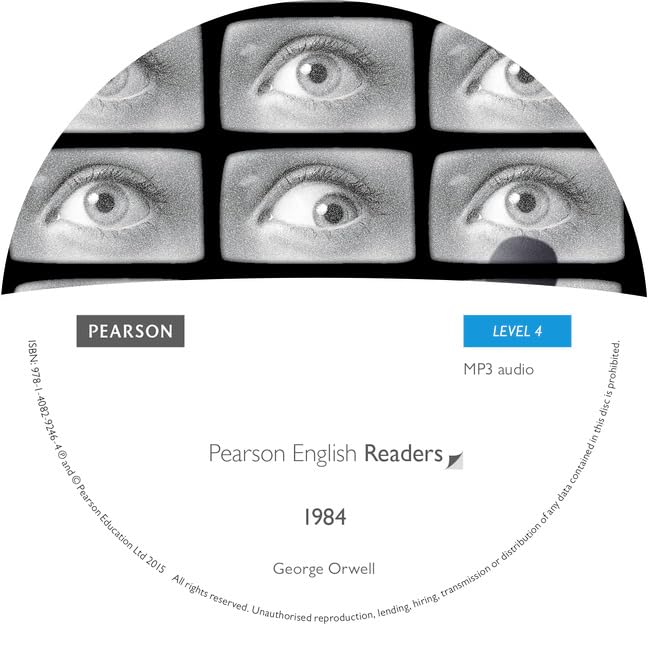
No. 1 on this list. 1984
George Orwell · 1949
Moderate6.5 hours
Taught in schools: Hungarian literature curriculum (magyar nyelv és irodalom) (Hungary), Lektury obowiązkowe – Polish national reading list (Poland), OCR GCSE and A-level English Literature (UK)
Included in: Bokklubben World Library
Appears on 1,763 university syllabi (Open Syllabus) and Wikipedia articles in 204 languages, placing it among the most globally distributed literary works. Listed on the Modern Library 100 Best Novels, TIME All-TIME 100, Le Monde's 100 Books of the Century, and BBC Big Read Top 100 — an almost unrivaled breadth of canonical recognition spanning five decades of list-making.
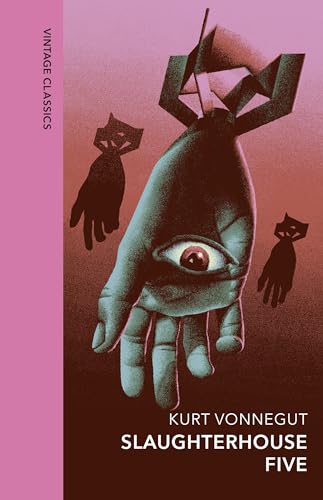
Vonnegut unstuck his protagonist from time and used the resulting shattered chronology to convey what no linear war novel could: the way trauma scrambles cause and effect until the firebombing of Dresden and a zoo on an alien planet occupy the same plane of reality. The deadpan sentence "So it goes" after every death became the definitive literary response to mass killing.
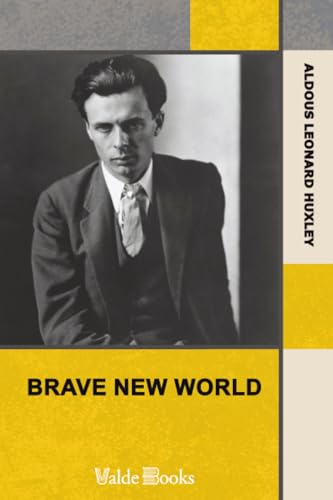
No. 3 on this list. Brave New World
Aldous Huxley · 1932
Moderate4.4 hours
Taught in schools: UNAM Escuela Nacional Preparatoria – programas de Literatura (Mexico)
Huxley imagined a world that controls its population not through pain but through pleasure — soma, engineered happiness, and the abolition of family — and thereby identified the dystopia that Orwell missed: the one people choose voluntarily. The novel's anxiety about technology as narcotic has only grown sharper with time.
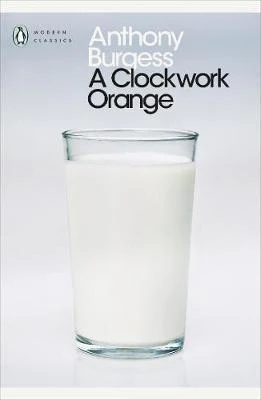
The essential novel of violence, free will, and state control. Core text in courses on dystopian fiction and ethics. Nadsat, the invented slang, demonstrated how language shapes consciousness. Kubrick's 1971 film became inseparable from the novel.
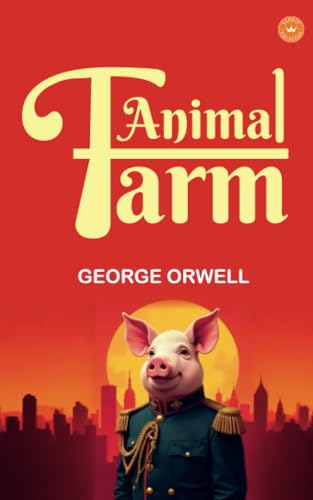
No. 5 on this list. Animal Farm
George Orwell · 1945
Challenging2.3 hours
Taught in schools: AQA GCSE and A-level English Literature (UK), CSEC English B – Caribbean Examinations Council, Lesotho literature in English
Included in: Great Books of the Western World
Appears on 591 university syllabi according to the Open Syllabus Project (69th percentile) and has Wikipedia articles in 95 languages. Listed on TIME's All-TIME 100 Novels, Modern Library's 100 Best Novels, the BBC Big Read Top 100, and 1001 Books You Must Read Before You Die — a breadth of recognition that places it among the most reliably canonical works of 20th-century fiction.
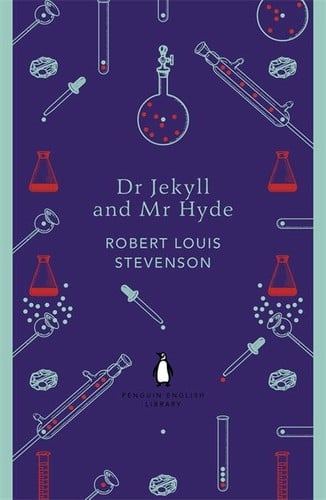
No. 6 on this list. The Strange Case of Dr Jekyll and Mr Hyde
Robert Louis Stevenson · 1886
Challenging1.9 hours
Taught in schools: AQA GCSE and A-level English Literature (UK), OCR GCSE and A-level English Literature (UK)
One of the most widely taught Victorian texts in English literature curricula at every level, from secondary school to university. The phrase 'Jekyll and Hyde' has entered common English as a synonym for dual personality. The novella appears on virtually every list of essential 19th-century fiction and is a fixture in Gothic literature, Victorian studies, and psychology-and-literature courses worldwide.
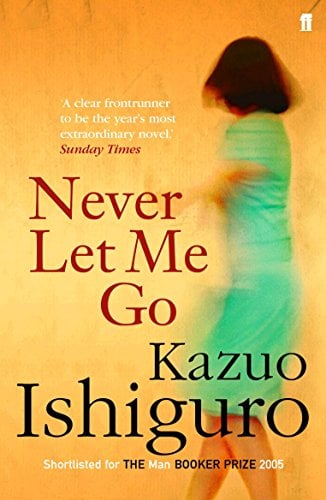
No. 7 on this list. Never Let Me Go
Kazuo Ishiguro · 2005
Challenging7.2 hours
Taught in schools: AQA GCSE and A-level English Literature (UK), OCR GCSE and A-level English Literature (UK), Pearson Edexcel GCSE and A-level English Literature (UK)
Ishiguro's devastating meditation on mortality and purpose. Kathy H.'s narration of Hailsham and the donations revealed a dystopia through English understatement. Core text in contemporary fiction and bioethics courses. The 2010 film extended its reach.
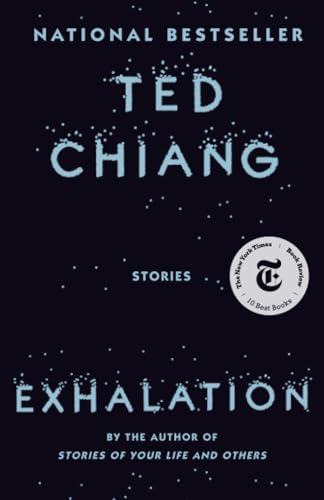
Exhalation appears on 129 syllabi across university courses in science fiction, ethics, and philosophy of mind. With a Wikipedia presence across 24 languages and inclusion on Barack Obama's 2019 summer reading list, the collection has achieved broad recognition outside genre boundaries. It sits at the high end of contemporary short fiction without yet reaching the settled canonical status of Chiang's own Story of Your Life.
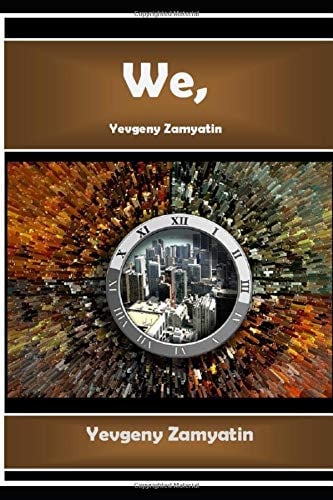
No. 9 on this list. We
Yevgeny Zamyatin · 1924
Challenging6.2 hours
Taught in schools: Russian FGOS literature standard
We is recognized as the founding text of the dystopian novel genre, directly influencing Aldous Huxley's Brave New World and, through Orwell's own acknowledgment, 1984. It appears regularly in syllabi covering 20th-century fiction, dystopian literature, and Russian modernism. Despite suppression in the Soviet Union for decades, the novel has been widely republished in prestige editions and is considered essential reading in comparative literature courses.
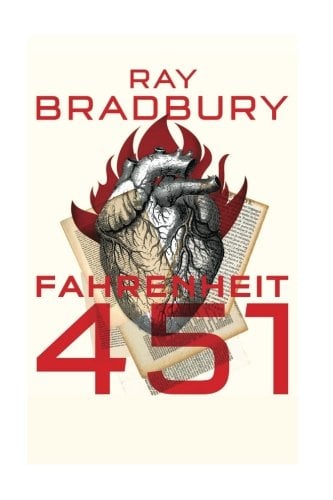
No. 10 on this list. Fahrenheit 451
Ray Bradbury · 1953
Moderate3.6 hours
Taught in schools: Common Core text exemplars (Appendix B) (US), Pacific Senior Secondary Certificate – English
Guy Montag burns books for a living. In Bradbury's 1953 novel, firemen don't put out fires — they start them, torching any house where books are found. Montag has done this for years without question, until a teenage neighbor named Clarisse asks him if he's happy. He realizes he isn't. The world Bradbury builds runs on distraction: giant wall-screen televisions, radio "seashells" plugged into ears at all hours, and the constant roar of speed. Nobody reads. Nobody thinks too long about anything. The firemen exist not because books are dangerous but because the majority found them uncomfortable, and discomfort is the one thing this society refuses to tolerate. Bradbury writes in a poetic, image-saturated style — sentences that flare and crackle the way the fires do. The abstraction is real: this is a novel about censorship, conformity, and the slow voluntary surrender of the mind, not just a plot about a man who changes his job. The phoenix appears as a recurring symbol; so does fire itself, destroyer and renewer at once. What Montag finds at the edge of the city — people who have memorized entire books, becoming the books themselves — is one of the more striking images in American science fiction.
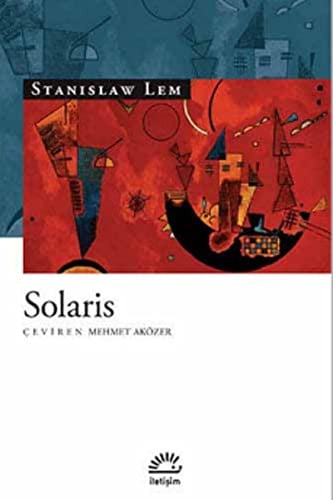
No. 11 on this list. Solaris · Stanisław Lem · 1961
Solaris is the most canonically recognized work of Eastern European science fiction, taught in SF studies, philosophy of science, and world literature courses at universities across Europe, North America, and East Asia. Its Wikipedia article exists in over 50 languages. The Tarkovsky film adaptation (1972) cemented its cultural standing. Within speculative fiction it holds a position equivalent to Ulysses in modernist literature — the work against which all philosophical SF is measured.
Challenging6.4 hours
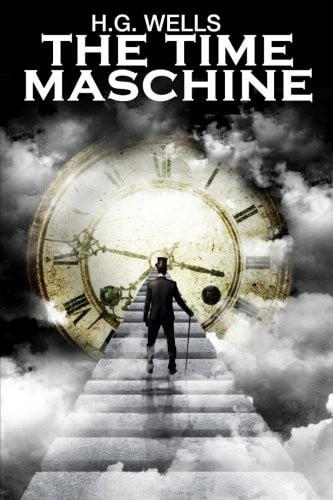
Start this bookNo. 12 on this list. The Time Machine · H.G. Wells · 1895
The Time Machine is firmly canonical as the founding text of the time-travel genre and a landmark in science fiction. It appears on virtually every essential science fiction reading list, is routinely taught in courses on Victorian literature, science fiction, and utopian/dystopian fiction, and has been continuously in print since 1895. It holds a secure place in the Western literary canon, though its canonical weight is somewhat lower than the great realist novels of its era.
Moderate2.4 hours
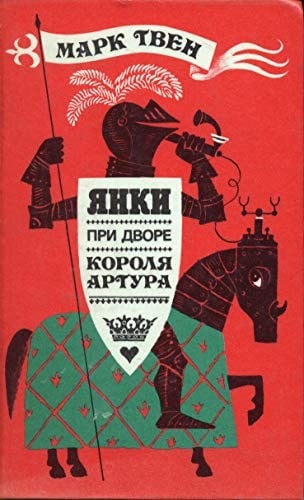
Read nowNo. 13 on this list. A Connecticut Yankee in King Arthur's Court · Mark Twain · 1889
It is a standard in American literature courses and part of Twain's core canon with Huckleberry Finn. It is taught less often than Gatsby but widely, as a founding time-travel satire.
Moderate6.6 hours
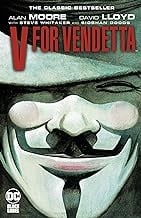
Read nowNo. 14 on this list. V for Vendetta · Alan Moore · 1989
One of the foundational texts of the graphic novel form. Widely taught, frequently cited in discussions of political fiction and dystopian literature.
Easy3.9 hours
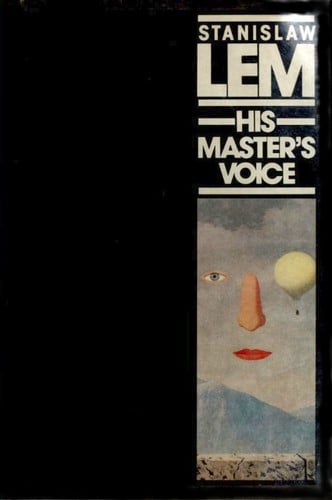
Start this bookNo. 15 on this list. His Master's Voice · Stanisław Lem · 1968
His Master's Voice holds a firm canonical position within science fiction studies and Eastern European literature curricula, though it remains outside the mainstream Western literary canon. No syllabus data appears in the database, but the novel is consistently cited in SF critical histories as one of Lem's three or four most important works alongside Solaris and The Cyberiad. It appears in translations across at least 20 languages and features on 'essential SF' lists compiled by critics, not algorithms.
Difficult9.3 hours
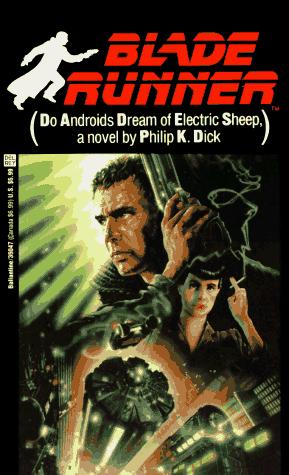
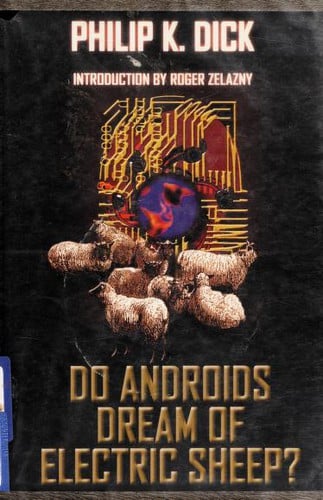
Start this bookNo. 16 on this list. Do Androids Dream of Electric Sheep? · Philip K. Dick · 1968
The novel is a fixture in science fiction curricula and appears on virtually every list of essential SF reading, from the Library of America to university courses in literature and philosophy. Published in Penguin Modern Classics, it has maintained continuous print presence for over fifty years. Its status is firmly canonical within SF, though it falls short of the universal literary curriculum presence of Orwell or Huxley.
Difficult7 hours
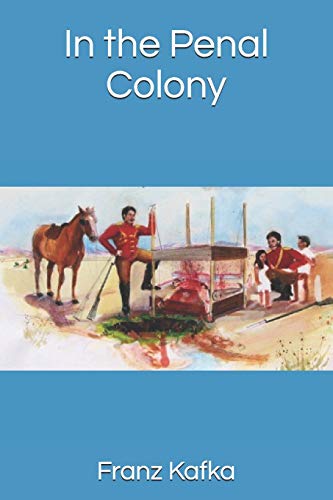
Start this bookNo. 17 on this list. In the Penal Colony · Franz Kafka · 1919
A staple of Kafka syllabi in law-and-literature, modernism, and continental philosophy courses, though it sits a tier below The Metamorphosis and The Trial in classroom ubiquity. It regularly appears in Kafka anthologies and 'best short fiction of the 20th century' lists.
Challenging42 min
Start this bookNo. 18 on this list. Dune · Frank Herbert · 1965
Dune is the foundational text of modern science fiction world-building, widely included on SF literature syllabi and 'essential reading' lists across the genre. While the Open Syllabus data returned zero results — likely a metadata mismatch — Dune appears regularly in university SF literature courses and on canonical reading lists. It consistently ranks first or second on polls of the best science fiction novels ever written.
Challenging17 hours
Start this bookNo. 19 on this list. 20,000 Leagues Under the Sea · Jules Verne · 1870
20,000 Leagues Under the Sea appears on curricula worldwide and is a fixture of science fiction canon lists from Penguin Classics to the Modern Library. Wikipedia articles for the novel exist in over 60 languages, reflecting its global reach across more than 150 years. It is among the handful of 19th-century adventure novels still routinely assigned in schools and universities outside their country of origin.
Moderate6.7 hours
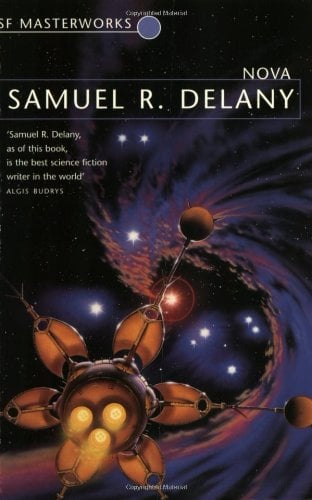
Read nowNo. 20 on this list. Nova · Samuel R. Delany · 1968
Nova holds a firm place in the SF literary canon, included in the SF Masterworks series and cited as a defining text of the New Wave movement. Its standing is strong within genre criticism but has not fully crossed into mainstream literary canonization.
Difficult9.9 hours
Start this book
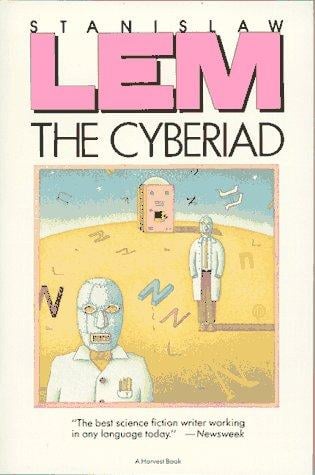
No. 21 on this list. The Cyberiad · Stanisław Lem · 1965
Trurl and Klapaucius are constructors — engineers of impossible things — who travel the universe building machines that write poetry, create dragons out of probability, and kidnap kings using algorithms. In the opening story, Trurl builds a machine that can make anything starting with the letter N. When it begins making Nothing — not ordinary nothing, but dynamic, aggressive Nothingness — it starts erasing the world one item at a time: the gruncheons go, then the pritons, then the zits, and the sky acquires holes that have never healed. Stanisław Lem writes fairy tales about robots, but the fairy tales are philosophical arguments in disguise. Each of the fifteen linked adventures runs a thought experiment: what happens when collective intelligence exceeds the scale at which militarism makes sense? Can a machine write great poetry if civilization wrote the poet? What does it mean to exist inside a simulation you cannot distinguish from reality? The deadpan fable narrator treats catastrophe and cosmic comedy with identical gravity, and the gap between that voice and what is actually happening is where all the meaning lives. The Cyberiad reads as slapstick adventure on the surface — Trurl escaping dungeon after dungeon with improbable ingenuity — and as philosophy underneath, where questions about consciousness, creation, and the purpose of intelligence are never resolved. Lem gives you both pleasures at once, and the math jokes are genuine.
Challenging8.4 hours
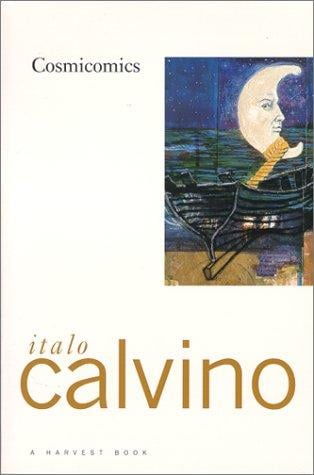
Start this bookNo. 22 on this list. Cosmicomics · Italo Calvino · 1965
Cosmicomics appears regularly on syllabi for world literature, experimental fiction, and postmodern narrative courses internationally, though it commands less institutional presence than Anglo-American canonical texts. Database signals show no listed entries, but Calvino's place in the Western literary curriculum is well-established through his broader body of work, of which this is among the most-taught titles.
Challenging4.9 hours
Start this bookNo. 23 on this list. Foundation and Empire · Isaac Asimov · 1952
Central volume of the Foundation trilogy, one of the most important works in science fiction history. The Mule is one of the genre's iconic characters.
Easy3.6 hours
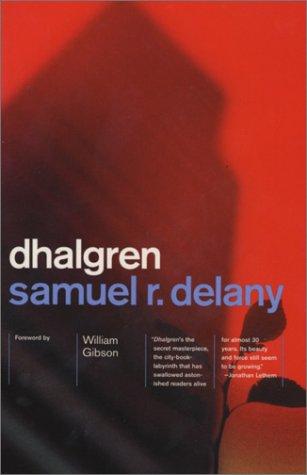
Start this bookNo. 24 on this list. Dhalgren · Samuel R. Delany · 1975
Dhalgren is deeply canonical within science fiction, appearing on Locus Magazine's All-Time Best SF Novels list and TIME Magazine's 100 Best English-Language Novels (2005 list). It is a fixture of university SF, experimental fiction, and queer literature courses. Absent from mainstream American literature syllabi, it is nonetheless essential reading in genre studies and postmodern fiction contexts — a narrower canonicity than Beloved or The Great Gatsby, but genuine and sustained.
Difficult46 hours
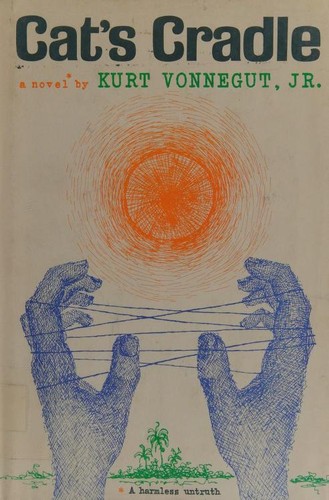
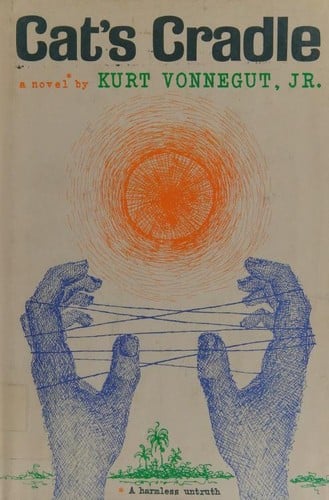
Start this bookNo. 25 on this list. Cat’s Cradle · Kurt Vonnegut · 1963
A staple of American college and high school courses and Vonnegut's best-known novel alongside Slaughterhouse-Five. Its place in satire and Cold War literature courses is secure, though below Gatsby or 1984.
Moderate3.4 hours
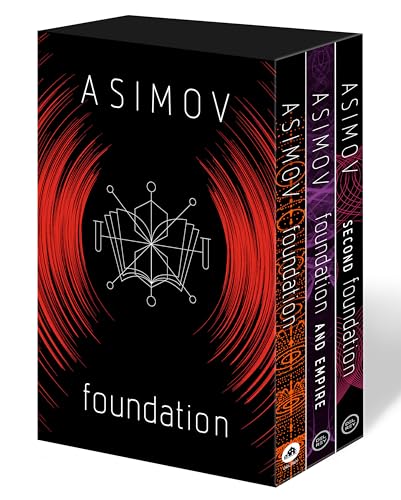
Start this bookNo. 26 on this list. Foundation · Isaac Asimov · 1951
Foundation occupies an unambiguous place in the science fiction canon and appears on university SF course syllabi worldwide, though it sits outside the standard literary curriculum that places Gatsby or 1984 on nearly every English department reading list. The 1966 Hugo Award for 'Best All-Time Series' — a category created specifically for this occasion — signals the field's recognition of its foundational status. Its influence on the genre is taught wherever science fiction is studied seriously.
Easy7.6 hours
Start this bookNo. 27 on this list. Cat's Cradle · Kurt Vonnegut · 1963
John/Jonah sets out to write a book about what important Americans did on the day Hiroshima burned. What he finds instead is Felix Hoenikker—father of the atom bomb, absent parent, and tinkerer who, on the day he died, had been playing in his kitchen with a substance called ice-nine: a form of water that freezes at room temperature and turns anything it touches to solid crystal. His three stunted children—Angela the clarinet player, Newt the midget painter, Frank the model-railroad obsessive—each pocketed a chip of it when they divided up the old man's estate. The story follows Jonah to the Republic of San Lorenzo, a sun-hammered Caribbean island so poor that its total national income divided equally among the population once came to seven dollars per person. There, he encounters Bokononism—an outlawed religion whose founder cheerfully admits that every word of it is lies, and whose adherents press the soles of their feet together to commune. Vonnegut writes in chapters so short they read like punchlines, building a comic architecture around one unsparing question: what is humanity, exactly, once you've removed the consolations? The answer arrives in the last pages, in an image both hilarious and desolate.
Challenging4 hours
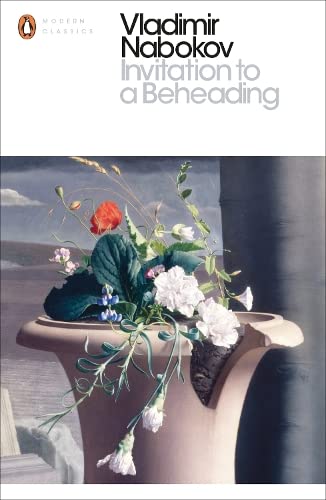
Start this bookNo. 28 on this list. Invitation to a Beheading · Vladimir Nabokov · 1936
Invitation to a Beheading is consistently included in surveys of essential 20th-century European fiction and appears in Russian literature and modernist fiction courses worldwide. It features on Modern Library's lists and is considered one of Nabokov's major pre-American works; while less universally assigned than Lolita or Pale Fire, it is firmly inside the literary canon's second tier.
Difficult7 hours
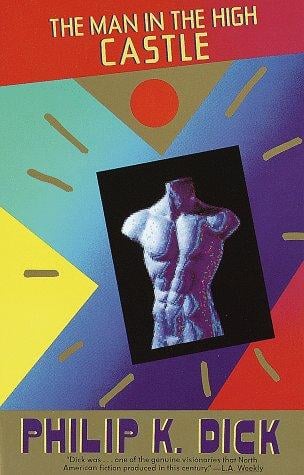
Start this bookNo. 29 on this list. The Man in the High Castle · Philip K. Dick · 1962
In 1962, the Axis won World War II. Japan administers the Pacific States of America; Germany controls the Eastern Seaboard. Robert Childan sells antique Americana to Japanese collectors in San Francisco, calculating every bow and honorific. Frank Frink fabricates jewelry in a back room, hiding the fact that he is Jewish. Juliana Frink, his ex-wife, teaches judo in a Colorado canyon town and picks up an Italian truck driver who seems too interested in a banned novel called The Grasshopper Lies Heavy — a book in which the Allies won. Philip K. Dick runs the whole novel through the I Ching: characters consult it, the author used it to write the book, and the novel's structure mirrors its logic of shifting hexagrams and ambiguous counsel. The result is a story that keeps asking whether any version of reality — the one we're reading, the one the characters inhabit, the one the banned novel imagines — is the true one. What makes the book strange is its texture: small commercial anxieties, racial hierarchies, fake antiques, and authentic ones, all rendered with documentary flatness while the ground shifts beneath every scene. Dick writes a world built on lies and asks, without ever quite answering, whether truth is something that can be recovered or only glimpsed.
Difficult9 hours
Start this bookNo. 30 on this list. Watchmen #1: At Midnight, All The Agents… · Alan Moore · 1986
The series is a staple of comics courses and is widely taught as the landmark graphic novel, though this single issue is taught less on its own.
Challenging43 min
Start this book
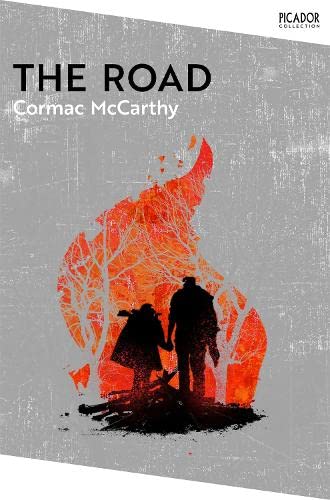
No. 31 on this list. The Road
Cormac McCarthy · 2007
No. 32 on this list. Lanark: A Life in Four Books
Alasdair Gray · 1981
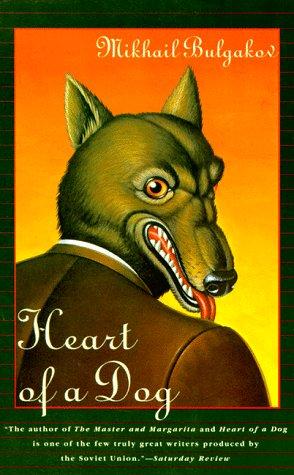
No. 33 on this list. Heart of a Dog
Mikhail Bulgakov · 1925
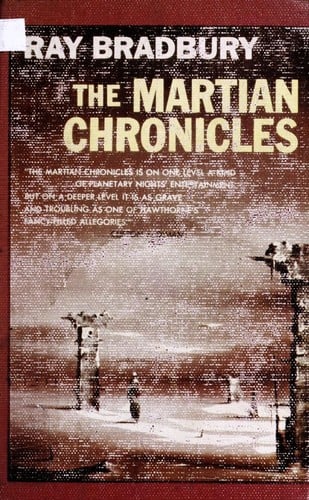
No. 34 on this list. The Martian Chronicles
Ray Bradbury · 1950
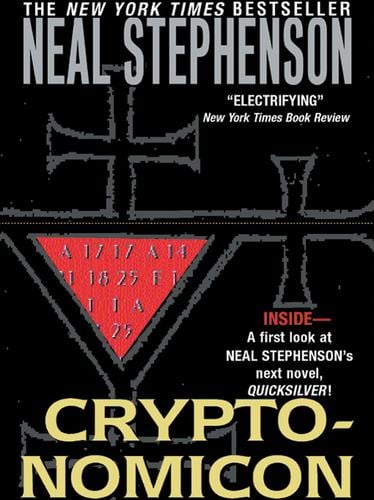
No. 35 on this list. Cryptonomicon
Neal Stephenson · 1999
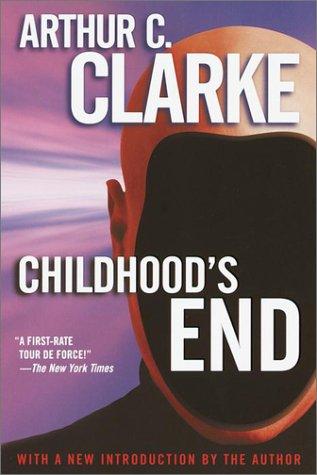
No. 36 on this list. Childhood's End
Arthur C. Clarke · 1953
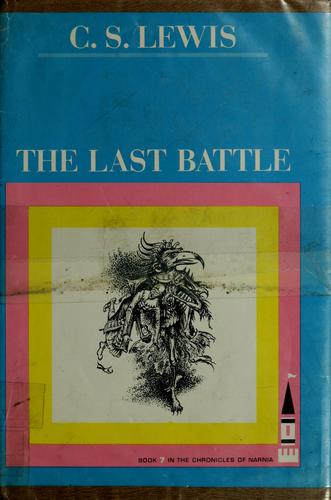
No. 37 on this list. The Last Battle
C.S. Lewis · 1956
No. 38 on this list. VALIS
Philip K. Dick · 1981
No. 39 on this list. The Foundation Pit
Andrei Platonov · 1973
No. 40 on this list. Twenty Thousand Leagues Under the Sea
Jules Verne · 1870
No. 41 on this list. Stories of Your Life and Others
Ted Chiang · 2002
No. 42 on this list. Crash
J.G. Ballard · 1973
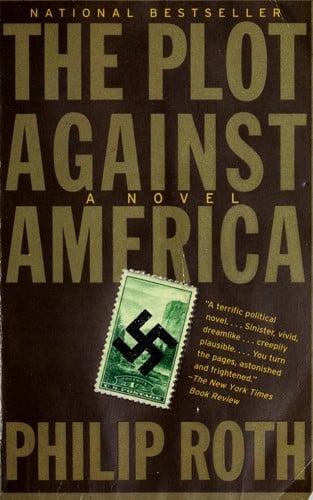
No. 43 on this list. The Plot Against America
Philip Roth · 2004
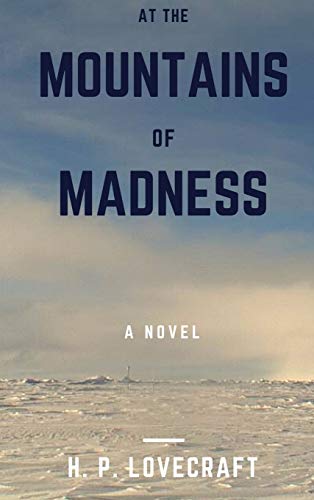
No. 44 on this list. At the Mountains of Madness
H.P. Lovecraft · 1936
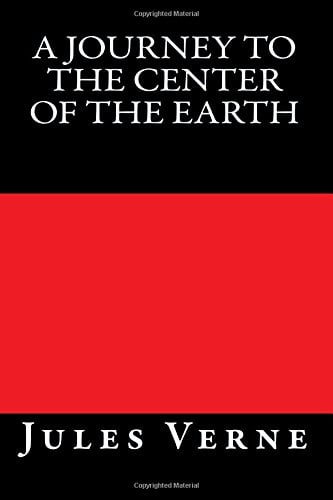
No. 45 on this list. Journey to the Center of the Earth
Jules Verne · 1864
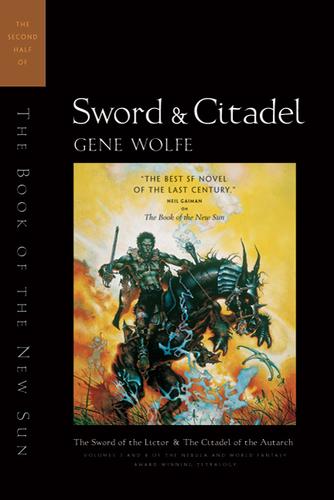
No. 46 on this list. Sword & Citadel
Gene Wolfe · 1994
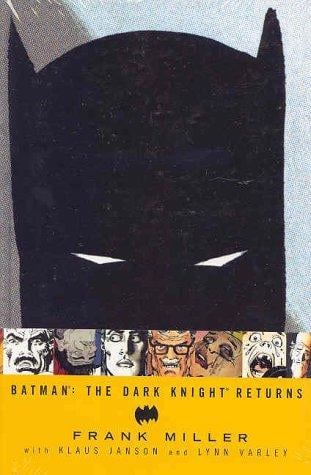
No. 47 on this list. Batman: The Dark Knight Returns
Frank Miller · 1986
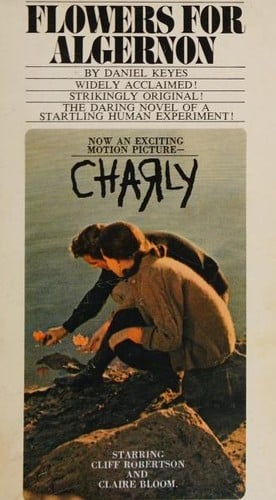
No. 48 on this list. Flowers for Algernon
Daniel Keyes · 1966
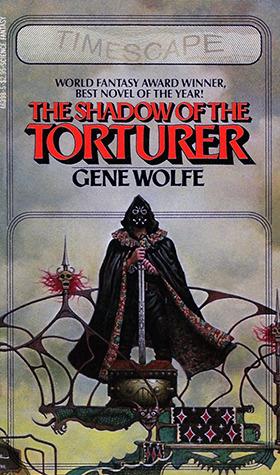
No. 49 on this list. The Shadow of the Torturer
Gene Wolfe · 1980
No. 50 on this list. Hard-Boiled Wonderland and the End of the World
Haruki Murakami · 1985
No. 51 on this list. 1Q84
Haruki Murakami · 2009
No. 52 on this list. The Book of the New Sun
Gene Wolfe · 1980
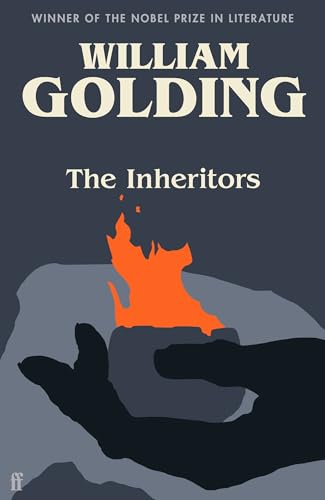
No. 53 on this list. The Inheritors
William Golding · 1955
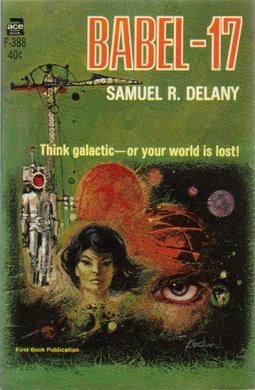
No. 54 on this list. Babel-17
Samuel R. Delany · 1966
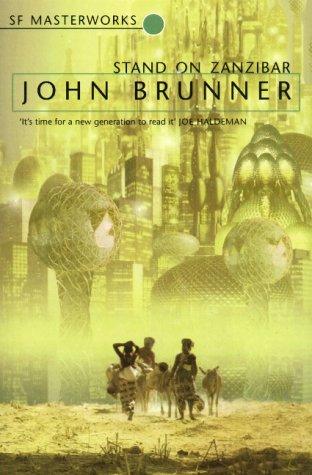
No. 55 on this list. Stand on Zanzibar
John Brunner · 1968
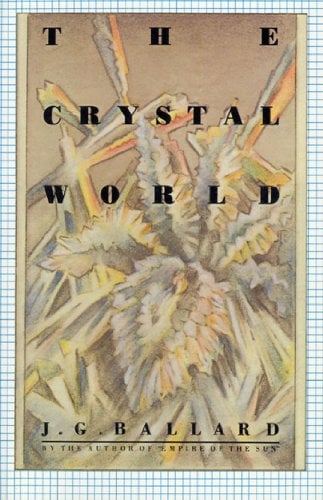
No. 56 on this list. The Crystal World
J.G. Ballard · 1966
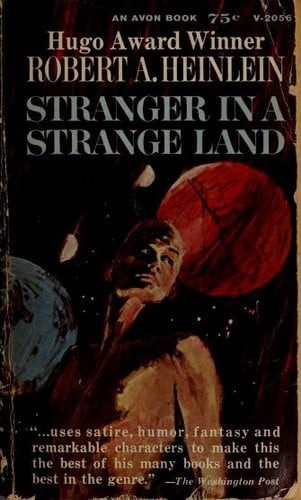
No. 57 on this list. Stranger in a Strange Land
Robert A. Heinlein · 1961
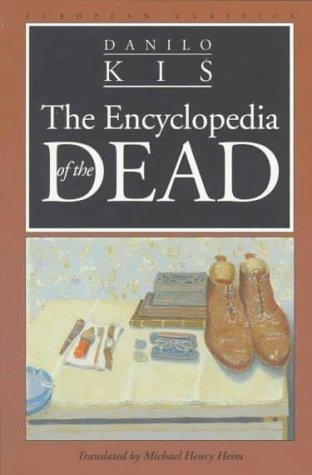
No. 58 on this list. The Encyclopedia of the Dead
Danilo Kiš · 1983
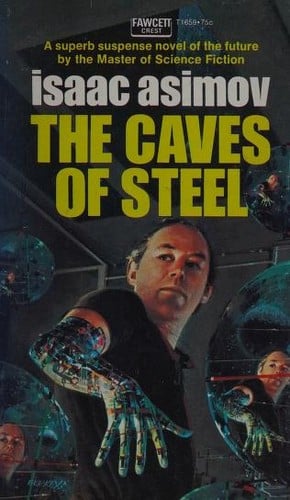
No. 59 on this list. The Caves of Steel
Isaac Asimov · 1954
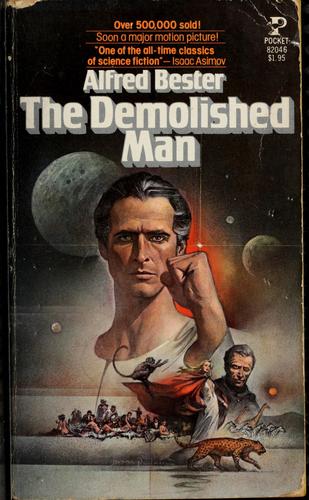
No. 60 on this list. The Demolished Man
Alfred Bester · 1953
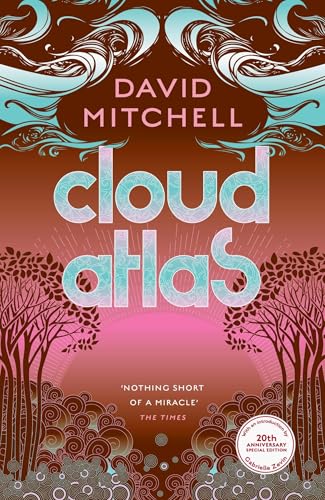
No. 61 on this list. Cloud Atlas
David Mitchell · 2004
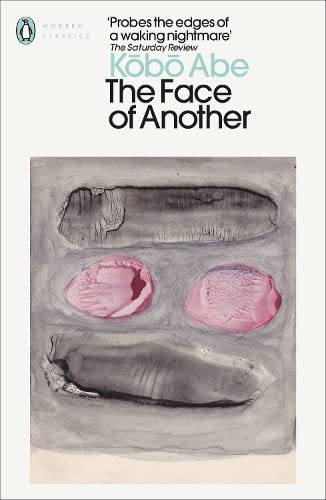
No. 62 on this list. The Face of Another
Kobo Abe · 1964
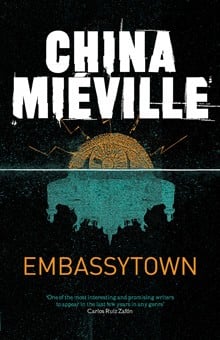
No. 63 on this list. Embassytown
China Miéville · 2011
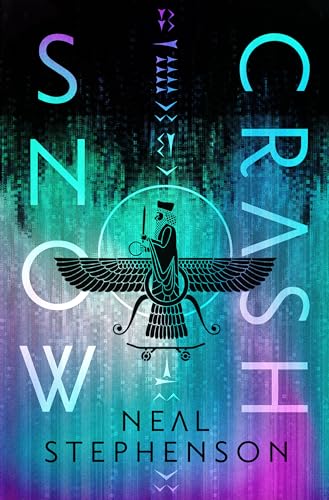
No. 64 on this list. Snow Crash
Neal Stephenson · 1992
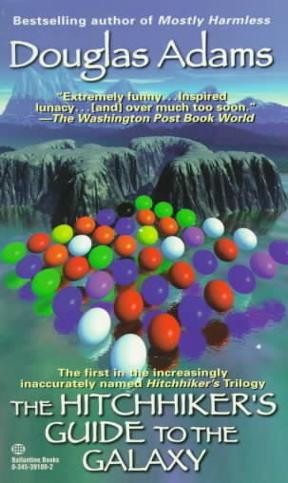
No. 65 on this list. The Hitchhiker's Guide to the Galaxy
Douglas Adams · 1979
Taught in schools: CSEC English B – Caribbean Examinations Council
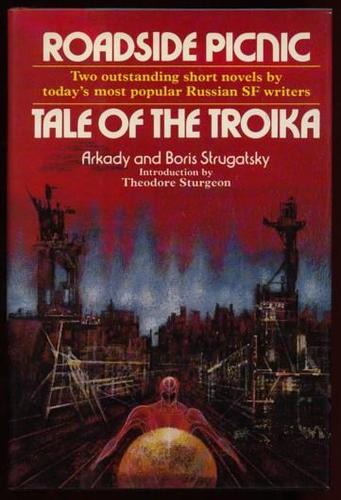
No. 66 on this list. Roadside Picnic
Arkady Strugatsky · 1972
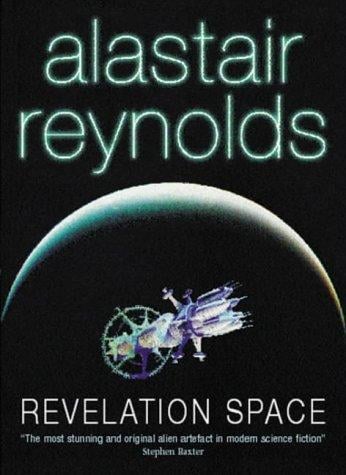
No. 67 on this list. Revelation Space
Alastair Reynolds · 2000
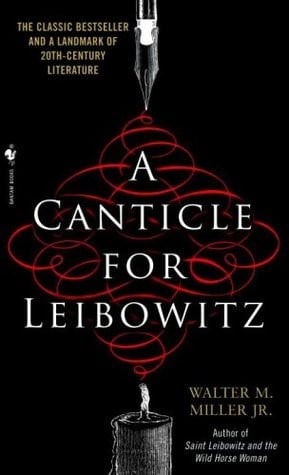
No. 68 on this list. A Canticle for Leibowitz
Walter M. Miller Jr. · 1960
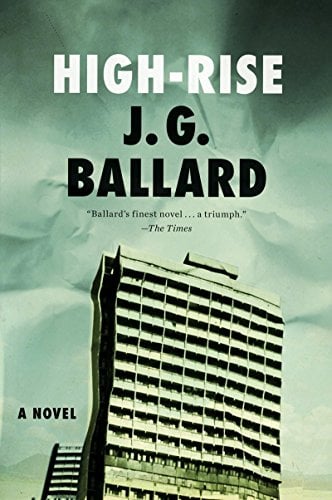
No. 69 on this list. High-Rise
J.G. Ballard · 1975
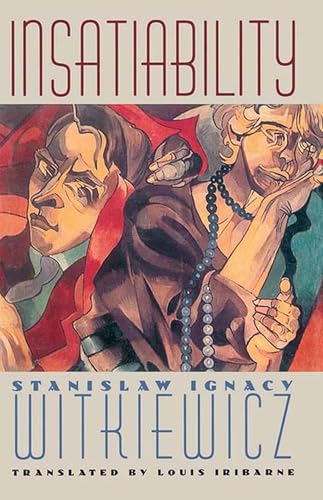
No. 70 on this list. Insatiability
Stanisław Ignacy Witkiewicz · 1930
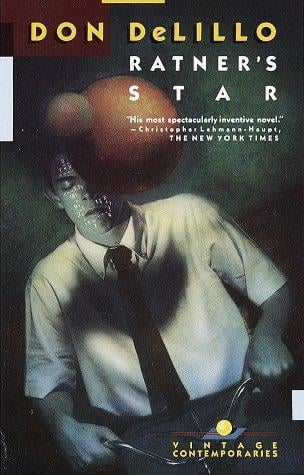
No. 71 on this list. Ratner's Star
Don DeLillo · 1976
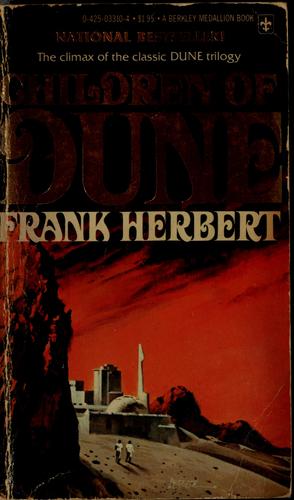
No. 72 on this list. Children of Dune
Frank Herbert · 1976
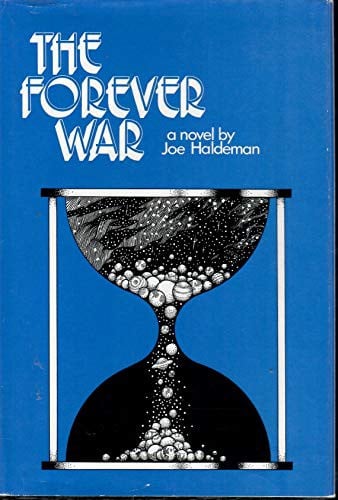
No. 73 on this list. The Forever War
Joe Haldeman · 1974
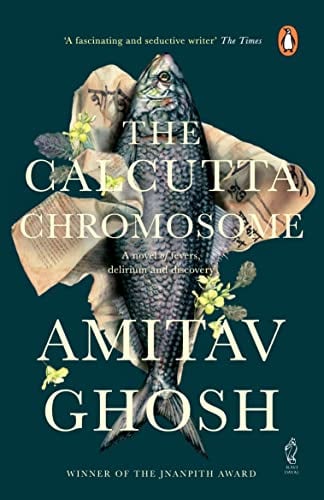
No. 74 on this list. The Calcutta Chromosome
Amitav Ghosh · 1995
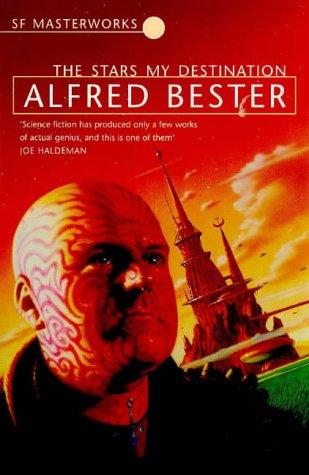
No. 75 on this list. The Stars My Destination
Alfred Bester · 1956
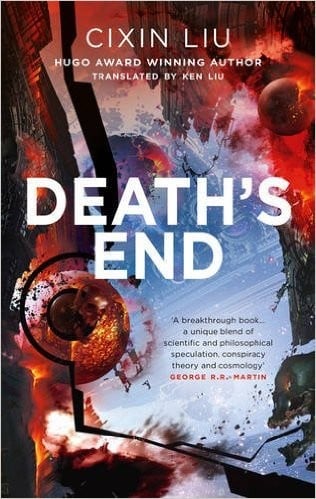
No. 76 on this list. Death's End
Liu Cixin · 2010
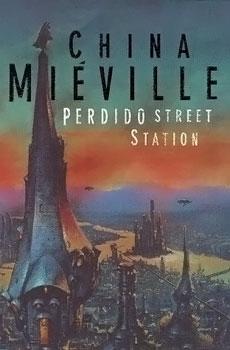
No. 77 on this list. Perdido Street Station
China Miéville · 2000
No. 78 on this list. Pastoralia
George Saunders · 2000
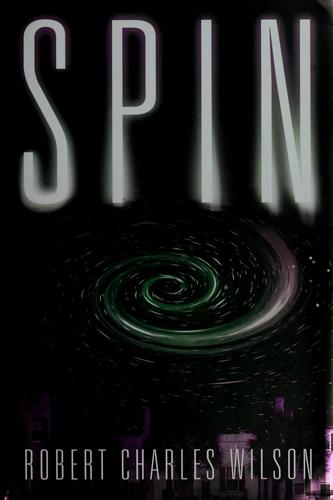
No. 79 on this list. Spin
Robert Charles Wilson · 2005
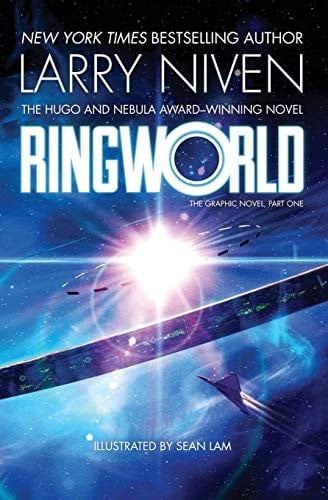
No. 80 on this list. Ringworld
Larry Niven · 1970
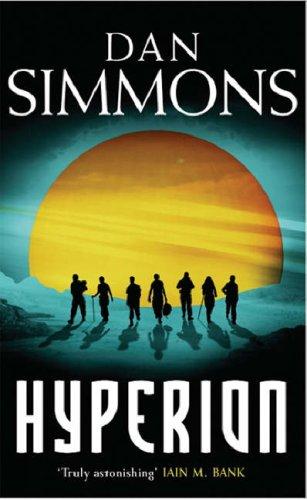
No. 81 on this list. Hyperion
Dan Simmons · 1989
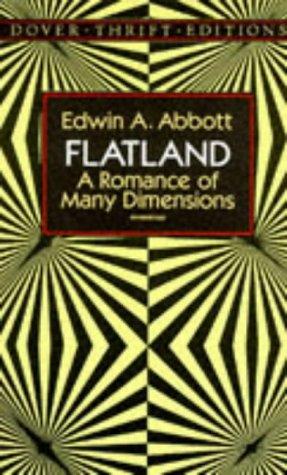
No. 82 on this list. Flatland
Edwin A. Abbott · 1884
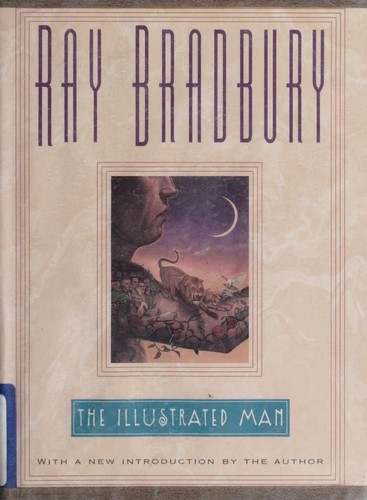
No. 83 on this list. The Illustrated Man
Ray Bradbury · 1951
No. 84 on this list. Zero K
Don DeLillo · 2016
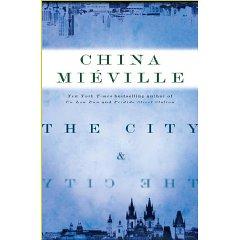
No. 85 on this list. The City & the City
China Miéville · 2009
No. 86 on this list. The Three-Body Problem
Liu Cixin · 2008
No. 87 on this list. Red Mars
Kim Stanley Robinson · 1993
No. 88 on this list. Rendezvous with Rama
Arthur C. Clarke · 1973
No. 89 on this list. The Wandering Earth
Liu Cixin · 2000
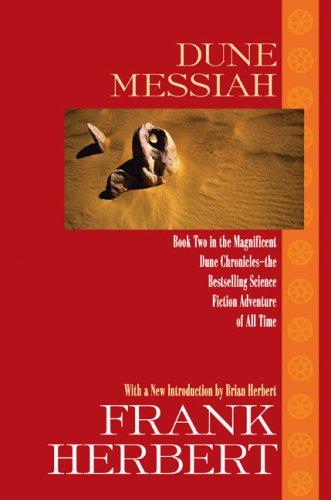
No. 90 on this list. Dune Messiah
Frank Herbert · 1969
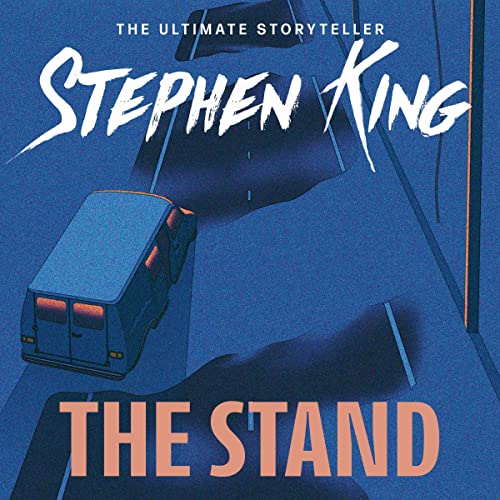
No. 91 on this list. The Stand
Stephen King · 1978
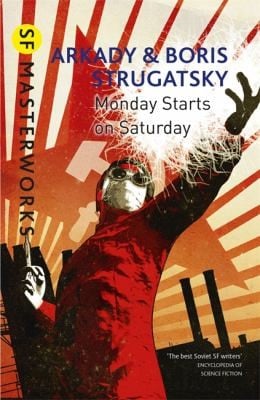
No. 92 on this list. Monday Begins on Saturday
Arkady and Boris Strugatsky · 1965
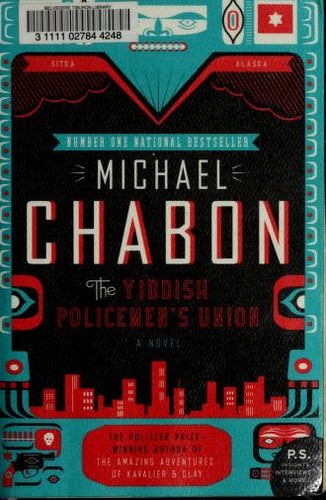
No. 93 on this list. The Yiddish Policemen's Union
Michael Chabon · 2007
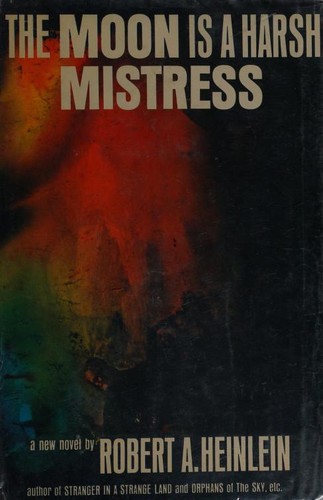
No. 94 on this list. The Moon Is a Harsh Mistress
Robert A. Heinlein · 1966
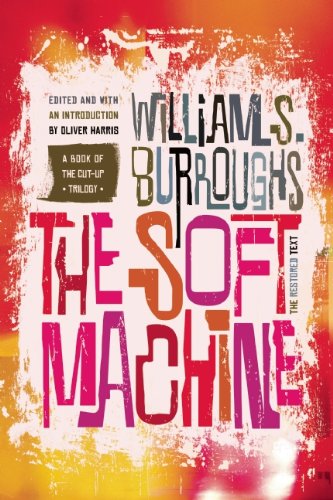
No. 95 on this list. The Soft Machine
William S. Burroughs · 1961
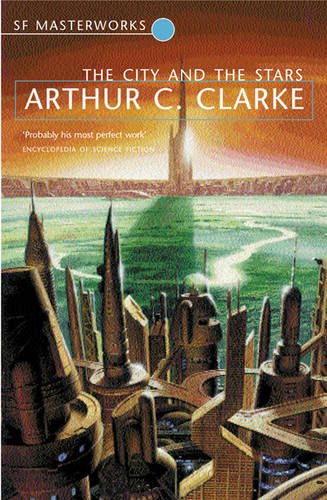
No. 96 on this list. The City and the Stars
Arthur C. Clarke · 1956
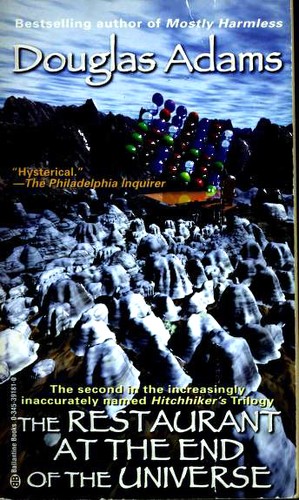
No. 97 on this list. The Restaurant at the End of the Universe
Douglas Adams · 1980
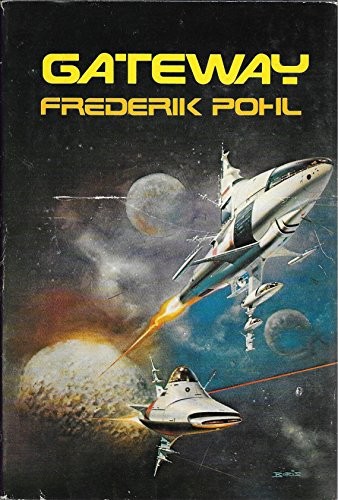
No. 98 on this list. Gateway
Frederik Pohl · 1977
No. 99 on this list. Farewell to Autumn
Stanisław Ignacy Witkiewicz · 1927
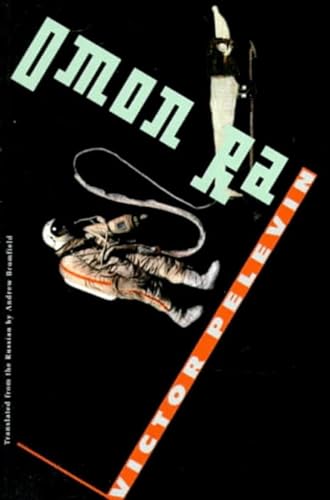
No. 100 on this list. Omon Ra
Viktor Pelevin · 1992
About this list
These 100 books are the highest-scoring eligible science fiction novels by men currently in the catalogue. By literary regard, it opens with 1984, Slaughterhouse-Five and Brave New World. About 948 hours of reading in all. Difficulty runs from 52 to 71 out of 100 for the middle half of the list; the summit is Ratner's Star at 83.
This list is ranked by literary regard, with a consistent order for equal scores. Membership follows authors and co-authors, not translators or editors. Catalogue coverage and the historical canon both limit what this list can represent, and genre labels are the catalogue’s own, gathered into broader kinds.
When we matched the Canons dataset to our catalogue in October 2026, our canonical-status scores rose with the number of school curricula, publisher series and lists in it that cite a work: the median score was 72 for books one such source cites, 84 at two, 88 at three, 92 at four and 93 at five or more. Prizes are left out of that count. Outside the state curricula, the dataset’s sources choose mostly from what has been translated into English or French, so it is a weaker check on other literatures. Source: Canons (Andrew Piper), CC BY 4.0
Questions people actually ask
- What are the best science fiction novels by men?
- By literary regard, which weighs canonical status, critical standing and influence, 1984, Slaughterhouse-Five, Brave New World, A Clockwork Orange and Animal Farm lead. ReadingRate ranks 100 such books, each with a difficulty score and a reading-time estimate.
- Where should I start with science fiction novels by men?
- Start from difficulty, not from rank. The most approachable books on this list that still carry top literary regard are V for Vendetta by Alan Moore (about 3.9 hours), 1984 by George Orwell and The Time Machine by H.G. Wells.
- How hard are science fiction novels by men to read?
- Most of this list sits between 52 and 71 on ReadingRate's 100-point difficulty scale, where 40 to 55 is moderate. The summit is Ratner's Star at 83. Every entry carries its own score, so a reader can pick a great book at a difficulty they will finish.
- How is this list ranked?
- On literary-regard data: how canonically established a work is, its critical standing, and its influence on later writing. It is not a readers’ poll, which is why recent bestsellers rarely appear. Membership follows authors and co-authors, not translators or editors. A list that is not a genre list keeps to literature (fiction, poetry, drama and philosophy), with philosophy taking no more than one slot in five while there is literature left to rank; every list holds at most three works by one author.