Hours at an average pace
Showing 100 books
About 652 hours for 100 of 100 books with measured lengths. Estimates use 250 words a minute, adjusted for each book's difficulty. At 2 hours a day, about 327 days for those books.
Happy Days anchors modernist and postmodern drama syllabi internationally alongside Waiting for Godot and Endgame. It is taught in theatre, English literature, and philosophy programs across Europe and North America. Wikipedia covers it in over 40 languages. It is among the most-assigned Beckett plays and appears on virtually every postwar drama reading list.
Recognized as one of the most important and innovative plays in Western drama. A foundational text of expressionism and the avant-garde theatre.
No. 3 on this list. Bérénice
Jean Racine · 1670
Moderate50 min
Included in: Great Books of the Western World
Bérénice is a cornerstone of French classical literature, taught in virtually every French lycée and featured in world literature and drama curricula internationally. Alongside Phèdre and Andromaque, it is one of the three works most associated with Racine's genius and is considered essential reading for anyone studying French neoclassical theatre.
No. 4 on this list. A House for Mr. Biswas
V.S. Naipaul · 1961
Moderate13 hours
Taught in schools: CSEC English B – Caribbean Examinations Council
Naipaul tracked one man's forty-year struggle to own a house of his own in colonial Trinidad, and by treating that modest ambition with the gravity of epic, wrote the definitive novel about the immigrant's war between dignity and dispossession. Mr. Biswas's defeats are so granular and so cumulative that the house, when it finally comes, means more than any literary symbol has a right to.
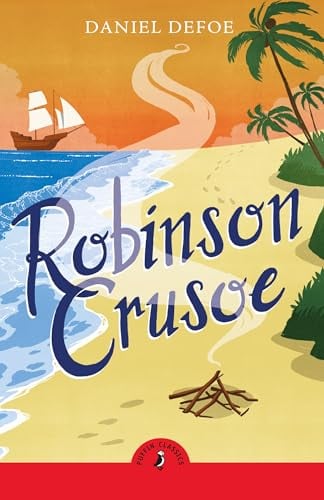
No. 5 on this list. Robinson Crusoe
Daniel Defoe · 1719
Easy7.1 hours
Taught in schools: Turkish edebiyat curriculum (Turkey)
Defoe dropped a castaway on an island with a wrecked ship's supplies and invented the novel as we know it: plain prose, daily particulars, one man's consciousness stretched across twenty-eight years of solitude. Every survival narrative and desert-island story descends from Crusoe's footprint in the sand.
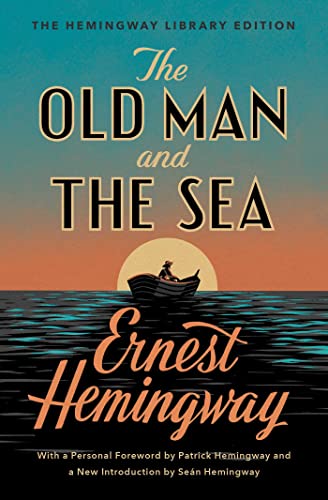
No. 6 on this list. The Old Man and the Sea
Ernest Hemingway · 1953
Moderate1.7 hours
Taught in schools: Kazakh literature curriculum (Kazakhstan)
Included in: Bokklubben World Library
Hemingway reduced fiction to one old man, one marlin, and the Gulf Stream, and proved that a story stripped to its barest elements could carry the weight of a parable about endurance, craft, and the dignity of losing. The novella's final image — the skeleton of the great fish picked clean at the dock — is among the most perfectly earned symbols in American literature.
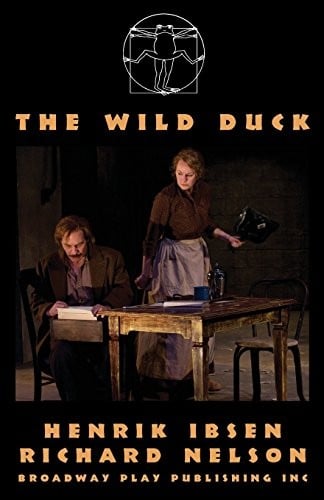
No. 7 on this list. The Wild Duck
Henrik Ibsen · 1884
Moderate2.2 hours
Taught in schools: Hungarian literature curriculum (magyar nyelv és irodalom) (Hungary)
Included in: Great Books of the Western World
The Wild Duck is a cornerstone of the Western dramatic canon, taught in virtually every university drama program and included in all standard collections of world theater. Though the database returns no syllabus count, Ibsen is the most taught non-English-language playwright in English-speaking universities, and this play—alongside Hedda Gabler and A Doll's House—appears on every major drama syllabus. It is consistently ranked among Ibsen's finest works and among the ten most important plays of the nineteenth century.
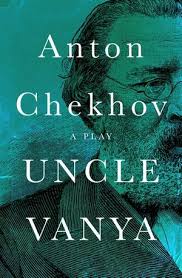
No. 8 on this list. Uncle Vanya
Anton Chekhov · 1899
Challenging1.8 hours
Taught in schools: Russian FGOS literature standard
Included in: Great Books of the Western World
One of the four major plays on which Chekhov's dramatic reputation rests, and a standard text in drama courses and the international repertory. It is revived constantly in new versions, by David Mamet, Brian Friel, Annie Baker and Conor McPherson among others.
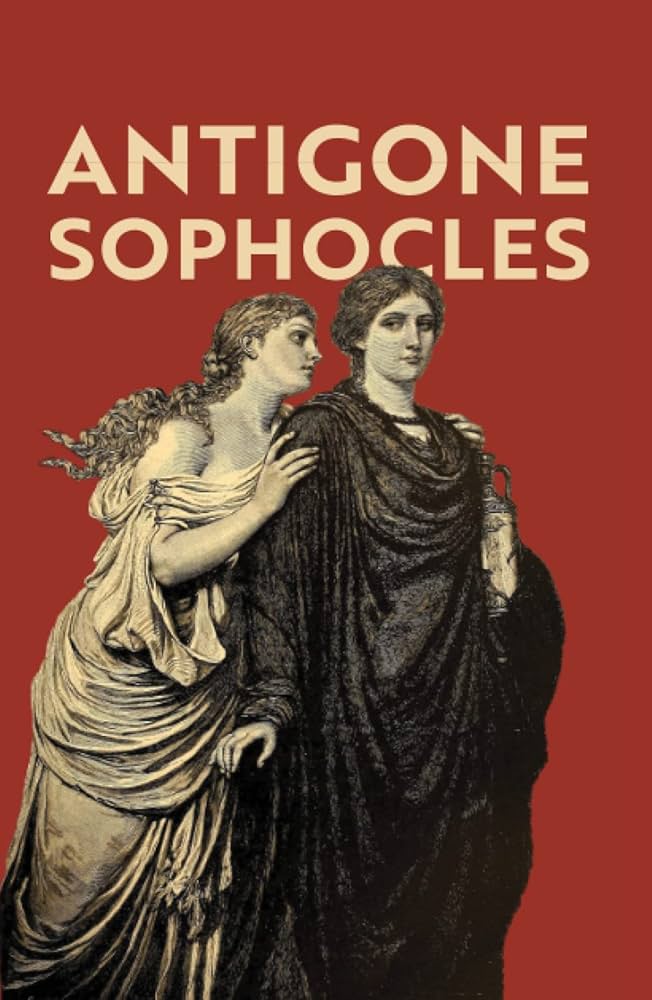
No. 9 on this list. Antigone
Sophocles · c. 441 BCE
Moderate2.6 hours
Taught in schools: Hungarian literature curriculum (magyar nyelv és irodalom) (Hungary), Lektury obowiązkowe – Polish national reading list (Poland), Montenegrin literature curriculum (crnogorski jezik i književnost) (Montenegro)
Included in: Great Books of the Western World
Sophocles gave a young woman one impossible choice — obey the state or bury her brother — and built from it the foundational argument about what happens when human law and moral law collide. Every subsequent debate about civil disobedience, from Thoreau to Martin Luther King, restates the question Antigone asked first.
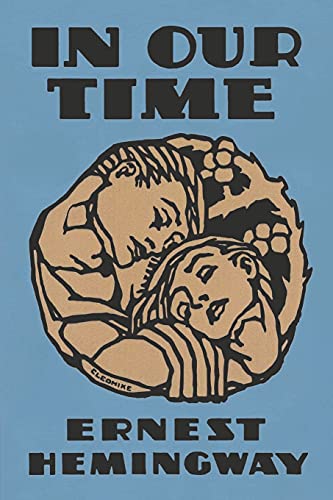
In Our Time is widely taught in American literature survey courses as the foundational text of Hemingway's iceberg style. It appears on thousands of university syllabi and is the required starting point for understanding modernist short fiction in America. The Modern Library and most major American literature curricula treat it as essential.
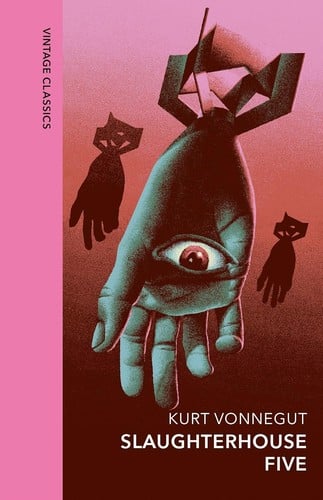
No. 11 on this list. Slaughterhouse-Five · Kurt Vonnegut · 1999
One of the most widely taught American novels of the twentieth century, in high school and university courses on war literature and postmodern fiction. Its 1969 text is the standard for anti-war reading lists.
Moderate3.5 hours
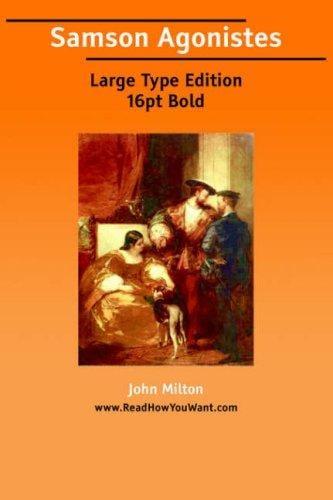
Start this bookNo. 12 on this list. Samson Agonistes · John Milton · 1671
Included in: Great Books of the Western World
Samson Agonistes is required reading in virtually every English Renaissance and early modern literature course at the university level, paired with Paradise Lost and Paradise Regained as the triad of Milton's major late works. It appears on countless syllabi and is included in every major anthology of English literature. While less universally taught than Paradise Lost, it holds a firm place in the upper tier of the seventeenth-century canon.
Challenging1.1 hours
Start this bookNo. 13 on this list. The House of the Dead · Fyodor Dostoevsky · 1862
Fyodor Dostoevsky spent four years in a Siberian prison camp after the tsar commuted his death sentence at the last moment. He came out a different writer. The House of the Dead channels that experience through Alexander Petrovich Goryanchikov, a nobleman convicted of murdering his wife, who records the daily life of the katorga — the forced labor camp — with the precision of a naturalist and the unease of someone who cannot stop looking. The other prisoners steal, scheme, perform folk plays, and occasionally show flashes of unexpected grace. Goryanchikov watches all of it without rendering verdicts. The book does not explain what prison does to men; it shows men inside prison, and lets the accumulated detail do the work. Dostoevsky writes with a clinical restraint unusual for him — no murder plots, no philosophical speeches, no epileptic crises. What remains is a documentary of degradation that refuses to moralize, which is exactly what makes the moral weight so heavy. Readers expecting Dostoevsky's trademark feverish psychology will find something quieter here: a sustained act of witness.
Challenging13 hours
Read nowNo. 14 on this list. The Conference of the Birds · Attar of Nishapur · 1177
Recognized as one of the greatest works of Persian literature and a foundational text of Sufism. It ranks alongside the Quran and works by Rumi in Islamic intellectual tradition. Western literary canons increasingly recognize it as essential world literature.
Challenging2.8 hours
Start this bookNo. 15 on this list. Shakuntala · Kalidasa · 400
Supreme Sanskrit drama; first Indian text to reach European audience.
Moderate4.5 hours
Start this bookNo. 16 on this list. Amores · Ovid · c. 16 BCE
Ovid is twenty years old and Corinna will not open her door. So begins the Amores — forty-nine love elegies written in the 20s BCE by a Roman poet who understood, from the first poem, that wit is more powerful than sincerity. Cupid, he explains in Elegy I, stole a foot from his heroic hexameter and turned his epic into love poetry against his will. This is Ovid's characteristic move: mock complaint that reveals total mastery. The Amores catalogues an affair with the unnamed mistress Corinna — bribing her doorkeeper, watching her comb her ruined hair, mourning her parrot with the same hyperbolic grief he'd spend on a person, catching her in adultery and immediately forgiving her because she denied it too beautifully. Each poem is a rhetorical performance: Ovid argues, apostrophizes, invokes mythology, reverses himself, and lands a final turn with the timing of a practised comedian. He invented the mode of the suffering lover who is too articulate to suffer. Reading the Amores is to watch the cleverest poet in Rome construct the template that Petrarch would use a millennium later, and that has governed love poetry ever since — which is to say, Ovid built the room everyone else still lives in.
Moderate2 hours
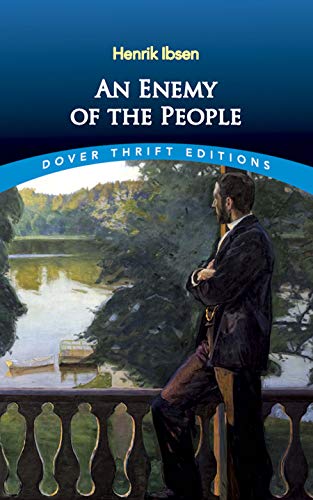
Read nowNo. 17 on this list. An Enemy of the People · Henrik Ibsen · 1882
An Enemy of the People is a standard text in university drama, literature, and political philosophy curricula worldwide, and is featured on virtually all lists of essential Western drama. Arthur Miller's celebrated 1950 adaptation attests to its enduring canonical status. While taught less broadly than Ibsen's A Doll's House or Hedda Gabler, it remains a fixture in theatre studies and social realist drama courses globally.
Challenging2.7 hours
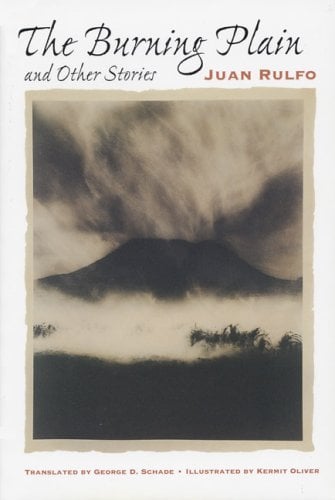
Start this bookNo. 18 on this list. The Burning Plain and Other Stories · Juan Rulfo · 1953
Taught in schools: UNAM Escuela Nacional Preparatoria – programas de Literatura (Mexico)
In seventeen stories set across the parched hills of Jalisco, Mexico, Rulfo's peasants carry their dead with them — sometimes literally. A man hauls his father's corpse on his back through the mountains. An old woman refuses to believe her son is a murderer. Soldiers and sharecroppers and abandoned wives speak in short, exact sentences, and the landscape answers with dust and silence. The dead narrate their own stories without announcing they are dead; readers piece it together from the wrong temperature of the prose. Rulfo strips everything from his fiction — backstory, explanation, transitions — until only the essential pressure remains. The Burning Plain was published in 1953, two years before Pedro Páramo, and it shares that novel's method: grief without sentimentality, violence without drama, the supernatural arriving with the matter-of-fact normalness of weather. Gabriel García Márquez said he memorized the entire book and recited it to friends. That is the correct response. These stories end before they explain themselves, in the way that real catastrophe does.
Challenging3.4 hours
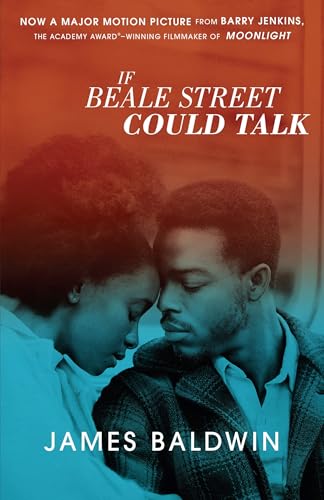
Start this bookNo. 19 on this list. If Beale Street Could Talk · James Baldwin · 1974
Firmly embedded in the American literary canon, the novel appears on major school and university syllabi, was adapted into an Academy Award-winning 2018 film, and is routinely included in retrospectives of 20th-century African American literature. Its status as one of Baldwin's essential works is uncontested.
Challenging4.2 hours
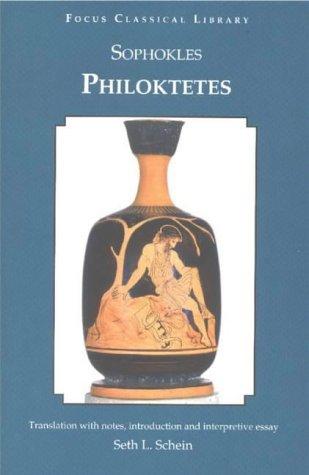
Start this bookNo. 20 on this list. Philoctetes · Sophocles · c. 409 BCE
Included in: Great Books of the Western World
Philoctetes is a fixture in university courses on Greek drama and classical literature worldwide, taught alongside the other surviving Sophoclean tragedies. While it receives less classroom attention than Oedipus Rex or Antigone, it is consistently included in surveys of ancient Greek theater and world literature curricula. Its place in the Western canon is secure, grounded in its 2,400-year history of continuous scholarly attention.
Challenging56 min
Read now
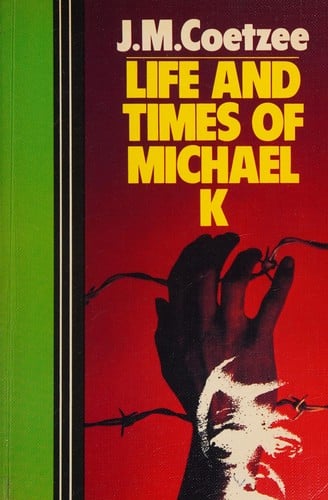
No. 21 on this list. Life & Times of Michael K · J.M. Coetzee · 1983
Taught in schools: UNAM Escuela Nacional Preparatoria – programas de Literatura (Mexico)
Life and Times of Michael K won the Booker Prize in 1983 and stands as a foundational text in postcolonial literature. Its examination of apartheid South Africa, individual resistance, and the ethics of fiction has secured its place in literary canons alongside Coetzee's other major works. Frequently taught in universities and cited in critical literature.
Challenging5.2 hours
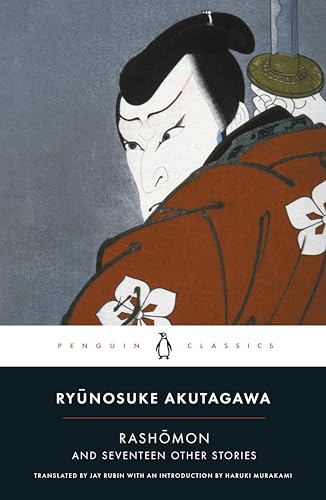
Start this bookNo. 22 on this list. Rashomon and Seventeen Other Stories · Ryūnosuke Akutagawa · 1915
Akutagawa is central to the Japanese literary canon and his stories are among the most widely read works of Japanese literature internationally, amplified by Kurosawa's adaptations.
Moderate4.2 hours
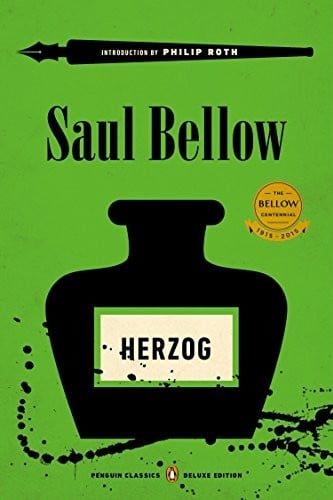
Start this bookNo. 23 on this list. Herzog · Saul Bellow · 1965
The great American novel of intellectual crisis. Moses Herzog's unsent letters, his failed marriages, his Jewish learning put to life's test—Bellow captured the American intellectual in extremis.
Challenging9.7 hours
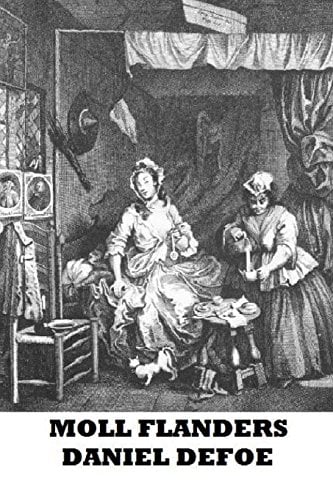
Start this bookNo. 24 on this list. Moll Flanders · Daniel Defoe · 1722
Moll Flanders is taught in virtually every 18th-century British literature and novel origins course, recognized as one of the first English novels alongside Robinson Crusoe. No syllabus data is available in the database, but Defoe's foundational status in the novel's history ensures widespread academic presence. Wikipedia articles exist in dozens of languages, reflecting its global canonical recognition.
Moderate9.1 hours
Start this bookNo. 25 on this list. A Grain of Wheat · Ngugi wa Thiong'o · 1967
Included in: Heinemann African Writers Series
Major postcolonial novel; widely taught in African and world literature.
Challenging6.5 hours
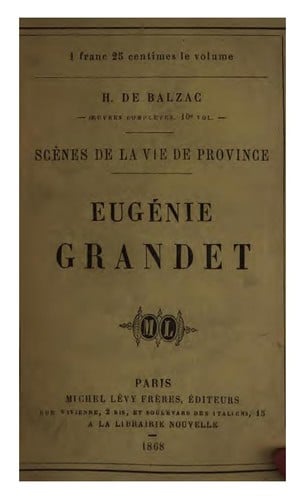
Start this bookNo. 26 on this list. Eugénie Grandet · Honoré de Balzac · 1833
Eugénie Grandet stands as a cornerstone of French literary realism and a key work in Balzac's vast Comédie humaine. It appears regularly in French literature curricula, realist novel courses, and 19th-century European literature surveys. The novel's dissection of provincial avarice and its portrait of female suffering under patriarchal capitalism have made it essential reading for understanding the realist tradition.
Moderate5 hours
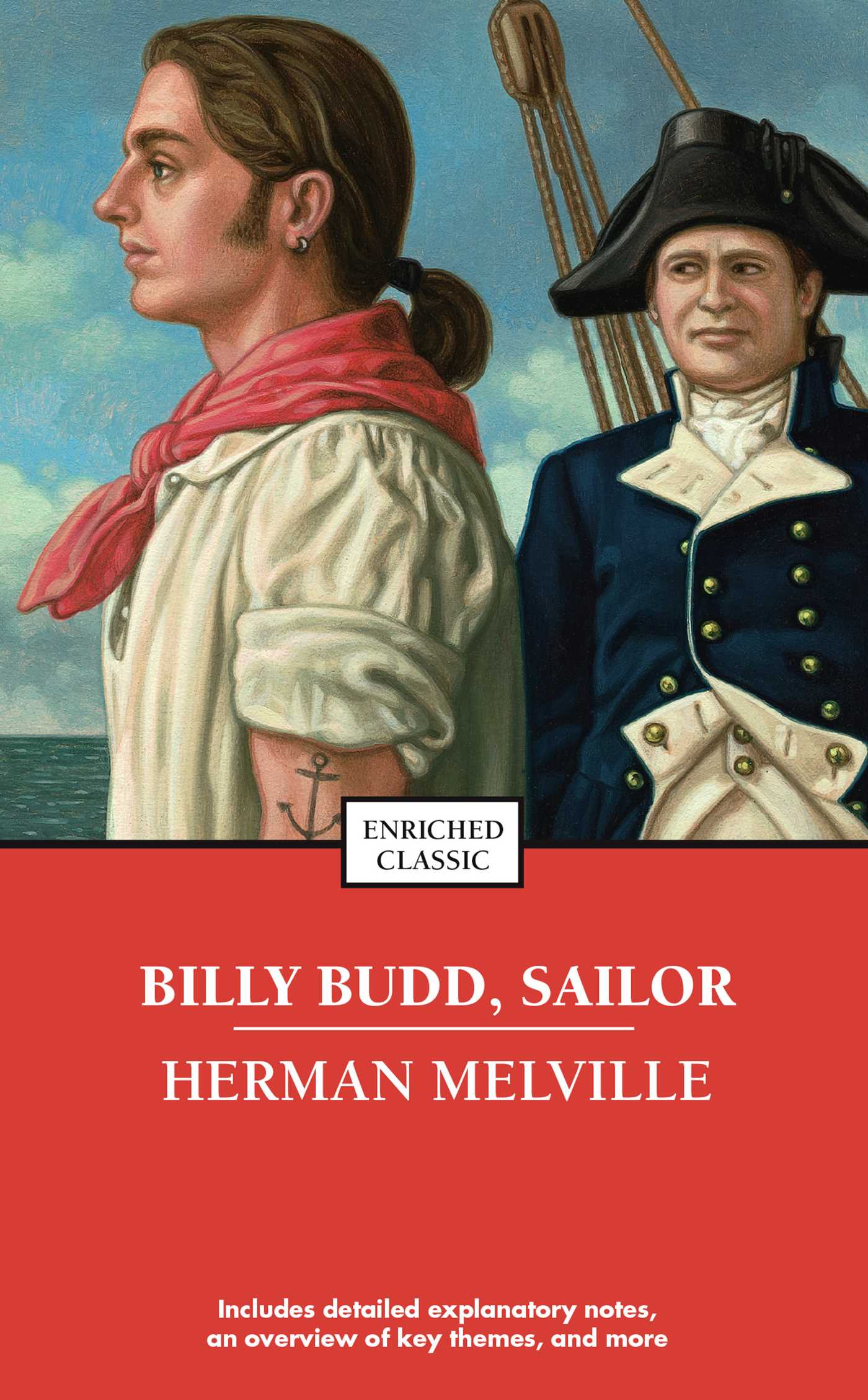
Read nowNo. 27 on this list. Billy Budd, Sailor · Herman Melville
Taught in schools: Common Core text exemplars (Appendix B) (US)
Billy Budd is a fixture in American literature courses, canonized alongside Moby-Dick as one of Melville's essential works and one of the foundational American novellas. Although the data signals show no tracked syllabus entries in this database, the text has been continuously taught at university level since its rediscovery in the 1920s and appears on virtually every American literature syllabus covering the 19th century. It is frequently included on lists of great American fiction.
Difficult3.3 hours
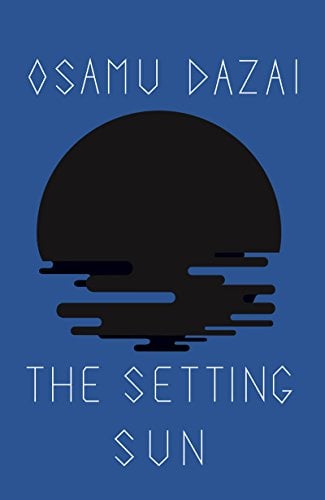
Read nowNo. 28 on this list. The Setting Sun · Osamu Dazai · 1947
A cornerstone of postwar Japanese literature, widely taught in Japanese and world literature courses internationally. The word 'shayozoku' ('people of the setting sun') entered the Japanese language from this novel's publication in 1947, marking its immediate cultural impact. Donald Keene's 1956 English translation established it as essential reading in Western Japanese literature curricula.
Difficult4.7 hours
Start this bookNo. 29 on this list. How It Is · Samuel Beckett · 1961
How It Is appears on advanced modernism and postmodernism syllabi but rarely in broad undergraduate curricula — it is a specialist's Beckett text rather than the entry point (Waiting for Godot or Endgame fill that role). Wikipedia records the work in 6 languages with a 7,787-character article, indicating solid scholarly documentation but not wide popular reach. Among Beckett scholars it is considered essential; among general readers it is largely unknown.
Very Difficult6 hours
Start this bookNo. 30 on this list. The Women of Trachis · Sophocles · c. 450 BCE
Included in: Great Books of the Western World
Deianira waits in Trachis. Her husband Heracles has been gone fifteen months, fighting a war for reasons she suspects are not honorable, and she has heard nothing. When he finally sends word—along with a captive woman, Iole—Deianira understands what her husband has not bothered to say. She has one weapon left: a robe smeared with what the centaur Nessus told her, as he died from Heracles' arrow, was a love charm. She sends it. The robe, of course, is poison. Sophocles builds the tragedy not through deception but through sincerity: Deianira acts out of love, not malice, and destroys the man she was trying to keep. The Women of Trachis is the starkest of the surviving Sophocles plays—no redemption, no divine rescue, just Heracles screaming in agony and his son Hyllus forced to light his father's funeral pyre. The chorus of Trachinian women watches and mourns but cannot intervene. What makes this play unsettling is how ordinary Deianira's reasoning is. She is not catastrophically wrong; she simply cannot know. The gods know, and say nothing. Ezra Pound's 1954 translation, Trachiniae, turned the choral odes into American vernacular and introduced the play to modernist readers. Sophocles leaves Heracles' fate unresolved—death or apotheosis—and refuses to explain why the innocent suffer.
Challenging7.2 hours
Start this book
No. 31 on this list. The Axion Esti
Odysseas Elytis · 1959
No. 32 on this list. Mr. Sammler's Planet
Saul Bellow · 1971
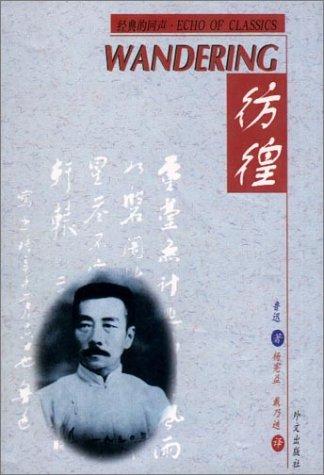
No. 33 on this list. Wandering
Lu Xun · 1926
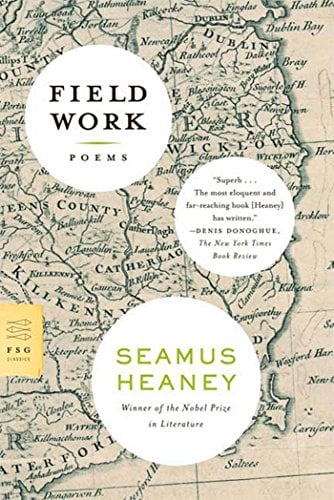
No. 34 on this list. Field Work
Seamus Heaney · 1979
Taught in schools: WJEC/Eduqas GCSE and A-level English Literature (UK)
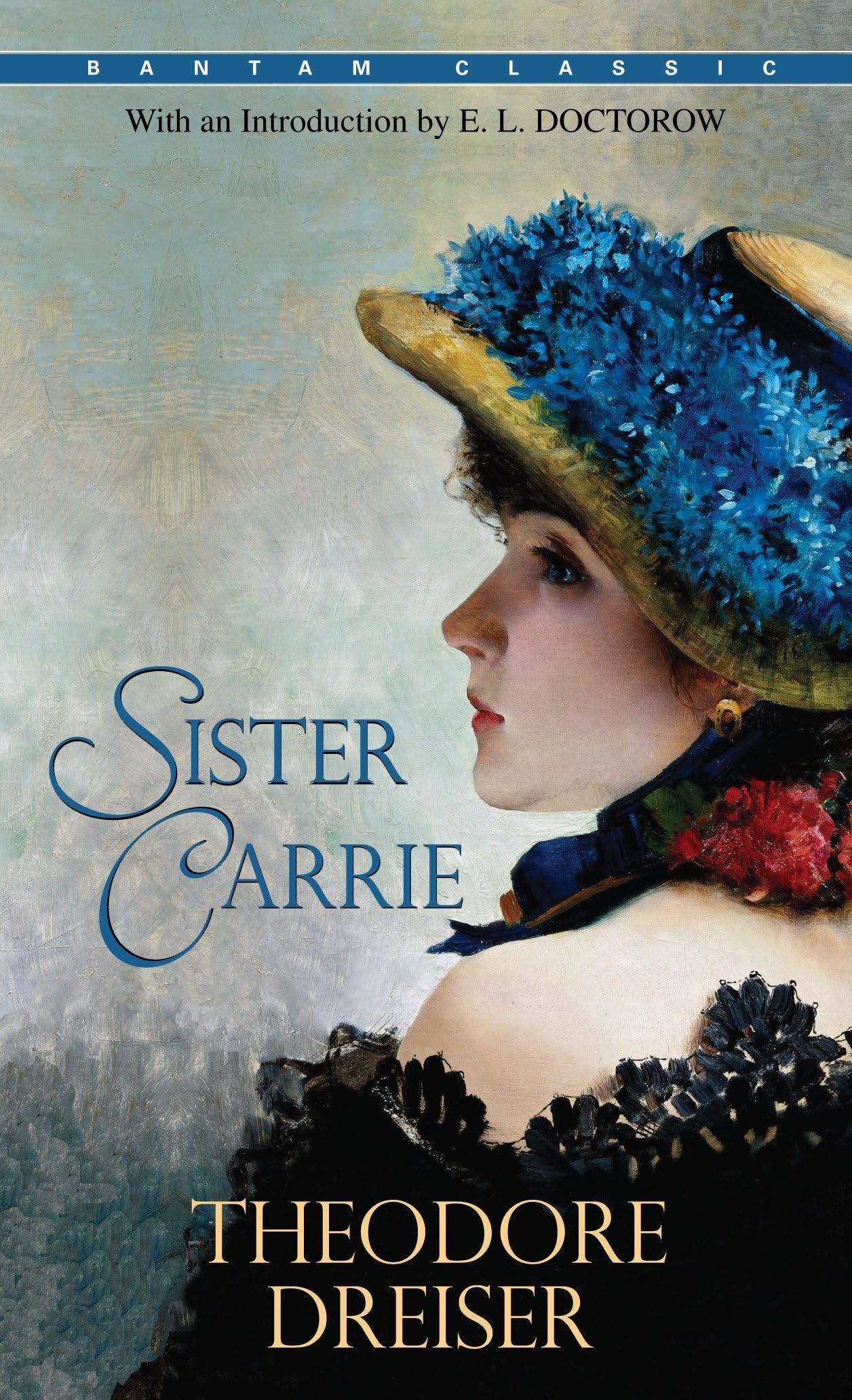
No. 35 on this list. Sister Carrie
Theodore Dreiser · 1900
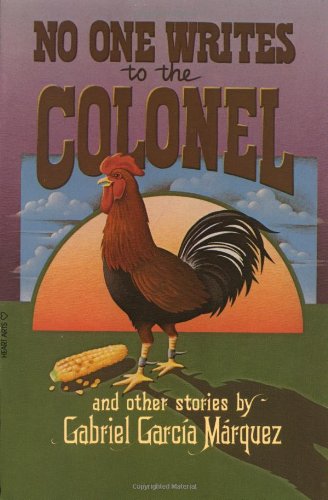
No. 36 on this list. No One Writes to the Colonel
Gabriel García Márquez · 1961
No. 37 on this list. Sophie's Choice
William Styron · 1980
No. 38 on this list. Tristia
Ovid · 12
No. 39 on this list. El Filibusterismo
José Rizal · 1891
Included in: UNESCO Collection of Representative Works
No. 40 on this list. The Fixer
Bernard Malamud · 1967
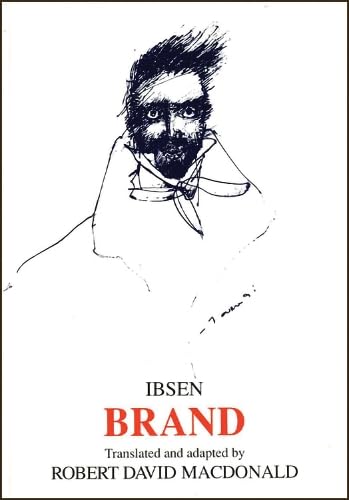
No. 41 on this list. Brand
Henrik Ibsen · 1866
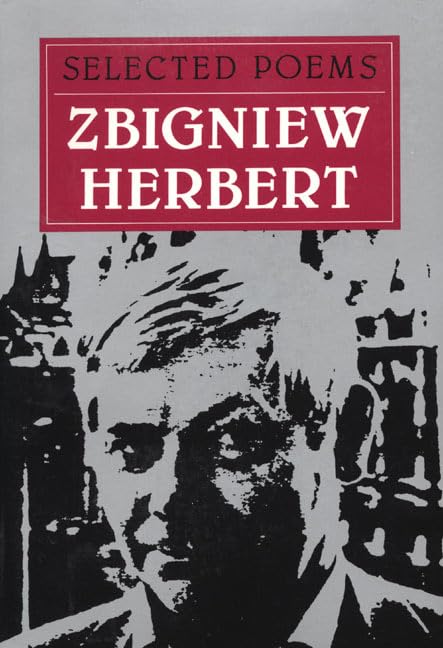
No. 42 on this list. Selected Poems of Zbigniew Herbert
Zbigniew Herbert · 1977
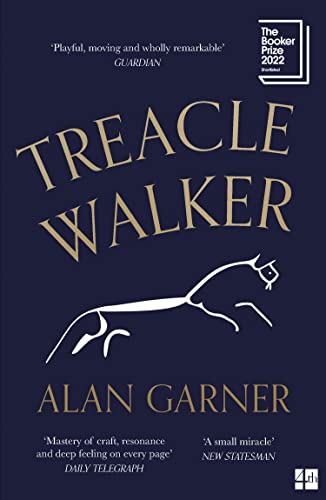
No. 43 on this list. Treacle Walker
Alan Garner · 2022
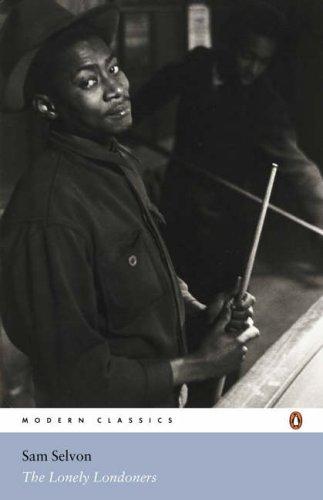
No. 44 on this list. The Lonely Londoners
Sam Selvon · 1956
Taught in schools: Pearson Edexcel GCSE and A-level English Literature (UK)
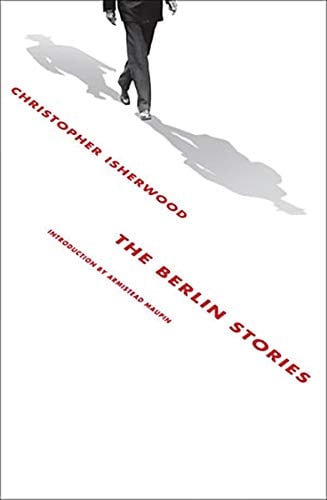
No. 45 on this list. The Berlin Stories
Christopher Isherwood · 1945
No. 46 on this list. Sizwe Bansi Is Dead
Athol Fugard · 1972
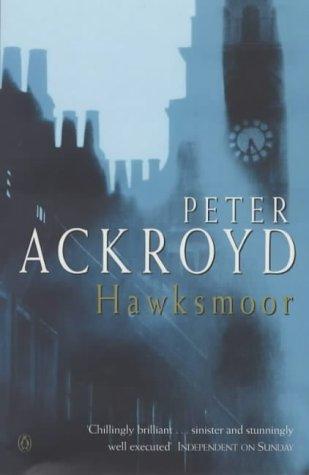
No. 47 on this list. Hawksmoor
Peter Ackroyd · 1985
No. 48 on this list. Return to Haifa
Ghassan Kanafani · 1969
Taught in schools: Moroccan secondary Arabic literature (Morocco)
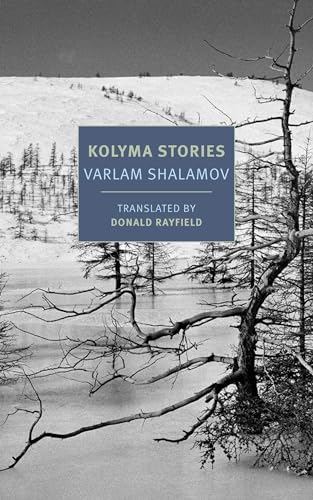
No. 49 on this list. Kolyma Tales
Varlam Shalamov · 1978
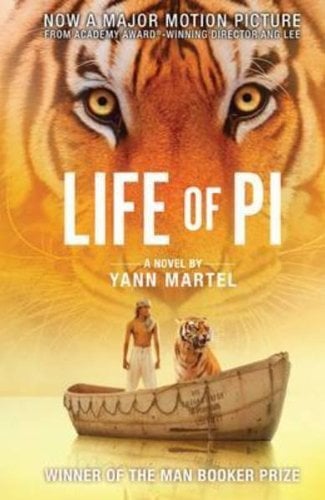
No. 50 on this list. Life of Pi
Yann Martel · 2002
No. 51 on this list. Iphigenia
Jean Racine · 1674
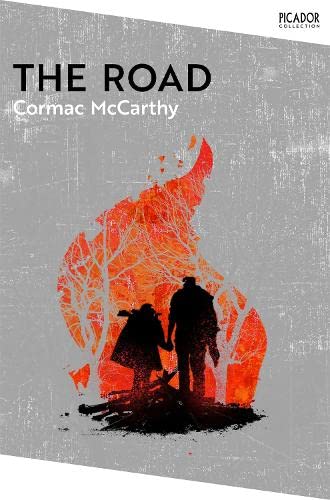
No. 52 on this list. The Road
Cormac McCarthy · 2007
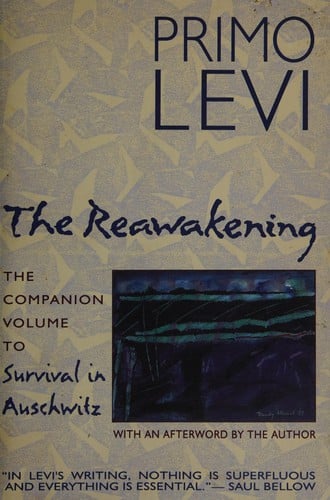
No. 53 on this list. The Truce
Primo Levi · 1963
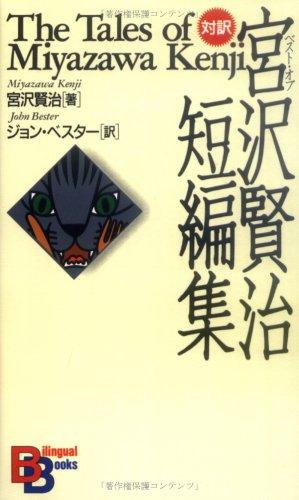
No. 54 on this list. Night on the Galactic Railroad
Kenji Miyazawa · 1934
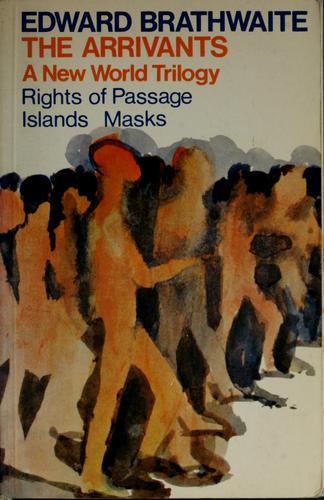
No. 55 on this list. The Arrivants
Kamau Brathwaite · 1973
Taught in schools: CSEC English B – Caribbean Examinations Council
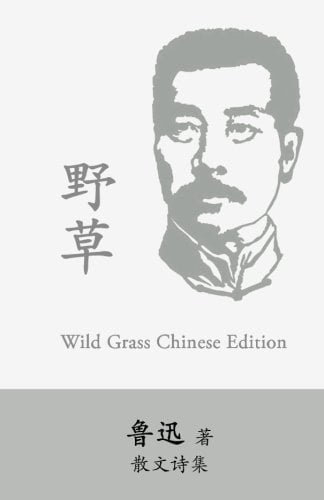
No. 56 on this list. Wild Grass
Lu Xun · 1927
No. 57 on this list. Memed, My Hawk
Yasar Kemal · 1955
Included in: UNESCO Collection of Representative Works
No. 58 on this list. On the Eve
Ivan Turgenev · 1860
Taught in schools: Russian FGOS literature standard
No. 59 on this list. VALIS
Philip K. Dick · 1981
No. 60 on this list. A Brief History of Seven Killings
Marlon James · 2015
No. 61 on this list. The Land at the End of the World
Antonio Lobo Antunes · 1979
No. 62 on this list. A Fable
William Faulkner · 1955
No. 63 on this list. The Nickel Boys
Colson Whitehead · 2019
No. 64 on this list. His Dark Materials
Philip Pullman · 1995
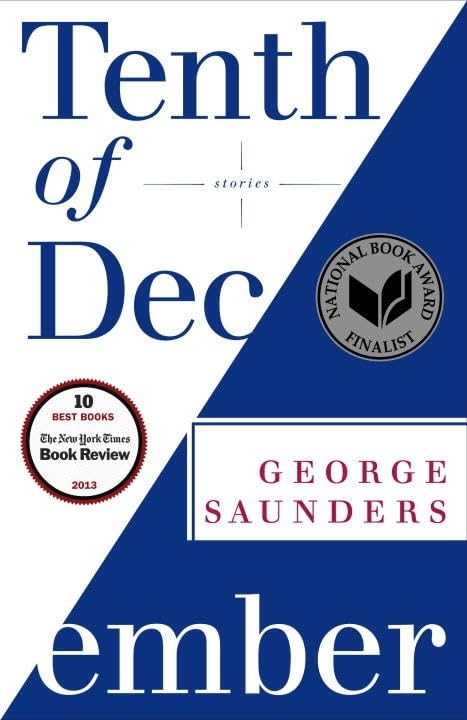
No. 65 on this list. Tenth of December
George Saunders · 2013
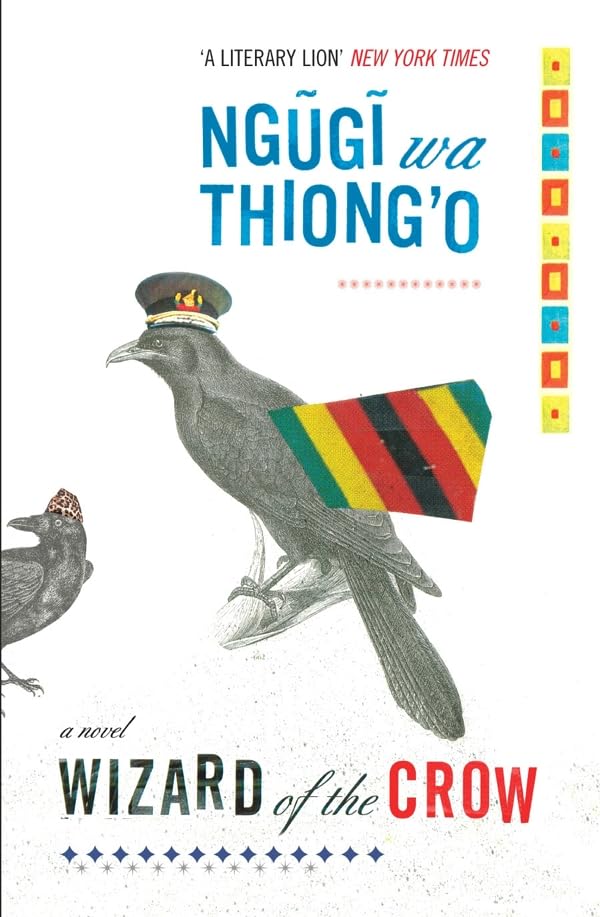
No. 66 on this list. The River Between
Ngugi wa Thiong'o · 1965
Taught in schools: CSEC English B – Caribbean Examinations Council
Included in: Heinemann African Writers Series
No. 67 on this list. Henry VI, Part 3
William Shakespeare · 1595
Included in: Great Books of the Western World
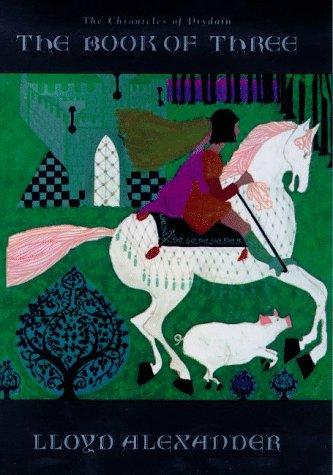
No. 68 on this list. The Book of Three
Lloyd Alexander · 1964
No. 69 on this list. Journey to the Center of the Earth
Jules Verne · 1864
No. 70 on this list. The Assistant
Bernard Malamud · 1957
No. 71 on this list. How Late It Was, How Late
James Kelman · 1994
No. 72 on this list. Master and Man
Leo Tolstoy · 1895
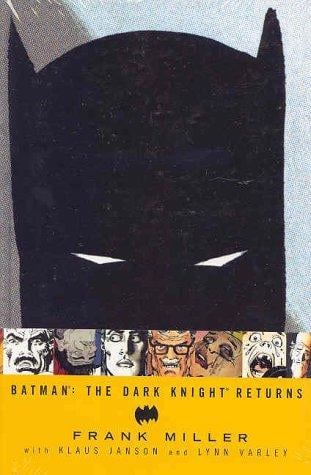
No. 73 on this list. Batman: The Dark Knight Returns
Frank Miller · 1986
No. 74 on this list. Barren Lives
Graciliano Ramos · 1938
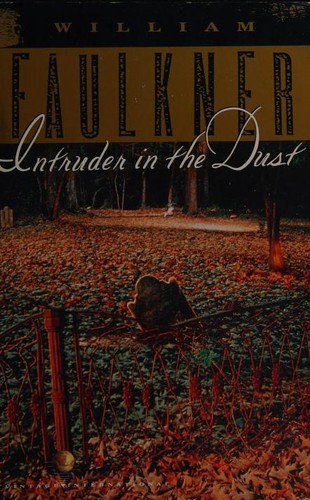
No. 75 on this list. Intruder in the Dust
William Faulkner · 1948
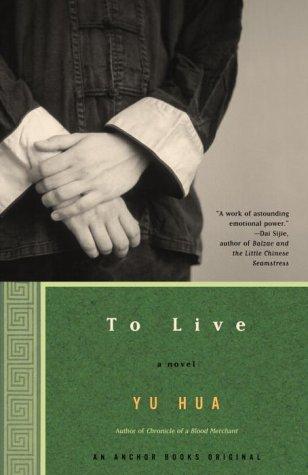
No. 76 on this list. To Live
Yu Hua · 1993
No. 77 on this list. The Rape of Lucrece
William Shakespeare · 1594
No. 78 on this list. Outerbridge Reach
Robert Stone · 1992
No. 79 on this list. The Book of Daniel
E.L. Doctorow · 1971
No. 80 on this list. The Second World War
John Keegan · 1989
No. 81 on this list. Kusamakura
Natsume Sōseki · 1906
Included in: UNESCO Collection of Representative Works
No. 82 on this list. Miss Lonelyhearts
Nathanael West · 1933
No. 83 on this list. A Woman's Life
Guy de Maupassant · 1883
No. 84 on this list. Uncle Tom's Children
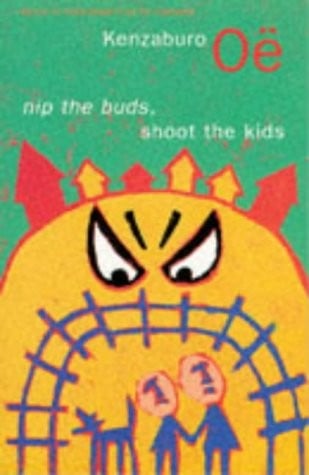
No. 85 on this list. Nip the Buds, Shoot the Kids
Kenzaburō Ōe · 1958
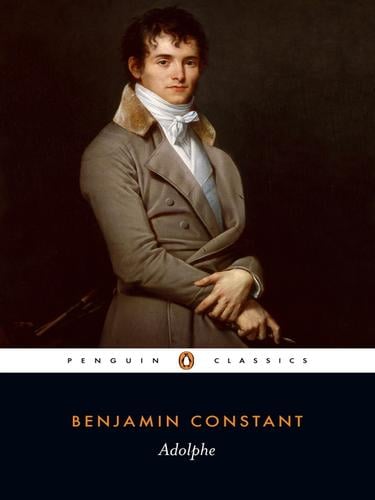
No. 86 on this list. Adolphe
Benjamin Constant · 1816
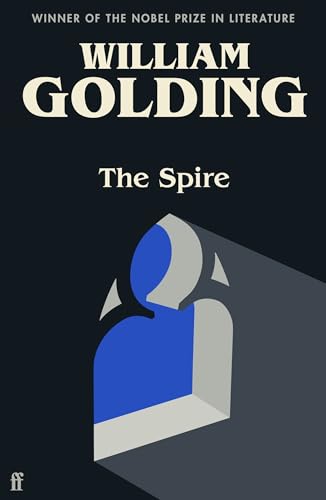
No. 87 on this list. The Spire
William Golding · 1964
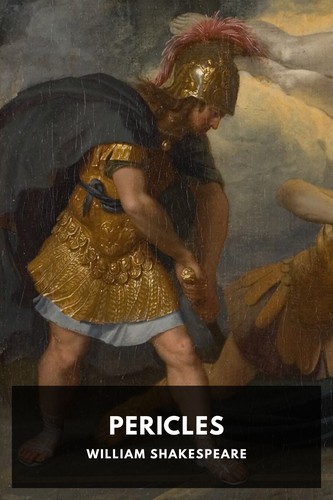
No. 88 on this list. Pericles, Prince of Tyre
William Shakespeare · 1609
No. 89 on this list. Footsteps
Pramoedya Ananta Toer · 1985
No. 90 on this list. The Man Who Laughs
Victor Hugo · 1869
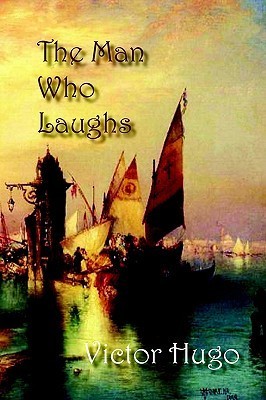
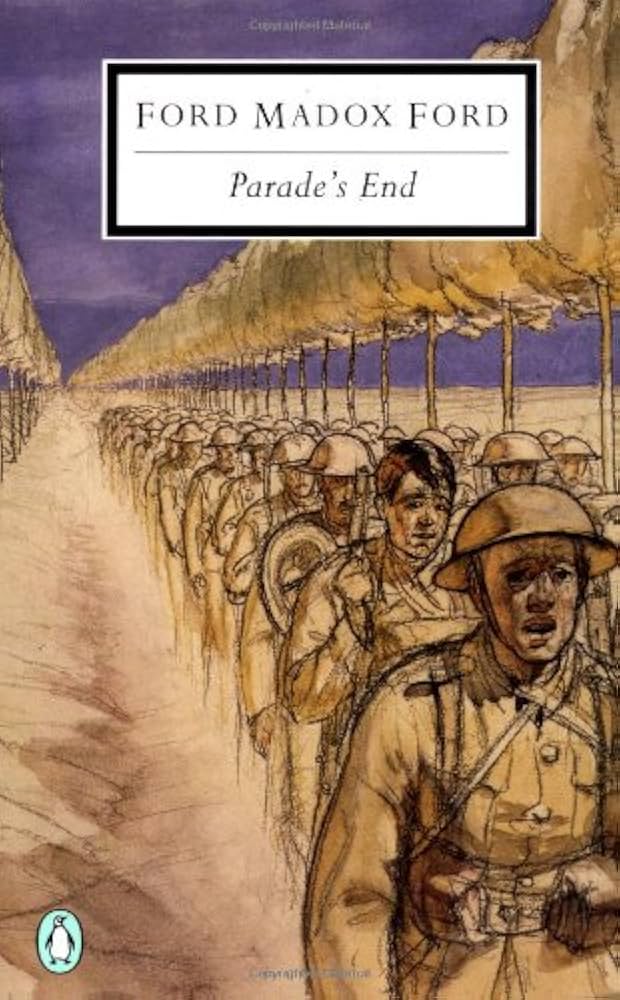
No. 91 on this list. Parade's End
Ford Madox Ford · 1928
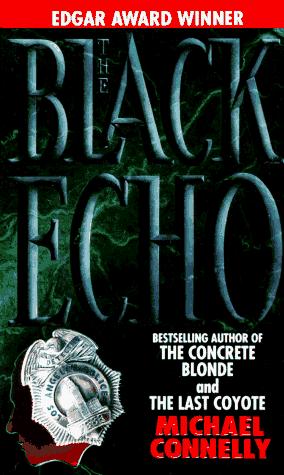
No. 92 on this list. The Black Echo
Michael Connelly · 1992
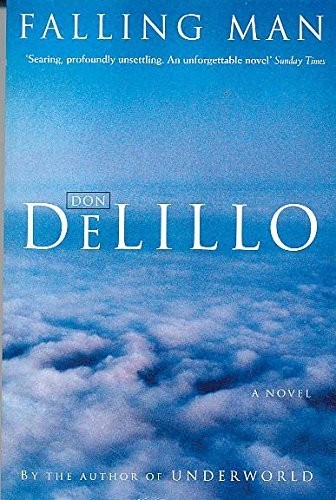
No. 93 on this list. Falling Man
Don DeLillo · 2007
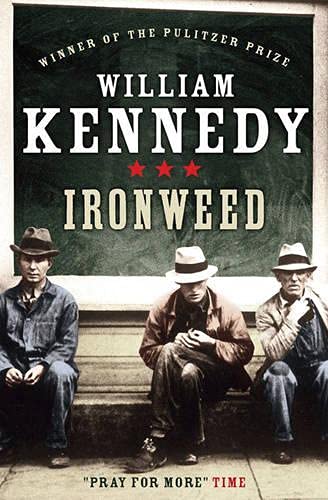
No. 94 on this list. Ironweed
William Kennedy · 1984
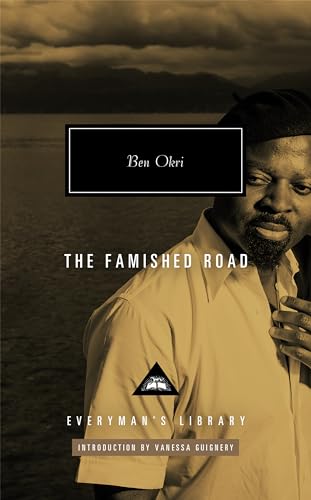
No. 95 on this list. The Famished Road
Ben Okri · 1991
No. 96 on this list. A Distant Shore
Caryl Phillips · 2003
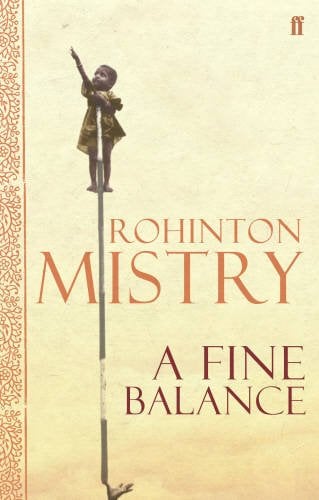
No. 97 on this list. A Fine Balance
Rohinton Mistry · 1996
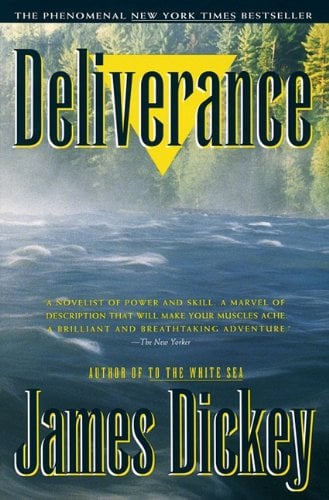
No. 98 on this list. Deliverance
James Dickey · 1970
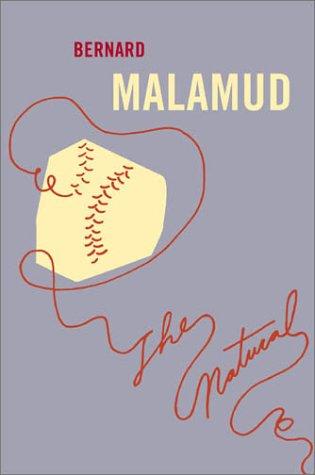
No. 99 on this list. The Natural
Bernard Malamud · 1952
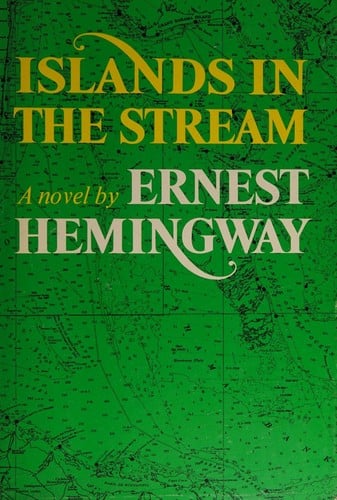
No. 100 on this list. Islands in the Stream
Ernest Hemingway · 1970
About this list
These 100 books are the highest-scoring eligible books about survival and endurance by men currently in the catalogue. About 652 hours of reading in all. Difficulty runs from 47 to 62 out of 100 for the middle half of the list; the summit is How It Is at 86.
This list is ranked by literary regard, with a consistent order for equal scores. Membership follows authors and co-authors, not translators or editors. A book is here when ReadingRate files it under Survival & Endurance as one of its primary reading domains, at a confidence of 0.8 or more. Catalogue coverage and the historical canon both limit what this list can represent.
When we matched the Canons dataset to our catalogue in October 2026, our canonical-status scores rose with the number of school curricula, publisher series and lists in it that cite a work: the median score was 72 for books one such source cites, 84 at two, 88 at three, 92 at four and 93 at five or more. Prizes are left out of that count. Outside the state curricula, the dataset’s sources choose mostly from what has been translated into English or French, so it is a weaker check on other literatures. Source: Canons (Andrew Piper), CC BY 4.0
Questions people actually ask
- What are the best books about survival and endurance by men?
- By literary regard, which weighs canonical status, critical standing and influence: Happy Days by Samuel Beckett, A Dream Play by August Strindberg, Bérénice by Jean Racine, A House for Mr. Biswas by V.S. Naipaul and Robinson Crusoe by Daniel Defoe. ReadingRate ranks 100 such books, each with a difficulty score and a reading-time estimate.
- Which books about survival and endurance by men should I read first?
- Start from difficulty, not from rank. The most approachable books on this list that still carry top literary regard are Robinson Crusoe by Daniel Defoe (about 7.1 hours), Sister Carrie by Theodore Dreiser and The Old Man and the Sea by Ernest Hemingway.
- What are the shortest of the best books about survival and endurance by men?
- Among the top 25, the shortest are In Our Time by Ernest Hemingway (about 17 min), Happy Days by Samuel Beckett (about 46 min) and Philoctetes by Sophocles (about 56 min), at an average pace of 250 words a minute adjusted for each book's difficulty.
- Which of the best books about survival and endurance by men are the established classics?
- By canonical status, how firmly a book sits in curricula, anthologies and the canon: The Old Man and the Sea by Ernest Hemingway, Antigone by Sophocles, Robinson Crusoe by Daniel Defoe, Happy Days by Samuel Beckett and Bérénice by Jean Racine.
- Can I read any of these books about survival and endurance by men for free?
- 15 of the 100 open in ReadingRate's reader with a free account, from public-domain editions: Robinson Crusoe, Uncle Vanya, Antigone, The House of the Dead, Amores and 10 more.
- How long would it take to read the top ten?
- About 32 hours, at an average pace of 250 words a minute adjusted for each book's difficulty: 17 days at two hours a day. Set your own pace on the page and the list's reading times change to it.
- How hard are books about survival and endurance by men to read?
- Most of this list sits between 47 and 62 on ReadingRate's 100-point difficulty scale, where 40 to 55 is moderate. The summit is How It Is at 86. Every entry carries its own score, so a reader can pick a great book at a difficulty they will finish.
- How is this list ranked?
- On literary-regard data: how canonically established a work is, its critical standing, and its influence on later writing. It is not a readers’ poll, which is why recent bestsellers rarely appear. Membership follows authors and co-authors, not translators or editors. Lists by country, author, period, theme or difficulty keep to literature (fiction, poetry, drama and philosophy), their novels, poems and plays first and their philosophy after them; a list of a kind of book, such as memoir or criticism, keeps every book of that kind. Every list holds at most three works by one author. A book is here when ReadingRate files it under Survival & Endurance as one of its primary reading domains, at a confidence of 0.8 or more.