Hours at an average pace
Showing 100 books
About 1,023 hours for 100 of 100 books with measured lengths. Estimates use 250 words a minute, adjusted for each book's difficulty. At 2 hours a day, about 512 days for those books.
No. 1 on this list. Iliad
Homer · c. 750 BCE
Challenging13 hours
Taught in schools: Montenegrin literature curriculum (crnogorski jezik i književnost) (Montenegro)
Included in: Bokklubben World Library, Great Books of the Western World
The foundational war poem of Western civilization, and still the most unflinching. Homer gives Achilles' rage the same weight as Hector's tenderness with his son, refusing to let either side own the meaning of the slaughter.
A foundation text of Western thought, assigned across classics, history, political science and international relations, and a fixture of Great Books programs. The U.S. Naval War College has built its strategy teaching around it since the 1970s.
No. 3 on this list. War and Peace
Leo Tolstoy · 1869
Moderate39 hours
Taught in schools: Russian FGOS literature standard, Turkish edebiyat curriculum (Turkey)
Included in: Bibliothèque de la Pléiade, Bokklubben World Library, Great Books of the Western World
War and Peace appears on 120 university syllabi (Open Syllabus) and has Wikipedia articles in 80 languages, placing it among the most globally recognized novels ever written. It features on the BBC Big Read Top 100, the 1001 Books You Must Read Before You Die list, and the Open Syllabus Top 500 Literature canon, with a prestige NYRB Classics edition. The book is referenced universally as the archetype of the sweeping Russian novel.
No. 4 on this list. Henry V
William Shakespeare · 1600
Difficult3 hours
Included in: Great Books of the Western World
Henry V sits at the core of the Shakespeare canon, taught in secondary schools and universities worldwide and a fixture in RSC and major repertory seasons. While not the first play assigned on Shakespeare surveys — that distinction goes to Hamlet or Macbeth — it appears on virtually every history plays syllabus and features prominently in collections of essential dramatic literature.
No. 5 on this list. The Trojan Women
Euripides · c. 415 BCE
Moderate58 min
Included in: Great Books of the Western World
The Trojan Women is one of the foundational texts of Western drama, taught in virtually every classical literature and theater history curriculum. It is among Euripides' most studied plays alongside Medea and The Bacchae. While no syllabus database match was found for this specific edition, the work appears in hundreds of world literature and women's studies syllabi globally.
At roughly 1.8 million words, the Mahabharata is the longest poem ever composed, and it earns its length: a dynastic war becomes the scaffold for a complete philosophy of duty, cosmic law, and the impossibility of righteous action in a fallen world. The Bhagavad Gita is embedded within it as a single episode, which gives some measure of its ambition.
No. 7 on this list. Lysistrata
Aristophanes · c. 411 BCE
Easy50 min
Taught in schools: Hungarian literature curriculum (magyar nyelv és irodalom) (Hungary)
Included in: Great Books of the Western World
Lysistrata appears on university syllabi worldwide in classics, theatre, women's studies, and political science courses. It is one of the most-performed ancient Greek comedies and features in virtually every survey of world literature and Western drama. Its 2,400-year continuous performance history makes it one of the most durably canonical texts in any language.
Vonnegut unstuck his protagonist from time and used the resulting shattered chronology to convey what no linear war novel could: the way trauma scrambles cause and effect until the firebombing of Dresden and a zoo on an alien planet occupy the same plane of reality. The deadpan sentence "So it goes" after every death became the definitive literary response to mass killing.
No. 9 on this list. The Miser
Molière · 1668
Moderate1.4 hours
Taught in schools: Lektury obowiązkowe – Polish national reading list (Poland), UNAM Escuela Nacional Preparatoria – programas de Literatura (Mexico)
Included in: Great Books of the Western World
The Miser is a staple of French literature and world theater curricula across universities globally, ranking among the most performed and studied comedies of the Western canon. While no syllabus count is in the database, it appears consistently on comparative literature, French studies, and drama course lists. Its presence in world literature anthologies across dozens of languages reflects its canonical standing.
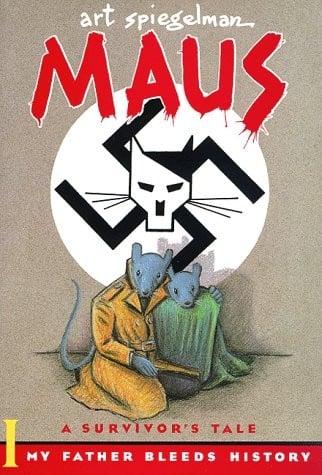
No. 10 on this list. Maus I: A Survivor's Tale: My Father Bleeds History
Art Spiegelman · 1991
Easy2.2 hours
Maus is widely taught in schools and universities as a central Holocaust text and as the key work of the graphic novel, and it won a Pulitzer Prize special award in 1992 for the combined work. It is now standard in comics studies and memory studies.
No. 11 on this list. Coriolanus · William Shakespeare · 1608
Included in: Great Books of the Western World
Coriolanus is a standard text in Shakespeare curricula and appears on university syllabi in courses on Renaissance drama, political philosophy, and history plays. While taught less frequently than Hamlet, Macbeth, or King Lear, it is required reading in most advanced Shakespeare courses and political drama studies. Its engagement with popular sovereignty and class politics has made it a recurring subject of academic attention.
Challenging2.9 hours
Read nowNo. 12 on this list. The Clouds · Aristophanes · c. 423 BCE
Taught in schools: Lektury obowiązkowe – Polish national reading list (Poland)
Included in: Great Books of the Western World
The Clouds appears on virtually every classical literature and ancient philosophy syllabus, often assigned alongside Plato's Apology — which explicitly names the play as contributing to popular sentiment against Socrates. It is one of only eleven surviving plays by Aristophanes, and among those, one of the most studied. No book with this syllabus footprint in classics departments falls below 85.
Challenging1.2 hours
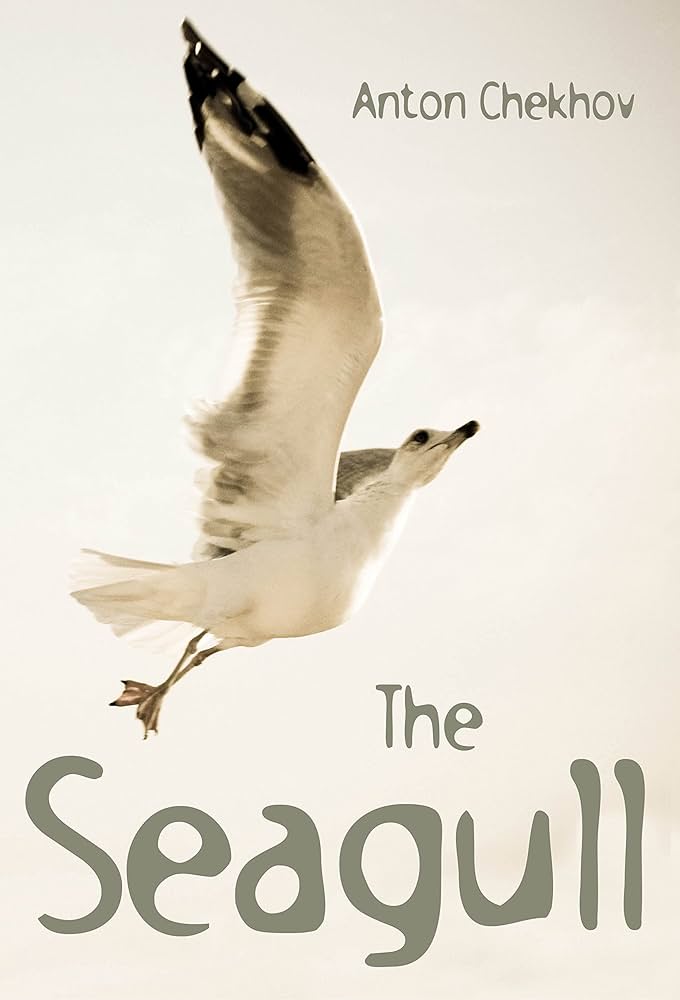
Start this bookNo. 13 on this list. The Seagull · Anton Chekhov · 1896
Taught in schools: Hungarian literature curriculum (magyar nyelv és irodalom) (Hungary), Russian FGOS literature standard
One of Chekhov's four major plays and a permanent part of the world repertory and of drama syllabi. Its 1898 Moscow Art Theatre revival is the founding event of that theatre, which still carries a seagull on its curtain.
Challenging2.1 hours
Read nowNo. 14 on this list. Collected Stories · William Faulkner · 1951
Collected Stories won the National Book Award in 1951 and remains central to American short fiction canon. These stories appear regularly in anthologies and academic syllabi. While perhaps overshadowed by Faulkner's novels, the collection represents an essential component of his Yoknapatawpha saga and demonstrates his mastery across forms.
Challenging22 hours
Start this bookNo. 15 on this list. A Farewell to Arms · Ernest Hemingway · 1929
Taught in schools: AQA GCSE and A-level English Literature (UK), Common Core text exemplars (Appendix B) (US), CSEC English B – Caribbean Examinations Council
Included in: UNESCO Collection of Representative Works
A Farewell to Arms secured canonical status immediately upon publication in 1929, establishing itself as a foundational modernist war narrative and remains a standard text in American literature curricula. Its influence on subsequent war fiction and its representation of the Lost Generation make it exemplary of early 20th-century literary achievement.
Moderate6 hours
Start this bookNo. 16 on this list. The Wild Duck · Henrik Ibsen · 1884
Taught in schools: Hungarian literature curriculum (magyar nyelv és irodalom) (Hungary)
Included in: Great Books of the Western World
The Wild Duck is a cornerstone of the Western dramatic canon, taught in virtually every university drama program and included in all standard collections of world theater. Though the database returns no syllabus count, Ibsen is the most taught non-English-language playwright in English-speaking universities, and this play—alongside Hedda Gabler and A Doll's House—appears on every major drama syllabus. It is consistently ranked among Ibsen's finest works and among the ten most important plays of the nineteenth century.
Moderate2.2 hours
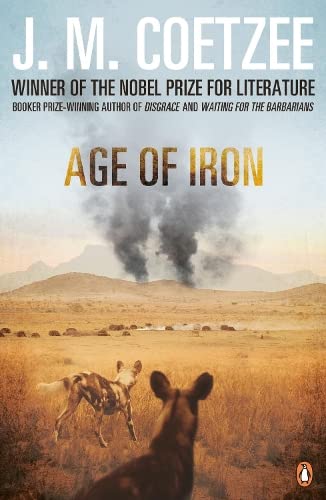
Start this bookNo. 17 on this list. Age of Iron · J.M. Coetzee · 1990
Age of Iron occupies a secure place in the Coetzee canon alongside Disgrace and Waiting for the Barbarians, and is regularly included in postcolonial and South African literature curricula worldwide. Its apartheid-era historical weight gives it documentary as well as aesthetic canonical status.
Difficult7.5 hours
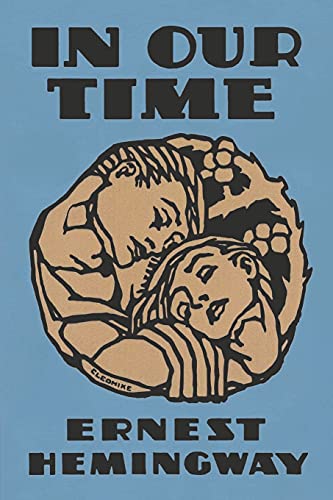
Start this bookNo. 18 on this list. In Our Time · Ernest Hemingway · 1925
In Our Time is widely taught in American literature survey courses as the foundational text of Hemingway's iceberg style. It appears on thousands of university syllabi and is the required starting point for understanding modernist short fiction in America. The Modern Library and most major American literature curricula treat it as essential.
Challenging17 min
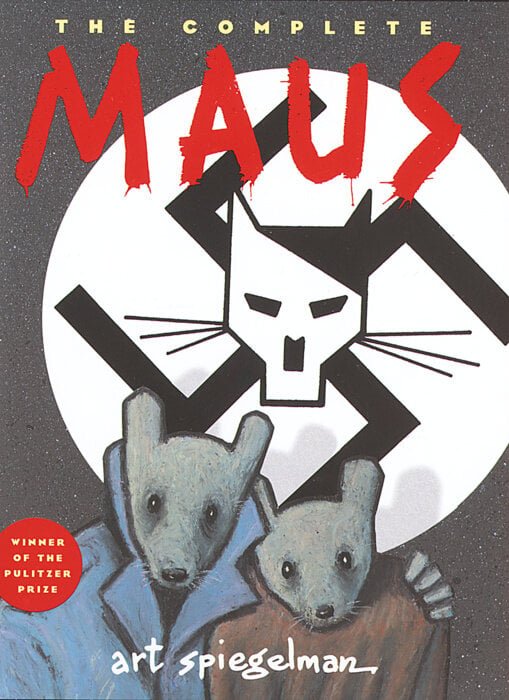
Start this bookNo. 19 on this list. The Complete Maus · Art Spiegelman · 2003
Widely taught in universities and high schools as the defining Holocaust graphic memoir, Maus appears on hundreds of literature and history syllabi worldwide. It is listed on virtually every major 'essential reading' and 'greatest books' compilation that includes graphic literature, from the Modern Library to Time's All-TIME 100 Novels. While not on syllabi at the scale of Fitzgerald or Austen, it holds unique canonical status as the book that forced academia to take comics seriously.
Challenging2.8 hours
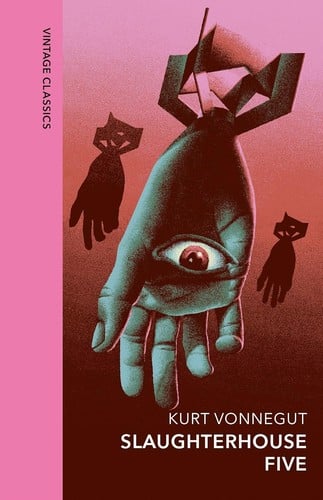
Start this bookNo. 20 on this list. Slaughterhouse-Five · Kurt Vonnegut · 1999
One of the most widely taught American novels of the twentieth century, in high school and university courses on war literature and postmodern fiction. Its 1969 text is the standard for anti-war reading lists.
Moderate3.5 hours
Start this book
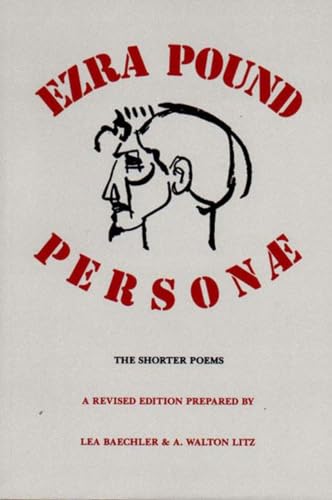
No. 21 on this list. Personae · Ezra Pound · 1926
Personae is a standard text in modernist poetry curricula worldwide and appears in virtually every major anthology of 20th-century poetry. Though no database syllabus data was returned, Pound's first collection is foundational to understanding Imagism and the troubadour influence on Anglo-American modernism. It is overshadowed in syllabi by the later Cantos and by Eliot, but remains required reading in modernist poetry courses.
Difficult1.1 hours
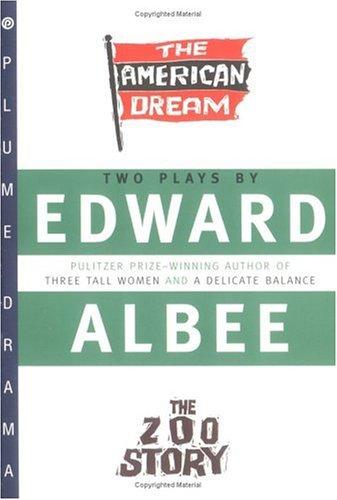
Start this bookNo. 22 on this list. The Zoo Story · Edward Albee · 1959
A foundational work of American avant-garde theater and Albee's debut. Widely taught, anthologized, and performed as a landmark one-act play.
Challenging1.3 hours
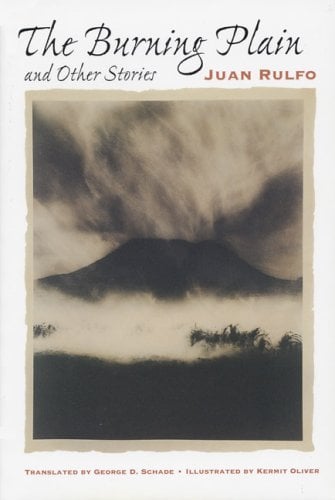
Start this bookNo. 23 on this list. The Burning Plain and Other Stories · Juan Rulfo · 1953
Taught in schools: UNAM Escuela Nacional Preparatoria – programas de Literatura (Mexico)
In seventeen stories set across the parched hills of Jalisco, Mexico, Rulfo's peasants carry their dead with them — sometimes literally. A man hauls his father's corpse on his back through the mountains. An old woman refuses to believe her son is a murderer. Soldiers and sharecroppers and abandoned wives speak in short, exact sentences, and the landscape answers with dust and silence. The dead narrate their own stories without announcing they are dead; readers piece it together from the wrong temperature of the prose. Rulfo strips everything from his fiction — backstory, explanation, transitions — until only the essential pressure remains. The Burning Plain was published in 1953, two years before Pedro Páramo, and it shares that novel's method: grief without sentimentality, violence without drama, the supernatural arriving with the matter-of-fact normalness of weather. Gabriel García Márquez said he memorized the entire book and recited it to friends. That is the correct response. These stories end before they explain themselves, in the way that real catastrophe does.
Challenging3.4 hours
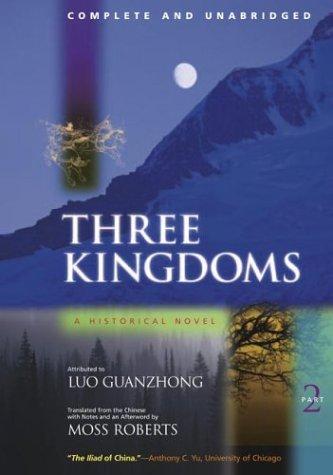
Start this bookNo. 24 on this list. Romance of the Three Kingdoms · Luo Guanzhong
Included in: UNESCO Collection of Representative Works
One of Four Great Classical Novels; formative for Chinese historical consciousness.
Moderate41 hours
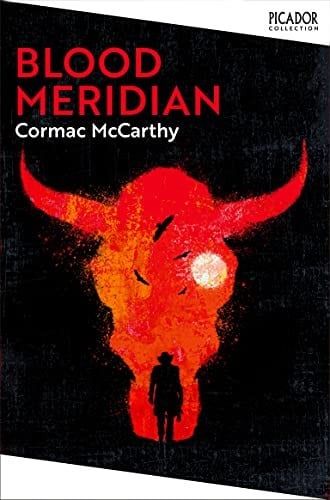
Read nowNo. 25 on this list. Blood Meridian · Cormac McCarthy · 1985
Appears on 372 university syllabi (64th percentile, Open Syllabus Project) and is listed in TIME's All-TIME 100 Novels (2005) and 1001 Books You Must Read Before You Die. Published in Library of America, Everyman's Library, and Penguin Classics editions — the institutional markers of canonical status. Wikipedia articles exist in 15 languages with dedicated reception and adaptations sections.
Difficult13 hours
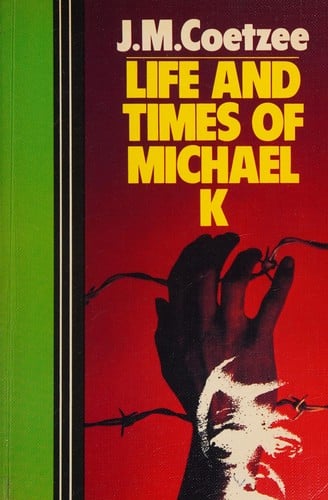
Start this bookNo. 26 on this list. Life & Times of Michael K · J.M. Coetzee · 1983
Taught in schools: UNAM Escuela Nacional Preparatoria – programas de Literatura (Mexico)
Life and Times of Michael K won the Booker Prize in 1983 and stands as a foundational text in postcolonial literature. Its examination of apartheid South Africa, individual resistance, and the ethics of fiction has secured its place in literary canons alongside Coetzee's other major works. Frequently taught in universities and cited in critical literature.
Challenging5.2 hours
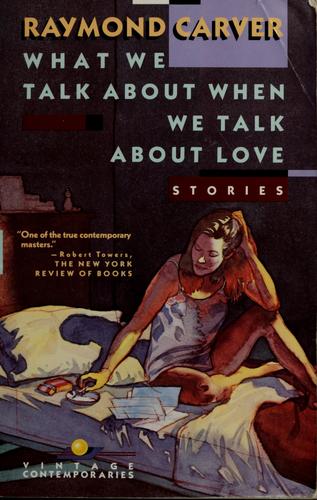
Start this bookNo. 27 on this list. What We Talk About When We Talk About Love · Raymond Carver · 1981
What We Talk About When We Talk About Love is a fixture of creative writing programs and American literature syllabi worldwide. It is the single most-cited example of literary minimalism and appears on virtually every 'essential short story collections' list. The title story alone is anthologized so frequently it functions as a standalone canonical text.
Moderate2.4 hours
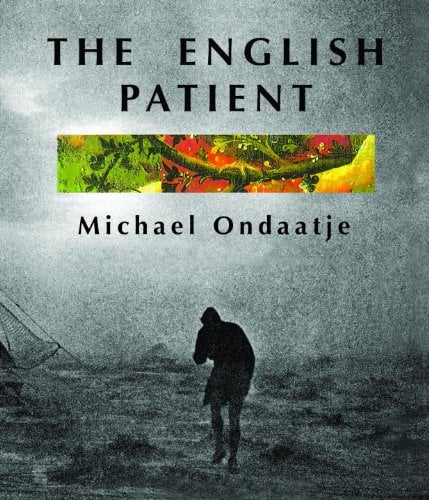
Start this bookNo. 28 on this list. The English Patient · Michael Ondaatje · 1992
Winner of the Booker Prize in 1992; widely anthologized in university curricula worldwide. Adapted into a major 1996 film directed by Anthony Minghella, broadening its cultural footprint. Literary canon inclusion remains secure with significant critical examination in scholarship on postmodern war fiction.
Challenging7.2 hours
Start this bookNo. 29 on this list. Fences · August Wilson · 1985
Fences appears regularly on university syllabi in American drama, African American literature, and theater history courses. It is one of the two plays — alongside Death of a Salesman — most frequently assigned when teaching 20th-century American drama. The 2016 film adaptation brought it to wider global audiences, and it remains central to any serious survey of postwar American theater.
Challenging2.5 hours
Start this bookNo. 30 on this list. The Spy Who Came in from the Cold · John le Carré · 1963
The Spy Who Came in from the Cold is the classic Cold War espionage novel, chosen for TIME's All-TIME 100 Novels list and set in courses on the spy novel and postwar British fiction. It is a fixture of best-crime and best-thriller lists.
Challenging5.6 hours
Start this book
No. 31 on this list. The Shadow Lines
Amitav Ghosh · 1988
No. 32 on this list. For Whom the Bell Tolls
Ernest Hemingway · 1940
Taught in schools: Turkish edebiyat curriculum (Turkey)
No. 33 on this list. A Grain of Wheat
Ngugi wa Thiong'o · 1967
Included in: Heinemann African Writers Series
No. 34 on this list. Catch-22
Joseph Heller · 1961
No. 35 on this list. The Last of the Mohicans
James Fenimore Cooper · 1826
No. 36 on this list. The Sound of the Mountain
Yasunari Kawabata · 1949
Included in: Bokklubben World Library, UNESCO Collection of Representative Works
No. 37 on this list. Doctor Zhivago
Boris Pasternak · 1957
Taught in schools: Russian FGOS literature standard
No. 38 on this list. The Setting Sun
Osamu Dazai · 1947
No. 39 on this list. Jerusalem Delivered
Torquato Tasso · 1581
No. 40 on this list. Mr. Sammler's Planet
Saul Bellow · 1971
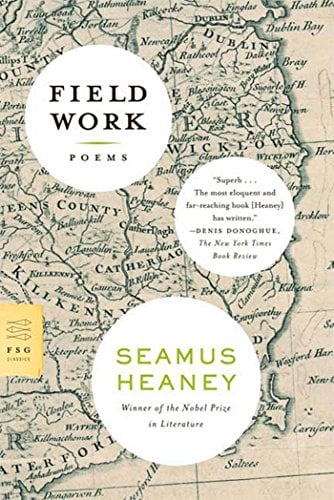
No. 41 on this list. Field Work
Seamus Heaney · 1979
Taught in schools: WJEC/Eduqas GCSE and A-level English Literature (UK)
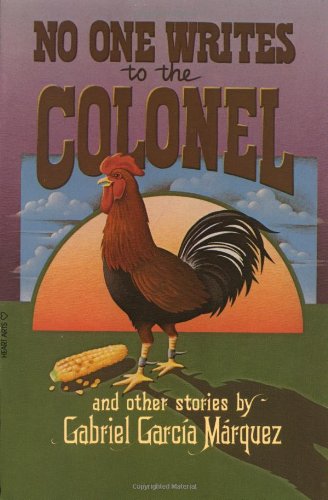
No. 42 on this list. No One Writes to the Colonel
Gabriel García Márquez · 1961
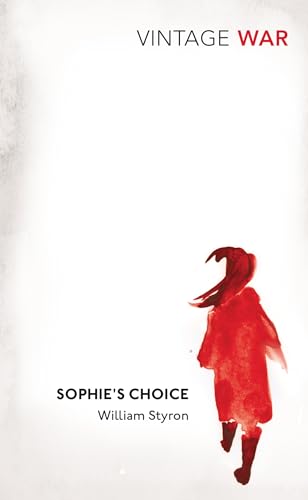
No. 43 on this list. Sophie's Choice
William Styron · 1980
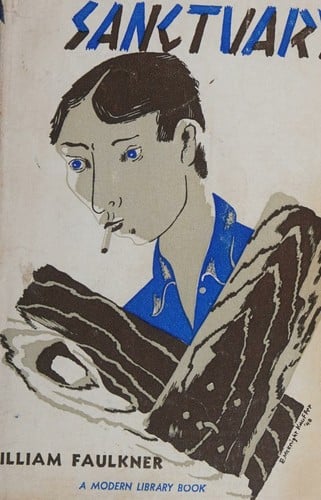
No. 44 on this list. Sanctuary
William Faulkner · 1931
Taught in schools: CSEC English B – Caribbean Examinations Council
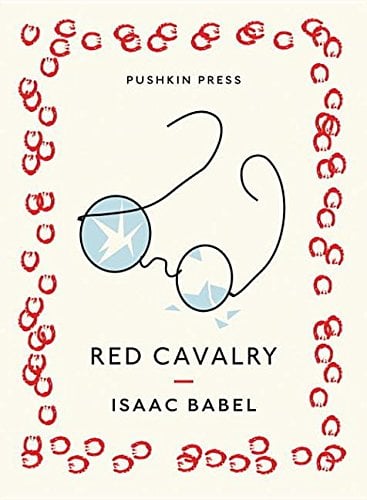
No. 45 on this list. Red Cavalry
Isaac Babel · 1926
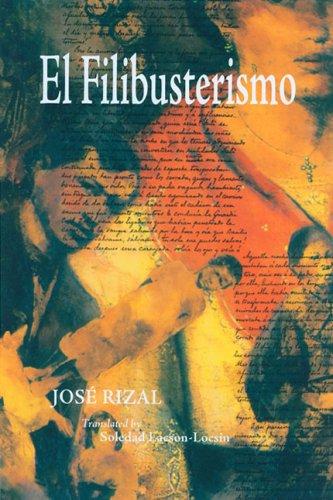
No. 46 on this list. El Filibusterismo
José Rizal · 1891
Included in: UNESCO Collection of Representative Works
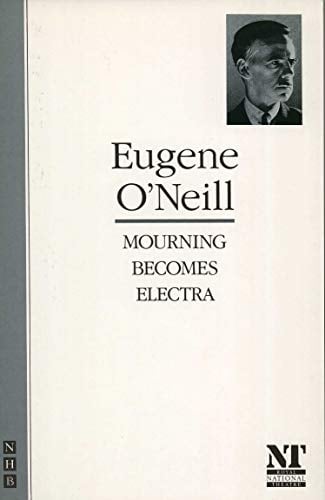
No. 47 on this list. Mourning Becomes Electra
Eugene O'Neill · 1931
Included in: Great Books of the Western World
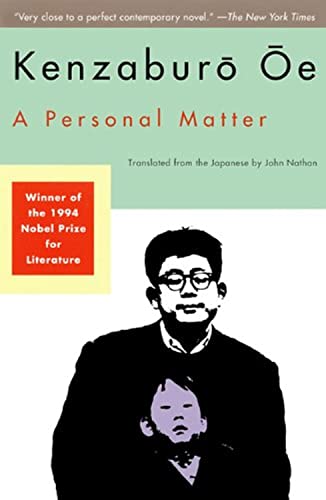
No. 48 on this list. A Personal Matter
Kenzaburō Ōe · 1964
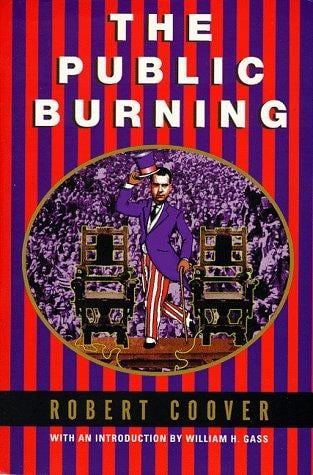
No. 49 on this list. The Public Burning
Robert Coover · 1977
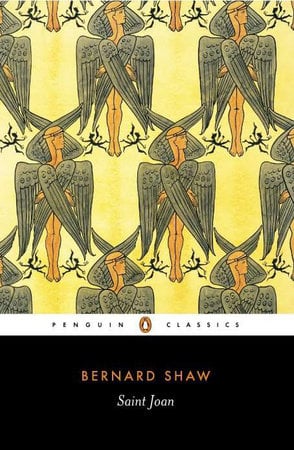
No. 50 on this list. Saint Joan
George Bernard Shaw · 1923
Included in: Great Books of the Western World
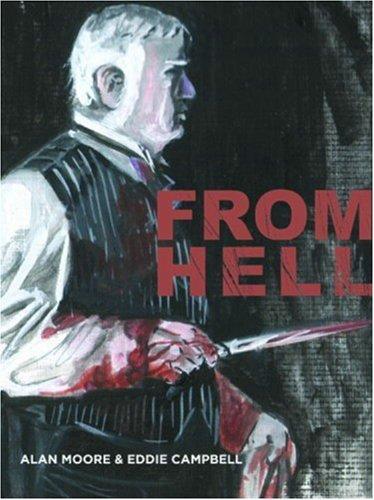
No. 51 on this list. From Hell
Alan Moore · 1999
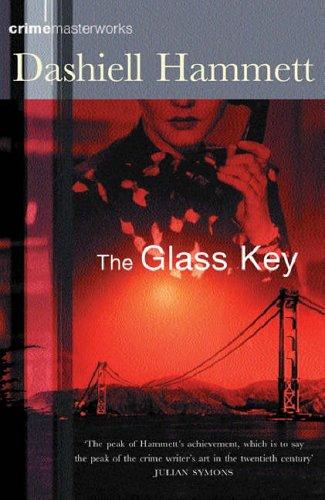
No. 52 on this list. The Glass Key
Dashiell Hammett · 1931
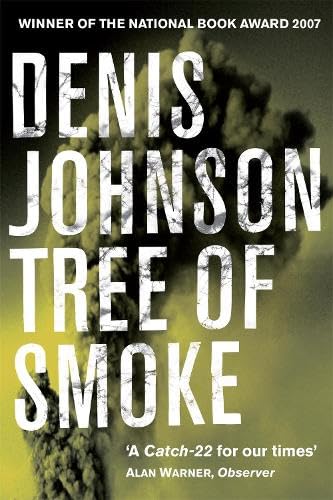
No. 53 on this list. Tree of Smoke
Denis Johnson · 2007
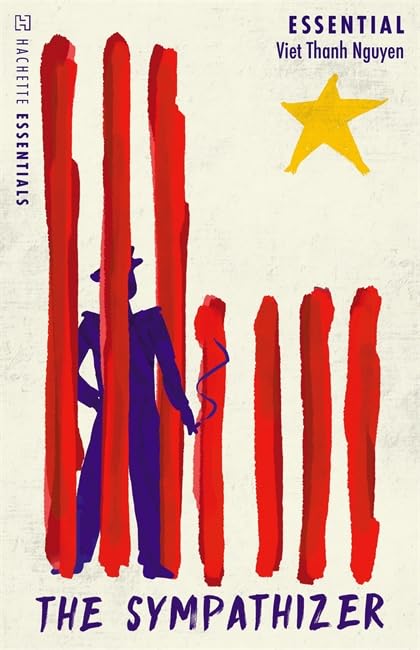
No. 54 on this list. The Sympathizer
Viet Thanh Nguyen · 2015
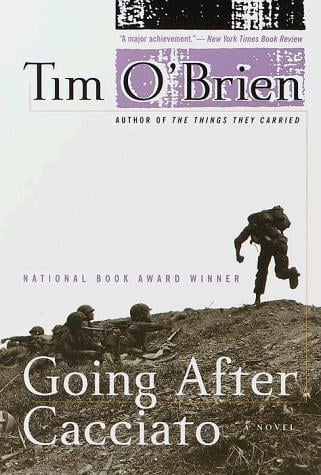
No. 55 on this list. Going After Cacciato
Tim O'Brien · 1979
No. 56 on this list. Return to Haifa
Ghassan Kanafani · 1969
Taught in schools: Moroccan secondary Arabic literature (Morocco)
No. 57 on this list. The Things They Carried
Tim O'Brien · 1990
No. 58 on this list. Schindler's Ark
Thomas Keneally · 1982
No. 59 on this list. Nana
Émile Zola · 1880
No. 60 on this list. The Birthday Party
Harold Pinter · 1957
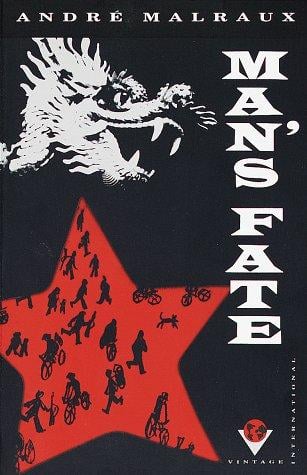
No. 61 on this list. Man's Fate
André Malraux · 1933
No. 62 on this list. Iphigenia
Jean Racine · 1674
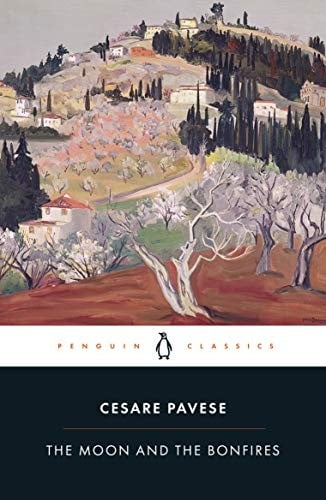
No. 63 on this list. The Moon and the Bonfires
Cesare Pavese · 1950
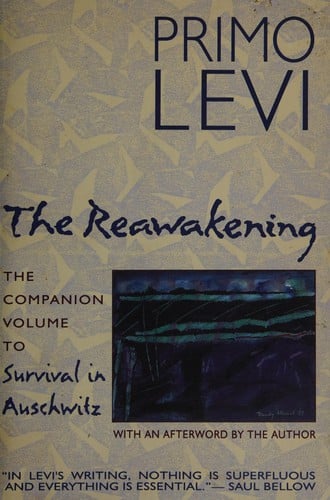
No. 64 on this list. The Truce
Primo Levi · 1963
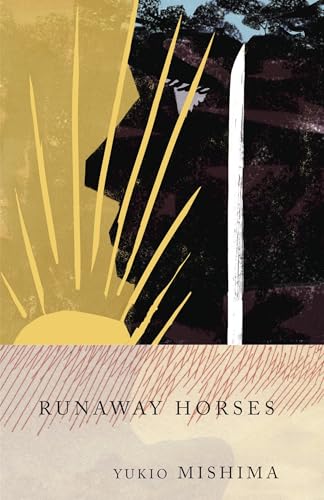
No. 65 on this list. Runaway Horses
Yukio Mishima · 1969
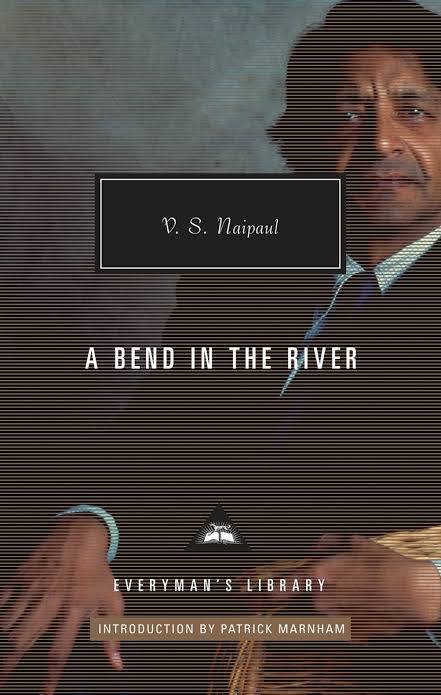
No. 66 on this list. A Bend in the River
V.S. Naipaul · 1979
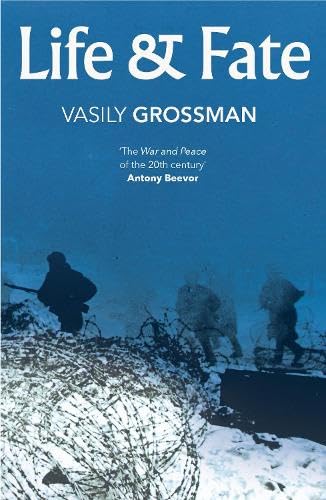
No. 67 on this list. Life and Fate
Vasily Grossman · 1980
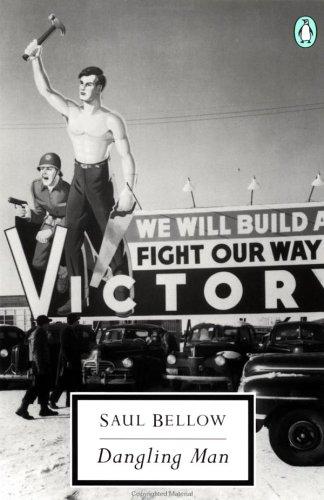
No. 68 on this list. Dangling Man
Saul Bellow · 1944
No. 69 on this list. Memed, My Hawk
Yasar Kemal · 1955
Included in: UNESCO Collection of Representative Works
No. 70 on this list. The Sailor Who Fell from Grace with the Sea
Yukio Mishima · 1963
No. 71 on this list. Shame
Salman Rushdie · 1983
No. 72 on this list. Pornografia
Witold Gombrowicz · 1960
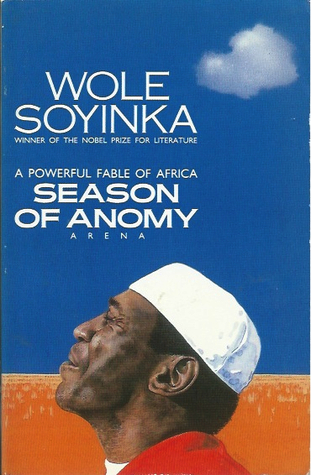
No. 73 on this list. Season of Anomy
Wole Soyinka · 1973
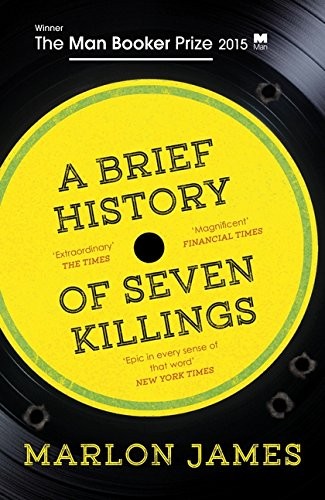
No. 74 on this list. A Brief History of Seven Killings
Marlon James · 2015
No. 75 on this list. Distant Star
Roberto Bolaño · 1996
Taught in schools: UNAM Escuela Nacional Preparatoria – programas de Literatura (Mexico)
No. 76 on this list. The Land at the End of the World
Antonio Lobo Antunes · 1979
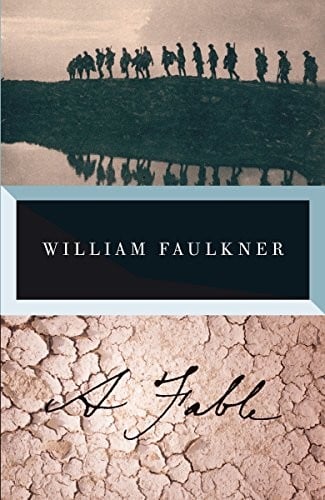
No. 77 on this list. A Fable
William Faulkner · 1955
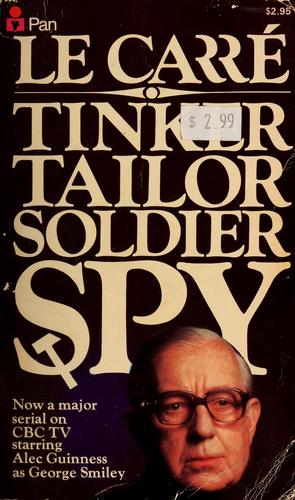
No. 78 on this list. Tinker Tailor Soldier Spy
John le Carré · 1974
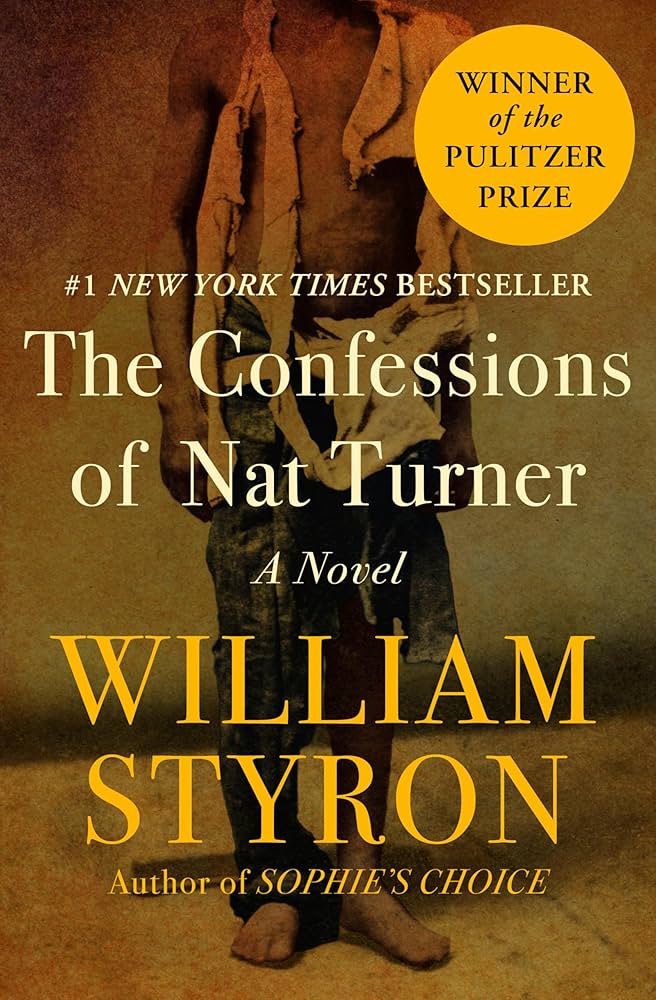
No. 79 on this list. The Confessions of Nat Turner
William Styron · 1968
No. 80 on this list. Taras Bulba
Nikolai Gogol · 1842
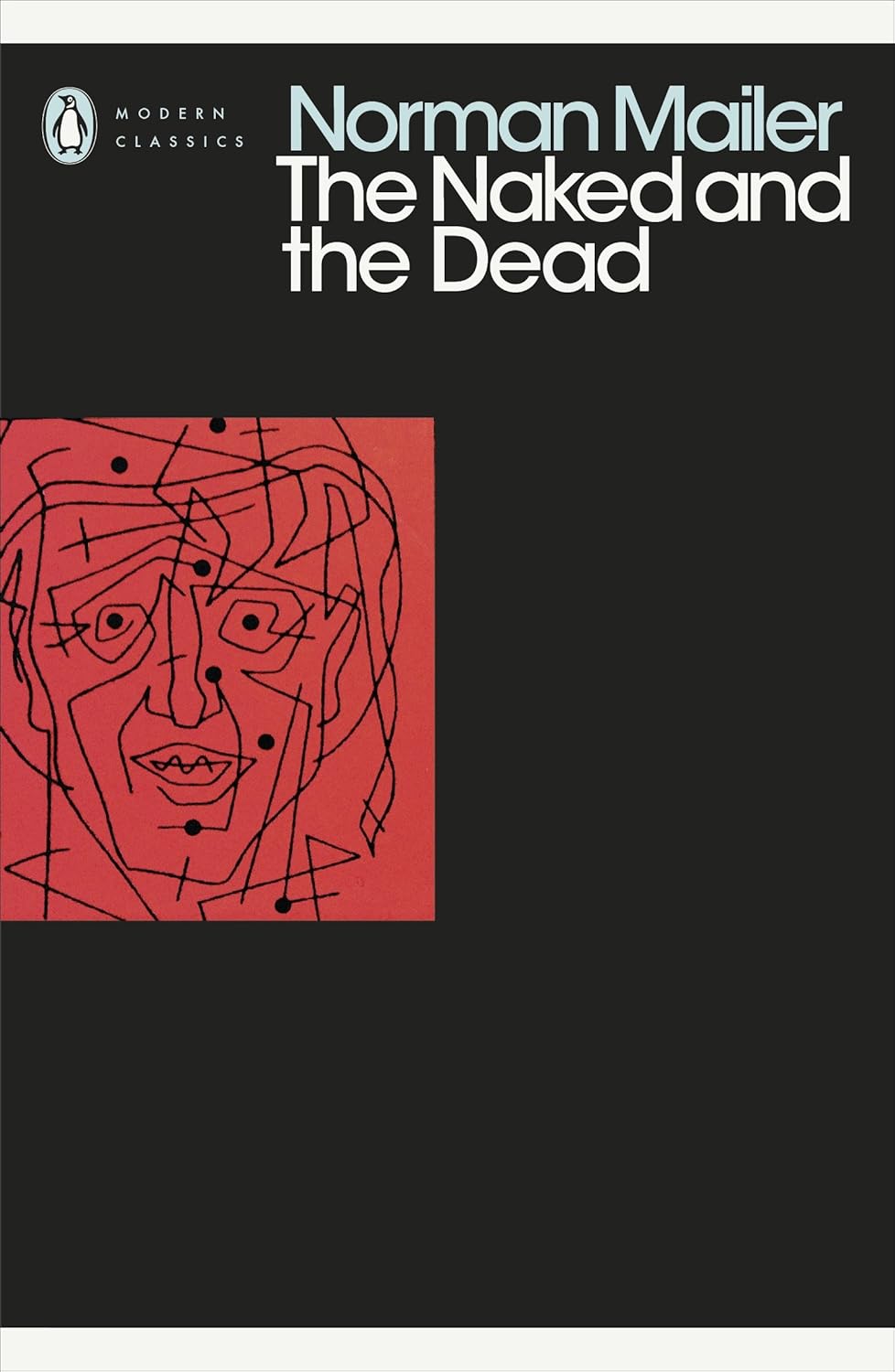
No. 81 on this list. The Naked and the Dead
Norman Mailer · 1948
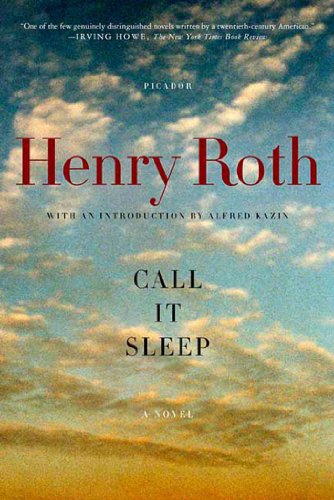
No. 82 on this list. Call It Sleep
Henry Roth · 1934
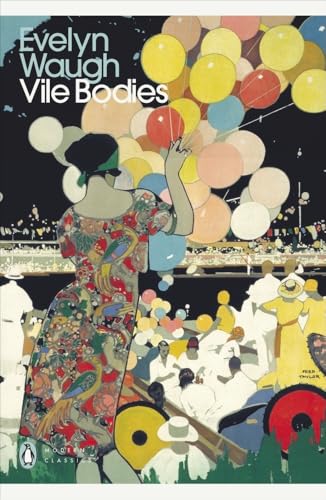
No. 83 on this list. Vile Bodies
Evelyn Waugh · 1930
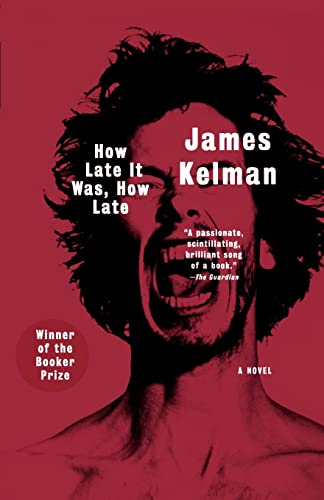
No. 84 on this list. How Late It Was, How Late
James Kelman · 1994
No. 85 on this list. Batman: The Dark Knight Returns
Frank Miller · 1986
No. 86 on this list. The Weavers
Gerhart Hauptmann · 1892
No. 87 on this list. Atonement
Ian McEwan · 2001
Taught in schools: AQA GCSE and A-level English Literature (UK), Pearson Edexcel GCSE and A-level English Literature (UK)
No. 88 on this list. Mother Night
Kurt Vonnegut · 1961
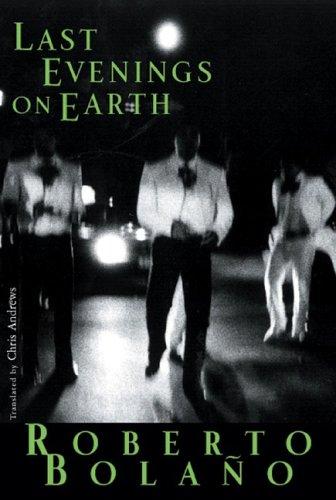
No. 89 on this list. Last Evenings on Earth
Roberto Bolaño · 2006
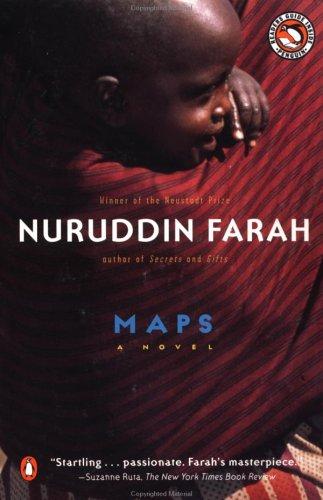
No. 90 on this list. Maps
Nuruddin Farah · 1986
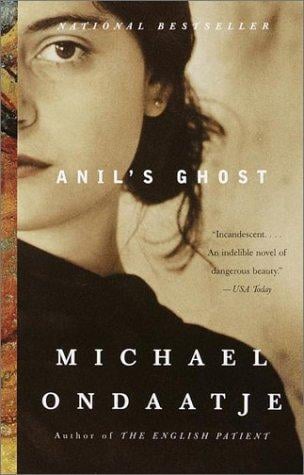
No. 91 on this list. Anil's Ghost
Michael Ondaatje · 2000
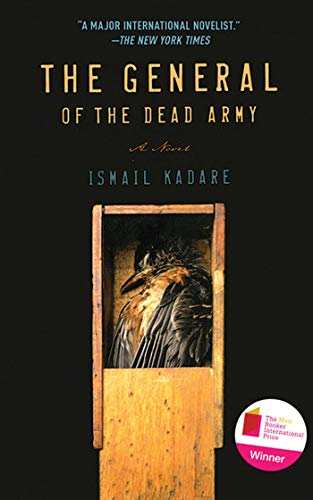
No. 92 on this list. The General of the Dead Army
Ismail Kadare · 1963
No. 93 on this list. Ninety-Three
Victor Hugo · 1874
No. 94 on this list. The Book of Daniel
E.L. Doctorow · 1971
No. 95 on this list. Nazi Literature in the Americas
Roberto Bolaño · 1996
No. 96 on this list. The Second World War
John Keegan · 1989
No. 97 on this list. Guerrillas
V.S. Naipaul · 1975
No. 98 on this list. Against the Day
Thomas Pynchon · 2006
No. 99 on this list. Angle of Repose
Wallace Stegner · 1972
No. 100 on this list. The Belly of Paris
Émile Zola · 1873
About this list
These 100 books are the highest-scoring eligible books about war and conflict by men currently in the catalogue. About 1,023 hours of reading in all. Difficulty runs from 52 to 66 out of 100 for the middle half of the list; the summit is The Public Burning at 86.
This list is ranked by literary regard, with a consistent order for equal scores. Membership follows authors and co-authors, not translators or editors. A book is here when ReadingRate files it under War & Conflict as one of its primary reading domains, at a confidence of 0.8 or more. Catalogue coverage and the historical canon both limit what this list can represent.
When we matched the Canons dataset to our catalogue in October 2026, our canonical-status scores rose with the number of school curricula, publisher series and lists in it that cite a work: the median score was 72 for books one such source cites, 84 at two, 88 at three, 92 at four and 93 at five or more. Prizes are left out of that count. Outside the state curricula, the dataset’s sources choose mostly from what has been translated into English or French, so it is a weaker check on other literatures. Source: Canons (Andrew Piper), CC BY 4.0
Questions people actually ask
- What are the best books about war and conflict by men?
- By literary regard, which weighs canonical status, critical standing and influence: Iliad by Homer, The Peloponnesian War by Thucydides, War and Peace by Leo Tolstoy, Henry V by William Shakespeare and The Trojan Women by Euripides. ReadingRate ranks 100 such books, each with a difficulty score and a reading-time estimate.
- Which books about war and conflict by men should I read first?
- Start from difficulty, not from rank. The most approachable books on this list that still carry top literary regard are Maus I: A Survivor's Tale: My Father Bleeds History by Art Spiegelman (about 2.2 hours), The Peloponnesian War by Thucydides and Lysistrata by Aristophanes.
- What are the shortest of the best books about war and conflict by men?
- Among the top 25, the shortest are In Our Time by Ernest Hemingway (about 17 min), Personae by Ezra Pound (about 1.1 hours) and The Trojan Women by Euripides (about 58 min), at an average pace of 250 words a minute adjusted for each book's difficulty.
- Which of the best books about war and conflict by men are the established classics?
- By canonical status, how firmly a book sits in curricula, anthologies and the canon: Iliad by Homer, Mahabharata by Vyasa, The Peloponnesian War by Thucydides, War and Peace by Leo Tolstoy and Slaughterhouse-Five by Kurt Vonnegut.
- Can I read any of these books about war and conflict by men for free?
- 11 of the 100 open in ReadingRate's reader with a free account, from public-domain editions: Iliad, The Peloponnesian War, War and Peace, Henry V, Mahabharata and 6 more.
- How long would it take to read the top ten?
- About 137 hours, at an average pace of 250 words a minute adjusted for each book's difficulty: 69 days at two hours a day. Set your own pace on the page and the list's reading times change to it.
- How hard are books about war and conflict by men to read?
- Most of this list sits between 52 and 66 on ReadingRate's 100-point difficulty scale, where 40 to 55 is moderate. The summit is The Public Burning at 86. Every entry carries its own score, so a reader can pick a great book at a difficulty they will finish.
- How is this list ranked?
- On literary-regard data: how canonically established a work is, its critical standing, and its influence on later writing. It is not a readers’ poll, which is why recent bestsellers rarely appear. Membership follows authors and co-authors, not translators or editors. Lists by country, author, period, theme or difficulty keep to literature (fiction, poetry, drama and philosophy), their novels, poems and plays first and their philosophy after them; a list of a kind of book, such as memoir or criticism, keeps every book of that kind. Every list holds at most three works by one author. A book is here when ReadingRate files it under War & Conflict as one of its primary reading domains, at a confidence of 0.8 or more.