Hours at an average pace
Showing 100 books
About 681 hours for 100 of 100 books with measured lengths. Estimates use 250 words a minute, adjusted for each book's difficulty. At 2 hours a day, about 341 days for those books.
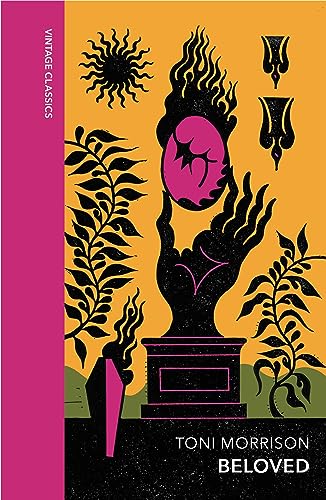
No. 1 on this list. Beloved
Toni Morrison · 1988
Challenging7.4 hours
Taught in schools: Pearson Edexcel GCSE and A-level English Literature (UK)
Included in: Bokklubben World Library
Morrison made the ghost of a murdered child literal — she moves into the house, eats all the food, demands everything — and in doing so found the only form adequate to represent what slavery did to the interior lives of the people who survived it. The novel forced American fiction to reckon with a history it had aestheticized or avoided.
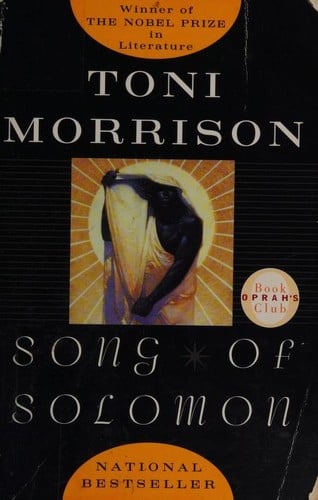
Morrison sent a young Black man on a mythic quest through four generations of his family's buried history, fusing African-American folklore, biblical allusion, and the cadences of blues and gospel into a narrative structure no American novel had attempted before. The novel proved that flight — literal and metaphorical — could carry the full weight of Black American experience from slavery to self-knowledge.
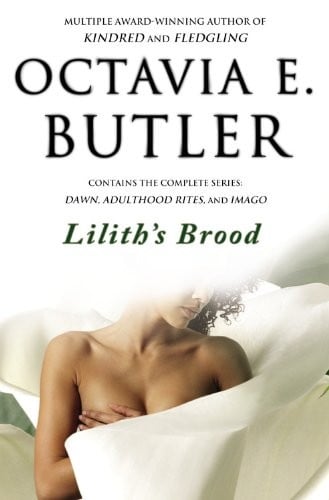
Widely taught in university courses on science fiction and postcolonial literature. A central text of Afrofuturism.
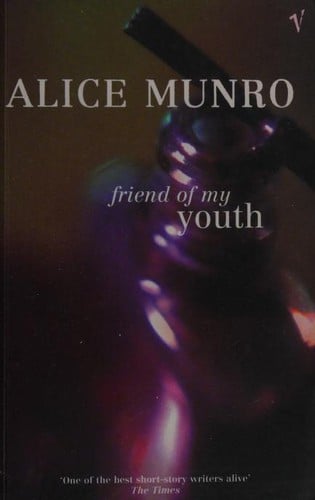
A cornerstone of contemporary short fiction syllabi in anglophone universities, studied alongside Chekhov and Carver as a model of the compressed, psychologically dense story. Munro's Ontario settings have become as literary-geographically legible as Faulkner's Yoknapatawpha.
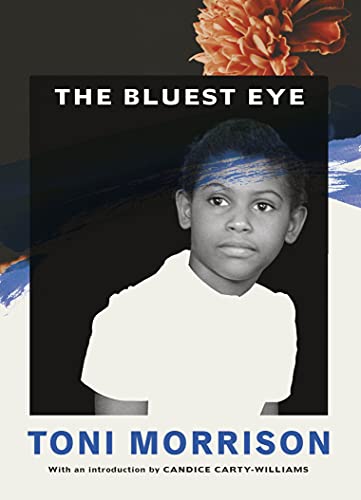
No. 5 on this list. The Bluest Eye
Toni Morrison · 1970
Challenging4.2 hours
Taught in schools: Common Core text exemplars (Appendix B) (US)
While not as universally canonical as Beloved, The Bluest Eye is firmly established in the American literary canon, widely taught in universities, and recognized as a landmark debut that announced a major voice in American letters.
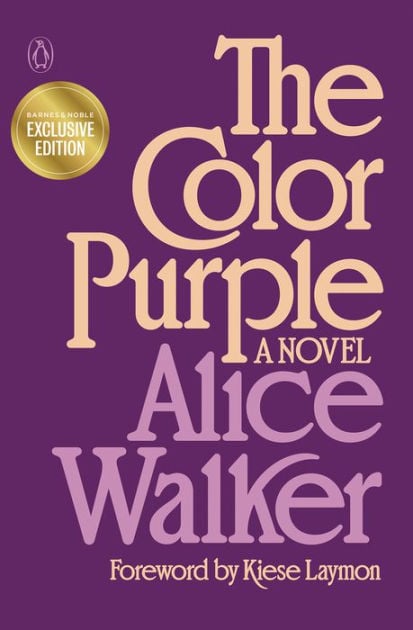
No. 6 on this list. The Color Purple
Alice Walker · 1983
Moderate4.6 hours
Taught in schools: AQA GCSE and A-level English Literature (UK), CSEC English B – Caribbean Examinations Council, Pearson Edexcel GCSE and A-level English Literature (UK)
Appears on 1,185 university syllabi according to Open Syllabus (76.8th percentile), making it a fixture of American literature, women's studies, and African American studies courses. Wikipedia articles in 22 languages reflect its global reach. Consistently listed in essential American fiction surveys, and the 1985 Spielberg film expanded its cultural footprint far beyond academic settings.
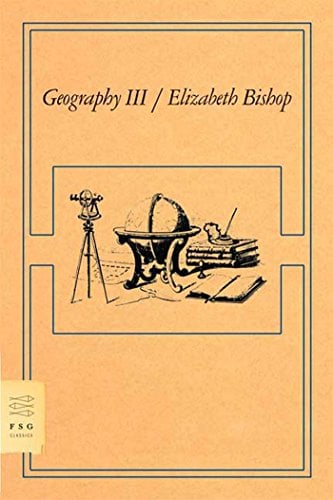
Geography III is among the most taught American poetry collections of the postwar era, with poems like 'One Art' and 'In the Waiting Room' appearing on countless university syllabi. Though the database shows no syllabus entries — likely a data gap — the collection is a fixture in American poetry surveys and is included on numerous 'essential American poetry' reading lists. It won the 1976 National Book Critics Circle Award, one of American letters' most respected honors.
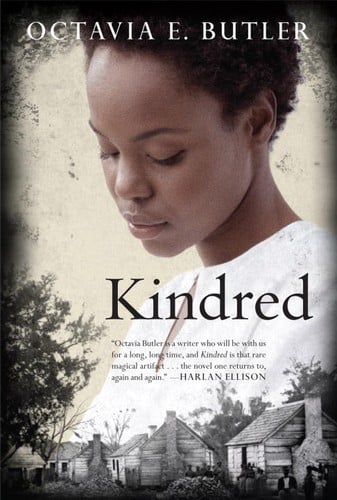
No. 8 on this list. Kindred
Octavia E. Butler · 1979
Challenging9.1 hours
Taught in schools: CSEC English B – Caribbean Examinations Council
Kindred is required reading in African American literature, American history, and science fiction courses at universities across the United States and internationally. It appears on the Modern Library's reader list of the 100 best novels and is frequently paired with primary sources on American slavery. Octavia Butler is the first science fiction writer to receive a MacArthur Fellowship, and Kindred is her most assigned work.
Foundational text of Chicana feminism, border studies, and queer theory. Universally taught in relevant fields.
The Dispossessed (1974) is one of the most taught science-fiction novels, read in courses on utopian literature, political philosophy and science fiction alike. It appears on most lists of essential science fiction and in the Library of America's edition of Le Guin's Hainish novels.
No. 11 on this list. The Ones Who Walk Away from Omelas · Ursula K Le Guin · 1973
Widely taught in philosophy, ethics, and literature courses globally. Anthologized in hundreds of collections and featured on virtually every 'essential short fiction' list. Its presence in academic syllabi rivals Borges and Kafka in ethics curricula, where it functions as a standard thought-experiment text.
Challenging40 min
Start this bookNo. 12 on this list. Voices from Chernobyl · Svetlana Alexievich · 1997
Widely recognized as the definitive literary account of Chernobyl and a landmark of documentary literature. The 2015 Nobel Prize in Literature elevated its status, establishing Alexievich's polyphonic method as a major formal innovation. Required reading in post-Soviet studies and increasingly taught in world literature curricula. Its documentary approach has influenced contemporary non-fiction globally.
Challenging6.3 hours
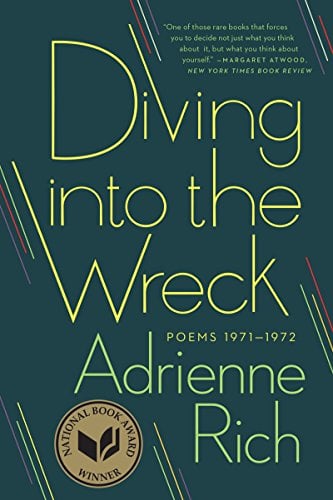
Start this bookNo. 13 on this list. Diving into the Wreck · Adrienne Rich · 1973
The title poem appears in virtually every major American poetry anthology and is standard reading in feminist literature, American poetry, and contemporary poetry courses. The collection sits firmly in the literary canon, comparable to Beloved (85) in academic reach if not in the broadest syllabi. No database data was returned, but Rich's place in American poetry curricula is well established.
Difficult47 min
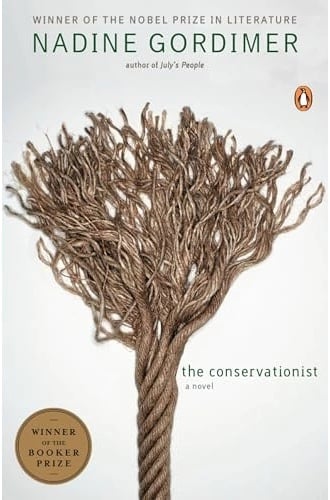
Start this bookNo. 14 on this list. The Conservationist · Nadine Gordimer · 1974
Mehring, a wealthy Johannesburg industrialist, has purchased a farm outside the city—less for profit than as refuge from his collapsing marriage, his estranged radical son, and his unsatisfying affair. When a dead Black man is found on his land, hastily buried by police who cannot identify the body, Mehring treats it as bureaucratic nuisance rather than moral crisis. He prides himself on being a progressive landowner who pays fair wages and respects his workers, yet his liberalism cannot acknowledge the corpse as ancestral claim or historical reckoning. Gordimer narrates through Mehring's evasive consciousness, her prose registering the minutiae of farm management—cattle diseases, pasture conditions, labor arrangements—while circling obsessively around the burial site he tries to forget. The narrative crosscuts between his weekend visits and the farm's rhythms in his absence, where workers Jacobus and Solomon maintain routines inflected by meanings Mehring cannot access. When floods exhume the body, the workers perform proper burial rites, restoring him to the land in ceremonies that supersede Mehring's title deeds. Gordimer withholds resolution: Mehring remains uncomprehending, his ownership revealed as legal fiction layered atop deeper claims the novel anatomizes but does not resolve.
Challenging7.2 hours
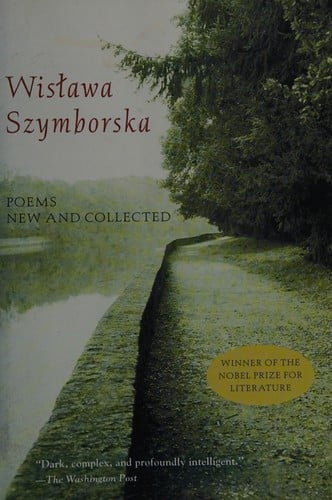
Start this bookNo. 15 on this list. Poems New and Collected · Wisława Szymborska · 1998
Szymborska's retrospective gathers five decades of work in what would become the definitive English collection. Her poems are deceptively simple—short, conversational, funny—while containing philosophical depths. She writes about clouds and dreams and history, about the way reality keeps being stranger than our categories. 'I am who I am. / A coincidence no less unthinkable / than any other.' She won the Nobel in 1996, and these poems show why: a voice at once modest and vast, finding wonder in ordinary things.
Challenging2.7 hours
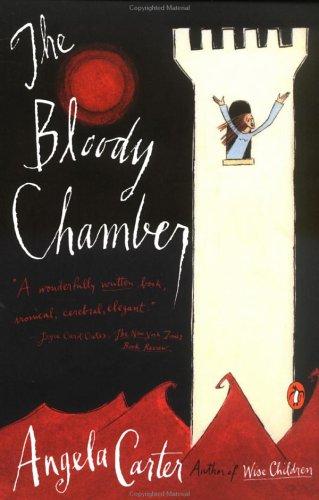
Start this bookNo. 16 on this list. The Bloody Chamber · Angela Carter · 1979
Taught in schools: OCR GCSE and A-level English Literature (UK)
The Bloody Chamber is among the most-taught works of feminist fiction in British and American university literature programs, appearing on A-level and undergraduate syllabi across the English-speaking world for over four decades. It anchors feminist fairy tale criticism as a field and appears on most 20th-century fiction retrospective lists. Its canonical standing exceeds Infinite Jest (78) in terms of institutional adoption.
Difficult7.2 hours
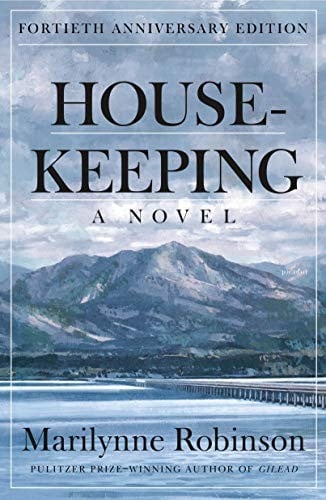
Start this bookNo. 17 on this list. Housekeeping · Marilynne Robinson · 1980
The most beautiful first novel of its generation. Ruth and Lucille's lives in Fingerbone, Idaho, Sylvie's transient existence—Robinson wrote prose like no one else. Core text in American literature courses. The novel launched a major career.
Challenging4.7 hours
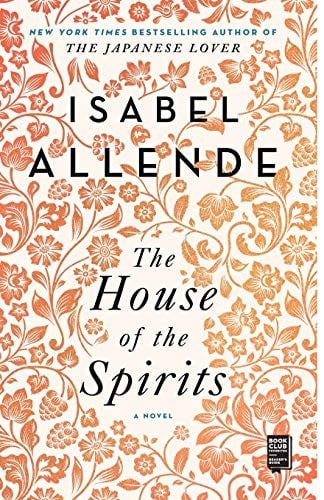
Start this bookNo. 18 on this list. The House of the Spirits · Isabel Allende · 1982
Taught in schools: Literatura, Diseño Curricular – Provincia de Buenos Aires (Argentina), UNAM Escuela Nacional Preparatoria – programas de Literatura (Mexico)
The House of the Spirits appears on a substantial number of university syllabi in Latin American literature, world literature, and postcolonial studies courses across the US and Europe. It features on several '100 best novels' lists and is considered essential reading in its genre. While not as universally assigned as canonical Anglo-American works, it holds a firm place in the world literature curriculum, particularly in Spanish-language departments and courses on magical realism.
Challenging19 hours
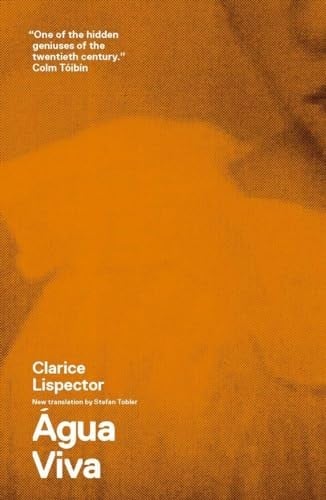
Start this bookNo. 19 on this list. Água Viva · Clarice Lispector · 1973
The unnamed narrator of Água Viva is a painter who has turned to words — not to tell a story but to capture the precise texture of the present moment before it slips away. She writes to an unnamed 'you': about caves lined with bats, about a rose that lasted a week because it felt admired, about wild horses in mountain meadows, about the body as a typewriter that demands and demands. There are no chapters, no plot, no characters other than this voice and its recipient. What accumulates instead is a philosophy of the instant: Lispector's attempt to seize the 'is' of things, the 'it' that exists just below language, just beyond thought. The sentences move from fragments to long meditative surges, from declarations of joy to confessions of terror to sudden hallelujahs. Reading it feels less like following a narrative and more like listening to someone think out loud with total commitment and no safety net. It is one of the strangest books in the Brazilian canon — neither novel nor essay nor prose poem but all three at once, vibrating at the frequency of consciousness itself.
Difficult3.2 hours
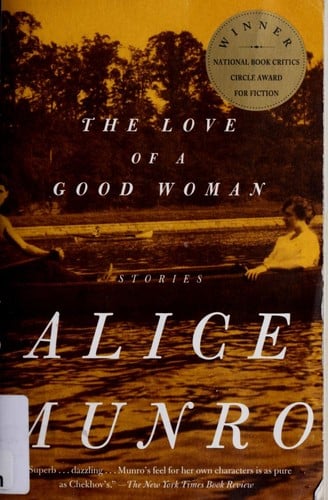
Start this bookNo. 20 on this list. The Love of a Good Woman · Alice Munro · 1998
One of Munro's most celebrated collections, winner of the Giller Prize and the National Book Critics Circle Award. The title story is often cited as her finest single work.
Moderate5.9 hours
Start this book
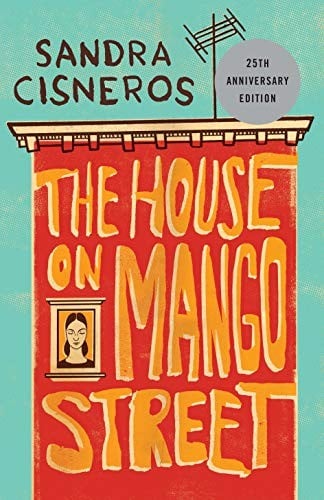
No. 21 on this list. The House on Mango Street · Sandra Cisneros · 1984
Taught in schools: CSEC English B – Caribbean Examinations Council, Pacific Senior Secondary Certificate – English
One of the most widely taught works in American secondary and university curricula, particularly in Chicano/Latino literature, women's studies, and multicultural American literature courses. It has appeared on thousands of syllabi since the 1980s and is included on numerous lists of essential American literary texts, placing it firmly in the secondary canon alongside works like Beloved.
Moderate1.4 hours
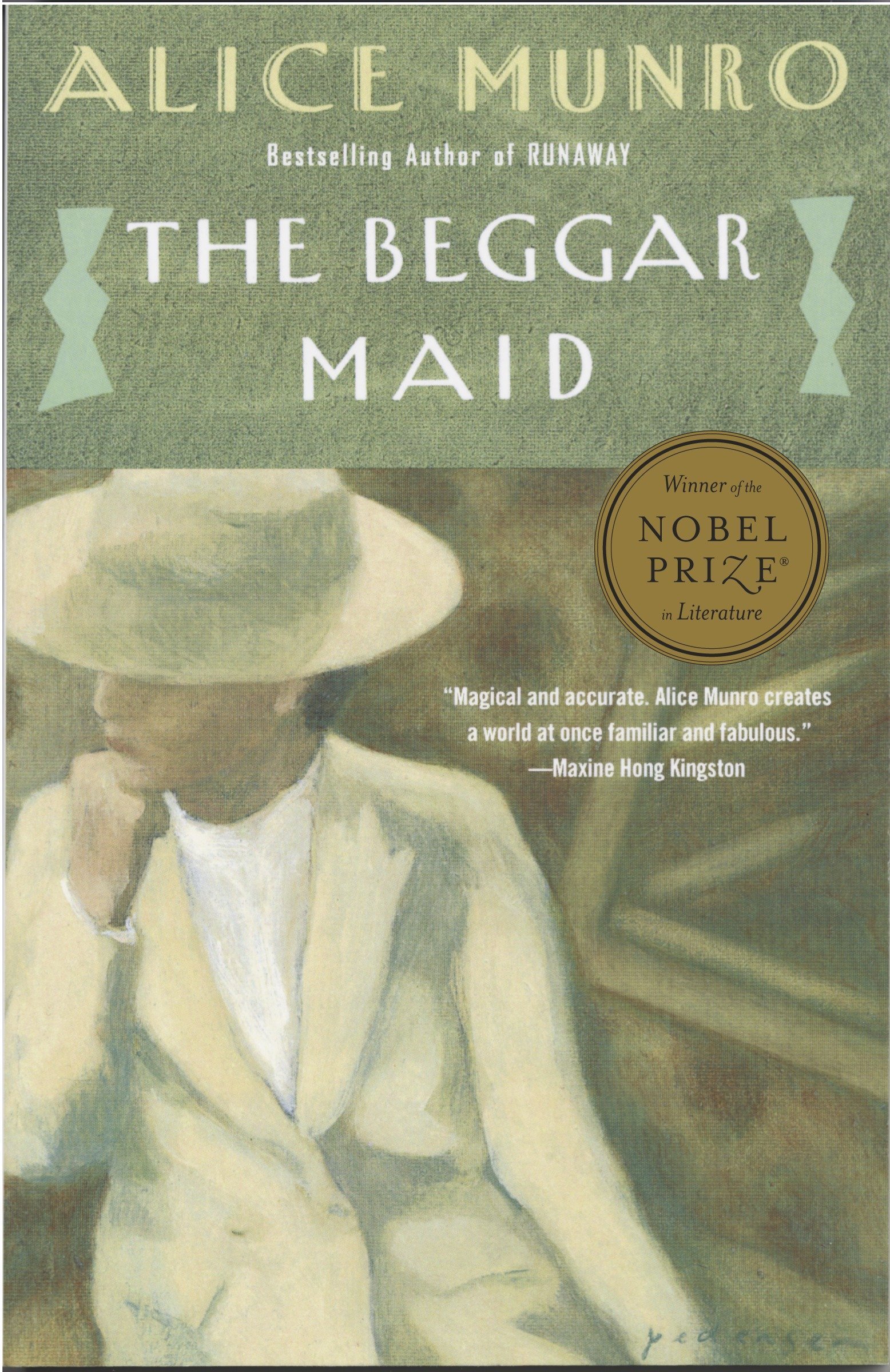
Start this bookNo. 22 on this list. The Beggar Maid · Alice Munro · 1980
Widely taught in Canadian literature courses and short fiction seminars as exemplary of Munro's mastery and the linked story collection form. The book helped establish Munro's international reputation and remains central to discussions of contemporary short fiction. It's considered essential reading for understanding both Canadian literature and the possibilities of the story cycle.
Moderate5.7 hours
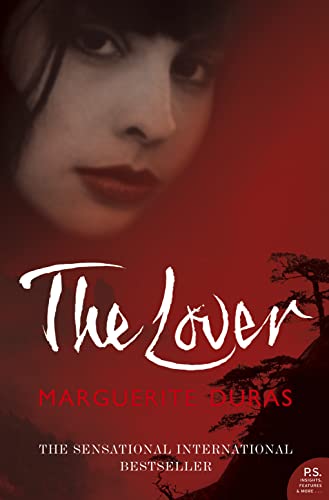
Start this bookNo. 23 on this list. The Lover · Marguerite Duras · 1984
Winner of the 1984 Prix Goncourt, 'The Lover' is widely taught in French literature, world literature, and women's studies courses. It is considered a landmark of autofiction and postcolonial literature. Its compact brilliance and thematic richness have secured its place in the modern canon.
Challenging2.4 hours
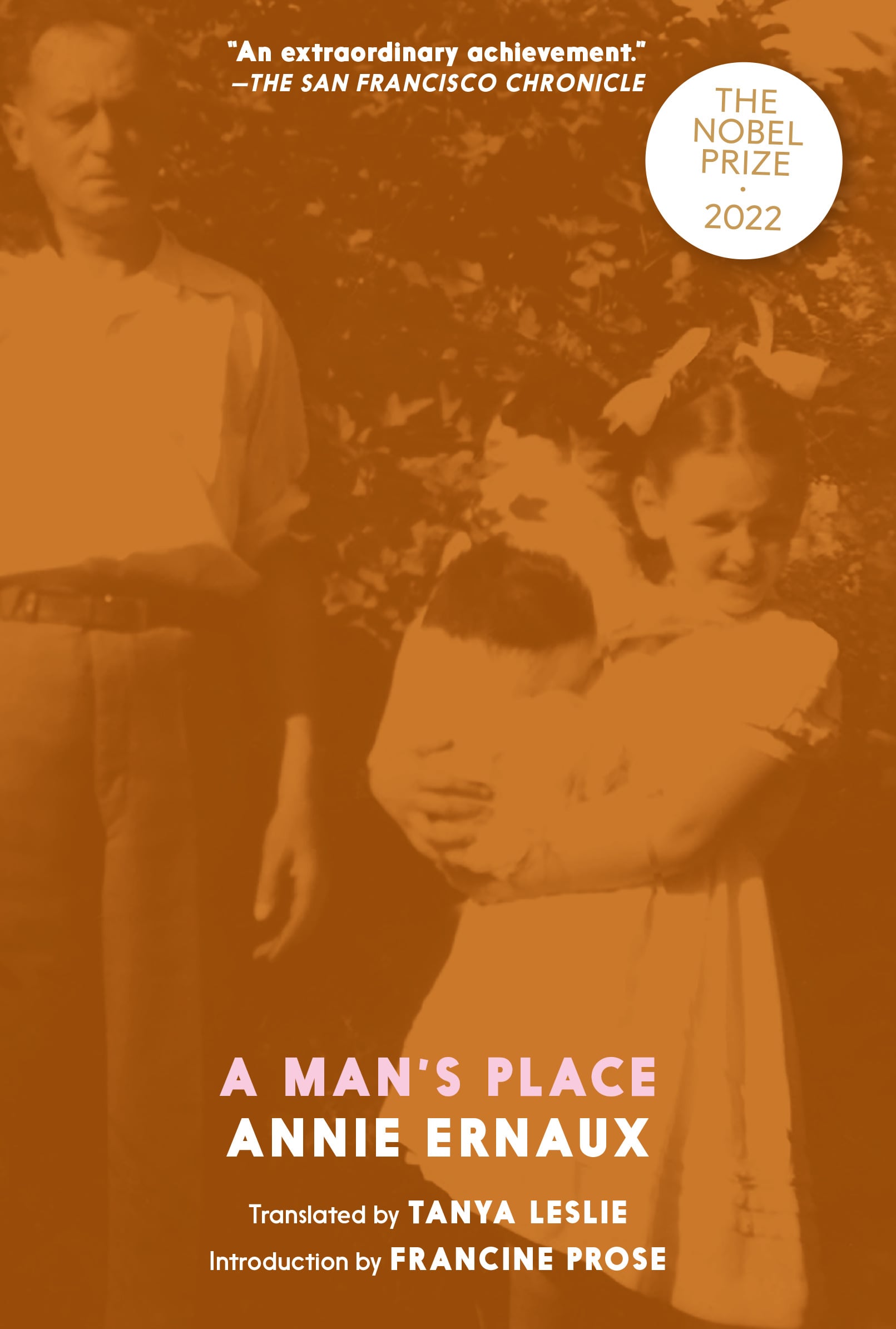
Start this bookNo. 24 on this list. A Man's Place · Annie Ernaux · 1983
A Man's Place (La Place) is widely taught in French literature courses and is considered one of the defining texts of autofiction. Winner of the Prix Renaudot in 1984, it has been translated into dozens of languages and appears on university reading lists across Europe and North America. Its place in the French literary canon is secure, though its international syllabi presence remains below that of Anglophone equivalents.
Challenging1.5 hours
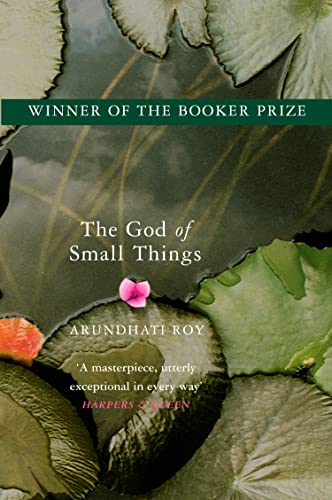
Start this bookNo. 25 on this list. The God of Small Things · Arundhati Roy · 1997
Taught in schools: AQA GCSE and A-level English Literature (UK)
The God of Small Things achieved rapid canonical recognition following its 1997 publication and Booker Prize victory. It became a staple of contemporary literary curricula and global literature syllabi, particularly notable as the first novel by an Indian author to win the Booker in the award's history. Its canonical position reflects both literary merit and cultural significance.
Challenging8.1 hours
Start this bookNo. 26 on this list. Play It as It Lays · Joan Didion · 1970
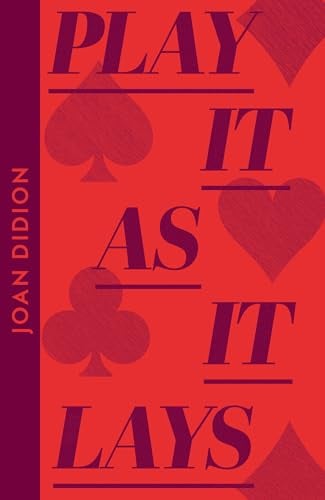
Named to TIME's All-TIME 100 Novels (2005) and the Open Syllabus Top 500 Literature list. Appears on 250 university syllabi — the 59.9th percentile — taught in American literature, women's writing, and postmodern fiction courses. The NYRB Classics edition signals sustained readerly and scholarly investment.
Challenging2.5 hours
Start this bookNo. 27 on this list. Ceremony · Leslie Marmon Silko · 1977
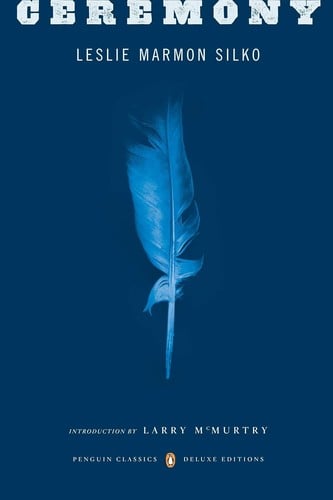
Tayo comes home from the Pacific War unable to sleep. The voices won't stop—Japanese soldiers shouting, his uncle Josiah calling to him through jungle heat, his cousin Rocky dying in the mud of a prison march. The VA hospital calls it battle fatigue. His grandmother calls for a medicine man. The land around Laguna Pueblo is in its sixth year of drought, and Tayo believes, with a guilt that sits in his stomach like a stone, that he caused it—that his wartime curse against the rain followed him home. Silko writes two novels at once: a realist account of a mixed-blood veteran's breakdown and his slow return to the living, and a mythic narrative of Laguna ceremony, the stories of Thought-Woman and Reed Woman and Hummingbird woven directly into the prose as poetry. The two registers don't sit beside each other—they bleed into each other, memory becoming hallucination, hallucination becoming vision, vision becoming healing. The spotted Mexican cattle Josiah bought before the war, wild and drought-adapted and worth finding, serve as Tayo's purpose and his proof that something can survive. The novel ends with resolution—Tayo completes his ceremony, the rain returns—but not before Silko has made plain what was nearly lost: the web of story that holds a people together, which colonial schooling nearly succeeded in cutting. This is a novel about what stories do when they are the only medicine left.
Challenging7 hours
Start this bookNo. 28 on this list. To Kill a Mockingbird · Harper Lee · 1961
Taught in schools: Cambridge IGCSE Literature in English (0475), Common Core text exemplars (Appendix B) (US), CSEC English B – Caribbean Examinations Council
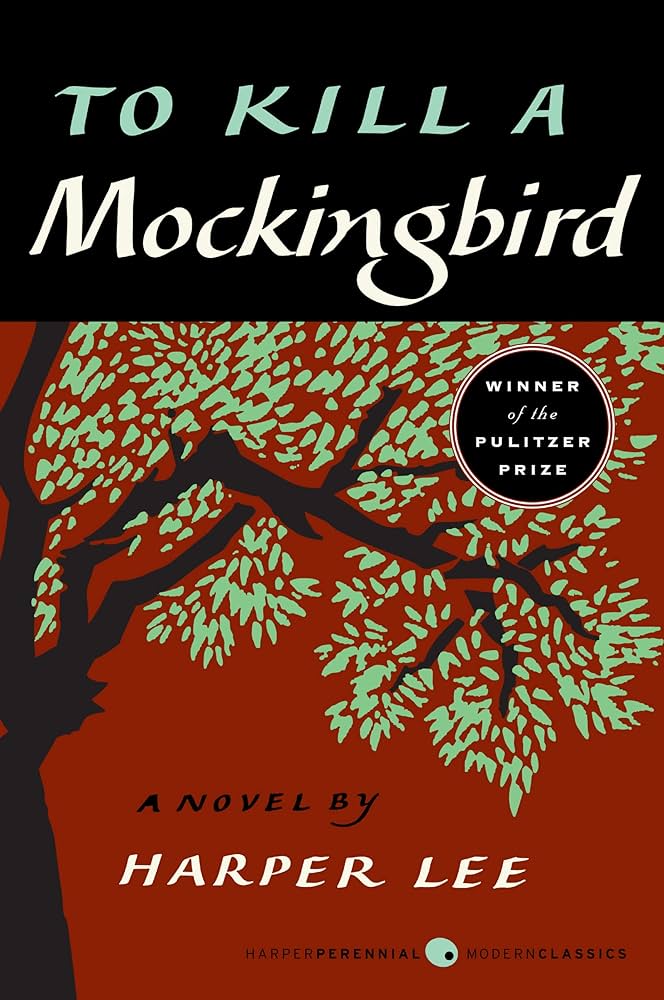
Appears on 1,674 university syllabi (80.6th percentile, Open Syllabus Project) and is a fixture of American high school and university English curricula. Wikipedia articles exist in 58 languages with dedicated reception and adaptations sections. Published by four prestige houses — Library of America, Everyman's Library, Penguin Classics, and Penguin Modern Classics — confirming its standing in the Western canon.
Moderate6.3 hours
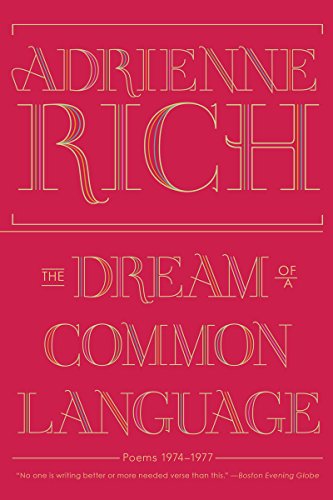
Start this bookNo. 29 on this list. The Dream of a Common Language · Adrienne Rich · 1978
The Dream of a Common Language is taught widely in feminist literary studies, women's poetry, and American poetry courses at the university level. It has no dedicated Wikipedia article in the database but Rich herself is a foundational figure in the canon of late twentieth-century American poetry, and this collection is consistently cited as central to her legacy and to the feminist poetry movement of the 1970s.
Challenging1.1 hours
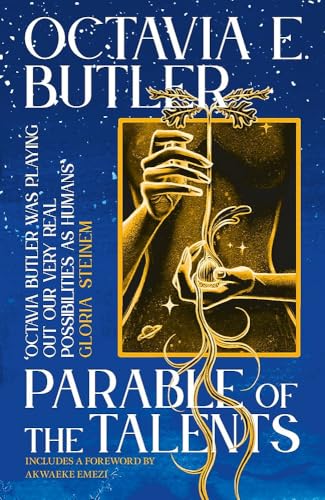
Start this bookNo. 30 on this list. Parable of the Talents · Octavia E. Butler · 1998
Winner of the Nebula Award for Best Novel (1999). Widely taught in speculative fiction, Afrofuturism, and American dystopia courses. The Parable duology is among the most assigned works in contemporary SF syllabi and is firmly canonical within the genre; its canonical standing in broader American literary culture continues to grow.
Challenging13 hours
Start this book
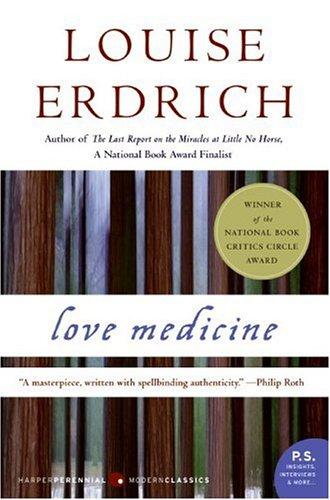
No. 31 on this list. Love Medicine
Louise Erdrich · 1984
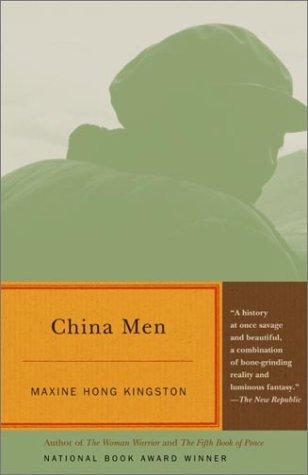
No. 32 on this list. China Men
Maxine Hong Kingston · 1980
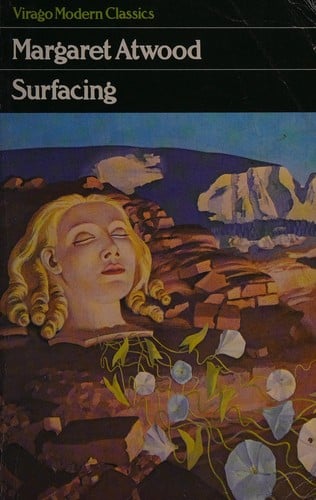
No. 33 on this list. Surfacing
Margaret Atwood · 1972
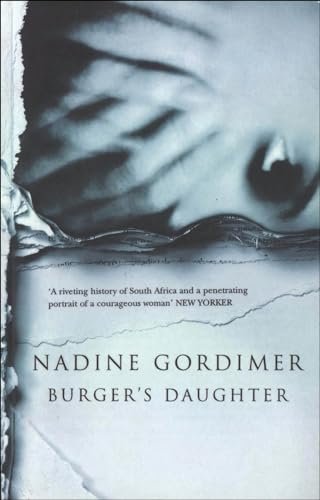
No. 34 on this list. Burger's Daughter
Nadine Gordimer · 1979
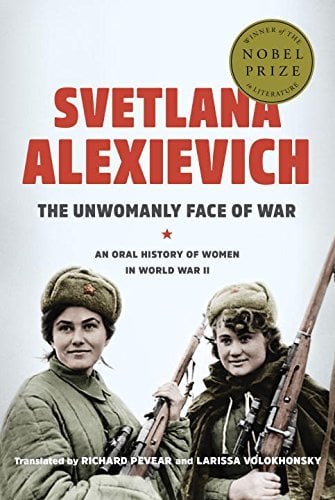
No. 35 on this list. The Unwomanly Face of War
Svetlana Alexievich · 1985
Taught in schools: Lithuanian literature curriculum (lietuvių kalba ir literatūra), UNAM Escuela Nacional Preparatoria – programas de Literatura (Mexico)
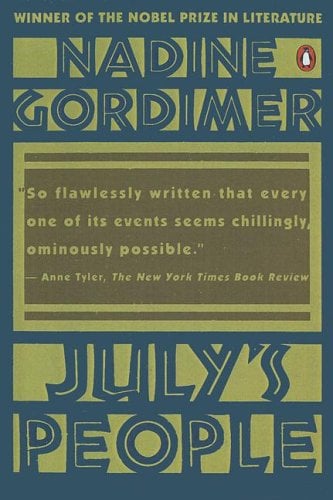
No. 36 on this list. July's People
Nadine Gordimer · 1981
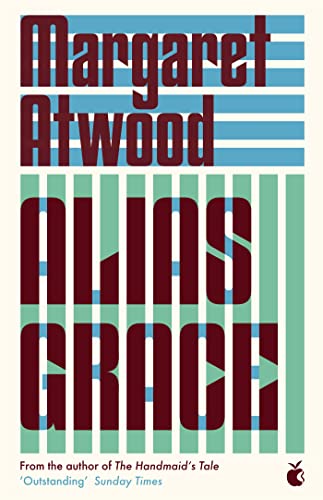
No. 37 on this list. Alias Grace
Margaret Atwood · 1996
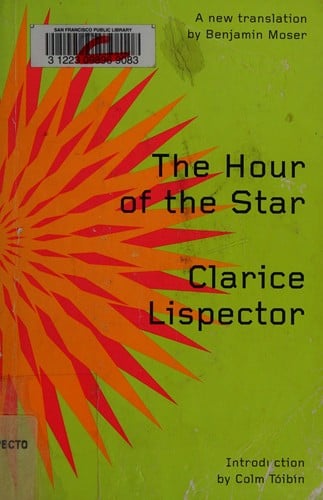
No. 38 on this list. The Hour of the Star
Clarice Lispector · 1977
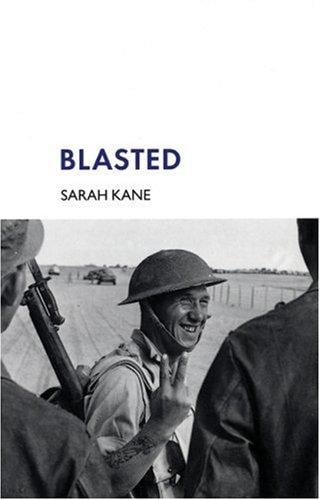
No. 39 on this list. Blasted
Sarah Kane · 1995
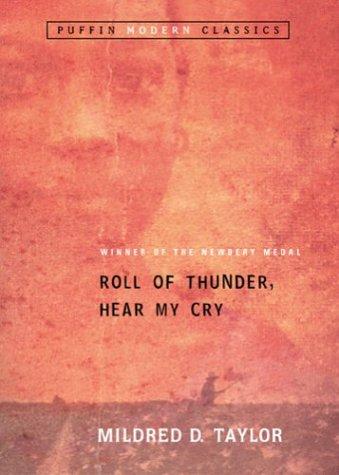
No. 40 on this list. Roll of Thunder, Hear My Cry
Mildred D. Taylor · 1976
Taught in schools: CSEC English B – Caribbean Examinations Council, Singapore-Cambridge GCE O-Level Literature in English (2065)
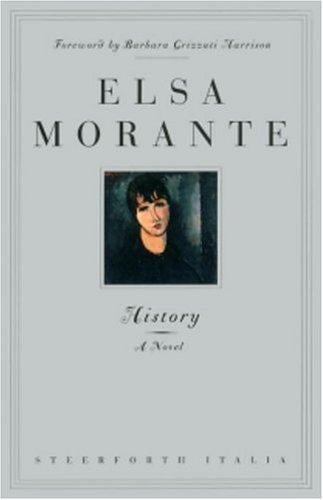
No. 41 on this list. History: A Novel
Elsa Morante · 1974
Included in: Bokklubben World Library
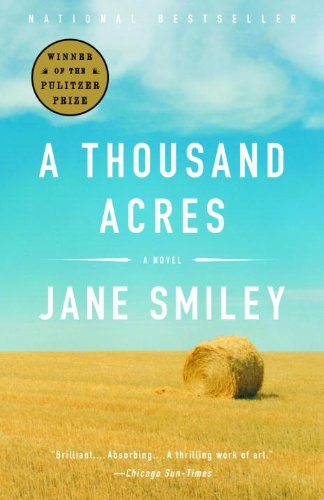
No. 42 on this list. A Thousand Acres
Jane Smiley · 1992
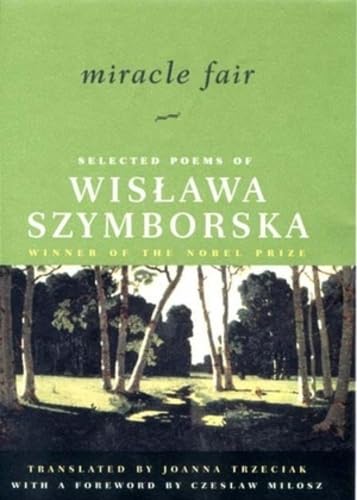
No. 43 on this list. Selected Poems of Wisława Szymborska
Wisława Szymborska · 1998
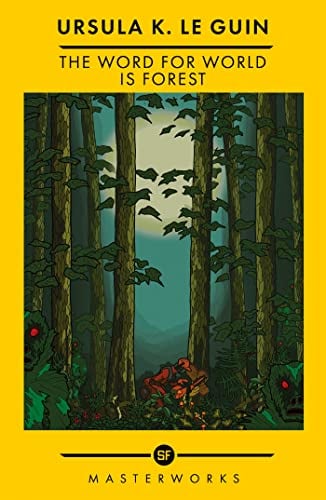
No. 44 on this list. The Word for World Is Forest
Ursula K Le Guin · 1972
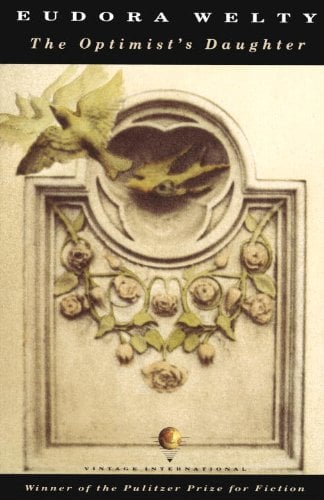
No. 45 on this list. The Optimist's Daughter
Eudora Welty · 1973
No. 46 on this list. Glass, Irony and God
Anne Carson · 1995
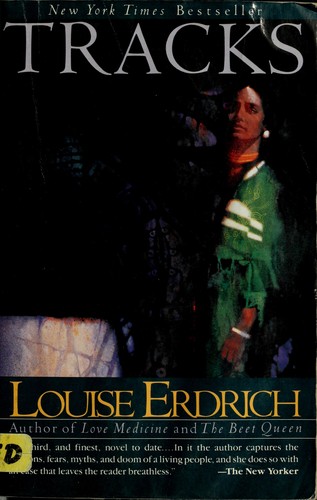
No. 47 on this list. Tracks
Louise Erdrich · 1988
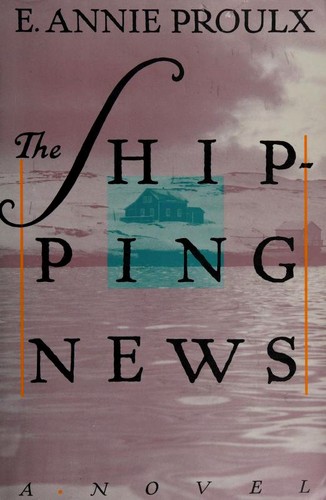
No. 48 on this list. The Shipping News
E. Annie Proulx · 1993
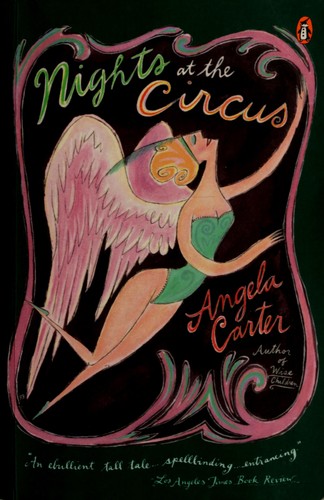
No. 49 on this list. Nights at the Circus
Angela Carter · 1984
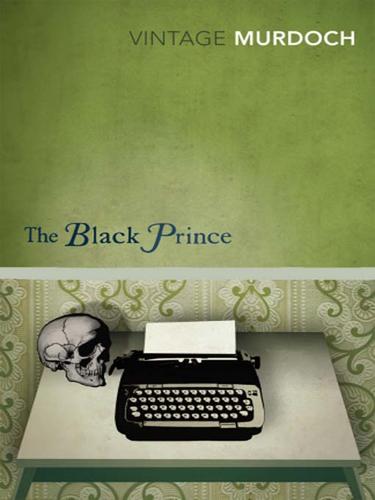
No. 50 on this list. The Black Prince
Iris Murdoch · 1973

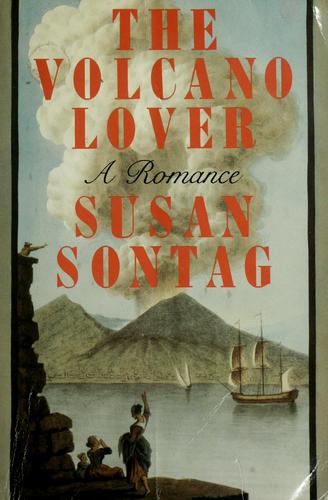
No. 51 on this list. The Volcano Lover: A Romance
Susan Sontag · 1992
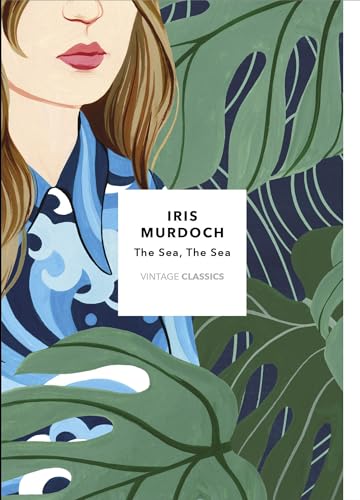
No. 52 on this list. The Sea, The Sea
Iris Murdoch · 1978
No. 53 on this list. Storyteller
Leslie Marmon Silko · 1981
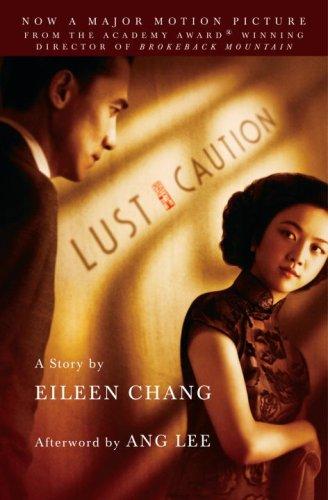
No. 54 on this list. Lust, Caution
Eileen Chang · 1979
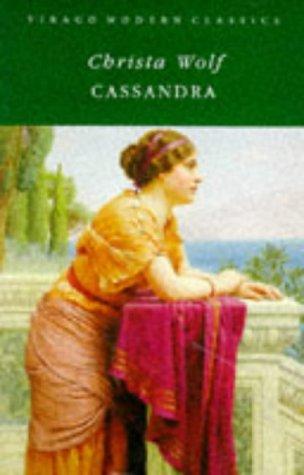
No. 55 on this list. Cassandra
Christa Wolf · 1983
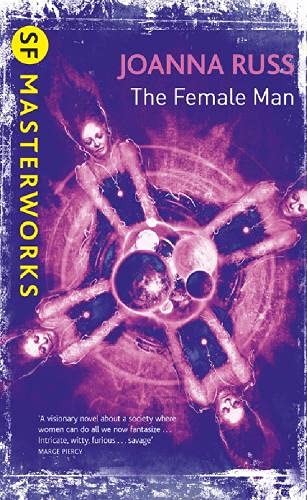
No. 56 on this list. The Female Man
Joanna Russ · 1975
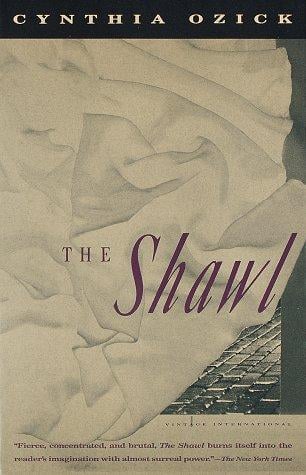
No. 57 on this list. The Shawl
Cynthia Ozick · 1989
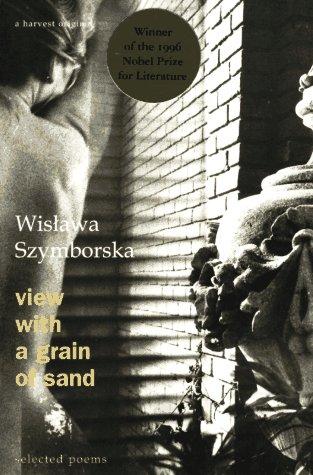
No. 58 on this list. View with a Grain of Sand
Wisława Szymborska · 1995
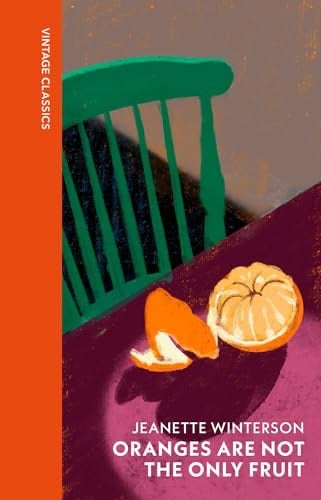
No. 59 on this list. Oranges Are Not the Only Fruit
Jeanette Winterson · 1985
Taught in schools: AQA GCSE and A-level English Literature (UK), WJEC/Eduqas GCSE and A-level English Literature (UK)
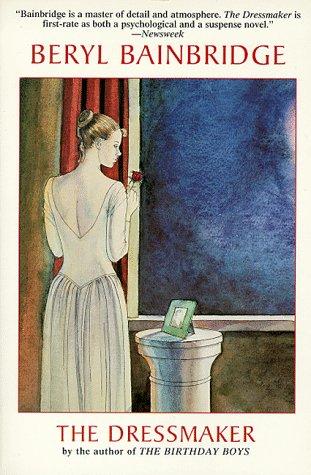
No. 60 on this list. The Dressmaker
Beryl Bainbridge · 1973
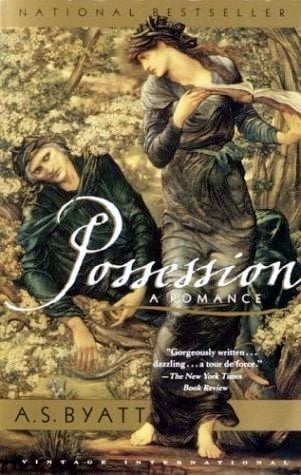
No. 61 on this list. Possession
A.S. Byatt · 1990
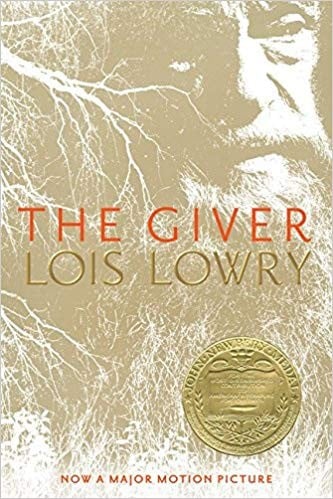
No. 62 on this list. The Giver
Lois Lowry · 1993
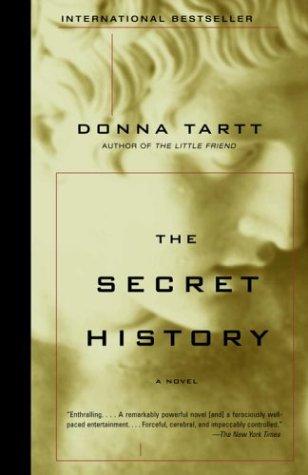
No. 63 on this list. The Secret History
Donna Tartt · 1992
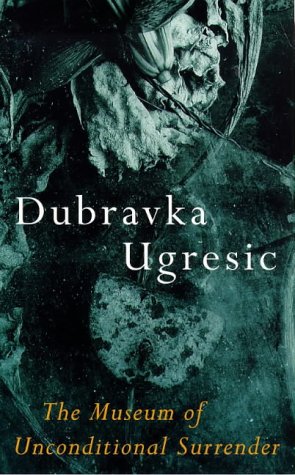
No. 64 on this list. The Museum of Unconditional Surrender
Dubravka Ugrešić · 1997
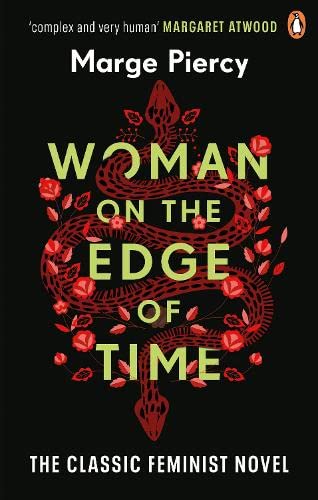
No. 65 on this list. Woman on the Edge of Time
Marge Piercy · 1976
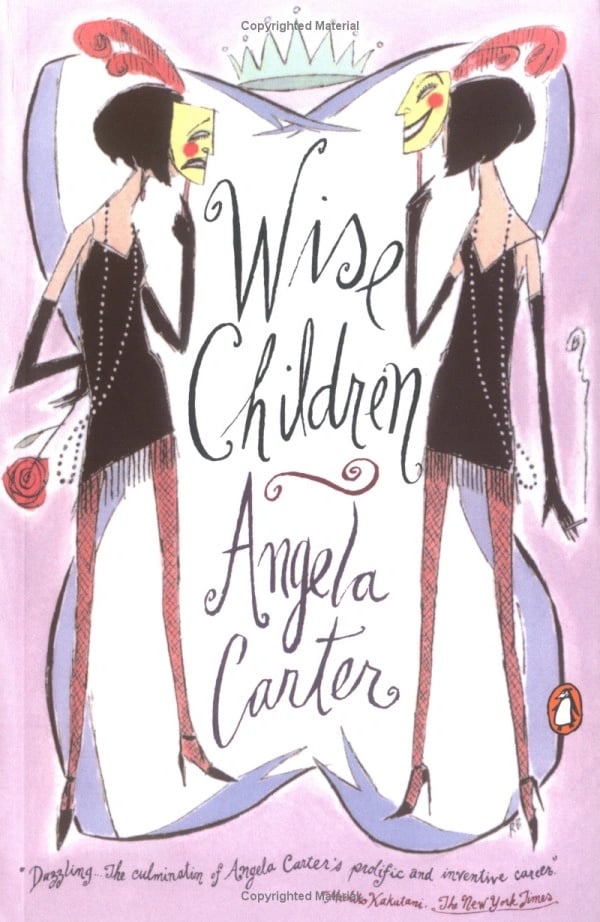
No. 66 on this list. Wise Children
Angela Carter · 1991
Taught in schools: AQA GCSE and A-level English Literature (UK)
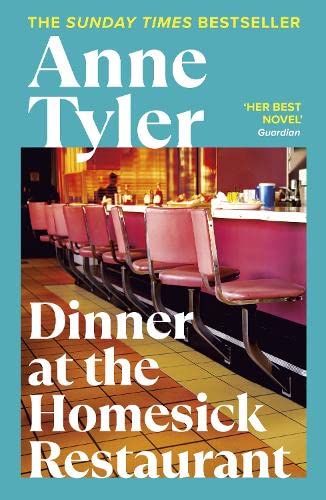
No. 67 on this list. Dinner at the Homesick Restaurant
Anne Tyler · 1982
No. 68 on this list. So Long a Letter
Mariama Bâ · 1979
Taught in schools: CSEC English B – Caribbean Examinations Council
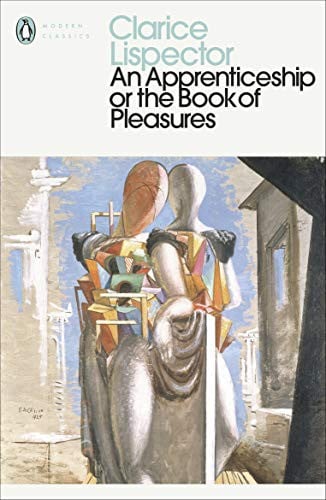
No. 69 on this list. An Apprenticeship or The Book of Pleasures
Clarice Lispector · 1969
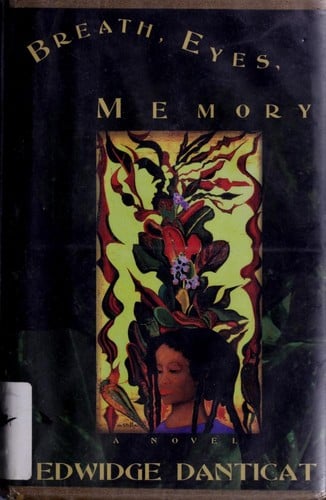
No. 70 on this list. Breath, Eyes, Memory
Edwidge Danticat · 1994
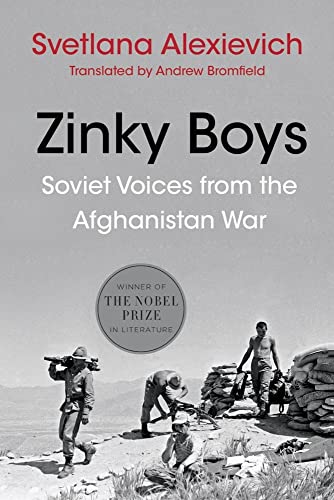
No. 71 on this list. Zinky Boys
Svetlana Alexievich · 1991
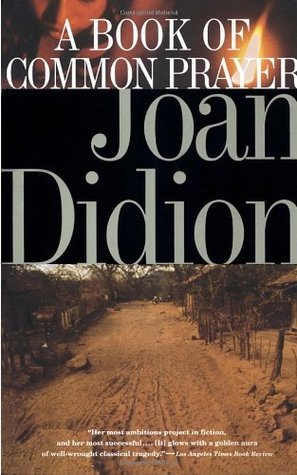
No. 72 on this list. A Book of Common Prayer
Joan Didion · 1977
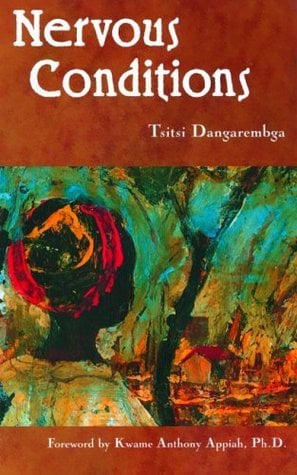
No. 73 on this list. Nervous Conditions
Tsitsi Dangarembga · 1988
Taught in schools: Lesotho literature in English
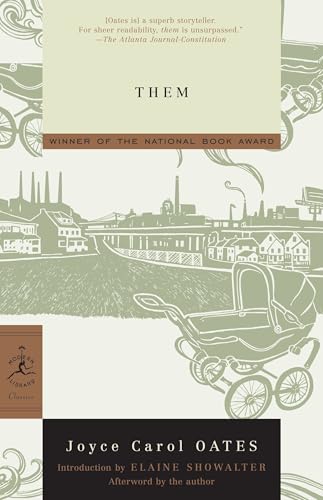
No. 74 on this list. Them
Joyce Carol Oates · 1970
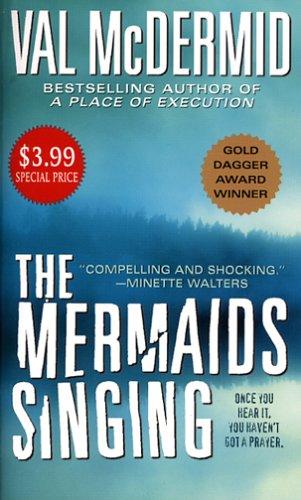
No. 75 on this list. The Mermaids Singing
Val McDermid · 1995
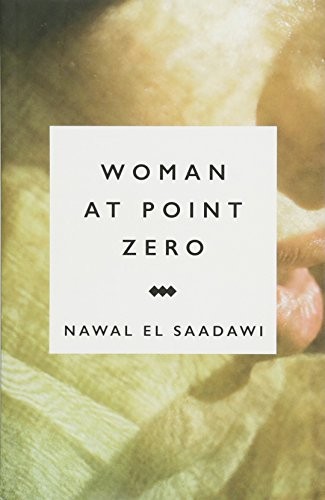
No. 76 on this list. Woman at Point Zero
Nawal El Saadawi · 1975
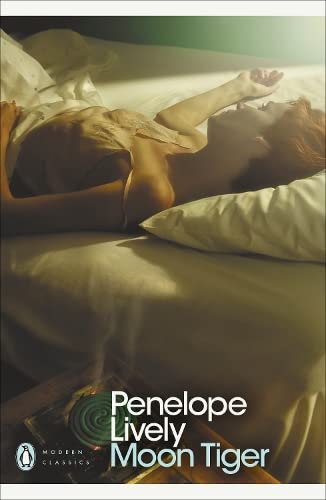
No. 77 on this list. Moon Tiger
Penelope Lively · 1987
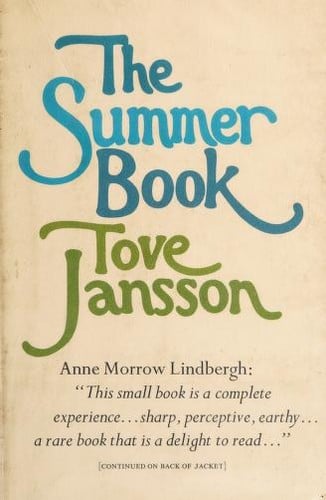
No. 78 on this list. The Summer Book
Tove Jansson · 1972
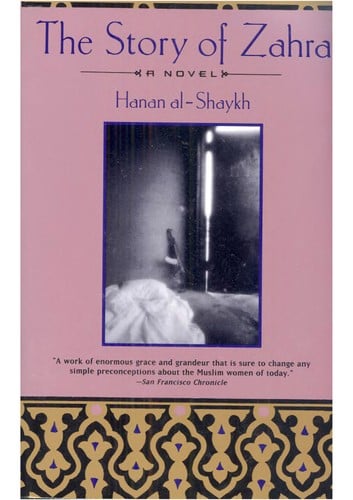
No. 79 on this list. The Story of Zahra
Hanan al-Shaykh · 1980
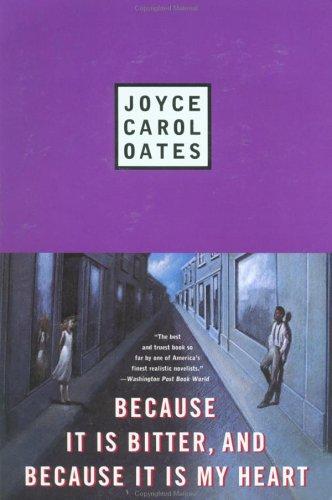
No. 80 on this list. Because It Is Bitter, and Because It Is My Heart
Joyce Carol Oates · 1990
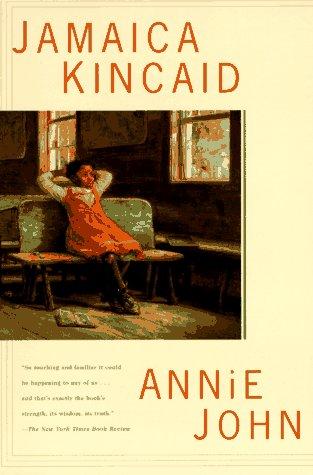
No. 81 on this list. Annie John
Jamaica Kincaid · 1985
Taught in schools: CSEC English B – Caribbean Examinations Council
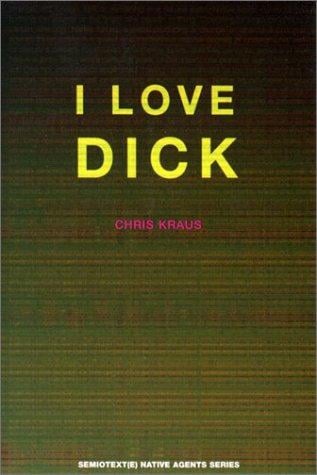
No. 82 on this list. I Love Dick
Chris Kraus · 1997
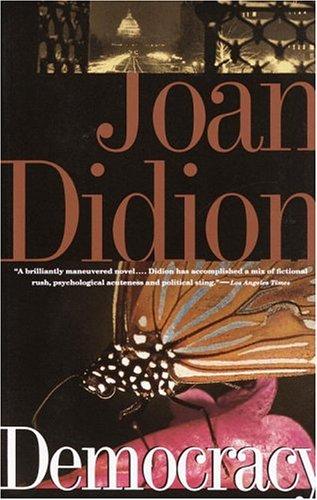
No. 83 on this list. Democracy
Joan Didion · 1984
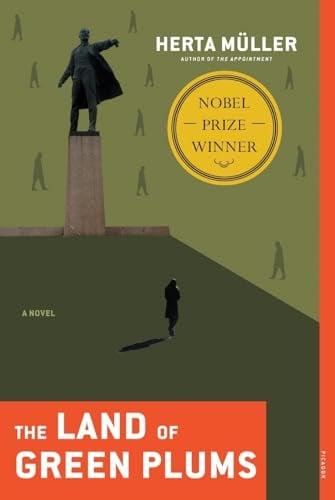
No. 84 on this list. The Land of Green Plums
Herta Müller · 1998
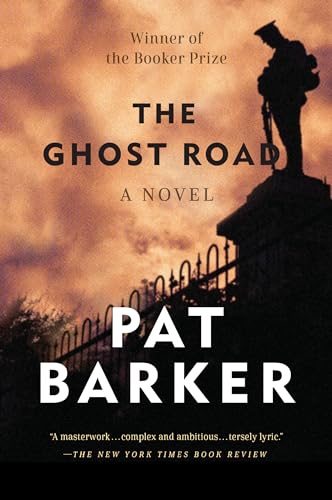
No. 85 on this list. The Ghost Road
Pat Barker · 1995
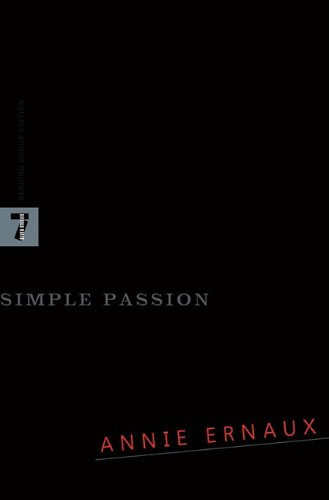
No. 86 on this list. Simple Passion
Annie Ernaux · 1991
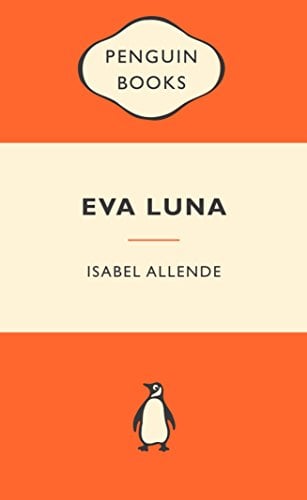
No. 87 on this list. Eva Luna
Isabel Allende · 1987
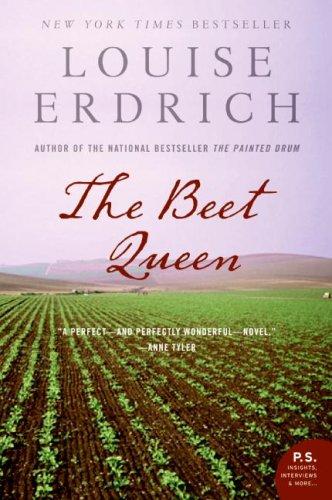
No. 88 on this list. The Beet Queen
Louise Erdrich · 1986
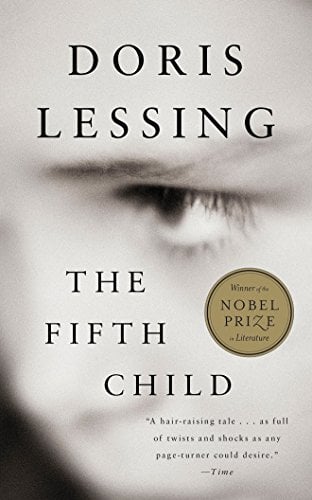
No. 89 on this list. The Fifth Child
Doris Lessing · 1988
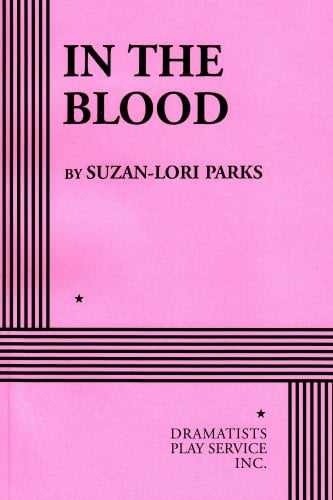
No. 90 on this list. In the Blood
Suzan-Lori Parks · 1999
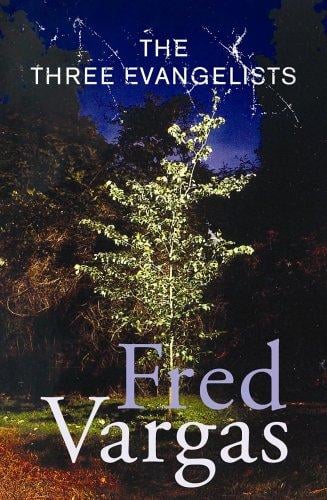
No. 91 on this list. The Three Evangelists
Fred Vargas · 1995
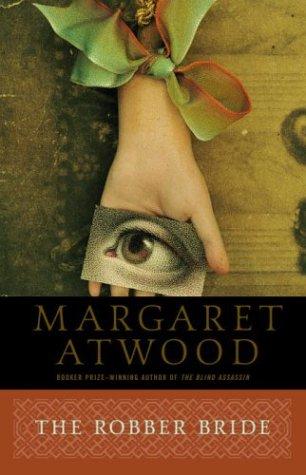
No. 92 on this list. The Robber Bride
Margaret Atwood · 1993
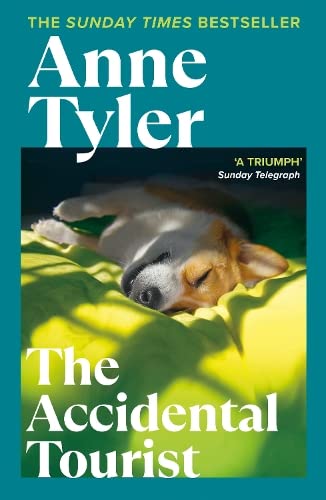
No. 93 on this list. The Accidental Tourist
Anne Tyler · 1985
No. 94 on this list. Regeneration
Pat Barker · 1991
Taught in schools: AQA GCSE and A-level English Literature (UK)
No. 95 on this list. The Driver's Seat
Muriel Spark · 1970
No. 96 on this list. Woman Hollering Creek and Other Stories
Sandra Cisneros · 1991
No. 97 on this list. The Joy Luck Club
Amy Tan · 1989
Taught in schools: Common Core text exemplars (Appendix B) (US)
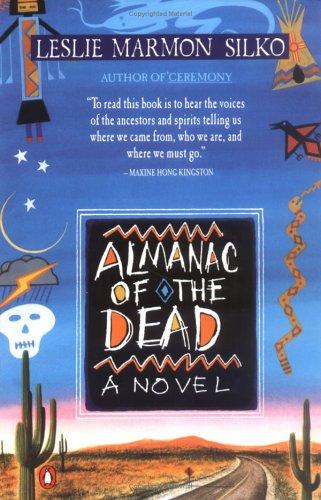
No. 98 on this list. Almanac of the Dead
Leslie Marmon Silko · 1991
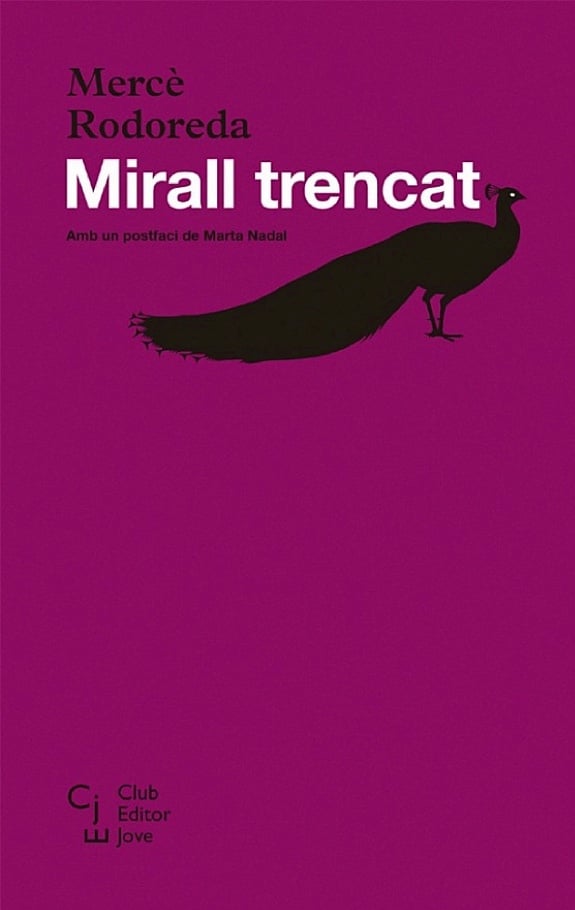
No. 99 on this list. A Broken Mirror
Mercè Rodoreda · 1974
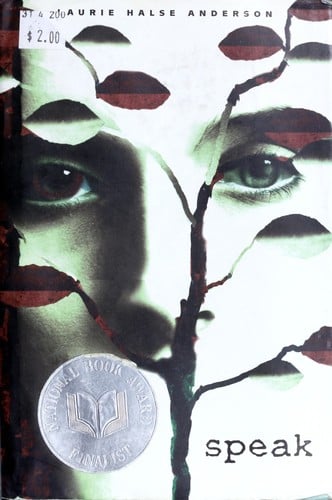
No. 100 on this list. Speak
Laurie Halse Anderson · 1999
About this list
These 100 books are the highest-scoring eligible books of the late 20th century by women currently in the catalogue. About 681 hours of reading in all. Difficulty runs from 49 to 68 out of 100 for the middle half of the list; the summit is The Volcano Lover: A Romance at 79.
This list is ranked by literary regard, with a consistent order for equal scores. Membership follows authors and co-authors, not translators or editors. A book is here when ReadingRate files it under Late 20th Century Literature as one of its primary reading domains, and only when its author’s lifetime places it in the period. Catalogue coverage and the historical canon both limit what this list can represent.
When we matched the Canons dataset to our catalogue in October 2026, our canonical-status scores rose with the number of school curricula, publisher series and lists in it that cite a work: the median score was 72 for books one such source cites, 84 at two, 88 at three, 92 at four and 93 at five or more. Prizes are left out of that count. Outside the state curricula, the dataset’s sources choose mostly from what has been translated into English or French, so it is a weaker check on other literatures. Source: Canons (Andrew Piper), CC BY 4.0
Questions people actually ask
- What are the best books of the late 20th century by women?
- By literary regard, which weighs canonical status, critical standing and influence: Beloved by Toni Morrison, Song of Solomon by Toni Morrison, Lilith's Brood by Octavia E. Butler, Friend of My Youth by Alice Munro and The Bluest Eye by Toni Morrison. ReadingRate ranks 100 such books, each with a difficulty score and a reading-time estimate.
- Which books of the late 20th century by women should I read first?
- Start from difficulty, not from rank. The most approachable books on this list that still carry top literary regard are Borderlands/La Frontera: The New Mestiza by Gloria Anzaldua (about 2.7 hours), The Love of a Good Woman by Alice Munro and The Color Purple by Alice Walker.
- What are the shortest of the best books of the late 20th century by women?
- Among the top 25, the shortest are Geography III by Elizabeth Bishop (about 37 min), The Ones Who Walk Away from Omelas by Ursula K Le Guin (about 40 min) and Diving into the Wreck by Adrienne Rich (about 47 min), at an average pace of 250 words a minute adjusted for each book's difficulty.
- Which of the best books of the late 20th century by women are the established classics?
- By canonical status, how firmly a book sits in curricula, anthologies and the canon: Beloved by Toni Morrison, To Kill a Mockingbird by Harper Lee, The Bluest Eye by Toni Morrison, Song of Solomon by Toni Morrison and Friend of My Youth by Alice Munro.
- How long would it take to read the top ten?
- About 79 hours, at an average pace of 250 words a minute adjusted for each book's difficulty: 40 days at two hours a day. Set your own pace on the page and the list's reading times change to it.
- How hard are books of the late 20th century by women to read?
- Most of this list sits between 49 and 68 on ReadingRate's 100-point difficulty scale, where 40 to 55 is moderate. The summit is The Volcano Lover: A Romance at 79. Every entry carries its own score, so a reader can pick a great book at a difficulty they will finish.
- How is this list ranked?
- On literary-regard data: how canonically established a work is, its critical standing, and its influence on later writing. It is not a readers’ poll, which is why recent bestsellers rarely appear. Membership follows authors and co-authors, not translators or editors. Lists by country, author, period, theme or difficulty keep to literature (fiction, poetry, drama and philosophy), their novels, poems and plays first and their philosophy after them; a list of a kind of book, such as memoir or criticism, keeps every book of that kind. Every list holds at most three works by one author. A book is here when ReadingRate files it under Late 20th Century Literature as one of its primary reading domains, and only when its author’s lifetime places it in the period.